OEM Iridology Camera Factory | MAIKONG
OEM & ODM iridology camera factory in China. Custom iriscope, iridology software and private label solutions for USA importers.

Private‑label packaging and documentation checklist for Canadian iridology retailers
October 26, 2026

Quick answer
For Canadian retail of private‑label iris imaging devices, start by specifying bilingual (English/French) essential text, a clear supplier/importer contact line, and a minimum document set: bilingual quick‑start, bilingual full manual, warranty card, safety declaration and traceability labels (lot/serial). Request supplier proofs: print‑ready artwork, pre‑production sample, and declared certification documents (company‑declared ISO 9001, CE, ISO 13485 where held). Verify locally whether your product is classed as a medical device, confirm electrical/plug compatibility and battery shipping rules, and obtain GTIN/barcode registration for e‑commerce. For a private‑label quote or sample aligned to Canadian retail, contact Lucy@myiridology.us or WhatsApp +86 135-1090-7401.
Contents
Direct answer: what Canadian retailers and private‑label brands must do first
First, define which texts will appear where and in which language. That single decision — whether you use a single bilingual box and manual or separate English and French materials — drives artwork, translation scope and print costs. Immediately ask your supplier for:
- Print‑ready artwork (PDF, AI) with editable text layers for both EN/FR.
- A pre‑production sample with the exact label and manual copy, and photos of the sample in retail packaging.
- Declared certification documents the factory can provide (we declare ISO 9001, CE and ISO 13485 where applicable) and an explicit statement about what tests were not performed.
- Manufacturer confirmation of serial/lot coding and barcode placement options for retail shelving and e‑commerce.
Once those elements are confirmed you can finalise bilingual copy, order a physical proof and book freight knowing packaging, labelling and regulatory unknowns are minimised.
Why bilingual (English/French) packaging matters in Canada — practical scope for wellness tools
Canada’s marketplace expects consumer‑facing information in both English and French for products sold nationally. For comparable provider equipment — typically purchased by clinics, schools and e‑commerce buyers — bilingual text is most important for:
- Product name and intended non‑medical use statement (plain language).
- Essential warnings and any quick safety precautions that a consumer would need before operation.
- Supplier/importer contact (address, email, phone/WhatsApp) and warranty summary.
- Net contents, serial/lot identification, and barcode/GTIN.
We recommend making critical safety and contact information identical in both languages and visible on the same face of the pack or on an easy‑open flap so retail staff and end users can find it quickly.
Minimum packaging text and document set every private‑label comparable provider product should include
At a minimum you should prepare the following items before importing or listing the product in Canada:
- Bilingual Quick‑Start Card (EN/FR) — one side each language or a two‑page foldout.
- Bilingual Full User Manual — comprehensive procedures, maintenance, software compatibility notes, and safety information.
- Warranty Card in both languages with the distributor/importer contact and warranty scope.
- Safety Declaration — supplier declaration of conformity and a statement of any standards met (company declarations may include ISO 9001, CE, ISO 13485 as applicable).
- Traceability label — lot number, serial number and manufacture date printed on packaging and an inside label on the product for returns/service.
Compact table: minimum document set
| Document | Language | Purpose |
|---|---|---|
| Quick‑Start Card | EN / FR | Allow immediate, safe first use and reduce return queries |
| Full User Manual | EN / FR | Detailed operation, maintenance, software and troubleshooting |
| Warranty Card & Traceability | EN / FR | Claims handling and batch tracking for recalls or service |
Checklist: front‑of‑pack and back‑of‑pack labelling elements for Canadian retail
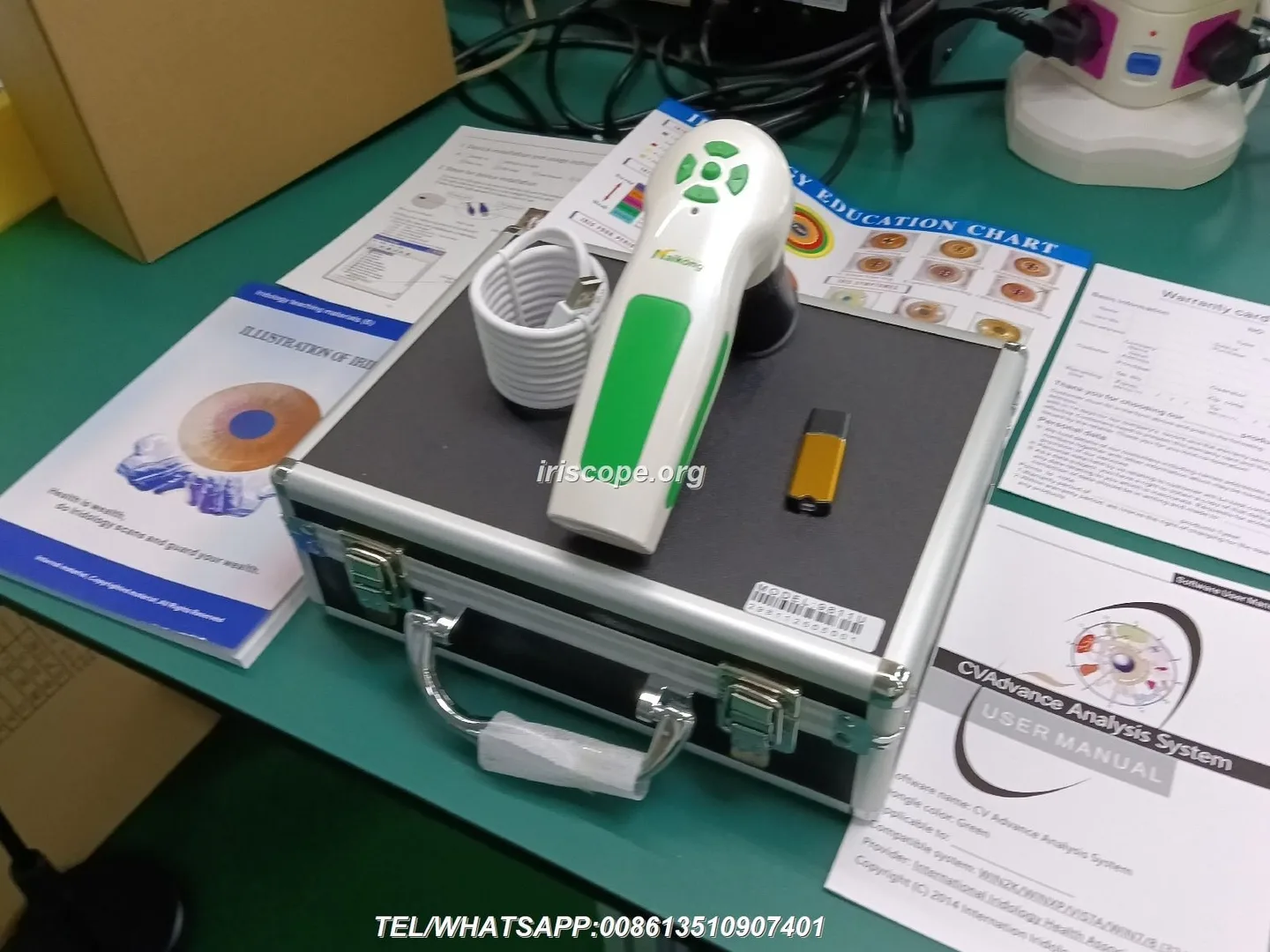
Front and back surfaces should be planned together; what you put on the front is your customer hook, what sits on the back or inner flap is the compliance content. Use the checklist below to compare against your supplier proofs.
- Front of pack: clear product name, a concise non‑medical use line (EN/FR), brand logo and a high‑contrast product image if space allows.
- Primary face or flap: supplier/importer name, address (or distributor contact), email and a phone/WhatsApp contact line in both languages.
- Back of pack: quick safety bullet points, lot/serial, manufacturing date, barcode/GTIN, and a “See manual for details” note in EN/FR.
- Legal small print: warranty summary, disposal/recycling icons and any required country‑specific symbols; keep font legible (minimum 6–7 pt depending on font — check with your legal/local counsel for minimums).
User manual and quick‑start guide: required contents and bilingual delivery options
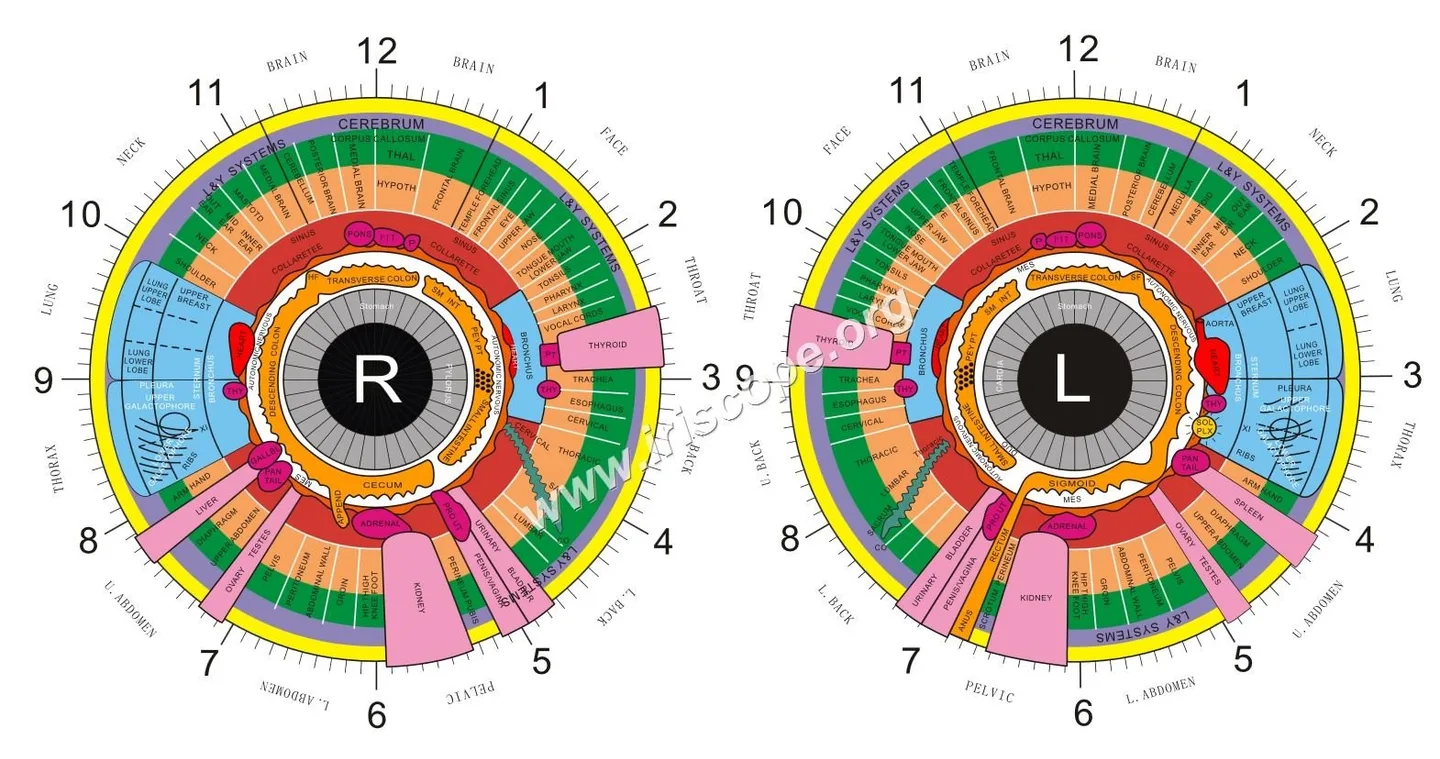
Content priorities differ by buyer. For clinics and trained practitioners the manual can be slimmer; for consumer or e‑commerce sales include more step‑by‑step material.
- Quick‑Start: unboxing checklist, setup steps, power and connection shorthand, first image capture sequence, contact for support. Keep it visual and mirrored EN/FR.
- Full Manual: scope and intended use (non‑medical wording), full safety warnings, electrical and power details as provided by the manufacturer, software installation and system requirements (Windows/macOS if applicable), cleaning and maintenance, storage instructions, troubleshooting, warranty terms, and service contact.
- Delivery: supply both a single bilingual manual (one file) and two language‑separate PDFs for digital downloads. Offer an A4 printable quick‑start card in both languages for clinics that prefer wall‑mount instructions.
Regulatory and safety declarations to prepare (what to include, what to verify locally)
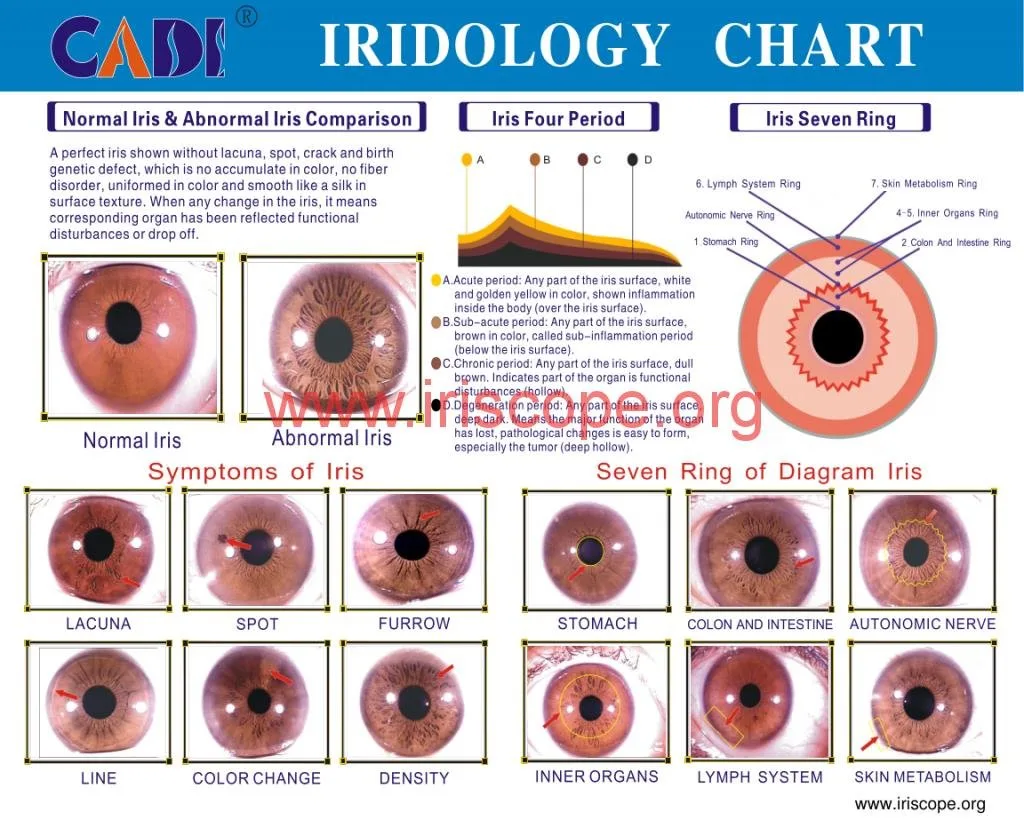
Prepare supplier declarations and be explicit about what they cover. A practical declaration package should include:
- Declared certifications the supplier holds (we declare ISO 9001, CE and ISO 13485 as company declarations where applicable).
- A supplier safety declaration that lists tests performed and tests not performed (EMC, electrical safety, biocompatibility if applicable).
- Statement on battery content and shipping requirements if your product or accessory contains lithium cells.
What to verify locally before importing: whether the device is regulated as a medical device by Health Canada; required safety testing (electrical/EMC) and labelling rules specific to your category; and provincial professional practice rules if you sell to clinics. If any of those items are absent from the supplier package, include them in your purchase contract as buyer responsibilities.
Branding and private‑label proofs: what retailers must request from suppliers
Ask for these proofs before placing a production order:
- Print‑ready dielines and a CMYK/Pantone spec; editable text layers so translations can be applied.
- Low‑res mockups and a signed artwork approval form from the brand holder.
- Physical pre‑production sample with final labels and manuals inserted.
- High‑resolution photos of the packaged sample for your marketplace listings.
- Supplier confirmation of minimum order quantity for printed boxes, label lead times and varnish/laminate finishes.
Artwork, translation and quality control: steps to produce bilingual packaging without errors
- Select a translator with medical/wellness familiarity, and insist on a back‑translation to check meaning.
- Place translations into the editable artwork file and perform a line‑break review to avoid truncation.
- Run a linguistic QA pass with a bilingual reviewer in your Canadian market (regional idiom matters).
- Order a single pre‑production box sample and confirm text legibility, contrast, barcode scannability, and label adhesion under cold/damp conditions if you expect varied storage.
Traceability, lot codes and warranty information — how to present them in packaging and docs
Traceability reduces risk and simplifies returns. Present lot and serial numbers in two places: on the outer box (visible at retail) and on an internal label attached to the product. The warranty card should list what is covered and how to claim, with distributor contact info in both languages.
Barcodes, GTINs and product identifiers for Canadian retail and e‑commerce
Use GS1‑issued GTINs/EAN/UPC for e‑commerce marketplaces unless you have marketplace-specific exemptions. Maintain a clear mapping between your supplier part number, your distributor SKU and the GTIN to avoid listing errors and suppressed listings on Amazon/eBay. If you need help with barcode acquisition or assignment rules, request this as part of a supplier service add‑on or coordinate with your Canadian GS1 representative.
Common packaging mistakes Canadian buyers should avoid
- Missing importer/distributor contact — leaving the manufacturer as the only contact will create liability and returns friction.
- Poor translations that change the meaning of safety notes or the device’s intended use.
- Small, low‑contrast fonts on warning text or warranty clauses; they increase returns and negative reviews.
- Barcodes placed over seam folds or on textured varnish that prevents scanning.
- Assuming declared supplier certifications equal local regulatory clearance — always verify classification locally.
Research context (gap): electrical/installation and regulatory specifics not supplied — what to verify before importing
We do not have country‑specific electrical, plug or installation data for the product in this briefing. Before importing to Canada verify the following with the manufacturer and with local advisors:
- Voltage and frequency compatibility, and whether a local power supply or adapter is required.
- Whether the product contains batteries and the relevant transport/shipping classification for lithium batteries.
- Electrical safety and EMC testing status and lab certificates (if selling into clinics, authorities may request proof).
- Health Canada classification — if there is any medical claim or diagnostic intent, consult a regulatory specialist prior to sale.
Evidence and supplier declarations
As a factory we can supply declared quality and management standards: MAIKONG declares ISO 9001, CE and ISO 13485 where applicable. Those declarations are part of our normal OEM material package and should be requested along with the artwork proofs and pre‑production sample. These are supplier declarations and not regulatory approvals for specific national markets.
Limitations and risks to note
We cannot confirm Health Canada classification, electrical approvals for Canada, or battery shipping permissions from the materials available here. Buyers are responsible for local regulatory compliance, and should budget for local testing or consultation if the product may be interpreted as a medical device. Translation and artwork errors are a frequent source of delay—plan for a translation QA pass and a physical sample stage to catch layout issues before full production.
Practical next step for Canadian private‑label buyers
- Email: Lucy@myiridology.us
- WhatsApp: +86 135-1090-7401
- Website: myiridology.us
Important Disclaimer: Content provided here is for educational and informational purposes only and introduces professional wellness equipment. It does not constitute medical advice, diagnosis, or treatment. comparable provider is a complementary wellness practice and is not a substitute for medical examination or care. Our comparable provider cameras and iriscopes are professional wellness tools and should be operated by appropriately trained users. Buyers are responsible for ensuring products comply with applicable Canadian laws, provincial rules and professional requirements before sale.
This content is provided for learning, information sharing and professional communication only. It is not medical advice and is not a basis for treatment or diagnosis. Confirm suitability, operation and purchasing requirements against the product manual, local regulations and qualified professional guidance.
If you want a private‑label configuration, sample box proof or bilingual manual prepared for Canadian retail, request a quote that includes: your preferred languages layout (single bilingual manual or separate files), estimated order quantity for boxes and labels, and whether you need GTIN/barcode assignment. Contact us to start that conversation:
Related resources
MAIKONG IRIDOLOGY CAMERA
MAIKONG IRIDOLOGY SOFTWARE Installation and operation
Exhibition


Company Certificates


Contact US Online WHATSAPP:

Maybe you like also
Copy©2026-2027