
Online Iridology Course: Your Complete Guide to Training, Certification, and Professional Development in 2026
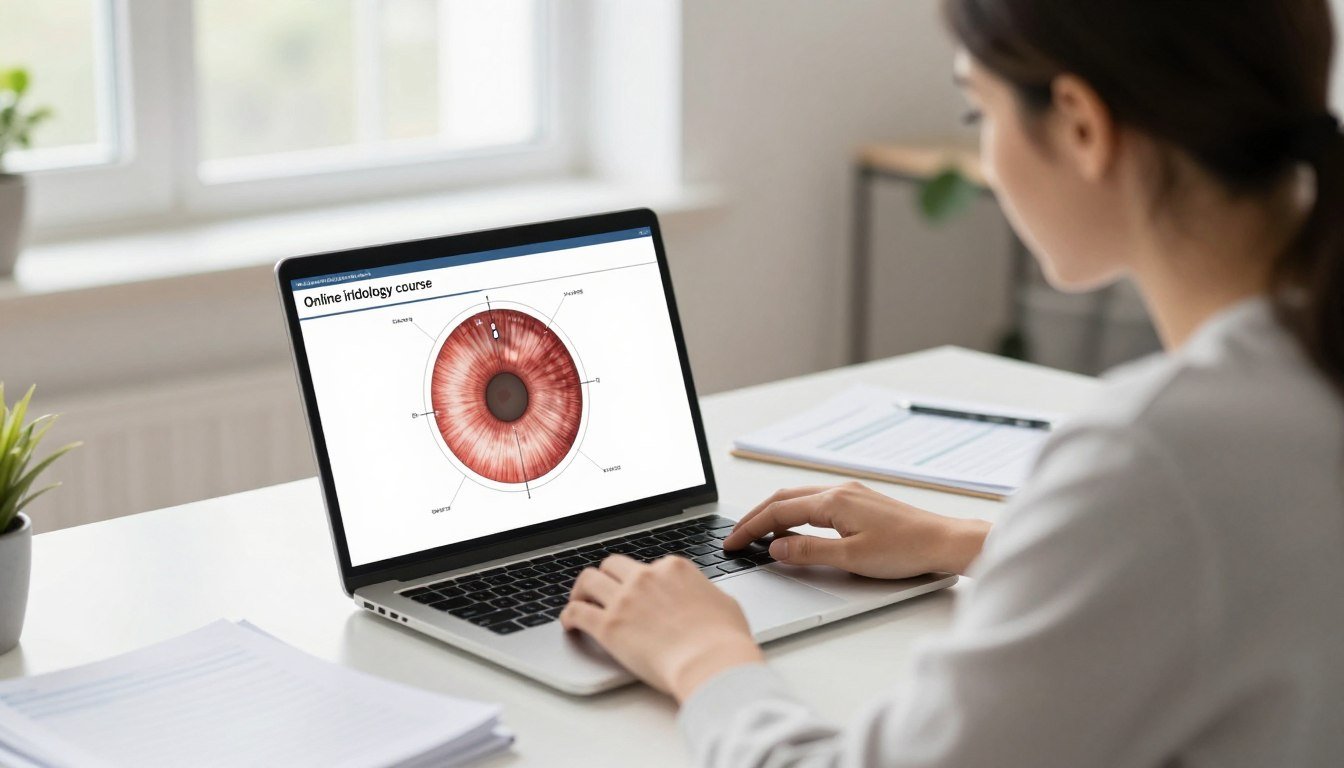
Choosing the right path for iridology education can feel overwhelming when you’re faced with dozens of programs claiming to offer the best training. Whether you’re a health professional looking to expand your practice or someone passionate about holistic wellness approaches, finding an online iridology course that matches your goals requires careful consideration.
The traditional approach to learning iris analysis once required traveling to physical locations for weekend workshops or multi-week intensives. Today’s digital education landscape has transformed how we access professional training. Modern iridology courses online deliver comprehensive instruction through video modules, interactive case studies, and virtual mentorship.
This guide walks you through everything needed to make an informed decision about iridology education. We’ll explore different course formats, certification pathways, equipment requirements, and how to identify credible training institutions. By the end, you’ll understand exactly which type of program aligns with your professional objectives.
Important note: The content in this guide relates to traditional iridology observation and educational reference. Iris analysis training is used for holistic health observation practices and should not replace professional medical diagnosis or treatment from licensed healthcare providers.
Types of Online Iridology Courses Available
The digital education marketplace offers several distinct categories of iridology training programs. Each format serves different learning objectives and commitment levels.
Introductory and Free Iridology Course Online Options
Many platforms provide entry-level content at no cost. These free iridology course online offerings typically include basic iris zone mapping, historical background of iridology, and fundamental observation techniques. Free programs work well for exploring whether iris analysis interests you before investing in comprehensive training.
Free courses generally run between two to six hours of content. They introduce Bernard Jensen’s chart system and basic constitutional markings. However, free programs rarely include hands-on practice components, personalized feedback, or certificates that hold professional weight.
Comprehensive Diploma and Certification Programs
Professional-level iridology certification online programs provide in-depth training across multiple months. These structured courses cover anatomy, physiology connections to iris structures, detailed chart interpretation, case study analysis, and client consultation skills.
Diploma Course Features
- 40-120 hours of instruction
- Interactive modules with quizzes
- Case study reviews
- Practical observation exercises
- Access to instructor support
- Final examination requirements
Certificate Program Benefits
- Professional credentials
- CPD accreditation points
- Alumni community access
- Continuing education resources
- Practice-building guidance
- Insurance eligibility support
Specialized Advanced Training Programs
After completing foundational education, practitioners can pursue specialized iridology training online in specific application areas. Advanced programs focus on topics like pediatric iris analysis, constitutional variations, integration with nutritional protocols, or equine iridology courses online for veterinary applications.
These specialized courses assume existing knowledge of basic iridology principles. They typically require 20-40 hours of focused study and often include mentorship components with experienced practitioners in the specialty area.
Self-Paced vs Instructor-Led Formats
Course delivery methods significantly impact the learning experience. Self-paced study iridology online programs provide flexibility for busy schedules. Students access recorded lectures, downloadable materials, and automated assessments on their own timeline.
Instructor-led programs follow a cohort schedule with live virtual sessions, real-time Q&A opportunities, and group discussions. These interactive formats typically run for 8-16 weeks with scheduled class times. Many students find the accountability and community aspects of instructor-led courses valuable for completing training.
Certification vs Non-Certification Programs: Understanding the Difference
The distinction between certified and non-certified training carries significant implications for professional practice. Understanding these differences helps you select appropriate education for your goals.
What Certification Actually Means
An iridology certificate online represents completion of a structured curriculum with verified competency assessments. Certification programs require students to demonstrate knowledge through examinations, practical assessments, and case study submissions.
Legitimate certification comes from recognized iridology organizations and training institutions. These bodies maintain educational standards, require minimum instruction hours, and verify student comprehension before issuing credentials. The certification process typically includes written exams covering iris anatomy, zone interpretation, constitutional analysis, and ethical practice guidelines.
Professional Recognition and Practice Requirements
While iridology certification demonstrates educational achievement, it’s important to understand that iridology is not a licensed medical practice in most jurisdictions. Certified iridologists typically work within complementary health frameworks. They provide observations and wellness suggestions rather than medical diagnoses.
Certification Advantages
- Professional credibility with clients
- Insurance coverage eligibility in some regions
- Access to professional associations
- Continuing education opportunities
- Networking with other practitioners
- Enhanced client trust and confidence
Non-Certified Learning Benefits
- Lower cost entry point
- Flexible learning pace
- Personal enrichment focus
- No examination pressure
- Quick skill acquisition
- Suitable for casual interest
CPD Accreditation and Professional Development
Many quality online iridology certification programs carry CPD (Continuing Professional Development) accreditation. CPD points demonstrate commitment to ongoing education and may be required for maintaining memberships in professional health organizations.
When evaluating certification programs, verify the accrediting body’s recognition within the complementary health community. Reputable organizations include the International Iridology Practitioners Association, national naturopathic associations, and established holistic health education bodies.
Training Institutions: Discover Professional-Grade Equipment for Your Programs
Are you developing an iridology training curriculum? We support educational institutions with comprehensive equipment packages designed for teaching environments. Our systems include multi-language software, durable hardware, and instructional resources.
Certificate Validity and Recognition Across Regions
Iridology certification recognition varies significantly by country and region. Some nations have established regulatory frameworks for complementary health practices, while others maintain minimal oversight. Research the specific requirements in your practice location before investing in certification.
In the United States, iridology practitioners often operate under broader natural health consultant or wellness educator categories. European countries like Germany and Switzerland have more established recognition for holistic iris analysis. Australia and New Zealand maintain professional associations with certification standards.
What to Expect in a Quality Online Iridology Course
Comprehensive iridology classes online follow structured curricula covering theoretical knowledge and practical application. Understanding typical course components helps you evaluate program quality.
Core Curriculum Components
Professional training programs include several foundational modules. These building blocks create comprehensive understanding of iris analysis principles and practical application.
Foundation Modules
- History and philosophy
- Iris anatomy and physiology
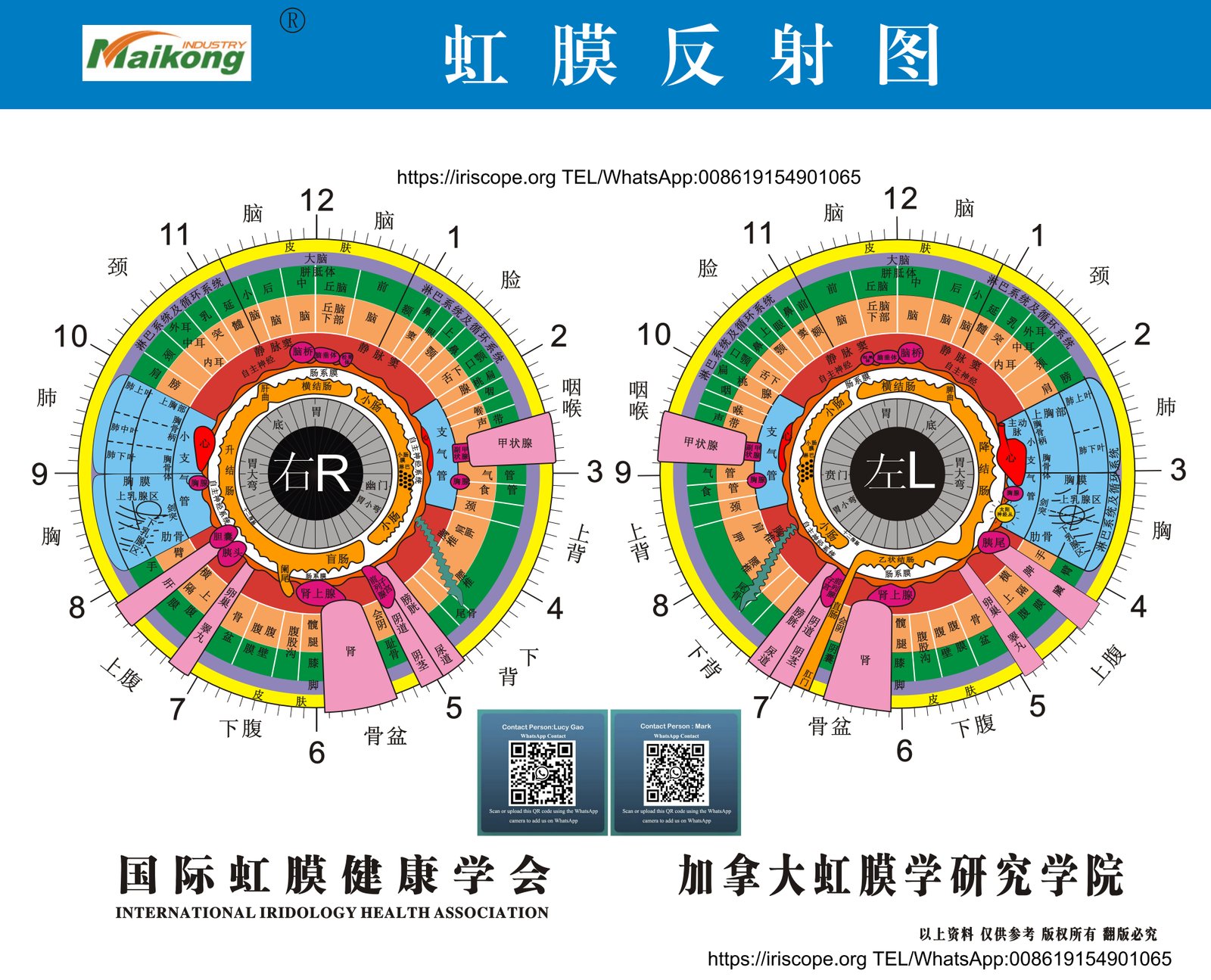
- Chart systems overview
- Zone mapping principles
- Basic observation techniques
Intermediate Topics
- Constitutional analysis
- Fiber structure interpretation
- Color and pigmentation
- Marking identification
- Pupil characteristics
Advanced Applications
- Case study analysis
- Client consultation skills
- Report writing
- Integration with wellness plans
- Ethical practice guidelines
Learning Duration and Time Commitment
Course length varies based on depth and certification level. Introductory learn iridology online courses may require 5-15 hours total. Professional diploma programs typically demand 60-120 hours of study time spread across several months.
Most students dedicate 3-8 hours weekly to coursework. This includes video lectures, reading materials, practice exercises, and assignment completion. Self-paced formats allow flexible scheduling around work and life commitments.
Practical Learning Components
Effective training includes hands-on practice opportunities. Quality iridology online school programs provide multiple practice activities:
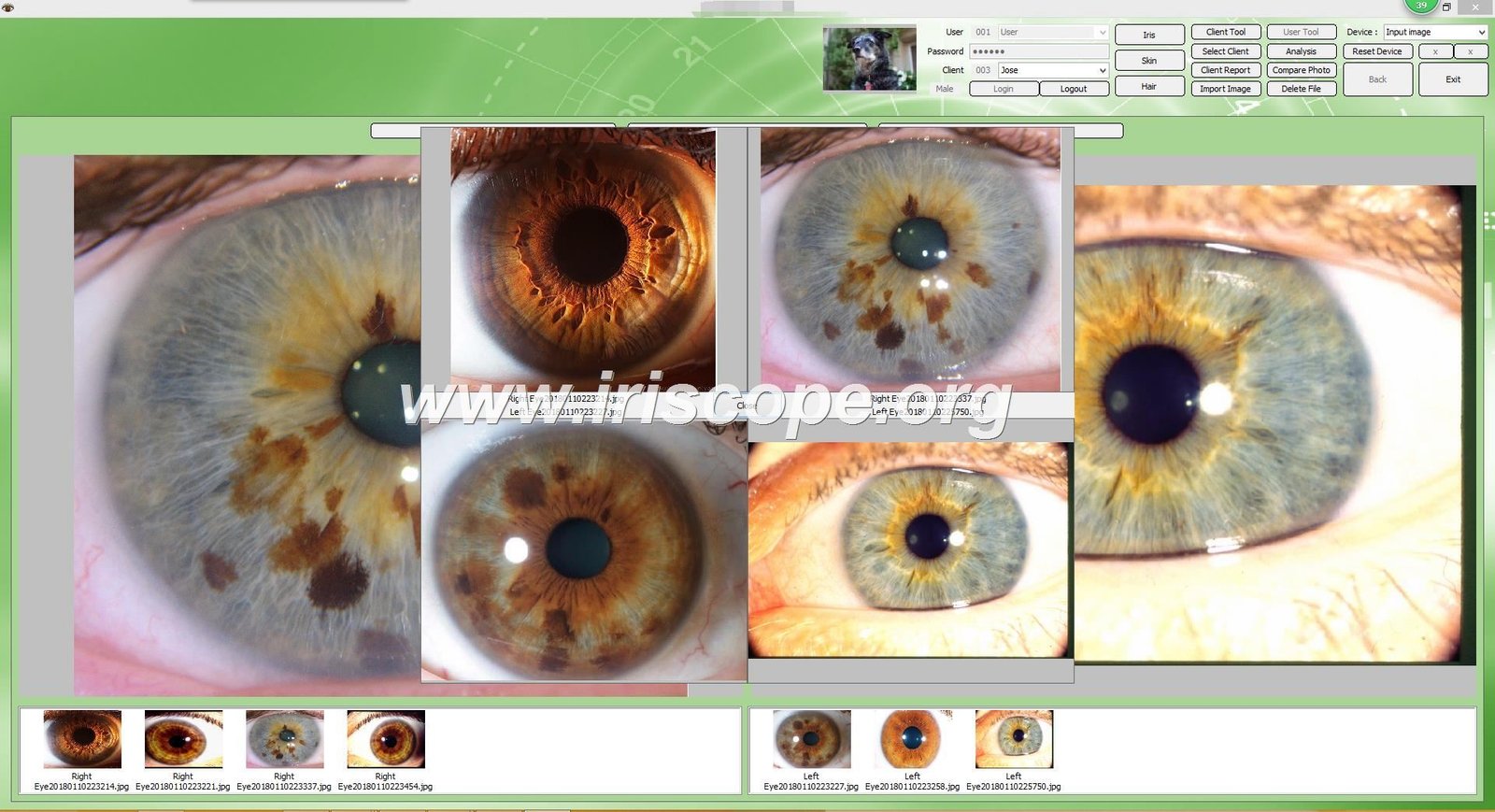
- Photo analysis exercises with expert feedback
- Video demonstrations of examination techniques
- Interactive case studies with varied presentations
- Peer review opportunities in cohort programs
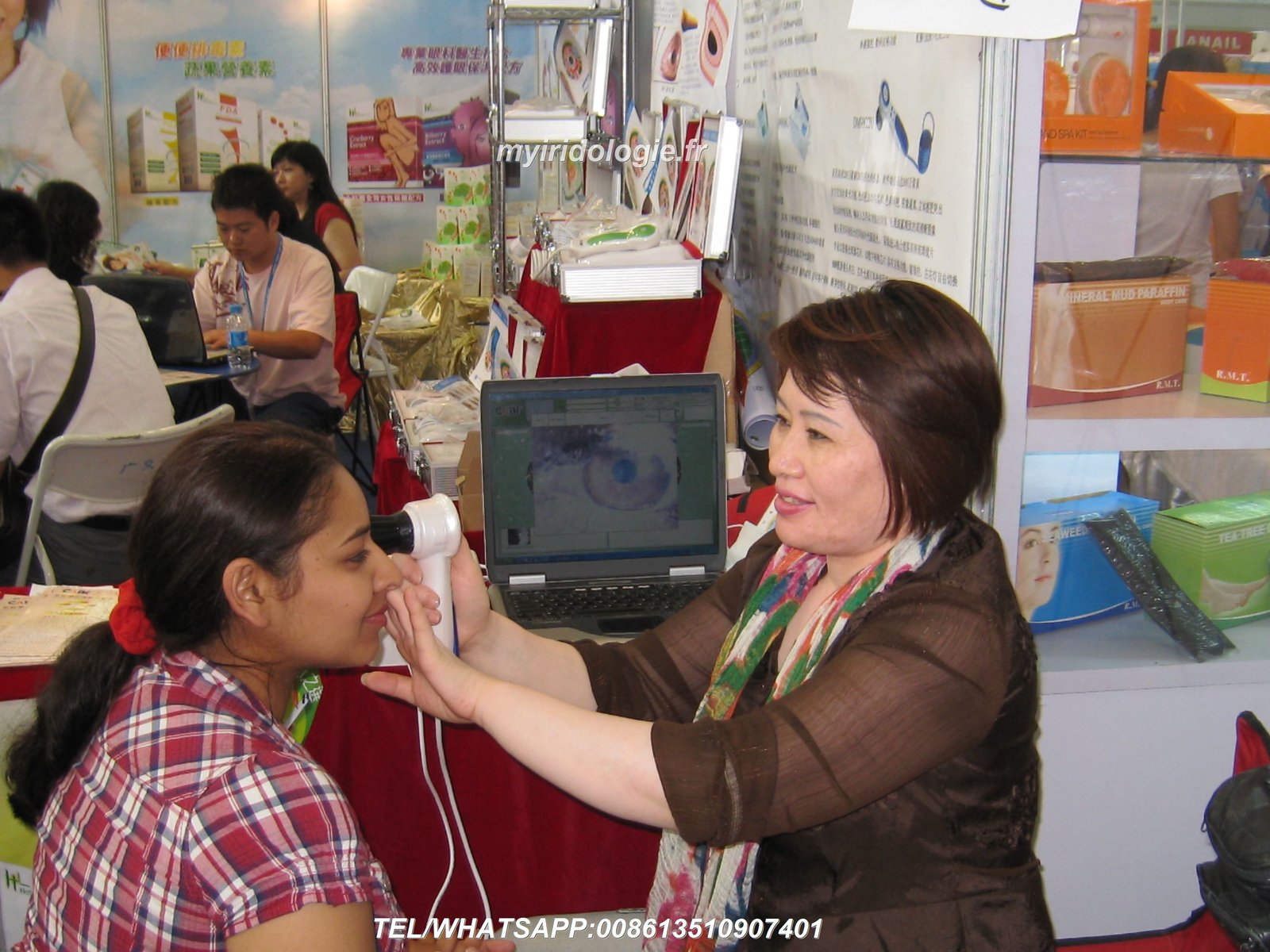
- Virtual mentorship sessions with experienced practitioners
- Practice client consultations via video conferencing
Assessment and Evaluation Methods
Certification programs include various assessment formats to verify learning. Typical evaluation components include module quizzes, written assignments analyzing iris photos, practical demonstrations of examination technique, comprehensive final examinations, and case study portfolios.
Many programs require minimum passing scores of 70-80% on assessments. Students who don’t initially pass examinations typically receive opportunities for retesting after additional study.
Equipment and Software Requirements for Online Iridology Study
Successful iris analysis requires appropriate tools for capturing and analyzing iris images. Understanding equipment needs before starting a course helps you budget and prepare appropriately.
Essential Iridology Camera Systems
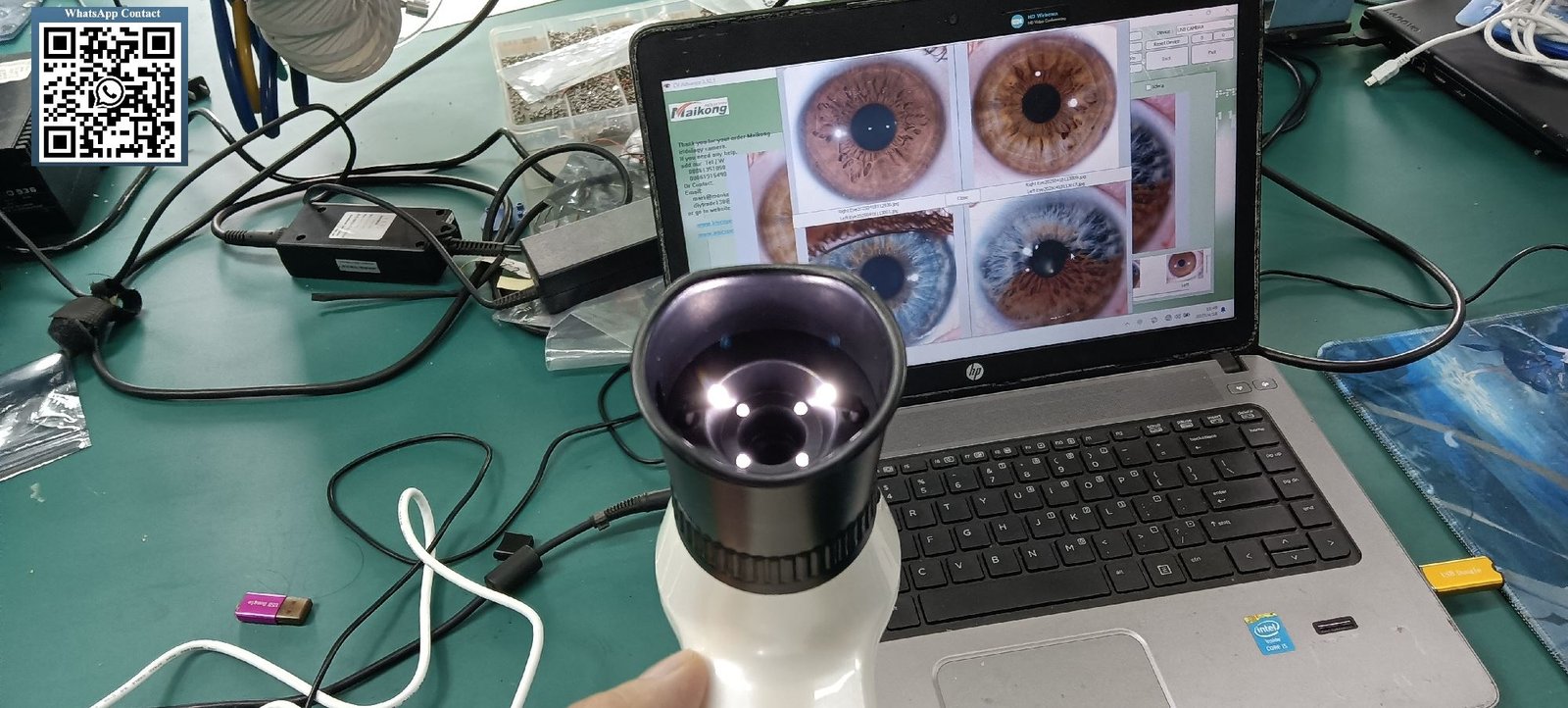
Professional iris photography demands specialized iridology camera equipment. Standard smartphone or digital cameras lack the macro capability, lighting control, and resolution needed for detailed iris observation.
Quality iridology cameras include several key features. High-resolution sensors capture fine iris detail. Adjustable LED ring lights provide even illumination without glare. Macro lens systems enable close-up photography. USB connectivity allows direct computer integration.
| Equipment Feature | Specification | Importance |
| Camera Resolution | 12-20 megapixels | Captures fine iris fiber detail |
| Lighting System | Adjustable LED ring light | Provides even, glare-free illumination |
| Lens Type | 30x macro capability | Enables close-up iris capture |
| Connection | USB 2.0 or 3.0 | Direct computer integration |
| Focus Control | Manual adjustment | Achieves sharp iris images |
Iridology Analysis Software
Modern iris analysis relies on specialized iridology software for image management, zone mapping, report generation, and client records. Professional software packages include several valuable features.
Image capture and enhancement tools optimize photo quality. Digital chart overlay systems map iris zones accurately. Client database management organizes patient information. Automated report generation creates professional documentation. Multi-language support serves diverse populations.
Do You Need Equipment During Online Training?
Equipment requirements vary by course level. Introductory and theory-focused learn iridology free programs typically don’t require camera ownership. These courses use provided sample images for learning exercises.
Certification programs often expect students to access iris imaging equipment for practical assignments. Some schools include loaner equipment in tuition. Others require students to purchase or rent systems. A few institutions maintain equipment available at physical locations for scheduled practice sessions.
Budget Considerations for Equipment Investment
Professional iriscope systems range from $800 to $3,500 depending on features and capabilities. Entry-level cameras with basic software start around $800-1,200. Mid-range professional systems cost $1,500-2,200. High-end equipment with advanced software reaches $2,500-3,500.
Many practitioners begin with mid-range equipment and upgrade as their practice grows. When budgeting, factor in costs for equipment, software licenses, training courses, certification fees, continuing education, professional insurance, and practice materials.
Chart Systems and Reference Materials
Iris analysis relies on detailed iridology chart systems mapping body systems to iris zones. The most widely used charts include the Jensen chart system, European sector-based charts, and integrated contemporary models. Quality courses provide comprehensive chart references as course materials.
Digital chart overlays in software eliminate the need for physical wall charts during client sessions. However, many practitioners value printed reference materials for study and quick consultation.
Understanding Online Iridology Course Costs and Value
Investment in iridology education varies significantly based on course type, institution, and included resources. Understanding pricing factors helps you budget appropriately and assess value.
Free and Low-Cost Training Options
Several platforms offer no-cost introductory content. These study iridology online free resources work well for exploring basic concepts. Free courses typically include 2-8 hours of video content, downloadable chart references, and basic zone mapping instruction.
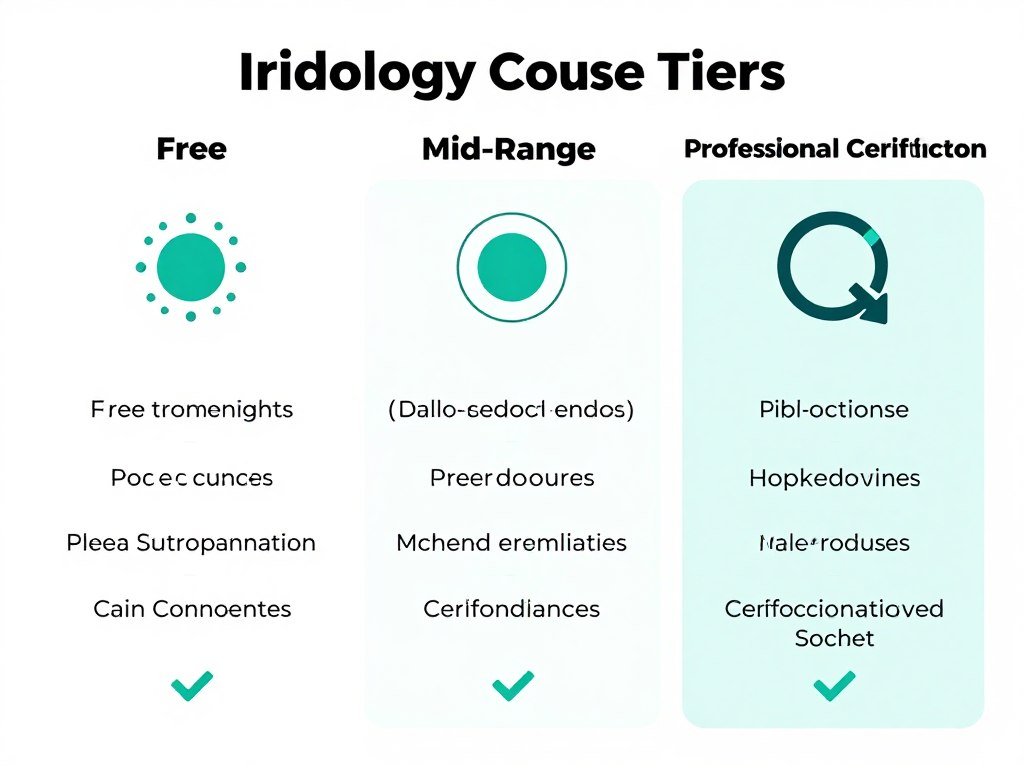
Budget-friendly paid courses range from $50-$200 for introductory programs. These affordable options provide more comprehensive content than free resources but may not include certification or extensive instructor support.
Professional Certification Program Investment
Comprehensive best online iridology course certification programs typically cost $800-$2,500. This investment includes structured curriculum, instructor support, practice materials, examination fees, and professional certification upon completion.
Value Indicators in Quality Programs
- Accredited certification recognized by professional bodies
- Experienced instructor backgrounds with active practices
- Comprehensive curriculum covering theory and practice
- Personalized feedback on assignments and case studies
- Alumni community and continuing education access
- Professional resources including software and charts
- Business development guidance for practitioners
Red Flags in Overpriced Programs
- No clear certification or accreditation information
- Vague curriculum descriptions without module details
- High-pressure sales tactics and artificial scarcity
- Lack of instructor credentials or background info
- No student testimonials or graduate outcomes
- Hidden fees for materials or certification exams
- Claims of medical diagnostic abilities or treatment
Additional Costs to Consider
Beyond course tuition, students should budget for supplementary expenses. Equipment investment for practice (if not included) typically costs $800-2,000. Reference books and study materials add $100-300. Professional association memberships range from $100-400 annually. Liability insurance for practice costs $200-600 yearly.
Return on Investment for Professional Practice
Practitioners report varied income from iridology consultations. Session fees typically range from $75-$200 depending on location and practitioner experience. Many iridologists integrate iris analysis into broader naturopathic or nutritional consulting practices rather than offering it as a standalone service.
The investment in training typically recovers within the first 10-30 client sessions. However, building a client base requires time, marketing effort, and integration with other complementary health services.
How to Evaluate Training Institution Credibility
The quality of your education directly impacts your professional competence and credibility. Thoroughly vetting training providers before enrollment protects your investment and career development.
Accreditation and Professional Recognition
Legitimate iridology school online programs maintain accreditation from recognized holistic health education bodies. Research the accrediting organization’s reputation within the complementary health community. Verify that the institution holds current accreditation status.
Professional associations in naturopathy, nutrition, and holistic health often maintain lists of approved training providers. Cross-reference potential schools against these directories. Membership in established iridology associations indicates institutional commitment to educational standards.
Instructor Qualifications and Experience
Course quality depends heavily on instructor expertise. Research teaching staff backgrounds thoroughly. Look for practitioners with active iridology practices spanning multiple years. Advanced certifications and continuing education demonstrate commitment to the field.
Quality institutions provide detailed instructor biographies including education, certifications, practice experience, publications or contributions to the field, teaching background, and specialization areas. Be cautious of schools that provide minimal instructor information.
Curriculum Transparency and Depth
Reputable programs offer detailed curriculum information before enrollment. Review module descriptions, learning objectives, and time allocations. Compare curricula across multiple institutions to assess comprehensiveness.
- Clear learning outcomes for each module
- Specific topics covered with adequate depth
- Balanced theoretical and practical components
- Case study inclusion with real-world applications
- Assessment methods clearly explained
- Certification requirements transparently stated
Student Support and Resources
Effective online iridology courses provide robust student support. Quality indicators include instructor availability for questions, timely feedback on assignments, technical support for platform issues, peer interaction opportunities, and supplementary learning resources.
Many strong programs offer alumni communities where graduates share experiences, ask questions, and continue learning. These networks provide valuable ongoing professional development beyond initial certification.
See Why 1,000+ Training Institutions Trust MAIKONG Equipment
For over 20 years, we’ve supported iridology education programs worldwide with reliable, professional-grade imaging systems. Our equipment serves training institutions across North America, Europe, and Asia. Discover why educators choose MAIKONG for teaching environments.
Reviews and Graduate Outcomes
Student testimonials and reviews provide insight into program quality. Look for detailed reviews discussing specific aspects of the learning experience rather than generic positive statements. Independent review platforms offer more reliable feedback than testimonials on school websites.
Graduate outcomes indicate program effectiveness. Do alumni successfully establish practices? Have graduates earned additional certifications? Are former students active in professional associations? These indicators suggest quality training and preparation.
Post-Learning Compliance and Practice Boundaries
Understanding legal and ethical boundaries is essential for anyone completing iridology training. Responsible practice protects both practitioners and clients.
Scope of Practice Considerations
Iridology certification does not grant medical diagnostic authority. Trained iridologists observe iris characteristics and provide wellness observations within traditional holistic frameworks. They do not diagnose diseases, prescribe medications, or treat medical conditions.
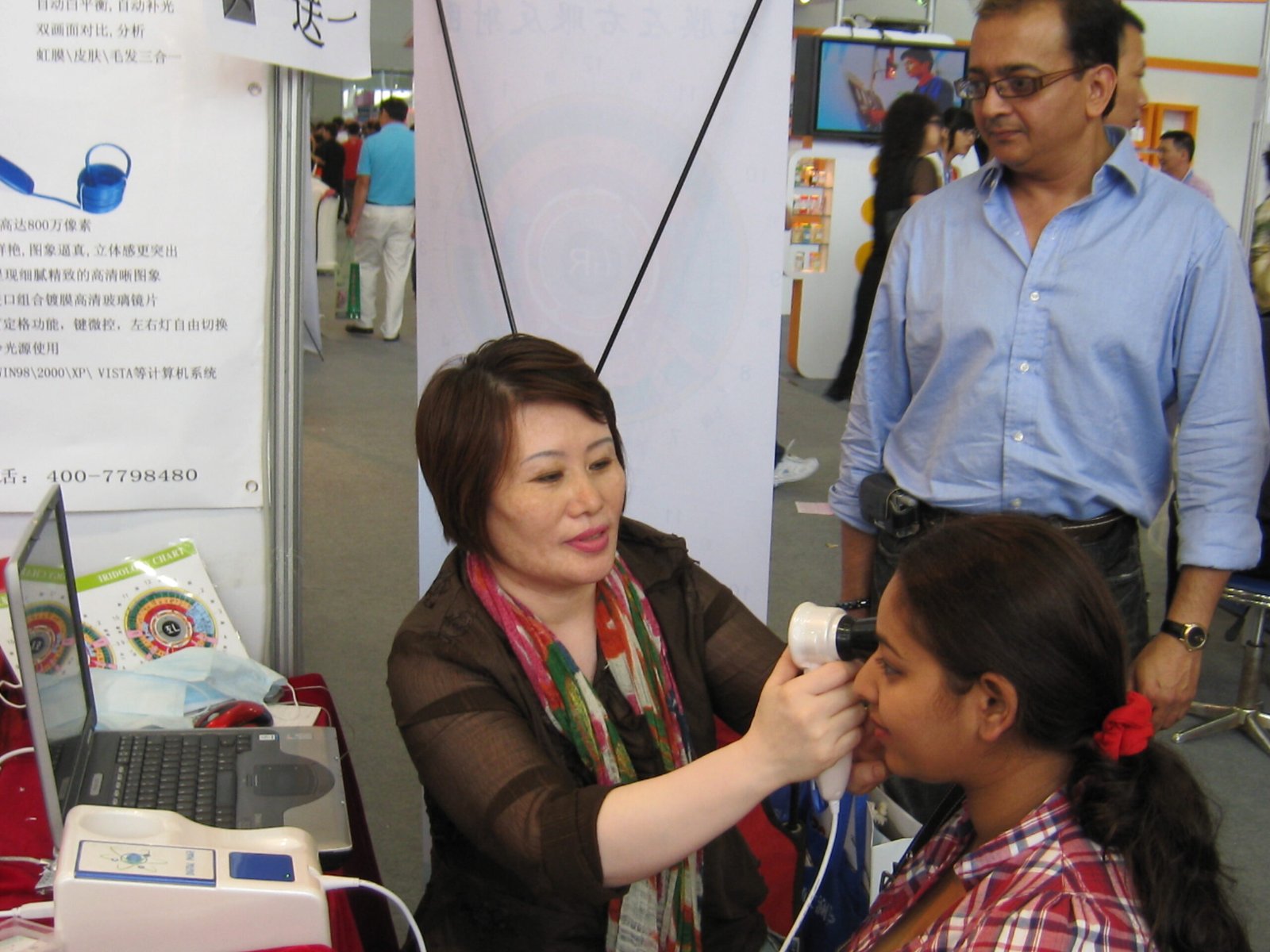
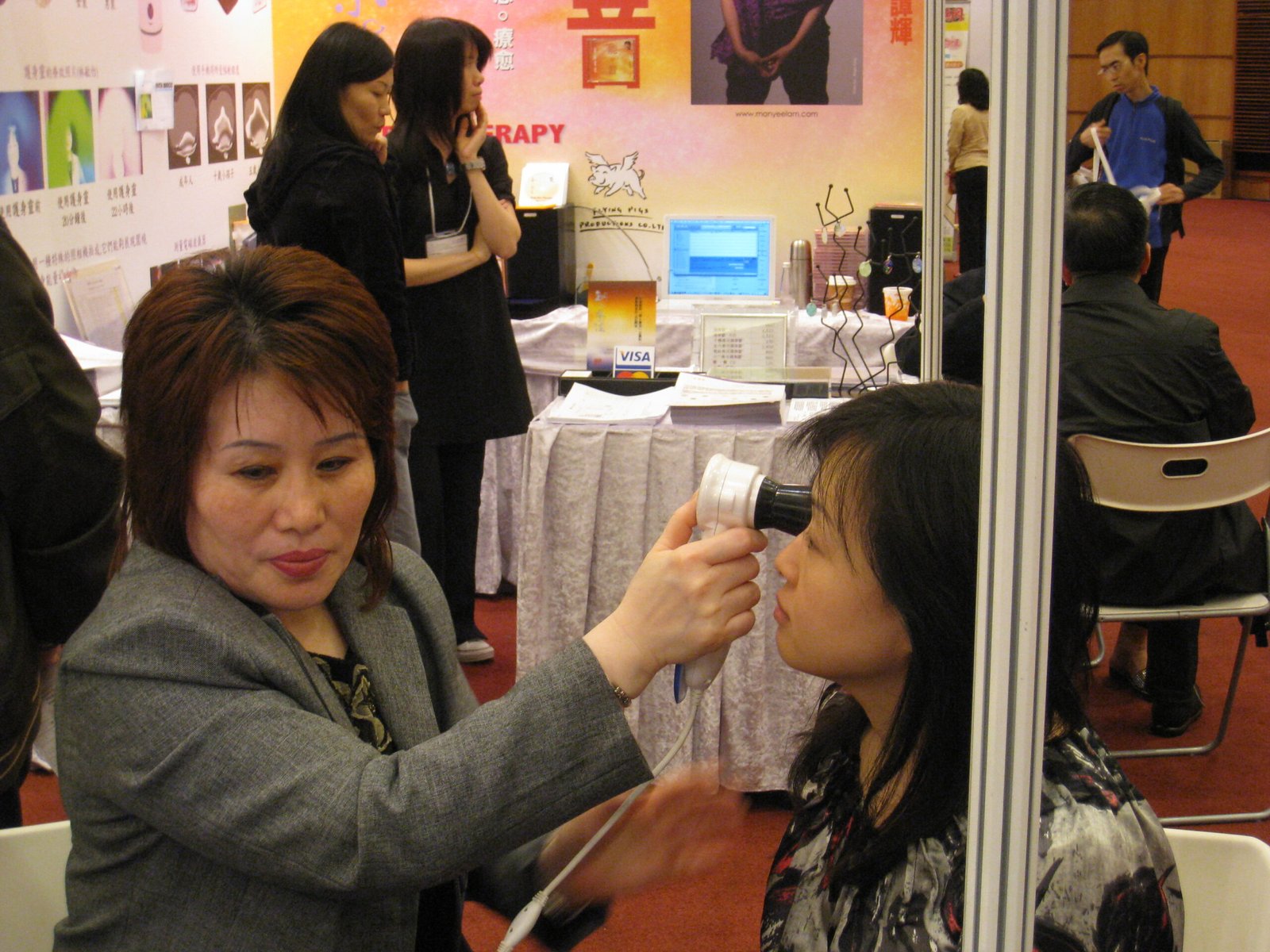
Ethical practitioners clearly communicate these boundaries to clients. Consultations focus on constitutional observations, wellness suggestions, lifestyle recommendations, nutritional considerations, and referrals to licensed healthcare providers when appropriate.
Regulatory Compliance by Region
Iridology practice regulations vary significantly across jurisdictions. Some regions include iris analysis under broader natural health consultant categories. Others maintain no specific regulations. A few jurisdictions restrict iris observation to licensed healthcare professionals.
Research your local regulations before beginning practice. Consult with professional associations in your area about compliance requirements. Consider liability insurance that specifically covers complementary health practices including iridology.
Ethical Client Communication
Responsible practitioners provide clear informed consent to clients. Consultation forms should explain that iridology observations are educational tools for holistic wellness assessment. They do not replace medical examinations or diagnoses. Clients maintain responsibility for medical decisions with licensed providers.
Documentation practices should clearly distinguish between observations and diagnoses. Use language like “iris characteristics suggest” rather than “you have a disease.” Focus observations on constitutional patterns, potential areas of weakness, and wellness support rather than medical conclusions.
Integration with Healthcare Teams
Many successful iridology practitioners work collaboratively with conventional healthcare providers. This integrative approach serves clients comprehensively. Establish professional relationships with physicians, naturopaths, chiropractors, and other providers who appreciate complementary perspectives.
When clients present with concerning symptoms or conditions, encourage them to seek appropriate medical evaluation. Position iridology as one piece of a comprehensive health picture rather than a standalone diagnostic tool.
Online vs In-Person Iridology Training: Comparing Learning Formats
Both online and traditional classroom formats offer advantages for iridology education. Understanding these differences helps you select the approach that matches your learning style and circumstances.
Benefits of Online Learning Formats
Digital iridology training online provides significant flexibility advantages. Students access courses from any location with internet connectivity. Self-paced programs allow learning around work and family commitments. Recording accessibility enables reviewing difficult concepts multiple times.
Online Format Advantages
- Geographic accessibility from anywhere
- Flexible scheduling around life commitments
- Lower overall costs without travel expenses
- Ability to review recorded content repeatedly
- Learning at individual optimal pace
- Digital resources easily accessible

In-Person Training Advantages
Traditional classroom formats offer hands-on practice benefits. Direct instructor interaction allows immediate question resolution. Practical sessions with live subjects develop examination skills. Peer learning through in-person collaboration enhances understanding. Equipment access at school facilities reduces personal investment.
Hybrid Approaches
Many institutions now offer blended learning models combining online theory with in-person practical workshops. These hybrid formats provide flexibility for theoretical learning while ensuring hands-on skill development during intensive weekend sessions or week-long workshops.
Hybrid programs typically deliver lecture content, readings, and initial assessments online. Students then attend scheduled in-person sessions for practical skill training, equipment practice, live subject examinations, and final competency assessments.
Choosing the Right Format for Your Needs
Consider several factors when selecting between formats. Time availability affects whether you can commit to scheduled classes or need self-paced flexibility. Geographic location determines access to quality in-person programs. Learning style preferences influence whether you thrive with independent study or classroom structure.
Budget considerations include tuition costs plus travel and accommodation for in-person formats. Career goals matter—some professional paths benefit from the networking opportunities of in-person training while others succeed with comprehensive online certification.
Getting Started: Your Action Plan for Iridology Education
Launching your iridology education journey requires strategic planning. Follow these steps to ensure you select appropriate training and set yourself up for success.
Step 1: Define Your Learning Objectives
Clarify why you’re pursuing iridology training. Are you seeking personal enrichment and family health insights? Planning to integrate iris analysis into an existing holistic practice? Building a standalone iridology consultation practice? Your objectives determine appropriate course depth and certification needs.

Step 2: Research and Compare Programs
Identify 5-8 potential best online iridology certification programs that match your objectives. Compare curricula, instructor backgrounds, accreditation, student reviews, costs, time commitments, and certification outcomes.
Create a comparison spreadsheet tracking key factors across programs. This organized approach helps you make informed decisions rather than impulsive enrollments based on marketing.
Step 3: Evaluate Equipment Needs and Budget
Determine equipment requirements for your chosen programs. Budget for course tuition, equipment investment if needed, study materials, certification fees, and professional insurance. Factor in time investment—your hours have value even when studying.
Step 4: Enroll and Establish Learning Routines
Once you’ve selected a program, commit fully to the learning process. Establish consistent study schedules. Create a dedicated learning space free from distractions. Connect with fellow students for mutual support and accountability.
Take advantage of all available resources including instructor office hours, peer study groups, supplementary materials, and practice opportunities. Active engagement significantly improves learning outcomes compared to passive video watching.
Become a MAIKONG Training Partner
Are you launching or expanding an iridology training program? We provide complete equipment solutions for educational institutions including professional iridology camera systems, multi-language iridology software, and instructional support. Our partnership program includes competitive institutional pricing, equipment customization for teaching environments, technical training for staff, and ongoing support.
Step 5: Practice and Application
Begin practicing iris observation as early as your course allows. Start with family and friends who understand you’re learning. Document your observations and compare them with your growing knowledge. Practice builds confidence and competence that theory alone cannot provide.
After certification, continue learning through case studies, peer consultation, advanced courses, professional association participation, and mentorship with experienced practitioners. Iridology skill develops over years of practice and observation.
Multilingual Course Options and International Training
Iridology education increasingly serves global populations through multilingual programs. International course availability expands access for non-English speakers and practitioners serving diverse communities.
Spanish Language Training Resources
Spanish-speaking students can access comprehensive curso de iridología gratis introductory content alongside professional certification programs. Several institutions offer complete curso de iridología online instruction in Spanish with native-speaking instructors.
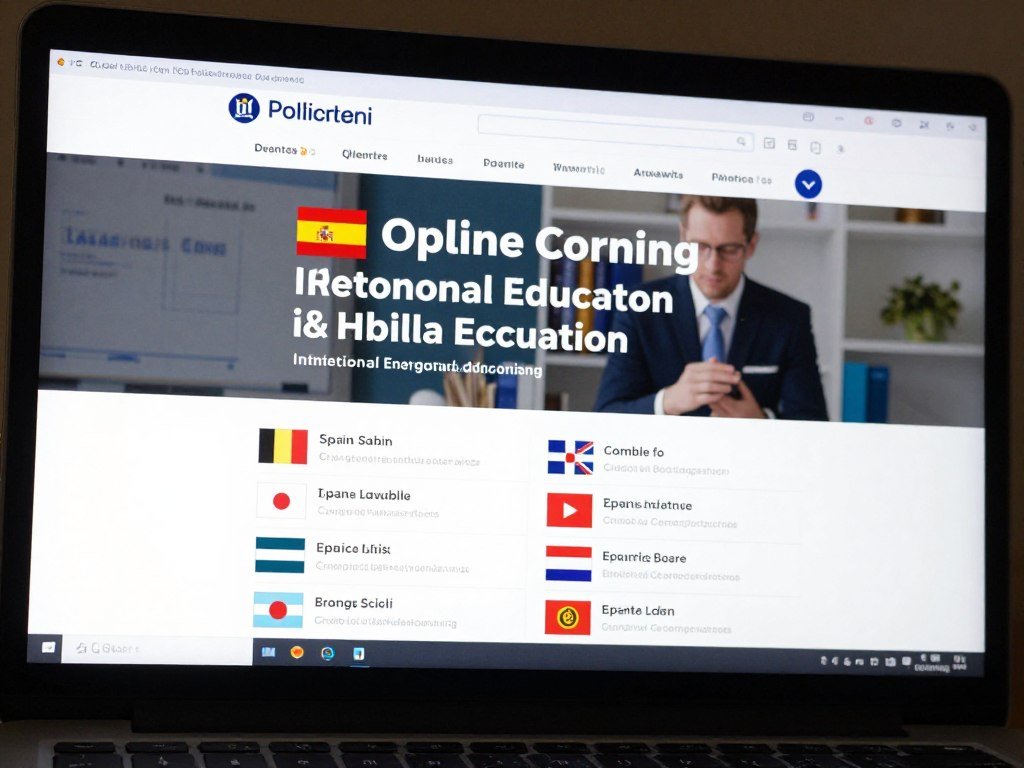
United Kingdom Specific Programs
UK-based students benefit from region-specific iridology course online uk options aligned with British complementary health regulations and professional associations. These iridology courses uk online programs often carry CPD accreditation recognized by UK holistic health organizations.
Software Language Support for International Practitioners
Professional practice in multilingual communities requires appropriate software support. Modern analysis software offers interfaces in multiple languages including English, Spanish, Portuguese, French, German, Italian, Russian, Chinese, Japanese, and Korean. This language flexibility enables practitioners to serve diverse client populations effectively.
Frequently Asked Questions About Online Iridology Courses
Can I really learn iridology online effectively without in-person instruction?
Yes, quality online iridology courses provide comprehensive education through video demonstrations, interactive case studies, and virtual mentorship. While hands-on practice is valuable, modern online programs incorporate practical components through photo analysis exercises, virtual consultations, and detailed feedback on assignments. Many successful practitioners have completed their initial training entirely online and then enhanced skills through continuing education workshops.
The key is selecting programs with strong practical components rather than theory-only courses. Look for training that includes case study analysis, photo interpretation practice, and opportunities for instructor feedback on your work.
How long does it typically take to complete an online iridology certification?
Professional certification programs typically require 3-6 months for completion when studying part-time. Full-time students may finish comprehensive training in 6-12 weeks. Self-paced programs allow flexible timelines, with most students completing coursework within 4-8 months depending on weekly time commitment.
Entry-level courses and non-certification programs can be completed in days or weeks, while advanced specialist training beyond initial certification adds additional months. Your timeline depends on course depth, learning pace, and whether you’re studying alongside other commitments.
Do I need to purchase expensive equipment before starting an online iridology course?
Equipment requirements vary by course level. Introductory and theory-focused programs typically don’t require camera ownership—you’ll work with provided sample images. Professional certification programs often expect equipment access for practical assignments, but some institutions include loaner systems or provide equipment during in-person workshop components.
If equipment purchase is necessary, budget 0-,000 for quality systems. Some students begin training without equipment and acquire cameras midway through programs when practical assignments begin. Discuss equipment requirements with your chosen school before enrollment to plan accordingly.
Will my online iridology certification be recognized professionally?
Professional recognition depends on your certifying institution’s accreditation and your local regulations. Certificates from established schools accredited by recognized holistic health education bodies carry professional weight. Research whether your chosen program’s credentials are accepted by professional associations you plan to join.
Remember that iridology itself has varying recognition across regions. In some areas, certified iridologists operate as complementary health consultants. Other jurisdictions have minimal regulation. Focus on reputable training regardless of format (online or in-person), as quality education matters more than delivery method for professional credibility.
Can I legally practice iridology after completing an online course?
Legal practice requirements vary significantly by location. Many regions allow iridology practice under natural health consultant or wellness educator categories without specific licensure. However, practitioners must observe scope-of-practice boundaries—iridology observations should never claim to diagnose medical conditions or replace healthcare provider consultations.
Before beginning practice, research your local regulations regarding complementary health services. Consult with professional associations in your area about compliance requirements. Consider liability insurance that covers iridology and related holistic practices. Ethical practice always includes clear client communication about the educational, non-diagnostic nature of iris observations.
Are free online iridology courses worth taking, or should I invest in paid programs?
Free courses serve well for exploring whether iridology interests you before financial commitment. They provide basic zone mapping, historical context, and foundational concepts. However, free programs rarely include certification, comprehensive practical training, personalized feedback, or professional-depth content.
For serious professional development, invest in accredited paid programs. The comprehensive curriculum, instructor support, certification credentials, and practical training components justify the investment. Many practitioners use free courses for initial exploration, then enroll in professional programs once they confirm their commitment to iris analysis practice.
What’s the difference between iridology courses offered by different institutions?
Course quality varies significantly across institutions. Key differentiators include accreditation and professional recognition, instructor credentials and active practice experience, curriculum depth and practical components, student support and feedback quality, certification value and professional association acceptance, and post-graduation resources and community access.
Compare multiple programs carefully before enrollment. Request detailed curriculum information, verify instructor backgrounds, and research graduate outcomes. The cheapest option rarely provides the best value, while the most expensive isn’t automatically superior. Focus on comprehensive, accredited training from experienced practitioners.
Can I specialize in specific areas of iridology, such as animal iridology?
Yes, specialized training exists for various iridology applications. After completing foundational human iridology education, practitioners can pursue advanced training in areas like equine iridology for horses, animal iris analysis for pets and livestock, pediatric iridology focusing on children, constitutional specialization in specific iris patterns, and integration with specific modalities like nutrition or herbalism.
Specialized courses typically assume baseline iridology knowledge and build on that foundation with species-specific or application-focused content. These programs usually require 20-40 hours of additional study beyond initial certification.
Partner with MAIKONG: Complete Training Equipment Solutions
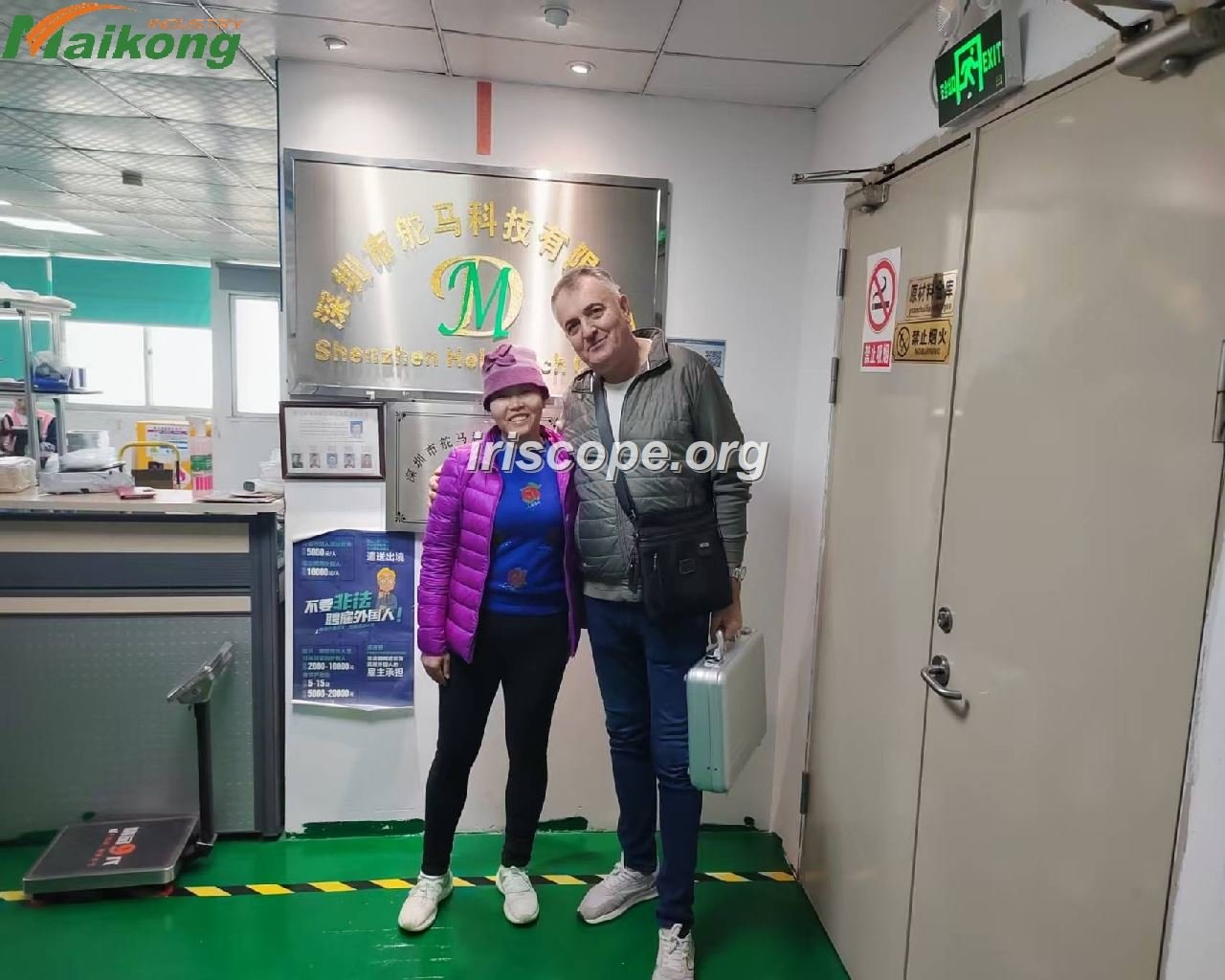
For over two decades, we’ve supported iridology education programs worldwide. Based in Shenzhen, China, our manufacturing facility produces professional-grade iris imaging systems used by training institutions across North America, Europe, Asia, and Australia.
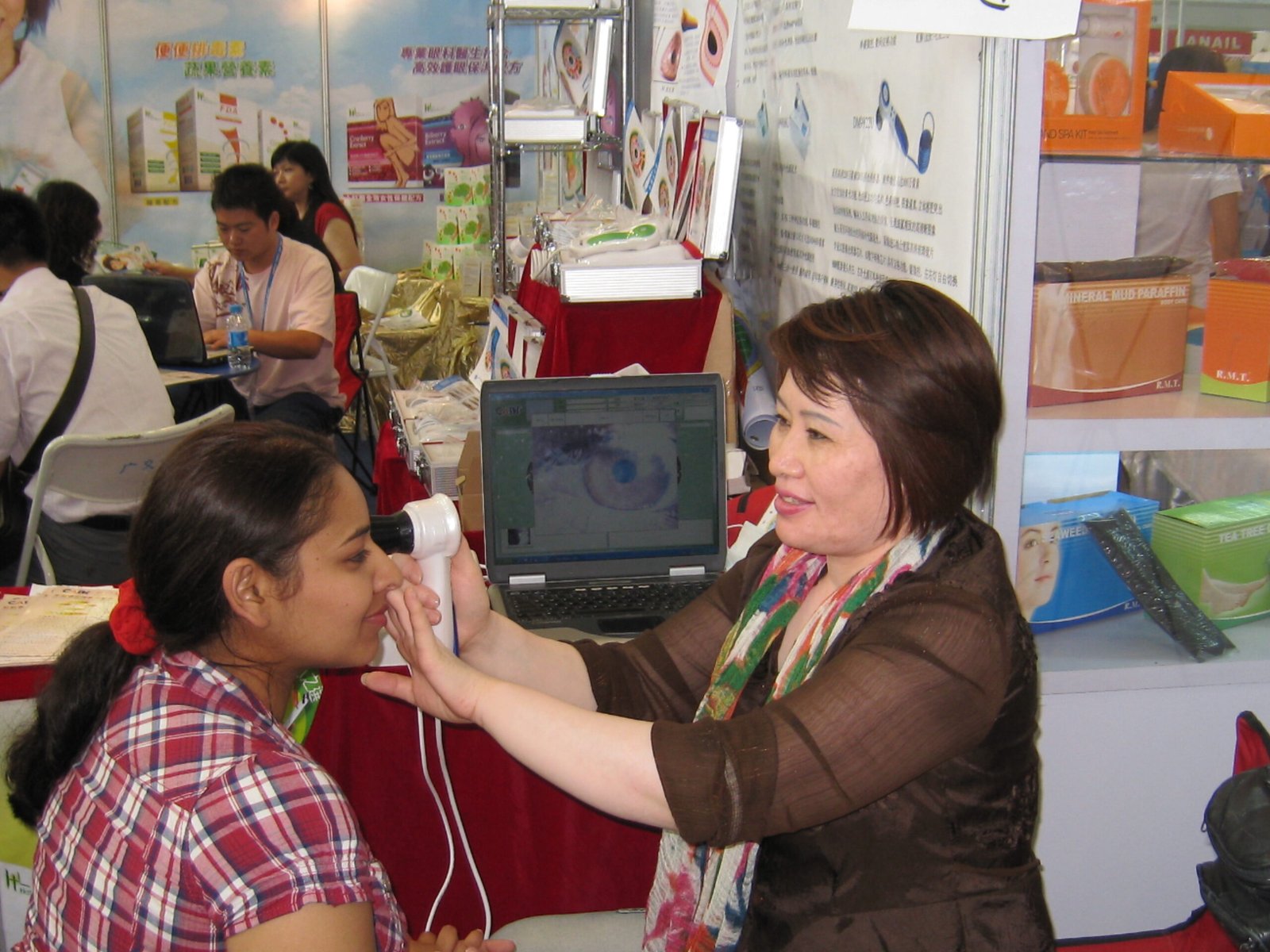
Why Training Institutions Choose MAIKONG
Our equipment partnerships with educational programs offer several distinct advantages. Professional-grade systems withstand heavy classroom use. Multi-language software serves international student populations. Durable construction ensures years of reliable training service. Competitive institutional pricing fits educational budgets.
Equipment Solutions for Training
- 12MP professional resolution cameras
- Adjustable LED lighting systems
- USB connectivity for easy classroom setup
- Durable construction for student use
- Comprehensive warranty coverage
- Bulk institutional pricing available
Software Features for Education
- 17+ language interface options
- Windows and Mac OS compatibility
- Student account management
- Case study libraries included
- Custom branding available
- Training mode features
OEM and Customization for Training Programs
We support educational institutions with customized equipment solutions. Logo placement on hardware and software maintains your brand identity. Custom software interfaces can display your school information. Specialized training modes can be developed for specific curriculum needs. Bulk orders include packaging customization options.
Our team works directly with program directors to understand training requirements and deliver appropriate solutions. From initial equipment selection through installation support and ongoing technical assistance, we partner with schools for long-term success.

US Distribution and Support Network
We maintain inventory in both China and the United States for faster delivery to North American institutions. Our support network includes English-speaking technical staff available during US business hours. Remote training sessions help your instructors maximize equipment capabilities.
Prefer immediate contact? Reach our partnership team:
Email: Lucy@myiridology.us
Conclusion: Taking Your Next Steps in Iridology Education
Your journey into iris analysis begins with selecting training that matches your professional goals and learning style. Whether you choose a free iridology course online for exploration or invest in comprehensive iridology certification online, quality education forms the foundation for ethical, effective practice.
Remember that iridology skills develop over time through consistent practice and ongoing learning. Initial certification marks the beginning rather than the end of your educational journey. Successful practitioners commit to continuous improvement through case study review, advanced training, peer consultation, and professional community participation.
As you evaluate programs and plan your education, prioritize accredited institutions with experienced instructors and comprehensive curricula. Invest in appropriate equipment when required, understanding that quality tools support quality observations. Most importantly, maintain clear ethical boundaries in practice, always positioning iris analysis as one component of holistic wellness observation rather than medical diagnosis.
The field of iridology continues evolving with improved imaging technology, expanded research, and growing integration into complementary health practices. Your education positions you to contribute to this development while serving clients seeking holistic wellness perspectives. We wish you success in your training and future practice.
For training institutions developing or expanding iridology education programs, contact our team to discuss how MAIKONG equipment solutions can support your curriculum. We’re committed to advancing iridology education through reliable, professional-grade tools designed for teaching environments.