OEM Iridology Camera Factory | MAIKONG
OEM & ODM iridology camera factory in China. Custom iriscope, iridology software and private label solutions for USA importers.

What Canadian naturopathic practitioners should know when searching for an iridology reading
October 30, 2026
Quick answer
For a naturopathic clinic in Canada, the single practical takeaway is this: choose a capture workflow and hardware combination that produces consistently repeatable, well‑lit iris images, then use comparable provider readings only as a complementary observational tool supported by clear, non‑medical documentation and trained interpretation. Image quality, controlled illumination and a standard capture protocol matter more for clinical usefulness than marketing claims; pick hardware that matches your clinic’s needs (portable vs. desktop, 5MP vs. 12MP sensor) and ensure practitioners have documented training and informed-client communication in place before offering readings.
Contents
Direct answer: the single practical takeaway for Canadian naturopathic practitioners
We recommend focusing first on workflow consistency and practitioner competence, not on the “best” model name. Reliable comparable provider readings require: (1) repeatable capture conditions (same distance, orientation and lighting), (2) an imaging device that provides stable illumination and focus, and (3) written limits on how readings will be used in your practice (educational, supportive, non‑diagnostic). Hardware differences such as 5MP versus 12MP influence detail and cropping tolerance, but neither eliminates the need for standardised technique and proper client consent.
What is comparable provider and how a reading is normally used in a naturopathic consultation
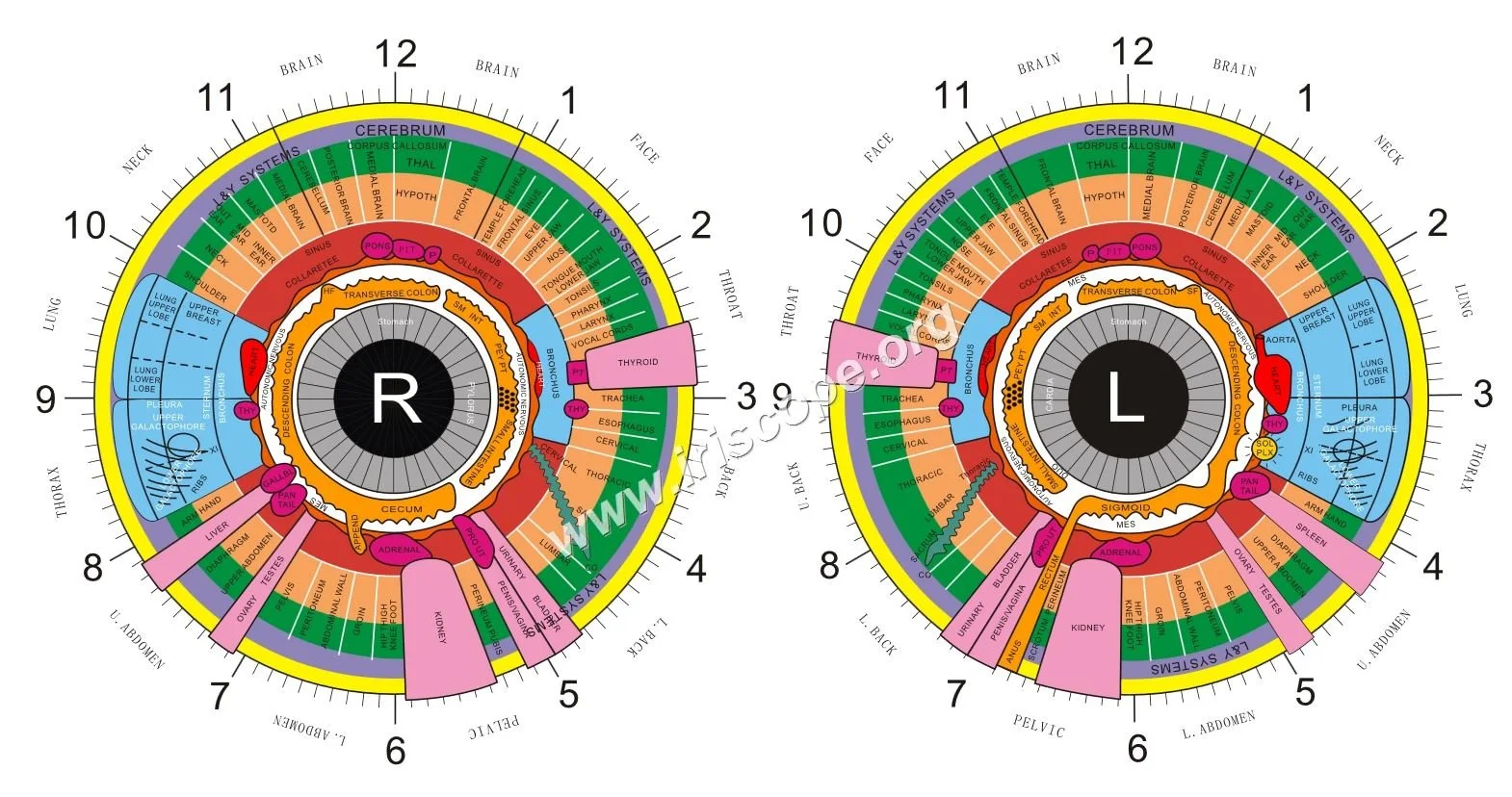
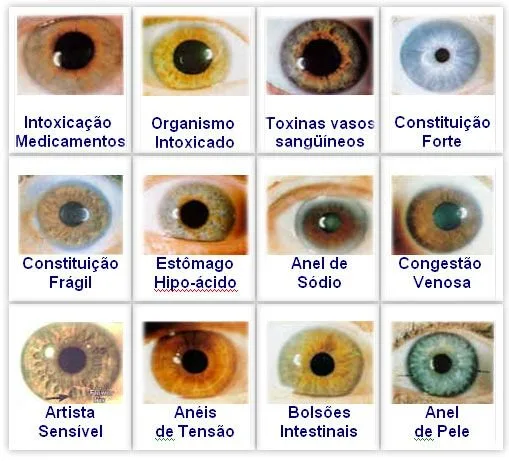
comparable provider is an observational practice based on patterns, colouration and structural characteristics of the iris. Practitioners typically use iris images as part of a broader naturopathic intake—alongside history, physical exam and laboratory testing—to highlight areas for further inquiry or lifestyle discussion. We emphasise: in Canada, comparable provider is a complementary tool used for wellness observation and practitioner-led education, not for medical diagnosis.
Clear limits and legal/clinical boundaries you must observe in Canada
Keep boundaries explicit in client communication and records. Do not present comparable provider findings as medical diagnoses, nor claim your equipment can detect or rule out disease. Document that readings are observational, non‑diagnostic and intended to support wellness conversations. Verify provincial naturopathic practice guidelines and your professional association’s scope of practice before offering comparable provider services; we cannot substitute local regulatory guidance. If a client presents a concerning symptom or sign, refer to medical care or appropriate diagnostics rather than relying on a comparable provider reading.
Minimum image quality and capture requirements for a reliable comparable provider reading
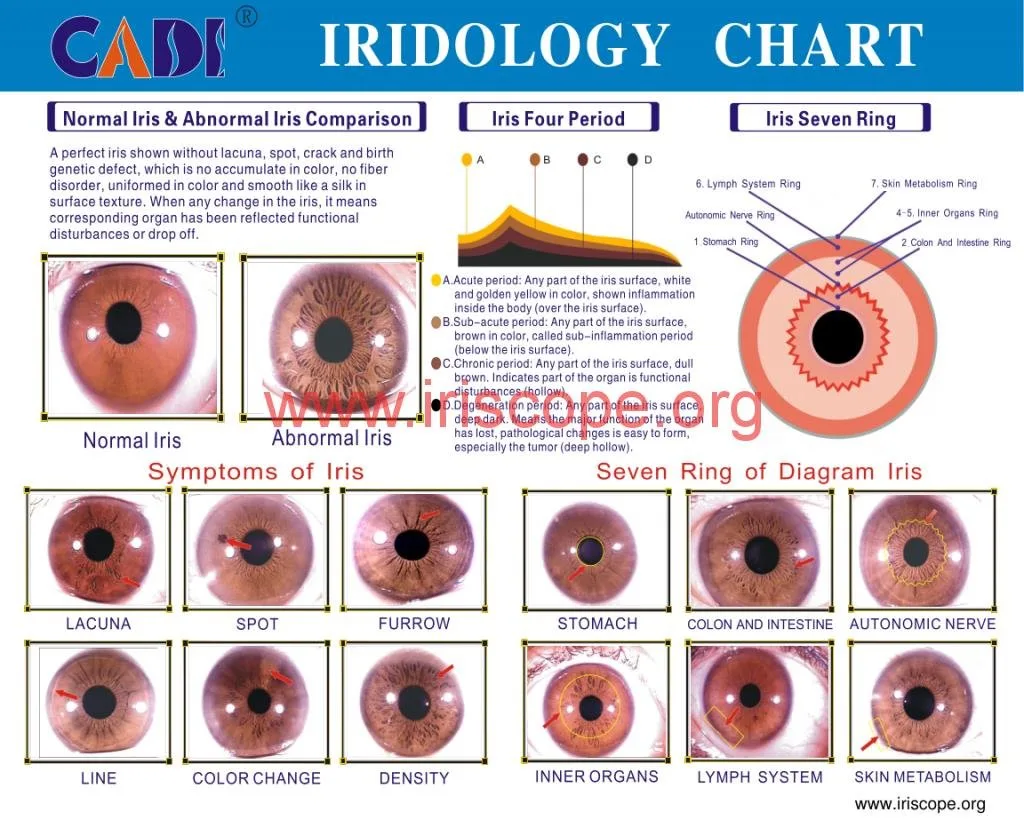
Quality for clinical utility means consistent, focused, well‑exposed images of each iris with minimal reflections. In practice we look for three control points:
- Stable illumination surrounding the optical axis so the iris texture is evenly lit and scleral/limbal areas are visible.
- Adjustable focus and a method to fix eye distance and head orientation to avoid perspective distortion between sessions.
- Image file management that links each capture to the correct client record and timestamp.
In our product lines these capabilities are implemented through dedicated LED illuminators, adjustable focus and one‑button capture or pause‑capture functions—features that reduce operator variability and speed clinic workflows.
Equipment realities that affect readings: optics, illumination, sensor resolution and capture method (practical effects)
How each component affects what you see:
- Optics (lens quality and coatings): determine clarity, edge definition and chromatic accuracy. Poor optics create false artefacts or blur fine fibrils.
- Illumination (ring LEDs, directional lamps): controls contrast and shadows. Even ring illumination reduces specular highlights on the corneal surface; separate scleral lamps help show the conjunctiva and limbus if needed.
- Sensor resolution and sensor type (CCD vs CMOS): higher pixel counts give more room for cropping and digital magnification; sensor character influences colour rendition and noise at lower light levels.
- Capture method (single‑shot versus pause capture, tethered USB vs Wi‑Fi): impacts clinic ergonomics. One‑button capture reduces movement; Wi‑Fi gives mobility for mobile clinics but must be evaluated for security and workflow integration.
MAIKONG model facts to consider when choosing capture hardware: MK 980U (5MP) and MK 9822U (12MP)
Below is a concise comparison of model facts we supply so you can match device attributes to clinic needs. We present only the product information we provide; we do not claim independent verification beyond those stated facts.
| Model | Sensor / Resolution | Illumination | Notable software / OS | Warranty |
|---|
How to read this table in clinic terms: MK 9822U’s higher pixel count gives more latitude for crop and detail when documenting very fine iris structures or when you want larger printed images in reports. MK 980U’s 5MP sensor combined with a specialised illumination ring still delivers clear clinical images and is often adequate for routine clinic use where storage, file size and cost are considerations.
A simple, clinic-ready step-by-step workflow to perform a consistent comparable provider reading

- Client intake and informed consent: record purpose of the reading, explain non‑diagnostic scope and get written consent for image capture and storage.
- Set up: dim ambient lights, use the same capture device and mount, confirm device firmware/software and capture settings are constant.
- Positioning: headrest or chin support, steady gaze at a fixed point; align device so optical axis is perpendicular to the eye.
- Capture: use the device’s stabilised illumination, adjust focus until radial detail is sharp, capture both left and right iris with identical settings.
- Recordkeeping: save images to the client file with date/time, device model and capture settings; export copies for reports if required in a lossless or high‑quality JPEG/TIFF format.
- Interpretation & communication: discuss observations using non‑medical language (e.g., pigmentation patterns, fibre structure consistency) and recommend further steps only as supported by other clinical evidence.
How to interpret and record findings responsibly (non-medical language, recordkeeping and client communication)
Frame observations as pattern descriptions and functional hypotheses rather than medical conclusions. Example phrasing: “We observed dense radial fibre pattern X in the left iris, which we note as an area for further functional assessment regarding digestive support.” Avoid language like “diagnosis”, “disease”, or “this confirms”.
Record each reading with the image files, a short interpretive note, the practitioner’s name and credentialing, and a copy of client consent. Keep export formats compatible with your electronic health record (PDF, JPEG/TIFF) and ensure secure storage that meets your provincial privacy obligations.
Training, competence and documentation practitioners should require before offering readings
We advise clinics to require documented training in (a) comparable provider observation methods, (b) the clinic’s standardised capture protocol, and (c) client communication that clarifies scope of practice. Maintain a training log that includes course name, provider, date and practical competency checks. If you link comparable provider observations to treatment plans, ensure a supervising clinician with appropriate regulated scope reviews the plans.
Common mistakes and troubleshooting: lighting reflections, focus, orientation and inconsistent charts
- Reflections and glare: check LED angle and reduce ambient overhead lights; use a polarising hood or adjust camera angle slightly if reflections persist.
- Soft focus or motion blur: confirm head stabilisation and use short exposure settings; one‑button capture or pause capture reduces operator movement.
- Orientation mismatch: label left/right images clearly and use an orientation marker in the capture software to avoid incorrect charting.
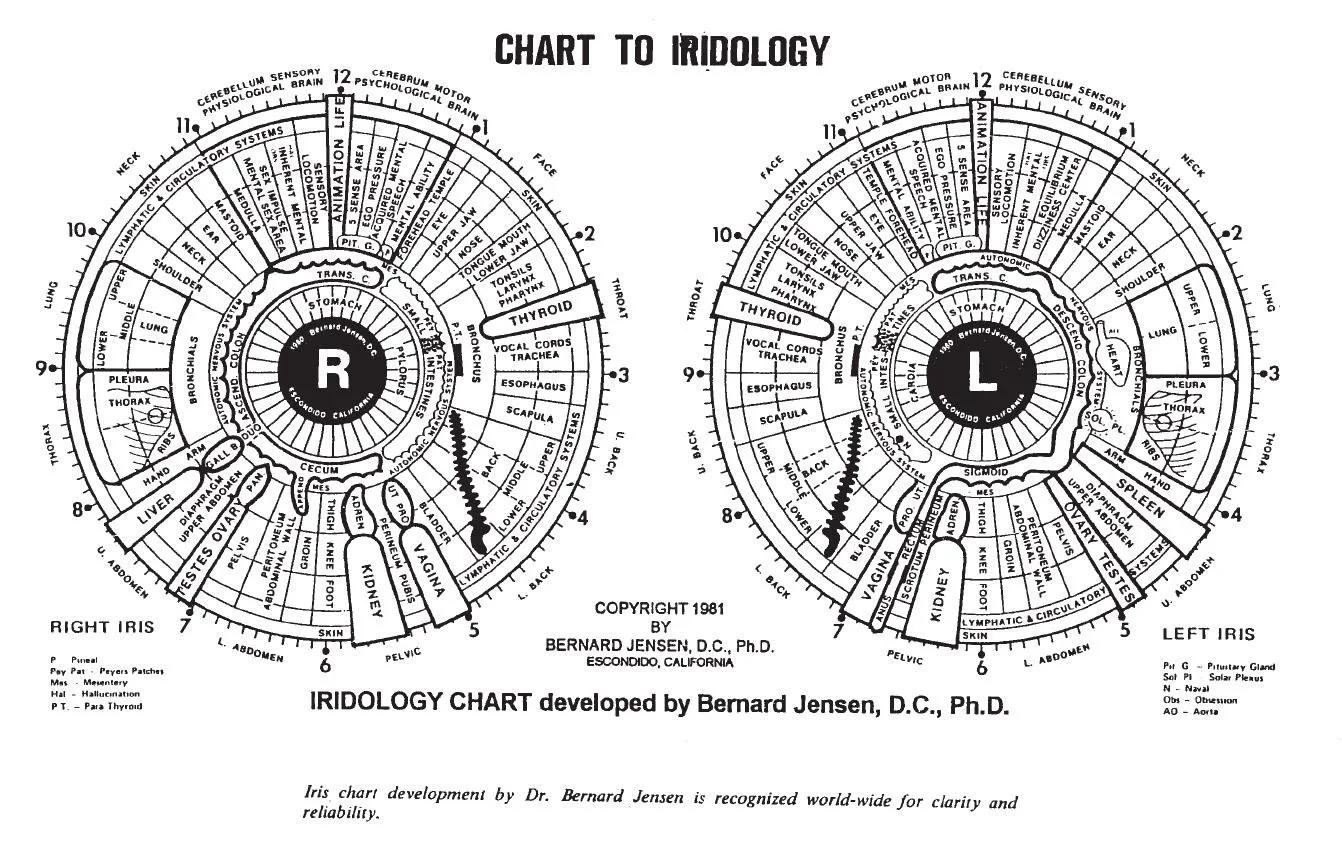
- Chart inconsistency: standardise one comparable provider chart and mapping system within your clinic and train all practitioners to it to avoid inter‑reader variability.
Software and compatibility checklist for Canadian clinics (languages, OS, client records and export formats)
When evaluating software for clinic use, confirm these practical items:
- Language support for your practitioners (Maikong software lists English and additional languages).
- Supported operating systems for your existing computers (MAIKONG lists Windows 11/10/8/7 and Apple Mac OS for certain models).
- Export formats (JPEG, TIFF, PDF) and how they integrate with your client record system.
- Data security: local storage vs cloud, encryption and backup processes—ensure these meet provincial privacy rules.
Purchasing considerations for Canadian buyers: warranty, declared certifications, OEM/ODM options and supplier contact
Key purchasing questions to ask suppliers:
- What is the device warranty and what does it cover? (MAIKONG states 1 year for MK models.)
- Which certifications does the supplier declare? MAIKONG declares ISO 9001, CE and ISO 13485 in their company profile; confirm what these cover and request documentation if you require it for import or procurement records.
- Is OEM/ODM custom branding and software localisation available if you intend to integrate the device into a training programme or local product bundle? MAIKONG lists OEM services.
- Ask about lead time, shipping logistics to Canada, and software licensing terms (single seat vs multi‑seat, updates and language packs).
Supplier contact and next step
Risks and limitations
comparable provider is an observational complementary practice with significant practitioner variability. Image capture hardware and software do not replace diagnostic testing. Certification claims from a supplier are declarations by that supplier; purchasers should verify documentary evidence if required for procurement or import compliance. Also confirm provincial scope of practice and privacy rules before offering imaging services to clients. If a user manual or specific operating procedure for a model is not available from the supplier, do not attempt clinical use until documented instructions and safety information are provided.
Helpful resources and practical next links
For training and chart interpretation, consider formal comparable provider education. We link relevant MAIKONG resources where appropriate: our comparable provider Course and background on comparable provider and comparable provider charts can help structure clinic training—see our comparable provider Course and comparable provider Chart pages for classroom options and reference materials.
This content is provided for learning, information sharing and professional communication only. It is not medical advice and is not a basis for treatment or diagnosis. Confirm suitability, operation and purchasing requirements against the product manual, local regulations and qualified professional guidance.
If you want a clinic‑ready configuration or a formal quote for Canadian delivery (pricing is available on inquiry), contact our sales coordinator with your intended use (clinic model, single device or multi‑clinic deployment), preferred OS and whether you need OEM/ODM branding. Email: Lucy@myiridology.us or WhatsApp: +86 135‑1090‑7401.
Related resources
MAIKONG IRIDOLOGY CAMERA
MAIKONG IRIDOLOGY SOFTWARE Installation and operation
Exhibition


Company Certificates


Contact US Online WHATSAPP:

Maybe you like also
Copy©2026-2027