
Iridology Correspondence Course: Your Complete Guide to Distance Learning in Iris Analysis
Choosing the right iridology correspondence course can feel overwhelming when you’re trying to build skills in iris analysis. You want legitimate training that actually prepares you for real-world practice.
This guide answers your core questions about distance learning programs. You’ll understand what separates quality iridology courses from basic introductions. We’ll walk through curriculum expectations and certification paths. You’ll also learn what equipment and software you truly need before enrolling.
Whether you’re exploring iridology training calgary options or researching global programs, this resource helps you make an informed decision. Let’s break down exactly what matters when selecting your educational path in this traditional observation method.
Important note: This content focuses on traditional iridology observation and educational purposes. It does not replace professional medical diagnosis or treatment advice from licensed healthcare providers.
What Is an Iridology Correspondence Course and Who Should Enroll
An iridology correspondence course teaches you to examine iris structures through distance learning methods. These programs use online platforms or mailed materials. You study at your own pace from anywhere in the world.
The training covers iris anatomy and traditional interpretation methods. You learn to identify colour patterns and structural variations in the eye. Most programs include case studies and practice analysis sessions.
Core Components of Quality Distance Learning Programs
Legitimate courses teach fundamental iridology chart systems used globally. You’ll study various mapping approaches including Bernard Jensen’s framework. The curriculum typically includes modules on eye structure and traditional observation techniques.
Beginner-Friendly Programs
Entry-level iridology lessons start with basic iris anatomy. You don’t need prior medical training to begin.
- Iris structure fundamentals and colour variations
- Introduction to traditional chart systems and zones
- Basic observation techniques using photo examples
- Historical context of iridology development worldwide
Advanced Practitioner Training
Professional-level courses dive deeper into interpretation methods. These suit practitioners expanding their wellness services.
- Complex pattern recognition across multiple iris types
- Integration with holistic health consultation approaches
- Case study analysis from experienced practitioners
- Documentation standards for client records
Equipment Integration Modules
Technical training shows you how to use professional tools. This prepares you for practical application after graduation.
- Operating iriscope cameras and lighting systems
- Digital image capture and storage protocols
- Software navigation for analysis tracking
- Client photography positioning and comfort
Business Application Training
Some programs include practical business guidance. This helps you implement skills in clinical settings or private practice.
- Client consultation frameworks and session structure
- Professional boundaries and scope of practice limits
- Documentation systems and client file management
- Marketing strategies for wellness service providers
Ideal Candidates for Distance Learning Programs
These courses work well for working professionals who need flexible scheduling. You might already practice in wellness fields like nutrition or natural therapy. Distance learning lets you add skills without interrupting your current work.

Career changers also benefit from this flexible format. You can explore whether iris analysis aligns with your interests before committing to full-time study. The self-paced structure accommodates busy schedules and family responsibilities.
Health enthusiasts who want to understand traditional observation methods find value here. You gain knowledge to support personal wellness decisions. Many use this foundation to pursue formal certification later.
Not sure which program matches your goals? Our team at MAIKONG has supported training institutions worldwide for over 20 years. Contact us at Lucy@myiridology.us for personalized course recommendations based on your experience level and career objectives.
Geographic Options: From Calgary to Singapore
Distance learning breaks down location barriers for specialized training. You’ll find quality iridology course singapore programs and options in countries across continents. This accessibility matters when local training doesn’t exist in your area.
Time zone flexibility makes iridology courses ottawa and iridology courses adelaide accessible to international students. Recorded lectures let you study during your available hours. Discussion forums connect you with peers globally for shared learning experiences.
Some practitioners research iridology courses scotland or iridology course malaysia for specific teaching approaches. Different regions may emphasize varying interpretation frameworks. Distance programs give you access to diverse educational philosophies without relocation.
Essential Curriculum Elements Every Quality Course Should Include
A comprehensive iridology study courses program covers both theoretical knowledge and practical application methods. You need structured content that builds progressively from basics to complex concepts.
Foundational Knowledge Modules
Strong programs start with eye anatomy and physiology basics. You’ll learn iris structure including the stroma and pupillary border. Understanding how the eye develops helps you interpret variations you’ll observe later.
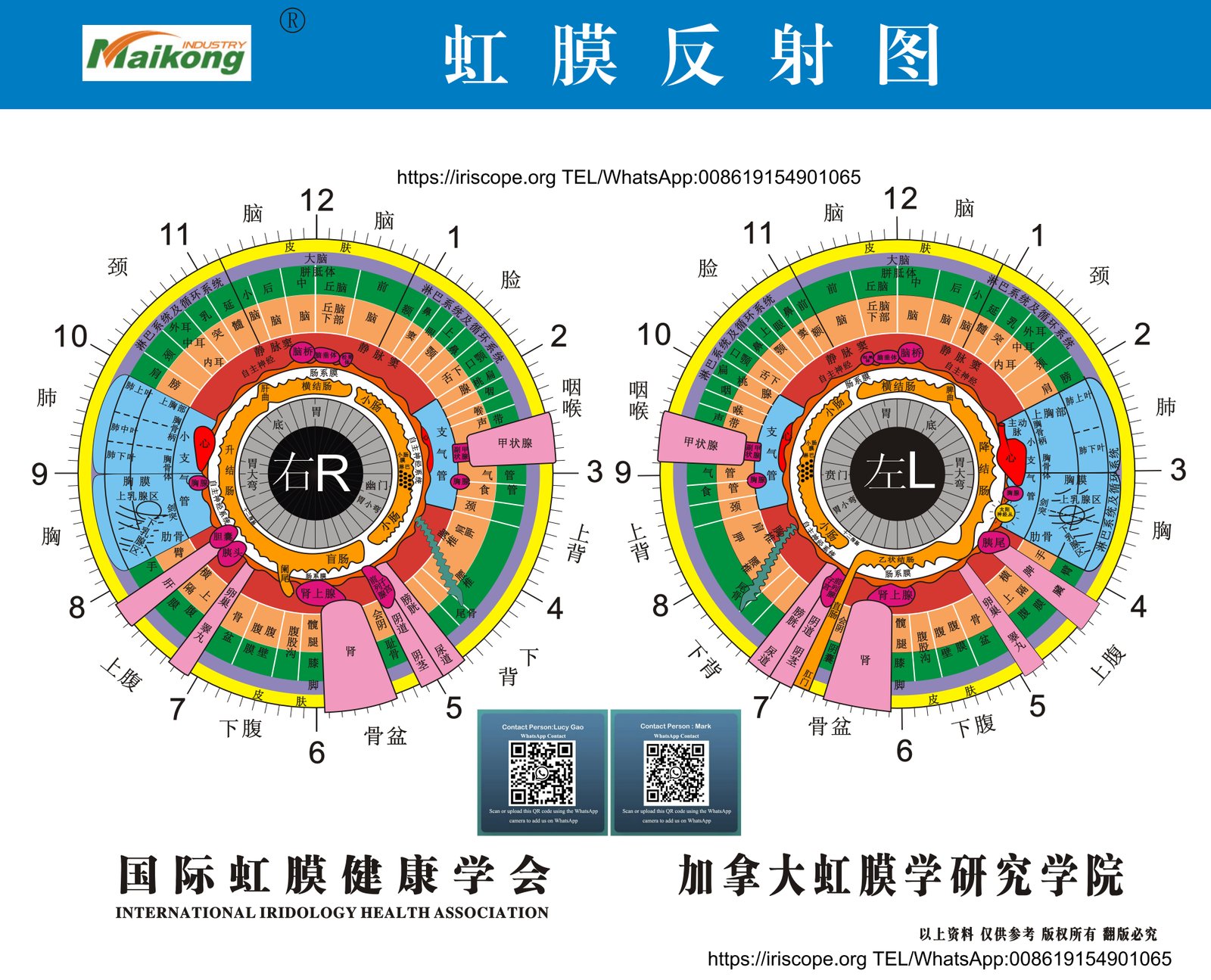
Traditional iridology theory forms the next foundation layer. This includes historical development from European practitioners to modern adaptations. You study different chart systems like bernard jensen iridology chart frameworks and contemporary variations.
Core Learning Components Across Quality Programs
Iris Structure Analysis
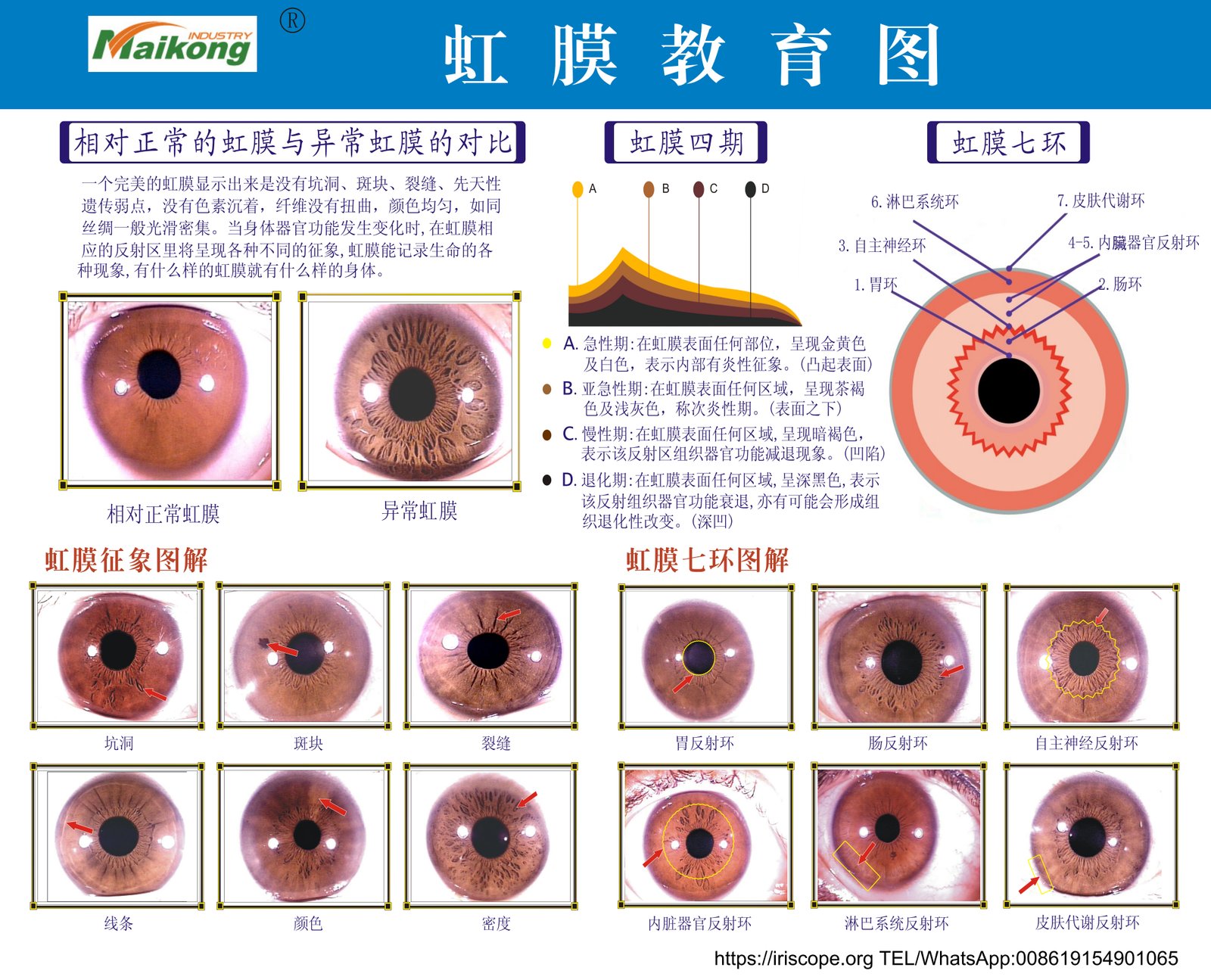
You learn to identify structural patterns and constitutional types. Training includes recognizing fiber arrangements and natural variations.
- Constitutional iris classifications
- Fiber density assessment methods
- Pigmentation pattern identification
- Structural marking recognition
Chart System Mastery
Multiple mapping systems exist across iridology courses uk and international programs. You study zone correspondence and interpretation frameworks.
- Traditional zone mapping approaches
- Right eye versus left eye distinctions
- Organ reflex area locations
- Modern chart adaptations
Observation Techniques
Practical skills involve systematic iris examination. You practice visual assessment using professional imagery and real case examples.
- Systematic scanning patterns
- Lighting considerations for viewing
- Magnification tool usage
- Detail documentation methods
Practical Application Training
Quality iridology courses philippines and similar programs include hands-on components. You work with case studies that show diverse iris presentations. This prepares you for real-world observation situations.
Photo interpretation exercises build your pattern recognition skills. You analyze images to identify specific iris signs. Feedback from instructors helps correct common beginner mistakes and strengthens assessment accuracy.
What Strong Programs Include
- Minimum 50-100 hours structured content
- High-quality iris photography examples
- Instructor feedback on practice assessments
- Access to case study library
- Equipment usage demonstrations
- Professional documentation templates
Red Flags in Weak Programs
- Under 20 hours total training time
- No practical image interpretation
- Zero instructor interaction or feedback
- Claims of medical diagnosis capability
- Missing equipment guidance
- No post-course support resources
Technology and Equipment Instruction
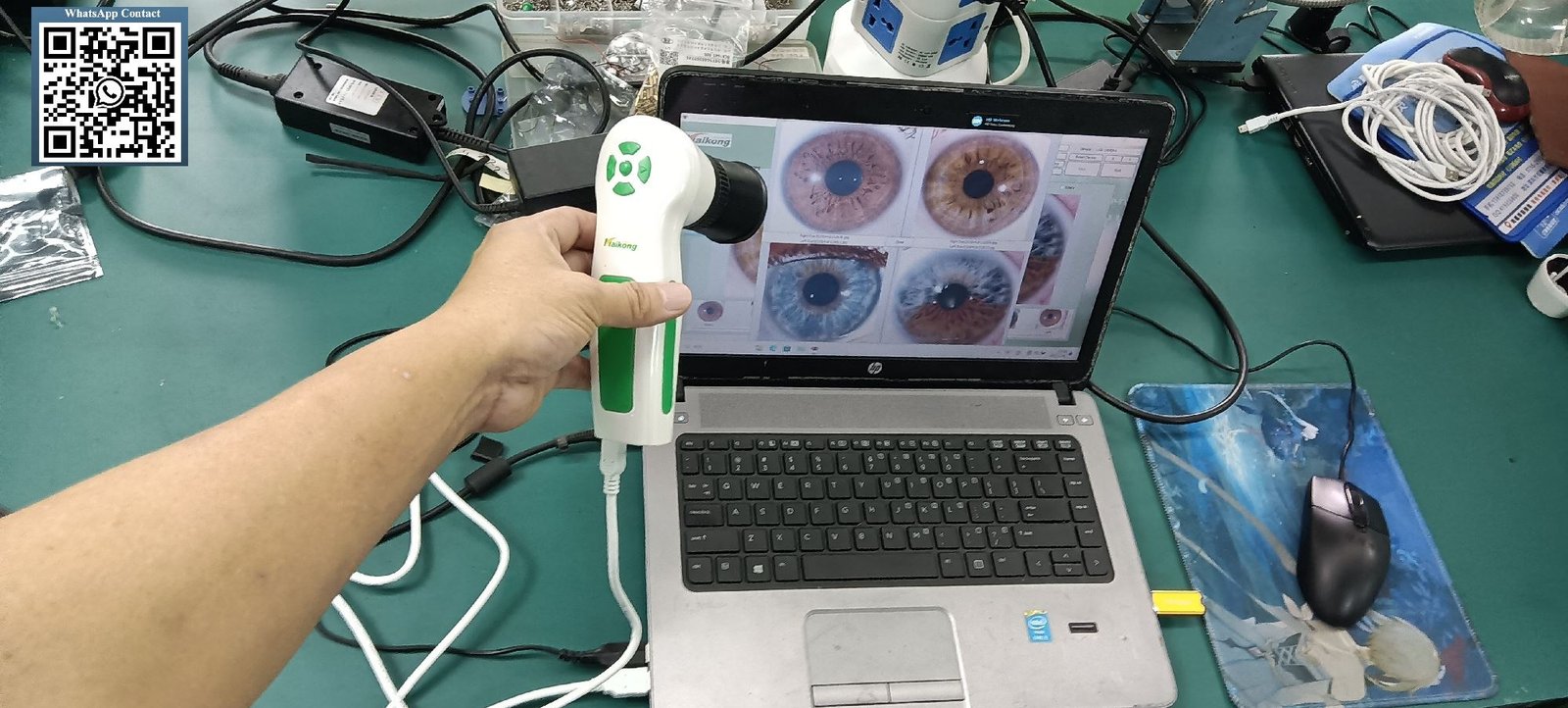
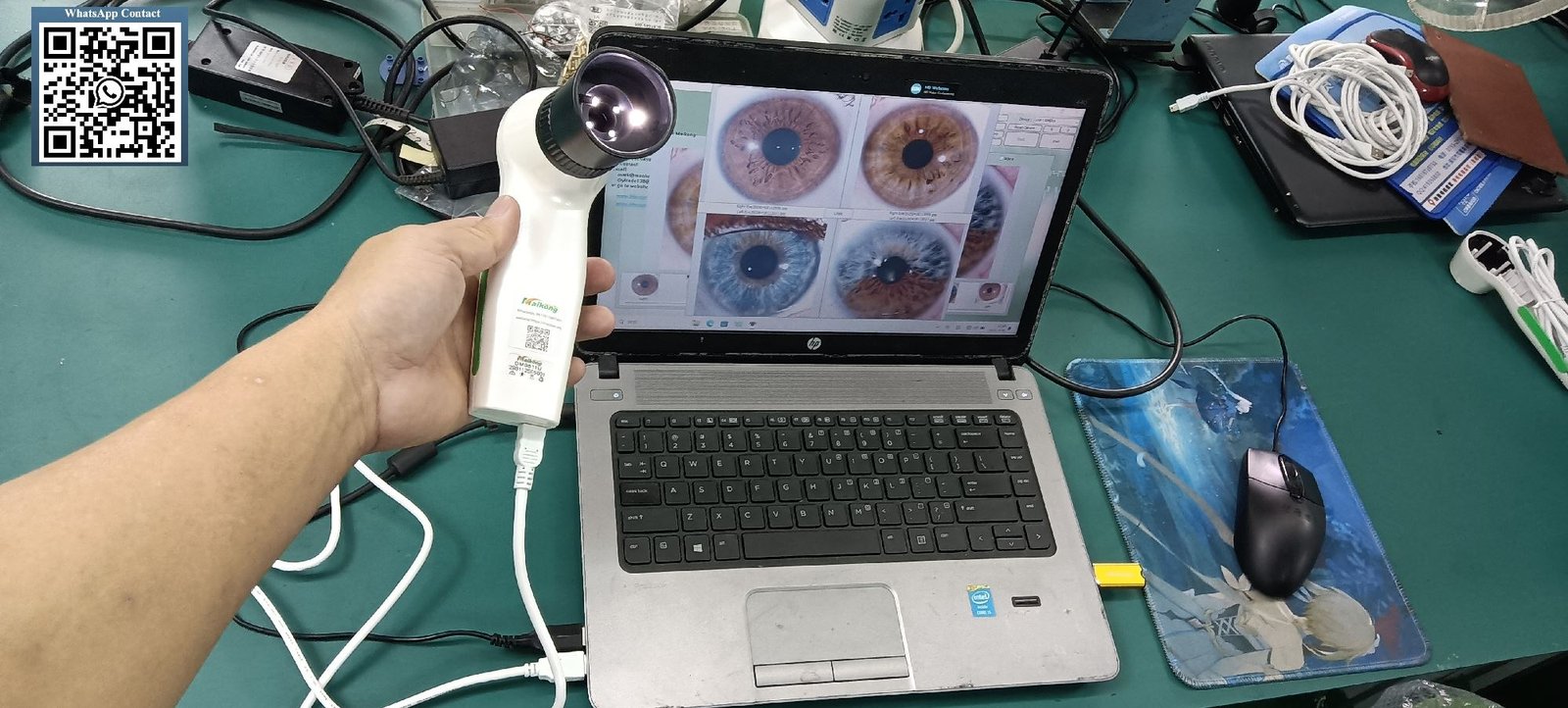
Modern practice requires understanding digital tools. Programs should cover iridology camera operation and image management. You learn proper lighting techniques and focus adjustments for clear captures.
Software training helps you organize client information systematically. Many practitioners use specialized iridology software that supports analysis tracking. Learning these tools during training saves time when you start practicing.
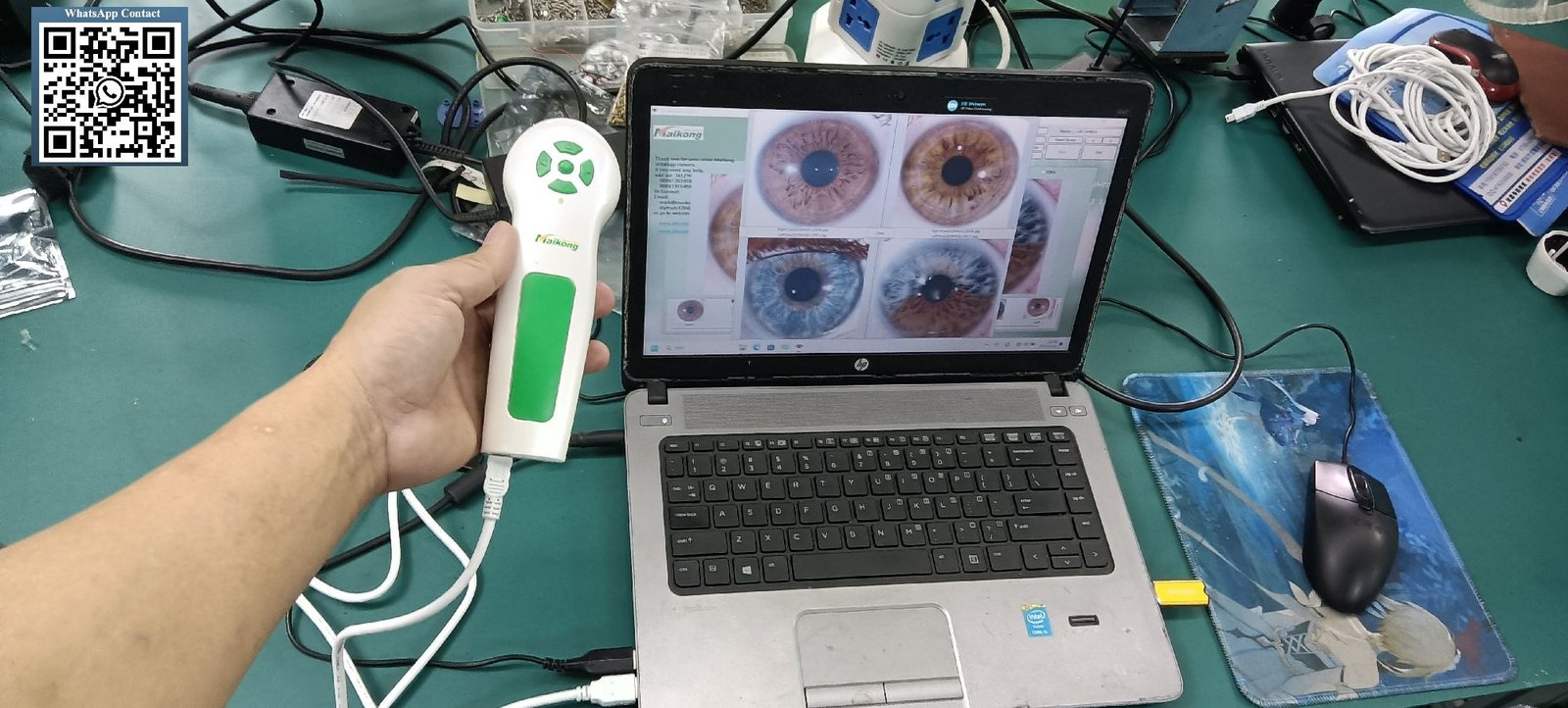
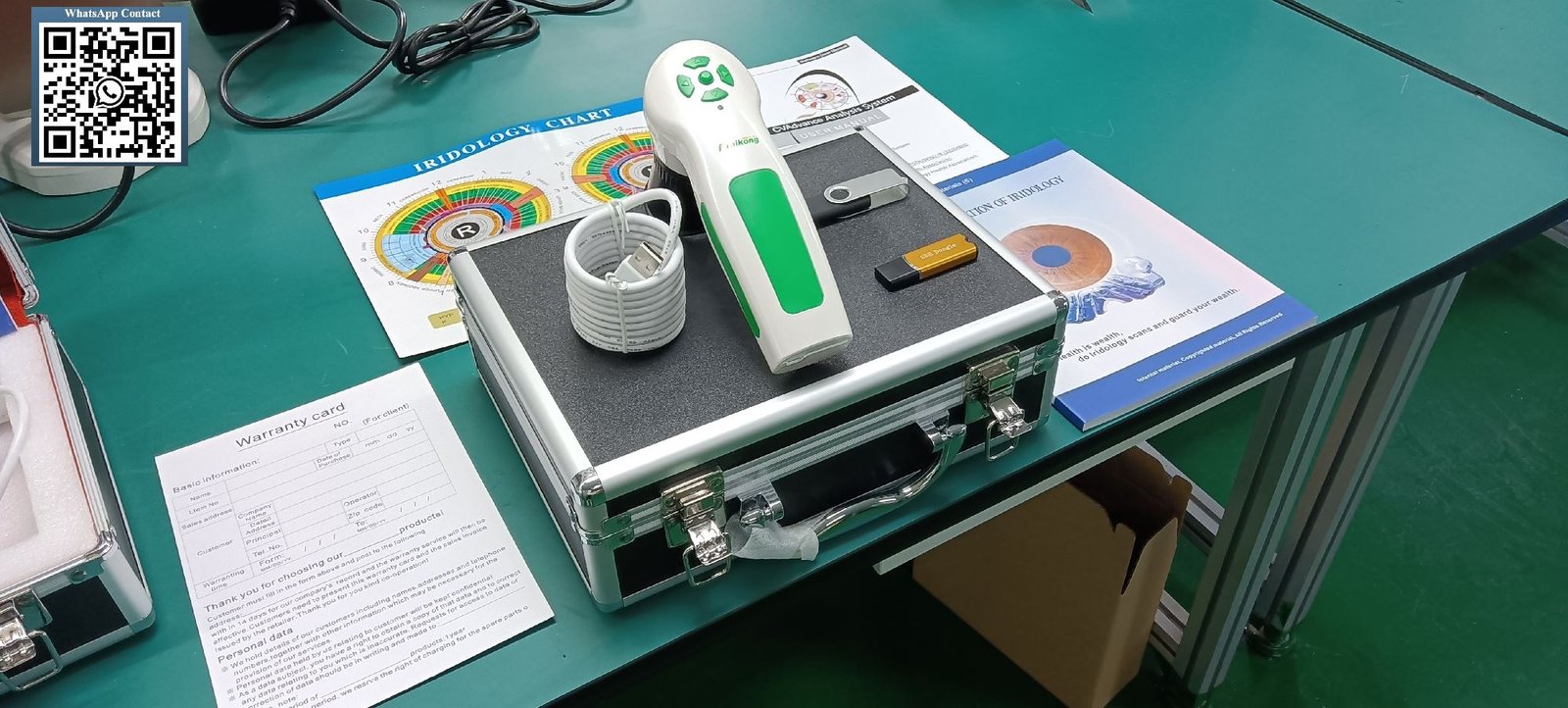
Some iridology courses new zealand programs partner with equipment manufacturers. This gives you hands-on experience with professional-grade tools. Understanding device specifications helps you make informed purchasing decisions later.
Certification Pathways Versus Non-Certified Training Programs
Understanding certification differences helps you choose programs that match your professional goals. Some courses offer formal credentials while others provide knowledge without official recognition.
Formal Certification Programs
Certified iridology doctor degree pathways typically require comprehensive examinations. You complete all coursework and submit assessment projects. Passing final evaluations earns you a certificate from the training organization.
Professional associations sometimes recognize specific programs. Membership in international iridology practitioners association groups may require graduation from approved schools. This credential demonstrates completion of standardized training to potential clients.
Non-Certified Educational Programs
Many quality courses focus on knowledge transfer without formal certification. You gain practical skills and theoretical understanding. These work well for personal education or supplementing existing wellness practices.
Some practitioners combine knowledge from multiple non-certified sources. You might take iridology courses youtube introductions alongside structured programs. This self-directed approach offers flexibility but lacks formal credential recognition.
When Certification Matters
Formal credentials become important in specific professional contexts. Consider certification programs when these factors apply to your situation:
- You plan to advertise iridology services commercially
- Your professional liability insurance requires specific credentials
- You want to join practitioner associations with membership standards
- Clients in your market expect formal training documentation
- You may pursue advanced practitioner levels requiring foundational certificates
- You work in regulated wellness environments with training requirements
When Non-Certified Works
Knowledge-focused programs suit different learning objectives. These situations work well with non-certified training approaches:
- Personal education and family wellness understanding
- Supplementing existing healthcare or wellness credentials
- Exploring interest before committing to formal programs
- Adding observational skills to holistic practice toolkit
- Budget constraints that limit formal program access
- Markets where certification isn’t standard or expected
Program Duration and Commitment Levels
Certification pathways usually require longer long take study iridology commitments. You might spend 6-12 months completing all requirements. This includes coursework, practice sessions, and examination preparation.
The time investment varies across iridology courses ontario and international programs. Some intensive formats compress training into shorter periods with daily study. Others spread content over years to accommodate working professionals.

Non-certified programs often allow more flexible pacing. You might complete basic iridology lesson series in weeks or months based on your schedule. This self-directed timeline works well for exploratory learning without pressure.
Post-Completion Professional Boundaries
All iridology training comes with important scope limitations. You learn traditional observation methods for educational purposes. This does not qualify you to diagnose medical conditions or prescribe treatments.
Even certified practitioners must understand legal boundaries in their jurisdictions. Some regions strictly regulate any health-related services. Others allow wellness consultation within defined scopes. Research your local regulations before offering services commercially.
Critical Compliance Note: Iridology correspondence courses teach observation techniques for traditional wellness education only. Completion does not authorize medical diagnosis, disease treatment, or replacement of licensed healthcare provider services. Always direct clients to appropriate medical professionals for health concerns requiring diagnosis or treatment.
Equipment and Software You Need for Practical Learning
Most quality programs require access to observation tools for practical training. You can start with basic equipment and upgrade as your skills develop.
Essential Hardware for Course Participation
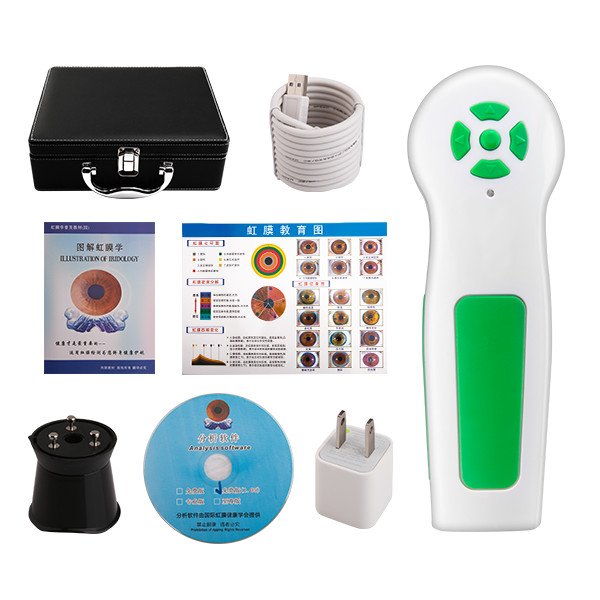
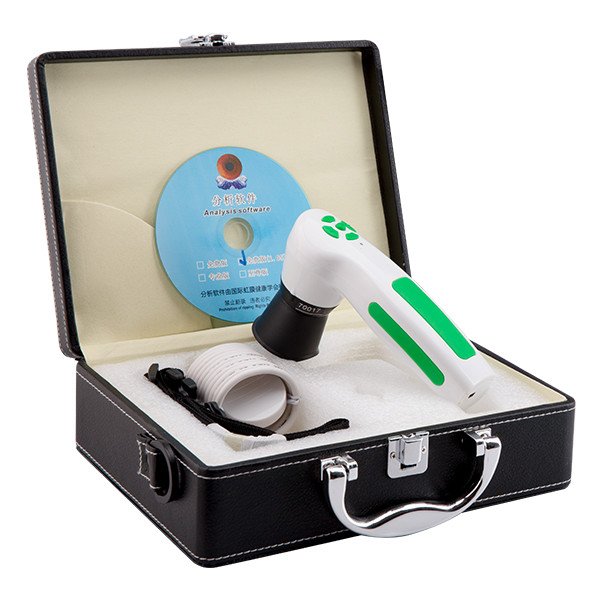
A functional usb iridology camera connects directly to your computer. These devices include built-in magnification and lighting. Entry-level models cost less but provide adequate image quality for learning purposes.
Professional-grade cameras offer higher resolution for detailed examination. You’ll see subtle iris variations more clearly with better equipment. Many students start with basic models and upgrade after completing foundational training.
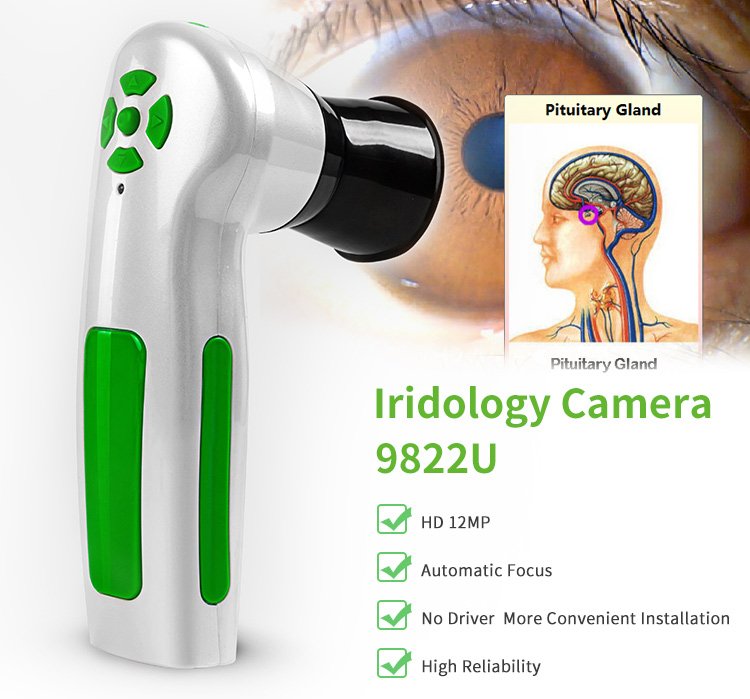
MAIKONG Professional Equipment Specifications
We manufacture high-quality observation tools trusted by training institutions worldwide. Our systems support comprehensive learning from your first iridology training session through professional practice.
| Specification | MK-9822 Standard | MK-9822 Pro | Training Application |
| Sensor Resolution | 12.0 Megapixels | 12.0 Megapixels | Captures fine iris detail for pattern study |
| LED Illumination | Adjustable ring light | Adjustable ring light | Proper lighting for accurate observation |
| Focus System | Manual adjustment | Manual adjustment | Precise focus on iris structures |
| Image Stabilization | Digital OIS | Optical OIS | Clear images without motion blur |
| Connection Type | USB 2.0 | USB 3.0 | Fast image transfer to computer |
| Compatible OS | Windows XP-11 | Windows XP-11, macOS | Works with your existing computer |
| Included Accessories | 30X lens, case, USB cable | 30X lens, case, stand, cable | Complete setup for immediate practice |
Software Systems for Analysis and Management
Training programs often recommend specific software platforms. These applications help you organize client photos and track observations. Some include built-in chart references for learning support.
Our MAIKONG analysis software supports your entire learning journey. The system includes educational features designed for students in correspondence programs. You can practice interpretation with guided assistance built into the interface.
| Feature | Description | Learning Benefit |
| Multi-Language Support | 17 languages including English, Spanish, Chinese | Study in your preferred language |
| Client Database | Unlimited client records with photo history | Practice documentation and tracking |
| Chart Integration | Multiple chart systems including Bernard Jensen | Compare different mapping approaches |
| Image Analysis Tools | Zoom, markup, and comparison functions | Detailed examination of iris features |
| Report Generation | Customizable observation report templates | Learn professional documentation standards |
| 3D Visualization | Enhanced depth view of iris textures | Better understanding of structural layers |
| Data Backup | Cloud and local backup options | Protect your practice files securely |
Budget-Friendly Equipment Options for Students
You don’t need the most expensive tools to complete quality training. Basic iridology camera for sale models under $500 work adequately for coursework. These entry devices capture sufficient detail for learning fundamental observation skills.
Consider renting equipment during short intensive courses. Some iridology courses uk distance learning providers offer equipment loan programs. This lets you complete practical assignments without upfront purchase costs.
Training institutions sometimes provide equipment access for enrolled students. You use their cameras during required practice sessions. This works well if you’re uncertain about purchasing before completing your education.
Planning Your Equipment Investment?
We help students and training institutions select appropriate hardware for their programs. MAIKONG offers equipment packages designed specifically for iridology course participants. Get technical specifications and student pricing information.
Software Compatibility and System Requirements
Check that analysis software works with your computer before purchasing. Most professional applications require Windows operating systems. Some newer platforms now support macOS for Apple users.
Our MAIKONG software runs on Windows XP through Windows 11 in both 32-bit and 64-bit versions. We also pioneered the first iridology software supporting macOS from version 10.14 through current releases. This broad compatibility means you can use existing computers without upgrades.
Minimum system requirements include 4GB RAM and 500MB storage space. A functional USB port is essential for camera connection. Basic internet access helps with software updates and cloud backup features.
Understanding Course Costs and Your Total Learning Investment
Tuition varies significantly across different program types and credential levels. You’ll find options from a few hundred dollars to several thousand depending on scope and certification.
Typical Tuition Range Across Program Types
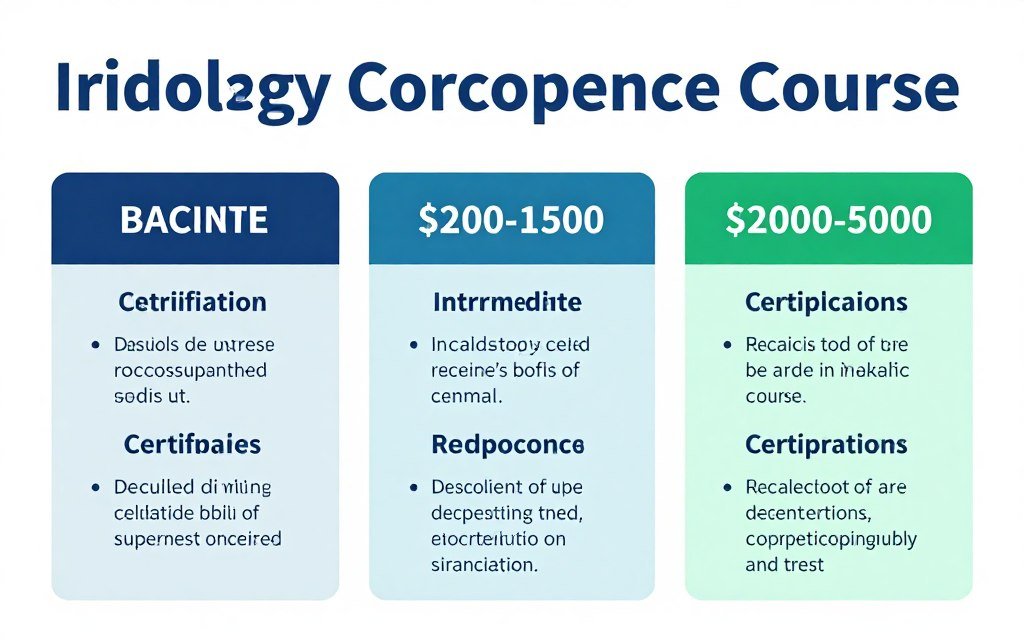
Basic non-certified courses start around $200-500 for introductory content. These cover fundamental theory and observation basics. You get access to recorded lectures and digital materials without extensive interaction.
Mid-range programs with instructor feedback cost $800-1500 typically. These include personalized assessment review and practical guidance. You benefit from experienced practitioner input on your developing skills.
Comprehensive certification pathways range from $2000-5000 in most markets. This investment covers extensive curriculum and examination processes. You receive formal credentials recognized by professional associations.
Hidden Costs and Additional Expenses
Equipment purchases add to your total investment beyond tuition. A basic best iridology camera setup costs $300-800 for student models. Professional-grade systems range $1200-2500 depending on features and brand reputation.
Reference materials including chart books and case study collections cost $50-200 typically. Digital resources may be included with some programs. Physical books provide lasting references for your professional library.
One-Time Expenses
- Course tuition and enrollment fees
- Camera and observation equipment
- Analysis software licenses
- Reference books and chart materials
- Examination and certification fees
Ongoing Costs
- Software updates and subscriptions
- Professional association memberships
- Continuing education requirements
- Equipment maintenance and upgrades
- Practice liability insurance
Optional Investments
- Advanced specialty training modules
- Conference attendance and networking
- Professional website and marketing
- Higher-resolution camera upgrades
- Additional chart system training
Payment Plans and Financial Accessibility
Many providers offer installment options spreading costs over several months. You pay smaller amounts while completing coursework. This makes certification programs more accessible without large upfront payments.
Some iridology courses ireland and international programs accept various payment methods. Credit cards, PayPal, and bank transfers provide flexibility. Currency exchange considerations affect international students studying with foreign institutions.
Group discounts sometimes apply when multiple students from one practice enroll together. Training institutions may negotiate wholesale pricing for equipment when outfitting entire programs. These volume arrangements reduce per-student costs significantly.
Return on Investment Considerations
Calculate how you’ll use skills after training when evaluating costs. Personal education for family wellness has different value than commercial service offerings. The financial return varies based on your intended application.
Practitioners adding iridology to existing services typically see modest income increases. You might charge $50-150 per observation session depending on market and credentials. Building a client base takes time and consistent marketing effort.
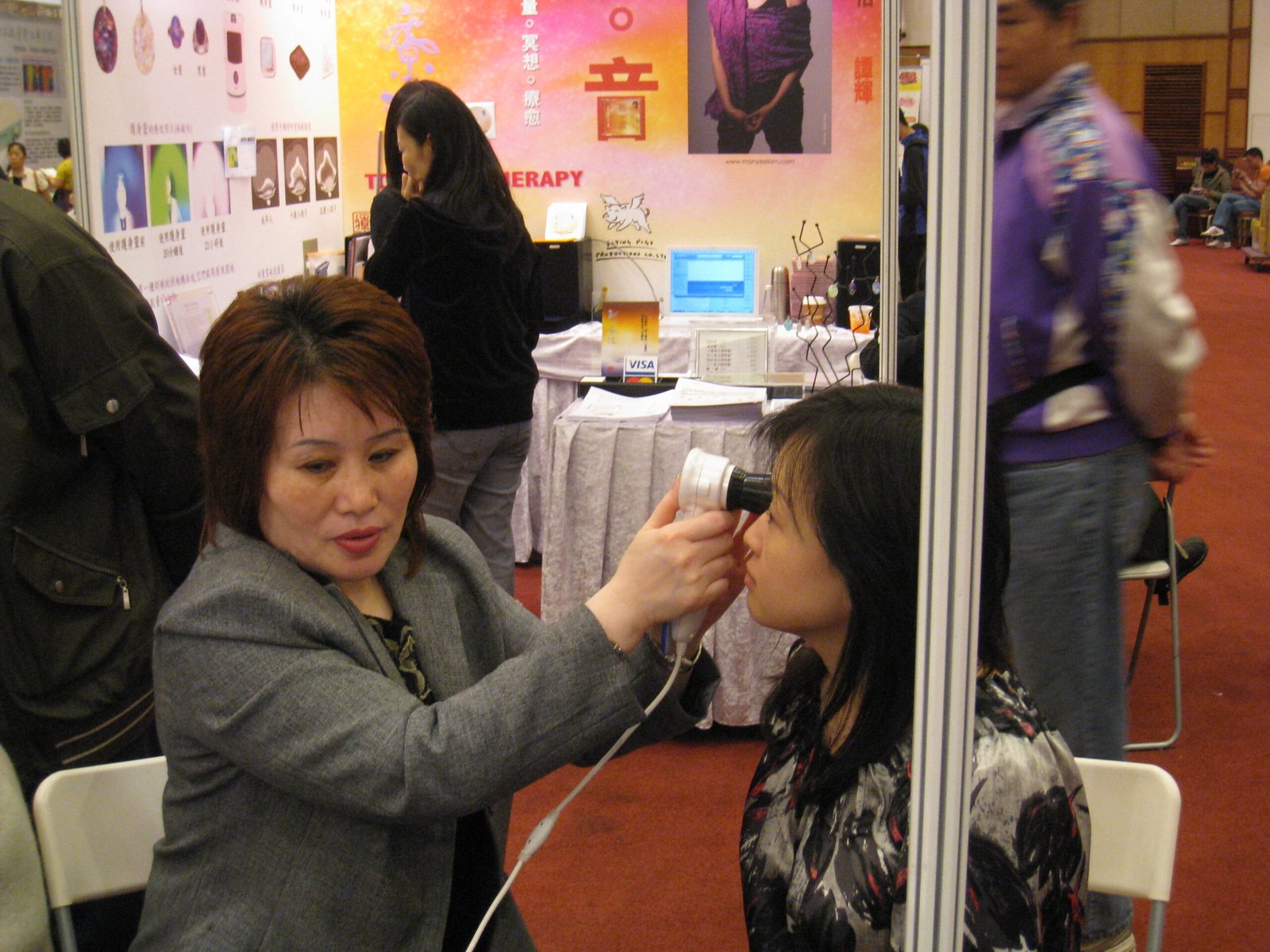
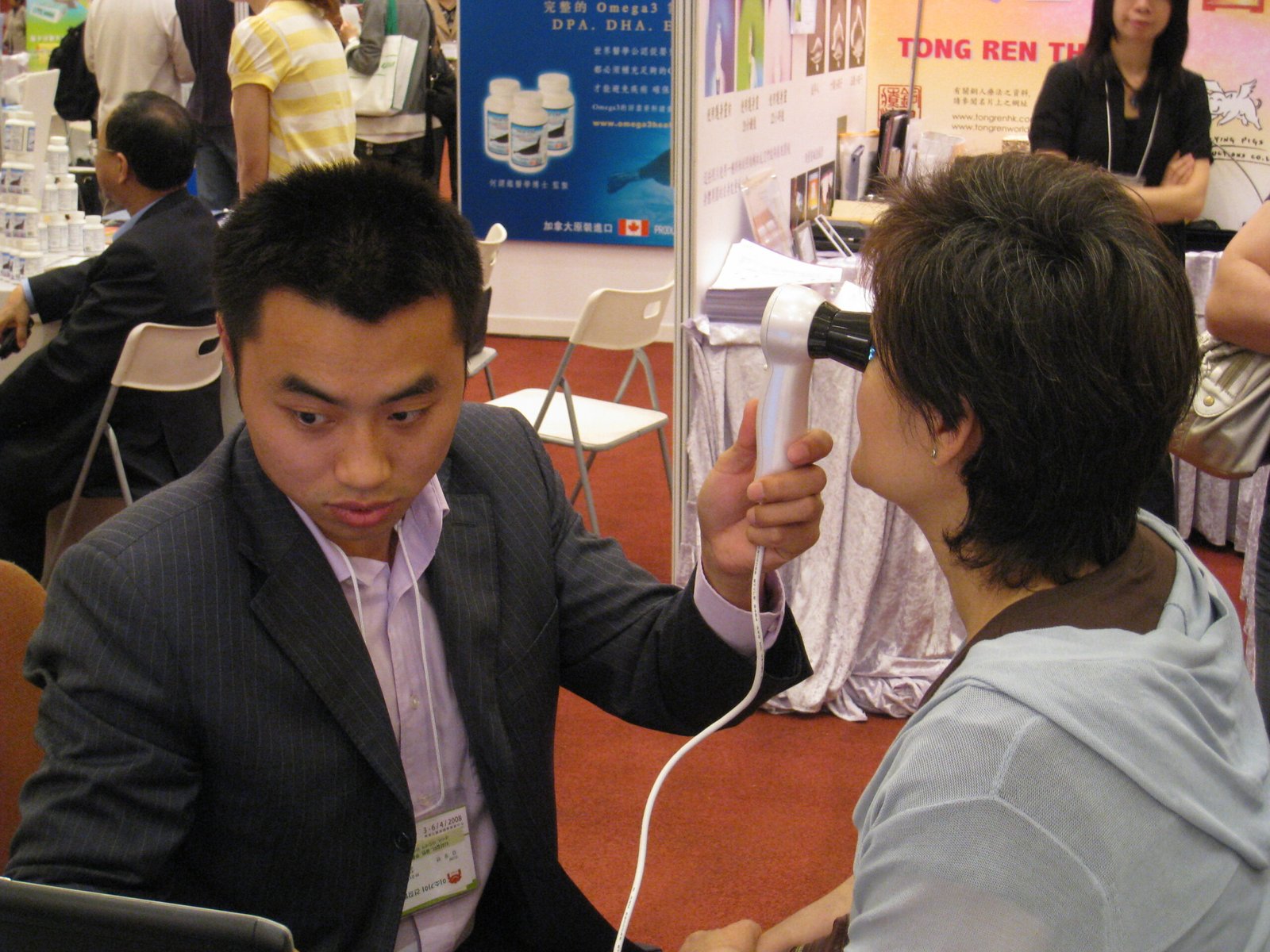
Full-time iridology practices remain rare in most markets. The method typically complements other wellness services rather than standing alone. Realistic income expectations help you make sound educational investment decisions.
Equipment Package Opportunities: We provide course participants with bundled hardware and software at reduced rates. Training institutions receive volume pricing for equipping entire programs. Contact us about student packages that include camera, software, charts, and technical support for your learning journey.
How to Evaluate Training Institution Credibility and Quality
Not all programs deliver equal value or legitimate training. You need criteria to separate quality education from inadequate offerings.
Accreditation and Professional Recognition
Check whether professional bodies recognize the training organization. Established associations maintain approved school lists. Programs meeting their standards appear on these directories.
Regional education authorities sometimes register iridology schools. This registration indicates basic operational legitimacy. It doesn’t necessarily guarantee quality but shows the institution meets minimum standards.
Instructor Qualifications and Experience
Research the background of lead instructors teaching your program. Experienced practitioners bring real-world perspective to coursework. Look for teachers with at least 5-10 years active practice experience.
Some programs feature iridology training by an md or other licensed healthcare professionals. Medical backgrounds add credibility though aren’t strictly necessary. The key factor is substantial teaching experience and practical observation skills.
Quality Indicators to Look For
- Clear curriculum outline with specific learning objectives
- Transparent pricing without hidden fees or upsells
- Accessible instructor contact for student questions
- Realistic scope claims without medical diagnosis promises
- Student testimonials with verifiable contact information
- Sample course materials available for preview
- Established history of at least 3-5 years operation
- Professional website with complete program information
- Clear refund and withdrawal policies stated upfront
- Equipment recommendations without mandatory purchases
Warning Signs of Problematic Programs
- Promises of medical diagnosis ability after completion
- Vague curriculum descriptions without specific content
- No instructor qualifications or backgrounds provided
- High-pressure sales tactics and limited-time offers
- Required equipment purchases only from one supplier
- No refund options or extremely short consideration periods
- Unrealistic income claims for post-graduation practice
- No contact information beyond online forms
- Incomplete website with missing policy information
- Exclusively positive reviews without any critical feedback
Student Support and Resources
Quality programs provide ongoing assistance throughout your learning journey. You should have access to instructor feedback on assignments. Technical support helps resolve software or equipment issues quickly.
Alumni networks offer valuable peer connections after graduation. You can discuss cases and share experiences with fellow practitioners. Some schools maintain graduate forums or regional meeting opportunities.
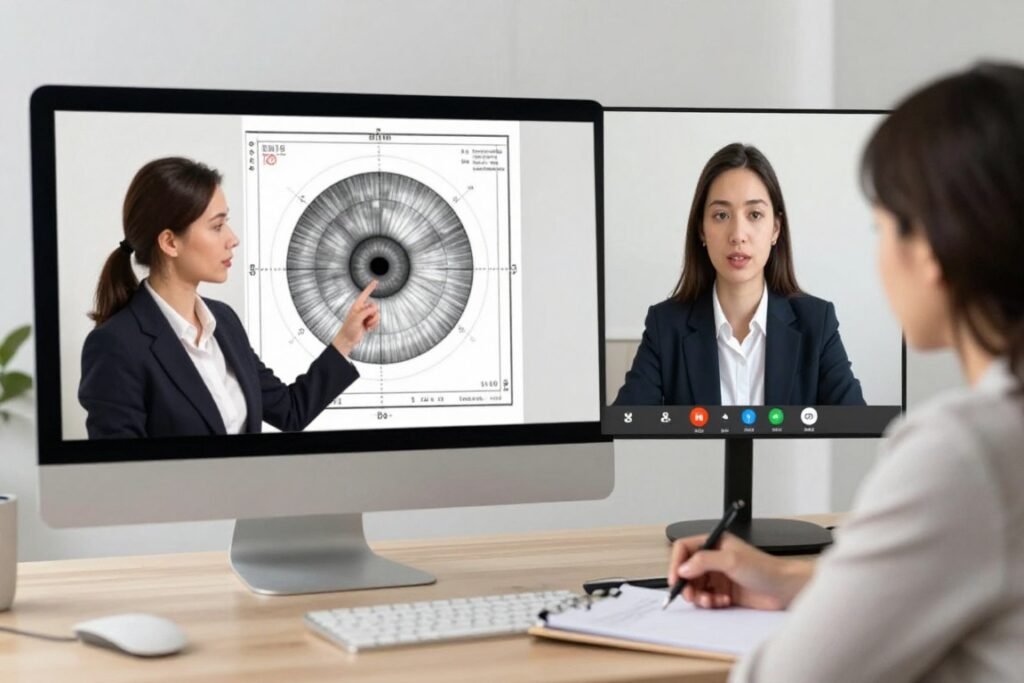
Post-graduation resources indicate institutional commitment to your success. Access to updated materials and continuing education options adds long-term value. Some programs provide lifetime access to course content and library materials.
Researching Provider Reputation
Search for independent reviews beyond the school’s own website. Student feedback on forums and social media reveals common experiences. Look for patterns in comments about content quality and support responsiveness.
Professional associations sometimes receive complaints about problematic providers. Contact these organizations to ask about specific schools you’re considering. They may share information about disciplinary actions or credential disputes.
Request references from recent graduates before enrolling. Legitimate programs willingly connect prospective students with alumni. Direct conversations reveal practical insights about the learning experience and post-course value.
Ready to Choose Your Iridology Correspondence Course?
Get personalized guidance matching your goals with appropriate training paths. Our team has worked with training institutions globally for over 20 years. We understand what separates effective programs from inadequate offerings. Let us help you make an informed decision and provide professional equipment for your learning journey.
Online Versus In-Person Training: Comparing Learning Methods
Distance learning offers distinct advantages and limitations compared to traditional classroom settings. Understanding these differences helps you choose the format matching your situation.
Benefits of Correspondence and Online Formats
Geographic flexibility ranks as the primary advantage of distance programs. You access quality iridology courses south africa training from anywhere with internet connection. This matters tremendously when local options don’t exist in your region.
Schedule control lets you study during hours that fit your life. Working professionals balance coursework around job responsibilities. Parents coordinate learning with family obligations without strict class attendance requirements.
Distance Learning Advantages
- Learn from anywhere without relocation or commuting
- Study during hours convenient for your schedule
- Replay recorded lectures for better comprehension
- Lower costs without travel or accommodation expenses
- Access to international instructors and diverse approaches
- Comfortable home learning environment
- Self-paced progress through material
- Digital resources available on demand
Distance Learning Challenges
- Limited hands-on practice with real subjects
- No immediate in-person feedback during observation
- Requires strong self-discipline and motivation
- Technology issues can disrupt learning flow
- Less spontaneous interaction with peers
- Difficult to replicate clinical environment
- May feel isolated without physical community
- Equipment setup responsibility falls to you
In-Person Training Characteristics
Traditional classroom settings provide immediate instructor feedback during practice sessions. You observe real eyes under supervision with direct guidance. This hands-on experience accelerates skill development for some learners.
Peer interaction happens naturally in physical classrooms. You discuss observations and share insights with fellow students. These spontaneous conversations often deepen understanding beyond formal curriculum content.
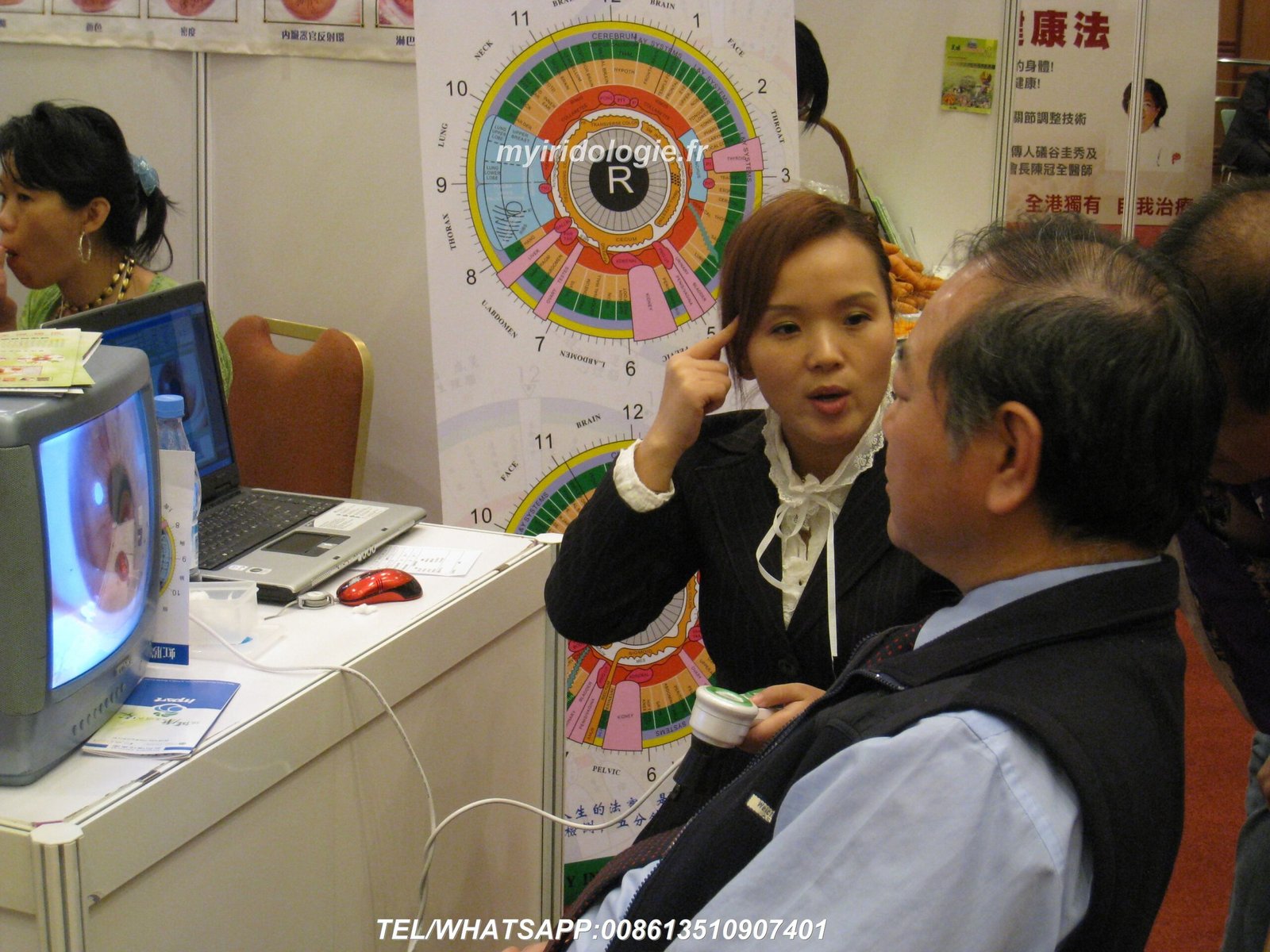
Equipment familiarity develops faster with in-person access to various camera models. You try different systems to understand preferences before purchasing. Instructors troubleshoot technical issues immediately during practice.
Hybrid Learning Models
Some programs combine distance theory with occasional in-person intensives. You complete online modules at your own pace between workshop weekends. This format balances flexibility with hands-on practice opportunities.
Regional study groups help distance learners connect locally. You might coordinate with nearby classmates for practice sessions. These informal gatherings supplement online instruction with peer-to-peer learning.
Technology improvements narrow the gap between learning formats. High-quality video demonstrations show observation techniques clearly. Interactive software simulations provide practice scenarios approaching real examination experiences.
Choosing Your Optimal Format
Consider your learning style honestly when selecting program formats. Strong self-directed learners thrive in correspondence settings. Those needing external structure and motivation may struggle without classroom accountability.
Practical considerations often determine format choice regardless of preferences. Limited local options force distance learning on many rural students. Urban practitioners with intense schedules need flexible online access despite preferring in-person interaction.
Budget constraints favor distance programs for most students. You eliminate travel costs and accommodation expenses significantly. The tuition savings and life convenience often outweigh the reduced hands-on components.
Learning Duration and Time Commitment Expectations
Program length varies dramatically based on depth and certification requirements. Setting realistic timeline expectations helps you plan effectively.
Typical Course Duration Ranges
Basic introductory programs run 4-8 weeks for foundational content. You study fundamental concepts and complete simple observation exercises. These short courses suit exploratory learning without major time investment.
Intermediate programs typically span 3-6 months of structured study. You work through comprehensive curriculum with progressive skill building. Weekly time commitments range from 5-10 hours depending on program intensity.
Certification pathways often require 6-12 months to complete all requirements. This includes coursework, practice hours, and examination preparation. Some programs structure content over 12-24 months for part-time working professionals.
Factors Affecting Your Completion Time
Your prior knowledge influences how quickly you progress through material. Healthcare professionals familiar with anatomy advance faster through foundational modules. Complete beginners need more time absorbing basic terminology and concepts.
Weekly study time availability directly impacts completion speed. Dedicating 10 hours weekly lets you finish faster than 2-3 hour commitments. Self-paced programs accommodate variable schedules but require discipline to maintain progress.
| Program Type | Total Content Hours | Typical Duration | Weekly Commitment | Best For |
| Basic Introduction | 20-40 hours | 4-8 weeks | 5-8 hours | Personal education, exploration |
| Intermediate Course | 60-100 hours | 3-6 months | 5-10 hours | Skill development, practice preparation |
| Certification Pathway | 150-300 hours | 6-12 months | 8-15 hours | Professional credentials, serious practice |
| Advanced Specialty | 80-150 hours | 4-8 months | 6-12 hours | Experienced practitioners, specialization |
Balancing Study With Other Responsibilities
Most correspondence students juggle learning with work and family obligations. You need realistic scheduling that doesn’t create overwhelming pressure. Consistent smaller study blocks often work better than sporadic intensive sessions.
Block specific study times in your weekly calendar like any other commitment. Treating coursework as non-negotiable appointments improves follow-through. Early morning or evening slots often work best for busy professionals.
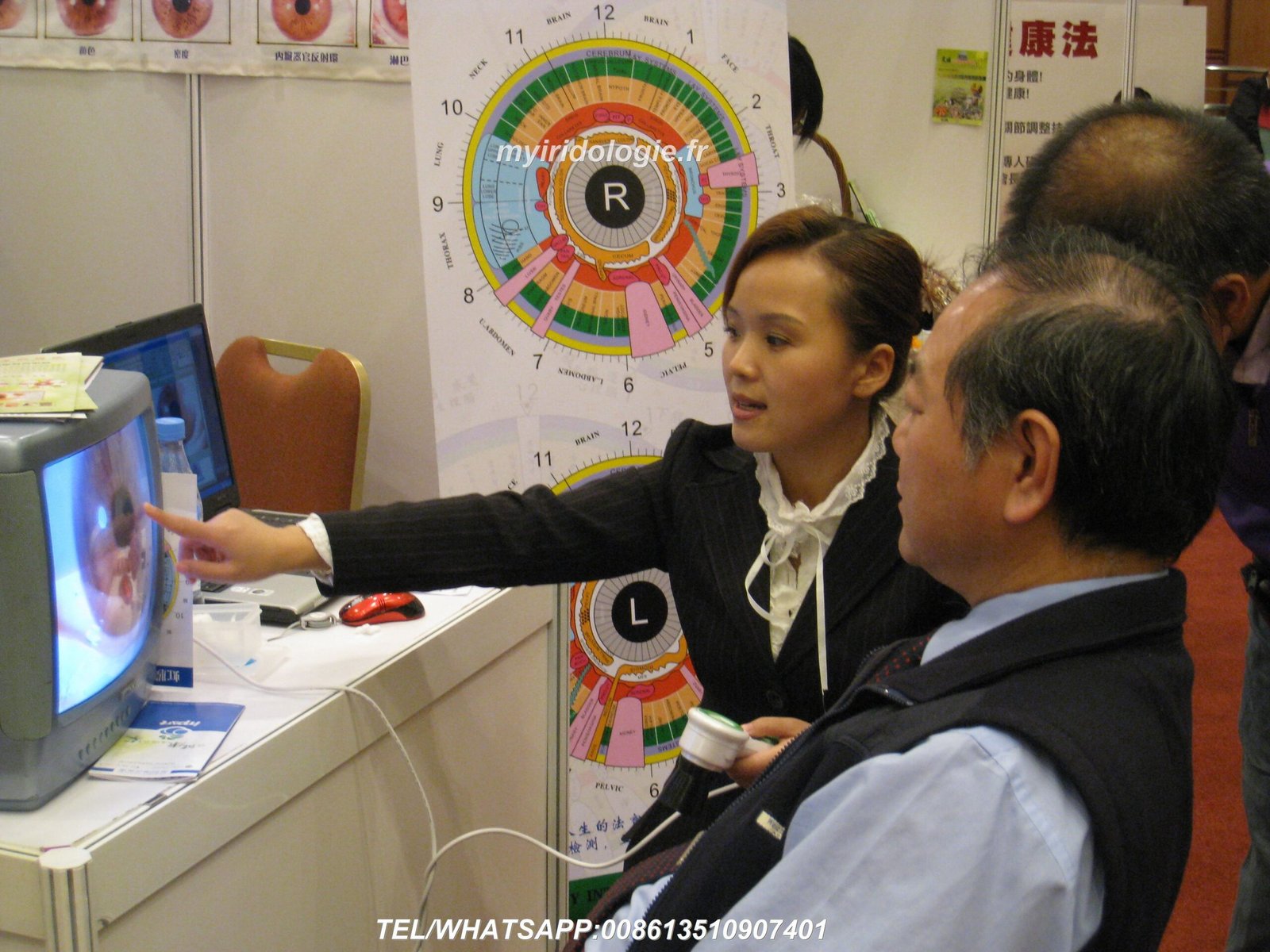
Program extensions sometimes accommodate unexpected life disruptions. Illness, job changes, or family emergencies may pause your progress temporarily. Check extension policies before enrolling to understand available flexibility.
Post-Course Continuing Education
Learning doesn’t end with program completion in this field. You’ll continue developing skills through practice and additional training. Many practitioners pursue specialty courses after foundational certification.
Professional associations often require continuing education for membership maintenance. You might complete 10-20 hours annually through workshops or online seminars. This ongoing commitment keeps skills current and expands knowledge.
Equipment upgrades and software updates necessitate periodic learning investments. New camera technology or analysis features require training for effective use. Budget time for technical skill development alongside observation practice.
Practical Application Through Case Studies and Real Examples
Quality training incorporates substantial practical work with real iris imagery. Case study analysis builds pattern recognition essential for competent observation.
Types of Practical Exercises in Quality Programs
Photo interpretation assignments form the core of practical training. You examine iris images and identify specific structural features. Instructor feedback helps correct identification errors and strengthens accuracy.
Comparative analysis exercises show you similar presentations with subtle differences. You learn to distinguish normal variations from significant observations. This skill develops gradually through repeated practice with diverse examples.
Beginner Practice Focus
Early exercises build fundamental observation skills systematically. You start with clear examples before progressing to complex presentations.
- Identifying basic constitutional types
- Recognizing major iris color classifications
- Locating chart zones on reference images
- Distinguishing fiber patterns and densities
- Practicing systematic scanning approaches
- Documenting observations with standard terminology
Advanced Practice Components
Complex exercises challenge your developing assessment abilities. You work with subtle presentations requiring careful examination.
- Analyzing challenging or ambiguous presentations
- Interpreting multiple simultaneous observations
- Comparing images from same subjects over time
- Practicing complete session documentation
- Reviewing actual case histories with outcomes
- Discussing difficult cases with instructor guidance
Building Your Personal Case Study Library
Collecting your own practice images accelerates learning significantly. You photograph friends and family members with permission. These familiar subjects let you observe actual iris diversity firsthand.
Documenting observations alongside images creates valuable study references. You note specific features and chart locations systematically. Reviewing your own cases weeks later tests retention and identification consistency.
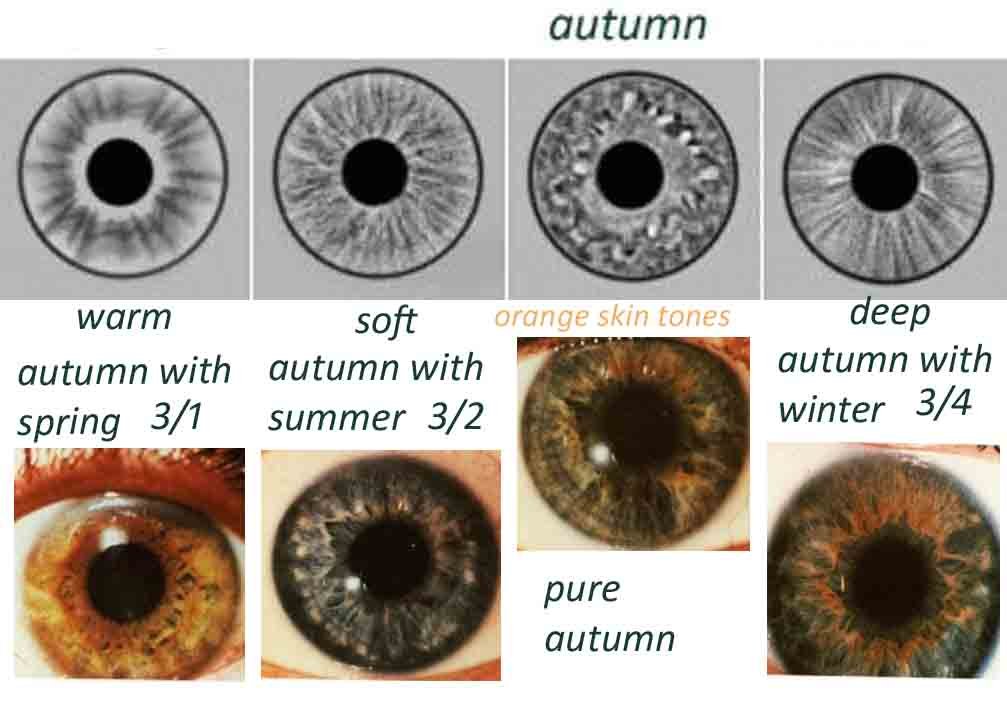
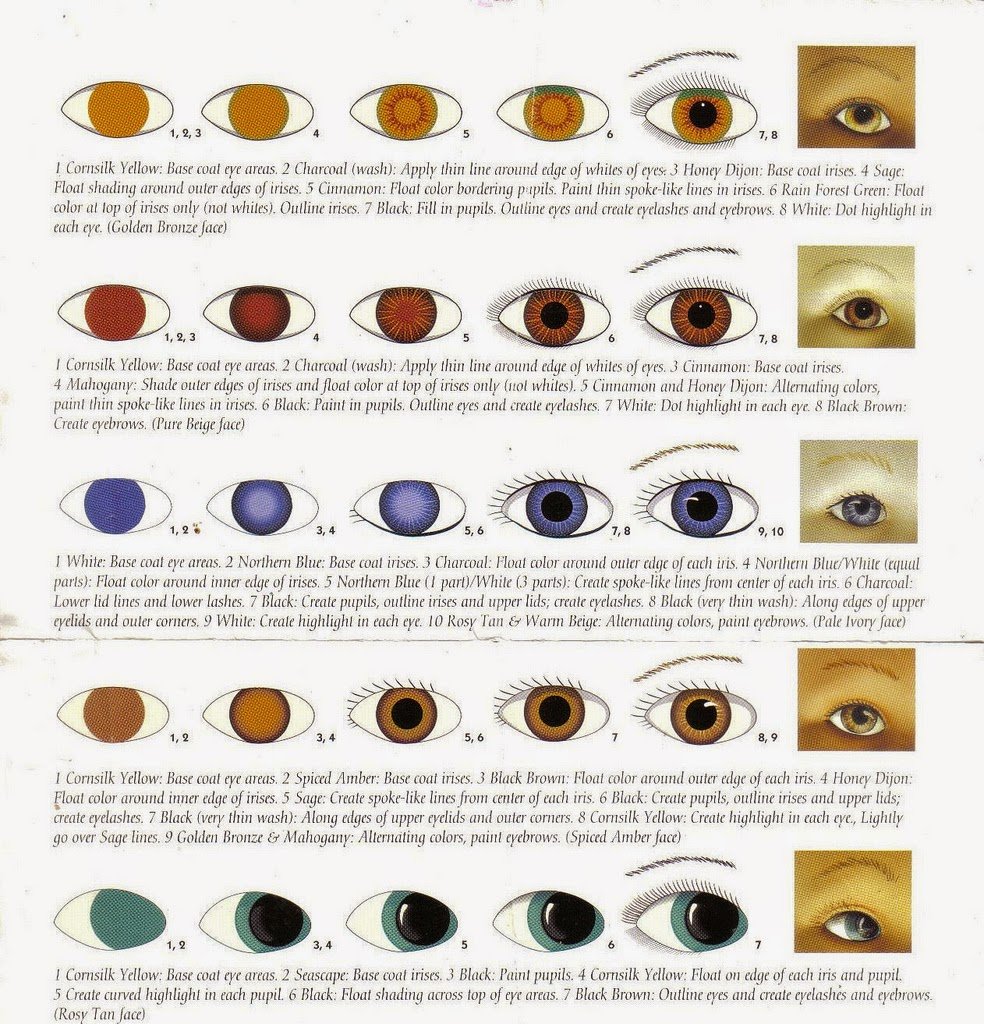
Some training programs encourage peer case sharing within student groups. You exchange anonymous images for practice interpretation. This collaborative learning exposes you to presentations beyond your immediate contacts.
Limitations and Realistic Skill Development
Even comprehensive case study work has inherent limitations in correspondence formats. You can’t practice live subject positioning and lighting adjustments remotely. These hands-on skills require in-person experience with actual clients.
Photo analysis develops pattern recognition but misses real-time observation nuances. Seeing how iris features appear under different lighting teaches important lessons. Still images can’t fully replicate the dynamic examination process.
Building confidence requires examining many diverse presentations over time. Correspondence students need more cases to achieve competence compared to intensive clinical training. Plan for continued practice after formal program completion.
Step-by-Step Framework for Choosing Your Ideal Program
Systematic evaluation helps you select training matching your specific goals and circumstances. Follow this decision framework to narrow options effectively.
Step 1: Define Your Learning Objectives
Clarify why you want iridology training before researching specific programs. Your goals determine which course characteristics matter most. Personal education requires different features than professional practice preparation.
Write down specific outcomes you want from training. Do you plan to offer observations commercially or study for personal knowledge? Will you integrate skills into existing wellness practice or start something new entirely?
Step 2: Assess Your Available Resources
Calculate your realistic budget including tuition and equipment costs. Factor in time available for weekly study commitments. Your resource limitations naturally filter appropriate program options.
Essential Selection Criteria
- Total cost fits your budget comfortably
- Schedule accommodates your time availability
- Content depth matches your knowledge goals
- Certification aligns with professional plans
- Instructor qualifications meet your standards
- Student support matches your learning needs
- Equipment requirements fit your budget
Bonus Features to Consider
- Alumni network for ongoing connection
- Lifetime access to updated materials
- Advanced specialty course options
- Equipment discounts for students
- Flexible payment plan availability
- Money-back guarantee during trial period
- Post-graduation mentorship programs
Step 3: Research and Compare Options
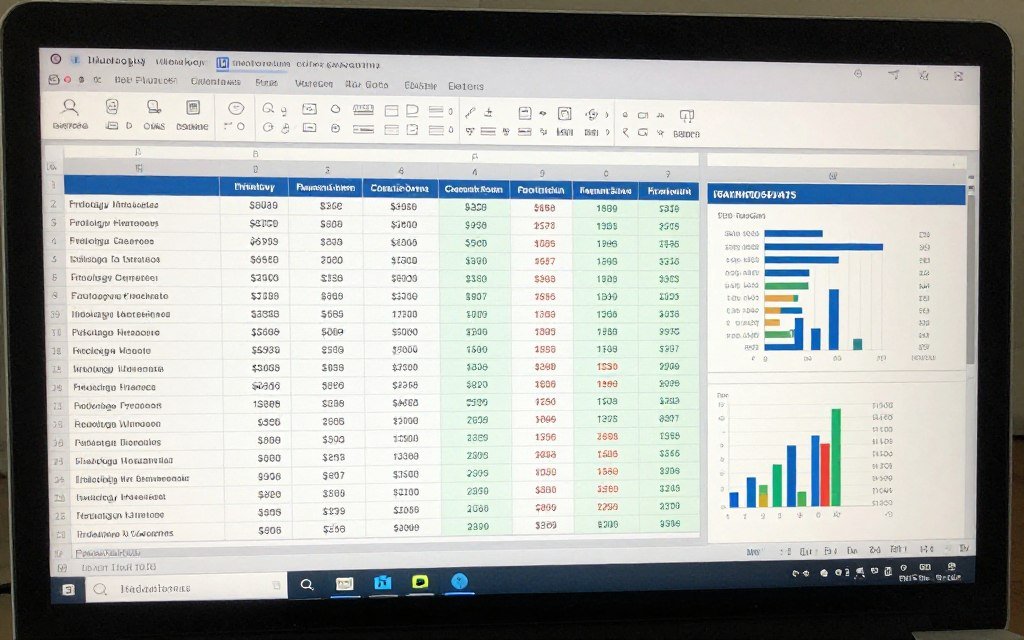
Create a comparison spreadsheet listing programs meeting your basic criteria. Include tuition, duration, certification status, and key features. This systematic approach prevents overlooking important factors during evaluation.
Request detailed information from schools on your short list. Ask specific questions about curriculum, instructor interaction, and support resources. Quality programs respond thoroughly and promptly to inquiries.
Read current student reviews and alumni testimonials carefully. Look for authentic detailed feedback rather than brief generic praise. Contact graduates directly if possible to discuss their experiences candidly.
Step 4: Evaluate Equipment Requirements
Understand exactly what hardware and software you’ll need before committing. Some programs include equipment in tuition while others require separate purchases. Factor these costs into your total investment calculations.
Research compatible equipment options independently beyond school recommendations. You may find better value through manufacturers like MAIKONG who serve training institutions directly. Quality professional tools support better learning outcomes.
Step 5: Verify Credentials and Legitimacy
Confirm the training provider’s standing with relevant professional associations. Check business registrations and any applicable education authority approvals. This due diligence protects you from questionable operations.
Look for red flags indicating problematic providers during your research phase. Unrealistic promises, high-pressure tactics, or vague information suggest poor quality. Trust your instincts if something feels questionable about a program.
Step 6: Make Your Decision and Enroll
Once you’ve completed thorough research, commit to your chosen program confidently. Second-guessing delays your learning progress unnecessarily. Remember that no perfect program exists—you’re choosing the best fit for your situation.
Complete enrollment promptly and arrange any needed equipment purchases. Front-loading these logistics lets you focus on learning once coursework begins. Organize study space and schedule blocks before your start date.
MAIKONG Equipment Solutions for Training Institutions and Students
We’ve supported iridology education worldwide for over two decades. Our manufacturing expertise helps training programs and individual learners access professional-grade observation tools.
Comprehensive Equipment for Educational Programs
Training institutions need reliable hardware that withstands frequent student use. Our iridology camera manufacturers experience ensures durability alongside performance. We design equipment specifically for educational environments.
Our systems include everything needed for complete classroom setup. You receive cameras, stands, software licenses, and reference materials in coordinated packages. This turnkey approach simplifies program equipment decisions.
| Package Component | Specifications | Educational Benefit |
| MK-9822 Camera | 12MP resolution, USB connection, LED illumination | Professional image quality for detailed study |
| Adjustable Stand | Flexible positioning, stable base, height adjustment | Hands-free operation for practice sessions |
| Analysis Software | Windows/Mac compatible, 17 languages, chart integration | Complete learning system with guidance features |
| Reference Charts | Multiple systems including Bernard Jensen, laminated | Quick reference during observation practice |
| Training Materials | Video tutorials, PDF manuals, case examples | Self-paced equipment learning support |
| Technical Support | Email, phone, WhatsApp assistance included | Resolve technical issues quickly |
Customization for Training Institutions
We offer hardware customization matching specific program needs. Your school’s branding can appear on equipment and software interfaces. Custom language versions support international training operations.
OEM arrangements let you offer proprietary equipment to students. We manufacture systems under your institution’s brand identity. This creates additional revenue streams while ensuring students access quality tools.
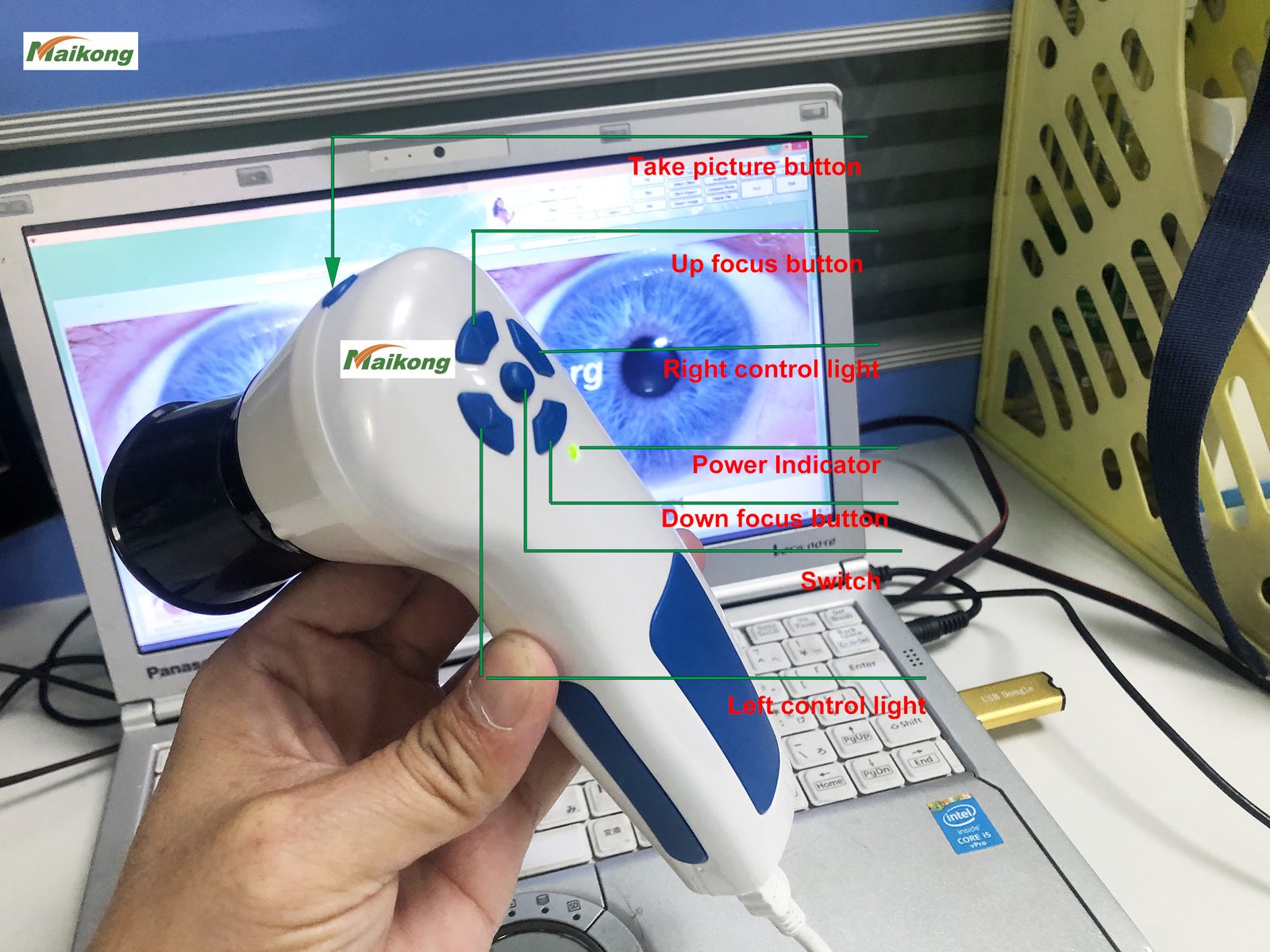
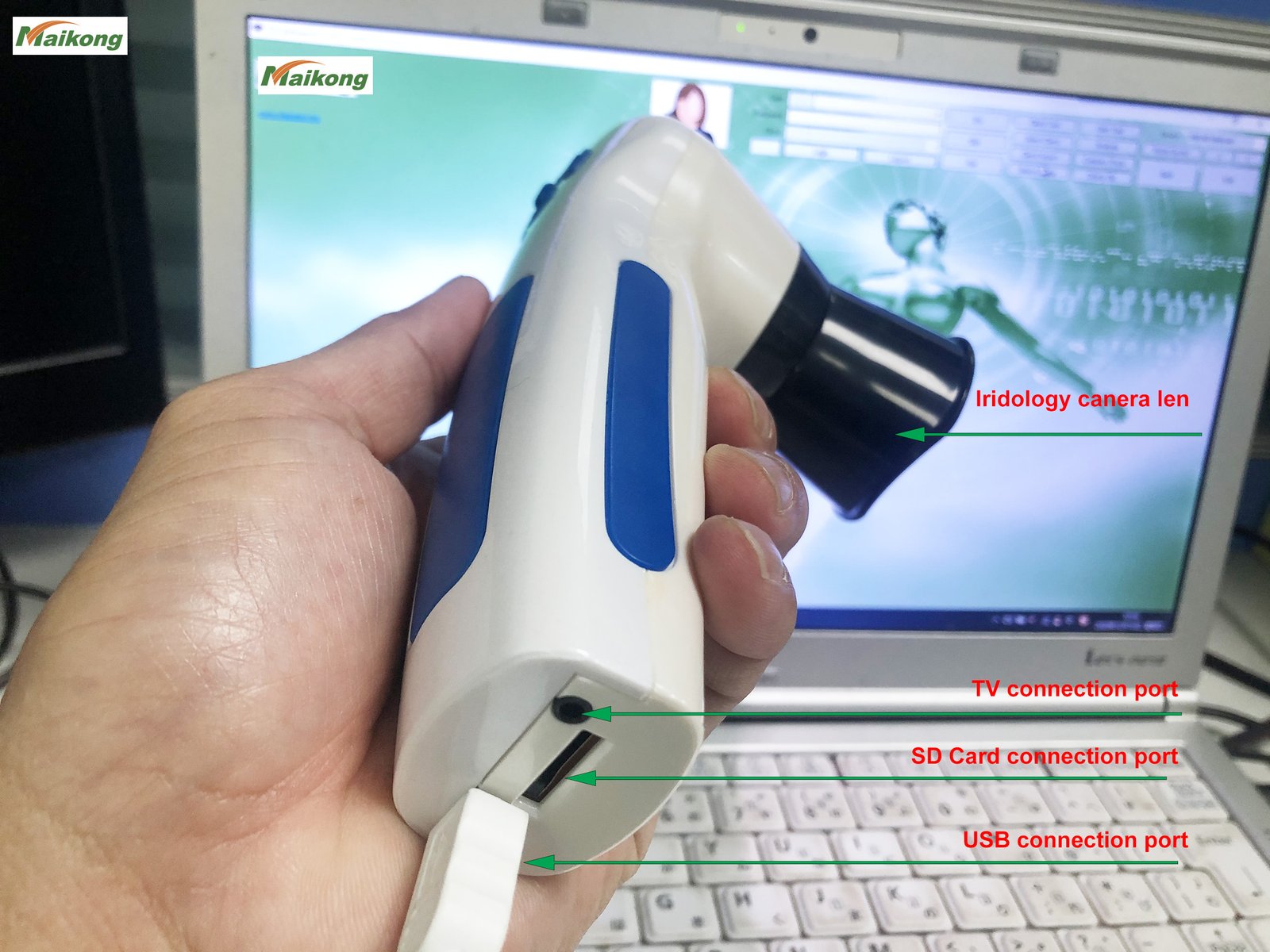
Software feature customization addresses unique curriculum requirements. We add specific analysis tools or modify interfaces based on teaching approaches. Your program maintains consistency between instruction and practical tools.
Student Pricing and Individual Support
Individual learners receive educational pricing on complete systems. You don’t pay institutional markups when ordering directly for coursework. Our student packages bundle everything needed at accessible price points.
Technical guidance helps you select appropriate equipment for your skill level. Beginners don’t need the most advanced systems available. We recommend cost-effective options matching your current training phase.
Installation support ensures smooth setup before coursework begins. Our team walks you through driver installation and software configuration. You start learning immediately without technical frustrations.
Partnership Opportunities for Distributors
We seek partners to distribute our equipment in regional markets. Established wellness suppliers can add professional iridology tools to product lines. Training institutions become preferred equipment sources for their graduates.
Distributorship arrangements include territory protection and marketing support. You receive technical training on all product lines. Volume pricing enables competitive retail pricing while maintaining healthy margins.
Our 20+ years manufacturing experience supports your business growth. We’ve worked with direct sales companies and health product distributors globally. You benefit from proven systems and reliable supply chain management.
Training Institutions & Equipment Partners
Discover how MAIKONG supports iridology education programs with professional equipment solutions. We provide OEM/ODM manufacturing, multi-language software customization, volume pricing, and ongoing technical support. Join 1000+ institutions worldwide who trust our systems for training excellence.
Contact Details: Email: Lucy@myiridology.us | Phone/WhatsApp: +86 135 1090 7401 | Website: myiridology.us
Understanding Compliance and Professional Boundaries
Iridology practice carries important legal and ethical limitations regardless of training level. You must understand these boundaries before offering any services.
Scope of Practice Limitations
Iridology training teaches observation methods for traditional wellness purposes only. This does not authorize medical diagnosis of any health conditions. You cannot identify specific diseases or recommend treatments for medical issues.
Even practitioners with extensive training operate within complementary therapy frameworks. Your observations support holistic wellness discussions. They never replace examinations by licensed healthcare providers.
Critical Legal Boundary: Completing any iridology correspondence course—regardless of certification level—does not qualify you to diagnose medical conditions, prescribe treatments, or claim cure/treatment of diseases. Such activities may violate healthcare regulations in your jurisdiction and expose you to serious legal consequences. Always direct clients to appropriate licensed medical professionals for any health concerns.
Geographic Regulatory Variations
Rules governing wellness services vary significantly across regions and countries. Some jurisdictions heavily regulate any health-related consultations. Others allow broader practice within complementary therapy categories.
Research your specific location’s regulations before offering services commercially. Professional liability insurance often requires compliance with local laws. Ignorance of applicable rules doesn’t protect you from regulatory violations.
Certain terms trigger regulatory attention in advertising and client communications. Words like “diagnosis,” “treatment,” and “cure” suggest medical services. Use descriptive language like “observation,” “traditional analysis,” and “wellness consultation” instead.
Required Disclaimers and Informed Consent
Professional practice requires clear communication about service limitations. Written disclaimers explain that iris observations don’t constitute medical diagnosis. Clients must understand they should maintain relationships with licensed healthcare providers.
Informed consent documents protect both you and clients legally. These forms explain exactly what services you provide and don’t provide. Clients acknowledge understanding before sessions begin.

Keep thorough records of all client interactions and observations. Documentation demonstrates professional standards if questions arise later. Organized files show you maintain appropriate boundaries and practices.
Ethical Considerations in Practice
Beyond legal requirements, ethical practice demands honest representation of capabilities. Don’t claim expertise you haven’t developed through experience. Acknowledge limitations and refer clients when appropriate.
Client privacy deserves absolute protection in wellness practice. Never discuss specific client information with others without explicit permission. Follow basic HIPAA-style privacy principles even when not legally required.
Continuing education maintains professional competence over time. Your initial training provides foundation but doesn’t encompass all knowledge. Ongoing learning keeps your skills current and effective.
Frequently Asked Questions About Iridology Correspondence Courses
How long does it take to complete an iridology correspondence course?
Course duration varies based on program depth and your study pace. Basic introductory courses typically require 4-8 weeks with 5-8 hours weekly commitment. Comprehensive certification programs span 6-12 months with 8-15 hours weekly study time.
Your prior knowledge affects completion speed significantly. Healthcare professionals familiar with anatomy progress faster through foundational material. Complete beginners need more time absorbing terminology and basic concepts.
Most programs offer flexible pacing for distance learners. You can extend timelines if life circumstances interrupt your study schedule. Self-paced formats let you accelerate through familiar content and spend more time on challenging topics.
Do I need certification to practice iridology professionally?
Formal certification requirements depend on your location and how you plan to use skills. No universal licensing exists for iridology practice. However, professional associations may require specific training credentials for membership.
Many practitioners integrate iris observations into existing wellness services without separate iridology certification. Nutritionists, holistic health coaches, and natural therapy practitioners add this skill to their existing credential base.
Commercial service offerings benefit from certification that demonstrates formal training. Clients often feel more confident working with credentialed practitioners. Professional liability insurance may require specific educational standards regardless of legal requirements.
Research regulations in your specific jurisdiction before offering services. Some regions restrict any health-related consultations to licensed professionals. Others allow wellness services within defined complementary therapy frameworks.
What equipment do I need to start an iridology correspondence course?
Basic programs require minimal equipment initially. You need a computer with internet access for online coursework. Some introductory courses use provided images without requiring your own camera.
Comprehensive training programs expect you to capture your own iris images for practice. An entry-level USB iridology camera costs 0-800 and connects directly to your computer. These devices include necessary magnification and lighting.
Professional-grade systems range 00-2500 with higher resolution and advanced features. Most students start with basic models and upgrade after completing foundational training. Your course provider may recommend or require specific equipment brands.
Analysis software helps organize observations and client information. Some programs include software in tuition costs. Standalone professional applications cost 0-500 for individual licenses. Check system requirements to ensure compatibility with your computer.
Can I learn iridology effectively through distance learning or do I need in-person training?
Distance learning effectively teaches theoretical knowledge and photo interpretation skills. You master iris anatomy, chart systems, and pattern recognition through online formats. Recorded lectures and case studies provide comprehensive education comparable to classroom instruction.
Hands-on examination skills develop more slowly in correspondence formats compared to supervised clinical training. You miss real-time feedback on positioning, lighting, and subject interaction. These practical abilities require eventually examining actual subjects beyond digital images.
Many successful practitioners begin with distance education and supplement through workshops or mentorship. Hybrid approaches combine online theory with occasional in-person intensive sessions. This balanced format works well for working professionals needing schedule flexibility.
Your learning style influences format effectiveness. Self-directed students with strong discipline thrive in correspondence settings. Those needing external structure and immediate feedback may struggle without classroom accountability.
How much does an iridology correspondence course cost including all expenses?
Total investment varies significantly based on program scope and equipment choices. Basic non-certified courses cost 0-500 for tuition covering introductory content. Mid-range programs with instructor feedback run 0-1500 typically.
Comprehensive certification pathways range 00-5000 for formal credentials. Equipment adds 0-800 for entry-level cameras or 00-2500 for professional systems. Analysis software costs 0-500 if not included with tuition.
Reference materials including charts and books add another -200 to initial expenses. Budget approximately 00-4000 total for quality certification training with adequate equipment. Basic education without certification or professional equipment costs 0-1000 typically.
Ongoing costs include software updates, continuing education, and professional association dues. Plan for 0-500 annually maintaining skills and credentials after initial training. These recurring expenses support practice competence over time.
What is the difference between iridology courses offered in different countries?
Core iridology principles remain consistent across international training programs. All teach iris structure, traditional observation methods, and chart system interpretation. The fundamental knowledge base is universal regardless of program location.
Teaching emphasis and interpretation frameworks sometimes vary by region. European programs may focus on classical approaches while American courses incorporate modern wellness perspectives. Some regions emphasize specific chart systems or constitutional theory adaptations.
Language availability matters significantly for international distance learners. Programs offered in your native language facilitate easier comprehension of complex concepts. Translation quality in multilingual courses affects learning effectiveness.
Regulatory environments influence course content regarding professional claims and practice boundaries. Programs in heavily regulated regions teach stricter scope limitations. Those in areas allowing broader practice may include business application guidance.
Distance learning breaks down geographic barriers effectively. You can access quality training from iridology course nz providers or programs worldwide. This flexibility lets you choose based on teaching approach rather than location limitations.
Will completing an iridology course allow me to diagnose diseases or medical conditions?
No. Iridology correspondence courses teach traditional observation methods for wellness education purposes only. Completion does not authorize you to diagnose medical conditions, diseases, or health disorders.
Iris analysis as taught in these programs falls within complementary wellness frameworks. You learn to observe structural patterns and discuss traditional interpretations. This differs fundamentally from medical diagnosis which identifies specific pathological conditions.
Professional practice boundaries require directing clients to licensed healthcare providers for medical concerns. You cannot claim to detect cancer, infections, organ disease, or any specific medical conditions through iris observation.
Even practitioners with extensive training and certification operate within these limitations. Your role involves wellness consultation and traditional observation discussion. Medical diagnosis remains the exclusive domain of licensed healthcare professionals.
Violating these boundaries may constitute illegal practice of medicine in your jurisdiction. Such violations carry serious legal consequences including fines and criminal charges. Always maintain clear professional boundaries regardless of training depth.
What career opportunities exist after completing iridology training?
Most practitioners integrate iris observation into existing wellness or healthcare services. Nutritionists, naturopaths, and holistic health coaches add this skill to complement their primary offerings. This expansion enhances existing practice rather than creating standalone careers.
Some practitioners build specialized consultation practices focused primarily on iris analysis. These typically operate within alternative health or natural wellness centers. Success requires strong marketing skills and established client bases.
Teaching opportunities exist for experienced practitioners. Training schools hire qualified instructors with substantial practical experience. Equipment manufacturers like MAIKONG seek knowledgeable partners to support customers and demonstrate products.
Equipment sales and distribution provides business opportunities. You might become a regional representative for professional camera systems. Training institutions need equipment suppliers who understand educational requirements.
Realistic income expectations matter for career planning. Full-time iridology practice alone remains uncommon. Most successful practitioners use these skills within broader wellness business models generating diversified revenue streams.
Making Your Iridology Education Decision
You now understand what separates quality iridology correspondence course options from inadequate training. The right program matches your goals, budget, and learning style while providing comprehensive curriculum and proper equipment guidance.
Legitimate courses teach traditional iris observation methods for wellness education purposes. You gain valuable skills that complement holistic health practices. Remember that training never authorizes medical diagnosis regardless of certification level achieved.
Success in distance learning requires self-discipline and consistent study habits. You’ll invest 4-12 months depending on program depth and your available time. The knowledge and skills gained support personal wellness understanding or professional practice expansion.

Equipment investment forms a crucial part of your educational journey. Quality observation tools enhance learning and prepare you for practical application. MAIKONG provides professional-grade systems designed specifically for educational use at accessible price points.
Your next step involves researching specific programs meeting your criteria. Request detailed information from schools on your shortlist. Compare options systematically using the framework we’ve outlined.
Get Personalized Course Guidance and Equipment Consultation
Let our experienced team help you choose the right iridology correspondence course for your specific situation. We’ve worked with training institutions and individual practitioners globally for over 20 years. Get recommendations matching your goals with appropriate training paths plus professional equipment to support your learning journey.
About MAIKONG – Your Equipment Partner for Iridology Education
We manufacture professional iris analysis equipment trusted by training institutions and practitioners worldwide. Our 20+ years experience in SZ, GD includes supplying major direct sales companies, wellness centers, and educational programs globally.
Our comprehensive services include:
- Hardware customization: OEM models, custom appearance design, color options, function specifications
- Software customization: Logo branding, multi-language versions (17 languages), feature modifications, product integration
- Extensive inventory: Warehouses in China and United States for fast delivery
- Quality manufacturing: ISO9000-certified production processes with CE certification
- Partnership experience: 1000+ OEM/ODM clients including training schools, nutritional companies, clinics, and wellness centers
We support your success through equipment excellence, technical guidance, and ongoing customer service. Whether you’re an individual student or training institution, we provide solutions matching your needs and budget.
Connect with us: Email Lucy@myiridology.us | Phone/WhatsApp +86 135 1090 7401 | Visit myiridology.us | Learn more about MAIKONG
Your iridology education journey begins with informed decision-making. Take time to research thoroughly and choose programs meeting professional standards. The investment in quality training and equipment pays dividends through enhanced skills and confidence.
We’re here to support your learning path with expert equipment and guidance. Reach out today to discuss your specific needs and explore how MAIKONG solutions can enhance your iridology education experience.