
Iridology: Understanding Iris Analysis and Its Role in Health Assessment
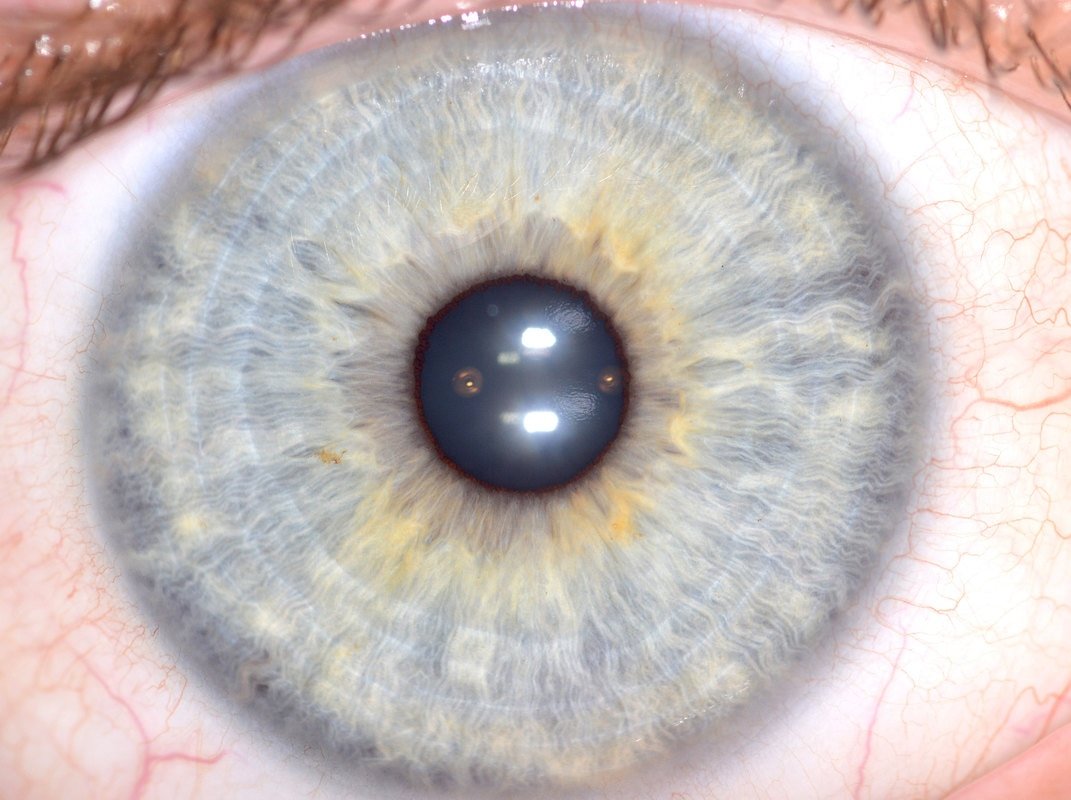
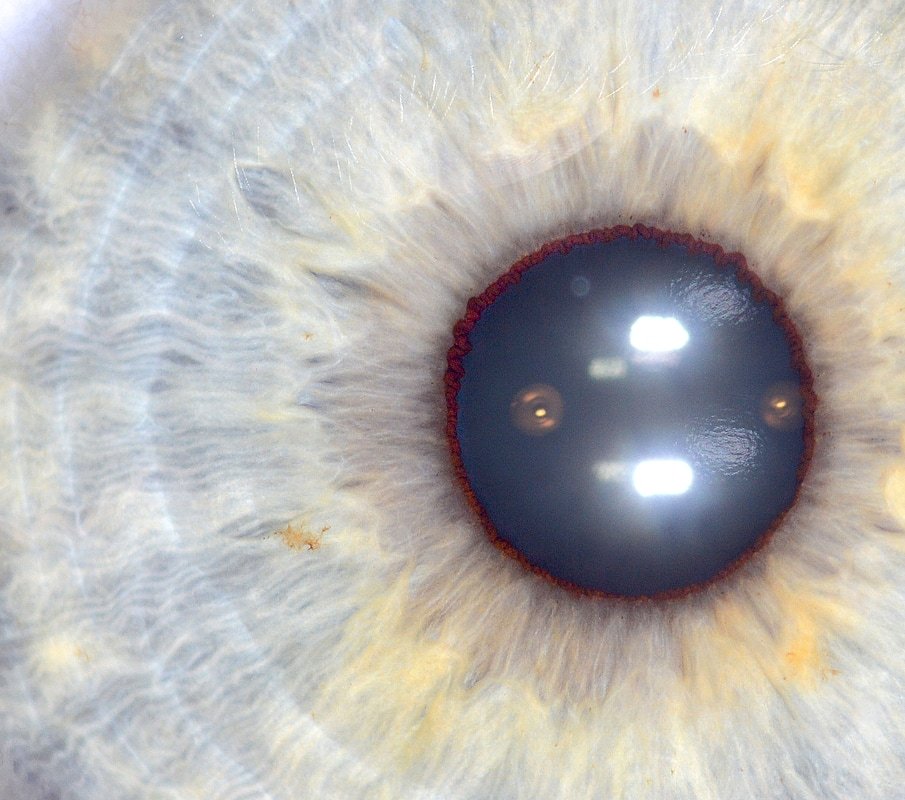
When people search for information about iridology, they often want to understand what this practice involves and whether the experts, equipment, and methods associated with it can be trusted. As a manufacturer with over two decades of experience producing iriscope equipment, I have witnessed how this field has evolved from traditional chart-based observations to sophisticated digital imaging systems.
This guide examines the background of iridology, key figures who shaped its development, the tools practitioners use today, and what you should know before exploring this approach further. My goal is to provide clarity on a topic that generates both interest and skepticism within health communities.
What Is Iridology and How Did It Develop
The practice known as iridology involves examining patterns, colors, and other characteristics in the iris to gain insights about a person’s health. Practitioners believe the iris reflects conditions in various parts of the body through specific zones and markings.
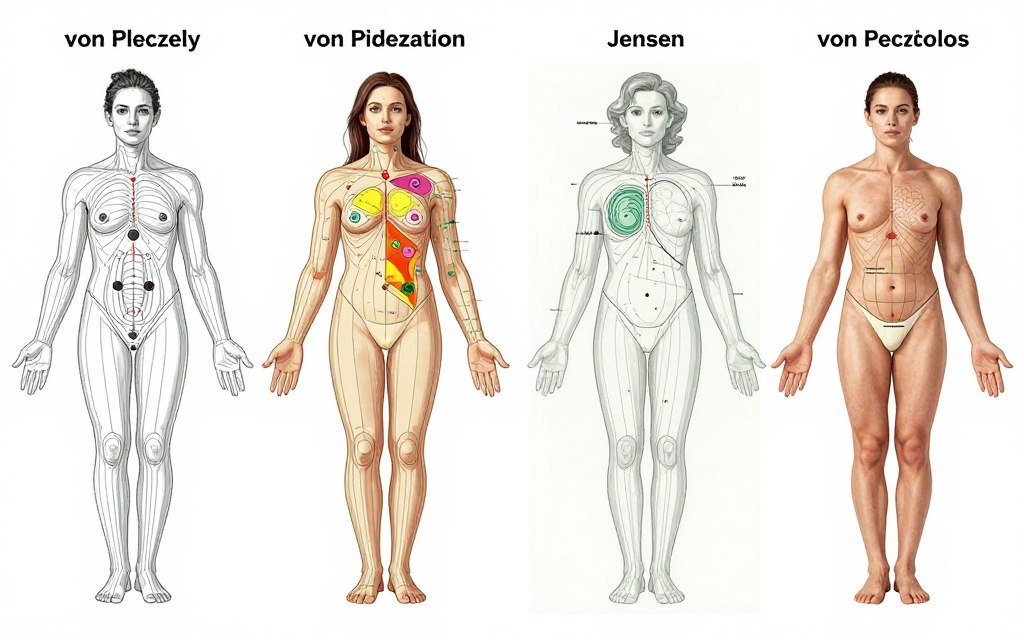
The foundation of modern iridology traces back to Ignaz von Peczely, a Hungarian physician who lived during the 1800s. According to historical accounts, von Peczely noticed an owl with a broken leg had a distinct mark in its iris. After the leg healed, the marking changed. This observation led him to theorize that the iris might mirror health conditions throughout the body.
Von Peczely spent years developing an iris chart that mapped different sections of the iris to specific organs and body systems. His work laid the groundwork for what would become a practice used by some alternative health practitioners around the world.
Key Historical Figures in Iridology
- Ignaz von Peczely (1826-1911): Hungarian physician who created the first detailed iris chart
- Nils Liljequist (1851-1936): Swedish homeopath who expanded iris mapping concepts
- Bernard Jensen (1908-2001): American chiropractor who popularized iridology in the United States
- Dorothy Hall (1919-2007): Australian naturopath who integrated iridology with nutrition
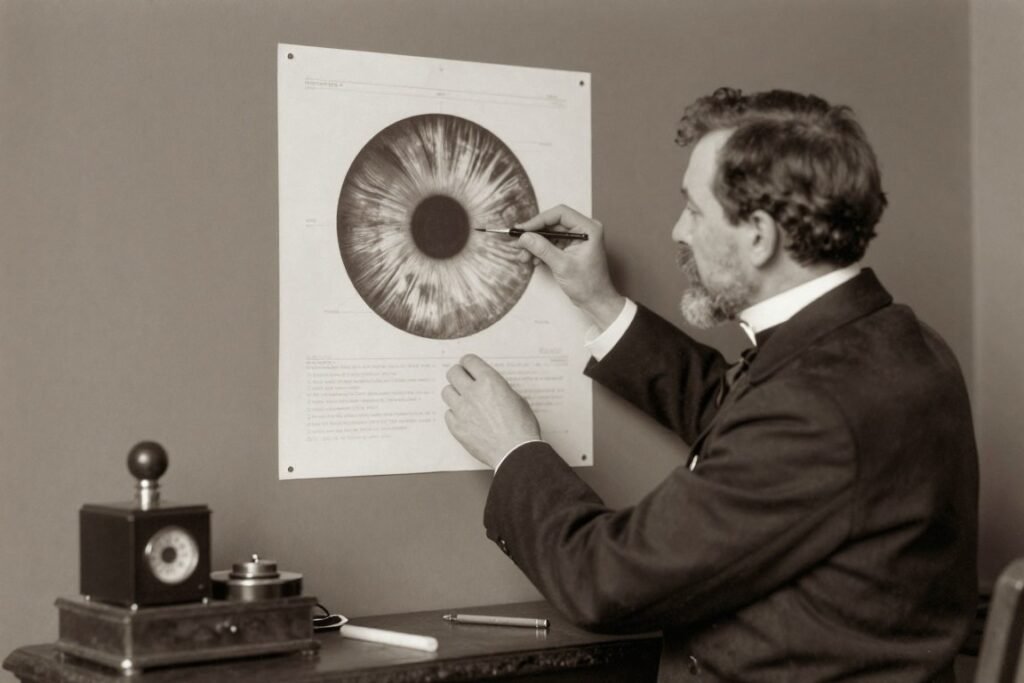
Bernard Jensen became particularly influential in spreading awareness about iris medicine during the mid-20th century. He developed extensive educational materials and trained numerous students. Jensen’s bernard jensen iridology chart remains one of the most recognized references in this field.
How Practitioners Perform Iridology Analysis
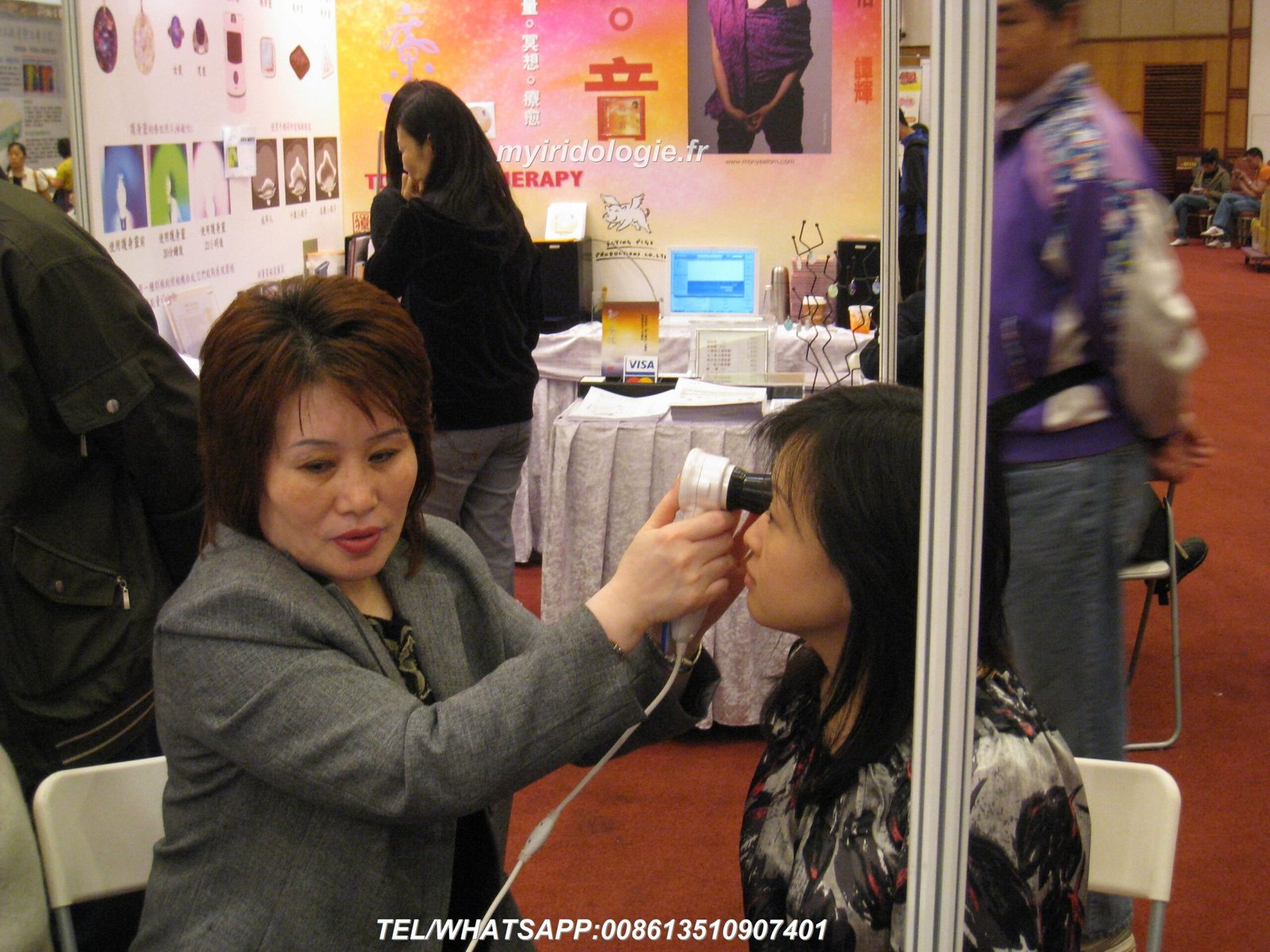
An iridology doctor or iris doctor examines the iris using various methods. Traditional practitioners relied on magnifying glasses and detailed observation skills. Today, most iridologists use specialized cameras that capture high-resolution images of the iris.
The examination process typically involves several steps. First, the practitioner captures clear images of both eyes using an iridology camera. These images are then compared against standardized charts that show which iris zones correspond to different body parts.
Traditional Observation Method
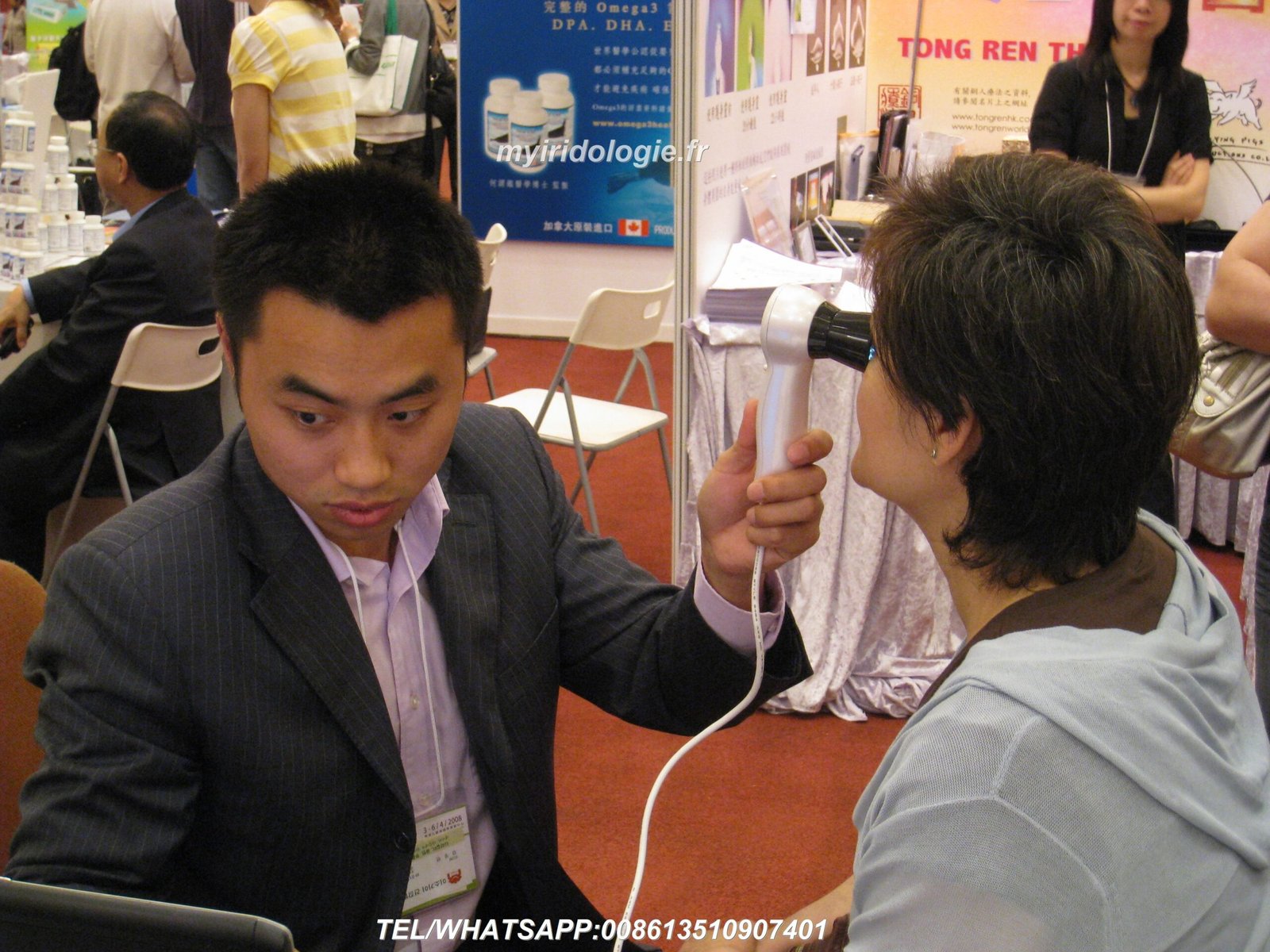
Early practitioners examined the iris directly using magnification tools and natural light. This approach required extensive training to recognize subtle patterns and color variations.
Photography-Based Analysis
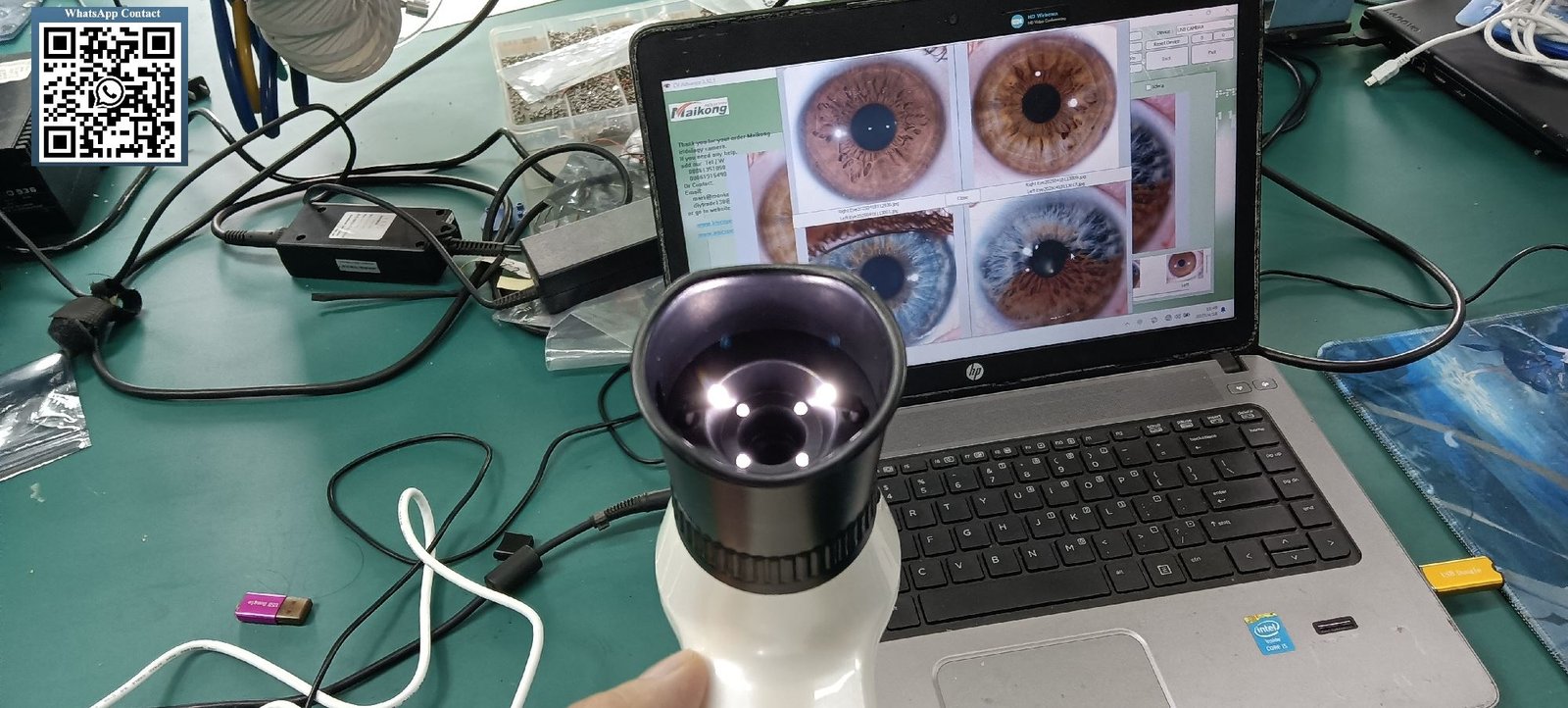
Photographic methods emerged in the mid-20th century, allowing practitioners to document iris features and track changes over time through physical prints.
Digital Imaging Systems
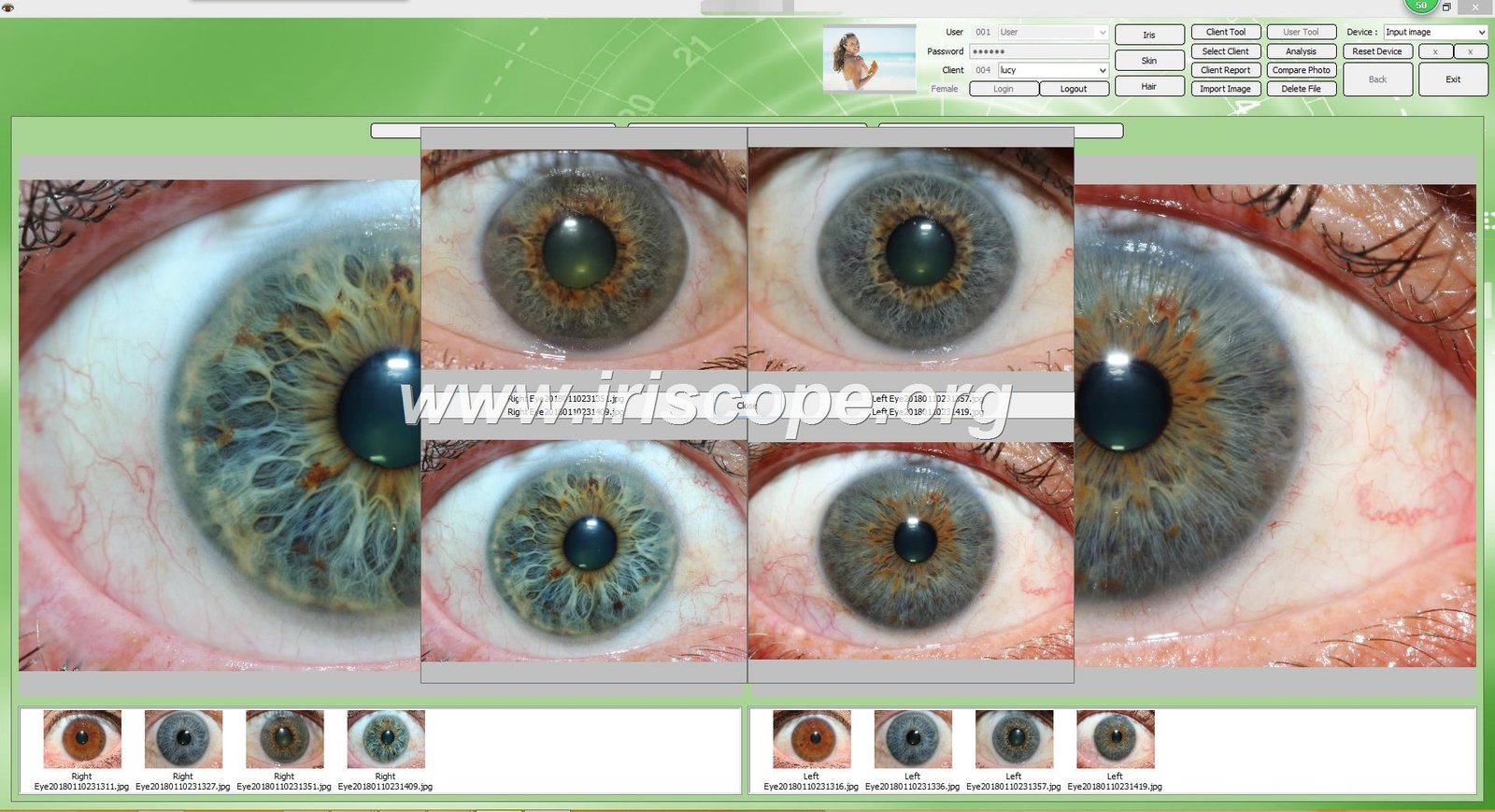
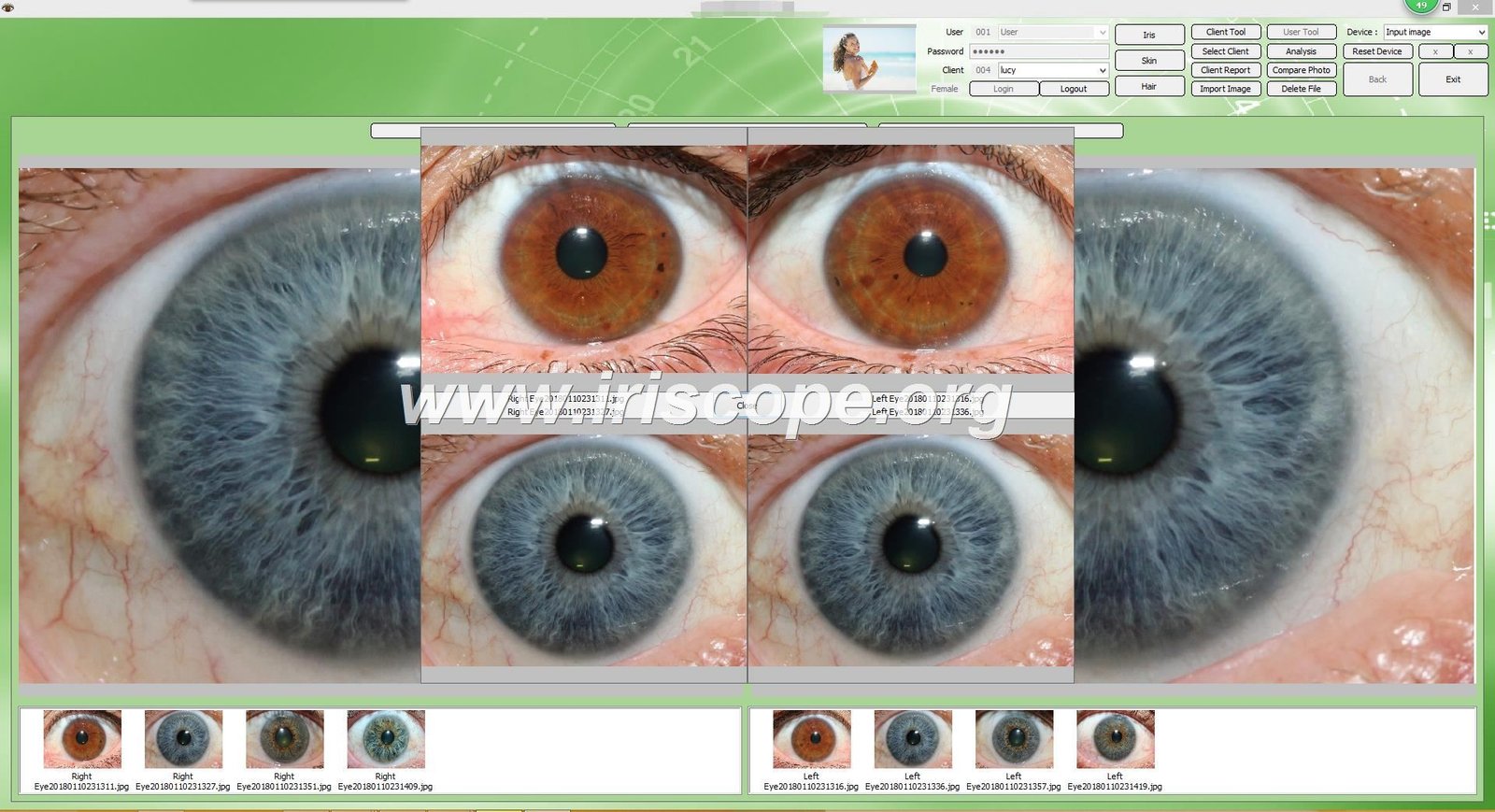
Modern digital systems combine high-resolution cameras with analysis software, enabling practitioners to examine iris features with unprecedented detail and maintain organized client records.
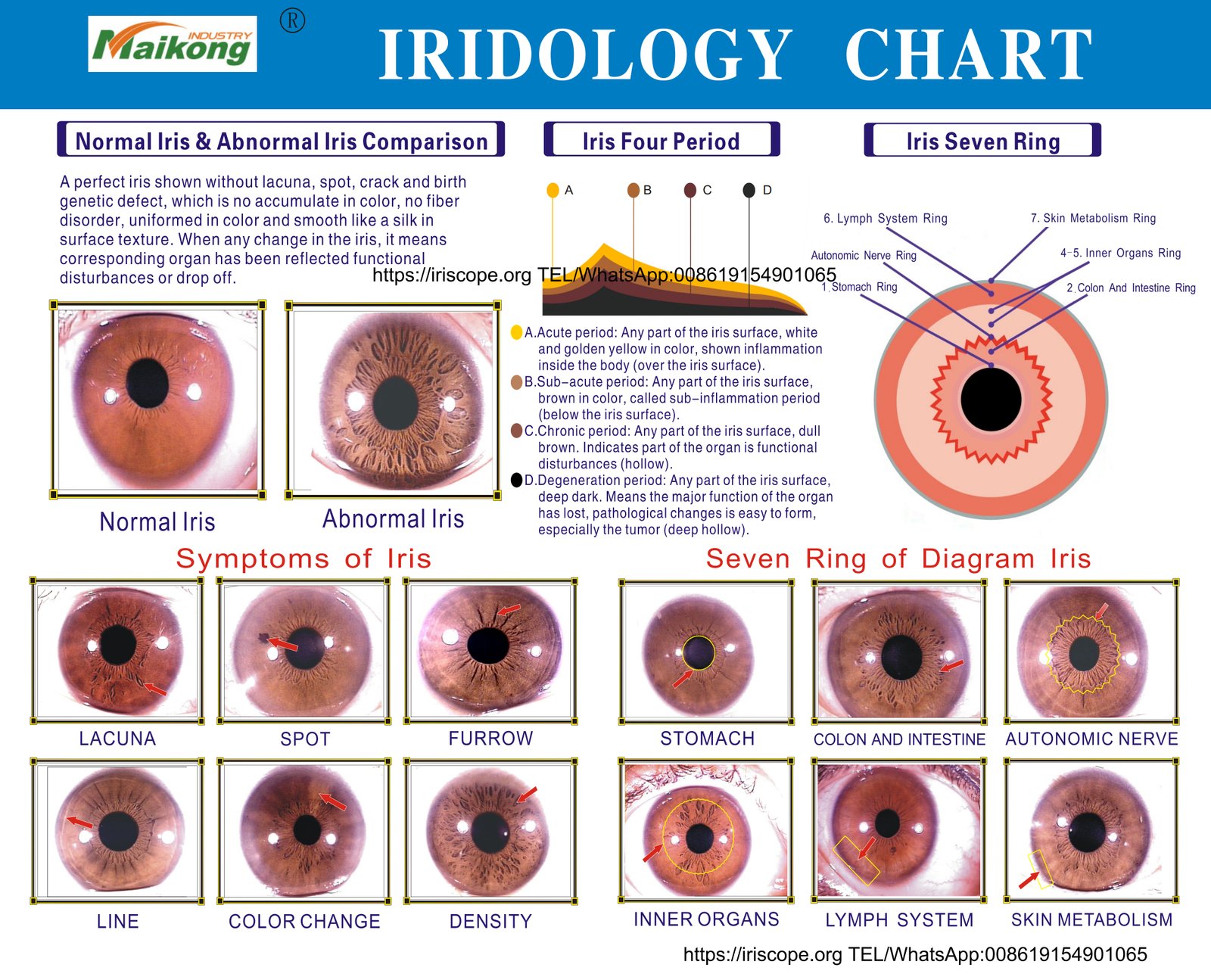
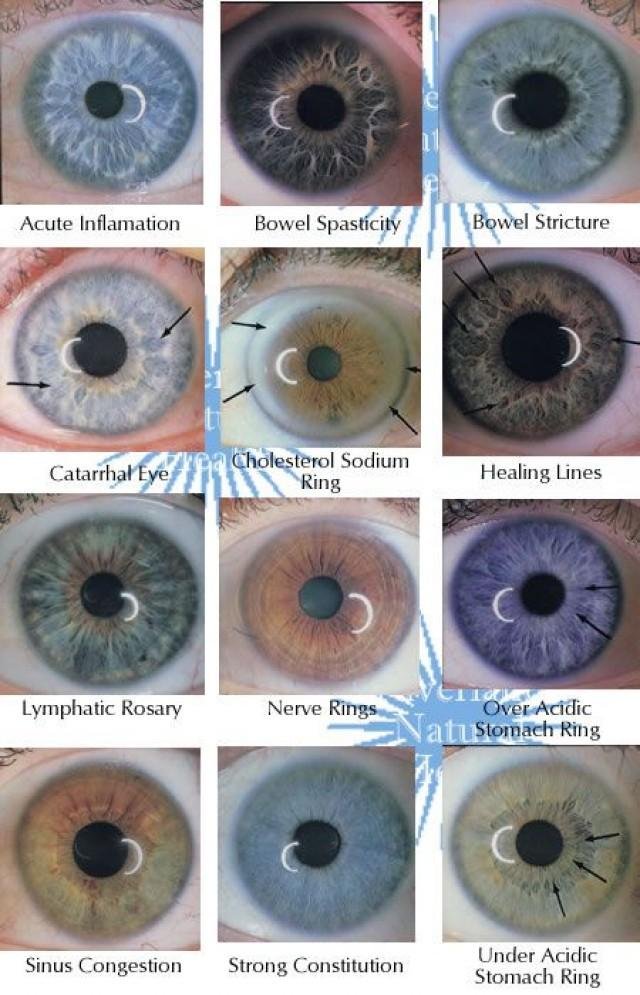
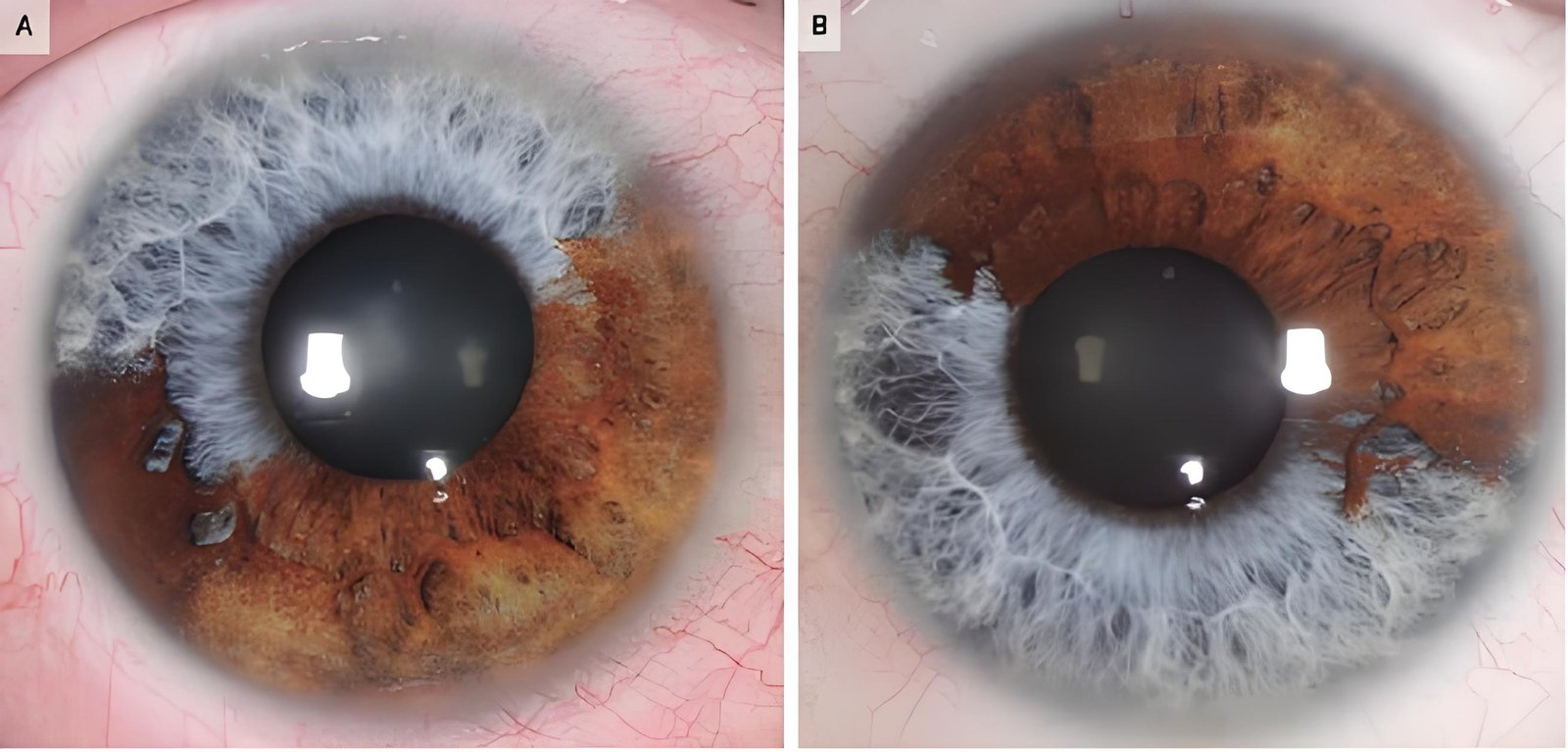
During analysis, practitioners look for specific features within the iris. These include fiber patterns, color variations, rings, spots, and other markings. Each feature is believed to provide information about different aspects of health.
Common Iris Features Examined
- Iris stress lines radiating from the pupil outward
- Pigmentation changes or color spots in specific zones
- Density of iris fibers in various sections
- Rings or circular markings at different distances from the pupil
- Overall iris color and variations within the eye
- Pupil size, shape, and responsiveness to light
Different Approaches Within Iridology Practice
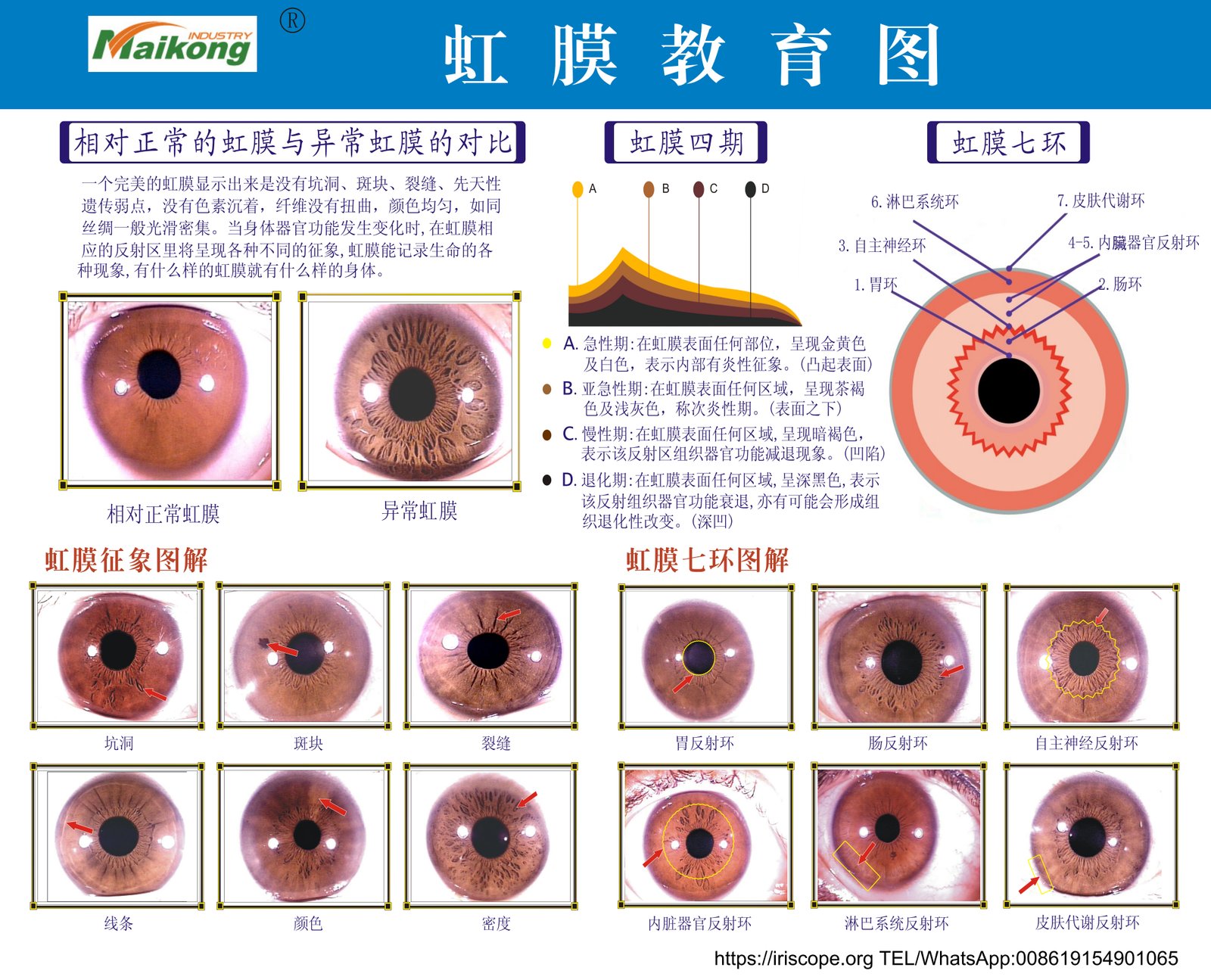
Not all iridology practitioners use the same methods or focus on the same aspects. Several distinct approaches have developed over time, each emphasizing different elements of iris examination.
Constitutional Iridology
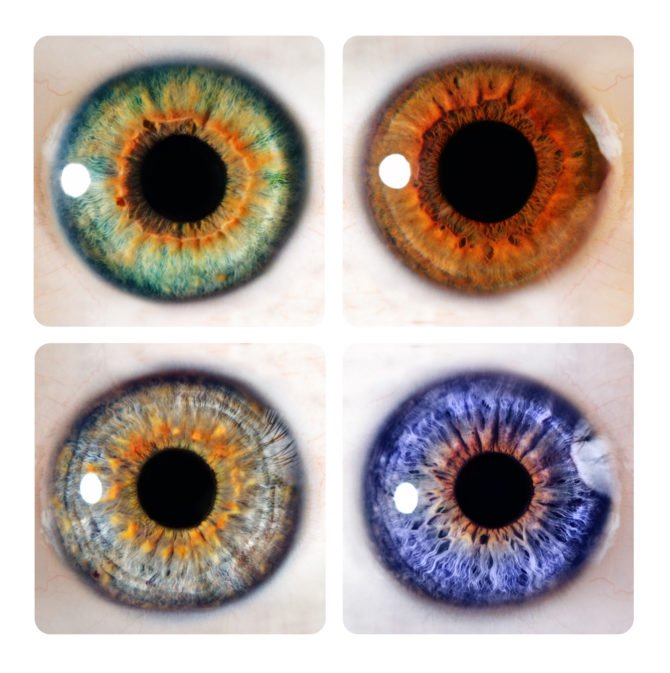
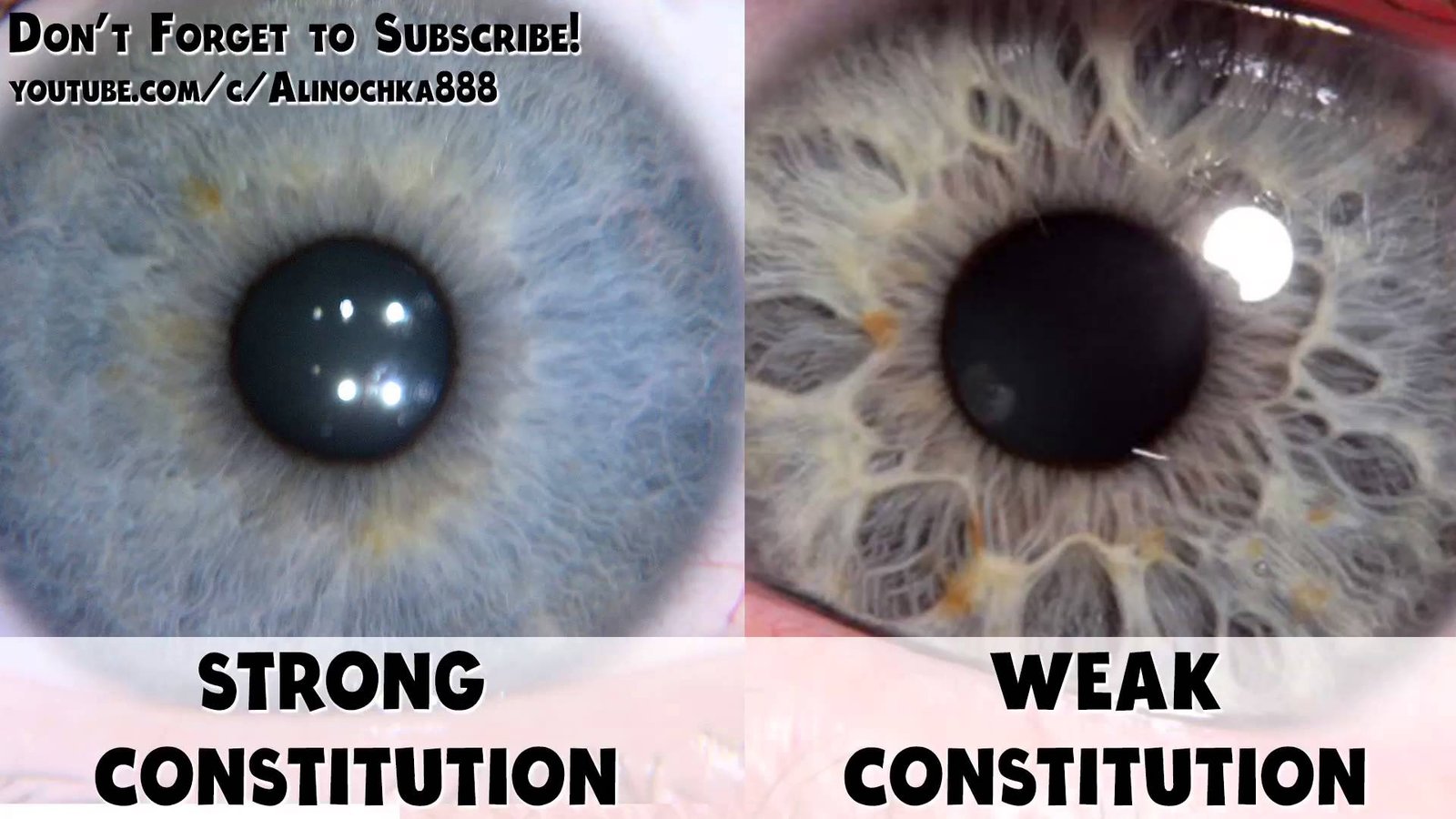
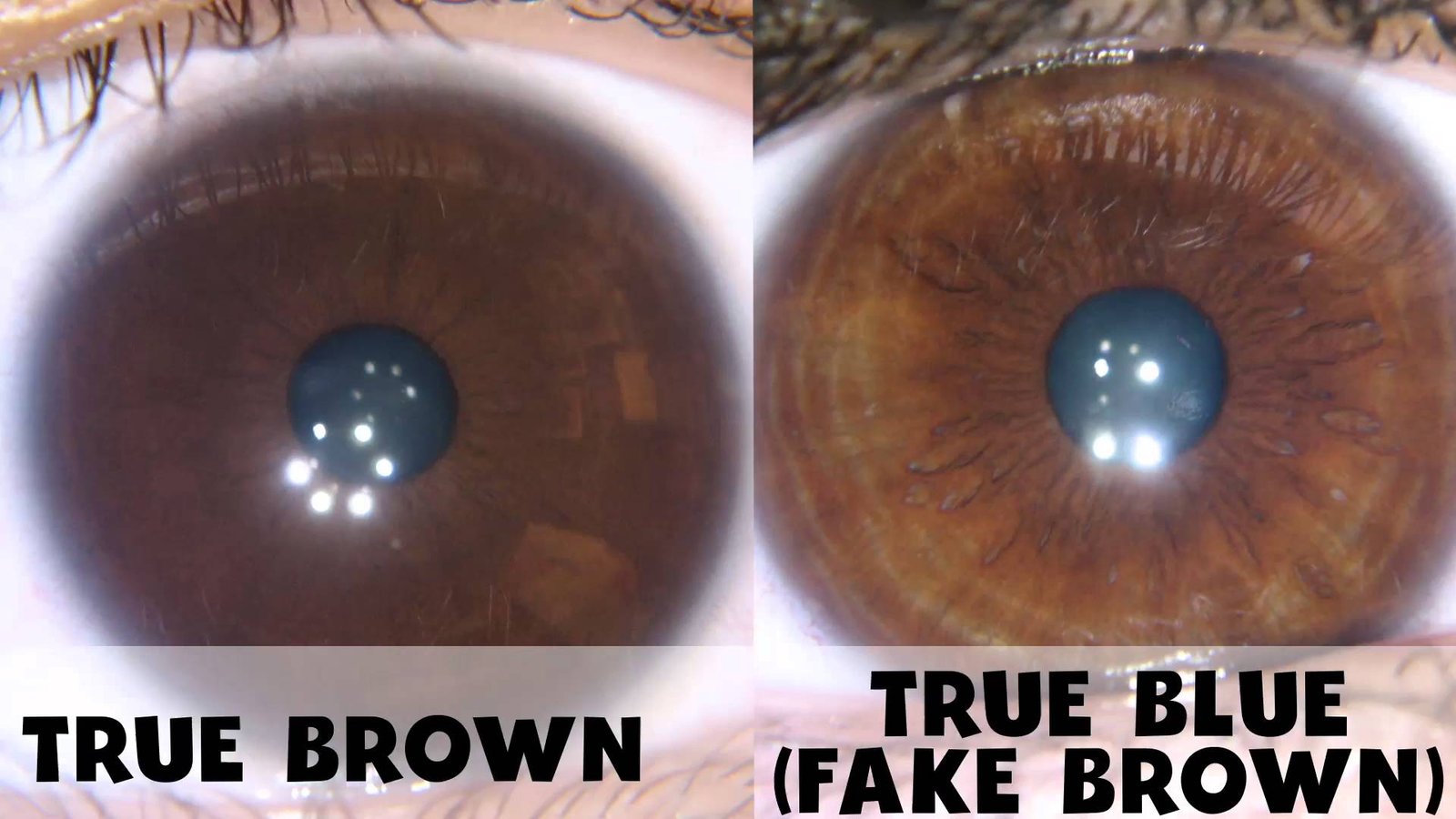
This approach focuses on inherited traits visible in the iris. Practitioners examine eye color and basic iris structure to assess what they consider constitutional strengths and weaknesses. A brown eye iridology reading might differ significantly from analysis of a blue or green iris because practitioners believe different colors indicate different health tendencies.
Behavioral and Emotional Iridology
Some practitioners developed systems they call behavioral iridology or behavioural iridology. These approaches attempt to connect iris patterns with personality traits and emotional tendencies. While less common than organ-focused methods, emotional iridology has its own following within alternative health communities.
Clinical Iridology
This method emphasizes identifying specific health conditions through iris markings. Practitioners who use clinical approaches often integrate iridology with other assessment tools. They may suggest lifestyle changes or supplements based on their findings.
Traditional European Method
Focuses on constitutional assessment and inherited patterns. Emphasizes the role of iris color in determining health predispositions.
- Originated with von Peczely in Hungary
- Expanded by German practitioners
- Uses detailed zone mapping
- Emphasizes genetic factors
American Approach
Developed through Bernard Jensen’s teachings. Integrates nutritional assessment with iris observation.
- Popularized in mid-20th century
- Strong focus on digestive health
- Combines with chiropractic principles
- Emphasizes cleansing protocols
Australian Method
Combines iris analysis with other natural health modalities. Places emphasis on preventive health measures.
- Integrated with naturopathic medicine
- Focus on early detection
- Combines multiple assessment tools
- Emphasis on lifestyle modification
Russian School
Developed detailed systems for iris analysis with strong scientific documentation attempts.
- Extensive research documentation
- Integration with conventional medicine
- Detailed classification systems
- Focus on iris topography
Scientific Research and Medical Perspective on Iridology
The medical community maintains a skeptical stance toward iridology. Multiple studies have examined whether iris features can accurately indicate health conditions. The conclusion from most controlled research has been that iridology lacks the diagnostic accuracy claimed by its proponents.
A frequently cited study published by researchers tested whether experienced iridologists could identify patients with specific diseases by examining iris photographs. The results showed that the iridologists performed no better than chance when trying to identify which patients had the conditions being tested.
“Scientific studies examining iridology have consistently failed to demonstrate diagnostic validity. The practice does not meet the standards required for medical diagnostic tools.”
Despite these findings, some practitioners argue that research has not properly tested iridology methods or that the practice offers value beyond disease diagnosis. They suggest it may help identify constitutional patterns or serve as a tool for general wellness assessment rather than specific disease detection.
Key Research Findings
Studies examining iridology have found:
- No significant correlation between iris markings and specific diseases in controlled tests
- Low inter-rater reliability when different practitioners examine the same irises
- No anatomical or physiological mechanism explaining how iris features would reflect organ conditions
- Results consistent with chance when iridologists attempt to identify health problems from iris photos
The lack of scientific validation means that medical doctors do not use iridology as a diagnostic tool. Conventional healthcare relies on evidence-based methods with proven accuracy for identifying health problems.
Modern Iridology Equipment and Technology
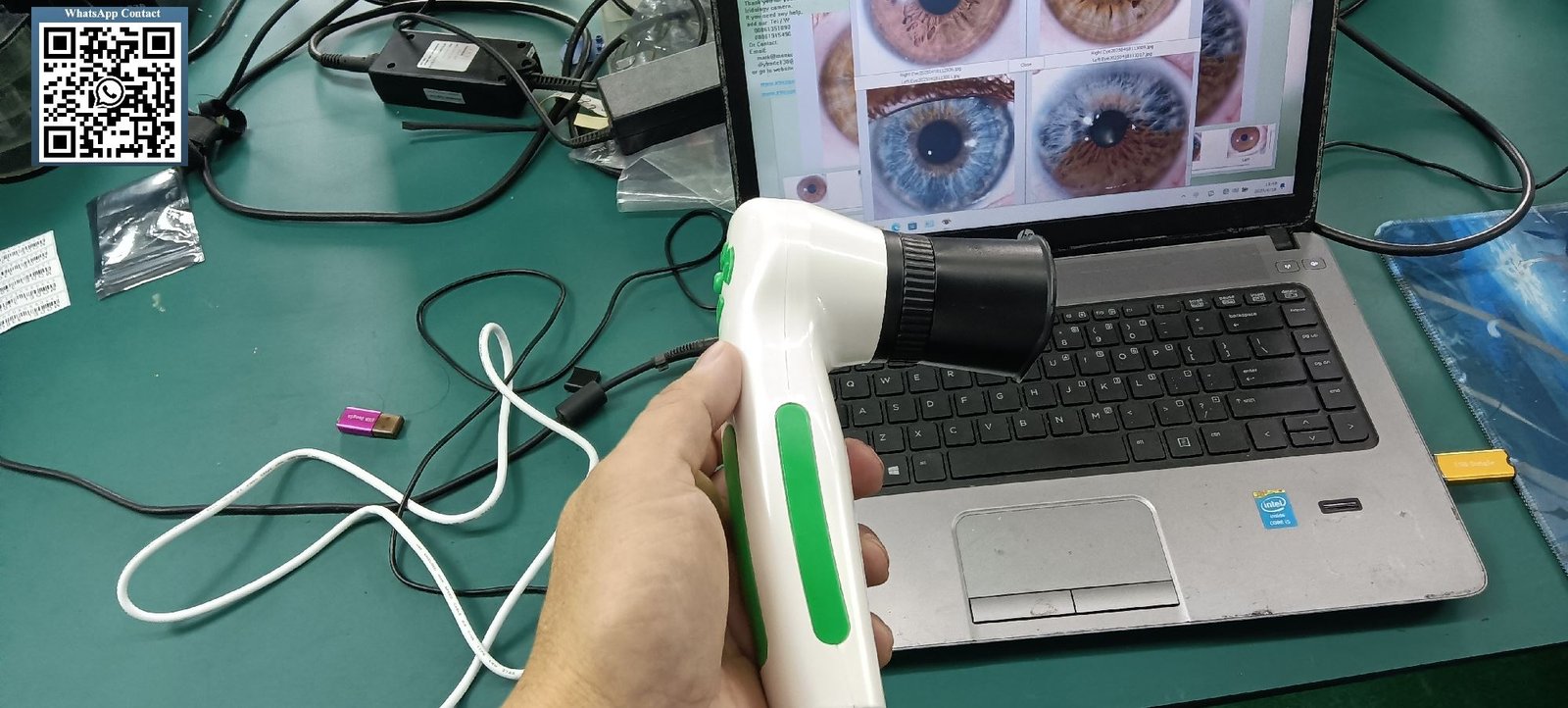
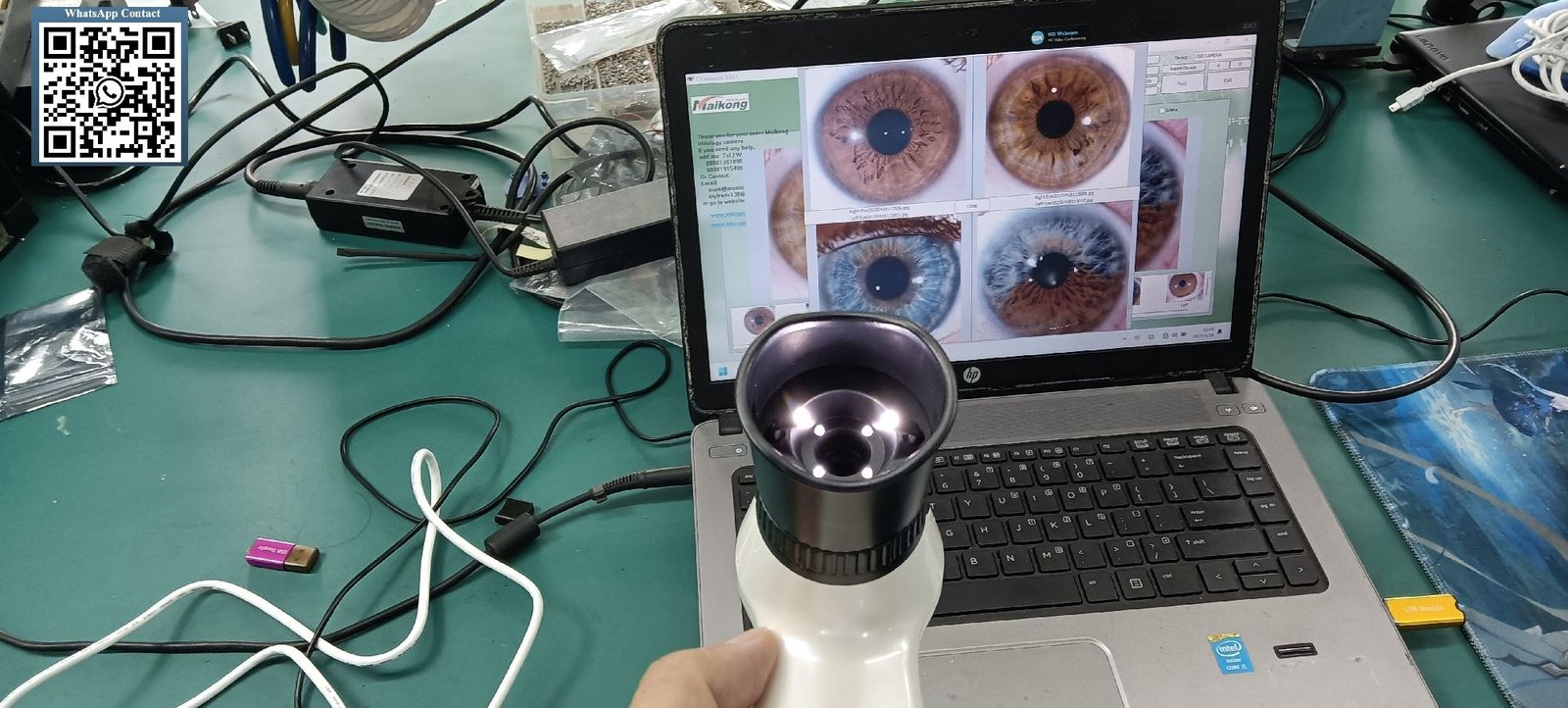
The tools used for iris examination have advanced significantly since von Peczely’s time. Today’s practitioners typically use specialized digital cameras designed specifically for capturing detailed iris images.
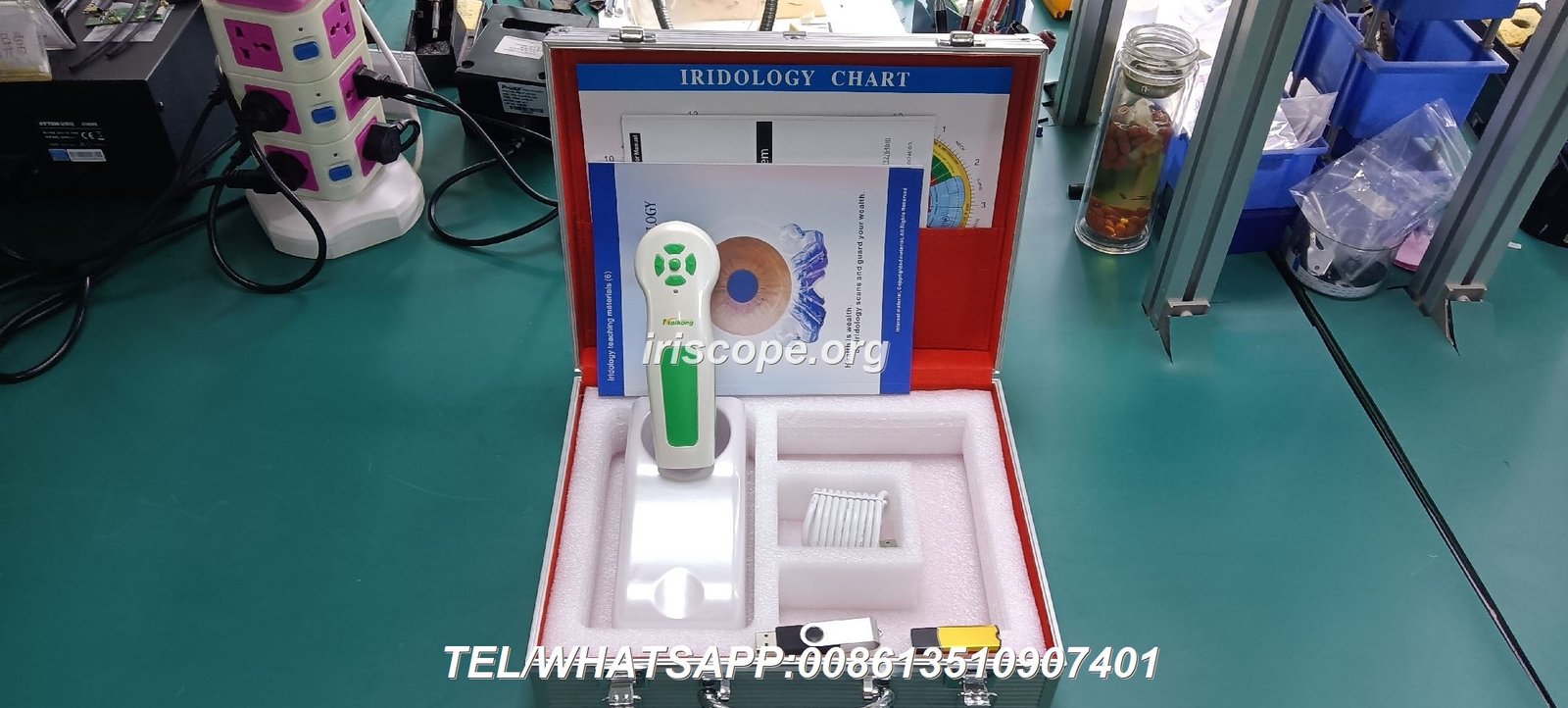
A professional usb iridology camera connects directly to a computer and works with dedicated software. These systems can capture images with resolution sufficient to show fine details in iris structure. The cameras typically include special lighting to illuminate the iris evenly while minimizing reflections.
MAIKONG MK-9822 Iridology Camera System Specifications
| Specification | Details |
| Model Number | MK-9822 |
| Image Sensor | 12.0 Megapixel CCD with DSP processor |
| Lens Type | Imported optical lens with anti-reflective coating |
| Illumination | LED ring light around lens with adjustable brightness |
| Focus | Adjustable manual focus for clear imaging |
| Connection | USB 2.0 interface (1.5 meter cable included) |
| Power Supply | USB-powered (no external power needed) |
| Compatible Systems | Windows XP/Vista/7/8/10/11 (32 & 64-bit), macOS 10.14+ |
| Dimensions | Compact handheld design with ergonomic grip |
| Weight | Approximately 450g (camera unit only) |
| Certifications | CE, ISO9000 certified manufacturing |
| Warranty | 13 months from purchase date |
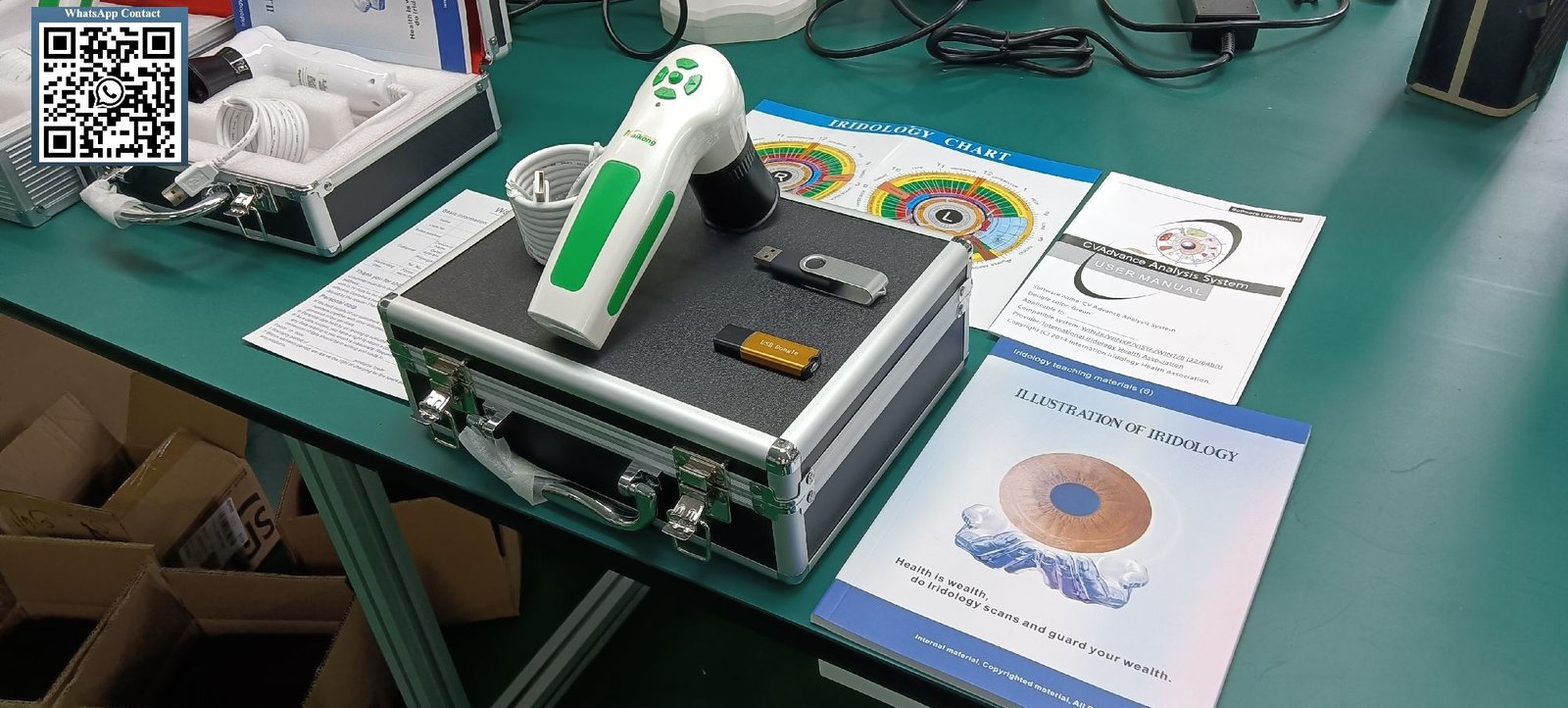
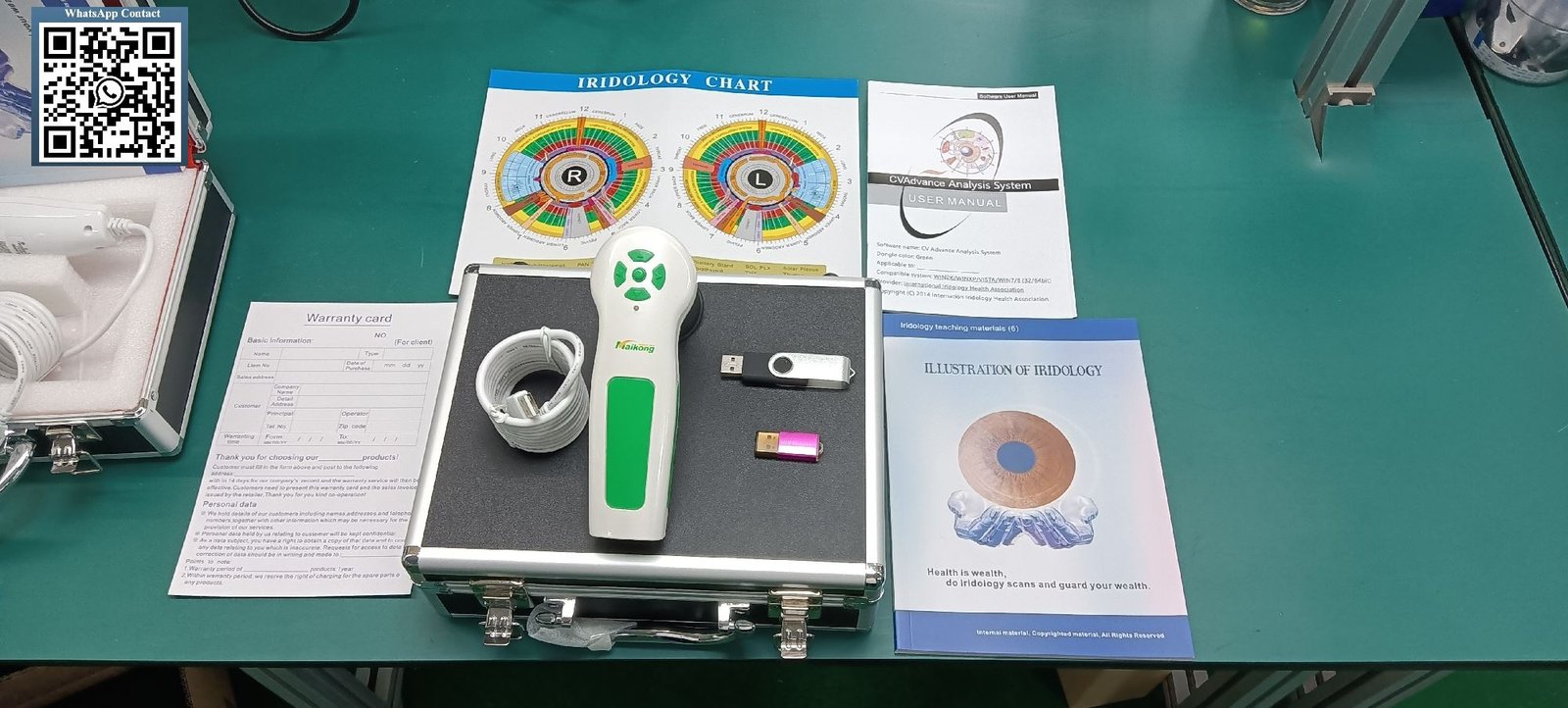
Standard Package Contents
- Camera handset with LED illumination system
- 30X magnification iris lens attachment
- Premium leather carrying case for protection
- 1.5 meter USB connection cable
- Protective lens cover to prevent scratches
- Printed iridology chart reference guide
- Installation CD with drivers and analysis software
- Instruction manual and warranty documentation
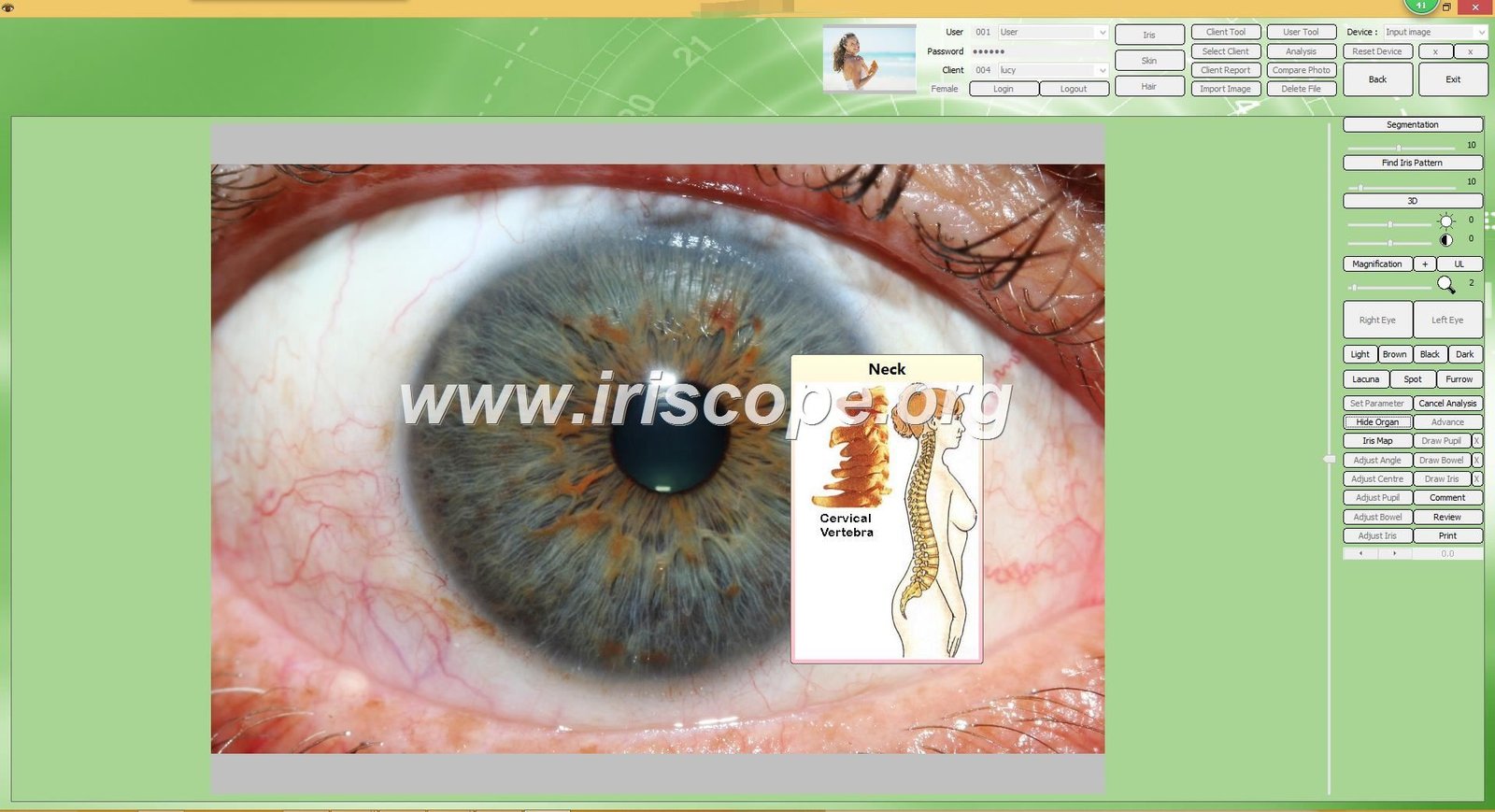
The software component has become increasingly sophisticated. Modern iridology software does more than simply display images. These programs can store client records, compare images taken at different times, and provide reference information about iris zones and their purported meanings.
Advanced Features in Professional Iridology Software
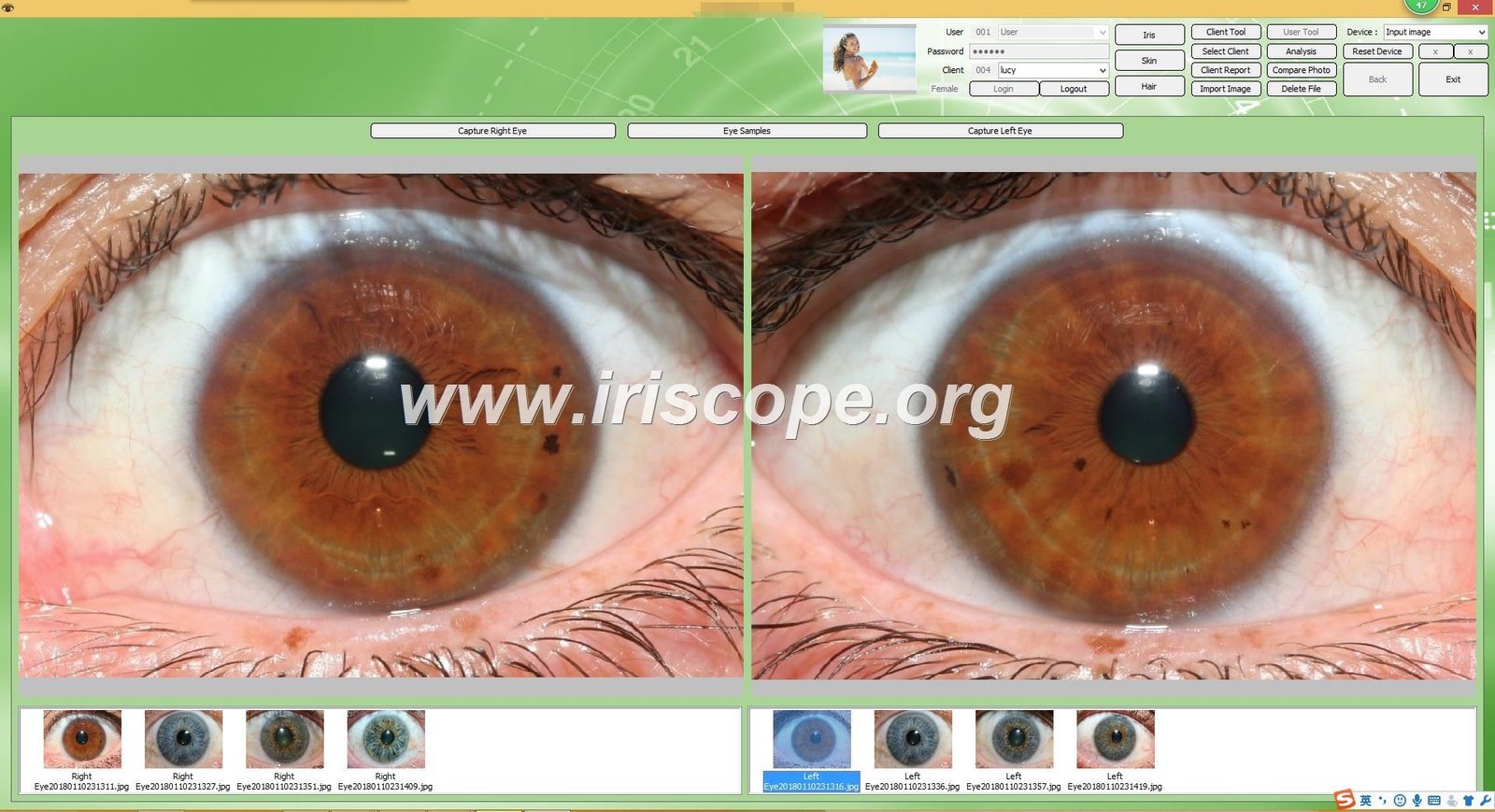
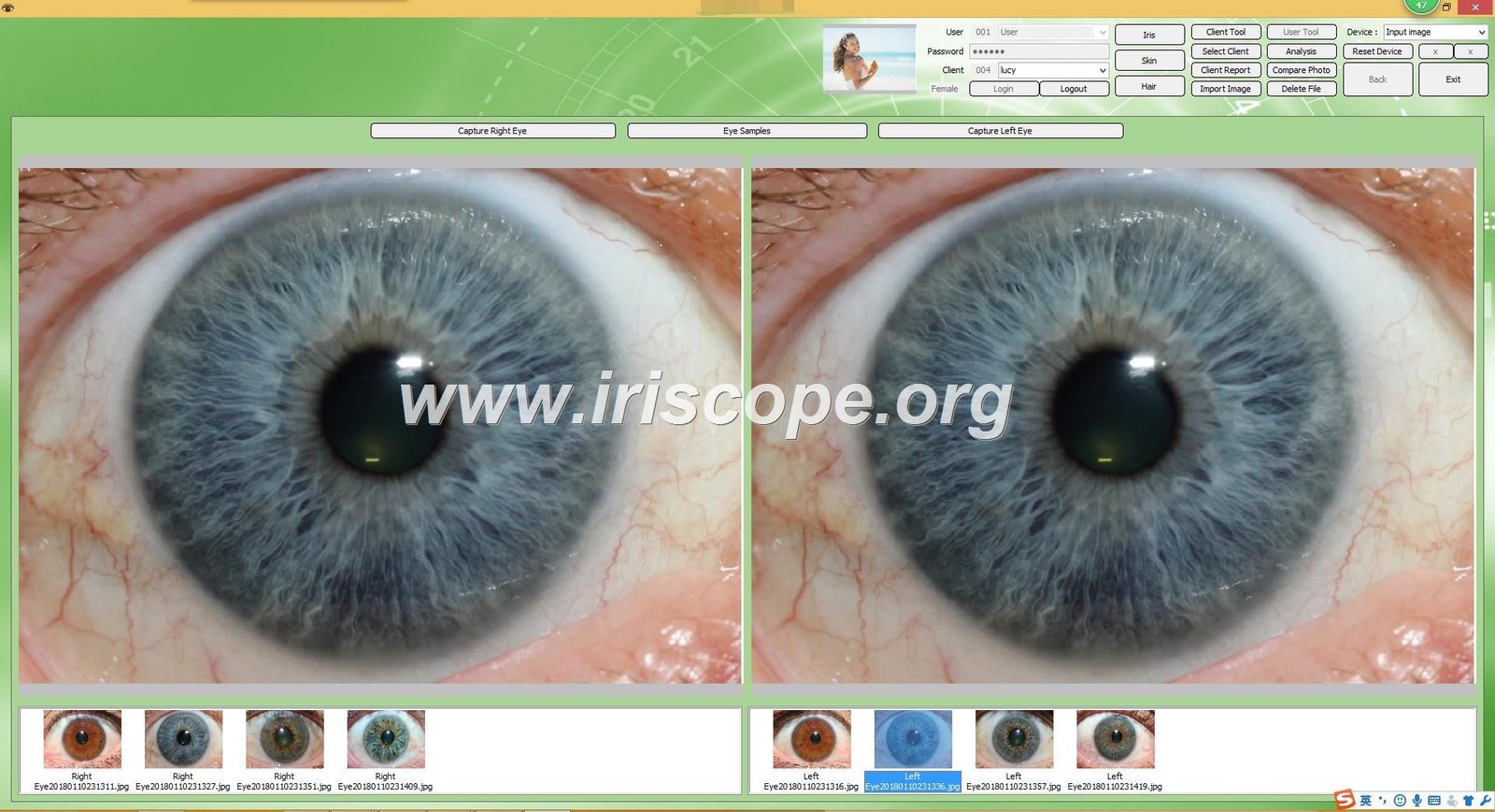
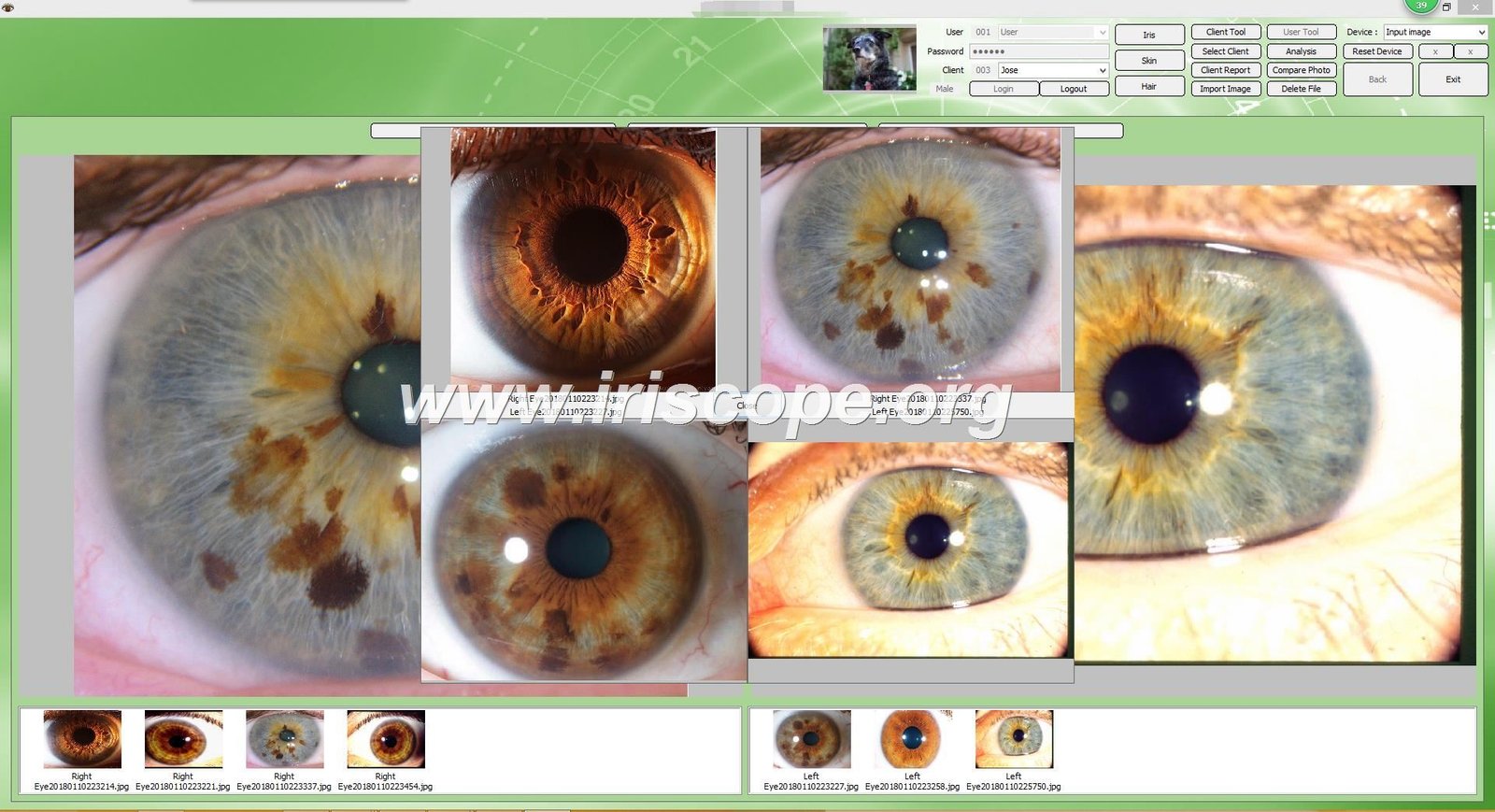
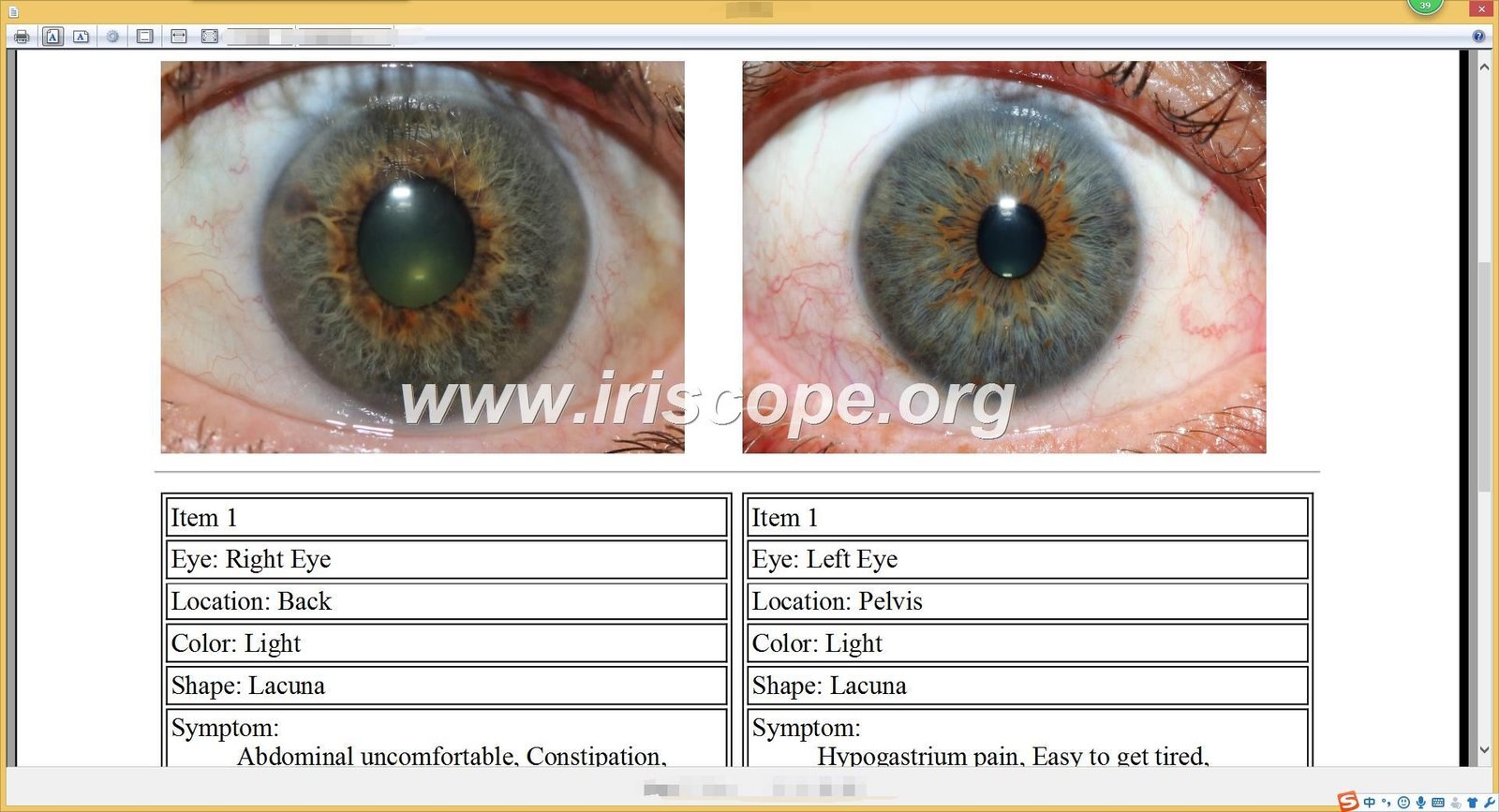
Software capabilities have expanded dramatically since the first digital systems appeared in the early 2000s. What began as simple image viewing programs have evolved into comprehensive practice management tools.
Our company, MAIKONG, has been developing iridology software since 2004. Over two decades, we have continuously improved our software based on feedback from practitioners worldwide. The current version includes features that were not possible when digital iridology systems first became available.
MAIKONG Iridology Software Development Timeline
| Year | Version | Key Developments |
| 2004 | 1.0 | Initial release with basic manual analysis tools |
| 2005 | 3.0 | Added Simplified Chinese language and expanded health indicator analysis |
| 2008 | 3.04 | Introduced multi-language support (English, Spanish) and improved image clarity |
| 2010 | 3.10 | First AI-based automatic analysis features and 3D image enhancement |
| 2014 | 3.15 | Released multi-user version with cloud data management capabilities |
| 2018 | 3.18 | First iridology software supporting macOS, expanding Apple user accessibility |
| 2020 | 3.20 | Enhanced AI analysis, automatic product recommendations, multi-device sync |
| 2025 | 3.23 | Advanced automatic analysis, integrated 3D textures, expanded language support to 17 languages |
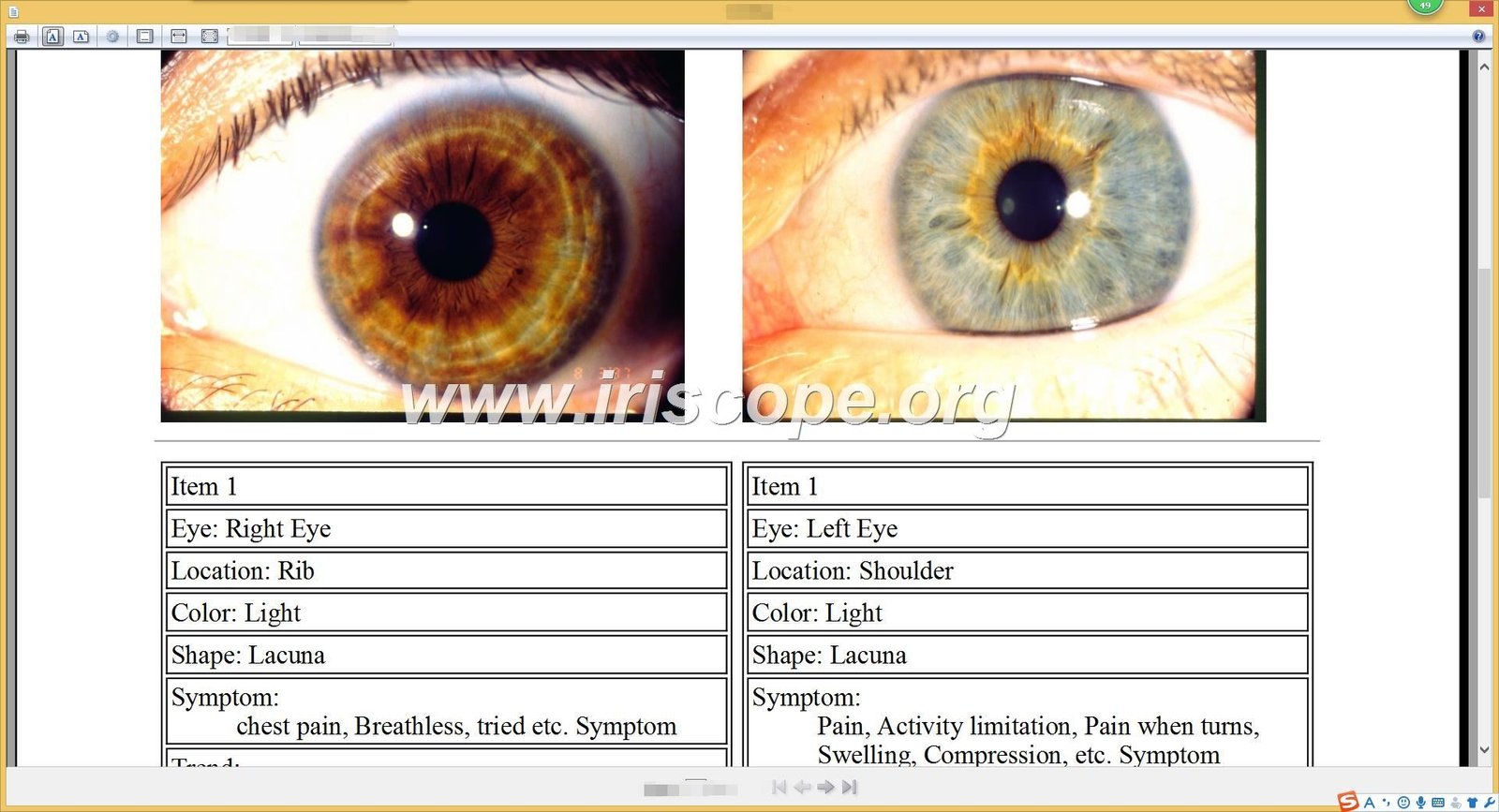
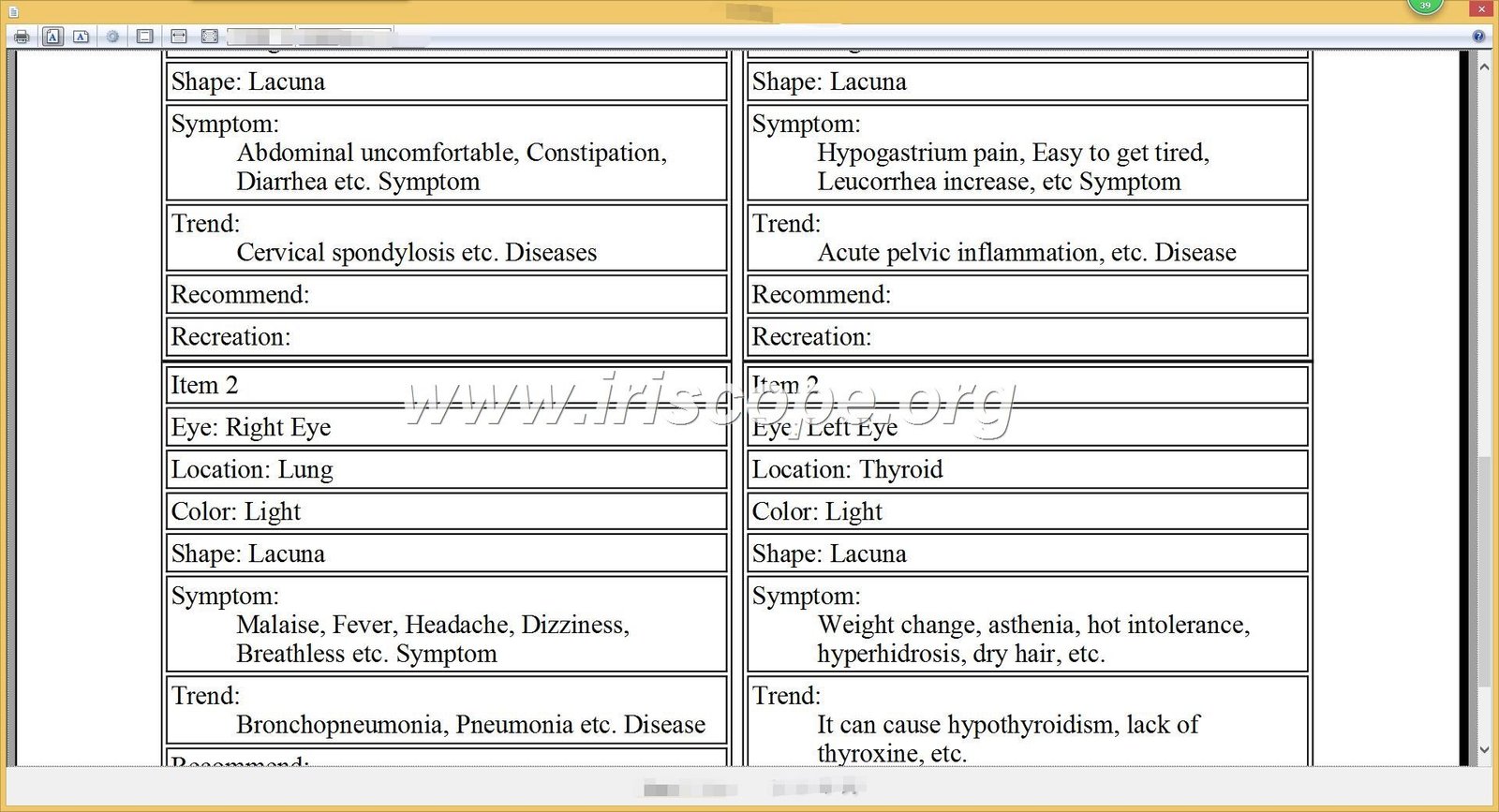
Core Software Capabilities
Image Management
- Capture high-resolution images directly from camera
- Automatic white balance and contrast adjustment
- Color temperature filtering for accurate representation
- 3D negative film rendering for enhanced detail
- Side-by-side comparison of images from different dates
- Secure backup and restoration across devices
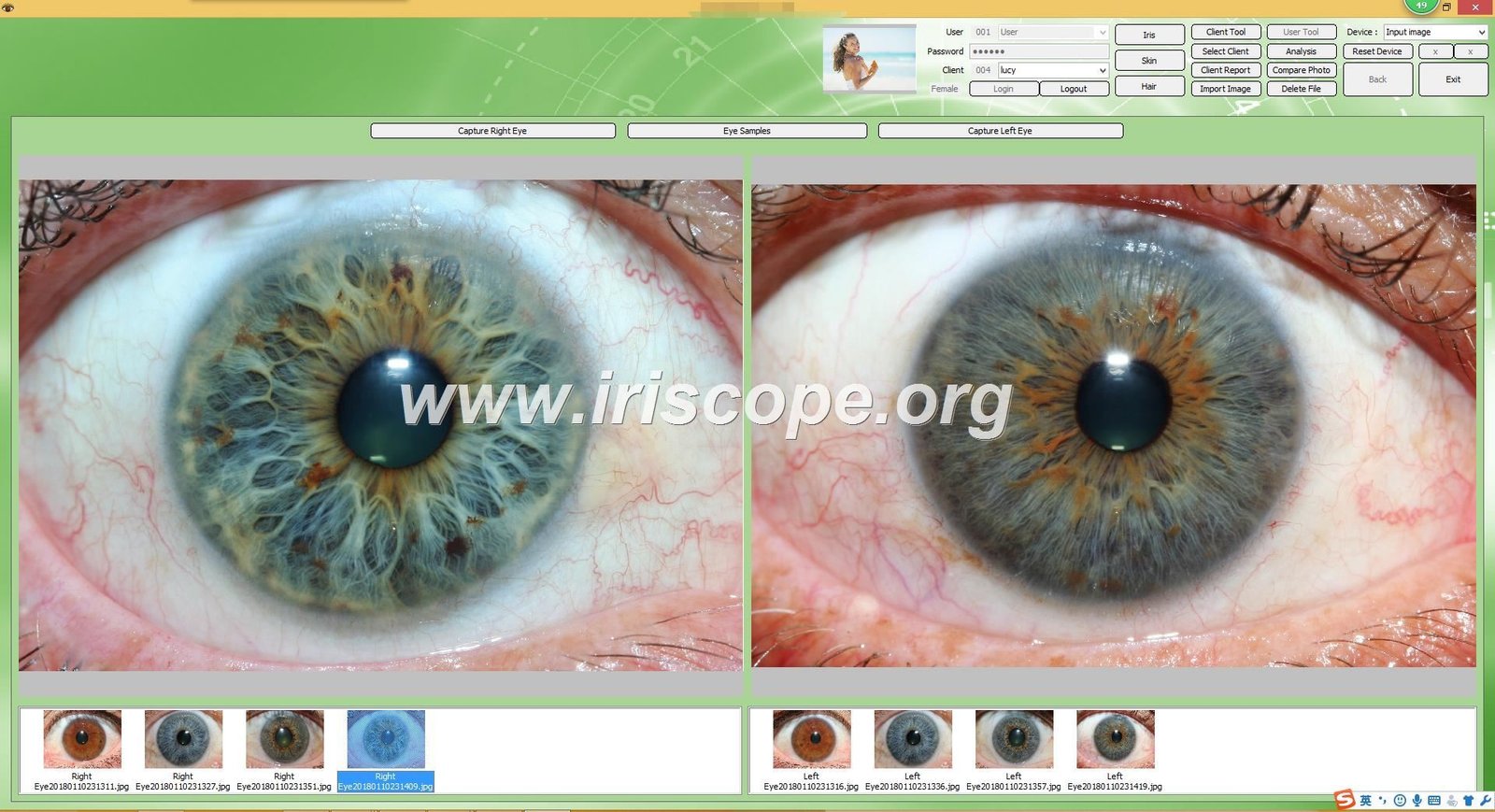
Client Record Management
The software maintains detailed records for each person examined. Practitioners can input personal information including name, age, gender, and contact details. The system organizes all iris images by client and date, making it simple to track changes over time.
This feature proves particularly valuable for practitioners who work with people on ongoing wellness programs. Being able to show someone how their iris appearance has changed provides visual feedback about progress.

Multi-Language Support
Our software currently supports 17 languages, making it accessible to practitioners worldwide. This extensive language support includes common languages like English, Spanish, French, German, Italian, and Portuguese, as well as less commonly supported languages like Persian, Czech, Bulgarian, and both Traditional and Simplified Chinese.
| Language | Version | OEM Support | ODM Support |
| English | MAIKONG 2024 | Yes | Yes |
| Spanish | MAIKONG 2024 | Yes | Yes |
| French | MAIKONG 2024 | Yes | Yes |
| German | MAIKONG 2024 | Yes | Yes |
| Italian | MAIKONG 2024 | Yes | Yes |
| Portuguese | MAIKONG 2024 | Yes | Yes |
| Russian | MAIKONG 2024 | Yes | Yes |
| Japanese | MAIKONG 2024 | Yes | Yes |
| Korean | MAIKONG 2024 | Yes | Yes |
| Simplified Chinese | MAIKONG 2024 | Yes | Yes |
| Traditional Chinese | MAIKONG 2024 | Yes | Yes |
| Malaysian | MAIKONG 2024 | Yes | Yes |
| Czech | MAIKONG 2024 | Yes | Yes |
| Polish | MAIKONG 2024 | Yes | Yes |
| Bulgarian | MAIKONG 2024 | Yes | Yes |
| Persian (Iranian) | MAIKONG 2024 | Yes | Yes |
All language versions support the full feature set, including automatic analysis, reporting capabilities, and client management functions. Practitioners can switch between languages as needed if they work with diverse client populations.
Analysis and Reporting Tools
Modern software includes tools that attempt to automate aspects of iris analysis. These features use pattern recognition algorithms to identify iris characteristics and compare them against reference databases.
The software can generate reports that practitioners can print or send electronically to clients. These reports typically include the iris images, notes about observed features, and recommendations for lifestyle modifications or products.
Some versions incorporate product recommendation systems. Based on the analysis performed, the software suggests specific supplements or wellness products. Practitioners can customize these recommendation lists to match products they personally recommend or sell.
Understanding and Using Iridology Charts
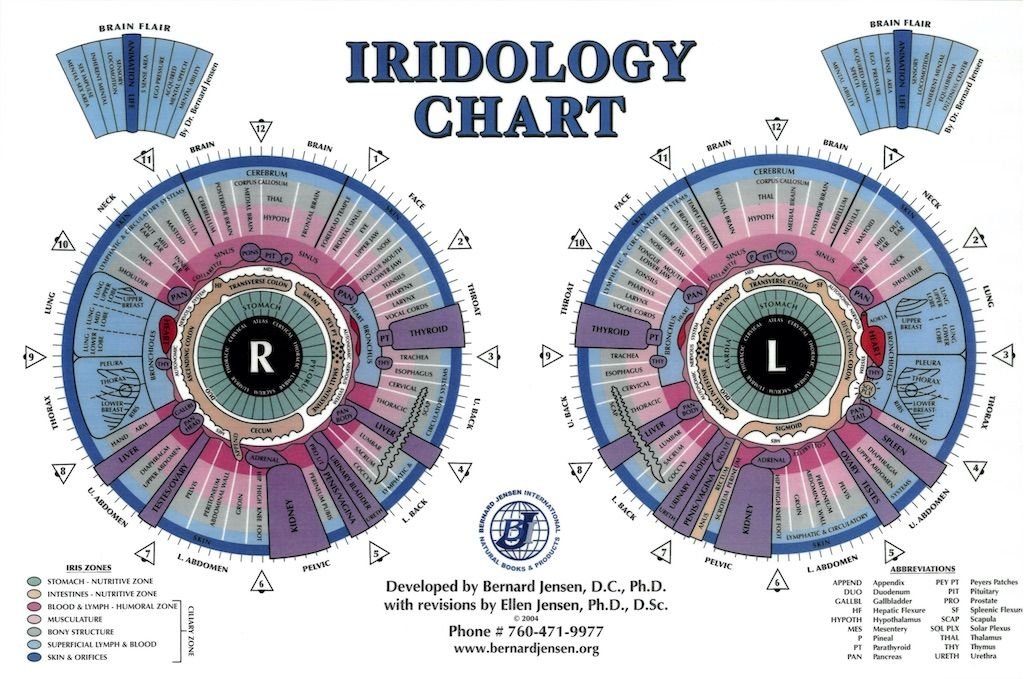
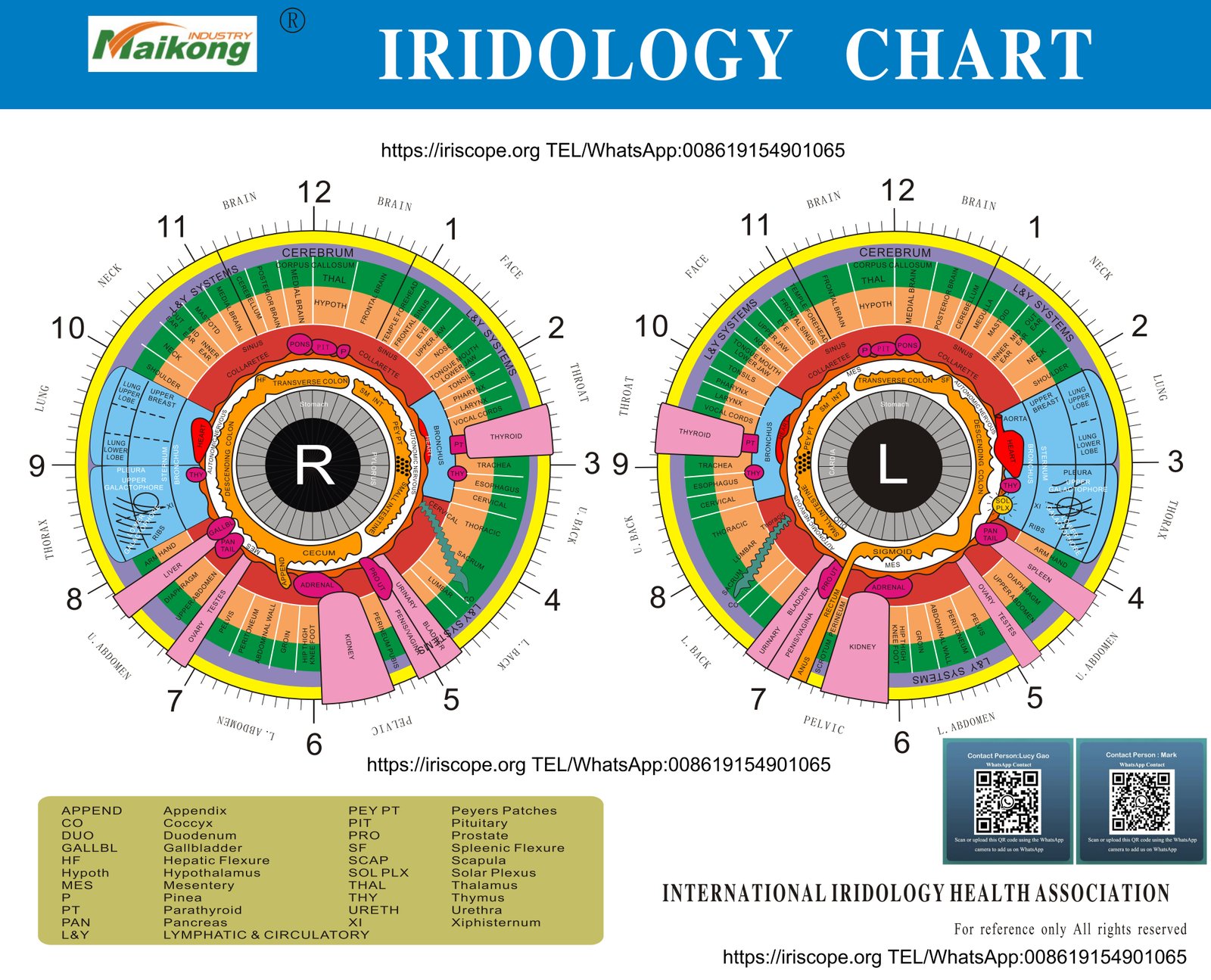
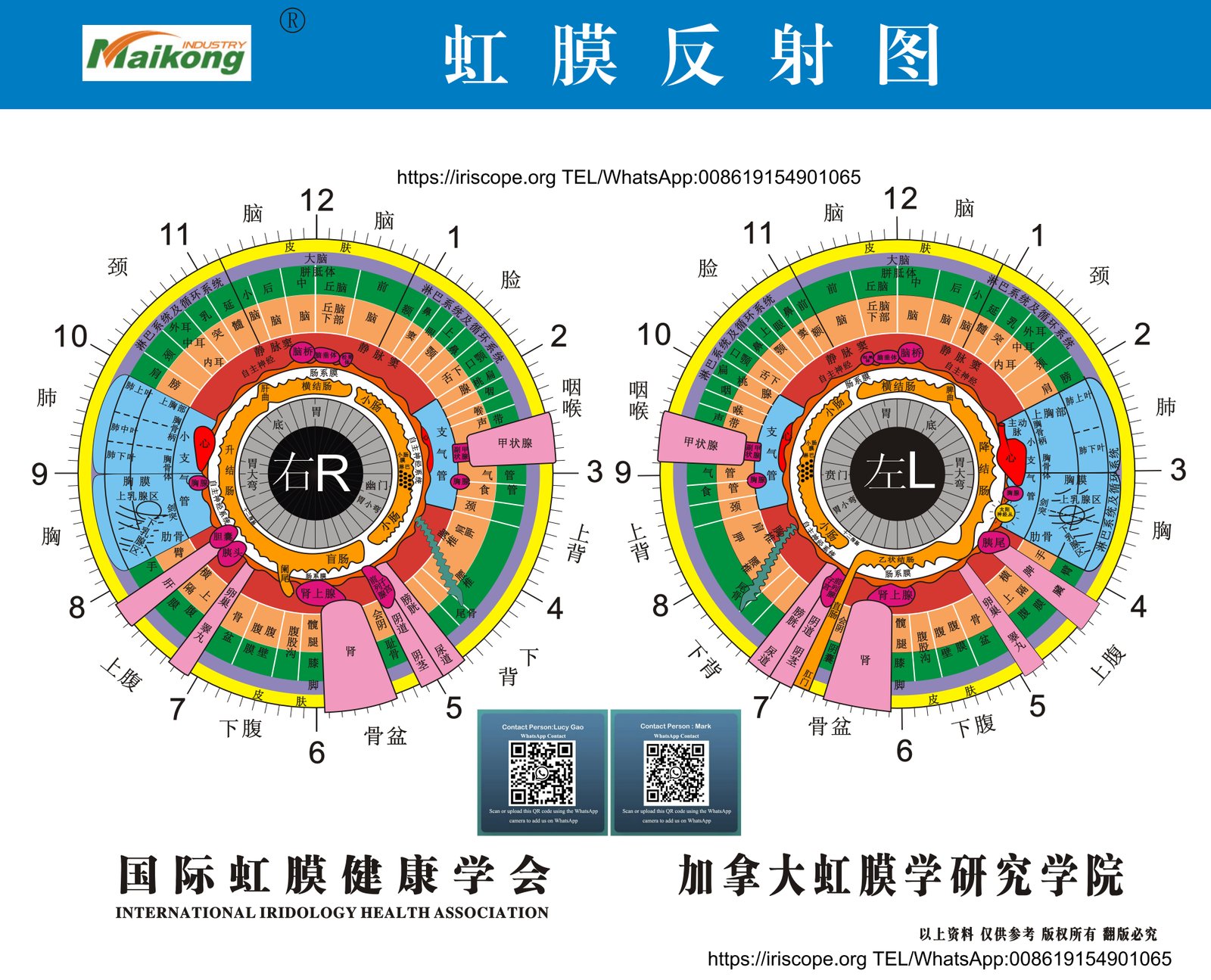
An iris chart serves as the fundamental reference tool for anyone practicing iridology. These charts map the iris into sections, with each section supposedly corresponding to specific organs or body systems.
Different schools of iridology have created their own charts, though most share similar basic layouts. The charts typically divide the iris into zones arranged like a clock face. The upper portion of the iris relates to the upper body, while the lower portion relates to the lower body. The left eye iris chart reflects the left side of the body, and the iridology chart right eye shows the right side.
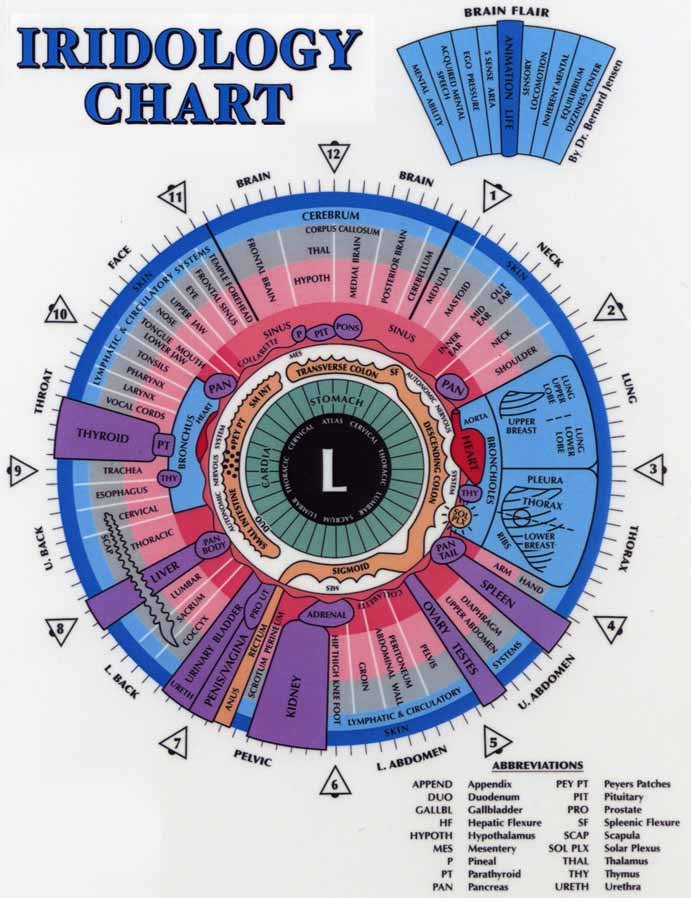
Left eye chart showing organ correspondences
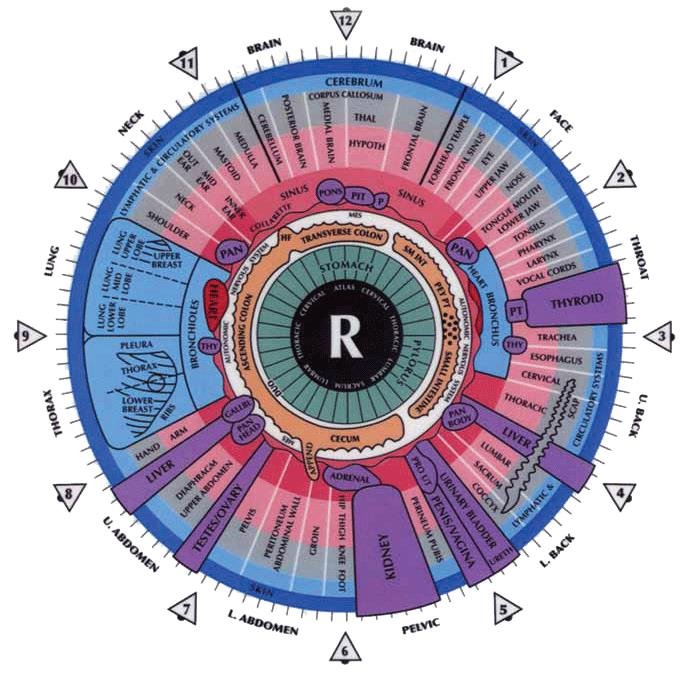
Right eye chart showing organ correspondences
How to Read the Eyes Using Iridology Charts
Learning iridology chart how to read the markings requires study and practice. Beginners typically start by familiarizing themselves with the basic layout and which iris sections correspond to major organs.
- Identify the iris type: Determine whether the iris is predominantly blue, brown, or mixed. Some systems classify additional subtypes.
- Locate zones of interest: Using the chart as a reference, identify which sections of the iris correspond to areas of health concern.
- Observe markings and features: Look for color variations, fiber patterns, spots, or other distinctive features within those zones.
- Compare with reference materials: Match observed features against descriptions in iridology texts or software databases.
- Document findings: Record observations systematically, often using standardized forms or digital record systems.
- Formulate recommendations: Based on the analysis, suggest lifestyle modifications, further assessment, or specific interventions.
Practitioners emphasize that learning eye read techniques takes considerable time. Reading the eyes for health through iridology is described as an art that develops through experience rather than a purely mechanical process.
Training and Certification in Iridology
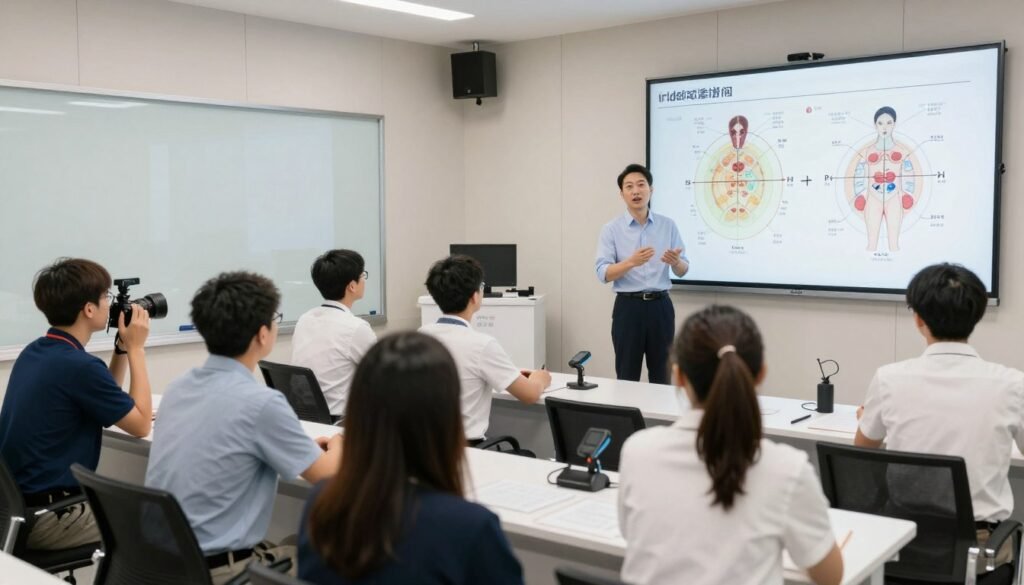
People interested in becoming an iridologist or iris doctor typically pursue training through specialized programs. These range from short workshops to comprehensive certification courses lasting months or years.
Training programs vary significantly in depth and requirements. Some offer basic introductions to iris observation techniques, while others provide extensive education covering anatomy, nutrition, and various health assessment methods alongside iridology.
Typical Training Components
- History and theory of iridology practice
- Detailed study of iris anatomy and physiology
- Chart interpretation and zone mapping
- Recognition of iris signs, markings, and patterns
- Use of equipment including cameras and software
- Client consultation and communication skills
- Documentation and record-keeping practices
- Ethics and scope of practice limitations
- Integration with other health assessment modalities
- Hands-on practice sessions with supervised examination
No standardized licensing exists for iridology in most countries. This means anyone can claim to practice iridology regardless of training level. Some organizations offer certification programs, but these credentials do not carry the same weight as regulated medical licenses.
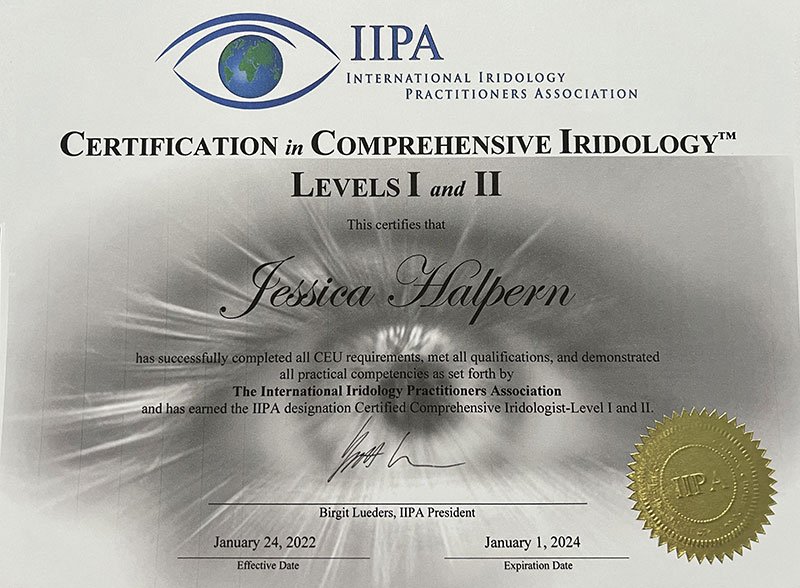
Practitioners often come from other health-related backgrounds. Many iridologists also work as naturopaths, nutritionists, herbalists, or wellness consultants. They add iridology to their existing practice toolkit rather than relying on it exclusively.
The lack of standardization means practice quality varies widely. Someone seeking an iridology consultation should ask about the practitioner’s training, experience, and what other qualifications they hold.
How Practitioners Use Iridology in Practice
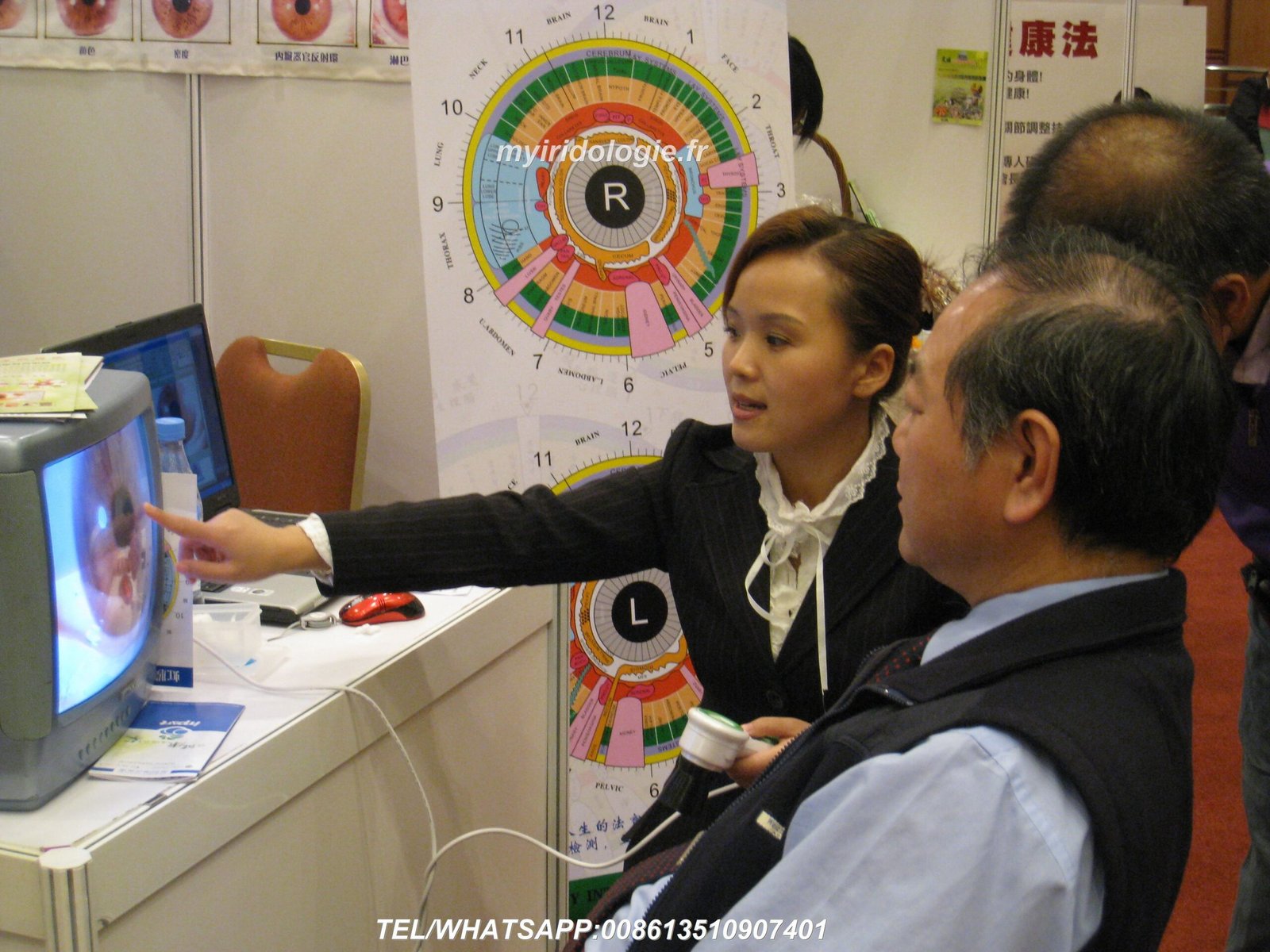
Practitioners who incorporate iridology into their work use it in various ways. Some view it as their primary assessment tool, while others use it as one component among many.
A typical session begins with the practitioner capturing images of both eyes. They then examine these images, either during the session or afterward, comparing them against reference charts and looking for specific features.
Common Practice Patterns
Wellness Assessment
Many practitioners position iridology as a tool for overall wellness evaluation rather than disease diagnosis. They use observations to suggest general lifestyle improvements.
Constitutional Analysis
Some focus primarily on inherited tendencies they believe are visible in the iris. This approach emphasizes long-term health planning based on perceived constitutional type.
Supplement Recommendation
Practitioners frequently use iridology findings to recommend specific nutritional supplements or herbal products they believe address observed imbalances.
The recommendations that follow an iridology analysis typically focus on diet, lifestyle, and supplements. Practitioners might suggest increasing intake of certain foods, reducing others, adopting stress management practices, or taking specific nutritional products.
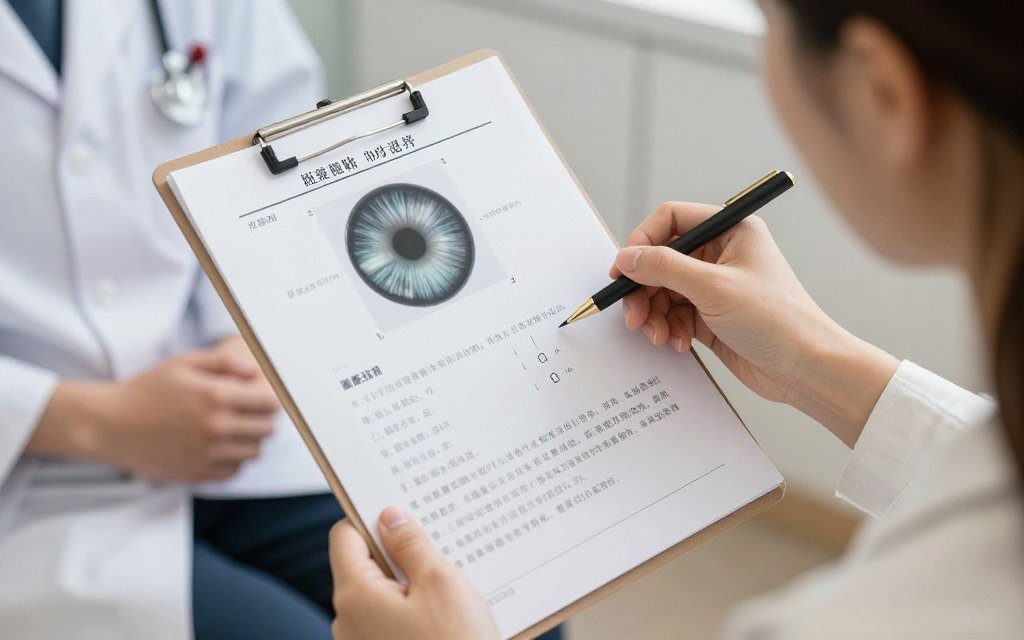
Responsible practitioners make clear that they are not diagnosing diseases or replacing medical care. They position their services as complementary wellness support rather than medical treatment. This distinction matters both ethically and legally.
Integration With Other Modalities
Iridology rarely stands alone in alternative health practices. Practitioners commonly combine it with:
- Nutritional counseling and dietary assessment
- Herbal medicine recommendations
- Homeopathic remedy selection
- Reflexology and bodywork therapies
- Energy medicine approaches
- Lifestyle and stress management coaching
This integrated approach means people visiting an iridology practitioner typically receive a comprehensive wellness consultation that extends beyond just iris examination.
Considerations When Selecting Iridology Equipment
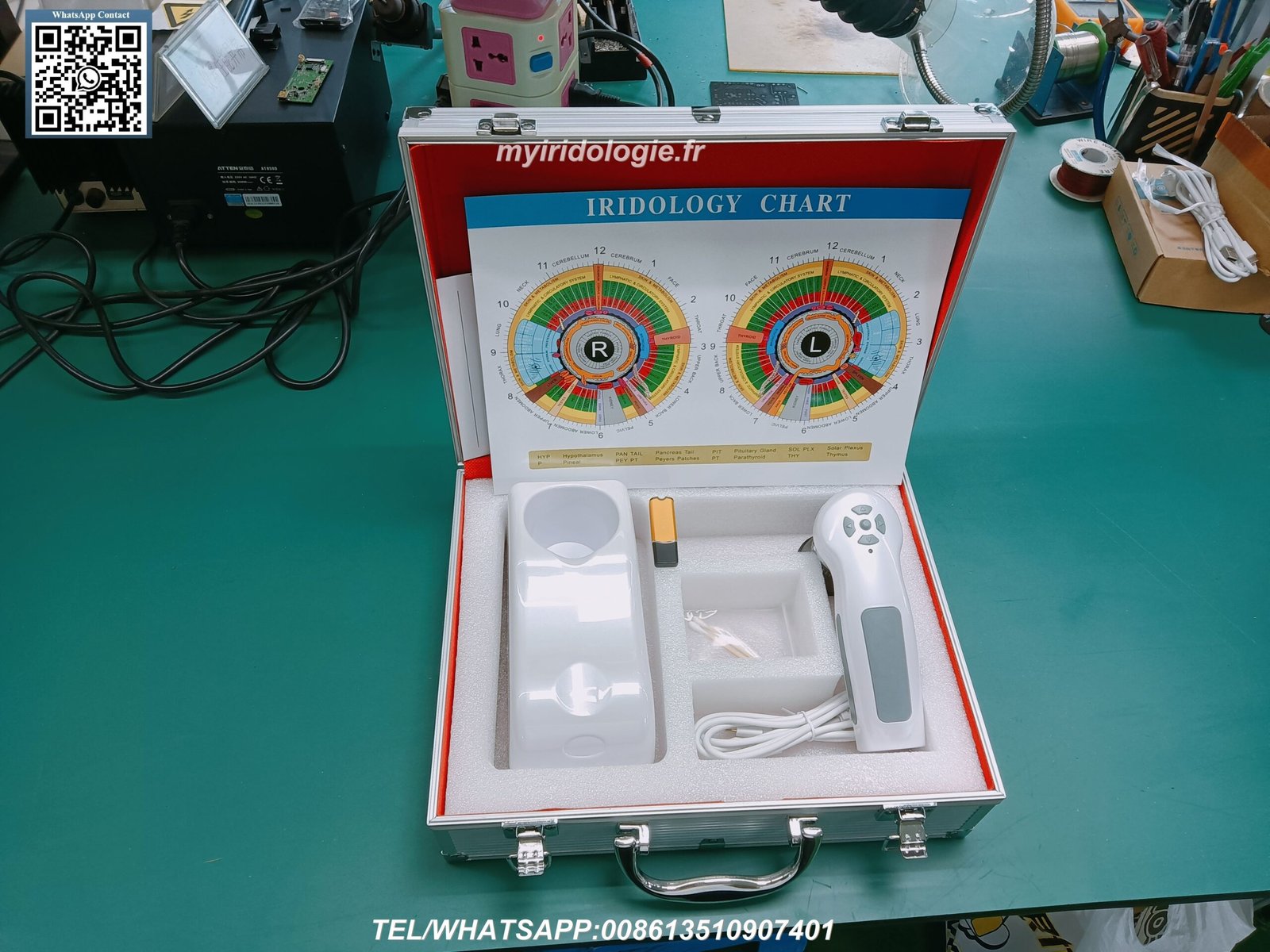
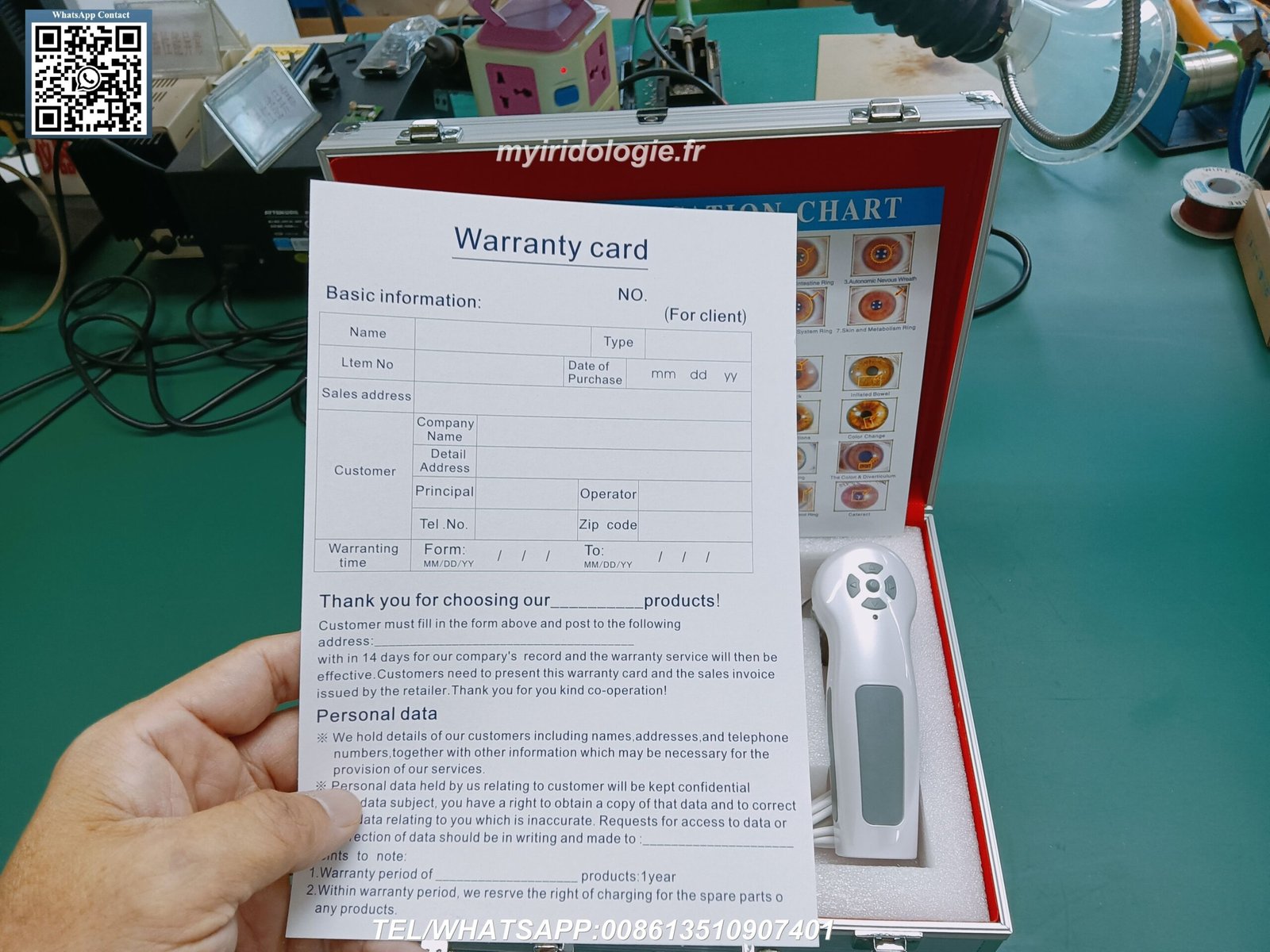
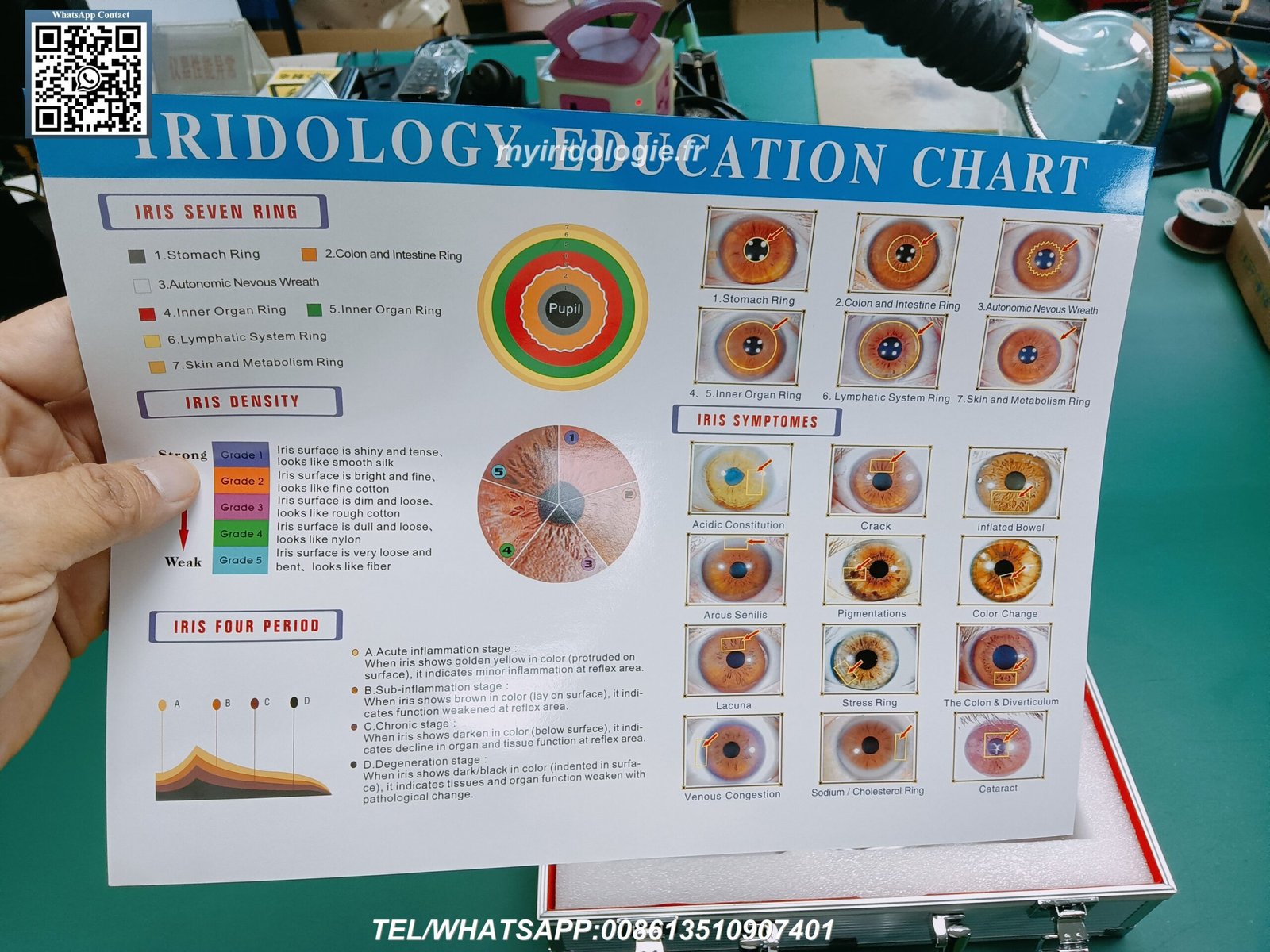
Practitioners starting with iridology or upgrading their equipment face several choices. The market includes entry-level cameras suitable for beginners and advanced systems for established practices.
When evaluating iridology camera for sale options, several factors deserve consideration beyond just iriscope price.
Key Equipment Selection Criteria
Image Quality Requirements
Resolution makes a significant difference in iris examination. Higher megapixel counts allow practitioners to capture finer details in iris structure. Look for cameras offering at least 10-12 megapixels for professional use.
Lighting quality also matters tremendously. Even illumination across the iris without harsh reflections enables clearer observation. LED ring lights positioned around the lens provide more consistent results than external lighting.
Software Compatibility and Features
The camera represents only half of the system. Software capabilities determine how effectively you can use the images captured. Consider whether the software offers:
- Client record management and organization
- Image comparison tools for tracking changes
- Report generation capabilities
- Multi-language support if you work with diverse populations
- Regular updates and technical support
- Compatibility with your computer operating system
Ergonomics and Ease of Use
An iridology camera stand can significantly improve the examination experience. Handheld cameras work well for some practitioners, but stands provide stability and allow hands-free operation.
Consider how the camera connects to your computer. USB-powered cameras eliminate the need for separate power supplies, reducing cable clutter and making the system more portable.
Manufacturer Support and Warranty
Technical support matters when working with specialized equipment. Ensure the manufacturer or distributor provides adequate assistance if problems arise.
Warranty coverage protects your investment. Standard warranties typically cover manufacturing defects for one year or more. Check what the warranty includes and excludes before purchasing.
MAIKONG Manufacturing Advantages
Our company offers several benefits to practitioners and distributors:
- Direct manufacturer pricing without middleman markups
- 20+ years of experience in iridology equipment design
- ISO9000 and CE certified production facilities
- Extensive OEM/ODM customization capabilities
- Warehouses in both China and the United States
- Software supporting 17 languages and both Windows and macOS
- Free lifetime software updates for registered users
- 13-month warranty on all camera hardware
Frequently Asked Questions About Iridology
Can iridology diagnose specific diseases?
The short answer is no. Scientific research has not validated iridology as a diagnostic tool for specific diseases. While practitioners may observe various iris features and patterns, controlled studies have found that iridologists cannot reliably identify specific medical conditions through iris examination alone.
Mainstream medicine does not recognize iridology as a valid diagnostic method. If you have health concerns, appropriate medical tests performed by licensed physicians remain the standard for identifying diseases.
Some practitioners frame iridology differently, suggesting it reveals constitutional tendencies or general health patterns rather than specific diseases. However, even these broader claims lack scientific support.
How does iridology differ from a standard eye exam?
An optometrist iris examination focuses on eye health and vision. Optometrists check for conditions like glaucoma, cataracts, macular degeneration, and other problems affecting the eyes themselves. They also determine whether you need corrective lenses.
Iridology practitioners claim to assess overall body health through iris examination, not eye health specifically. They look at iris patterns and features they believe reflect conditions in organs and systems throughout the body.
These represent completely different approaches. One is evidence-based medical care for eye health. The other is an alternative practice with no scientific validation. Neither replaces the other in terms of their stated purposes.
What should I look for when choosing an iridology practitioner?
If you decide to consult an iridology practitioner, ask about their training and credentials. How long did their iridology education last? What other health qualifications do they hold? How long have they been practicing?
Responsible practitioners clearly explain that iridology does not diagnose diseases and does not replace medical care. Be cautious of anyone making dramatic claims about what they can detect through iris examination.
Ask what the consultation will cost and what it includes. Understand whether recommendations will primarily focus on products the practitioner sells. Many iridologists also sell supplements, which creates potential conflicts of interest.
Check whether the practitioner carries appropriate liability insurance for their practice. This offers some protection and indicates they take their professional responsibilities seriously.
Can iridology show changes in eye color or affect my vision?
Iridology examination itself cannot change your eye color or affect your vision. The process involves taking photographs or closely observing the iris. It is completely non-invasive and causes no physical changes.
Some iridology diet approaches claim that nutritional changes can alter iris appearance over time. The idea that specific dietary interventions can significantly change established iris patterns lacks scientific support.
True eye color changes typically result from medical conditions, medications, or eye diseases that require medical attention. If you notice actual changes in your eye color, consult an ophthalmologist rather than relying on iridology explanations.
Claims about iridology change eye color through health interventions reflect wishful thinking rather than biological reality. Iris pigmentation is determined by melanin content, which does not respond to dietary supplements or lifestyle changes in the ways sometimes suggested.
What is the difference between iridology cameras from different manufacturers?
Several companies manufacture cameras marketed specifically for iridology. The main differences involve image quality, software features, build quality, and price.
Budget cameras might offer lower resolution, basic software, and limited support. Professional-grade systems provide higher megapixel counts, sophisticated analysis software, and better manufacturer support.
When comparing the best iridology camera options, look beyond specifications alone. Consider the complete package including software capabilities, warranty coverage, and whether the manufacturer will still support the product in several years.
Some practitioners prefer cameras from established iridology camera manufacturers with long track records. Others choose newer systems with more advanced technology. Both approaches have merit depending on your specific needs and budget.
Is iridology safe?
The examination process itself is completely safe. Looking at someone’s iris and taking photographs poses no risks. The procedure is non-invasive and painless.
The potential safety concerns with iridology relate to how practitioners use the information and what they recommend. Problems can arise if someone:
- Delays seeking appropriate medical care based on iridology findings
- Follows recommendations that conflict with established medical treatment
- Spends significant money on supplements based on questionable analysis
- Makes major health decisions based solely on iris examination
These concerns apply to many alternative health approaches. The risk comes not from the examination itself but from inappropriate reliance on a method that lacks scientific validation.
What does a screen for iris medical term mean in conventional medicine?
In conventional medical terminology, a screen for iris or iris screening refers to examination for actual eye conditions affecting the iris structure. This differs completely from iridology.
Ophthalmologists look at the iris to detect conditions like:
- Iris melanoma or other tumors
- Inflammatory conditions affecting the iris (iritis)
- Structural abnormalities or damage
- Signs of systemic diseases that manifest in the eye
Some medical conditions do create visible changes in the iris. Doctors trained in ophthalmology can identify these legitimate medical signs. This represents evidence-based medicine, not iridology.
The confusion between medical iris examination and iridology causes misunderstandings. They represent entirely different practices with different purposes and validity levels.
Distribution and Partnership Opportunities

Our company, MAIKONG, has supplied iridology equipment to practitioners and distributors worldwide for more than 20 years. Based in SZ, GD, China, we operate as a direct manufacturer with complete control over product development and quality.
We have provided OEM and ODM services to over 1,000 clients globally. This experience includes partnerships with direct marketing companies, health supplement brands, wellness clinics, training institutions, and medical equipment distributors across numerous countries.
Why Work With MAIKONG
Manufacturing Capabilities
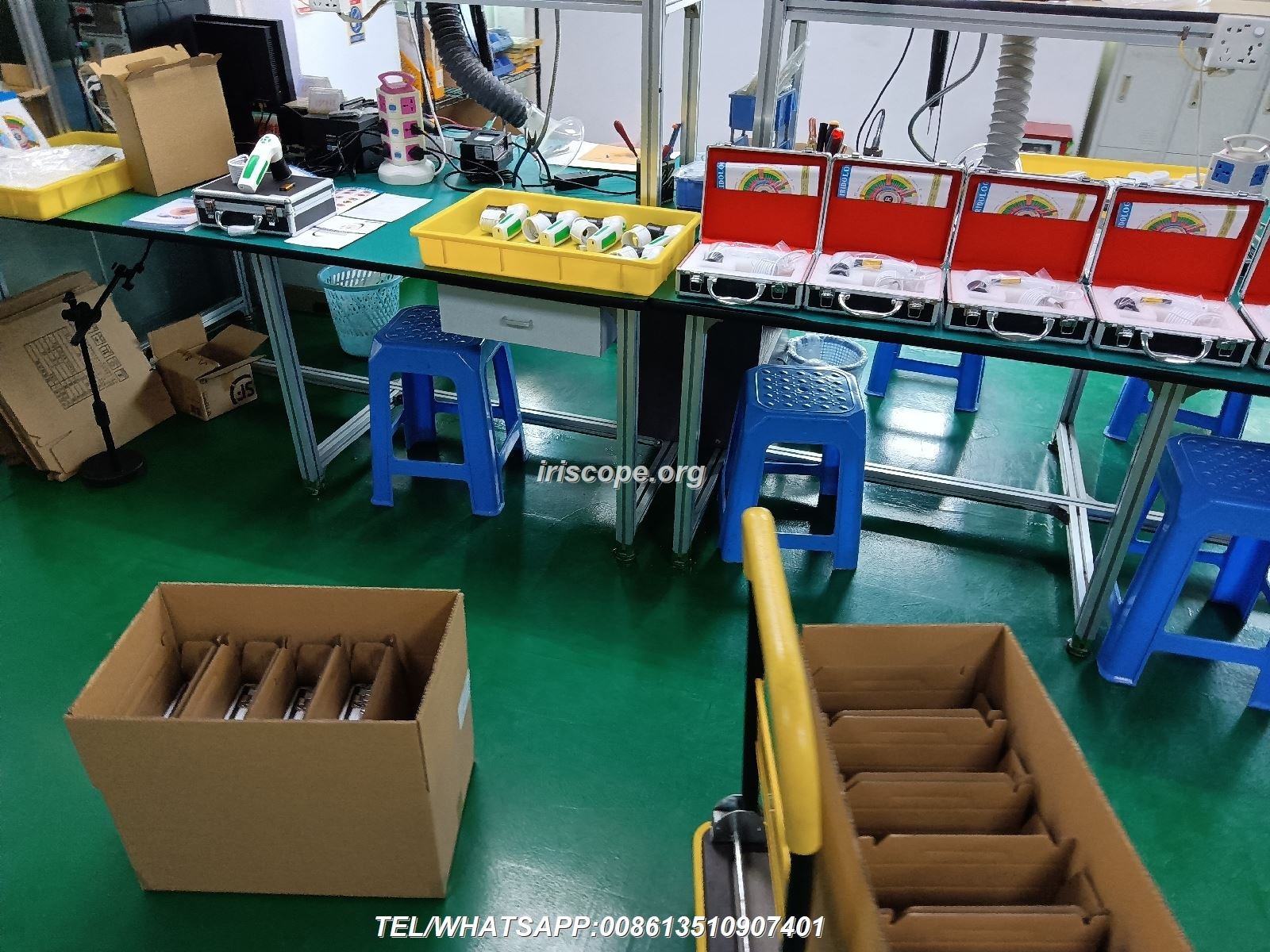
- Complete in-house production from design through final assembly
- ISO9000 certified manufacturing processes
- CE certification for European market compliance
- Quality control at every production stage
- Capacity for both small custom orders and large volume production
Customization Services
- Hardware OEM: Model numbers, exterior design, colors, features
- Software ODM: Logo, language, functions, product integration
- Packaging design and branding customization
- User manual and marketing material adaptation
- Private labeling for established brands
Software Advantages
Our proprietary software represents a significant competitive advantage. We remain the only iridology software provider offering full functionality on both Windows and macOS platforms. This dual compatibility gives practitioners and their clients flexibility that competing products cannot match.
The software supports 17 languages with complete feature parity across all language versions. This means distributors in any market can offer fully localized products without compromising functionality.
We provide free lifetime updates for our software. As we continue developing new features and improvements, registered users receive these enhancements at no additional cost.
Support and Resources
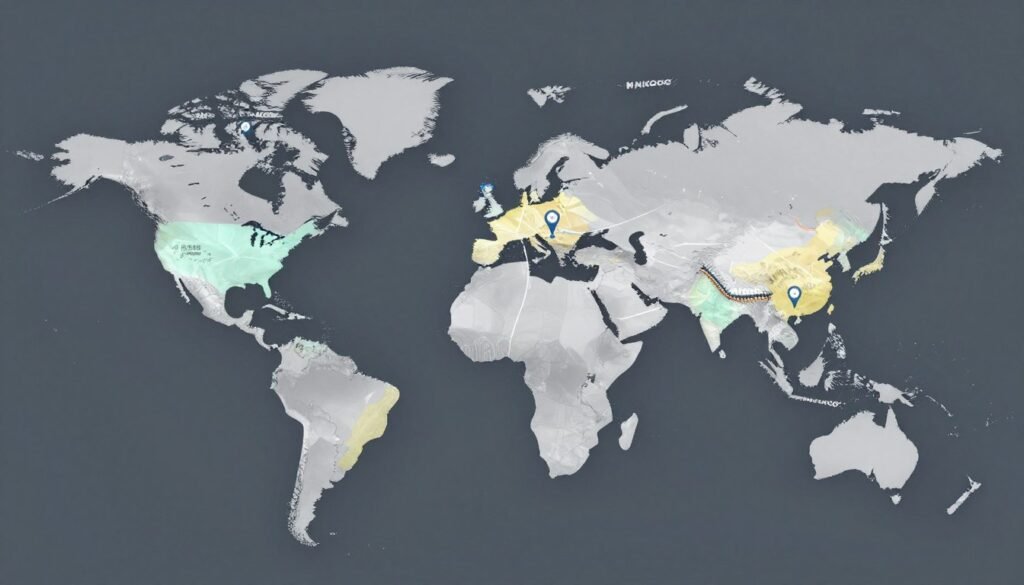
We maintain inventory in warehouses located in both China and the United States. This dual-warehouse system enables faster delivery to customers throughout North America while maintaining competitive pricing.
Technical support is available to help distributors and practitioners resolve any issues with equipment or software. We provide detailed documentation in multiple languages along with video tutorials demonstrating proper system use.
Partnership Benefits
Distributors and agents working with MAIKONG benefit from:
- Competitive wholesale pricing with attractive margin potential
- No minimum order quantities for initial partnership evaluation
- Marketing materials and technical documentation provided
- Training resources for your sales team and customers
- Responsive communication and order processing
- Flexibility to bundle products with your existing offerings
- Territory protection options for serious partners
Our existing partnerships span multiple industries. We work successfully with:
- Direct marketing and network marketing companies (Amway, Herbalife, Nu Skin, USANA, and others)
- Health supplement manufacturers and distributors
- Beauty salons and wellness spas
- Natural therapy clinics and practitioners
- Iridology training institutions and schools
- Medical equipment importers and wholesalers
- Individual practitioners and wellness consultants
Moving Forward With Iridology Information

Understanding iridology requires recognizing both its historical context and its current status. The practice has roots extending back over a century, with dedicated practitioners who believe in its value. At the same time, scientific research has not validated its diagnostic claims.
For those interested in iridology from a wellness perspective, it represents one tool among many in alternative health approaches. The key lies in maintaining realistic expectations and not allowing iris examination to replace appropriate medical care.
The equipment and technology supporting iridology have advanced tremendously. What once required careful manual observation now benefits from high-resolution imaging and sophisticated software analysis. These tools make the practice more accessible and systematic, even if fundamental questions about validity remain.
Whether your interest comes from a practitioner perspective or simply curiosity about this field, I hope this guide has provided useful information about iridology backgrounds, methods, equipment, and practical considerations.
Become a MAIKONG Partner in the United States
We are actively seeking qualified distributors, agents, and partners throughout the United States. If you work in the health and wellness industry and are interested in offering professional iridology equipment to your clients or building a distribution business, we would like to discuss opportunities with you.
Our team can provide detailed information about product specifications, wholesale pricing, customization options, and partnership terms. We offer support to help you succeed whether you are an established distributor or just starting in this field.
Visit our about page to learn more about MAIKONG’s history and capabilities, or reach out through our contact page to start a conversation about partnership possibilities.