
Bernard Jensen Iridology: Your Complete Guide to Training, Certification, and Professional Practice in 2026
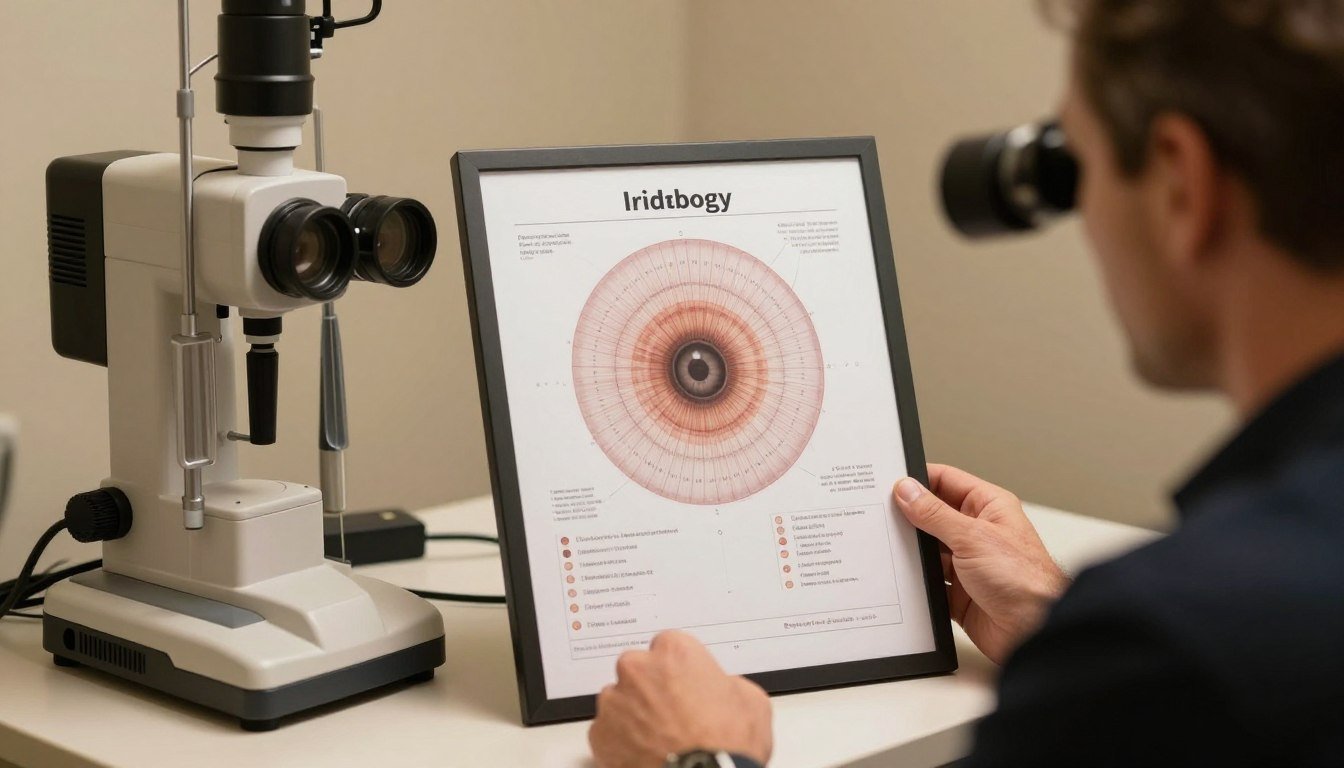

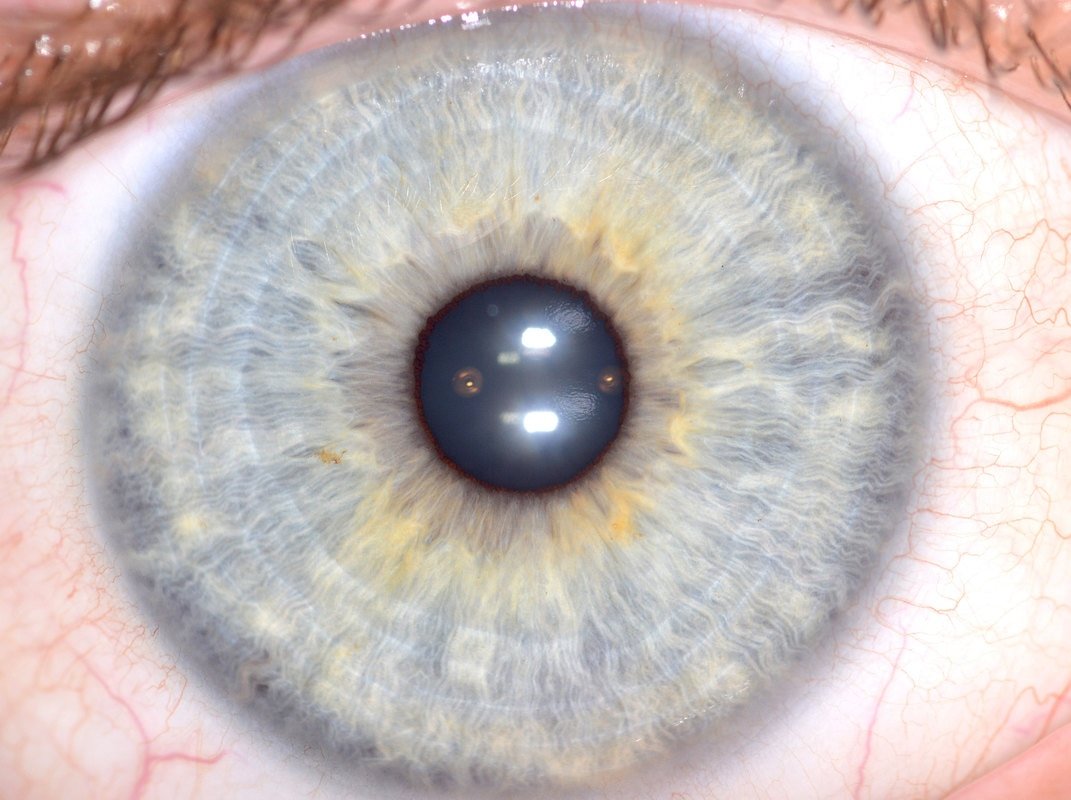
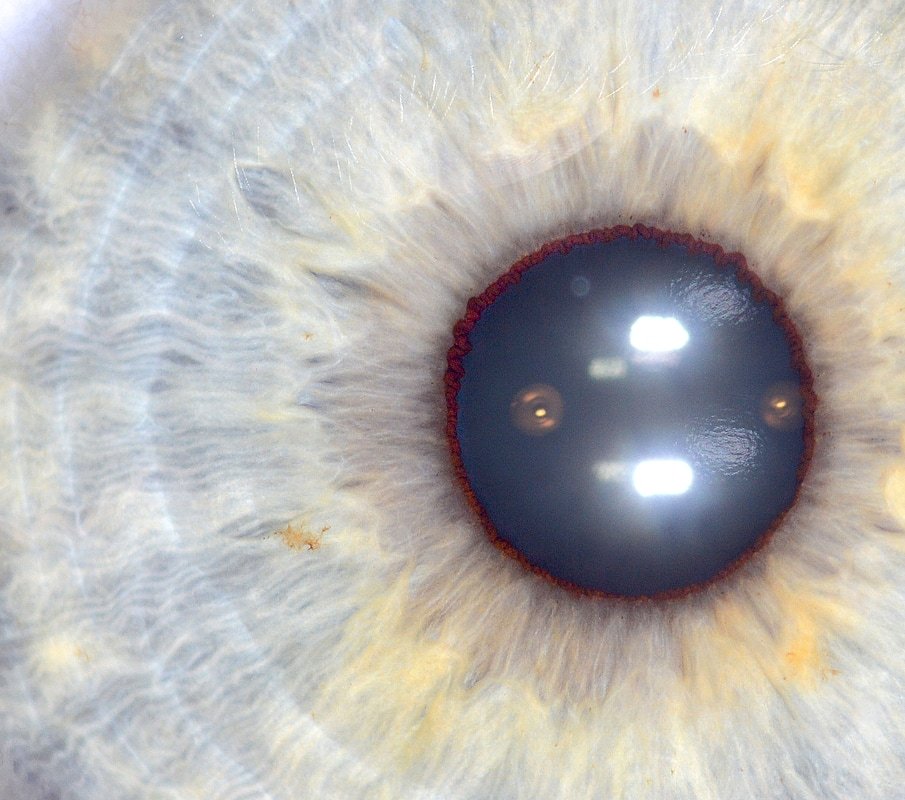
When I first discovered bernard jensen iridology, the question wasn’t whether this methodology had value. The real question was: how do I learn it properly?
You’re searching for answers about Bernard Jensen’s approach to iris analysis. You want to know which courses deliver real skills. You need clarity on certification paths. And you’re wondering what equipment actually supports professional practice.
After twenty years manufacturing iridology equipment for practitioners and training institutions across the United States, I’ve seen what works. This guide answers every question you have about learning and practicing the bernard jensen iridology system in 2026.
We’ll cover course selection, certification requirements, practical application, equipment needs, and how to build a legitimate practice. Whether you’re a healthcare practitioner expanding your skills or an institution building a training program, you’ll find the roadmap here.
Who Was Bernard Jensen and Why His Iridology Method Matters Today
Dr Bernard Jensen dedicated over sixty years to developing systematic iris analysis. Born in 1908, he pioneered the correlation between iris markings and body systems through tens of thousands of patient observations.
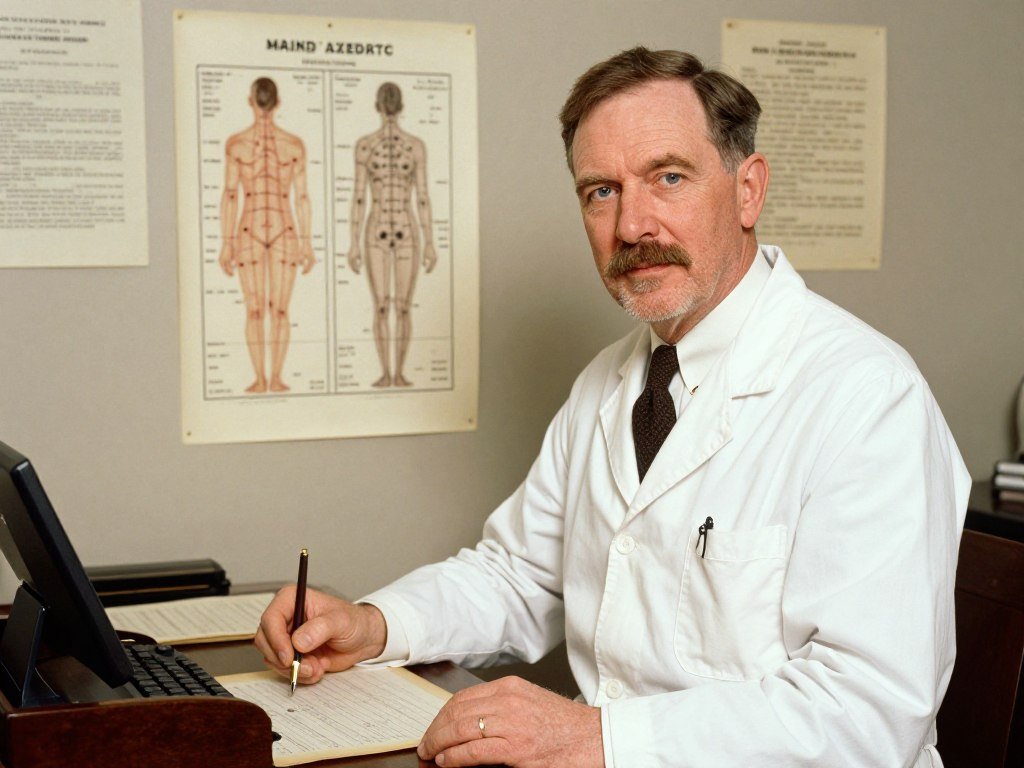
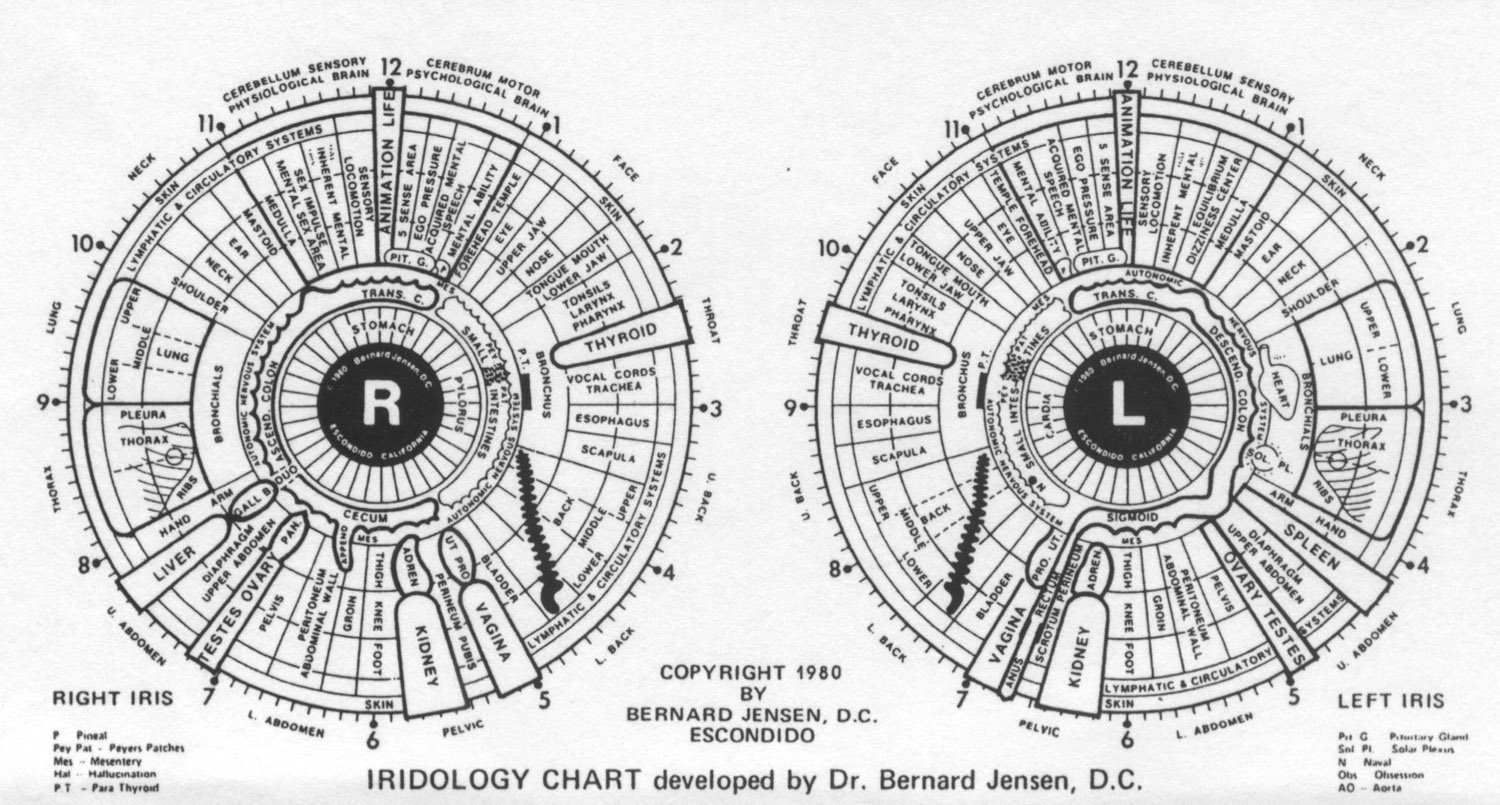
His work established the foundation modern practitioners use today. The bernard jensen iridology chart remains the standard reference in natural health practices across North America.
Jensen’s approach differed from earlier European methods. He emphasized constitutional analysis rather than disease diagnosis. His system focused on identifying inherent weaknesses and tissue conditions through specific iris zones.
Three key principles define iridology bernard jensen methodology:
- Iris fibers reflect genetic predispositions and tissue integrity
- Constitutional types guide personalized health strategies
- Sequential zones correspond to body regions and organs
- Color variations indicate tissue conditions and congestion levels
His publications, including The Science and Practice of Iridology, documented systematic observation protocols. These texts became required reading for natural health practitioners throughout the 1970s and 1980s.
Today, his methodology supports practitioners in wellness centers, natural therapy clinics, and integrative health facilities. Understanding his system provides the foundation for legitimate iris observation work.
Jensen’s Core Contributions
- Standardized iris chart with organ zones
- Constitutional typing system
- Systematic documentation protocols
- Integration with nutrition therapy
Modern Applications
- Wellness assessment in natural health
- Educational demonstrations
- Research in traditional observation
- Training for health practitioners
His legacy continues through training programs worldwide. Institutions teaching dr bernard jensen iridology maintain his systematic approach while integrating modern imaging technology.
Start Your Bernard Jensen Iridology Training Journey
Discover comprehensive training programs based on Dr. Jensen’s proven methodology. Get course outlines, certification information, and professional equipment recommendations tailored to your practice goals.
Note: Training focuses on traditional iris observation methods for educational purposes, not medical diagnosis.
Understanding the Bernard Jensen Iridology System: Core Principles and Practice
The bernard jensen iridology book series outlines a specific observation framework. Let me break down how this system actually works in practice.
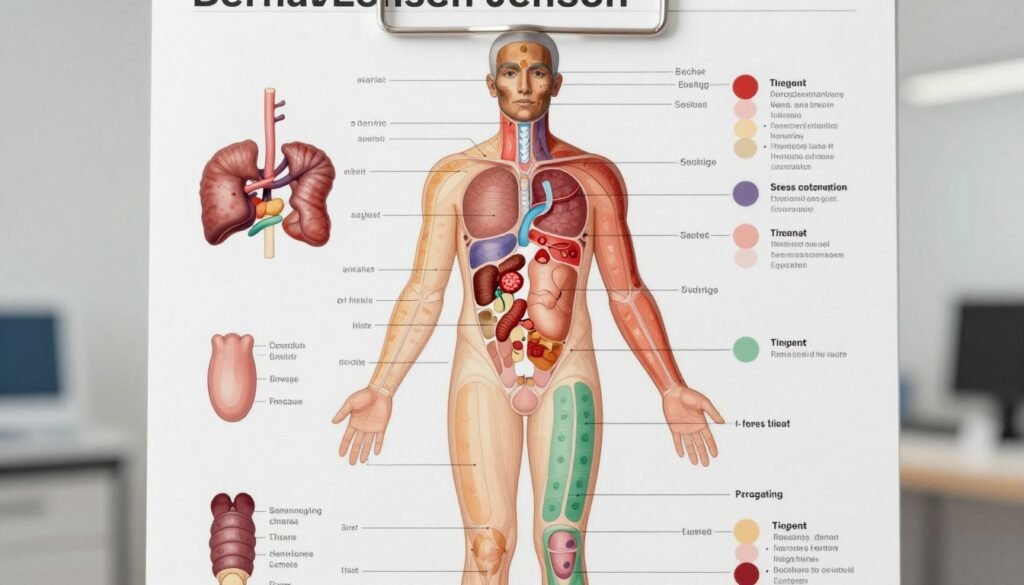
The Chart System and Zone Mapping
Jensen divided the iris into specific zones corresponding to body regions. His chart uses a clock-face orientation with twelve major divisions.
The right iris reflects the right side of the body. The left iris shows the left side. Each eye contains identical zone patterns with some variations in marking interpretation.
Key zones include:
- Digestive ring: Inner circle surrounding the pupil
- Vital organs: Middle ring showing major organ correlations
- Circulation and elimination: Outer zones near the limbus
- Constitutional markings: Fiber patterns and density variations
- Acute and chronic signs: Color changes and structural markers
Students learning from iridology simplified bernard jensen start by memorizing these basic zones. Mastery requires understanding how signs interact across multiple zones.
Reading Constitutional Types
Jensen identified distinct iris types based on fiber density and base coloration. These types indicate inherent constitutional strengths and weaknesses.
| Constitutional Type | Iris Characteristics | Health Tendencies | Typical Recommendations |
| Lymphatic | Light blue, loose fiber structure | Mucous membrane sensitivity, lymphatic congestion | Drainage support, reduced dairy intake |
| Hematogenic | Brown, tight fiber patterns | Blood quality focus, mineral balance | Iron-rich foods, liver support |
| Mixed Biliary | Blue-brown combinations | Digestive and liver involvement | Bile flow support, digestive enzymes |
| Neurogenic | Very tight fibers, white appearance | Nervous system sensitivity | Stress management, mineral supplementation |
These constitutional assessments guide personalized wellness approaches. They don’t diagnose disease but identify areas requiring attention.
Identifying Iris Signs and Markings
The bernard jensen iridology simplified approach teaches specific sign recognition. Common markings include:
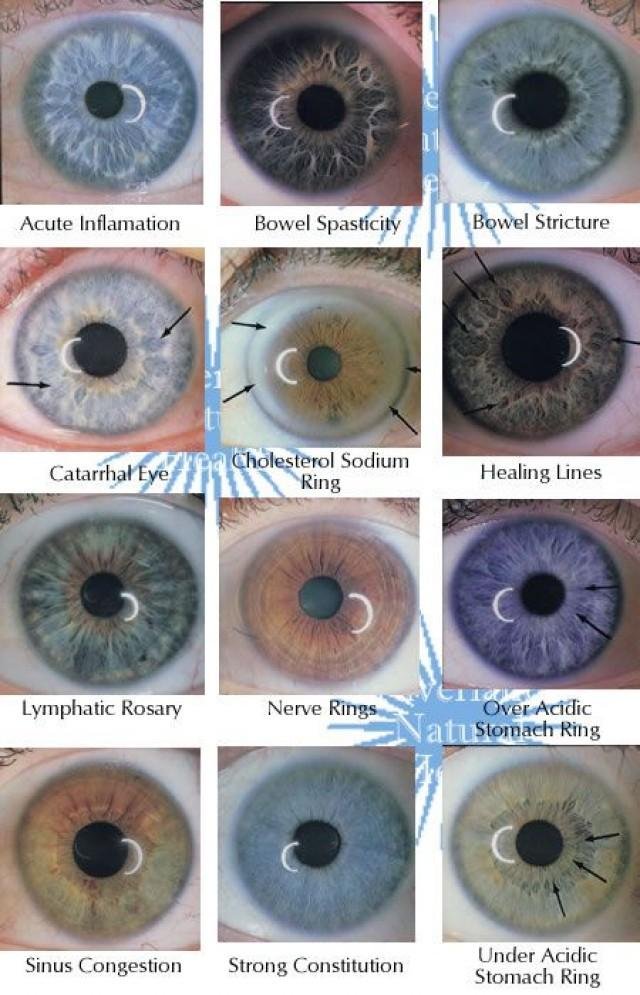
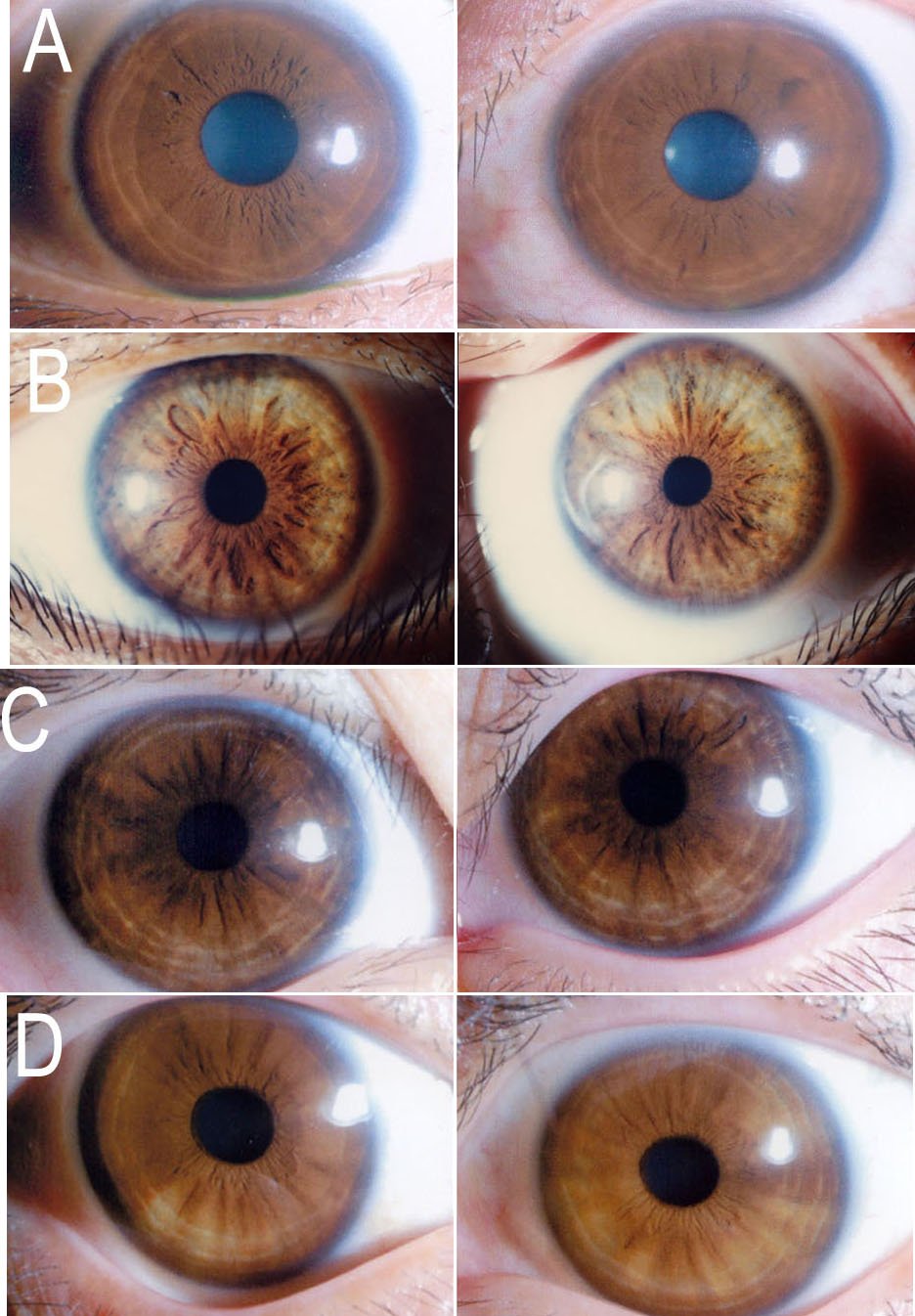
Structural signs: Lacunas (fiber separations), crypts (darker holes), and radii solaris (spoke-like lines) indicate tissue weakness patterns.
Pigmentation changes: Orange, yellow, or brown deposits suggest accumulation or congestion in corresponding zones.
Density variations: Loose fiber areas versus tight patterns show constitutional strengths and vulnerabilities.
Practitioners document these signs systematically. Modern practice uses high-resolution iridology camera equipment for accurate capture and analysis.
The Observation Process
Professional iris observation follows a structured protocol:
- Initial consultation and health history documentation
- Bilateral iris photography using standardized equipment
- Systematic zone-by-zone examination against reference charts
- Documentation of observed markings and their locations
- Correlation with health history and current conditions
- Recommendations based on constitutional findings
This process emphasizes observation, not diagnosis. It provides educational information clients use to make informed wellness decisions.
Training in the science and practice of iridology by bernard jensen pdf materials covers these protocols in detail. Students practice identification skills extensively before working with actual clients.
Bernard Jensen Iridology Courses: How to Choose the Right Training Program
Selecting quality training makes the difference between superficial knowledge and professional competence. Here’s what you need to evaluate.
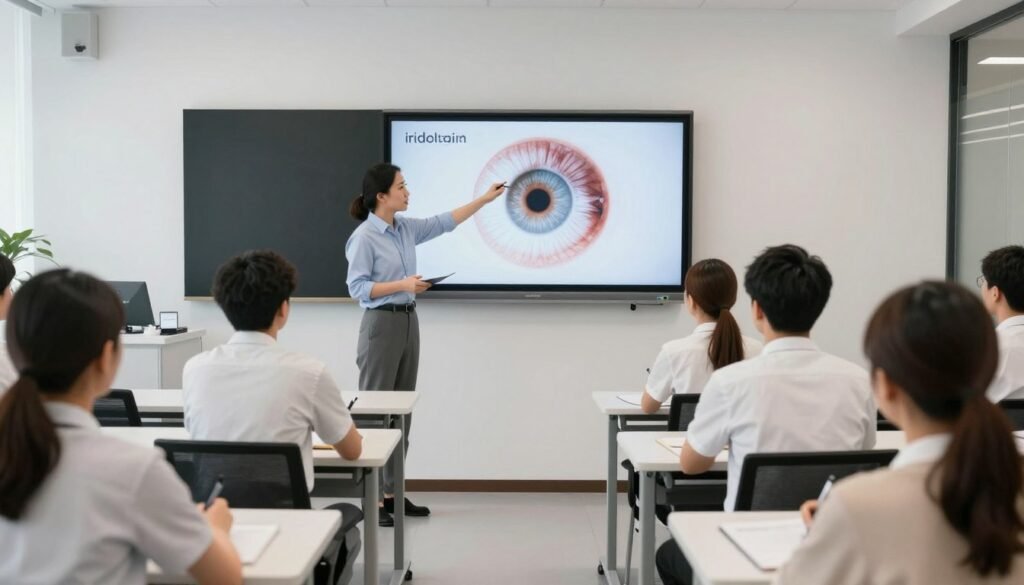
Course Format Options: Online vs In-Person
Both delivery methods exist for bernard jensen iridology courses. Each offers distinct advantages.
Online programs provide flexibility for working practitioners. They typically include video lectures, digital chart materials, and remote practice exercises.
Benefits include self-paced learning and lower costs. Limitations involve reduced hands-on practice and less immediate instructor feedback.
In-person training offers direct equipment practice and real-time guidance. Students examine actual irises under instructor supervision.
These programs cost more but develop practical skills faster. They work best for practitioners planning active client work.
Hybrid formats combine online theory with weekend intensive sessions. This approach balances flexibility with practical skill development.
Certification vs Non-Certification Programs
Understanding certification helps manage expectations and compliance requirements.
Certified programs issue credentials after completion. These certificates indicate training completion but don’t constitute medical licensure.
In the United States, iridology certifications don’t authorize diagnosis or treatment. They demonstrate knowledge for practice within appropriate legal boundaries.
Non-certified courses provide education without formal credentials. These suit practitioners adding complementary skills to existing licenses.
Many natural health practitioners integrate iris observation into wellness consultations. Their primary professional licenses govern their scope of practice.
Certification Program Advantages
- Formal credential for marketing purposes
- Structured curriculum with assessment
- Continuing education requirements
- Professional association membership eligibility
Certification Program Considerations
- Higher cost investment
- Doesn’t constitute medical license
- Requires continuing education
- May not enhance existing professional credentials
Core Curriculum Components
Quality dr bernard jensen iridology course programs include these essential elements:
- Complete chart mastery including all organ zones
- Constitutional typing and interpretation
- Sign identification and documentation methods
- Client consultation protocols and ethics
- Photography and imaging techniques
- Legal and compliance boundaries
- Integration with nutritional recommendations
- Case study analysis and practice sessions
Programs lacking any of these components provide incomplete training. Students miss critical skills for professional application.
Learning Duration and Time Commitment
Typical training ranges from forty to one hundred twenty hours of instruction.
Basic certification programs: 40-60 hours covering fundamental charts and signs
Advanced programs: 80-120 hours including constitutional analysis and complex cases
Master-level training: 200+ hours with extensive supervised practice
Self-study using bernard jensen iridology pdf materials supplements formal training. Expect three to six months for basic competency development.
Professional mastery requires years of observation practice. Even experienced practitioners continue learning through case analysis.
Equipment and Software Requirements
Most training programs require access to iris imaging equipment. Students need this for practice assignments and client work.
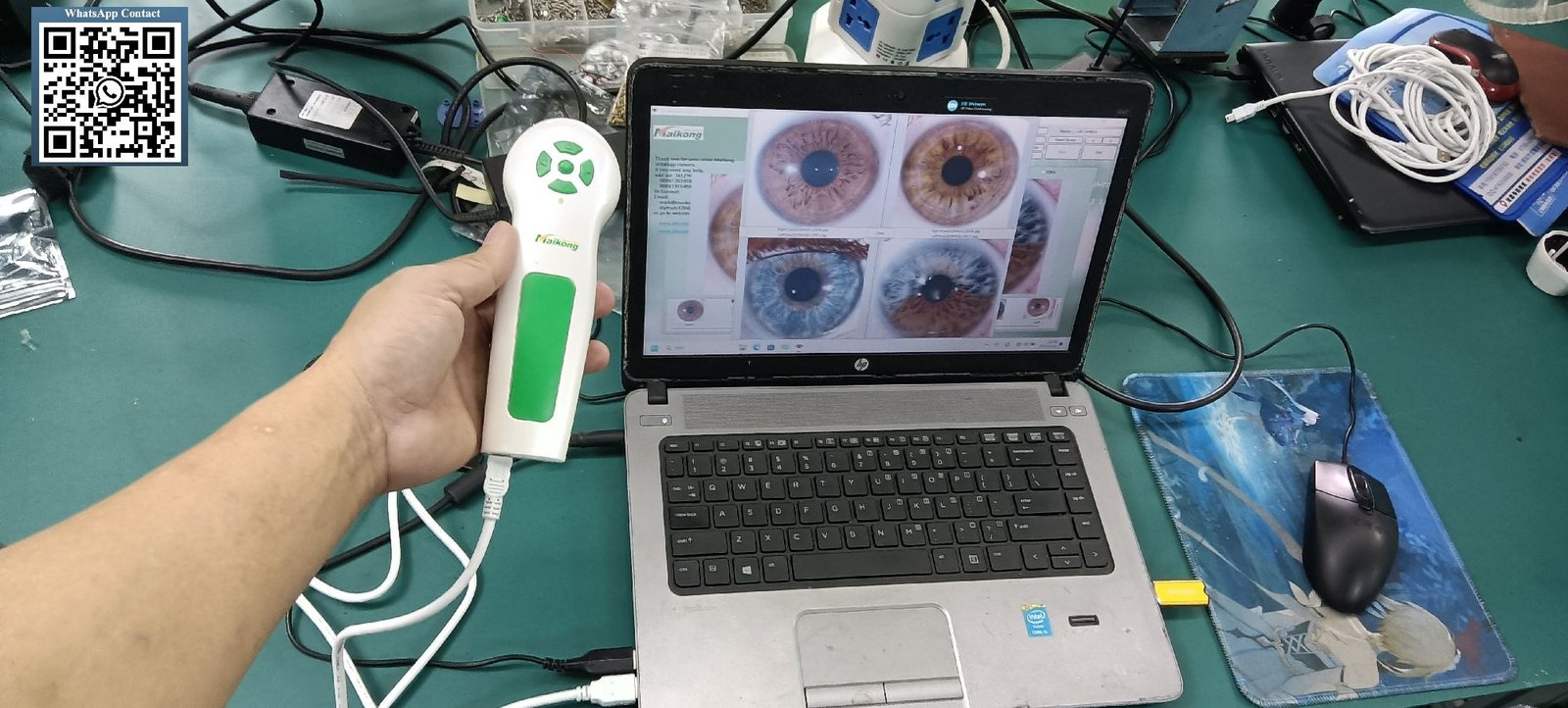
Professional-grade systems include:
- High-resolution camera (12+ megapixels recommended)
- Adjustable LED illumination for consistent imaging
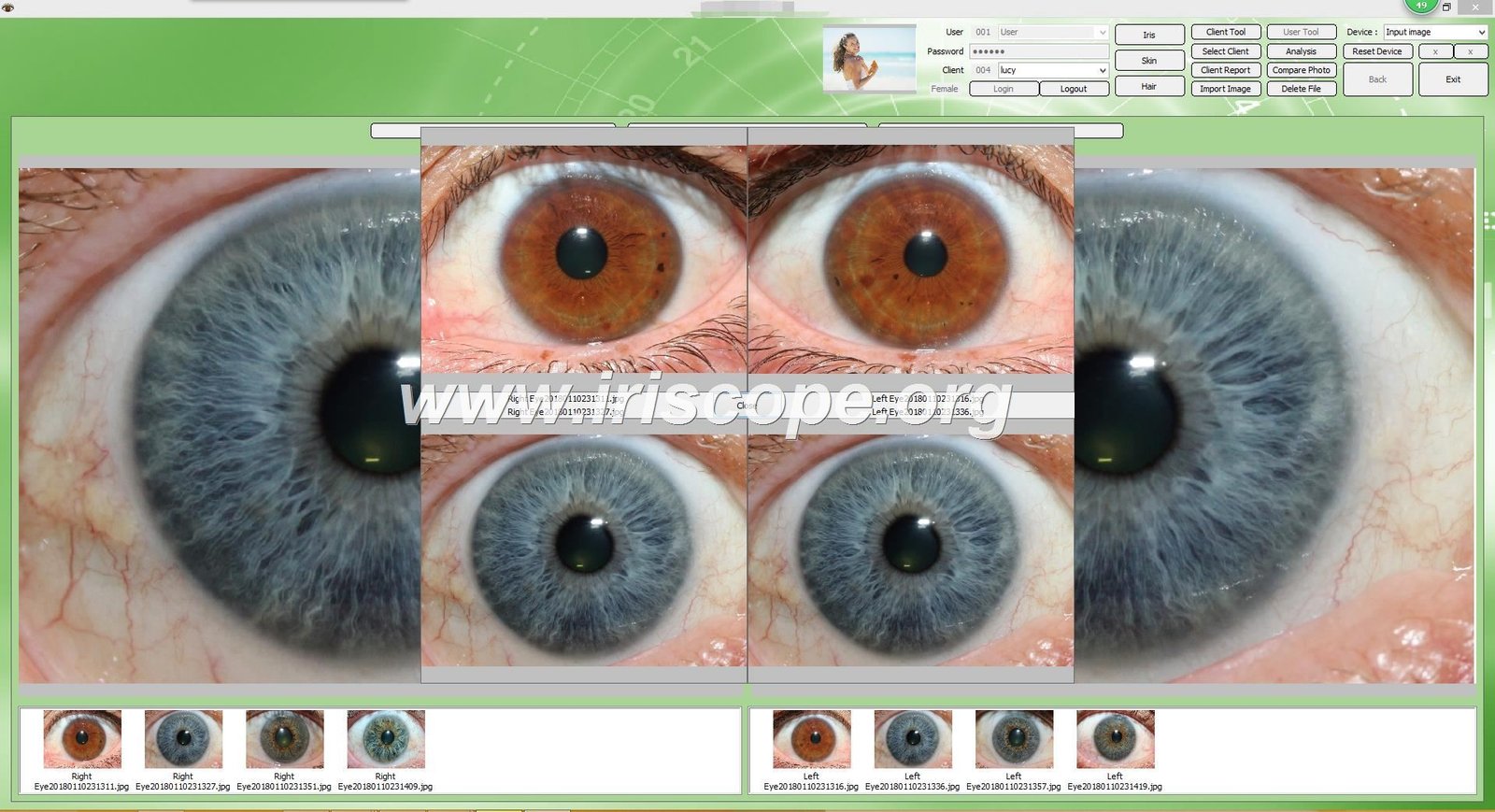
- Compatible analysis software with chart overlays
- Image storage and client management capabilities
At MAIKONG, we’ve equipped training institutions with iriscope systems for over twenty years. Our MK-9822U model offers twelve-megapixel resolution with software supporting seventeen languages.
Students using quality equipment develop better observation skills. Clear imaging reveals subtle signs missed with lower-resolution systems.
Evaluating Instructor Credentials
Instructor background significantly impacts training quality. Look for:
- Years of active practice with documented client work
- Training directly from established Jensen-method practitioners
- Teaching experience with measurable student outcomes
- Appropriate professional licenses for their scope of practice
- Continuing education in the field
Ask potential instructors about their training lineage. Those who studied directly with Jensen-trained practitioners maintain methodological accuracy.
Cost Factors and Investment Expectations
Training costs vary significantly based on format and depth.
| Program Type | Typical Duration | Price Range | Equipment Included |
| Online Basic | 40-50 hours | $800-$1,500 | No – student provides |
| In-Person Basic | 50-70 hours | $1,800-$3,200 | Training use only |
| Advanced Certification | 80-120 hours | $3,500-$6,000 | Varies by program |
| Professional Equipment | N/A | $1,200-$3,500 | Full system with software |
Budget for both training and equipment. Quality systems represent significant but necessary investments for serious practitioners.
Get Professional Equipment Recommendations for Your Training
Our team helps practitioners and training institutions select the right iridology equipment. Discover MAIKONG systems trusted by over 1,000 professionals worldwide, with full training support and multi-language software.
Contact: +86 135 1090 7401 (WhatsApp available)
Practical Application: Using Bernard Jensen Methods in Professional Practice
Theory means nothing without practical application. Here’s how trained practitioners use iridology bernard jensen pdf knowledge in real-world settings.
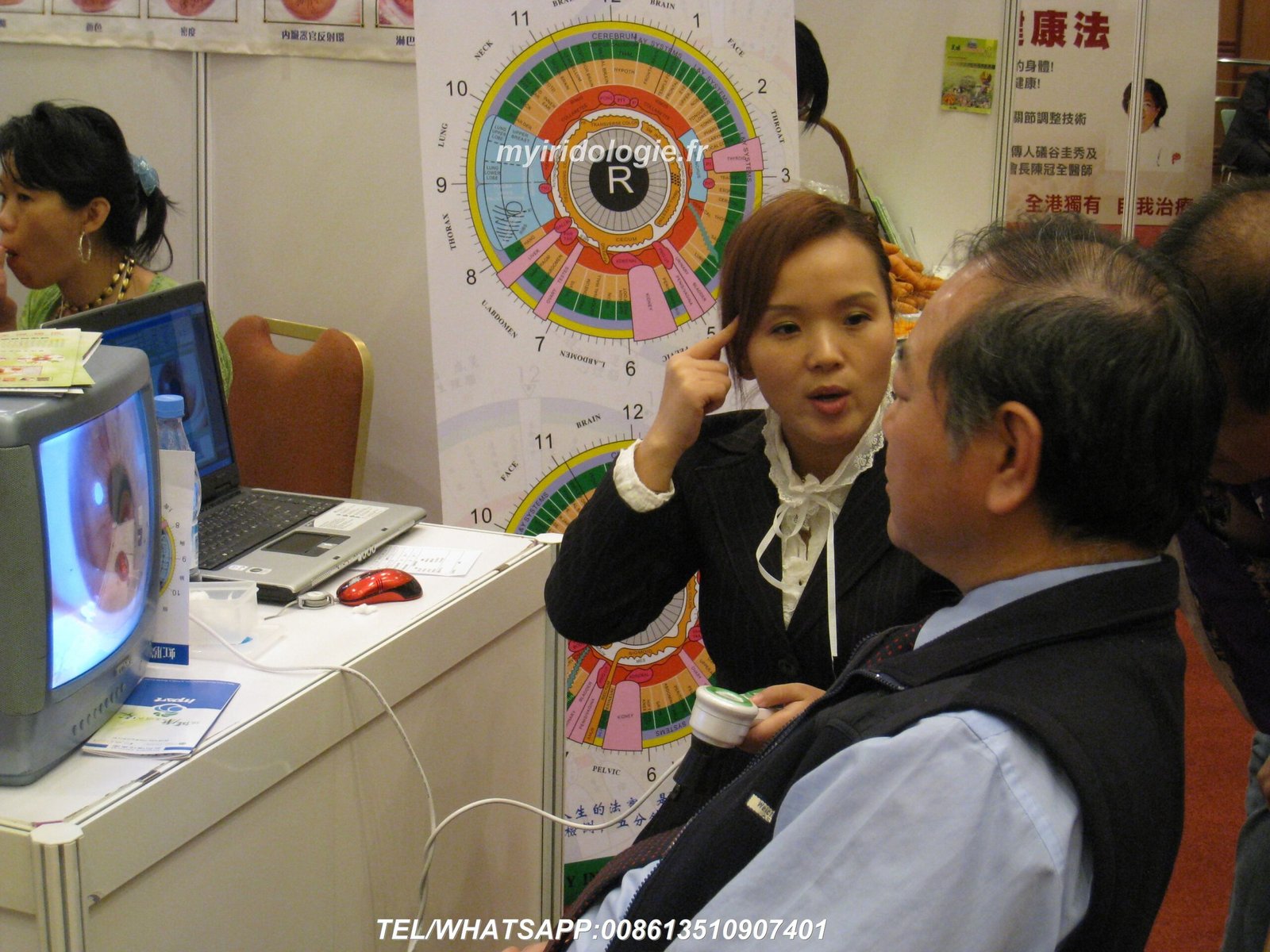
Client Consultation Workflow
Professional consultations follow structured protocols ensuring consistency and compliance.
Step 1: Initial Assessment – Practitioners gather comprehensive health history. This contextualizes iris findings within the client’s overall wellness picture.
Step 2: Iris Photography – Both eyes are photographed using standardized procedures. Proper lighting and positioning ensure diagnostic-quality images.
We recommend the MAIKONG MK-9822U system for professional work. Its twelve-megapixel resolution captures minute details critical for accurate observation.
Step 3: Systematic Examination – Images are analyzed zone by zone using bernard jensen iridology chart reference materials.
Practitioners document observed signs, noting location, characteristics, and significance. This creates objective records for client files.
Step 4: Finding Correlation – Observations are compared with health history. Practitioners identify patterns suggesting constitutional weaknesses or congestion areas.
Step 5: Educational Discussion – Findings are explained to clients in clear, accessible language. The focus remains on wellness education, not medical diagnosis.
Step 6: Recommendations – Suggestions address nutrition, lifestyle factors, and complementary approaches supporting the areas identified.
This entire process typically requires sixty to ninety minutes for thorough completion.
Documentation Standards
Professional practice requires meticulous record-keeping. Standard documentation includes:
- Date and time of observation session
- High-resolution bilateral iris photographs
- Detailed notes on observed signs and locations
- Constitutional type assessment
- Health history summary and correlations
- Recommendations provided to client
- Follow-up scheduling and outcomes tracking
Modern iridology software streamlines this documentation. MAIKONG systems include client management databases with automatic backup capabilities.
Our 2024 software version supports seventeen languages. This helps practitioners serving diverse communities document observations in clients’ preferred languages.
Integration with Other Modalities
Most practitioners combine iris observation with complementary approaches. Common integrations include:
Nutritional Therapy
Iris findings guide personalized nutrition plans. Constitutional types inform supplement selections and dietary modifications.
Herbal Medicine
Traditional herbalists use iris observations to select appropriate botanical formulations targeting identified weaknesses.
Functional Medicine
Some MD and DO practitioners incorporate iris screening as part of comprehensive functional assessments.
Naturopathic Practice
Licensed naturopaths integrate iris analysis within their broader scope of practice and diagnostic capabilities.
The key is maintaining clear boundaries. Iris observation provides educational information. It doesn’t replace medical diagnosis or laboratory testing.
Building a Practice Around Jensen Methods
Practitioners successfully incorporating understanding iridology bernard jensen principles share common strategies:
Clear positioning: They market iris observation as wellness education, not medical diagnosis. This maintains legal compliance and sets appropriate client expectations.
Professional presentation: Quality equipment creates credibility. Outdated or low-resolution systems undermine professional image.
Continuing education: Successful practitioners attend workshops and study new cases regularly. The learning never stops.
Collaborative approach: They work alongside medical professionals, referring clients for appropriate diagnostic testing when indicators suggest medical attention.
Typical Practice Settings
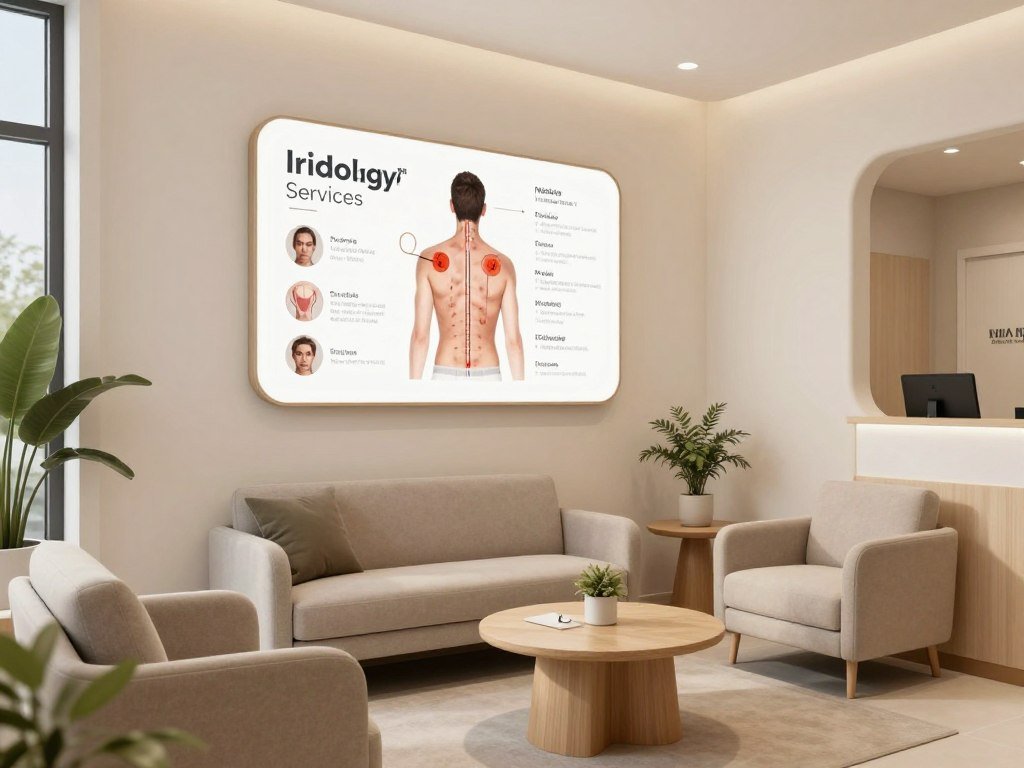
Where do Jensen-trained practitioners work? Common settings include:
- Natural health clinics offering integrative wellness services
- Chiropractic offices providing complementary assessments
- Wellness centers and holistic spas
- Independent consulting practices
- Nutritional therapy offices
- Educational institutions teaching natural health
Our equipment serves all these practice types. We’ve supplied MAIKONG systems to wellness centers, direct sales companies like Amway and USANA, training institutions, and independent practitioners across North America.
Essential Equipment and Technology for Bernard Jensen Iridology Practice
Professional results demand professional tools. Let me explain what equipment actually matters for bernard jensen books iridology implementation.
Camera Specifications That Matter
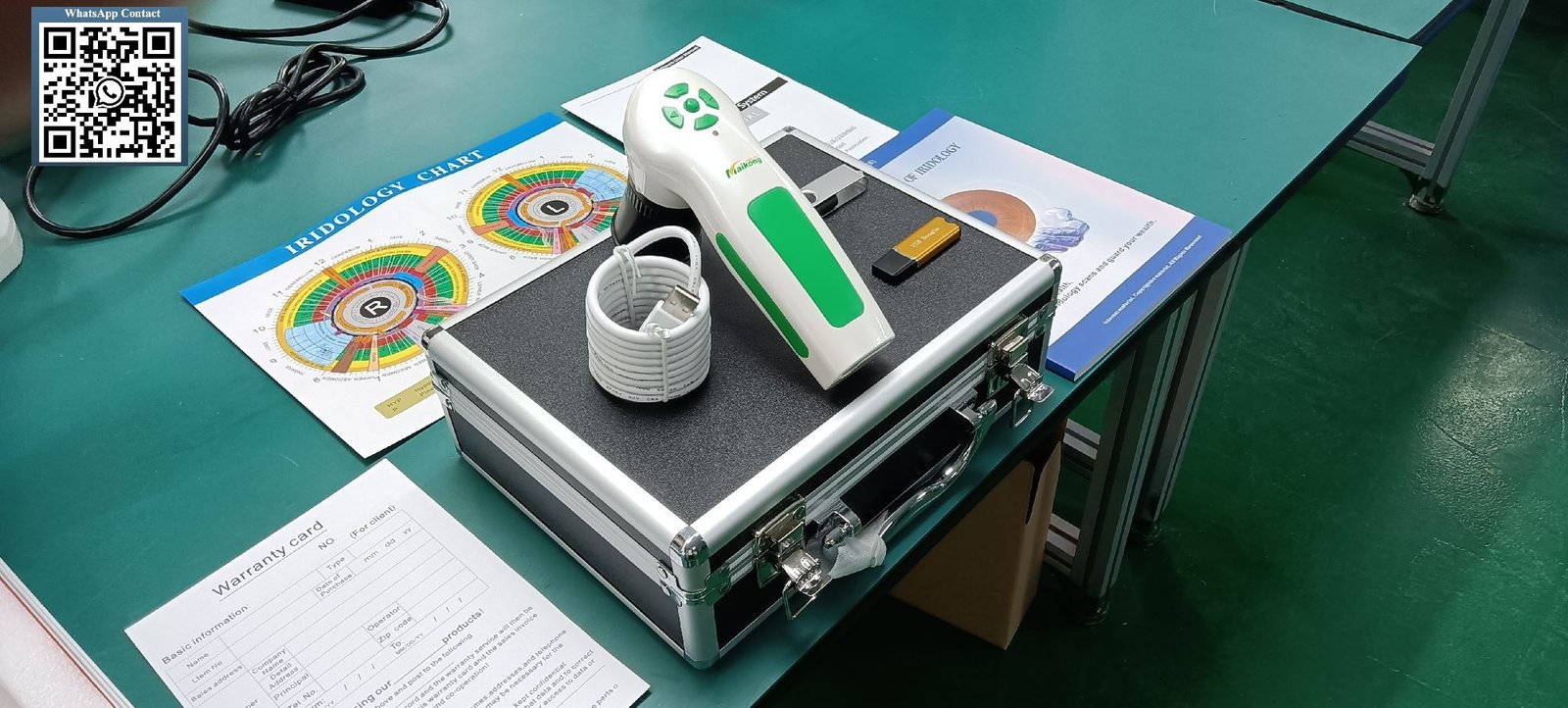
Iris detail requires high-resolution imaging. Minimum specifications for professional work include:
- Resolution: 12 megapixels or higher for capturing fine fiber details
- Illumination: Adjustable LED ring lighting preventing pupil dilation
- Focus capability: Manual adjustment for optimal clarity across iris zones
- Magnification: 30X minimum for detailed observation
- Connection type: USB direct connection for reliable data transfer
Our MAIKONG MK-9822U model meets all these specifications. It delivers twelve-megapixel resolution with precisely calibrated LED illumination.
The system connects via standard USB, working with Windows XP through Windows 11 and macOS systems from 10.14 through current versions.
Software Features for Professional Analysis
Imaging hardware is only half the equation. Quality analysis software provides:
| Software Feature | Professional Application | MAIKONG 2024 Capability |
| Chart Overlay | Accurate zone identification during analysis | Bernard Jensen chart integrated with adjustable transparency |
| Client Database | Organized record management and progress tracking | Unlimited client profiles with searchable fields |
| Image Enhancement | Improved visibility of subtle signs | Brightness, contrast, and 3D texture analysis tools |
| Reporting Tools | Professional client reports and documentation | Customizable templates with practice branding |
| Multi-Language | Serving diverse client populations | 17 languages including English, Spanish, French, Chinese |
| Backup Systems | Data security and HIPAA-style compliance | Automatic backup with cloud sync options |
We developed our software based on practitioner feedback over twenty years. It addresses real workflow needs rather than adding unnecessary complexity.
Complete System Components
Professional best iridology camera systems include these essential components:
| Component | Specification | Purpose |
| Camera Handset | MK-9822U with 12MP sensor | Primary imaging device with ergonomic grip |
| 30X Iris Lens | Optical grade with multi-layer coating | High magnification for detailed observation |
| LED Illumination | Adjustable ring light, 5000K color temperature | Consistent lighting preventing pupil reaction |
| USB Connection | 1.5-meter cable with reinforced connectors | Reliable data transfer without power supply needs |
| Analysis Software | MAIKONG 2024 version, multi-platform | Image capture, enhancement, analysis, and reporting |
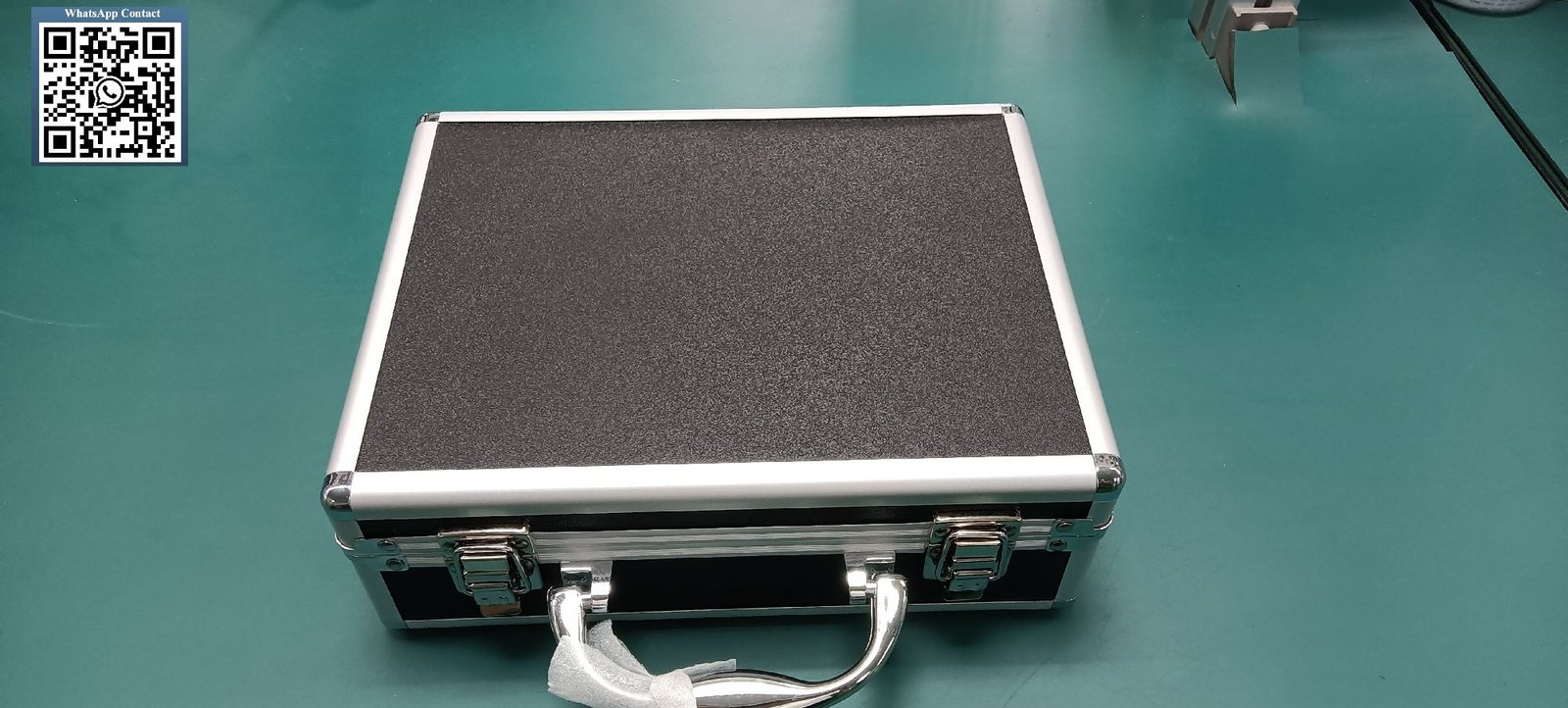
| Protective Case | Leather PU with custom foam insert | Equipment protection during transport and storage |
| Reference Materials | Printed Jensen chart and digital guides | Quick reference during client sessions |
| Lens Cover | Protective cap for 30X lens | Lens protection when not in use |
This complete system supports professional practice from day one. No additional purchases required for full functionality.
System Compatibility and Technical Support
Our equipment works with virtually all modern computer systems:
Windows compatibility: Windows 2000, XP, Vista, 7, 8, 10, and 11 (both 32-bit and 64-bit versions)
macOS compatibility: macOS 10.14 (Mojave) through macOS 15 (Sequoia)
We’re the first iridology equipment manufacturer offering native macOS support. This serves the growing number of practitioners using Apple computers in their practices.
Technical support includes:
- Email support in English and Chinese
- Video tutorials for setup and operation
- Downloadable PDF manuals
- WhatsApp consultation for immediate questions
- Free software updates for life of equipment
Investment Considerations
Professional equipment represents a significant but recoverable investment. Consider these factors:
Initial cost: Complete professional systems range from $1,200 to $3,500 depending on specifications and customization options.
Cost per consultation: If you charge $75-$150 per iris consultation, equipment pays for itself within 15-30 client sessions.
Longevity: Quality systems last five to ten years with proper care. This represents minimal per-use cost over the equipment lifetime.
Practice enhancement value: Professional equipment elevates practice credibility and client confidence, often justifying premium service pricing.
Why Equipment Quality Matters
I’ve watched practitioners struggle with inadequate equipment. The results are predictable:
Low-resolution systems miss subtle signs. Practitioners make incomplete observations leading to questionable recommendations.
Inconsistent lighting creates artificial shadows. These mislead practitioners into seeing marks that don’t exist.
Unreliable connections interrupt client sessions. This destroys professional atmosphere and wastes consultation time.
Complicated software frustrates both practitioner and client. The technology should support the work, not hinder it.
Our ISO 9000 certification and CE compliance ensure consistent manufacturing quality. Every unit undergoes complete testing before shipping.
Equip Your Practice with Professional MAIKONG Systems
Over 1,000 practitioners and training institutions worldwide trust MAIKONG equipment for Bernard Jensen iridology. Get detailed specifications, pricing, and customization options for our professional systems.
US warehouse available • OEM/ODM customization • Multi-language software • Full training support
Legal Boundaries and Compliance Requirements for Iridology Practice
Understanding legal limits protects both practitioner and client. Here’s what you must know about practicing bernard jensen the father of iridology methods in the United States.
What Iridology Is and Isn’t Under US Law
Iridology constitutes traditional iris observation for wellness education purposes. It does not qualify as medical diagnosis under federal or state regulations.
This distinction carries critical implications:
Permitted activities: Observing iris characteristics, identifying constitutional patterns, discussing wellness approaches, and providing educational information.
Prohibited activities: Diagnosing disease, prescribing medications, claiming to detect specific medical conditions, or replacing medical care.
The boundary seems simple but requires vigilance. Phrases like “I see liver disease” or “This shows diabetes” constitute medical diagnosis.
Appropriate language says “This area corresponds to the liver zone” or “Constitutional patterns suggest supporting pancreatic function.”
The difference protects practitioners from unauthorized practice of medicine charges.
Scope of Practice Considerations
Your professional license determines what you can legally do with iris observations.
Licensed medical professionals (MD, DO, NP) can integrate iris screening within their scope. Their medical licenses authorize diagnosis and treatment.
Licensed naturopathic physicians in states recognizing ND licensure have defined diagnostic and therapeutic scopes that may include iris assessment.
Chiropractors, acupuncturists, and massage therapists must stay within their respective state-defined scopes. Most states don’t authorize these practitioners to diagnose disease.
Certified nutritionists and health coaches without medical licenses practice within wellness education boundaries. They provide information, not diagnosis.
Unlicensed practitioners offering iris observation must clearly position services as educational consultation, not healthcare.
Required Disclaimers and Informed Consent
Professional practice requires clear client communication about service boundaries.
Recommended disclaimer language includes:
“Iris observation provides traditional wellness information based on Bernard Jensen’s constitutional analysis methods. This service offers educational insights about inherent patterns and does not diagnose, treat, or cure any disease. It does not replace medical examination, diagnosis, or treatment. Please consult qualified medical professionals for health concerns requiring diagnosis or treatment.”
This disclaimer should appear on:
- Service description materials and websites
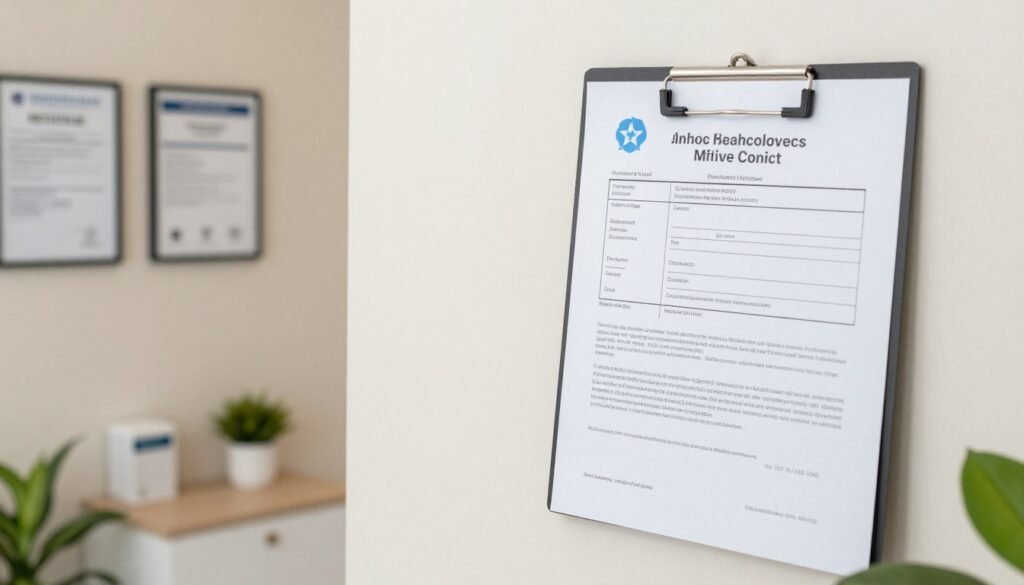
- Intake forms before consultations
- Written reports provided to clients
- Email communications about services
Informed consent documents should clearly state what the service provides and doesn’t provide. Clients sign acknowledging they understand the educational nature of the consultation.
Advertising and Marketing Compliance
How you describe services determines legal compliance. Problematic claims include:
- “Diagnose disease through the eyes”
- “Detect cancer, diabetes, or other conditions”
- “Replace medical testing and diagnosis”
- “Cure or treat medical conditions”
Compliant marketing language focuses on wellness education:
- “Constitutional analysis based on Bernard Jensen methods”
- “Traditional iris observation for wellness insights”
- “Educational consultation about inherent patterns”
- “Complementary information supporting wellness goals”
The Federal Trade Commission monitors health service advertising. Unsubstantiated claims trigger enforcement action.
Insurance and Liability Protection
Professional liability insurance becomes essential when working with clients. Standard policies for complementary practitioners typically cover:
- Professional liability for services within your scope
- General liability for office or clinic operations
- Product liability if recommending or selling supplements
- Cyber liability if maintaining electronic health records
Annual premiums range from $500 to $2,000 depending on practice volume and services offered.
Some insurers specifically exclude iridology or require additional riders. Discuss your exact services with insurance agents to ensure adequate coverage.
State-Specific Regulations
Requirements vary by state. Some states regulate “alternative health practices” more strictly than others.
Research your state’s regulations regarding:
- Unlicensed health practitioner requirements
- Business licensing for wellness services
- Scope of practice for your professional license
- Required disclaimers or disclosures
- Prohibited claims and terminology
Several states require unlicensed practitioners to register or obtain specific permits. Non-compliance risks cease-and-desist orders or fines.
Record Keeping and Privacy
While HIPAA technically applies only to covered entities, adopting similar privacy standards protects clients and demonstrates professionalism.

Best practices include:
- Secure storage of client records and images
- Password-protected computer systems and software
- Written privacy policies provided to clients
- Proper consent for storing and using iris photographs
- Secure disposal methods for discontinued records
Our MAIKONG software includes password protection and encrypted backup options. These features support compliance with privacy best practices.
Working With Medical Professionals
Building collaborative relationships with medical practitioners strengthens your practice and ensures client safety.
Effective collaboration includes:
Clear communication: Explain what iris observation provides and its limitations.
Appropriate referrals: Refer clients showing concerning health indicators for proper medical evaluation.
Complementary positioning: Position services as supporting, not replacing, medical care.
Shared documentation: With client permission, share observations that may inform medical assessment.
Most medical professionals respect complementary practitioners who understand and honor professional boundaries.
Frequently Asked Questions About Bernard Jensen Iridology Training and Practice
What makes bernard jensen iridology different from other iris analysis methods?
Bernard Jensen developed a systematic constitutional approach focusing on inherent tissue patterns rather than disease diagnosis. His methodology emphasizes identifying genetic predispositions and weakness areas through specific iris zones. The bernard jensen iridology chart remains the most widely used reference in North American natural health practices. Jensen’s approach integrates nutritional therapy recommendations based on constitutional types, making it particularly practical for wellness practitioners.
Other European methods often focus more on acute disease signs. Jensen’s system provides a broader wellness framework suitable for preventive health education.
How long does it take to become proficient in dr bernard jensen iridology methods?
Basic competency typically requires 40-60 hours of structured training plus three to six months of practice. This covers chart memorization, constitutional typing, and common sign identification. Professional proficiency develops over one to two years with regular client work. Many practitioners study iridology simplified bernard jensen materials while completing formal courses.
Advanced mastery requiring minimal chart reference takes three to five years of consistent practice. Even experienced practitioners continue learning through complex case analysis and continuing education workshops.
Can I practice bernard jensen iridology without a medical license?
Yes, within specific legal boundaries. You can offer iris observation as wellness education and constitutional analysis. You cannot diagnose disease, prescribe medications, or claim to detect specific medical conditions. Services must be clearly positioned as educational consultation supporting wellness goals, not medical diagnosis.
Many successful practitioners work as certified nutritionists, health coaches, or wellness consultants. They integrate iris observation within their scope of practice while maintaining appropriate professional boundaries and disclaimers.
What equipment do I need to practice bernard jensen iridology professionally?
Professional practice requires a high-resolution iridology camera (12+ megapixels), adjustable LED illumination, analysis software with chart overlays, and client management capabilities. The MAIKONG MK-9822U system provides all these features with seventeen-language software support and compatibility with both Windows and macOS platforms.
Budget $1,200-$3,500 for complete professional systems. Quality equipment typically pays for itself within 15-30 client consultations and lasts five to ten years with proper care.
Where can I find bernard jensen iridology pdf materials and books for study?
Jensen’s primary texts include “The Science and Practice of Iridology” and “Iridology Simplified.” These books are available through natural health book retailers, online marketplaces, and some training programs. Digital PDF versions exist through various educational platforms.
However, books alone don’t provide sufficient training for professional practice. They work best as supplementary materials alongside structured courses offering hands-on practice and instructor feedback. Most certification programs include core texts as part of tuition.
Is bernard jensen iridology scientifically validated?
Iridology remains controversial in mainstream medicine. Conventional medical research has not validated iris markings as diagnostic indicators for specific diseases. The medical community views it as lacking scientific evidence for diagnostic use.
Practitioners and supporters emphasize its value for constitutional assessment and wellness education rather than disease diagnosis. They position it as traditional observation supporting holistic health approaches, not replacing medical diagnosis. This is why proper practice maintains clear boundaries about not diagnosing or treating disease.
What’s included in a typical bernard jensen iridology course curriculum?
Comprehensive courses cover Jensen chart mastery, constitutional typing, sign identification, photography techniques, consultation protocols, legal and ethical boundaries, integration with nutritional recommendations, and case study analysis. Programs typically include 40-120 hours of instruction depending on certification level.
Quality programs provide hands-on practice with actual iris observation, not just theoretical learning. Look for courses offering supervised client sessions and feedback on your observation accuracy.
How much can I charge for bernard jensen iridology consultations?
Consultation fees typically range from $75 to $150 for initial sessions lasting 60-90 minutes. Follow-up sessions may be $50-$100. Pricing varies by geographic location, practitioner credentials, and whether iridology is offered as standalone service or integrated with other modalities.
Practitioners with additional professional licenses (ND, DC, LAc) often charge premium rates. Those offering iridology as part of comprehensive wellness packages may include it in bundled pricing rather than charging separately.
What is the difference between bernard jensen iridology simplified and his more advanced texts?
“Iridology Simplified” provides an accessible introduction covering basic charts and common signs. It’s designed for beginners and general health enthusiasts. “The Science and Practice of Iridology” offers comprehensive coverage including detailed constitutional analysis, complex sign interpretation, and integration with clinical practice.
Students typically start with the simplified version to grasp fundamentals before advancing to more detailed texts. Serious practitioners eventually study both along with Jensen’s other specialized volumes.
Can I customize iridology software with my practice branding and preferred language?
Yes. MAIKONG offers complete software customization including logo replacement, interface language selection from seventeen options, feature modifications, and integration of your practice’s recommended products and protocols. This creates a branded experience for your clients.
We’ve provided customized systems for training institutions, direct sales companies, and individual practices worldwide. Our OEM/ODM services support practitioners establishing unique market positions. Contact our team at Lucy@myiridology.us to discuss customization options.

Advanced Learning Resources and Continuing Education in Bernard Jensen Iridology
Professional growth doesn’t end with certification. Here’s how practitioners continue developing expertise in science and practice of iridology bernard jensen methods.
Advanced Study Materials
Beyond basic texts, serious practitioners explore Jensen’s complete body of work:
- Iridology Volume 2: Advanced constitutional analysis and complex case studies
- Beginnings in Iridology: Foundational philosophy and methodology development
- The Science and Practice of Iridology: Comprehensive reference for professional practice
- Understanding Iridology: Integration with nutritional therapy approaches
These texts build upon each other. Most practitioners acquire them gradually as their practice experience deepens.
Continuing Education Opportunities
Professional organizations and training institutions offer ongoing education:
Annual conferences bring together practitioners for case study presentations, new research discussions, and technique refinement workshops.
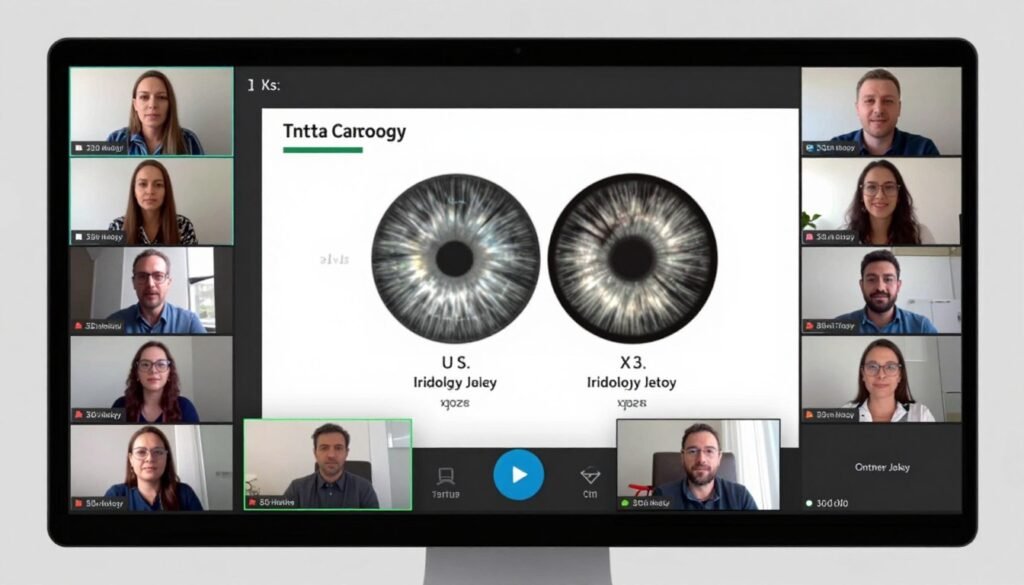
Online webinars provide accessible continuing education on specific topics like challenging constitutional types or integration with functional medicine.
Mentorship programs connect newer practitioners with experienced observers for guidance on complex cases.
Case review groups allow practitioners to submit challenging observations for peer discussion and learning.
Building Observation Skills
Expertise comes through systematic practice. Successful practitioners recommend:
Regular practice sessions: Observe at least five to ten irises weekly, even for experienced practitioners. Consistent observation maintains pattern recognition skills.
Photographic review: Revisit past client images periodically. You’ll notice signs you missed initially as your skills improve.
Comparative analysis: Study multiple examples of each constitutional type and common signs. This develops nuanced interpretation ability.
Documentation review: Compare your initial observations with client health outcomes over time. This validates interpretation accuracy and refines your approach.
Integration with Modern Health Approaches
Progressive practitioners explore connections between traditional iris observation and contemporary wellness:
Functional medicine integration: Some functional medicine practitioners use iris screening as part of comprehensive assessments alongside laboratory testing.
Nutritional genomics: Exploring potential connections between constitutional types and genetic nutritional requirements.
Microbiome research: Investigating whether digestive ring patterns correlate with gut microbiome composition.
Epigenetics: Considering how environmental factors might influence iris markings over time.
These areas represent emerging inquiry rather than established correlation. They suggest directions for future investigation.
Contributing to the Field
Experienced practitioners advance the field through:
- Publishing detailed case studies documenting observations and outcomes
- Teaching courses and mentoring new practitioners
- Conducting systematic observation research within appropriate boundaries
- Presenting at professional conferences and workshops
- Writing articles for natural health publications
This collective knowledge sharing strengthens practice standards and expands understanding of constitutional patterns.
Building a Successful Practice Based on Bernard Jensen Iridology Principles
Technical skills mean nothing without clients. Here’s how practitioners build sustainable practices around bernard jensen methods of iridology.
Positioning Your Services Effectively
Clear positioning attracts appropriate clients while maintaining compliance.
Educational focus: Market services as “constitutional analysis” and “wellness education” rather than diagnosis. This sets accurate expectations.
Complementary positioning: Position iris observation as one tool within comprehensive wellness support, not a standalone diagnostic service.
Target audience clarity: Identify whether you serve general wellness clients, athletes, corporate wellness programs, or specific populations.
Value proposition: Articulate what clients gain—personalized insights about constitutional patterns guiding nutrition and lifestyle choices.
Marketing Strategies That Work
Successful practitioners use these approaches:
Educational content marketing: Blog posts, videos, and social media content explaining constitutional patterns and wellness approaches. This builds authority and attracts interested prospects.
Professional networking: Build relationships with chiropractors, acupuncturists, massage therapists, and yoga studios for cross-referrals.
Community workshops: Offer introductory presentations at health food stores, wellness centers, and community centers.
Online presence: Maintain professional website with clear service descriptions, practitioner credentials, and educational resources.
Client testimonials: Share client experiences (with permission) emphasizing the value they gained from consultations.
Practice Models That Succeed
Different practitioners structure practices differently based on their situations:
Integrated Practice Model
Iridology offered within existing practice (nutrition, chiropractic, naturopathy). It adds value without requiring standalone marketing. Equipment investment enhances existing service offerings.
Specialized Practice Model
Primary focus on constitutional analysis and wellness education. Requires more marketing but allows specialization and premium positioning. Works well in markets with health-conscious populations.
Mobile Practice Model
Portable equipment enables services at wellness centers, corporate wellness events, health fairs, and home visits. Increases accessibility but requires reliable transportation and scheduling systems.
Training-Focused Model
Teaching bernard jensen iridology courses while maintaining limited client practice. Requires advanced expertise but provides stable income through course fees and equipment sales to students.
Client Retention Strategies
One-time clients don’t build sustainable practices. Retention strategies include:
Follow-up consultations: Schedule sessions every three to six months to track progress and adjust recommendations.
Wellness packages: Offer bundled services combining iris observation with nutritional counseling, supplement protocols, or lifestyle coaching.
Educational newsletters: Stay connected through regular wellness tips, seasonal health advice, and practice updates.
Client appreciation: Birthday greetings, wellness check-ins, and appreciation events build relationships beyond transactions.
Referral programs: Reward clients who refer friends and family with discounted services or complementary consultations.
Setting Up Your Practice Space
Physical environment impacts client comfort and professionalism:
- Dedicated consultation room with adjustable lighting for optimal iris photography
- Comfortable seating arrangement allowing easy computer screen viewing
- Professional décor conveying competence without clinical coldness
- Privacy ensuring conversations aren’t overheard
- Clean, organized space with necessary equipment readily accessible
- Educational materials and charts displayed appropriately
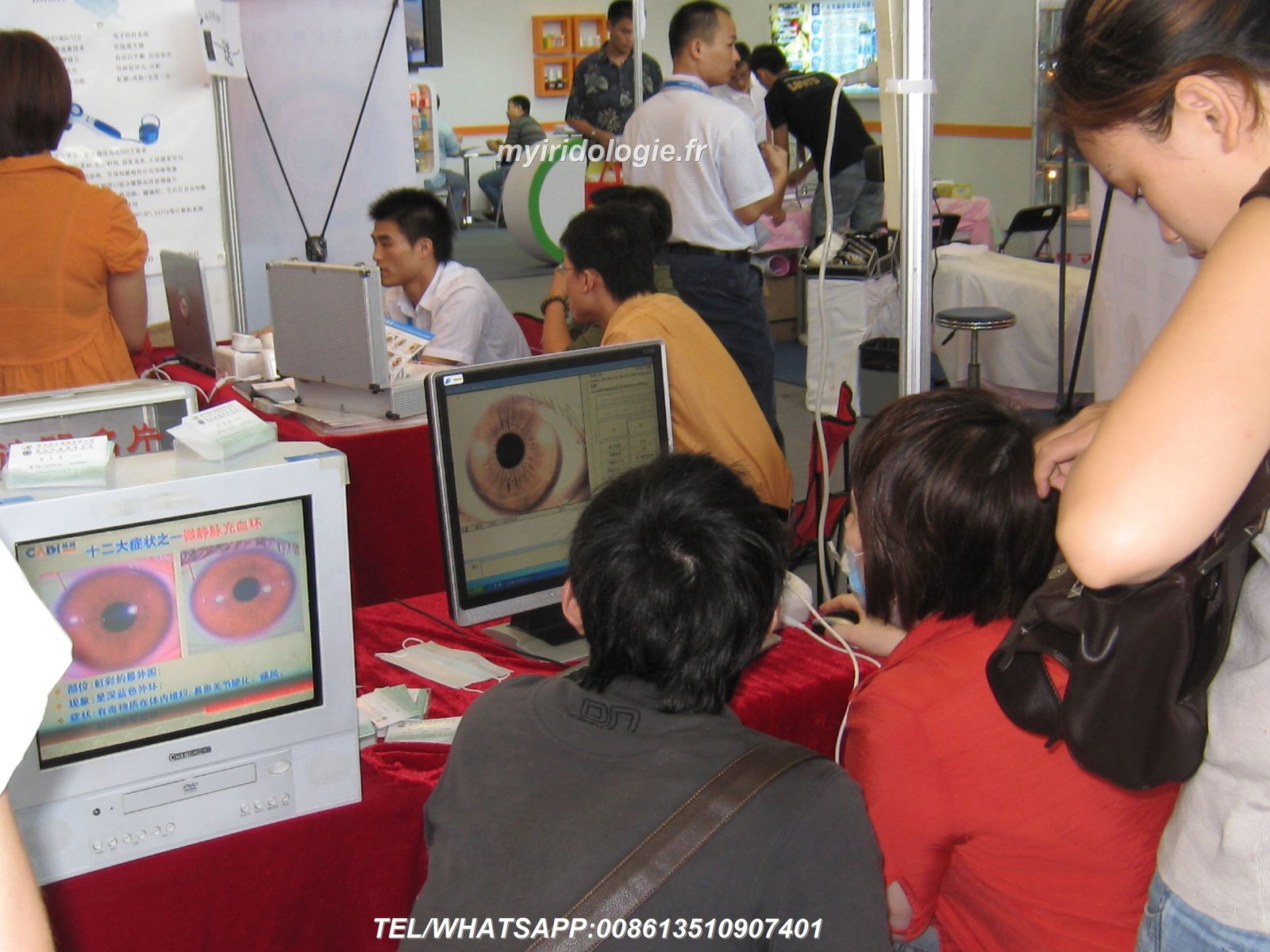
Our portable equipment works in various settings. The MK-9822U system requires only a computer and USB connection, making it suitable for offices, clinics, or mobile practice.
Financial Planning and Pricing
Sustainable practice requires sound financial management:
Startup costs: Budget $3,000-$8,000 for equipment, initial marketing, business setup, insurance, and operating capital.
Operating expenses: Consider rent (if applicable), insurance, continuing education, marketing, supplies, and software updates.
Revenue goals: Calculate monthly revenue needs based on expenses plus desired income. Divide by average session fee to determine required client volume.
Pricing strategy: Research local market rates while valuing your expertise appropriately. Don’t underprice to attract clients—this devalues the service.
Multiple revenue streams: Consider combining client sessions with teaching, writing, equipment sales to students, or consultation services for other practitioners.
Partner With MAIKONG as a US Distributor or Dealer
Join our network of successful distributors and dealers serving the US natural health market. As a MAIKONG partner, you’ll offer ISO-certified equipment to practitioners and training institutions with full technical support, competitive wholesale pricing, and proven marketing materials.
Benefits include: OEM/ODM services • US warehouse support • Multi-language software • 20 years manufacturing experience • Proven in 1,000+ facilities worldwide
Your Path Forward in Bernard Jensen Iridology
You came here with questions about learning and practicing bernard jensen iridology. You now have a complete roadmap.

The journey starts with quality training. Choose programs offering comprehensive curriculum, hands-on practice, and clear instruction in Jensen’s systematic methodology. Invest in professional equipment supporting accurate observation and client confidence.
Professional success requires more than technical skill. It demands clear understanding of legal boundaries, commitment to ongoing education, and ethical practice standards. Build collaborative relationships with medical professionals. Maintain appropriate disclaimers and informed consent processes.
Whether you’re expanding an existing practice or starting fresh, iridology books bernard jensen principles provide time-tested foundations. His constitutional approach remains relevant because it focuses on individual patterns rather than disease diagnosis.
The field needs qualified practitioners maintaining professional standards. We need educators passing proven methodology to new generations. We need practitioners demonstrating integrity through appropriate boundaries and honest client communication.
Taking Your Next Steps
Based on where you are in your journey, here’s what to do next:
If you’re exploring training options: Research certified programs in your area or quality online courses. Review curriculum details and instructor credentials. Request course outlines and sample materials before committing.
If you’re ready to equip your practice: Evaluate professional systems meeting your needs and budget. Our team at MAIKONG helps practitioners select appropriate equipment with full technical support.
If you’re building your practice: Develop clear positioning, invest in professional marketing, and focus on client education. Consider how iris observation complements your existing services.
If you’re considering distribution opportunities: The US market needs quality equipment suppliers. We support dealers and distributors with competitive wholesale pricing, technical training, and marketing assistance.
Why Choose MAIKONG Equipment
For twenty years, we’ve manufactured professional iridology camera systems for practitioners and institutions worldwide. Our equipment serves over 1,000 clients including:
- Major direct sales companies: Amway, Natura, Herbalife, Nu Skin, USANA
- Iridology training schools and natural health colleges
- Independent practitioners and natural therapy clinics
- Wellness centers and holistic spas
- Distributors serving regional markets
Our commitment includes:
- ISO 9000 certified manufacturing ensuring consistent quality
- CE compliance for international standards
- Complete hardware customization (OEM models, colors, functions)
- Software customization (logos, languages, features, product integration)
- US warehouse inventory for fast delivery
- Lifetime software updates and technical support
- Multi-language support (17 languages including English, Spanish, French)
- Both Windows and macOS compatibility
We understand your success depends on reliable equipment and responsive support. That’s why practitioners choose MAIKONG systems for their professional work.
Connect With Our Team
Whether you need training guidance, equipment consultation, or partnership information, we’re here to help:
The field of traditional iris observation continues evolving. New practitioners bring fresh perspectives while honoring proven methodology. Training institutions raise standards through comprehensive education. Equipment manufacturers like MAIKONG advance technology supporting more accurate observation.
Your role in this ecosystem matters. Whether you’re practicing, teaching, or distributing equipment, you’re part of maintaining Bernard Jensen’s legacy while adapting it for contemporary wellness needs.
The clients you serve deserve quality training and professional equipment. They trust you to provide accurate information within appropriate boundaries. They value the insights constitutional analysis provides for their wellness journeys.
Make your next move toward excellence in bernard jensen iridology practice. The tools, training, and support you need are available. Your commitment to professional growth and ethical practice will determine your success.
Thank you for taking time to read this comprehensive guide. I hope it answered your questions and provided clear direction. Feel free to reach out with specific questions about training, equipment, or practice development.
Here’s to your success in serving clients through traditional iris observation methods.
Important Medical Disclaimer: Bernard Jensen iridology provides traditional iris observation for wellness education and constitutional analysis. It does not diagnose, treat, cure, or prevent any disease. Services described in this article are for educational purposes supporting wellness goals, not medical diagnosis or treatment. Always consult qualified medical professionals for health concerns requiring diagnosis or treatment. Iridology observations and recommendations do not replace medical care, diagnostic testing, or prescribed treatments.