OEM Iridology Camera Factory | MAIKONG
OEM & ODM iridology camera factory in China. Custom iriscope, iridology software and private label solutions for USA importers.

OEM manufacturing checklist Canadian B2B buyers should confirm for iris imaging hardware
October 25, 2026
Quick answer
For a private‑label iris imaging project you must convert product requirements into nine verifiable milestones: manufacturer profile and OEM scope; a clear product baseline (optics, illumination, sensor, interface); software build and Canadian localization; documented quality management and inspections; prototype and pilot‑lot sign‑off rules; defined mechanical, optical and electrical acceptance tests; bilingual packaging and labelling rules for Canada; traceability and spare‑parts planning; and realistic lead‑times, MOQ and change‑control terms. Request these deliverables in your RFQ and attach each as an acceptance gate before payment milestones.
Contents
Who this checklist is for and the single decision it helps you make
This checklist is written for Canadian OEM and private‑label buyers—importers, distributors and wellness brands planning to commission iriscope/comparable provider camera hardware for resale or clinic use in Canada. The single decision it helps you make is: can you accept the supplier’s technical configuration, QC gates and documentation as sufficient to launch your branded product in Canada with predictable costs and regulatory visibility? If the supplier cannot provide the milestones below, you should not proceed to a production PO.
1. Confirm manufacturer profile and OEM scope
Before technical details, verify who will own which deliverable. We recommend you obtain and verify the following from your supplier:
- Company name, address and factory capability statement (components made in‑house vs. subcontracted).
- OEM/ODM scope: which parts, software, logos, manuals and packaging are included in the quote and which are chargeable extras.
- Declared company certifications as the supplier represents them (we declare ISO 9001, CE, ISO 13485) — treat these as supplier declarations and request copies of the certificates rather than accepting text claims.
- Examples of prior OEM projects or product galleries showing finished private‑label units (useful to check finishing and printing quality).
We provide a factory overview and prior OEM examples on request; include a request for a factory capability statement in your RFQ so the supplier must commit these details in writing.
2. Define required product baseline (hardware, optics, illumination, resolution)
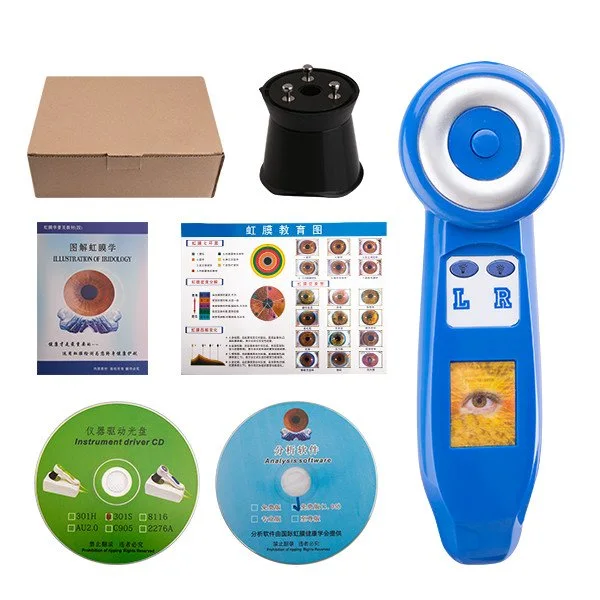
Convert marketing promises into measurable hardware parameters. For iris imaging these are the key items you should demand in the RFQ and test plan:
- Optical design: lens focal length or magnification range and whether the lens is fixed or interchangeable.
- Illumination: light source type (LED ring, polarised options), colour temperature, and whether IR is used for low‑light capture.
- Image sensor and resolution: give the exact sensor spec you require (we have USB models and 12MP sensor options in our product line) and define acceptable file formats (RAW, TIFF, JPEG).
- Interface and power: USB 2.0/3.0, Wi‑Fi, or other interface; supply voltage and connector type as a quoted item (do not assume Canadian mains wiring without supplier confirmation).
- Mechanical: mounting options (tabletop stand, tripod thread), patient interface dimensions and material for parts contacting skin.
If you expect a 12MP variant or USB connectivity, specify the exact model variant and require the supplier to confirm sensor vendor and model in the sample documentation.
3. Confirm software compatibility and language/localization needs
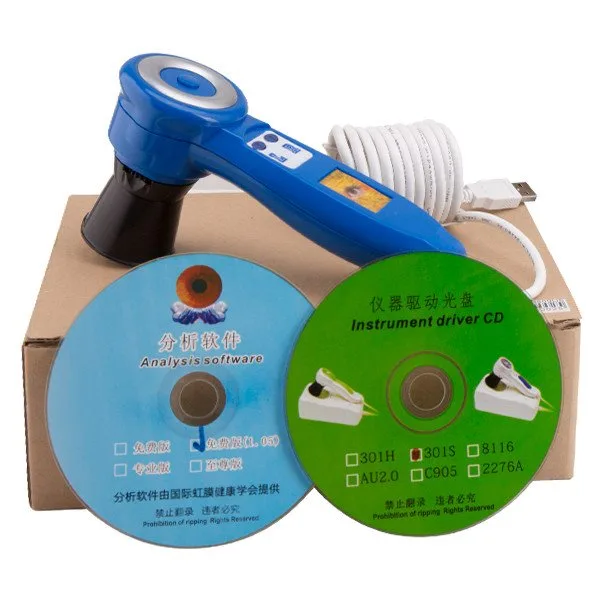
Software is often the hidden blocker. Define these items in your RFQ:
- Supported platforms and versions (Windows 10/11, macOS versions). Ask for a tested compatibility matrix.
- Localization: bilingual (English/French) UI and printed manuals for Canadian sales channels if required. Specify whether translations are supplier‑provided or buyer‑supplied.
- Data export formats: image file standards and whether the software can export patient data in CSV/XML for integration into your PMS or EMR.
- Licensing: seat/licence model, offline vs. cloud operation, and how updates are delivered (patch files, installer, or OTA updates).
- Source code or SDK availability if you plan to integrate or rebrand the software—state this as a line item and require a licensing term in the quote.
Ask for a working build to be included with the prototype and for a read‑only list of third‑party libraries used (important for export controls and compliance).
4. Quality management and production standards to verify
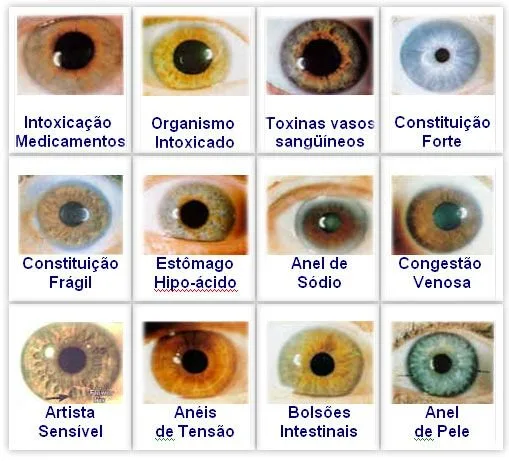
Define the supplier’s quality system obligations as contract clauses. Minimum items to require:
- Quality management standard cited (supplier declaration of ISO 9001/ISO 13485 is acceptable but request certificate copies).
- Incoming inspection for critical components (sensors, lenses, LEDs) — request sampling plans and AQL numbers for PCBAs and optics.
- Inline production controls: visual inspection, soldering checks, torque limits for mechanical fasteners and humidity control during assembly if optics are sensitive.
- Final test procedure: list the electrical, optical and software tests performed on every finished unit and require test logs for the pilot lot.
- Change control: require written approval for any engineering change and that no changes affect form/fit/function without buyer sign‑off.
5. Prototype, first-run sample and pilot lot requirements
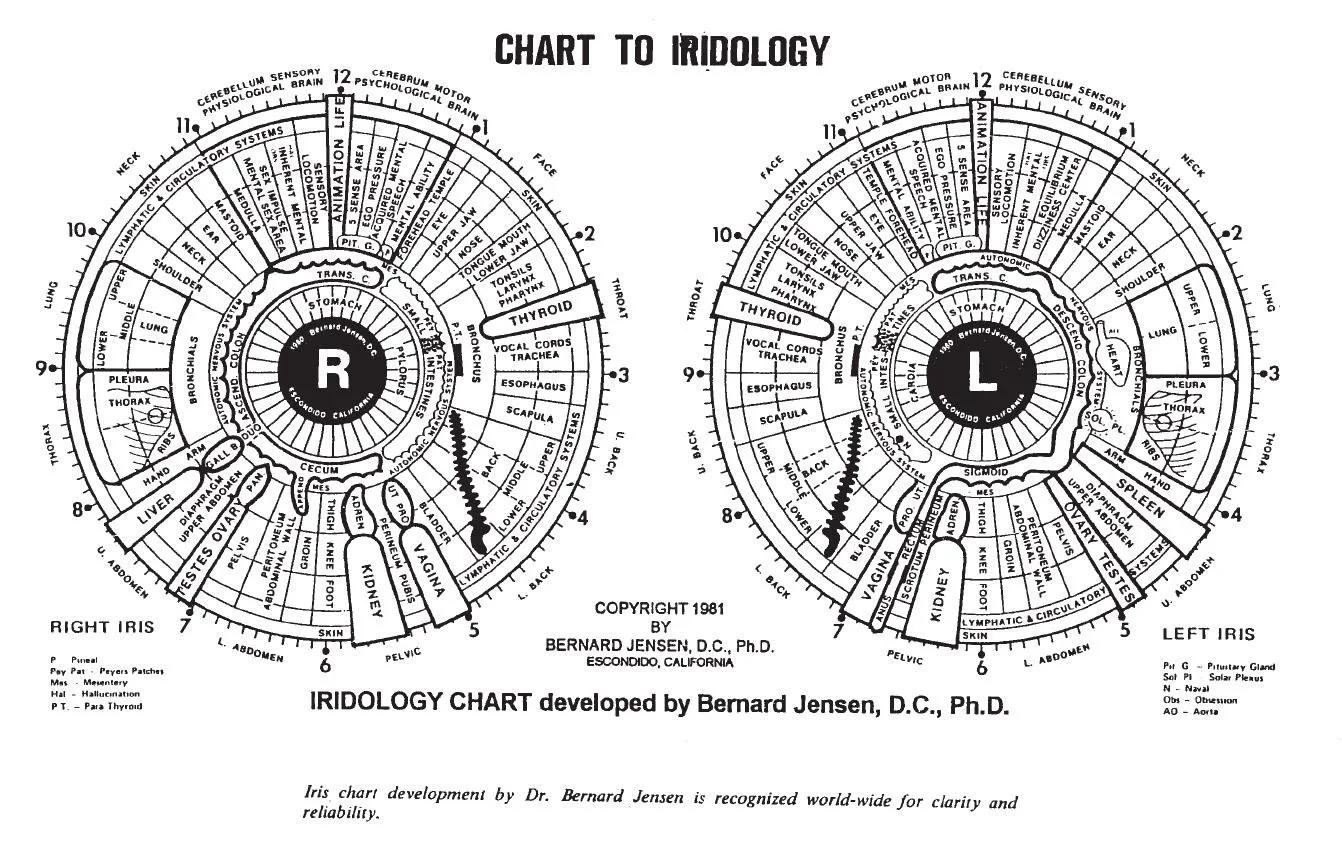
Specify the acceptance process and deliverables for early samples so there’s no ambiguity:
- Prototype stage: functional prototype for engineering review and a cosmetic prototype for branding and packaging approval.
- First‑run sample: fully configured unit with final firmware, final packaging, and bilingual manuals. Require full test logs and shipping sample from the intended production line.
- Pilot lot (typically small production run): require inspection reports, a sample pull for independent testing (which the buyer may arrange), and a contingency plan for defectives and rework.
- Sign‑off policy: list who signs off (buyer representative) and what criteria must be met before larger production begins; tie payment milestones to these signoffs.
6. Mechanical, optical and electrical acceptance tests to require
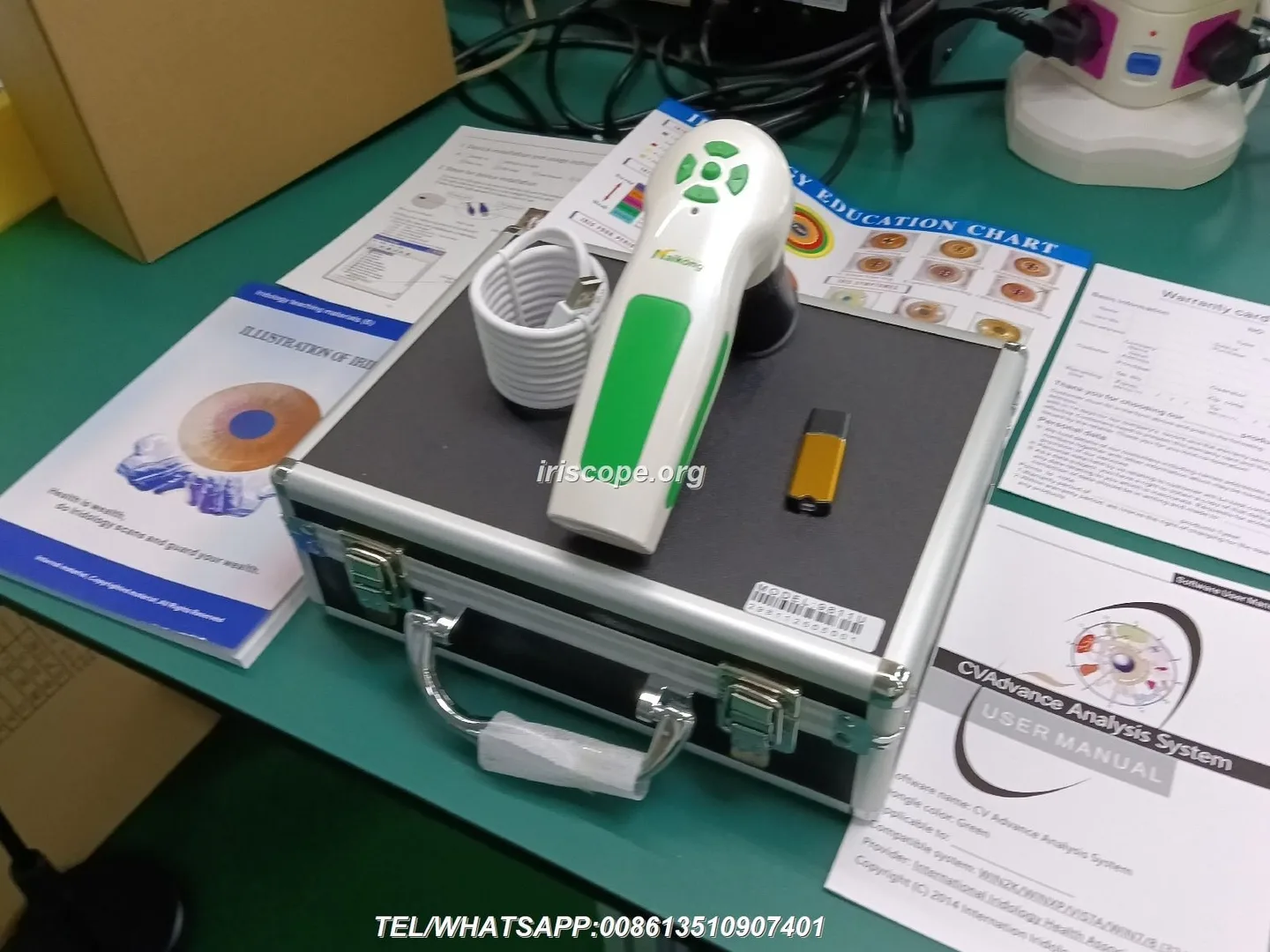
Define specific pass/fail tests and tolerances in your RFQ rather than vague phrases like “quality checked”. Examples you should include:
- Optical: resolution target, field uniformity, focus repeatability and stray light/flare evaluation. Specify test images and acceptance thresholds.
- Electrical: power consumption under idle and capture, USB data throughput, EMI baseline if you plan to sell into regulated channels.
- Functional: capture/preview latency, exposure consistency, white balance repeatability across 20 successive captures.
- Durability: mechanical drop or torque tests for stands and connector cycles for frequently used connectors.
If you lack a technical lab, require the supplier to provide raw test data and, where reasonable, photos of test benches and the test procedure documents.
7. Packaging, labelling and bilingual/Canadian regulatory notes

For Canadian distribution, packaging and labelling must be practical for retail and compliance checking:
- Bilingual labelling (English and French) for retail-facing elements and manuals where required by your channels.
- External carton content declaration in English/French, weight and dimensions, and palletisation rules for shipping and customs.
- Regulatory marking: include supplier’s declared certifications on product documentation but do not assume regulatory approval; compliance to Canadian regulations (electrical safety, EMC, medical device rules if the product is positioned as medical) is the buyer’s responsibility. Require the supplier to provide component datasheets and test reports they hold.
- Storage and shelf instructions for optics and electronics (temperature/humidity limits) and a recommended shelf life for consumable parts (if applicable).
8. Traceability, lot marking and spare-parts planning

Ask the supplier to commit to traceability and spare part support:
- Unique lot or serial numbering scheme on each unit and a log that maps serial numbers to production date, component lot numbers and firmware version.
- Spare‑parts list with minimum recommended spares per 100 units (critical: sensors, LED rings, power supplies, cables).
- Guaranteed parts availability window in the contract (e.g., supplier will supply spares for a defined number of years) — if the supplier cannot commit, document the limitation.
9. Manufacturing lead times, MOQ and change control
Get realistic production constraints in writing:
- Lead time per configuration (prototype, pilot, mass production) and minimum order quantities for each stage. If you need lower MOQs, negotiate pilot‑lot pricing and tooling amortisation.
- Define change control: what constitutes a chargeable change, how price re‑quotes will be handled, and lead‑time impact for approved changes.
- Include penalty or remediation clauses for unapproved changes that materially affect the product.
10. Warranty, repair, training and after‑sales support expectations
Define support you will need to offer buyers in Canada and require the supplier to provide supporting terms:
- Warranty terms and exclusions as provided by the supplier (documented in the contract). If the supplier provides only a limited warranty, you must define your own retail warranty obligations.
- Repair flow: spare parts supply, RMA process, and whether the supplier will offer repair or send‑back services for warranty cases.
- Training: request a training package for technical support staff—video, installation guides, troubleshooting flows and suggested spare‑parts kits.
Practical RFQ checklist to include with your request
Attach this short checklist to every RFQ so suppliers must respond in a structured way:
- Factory capability statement and certificate copies (ISO 9001/ISO 13485/CE if claimed).
- Exact hardware spec sheet (lens, sensor, illumination, connectivity) and software compatibility list.
- Prototype, first‑run and pilot lot deliverables with sample counts and acceptance criteria.
- Full test procedures for optical/electrical/functional checks and a promise to provide raw test logs for pilot lots.
- Packaging artwork and bilingual manual drafts for Canadian market review.
- Lead times, MOQ, spare‑parts commitments, and a written change‑control process.
- Warranty statement, RMA policy and technical training deliverables.
Common mistakes Canadian buyers make (and how to avoid them)
Three frequent errors we see are:
- Accepting “meets market needs” language without measurable tests. Fix: demand specific numeric tolerances and test artifacts.
- Overlooking software localisation and export formats. Fix: include required OS versions and export formats in the RFQ.
- Failing to secure spare parts or serial traceability. Fix: require a parts availability window and serial‑to‑component mapping as contract deliverables.
Useful buyer-side decisions to make before you quote
Decide these internally before you ask suppliers for price:
- Which software features are must‑have and which are optional add-ons.
- Whether you will provide translations or require the supplier to deliver bilingual assets.
- Acceptable MOQ and target retail price band—this affects component sourcing and testing depth.
Next step — request a configuration quote
Contact for OEM enquiries (MAIKONG): Lucy@myiridology.us • WhatsApp +86 135‑1090‑7401 • https://myiridology.us
Risks and limitations
We present this checklist to reduce commercial and technical risk. It does not replace legal, regulatory or clinical advice. Supplier declarations of certification (ISO 9001, CE, ISO 13485) are purchaser‑verifiable documents — request certificate copies and test reports and verify their scope before relying on them for regulatory compliance in Canada. We do not claim product approvals from Health Canada or other regulators; confirm regulatory pathways separately for any medical‑class positioning.
Evidence and source notes
Company capability and product family information above are provided from our factory profile and product list as an OEM manufacturer; they are supplier declarations and should be validated by the buyer if required. For specific model data, request model datasheets and raw test logs as part of the pilot‑lot deliverables.
Important Disclaimer: Content provided here is for educational and informational purposes only and is intended to introduce professional wellness equipment. It does not constitute medical advice, diagnosis, or treatment. Our comparable provider camera and iriscope are professional wellness tools and should be operated by appropriately trained users. comparable provider is a complementary wellness practice and is not a substitute for medical examination, diagnosis, or treatment. If you have health concerns, consult a qualified healthcare professional. Users and distributors are responsible for ensuring equipment use complies with applicable Canadian laws and regulations.
This content is provided for learning, information sharing and professional communication only. It is not medical advice and is not a basis for treatment or diagnosis. Confirm suitability, operation and purchasing requirements against the product manual, local regulations and qualified professional guidance.
If you want a supplier response tailored to the Canadian market, request a configuration quote that lists the milestones above. We can provide factory capability documentation, sample images, and a pilot‑lot test report on request. Contact us to share your technical checklist and target volumes so we can return a properly scoped RFQ response and pilot plan.
Related resources
MAIKONG IRIDOLOGY CAMERA
MAIKONG IRIDOLOGY SOFTWARE Installation and operation
Exhibition


Company Certificates


Contact US Online WHATSAPP:

Maybe you like also
Copy©2026-2027