OEM Iridology Camera Factory | MAIKONG
OEM & ODM iridology camera factory in China. Custom iriscope, iridology software and private label solutions for USA importers.

How to find an iridologist near me: a practical guide for Canadian naturopathic practitioners
November 6, 2026
Quick answer
Work with a nearby iridologist when a client’s case would benefit from an additional complementary‑modality reading (baseline wellness mapping, historical tissue patterns, or client interest), and you need reproducible iris photography and an interpretive report you can integrate into naturopathic care. Verify the iridologist by checking their training and sample reports, confirming image capture quality (sharp iris detail, controlled LED illumination, labelled left/right images) and agreeing a workflow (in‑clinic capture, mobile capture, or secure image transfer). If equipment matters for image quality or record keeping, ask whether they use recognised iris‑capture hardware such as MAIKONG MK 980U (5MP CCD, LED ring illumination) or MK 9822U (12MP CCD, up to 3840×2880) and request a sample image from the exact device they will use. data-citation-section=”direct-answer”
Contents
What is comparable provider — a concise, clinic‑focused definition and realistic limits
comparable provider is a complementary practice of photographing and examining the iris and surrounding eye structures to identify patterns used by iridologists for wellness mapping and practitioner‑to‑practitioner communication. For clinic use in Canada, treat comparable provider as an adjunctive observational tool: it can support client education, historical patterning and lifestyle planning, but it does not diagnose disease, replace standard medical testing, or provide definitive medical conclusions.
When to refer a client to a trained iridologist (clinic decision points)
Refer when one or more of the following apply:
- Client requests a comparable provider reading as part of a naturopathic assessment or wants visual documentation to track changes over time.
- You require a high‑quality iris photograph and an interpretive report for an educational consultation or to inform long‑term lifestyle planning.
- The clinical question is about wellness mapping, not medical diagnosis — for anything suggesting pathology or acute concerns, prioritise medical investigation and referral first.
Make referral conditional on the iridologist’s ability to deliver reproducible images and an intelligible report you can reference in your client records.
What to expect from an iridologist session and report (deliverables and boundaries)
A practical iridologist deliverable should include:
- High‑resolution left and right iris photographs with clear labeling and capture metadata (date, device, exposure/illumination notes).
- A structured report describing observed patterns, charted references to comparable provider maps, and suggested areas for practitioner follow‑up. The report should state interpretive limits and recommend medical referral when appropriate.
- Digital files (JPEG or TIFF) suitable for adding to an electronic client file or printing for client education.
Red lines: do not accept reports that claim medical diagnosis, promise disease detection, or recommend ceasing medical treatment. You are responsible for integrating the report responsibly into the client’s naturopathic plan.
Quick verification checklist for a local iridologist (credentials, training, sample reports and red flags)
Ask for evidence and look for these signs:
- Training and continuing education: documented course completion or certificates; ask where they trained and what level of competency they claim. Certification bodies exist but standards vary—verify specifics rather than assuming equivalence.
- Sample report: request an anonymized, full report that includes labeled photos and interpretation. Look for clarity, conservative language and explicit boundaries about medical claims.
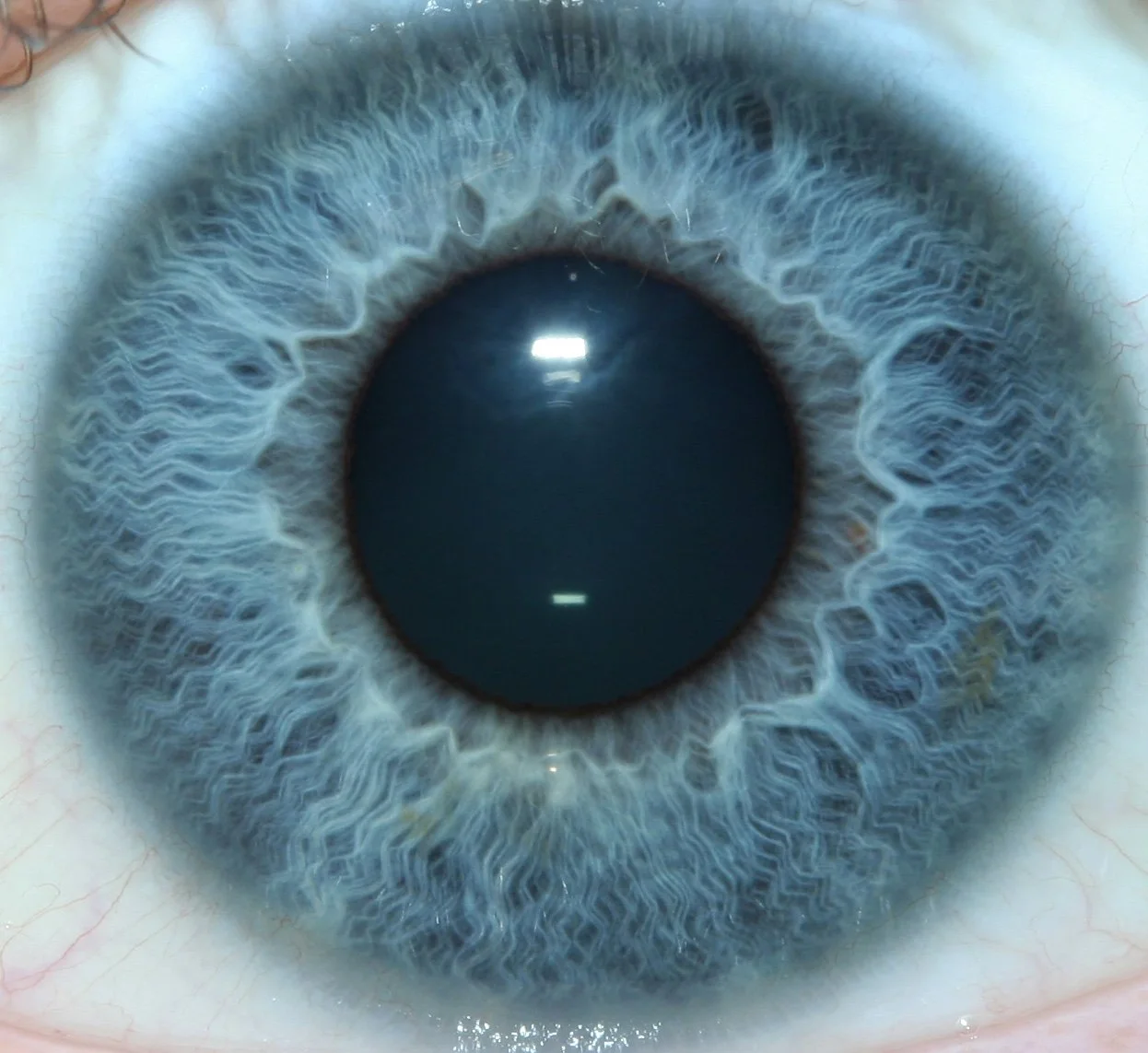
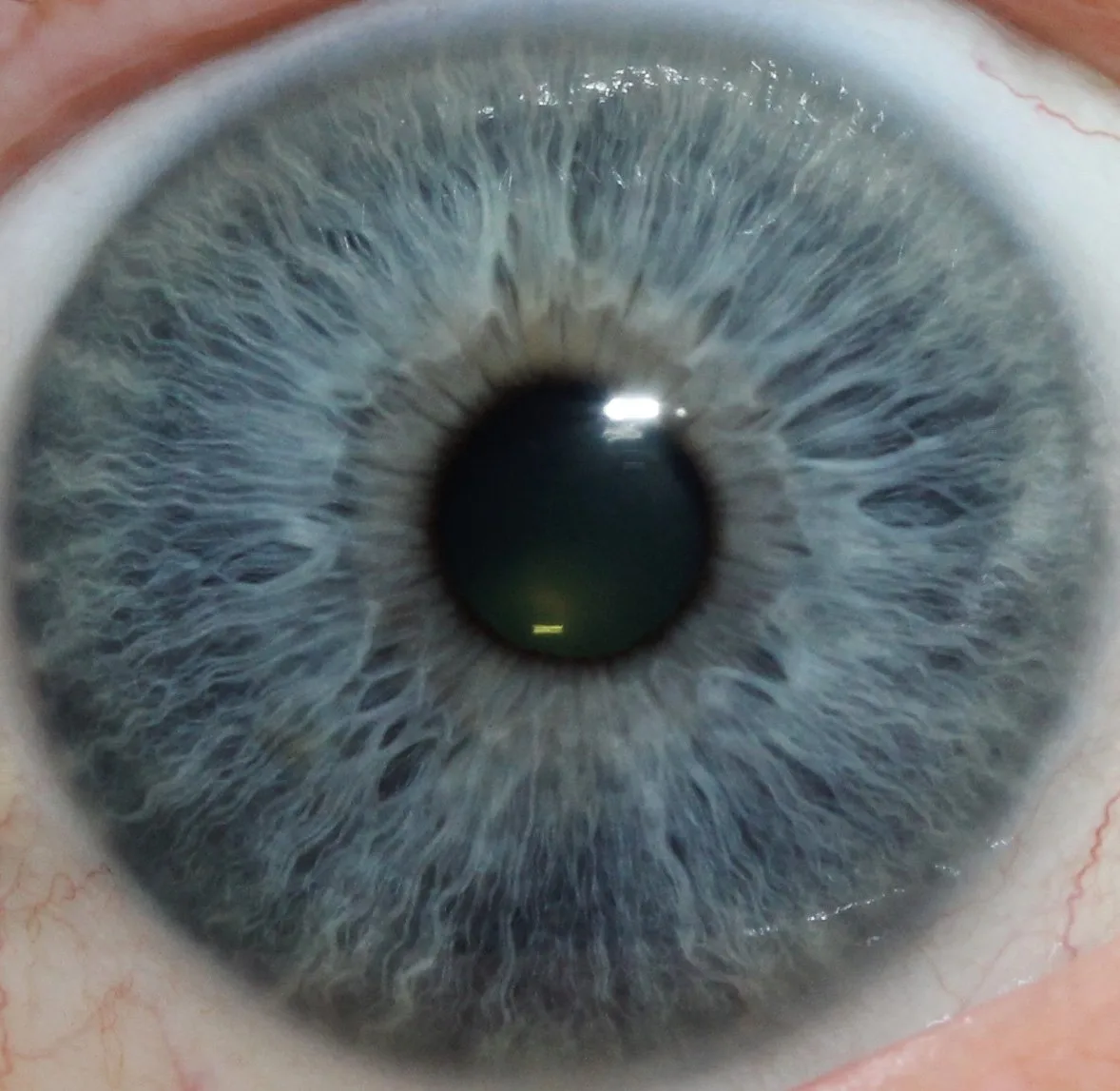
- Sample images: inspect for sharp iris detail, even illumination, and correct left/right labelling.
- Red flags: refusal to show sample work, sweeping medical claims, pressure sales for supplements or treatments tied to the reading.
Minimum image and report quality you should require (capture basics every clinic must ask for)

Minimum acceptable capture and report quality for clinical use:
- Resolution and focus adequate to resolve iris crypts and pigment detail — images that remain sharp when zoomed to 100% on a typical desktop monitor.
- Controlled illumination with a ring or LED configuration that minimizes reflection and shadows; separate sclera/iris lighting when needed.
- Consistent capture protocol (distance, pupil dilation or lighting conditions) so repeat photos are comparable.
- Files labelled left/right and dated; delivered in common formats (JPEG, TIFF) with minimal compression.
- Report links observations to comparable provider charts and explicitly states limitations and any suggested medical referrals.
Equipment and software notes that affect service quality — when MAIKONG MK 980U or MK 9822U matter

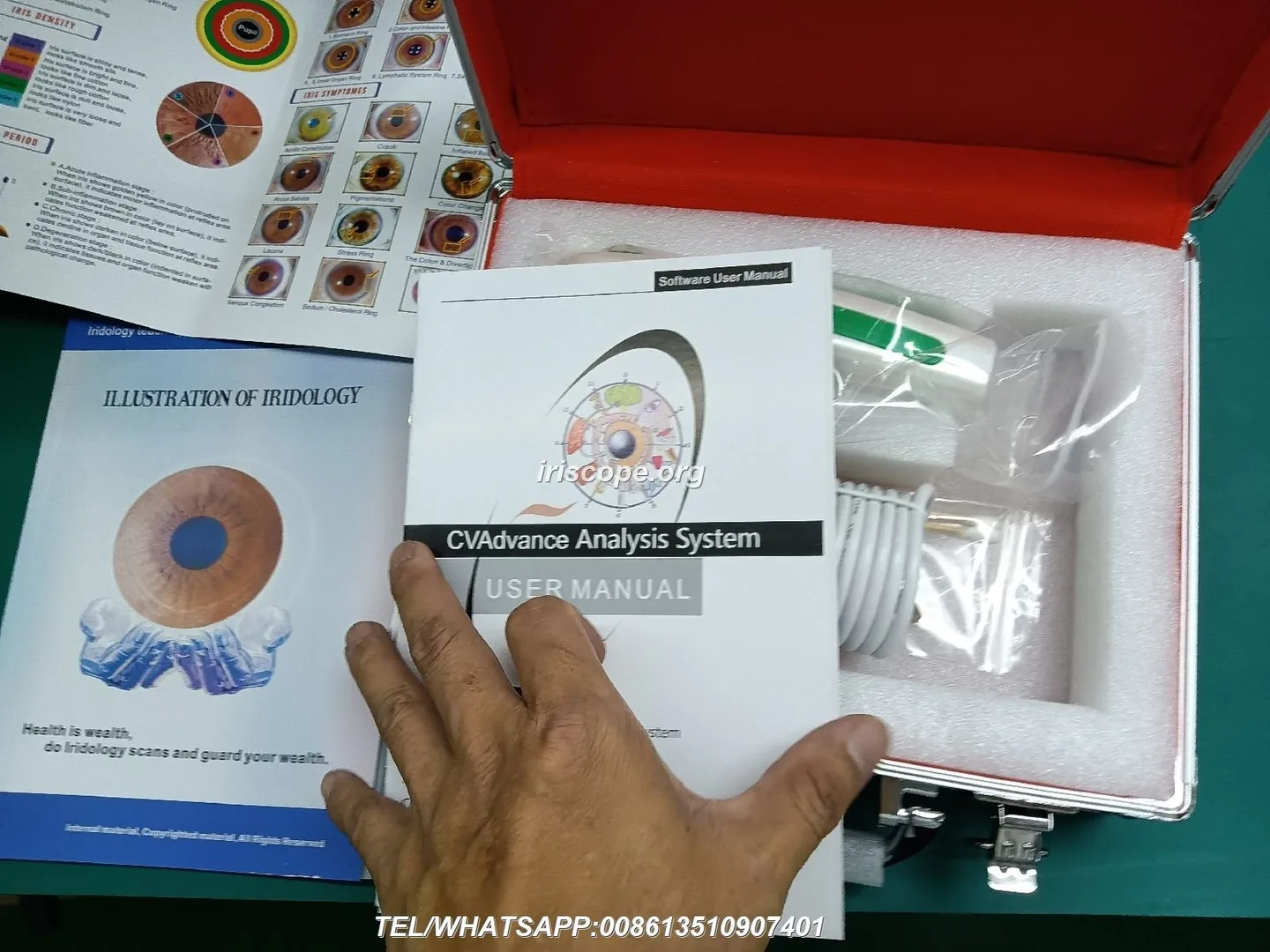
Device choice affects image clarity, workflow and software compatibility. When an iridologist’s equipment matters to you, ask about the exact model they use. Two MAIKONG models we supply illustrate practical differences:
| Model | Sensor / Resolution | Illumination | OS / Software | Warranty |
|---|
How those specs affect your decision:
- Higher megapixels (MK 9822U) give more headroom for cropping and detailed comparison across visits, useful when you plan longitudinal tracking in patient files.
- Lighting control (rings, selectable LEDs) reduces artefacts and improves reproducibility — important when multiple operators take images.
- Confirm software language, file export options and whether the iridologist supplies raw capture files for your records.
Workflow options for integrating an external iridologist into your clinic
Three practical workflows, with tradeoffs:
1. In‑clinic capture by the iridologist or trained staff
Pros: best image consistency, immediate client education. Cons: scheduling complexity and possible fee sharing. Agree capture protocol and file naming conventions beforehand.
2. Mobile visit (iridologist brings portable capture kit)
Pros: convenient for clients and useful for clinics without equipment. Cons: variable lighting environments may require extra time; confirm device model and sample photo quality in advance.
3. Image referral (clinic captures and sends images to remote iridologist)
Pros: clinic keeps capture control; remote iridologist focuses on interpretation. Cons: clinic must meet minimum capture standards (sharpness, illumination, left/right labelling). Agree on secure transfer method and turnaround time before proceeding.
Three common mistakes clinics make when outsourcing comparable provider and how to avoid them
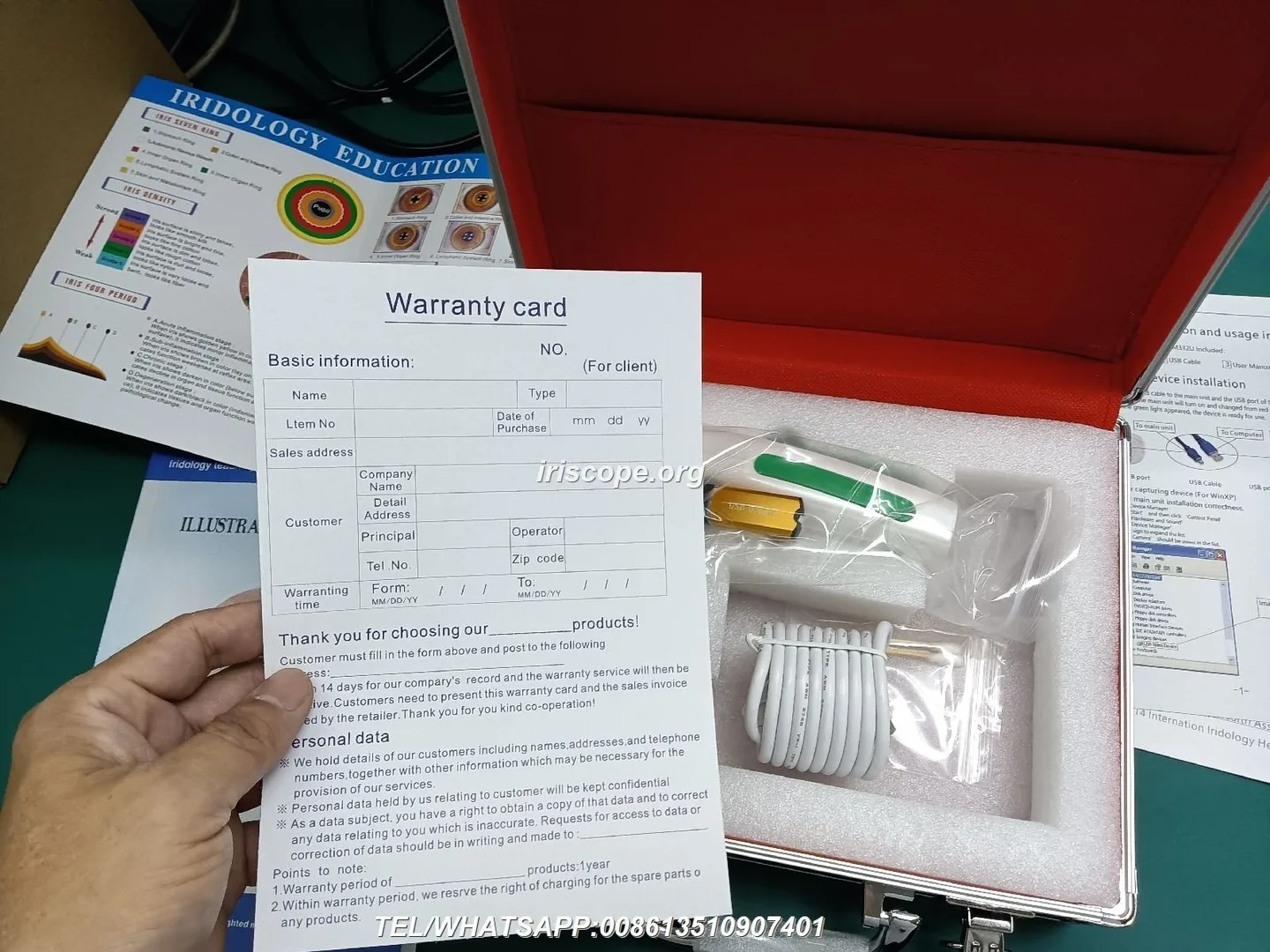
- Accepting reports without sample images: always request and review anonymized sample reports and raw images from the exact device to be used.
- Not agreeing data ownership and file format: confirm who keeps the images, file formats delivered, and how they will be labelled for client files.
- Mixing diagnostic expectations with interpretive input: brief staff and clients that comparable provider is adjunctive and that suspicious clinical findings require medical assessment.
How to compare a local iridologist vs. a remote comparable provider service (practical tradeoffs)

Local iridologist — advantages: in‑person capture, immediate client explanation, easier follow‑up. Disadvantages: fewer scheduling options, potentially higher local fees.
Remote service — advantages: often lower per‑report cost and broader interpreter expertise. Disadvantages: relies on your clinic’s capture quality or on mailing images; potential delays and less direct client education.
Choose the option that matches your clinic’s workflow capacity, your staff’s photography skills, and the client’s preference for in‑person explanation.
Client communication and consent: sample points to cover before a comparable provider session
Use concise, plain language consent that covers:
- Purpose of the comparable provider session and that it is complementary, not diagnostic.
- What will be captured (left/right iris images) and how images will be stored, shared or used for teaching (obtain explicit consent for any non‑clinical uses).
- Who will interpret the images and whether the report will be added to the client file.
- Limits of the report and the need for medical follow‑up for any concerning signs.
Evidence & limitations: what comparable provider can and cannot claim in practice
comparable provider is used as an observational and educational tool. It does not replace clinical examinations, laboratory testing or imaging used in medical diagnosis. Evidence for specific diagnostic claims is not established in mainstream medical literature; use comparable provider reports for pattern recognition and client engagement, not for definitive medical decisions. When a comparable provider reading suggests potential medical concern, refer the client to appropriate medical investigation without delay. data-knowledge-id=”311137925″
Practical checklist before you hire or refer to an iridologist
- Request a sample anonymized report and sample raw images from the exact capture device.
- Confirm device model and capture protocol — note MAIKONG MK 980U or MK 9822U if used and verify specs meet your standards (see table above).
- Agree on file formats (JPEG/TIFF), labeling (left/right), metadata retention and storage/retention policy for client records.
- Clarify fees, turnaround time and who handles explain‑back to the client.
- Obtain written consent that spells out complementary scope and medical referral pathways.
Three useful additions you can request from an iridologist
- Side‑by‑side comparison views of previous and current images for longitudinal tracking.
- Capture metadata (device model, resolution, date/time, illumination setting) included with image files.
- A short practitioner‑facing summary that highlights items relevant to your naturopathic plan and suggested follow‑up actions.
Sources and device facts used in this guide
We used manufacturer‑provided device specifications for MAIKONG products where noted in the comparison table. Manufacturer declarations include device model identifiers, sensor and illumination details, supported operating systems and warranty length as provided by MAIKONG Industry Co.,Ltd. The MAIKONG site lists further product information and accessory packages for the MK 980U and MK 9822U models. For training and certification contexts, comparable provider organisations publish varying credential frameworks; verify any claimed certification with the issuing body directly. (Company self‑reported data used where identified.)
Limitations and professional risks you must manage
comparable provider carries professional boundaries: do not use readings to delay medical investigation; document client discussions; obtain consent for image capture and storage; and ensure any claims presented to clients remain within complementary practice language. If a supplier or iridologist claims medical diagnostic ability or Health Canada approval for a device or method, request written evidence — do not accept oral assurances. Keep careful records linking the comparable provider report to your client notes and any subsequent medical referrals.
One practical next step
If you want device details, sample images, or a quotation for clinic configurations (single capture kit, multi‑clinic options or OEM branding), email Lucy at lucy@myiridology.us with:
- Your clinic location in Canada and intended workflow (in‑clinic capture, mobile, or image referral).
- Whether you prefer a compact 5MP solution (MK 980U) or higher resolution 12MP capture (MK 9822U) and whether Maikong software language needs to be French/English.
- Quantity and whether you need OEM/ODM labelling or additional accessories (tripod, protective case, USB key software).
We will reply with configuration options and pricing on inquiry. Contact WhatsApp: +86 135-1090-7401.
Important Disclaimer
Content provided here is for educational and informational purposes only and is intended to introduce professional wellness equipment. It does not constitute medical advice, diagnosis, or treatment. Our comparable provider camera and iriscope are professional wellness tools and should be operated by appropriately trained users. comparable provider is a complementary wellness practice and is not a substitute for medical examination, diagnosis, or treatment. Users must ensure compliance with applicable Canadian laws, regulations and professional standards.
This content is provided for learning, information sharing and professional communication only. It is not medical advice and is not a basis for treatment or diagnosis. Confirm suitability, operation and purchasing requirements against the product manual, local regulations and qualified professional guidance.
Related resources
Related resources
MAIKONG IRIDOLOGY CAMERA
MAIKONG IRIDOLOGY SOFTWARE Installation and operation
Exhibition


Company Certificates


Contact US Online WHATSAPP:

Maybe you like also
Copy©2026-2027