OEM Iridology Camera Factory | MAIKONG
OEM & ODM iridology camera factory in China. Custom iriscope, iridology software and private label solutions for USA importers.

Iridologist Toronto: Practical Guide for Naturopathic Practitioners in Canada
October 20, 2026
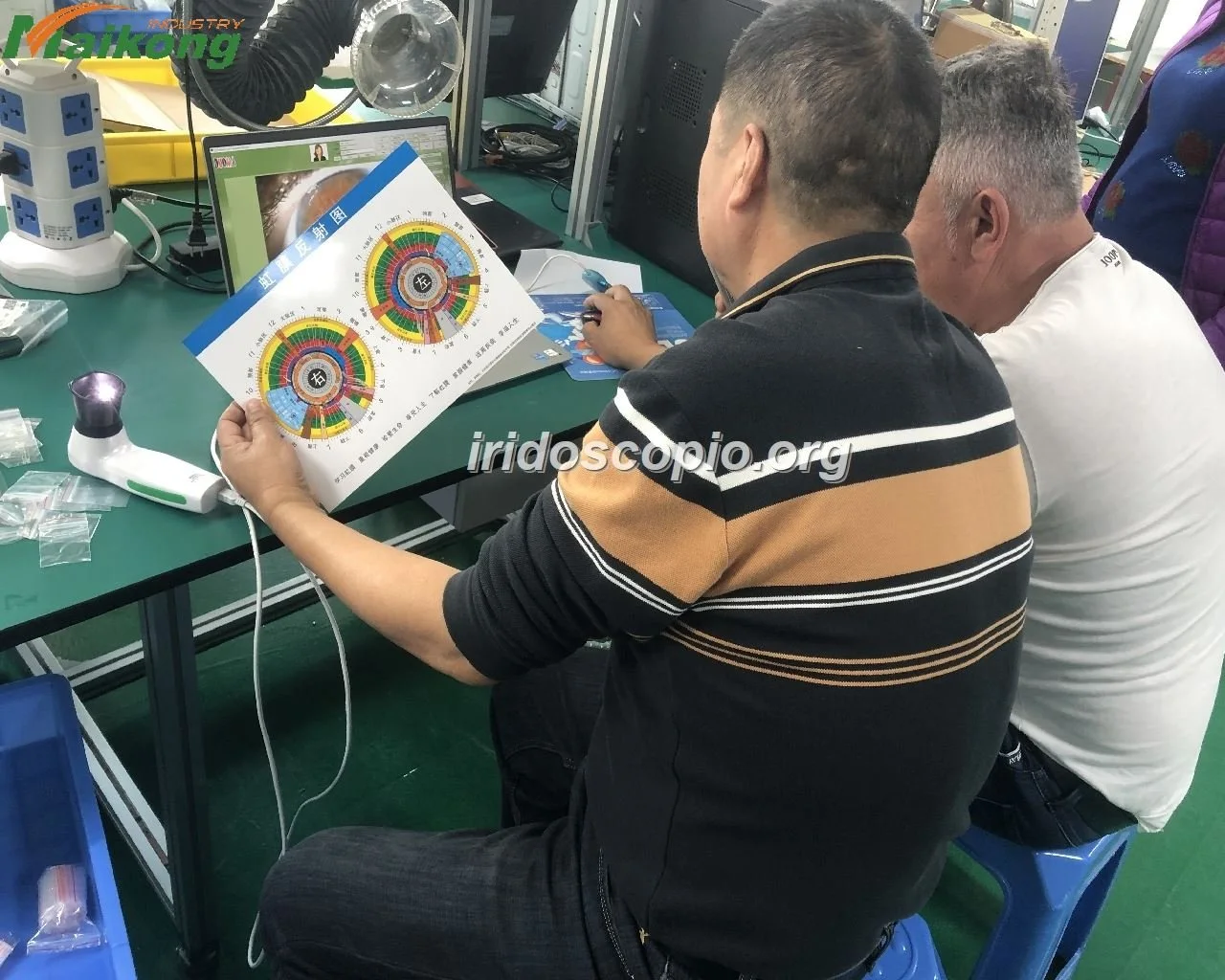
Quick answer
Yes — Toronto naturopathic clinics can reasonably refer to, partner with, or set up in‑house comparable provider services. For straightforward referrals, confirm the practitioner’s training and clear client consent, document timelines and reporting expectations, and keep comparable provider records in the client file. If you bring imaging in‑house, a compact iris camera (5MP for basic capture; 12MP for larger prints and closer detail) plus controlled illumination, secure storage and staff training are the minimums. See the sections below for how to verify practitioners, practical referral steps, clinic setup requirements, and model-level notes for MAIKONG MK 980U (5MP) and MK 9822U (12MP).
Contents
Direct answer: can you find or work with an iridologist in Toronto — short practical verdict
You can work with iridologists in Toronto, but the relationship should be structured around transparency and limits. Verify the iridologist’s education and working examples of reports, require explicit client consent that clarifies comparable provider is a complementary assessment, and agree in writing on report turnaround, data formats (jpeg/TIFF, PDF) and follow-up responsibilities. If your clinic intends to supply imaging, confirm capture quality and software compatibility before committing to referrals or packages.
What is comparable provider — concise definition for naturopathic practitioners (clinic-focused)
comparable provider is a complementary assessment method that examines the iris and surrounding eye structures for patterns, markings and colour variations used by some practitioners as part of a holistic consultation. It is not a medical diagnostic test. In a naturopathic clinic setting, comparable provider is best treated as an adjunctive visual observation and a client education tool that must be integrated with history, physical assessment and appropriate medical investigations when indicated.
How Toronto naturopathic clinics typically use an iridologist or comparable provider services
- Referral for a single assessment: client books separately with an iridologist; the clinic receives a report and uses it to inform wellness conversation rather than clinical diagnosis.
- Co‑managed pathway: clinic refers to an iridologist we trust for extended reports and agrees on shared documentation and follow-up scheduling.
- In‑house capture + external analysis: the clinic captures iris images and sends them to an external analyst for interpretation to speed turnaround and keep equipment costs lower.
- Full in‑house service: the clinic trains staff to capture and interpret images internally (this requires formal comparable provider training for the practitioner who interprets).
How to verify an iridologist or comparable provider service in Toronto (credentials, training, and red flags)

There is no single Canada‑wide regulated licence for iridologists. Verification should therefore focus on verifiable training, sample reports, and professional conduct:
- Ask for course certificates and the issuing body; prefer programmes with staged curriculum (foundational → intermediate → advanced) and clear learning outcomes rather than informal short workshops. (Competency descriptions and level‑based training are typical in recognized comparable provider schools.)
- Request anonymized sample reports showing the images used, labelled charts and the rationale behind observations.
- Confirm continuing education or refresher training — lack of ongoing learning is a red flag for a practice that claims current expertise.
- Watch for broad medical claims. If a practitioner promises diagnosis, prognosis, or to replace medical testing, do not refer clients to them. That is outside scope and risks regulatory problems.
Practical steps to refer clients or partner with an iridologist in Toronto (timelines, paperwork, client consent)
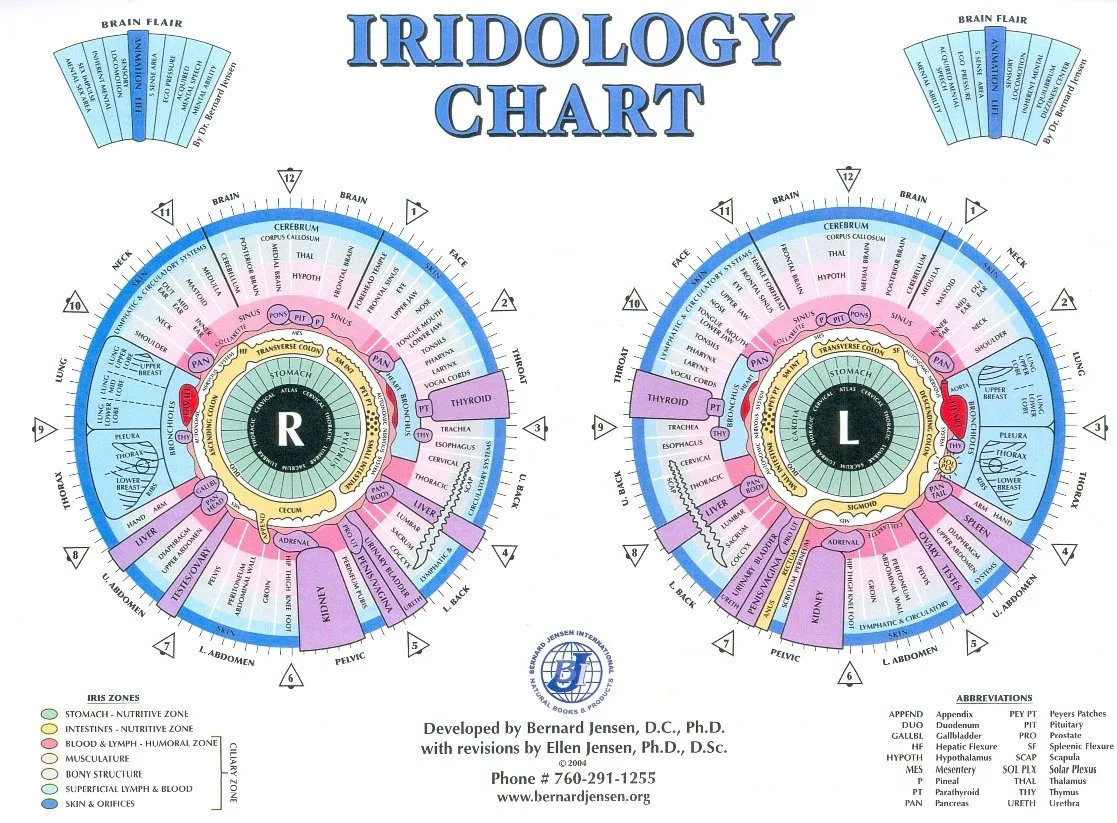
Keep processes simple and clinic‑focused. A concise written pathway reduces confusion and protects your practice.
- Create a short referral form that includes purpose of referral, what information you will share, and what you expect in return (type of report, turnaround time).
- Include an explicit consent statement for clients that notes comparable provider is complementary and that images/reports will be placed in their clinic file.
- Set realistic timelines: agree on a committed turnaround (e.g., 3–14 business days depending on report depth) and a format: PDF plus original image files if you will archive them.
- Clarify fees and billing (who bills the client and for what), and any cancellation or rescheduling policy.
Bringing comparable provider in-house: clinic requirements and minimum setup for Toronto practices
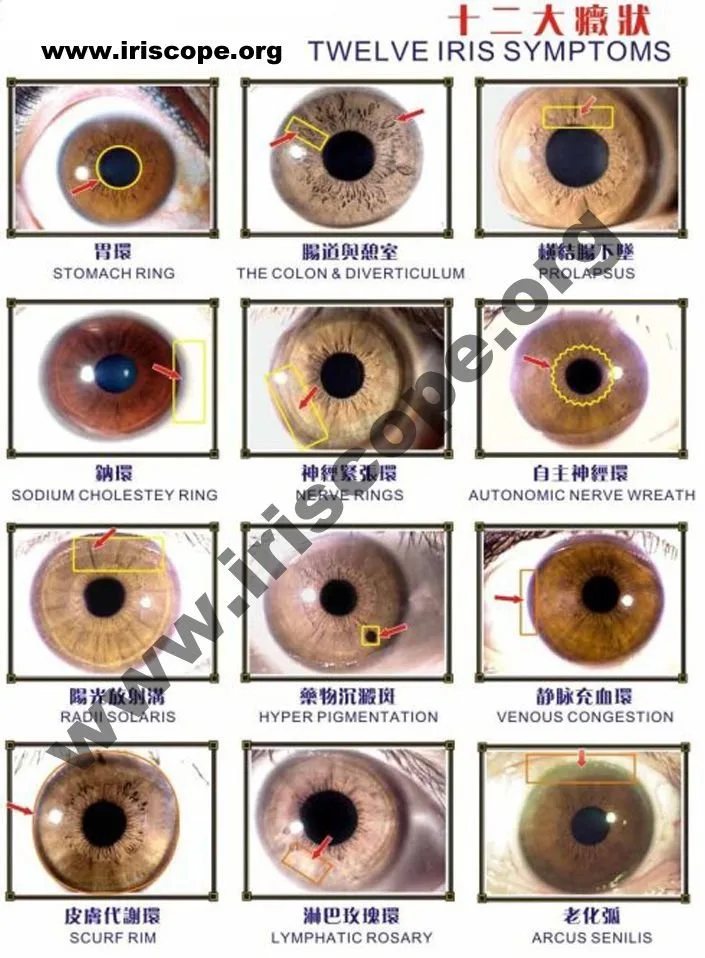
If you plan to capture iris images at the clinic, start with the basics and scale later:
- Dedicated capture space — a quiet corner that minimizes ambient light changes and distractions.
- Stable chair for the client and an adjustable headrest or chinrest for repeatable positioning.
- Infection control materials: alcohol wipes for surfaces and lens covers where appropriate.
- Computer with compatible OS and storage for client images; plan disk redundancy and secure backups.
- Clear policies: who captures images, who interprets them, record‑keeping procedures and informed consent documentation specific to imaging.
Equipment choices for clinical comparable provider capture — practical notes on MAIKONG MK 980U and MK 9822U
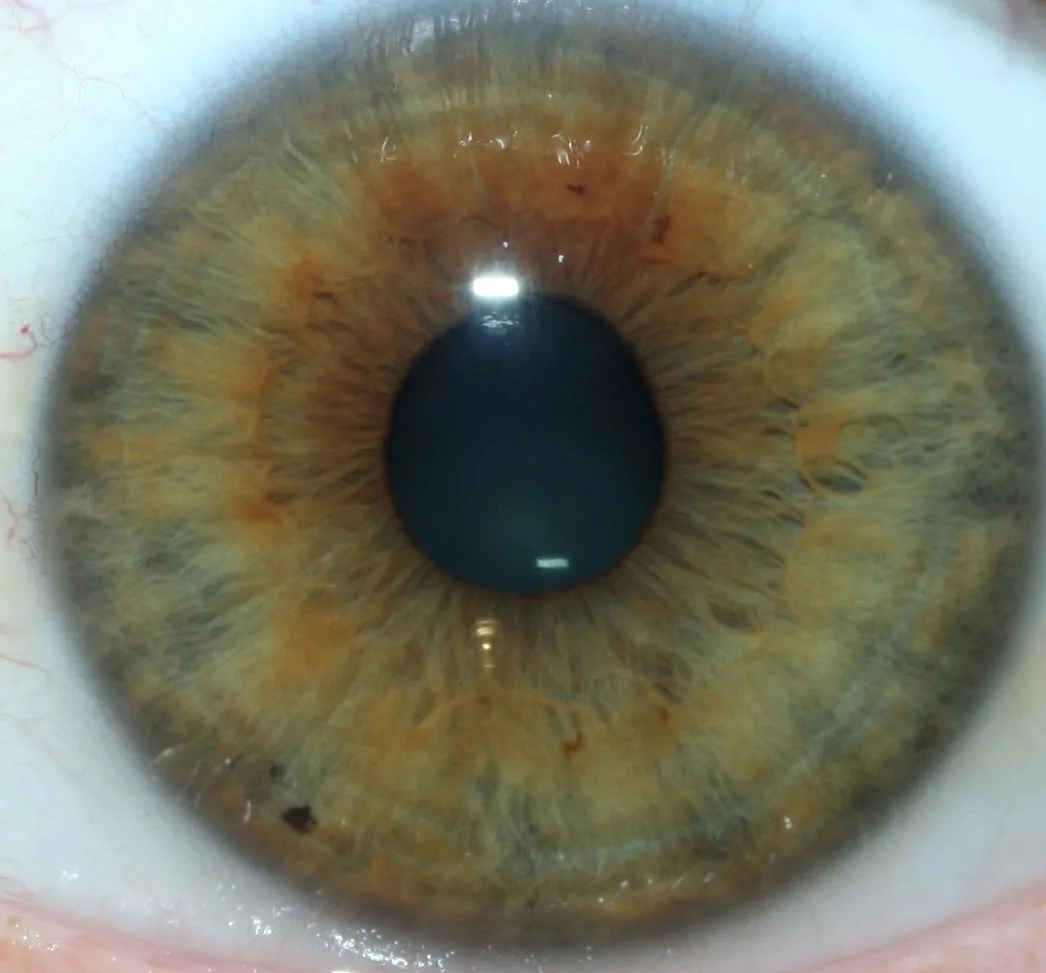
We summarise the verified differences so you can make a practical choice for a Toronto clinic. These are company‑reported specifications from MAIKONG; use them to assess fit, not as independent performance validation.
| Model | Sensor / Resolution | Illumination | OS Compatibility | Warranty |
|---|
Practical implications:
- Resolution: 5MP is adequate for standard clinical records and screen‑based review. 12MP yields larger files and finer detail for printouts or detailed chart annotation but requires more storage and processing capacity.
- Illumination control: separate iris/sclera LED control supports standardised capture conditions; confirm the camera can lock exposure for batch consistency.
- Software: MK 9822U ships with Maikong comparable provider Software (MaikongCVAdvance) supporting multiple languages including English and French — useful in Toronto clinics handling bilingual clients. Confirm the exact software version you will receive and check compatibility with your clinic systems.
- Packaging, size and weight details are supplied for logistics planning (MK‑9822U packaged size 32×25×11 cm, weight ~2.5 kg). For import or shipping, you will need a current quote — pricing is available on inquiry.
When to choose a 5MP vs 12MP device
Choose 5MP (MK 980U) if you need a compact, lower‑file‑size solution primarily for client screening and electronic charts. Choose 12MP (MK 9822U) if you anticipate producing large‑format teaching prints, doing detailed comparative annotation, or offering image packages to clients. Both models use CCD sensors and include LED illumination control; the MK 9822U adds higher pixel density for close detail.
Capture workflow for reliable iris imaging in the clinic (lighting, positioning, image quality checklist)
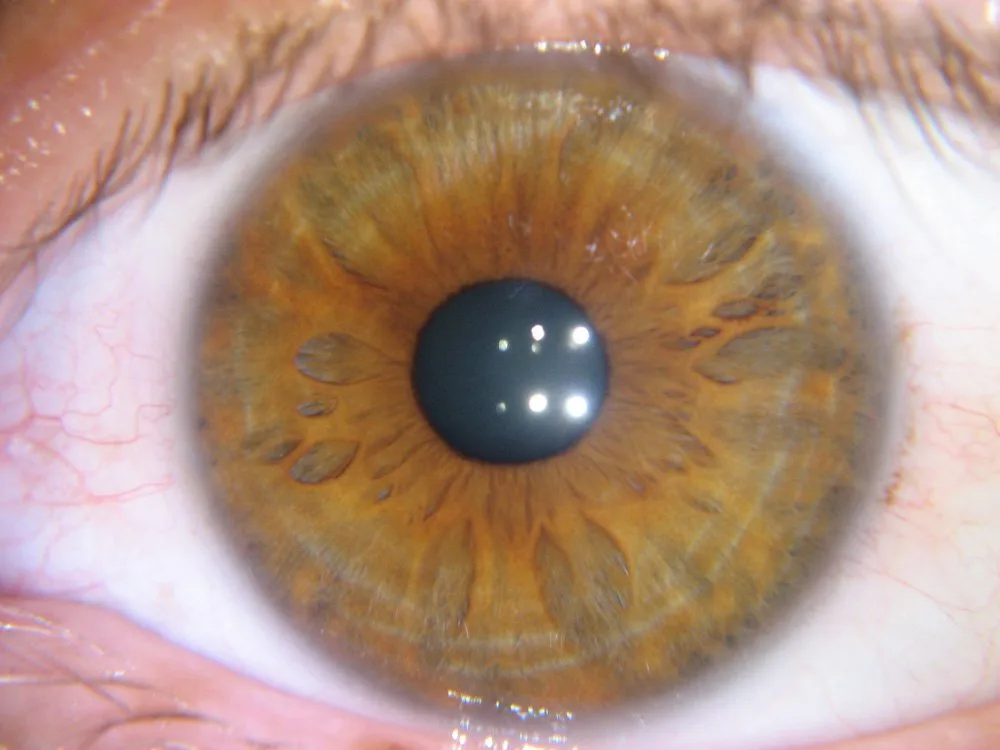
Consistency in capture is the most important factor for usable clinical images. Use the following checklist with every session:
- Room: dim ambient lighting; block strong windows or direct sunlight that changes between clients.
- Positioning: client seated upright with a steady chinrest/head support; instruct them to look steadily at the camera’s fixation point.
- Illumination: use the device’s iris LED setting for a neutral iris capture; avoid direct camera flash reflections on the cornea.
- Focus & framing: ensure the full iris and some surrounding sclera are visible; avoid partial occlusion by eyelids.
- Image quality checklist: sharp focus, low motion blur (use optical stabilizer if available), even illumination without hot spots, correct white balance, and high enough resolution for intended use.
- File naming: include clinic ID, client ID, date, and eye (R/L) to avoid mixups.
Software and file management essentials: compatibility, languages and client record handling

Confirm the comparable provider software language options and export formats before purchase. MAIKONG lists MaikongCVAdvance with multilingual support (English/French among others) and typical export via images and PDF reports. Your clinic needs:
- Secure local storage and encrypted backups for client images.
- Clear retention policies aligned with provincial naturopathic record requirements (Ontario, for example, has specific retention guidance for regulated practices that you should consult if applicable).
- About interoperability: verify that exported images and PDFs are readable on your practice management system and that original image files can be archived offsite.
Training and competence: what to require of staff before offering comparable provider services
At minimum, staff who capture images should be trained in:
- Device operation, safe handling and basic troubleshooting.
- Standardised capture protocol and infection control for shared equipment.
- Data handling, consent processes and record‑keeping standards.
Interpretation should be done only by staff with documented comparable provider training appropriate to the depth of reports you will provide. If your clinic wishes to offer interpretive services, require a certified training credential or documented coursework and supervised practice hours from the interpreting practitioner.
Legal, scope-of-practice and communication limits for naturopaths in Canada when using comparable provider
comparable provider is an adjunctive tool. Do not present it as a medical diagnostic or a substitute for laboratory testing or physician assessment. When communicating with clients:
- Use neutral language: “observations,” “patterns,” or “visual findings” rather than diagnostic terms.
- Document any recommendations that follow up to standard clinical pathways (e.g., refer to physician for abnormal symptoms) and keep the rationale in the chart.
- Ensure marketing materials state that comparable provider is complementary and not a medical test — this reduces regulatory and ethical risk.
Common mistakes and how to avoid them (image quality, claims, record-keeping, infection control)
- Poor lighting or inconsistent positions — fix with a standard capture booth and a written protocol.
- Overstated claims in reports or public materials — avoid clinical language that implies medical diagnosis.
- Loose file naming and storage — adopt a naming convention and schedule regular secure backups.
- Insufficient consent — include a brief consent specifically for eye imaging and data sharing if you send images to external analysts.
- Poor infection control for shared chinrests and covers — use disposable covers or sanitise between clients per clinic policy.
The iridologist report — what to expect in clinic terms
A useful clinical report includes: original images with labels (left/right), a clear list of observations, an explanation of what those observations mean in neutral language, and practical recommendations for follow up (if any). Agree with the iridologist in advance on what will be included and how images are returned so you can place them in the client record correctly.
What MAIKONG supplied for model-level decisions
We used MAIKONG’s product specifications to explain model differences. The MK 980U is described as a 5MP CCD device with 6 LED illumination and Windows compatibility; the MK 9822U (listed as MK‑12 in MAIKONG materials) is described as a 12MP CCD camera with maximum resolution 3840×2880, multi‑LED control and multilingual MaikongCVAdvance software. These are supplier‑reported facts to guide procurement choices. (data-fact-id=”140″ and data-fact-id=”133″)
Limitations and risks you must consider
comparable provider is not a diagnostic modality. Supplier specifications are manufacturer declarations and are not independent performance validation. We do not make clinical claims about diagnostic accuracy or therapeutic effects. If a higher level of clinical validation is required for your clinic workflows, seek independent evidence or a technical evaluation prior to purchase. For pricing, shipping, electrical standards or local compliance obligations in Canada, request a formal quote and consult local regulatory guidance.
Next step — how to request configuration or a quote
Contact: Lucy@myiridology.us or WhatsApp +86 135-1090-7401
Important Disclaimer: Content is for educational and informational purposes only and does not constitute medical advice, diagnosis, or treatment. comparable provider is a complementary wellness practice and should not replace professional medical evaluation or care. comparable provider cameras and iriscopes are professional wellness imaging tools; users should receive appropriate training and comply with applicable local requirements.
This content is provided for learning, information sharing and professional communication only. It is not medical advice and is not a basis for treatment or diagnosis. Confirm suitability, operation and purchasing requirements against the product manual, local regulations and qualified professional guidance.
If your clinic wants a tailored MAIKONG configuration or a quotation for Canadian delivery and multilingual software options, contact us. Provide your preferred model (MK 980U or MK 9822U), intended workflow (capture only, capture + external analysis, full in‑house interpretation), and any required accessories (chinrest, aluminum case, extra iris lens). Pricing and shipping are available on inquiry.
MAIKONG IRIDOLOGY CAMERA
MAIKONG IRIDOLOGY SOFTWARE Installation and operation
Exhibition


Company Certificates


Contact US Online WHATSAPP:

Maybe you like also
Copy©2026-2027