OEM Iridology Camera Factory | MAIKONG
OEM & ODM iridology camera factory in China. Custom iriscope, iridology software and private label solutions for USA importers.

Practical workflow for training institutions: how to shop for cosmetics that are good for your classroom
October 17, 2026

Quick answer
For Canadian training institutions, start by defining whether your courses will cover retail advice, hands‑on application or product labelling; then require every supplier to deliver an INCI ingredient list, a Safety Data Sheet (or equivalent), an allergen declaration and preservative/expiry information before you order. Pre‑screen samples in controlled patch‑test and instructor‑supervised drills, choose pump or single‑use formats to reduce cross‑contamination risk, and keep SDS files plus batch information for every lot. Avoid buying on brand claims alone, using fragranced bulk stock for student practice, or re‑using unvalidated dispensers — those are the most common procurement mistakes we see. For a quick supplier checklist and a classroom sample pack, contact Lucy@myiridology.us or WhatsApp +86 135-1090-7401.
Contents
Direct answer: the one‑paragraph takeaway for Canadian training institutions
Decide first what you need the cosmetics to teach (application technique, retail counselling, labelling), then make supplier documentation mandatory: complete INCI, SDS or equivalent, allergen disclosure, preservative system and batch/expiry dates. Test samples using an instructor‑led patch test and at least two student‑use scenarios, record results, and only then place a classroom‑sized order in packaging that minimises cross‑contamination (single‑use sachets or dedicated pump bottles). Keep a traceable inventory and don’t trust marketing claims without lab or documented test evidence.
Prerequisites: what your school must decide before shopping (scope, student level, regulatory limits)
Before you solicit quotes, clarify three things:
- Curriculum scope: Are products for demonstration only, for supervised student practice on each other, or for sale to the public as part of retail training? The choice affects quantity, packaging and labelling needs.
- Student level and consent: Pre‑licence students may require stricter supervision and instructor‑led patch testing; continuing‑education cohorts with professional liability insurance may accept different risk controls. Establish your consent and emergency protocols in writing.
- Regulatory boundaries: Cosmetics sold in Canada are subject to the Food and Drugs Act and Cosmetic Regulations; consult your institutional legal advisor or Health Canada guidance for labelling and notification obligations if you plan to sell product samples. For classroom use only, institutional safety and documentation remain essential.
Step 1 — Define teaching objectives and acceptable product scope
Translate learning outcomes into product specifications. Examples:
- Application skills: non‑staining formulations, neutral tones, fragrance‑free options for student practice.
- Retail labelling and counselling: consumer packaging with full INCI and clear expiry/batch codes.
- Product analysis labs: bulk samples with easily accessible SDS and manufacturer contact for technical questions.
Set a simple pass/fail standard for product suitability: the product must have a readable INCI list, a preservative statement or challenge test report on request, and a declared shelf life. If a product lacks one of these, it should be excluded from classroom use until the supplier supplies the missing documentation.
Step 2 — Set mandatory safety and compliance checks for suppliers

Make these documents non‑negotiable in your purchase terms:
- Full INCI ingredient list (labels must match INCI names).
- Safety Data Sheet (SDS) or institutional equivalent for finished products and any hazardous raw materials used in training labs.
- Declared preservative system and expiry or the date of manufacture plus recommended storage conditions.
- Allergen declaration (fragrance, nut‑derived oils, gluten, lanolin, etc.).
- Batch or lot coding and traceability information for at least the shipment you receive.
Also request a written statement on manufacturing controls (e.g., GMP) and whether the supplier can provide third‑party microbial testing or preservative efficacy (challenge) reports on request. Keep all supplier files in a central compliance folder.
Step 3 — Read and interpret ingredient lists for classroom use
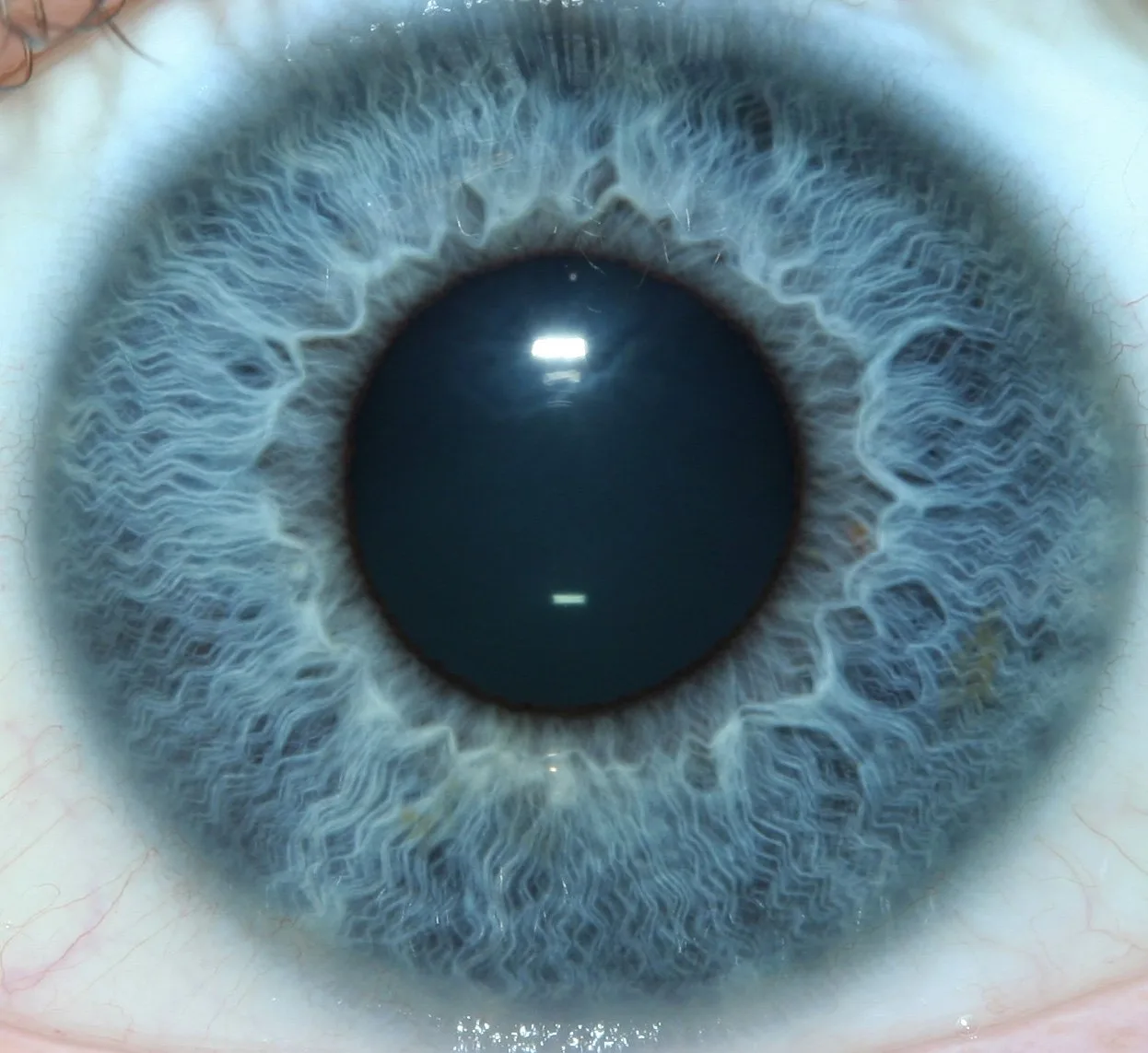
Train instructors to read INCI lists reliably. Key points to teach and check:
- Ingredients are listed in descending order of concentration until 1% (after which order may vary).
- Watch for common sensitizers: parfum/fragrance, limonene, linalool, benzyl alcohol, certain essential oils and nut oils. Flag these in student consent forms.
- Preservatives and antioxidant systems must be present in leave‑on products; absence of a preservative in a water‑containing product is a red flag for classroom use.
Use an internal glossary so instructors and buyers use the same INCI names and avoid confusion between trade names and INCI nomenclature.
Step 4 — Verify product claims, certification labels and third‑party testing

Don’t accept marketing claims without documentation. When a supplier claims “hypoallergenic”, “dermatologist‑tested” or “organic,” request supporting evidence:
- For ingredient claims: a detailed INCI and source statement.
- For safety claims: the test protocol and the actual report (e.g., clinical patch test method and cohort size, if claimed).
- For certifications: copy of the certificate showing holder, standard and scope (we may reproduce declared certifications such as ISO 9001, CE, ISO 13485 as supplier‑declared, but supplier certificates should be attached to your file).
If the supplier cannot provide proof, classify the claim as unsupported for procurement decisions. For microbial safety or preservative efficacy, arrange independent laboratory testing before wide classroom use when you cannot confirm the supplier’s data.
Step 5 — Select formulations and packaging that suit training workflows
Packaging choices materially affect hygiene and waste management in classes:
| Format | Best for | Drawbacks |
|---|---|---|
| Single‑use sachets | Patch testing, one‑off student practice, retail demo | Higher cost and more packaging waste |
| Pump bottles (dedicated per station) | Repeated supervised practice, reduces cross‑contamination | Requires cleaning protocol; pumps must not be shared |
| Jars or tubs | Lab analysis and formulation labs | Higher contamination risk if students dip fingers |
For hands‑on training we favour pump dispensers or single‑use formats. If using jars for formulation labs, require strict single‑use spatulas and station‑level sanitisation between students.
Step 6 — Order samples, conduct in‑class compatibility and allergy drills
Sample testing should be built into the procurement timeline. A practical sample protocol for institutions:
- Obtain at least three product samples per formulation (demo, student practice, retail sample).
- Run an instructor‑led patch test on consenting adults according to your institution’s medical and consent policies — record any reactions and the batch codes.
- Run two student‑use scenarios: supervised instructor demo and a supervised student repeat application; monitor for staining, product stability, fragrance complaints and dispensing problems.
- Log findings against a simple rubric: ingredient completeness, packaging suitability, allergen flags, supplier responsiveness.
If adverse reactions or unacceptable handling issues appear, do not proceed to bulk purchase without mitigation (e.g., fragrance‑free substitute, different preservative system, or alternative packaging). Consult a qualified health professional if significant allergic reactions occur.
Step 7 — Procurement, storage and inventory considerations for institutions
Good inventory controls reduce waste and legal exposure:
- Store products according to manufacturer instructions (temperature, light exposure) and record receipt date and lot codes.
- Use FIFO (first in, first out) for in‑class stock and mark bottles with an opened‑on date where relevant.
- Keep SDS and supplier contact details accessible to instructors and administrative staff.
- Establish a disposal procedure for expired or contaminated stock and log incidents of cross‑contamination or reaction reports.
Common misuses and procurement mistakes training institutions make
The most frequent errors we see are practical and avoidable:
- Purchasing large quantities without verifying the INCI and preservative system — leads to unusable stock for hands‑on classes.
- Choosing fragranced, multipurpose “all‑in‑one” products for student practice — higher risk of allergic reactions and inconsistent teaching outcomes.
- Re‑using communal jars, pots or unsanitised dispensers — a major vector for contamination and student complaints.
- Accepting marketing claims without documentation — results in unreliable teaching examples and poor student training on evidence‑based counselling.
Address these mistakes by embedding document checks in your purchase order workflow and by piloting products before institutional adoption.
Classroom workflows: integrating selected cosmetics into curricula and assessments
Define learning activities that pair product knowledge with safety practice:
- Module: Product identification and INCI reading — assessment: students must list three potential allergens and suggest alternatives for sensitive clients.
- Module: Sanitation and dispensing — assessment: practical station audit where students demonstrate correct single‑use or pump usage and complete a hygiene checklist.
- Module: Client counselling and labelling — assessment: mock retail consultation using packaging with full INCI and expiry information.
Maintain documentation of each student’s supervised practice and any reactions; these records support quality assurance and help in supplier follow‑up if a batch issue emerges.
Evidence summary and practical verification steps institutions can use
Practical verification steps you can request from suppliers or third parties:
- INCI and SDS for each SKU and lot number received.
- Batch coding and expiry/manufacture dates on shipment paperwork.
- Optional: preservative efficacy (challenge) test reports and recent microbial test results for water‑containing products.
- Certification copies (GMP statement, ISO declarations) where claimed by the supplier; treat these as supplier‑provided documentation unless independently verified.
Keep supplier test reports and certificates in a folder linked to each product SKU and lot for traceability during classroom use.
Limitations and risks training institutions must accept
There are practical limits to what procurement alone can guarantee:
- Supplier declarations and certificates are supplier‑provided; unless independently tested, they are not a legal guarantee of safety.
- We cannot provide legal or medical advice about Health Canada regulatory obligations; consult your institutional counsel for sale or distribution of cosmetic products.
- Patch testing and minor reaction drills reduce but do not eliminate allergic risk; significant reactions require referral to a qualified healthcare professional.
Checklist for a first procurement round (quick reference)
- Define course scope and whether products will be sold to the public.
- Require INCI, SDS, allergen list, preservative statement and batch codes before ordering samples.
- Request at least three sample units per SKU; run instructor‑led patch test and two supervised student scenarios.
- Choose pump or single‑use formats for hands‑on practice; avoid communal jars unless strict sanitisation protocols are enforced.
- File all supplier documents and maintain an opened‑on policy for perishable products.
Next step (how we can help)
Important Disclaimer: Content provided here is for educational and informational purposes only and does not constitute medical advice, diagnosis, or treatment. Cosmetics and imaging equipment discussed are professional educational tools. Use should be supervised by appropriately trained staff. Consult qualified professionals and applicable Canadian regulations for medical or legal questions.
This content is provided for learning, information sharing and professional communication only. It is not medical advice and is not a basis for treatment or diagnosis. Confirm suitability, operation and purchasing requirements against the product manual, local regulations and qualified professional guidance.
If you want a classroom sample pack or a customised supply configuration that fits a Canadian classroom workflow, contact us with your course scope and estimated quantities. We can provide guidance on packaging options and a quote. Email Lucy@myiridology.us or message via WhatsApp +86 135-1090-7401.
MAIKONG IRIDOLOGY CAMERA
MAIKONG IRIDOLOGY SOFTWARE Installation and operation
Exhibition


Company Certificates


Contact US Online WHATSAPP:

Maybe you like also
Copy©2026-2027