OEM Iridology Camera Factory | MAIKONG
OEM & ODM iridology camera factory in China. Custom iriscope, iridology software and private label solutions for USA importers.

Neogenesis Systems — FAQs Canadian Wellness Consultants Need
October 16, 2026
Quick answer
Short answer: you can consider products from Neogenesis Systems as a class of imported wellness imaging and analysis devices, but make purchasing decisions case‑by‑case. Public product pages indicate they import microscopes (including dental and fluorescence types) and sell live blood analysis systems and training; those product types can suit clinics that use comparable provider, live blood observation or general microscopy for non‑diagnostic wellness consultations. Before buying, verify the exact model specifications, software language/format support, warranty and training scope, and confirm that use in your province complies with Health Canada rules and any professional body standards. This FAQ explains what to expect from their common product types, how to evaluate quality and compatibility for Canadian practice, site and workflow checks, training and after‑sales questions to ask, realistic operational limits, and a short checklist you can send to any supplier.
Contents
Direct answer: can Canadian wellness consultants rely on Neogenesis Systems and what this FAQ covers
We treat Neogenesis Systems here as a supplier profile rather than a medical authority. Public material associated with Neogenesis Systems lists a product mix that includes microscopes across several specialties and live blood analysis equipment with associated training programs (see supplied product descriptions). We advise Canadian wellness consultants to treat these as commercially available tools for wellness observation and client education — not as diagnostic medical devices — and to evaluate each device on model‑level evidence (optics, illumination method, image resolution and software output), training content, warranty and local regulatory fit before integrating it into practice.
What Neogenesis Systems sells today — product scope you will commonly encounter
Based on the product descriptions available publicly, expect three broad product families:
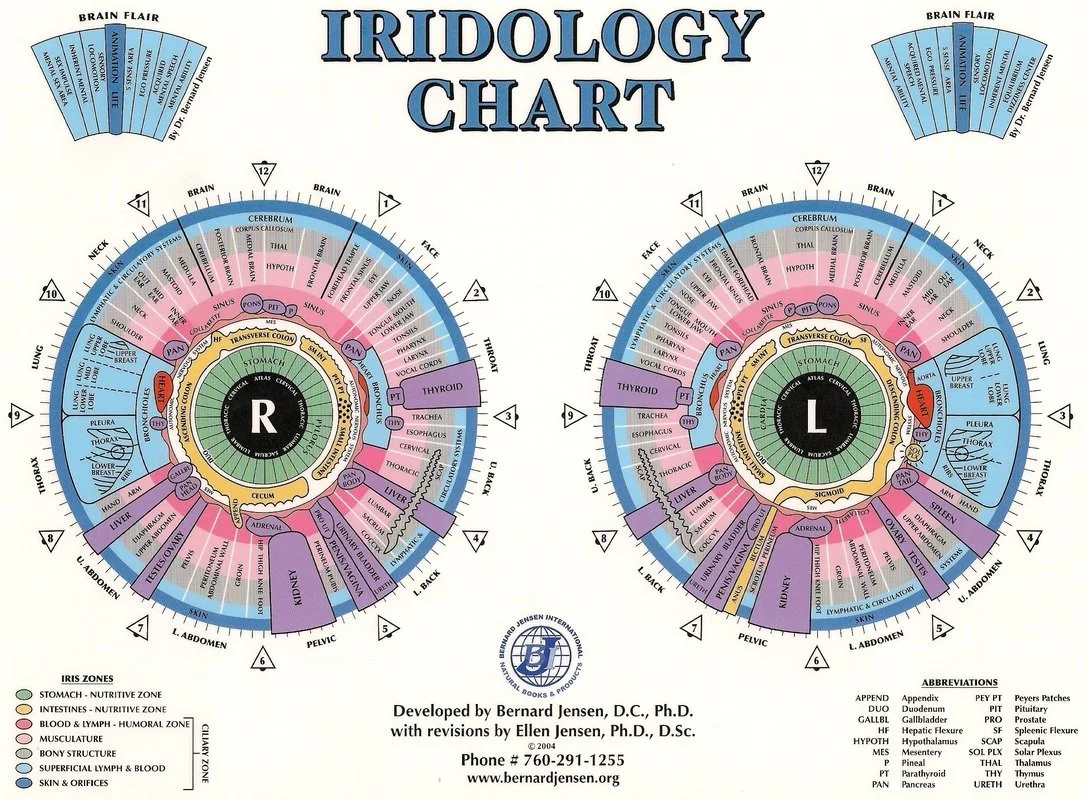
- comparable provider/iris imaging systems and iriscope packages for iris photography and charting.
- Live blood analysis (LBA) kits and microscopy packages promoted for wellness observation, often sold with training courses.
- General and specialised microscopes — consumer/lab microscopes up to dental, fluorescence, surgical and forensic styles (imported range descriptions list these types).
The supplier material also highlights associated training and software for image capture and client record management rather than clinical laboratory services. Treat these descriptions as seller assertions to be validated on the model level before purchase.
How Neogenesis positions Live Blood Analysis and other health‑analysis devices in their range (what to expect from product types)
From marketing copy and product lines we reviewed, Neogenesis positions LBA kits as educational/wellness tools sold with instructional material or courses. Expect bundles that include a camera or microscope, specimen slides or collection accessories, and software for image capture and storage. Microscopes marketed for dental or surgical assistance will be different from those promoted for comparable provider: the latter emphasise controlled iris illumination and dedicated capture software, the former emphasise stereo optics or surgical mounting.
We recommend confirming whether the device is intended for live blood (fresh capillary blood observation), dry blood smears, or iris photography — the optics, illumination and sample handling differ significantly between those use cases.
Three practical buyer questions: quality, compatibility and training — concise answers
1) Quality — what to verify
Ask for optical vendor specs: objective magnification range, numerical aperture (if provided), camera resolution (megapixels), sensor type (CMOS/CCD), illumination type (LED, transmitted vs reflected), and build details (metal vs plastic stage, mount type). Request sample, unedited images taken with the exact model under conditions similar to your clinic workflow.
2) Compatibility — software, formats and languages
Confirm the capture software supports your clinic OS (Windows/macOS) and that export formats are standard (JPEG/PNG/RAW, CSV for measurements). Check language support for English (Canadian spelling and date formats can matter), and whether software can be locally installed (no forced cloud dependency).
3) Training & documentation
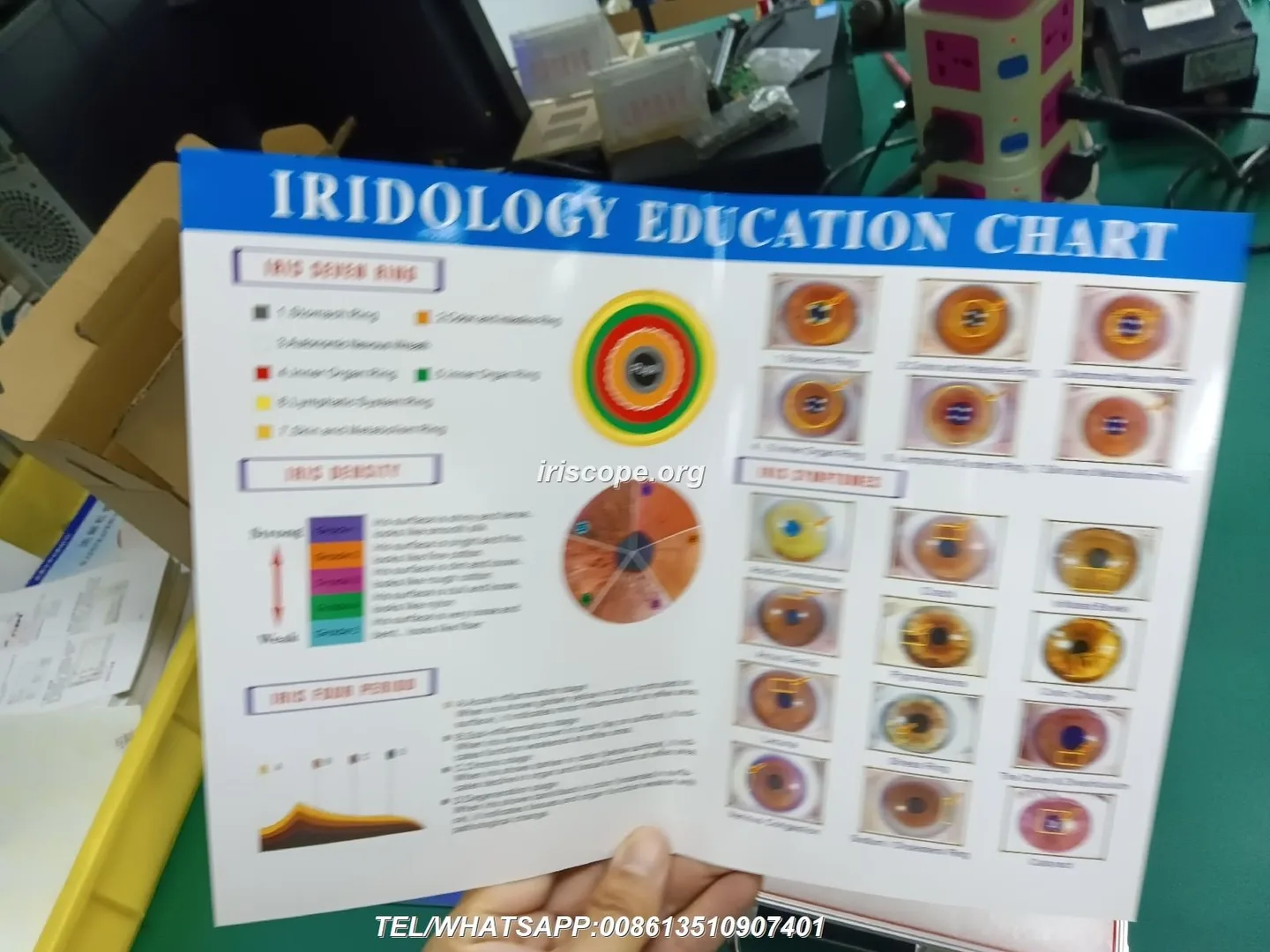
Clarify the scope of included training: is it a basic setup walkthrough, an accredited LBA course, or only user‑manual access? If imaging interpretation is part of the package, get the syllabus and sample training materials before purchase so you can evaluate depth and clinical boundaries. Supplier descriptions indicate training offerings are available, but content and certification vary—verify them.
How to evaluate an imported microscope or live‑blood system for Canadian clinic use

Use a checklist approach when vetting a model:
- Request full model datasheet and current user manual.
- Obtain sample images and, if possible, a short video of the unit in operation.
- Confirm power requirements and plug types for Canadian voltage and socket standards; the supplier overview did not provide local electrical installation details, so assume you must verify this. (We do not infer voltage compatibility.)
- Ask for a written warranty and defined RMA process for parts and service in North America.
- Get a clear statement on what training is included and whether additional paid training or certification is available.
If your purchase will include software, request a time‑limited trial licence or remote demo so you can test image capture, client record export and annotation features.
Installation, site and workflow considerations for clinics and mobile consultancy
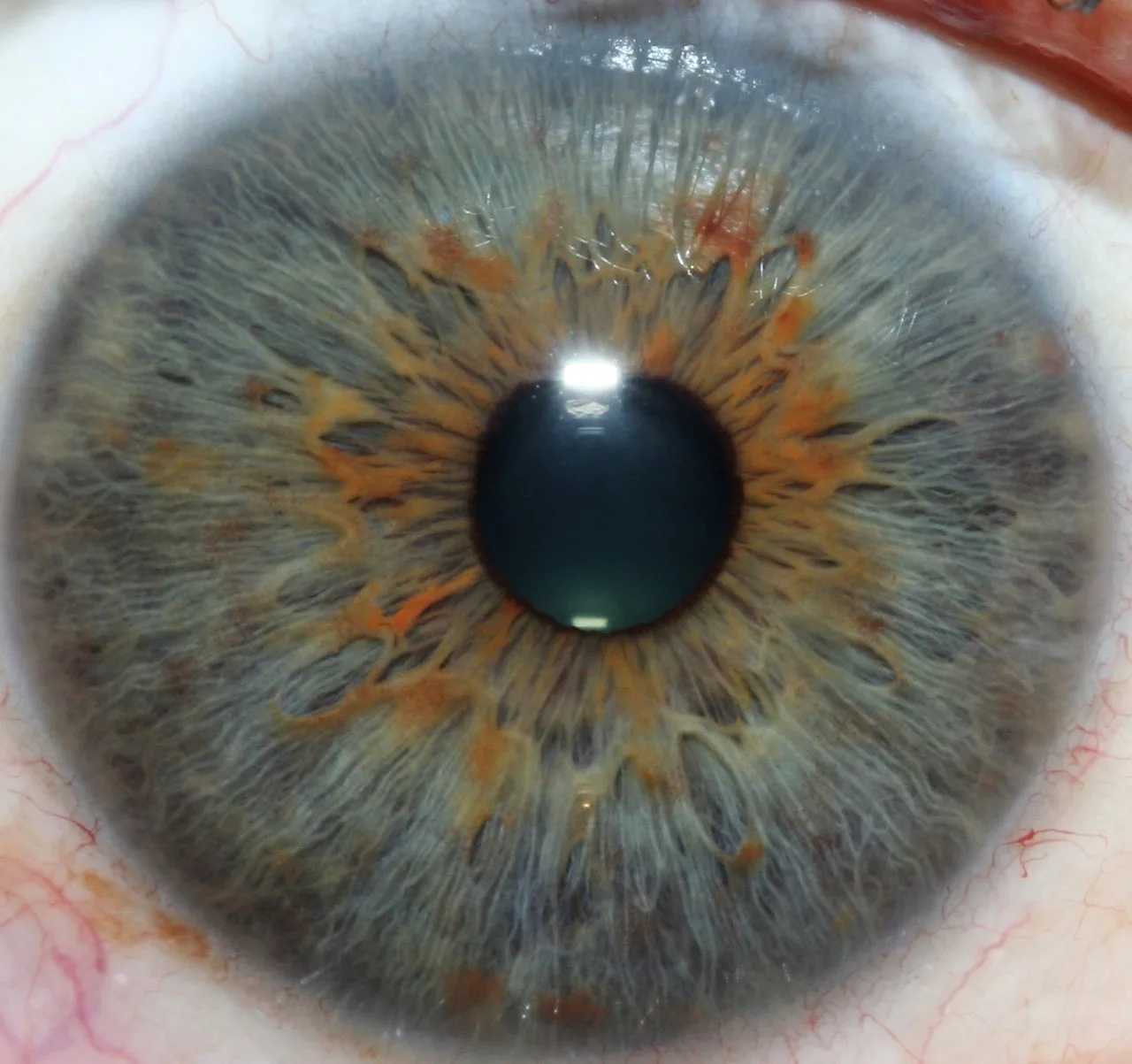
For in‑clinic use, designate a stable, vibration‑free workspace with controlled lighting for iris or microscopy imaging. Live‑blood observation requires PPE, a safe sharps disposal plan, and a cleanable surface where slides are handled; even when using capillary blood only for educational observation, follow local infection control standards. If you plan mobile consultancy, confirm that the unit supports battery operation or that you can reliably access mains power; many microscopy packages expect standard mains power and are not designed for repeated transit without protective shipping cases.
Training and after‑sales support: what to request and verify before purchase
Ask the supplier to provide:
- Detailed course syllabus for any training included (hours, learning outcomes, assessment method).
- Availability of bilingual or English‑only materials suitable for Canadian clients.
- Warranty terms (parts, labour, duration) and how warranty service is handled for international sales.
- Spare parts list and consumables availability in North America or through an authorised distributor.
Where training is a major purchase driver, request references to sample training slide decks or recordings (not customer testimonials) so you can judge whether the material aligns with your practice’s scope.
Regulatory and compliance checklist for Canadian wellness consultants (what to confirm locally)
Regulatory fit in Canada depends on how you use a device. Items to confirm with your legal or professional advisor:
- Is the device being used for “wellness observation” only, or for medical diagnosis? If the latter, different legal and device‑licensing rules may apply.
- Does provincial scope of practice for your profession allow the observation or interpretation you plan to offer?
- Are there local infection control policies covering capillary/slide handling that you need to meet?
- Confirm that any claims you make in client materials do not cross into diagnostic language; keep wording educational and subject to referral to regulated health practitioners when needed.
We cannot advise on Health Canada device classification for specific models; if you need a formal ruling, consult a regulatory specialist or Health Canada guidance.
Common operational limitations and realistic expectations for devices marketed for wellness analysis
Important practical limits to set with clients:
- Imaging is for observation and client education; it is not a substitute for laboratory testing or medical diagnosis.
- Live blood analysis has subjective components; interpretation consistency varies with operator training and lighting/magnification quality.
- Small, inexpensive microscopes may be adequate for demonstration but won’t replace laboratory‑grade optics for high‑resolution work.
Comparison prompt: when to prefer a specialist comparable provider camera/iriscope versus a general microscopy solution
A specialist comparable provider camera is the right choice when your primary workflow is iris photography, client charting, and consistent iris illumination and framing. These devices typically include dedicated stands, ring lights and comparable provider software for left/right eye records.
Choose a general microscopy solution when you need broader sample capability (slides, live blood, smears, plant samples) or higher magnification options. If you need both functions regularly, evaluate whether a combined setup (separate dedicated iris camera plus a lab microscope) is more practical than a single multipurpose device.
| Criteria | comparable provider camera / Iriscope | General microscope |
|---|---|---|
| Primary use | Iris photography, charting | Slide/sample observation, live blood |
| Illumination | Controlled ring/spot lighting for consistent iris capture | Transmitted and reflected illumination options |
| Software | Often includes comparable provider charting and client record modules | Capture and measurement tools; may be more lab‑centric |
Quick checklist to request from any supplier (specs, software, formats, language support, warranty, OEM/ODM options)
- Exact model name and current datasheet.
- Camera sensor resolution (MP) and sample images from the exact model.
- Optics details: objective magnifications, working distance, and whether objectives are achromatic or plan type.
- Illumination type and whether intensity is adjustable.
- Software OS compatibility, export formats, language options and whether client data can be exported for local records.
- Warranty terms, spare parts availability and support contact for North America.
- Training syllabus and whether certification or continuing education credits are offered.
- OEM/ODM options and minimum order quantities if you plan to rebrand or order multiple units (MAIKONG provides OEM/ODM services; we can discuss options).
Common questions Canadian consultants ask about Neogenesis Systems products — short answers
Are their live blood analysis courses sufficient to operate clinically in Canada?
Supplier training can teach equipment operation and interpretation methods marketed by the vendor, but provincial scope of practice rules and clinical credential requirements are separate. Verify course syllabus and consult your provincial regulator about whether the training meets any required standards for clinical practice.
Do these products come with Canadian warranty/support?
Publicly available material does not consistently list Canada‑based service points; request explicit warranty terms and a North America‑facing service plan before purchase. If local service is not available, factor shipping costs and lead times for repairs into your decision.
Can these devices be legally used in a private wellness clinic?
Generally yes for observational and educational purposes, provided you adhere to provincial advertising and scope‑of‑practice rules and do not present the service as diagnostic. When in doubt, seek legal or professional regulatory advice.
Next step: request a configuration or quote
If you want a supplier‑neutral configuration checklist we can prefill for you or a quote for MAIKONG comparable provider cameras and software, email Lucy at lucy@myiridology.us or message via WhatsApp +86 135-1090-7401. Tell us: clinic or mobile use, primary modality needed (iris photography, live blood, or general microscopy), preferred OS, and whether you need OEM labelling or training included.
FAQ (brief)
Should I insist on seeing unedited images from the exact unit I will buy?
Yes. Unedited sample images allow you to judge real optical performance and software processing. Ask for images taken under clinic‑like conditions.
Is pricing publicly listed?
Pricing for these devices is typically available on inquiry. Request a full quote including shipping, taxes, training and optional spare parts.
Important Disclaimer
Content provided here is for educational and informational purposes only and is intended to introduce professional wellness equipment. It does not constitute medical advice, diagnosis, or treatment. comparable provider cameras and iriscopes are professional wellness tools and should be operated by appropriately trained users. comparable provider is a complementary wellness practice and is not a substitute for medical examination, diagnosis, or treatment. If you have any health concerns or medical questions, please consult a qualified healthcare professional. Users, practitioners, distributors, and businesses are responsible for ensuring that use of any equipment complies with all applicable local laws, regulations and professional requirements in Canada.
This content is provided for learning, information sharing and professional communication only. It is not medical advice and is not a basis for treatment or diagnosis. Confirm suitability, operation and purchasing requirements against the product manual, local regulations and qualified professional guidance.
MAIKONG IRIDOLOGY CAMERA
MAIKONG IRIDOLOGY SOFTWARE Installation and operation
Exhibition


Company Certificates


Contact US Online WHATSAPP:

Maybe you like also
Copy©2026-2027