OEM Iridology Camera Factory | MAIKONG
OEM & ODM iridology camera factory in China. Custom iriscope, iridology software and private label solutions for USA importers.

» BLOG
BLOG

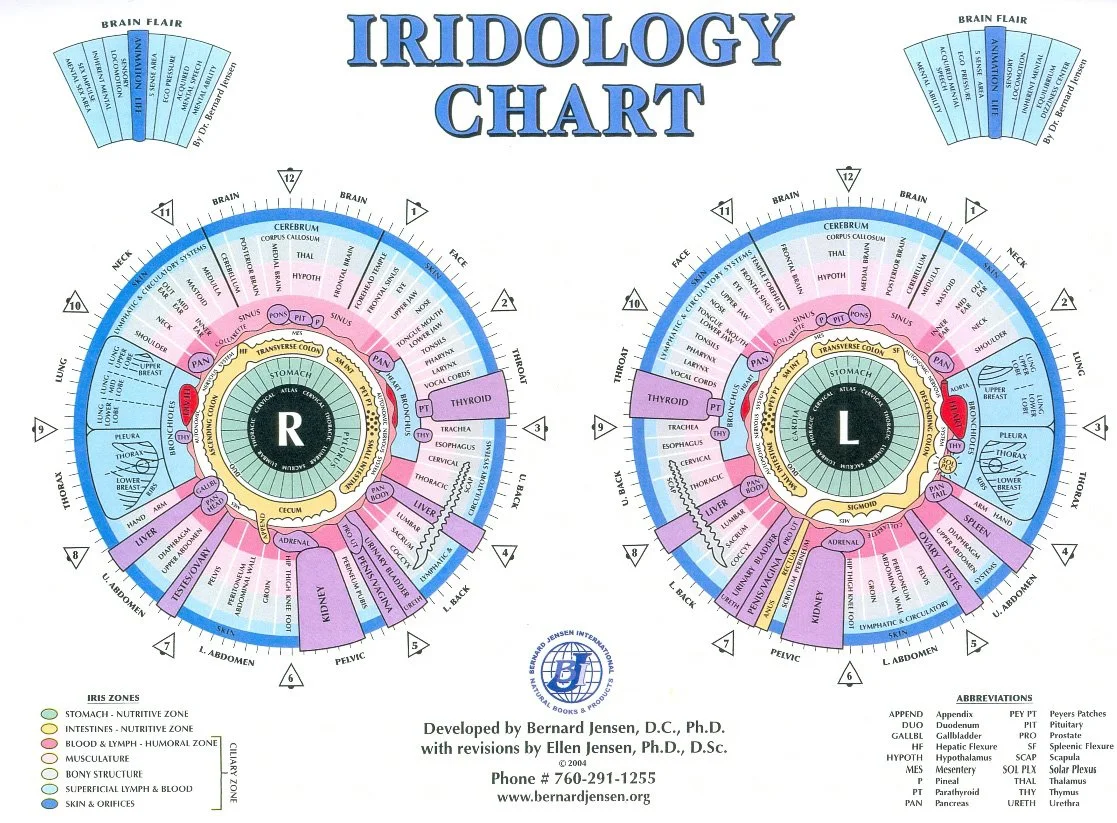
Read a comparable provider chart by documenting a high-quality bilateral iris image, aligning that image to the chart’s zone map, noting structural cues (fibre pattern, radial furrows, pigments, rings and focal spots), and recording repeatable observations in the client file. Before interpreting, ensure a trained practitioner reviews findings and that any health concerns are referred to regulated medical professionals. This iridology chart workflow emphasises image quality, consistent mapping, and careful wording to avoid medical claims.

Distributors should prioritise reliable, repeatable left-eye capture with correct orientation, L/R flags, and metadata export so clinics can attach images to records and preserve longitudinal comparisons. Supplier-declared specs — exemplified by MAIKONG models MK 980U and MK-9822U — should describe optics, resolution, lighting behaviour, supplied software and accessories, and include training materials such as a one-page left-eye SOP, short video, and acceptance checklist. Canadian distributors must also verify local regulatory status and provide bilingual documentation where required before marketing an iridology camera.
comparable provider pictures show structural and colour variations in the iris—fibres, concentric rings, spots, pigment deposits, crypts and vascular…
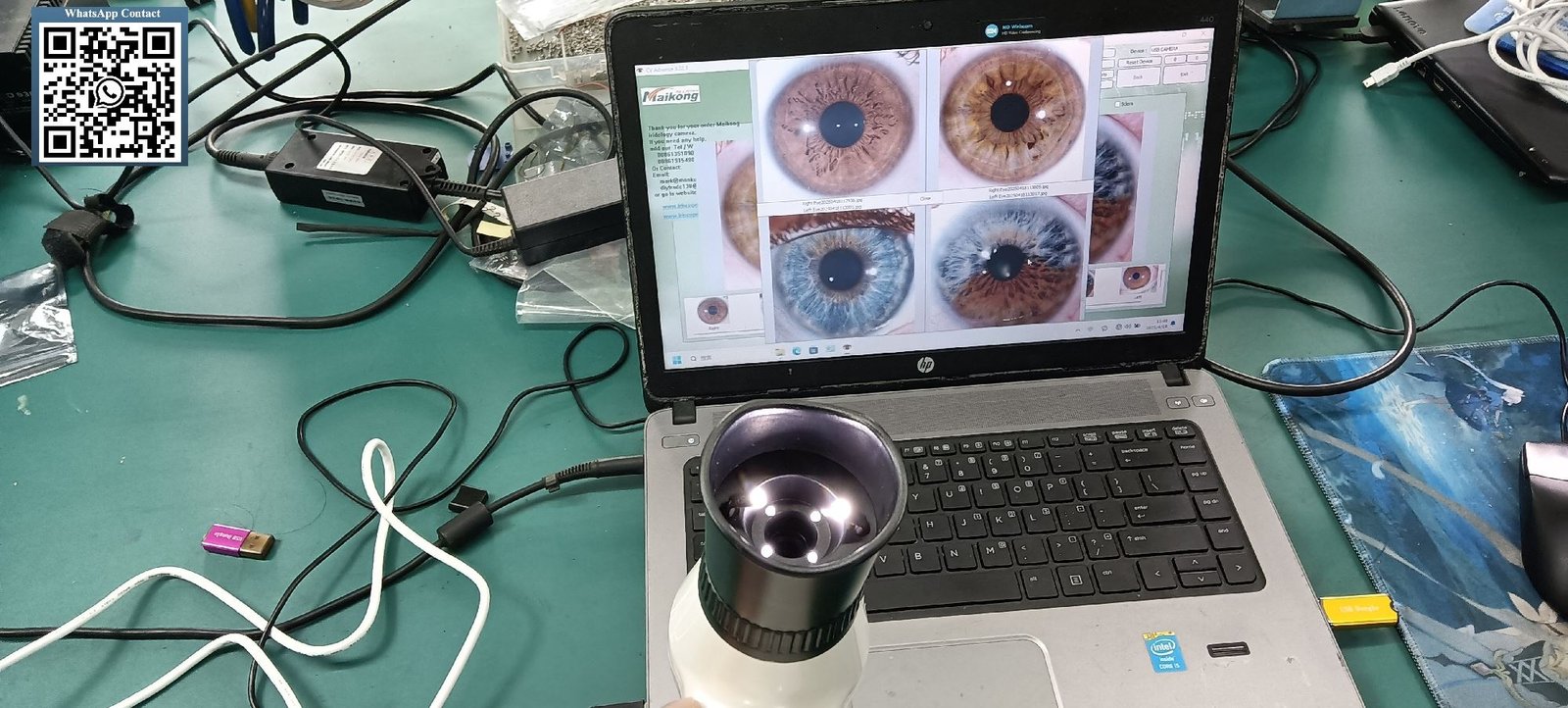
Canadian importers should request representative iridology image samples including unedited TIFFs or high‑quality JPEGs for left/right iris, sclera, a magnified sector, capture settings and EXIF metadata, plus the vendor software export or PDF. Evaluate resolution, evenness of illumination, focus across the iris, LED illumination pairs for reflections or hot spots, and whether annotated exports map to the raw files before accepting shipment or listing a device. Specify model names (for example MAIKONG MK 980U or MK-9822U) and intended workflow to get verifiable, reproducible examples.
Quick answer: Quick answer Yes—comparable provider software can meet concrete operational needs for Canadian health product businesses when you treat it as an imaging and client-records tool, not a medical diagnostic system. For clinics, training schools and distributors the practical value lies in consistent iris image capture, searchable client records, multilingual reporting and interoperability with cameras. Key checks before purchase are capture quality under your lighting conditions, file-export formats, OS compatibility, multilingual UI, licensing method and clear limits on marketing claims.
Send a single, precise RFQ file or email that contains the following items. Keep each item short but explicit so the supplier can price exactly what you need…

Quick answer: Canadian e‑commerce sellers can list and sell an iridology camera as a specialised wellness imaging device provided listings remain factual, avoid medical or diagnostic claims, and verify supplier facts, electrical/label requirements and software licensing. Buyers expect exact, sourceable specs (model, MP, max resolution, LED modes), bundled software/version and OS support, accessory lists, real device photos and short demo videos, plus shipping, MOQ, lead time and warranty details; declared certifications (CE, ISO) are supplier statements, not Health Canada approval. MAIKONG materials illustrate these expectations with model specs, software names, OEM options, lead times and a one‑year warranty.

Copy©2026-2027