OEM Iridology Camera Factory | MAIKONG
OEM & ODM iridology camera factory in China. Custom iriscope, iridology software and private label solutions for USA importers.

» BLOG
BLOG

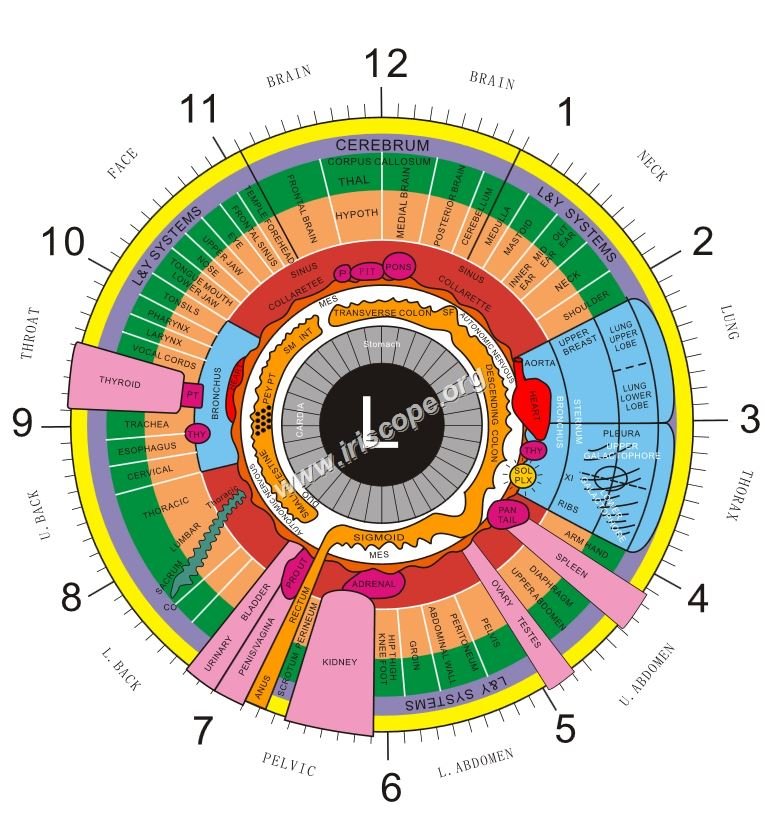
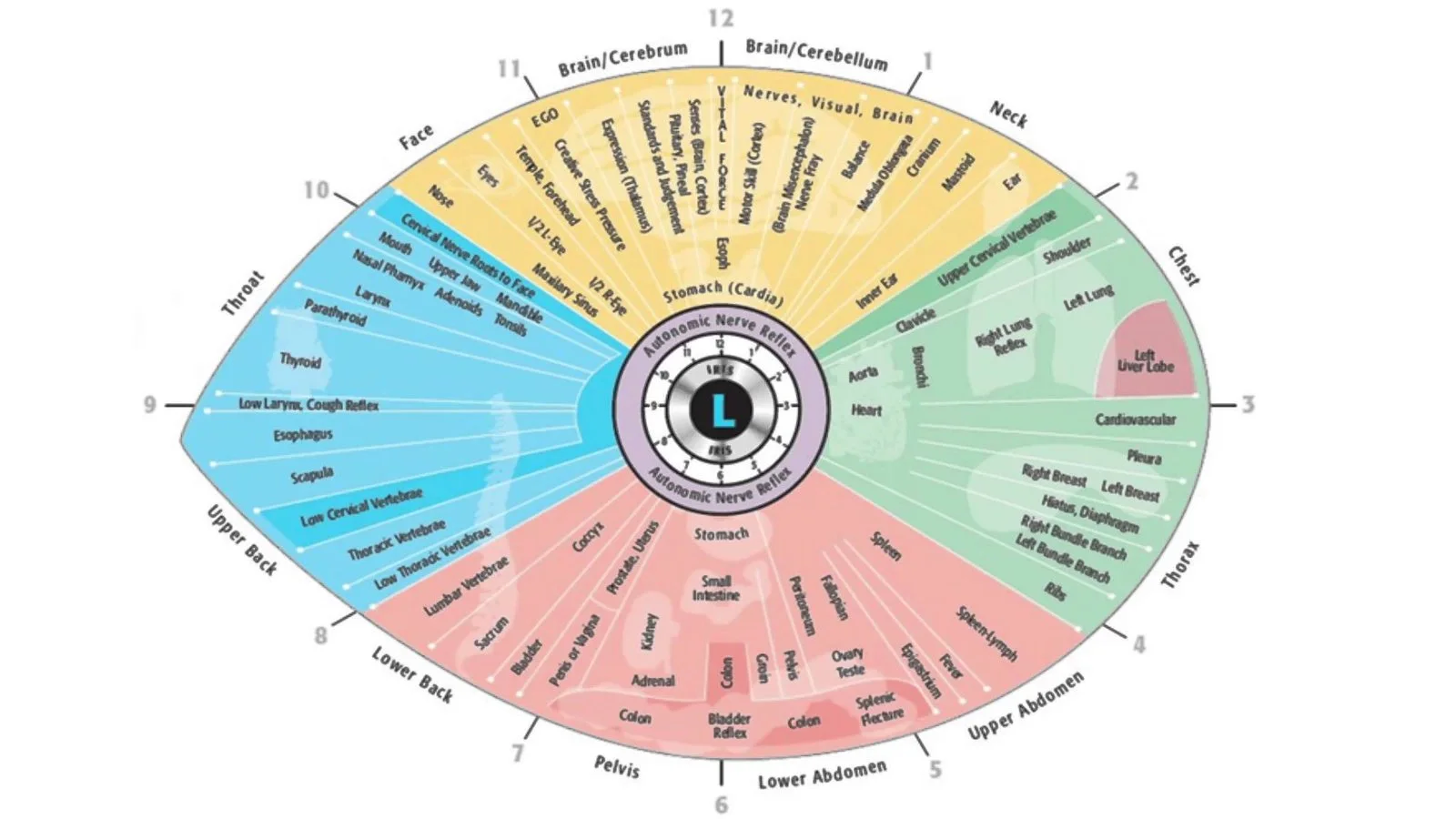
A left‑eye comparable provider map is a standard visual overlay that locates the iris markings and concentric zones used in comparable provider practice; in a…

Yes — you can build an OEM or private‑label iris imaging brand for the Canadian market, provided you clearly define: (1) the intended use case (education…

You can get a classroom-ready, printable comparable provider chart from MAIKONG as a free standard download for teaching use, or request a customised…
Yes — you can set up a classroom‑grade iris imaging lab in Canada that supports repeatable student training, acceptance tests and clear after‑sales…

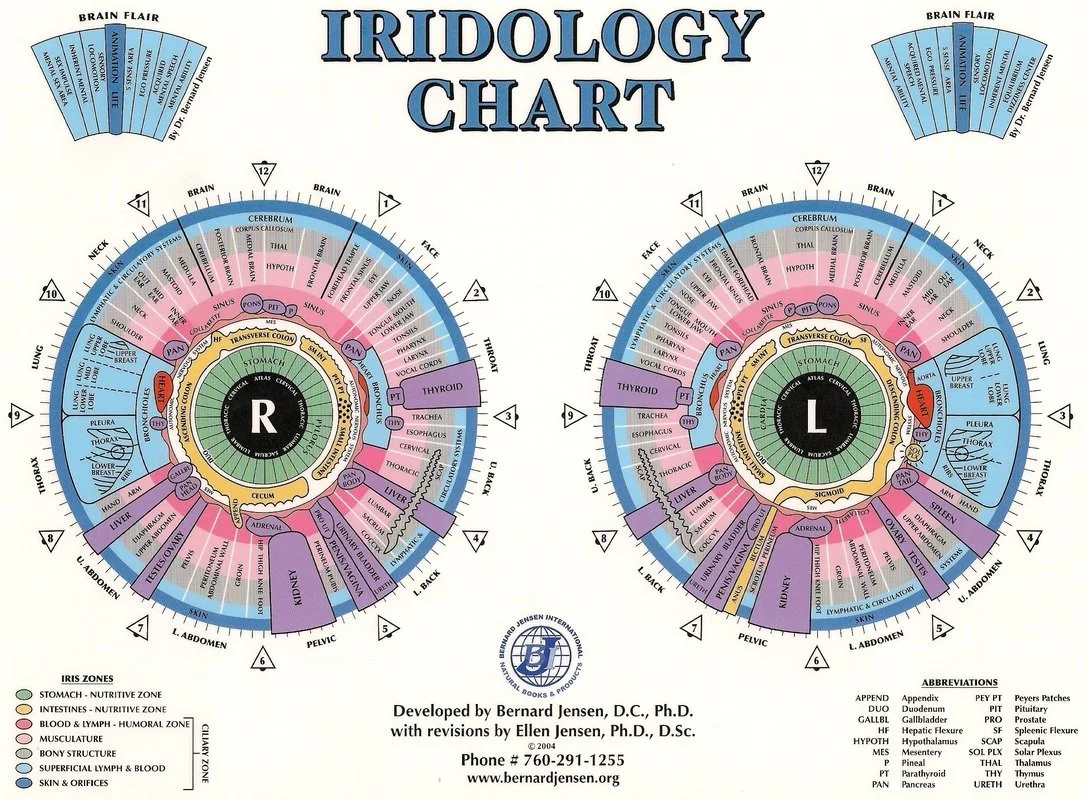
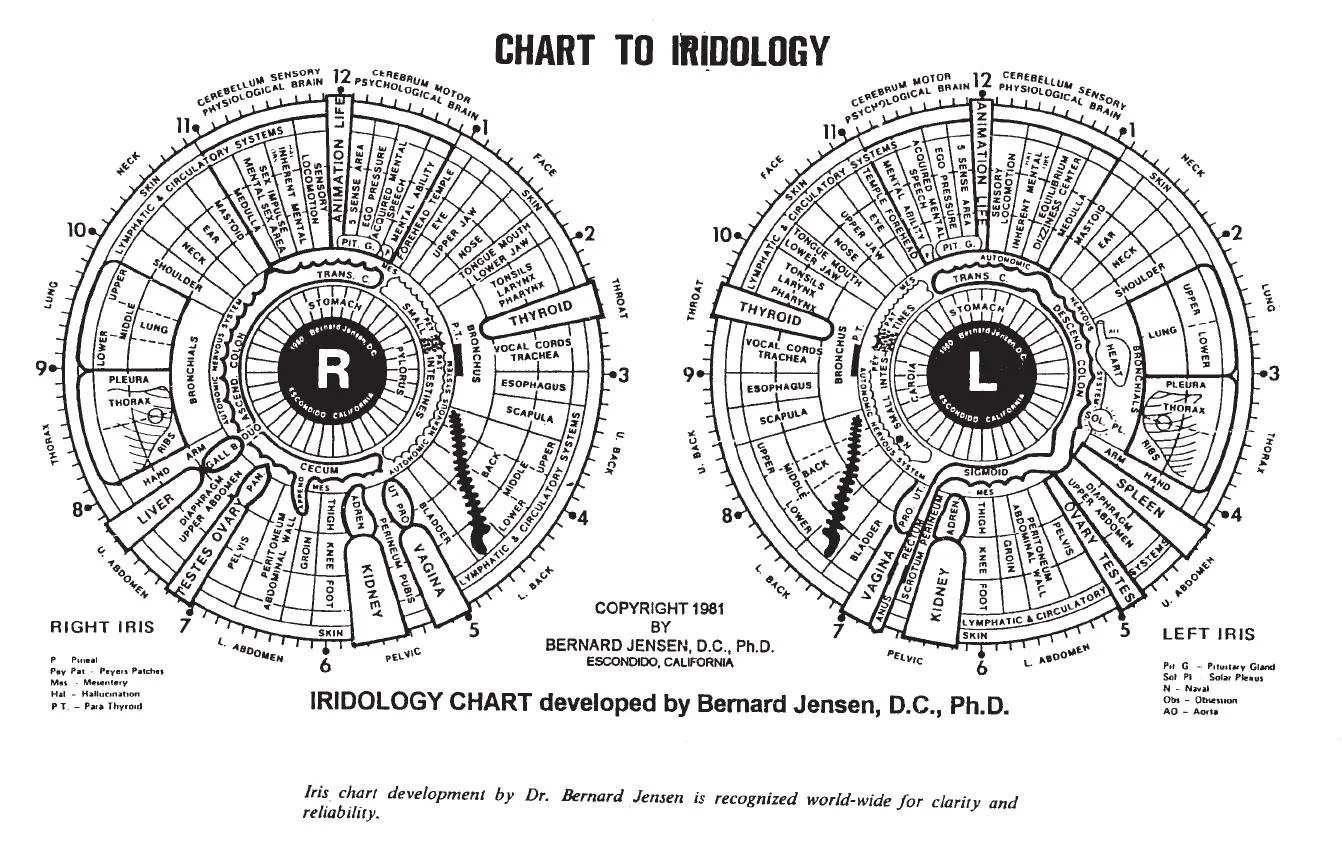
The “Jensen” comparable provider chart is a sector-based iris map derived from Bernard Jensen’s and Ellen Tart‑Jensen’s teaching traditions; businesses use it…
Yes — you can integrate captured iris images and reports with a clinic’s patient records in Canada, but the practical approach depends on your EMR’s import…

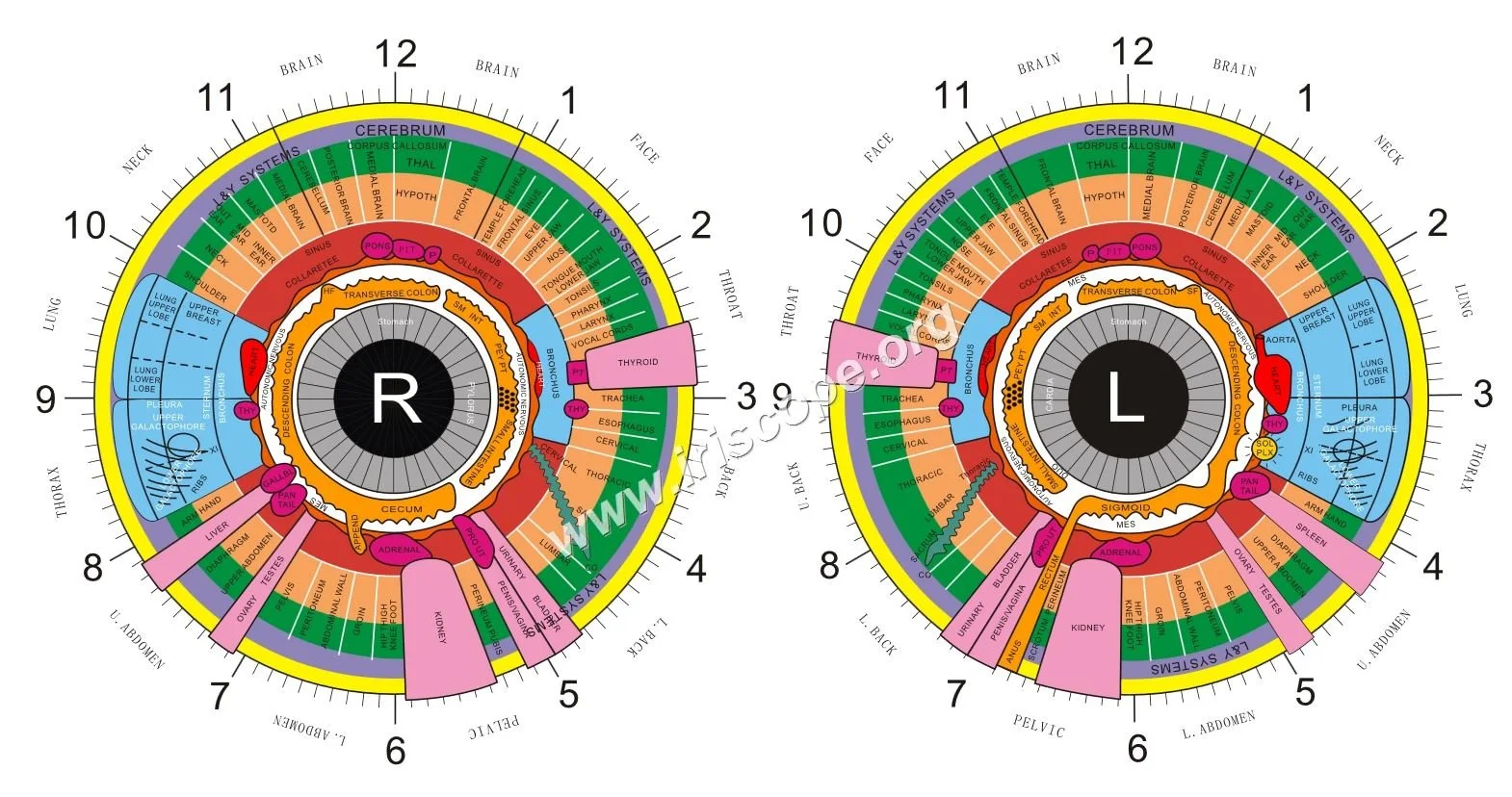
The Bernard Jensen iris chart is a traditional comparable provider map that labels iris sectors to correspond with organ systems and body regions. For…
For mobile iridology work in Canada, choose a compact, well-lit iris camera with reliable image-stabilising mounting, simple offline-capable capture software…

A left-eye iridology chart is a standardised artwork and overlay that maps iris sectors for recording, comparing and annotating left-eye images; OEMs ship it as a printable poster, transparent overlay and vector file for localisation and branding. Buyers and practitioners should treat the chart as a recordkeeping accessory that must match camera capture geometry, illumination and software overlay grids, and supply vector (SVG/PDF) plus high‑res raster files with English/French labels. MAIKONG bundles charts with its cameras and Maikong analysis software so components align out of the box.
A practical workstation is a permanent consultation station that reliably reproduces the same capture conditions every visit. Core elements are: a dedicated…

Copy©2026-2027