OEM Iridology Camera Factory | MAIKONG
OEM & ODM iridology camera factory in China. Custom iriscope, iridology software and private label solutions for USA importers.

Finding reliable iridology services near you: a practical guide for Canadian naturopathic practitioners
November 22, 2026
Quick answer
If you need “iridology near me” for clinical use in Canada, start by confirming the practitioner’s training, professional registration and local scope of practice; verify the imaging hardware and software they use; compare practical factors (distance, appointment responsiveness, fees, and after-sales for imaging work); and confirm legal or clinic-policy limits on how iridology records are kept and shared. Use a short checklist at the first contact: ask about the practitioner’s iridology training and client consent process, imaging device model and image format, sample images or reports, data retention and billing, and post-session support or referrals.
Contents
What is iridology and how do Canadian naturopaths use it?
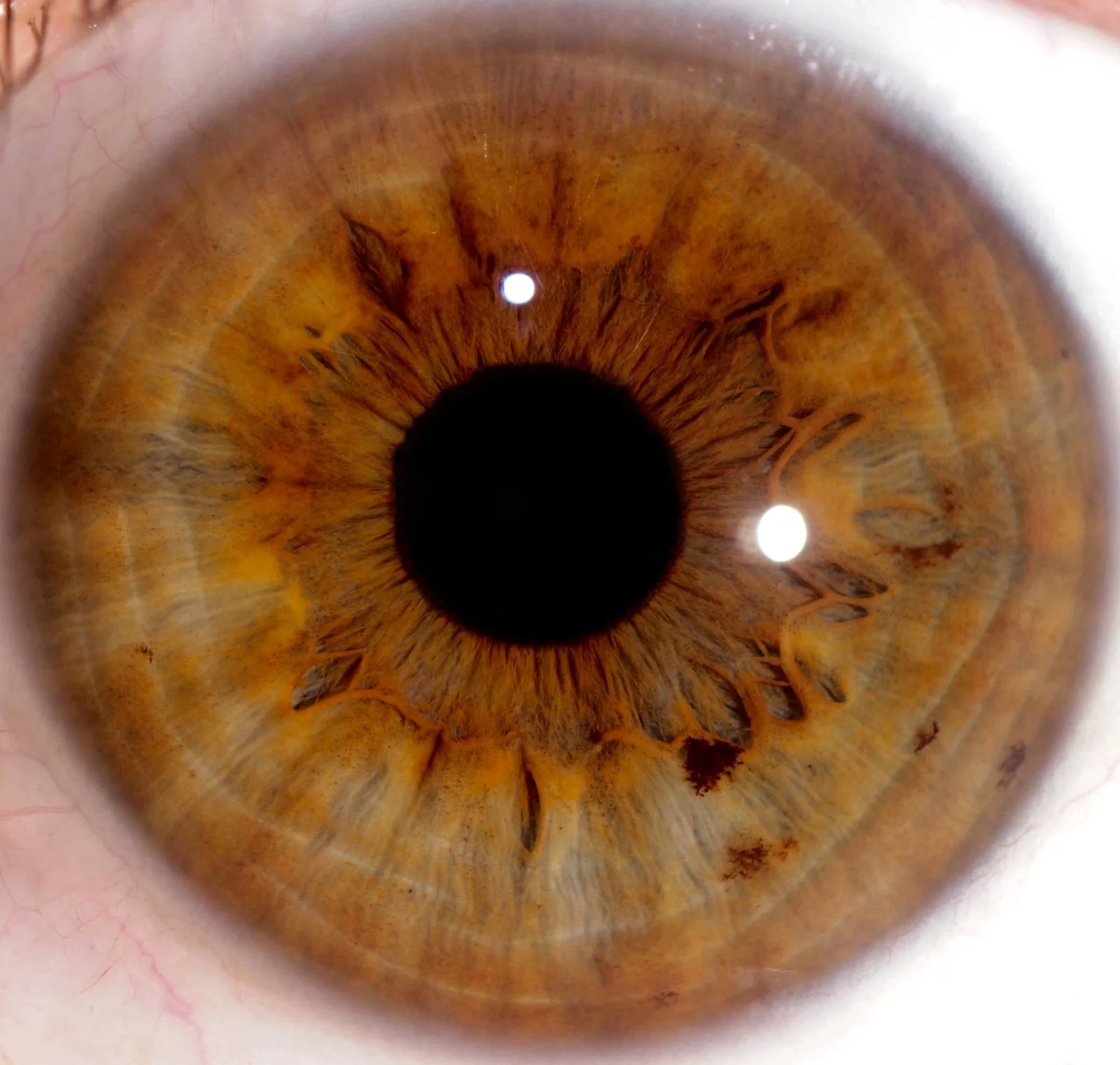
Iridology is a complementary wellness method that looks at the iris and nearby eye tissues to record and compare features such as pigmentation, fibre patterns and surface markings. In Canadian naturopathic practice, many clinicians use iridology as an observational adjunct — to document client history, support wellness conversations and track visible changes over time — rather than as a stand-alone diagnostic tool. We emphasise that iridology complements but does not replace medical assessment, laboratory testing or regulated clinical diagnostics.
How to confirm local service range and practitioner qualifications
When a patient searches for “iridology near me”, they expect convenience and credibility. For your clinic or referral network, we recommend this focused verification sequence you can use on first contact or by phone/email:
- Training and credentials: ask what iridology courses the practitioner completed, whether they hold a recognised naturopathic or complementary-health credential, and whether they maintain continuing education in ocular imaging or client confidentiality. Look for course names and dates rather than vague terms.
- Scope and consent: confirm whether they present iridology as an observational tool only, how they handle client consent for imaging, and whether they provide written notes or a digital report.
- Device and output: request the camera model and sample images or a sample report. Knowing the hardware helps you understand image quality, file types and whether images are usable for clinic records.
- Insurance and professional liability: ask whether the practitioner carries professional liability that covers complementary practices (this is a clinic-management question rather than a clinical endorsement).
- Data handling: check where images are stored, how long they are retained, whether backups are encrypted, and how images are shared with you (secure transfer, patient portal, USB). Privacy obligations in Canada apply as they would to other client records.
If the practitioner is part of a clinic, ask to speak with the clinic manager about administrative processes; for solo practitioners, the above five points are a compact due-diligence checklist.
Comparing distance, response time, fees and after‑sales — practical priorities
Distance matters less than workflow fit. For busy naturopathic clinics, two operational factors usually matter more than straight-line kilometres: (1) appointment availability that matches your referral pace, and (2) how quickly images and reports reach your clinic. Here’s how to compare candidates.
Distance vs. workflow
A nearby provider is convenient for patients and for in-person combined appointments. But if the provider is local and slow to deliver images or reports, that convenience can become a bottleneck. Ask: how long between capture and delivery, and in what format?
Response time
Ask for typical turnaround for raw images and for an interpreted report. For clinic workflow, we find 24–72 hours for raw image handover is a reasonable expectation if the provider uses dedicated imaging software; interpretive reports may take longer. Confirm whether they offer priority handling for clinical referrals.
Fees and commercial clarity
Providers price differently: per-session capture fee, a combined capture+report fee, or membership-based pricing. Rather than accepting a quoted number without detail, ask for an itemised fee schedule that lists:
- capture-only fee (images delivered to clinic),
- capture+analysis/report fee (if they include interpretive commentary),
- re-processing, re-shoot or file-transfer fees, and
- cancellation or no-show terms.
After‑sales and image support
For clinics that rely on captured imagery for records, after-sales matters: who reprocesses images if a client moves? Who will re-send original images in the event of clinic software migration? Ask about support for exporting standard file types (TIFF/JPEG) and whether the practitioner uses iridology software compatible with common clinic systems.
Equipment and software considerations that change the decision
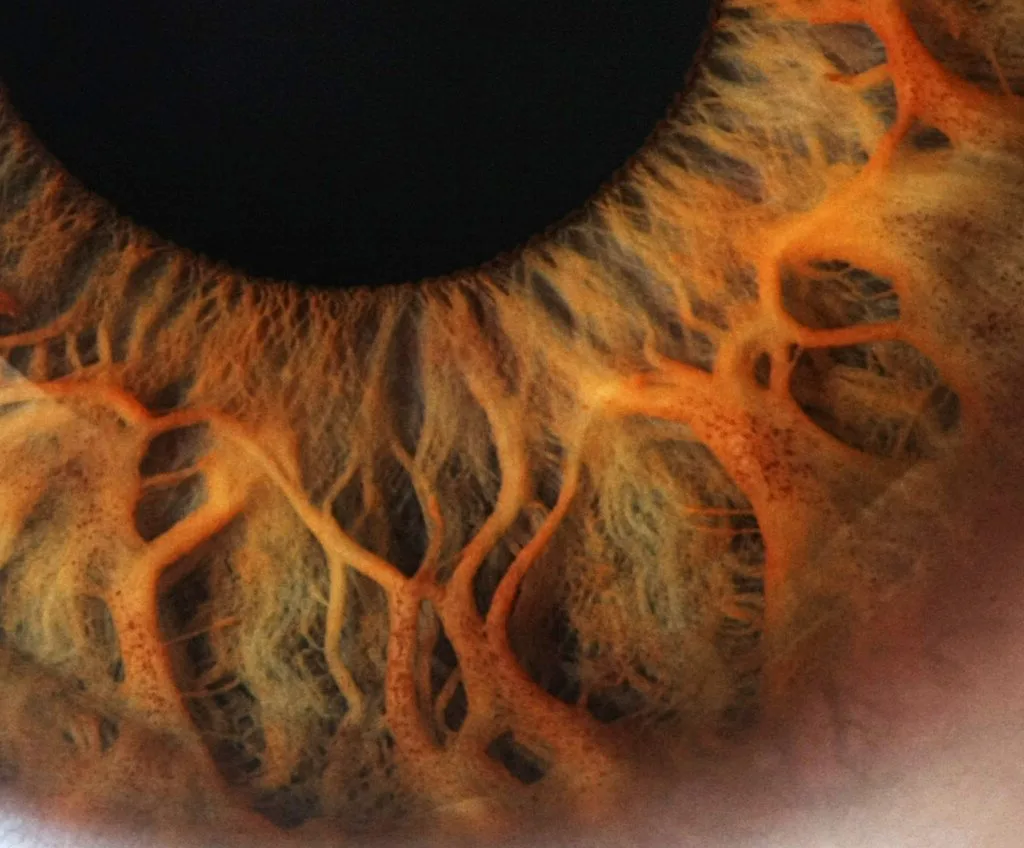
If you will be capturing images in your own clinic or evaluating a local provider’s capabilities, check three technical areas: sensor and resolution, illumination control, and software compatibility. These influence image clarity, reproducibility and integration with your records.
| Model | Sensor / resolution | Illumination | Software & compatibility | Warranty / MOQ |
|---|
Notes on how those specs affect selection: higher megapixels and a stable CCD sensor improve cropping flexibility and small-marking visibility; LED arrays with separate iris/sclera control help reduce glare and let you document both central and peripheral features. Software language and OS compatibility matter if you need to archive images on clinic workstations running macOS or Windows.
Three common mistakes clinics make when choosing a local iridology provider
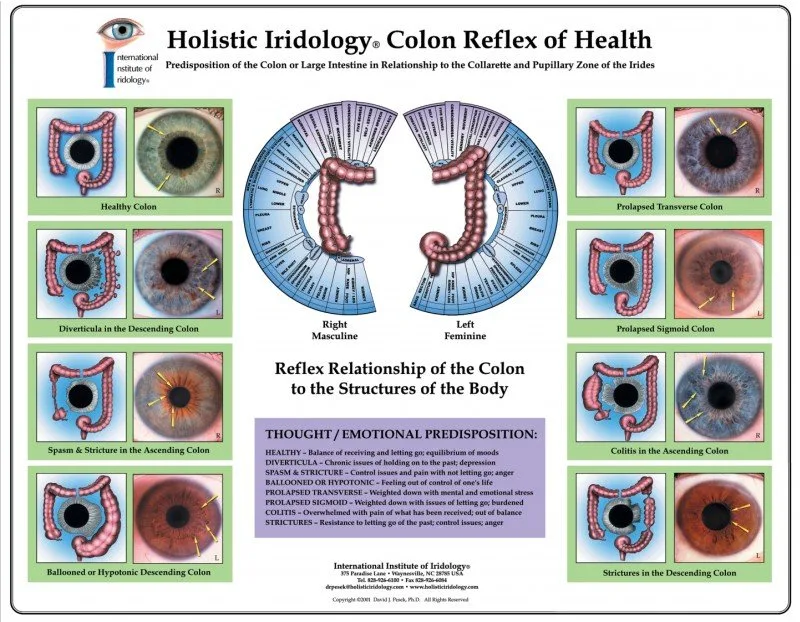
- Relying on a verbal assurance of “high-resolution” without seeing raw images — always request sample files so you can confirm focus, field of view and colour balance for records.
- Assuming software reports are clinic-ready — some analysis packages produce lengthy printouts; confirm whether report format and export options match your record-keeping practice.
- Forgetting data portability — if the provider uses proprietary storage or USB keys, confirm export to standard file types and clarify retention policies before referral.
Training, continuing education and scope — what to prioritise
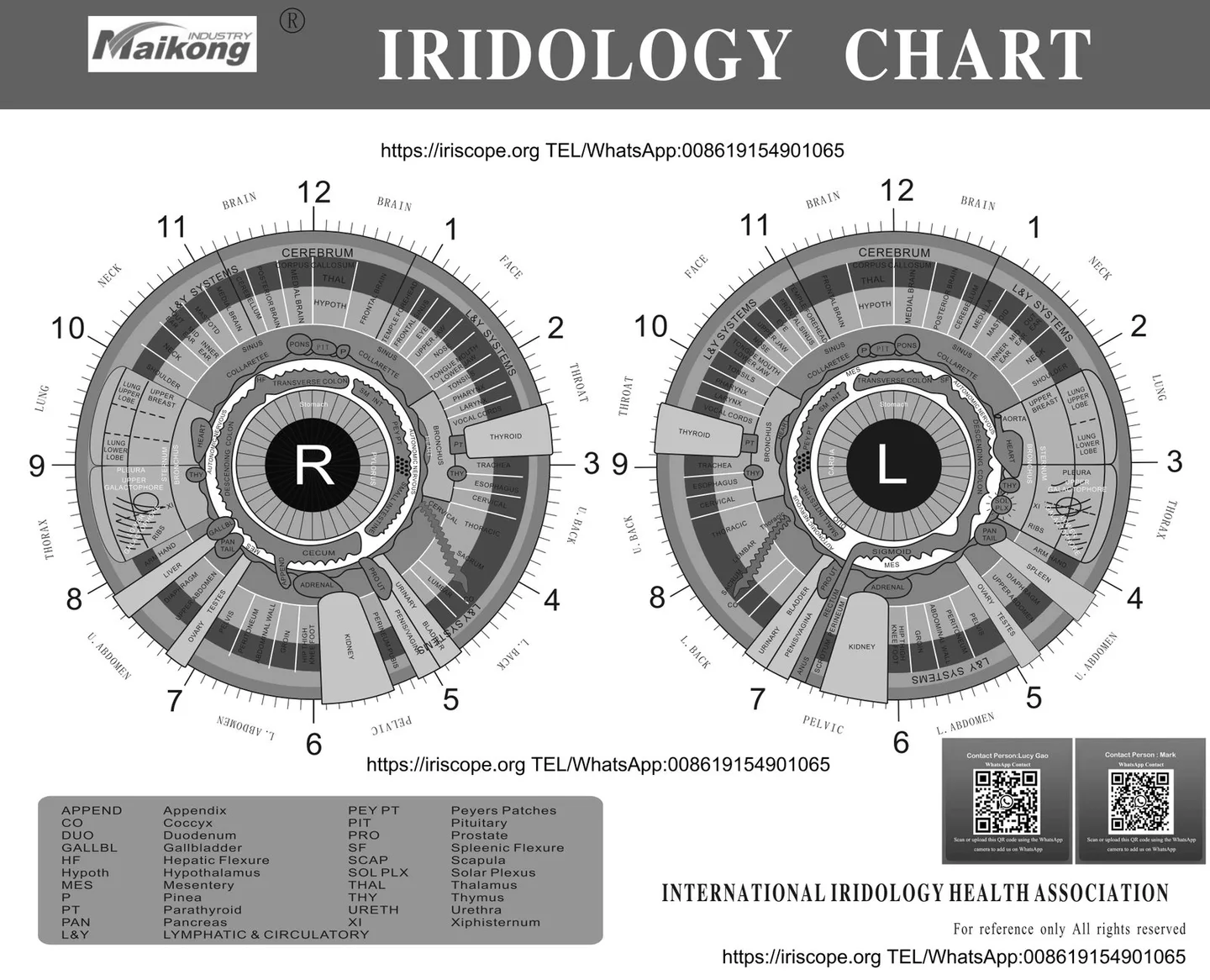
For naturopathic clinics, prioritise practitioners who combine iridology-specific courses with regulated clinical training. Look for evidence of ongoing learning in ocular imaging, image hygiene (lighting, positioning), and client communication. If you incorporate iridology into intake or monitoring, define who interprets images within your clinic: the referring naturopathic practitioner, the iridologist, or both — and document that workflow in your clinical policy.
If you’d like structured training references, see our Iridology Course page for classroom and product-aligned instruction: Iridology Course.
Suitability scenarios — when to use a local iridology service versus buying equipment
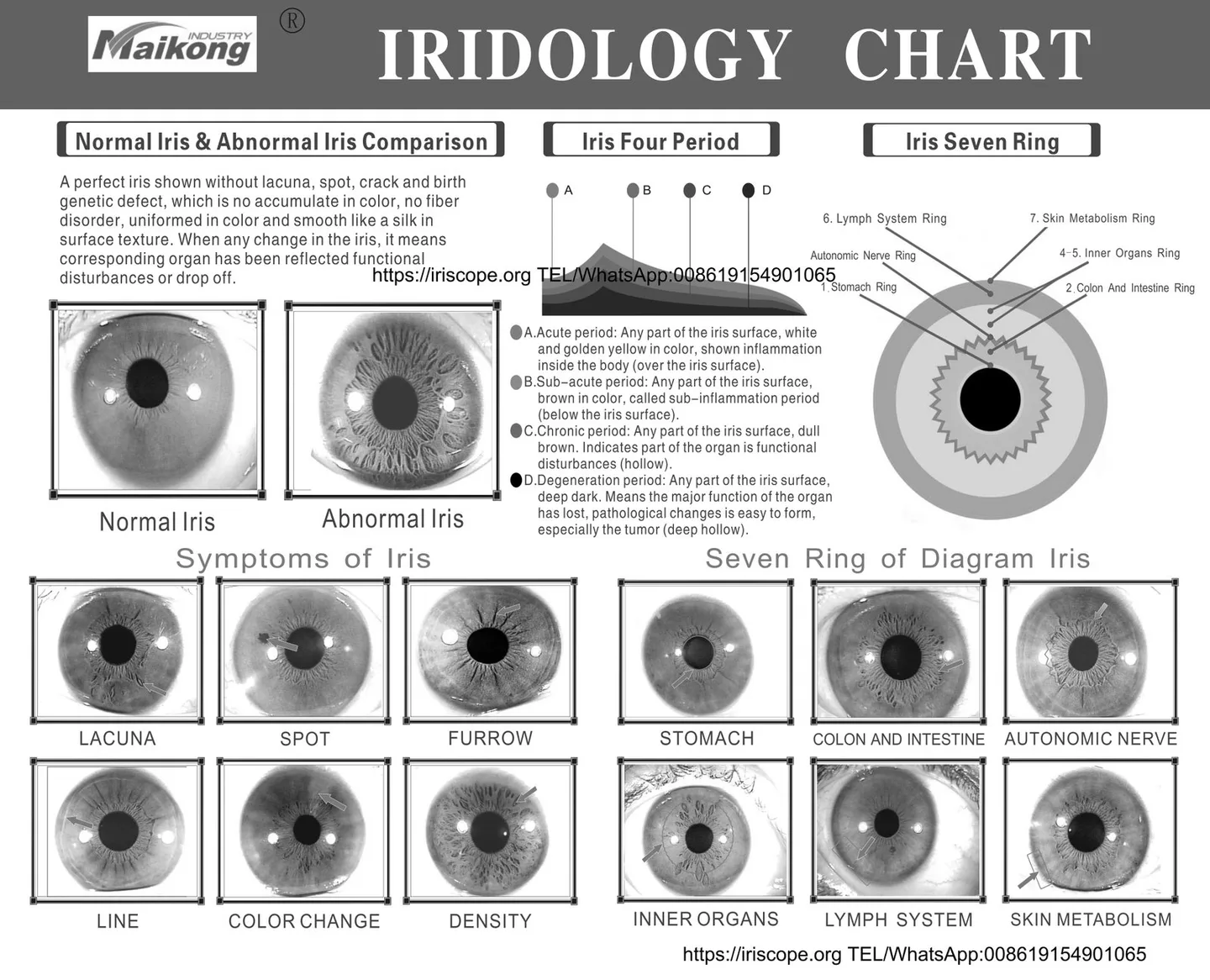
Use a local service when you want occasional imaging, to trial image-based consultations, or to avoid initial capital expenditure. Consider buying a camera if you expect regular in-clinic capture, need full control over data and scheduling, or plan to use images for student training.
If you choose to purchase, the MAIKONG line includes models intended for single-clinic use and OEM/ODM options for schools and distributors. For product detail see our product pages: MAIKONG 5MP Iridology camera MK 980U and Iriscope iridology camera MK-9822U.
Evidence and documented product details
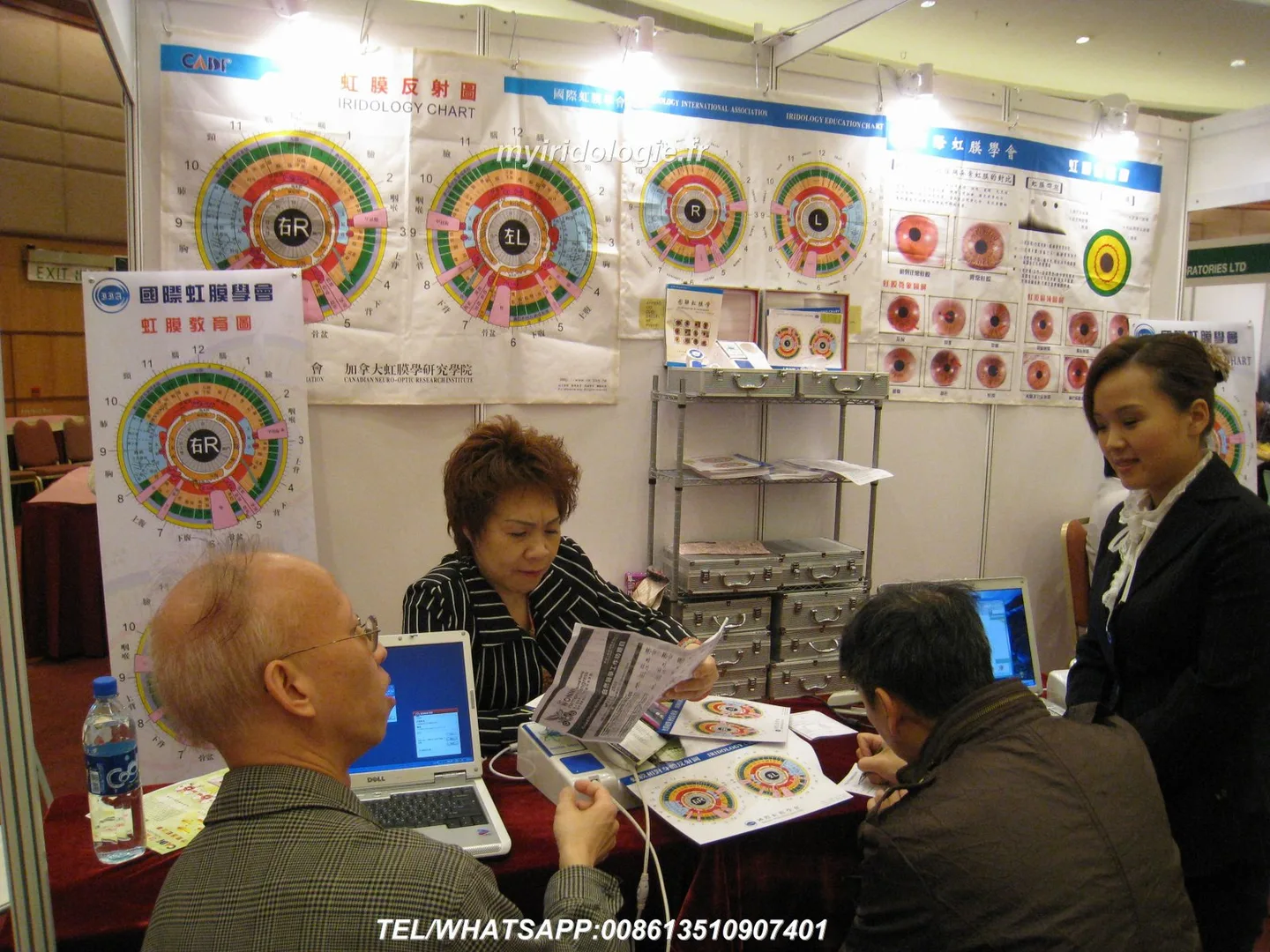
Browse product pages for full accessory lists, software versions and shipping/packaging details before signing a purchase order.
Limitations, regulatory cautions and practical risks
Iridology is a complementary observational practice. We do not and cannot claim that iridology diagnoses disease. Product certifications declared by our factory include ISO 9001, CE and ISO 13485 as company-declared certifications; these are manufacturing and quality-system marks and do not substitute for clinical device approval by Health Canada. If you plan to integrate imaging into regulated clinical records or bill third parties, confirm local regulatory and privacy obligations before proceeding.
Also verify cross-border shipping, electrical compatibility for on-site demo equipment, and clinic IT policies when integrating third-party software.
Practical checklist to use when you call or email a local iridology provider
- Which iridology training and credentials do you hold? (course name + date)
- What camera model do you use? Can you send sample unedited image files (original resolution)?
- Do you supply raw images and a written report, or only an interpretive summary?
- What are your turnaround times for images and for a full report?
- How do you store and transfer client images? (format, encryption, retention period)
- What are your fees (itemised) and cancellation terms?
- Do you offer ongoing image reprocessing or re-exports if we migrate clinic software?
Next step — request a configuration or quote
If you want a quote for equipment for a Canadian clinic, or to enquire about OEM/ODM or wholesale options, email our sales contact with the following details in your first message: intended application (clinic or training), destination market (Canada), preferred model or required features (camera resolution, macOS/Windows compatibility), estimated quantity. Pricing and delivery terms require a formal RFQ.
Contact: lucy@myiridology.us
Further reading and internal resources
FAQ
Does MAIKONG provide training for clinicians who buy a camera?
We offer product-aligned support and references to training resources; confirm the scope of training and whether it includes clinical interpretation versus device operation in the sales discussion.
Can we get sample images before deciding?
Yes — request original-resolution sample files from a provider or ask the supplier to supply demo images. Viewing uncompressed or minimally compressed samples is the only reliable way to assess true image quality.
This content is provided for learning, information sharing and professional communication only. It is not medical advice and is not a basis for treatment or diagnosis. Confirm suitability, operation and purchasing requirements against the product manual, local regulations and qualified professional guidance.
Related resources
contact · WhatsApp · +8613510907401
Related resources
- How to find an iridologist near me: a practical guide for Canadian naturopathic practitioners
- How to use a diagnosis iridology eye chart in clinic: practical steps for Canadian naturopathic practitioners
- USB vs networked iris camera interfaces: a practical guide for Canadian naturopathic and iridology clinics
MAIKONG IRIDOLOGY CAMERA
MAIKONG IRIDOLOGY SOFTWARE Installation and operation
Exhibition


Company Certificates


Contact US Online WHATSAPP:

Maybe you like also
Copy©2026-2027