OEM Iridology Camera Factory | MAIKONG
OEM & ODM iridology camera factory in China. Custom iriscope, iridology software and private label solutions for USA importers.

What Canadian Holistic Practitioners Should Know When Searching for an Iridiscope
November 13, 2026
Quick answer
An iridiscope is a specialised imaging tool for consistent, magnified photographs of the iris used primarily for client records, teaching and visual comparison—not for medical diagnosis. When evaluating one for a Canadian clinic, prioritise image repeatability (same distance, same scale), controlled illumination (even, polarised if possible), file and software compatibility with your records, practitioner training and clear documentation of professional limits. Before a demo or quote, ask the supplier for sample images, exportable file formats, software screenshots, training options and terms for warranty, spare parts and updates. If you want a practical next step: prepare a short RFQ listing intended use, preferred configuration, quantity and destination when you contact us at lucy@myiridology.us.
Contents
What an iridiscope is and how it differs from an iriscope or comparable provider camera
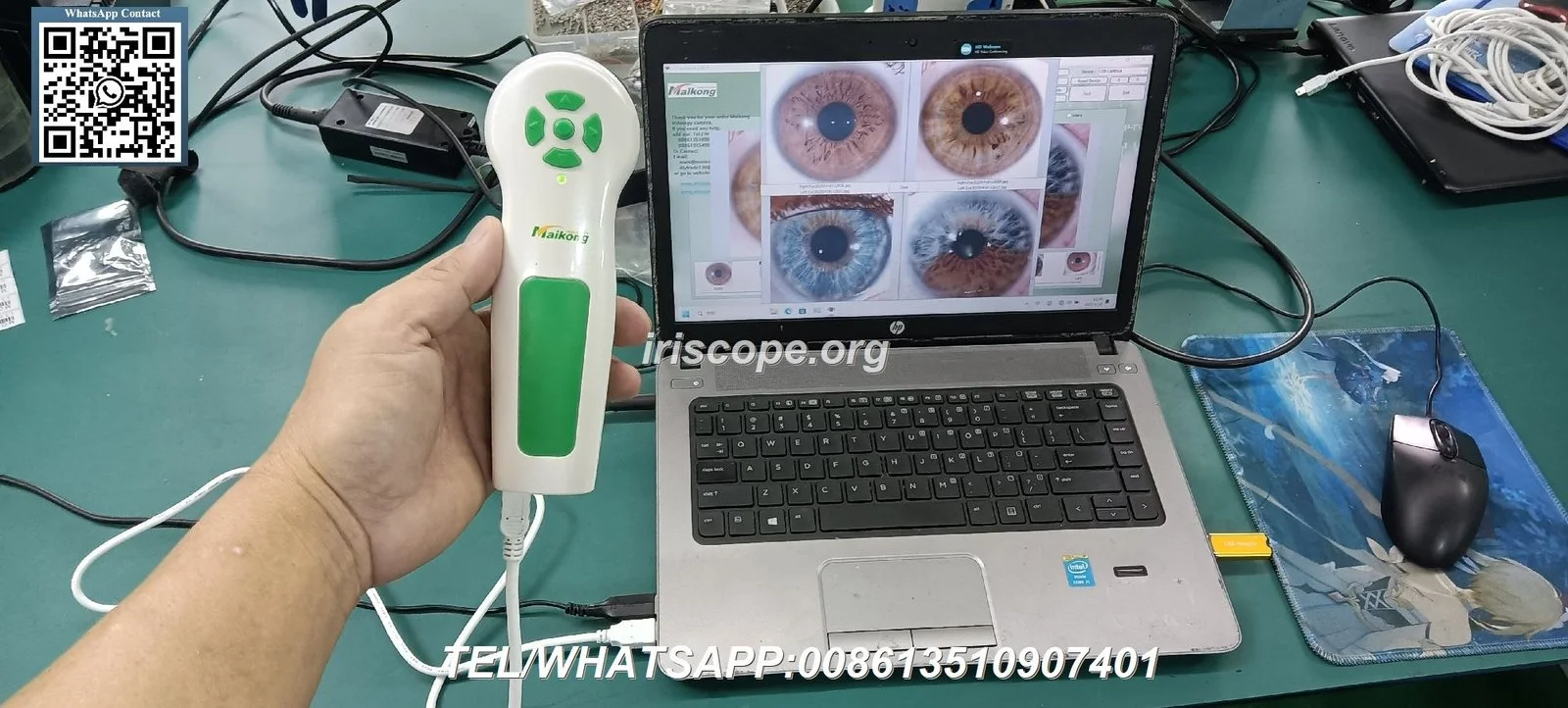
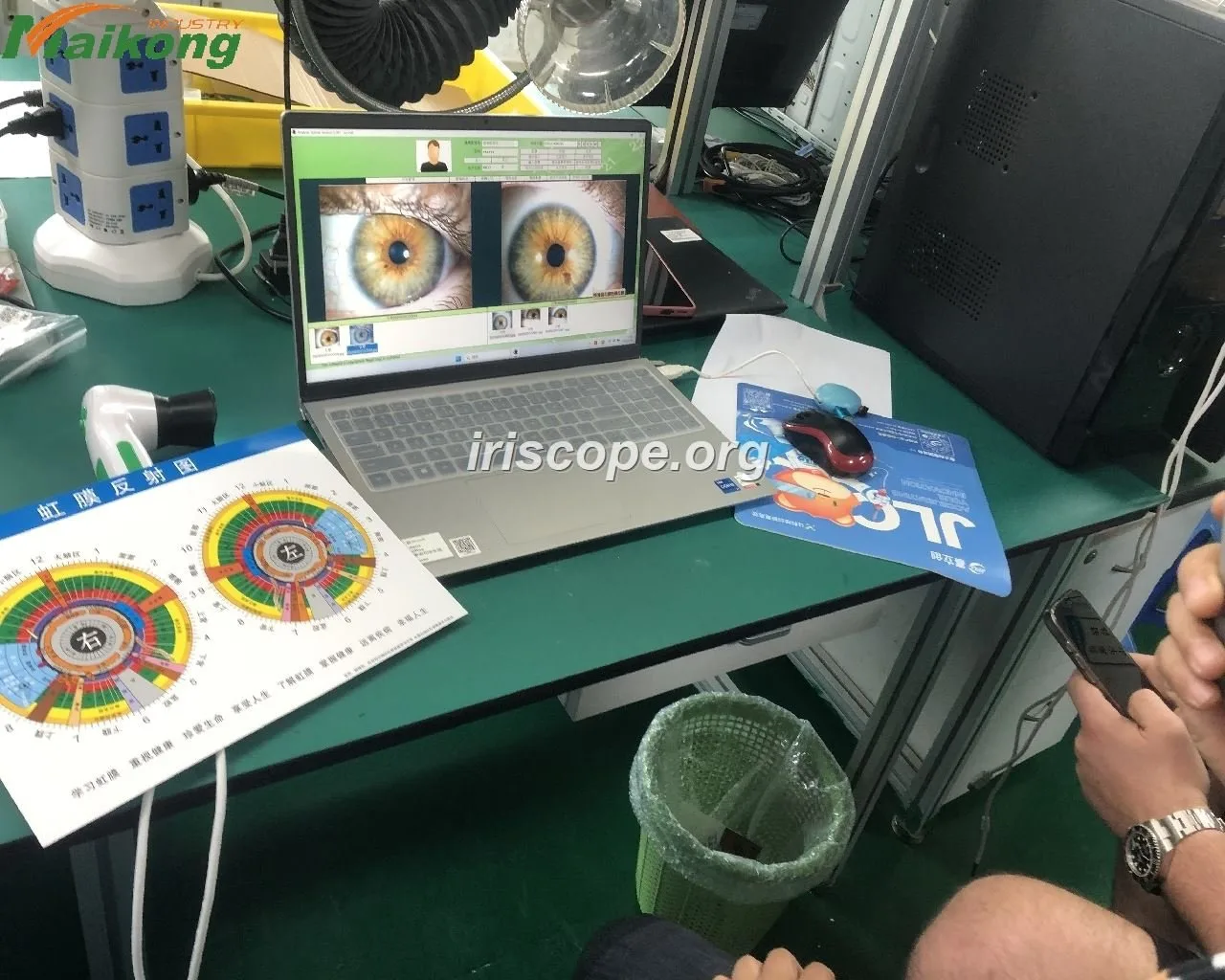
Terms can be used loosely in the market. We use “iridiscope” to mean a clinic-ready imaging system that combines a camera, controlled illumination and capture software specifically set up for photographing the iris. “Iriscope” is sometimes used interchangeably; “comparable provider camera” usually emphasises the camera hardware alone. The practical distinction that matters for a practitioner is the workflow: a complete iridiscope package should give you consistent captures and integrated client management, while a standalone camera requires separate mounts, lights and software to achieve the same repeatability.
Three realistic clinic uses for an iridiscope in a Canadian holistic practice
- Baseline and follow-up visual records: consistent iris photographs help you document changes over time as part of case notes and client education (visual record only).
- Teaching and hands-on training: clear, repeatable images make demonstrations and student assessments more reliable than ad hoc phone photos.
- Client communication and engagement: side‑by‑side images let you show clients a visual reference for discussion during consultations, provided you remain within professional limits and do not claim medical diagnoses.
Essential features and specifications to check when evaluating an iridiscope
Rather than a shopping checklist that insists on particular numbers, focus on how each feature changes clinic use.
- Image capture quality and format. Confirm the camera’s maximum resolution and whether the device exports lossless files (TIFF) or only lossy JPEGs. High-resolution images facilitate cropping and comparison; raw export is useful for forensic-grade archives but isn’t mandatory for general practice.
- Macro focus and working distance. The system should allow a comfortable working distance with clear focus at iris scale. Ask how the device mounts (handheld, stand, chin rest) and whether the same distance reproduces consistently.
- Illumination control. Even, shadow-free lighting with adjustable intensity is essential. Polarised illumination or cross-polarisation options reduce corneal reflections and improve surface detail.
- Stability and ergonomics. A simple chin rest or forehead support improves repeatability. Consider footprint for your clinic room.
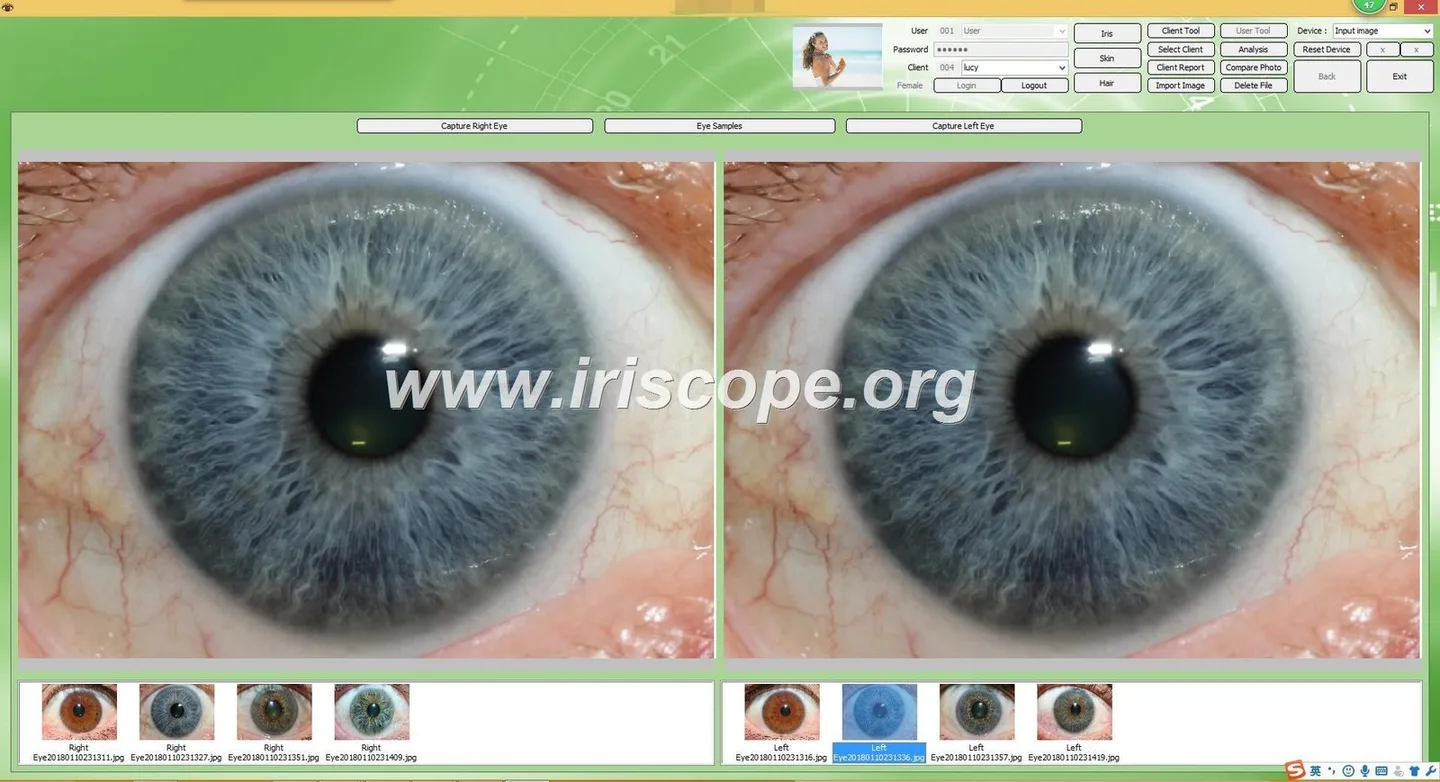
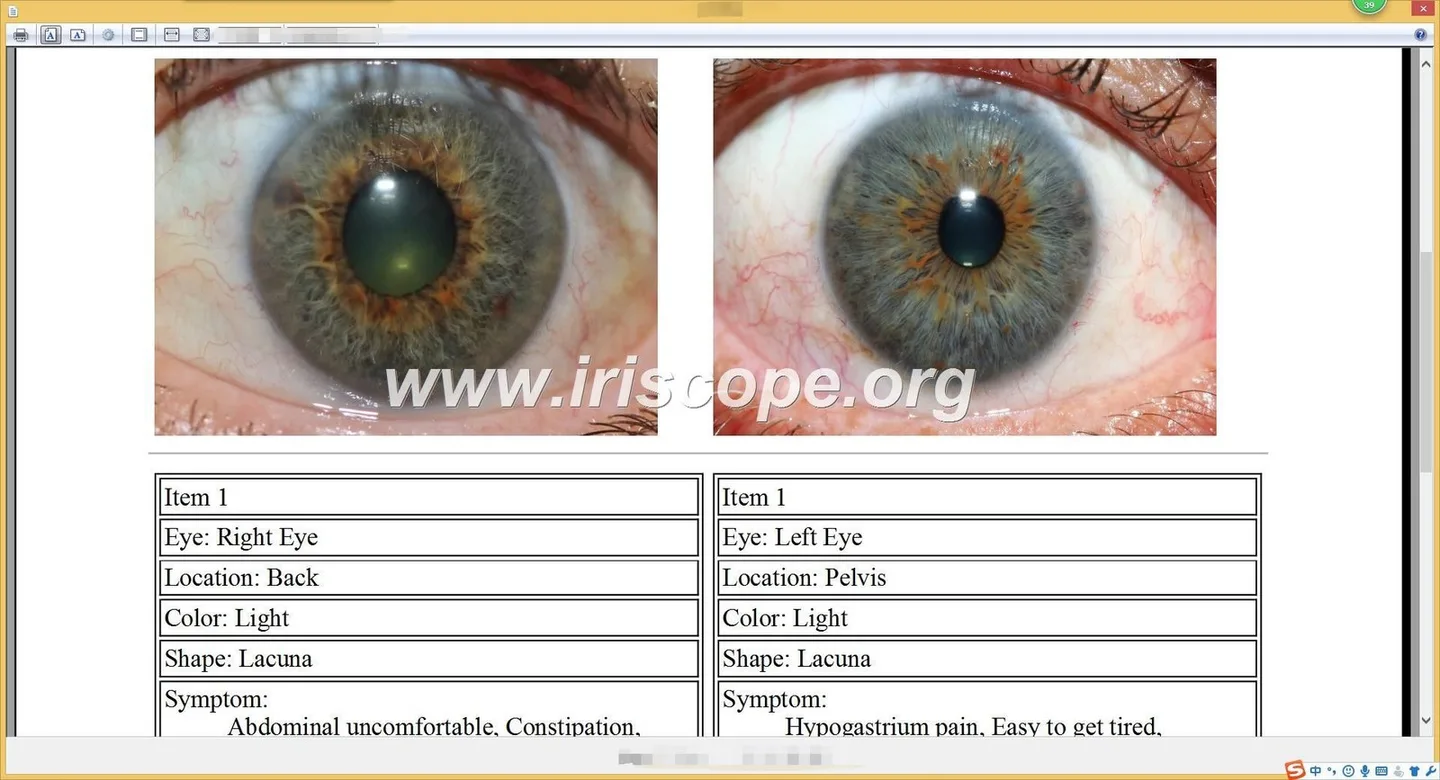
- Software features. Look for client database, image annotation, side‑by‑side comparison and export options. Multilingual interfaces and report templates are helpful if you train students or serve diverse clients.
- Compatibility and backups. Confirm supported OS versions (Windows/macOS), file export types, and whether the software stores locally or offers secure cloud options compliant with your clinic’s privacy policies.
How imaging quality and illumination affect clinical usefulness (practical checks)
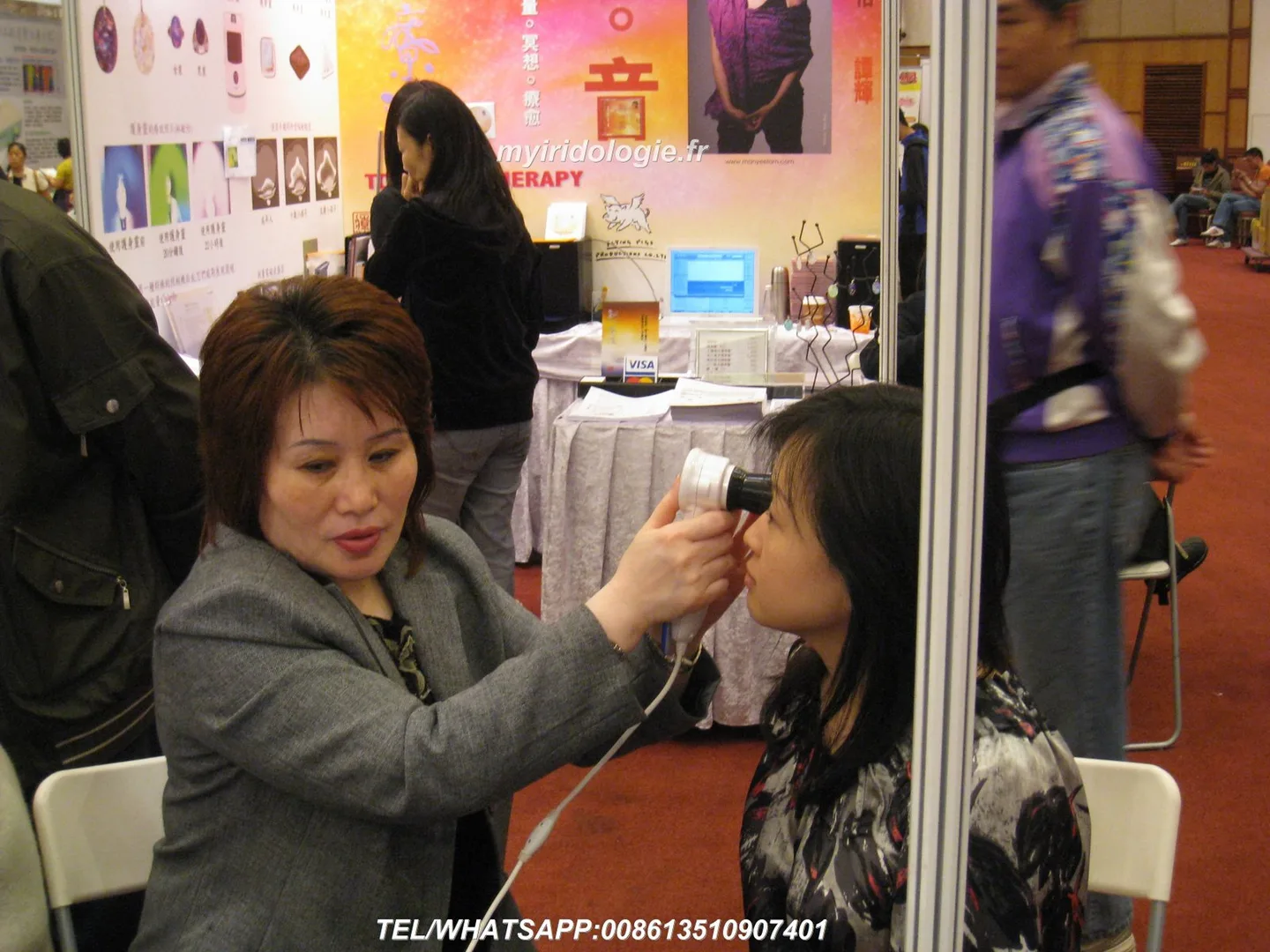
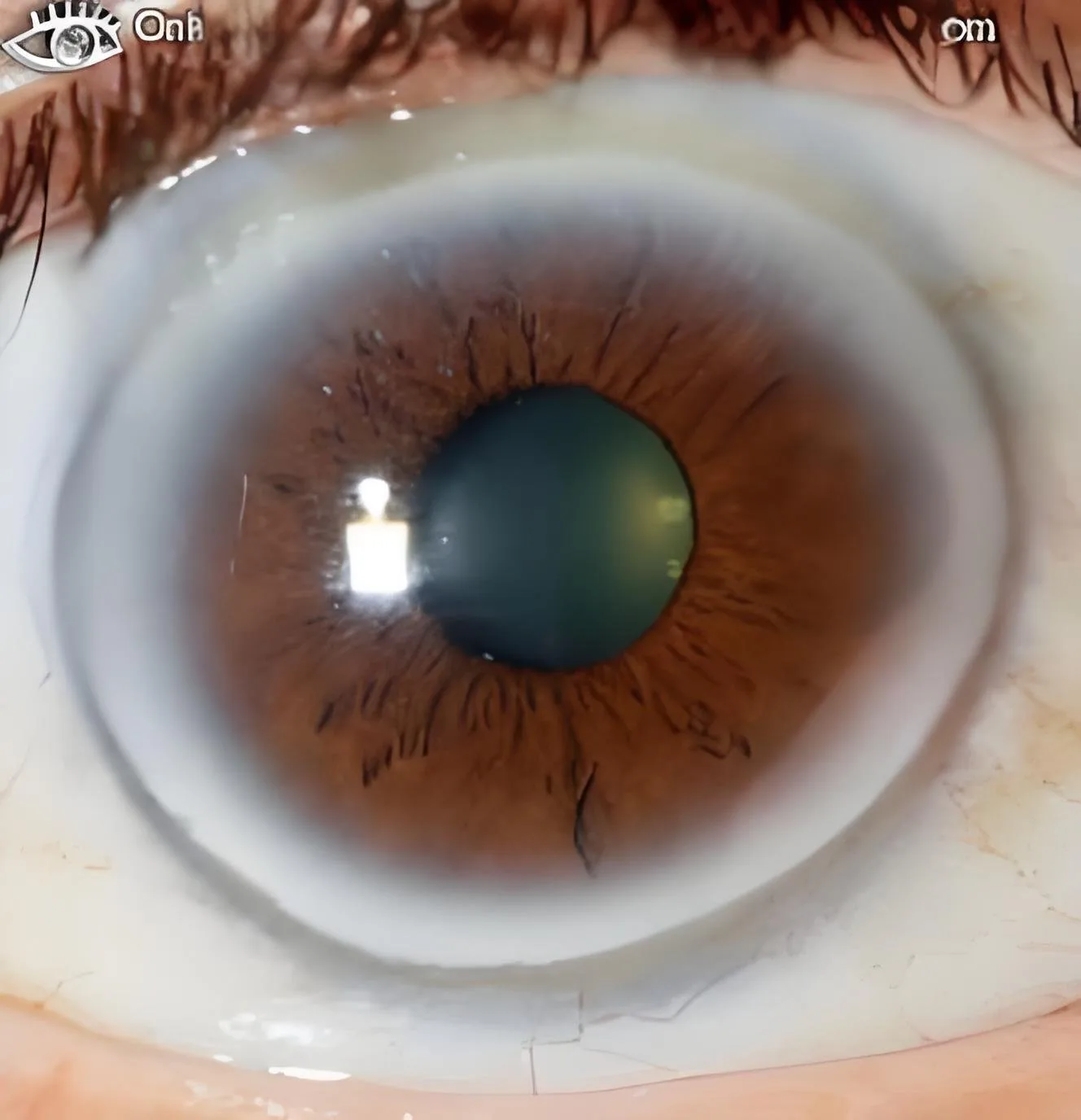
Ask the supplier for unedited sample images from their device and perform these practical checks before you buy:
- Open sample files on the monitor you use in clinic. Check for even illumination across the iris and minimal corneal reflex.
- Zoom to 100% and inspect detail: you should see clear fibre patterns without heavy compression artefacts.
- Confirm that left and right eye images can be captured at consistent scale (same magnification) so serial comparisons are meaningful.
- Request images from different skin tones and pupil sizes—lighting that works on pale skin may overexpose darker skin unless adjustable.
Workflow and room setup that produce repeatable, usable iris images
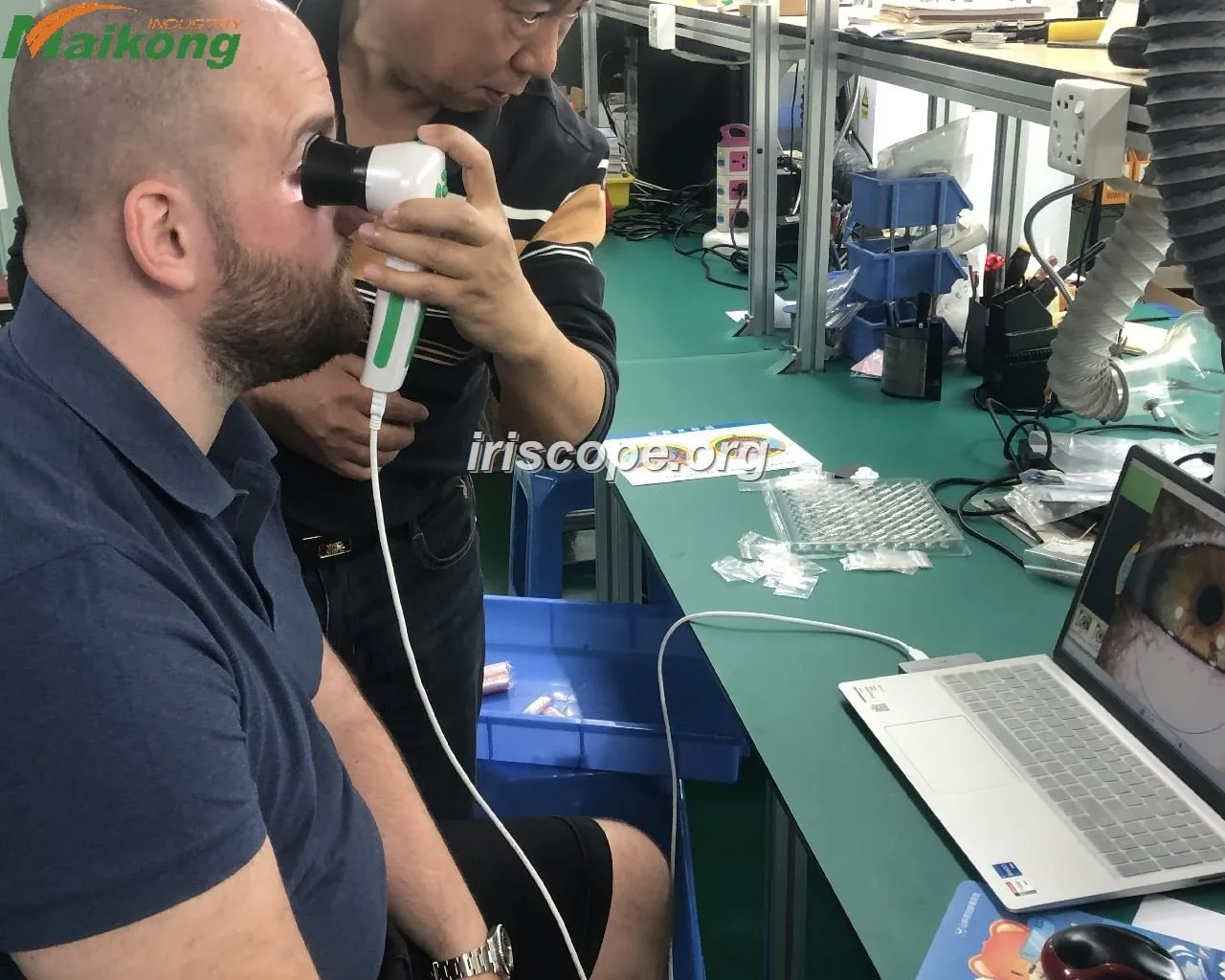
Small, consistent changes in setup make the biggest difference to usability:
- Choose a small room or partitioned area where ambient light can be controlled. A neutral background reduces visual distraction.
- Use a stable chair and a simple chin rest or forehead support so the client’s head position is reproducible for follow-ups.
- Standardise capture settings and document them in a short protocol (distance, illumination level, camera settings, which eye first).
- Label files with client ID, eye (left/right), date and capture settings. Automated metadata in the software is preferable to manual renaming.
Software and file compatibility: what practitioners must verify for clinic records
Confirm these items before you commit to a specific system:
- Can the software export standard image formats you already use in clinic (JPEG, PNG, TIFF)? Do exports preserve capture metadata?
- Does the capture software run on the same platform as your clinic computer (Windows or macOS)? If you use a clinic server or third‑party EHR, can images be exported in batches for archival?
- Does the system require cloud storage? If so, what are the options for securing client data under Canadian privacy frameworks (PIPEDA and provincial rules)? Ask the supplier how they protect exported data.
- Are multilingual interfaces and report templates available if you teach or serve non‑English clients?
Training, professional limits and documentation practitioners should have
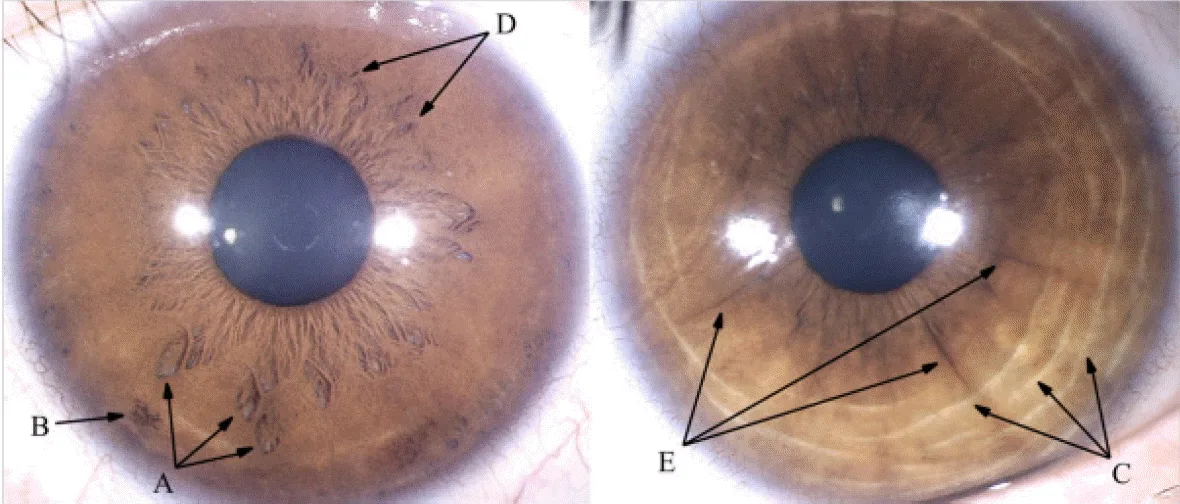
An iridiscope is a technical tool, not a diagnostic device. Practical requirements we recommend for any practitioner who intends to use one in a Canadian practice:
- Complete formal training in comparable provider imaging and interpretation from a recognised school or instructor. Maintain records of training for professional files.
- Create a written client consent form that explains the purpose of iris photography, storage and limits of the method (explicitly state it is a complementary, non‑diagnostic practice).
- Keep structured clinical notes that place iris images in context with intake, history and any medical referrals.
- Establish an internal policy on how images will be used for marketing or teaching and obtain separate consent for those uses.
Maintenance, warranty and after‑sales support considerations
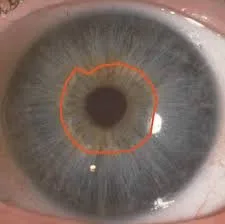
Verify these supplier commitments before purchase; they directly affect lifecycle cost and clinic uptime:
- Warranty terms (length and what is covered), availability of spare parts such as lamps or stands, and cost for repairs.
- Software update policy—are updates free, or subject to a service contract? Will updates remain compatible with your operating system?
- Availability of training materials and replacement documentation in your language.
Questions to ask suppliers before you invite a demo or request a quote
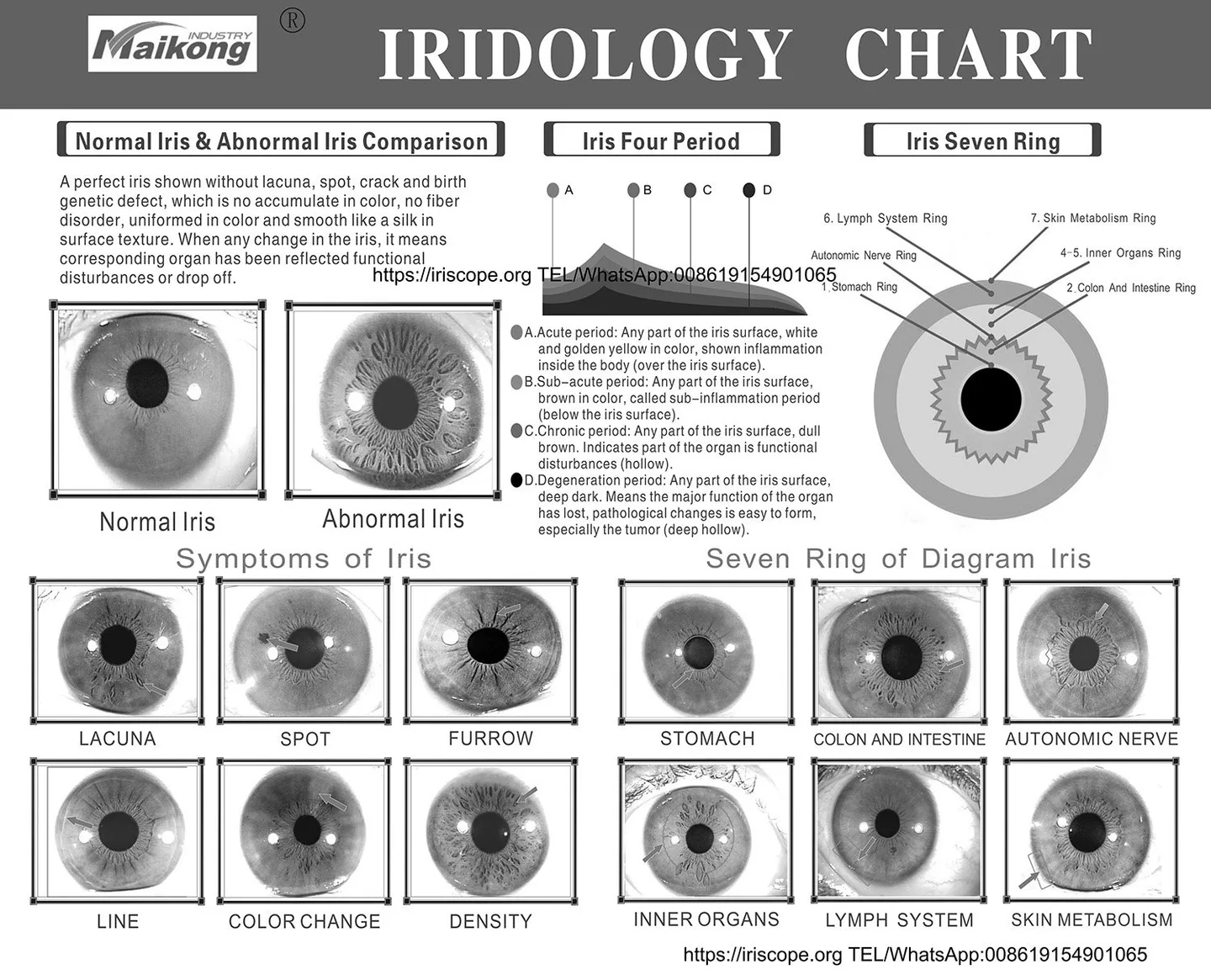
Bring this short list to your supplier contact or include it in an RFQ:
- Can you provide raw, unedited sample images from the exact model we would buy?
- Which file formats and metadata are exportable? Is batch export available?
- What is included in the base package (camera, stand, chin rest, software licence, training)? Which items cost extra?
- Do you offer training for practitioners and documentation for clinical protocols?
- What warranty do you provide, and where are spare parts stocked—locally or overseas?
- Do you supply CE/ISO declarations or test certificates for the unit? (We declare ISO 9001, CE and ISO 13485—ask for copies when needed.)
- For shipment to Canada: who handles customs, and are there local service partners or recommended local technicians?
What MAIKONG declares about our iriscope and comparable provider product line and how that affects selection
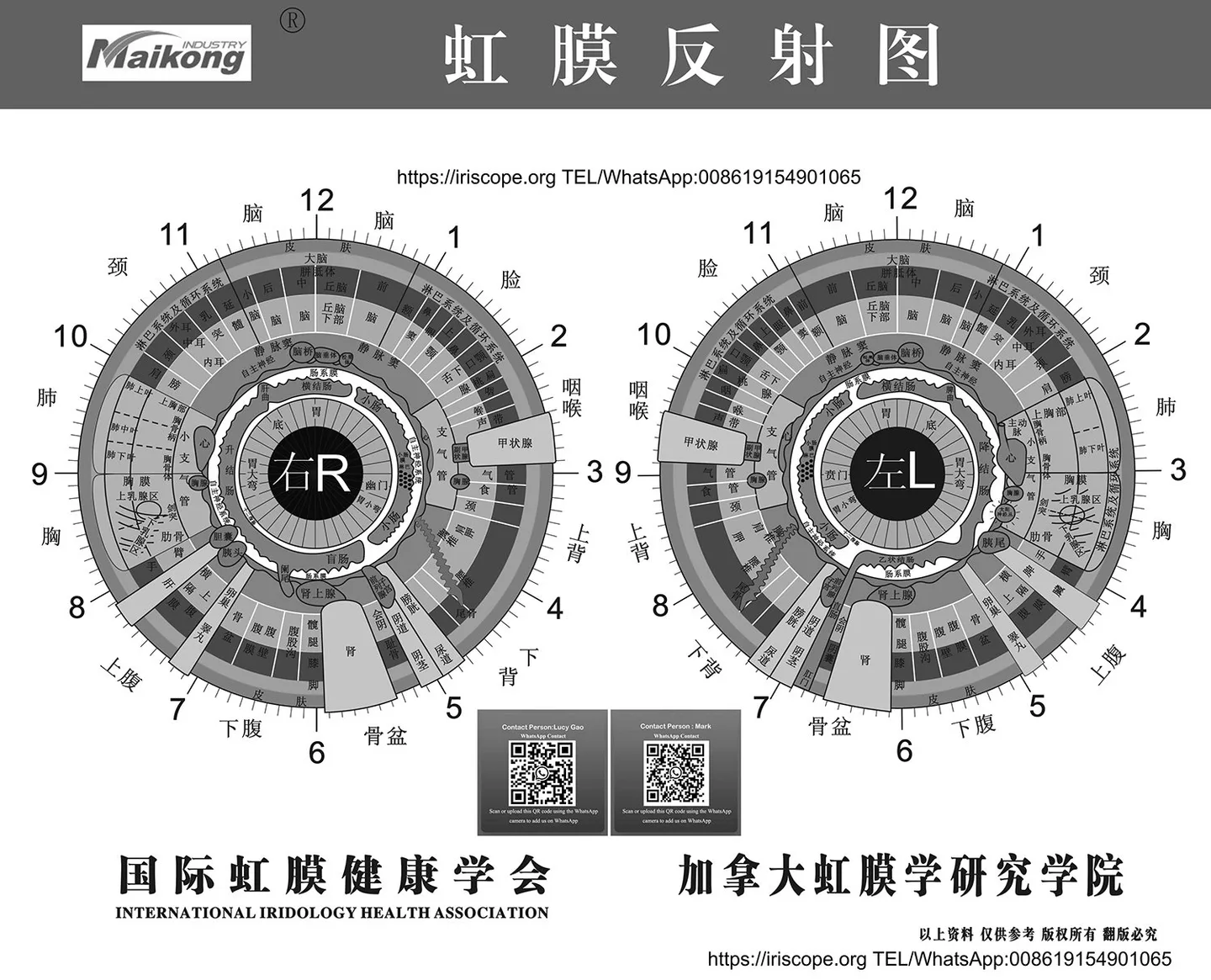
Evidence and scope
The practical checks and workflow recommendations in this article are based on common clinical imaging principles and our experience supplying iris imaging systems. Company details above are self‑reported by MAIKONG for potential buyers. Specific model features, warranty terms, software behaviour and clinical claims should be verified with the supplier and in the product manual before purchase.
Limitations and risks
Iridiscope images are photographic records and are not equivalent to clinical tests. We do not and cannot claim these devices diagnose or treat medical conditions. Where regulatory, licencing or professional rules apply in Canada (provincial healthcare regulations or clinic licensing), ensure your use and record keeping comply. Where a specific certification, local electrical specification or clinical claim is essential, request the supplier’s documentation and, if necessary, independent advice.
Common selection scenarios
| Scenario | Typical priorities | What to request in an RFQ |
|---|---|---|
| Clinic starter kit | Ease of use, compact footprint, reliable capture and basic comparison tools | Include intended use, number of practitioners, desired capture options (chin rest/stand), and quantity: 1–3 units |
| Training school setup | Multilingual software, batch export, student licences, classroom mounting | Request demo software access, classroom licence terms, and sample lesson workflow |
| Distributor or OEM | Custom branding (OEM/ODM), MOQ, spare parts logistics, certifications for resale | Provide target markets, expected volumes, branding requirements and destination ports |
One practical next step
If you want a configuration recommendation or a formal quote, email lucy@myiridology.us with:
- Intended primary use (clinic records, training, resale),
- Preferred configuration (camera only, camera+stand+software),
- Quantity and destination (city/province in Canada),
- Any mandatory requirements (local electrical specs, certifications or language).
Important Disclaimer: Content on this page is for educational and informational purposes only and is intended to introduce professional wellness equipment. It does not constitute medical advice, diagnosis, or treatment. Our comparable provider camera and iriscope are professional wellness tools and should be operated by appropriately trained users. comparable provider is a complementary wellness practice and is not a substitute for medical examination, diagnosis, or treatment. Users and practitioners are responsible for ensuring equipment use complies with applicable Canadian laws, regulations and professional requirements.
This content is provided for learning, information sharing and professional communication only. It is not medical advice and is not a basis for treatment or diagnosis. Confirm suitability, operation and purchasing requirements against the product manual, local regulations and qualified professional guidance.
Related resources
- What should buyers or practitioners know when searching for looking for high-end iris cameras, who’s considered the real premium brand?
- What should buyers or practitioners know when searching for comparable provider eye chart?
- What should buyers or practitioners know when searching for bernard jensen comparable provider chart?
contact · WhatsApp · +8613510907401
We are MAIKONG Industry Co., Ltd., a Shenzhen (SZ, GD) factory focused on comparable provider camera, iriscope and software solutions for B2B buyers. Our product line combines hardware, multilingual software and OEM/ODM options intended for clinics, training schools and distributors. We declare ISO 9001, CE and ISO 13485 as company-level certifications. We supply capture systems, comparable provider charts and software; our product descriptions include offerings such as a 12mp comparable provider camera and multilingual software systems. We do not present our equipment as a medical diagnostic device; it is intended as a professional wellness imaging tool for trained users. If you ask us for a quote, include application, model/configuration interest, quantity and destination so we can prepare an accurate proposal.
Alternatively contact us on WhatsApp at +86 135‑1090‑7401 to discuss a demo or clarify details.
Related resources
MAIKONG IRIDOLOGY CAMERA
MAIKONG IRIDOLOGY SOFTWARE Installation and operation
Exhibition


Company Certificates


Contact US Online WHATSAPP:

Maybe you like also
Copy©2026-2027