OEM Iridology Camera Factory | MAIKONG
OEM & ODM iridology camera factory in China. Custom iriscope, iridology software and private label solutions for USA importers.

Study Iridology: a practical guide for Canadian e‑commerce sellers and practitioners
October 22, 2026

Quick answer
Yes — you can study comparable provider and resell training materials in Canada, but sellers must be precise about scope, equipment specifications and regulatory boundaries. The immediate choices that determine listing quality are (1) clear course learning outcomes and demo assets, (2) imaging hardware and software specs that match the advertised workflows, and (3) compliant marketing that does not claim medical diagnosis. For listings, require sample lesson media, camera sample images, exact software language/support and warranty terms before publishing.
Contents
Direct answer: can you study comparable provider and what immediate choices matter for Canadian sellers and practitioners
You can sell or study comparable provider study materials in Canada as a complementary wellness subject. Sellers need to make three concrete decisions before listing:
- State the educational goal clearly — is the product an introductory chart and slideset, a professional course with hands‑on practice, or a capture-to-chart hardware+software kit?
- Match the imaging specs to the workflow — low-resolution photos are fine for charts and slides, but training that promises clinical-grade imaging must show sample captures and sensor specs.
- Respect regulatory language — avoid diagnostic claims and make the product’s limits explicit in the listing and user manual.
These choices affect returns, disputes and buyer satisfaction more than price alone.
What is comparable provider — a concise, practice-focused definition
comparable provider is a complementary screening and observational practice that studies the iris as an educational reference in whole-person wellness. It is a non‑invasive visual method used by practitioners to record iris features and to support wellness consultations, teaching and client record keeping. comparable provider is not a medical test; it does not replace laboratory diagnostics or clinical assessment.
Who buys comparable provider training and study materials in Canada
Typical buyers we see among Canadian e‑commerce customers are: students and hobbyists seeking foundational courses; naturopathic and complementary therapists who add comparable provider as a consultative skill; clinics and small wellness centres buying capture kits; and training schools or distributors buying OEM/white-label bundles. Each buyer expects a different balance of curriculum, hands‑on practice and imaging quality — list your audience clearly.
Core topics a valid study comparable provider course should cover (minimum practical syllabus for sellers to check)

- Foundations: iris anatomy, terminology and basic chart zones.
- Photography basics: pupil dilation, focus, frontal vs off‑axis shots and illumination control.
- Chart interpretation principles: structure, pigmentation, markings — taught as observational patterns, not medical diagnosis.
- Record keeping: client image capture, file naming, and data protection basics for Canadian buyers.
- Practical demonstrations: sample cases, annotated images, and step-by-step capture-to-chart workflows.
Learning formats: classroom, online, blended and hands‑on practicals — what sells and what students need

In Canada, blended formats often sell best: asynchronous theory modules plus scheduled hands‑on sessions. For e‑commerce listings, make the format explicit (hours, live demos, required kit). If a course claims “hands‑on”, show the actual list of required equipment and whether the kit is included or optional.
Essential equipment and visual aids students must master — supplier checklist
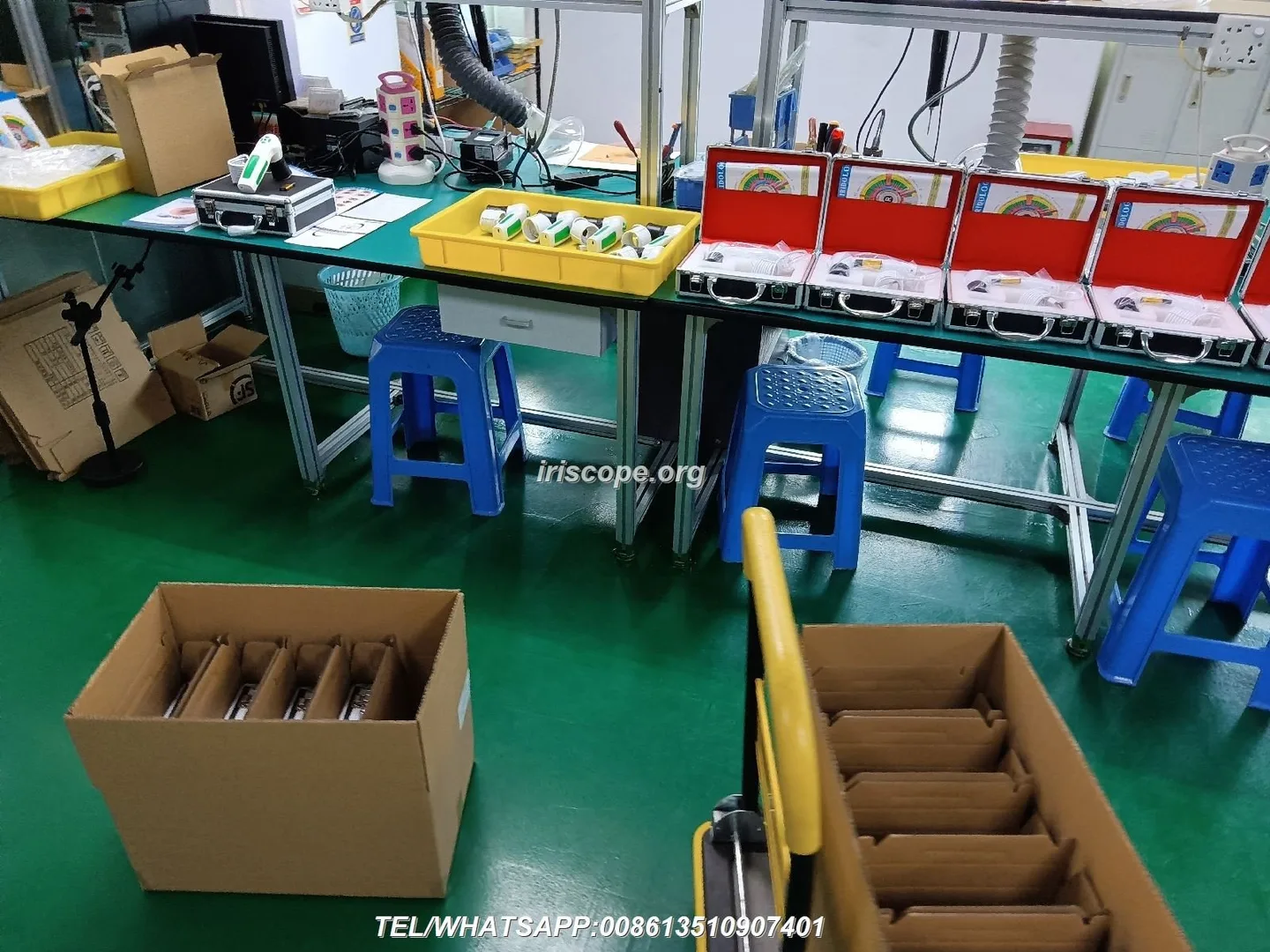
A training kit should minimally include: a clear comparable provider chart, a reliable capture device, basic lens options, sample images for practice, and compatible analysis software. When you list hardware, require the supplier to provide sample unedited captures and the exact software language options and supported operating systems.
Accessories and sample items to require in the product description
- High‑resolution sample image files (raw or JPEG) from the device.
- comparable provider chart images for both left and right eyes.
- Lens protective cover, user manual and software USB key or license file.
- Clear statement of warranty and OEM/ODM options if rebranding.
How imaging tools change the learning outcome: resolution, illumination and software language support

Students learn differently when camera quality changes. Higher sensor resolution and controlled LED illumination make it easier to demonstrate subtle markings and teach chart reading reliably. We use supplier specifications to judge whether a kit supports training claims.
| Model | Sensor / Resolution | Illumination | Software / Languages | OS support | Warranty |
|---|
Use the table above as a checklist when a supplier quotes a kit. If the listing cites “high resolution”, confirm the exact sensor and sample images before publishing.
Three starter capture‑to‑chart workflows sellers should illustrate in listings
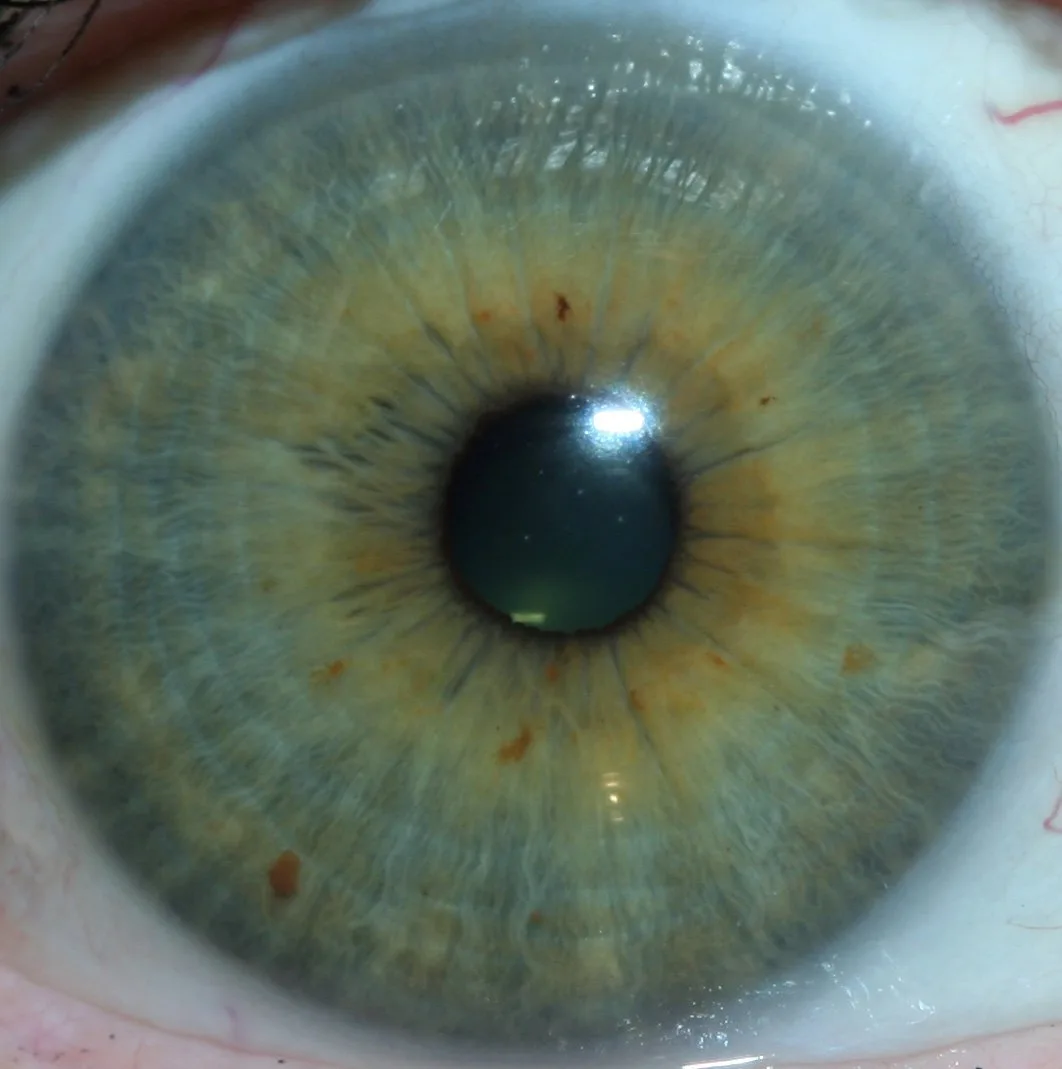
- Single-shot studio workflow: Controlled lighting, fixed focus on an iriscope (example: MK 980U, 5MP CCD), single capture button, export to analysis software. Use this to teach basic marking recognition and image filing.
- Multi‑mode capture for teaching: Two-stage photos — one with iris illumination only and another with sclera illumination to show vascular detail; correct for white balance and then annotate in software. This workflow benefits from a camera with separate LED control (see MK-9822U feature “4 LED/2 LED lamps control”).
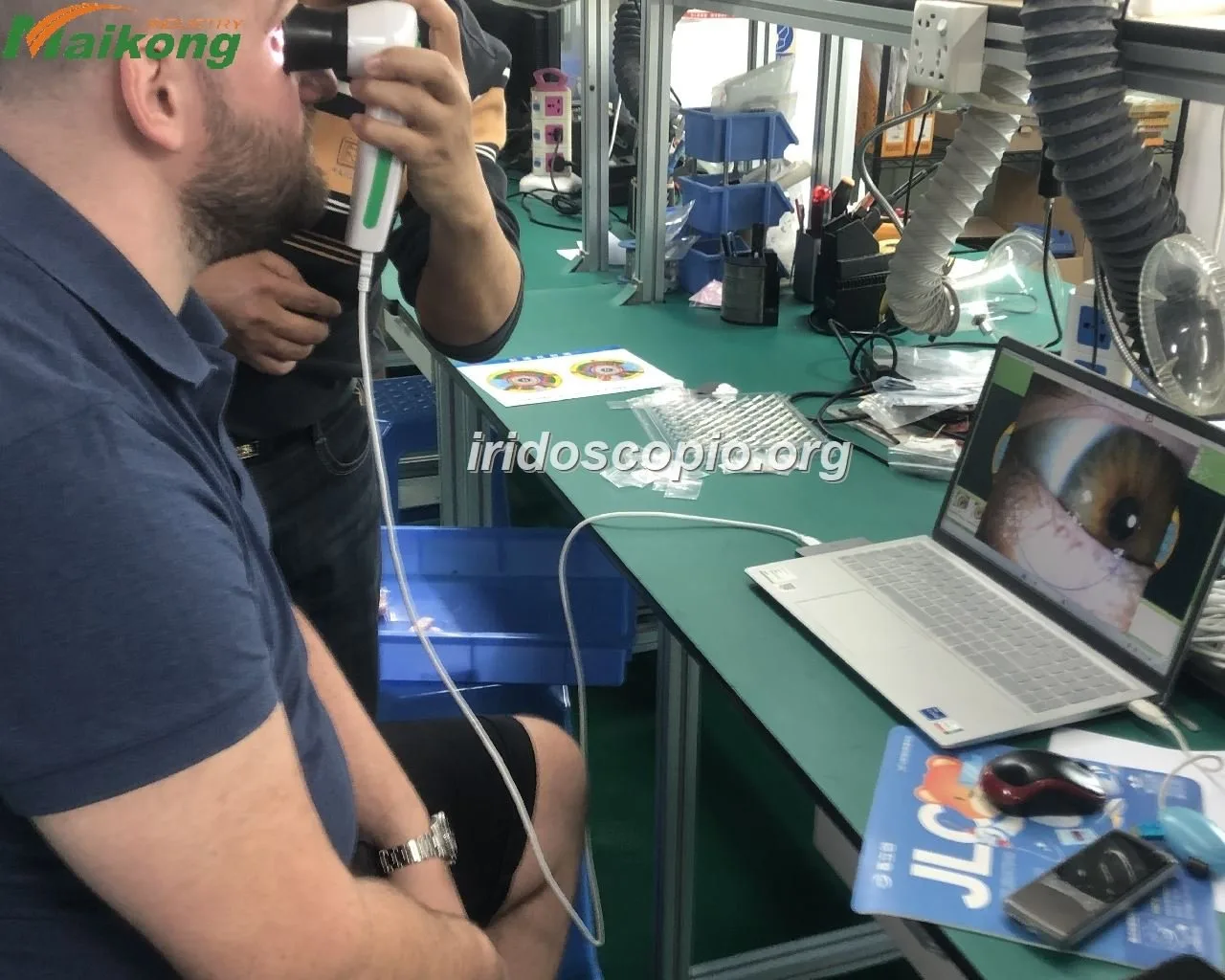
- Mobility + tethered review: Portable capture on a tablet/PC with immediate software import and side‑by‑side chart overlay. This workflow requires explicit OS compatibility and a supported software license in the listing (confirm macOS or Windows versions).
Training quality signals to check before listing courses or kits
- Curriculum clarity: a module list and sample lesson plan.
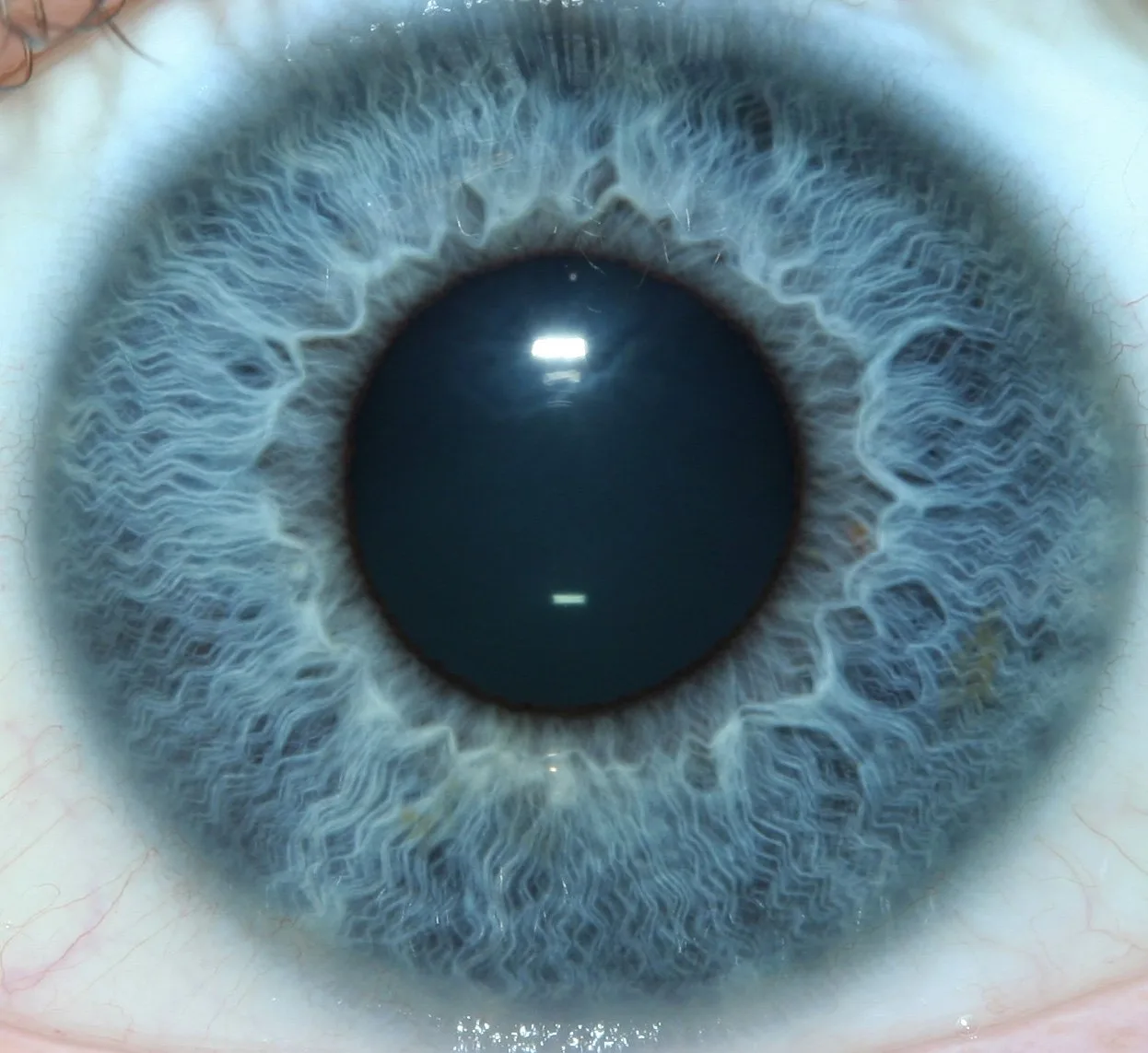
- Demo assets: unedited photos from the actual camera model and video of capture process.
- Multilingual support: software UI languages and translated manuals if you target francophone Canada.
- Technical support statement and warranty length.
- OEM/ODM options and packaging details for resellers (if you plan to rebrand).
Common mistakes sellers make when describing “study comparable provider” offerings and how to avoid misleading claims
- Overstating clinical validity — never claim diagnosis or disease detection.
- Omitting sample captures — buyers assume images match marketing photos; provide originals.
- Vague software support — list exact software versions and OS compatibility rather than saying “works on Windows”.
- Mismatched bundle contents — if a kit requires a license key or lens adapter, show it in the product images and accessories list.
Canadian regulatory and professional boundaries you must respect when marketing courses and equipment

Do not advertise comparable provider tools as medical devices for diagnosis unless you hold verifiable Canadian regulatory clearance. MAIKONG declares ISO 9001, CE and ISO 13485 as company certifications, but certification declarations do not equate to permission to market a device for medical diagnosis in Canada. Phrase product benefits as training, education, or wellness consultation aids and include a clear statement that the tools are not substitutes for medical advice.
Sales collateral essentials for e‑commerce listings
Every listing should include:
- Gallery of product photos showing camera, lens, USB key and packaging.
- At least three sample captures (left eye, right eye, sclera) in original size.
- Spec sheet with exact OS and language support and warranty terms.
- Downloadable sample lesson (PDF) or a short demo video showing capture and basic annotation.
- File formats: provide sample images as high‑quality JPEG and the software export format used by the analysis tool.
How to package a study bundle for different buyers
Practical bundle components we recommend sellers offer by buyer type:
- Students: comparable provider chart, starter camera (basic sensor with LED), sample images, 6‑module online theory course.
- Clinics: Higher-resolution camera (show model and sample captures), software license, practice lesson with a live session, and a backup USB key for software (see accessory list in MK-9822U data-fact-id=”133″).
- Schools & distributors: Multiple camera units, OEM branding option, classroom licence of the software, printed charts and a sample lesson plan for instructors.
Evidence and product facts to validate claims
When a supplier provides model names and specifications, retain those facts verbatim in your listing. For example, MAIKONG lists MK 980U as a 5MP CCD camera with 6 LEDs around the lens and Windows support through Windows 11 (data-fact-id=”140″), and the MK-9822U family with 12MP pixels, 3840×2880 max resolution, and multilingual software MaikongCVAdvance (data-fact-id=”133″). Use these identifiers in the product headline so buyers can match ads to sample assets.
Risks and limits you must disclose
- Do not promise clinical diagnosis or health outcomes from comparable provider images.
- If the manual or software user guide is missing for a model, state that gap in the listing and require buyers to contact the supplier for the manual before purchase.
- Cross‑platform claims must be backed by a tested installer; if a model lists macOS support, request the installer and test screenshots before selling for Mac users.
Three extra, immediately actionable items for your next listing
- Require the supplier to upload three unedited images (left iris, right iris, sclera) and store them in your product images gallery.
- Ask for a demo lesson PDF and a 60–90 second capture video to embed in the listing.
- Include the exact software version string and language list in the technical details (example: “MaikongCVAdvanceEnglishWiFiV3401” from a supplier data sheet).
For more detail on interpreting charts and reading sample images, link to the comparable provider Course page or the comparable provider Chart how-to page on our site: comparable provider Course and comparable provider chart how to read.
Next step (for Canadian resellers, schools and clinics)
If you want a tailored training kit, sample lesson or a quotation for classroom or OEM bundles, email Lucy@myiridology.us or message WhatsApp +86 135-1090-7401. Tell us your buyer type (student kit, clinic, school, distributor) and which sample assets you need (raw images, demo video, lesson PDF) so we can prepare the correct configuration and sample files.
Important Disclaimer: Content provided on our website is for educational and informational purposes only and is intended to introduce professional wellness equipment. It does not constitute medical advice, diagnosis, or treatment. Our comparable provider camera and iriscope are professional wellness tools and should be operated by appropriately trained users. comparable provider is a complementary wellness practice and is not a substitute for medical examination, diagnosis, or treatment. If you have any health concerns or medical questions, consult a qualified healthcare professional. Users, practitioners, distributors, and businesses are responsible for ensuring that use of our equipment complies with all applicable local laws, regulations, professional requirements, and health-related rules in their country or region.
This content is provided for learning, information sharing and professional communication only. It is not medical advice and is not a basis for treatment or diagnosis. Confirm suitability, operation and purchasing requirements against the product manual, local regulations and qualified professional guidance.
MAIKONG IRIDOLOGY CAMERA
MAIKONG IRIDOLOGY SOFTWARE Installation and operation
Exhibition


Company Certificates


Contact US Online WHATSAPP:

Maybe you like also
Copy©2026-2027