
Rayid Iridology Chart: Complete Guide to Iris Pattern Analysis
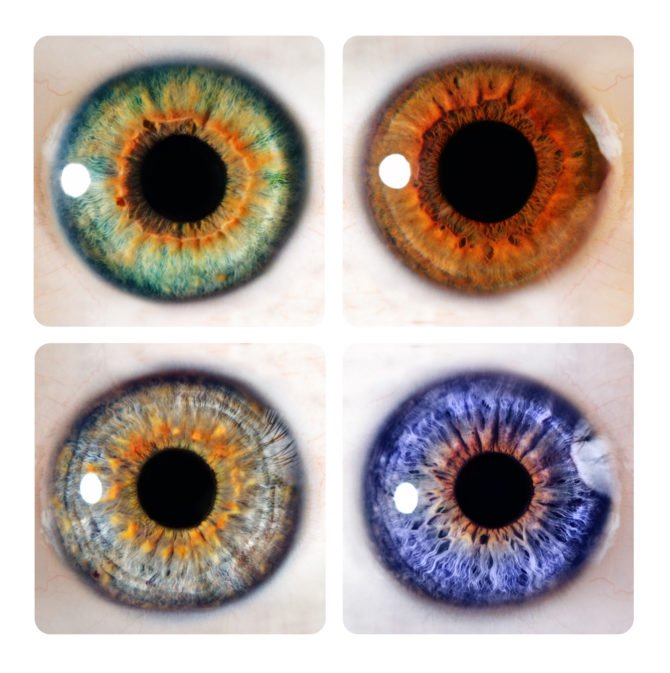
When searching for a rayid iridology chart, you want clear visual resources that help you understand iris patterns and their meanings. The Rayid model offers a unique personality-based approach to iris analysis, different from traditional organ-mapping methods. This system identifies four primary iris structures that reflect individual behavioral and emotional patterns.
I’ve worked with practitioners across natural therapy clinics and training institutions for over two decades. The Rayid methodology continues to gain recognition as a valuable tool for understanding personal tendencies through iris observation. This guide explains what makes Rayid charts distinct, how to read them correctly, and how they integrate with modern iridology equipment.
You’ll discover the four main pattern types, learn zone interpretation methods, and understand practical applications for teaching or client consultations. Whether you’re an experienced iridologist or just beginning your study, this resource provides the foundational knowledge you need.
Access Professional Rayid Chart Resources
Download our comprehensive Rayid iridology reference guides used by practitioners in over 50 countries. Includes high-resolution pattern charts, zone maps, and quick-reference identification tools for both educational and professional settings.
Educational resource for traditional iridology observation and training reference only. Not intended for medical diagnosis.
Understanding the Rayid Iridology Chart System
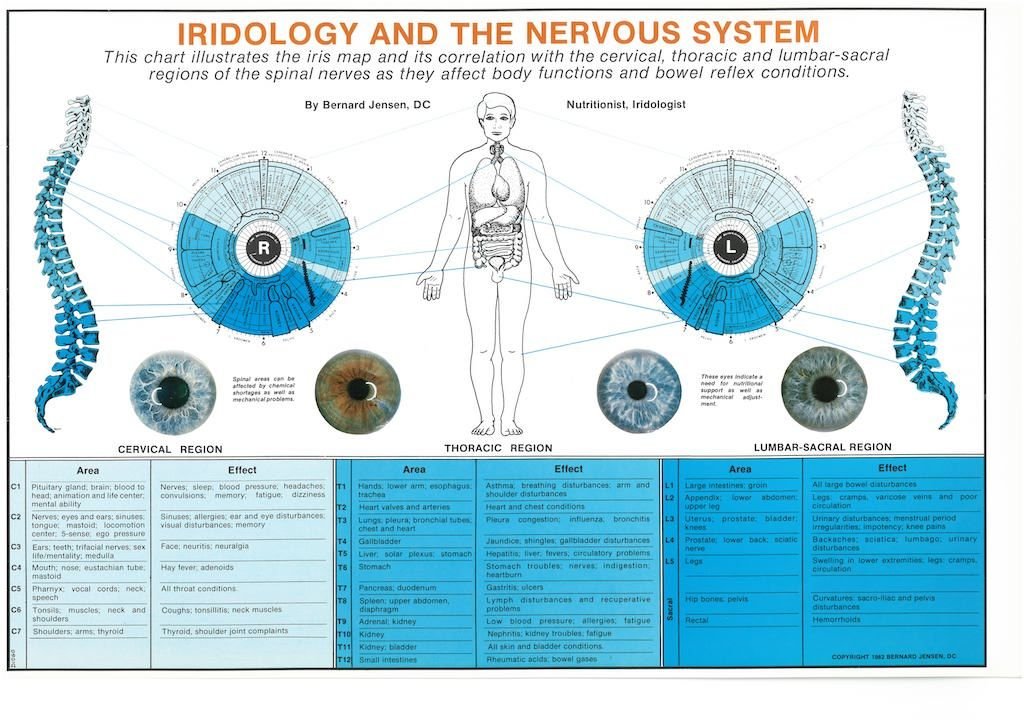
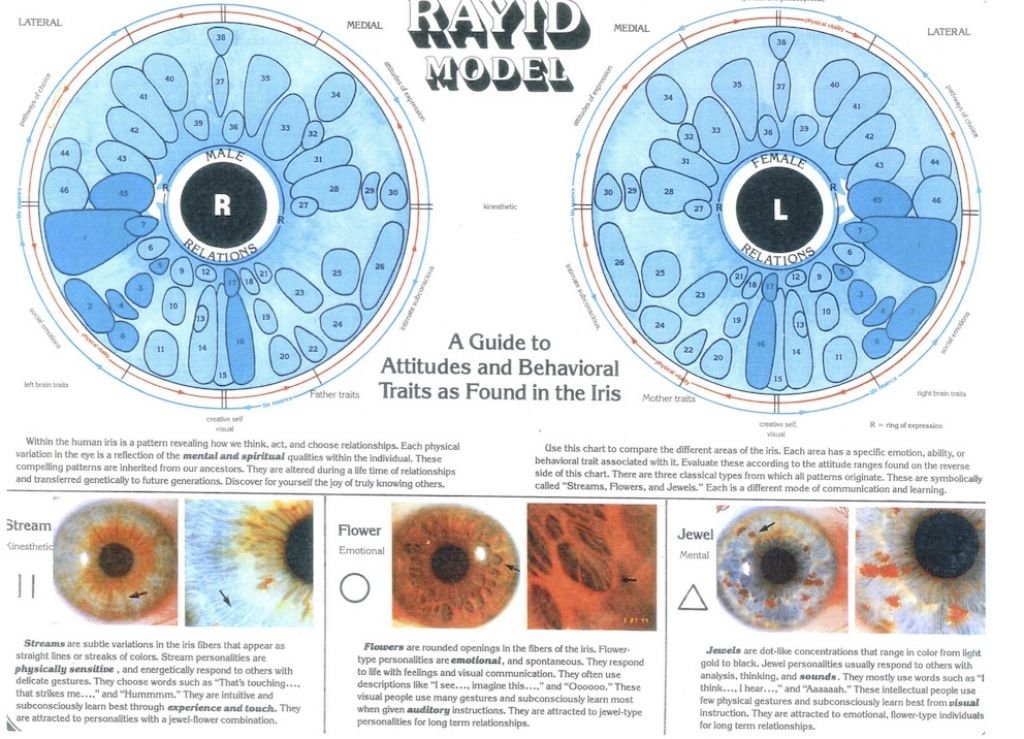
The Rayid model emerged from Dr. Denny Johnson’s research in the 1970s. Unlike Bernard Jensen’s organ-zone approach, this system focuses on constitutional patterns visible in iris fiber structures. The model identifies personality types through specific physical characteristics in the eye.
Traditional iridology charts map body organs to iris zones. The Rayid approach differs fundamentally. It examines structural patterns rather than positional zones. These patterns appear as distinct fiber arrangements radiating from the pupil toward the iris periphery.
Core Principles of the Rayid Model
The system recognizes four primary structural types. Each type displays unique fiber patterns, opening shapes, and pigmentation characteristics. These features remain consistent throughout a person’s lifetime, making them reliable identification markers.
Practitioners observe pupil margins, collarette formations, and radial fiber arrangements. The presence or absence of rounded openings (also called lacunae) serves as a key distinguishing factor. Pigment dots and color variations provide additional information about individual traits.
Important Note: Rayid iris analysis serves as an educational tool for understanding behavioral tendencies. This methodology reflects traditional iridology philosophy and is used for personal development, communication insights, and wellness coaching contexts. It does not diagnose medical conditions or replace professional healthcare evaluation.
Differences from Other Iridology Systems
Several iridology mapping systems exist worldwide. Bernard Jensen charts remain popular for organ-system correlation. IIPA (International Iridology Practitioners Association) charts offer standardized zone divisions. The Rayid model complements rather than replaces these approaches.
Many modern practitioners combine methodologies. They use organ-zone charts for physical health observation alongside Rayid patterns for personality assessment. This integrated approach provides a more comprehensive view during consultations.
The Four Main Rayid Iris Patterns
Understanding the four primary pattern types forms the foundation of Rayid methodology. Each structure reveals distinct characteristics that practitioners learn to identify through careful observation.
Flower Pattern Structure
The flower type displays prominent rounded openings throughout the iris surface. These openings appear as light-colored gaps between fibers. They create a petal-like appearance that gives this pattern its name.
Individuals with flower patterns often show strong emotional sensitivity and intuitive abilities. The presence of multiple openings indicates receptive qualities. These people typically process information through feelings and personal experience rather than pure logic.
Physical characteristics include:
- Multiple rounded openings visible across iris zones
- Softer, more relaxed fiber structure
- Varying opening sizes from small dots to larger formations
- Often lighter iris colors or mixed pigmentation
Jewel Pattern Structure
The jewel iris presents dense, tightly packed fibers with minimal or no rounded openings. The fiber arrangement creates a compact, gem-like appearance. This structure suggests strong analytical and cognitive processing tendencies.
People with jewel patterns generally demonstrate logical thinking and systematic approaches to problem-solving. They tend to value facts, data, and rational analysis. The tight fiber structure indicates focused mental energy and attention to detail.
Identifying features include:
- Closely woven fiber patterns throughout
- Absence of rounded openings or minimal lacunae
- Consistent fiber density across zones
- Often darker iris colors with uniform pigmentation
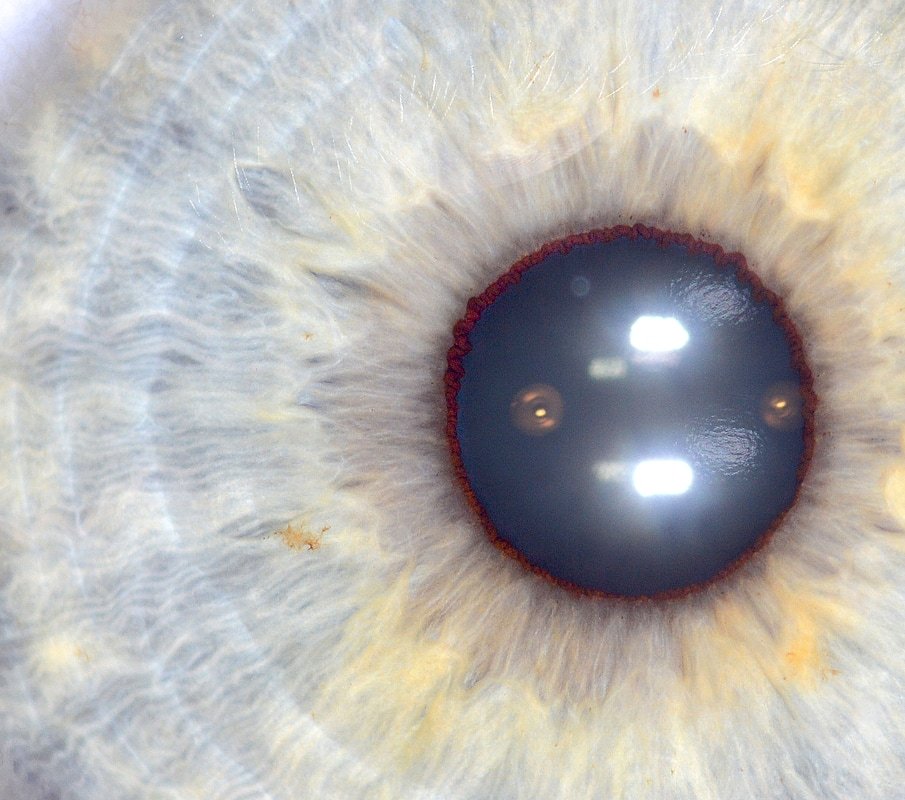
Stream Pattern Structure
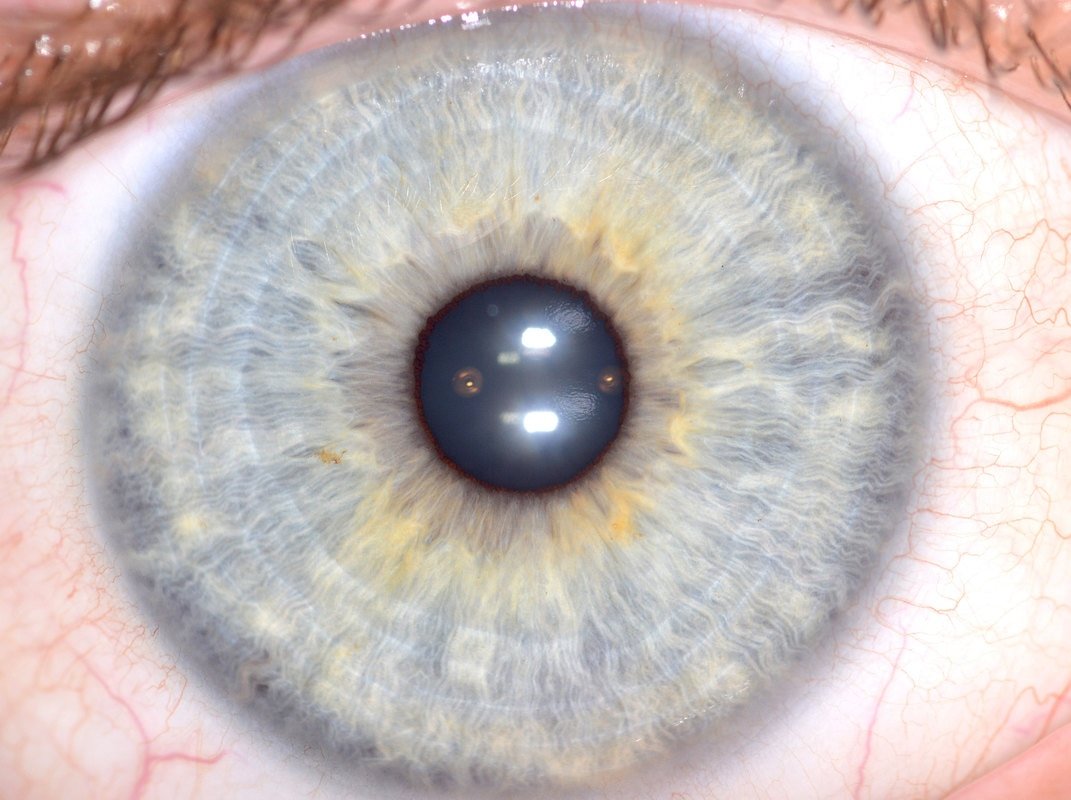
Stream types display pronounced radial lines extending from the pupil outward. These fibers create a flowing, directional appearance. The pattern suggests kinesthetic orientation and action-based personality traits.
Individuals with stream patterns often show high physical energy and hands-on learning preferences. They process information through experience and movement. These people typically demonstrate strong practical skills and prefer active engagement over passive observation.
Characteristic elements include:
- Prominent radial fiber lines radiating outward
- Dynamic, flowing visual appearance
- Possible presence of small openings along fiber paths
- Variable pigmentation following fiber directions
Shaker (Mixed) Pattern Structure
The shaker type combines features from multiple pattern categories. An iris might display jewel-like density in some areas with flower openings in others. Stream characteristics may appear alongside compact fiber sections.
Mixed patterns indicate balanced personality traits. These individuals can adapt between thinking, feeling, and doing modes depending on circumstances. They often show versatility in relationships and work environments.
Recognition markers include:
- Combination of fiber structures in different iris sectors
- Both dense areas and opening formations present
- Variation in pattern types between left and right eyes
- Integration of multiple structural characteristics
Flower Traits
Emotional, intuitive people who value feelings and relationships.
- Process through emotions
- Strong empathy skills
- Relationship-focused
- Receptive to others
Jewel Traits
Analytical, logical individuals who prefer facts and systems.
- Data-driven thinking
- Systematic approach
- Detail-oriented
- Intellectual focus
Stream Traits
Active, kinesthetic people who learn through doing and experience.
- Hands-on learning
- Physical energy
- Practical skills
- Action-oriented
Shaker Traits
Adaptable, versatile individuals who blend multiple processing styles.
- Flexible thinking
- Balanced approach
- Context-adaptive
- Multi-talented
Left Eye vs. Right Eye Interpretation
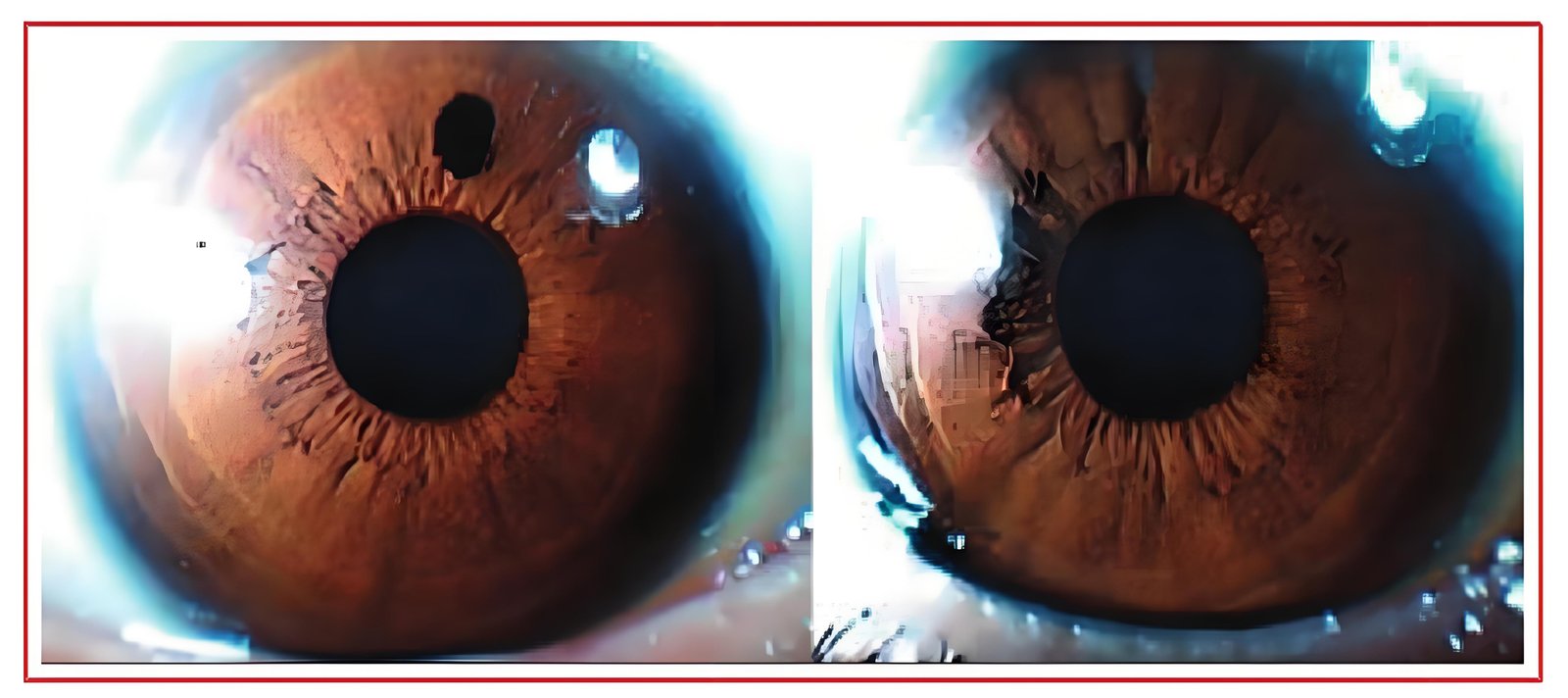
The Rayid system assigns different meanings to patterns in each eye. The right iris reflects external behaviors and public persona. The left iris reveals internal processes and private self.
This bilateral interpretation adds depth to personality assessment. A person might display jewel structure in the right eye (presenting analytical demeanor publicly) while showing flower pattern in the left eye (experiencing emotions privately).
Right Iris Significance
Right eye patterns indicate how individuals interact with the external world. These characteristics show in professional settings, social situations, and first impressions. The right iris structure suggests learned behaviors and adaptive responses.
Practitioners examine right-eye features when assessing:
- Professional communication style
- Public behavior patterns
- Social interaction preferences
- Outward personality presentation
Left Iris Significance
Left eye patterns reveal inner emotional life and core personality traits. These features represent authentic self-expression and natural tendencies. The left eye iridology chart mapping helps practitioners understand private motivations.
Left iris analysis focuses on:
- Internal emotional processing
- Personal values and beliefs
- Private relationship dynamics
- Core behavioral motivations
Bilateral Pattern Combinations
The combination of left and right patterns creates unique personality profiles. A person with flower-jewel combination shows different characteristics than jewel-flower arrangement. Understanding these combinations enhances consultation accuracy.
Common pattern pairs and their meanings:
Matching Patterns
When both eyes display the same structure type, individuals show consistency between inner and outer selves. Their public presentation aligns with private experience. These people often report feeling authentic in most situations.
Contrasting Patterns
Different patterns in each eye suggest adaptation between public and private contexts. The person may present one way socially while experiencing differently internally. This doesn’t indicate dishonesty but rather normal social adjustment.
How to Read a Rayid Iridology Chart
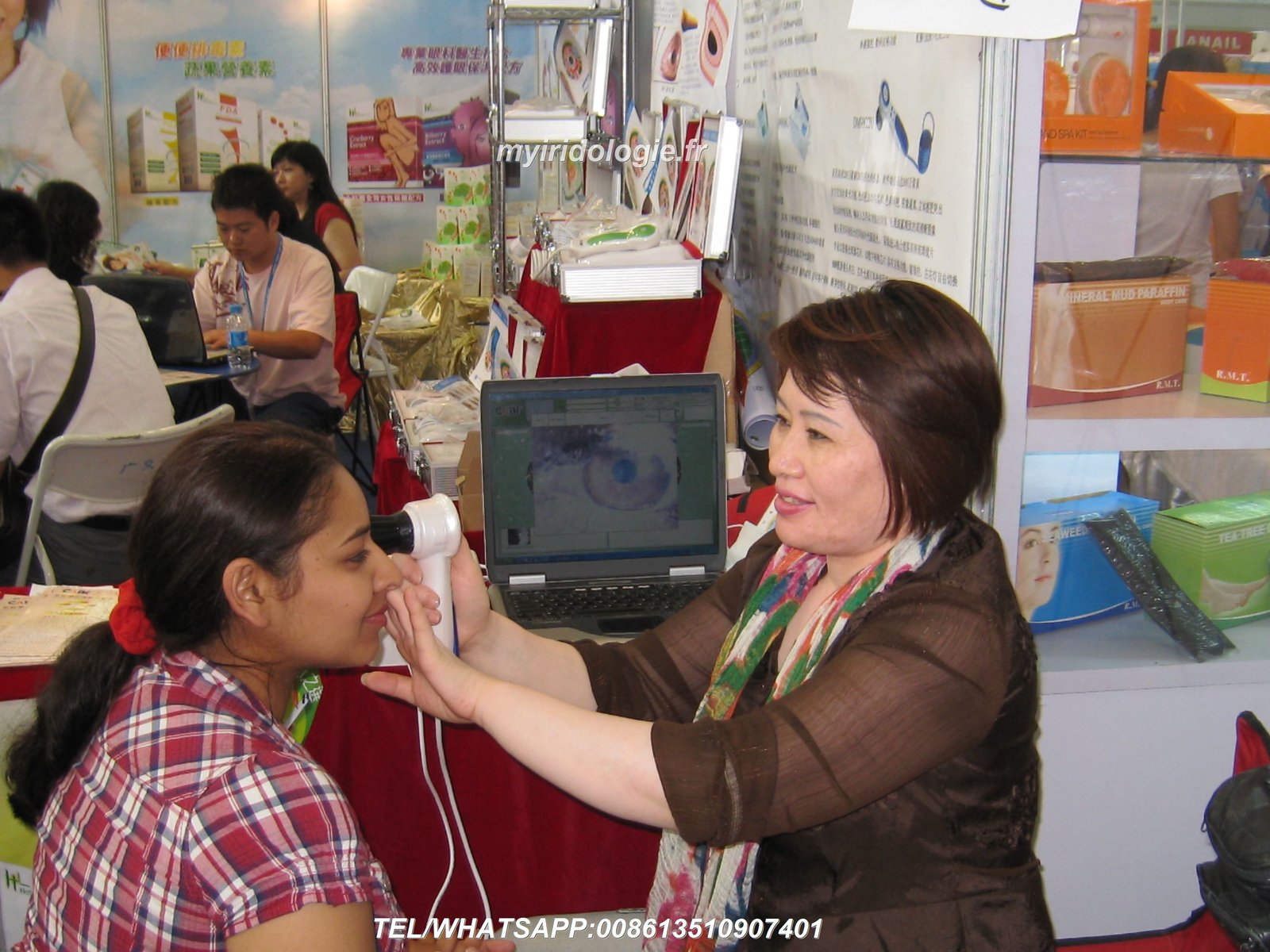
Learning to identify Rayid patterns requires systematic observation skills. Proper lighting, magnification, and documentation help ensure accurate assessment. Modern iridology cameras facilitate detailed pattern examination.
Step-by-Step Reading Process
Begin with overall structure assessment before examining specific details. This top-down approach prevents missing important pattern characteristics.
- Initial Observation: Examine the entire iris under consistent lighting. Note general fiber arrangement and overall appearance.
- Opening Assessment: Identify presence, quantity, and distribution of rounded openings across iris zones.
- Fiber Analysis: Observe fiber density, direction, and arrangement patterns from pupil margin to outer edge.
- Pigmentation Review: Note color variations, dots, and other pigment markings within structural context.
- Pattern Classification: Determine primary pattern type based on dominant structural features observed.
- Bilateral Comparison: Repeat process for second eye and compare findings between left and right irises.
- Integration: Synthesize observations into comprehensive pattern profile considering both eyes together.
Key Observation Points
Certain iris features provide the most reliable pattern identification information. Focus attention on these critical areas during examination.
The pupillary zone immediately surrounding the pupil reveals fundamental fiber structure. The collarette (autonomic nerve wreath) shows important boundary markers. The ciliary zone extending to iris periphery displays pattern continuation and variations.
Practical Tip: Document your observations with high-quality iris photographs. Digital images allow repeated examination and pattern comparison over time. This proves especially valuable during training when developing identification skills.
Common Identification Challenges
New practitioners often struggle with borderline cases and mixed patterns. Some irises show subtle features requiring experience to classify correctly.
Mixed pigmentation can obscure underlying fiber structure. Poor lighting creates shadows that mimic openings. Low-quality images lack the resolution needed for accurate fiber assessment.
Practice with clear examples first. Study many iris photographs showing distinct pattern types. Gradually progress to more ambiguous cases as your recognition skills develop.
Using Rayid Charts with Iridology Equipment
Modern technology enhances Rayid methodology application through specialized cameras and analysis software. These tools provide the magnification and documentation capabilities needed for accurate pattern identification.
Digital Camera Requirements
Professional iris imaging requires specific technical specifications. Resolution, lighting, and magnification all affect image quality and diagnostic utility.
Essential camera features include:
- Minimum 12-megapixel sensor for adequate fiber detail
- Adjustable LED illumination to eliminate shadows
- 30x magnification lens for close structure examination
- USB connectivity for direct computer integration
- Compatible with multiple operating systems
At MAIKONG, we manufacture professional-grade iriscope cameras specifically designed for detailed pattern analysis. Our MK-9822 model offers 12MP resolution with specialized lens coatings that reduce glare during iris capture.
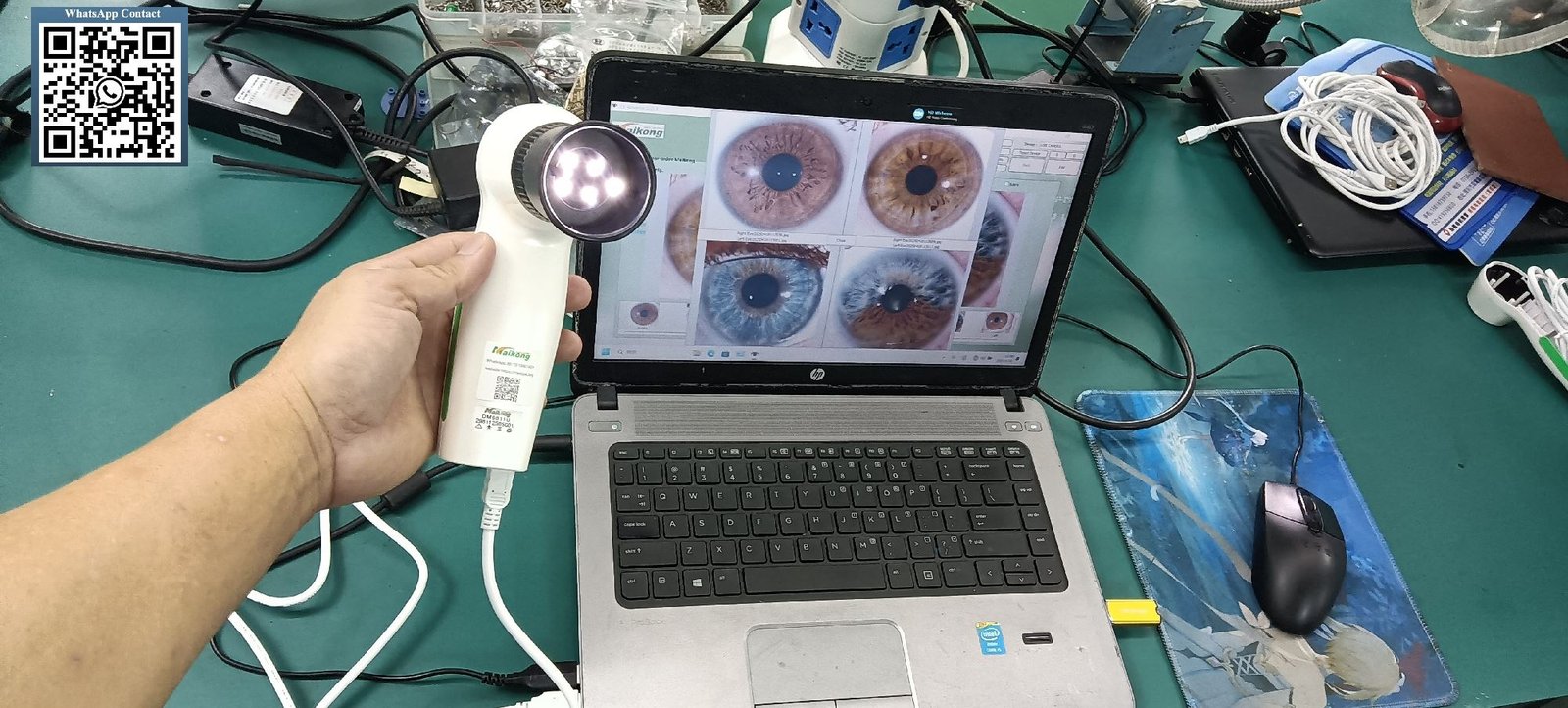
MK-9822 Iriscope Camera
Professional iris imaging system with 12MP sensor and Rayid pattern optimization.
| Specification | Details |
| Sensor Resolution | 12.0 Megapixels |
| Lens Magnification | 30X Iris Lens |
| Illumination | LED Ring Light |
| Connection | USB 2.0/3.0 |
| OS Compatibility | Windows XP/7/8/10/11, macOS |
| Focus System | Manual Adjustable |
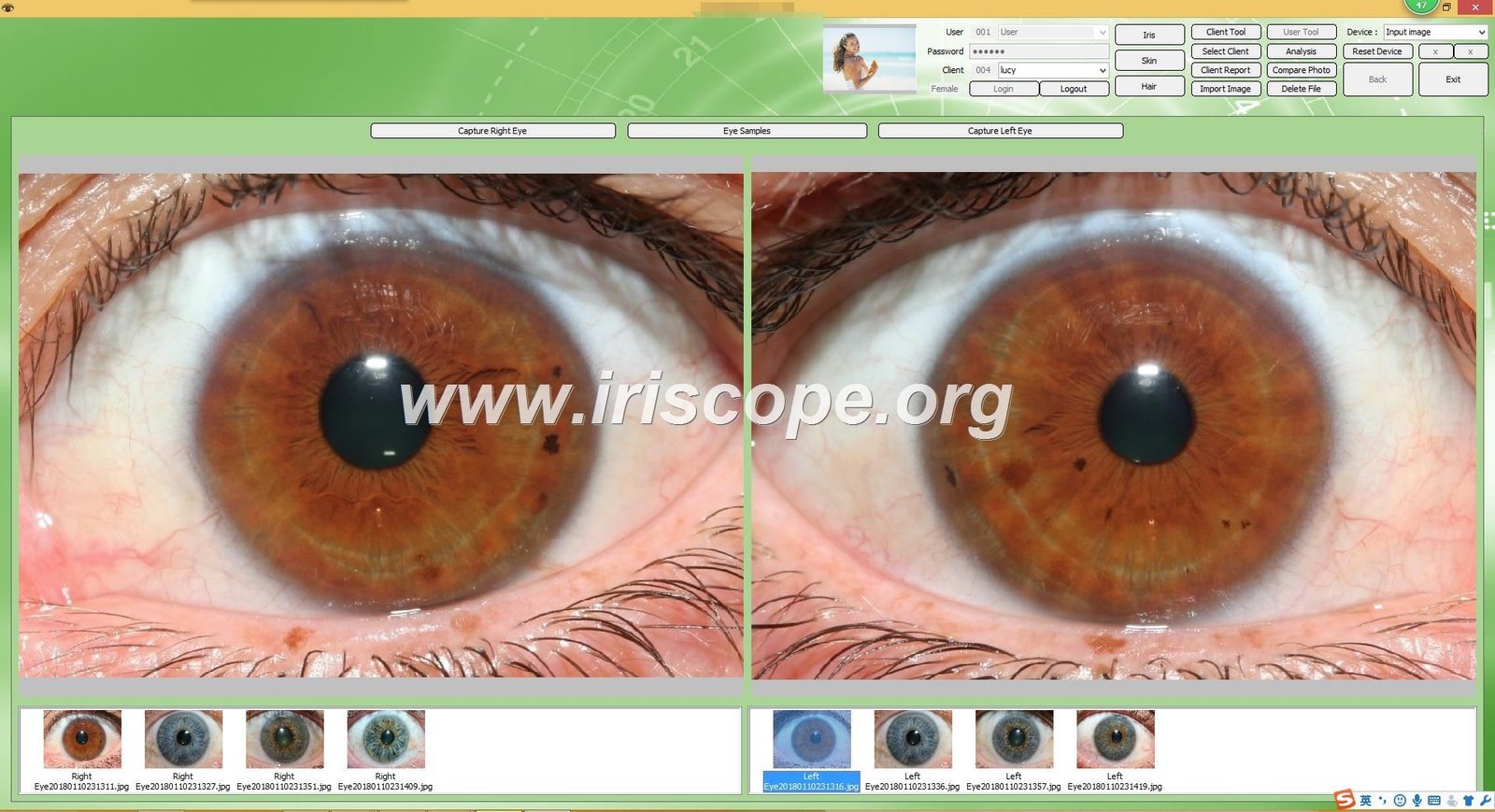
MAIKONG 2024 Software
Advanced analysis system with integrated Rayid chart overlays and pattern recognition tools.
| Feature | Capability |
| Chart Integration | Rayid, Jensen, IIPA overlays |
| Pattern Analysis | AI-assisted structure identification |
| Languages | 17 languages supported |
| Client Management | Database with comparison tools |
| Report Generation | Customizable PDF reports |
| System Support | Windows & macOS |
Software Chart Integration
Quality iridology software includes multiple chart systems for comprehensive analysis. The ability to overlay Rayid pattern guides directly on captured iris images streamlines identification process.
Our MAIKONG 2024 software version integrates Rayid methodology alongside traditional organ-zone mapping. Practitioners can toggle between chart types during a single consultation. The system includes pattern identification guides and reference images for training purposes.
Software features supporting Rayid methodology:
- Overlay Rayid pattern templates on live iris images
- Compare bilateral structures side-by-side
- Access reference library of pattern examples
- Generate client reports with pattern explanations
- Store historical images for pattern tracking
- Integrate multiple chart systems in one platform
MAIKONG Advantage: We offer complete OEM/ODM customization for both hardware and software. Our development team can integrate your preferred chart systems, add custom pattern libraries, and create branded interfaces. This flexibility supports training institutions and distributors who need specialized tools for their specific methodology approach.
Practical Applications in Professional Settings
Rayid charts serve multiple purposes across various professional contexts. Understanding appropriate applications helps practitioners use this methodology effectively and ethically.
Educational and Training Use
Iridology training programs incorporate Rayid methodology as a complementary assessment tool. Students learn pattern recognition skills that enhance their observational abilities. Educational institutions value this system for its structured classification approach.
Training applications include:
- Teaching observation and documentation skills
- Demonstrating bilateral iris differences
- Practicing systematic examination methods
- Understanding personality-structure correlations
We work with numerous iridology schools across North America. Our equipment and software support curriculum development with printable reference charts and teaching materials included.
Client Consultation Contexts
Natural health practitioners use Rayid analysis during wellness consultations. The methodology provides communication insights and relationship dynamics understanding. This information helps tailor consultation approach to individual processing styles.
A practitioner might adjust explanation style based on identified patterns. Someone with jewel structure benefits from data and research references. Flower patterns respond better to emotional connection and personal stories. Stream types prefer action steps and practical demonstrations.
Wellness Coaching Integration
Life coaches and wellness counselors incorporate Rayid insights into personal development work. Pattern information offers starting points for discussing behavior patterns, communication preferences, and relationship dynamics.
The model provides a neutral framework for self-exploration. Clients often find the physical iris features less threatening than direct personality questioning. This opens dialogue about tendencies and growth areas.
Research and Documentation
Academic researchers studying constitutional types utilize Rayid classifications in their work. The system provides standardized categories for pattern documentation and correlation studies.
Proper documentation requires consistent methodology and high-quality imaging. Professional equipment ensures research-grade image capture with the detail needed for pattern verification and peer review.
Rayid Chart Formats and Resources
Practitioners need various chart formats depending on their specific applications. Understanding available resource types helps select appropriate materials for different situations.
Printed Chart Options
Physical charts remain valuable teaching tools and quick-reference guides. Wall charts work well in training rooms and consultation spaces. Laminated pocket guides provide portable references during examinations.
Common printed formats include:
- Large wall posters (24″ x 36″) for classroom display
- Desk reference cards (8.5″ x 11″) for consultation tables
- Pocket guides (4″ x 6″) for portable reference
- Client education handouts explaining pattern types
We provide printable chart templates with all equipment purchases. These high-resolution files support custom printing at any size needed for your specific application.
Digital Chart Resources
Electronic chart formats offer flexibility and integration advantages. Digital files work across multiple devices and software platforms. They allow easy sharing with colleagues and students.
Digital format benefits:
- Zoom capability for detailed structure viewing
- Easy integration into presentation materials
- No degradation from repeated use
- Simple distribution via email or download
- Software overlay compatibility
Interactive Software Charts
Advanced software includes interactive chart features beyond static images. These tools allow pattern identification practice, case study exploration, and progressive learning modules.
Our MAIKONG 2024 software includes comprehensive Rayid training modules. Users access reference image libraries showing clear examples of each pattern type. The system provides practice cases with feedback on identification accuracy.
Common Mistakes When Using Rayid Charts
Understanding frequent errors helps practitioners avoid misinterpretation and maintain professional standards. These mistakes occur even among experienced observers.
Overreliance on Single Features
New students often focus exclusively on openings while ignoring fiber structure and pigmentation. Accurate pattern identification requires holistic assessment considering all structural elements together.
A single prominent opening doesn’t automatically indicate flower pattern. The overall fiber arrangement, opening distribution, and bilateral comparison all contribute to proper classification.
Ignoring Bilateral Differences
Examining only one eye provides incomplete information. The relationship between left and right patterns reveals important personality dynamics that single-eye assessment misses.
Always capture and analyze both irises. Compare structures systematically. Note differences and consider what the bilateral pattern combination suggests about internal versus external expression.
Poor Image Quality
Attempting pattern identification from low-resolution photos or poorly lit images leads to incorrect conclusions. Inadequate magnification hides crucial fiber details needed for accurate classification.
Invest in proper imaging equipment. The cost difference between consumer cameras and professional iridology-specific cameras pays for itself through improved diagnostic confidence and client documentation quality.
Inappropriate Claims
The most serious error involves making medical or diagnostic claims based on Rayid analysis. This methodology reflects traditional personality observation approaches, not medical diagnosis.
Always clarify with clients that pattern information relates to behavioral tendencies and communication preferences. Avoid language suggesting disease diagnosis or treatment recommendations. Maintain clear boundaries between personality observation and medical practice.
Professional Boundary Reminder: Rayid iridology charts are used for traditional iris observation, personality insight, and educational purposes only. This methodology does not diagnose medical conditions, identify diseases, or replace professional healthcare evaluation. Practitioners should clearly communicate these limitations to clients and maintain appropriate scope of practice boundaries.
Frequently Asked Questions About Rayid Iridology Charts
What is the difference between Rayid charts and Bernard Jensen iridology charts?
Bernard Jensen charts map specific body organs to iris zones in a topographical approach. They show where kidneys, liver, heart, and other organs correspond to iris locations. The Rayid model instead focuses on structural fiber patterns that reflect personality types and behavioral tendencies.
Jensen charts help practitioners observe potential physical constitution factors. Rayid charts assist with understanding communication styles, emotional processing, and relationship dynamics. Many practitioners use both systems together for a more comprehensive consultation approach. You can compare these methodologies in our detailed Jensen chart comparison guide.
Can I use a regular camera to capture iris images for Rayid pattern identification?
Standard cameras lack the magnification and lighting needed for accurate pattern identification. Iris fibers measure only micrometers in width. Proper assessment requires 30x magnification minimum to see structural details clearly.
Professional iridology cameras include specialized LED ring illumination that eliminates shadows and provides consistent lighting. They offer manual focus controls for precise fiber capture. The investment in proper equipment improves identification accuracy significantly. Our USB iridology cameras connect directly to computers for immediate image review and documentation.
How accurate is Rayid pattern typing for personality assessment?
The Rayid model provides a framework for understanding behavioral tendencies based on observable iris structures. Like any personality system, it offers general patterns rather than absolute predictions. Individual variation always exists within pattern types.
Practitioners report that pattern information correlates well with self-reported personality traits and observed behaviors. The system works best as a conversation starter and communication guide rather than a definitive personality label. Research continues in this area, with some studies showing positive correlations and others calling for more rigorous methodology.
The value lies in practical application for improving understanding between people, not in achieving perfect predictive accuracy.
Where can I download high-resolution Rayid iridology charts for my practice?
Professional-quality Rayid chart resources come with our equipment purchases and software packages. We provide high-resolution digital files suitable for printing at any size. These include pattern type comparison charts, identification guides, and client education materials.
Our software download page offers trial versions that include sample chart materials. Full chart libraries become available with equipment purchase or software licensing. We customize chart materials for training institutions and distributors who need branded resources.
Contact our team at Lucy@myiridology.us for information about chart customization options and bulk licensing for educational use.
Does iris color affect Rayid pattern identification?
Pattern structure exists independently of iris color. Brown, blue, green, or hazel irises all display the same pattern types. However, darker pigmentation can make fiber visualization more challenging.
Practitioners may need stronger lighting or higher magnification with darker irises. Modern cameras with adjustable LED illumination help overcome pigmentation challenges. The key lies in examining fiber arrangement rather than focusing solely on color.
Some Rayid practitioners incorporate color information as a secondary factor. Traditional iridology associates different colors with various constitutional factors. But the primary pattern classification depends on structural features visible regardless of pigmentation.
How do I read the right eye versus left eye on a Rayid chart?
Standard Rayid interpretation assigns the right iris to external behaviors and public persona. The left iris reflects internal processes and private self. This bilateral approach recognizes that people often show different characteristics in public versus private contexts.
When viewing iris images, remember that photographs reverse the perspective. An image labeled “right eye” shows what you would see looking at someone else, not what they see in a mirror. Our right eye chart guide and left eye chart resource provide detailed bilateral interpretation information.
Software systems typically handle this orientation automatically, labeling images correctly for practitioner review.
What training do I need to use Rayid charts professionally?
Formal iridology training programs include Rayid methodology as part of comprehensive curriculum. Many schools offer weekend workshops specifically focused on this pattern system. Online courses provide flexible learning options for busy professionals.
Basic training covers pattern identification, bilateral interpretation, and appropriate consultation application. Advanced courses explore integration with other iridology systems and detailed personality dynamics. Ongoing practice with supervised feedback accelerates skill development.
We work with training institutions worldwide who use our equipment for hands-on practice. Students benefit from consistent image quality during learning. Our technical support team assists schools with curriculum development and equipment integration.
Can Rayid patterns change over time?
Core structural patterns remain stable throughout life. The fundamental fiber arrangement you have at age twenty continues at age seventy. This consistency makes patterns reliable identification markers.
However, acquired markings can develop. Pigment spots may appear. Minor changes in collarette definition or opening characteristics might occur. These secondary features don’t alter the basic pattern type but add individual variation.
Documentation over time helps track any changes. Professional iridology camera systems with client management software make historical comparison simple. This longitudinal tracking benefits both education and research applications.
How do I explain Rayid charts to clients who are unfamiliar with iridology?
Start with simple visual demonstration. Show clear examples of each pattern type. Point out obvious features like openings or fiber density. Use accessible language avoiding technical terminology initially.
Connect patterns to familiar personality concepts clients already understand. “This structure often goes with people who think things through carefully” resonates better than “jewel type indicates analytical cognition.” Relate findings to their actual life experiences.
Emphasize the educational and self-understanding purpose. Clarify that you’re discussing tendencies, not making medical diagnoses. Clients appreciate transparency about methodology limitations and appropriate applications. Provide printed educational materials they can review at home.
What software features should I look for to support Rayid methodology?
Essential software capabilities include chart overlay functions allowing direct pattern comparison on captured images. Client database management helps track patterns over time. Report generation creates professional documentation for client files.
Advanced features worth considering include bilateral comparison tools, reference image libraries for training, and multi-chart system integration. Software should support both Windows and macOS operating systems for maximum flexibility.
Our MAIKONG 2024 version includes all these features plus seventeen language options for international practitioners. The system integrates Rayid charts alongside Jensen, IIPA, and other mapping systems. This comprehensive approach supports practitioners using multiple methodologies. Learn more about reading multiple chart systems in our detailed guide.
Professional Equipment for Rayid Analysis
Quality equipment forms the foundation of accurate pattern identification. At MAIKONG, we’ve spent over twenty years developing specialized iridology cameras and software that meet professional practice demands.
Our Manufacturing Advantage
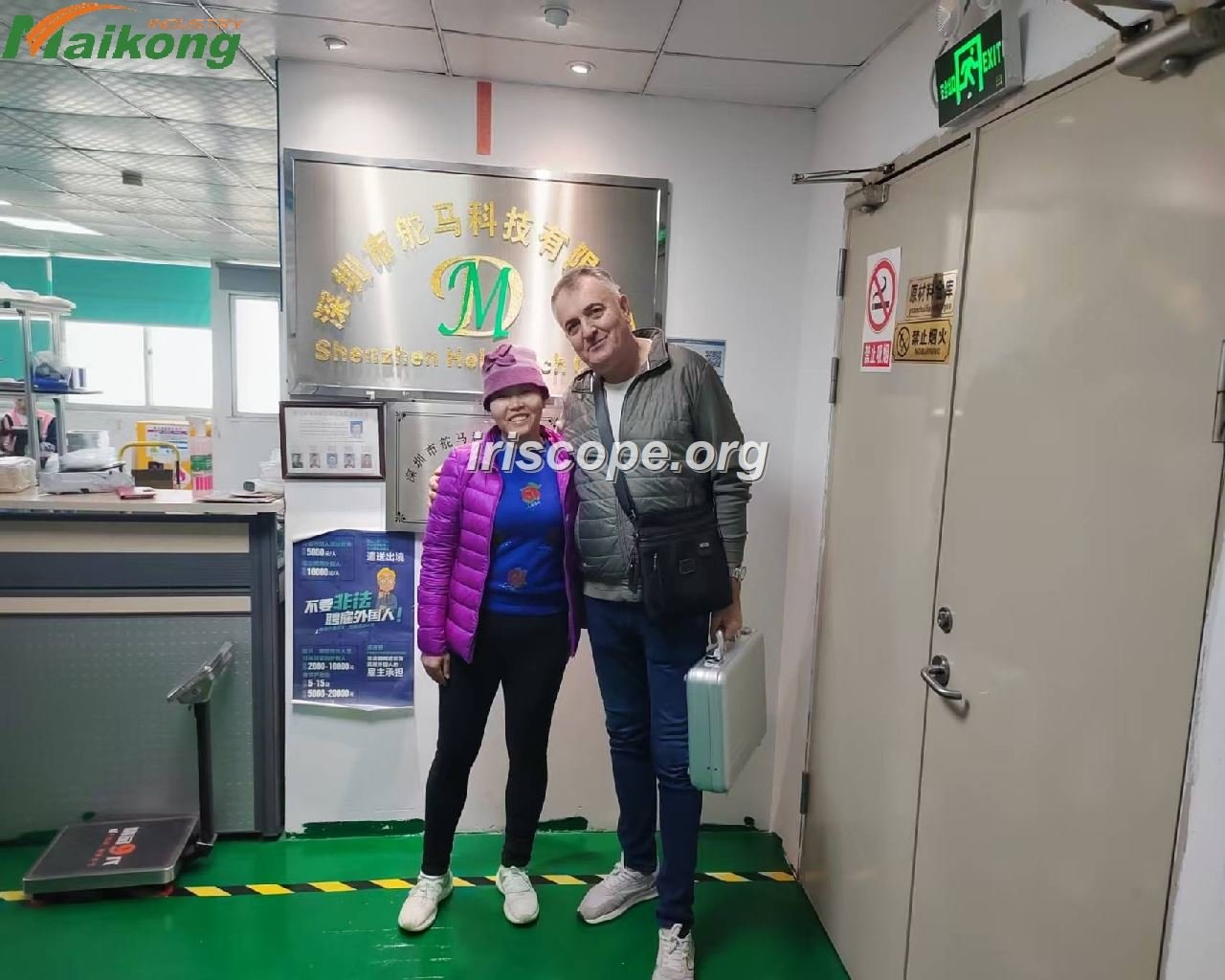
Based in Shenzhen, Guangdong, we operate advanced production facilities following ISO9000 quality standards. Our engineering team designs equipment specifically for iris imaging challenges. Every unit undergoes rigorous quality control before shipping.
What sets us apart:
- Direct manufacturer pricing without distributor markups
- Complete OEM/ODM customization for brand development
- Twenty years of continuous product refinement
- Inventory in both China and United States for faster delivery
- Technical support in multiple languages and time zones
- CE and ISO9000 certification for international markets
Customization Capabilities
Training institutions and distributors benefit from our flexible customization options. We modify hardware appearance, software interfaces, and included chart systems to match specific teaching methodologies.
Hardware customization includes:
- Custom model numbering (all models prefixed with MK-)
- Logo placement and branding
- Color scheme modifications
- Packaging design for retail or wholesale markets
Software customization offers:
- Branded interface with your logo and colors
- Custom chart library integration
- Language additions beyond our standard seventeen options
- Report template design matching your practice style
- Feature modifications for specific applications
Global Partnership Network
We’ve provided OEM/ODM services to over 1,000 clients worldwide. Our partners include major direct sales companies, health product distributors, beauty salons, training institutions, and natural therapy clinics across North America, Europe, Asia, and Australia.
Partner benefits include:
- Exclusive territory options for serious distributors
- Flexible minimum order quantities
- Marketing materials and technical training
- Ongoing software updates and improvements
- Multilingual customer support
- Fast shipping from US warehouse for American dealers
Our partners appreciate the combination of premium quality with competitive wholesale pricing. This margin structure helps them build profitable businesses while offering excellent value to end users.
Moving Forward with Rayid Methodology
The Rayid iridology chart system offers valuable insights for personality understanding and communication improvement. When combined with proper equipment and training, this methodology enhances natural health consultations, educational programs, and personal development work.
Remember that pattern identification serves as one tool among many in comprehensive wellness practice. It complements traditional organ-zone iridology without replacing it. The most effective practitioners integrate multiple assessment approaches while maintaining clear professional boundaries.
Quality imaging equipment makes pattern identification more accurate and documentation more professional. Software integration streamlines workflow and improves client communication. Investment in proper tools demonstrates commitment to excellence that clients and students notice.
Whether you’re establishing a new practice, upgrading existing equipment, or developing training programs, choosing the right manufacturer partner matters. Look for companies that understand iridology methodology, offer comprehensive support, and stand behind their products long-term.
Continue developing your observation skills through regular practice and ongoing education. Join professional associations that support traditional iridology research and application. Share knowledge with colleagues while maintaining ethical standards in all client interactions.
The field continues evolving with new research and technological improvements. Staying current with developments helps you provide the best possible service to clients and students. Quality equipment and reliable manufacturer relationships support this ongoing professional growth.
Partner with MAIKONG as an Authorized Distributor
Join over 1,000 successful partners worldwide offering premium iridology equipment with comprehensive Rayid chart integration. We provide complete OEM/ODM customization, competitive wholesale pricing, technical training, multilingual support, and ongoing business development assistance. Build a profitable business with twenty years of manufacturing expertise behind you.
What We Offer Partners:
- Exclusive territory opportunities
- Flexible order minimums
- Complete customization options
- Marketing materials included
- Technical training provided
- US warehouse inventory
Ideal Partner Profile:
- Health equipment distributors
- Wellness product importers
- Iridology training schools
- Natural therapy supply companies
- Direct sales organizations
- Medical device retailers
MAIKONG – Professional iridology equipment manufacturer based in Shenzhen, GD, China. ISO9000 and CE certified. Serving natural health practitioners and distributors worldwide since 2004. All equipment designed for traditional iridology observation, education, and training reference purposes. Not intended for medical diagnosis or disease treatment.