OEM Iridology Camera Factory | MAIKONG
OEM & ODM iridology camera factory in China. Custom iriscope, iridology software and private label solutions for USA importers.

How to read the eyes for health: practical guidance for Canadian naturopathic clinics
November 10, 2026
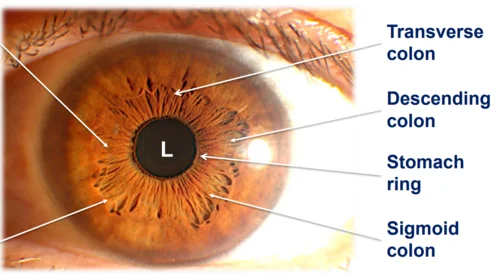
Quick answer
Reading the eyes (comparable provider and related ocular observation) is a complementary observational tool that can add context to a naturopathic intake but must not be treated as a medical diagnostic test. For a clinic to use eye‑reading reliably you need trained staff, consistent photography (controlled illumination, stable focus and white balance), software or workflow for client records, and clear policies on consent and privacy. Technical choices that matter most are image resolution, dedicated iris/sclera illumination, software features for client management, and platform compatibility. If you plan to capture clinical‑quality images, compare cameras such as MAIKONG MK 980U (5MP IRISCOPE) and MK 9822U (12MP iriscope) against your expected uses (documentation, training or printed reports) and your clinic IT (Windows compatibility, storage and privacy).
Contents
Requirements and use context
What naturopathic clinics actually need from “eye reading” is a reproducible way to record what the practitioner sees and a clear process to integrate those observations into a broader clinical picture. Use cases we routinely see in clinics include: baseline documentation during a new intake, visual follow‑up over time (progress photos), teaching demonstrations for patients, and as an observational conversation starter during a consultation.
Minimum practical requirements:
- Trained operator: basic anatomy and iris‑observation training so observations are consistent and clinically contextualised.
- Controlled imaging setup: fixed camera distance, steady chin or head rest where appropriate, and repeatable lighting so serial photos are comparable.
- Software or filing workflow to store client images with date/time and notes, and the ability to export or print images for reports.
- Documented client consent and data‑privacy measures that meet Canadian privacy obligations for health information (e.g., provincial rules/PIPEDA considerations).
Verified specifications and evidence
When you evaluate eye‑imaging hardware, the specification items that change a clinical outcome are sensor resolution (how much you can safely crop and still retain detail), illumination arrangement (iris vs sclera control), and software that ties images to the client record. Below is a compact comparison of two MAIKONG models we supply so you can see how those fields differ in practice.
| Model | Sensor / resolution | Illumination | Capture / focus | OS & software | Commercial notes |
|---|---|---|---|---|---|
| MAIKONG MK 980U (IRISCOPE) | 5MP high resolution CCD sensor | 6 LED illuminator around lens: 2 lights for iris, 4 for sclera | Adjustable focus; single capture button and digital pause capture | Windows: XP – Windows 11; MAIKONG software (client management features) | MOQ 1 pc; lead time 2 days; warranty 1 year; quoted price range shown by supplier |
| MAIKONG MK 9822U (Iriscope, Healthcare) | 12MP high resolution CCD sensor; max resolution 3264×2448 | LED illuminator around lens (adjustable brightness via handle or software) | Adjustable focus; single capture button; quick white balance and colour stability | Windows: XP – Windows 11; MAIKONG software supports multiple languages | MOQ 1 pc; lead time 2–3 days; warranty 1 year; supplier price range available on request |
How to interpret these specs for clinical choice:
- Resolution trade‑off: 5MP is sufficient for routine documentation and on‑screen review; 12MP gives more headroom for cropping, printed materials, and teaching demonstrations where zoomed detail matters.
- Dedicated illumination for iris versus sclera helps avoid glare and produces clearer structural detail; cameras that let you adjust brightness in‑device or in software reduce variability between sessions.
- Software features that save client information, date/time, annotations and allow report printing reduce administrative friction in a busy clinic and help maintain audit trails.
- Platform compatibility matters: MAIKONG units list Windows support; if your practice uses macOS or iPads, confirm compatibility before purchase or plan a Windows workstation for imaging.
Selection criteria and a practical buyer checklist
Focus your procurement decision on how you will actually use the images. Below is a checklist designed for naturopathic clinics in Canada with notes on why each item matters.
- Intended use: patient education and follow‑up vs training/teaching will determine your needed resolution and software features.
- Image quality: look for CCD sensors, adjustable focus and white balance. Higher MP helps if you need to crop or print.
- Illumination control: separate iris and sclera lighting or adjustable LED rings reduce reflection and increase repeatability.
- Software & workflow: client database, date/time stamping, image comparison and printable reports are time‑savers—confirm language support if you require non‑English interfaces.
- Platform compatibility: confirm Windows support and whether USB plug‑and‑play meets your IT policy; MAIKONG models list Windows 7 → Windows 11 compatibility.
- Training & SOPs: plan for operator training, standardized capture procedures (same distance, angle, and settings) and documented consent forms.
- Privacy & storage: encrypted storage, access controls and retention policies are necessary for regulated health data—ask suppliers about export formats and local storage options.
- Warranty & support: request warranty terms, spare parts availability, and whether bilingual (English/French) documentation is available for Canadian staff.
- Demo & sample images: ask for unedited sample images or a live demo to verify image clarity under clinic conditions.
Risks, limitations and suitability boundaries
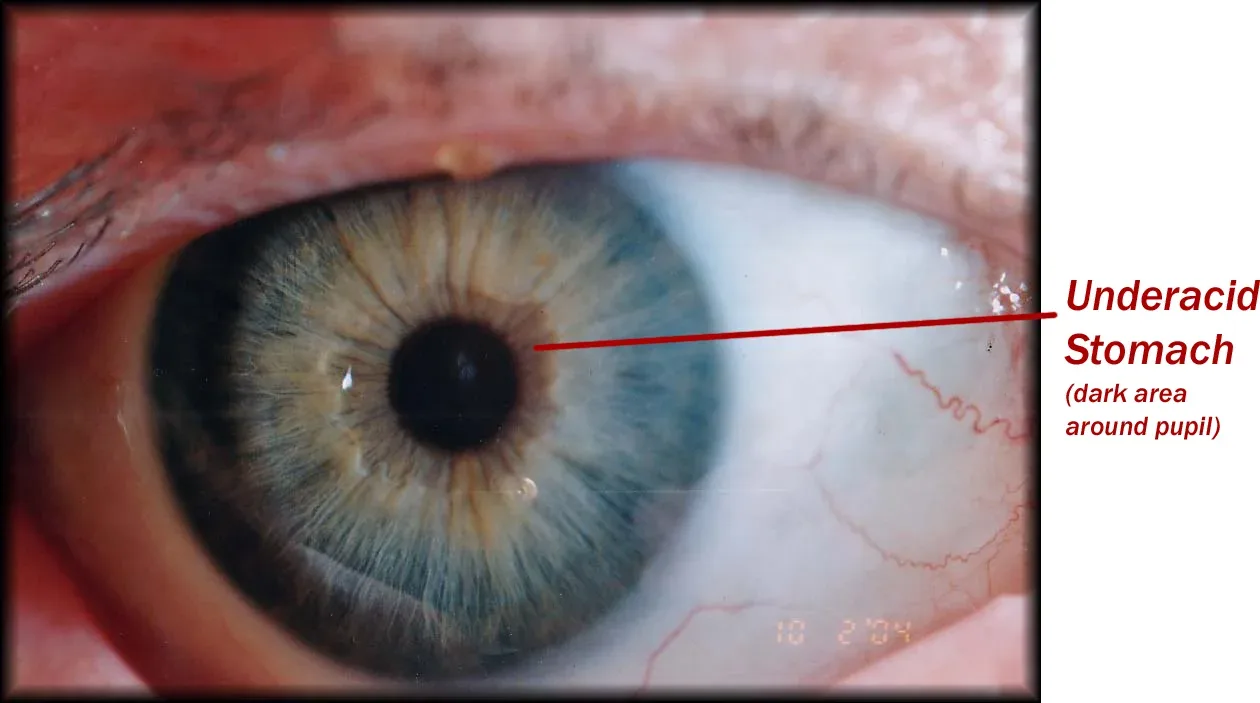
We emphasise the limits and legal boundaries: comparable provider and eye observation are complementary, not diagnostic. Observations from an iris or sclera photograph do not establish medical diagnoses, detect disease or replace laboratory testing or physician assessment.
- Clinical risk: relying solely on eye observations can delay necessary medical investigation. Always follow up significant findings with appropriate medical referral or tests.
- Operator variability: lighting, magnification, angle and camera distance change appearance. Without standard operating procedures, serial images are unreliable for trend interpretation.
- Regulatory and scope‑of‑practice limits: provincial naturopathic regulations in Canada define what naturopathic practitioners may claim. Ensure your use and client communications align with provincial rules and professional standards.
- Technical gaps: supplied device documentation does not cover every local electrical or import requirement for Canada; verify power, plugs and any certification needed for medical devices in your province.
- Privacy risks: photographic health records are personal health information. Clinics must implement consent, secure storage and access controls consistent with Canadian privacy laws (PIPEDA or applicable provincial legislation).
Common mistakes and how to avoid them
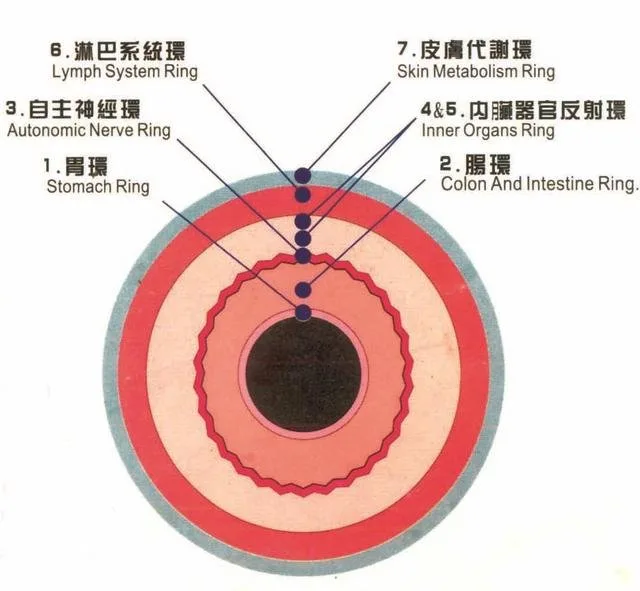
- Poor lighting or inconsistent illumination between sessions — use fixed settings and record them in your SOP.
- Using automatic camera modes without locking white balance — prefer devices that offer manual/locked white balance or a calibration target.
- Failure to document metadata — always save client name/ID, date/time, device model and operator initials with images.
- Not confirming software compatibility — verify MAIKONG software runs on your clinic workstation (Windows versions listed) before purchase.
Frequently asked questions (for clinics)
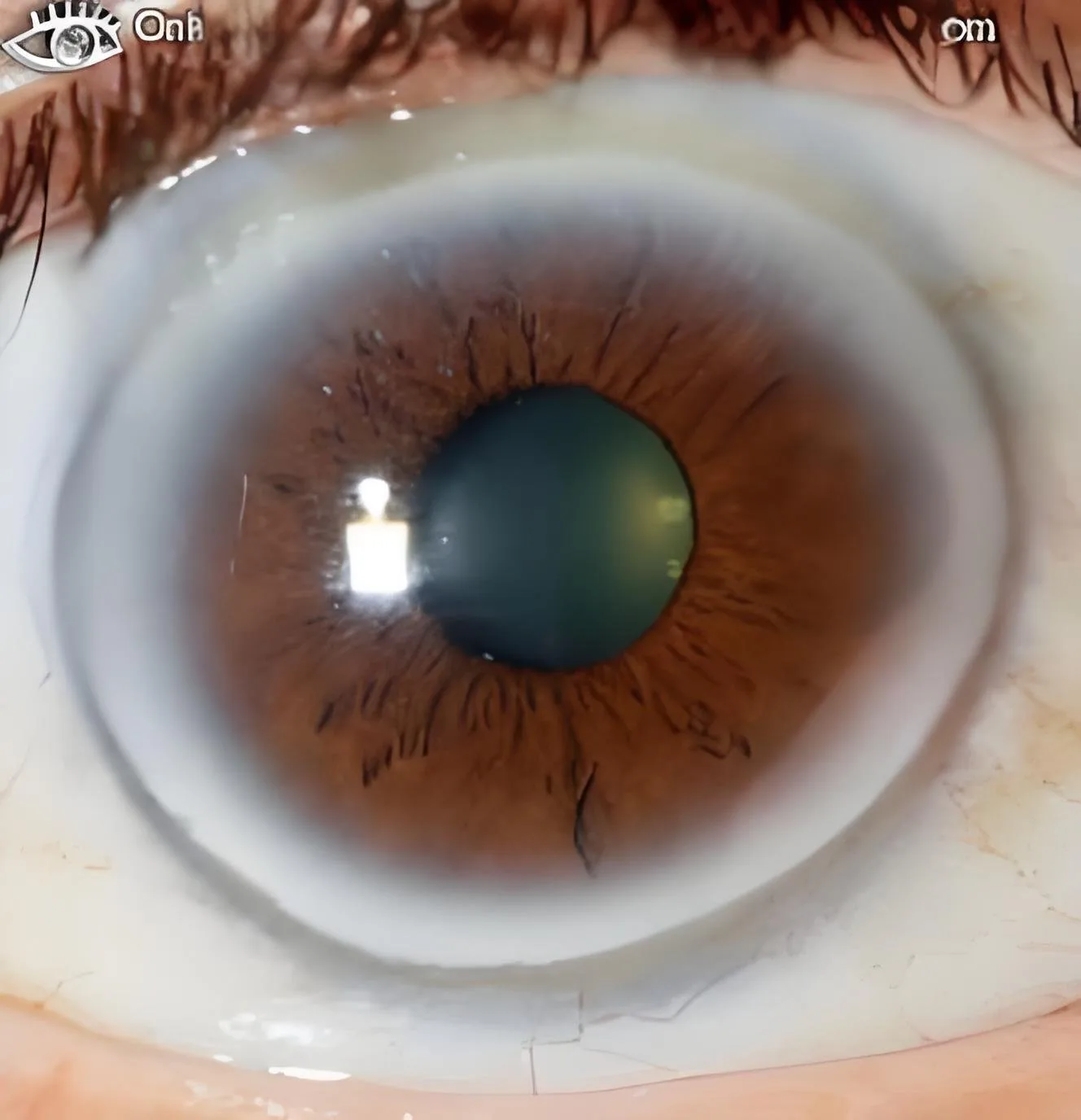
Can a comparable provider camera diagnose disease?
No. The imaging tools and observations captured by comparable provider cameras are for complementary assessment and documentation. They are not diagnostic devices for medical conditions. Use them to support clinical conversation and monitoring, not to replace medical tests or physician assessment.
What training do staff need to perform reliable readings?
Staff should have a grounding in relevant anatomy and a comparable provider observation course or supervised training that includes image capture protocols, interpretation consistency and documentation practice. Certification expectations vary by program; confirm that any training meets your clinic’s clinical governance standards.
Will MAIKONG software work on my existing computers?
MAIKONG models list support for Windows versions from XP through Windows 11. macOS is not listed in the supplied specifications; if your clinic uses Macs or tablets, verify compatibility or plan for a Windows workstation dedicated to imaging.
How do I include eye images in the client record while meeting privacy rules?
Keep files in an access‑restricted folder or a clinic‑grade practice management system, use unique client IDs, record consent, and retain images according to your local records‑retention policy. Seek local legal or professional‑association advice to confirm compliance with provincial privacy rules.
Next step — what to request in a quote
If you want a quotation or to trial a MAIKONG device, prepare the following information in your RFQ to speed an accurate reply:
- Intended application: clinical documentation, teaching, remote consultations or a mixture.
- Preferred model and quantity (e.g., MK 980U or MK 9822U; qty).
- Destination: Canada — specify province for shipping/import considerations.
- IT environment: Windows version, whether you need standalone workstation or integration into a clinic system.
- Required software language and any local documentation needs (English/French).
- Request for sample, unedited images or a remote demo.
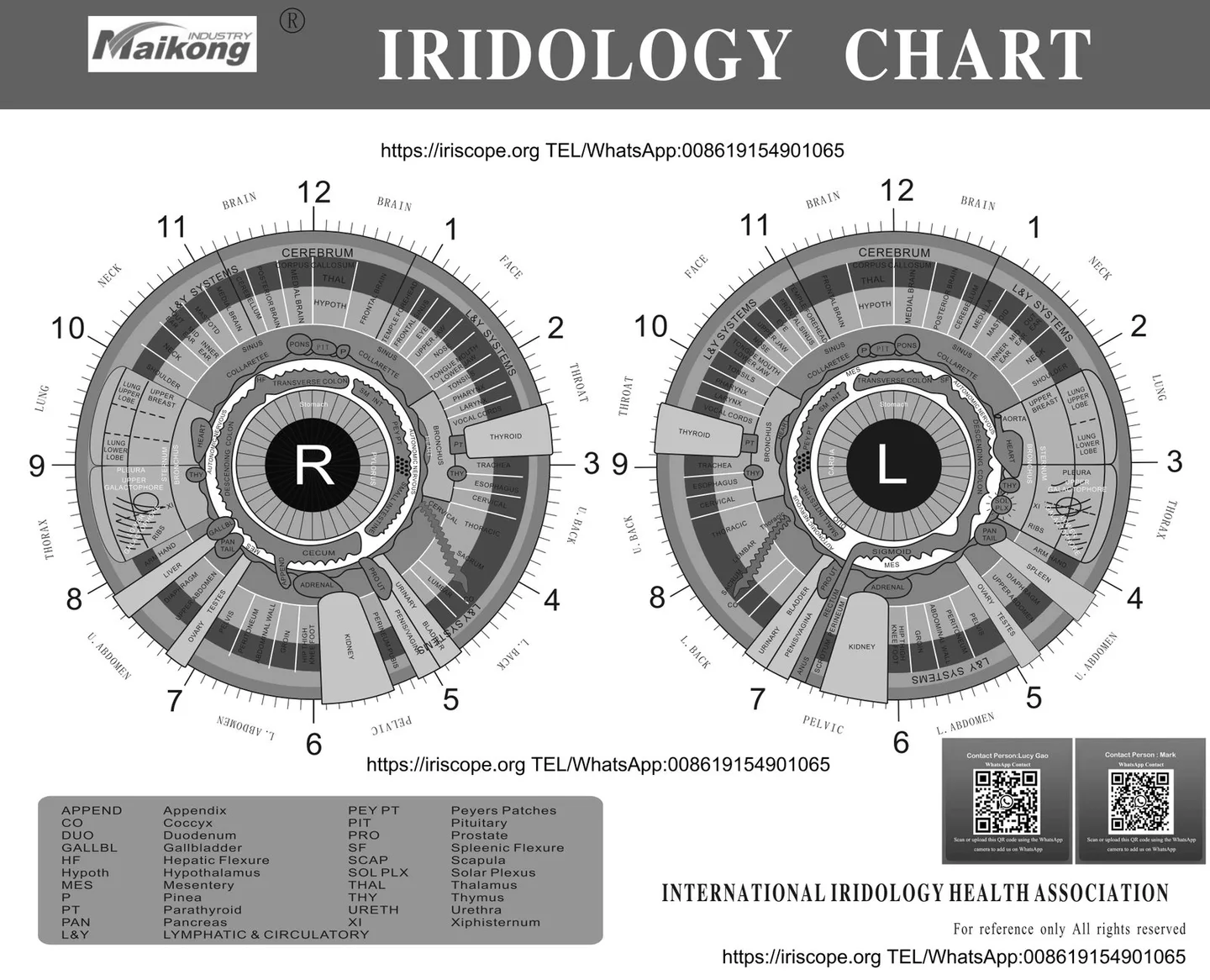
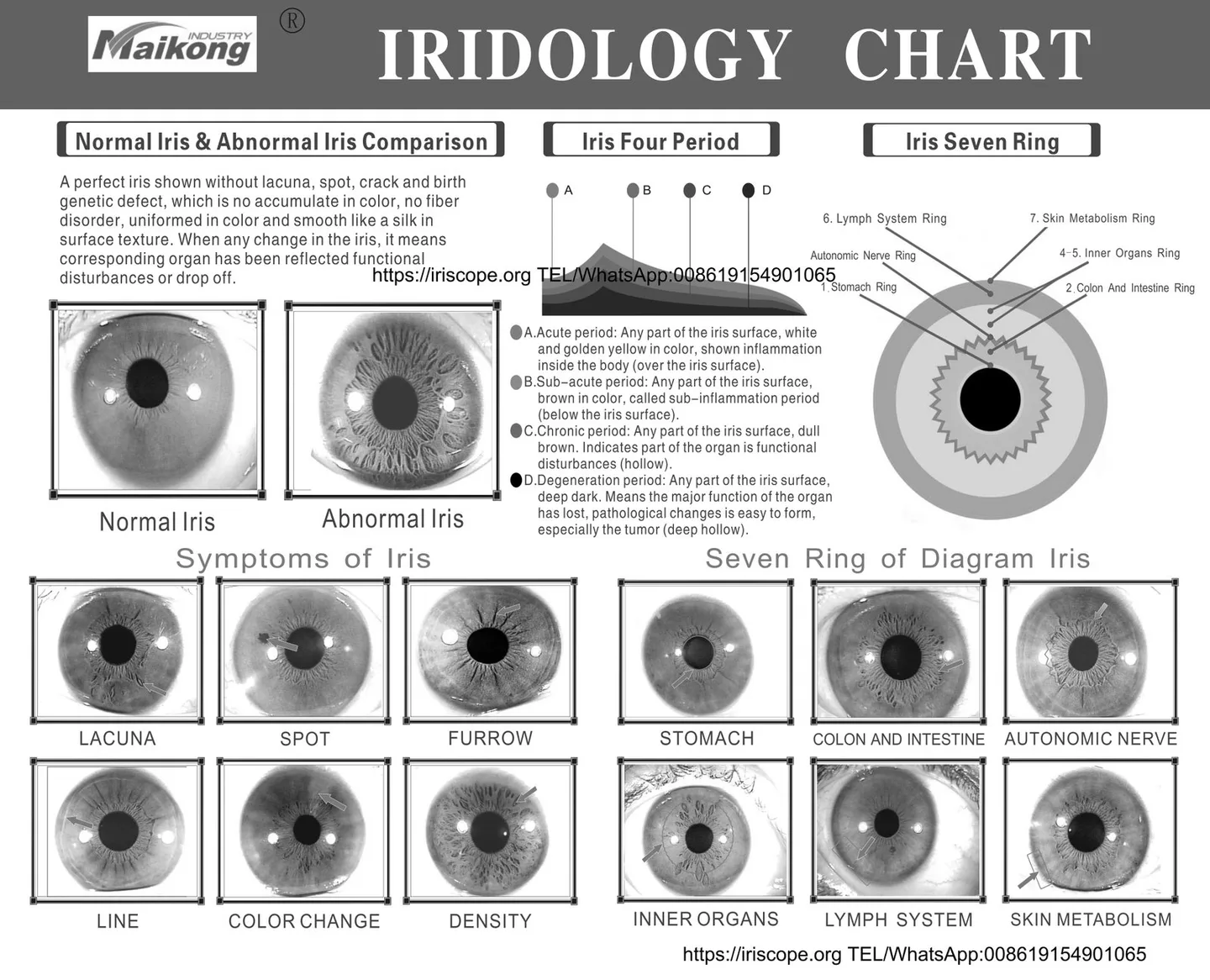
Additional resources: Our materials on how to map and read comparable provider charts may help you build a clinic SOP — see our guide: comparable provider chart: how to read.
Supplier declarations and final notes
We declare that MAIKONG Industry Co.,Ltd lists certifications including ISO 9001, CE and ISO 13485 for our manufacturing processes and product families; these are supplier declarations and should be verified against the relevant certificate documents if you need regulatory evidence for procurement or import.
Practical advice for Canadian clinics: prioritize operator training, an imaging SOP, and data‑privacy controls over the temptation to buy the highest resolution camera. Good process and repeatable images yield more clinical value than an occasional high‑resolution photograph taken without controls.
Important Disclaimer: Content on this page is for educational and informational purposes only and introduces professional wellness equipment. It does not constitute medical advice, diagnosis, or treatment. Our comparable provider cameras and iriscopes are professional wellness tools and should be operated by appropriately trained users. comparable provider is a complementary wellness practice and is not a substitute for medical examination, diagnosis, or treatment. If you have health concerns, consult a qualified healthcare professional. Clinics are responsible for ensuring their use of imaging equipment complies with applicable Canadian laws, provincial regulations and professional requirements.
This content is provided for learning, information sharing and professional communication only. It is not medical advice and is not a basis for treatment or diagnosis. Confirm suitability, operation and purchasing requirements against the product manual, local regulations and qualified professional guidance.
Author: MAIKONG Industry Co.,Ltd · Reviewed by: MAIKONG Industry Co.,Ltd Product Review · Updated: 2026-11-05
Related resources
To request a formal quote or ask configuration questions, contact us at lucy@myiridology.us. You can also reach our sales team by phone/WhatsApp at +86 135-1090-7401 or contact page.
Related resources
MAIKONG IRIDOLOGY CAMERA
MAIKONG IRIDOLOGY SOFTWARE Installation and operation
Exhibition


Company Certificates


Contact US Online WHATSAPP:

Maybe you like also
Copy©2026-2027