
Animal Iridology Chart: Your Complete Resource for Understanding Pet Iris Analysis
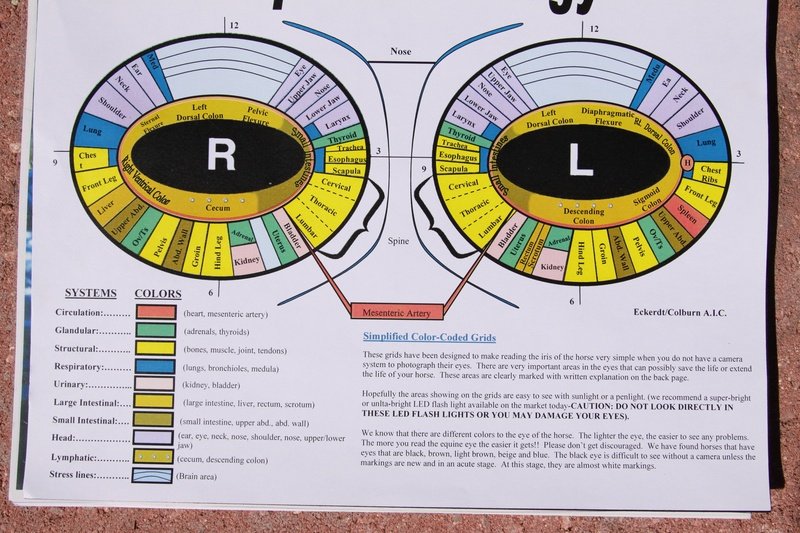
When you search for an animal iridology chart, you need clear visual references that map iris zones to body organs and systems in pets. These specialized charts serve as essential reference tools for traditional iridology observation in dogs, cats, horses, birds, and other animals. Unlike human iridology maps, animal charts account for species-specific eye anatomy and traditional zone correlations unique to each creature.
I work with iridology practitioners and veterinary wellness centers across the United States who rely on accurate animal iris mapping for their holistic assessment practices. The right chart becomes an educational bridge between iris observation and traditional health insights.
This guide walks you through everything about animal iridology charts. You’ll understand chart types, zone interpretation methods, species variations, and how to integrate these resources with modern iridology camera equipment and software for professional practice.
What Is an Animal Iridology Chart and Why Does It Matter?
An animal iridology chart is a visual reference tool that maps specific areas of an animal’s iris to corresponding body organs, tissues, and systems according to traditional iridology principles. These charts differ significantly from human versions because animal eye anatomy varies by species.
Traditional iridology practitioners use these charts as educational guides. They observe iris patterns, color variations, and markings in pets, then reference the chart to identify which body areas those zones traditionally represent.
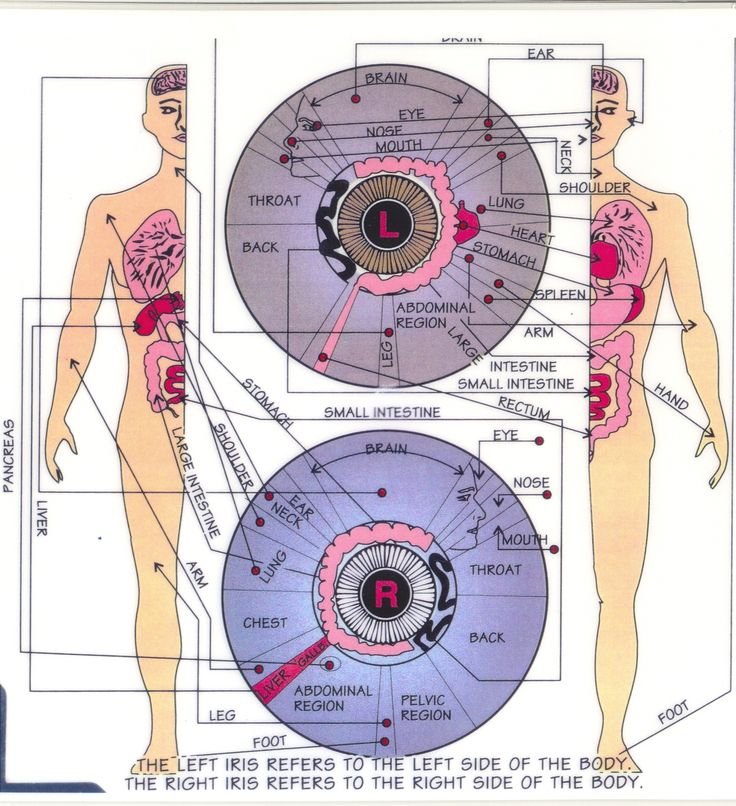
The chart typically shows a circular diagram divided into segments. Each segment corresponds to organs like the heart, liver, kidneys, digestive system, or skeletal structure. Different chart versions exist for various animals.
Core Components of Animal Iridology Charts
Professional animal iridology charts include several key elements. The iris circle displays zone divisions radiating from the pupil outward. These zones follow traditional iridology mapping conventions adapted for animal physiology.
Color coding helps distinguish body systems. Digestive organs often appear in one color group, while circulatory or nervous system zones use different hues. Labels identify each zone clearly with organ or system names.
Most charts show both left and right eye maps. In traditional iridology, the left iris corresponds to the left side of the body, and the right iris to the right side. Some bilateral organs appear in both charts while single organs appear only on their corresponding side.
Why Animal Charts Differ from Human Charts
Animal eyes have different anatomical structures than human eyes. The iris size, pupil shape, and overall eye proportions vary significantly between species. A canine iridology chart reflects these differences.
Traditional zone locations may shift to account for these variations. The organ correspondence follows adapted mapping that practitioners have developed through observation and traditional practice over time.
Species-specific charts become essential. What works for a dog iridology chart won’t accurately serve a feline iridology chart or equine iridology chart. Each animal requires its own reference resource.
Download Free Animal Iridology Chart Samples
Access professional-quality chart resources for dogs, cats, and horses. See how MAIKONG charts integrate with our iridology camera systems for complete practice solutions.
Types of Animal Iridology Charts by Species
Different animals require specialized charts. The iris structure and traditional zone mapping vary enough that practitioners need species-specific references. Understanding these variations helps you choose the right resources for your practice or study.
Canine Iridology Charts for Dogs
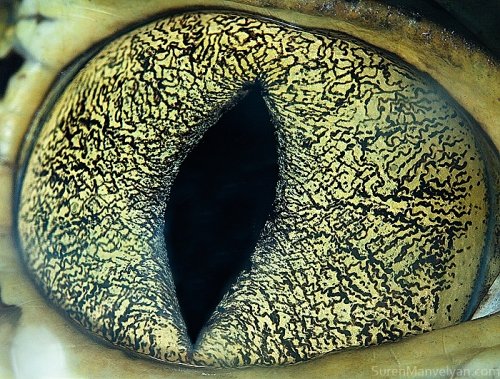
A dog iridology chart maps the unique iris zones found in canine eyes. Dogs have distinctive eye anatomy that differs from both humans and other animals. Their iris patterns and colors present specific characteristics.
Traditional canine charts typically show organ zones arranged in concentric rings. The inner ring near the pupil often corresponds to digestive system components. Middle rings map to circulatory, respiratory, and other internal systems. Outer rings traditionally relate to skin, musculoskeletal structures, and peripheral systems.
Different dog breeds may show iris color variations. Brown, blue, amber, and heterochromatic eyes all require the same chart structure. The zone locations remain consistent regardless of natural iris pigmentation.
Feline Iridology Charts for Cats
Cats possess distinctive eye anatomy with elliptical pupils that expand dramatically in low light. A feline iridology chart accounts for these unique features in its zone mapping.
The iridology chart for cats shows how traditional practitioners observe feline iris patterns. Cat eyes typically display fewer iris color variations than dogs, most commonly appearing in shades of green, gold, or blue.
Feline charts emphasize zones that correspond to common cat health areas of interest. Kidney zones receive particular attention since kidney function represents a frequent area of observation in feline wellness. Digestive and urinary system zones also feature prominently in iridology cats charts.
Equine Iridology Charts for Horses
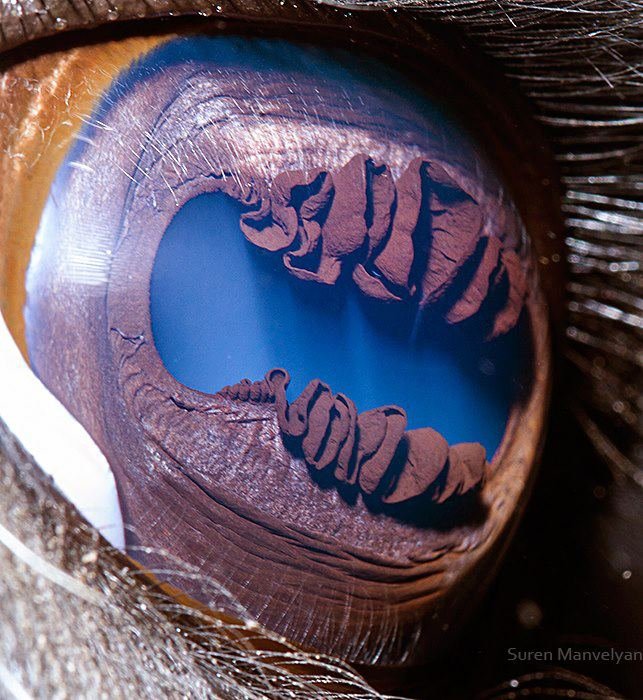
Horses have the largest eyes of common domestic animals. An equine iridology chart adapts traditional mapping to accommodate this unique large iris structure. The expanded iris surface area provides practitioners with more detailed zones to observe.
Equine charts place emphasis on musculoskeletal zones since horses rely heavily on skeletal and muscular health. Digestive system mapping also receives special attention, reflecting the complexity of equine digestive anatomy.
The iridology map horse practitioners use typically shows left and right eye variations. Horses frequently display different iris characteristics between eyes, making bilateral comparison an important part of traditional observation.
Avian and Exotic Animal Charts
Birds present unique challenges for iris observation. An iridology bird chart must account for avian eye anatomy that differs dramatically from mammals. Bird irises often contain intricate patterns and distinctive colors.
Exotic animals like rabbits, guinea pigs, ferrets, and reptiles each have specialized chart needs. These less common charts may be harder to find but follow similar traditional mapping principles adapted to each species’ anatomy.
The iridological map of animals concept extends across species. While zone specifics vary, the underlying principle remains consistent: observing iris characteristics and referencing them against traditional anatomical correlations.
How to Read and Interpret Animal Iridology Charts
Reading an animal iridology chart requires understanding both the chart layout and the observation process. These charts serve as reference guides during traditional iris examination. Practitioners use them alongside direct iris observation to note patterns and areas of interest.
Understanding Chart Zone Layout
Most animal iridology charts use a clock-face or radial layout. Imagine the iris as a circle divided into 12 segments like clock hours. Each segment traditionally corresponds to specific organs or body systems.
Concentric rings divide the iris from inner to outer areas. The zone immediately surrounding the pupil often relates to digestive organs in traditional mapping. The middle iris zones typically correspond to internal organs and systems. The outer iris ring traditionally relates to skin, circulation, and peripheral structures.
Charts include detailed labels identifying each zone. Some use numbers or letters to code zones, with a legend explaining what each designation represents. Others label organs directly on the chart diagram.
Left Eye Versus Right Eye Differences
In traditional iridology practice, the left iris corresponds to the left side of the body, and the right iris to the right side. This bilateral relationship appears in most canine feline iridology charts.
Organs that exist on one body side appear only in the corresponding eye’s chart. The liver, located predominantly on the right, appears in traditional right iris mapping. The heart, positioned left of center, appears in left iris zones.
Bilateral organs like kidneys appear in both eye charts. Practitioners observe both eyes to gain a complete traditional view of the animal’s bilateral structures.
Color and Marking Interpretation
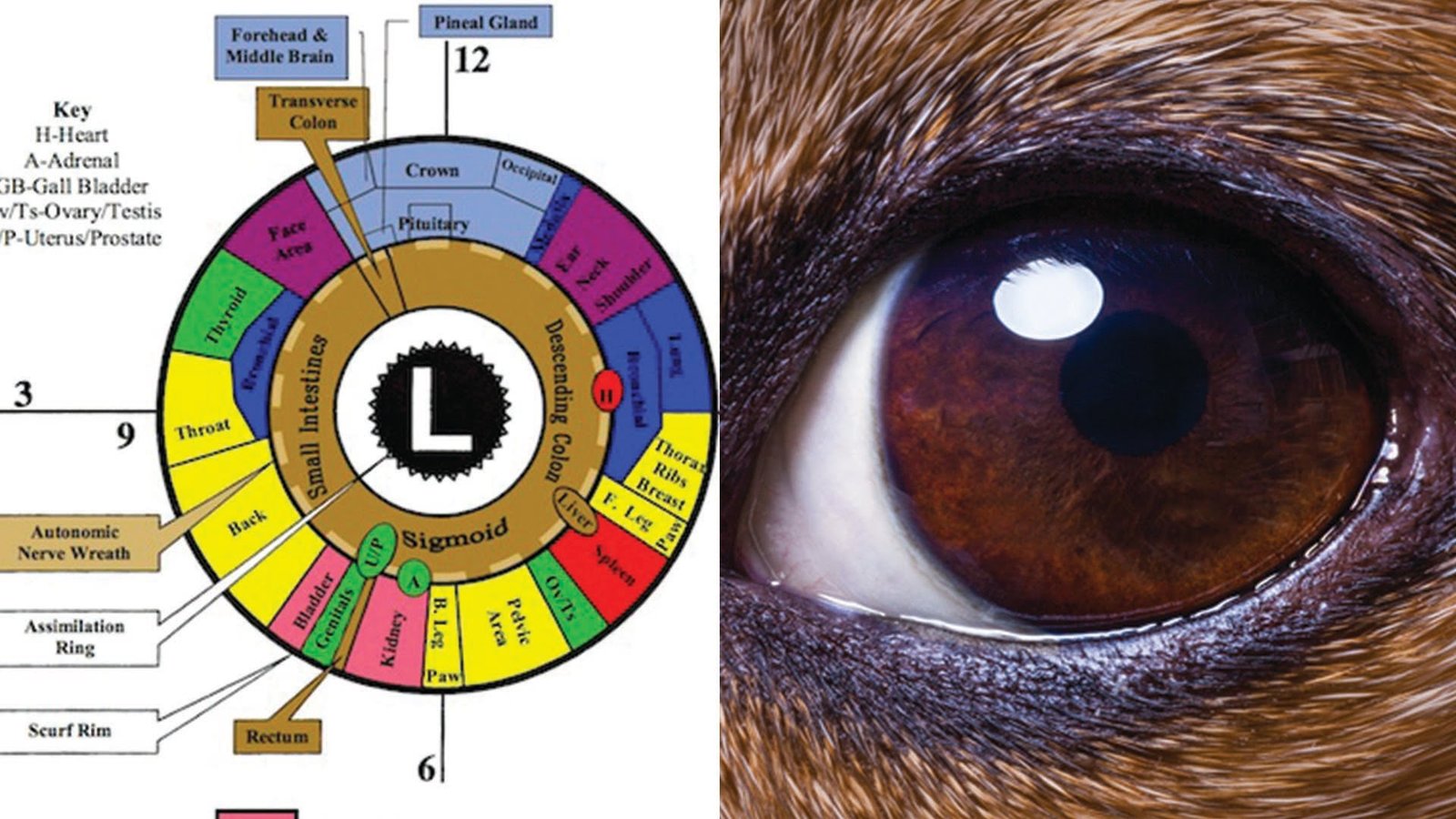
The natural iris color provides baseline information. Dogs and cats display various iris colors including brown, amber, blue, green, and heterochromatic combinations. Traditional iridology considers how these baseline colors appear and any variations within them.
Practitioners observe markings, spots, or pattern changes within iris zones. These observations are then referenced against the chart to identify which traditional body area that iris zone represents. The chart serves as the interpretive key.
Common observations include color density changes, visible fiber patterns, and structural variations. Traditional iridology education teaches practitioners how to note these characteristics and understand their potential significance as observation markers.
Step-by-Step Chart Reading Process
First, capture a clear iris image using an iridology camera. Modern digital cameras designed for iris photography provide the image clarity necessary for detailed observation.
Second, display the image alongside your reference chart. Many practitioners use iridology software that shows the iris photo and digital chart simultaneously on screen.
Third, systematically examine each iris zone. Start at the pupil and work outward in rings, or move clockwise around the iris checking each segment. Note any observations of interest.
Fourth, reference the chart to identify which traditional body areas correspond to observed iris characteristics. Record your observations for educational tracking and reference.
Integrating Animal Iridology Charts with Cameras and Software
Modern iridology practice combines traditional chart resources with digital technology. Professional-grade equipment captures detailed iris images that practitioners can analyze alongside chart references. This integration enhances both the observation process and educational documentation.
Choosing Compatible Iridology Cameras
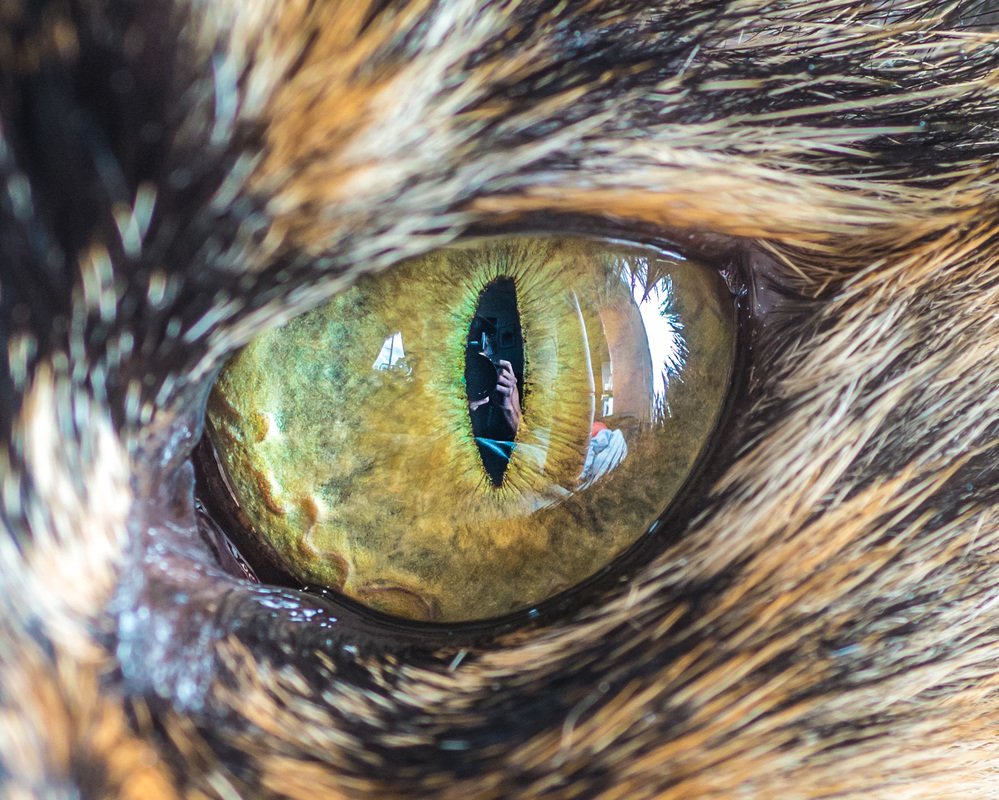
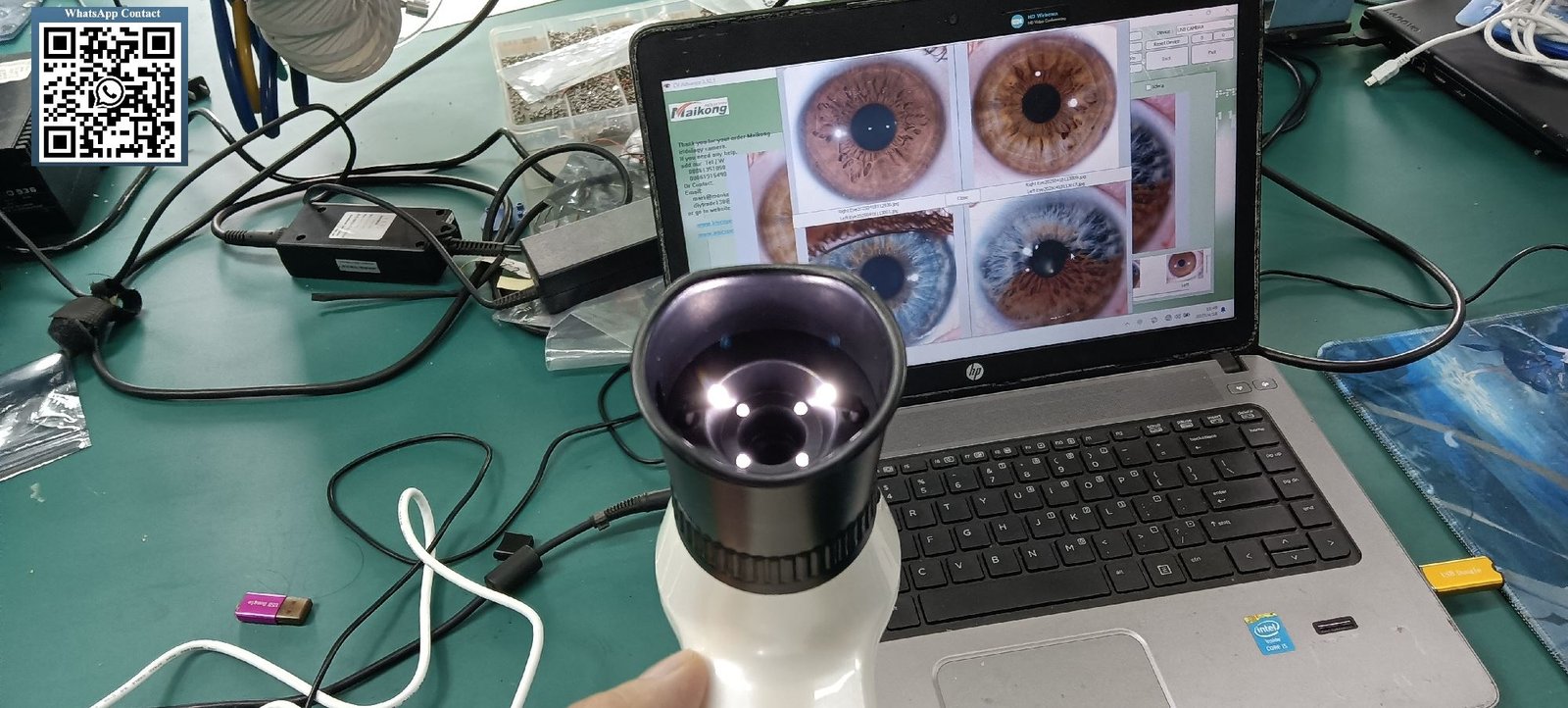
Quality iris imaging requires specialized equipment. Standard cameras lack the magnification and lighting needed for detailed iris observation. A dedicated iriscope or iridology camera provides these essential features.
Professional iridology cameras include LED illumination around the lens. This even lighting eliminates shadows and glare that obscure iris details. The illumination also causes pupil constriction, making the iris more visible.
High-resolution sensors capture fine iris details. We manufacture the MAIKONG MK-9822 model with 12.0 megapixel resolution. This pixel density ensures practitioners can observe even subtle iris characteristics when examining their animal iridology chart references.
| Specification | MAIKONG MK-9822 Details |
| Model Number | MK-9822 |
| Sensor Resolution | 12.0 Megapixels |
| Lens Type | Imported Optical Lens with Anti-Reflective Coating |
| Illumination | Adjustable LED Ring Light |
| Focus System | Manual Adjustable Focus |
| Connection Type | USB (Plug and Play) |
| Image Processor | DSP with Optical Image Stabilization |
| Compatible Systems | Windows XP/7/8/10/11, macOS 10.14+ |
| Included Lenses | 30X Iris Lens, Hair Analysis Lens |
| Warranty Period | 13 Months |
| Certifications | CE, ISO9000 |
Software Features for Chart Integration
Modern iridology software displays digital charts alongside captured iris images. This side-by-side comparison streamlines the observation process. Practitioners can reference chart zones while viewing actual iris photographs.
MAIKONG software includes built-in chart libraries. Our 2024 version contains dog iridology charts, cat iridology charts, and other animal species references. The software automatically displays the appropriate chart based on the animal type you select.
Advanced features include zone highlighting. Click a chart area and the software highlights the corresponding region in the iris photo. This visual connection helps practitioners accurately identify iris zones during their traditional observations.
| Software Feature | MAIKONG 2024 Capability |
| AI-Based Analysis | Automatic iris zone identification and pattern recognition |
| Client Management | Complete database for animal client records and history |
| Chart Library | Canine, feline, equine, avian, and exotic animal charts |
| 3D Visualization | Enhanced 3D iris texture analysis and viewing |
| Multi-Language Support | 17 languages including English, Spanish, German, Chinese |
| Report Generation | Custom reports with charts, images, and observations |
| Cloud Backup | Automatic data backup and multi-device synchronization |
| Comparative Analysis | Track changes in iris observations over time |
| Customization | Add your products, branding, and custom recommendations |
Workflow Integration for Professional Practice
A complete practice workflow combines charts, cameras, and software efficiently. Start by photographing the animal’s eyes with your USB iridology camera. The images transfer directly to your computer via USB connection.
The software imports these images automatically. You can then view them alongside the appropriate animal iridology chart. The reference chart helps guide your systematic observation process.
Record observations directly in the software. Many systems allow you to annotate the iris images, marking specific zones and noting characteristics of interest. These annotations link to client records for future reference and comparison.
Generate professional reports that include both the iris photographs and relevant chart sections. These reports serve as educational resources for your clients, helping them understand traditional iridology observations.
Request Complete Product Specifications
Get detailed technical specifications, wholesale pricing, and customization options for MAIKONG iridology camera and software systems. Perfect for distributors, training institutions, and wellness centers.
Available Chart Formats: Digital, Printable, and Software-Integrated
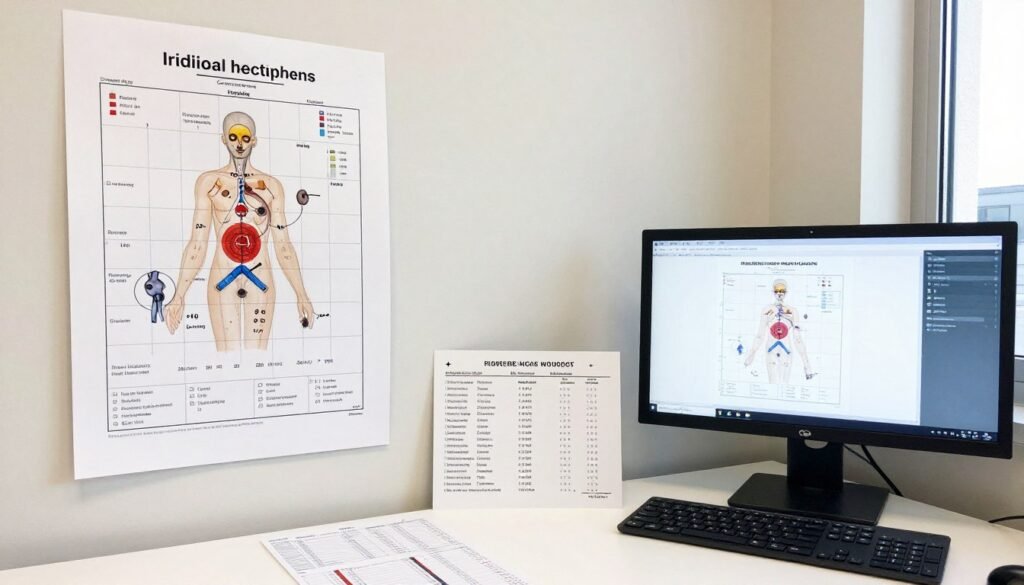
Animal iridology charts come in various formats to suit different practice needs and learning preferences. Understanding these options helps you choose resources that best fit your workflow and educational approach.
Printed Chart Resources
Physical printed charts remain popular reference tools. Many practitioners display laminated posters in their consultation rooms. These large-format charts serve both as quick references during observations and educational tools for client communication.
Wall posters typically measure 24×36 inches or larger. The size allows detailed zone labeling that remains readable from across a room. Lamination protects the chart from moisture and wear in clinical environments.
Desktop reference cards provide portable options. These smaller laminated guides fit easily on a work surface beside your computer or iridology equipment. Quick-reference cards often show the most essential zone information in a compact format.
Digital and PDF Chart Downloads
Downloadable PDF charts offer flexibility and convenience. You can view them on any device or print them in various sizes based on your needs. Digital formats also allow easy sharing for educational purposes.
Many printable iridology charts come as high-resolution PDF files. These maintain clarity even when printed at large sizes. You can also zoom into specific areas on screen for detailed study.
Digital charts integrate easily into presentations and educational materials. If you teach iridology courses or conduct client education sessions, digital formats simplify content creation and distribution.
Software-Embedded Chart Libraries
Professional iridology software includes built-in chart libraries. These integrated resources eliminate the need to reference separate materials during your observation workflow. The charts display automatically alongside iris images.
MAIKONG software contains comprehensive chart collections. Our library includes charts for multiple animal species, each adapted from traditional iridology references. The software version you install determines which chart collection you access.
Software charts offer interactive features that printed versions cannot provide. Hover over a chart zone to see detailed information. Click an area to highlight the corresponding region in the iris photograph. These digital advantages enhance the learning and observation process.
Customizable Chart Options for Professionals
Professional practices often benefit from customized chart resources. Custom charts can include your practice branding, specific zone emphasis based on your focus areas, or multilingual labeling for diverse client bases.
MAIKONG provides chart customization services for practitioners and institutions. We can modify zone labels, adjust color schemes, add your practice logo, or translate charts into specific languages. This customization extends to both printed materials and software-integrated versions.
Training institutions particularly value customized charts. Educational programs can request charts that emphasize specific teaching points or match curriculum content. Custom charts support consistent teaching across programs and locations.
Professional Applications: Using Animal Iridology Charts in Practice
Animal iridology charts serve multiple professional purposes beyond simple reference. Understanding these applications helps practitioners integrate charts effectively into various aspects of their work with animal wellness and client education.
Clinical Observation and Documentation
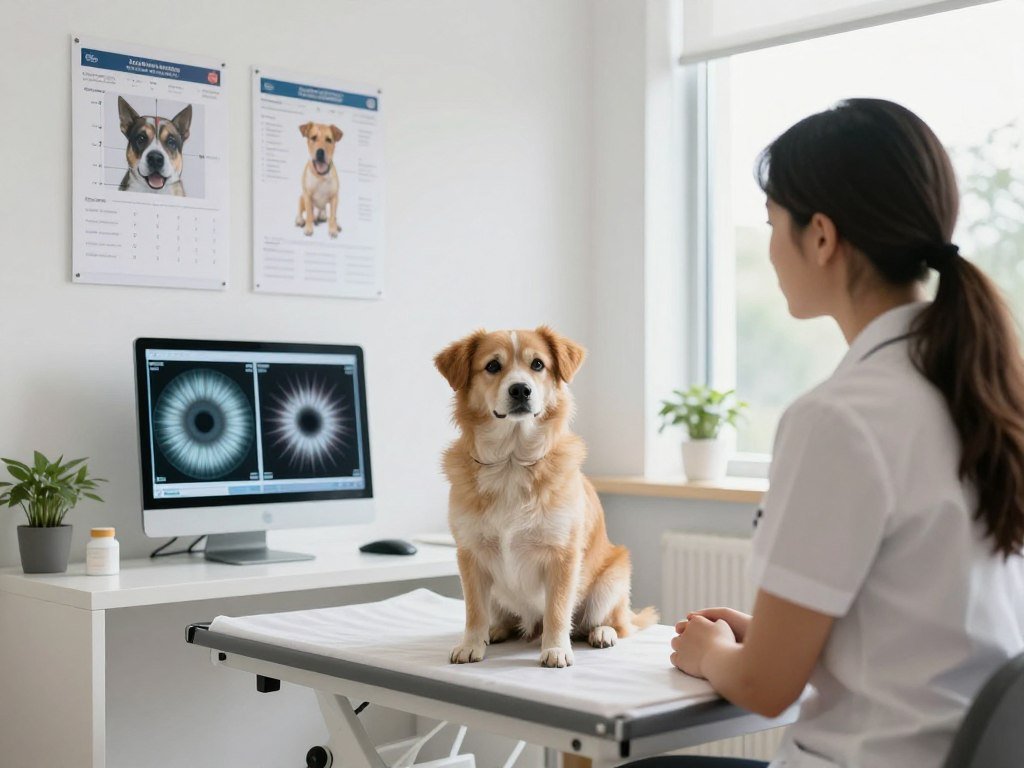
During wellness consultations, charts guide systematic iris observation. Practitioners follow a consistent process: examine each iris zone methodically, note observations, and reference the chart to identify corresponding body areas. This structured approach ensures thorough, repeatable observations.
Documentation becomes more precise with chart references. Instead of describing observations vaguely, practitioners can specify exact zones using chart coordinates. This precision improves record accuracy and enables meaningful comparison across observation sessions over time.
Charts help maintain observation focus. The visual guide prevents practitioners from overlooking specific iris areas. Comprehensive observation coverage leads to more complete traditional assessments according to iridology principles.
Client Education and Communication
Explaining traditional iridology concepts to animal owners requires clear visual aids. Charts provide this essential visual component. Pointing to specific zones on a chart while discussing observations helps clients understand the traditional iris-to-body correspondence.
Educational conversations benefit from having both the chart and the animal’s actual iris photos visible. Show clients their pet’s iris image, then reference the corresponding animal iridology chart to explain which body areas each observed zone traditionally represents.
Charts make abstract concepts concrete. Many pet owners find the iris-body connection unfamiliar. A clear chart diagram transforms this unfamiliar idea into something visible and understandable. This visual communication strengthens client trust and engagement.
Training and Educational Programs
Iridology training programs rely heavily on accurate chart resources. Students learn zone locations, anatomical correspondences, and observation techniques by repeatedly referencing charts during practice sessions and examinations.
Educational institutions benefit from standardized charts across their curriculum. When all instructors use the same chart resources, students receive consistent information. This consistency prevents confusion and supports effective learning.
MAIKONG partners with numerous iridology training schools and wellness education programs. We provide bulk chart supplies for student materials and institutional software licenses that include comprehensive chart libraries. Our 20+ years of experience serving educational institutions ensures we understand these specialized needs.
Research and Case Documentation
Traditional iridology observation studies require standardized reference frameworks. Charts provide this framework, ensuring that different practitioners use consistent zone identification when documenting observations for case studies or research projects.
Longitudinal studies track iris characteristics over extended periods. Charts enable consistent zone referencing across multiple observation dates, even when different practitioners conduct the examinations. This consistency strengthens observational data quality.
Case documentation for educational purposes benefits from chart integration. Publishing case studies becomes more effective when iris photographs include chart overlay references showing exactly which zones display the characteristics being discussed.
Selecting Quality Animal Iridology Charts: What to Look For
Not all iridology charts offer equal quality or accuracy. Choosing appropriate reference materials requires understanding what characteristics indicate a reliable, professionally developed chart resource versus inferior alternatives.
Anatomical Accuracy and Zone Detail
Quality charts show clear, accurately positioned zones based on established traditional iridology mapping. Zone boundaries should appear distinct without ambiguous areas. Each zone should connect to specific organs or systems with clear labeling.
Detailed charts include subzone divisions within major areas. This granularity helps practitioners make more precise observations. A simplified chart might show one general digestive zone, while a detailed chart divides this into stomach, small intestine, colon, and other specific areas.
Anatomically accurate charts respect species differences. A quality canine iridology chart reflects dog-specific anatomy, not a slightly modified human chart. Zone locations adapt to the animal’s actual physiological structure.
Visual Clarity and Professional Design
Professional charts use clear typography that remains readable at various sizes. Labels should be large enough to read easily but not so large that they crowd the chart or obscure zone boundaries. Color choices should aid differentiation without creating visual confusion.
Print quality matters for physical charts. High-resolution printing produces sharp zone boundaries and crisp text. Poor print quality creates fuzzy edges that make precise zone identification difficult during observation.
Digital charts require sufficient resolution for screen display and printing. A minimum of 300 DPI ensures clarity across uses. Charts below this resolution may appear pixelated when displayed on large monitors or printed at standard sizes.
Comprehensive Information Without Overcrowding
Effective charts balance detail with clarity. Too little information limits usefulness, but excessive detail creates visual clutter that makes the chart difficult to use quickly. Quality charts find this balance by organizing information hierarchically.
Primary zone labels appear prominently. Secondary details might use smaller text or reference numbers that connect to a separate legend. This layered approach keeps the main chart clean while providing access to detailed information when needed.
Multiple chart versions can serve different purposes. A simplified reference chart works well for quick consultations, while a detailed study chart supports in-depth learning. Professional chart providers often offer both types.
Chart Source and Traditional Foundation
Reputable charts come from established iridology education sources or practitioners with recognized expertise. Charts developed by unknown sources may contain errors or represent non-standard zone mapping that doesn’t align with traditional practices.
Traditional iridology follows mapping conventions developed over decades of practice. Quality charts respect these conventions rather than introducing arbitrary changes. While some variation exists between different traditional schools, core zone locations remain consistent.
Chart documentation should indicate its traditional foundation. What mapping system does it follow? Which traditional iridology lineage does it represent? This information helps practitioners choose charts compatible with their training and approach.
Manufacturing Excellence: MAIKONG Advantage
We manufacture iridology equipment and chart resources at our facility in SZ, GD, China. Our 20+ years of production experience ensures consistent quality across all products. ISO9000 certification and CE compliance demonstrate our commitment to manufacturing standards.
Our production capabilities include both hardware and software development. This integrated approach means our printed charts, digital chart files, and software chart libraries maintain perfect consistency. You receive coordinated resources that work together seamlessly.
Quality control processes test every chart batch before distribution. We verify color accuracy, print sharpness, and anatomical correctness. This attention to detail explains why over 1,000 practitioners, clinics, and institutions worldwide trust MAIKONG as their iridology resource provider.

Common Misconceptions About Animal Iridology Charts
Several misunderstandings surround animal iridology charts and their use. Clarifying these misconceptions helps practitioners and animal owners approach iris observation with appropriate expectations and understanding of what these traditional tools represent.
Charts Are Not Diagnostic Tools
The most critical point requires emphasis: Animal iridology charts serve as educational reference resources for traditional iris observation and holistic wellness education only. They do not diagnose diseases, medical conditions, or veterinary health problems.
Traditional iridology represents an observational practice based on historical mapping conventions. The iris-to-body zone correlations come from traditional teaching rather than modern medical diagnosis protocols. Charts document these traditional correspondences for educational reference.
Practitioners should never present chart-based observations as medical diagnoses or veterinary diagnostic conclusions. Instead, charts support holistic wellness discussions and traditional observation practices that complement, but never replace, professional veterinary care.
Chart Zones Show Tendencies, Not Certainties
Observing characteristics in a specific iris zone does not definitively indicate issues in the corresponding body area. Traditional iridology teaches that iris markings may suggest areas warranting attention or tendencies toward imbalance, not confirmed pathology.
Charts guide where to look and what areas each zone traditionally represents. The observations themselves require interpretation within the broader context of the animal’s overall wellness picture. No single iris characteristic stands alone as conclusive.
Experienced practitioners understand this nuanced approach. They use charts as part of comprehensive wellness observation rather than as standalone diagnostic references. This appropriate context prevents misapplication of traditional iridology principles.
Not All Charts Follow Identical Mapping
Different iridology schools and traditions sometimes show zone variations. While core locations remain fairly consistent, you may encounter charts with slightly different zone boundaries or organ placements. These variations reflect different traditional teaching lineages.
Chart differences don’t necessarily mean one version is correct and others wrong. They may represent different traditional approaches or adaptations based on specific practice experiences. Practitioners should choose charts aligned with their training and philosophical approach.
Consistency within your practice matters more than which specific chart version you use. If you train with a particular chart system, continue using that system in practice. Switching between significantly different charts can create confusion and reduce observation consistency.
Charts Cannot Replace Proper Training
Simply having a chart doesn’t qualify someone to perform traditional iridology observations. Proper training teaches observation skills, traditional interpretation principles, appropriate communication methods, and ethical practice boundaries.
Charts work as references for trained practitioners, not as self-teaching tools for beginners. The chart shows zone locations but doesn’t teach what to look for, how to evaluate what you see, or how to discuss observations appropriately with clients.
Quality iridology education combines chart knowledge with iris anatomy, traditional theory, observation practice, and ethical guidelines. The chart represents just one component of comprehensive traditional iridology training.
Chart Customization and OEM Solutions for Professional Partners
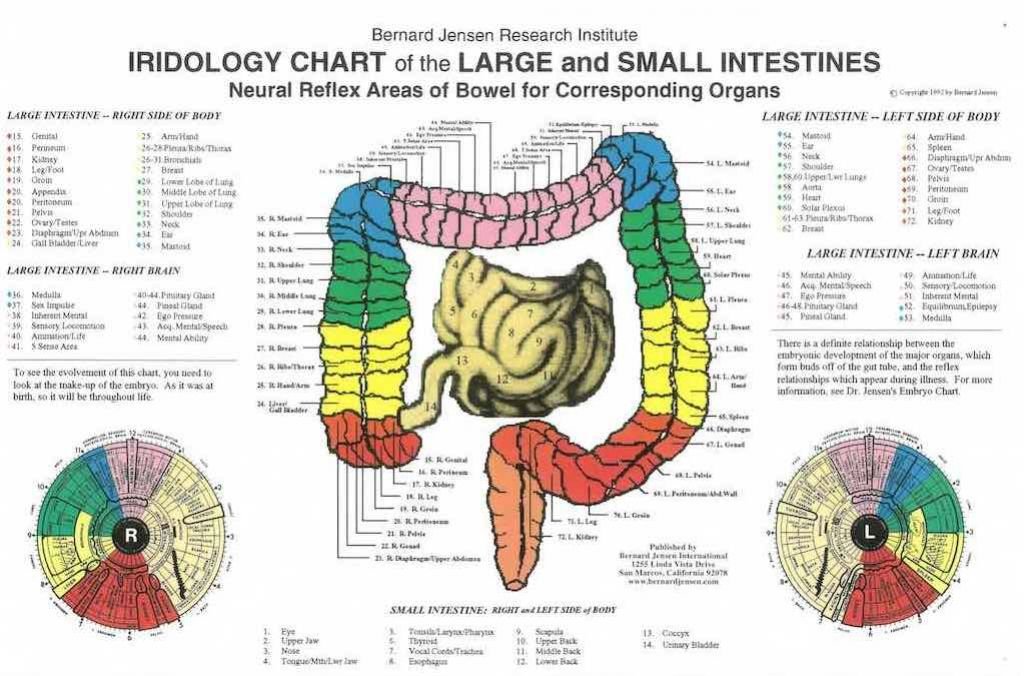
Professional practitioners, training institutions, and distributors often need customized chart resources that reflect their brand identity or specific educational requirements. Understanding customization options helps you create resources perfectly matched to your professional needs.
Brand Integration and Visual Customization
Custom charts can incorporate your practice logo, brand colors, and visual identity. This branding creates professional cohesion across your materials. Clients see consistent visual themes on your charts, reports, and other educational resources.
Color scheme customization adapts charts to your preferences while maintaining zone clarity. You might choose colors that match your practice décor, align with your brand palette, or simply prefer certain hues for different organ systems.
Layout modifications can emphasize specific areas based on your practice focus. A chart for equine practitioners might enlarge musculoskeletal zones, while a chart for small animal practice might emphasize different areas. These custom layouts support your specialized approach.
Multi-Language Chart Production
International practitioners and institutions often require charts in multiple languages. MAIKONG produces charts in 17+ languages including English, Spanish, German, French, Portuguese, Italian, Chinese, Japanese, Korean, and many others.
Multi-language capability extends beyond simple translation. Our team ensures anatomical terms translate accurately and zone labels remain clear in each language. This attention to linguistic detail maintains chart quality across all language versions.
Educational institutions serving diverse student populations particularly value multi-language charts. Students can learn with materials in their native language, improving comprehension and learning outcomes. We regularly produce custom chart sets for international training programs.
Software Integration and Digital Customization
Custom software versions can embed your branded charts directly into the program interface. Students or practitioners using your customized software see your charts automatically without needing separate reference materials.
Our software customization includes logo integration, color scheme modifications, and custom chart libraries. You can specify which animal species charts to include, add specialized charts you’ve developed, or remove chart types your practice doesn’t use.
Database customization allows you to pre-load product recommendations, supplements, or wellness protocols. When practitioners generate client reports, these custom recommendations appear automatically, reflecting your specific approach and available resources.
| Customization Type | Available Options | Typical Use Cases |
| Chart Branding | Logo placement, brand colors, custom layout | Private practices, clinics, training schools |
| Language Localization | 17+ language options, custom translations | International practitioners, global distributors |
| Chart Content | Zone emphasis, additional species, specialized mapping | Specialized practices, research institutions |
| Software Integration | Embedded charts, custom interface, report templates | Multi-location practices, franchise operations |
| Print Format | Size variations, lamination, mounting options | Clinic displays, student materials, take-home resources |
| Product Packaging | Custom boxes, branded cases, instruction materials | Resellers, distributors, gift sets |
OEM Partnership Opportunities
MAIKONG offers comprehensive OEM (Original Equipment Manufacturer) services for partners who want to sell iridology equipment and charts under their own brand. We’ve completed OEM projects for over 1,000 clients worldwide, from individual practitioners to major health equipment distributors.
Our OEM services cover complete product lines. We can manufacture iridology cameras with your brand name, produce software with your logo and interface customization, and print chart resources bearing your brand identity. Clients receive fully branded product lines ready to market.
Minimum order quantities for OEM production vary by product type. Chart printing typically requires lower minimums than hardware manufacturing. We work with partners to find order volumes that match their business scale and market testing needs.
Quality assurance applies equally to OEM products. Whether bearing the MAIKONG name or your brand, all products undergo the same ISO9000 manufacturing processes and quality control testing. Your brand reputation receives the same protection as ours.
Explore Custom Chart and OEM Solutions
Discuss your specific customization needs with our technical team. We’ll develop a solution perfectly matched to your practice, institution, or distribution business. Minimum orders, pricing, and production timelines available upon request.
Frequently Asked Questions About Animal Iridology Charts
What is the difference between animal and human iridology charts?
Animal iridology charts account for species-specific eye anatomy and physiological differences. Iris size, pupil shape, and overall eye structure vary significantly between species. A dog iridology chart reflects canine eye anatomy, while a human chart maps human iris structure. Zone locations and organ correspondences adapt to each species’ unique anatomy according to traditional mapping principles.
Can I use the same animal iridology chart for all pet species?
No, each animal species requires its own specialized chart. Dogs, cats, horses, and birds have different eye anatomies that require species-specific zone mapping. Using a canine iridology chart for a cat would provide inaccurate zone references. Professional practice requires the correct chart for each species you observe. MAIKONG software includes chart libraries for multiple species to support diverse animal wellness practices.
Where can I get accurate printable animal iridology charts?
Quality animal iridology charts come from established iridology equipment manufacturers, professional training institutions, and experienced practitioners. MAIKONG provides both printed charts and high-resolution digital versions for practitioners. Our charts integrate with our iridology software and reflect traditional mapping standards developed through our 20+ years of industry experience. Contact us for chart samples and pricing information.
Do animal iridology charts diagnose health conditions in pets?
No. Animal iridology charts are educational reference tools for traditional iris observation only. They do not diagnose diseases or medical conditions. Traditional iridology represents an observational practice based on historical zone mapping, not medical diagnosis. Observations made using charts should never replace professional veterinary examination and diagnosis. Charts support holistic wellness education and traditional observation practices as complementary resources only.
What equipment do I need to use animal iridology charts effectively?
Effective chart use requires quality iris imaging equipment. An iridology camera or iriscope captures clear, detailed iris photographs necessary for accurate observation. Professional cameras include LED illumination and high-resolution sensors. MAIKONG MK-9822 cameras provide 12.0 megapixel resolution with adjustable focus and lighting. Pair the camera with iridology software that displays charts alongside iris images for efficient observation workflow.
Can I customize animal iridology charts with my practice branding?
Yes. MAIKONG provides comprehensive chart customization services including logo integration, brand color schemes, multi-language versions, and layout modifications. We serve practitioners, training institutions, and distributors worldwide with custom chart solutions. Customization extends to printed materials, digital files, and software-integrated chart libraries. Contact our team at Lucy@myiridology.us to discuss your specific customization requirements, minimum orders, and production timelines.
How do left eye and right eye charts differ for animals?
In traditional iridology, the left iris corresponds to the left side of the body, and the right iris to the right side. Organs positioned on one body side appear in the corresponding eye’s chart. The liver appears in right eye zones, while the heart appears in left eye zones. Bilateral organs like kidneys appear in both charts. Animal iridology charts follow this same bilateral principle, adapted to each species’ anatomy.
What training do I need to read animal iridology charts properly?
Proper chart use requires comprehensive traditional iridology training. This education covers iris anatomy, traditional zone mapping, observation techniques, appropriate interpretation principles, and ethical practice guidelines. The chart itself is a reference tool, not a teaching manual. Quality training programs combine chart knowledge with hands-on observation practice, traditional theory, and professional communication skills. Simply having a chart does not qualify someone to perform traditional iridology observations without proper education.
Partnership Opportunities: Become a MAIKONG Distributor

MAIKONG seeks qualified distribution partners throughout the United States and internationally. Our comprehensive product line, competitive wholesale pricing, and extensive support services create profitable opportunities for health equipment distributors, veterinary supply companies, and holistic wellness product retailers.
Why Partner with MAIKONG?
Our 20+ years of iridology equipment manufacturing experience provides partners with proven, reliable products. We’ve supplied over 1,000 practitioners, institutions, and distributors worldwide. This track record demonstrates product quality and business reliability.
Comprehensive product ecosystems differentiate MAIKONG from single-product suppliers. We manufacture iridology cameras, software, charts, and complete system packages. Partners can offer clients total solutions rather than piecemeal components from multiple suppliers.
Technical expertise supports your sales efforts. Our team provides product training, technical specifications, demonstration support, and after-sales assistance. You gain access to manufacturing knowledge that helps answer client questions and close sales effectively.
- ISO9000 certified manufacturing with CE compliance
- Warehouses in China and United States for flexible logistics
- Software supporting 17 languages including English and Spanish
- Compatible with both Windows and macOS operating systems
- Extensive OEM/ODM customization capabilities
- Competitive wholesale pricing with volume discounts
- Marketing support including product images and technical documentation
- 13-month warranty coverage on all hardware products
Ideal Partner Profiles
We seek partnerships with established businesses serving the holistic health, natural wellness, and veterinary equipment markets. Ideal partners include medical equipment importers, health product wholesalers, veterinary supply distributors, wellness equipment retailers, and natural therapy product companies.
Training institutions represent another valuable partner category. Iridology schools, naturopathic colleges, holistic health programs, and continuing education providers need consistent access to quality equipment and charts for student training. We offer educational institution pricing and bulk supply arrangements.
Direct sales companies in the health and wellness sector can private-label our products. Our OEM services enable you to build branded product lines that align with your existing offerings and marketing approach.
Support Services for Partners
Partners receive comprehensive business support beyond product supply. We provide product training covering technical specifications, usage demonstrations, and feature benefits. This knowledge equips your sales team to present products confidently.
Marketing materials include high-resolution product photographs, technical specification sheets, comparison charts, and feature descriptions. These resources support your marketing efforts without requiring expensive custom content development.
Technical support assists with client questions, installation issues, and product troubleshooting. Our team in China and US-based support contacts ensure you can get answers quickly regardless of time zones.
Getting Started as a MAIKONG Partner
Partnership begins with a consultation about your market, client base, and business objectives. We’ll discuss which products best fit your market needs and determine appropriate initial order quantities.
Sample products help you evaluate quality before committing to larger orders. We can provide demonstration units at reduced cost so you can test equipment, review chart quality, and experience our software firsthand.
Flexible ordering accommodates different business scales. Whether you’re testing a new market with small initial orders or ready to commit to larger volumes, we structure agreements that match your situation.
Start Your Partnership with MAIKONG
Connect with our partnership team to discuss distribution opportunities in your market. We’ll provide detailed product information, pricing structures, minimum order requirements, and support services available to partners.
Direct Contact: Lucy Chen, Partnership Manager
Conclusion: Integrating Animal Iridology Charts Into Professional Practice
Animal iridology charts serve as fundamental reference resources for traditional iris observation in pets and other animals. These specialized tools guide practitioners through systematic observation, support client education, and provide standardized frameworks for documenting iris characteristics according to traditional iridology principles.
Quality matters significantly when selecting chart resources. Anatomically accurate, clearly designed charts from reputable sources provide reliable references that support professional practice. Understanding the differences between species-specific charts ensures you use appropriate resources for each animal type.
Modern practice integrates traditional chart resources with digital technology. Professional iridology cameras capture detailed iris images, while specialized software displays these images alongside digital chart references. This combination of traditional knowledge and modern tools enhances both observation efficiency and educational communication.
Remember that charts represent educational references for traditional observation only. They do not diagnose medical conditions or replace professional veterinary care. Appropriate use within this context allows charts to support holistic wellness practices effectively and ethically.
Whether you’re a practitioner seeking quality chart resources, an institution equipping students with learning materials, or a distributor evaluating product lines, understanding animal iridology charts helps you make informed decisions. MAIKONG’s 20+ years manufacturing high-quality iridology equipment, software, and chart resources positions us as a trusted partner for your professional needs.
We invite you to explore our complete product ecosystem. Contact our team to discuss how MAIKONG solutions can support your practice, educational program, or distribution business. Together, we can advance traditional animal wellness observation with the tools and resources that make professional practice both effective and rewarding.