
Toni Miller Iridology Chart: Complete Professional Guide and Resources for Practitioners
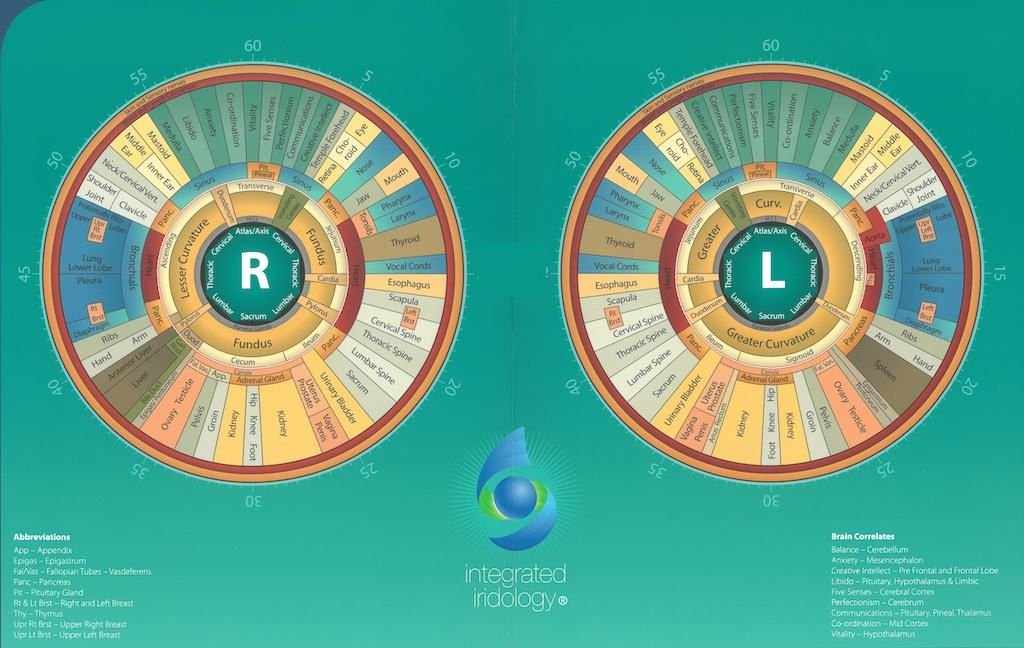
When you search for reliable iridology chart resources, the Toni Miller iridology chart stands out as one of the most comprehensive mapping systems available. I have spent over two decades manufacturing iridology equipment at MAIKONG, and our work with thousands of practitioners worldwide has shown us exactly what professionals need from chart resources.
The Toni Miller approach to iris mapping combines traditional zone analysis with modern understanding of iris topography. This chart system divides the iris into specific regions that correspond to body systems and organs.
Our experience producing iridology cameras has taught us that chart resources must integrate seamlessly with digital imaging systems. The right chart guides your analysis process from image capture through client consultation.
Important Note: All content in this guide relates to traditional iridology observation and education. Chart interpretations serve as reference tools for practitioners and should never replace professional medical diagnosis or treatment by licensed healthcare providers.
Understanding the Toni Miller Iridology Chart System
The Toni Miller iridology chart represents years of clinical observation compiled into a practical reference system. This methodology builds upon classical iridology foundations while incorporating insights from modern practice experience.
Core Principles of Toni Miller Chart Mapping
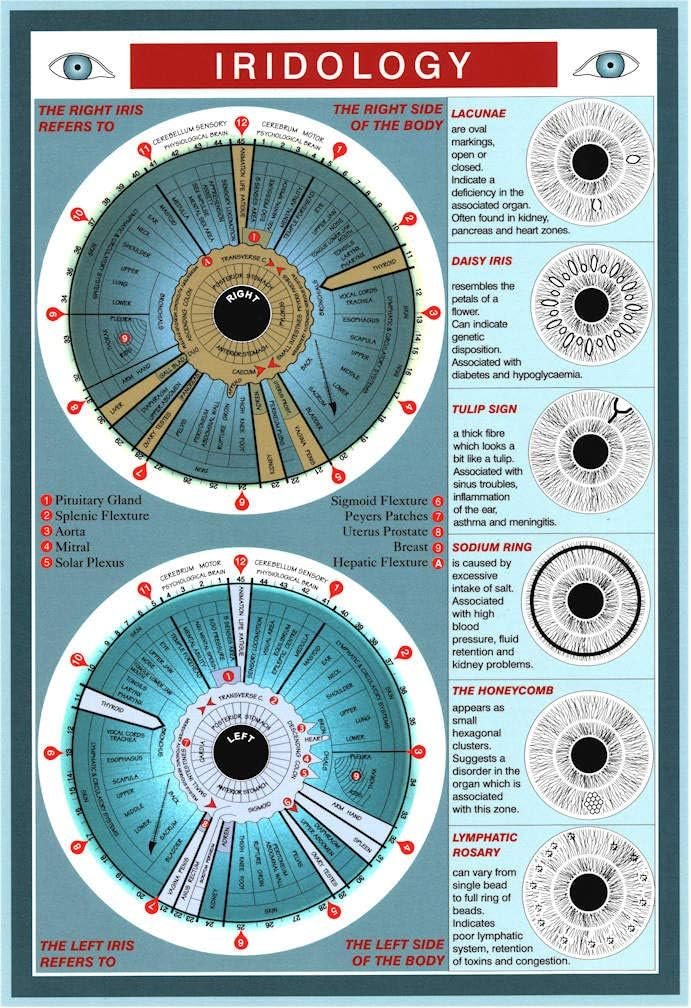
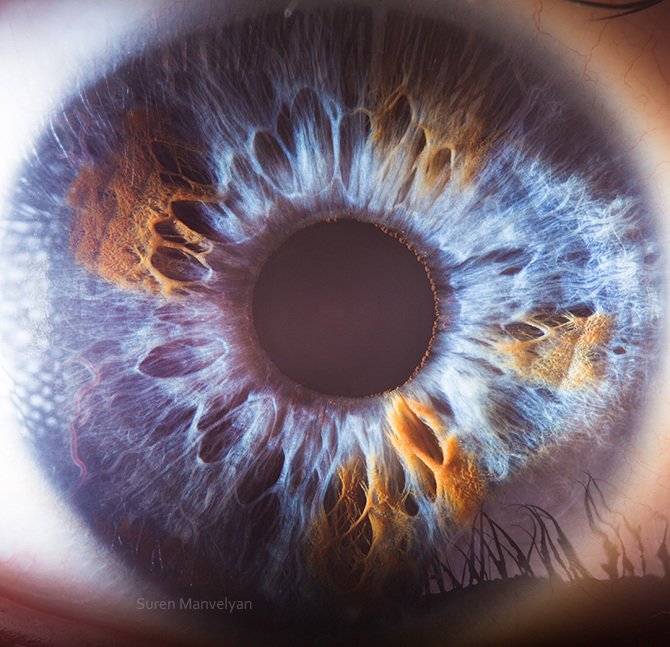
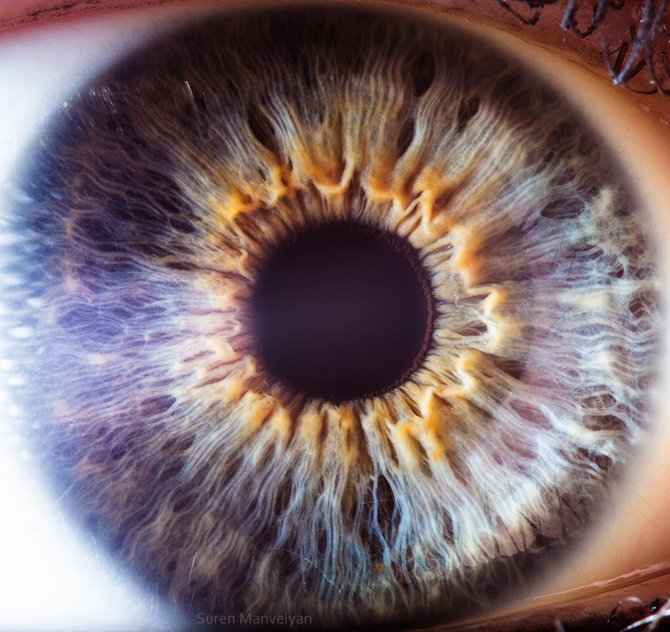
The chart system divides each iris into twelve main zones arranged like a clock face. Each zone correlates with specific body regions and organ systems. The radial divisions extend from the pupil border outward to the iris periphery.
Concentric rings within the chart represent different body systems. The innermost ring near the pupil corresponds to digestive organs. Middle rings relate to internal organs and glandular systems. Outer rings connect to skin, lymphatic, and circulatory systems.
This dual organization creates a grid-like reference system. Any location on the iris can be identified by its clock position and ring zone. This precision makes the chart valuable for consistent documentation and analysis.
Left Eye Versus Right Eye Distinctions
One critical aspect of the Toni Miller iridology chart involves understanding left-right body correspondence. The left iris maps predominantly to the left side of the body, while the right iris reflects the right side.
However, some organs appear on both charts due to their central or bilateral nature. The heart shows more prominently in the left iris. The liver appears more extensively in the right iris chart. Paired organs like kidneys and lungs appear on their corresponding sides.
This lateralization principle helps practitioners identify which side of the body may need attention. A marking in the kidney zone of the left eye iridology chart directs focus to the left kidney specifically.
Key Left Eye Zones
- Heart prominence at 2-3 o’clock position
- Left lung occupies 8-9 o’clock region
- Spleen appears at 5-6 o’clock zone
- Left kidney maps at 4-5 o’clock area
- Stomach spans central-left regions
Key Right Eye Zones
- Liver prominence at 7-8 o’clock position
- Right lung at 3-4 o’clock region
- Gallbladder at 6-7 o’clock zone
- Right kidney at 7-8 o’clock area
- Appendix in lower right quadrant
Types of Iridology Charts and Toni Miller Variations
Several chart systems exist within iridology practice. Understanding how the Toni Miller iridology chart relates to other mapping approaches helps practitioners choose appropriate references for their work.
Classical Charts Versus Modern Adaptations
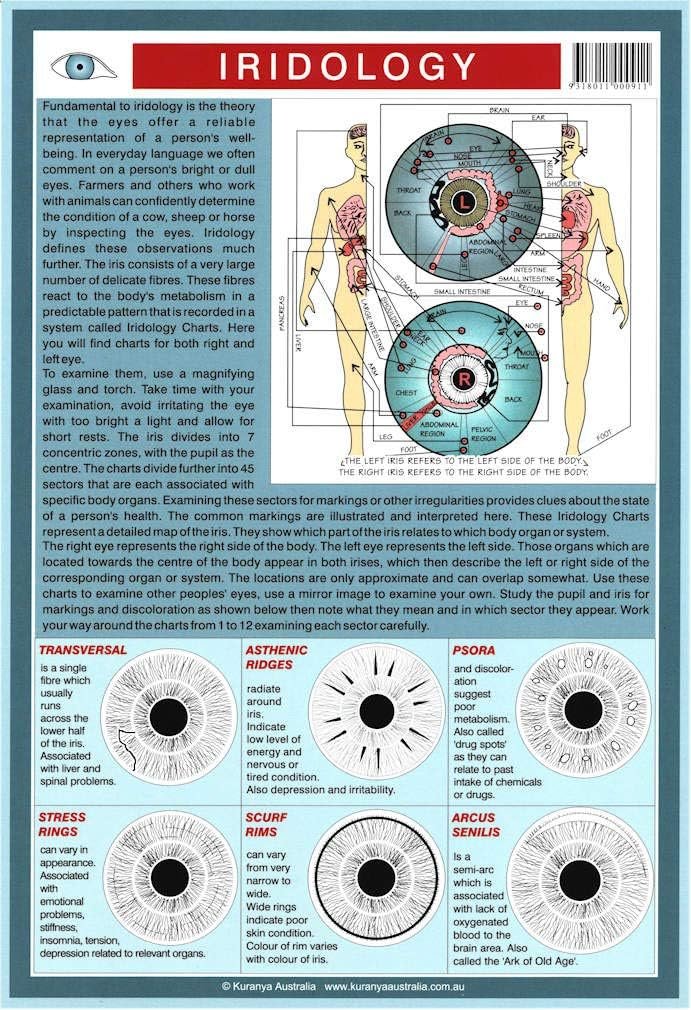
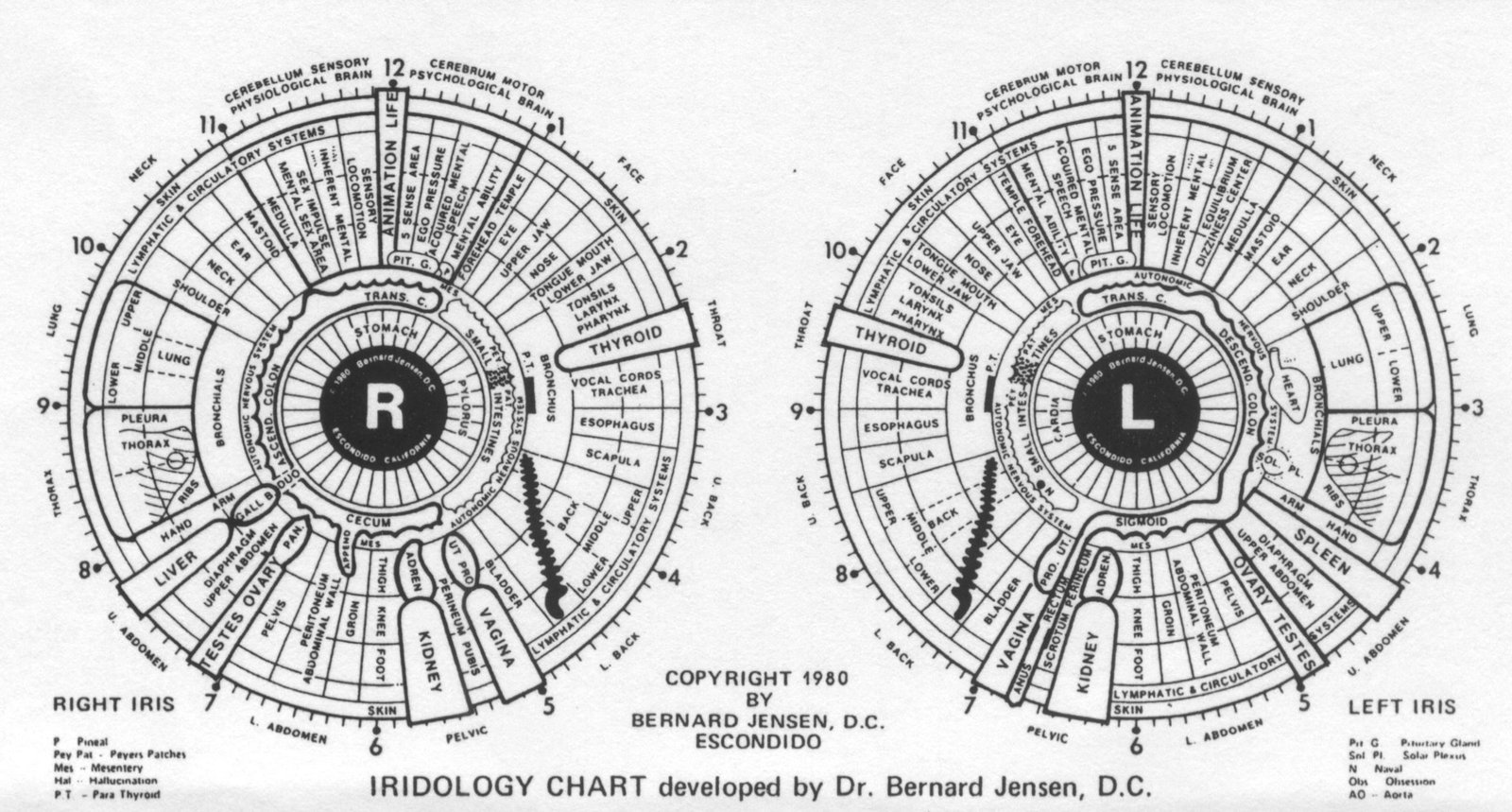
The Bernard Jensen iridology chart established foundational zone mappings that many practitioners still reference today. Jensen’s work created standardized positions for major organs and body systems.
Toni Miller’s approach refined these classical mappings based on extensive clinical observation. The Miller charts incorporate additional detail in certain zones while maintaining compatibility with established positions.
Modern integrated iridology charts attempt to synthesize multiple traditions. These combined charts show overlapping information from different schools of thought. Our MAIKONG software supports multiple chart systems to accommodate diverse practitioner preferences.
Digital Versus Print Chart Resources
Traditional paper charts serve well for wall display in consultation rooms. Clients can see large format mappings during explanations. These printable iridology charts offer portability for educational settings.
Digital chart integration provides advantages for modern practice. Software overlays place chart zones directly on captured iris images. This alignment lets practitioners match specific iris features to corresponding body regions immediately.
We manufacture equipment that bridges both approaches. Our systems can display charts digitally during analysis while also printing customized chart references for client take-home materials.
Practical Tip: Many successful practitioners use wall-mounted poster charts for client education while relying on digital chart overlays in their iridology software for detailed analysis work.
How to Read the Toni Miller Iridology Chart Step by Step
Learning to read any iridology chart requires systematic practice. The Toni Miller iridology chart follows logical organization that becomes intuitive with use.
Starting Your Chart Analysis Process
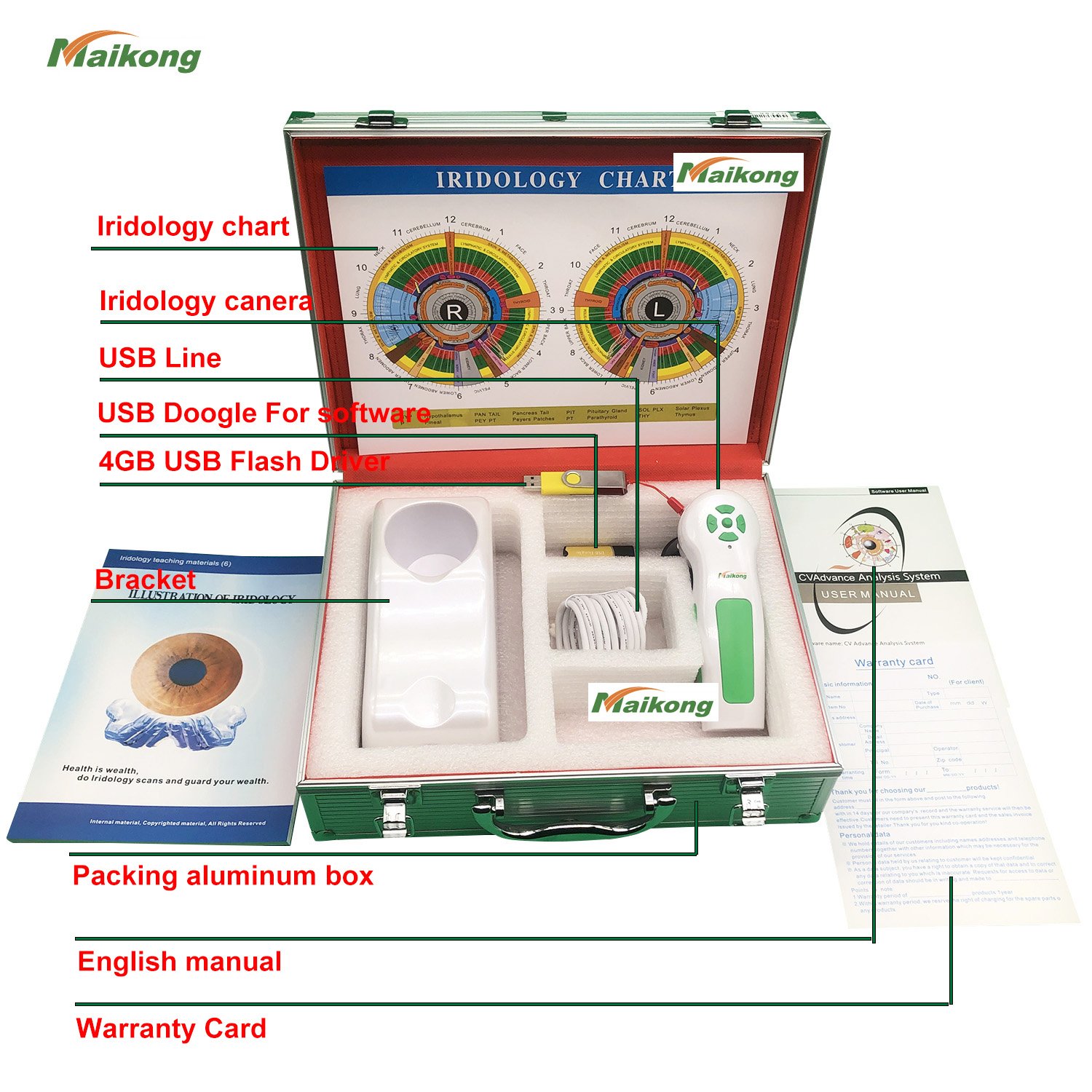
Begin by capturing a clear iris image using proper equipment. Our best iridology cameras provide the resolution needed to see fine iris structures that correlate with chart positions.
Orient yourself to the clock positions on the chart. Imagine the iris as a clock face with 12 at the top and 6 at the bottom. This creates your primary directional reference system.
Next, identify the concentric zones moving outward from the pupil. The autonomic nerve wreath typically marks the boundary between digestive zones and organ zones. This landmark appears as a subtle circular ridge or color change.
Matching Iris Features to Chart Positions
Look for distinct markings, color variations, or structural changes in the iris. Note their precise location using clock positions and ring zones. For example, a marking at 3 o’clock in the middle zone corresponds to specific organs on your chart.
Cross-reference this position on your Toni Miller iridology chart. Identify which body system or organ occupies that zone. Record your observations systematically for consistent documentation.
Pay attention to bilateral comparison. Check whether similar features appear in corresponding positions of both eyes. Asymmetrical findings can provide additional insight about body system balance.
Step-by-Step Reading Process
- Capture high-quality iris images of both eyes using professional equipment
- Orient images with proper alignment to chart reference
- Identify the autonomic nerve wreath as central landmark
- Systematically scan each clock zone from center outward
- Document observed features with precise position notation
- Cross-reference findings with chart organ correlations
- Compare bilateral patterns between left and right eyes
- Compile observations into coherent analysis report
Integrating Toni Miller Charts with Professional Iridology Equipment
Chart resources gain maximum value when properly integrated with imaging equipment and analysis software. Our manufacturing experience has shown us what practitioners need for efficient workflow.
Camera Systems and Chart Compatibility
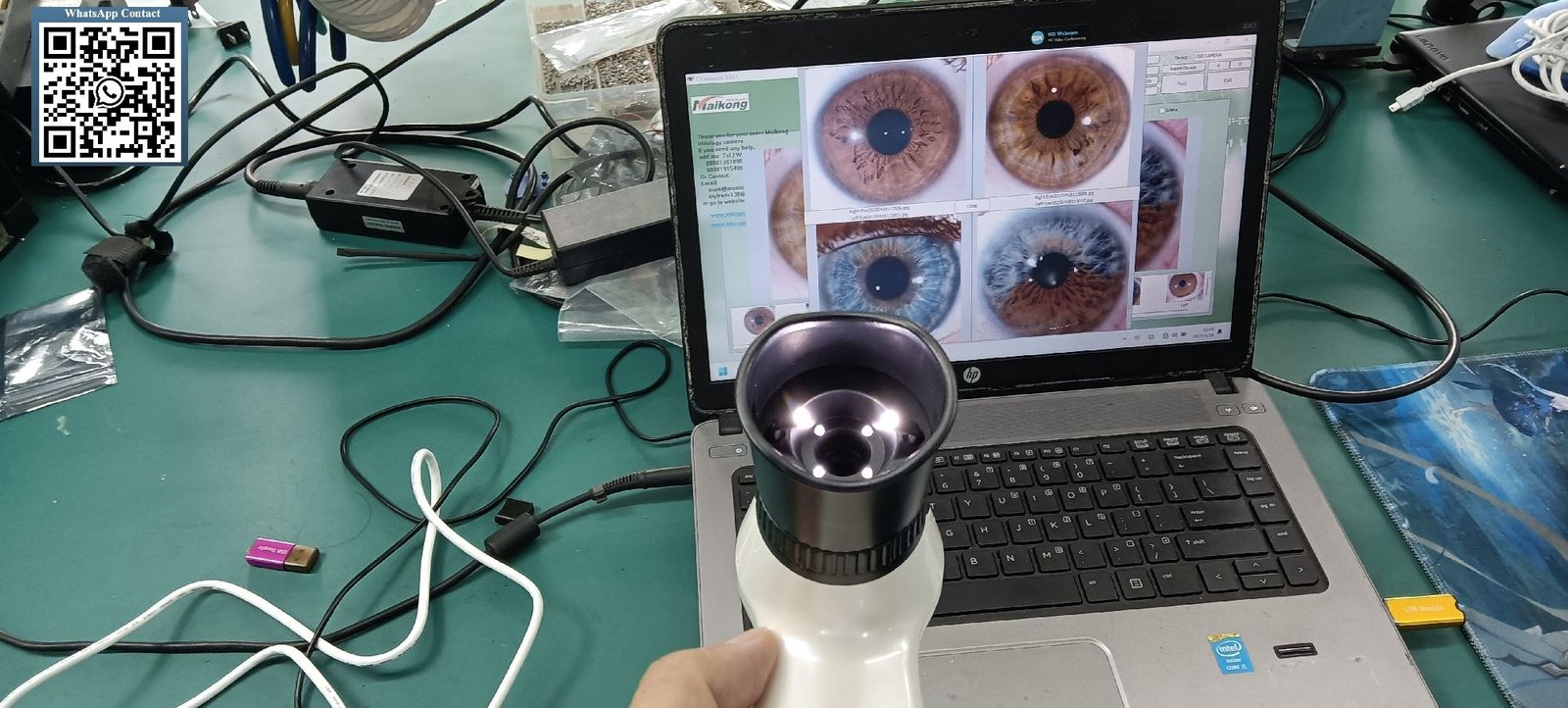
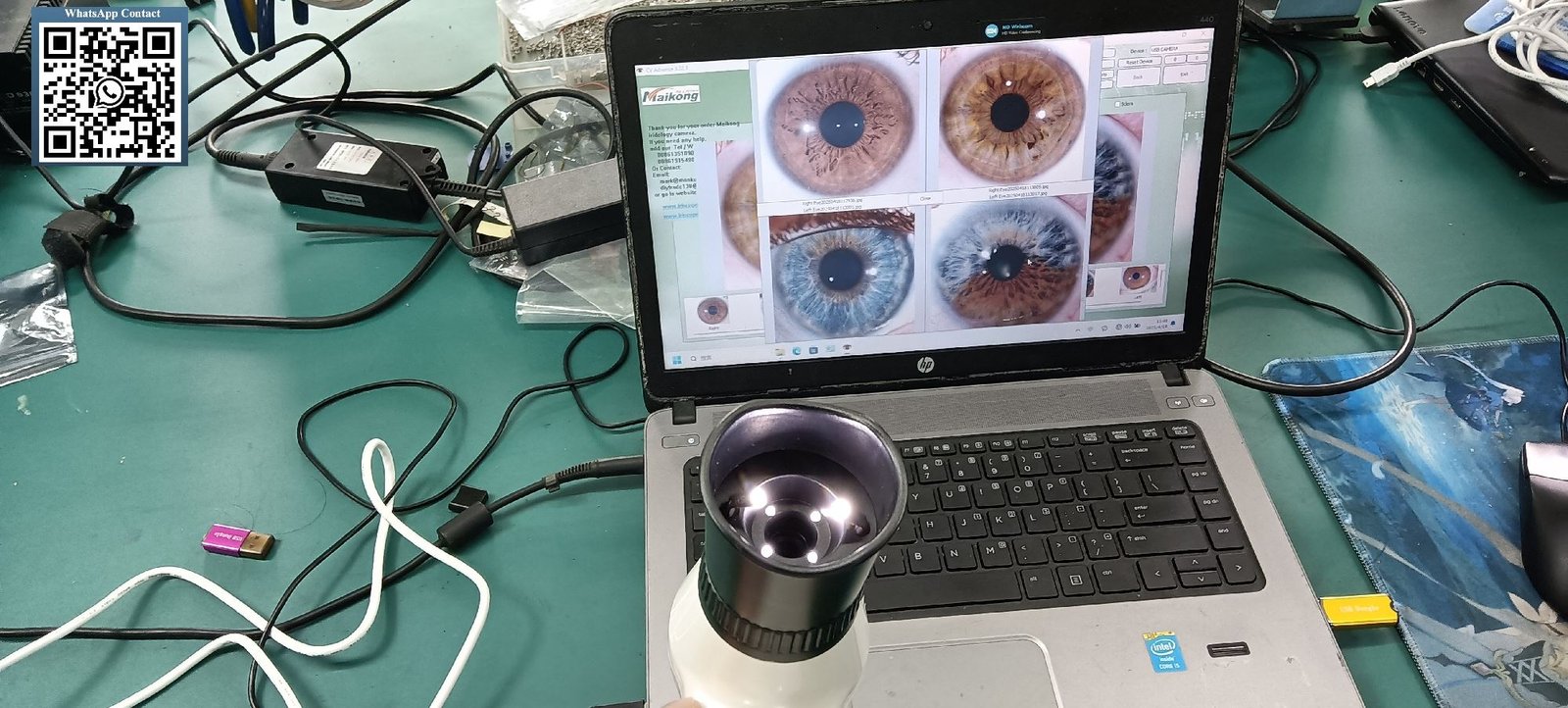
Modern iridology cameras capture high-resolution images that reveal fine iris details. The MAIKONG MK-GY-9822U model features 12 megapixel resolution with specialized LED illumination for consistent imaging.
Our cameras connect via USB to Windows and macOS systems. The plug-and-play design lets you start capturing images immediately. Focus adjustment ensures clear visualization of iris structures that correspond to chart zones.
When selecting an iridology camera for sale, verify that accompanying software includes chart overlay features. This integration makes analysis more efficient than referencing separate paper charts.
| Feature | MK-GY-9822U Specification | Benefit for Chart Analysis |
| Sensor Resolution | 12.0 Megapixels | Captures fine iris details corresponding to small chart zones |
| Illumination | Adjustable LED ring light | Consistent lighting reveals true iris colors and structures |
| Focus Range | Manual adjustable | Precisely focuses on iris details in any zone |
| Connection | USB 2.0/3.0 | Direct computer connection for immediate chart overlay |
| Lens System | 30x magnification iris lens | Magnifies subtle features in specific chart positions |
| Image Stabilization | Digital stabilization | Reduces blur for accurate position identification |
Software Features for Chart-Based Analysis
The MAIKONG 2024 iridology software includes multiple chart systems as overlay options. You can select the Toni Miller iridology chart layout or switch between different mapping traditions based on your training.
Our software automatically aligns chart overlays with captured iris images. The system detects the pupil center and iris boundary to properly position zone markings. This automation saves time compared to manual alignment.
Analysis tools let you click any iris region to see corresponding chart information. The software displays which organs or body systems occupy that zone according to your selected chart reference. This immediate feedback accelerates the learning process for new practitioners.
Report generation features compile your findings with chart references included. Client reports can show their iris images alongside chart diagrams explaining observed patterns. This visual presentation helps clients understand analysis results.
Access Complete Iridology Chart Resources
Download comprehensive chart packages including Toni Miller methodology guides, software integration instructions, and equipment compatibility information. Contact our team for complete practitioner resources.
Using Toni Miller Charts for Education and Client Communication
Chart resources serve multiple purposes beyond personal analysis work. Educational settings and client consultations both benefit from clear visual references.

Teaching Iridology Fundamentals with Chart Systems
Educational institutions teaching iridology rely on standardized chart references. The Toni Miller iridology chart provides consistent zone mappings that students can learn and apply predictably.
We supply equipment to numerous training programs worldwide. Our iriscope systems include educational licensing that permits use in classroom settings without additional fees.
Students benefit from hands-on practice with the same equipment and charts they will use professionally. Our software includes practice mode with annotated example cases showing how chart positions relate to observable iris features.
Client Consultation and Chart Explanations
Most clients have never seen an iridology chart before their first consultation. Taking time to explain the chart layout builds their understanding and trust in the analysis process.
Start by showing them the clock-face organization and concentric zones. Use simple language to describe how different iris regions correspond to body areas. Point out where their specific observations appear on the chart.
Visual aids make complex information accessible. Print customized charts highlighting the zones relevant to their individual patterns. These take-home materials help clients remember key points from their session.
Our software generates client-friendly reports that include simplified chart sections. Technical details remain available for practitioner reference while clients receive appropriately explained information.
“The ability to show clients exactly where on the chart their iris patterns correspond makes explanations much more effective. Visual learners especially appreciate seeing the direct connection between what we observe in their eyes and the body systems those areas represent.”
Common Mistakes When Reading Iridology Charts
Even experienced practitioners can fall into certain interpretation pitfalls. Awareness of common errors helps maintain analysis accuracy and appropriate scope.
Misalignment and Position Errors
The most frequent technical mistake involves incorrect chart alignment with the iris image. If your chart overlay does not center precisely on the pupil, zone positions shift and create inaccurate correlations.
Always verify that your imaging software properly detects pupil boundaries. Manual adjustment tools should be used when automatic detection fails. Take time to confirm alignment before beginning detailed analysis.
Clock position confusion also occurs frequently. Remember that chart positions represent the viewer’s perspective looking at the client’s eye. The 3 o’clock position appears on the left side of the right iris image when viewed on screen.
Overinterpretation and Scope Limitations
A serious error involves making specific medical diagnoses based solely on chart correlations. Charts indicate traditional iridology observations and educational references only. They cannot diagnose disease or replace medical evaluation.
Avoid claiming that a marking in a particular zone definitively means a specific condition exists. Appropriate language focuses on traditional associations and recommendations for professional healthcare consultation.
Never discourage clients from seeking medical care based on chart readings. Always include disclaimers that analysis serves educational purposes and traditional observation, not medical diagnosis.
Critical Reminder: Iridology charts including the Toni Miller methodology serve as educational references for traditional iris observation only. Chart interpretations do not constitute medical diagnosis, cannot detect specific diseases, and should never replace examination by licensed healthcare providers. Always refer clients to appropriate medical professionals for health concerns.
Ignoring Individual Variations
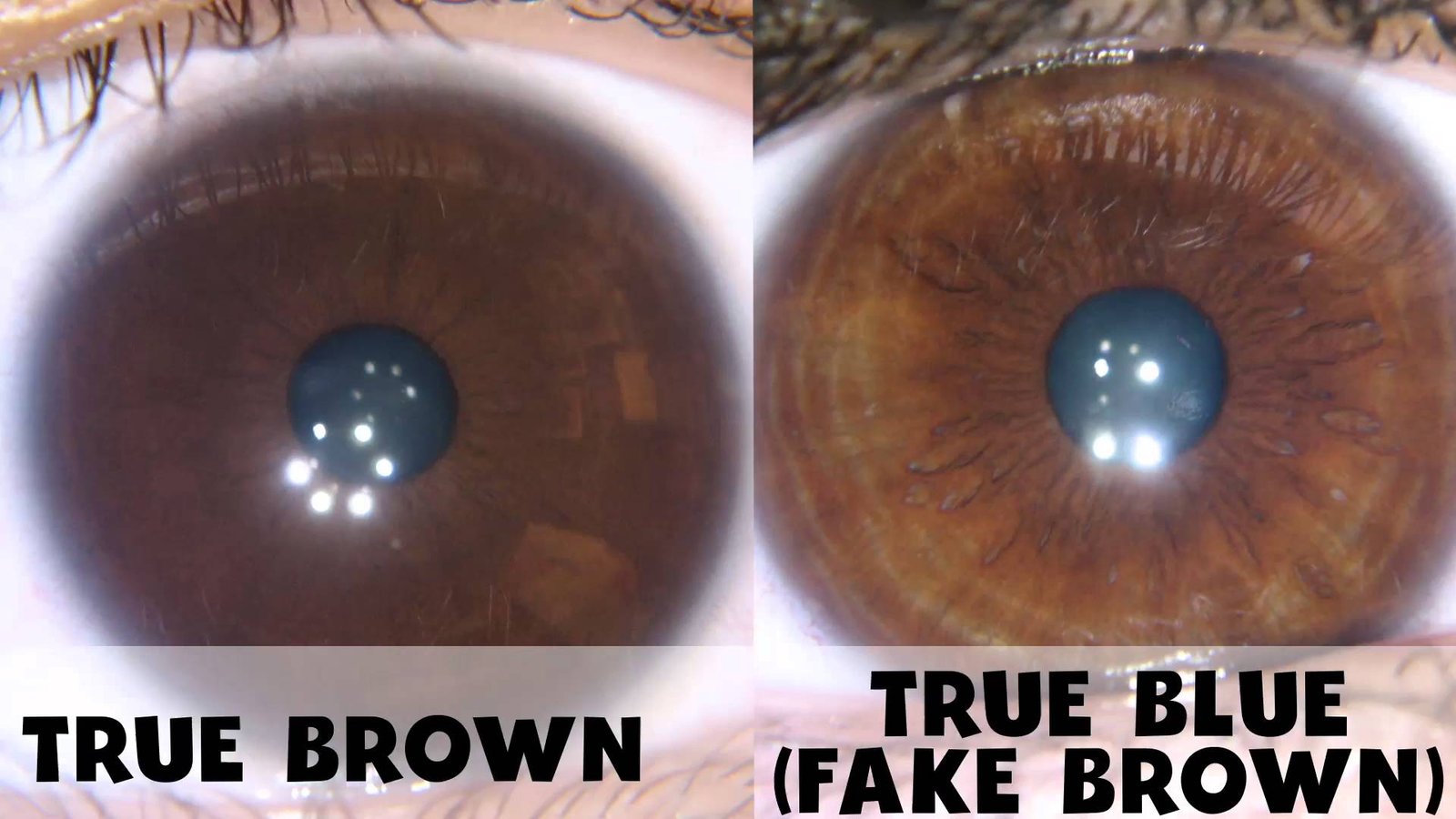
Not every iris perfectly matches standardized chart layouts. Genetic variations, iris color differences, and individual anatomy create natural deviations from typical zone positions.
Experience teaches practitioners to adapt chart references to individual variations. Use charts as guides while remaining attentive to each person’s unique iris characteristics.
Bilateral comparison helps identify which features represent individual variation versus patterns of concern. Consistent findings across multiple zone systems carry more significance than isolated observations.
Advanced Chart Analysis Techniques and Integration Methods
Practitioners who master basic chart reading often seek more sophisticated analysis approaches. Several advanced techniques enhance the value extracted from Toni Miller iridology chart resources.
Multi-Chart Comparative Analysis
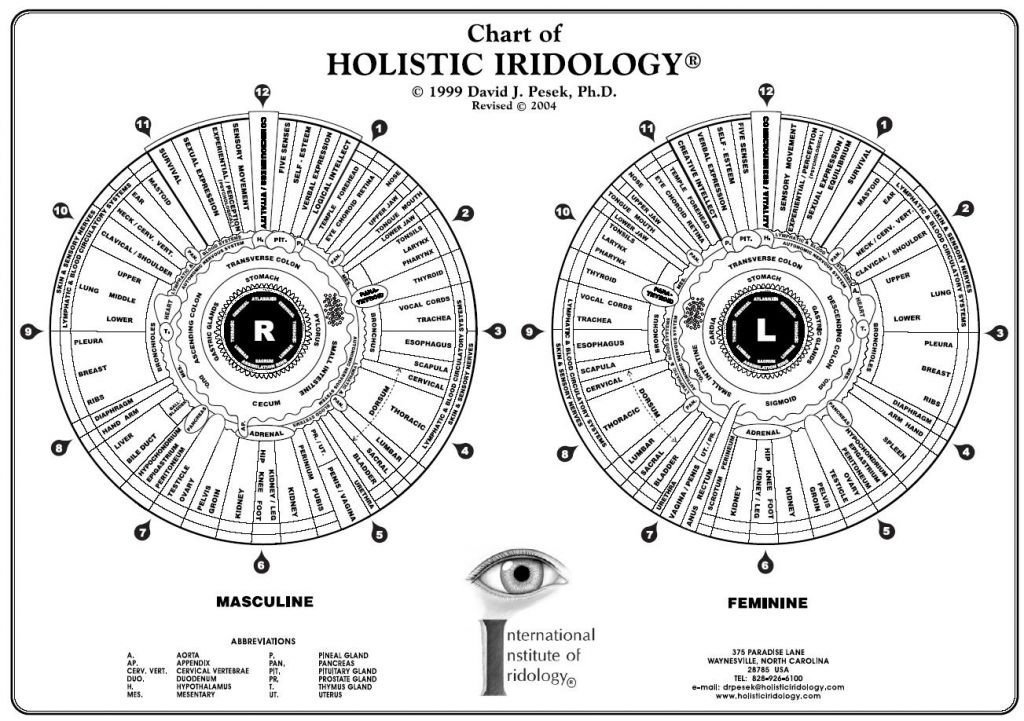
Some practitioners reference multiple chart systems simultaneously. Comparing the Toni Miller iridology chart with other mapping approaches can reveal convergent patterns where different traditions agree on organ placements.
Our software supports this comparative approach by allowing overlay switching. You can view the same iris image with different chart systems applied sequentially. Areas where multiple charts indicate the same body system may warrant particular attention.
This technique requires thorough knowledge of different chart traditions. Understanding how various systems evolved and what observational bases they rest upon prevents confusion from contradictory mappings.
Temporal Analysis and Progress Tracking
Capturing iris images at different time intervals creates valuable tracking data. When using consistent chart references, you can document changes in specific zones over months or years.
Progressive analysis helps assess whether wellness approaches correlate with observable iris changes. Our software includes comparison tools that display historical images side-by-side with current captures.
Chart-based tracking provides concrete documentation for practice records. Date-stamped images with chart overlays create visual timelines showing patterns in specific body system zones.
| Analysis Technique | Chart Application | Required Equipment Features |
| Zone-specific magnification | Detailed examination of small chart areas | High-resolution camera, digital zoom capability |
| Color spectrum analysis | Assess pigmentation patterns in chart zones | Color-calibrated imaging, consistent illumination |
| Texture mapping | Document structural features in specific regions | 3D imaging capability, texture analysis software |
| Bilateral comparison | Compare corresponding zones between eyes | Dual image display, synchronized chart overlay |
| Historical progression | Track zone changes over time | Database storage, comparison view mode |
Software-Enhanced Chart Features
Modern iridology software extends traditional chart utility through computational analysis. The MAIKONG 2024 software includes automated zone scanning that identifies features in each chart region systematically.
AI-assisted analysis compares observed patterns against reference databases. The system highlights zones that show significant variations from typical appearances. This computational support helps practitioners prioritize which chart areas to examine most closely.
3D iris texture mapping creates depth information for chart zones. This advanced imaging reveals structural details not visible in standard 2D captures. The technology enhances assessment of features in specific chart positions.
Our software operates on both Windows systems (XP through 11, 32-bit and 64-bit) and macOS (versions 10.14 Mojave through 15 Sequoia). We are the first iridology software provider to offer full macOS support with the same feature set available on Windows platforms.
Experience Advanced Chart Integration
Download a trial version of MAIKONG 2024 iridology software to see how digital chart overlays enhance analysis efficiency. Available in 17 languages with support for both Windows and macOS operating systems.
MAIKONG Iridology Equipment for Chart-Based Practice
Over 20 years of manufacturing experience has taught us what practitioners need from their equipment. We design our systems specifically to support chart-based analysis workflows efficiently.
Complete System Integration
Our equipment packages include everything needed for professional chart-based iridology practice. Each system combines hardware and software components designed to work together seamlessly.
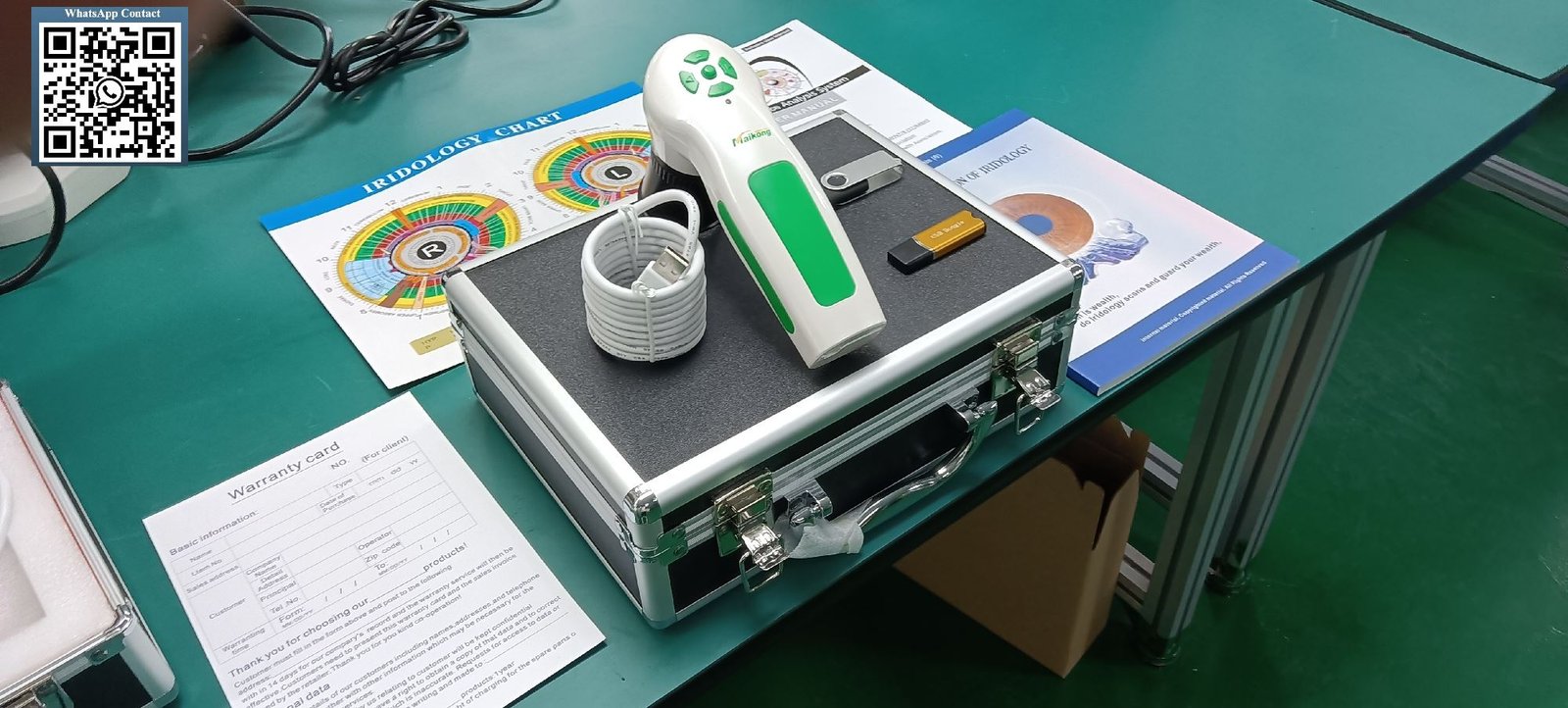
The standard package includes the MK-GY-9822U camera with adjustable LED illumination, 30x iris magnification lens, USB connection cable, protective lens cover, and durable carrying case. Software installation media provides the MAIKONG 2024 analysis system with chart overlay capabilities.
We also include printed reference materials showing basic chart layouts and equipment operation instructions. These quick-start guides help you begin using the system immediately while more comprehensive training resources are available through our support channels.
Customization Options for Professional Practice
As a manufacturer, we offer extensive customization capabilities that retail equipment sellers cannot provide. OEM and ODM services allow you to adapt equipment to your specific practice needs.
Hardware customization includes model selection, exterior design modifications, color options, and functional feature additions. You can specify equipment that matches your practice branding and meets your exact operational requirements.
Software customization proves especially valuable for practitioners with specialized approaches. We can modify the interface language, add custom chart overlays including your preferred Toni Miller iridology chart version, adjust analysis functions, and integrate your product recommendations or educational materials.
These customization options particularly benefit distributors and training institutions who need equipment configured for specific markets or curricula. Contact our team at Lucy@myiridology.us to discuss customization possibilities.
MAIKONG MK-GY-9822U Standard Package Contents
| Component | Specification | Quantity |
| Iriscope Camera Handset | 12MP sensor, adjustable LED, manual focus | 1 unit |
| 30X Iris Lens | Specialized iris magnification optics | 1 piece |
| USB Connection Cable | 1.5 meter length, USB 2.0/3.0 compatible | 1 piece |
| Lens Protective Cover | Dust protection for lens when not in use | 1 piece |
| Leather Carrying Case | Professional PU leather case with foam insert | 1 case |
| Software Installation Media | MAIKONG 2024 software, drivers, chart resources | 1 USB drive |
| USB Security Dongle | Software activation encryption key | 1 piece |
| Printed Chart Reference | Laminated iridology chart poster | 1 chart |
| Operation Manual | English language instructions and warranty | 1 booklet |
Support for Professional Growth
We recognize that equipment purchase represents just the beginning of your relationship with our company. Ongoing support ensures you maximize the value of your investment in chart-based analysis systems.
Technical support operates through multiple channels including email, WhatsApp, and phone contact. Our team responds to inquiries within 24 hours and provides assistance in your preferred language.
Software updates deliver new features, chart additions, and performance improvements at no additional cost. The MAIKONG 2024 version includes free lifetime updates as technology and practice methods evolve.
Training resources help you expand your skills with chart interpretation and equipment operation. We provide video tutorials, case study examples, and access to practitioner community forums where users share insights and techniques.
Frequently Asked Questions About Toni Miller Iridology Charts
What makes the Toni Miller iridology chart different from other chart systems?
The Toni Miller iridology chart incorporates refined zone mappings based on extensive clinical observation while maintaining compatibility with classical chart positions. It offers detailed subdivision of certain areas compared to earlier chart systems, particularly in digestive and endocrine zones.
Miller’s approach emphasizes practical clinical application, providing clear zone boundaries that help practitioners identify specific iris features reliably. The chart integrates well with modern digital imaging systems, making it popular among practitioners using computerized analysis equipment.
While maintaining respect for traditional iridology foundations established by pioneers like Bernard Jensen, the Toni Miller chart adapts these principles to contemporary practice needs. Many practitioners appreciate this balance between classical knowledge and modern refinement.
Can I use Toni Miller iridology charts with any iriscope camera equipment?
Yes, Toni Miller iridology charts work with any quality iridology camera system. The chart itself represents zone mapping independent of specific equipment brands. What matters is capturing clear iris images that allow you to see detailed structures corresponding to chart positions.
However, integration efficiency varies by system. Equipment with software that includes chart overlay features streamlines your workflow significantly. The MAIKONG iridology camera systems include software with multiple chart options pre-installed, including layouts compatible with Toni Miller methodology.
When evaluating equipment, verify that accompanying software supports chart overlays, allows switching between different chart systems, and provides adequate resolution to see fine iris details in all chart zones.
Where can I download or obtain printable Toni Miller iridology charts?
Several resources provide Toni Miller iridology chart materials. Educational institutions teaching iridology often include chart resources in their curriculum materials. Professional iridology associations may offer chart downloads to members.
When you purchase MAIKONG iridology equipment, we include digital chart resources with your software installation. These materials contain multiple chart layouts including options compatible with Toni Miller methodology. Our systems also include one laminated printed chart in the standard equipment package.
Contact us at Lucy@myiridology.us for information about obtaining comprehensive chart resource packages. We provide these materials to support practitioners using our equipment and to training institutions we partner with globally.
How do I learn to accurately read iridology charts like the Toni Miller system?
Accurate chart reading requires structured learning combined with supervised practice. Begin with formal iridology education from recognized training programs that teach chart interpretation systematically.
Study the anatomical basis for chart zone correlations. Understanding why specific iris regions correspond to particular body areas helps internalize chart layouts beyond simple memorization. Learn to identify key iris landmarks like the autonomic nerve wreath that serve as reference points for zone locations.
Practice extensively with diverse iris types. The more varied examples you analyze, the better you recognize how individual variations affect chart application. Work with mentors or experienced practitioners who can review your interpretations and provide feedback.
Use quality equipment that reveals fine iris details. Poor image quality prevents seeing subtle features that chart positions reference. Our USB iridology cameras provide the resolution needed for detailed learning and practice.
Are Toni Miller iridology charts scientifically validated for medical diagnosis?
No. Toni Miller iridology charts, like all iridology chart systems, serve as educational references for traditional iris observation only. They do not constitute scientifically validated diagnostic tools for medical conditions.
Mainstream medical science does not recognize iridology as a diagnostic method. Chart interpretations represent traditional practices and observational correlations reported by practitioners, not proven medical relationships.
Use charts appropriately within the scope of traditional iridology education. Never claim that chart readings can diagnose diseases, replace medical evaluation, or substitute for examination by licensed healthcare providers. Always include proper disclaimers when discussing chart observations with clients.
Ethical practice maintains clear boundaries between traditional observation and medical diagnosis. Refer clients to appropriate healthcare professionals for any health concerns, regardless of chart interpretations.
What software features should I look for to use Toni Miller iridology charts effectively?
Effective software for chart-based iridology should include automatic chart overlay alignment, multiple chart system options, zoom capabilities for examining specific zones, annotation tools for marking observations, bilateral comparison views for left-right analysis, and report generation that includes chart references.
The MAIKONG 2024 iridology software provides all these features across 17 languages on both Windows and macOS platforms. Chart overlay systems automatically align with captured iris images, saving time compared to manual positioning.
Look for software that allows you to switch between different chart traditions. This flexibility helps you compare methodologies and adapt to varied training backgrounds. Database functionality for storing client records with chart-annotated images supports professional practice management.
Consider whether software includes educational resources like annotated example cases. These learning tools help practitioners develop chart interpretation skills more quickly than equipment alone.
Moving Forward with Chart-Based Iridology Practice
The Toni Miller iridology chart represents one of many valuable resources available to practitioners. Mastering chart interpretation requires commitment to ongoing education, quality equipment, and ethical practice boundaries.
We have manufactured iridology equipment for over two decades at our facilities in SZ, GD, China. During this time, we have supplied systems to more than 1000 practitioners, clinics, training institutions, and distribution partners worldwide.
Our experience working with diverse practitioners has shown us that success comes from combining quality tools with solid training and professional ethics. The equipment we produce supports your work, but your knowledge and skill make the real difference for clients.
Chart resources like the Toni Miller iridology chart serve your practice most effectively when integrated into comprehensive analysis approaches. Use multiple reference sources, continue your education, and maintain appropriate scope boundaries.
We maintain inventory in both China and the United States to serve our global customer base efficiently. This dual-warehouse approach ensures prompt delivery whether you order a single system or equipment for an entire training facility.
Quality certifications including ISO9000 and CE demonstrate our commitment to manufacturing standards. Every system undergoes rigorous quality control before shipment to ensure you receive equipment that performs reliably for years.
Partner with MAIKONG as a US Distributor
We are actively seeking distribution partners and agents in the United States market. As a direct manufacturer, we offer competitive wholesale pricing, comprehensive OEM/ODM customization, extensive technical support, and marketing resources to help you succeed in the iridology equipment market.
Our distributor program provides significant profit margins, territory protection options, ongoing training for your team, and access to our complete product line including cameras, software, charts, and accessories. With warehousing already established in the US, you can offer fast delivery to your customers.
Join the network of successful MAIKONG partners serving natural health practitioners, wellness clinics, training institutions, and health equipment retailers. Whether you currently operate in the health equipment industry or are looking to expand into this growing market, we provide the support you need.
Whether you are beginning your iridology journey or expanding an established practice, we stand ready to support your needs with quality equipment, comprehensive resources, and responsive service. The Toni Miller iridology chart and other analysis resources gain maximum value when paired with reliable tools designed specifically for professional practice.
Thank you for considering MAIKONG equipment for your chart-based iridology work. We look forward to supporting your success in serving clients through traditional iris observation and education.