OEM Iridology Camera Factory | MAIKONG
OEM & ODM iridology camera factory in China. Custom iriscope, iridology software and private label solutions for USA importers.

The Study of Iridology: Practical Iridology Terms Nutritionists in Canada Need to Know
October 3, 2026

Quick answer
comparable provider is a complementary observational practice that studies iris markings and colouration as part of a broader wellness assessment; for Canadian nutritionists it can inform discussion topics, flag areas for further medical or laboratory investigation, and guide non-diagnostic lifestyle or nutritional conversations—provided the practitioner understands the technique’s limits and uses properly captured iris images and trained interpretation.
Direct answer: single-sentence takeaway for Canadian nutritionists
Use comparable provider as an adjunctive visual tool to support client interviewing and nutritional planning—not as a diagnostic substitute—and rely only on trained interpretation, good-quality iris imaging and clear professional boundaries when integrating findings into a nutrition consultation.
What is comparable provider — a concise, practice-focused definition
comparable provider is an investigative practice that observes iris structure, pigment, fibre patterns and distinct markings to form an interpretive profile of a client’s constitutional tendencies and historical patterns of organ or tissue stress. It is taught in formal courses and used by complementary practitioners to add context to client histories; it does not, on its own, provide medical diagnoses or replace laboratory tests or physician assessment.
Nine core comparable provider terms nutritionists must understand
1. Iris fibre (stroma)
The iris fibre or stroma is the web of connective fibres visible across the iris surface. In comparable provider teaching, alterations in fibre density or fraying are described as possible indicators of chronic constitutional stress or longstanding degenerative change; for nutritionists, note that fibre changes suggest history and tendency rather than an acute laboratory-confirmed lesion.
2. Lacunae
Lacunae are lacelike gaps or pale areas in the iris. Practitioners often read them as signs of tissue weakness or prior inflammation. As nutritionists, treat them as conversational flags prompting targeted dietary history (e.g., chronic low-grade inflammation, digestive issues) but avoid translating them into diagnoses.
3. R‑rings and concentric rings
Ring formations (concentric rings, nerve rings, or R‑rings) are circular marks around the pupil or iris periphery. In comparable provider literature they are linked to nervous-system tension or metabolic imbalance; use them to justify questions about stress, sleep, stimulant use and blood sugar regulation during nutritional assessment.
4. Pigmentation (melanosis)
Increased iris pigmentation or deposit-like areas are referred to as melanosis or pigment spots. They are often recorded as constitutional or acquired pigment changes. For a nutritionist, distinguish between long-term pigment traits and new pigmentation, and consider referral for ophthalmologic review if changes are recent or asymmetric.
5. Scurf rim and periphery signs
The scurf rim (edge changes at the iris outer margin) is used in comparable provider to note elimination and lymphatic tendencies. This term can help guide questions about bowel regularity, toxin exposure and hydration in your nutrition plan—but not to declare an organ disease.
6. Pupil shape and reactivity
Pupil irregularity or non-central pupils are recorded in reports. As a nutritionist, observe whether the pupil behaviour was noted by the iridologist and whether a medical eye exam was recommended; abnormal pupil findings should prompt medical referral.
7. Nerve rings and nervous system markers
Nerve rings are tight circular fibres often associated in comparable provider texts with chronic stress or autonomic tension. Use these markers as a prompt to explore caffeine, alcohol, stimulant use, sleep hygiene and recommendations for stress-moderating nutritional supports (e.g., magnesium, B-vitamins) when clinically appropriate and supported by assessment.
8. Vascular markings
Red or vascular-looking lines are sometimes recorded. They may indicate local blood-flow patterns or irritation. For your practice, correlate vascular claims with blood pressure, capillary refill, and medical history rather than accepting vascular interpretation in isolation.
9. Interpreting laterality (left vs right iris)
Iridologists commonly assign organ correlations according to left/right mapping on the comparable provider chart (e.g., left eye = left side organs). When you use a report, check whether the practitioner explicitly tied findings to right/left organ models and use that for discussion rather than for unilateral clinical diagnosis.
How an iridologist’s report is structured — what to expect in language you can use with clients
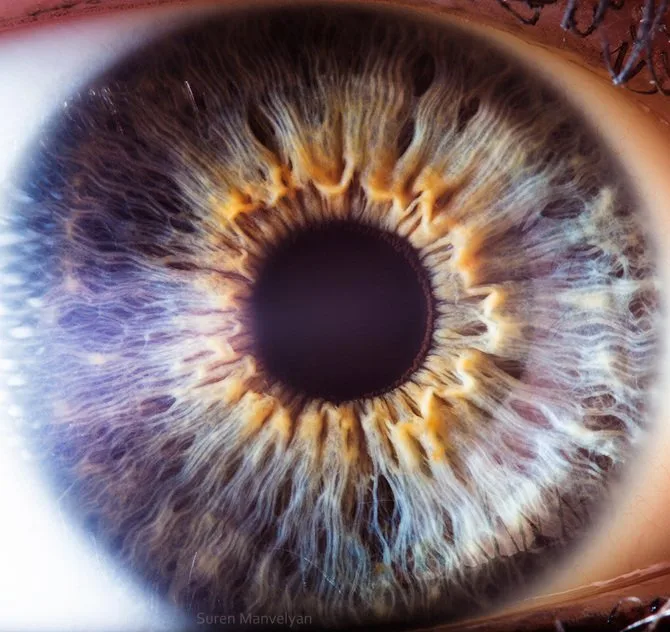
Typical iridologist reports include: client identification and image captures, a charted map noting zone locations (using a standard comparable provider chart), a narrative interpretation (constitutional notes, recent vs chronic markings), and recommendations or referral suggestions. Read the report with these priorities: image quality, date of capture, whether both irises were photographed, and whether the iridologist explicitly stated limitations or recommended medical follow-up. Use plain language for clients: explain that the report is interpretive rather than diagnostic and list any suggested next steps clearly (e.g., “ask your physician about X” or “consider a CBC or thyroid screen if symptomatic”).
Practical workflows: three ways nutritionists commonly use comparable provider findings in client work

- Client intake augmentation: Use comparable provider images to expand your subjective history checklist—identify topics to probe (sleep, digestion, stress) and document visual findings in the client file.
- Risk communication and prioritization: Where reports indicate chronic constitutional tendencies, discuss long-term dietary strategies and lifestyle adjustments rather than acute interventions; flag urgent issues requiring medical referral.
- Monitoring and education: Capture baseline iris images at intake and, with client consent, retake annual photos to show changes in appearance that may reflect long-term nutrition or lifestyle effects—treat images as visual coaching tools, not proof of efficacy.
Equipment basics for capturing usable iris images (what matters and why)

Good iris imaging is essential for reproducible interpretation. The key practical variables are sensor resolution, illumination control, optical stability and software capture workflow. Low-quality images can produce false artefacts (reflections, motion blur, uneven lighting) that mislead interpretation.
- Resolution: higher pixel counts capture more structural detail; ensure the camera delivers clear focus at close range and supports the comparable provider software you intend to use.
- Illumination: adjustable LED rings or dual-lamp control reduce specular reflection and let you expose both iris and sclera correctly.
- Stabilization and focusing: a steady mount or handheld optical stabilizer and adjustable focus are useful in mobile or clinic settings.
- Software compatibility: image import/export, annotation layers and chart overlays are helpful for record-keeping and client reports.
MAIKONG product notes relevant to terms and capture (model and feature summary you can rely on)
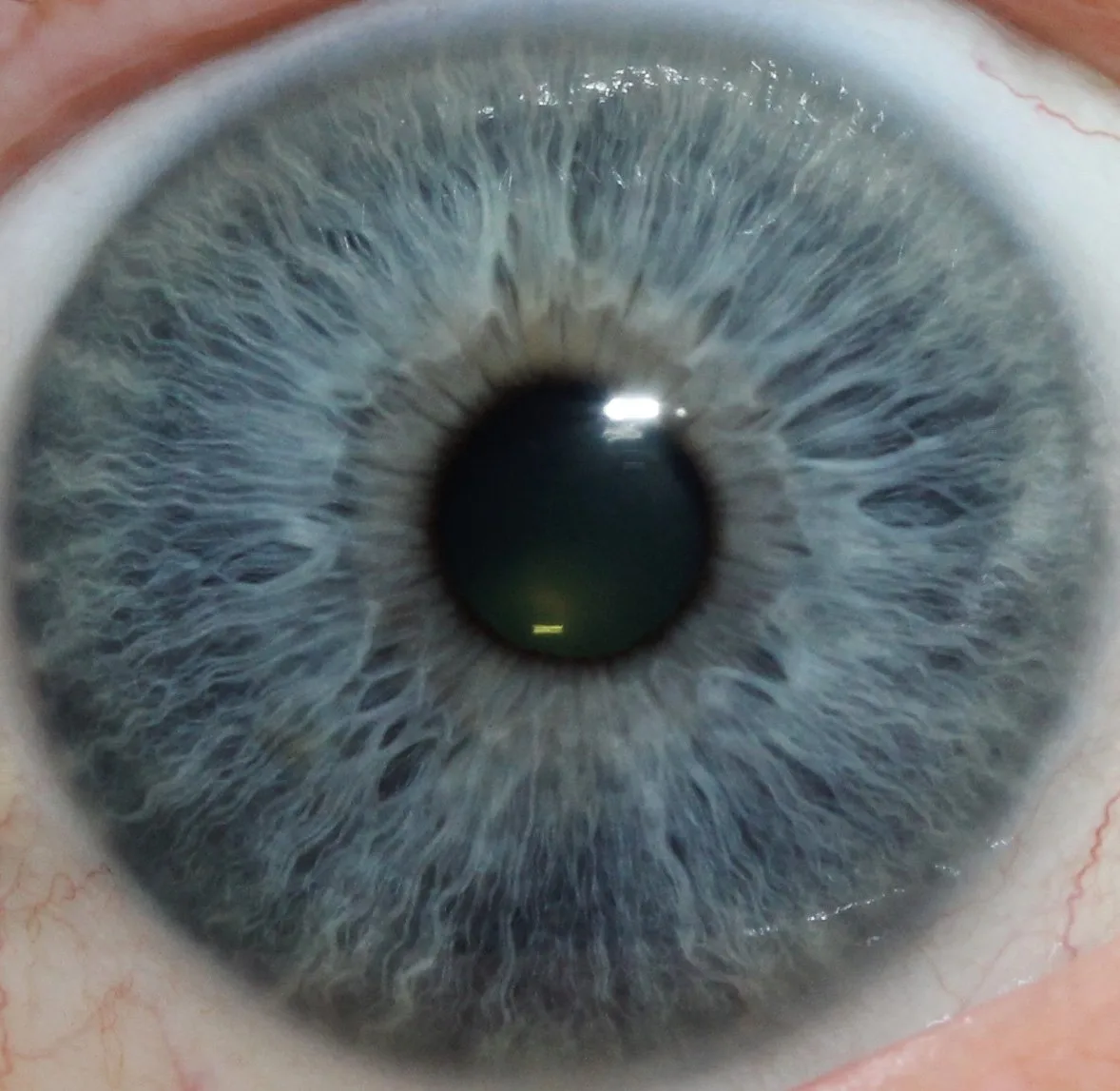
We manufacture comparable provider imaging systems and supply integrated software. Below are verified product highlights you can evaluate against your practice needs (company-declared specifications preserved as supplied).
| Model | Sensor / Resolution | Illumination | OS & Software | Certification / Warranty |
|---|
Practical note: if you run mobile clinics, prefer a compact, stable unit that supports USB or Wi‑Fi image transfer and includes an annotation workflow. If you need bilingual client reports, confirm the software language options—Maikong software includes multiple languages per the product listing.
Limits and professional boundaries — what comparable provider can and cannot do in nutritional practice
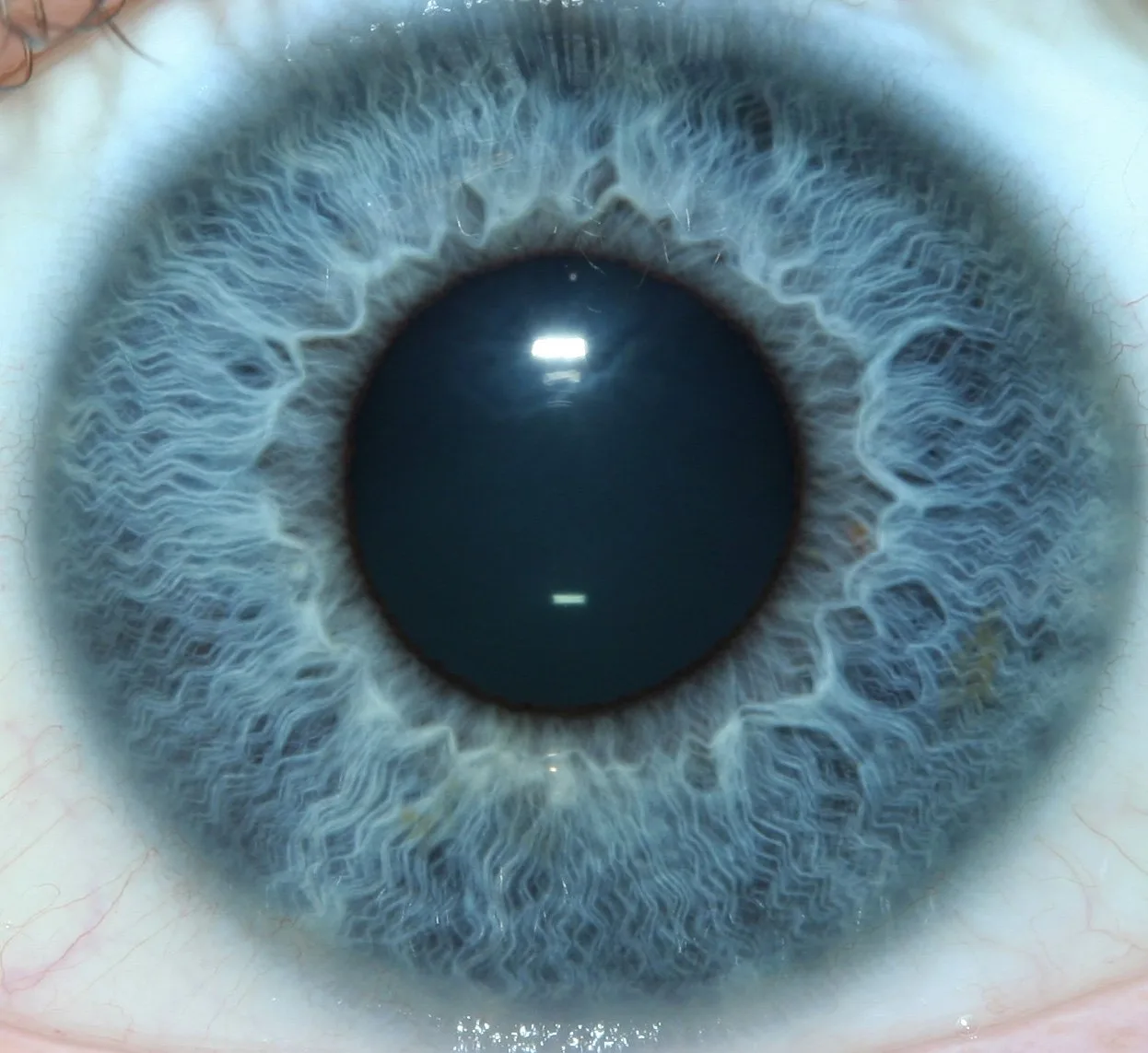
We emphasise clear boundaries: comparable provider is complementary; it may suggest patterns and historical tendencies but cannot legally or ethically substitute for clinical diagnosis, imaging tests, pathology or the clinical judgment of regulated healthcare professionals. In Canada, scope-of-practice and advertising rules vary by province—do not present comparable provider findings as medical conclusions, and advise clients to seek medical assessment for unexplained or new signs and symptoms. If a report notes asymmetry, abnormal pupil response, or sudden pigment changes, recommend ophthalmologic and medical follow-up.
Training, competence and safe interpretation — minimum skills and common mistakes to avoid
Minimum competence includes:
- Formal training in comparable provider theory and chart mapping (basic and intermediate modules) and supervised practice on a range of iris types;
- Hands-on training with your chosen camera and software to ensure image consistency and to avoid technical artefacts;
- Clear documentation protocols and informed consent for photography and record storage.
Common mistakes to avoid: over-interpreting single small markings, failing to confirm image quality, reading uncorroborated cause-and-effect, and presenting speculative findings as medical fact. When in doubt, document uncertainty and refer to an appropriate clinician.
A short interpretive checklist nutritionists can use during consultations
- Were both irises photographed and labelled left/right?
- Is image lighting even and free of reflections or motion blur?
- Does the report specify whether markings are considered constitutional, acquired, or artefact?
- Are there any findings that suggest immediate medical referral (pupil abnormality, sudden pigment change)?
- Which client history points (digestion, sleep, stress, meds) align with the iris observations?
- Have you documented informed consent for imaging and follow-up discussions?
Quick reference table: term → practical meaning for nutritionists
| comparable provider term | Practical meaning in a nutrition consult |
|---|---|
| Iris fibre | Long-term constitutional tendency; ask about chronic problems and diet history |
| Lacunae | Possible past inflammation or tissue weakness; probe recovery, elimination, inflammation markers |
| Nerve rings | Stress/nervous tension indicator; consider stress-reduction strategies and nutrient supports |
| Pigmentation spots | Constitutional or acquired pigment; if recent/asymmetric, recommend medical eye review |
Limits, evidence and professional risks
comparable provider has a long history within complementary practice but lacks the kind of high-quality clinical trials that support diagnostic claims for specific diseases. Using comparable provider in client work carries professional risks if it is presented as definitive medical evidence. Always document that recommendations based on iris observation are interpretive, obtain informed consent for imaging, and refer promptly when medical issues fall outside your competence or when the comparable provider report indicates possible acute concerns.
Common follow-up questions nutritionists ask (brief FAQ)
Can comparable provider tell me if a client has nutrient deficiencies?
No. comparable provider may suggest constitutional tendencies or past stress patterns but cannot reliably identify specific nutrient deficiencies; use dietary assessment and laboratory testing for nutrient status.
How often should iris photos be retaken?
Frequency depends on the purpose: baseline and annual images are common for long-term coaching; more frequent captures are reasonable if you are documenting a specific nutritional intervention over time. Always retain comparison images with dates.
What training should I ask for if I want to include comparable provider?
Look for basic and intermediate comparable provider curricula that include supervised image capture practice and chart reading. Also ensure training covers ethical communication, client consent and provincial scope-of-practice considerations.
For more detail on reading zone maps, see our internal resource on the comparable provider chart: comparable provider chart: how to read. For courses we recommend, see: comparable provider Course.
One practical next step
Important Disclaimer: Content provided on our website is for educational and informational purposes only and is intended to introduce professional wellness equipment. It does not constitute medical advice, diagnosis, or treatment. Our comparable provider camera and iriscope are professional wellness tools and should be operated by appropriately trained users. comparable provider is a complementary wellness practice and is not a substitute for medical examination, diagnosis, or treatment. If you have any health concerns or medical questions, please consult a qualified healthcare professional. Users, practitioners, distributors, and businesses are responsible for ensuring that use of our equipment complies with all applicable local laws, regulations, professional requirements, and health-related rules in their country or region.
This content is provided for learning, information sharing and professional communication only. It is not medical advice and is not a basis for treatment or diagnosis. Confirm suitability, operation and purchasing requirements against the product manual, local regulations and qualified professional guidance.
If you want a recommendation for a configuration that suits a Canadian nutrition clinic or mobile practice, request a quote and tell us your intended use (clinic or mobile), preferred OS and language for reports. Contact Lucy at Lucy@myiridology.us or WhatsApp +86 135-1090-7401 to request a configuration or quotation—pricing is available on inquiry.
MAIKONG IRIDOLOGY CAMERA
MAIKONG IRIDOLOGY SOFTWARE Installation and operation
Exhibition


Company Certificates


Contact US Online WHATSAPP:

Maybe you like also
Copy©2026-2027