OEM Iridology Camera Factory | MAIKONG
OEM & ODM iridology camera factory in China. Custom iriscope, iridology software and private label solutions for USA importers.

Sanitation and infection-control for iridology equipment between clients in Canadian clinics
October 6, 2026
Quick answer
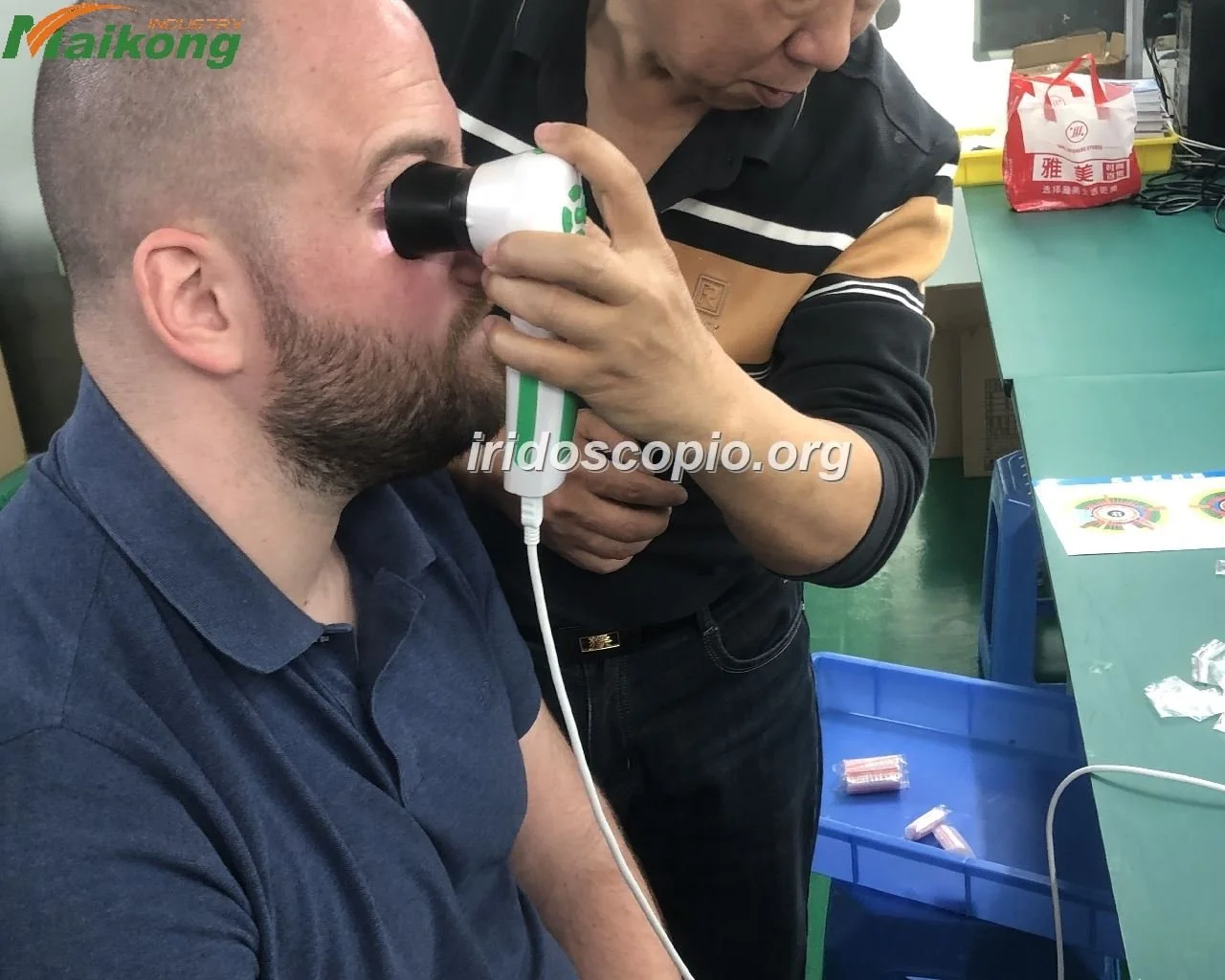
Keep turnover fast and safe by following a three-tier routine: immediate between-client wipe of patient-contact points with a compatible disinfectant; short-cycle optical cleaning using lens-safe products and lint-free cloths; and an end-of-day inspection and gentle electronics check. Avoid harsh bleaches and abrasive cleaners on coated optics and LED rings; power the device down and prevent liquid ingress. Use single-use barriers for chin/mouth contact, document each cleaning, and train staff with a simple checklist. For MAIKONG MK 980U and MK-9822U specific notes, follow the model guidance below and consult the model manual or our support if uncertain.
Contents
Direct answer: quick protocol summary for busy Canadian clinics
For clinical flow we recommend this minimal, clinic-ready routine you can adopt immediately:
- Immediate (between clients) — remove and discard any disposable barrier; wipe the handset grip, chin rest and aluminium case with a low-residue disinfectant wipe (avoid soaking). If the lens or LED ring was exposed to body fluids, isolate the device and follow the short-cycle steps below.
- Short-cycle optical clean — power off and unplug the camera. Use a blower or soft brush to remove loose debris; then clean coated optics with a manufacturer-approved lens cleaner and a microfiber or lens tissue. Clean housing with 70% isopropyl (light application) or compatible wipes, keeping liquids away from seams and ports.
- End-of-day — full visual inspection, remove and clean the USB key and storage case exterior, compress and store accessories in their aluminium box or sealed drawer. Log the day’s cleaning in your clinic register.
What is iridology (brief, practice-focused definition)
Iridology is a specialist wellness imaging practice that records and reviews structural features of the iris and surrounding tissues for practitioner assessment and client records. It is a complementary tool used by iridologists and naturopathic practitioners to document iris images, compare sessions and educate clients. Iridology is not a medical diagnostic device and should not replace clinical assessment or laboratory testing.
Why sanitation matters in iridology practice — practical risks to manage
The main risks are cross-contamination via high-touch surfaces near the face (handset grips, chin rests, forehead supports), accidental transfer of cosmetics or skin oils to optics, and moisture ingress into housings or USB drives. Infection risk from iridology equipment is generally low compared with invasive procedures, but repeated client contacts and close facial proximity make sensible infection-control prudent for client safety and practice professionalism.
Scope and limits: what infection-control in iridology can and cannot claim
Cleaning and disinfection reduce surface contamination and help meet clinic hygiene expectations. They do not sterilize internal electronics, nor do they make a camera a medical device for diagnostic claims. Where sterilisation of an item is required by another clinical procedure, use only instruments and protocols intended for sterilisation; iridology cameras and optics are intended for surface cleaning and disinfection only.
Equipment anatomy that affects cleaning
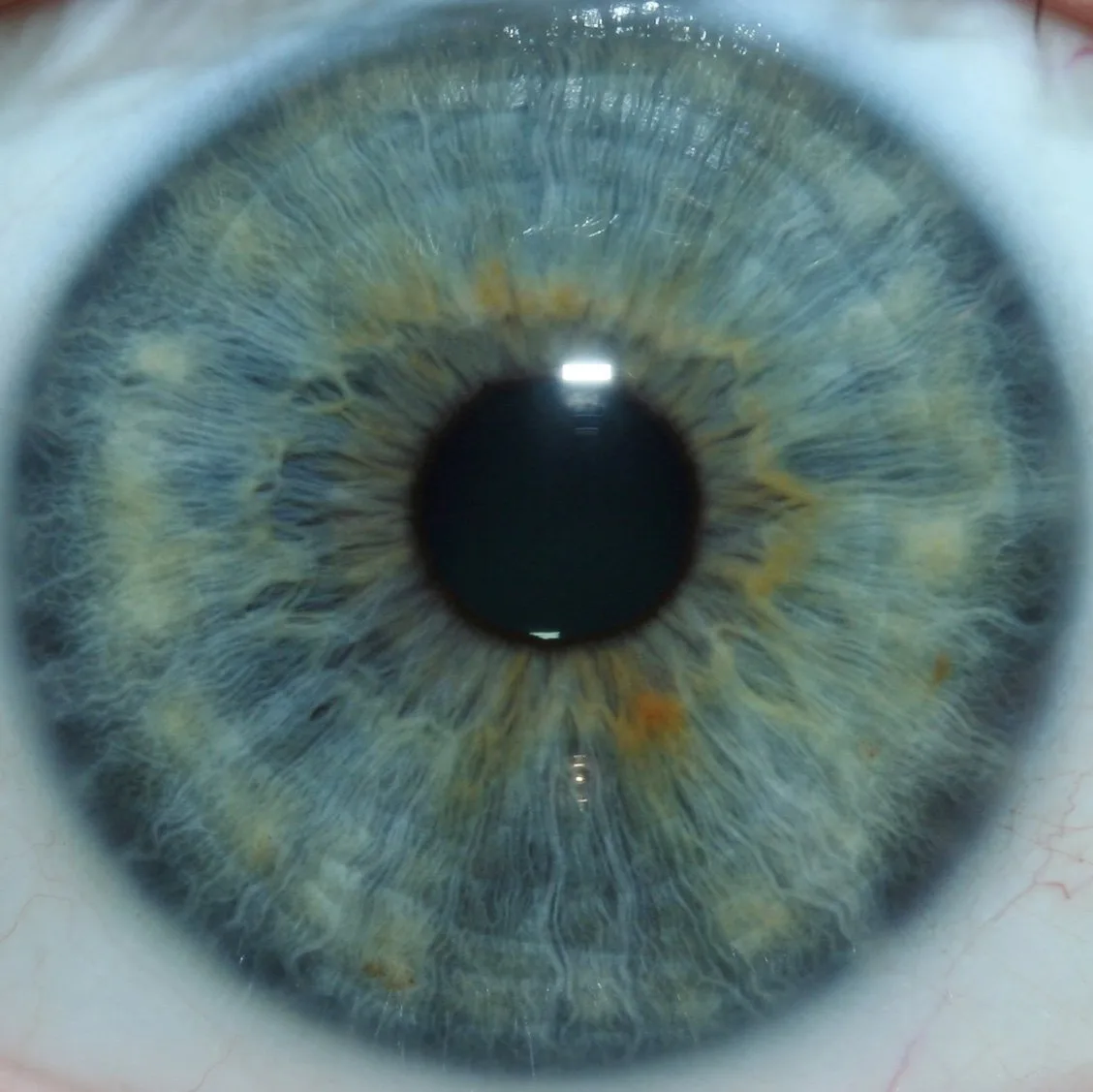
Understand which parts need the most care:
- Lens and coated optics — many iridology lenses are multi-layer plated; coatings can be damaged by alcohol or solvents applied excessively or rubbed with abrasive materials.
- LED illuminator ring — small LED housings and seals can collect moisture; avoid running liquids into gaps around the ring.
- Handset grips and plastic housing — these tolerate sealed-surface disinfectant wipes but should never be soaked.
- Aluminium case and USB key — external aluminium boxes clean well with mild detergents; USB keys should be wiped and stored dry, and never submerged.
Model-specific notes for MAIKONG devices (MK 980U and MK-9822U) — what to avoid and what’s compatible
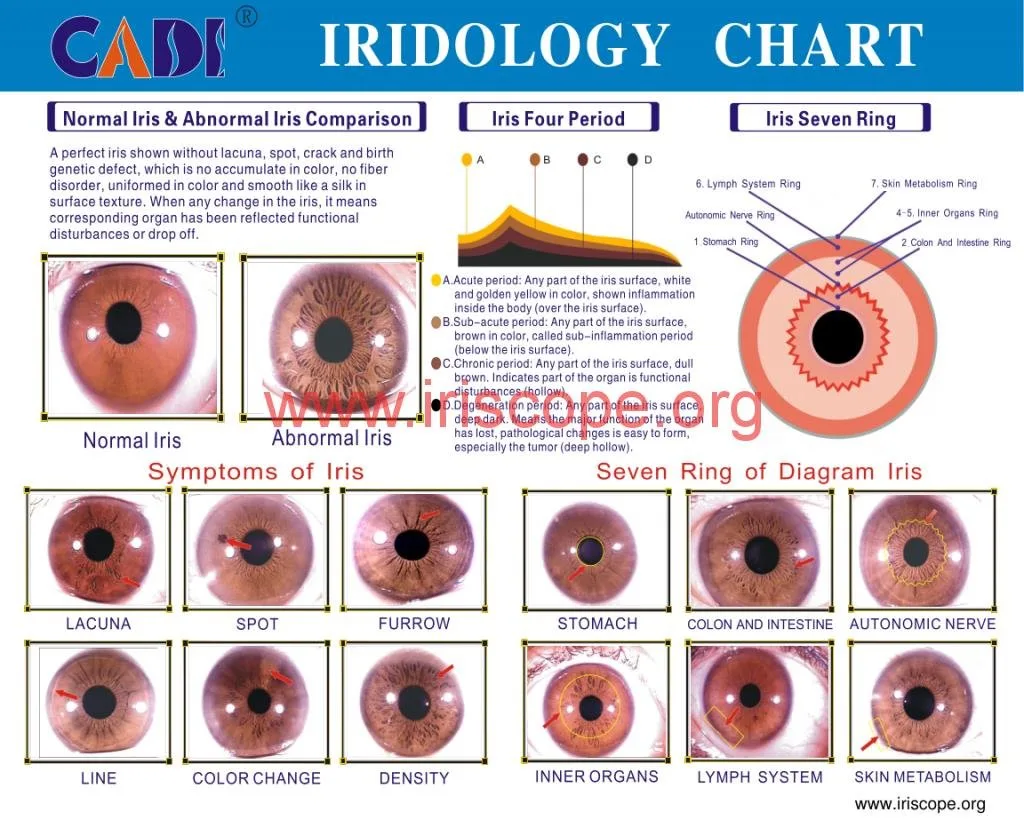
We provide a few model-specific reminders based on our product construction and accessories. If you need official cleaning instructions for your unit, consult the model manual or contact our support.
Between-client step-by-step sanitation protocol (immediate, short, and end-of-day tasks)
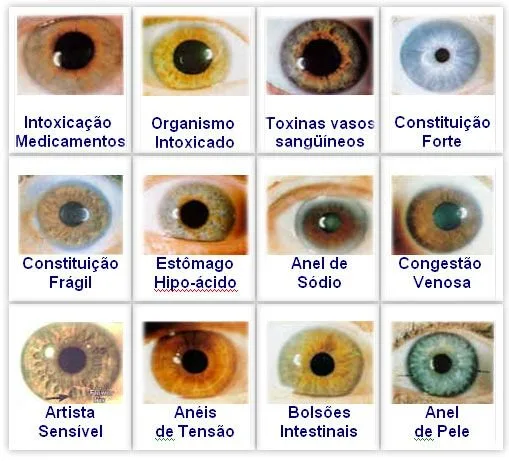
Immediate (0–2 minutes) — session turnover
- Remove and discard any single-use barriers. Replace chin/forehead paper or disposable pads.
- Wipe all external contact surfaces (grips, chin rest, forehead pad, control buttons) with a disinfectant wipe compatible with plastics and metals; avoid wiping the lens.
- Allow surfaces to air-dry; do not accelerate with heat or compressed spray directly into openings.
Short-cycle (5–10 minutes) — optical check and targeted cleaning
- Power the device off and unplug the USB lead.
- Use a blower and soft brush to remove dust from the lens and LED ring.
- If smudges remain, apply a few drops of lens cleaning solution to a microfiber cloth or lens tissue and wipe in one direction. Replace lens cover.
- Inspect ports and seams for moisture; if liquid ingress is suspected, place the device in a dry environment and escalate to service if required.
End-of-day — full inspection and safe storage
- Perform a visual inspection of cables, connectors and seals. Clean the aluminium case exterior and return accessories to their protective compartments.
- Log the day’s cleaning activities (who, when, what products used) and note any damage or service needs.
Recommended disinfectants and materials — compatibility guidance
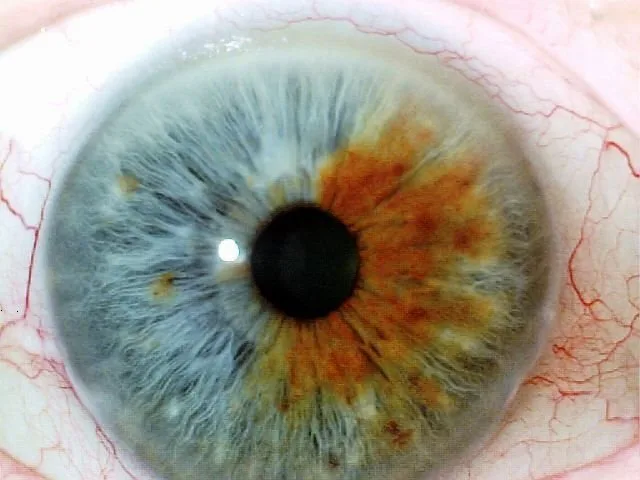
Choose cleaners that balance efficacy with optics and electronics safety:
- For optics: use dedicated lens-cleaning fluids formulated for coated optics and lint-free microfiber cloths or lens tissues. Avoid solvents labelled as strong ketones/acetones or household bleach.
- For housings and non-optical surfaces: low-residue 70% isopropyl alcohol wipes, quaternary ammonium wipes or accelerated hydrogen peroxide wipes are commonly used in clinics. Apply wipes lightly and avoid liquid pooling around seams and ports.
- For aluminium cases: mild detergent with soft cloth works well; dry immediately.
- For USB keys and software dongles: wipe exterior with a dry microfiber; if disinfecting is needed, use a dampened wipe that does not allow liquid into connectors and ensure complete drying before reuse.
Always follow the disinfectant manufacturer’s directions for use and drying time, and test a small inconspicuous area first when using a new product.
Handling single-use items, covers and patient contact points (best practices for disposables)
- Use single-use paper chin/forehead covers, or disposable foam pads, replaced between each client.
- Lens protective covers supplied with units should be cleaned and allowed to dry between clients; if contaminated, replace them with new covers.
- Discard all single-use items in standard clinical waste; do not reuse single-use pads or wipes.
Cleaning vs sterilisation: when each is required and realistic expectations for iridology tools
Cleaning and disinfection are the realistic and appropriate standard for iridology cameras and iriscopes. Sterilisation is reserved for instruments intended for invasive procedures or items that enter sterile body sites — which iridology devices do not. If a client’s care pathway requires sterilised equipment for other procedures, keep those workflows separate and use equipment intended for sterilisation.
Recordkeeping and clinic workflow: logging, signage and client consent
Keep a simple cleaning log (date, time, staff initial, product used, unit serial number). Post brief signage in the imaging room stating your between-client sanitation steps — that reassures clients and supports regulatory compliance. Document client consent to photography and image storage per your clinic’s privacy policies.
Training, PPE and staff responsibilities — simple checklist for Canadian clinics
Assign clear responsibilities and train staff on the following checklist:
- Power down and unplug device before optical cleaning.
- Use only lens-safe cleaners and lint-free cloths on optics.
- Wipe housings with compatible disinfectant wipes; protect ports and USB connectors from liquid.
- Change disposable chin/forehead covers between clients.
- Complete the cleaning log after each session or at minimum at end-of-day.
- PPE: gloves when in contact with mucous membranes or bodily fluids; masks per clinic policy; wash hands between clients.
Common mistakes and practical tips
- Avoid spraying cleaners directly on the lens — always apply to the cloth first.
- Do not use abrasive household cloths or paper towels on coated optics.
- Never open the device housing for routine cleaning — that risks voiding warranty and damaging seals.
- Keep spare disposable chin rests and extra lens tissues in the clinic supply kit to avoid shortcuts during busy periods.
Compact comparison: MK 980U vs MK-9822U
| Model | Sensor / Resolution | Illumination | Accessories |
|---|
Evidence
Model and accessory details above are based on MAIKONG product specifications and packaging descriptions for MK 980U and MK-9822U. For full device specifications and accessory lists see our product page: MAIKONG Iridology Camera.
Risks and limitations
Our guidance reduces surface contamination but does not sterilize devices or guarantee removal of all pathogens. Avoid applying liquids to internal ports or making electrical modifications. If you suspect device contamination with bodily fluids, follow your clinic’s biohazard policy and consult device service rather than attempting internal cleaning. Where provincial or facility infection-control rules differ, follow the stricter requirement.
Training resources and Canadian considerations
Make sure staff understand provincial privacy and clinical practice rules for photographing clients. We provide operator manuals and OEM/ODM documentation with each unit; for Canadian clinics that require additional compliance paperwork or classroom training, arrange staff instruction and document completion in personnel files.
One practical next step
If you would like a model-specific cleaning addendum or clinic-compatible accessory pack (for example, extra disposable chin rests, lens covers or an aluminium case configuration), email us to request a configuration or quote: Lucy@myiridology.us or WhatsApp +86 135-1090-7401.
Important Disclaimer
Important Disclaimer: Content provided here is for educational and informational purposes only and introduces professional wellness equipment. It does not constitute medical advice, diagnosis, or treatment. Our iridology camera and iriscope are professional wellness tools and should be operated by appropriately trained users. Iridology is a complementary practice and is not a substitute for medical examination, diagnosis, or treatment. Ensure use of equipment complies with applicable local laws, regulations and professional requirements in your region.
This content is provided for learning, information sharing and professional communication only. It is not medical advice and is not a basis for treatment or diagnosis. Confirm suitability, operation and purchasing requirements against the product manual, local regulations and qualified professional guidance.
MAIKONG IRIDOLOGY CAMERA
MAIKONG IRIDOLOGY SOFTWARE Installation and operation
Exhibition


Company Certificates


Contact US Online WHATSAPP:

Maybe you like also
Copy©2026-2027