Iridology Pregnancy Chart: Complete Professional Guide for Practitioners and Students

When you search for an iridology pregnancy chart, you want clear answers about how iris analysis relates to reproductive health observation in traditional practices. I’ve worked with iridology equipment and charts for over two decades at MAIKONG in GD, SZ. Through partnerships with practitioners across 50 countries, I’ve seen how proper chart understanding transforms professional practice.
This guide addresses what most resources miss. You’ll discover how pregnancy-related zones appear on standard iridology charts. You’ll learn the difference between left and right eye mappings. You’ll understand which chart formats work best for clinical settings versus training environments.
Most online sources show basic diagrams without context. Others mix unverified claims with legitimate traditional observation practices. This creates confusion for students and practitioners alike. My goal is to provide practical clarity based on real-world professional applications.
What Is an Iridology Pregnancy Chart and How Does It Work
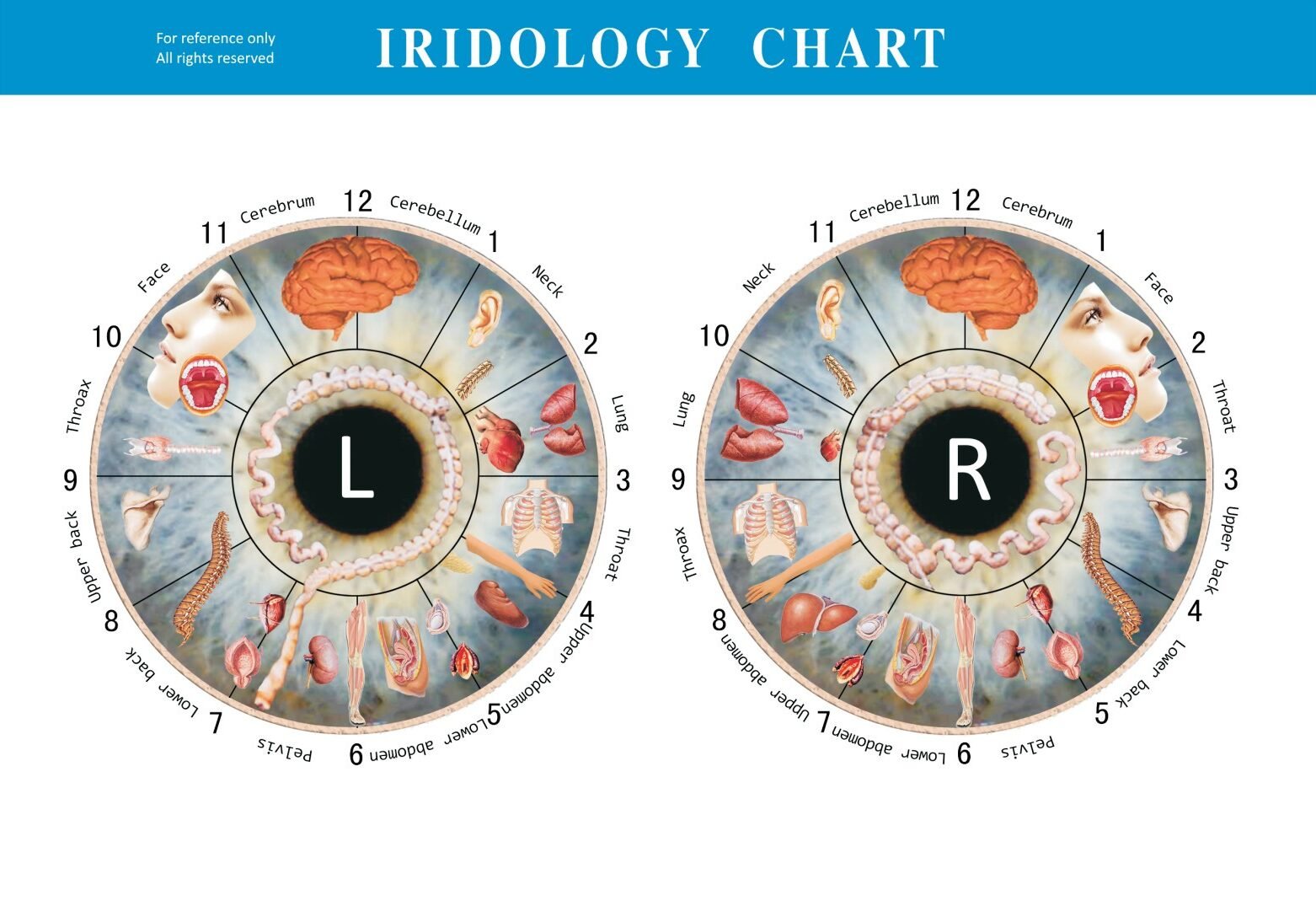
An iridology pregnancy chart maps specific iris zones traditionally associated with reproductive organs and systems. These charts follow the same principles as standard iridology mapping. The iris divides into segments representing different body areas according to traditional iridology theory.
The term “pregnancy chart” sometimes confuses newcomers. Traditional iridology doesn’t claim to diagnose pregnancy through iris examination. Instead, these charts show where practitioners observe iris patterns in zones corresponding to reproductive organs. This distinction matters for ethical practice and realistic expectations.
Standard iridology charts typically show reproductive zones in the lower portions of both eyes. The left eye often corresponds to the left side of the body. The right eye mirrors the right side. This bilateral symmetry helps practitioners compare patterns between eyes during traditional observation sessions.
Key Components of Traditional Iridology Charts
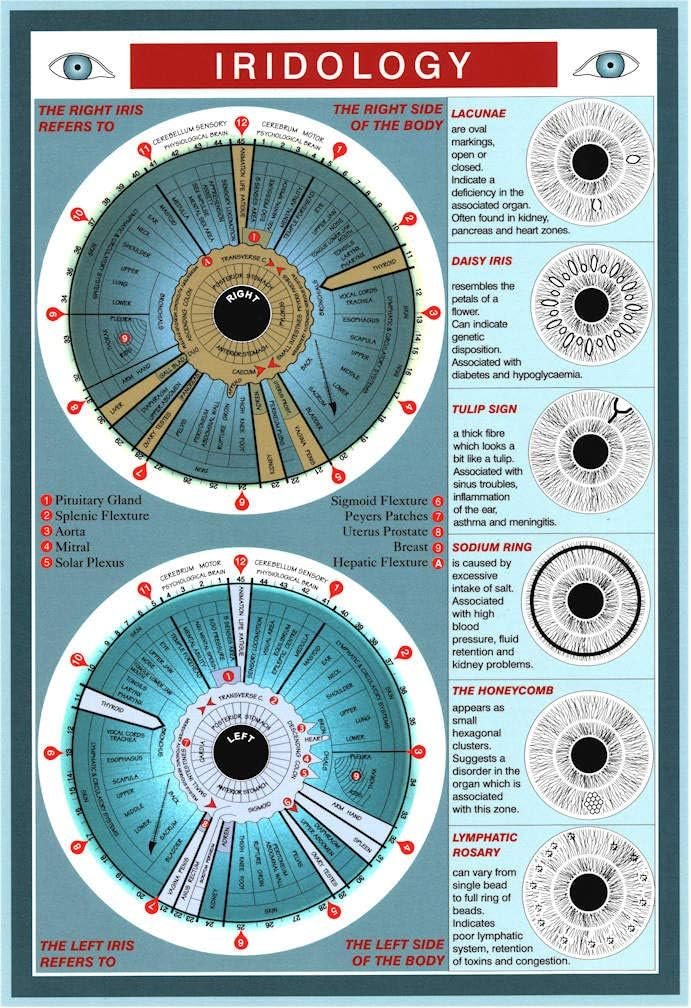
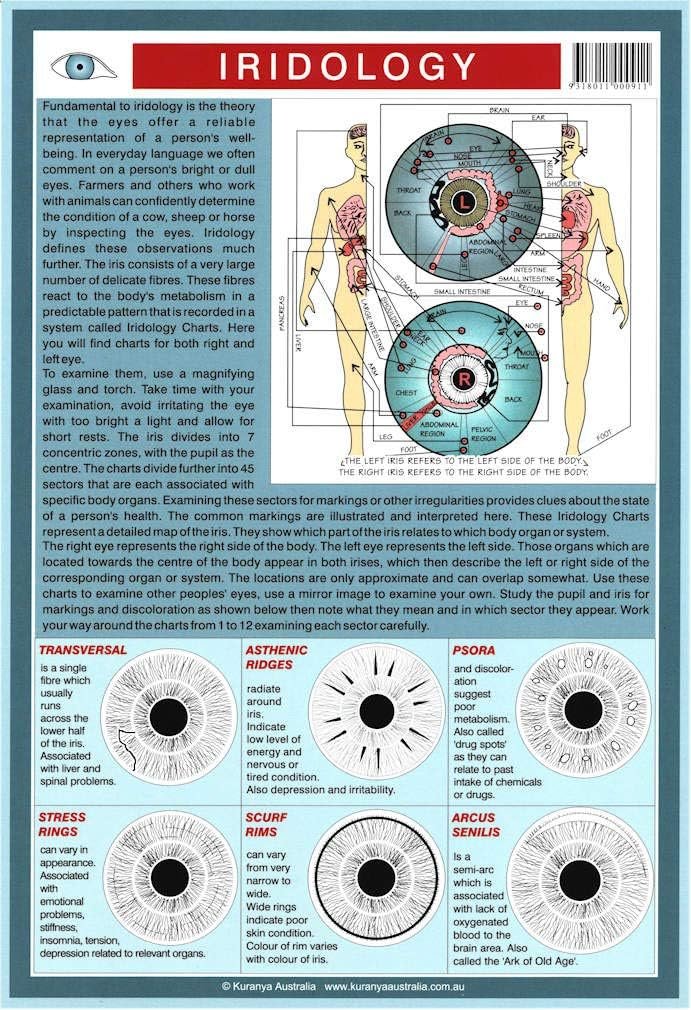
Every professional iridology chart includes several standard features. The pupil sits at the center. Concentric rings radiate outward representing different body systems. Radial divisions create pie-shaped segments for specific organs. Color coding helps identify zone categories quickly.
Structural Elements
Charts display anatomical precision for educational reference and traditional observation frameworks used in holistic health settings.
- Pupillary zone (innermost circle)
- Collarette boundary (mid-iris ring)
- Ciliary zone (outer iris region)
- Radial sector divisions (organ segments)
Labeling Systems
Professional charts use standardized terminology to maintain consistency across different training schools and practice methods worldwide.
- Organ names in each segment
- Body system color categories
- Left/right eye designations
- Zone number or clock position references
Visual Design Features
High-quality charts employ specific design principles that enhance readability during client consultations and educational presentations.
- High-contrast colors for visibility
- Clear boundary demarcations
- Readable text sizing
- Professional medical illustration style
Reference Information
Comprehensive charts include supplementary data that supports proper interpretation and maintains alignment with established traditional practices.
- Chart version or school attribution
- Legend explaining symbols
- Usage notes and disclaimers
- Creator or organization credits
How Reproductive Zones Appear on Standard Charts
Reproductive organ zones typically occupy the 5 to 7 o’clock position on the iridology chart for both eyes. In traditional mapping systems, the uterus and ovaries appear in the lower iris sections. Prostate zones for male anatomy occupy similar positions.
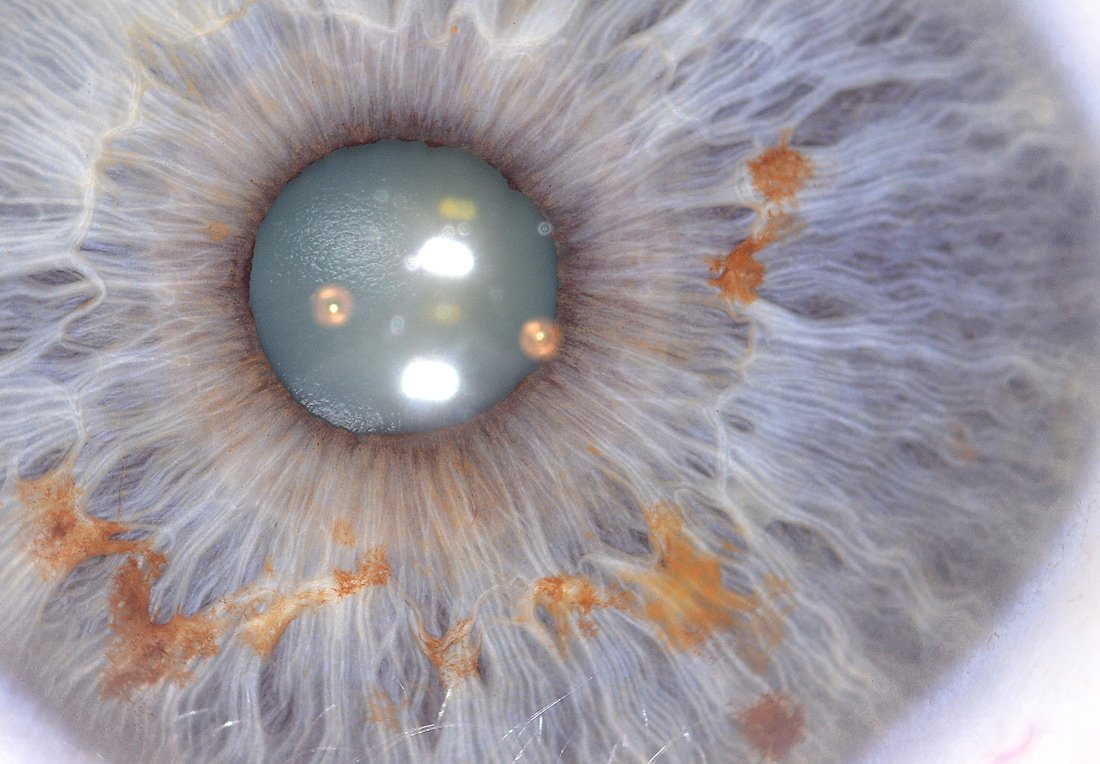
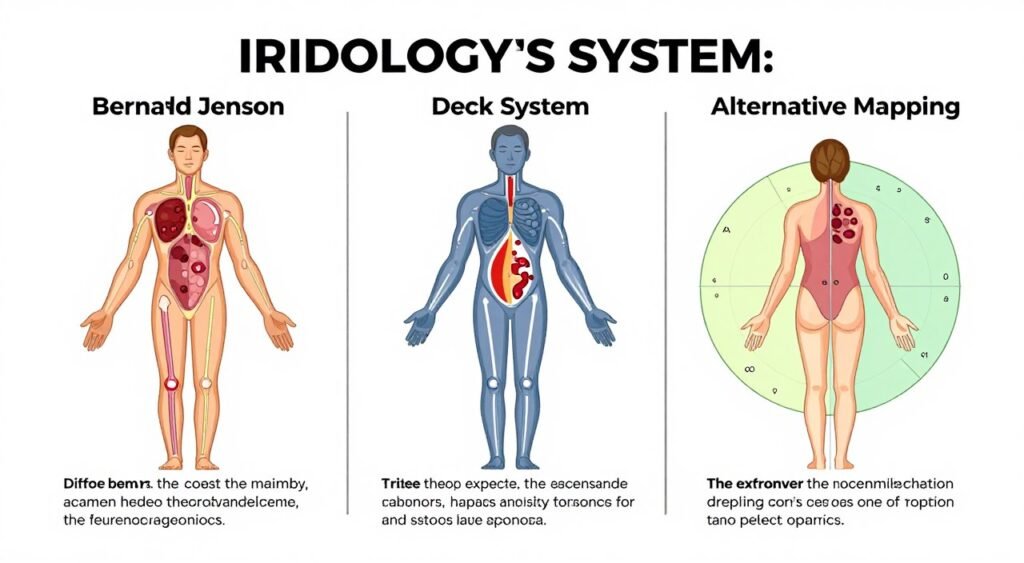
These zone assignments derive from traditional iridology theory developed over decades of observation. Different schools of iridology may show slight variations in exact positioning. Bernard Jensen’s chart system remains one of the most widely recognized formats in North American practice.
When examining an iridology chart pregnancy reference, you’ll notice the female reproductive system occupies a relatively small percentage of total iris territory. This reflects traditional organ mapping proportions rather than actual organ size or diagnostic significance.
Different Types of Iridology Pregnancy Chart Formats Available
Professional practitioners encounter multiple chart formats depending on training background and practice preferences. Understanding these variations helps you select appropriate resources for your specific needs. Each format serves different purposes in clinical versus educational settings.
Static Printed Charts for Wall Display
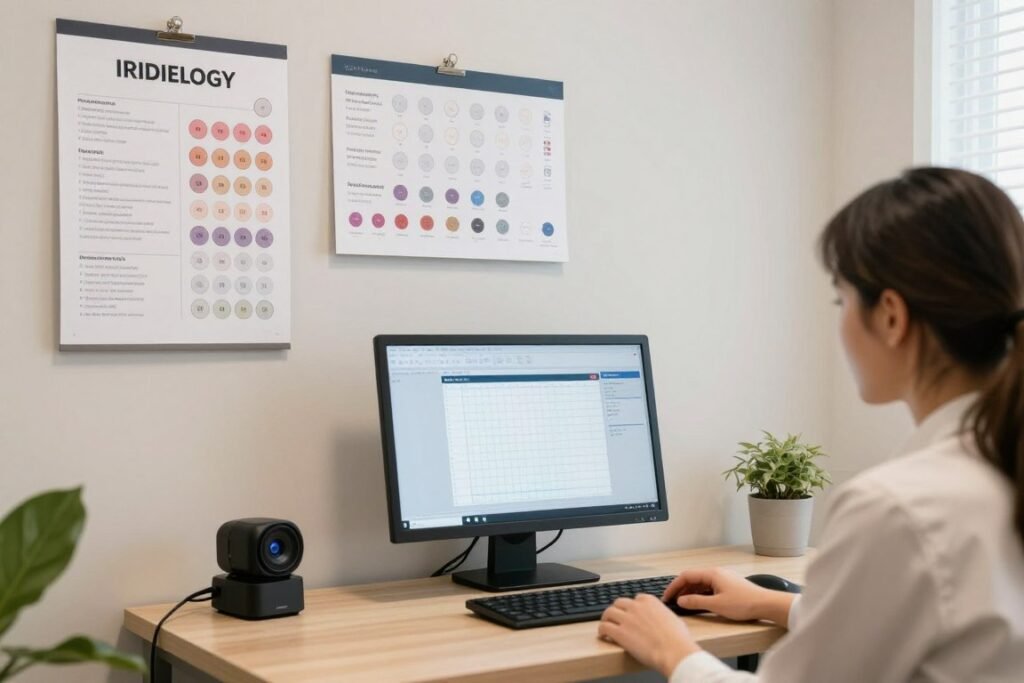
Traditional laminated posters remain popular in clinic consultation rooms. These large-format charts allow practitioners to point out specific zones during client education sessions. Patients appreciate the visual reference when discussing traditional observations.
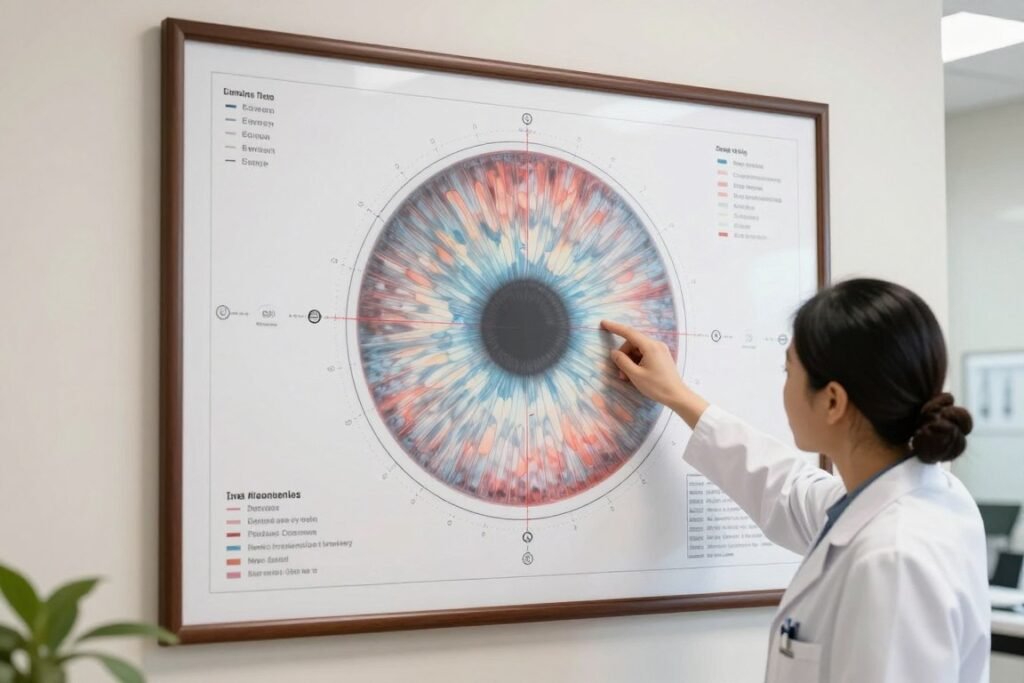
Standard printed chart dimensions range from 18×24 inches to 36×48 inches. Larger sizes work better for group training sessions. Smaller formats suit individual consultation rooms. Many practitioners display both left and right eye charts side by side for comparison reference.
Digital Chart Formats in Modern Software
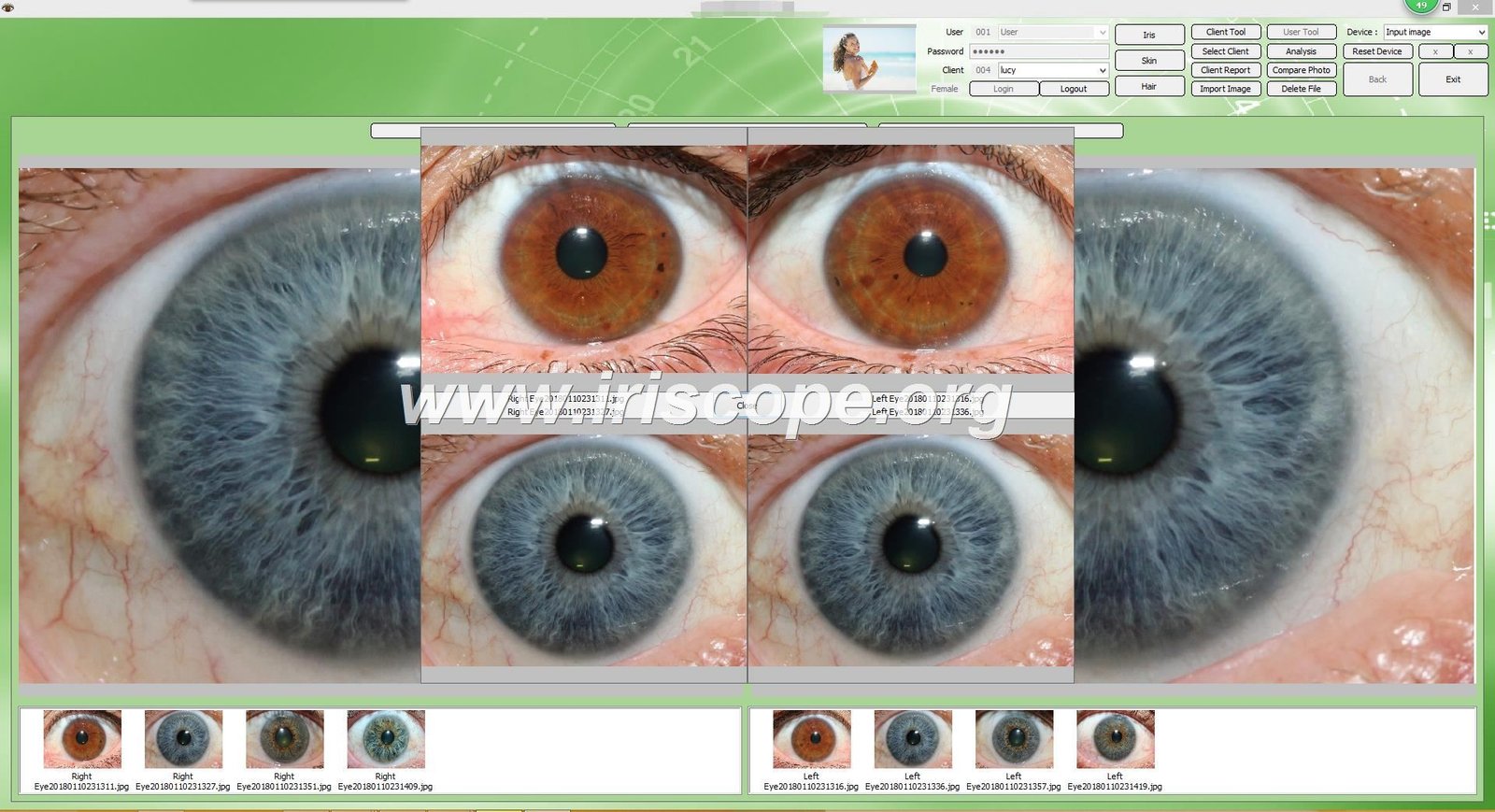
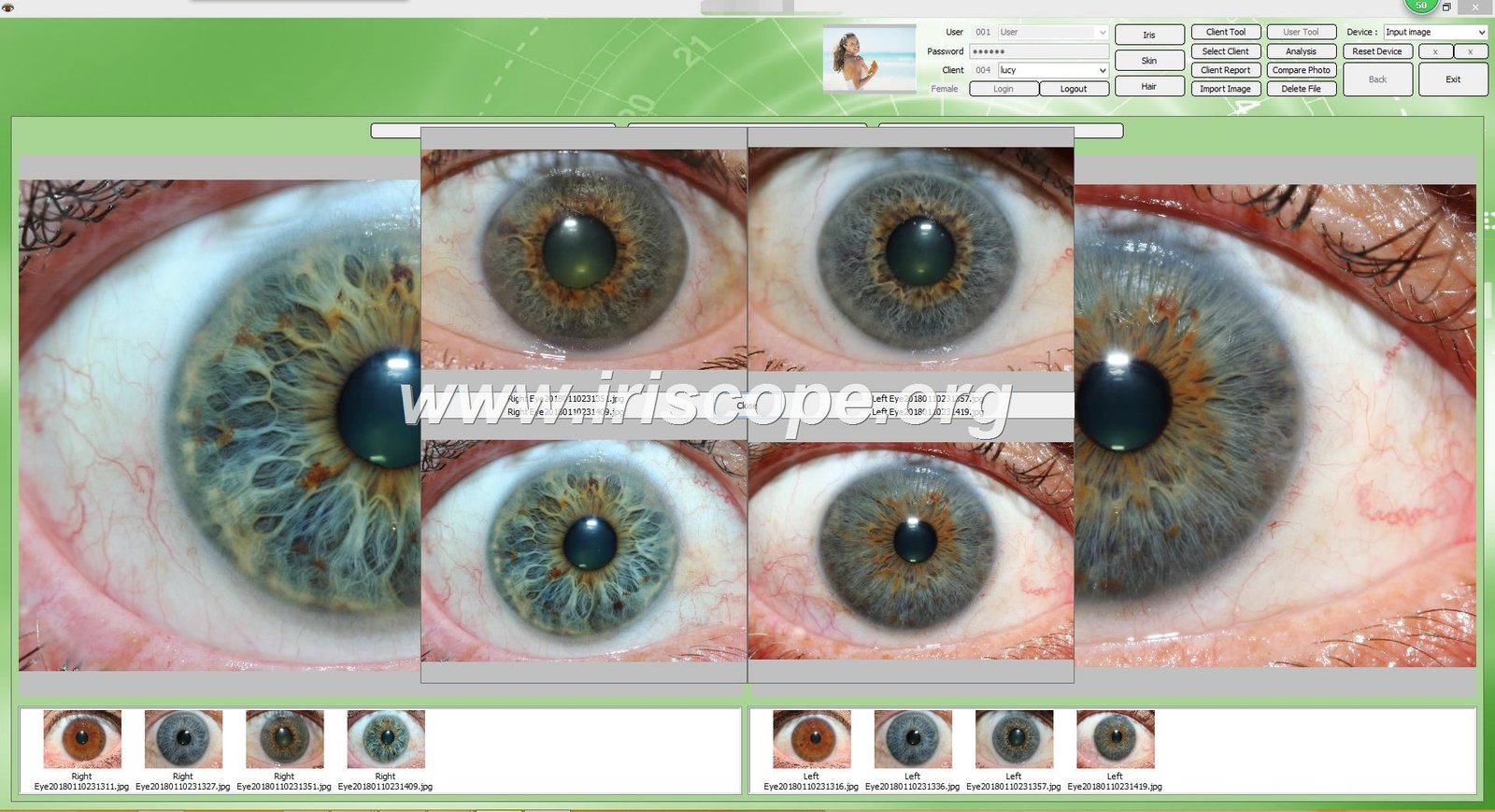
Contemporary iridology software integrates interactive chart overlays. These digital tools allow practitioners to capture iris images and superimpose chart zones directly onto photographs. This approach bridges traditional mapping with modern image analysis.
Our MAIKONG software system includes multiple chart formats from different traditional schools. Practitioners select their preferred mapping system – Jensen, Deck, or others. The software displays the chosen chart as a transparent overlay on captured iris photographs. This feature supports both education and traditional observation documentation.
Advantages of Digital Chart Systems
- Zoom capability for detailed zone examination
- Multiple chart system comparisons in one interface
- Client report generation with chart annotations
- Image archiving with chart reference layers
- Multi-language label support for international practices
- Regular updates as traditional practices evolve
Specialized Pregnancy and Reproductive Focus Charts
Some educational materials feature magnified views of reproductive zones extracted from full iris maps. These specialized references serve training purposes when teaching about specific body systems. They provide enlarged detail of zone boundaries and related structures.
These focused charts don’t replace comprehensive iris mapping. Instead, they supplement full charts during system-specific education. Students studying reproductive system observation benefit from these detailed zone expansions during initial training.
Comparative Charts Showing Different Schools of Thought
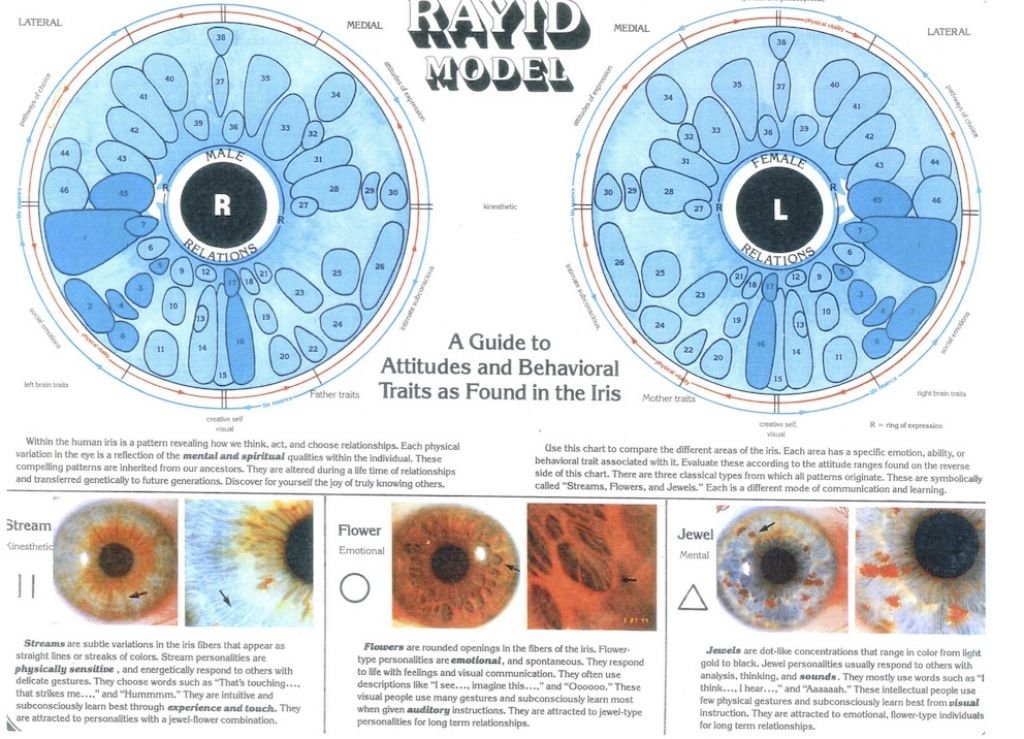
Advanced practitioners often reference comparison charts displaying multiple mapping systems simultaneously. These side-by-side formats highlight differences between Jensen, Deck, Angerer, and other traditional iridology approaches. Understanding these variations prevents confusion when consulting diverse reference materials.
How to Read an Iridology Pregnancy Chart Step by Step
Chart reading skills develop through practice and proper training. Beginning students often feel overwhelmed by the detailed zone divisions. A systematic approach simplifies the learning process and builds confidence in traditional observation techniques.
Orienting Yourself to Chart Layout
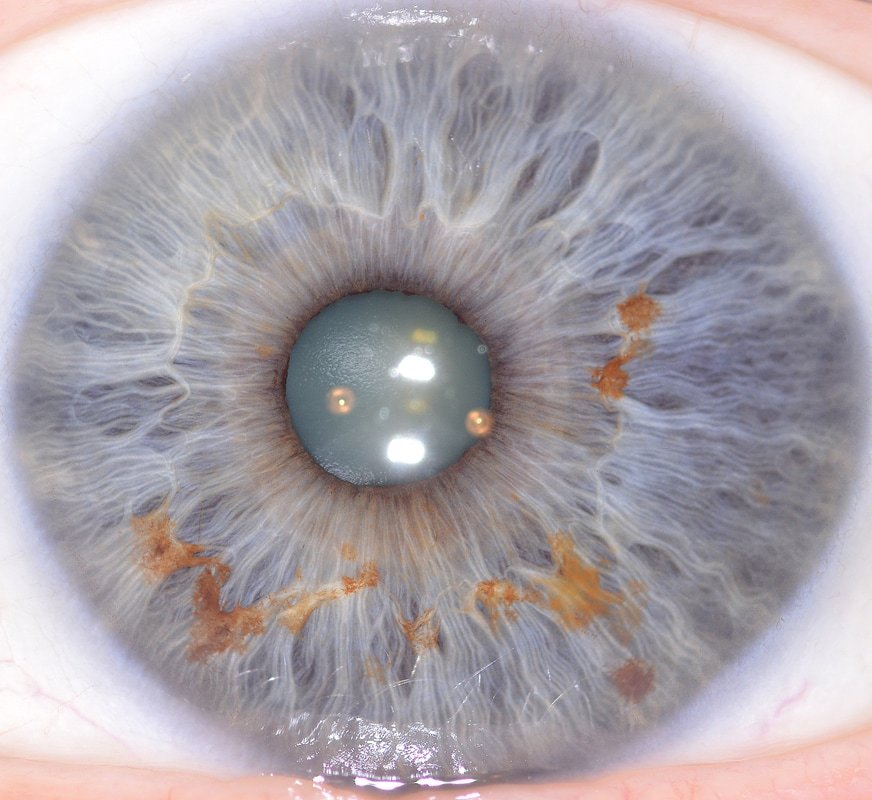
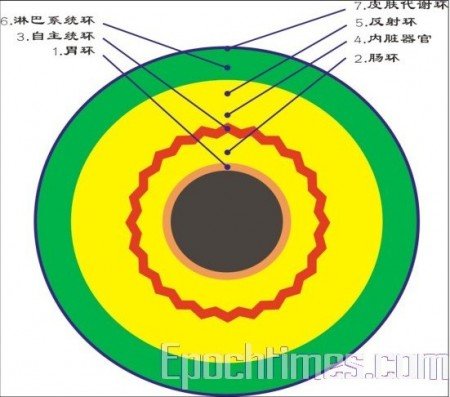
Start by identifying the pupil position at the chart center. The collarette appears as a jagged circular boundary roughly one-third of the distance from pupil to iris edge. This landmark divides the nutritive inner zone from the elimination outer zone in traditional theory.
Next, locate the 12 o’clock position at the top of the chart. Most systems use clock positions for zone references. The 6 o’clock position sits directly opposite at the bottom. These cardinal points help orient radial sector divisions.
Locating Reproductive System Zones
Reproductive organs occupy the lower quadrants of both eyes. On the right eye iridology chart, look between 5 and 7 o’clock positions. The right eye chart typically shows right ovary or right-side reproductive structures in this area.
On the left eye iridology chart, the same clock positions correspond to left-side reproductive anatomy. This bilateral symmetry follows the body’s natural left-right division in traditional mapping approaches.
The uterus zone often appears slightly more central, closer to the 6 o’clock position. Different chart systems show minor variations in exact placement. Consulting your specific training materials ensures accuracy for your chosen traditional approach.
Understanding Zone Boundaries and Overlaps
Zone boundaries on traditional charts represent approximate territories rather than precise anatomical borders. Some organs occupy larger zones than others. Adjacent organs may share boundary regions where exact demarcation remains unclear in traditional theory.
This imprecision reflects the observational nature of traditional iridology practice. Practitioners learn to recognize patterns within zones rather than expecting rigid anatomical precision. Chart boundaries guide observation focus rather than define absolute territories.
Comparing Left and Right Eye Information
Professional practice involves examining both eyes and comparing findings. The bilateral nature of iris mapping means left-right comparison often reveals useful traditional observation data. Asymmetries between eyes may indicate body imbalances according to traditional iridology theory.
Important Practice Note: Traditional iridology observation serves educational and wellness support purposes only. These practices do not diagnose medical conditions, pregnancy status, or disease states. Always direct clients to licensed medical professionals for diagnostic healthcare needs and pregnancy confirmation.
Using Charts with Camera Systems
Modern iridology cameras work best when paired with accurate chart references. Practitioners capture high-resolution iris images, then overlay chart templates to identify observation zones. This integration streamlines the traditional observation process significantly.
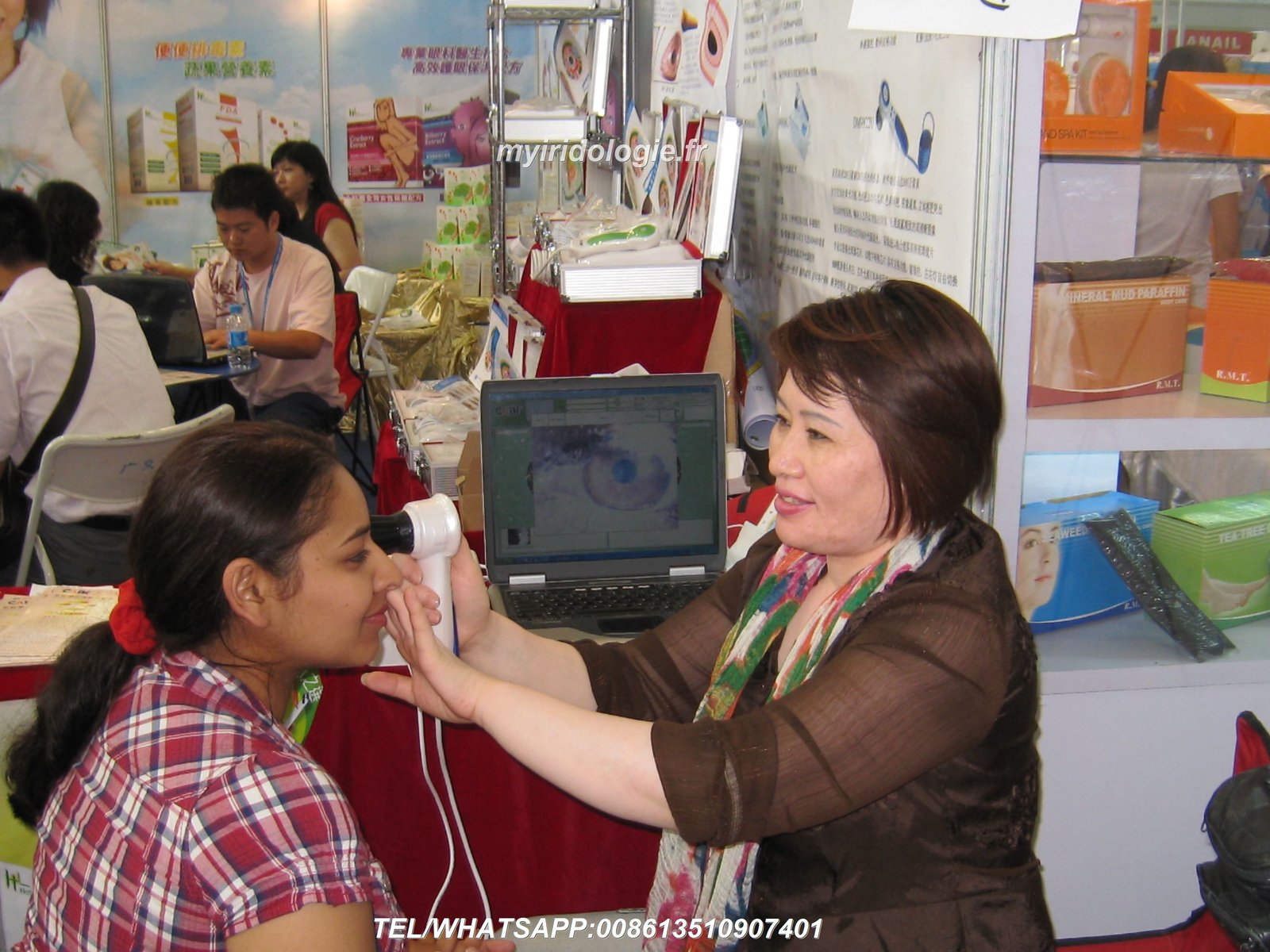
Our MAIKONG MK-9822 USB iridology camera system includes chart overlay software supporting 17 languages. The 12-megapixel sensor captures detail sufficient for precise zone identification. Practitioners toggle between chart views and raw images during documentation sessions.
Professional Applications of Iridology Pregnancy Charts in Practice
Understanding how practitioners actually use these charts helps students and new professionals develop effective consultation skills. Real-world applications differ from classroom theory in important ways. Practical experience reveals which chart features matter most during client interactions.
Client Education and Visual Communication
Charts serve as powerful visual aids during client consultations. When explaining traditional observations, pointing to specific zones helps clients understand practitioner findings. Visual learners especially appreciate seeing exactly where observations occur on the iris map.
Many practitioners keep laminated charts at consultation tables. During sessions, they reference chart zones while clients view their own iris photographs on screen. This dual presentation reinforces understanding and builds client confidence in the traditional observation process.
Training and Student Development
Iridology training institutions rely heavily on charts for teaching zone identification. Beginning students spend considerable time memorizing zone locations and boundaries. Repetitive chart reference builds the spatial memory needed for confident observation work.

Advanced students progress to comparing different chart systems. Understanding how Jensen, Deck, and other approaches differ prepares practitioners for diverse client expectations. Some clients arrive familiar with specific chart systems from previous practitioners.
Integration with Modern Diagnostic Support
Progressive practitioners combine traditional iridology observation with conventional health assessments. Charts help organize and communicate traditional findings to complement mainstream medical care. This integrative approach respects both traditional wellness practices and evidence-based medicine.
Documentation systems now allow practitioners to annotate iris photographs with chart zone references. Client files include both images and traditional observation notes linked to specific chart territories. This organized approach supports continuity of care across multiple sessions.
“The iridology chart transforms abstract traditional theory into tangible reference points. Clients grasp concepts faster when they see mapped zones on their own iris photographs. This visual connection builds trust and engagement in the wellness process.”
Equipment Selection Based on Chart Compatibility
Practitioners choosing iridology equipment should verify chart integration capabilities. Some camera systems include proprietary chart formats. Others support importing custom charts from various traditional schools.
Our MAIKONG equipment offers maximum chart flexibility. The software accepts custom chart uploads while providing several pre-loaded traditional mapping systems. This adaptability serves practitioners trained in different iridology schools worldwide.
Common Misconceptions About Iridology Pregnancy Charts
Misinformation about iridology practices creates confusion for newcomers and skepticism among healthcare professionals. Addressing these misconceptions directly promotes realistic expectations and ethical practice standards. Clear boundaries between traditional observation and medical diagnosis protect both practitioners and clients.
Myth: Charts Can Diagnose Pregnancy
Perhaps the most dangerous misconception suggests that iris examination can confirm pregnancy status. This claim lacks scientific support and creates serious ethical problems. Traditional iridology theory never claimed diagnostic capability for pregnancy or any medical condition.
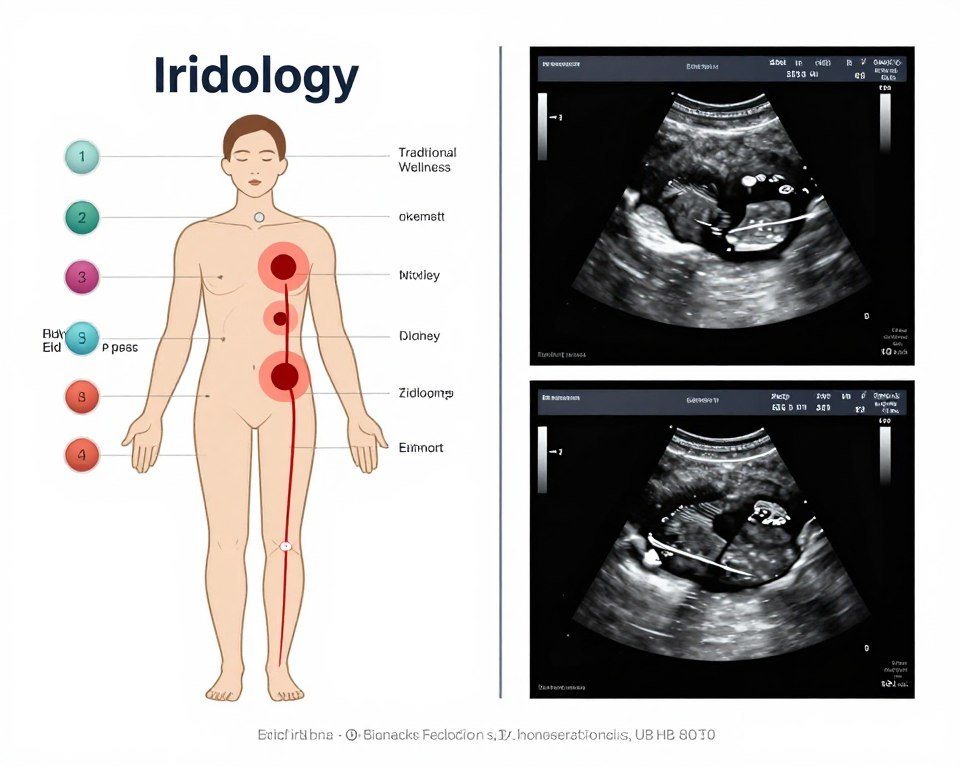
Pregnancy confirmation requires medical testing – blood tests, ultrasound examination, or clinical assessment by licensed physicians. Iris observation may reveal traditional patterns practitioners associate with hormonal changes, but these observations never replace medical pregnancy testing. Ethical practitioners clearly communicate these limitations to clients.
Myth: All Iridology Charts Are Identical
Newcomers often assume one universal chart system exists. In reality, multiple traditional schools developed distinct mapping approaches over the past century. Bernard Jensen’s system dominates North American practice, but European and Asian schools use different zone assignments.
These variations don’t indicate that some systems are “correct” while others are “wrong.” Instead, they reflect different observational traditions and theoretical frameworks. Practitioners should study their chosen system thoroughly rather than mixing incompatible approaches.
Myth: Chart Zones Represent Exact Anatomical Locations
Traditional iridology mapping uses simplified zone divisions that don’t correspond to precise anatomical structures. The body doesn’t project onto the iris like a detailed hologram. Zone assignments represent general associations developed through observational practice traditions.
This distinction matters for setting appropriate expectations. Clients sometimes expect millimeter-precise organ mapping. Explaining the approximate, traditional nature of zone assignments prevents misunderstandings and maintains professional credibility.
Myth: Digital Charts Are More Accurate Than Printed Versions
Modern software certainly offers convenience advantages – zoom capability, annotation tools, archiving features. However, the underlying chart accuracy depends on the traditional mapping system itself, not the display format. A poorly designed chart remains inadequate whether printed or digital.
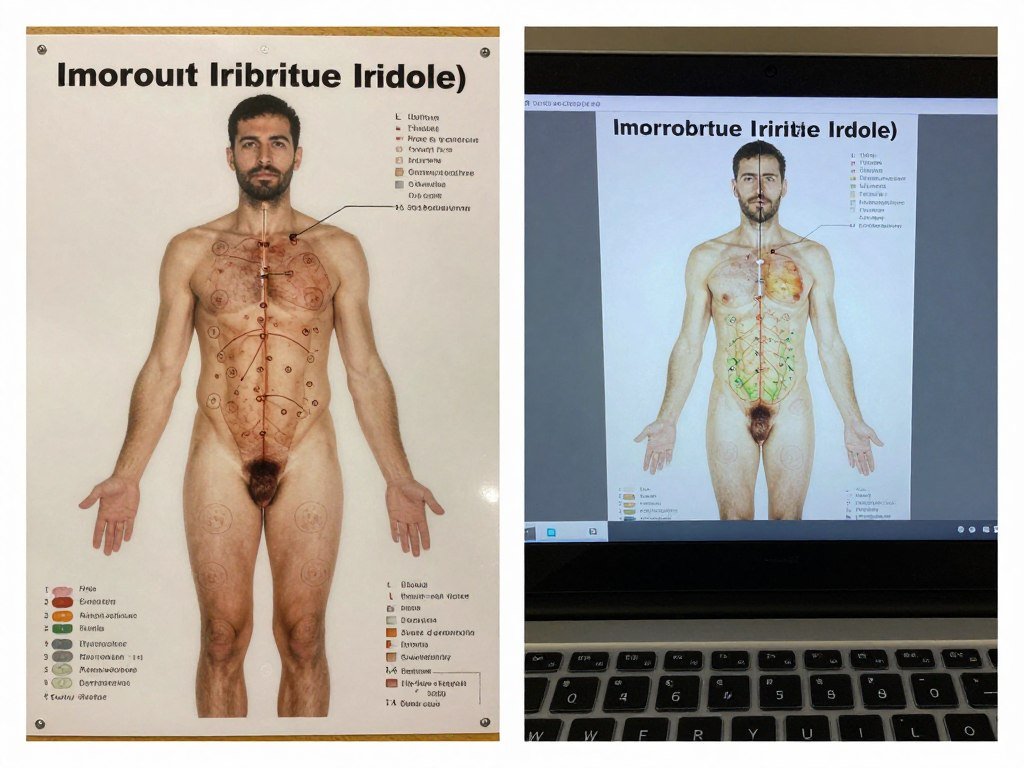
Quality matters more than medium. Practitioners should verify chart sources and traditional school attribution regardless of format. Reputable chart creators provide clear information about mapping methodology and theoretical foundations.
Addressing the Scientific Evidence Question
Mainstream medical research remains skeptical of traditional iridology practices. Multiple study efforts found insufficient evidence supporting diagnostic claims. This scientific consensus doesn’t prevent traditional observation for wellness support and education purposes.
Ethical practitioners acknowledge this evidence landscape honestly. They position iridology as a traditional observation tool rather than a diagnostic medical technique. This transparency maintains professional integrity while serving clients interested in holistic wellness approaches.
Finding and Using Quality Iridology Pregnancy Chart Resources
Accessing reliable chart references challenges many beginning practitioners and students. The internet contains numerous chart images of varying quality and accuracy. Distinguishing professional-grade resources from amateur reproductions requires evaluation skills.
Evaluating Chart Quality and Authenticity
High-quality charts display several characteristics. Clear, readable text labels mark each zone distinctly. Color coding remains consistent throughout the chart. Zone boundaries appear precisely drawn rather than roughly sketched. Attribution information identifies the traditional school or creator.
Avoid charts lacking source attribution or theoretical framework identification. Unattributed charts may mix elements from incompatible systems, creating confusion rather than clarity. Professional training materials always identify their traditional lineage clearly.
Printable Chart Options for Clinical Use
Many practitioners seek printable iridology charts for office display. High-resolution PDF files allow custom sizing and professional printing. When selecting printable charts, verify resolution sufficiency for your intended size – typically 300 DPI minimum for quality results.
Some chart creators offer license-free versions for clinical display. Others require purchase or licensing for commercial use. Respecting intellectual property rights maintains professional ethical standards and supports quality chart development.
Digital Chart Access Through Professional Software
Integrated software systems provide the most convenient chart access for active practitioners. Our MAIKONG iridology software includes multiple traditional chart formats. Practitioners access charts directly within the image capture and observation interface.
Software-based charts offer several advantages over static printed versions. Overlay transparency adjustment helps balance chart visibility with underlying iris detail. Toggle functions switch between different mapping systems instantly. Zoom capability reveals fine zone boundary details invisible on wall charts.
| MAIKONG Software Chart Features | Specifications |
|—|—|
| Included Chart Systems | Bernard Jensen, Deck, Custom Import |
| Chart Overlay Opacity Control | 0-100% Adjustable Transparency |
| Supported Languages | 17 International Languages |
| Chart Update Frequency | Free Lifetime Updates |
| Custom Chart Import | PDF, JPG, PNG Formats Supported |
| Annotation Tools | Draw, Label, Measure on Charts |
| Print Chart Functions | Direct Print, Export to PDF |
| Compatible Systems | Windows XP/7/8/10/11, macOS 10.14+ |
Free vs. Professional Chart Resources
Free online charts serve educational familiarization purposes. Students benefit from studying basic zone layouts before investing in professional materials. However, free resources often lack the detail and accuracy required for serious professional practice.
Professional practitioners typically invest in authoritative chart references from recognized traditional schools. These premium resources include detailed zone descriptions, theoretical framework explanations, and proper attribution information. The investment supports both quality practice and ethical professional standards.
Access Professional-Grade Chart Resources
Our MAIKONG software includes Bernard Jensen charts and multiple international mapping systems. Download free trial versions to evaluate chart quality and integration with our professional camera systems. Contact our team for distributor access to complete chart libraries and customization options.
Integrating Iridology Charts with Modern Camera Equipment
Traditional chart knowledge becomes most powerful when combined with contemporary imaging technology. Modern iriscope systems capture iris detail impossible to observe with naked eye examination. This technological advancement enhances traditional observation capabilities significantly.
Camera Systems and Chart Compatibility
Professional iridology cameras range from basic USB models to sophisticated systems with specialized optics. Chart integration capability varies widely across equipment tiers. Entry-level cameras may lack software chart overlay functions entirely. Professional systems include comprehensive chart libraries and sophisticated overlay tools.
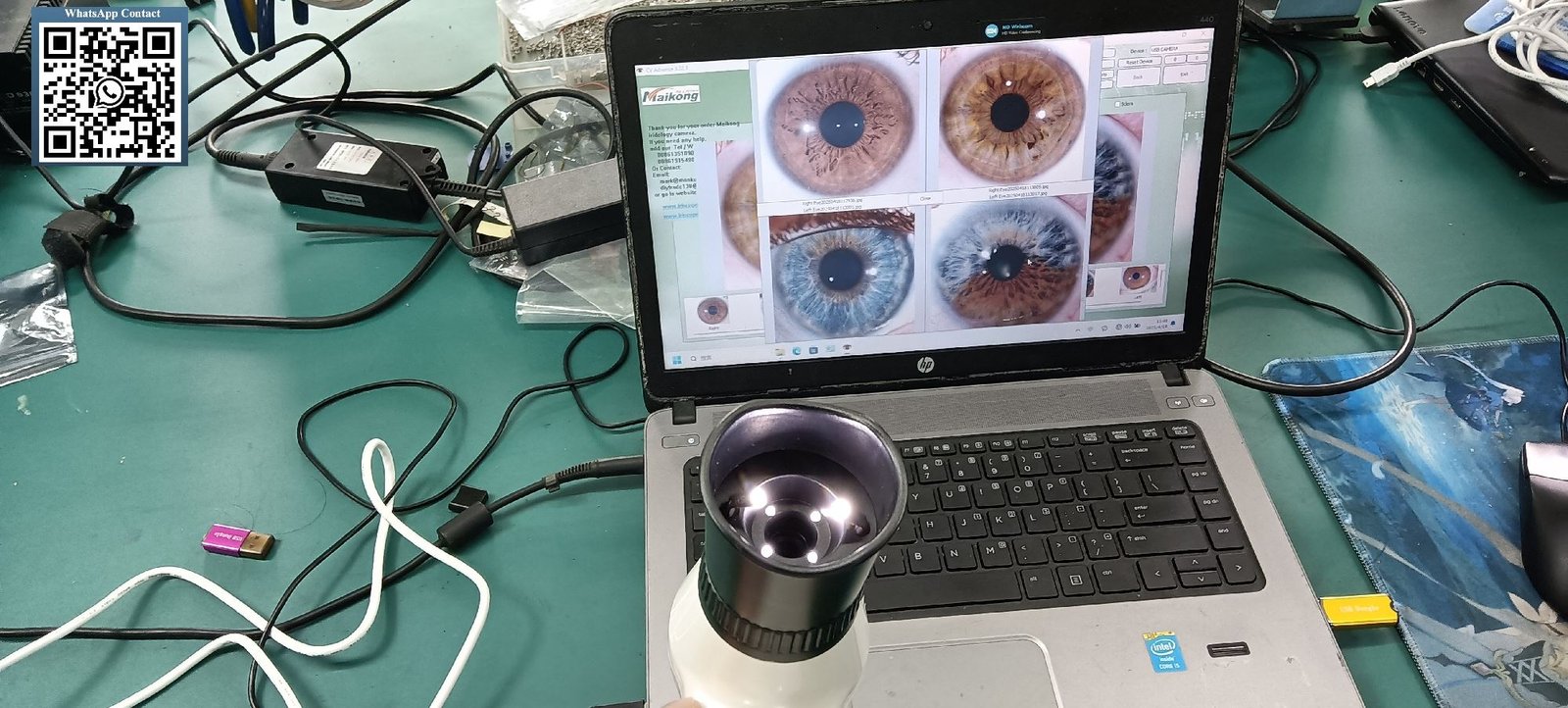
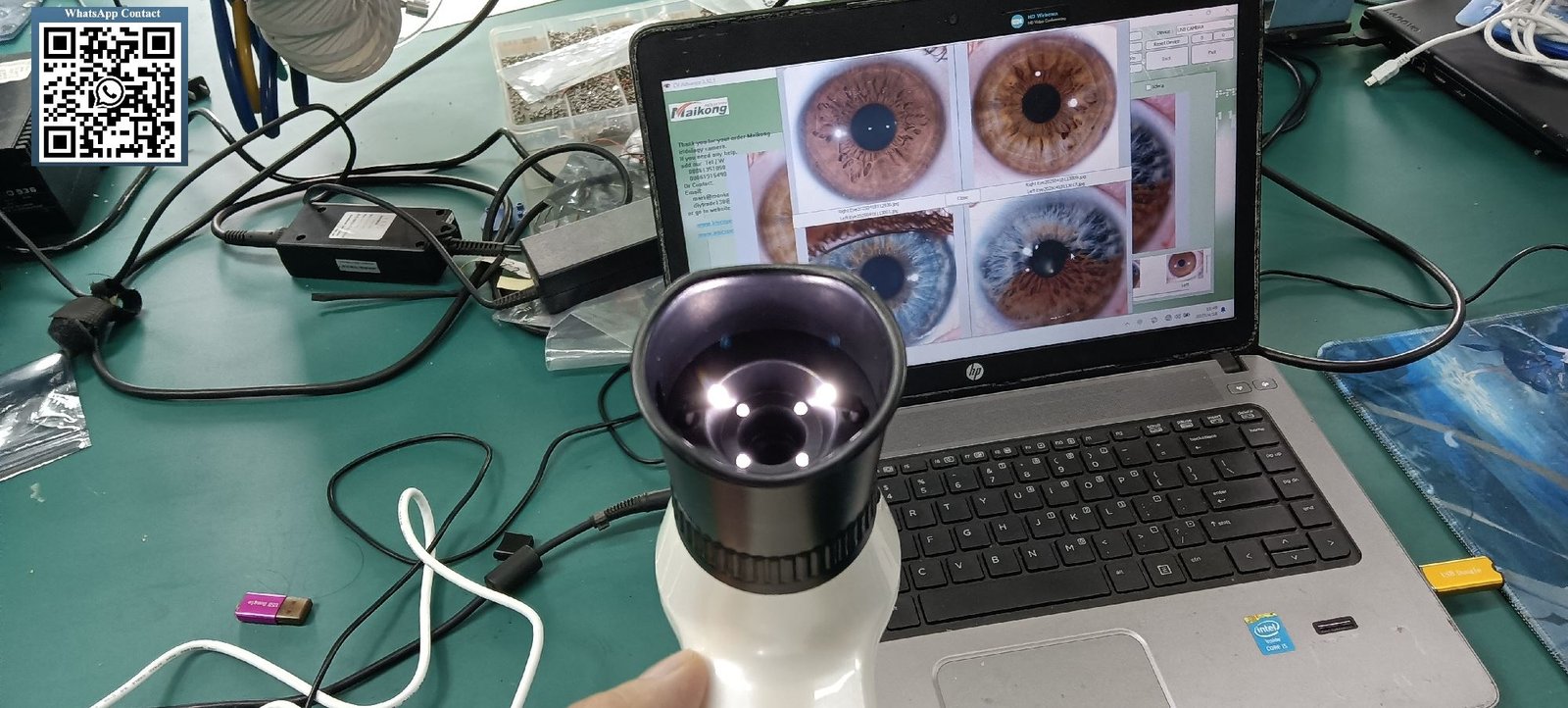
When evaluating camera systems, verify chart feature compatibility. Ask whether the software supports your preferred traditional mapping system. Confirm whether you can import custom charts if needed. Check whether chart overlays allow opacity adjustment for optimal viewing.
MAIKONG MK-9822 Camera and Chart Integration
Our flagship MK-9822 model exemplifies professional chart integration. The 12-megapixel sensor captures sufficient detail for precise zone identification. The included software supports multiple traditional chart systems with full overlay capability.
| MAIKONG MK-9822 Camera Specifications | Details |
|—|—|
| Image Sensor | 12.0 Megapixel High-Resolution CCD |
| Connection Type | USB 2.0/3.0 Compatible |
| Lens System | Imported Plated Multi-Layer Optics |
| LED Illumination | Adjustable Brightness Ring Light |
| Focus Range | Manual Adjustable for Clear Imaging |
| Image Stabilization | Optical Image Stabilizer (OIS) |
| Capture Method | Single Button Press & Digital Pause |
| White Balance | Automatic with Color Temperature Filter |
| Compatible Accessories | Iris Lens (30X), Hair Analysis Lens |
| Operating Systems | Windows XP/7/8/10/11 (32/64-bit), macOS |
| Dimensions | Compact Handheld Design |
| Warranty | 1 Year Manufacturer Warranty |
Chart Display During Client Sessions
Effective client communication requires thoughtful chart presentation. Many practitioners use dual-monitor setups – one screen shows the live camera feed, the second displays the reference chart. This arrangement allows natural conversation while maintaining visual reference access.
Tablet computers offer portable chart access during group presentations or teaching sessions. Practitioners load chart images or software onto tablets for easy reference anywhere in the clinic or classroom. This flexibility enhances both client education and student training effectiveness.
Documentation and Record Keeping with Chart References
Professional documentation increasingly includes chart-referenced observations. Practitioners annotate iris photographs with zone markers corresponding to traditional observations. Client files contain both raw images and chart-overlaid versions showing observation locations.
This systematic approach supports continuity of care across multiple sessions. When clients return months later, practitioners review previous chart-referenced observations quickly. Pattern changes become evident through comparison of chart-annotated images over time.
MAIKONG Professional Iridology Solutions for Practitioners and Distributors
For two decades, we’ve manufactured professional iridology equipment at our GD facility in SZ, China. Our client base includes over 1,000 practitioners, training institutions, and distributors across 50 countries. This experience shapes our understanding of what professionals need from charts and equipment.
Comprehensive Equipment and Software Packages
Our systems integrate hardware excellence with sophisticated software capabilities. Each camera package includes professional chart software supporting multiple traditional mapping systems. Practitioners receive complete solutions rather than requiring separate chart purchases.
| MAIKONG Complete System Components | Included Features |
|—|—|
| MK-9822 Iriscope Camera | 12MP USB Camera with LED Illumination |
| Professional Software Suite | 17-Language Interface, Multiple Chart Systems |
| Chart Library | Jensen, Deck, International Formats |
| 30X Iris Lens | High-Magnification Optical System |
| Camera Stand | Stable Positioning System |
| Protective Case | Professional Carrying Case |
| USB Connection Cable | 1.5 Meter High-Speed Data Cable |
| Software Installation Media | CD with Drivers and Software |
| Chart Reference Materials | Digital Chart Collection PDF |
| Training Resources | Video Tutorials and Documentation |
| Warranty Documentation | 1-Year International Warranty |
Customization Capabilities for Distributors
We support distributors and brands with comprehensive OEM/ODM services. Custom chart development allows distributors to offer proprietary mapping systems aligned with specific training programs. Software customization includes language additions, interface modifications, and branded chart integration.
Hardware customization ranges from simple branding additions to complete model redesigns. We’ve manufactured custom camera housings, specialized lens configurations, and unique LED illumination systems. This flexibility helps distributors differentiate their offerings in competitive markets.
Multi-Language Support for International Markets
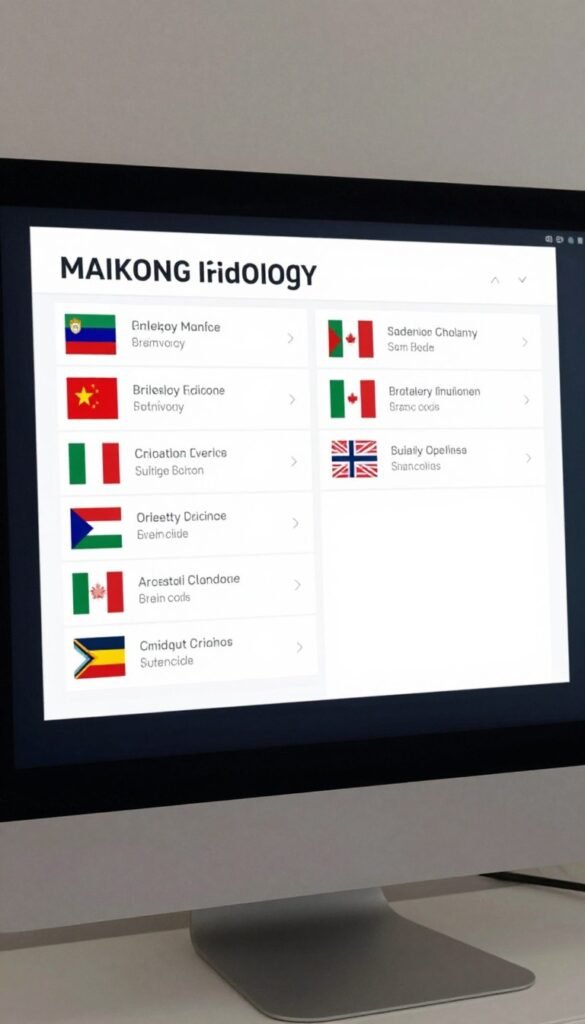
Our software currently supports 17 languages with chart terminology translated for each locale. This international capability serves practitioners working with diverse client populations. It also enables distributors to serve multiple regional markets from single inventory.
MAIKONG Software Language Support
- English (US, UK, Australian)
- Spanish (Castilian, Latin American)
- French (European, Canadian)
- German
- Italian
- Portuguese (European, Brazilian)
- Russian
- Chinese (Simplified, Traditional)
- Japanese
- Korean
- Malaysian
- Czech
- Polish
- Bulgarian
- Persian (Iranian)
Technical Support and Training Resources
Equipment purchase includes comprehensive support resources. Video tutorials demonstrate chart usage and software navigation. PDF manuals provide detailed technical specifications and troubleshooting guidance. Our support team assists with chart customization questions and software configuration.
Distributors receive additional training materials for customer education. We provide customizable client handouts, wall chart templates, and marketing materials. This complete support package helps distributors succeed in their local markets.
Quality Certifications and Manufacturing Standards
Our manufacturing facility maintains ISO9000 certification and produces equipment meeting CE standards. These quality certifications provide assurance for professional practitioners and institutional buyers. Documentation packages include all necessary compliance certificates for various international markets.
Every unit undergoes multi-point quality inspection before packaging. Optical systems receive particular attention – lens alignment, illumination uniformity, and image sensor calibration all meet strict tolerances. This quality focus has built our reputation across two decades of international manufacturing.
Become a MAIKONG Distribution Partner
Join 1,000+ successful partners distributing professional iridology equipment worldwide. We offer competitive wholesale pricing, comprehensive OEM/ODM customization, technical training, marketing support, and ongoing software updates. Our US and China warehouses ensure fast delivery to your regional market. Contact our partnership team to discuss distributor opportunities in your territory.
Frequently Asked Questions About Iridology Pregnancy Charts
Can an iridology chart detect pregnancy or confirm I’m pregnant?
No. Traditional iridology practices do not diagnose pregnancy or any medical condition. Iridology charts show zones traditionally associated with reproductive organs in observational wellness practices. Pregnancy confirmation requires medical testing through blood tests, ultrasound examination, or clinical assessment by licensed physicians. Ethical iridologists never claim diagnostic capability and always refer clients to appropriate medical professionals for pregnancy testing and obstetric care.
What’s the difference between left and right eye iridology charts for pregnancy observations?
Traditional iridology theory suggests the left eye reflects the left side of the body while the right eye corresponds to the right side. Reproductive organ zones appear in the lower iris sections (5-7 o’clock positions) on both eyes. The left eye chart shows left ovary and left-side reproductive structures in these zones. The right eye chart displays corresponding right-side anatomy. This bilateral symmetry allows traditional practitioners to compare left-right patterns, though these observations serve educational purposes only and don’t provide medical diagnostic information.
Where can I download or print a free iridology pregnancy chart for educational use?
Several resources offer printable iridology charts for educational purposes. Our MAIKONG software includes digital chart versions you can access through our free trial download. For physical wall charts, verify the source attribution and traditional school identification before printing. Professional-quality charts typically require purchase or licensing for commercial clinical use. Free educational charts work well for initial study and familiarization, but practicing professionals should invest in authoritative chart references from recognized traditional iridology schools to ensure accuracy and proper theoretical framework.
How do I learn to read an iridology chart properly for traditional observations?
Proper chart reading requires structured training from qualified instructors. Start by familiarizing yourself with basic anatomy and the specific traditional mapping system you’ll use (Jensen, Deck, or others). Learn to identify key landmarks – pupil, collarette, and cardinal clock positions. Practice locating major organ zones repeatedly until spatial memory develops. Advanced skills come from supervised practical experience comparing chart references with actual iris observations. Many students benefit from structured guides on how to read charts before attempting client observations. Remember that traditional iridology observation skills develop over time through consistent practice under experienced mentorship.
What equipment do I need to use iridology pregnancy charts professionally in my practice?
Professional practice requires quality imaging equipment and accurate chart references. A high-resolution iridology camera (minimum 12MP) captures iris detail necessary for zone identification. Professional iridology software with chart overlay capability integrates imaging and chart reference seamlessly. Physical wall charts support client education during consultations. Our MAIKONG MK-9822 system includes all these components in one package – 12MP camera, multi-chart software supporting 17 languages, and digital chart library. For equipment pricing information, visit our pricing page or contact our team directly at Lucy@myiridology.us for distributor rates.
Are there different chart systems for pregnancy observations in iridology?
Yes. Multiple traditional iridology schools developed distinct chart mapping systems. Bernard Jensen’s chart system remains most popular in North America. European practitioners often use Deck or Angerer charts. Each system shows slightly different zone placements for reproductive organs, though general principles remain similar. These variations reflect different observational traditions rather than indicating that some approaches are “correct” while others are “wrong.” Practitioners should choose one system and master it thoroughly rather than mixing incompatible approaches. Our MAIKONG software supports multiple chart systems, allowing practitioners to work within their preferred traditional framework while maintaining consistency in their practice.
Can iridology charts show health problems related to pregnancy or reproductive issues?
Traditional iridology practitioners observe iris patterns in zones associated with reproductive organs according to traditional mapping theory. However, these observations do not diagnose specific health problems, disease, pregnancy complications, or medical conditions. Traditional iridology serves educational and wellness support purposes within holistic health practices. Any concerning signs or symptoms require evaluation by licensed medical professionals. Pregnancy-related health concerns especially need proper obstetric care from qualified physicians. Ethical practitioners clearly communicate these limitations and maintain appropriate professional boundaries between traditional observation practices and medical diagnostic services. This distinction protects both practitioners and clients while supporting legitimate traditional wellness approaches.
Conclusion: Using Iridology Pregnancy Charts Effectively in Professional Practice
Understanding iridology pregnancy chart applications requires balancing traditional knowledge with realistic expectations. These charts serve valuable educational purposes when used appropriately within established professional boundaries. They help practitioners organize observations and communicate traditional wellness concepts to clients interested in holistic health approaches.
Quality equipment enhances chart effectiveness significantly. Modern camera systems capture iris detail impossible to observe otherwise. Integrated software brings charts directly into the observation workflow. These technological advances support traditional practices while maintaining proper scope and ethical standards.
The key to successful chart usage lies in proper training, quality resources, and clear communication about traditional practice limitations. Practitioners who master chart reading skills, invest in reliable equipment, and maintain ethical boundaries serve clients effectively while building sustainable professional practices.
Whether you’re a student beginning your iridology journey, an established practitioner upgrading equipment, or a distributor evaluating product lines, chart quality and integration capability matter greatly. Our experience manufacturing professional iridology systems for two decades across international markets provides deep insight into what actually works in real-world practice environments.
Ready to Upgrade Your Iridology Practice or Start Distribution?
MAIKONG offers complete professional iridology solutions including high-resolution cameras, comprehensive chart software, and full OEM/ODM customization. Our ISO9000-certified manufacturing and CE-compliant products serve practitioners and distributors in 50 countries. We support your success with technical training, marketing materials, competitive wholesale pricing, and ongoing software updates. Contact our team to discuss equipment solutions for your practice or distribution opportunities in your region.
Direct Contact Options:
Based in GD, SZ, China | US Warehouse Available | Serving 50+ Countries | 20+ Years Manufacturing Experience
Traditional wellness practices like iridology continue evolving as technology advances. Chart resources improve. Equipment capabilities expand. Training programs develop. Yet fundamental principles remain constant – ethical practice, realistic expectations, and genuine service to clients seeking holistic health support.
By combining quality charts, professional equipment, proper training, and clear communication, practitioners build successful practices serving communities interested in traditional wellness approaches. This balanced integration of tradition and technology represents the future of professional iridology practice worldwide.