
Iridology Parasite Chart: Your Complete Resource for Understanding Traditional Iris Zone Mapping
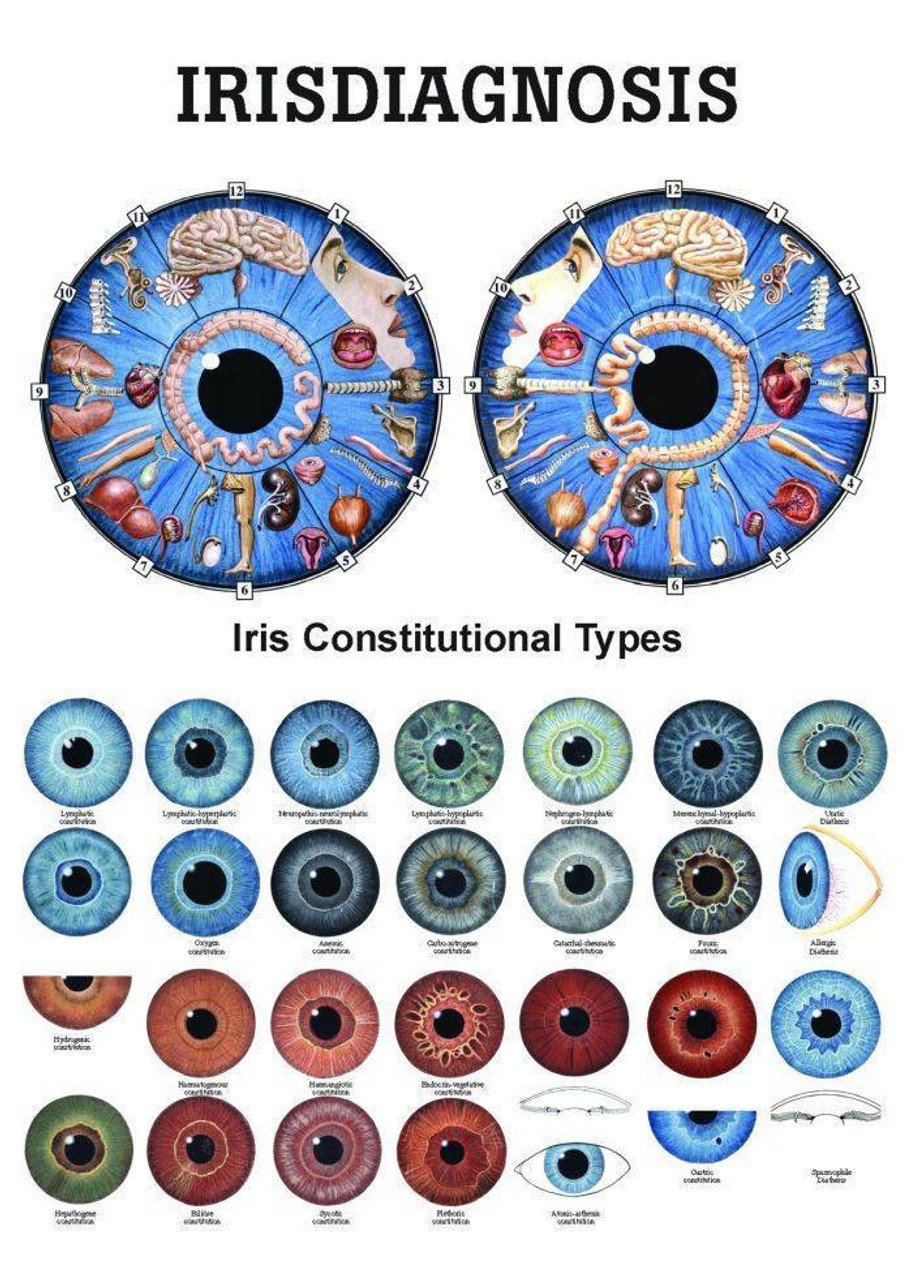
You found this page because you need a clear answer about iridology parasite charts. Here it is: an iridology parasite chart is a circular diagram that maps specific zones of the iris to different body systems and organs according to traditional iridology theory. These charts help practitioners identify areas that may indicate the presence of metabolic disruptions or system imbalances in their traditional iris analysis practice.
The concept goes back to the work of early iridology pioneers. Practitioners use these charts as reference guides during iris examinations. The chart typically shows a divided iris with numbered sections that correspond to different anatomical regions. Understanding how to read these markings requires knowledge of iris zone division and the color changes that practitioners look for during consultations.
This resource will walk you through chart structure, reading methodology, practical application scenarios, and common questions. Whether you teach iridology classes, run a natural health practice, or wholesale health equipment, this guide provides the technical details you need.
What Is an Iridology Parasite Chart and Why Practitioners Use It
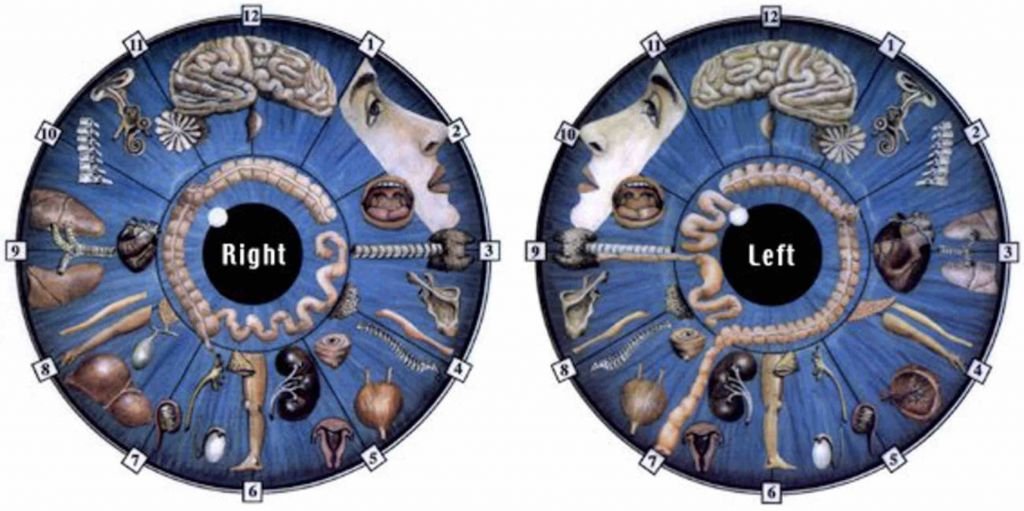
An iridology chart focused on parasite indicators shows practitioners which iris zones traditionally correspond to digestive and eliminatory systems. These body areas are where parasites typically reside according to traditional iridology observations. The chart divides each iris into radial sections and concentric rings.
Iridologists examine iris features such as color variations, fiber structure, and distinct markings. Different chart versions exist, but most follow similar basic principles. Some popular versions include the Bernard Jensen chart and various European interpretations.
Left Eye Zones
The left eye iridology chart typically represents the left side of the body. Organs on the body’s left side appear in corresponding iris positions. For example, the spleen, left kidney, and descending colon show up in specific left iris zones.
Practitioners pay attention to markings in the lower sections of the left iris. These zones connect to the sigmoid colon and lower digestive tract areas where some parasites may settle.
Right Eye Zones
The iridology chart right eye mirrors right-side body organs. The liver, gallbladder, right kidney, and ascending colon appear in the right iris. These zones hold significance when practitioners assess digestive function and potential metabolic disruptions.
The right iris also includes zones for the appendix and cecum. These areas receive careful examination during a comprehensive iridology assessment.
Traditional iridology theory suggests that color changes, fiber distortions, and specific markings may indicate areas of concern. Practitioners use these observations as part of their holistic health evaluations. However, it remains critical to understand that iridology charts serve as traditional reference tools for educational purposes only. They do not diagnose diseases or replace medical examinations by licensed healthcare providers.

Understanding the Iridology Parasite Chart Layout: Zones, Rings, and Organ Correspondence

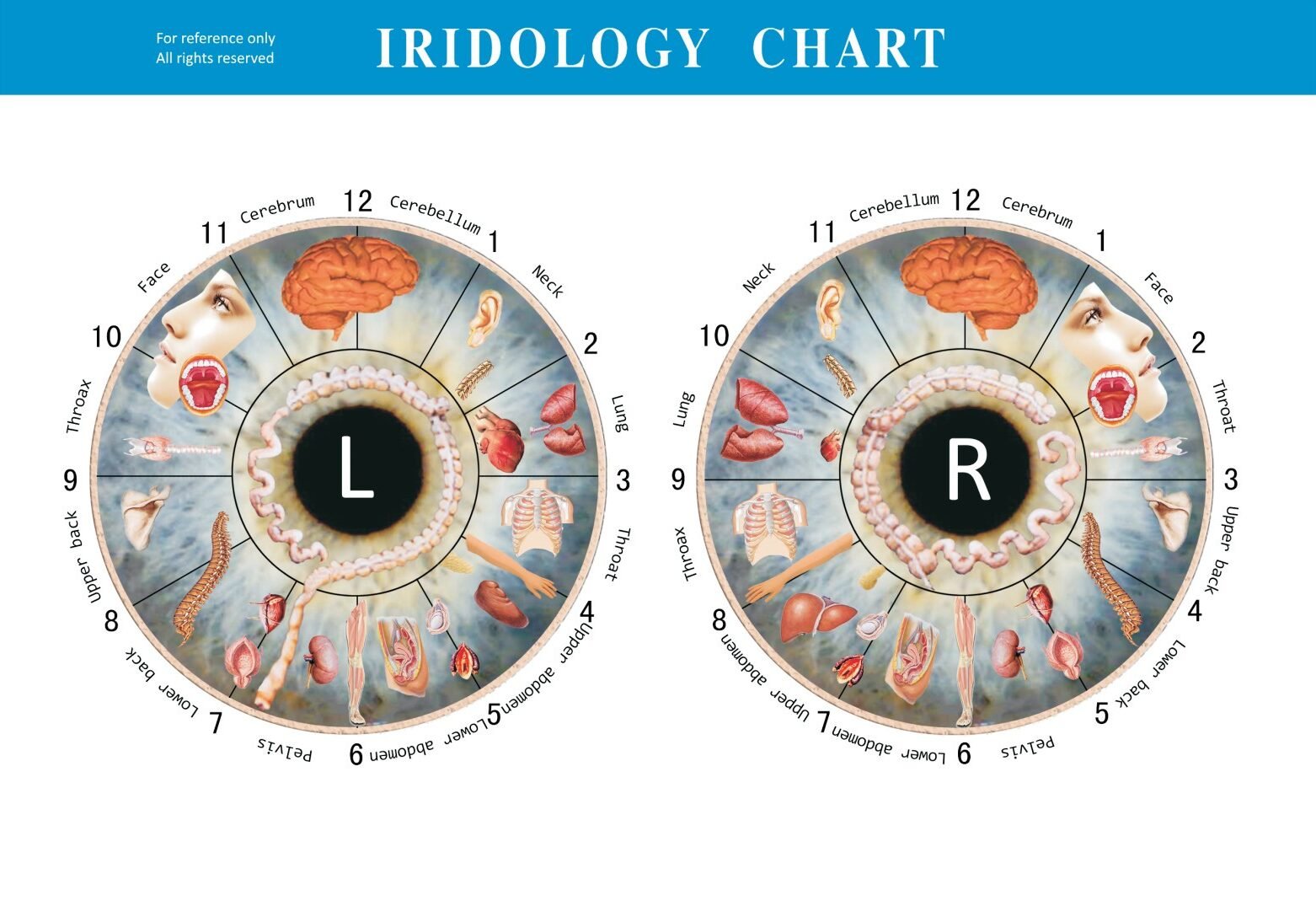
Every iridology chart follows a systematic structure. The iris divides into radial sections like a clock face and concentric rings like a target. This dual division system allows practitioners to pinpoint specific body regions with reasonable precision.
Radial Zone Division
The chart uses 12 main radial sections, similar to clock hours. Each section corresponds to different organs or body systems. The stomach zone typically appears around the pupil border. Moving outward, you find zones for the intestines, kidneys, and other organs.
In most chart versions, the intestinal zones occupy positions roughly between 4 and 8 o’clock on the left iris and 4 and 8 o’clock on the right iris. These zones matter most when practitioners look for possible parasite-related indicators. The colon follows a horseshoe pattern around the pupillary border.
Concentric Ring Structure
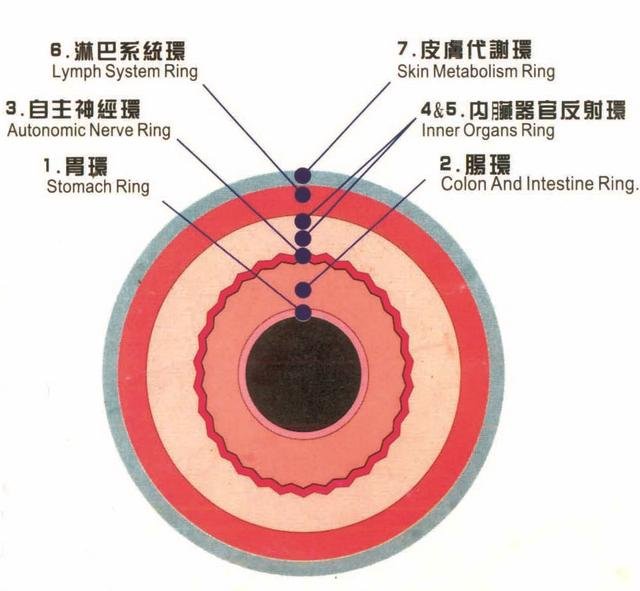
Charts also divide the iris into concentric rings moving from the pupil outward to the iris edge. The autonomic nerve wreath creates a natural boundary between inner and outer zones. The innermost zone near the pupil relates to digestive organs. The middle zones connect to glands and internal organs. Outer zones correspond to skin, muscles, and eliminatory pathways.
Modern Professional Tools: Today’s iridology analysis systems integrate comprehensive chart libraries directly into camera software. MAIKONG’s 2024 iridology software includes multi-language chart support across 17 languages, 3D visualization capabilities, and customizable chart overlays for enhanced client education.
Bilateral Differences
Left and right eyes show different organs because each side body maps to its corresponding iris. The heart appears only on the left iris. The liver shows only on the right. The intestinal tract, however, appears on both charts because it spans both sides body.
Practitioners examine both eyes during a session. They compare findings between left and right to build a more complete picture. This bilateral approach follows the theory that each iris reflects its corresponding body side.
Color and Feature Coding
Many iridology chart printable versions use color coding. Different colors may represent various body systems. Blue zones might indicate neurological areas. Yellow zones could represent eliminatory systems. Brown markings often draw attention during parasitic assessments according to traditional iridology observations.
Fiber structure, density changes, and the presence of spots or flecks also matter. Practitioners learn to recognize these features through training and experience. Each marking type has traditional interpretations within the iridology framework.
Common Types of Iridology Charts: Bernard Jensen, European Models, and Modern Variations
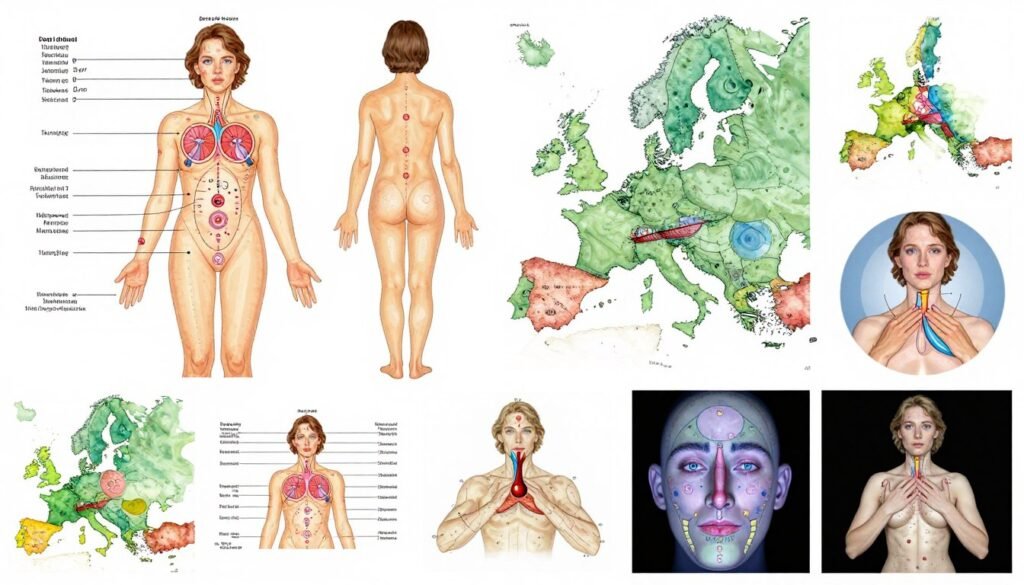
Several chart versions exist in iridology practice. Each version stems from different research traditions and practitioner experiences. Understanding these variations helps practitioners choose the most appropriate reference for their work.
The Bernard Jensen Chart
Dr. Bernard Jensen developed one of the most recognized iridology charts in North America. The Bernard Jensen iridology chart divides the iris into detailed zones with specific organ correspondences. Jensen’s work emphasized the connection between iris signs and digestive health, making his chart particularly relevant for parasite-related observations.
Jensen’s chart shows the colon in a horseshoe pattern around the pupil. It highlights the relationship between digestive function and other body systems. Many practitioners prefer this chart for its clear layout and extensive documentation in Jensen’s published works.
European Iridology Charts
European iridology traditions, particularly from Germany and Russia, produced their own chart variations. These versions sometimes show more detailed organ subdivisions. They may include additional zones for glands and connective tissue systems.
European charts often emphasize constitutional types and genetic predispositions. They incorporate observations about iris colors and their health implications. Some practitioners combine elements from both American and European traditions in their practice.
Modern Digital Charts
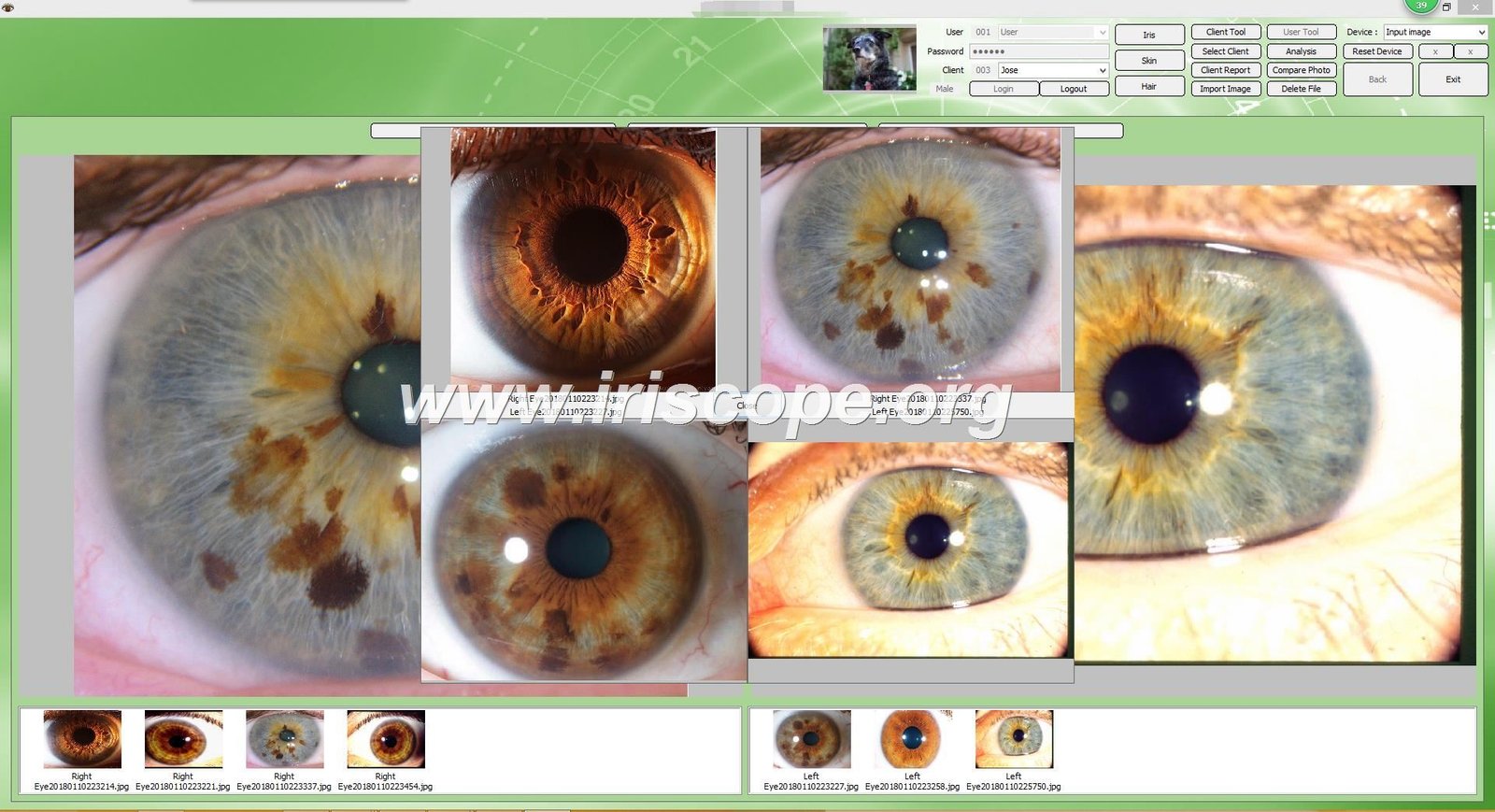
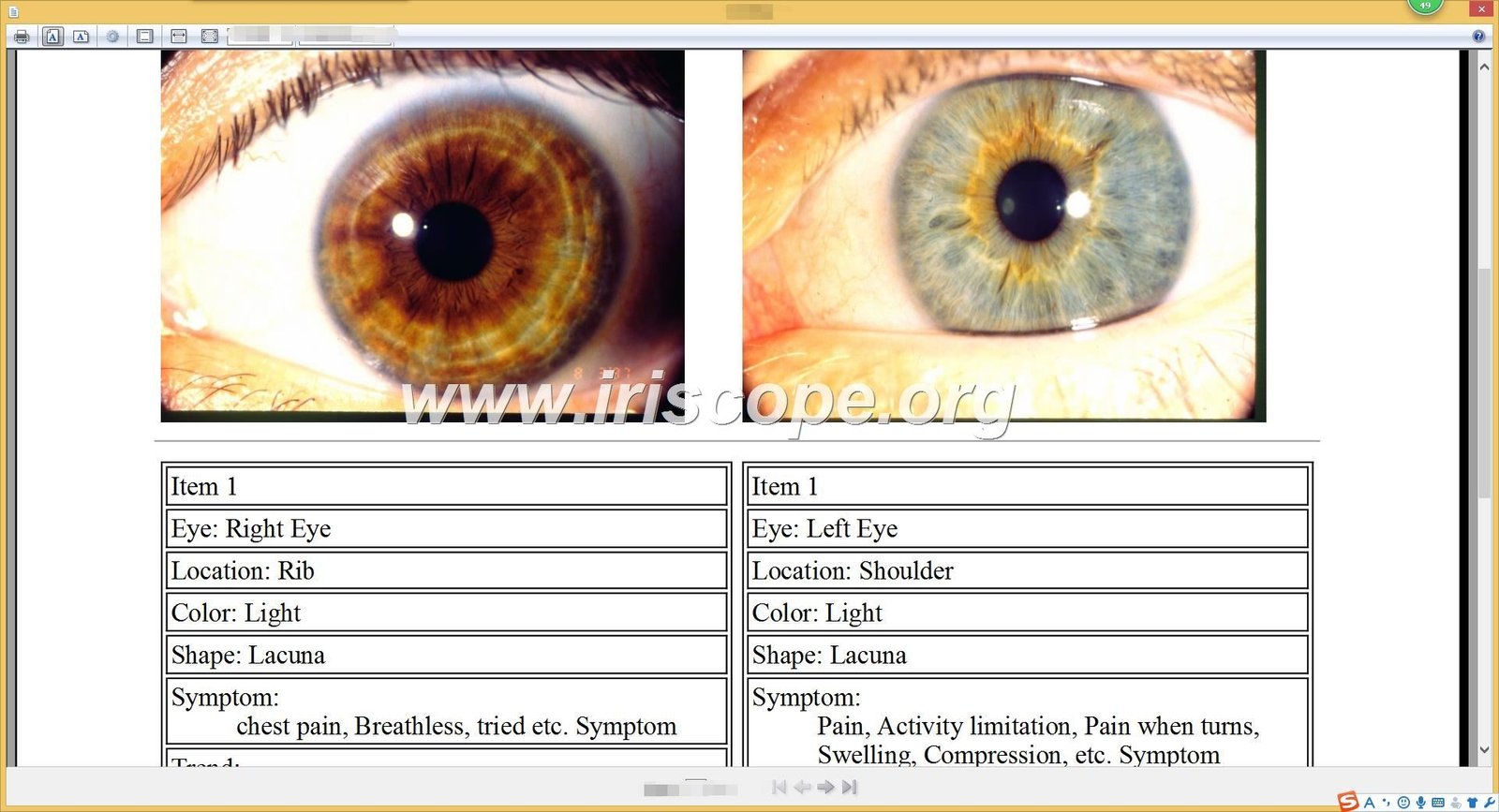
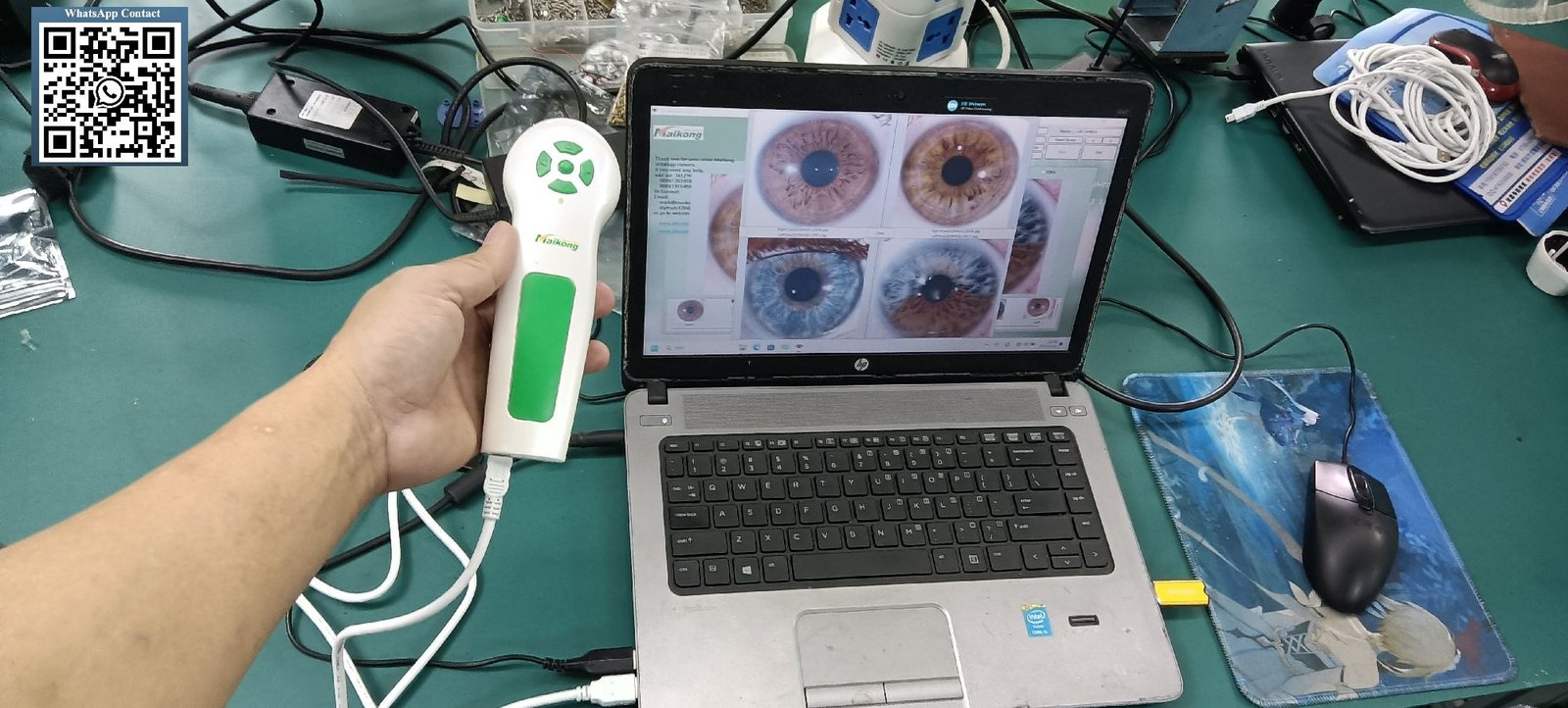
Contemporary iridology software includes digital chart overlays. These programs allow practitioners to superimpose charts directly onto iris photographs. This technology improves accuracy and client education by showing exact zone locations on the actual iris image.
Digital charts offer several advantages. Practitioners can zoom in on specific areas, compare images side by side, and generate detailed reports. Software often includes multiple chart versions, letting practitioners switch between different mapping systems during analysis.
Choosing the Right Chart Version
The choice of chart depends on training background, practice focus, and personal preference. Beginners often start with the Bernard Jensen chart due to its widespread use and available educational materials. More experienced practitioners might integrate multiple chart systems or develop their own interpretations based on years of observation.
Many professional iridology camera systems bundle software that includes several chart options. This flexibility lets practitioners adapt their approach to different client needs and consultation styles.
How to Read an Iridology Chart for Parasite Indicators: Step-by-Step Methodology
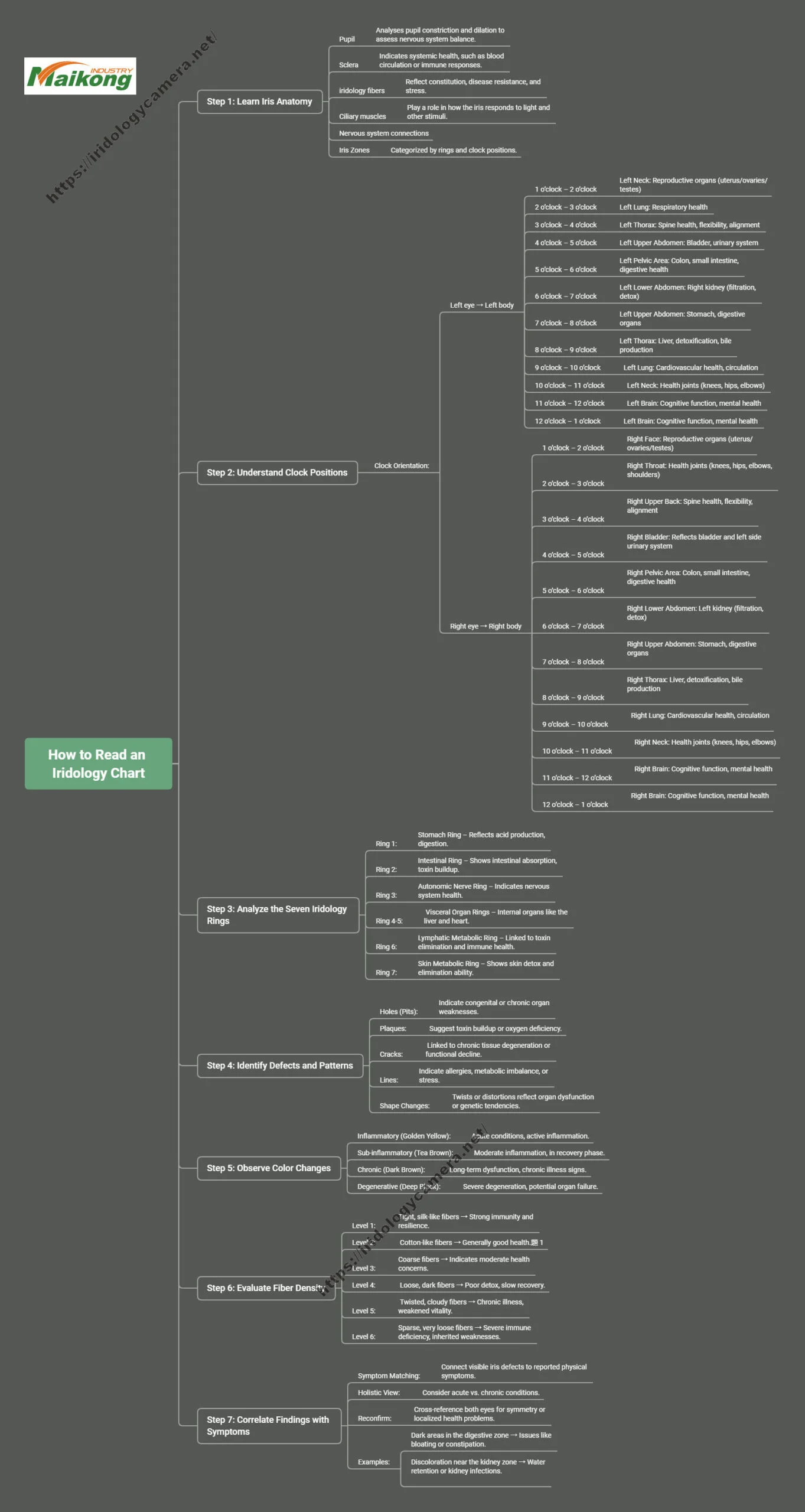
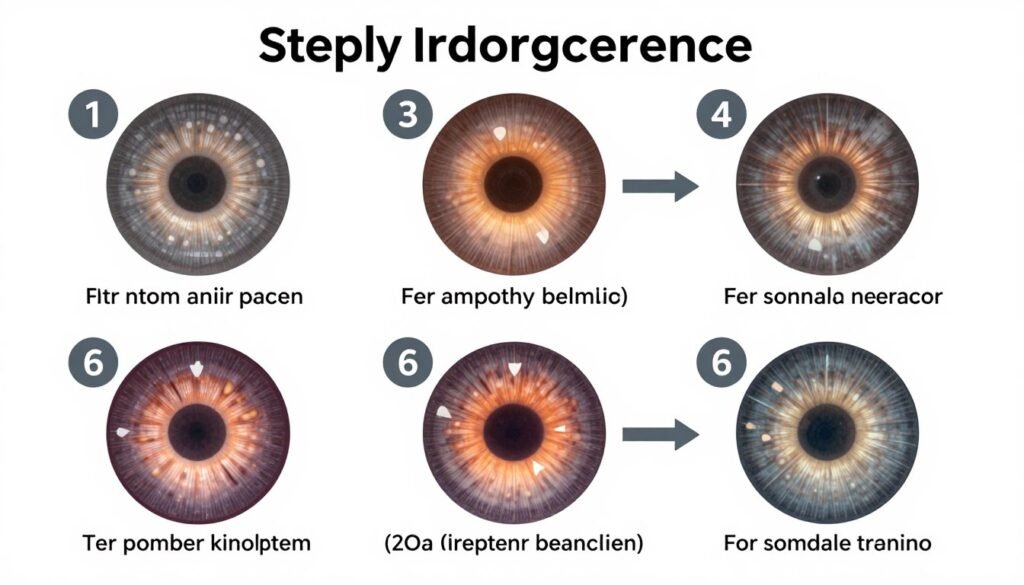
Reading an iridology chart how to read requires systematic observation and pattern recognition. Practitioners follow established procedures to ensure consistent and thorough assessments. Here is a practical step-by-step approach used by many iridology professionals.
Step 1: Capture Quality Iris Images
Start with clear, well-lit iris photographs. Use a professional best iridology camera that captures sufficient detail. Good lighting and sharp focus make a significant difference in what you can observe.
Position the camera to minimize reflections. Capture both eyes from a consistent distance. Many practitioners take multiple images to ensure they have the clearest possible reference for analysis.
Step 2: Overlay the Chart
Place your chosen chart over the iris image. Digital software makes this step simple by superimposing a transparent chart directly onto the photograph. If working with printed materials, ensure proper alignment between the pupil center and chart center.
Align the chart’s radial divisions with the iris. The 12 o’clock position typically points toward the top of the iris. Proper alignment ensures accurate zone identification during your assessment.
Step 3: Identify the Key Zones
Focus on the digestive and eliminatory zones first when looking for parasite indicators. These areas include the intestinal horseshoe around the pupil, colon zones, and lymphatic ring near the outer iris edge.
Note the position and size of any markings you observe. Document their location using the clock-position and ring-depth notation. For example, a marking might be described as “brown spot at 6 o’clock, middle ring, left iris.”
Step 4: Assess Color and Texture
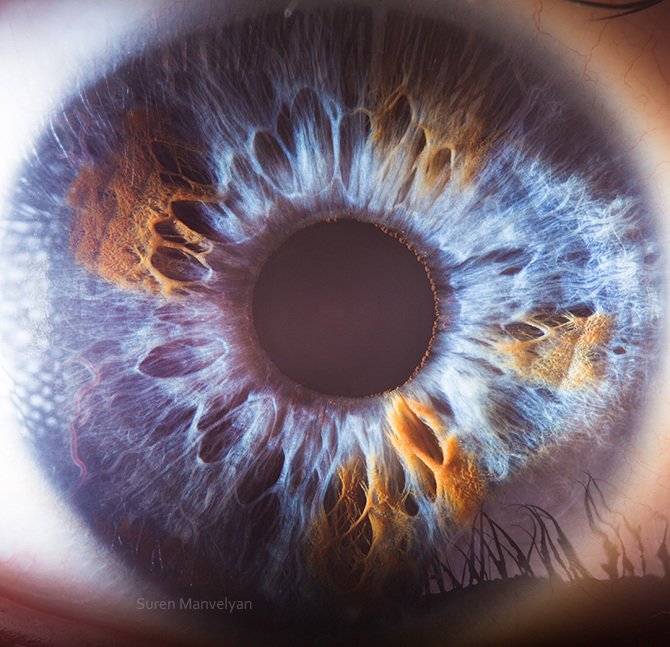
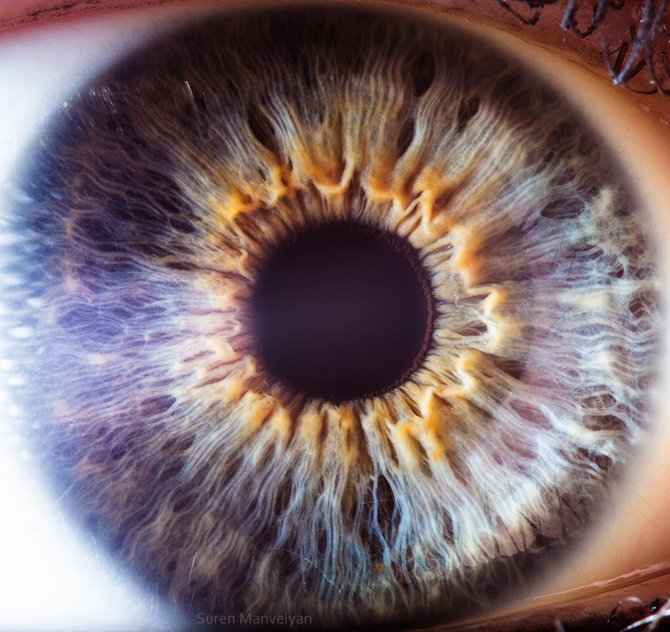
Examine iris color variations within each zone. Brown or orange discolorations in the intestinal zones traditionally suggest metabolic accumulation according to iridology theory. White or yellow spots might indicate other considerations.
Look at iris fiber structure and density. Open fibers, lacunae (small gaps), or dense areas all carry meaning in traditional iridology interpretation. These features provide context for the overall assessment.
Step 5: Cross-Reference with Client History
Compare your iris observations with the person’s health history and current concerns. Iridology works best as part of a holistic evaluation, not as a standalone diagnostic tool.
Consider factors like diet, lifestyle, stress levels, and existing health conditions. These elements help you understand the bigger picture and provide more relevant guidance to your clients.
Documentation and Follow-Up
Record your findings in a standardized format. Many practitioners use templates that include iris diagrams where they mark observations. This documentation proves valuable for tracking changes over time.
Schedule follow-up sessions to reassess iris features after the client implements recommended lifestyle changes. Changes in iris markings may take months or years to manifest, if they appear at all. Traditional iridology theory suggests that iris features reflect constitutional patterns that develop over long periods.
Important Reminder: This reading methodology serves educational and traditional iridology reference purposes only. Iris observations do not diagnose diseases, identify specific parasites, or replace medical testing. Always refer clients to licensed healthcare providers for proper medical diagnosis and treatment.
Integrating Iridology Parasite Charts with Professional Cameras and Software Systems
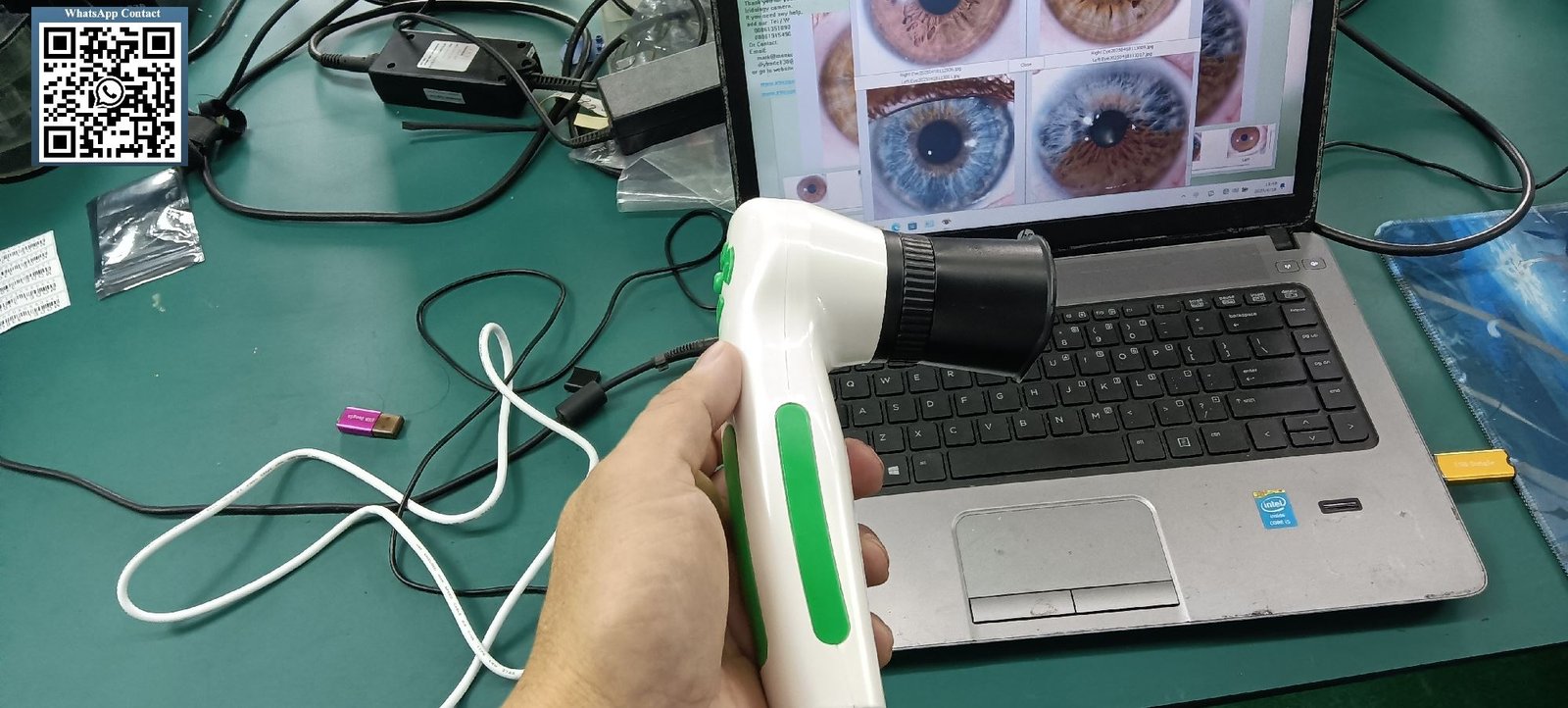
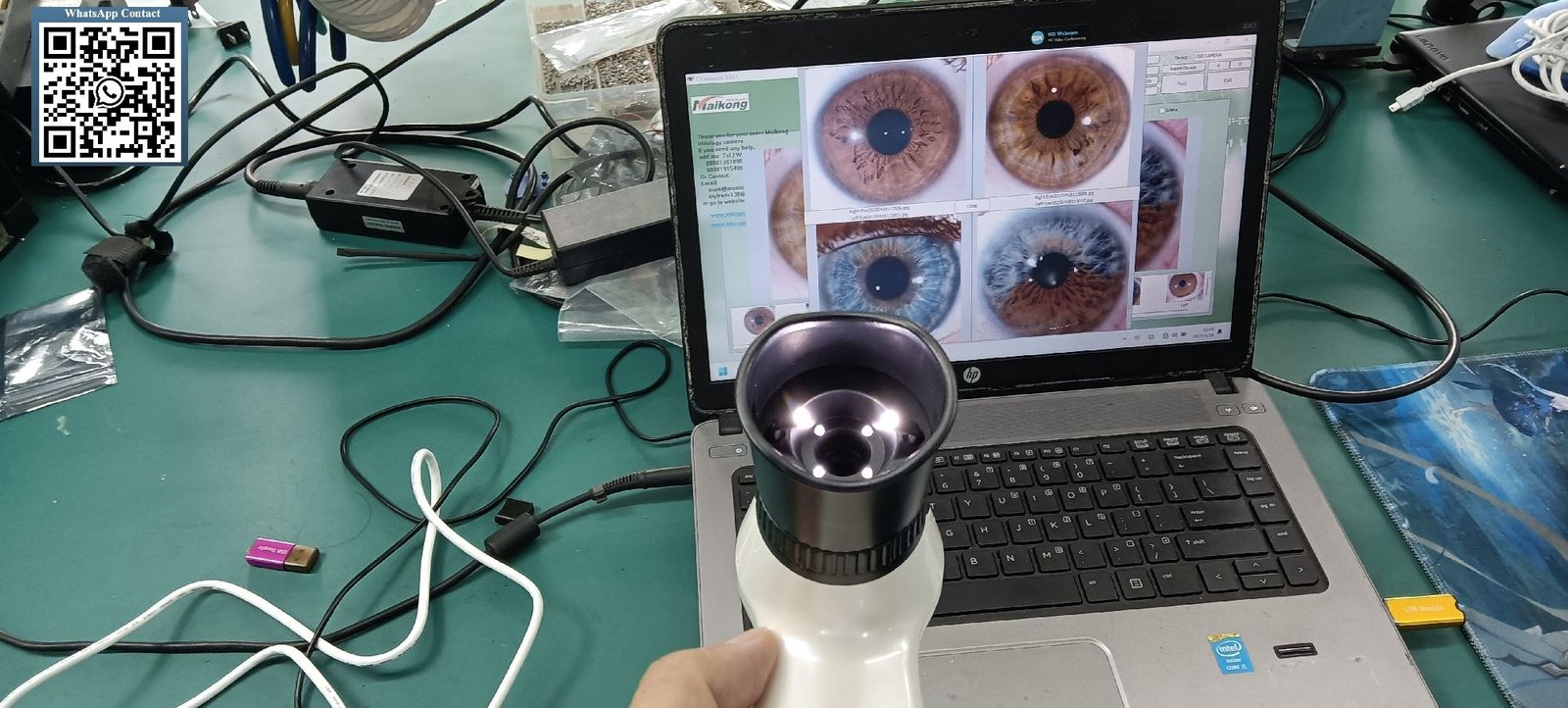
Modern iridology practice combines traditional chart knowledge with advanced imaging technology. Professional iridology camera manufacturers design systems that integrate seamlessly with chart-based analysis software.
Camera Equipment Requirements
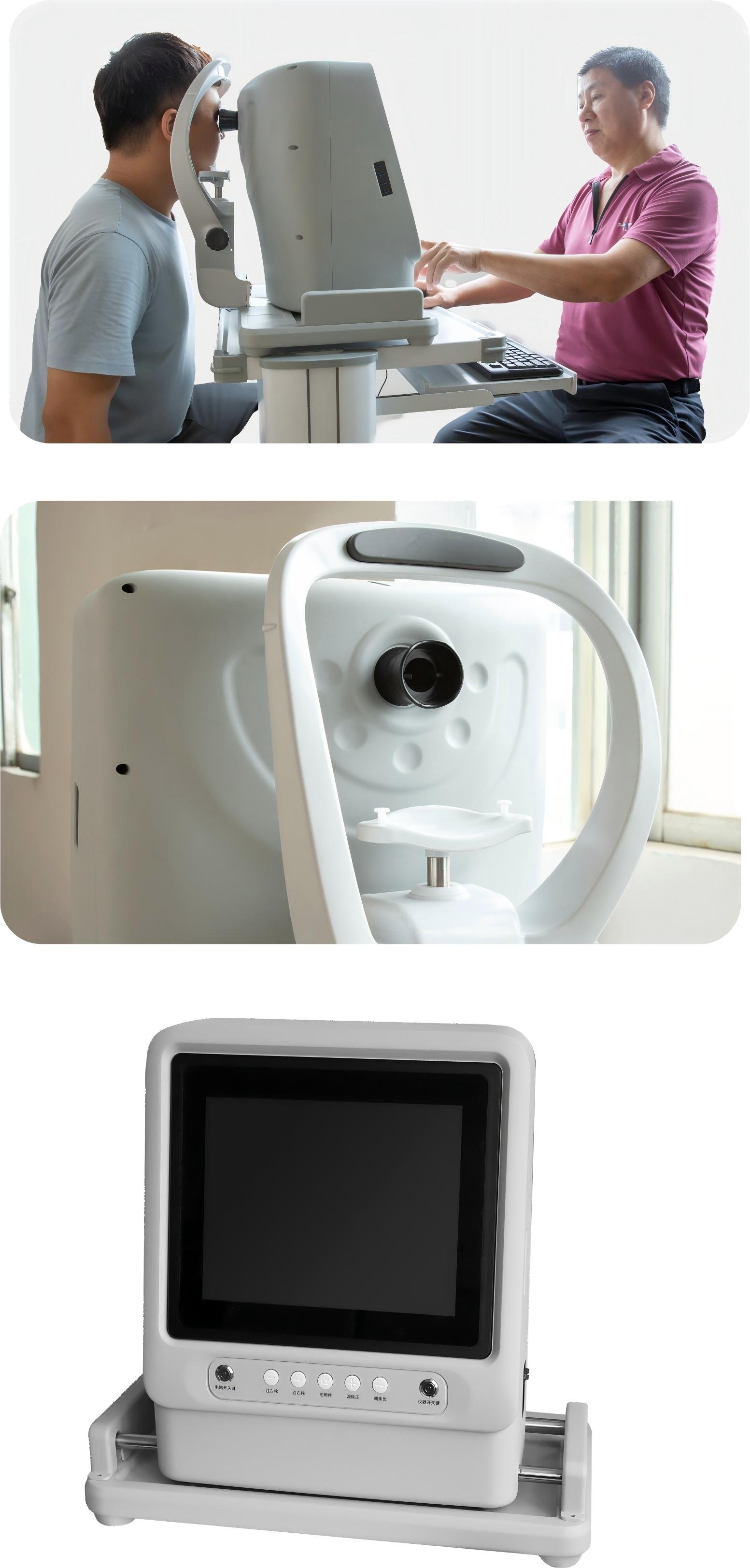
A quality USB iridology camera captures high-resolution iris images suitable for detailed examination. Look for cameras with at least 12 megapixel sensors. LED illumination provides consistent lighting without heat discomfort for clients.
Adjustable focus mechanisms let practitioners capture sharp images regardless of individual eye anatomy differences. Some cameras include multiple magnification options, allowing both overview shots and detailed close-ups of specific iris zones.
Software Integration Features
Professional iridology software packages include built-in chart libraries. These programs let practitioners select from multiple chart versions and overlay them on iris photographs with precise alignment tools. The software often includes annotation features for marking observations directly on images.
Advanced systems offer comparative analysis capabilities. Practitioners can display side-by-side images from different dates to track changes over time. This feature proves particularly useful when working with clients on long-term wellness programs.
| Feature | Benefit for Chart Analysis | Typical Use Case |
| Multi-language chart libraries | Work with diverse client populations | International clinics, multilingual practitioners |
| 3D visualization modes | Enhanced depth perception of iris features | Detailed texture and fiber analysis |
| Automatic zone highlighting | Quick identification of areas of interest | Client education and report generation |
| Report generation with charts | Professional documentation for clients | Consultation follow-up and record keeping |
| Database integration | Store client history and images | Long-term client management |
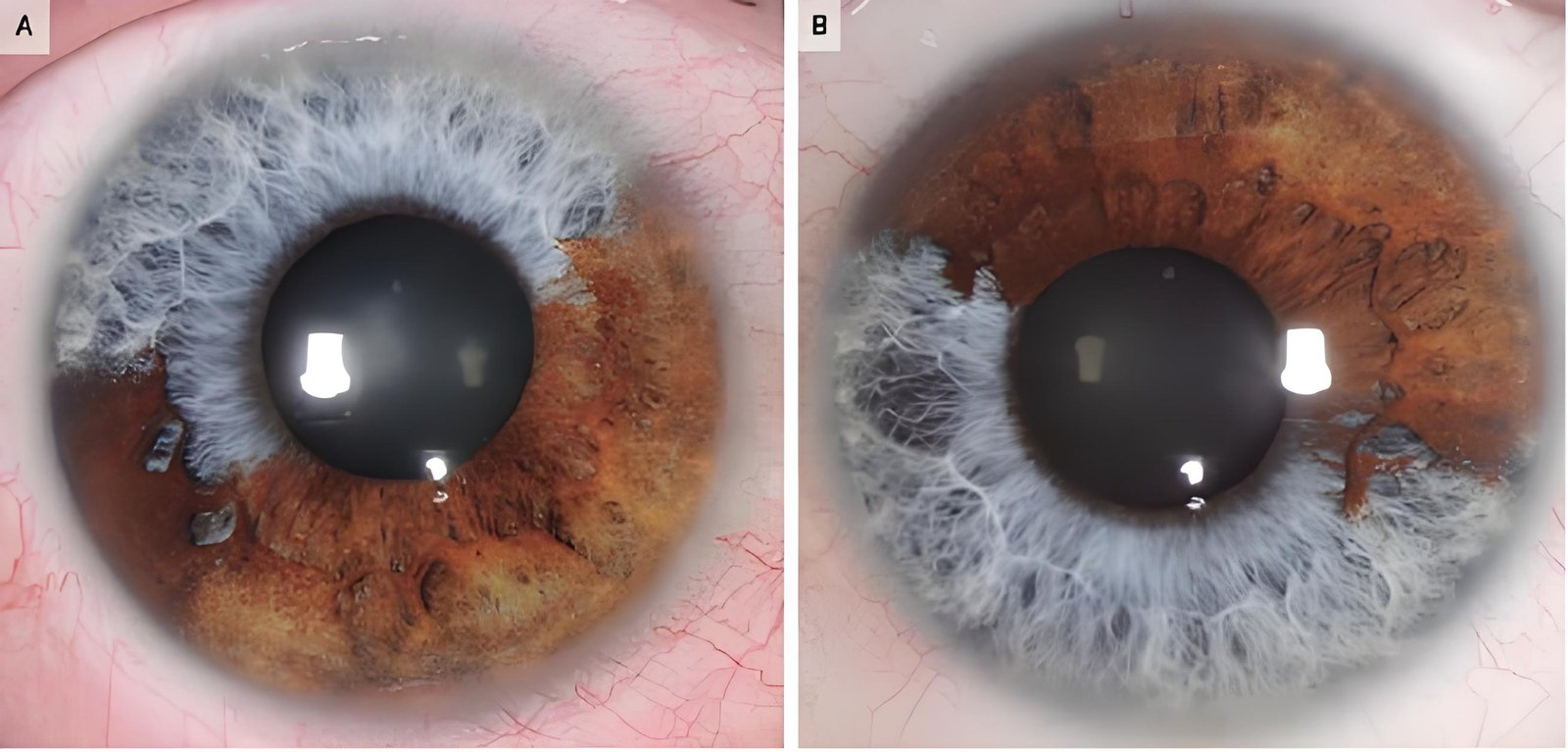
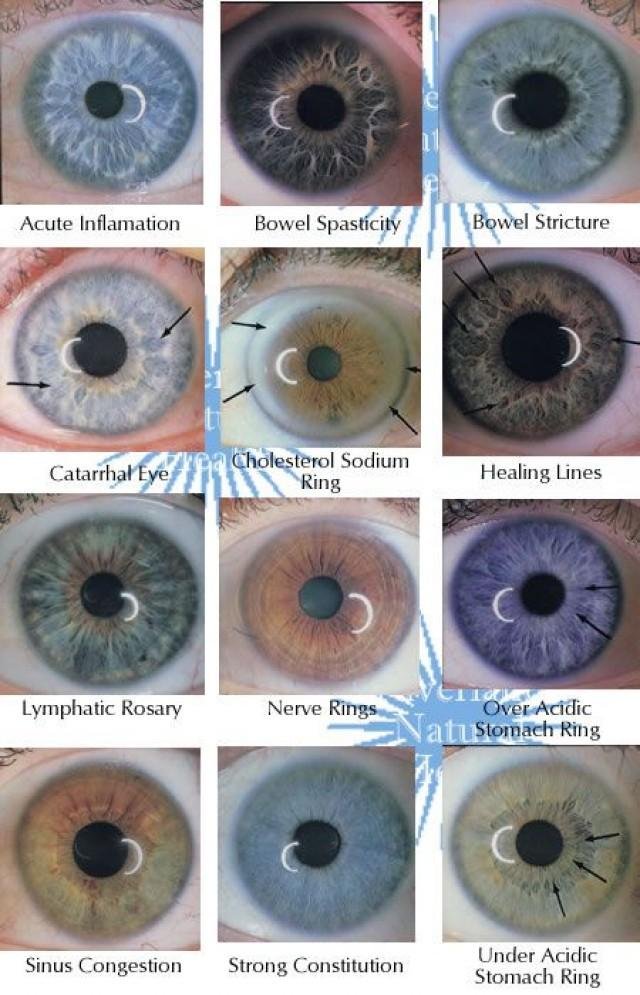
Equipment Setup for Chart-Based Practice
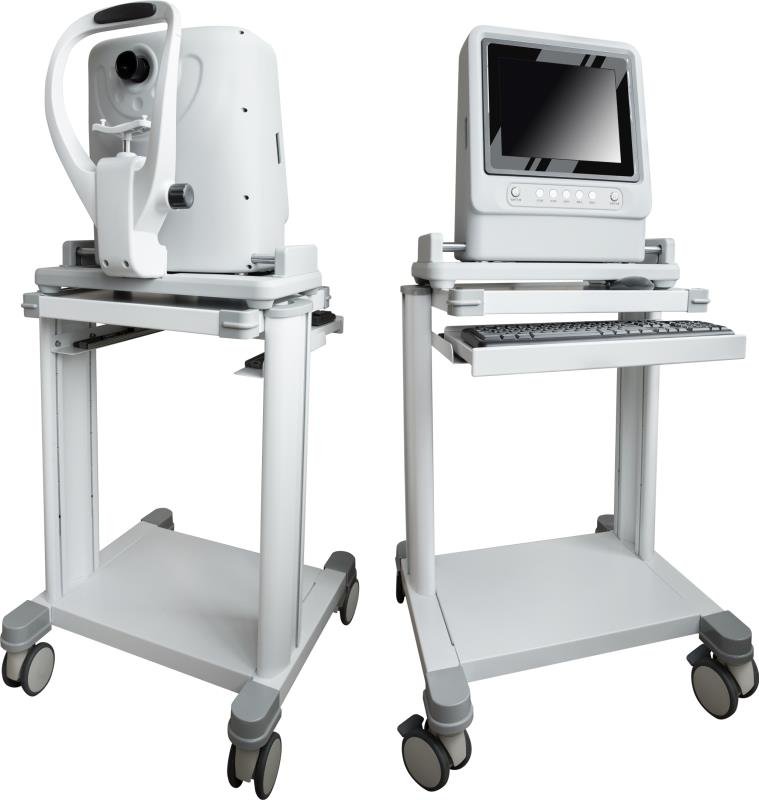
Position your camera on a stable stand or arm for consistent image capture. An iridology camera stand helps maintain proper distance and angle between sessions. This consistency improves the accuracy of chart overlay alignment and comparative analysis.
Ensure adequate room lighting without causing glare in iris images. Many practitioners use adjustable ambient lighting to create a comfortable consultation environment while maintaining image quality.
Training and Familiarization
Learning to use professional equipment effectively takes practice. Most systems include training materials and sample images for skill development. Manufacturers often provide technical support and educational resources to help practitioners maximize their equipment investment.
Consider attending workshops or certification programs that include hands-on equipment training. Practical experience with chart software and camera systems builds confidence and improves the quality of client consultations.
Practical Applications: Using Iridology Parasite Charts in Teaching and Client Consultations

Iridology charts serve multiple practical purposes beyond personal analysis. Practitioners use them as teaching tools, client education aids, and frameworks for holistic health discussions.
Educational Settings and Student Training
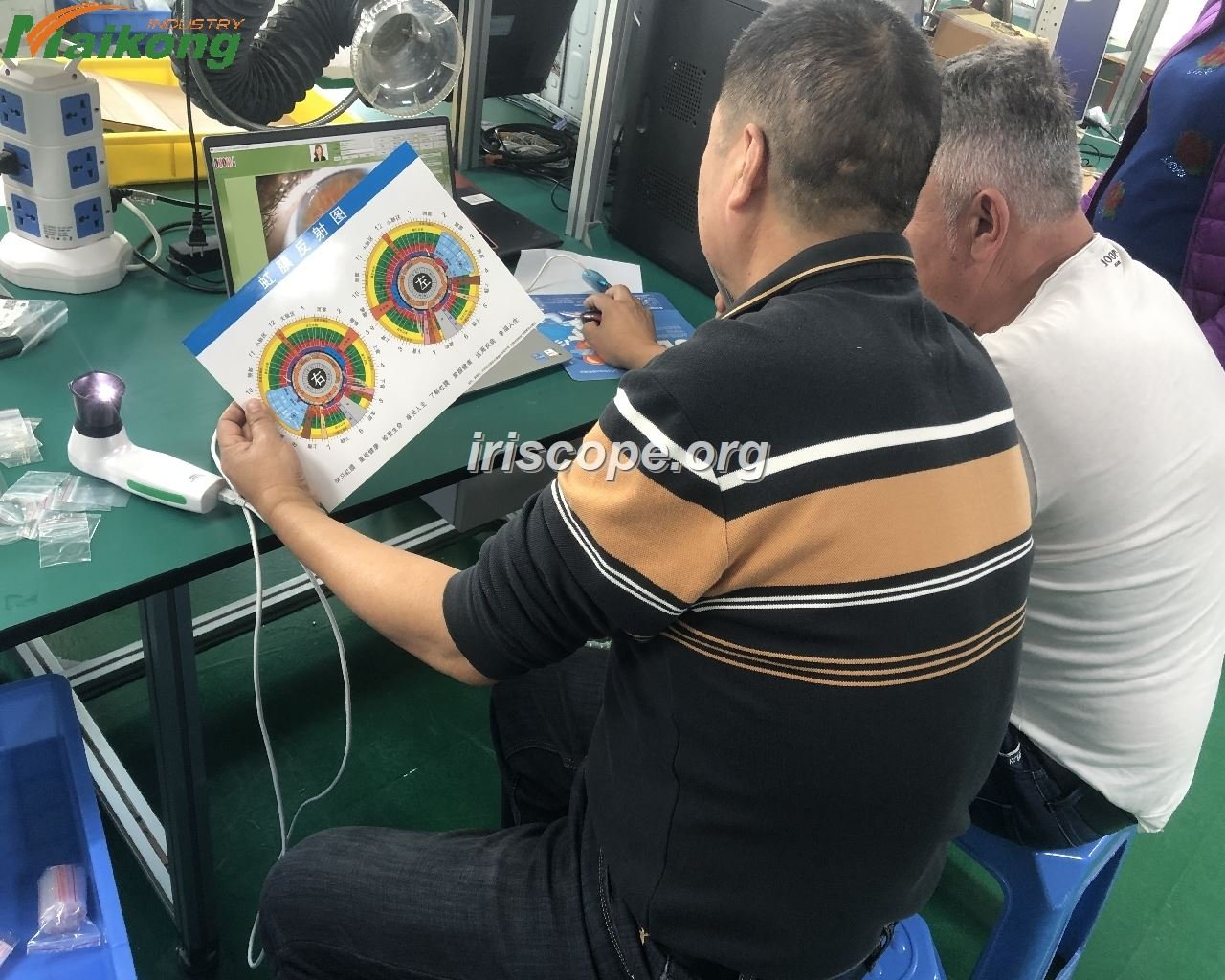
Iridology training institutions rely on detailed charts to teach students about iris zone mapping and observation techniques. Large wall charts provide visual references during lectures. Students practice identifying zones and interpreting features using sample iris photographs paired with chart overlays.
Training programs often include hands-on practice sessions where students photograph each other’s irises and apply chart analysis under supervision. This peer practice builds familiarity with normal iris variations and helps students recognize different constitutional types.
Client Education and Communication
During consultations, charts help clients understand their iris features and how they relate to body systems according to traditional iridology theory. Visual explanations using charts make complex concepts more accessible to people without medical backgrounds.
Practitioners often provide clients with printed chart handouts or digital files. These materials support home education and help clients remember the connections between iris zones and body areas discussed during the session.
Wellness Center Applications
Natural health clinics and wellness centers display charts in consultation rooms and waiting areas. These visual aids create conversation opportunities and demonstrate the holistic approach of the practice.
Some centers offer group workshops where participants learn basic chart reading skills. These educational events build community engagement and introduce potential clients to iridology services.
Product Recommendation Context
Charts provide a framework for discussing wellness products with clients. When iris observations suggest certain areas need support, practitioners can reference those zones on the chart while explaining how specific supplements or lifestyle changes might help.
This visual approach makes recommendations more tangible and understandable. Clients appreciate seeing the connection between their iris features and the suggestions being offered.

Documentation and Record Keeping
Charts form the basis of standardized documentation systems. Practitioners mark observations on blank chart templates, creating visual records that complement written notes. These documented charts track changes over multiple sessions and provide clear communication between practitioners when referrals occur.
Digital documentation systems incorporate chart-based entry forms. Practitioners click on chart zones to record observations, automatically generating detailed reports with visual references.
Common Misconceptions About Iridology Parasite Charts and Evidence-Based Clarity
Iridology charts generate significant interest and occasionally misunderstanding. Clarifying what these charts can and cannot do helps practitioners maintain ethical standards and set appropriate client expectations.
Misconception 1: Charts Diagnose Specific Diseases
Some people believe iridology charts can identify specific diseases or parasite species. This represents a fundamental misunderstanding of traditional iridology theory. Charts show zone correspondences based on traditional observations, not diagnostic protocols recognized by conventional medicine.
Iridology does not diagnose diseases. It offers a framework for holistic observation and pattern recognition. Practitioners who claim to diagnose conditions through iris examination exceed the scope of traditional iridology practice and may face legal consequences.
Misconception 2: All Chart Versions Are Identical
Different practitioners and traditions have developed varying chart interpretations. No single “official” iridology chart exists that all practitioners universally accept. This variation stems from the observational nature of iridology development rather than controlled scientific research.
Practitioners should acknowledge these differences and explain their chosen chart system to clients. Transparency about the theoretical basis of iridology builds trust and manages expectations appropriately.
Critical Distinction: Iridology parasite charts serve as traditional educational references and frameworks for holistic health conversations. They do not identify specific parasites, diagnose parasitic infections, or replace laboratory testing. Anyone suspecting a parasitic infection should consult qualified healthcare providers for proper diagnostic testing and medical treatment.
Misconception 3: Iris Changes Happen Quickly
Traditional iridology theory suggests that constitutional iris patterns develop over years and change slowly if at all. Expecting to see dramatic iris changes after short wellness interventions misunderstands the timeframe involved.
Some iris features relate to genetic constitution and remain stable throughout life. Other features may shift gradually over months or years in response to significant health changes. Setting realistic expectations prevents client disappointment and maintains credibility.
Misconception 4: Charts Replace Medical Testing
The most serious misconception involves using iridology as a substitute for conventional medical diagnosis and testing. This practice endangers client health and violates ethical boundaries.
Responsible practitioners position iridology as complementary to conventional care, never as a replacement. They encourage clients to maintain relationships with primary care physicians and follow medical advice for any health concerns.
Research and Evidence Considerations
Mainstream medical research has not validated iridology as a diagnostic tool. Studies examining iridology’s accuracy in detecting specific health conditions have generally shown poor results. Practitioners should be aware of this research landscape and discuss it honestly with clients.
Some practitioners view iridology as a holistic assessment framework rather than a diagnostic method. This perspective acknowledges the lack of conventional validation while preserving value in the traditional observation system for wellness contexts.
Professional-Grade Chart Resources and Equipment
Practitioners seeking reliable, integrated chart solutions can explore MAIKONG’s complete iridology camera systems. Our equipment includes built-in chart libraries, printable high-resolution chart exports, and multi-format compatibility for clinical and educational use. Whether you need wall charts for teaching or digital overlays for client consultations, professional tools enhance your practice capabilities.
Downloadable and Printable Iridology Parasite Chart Resources
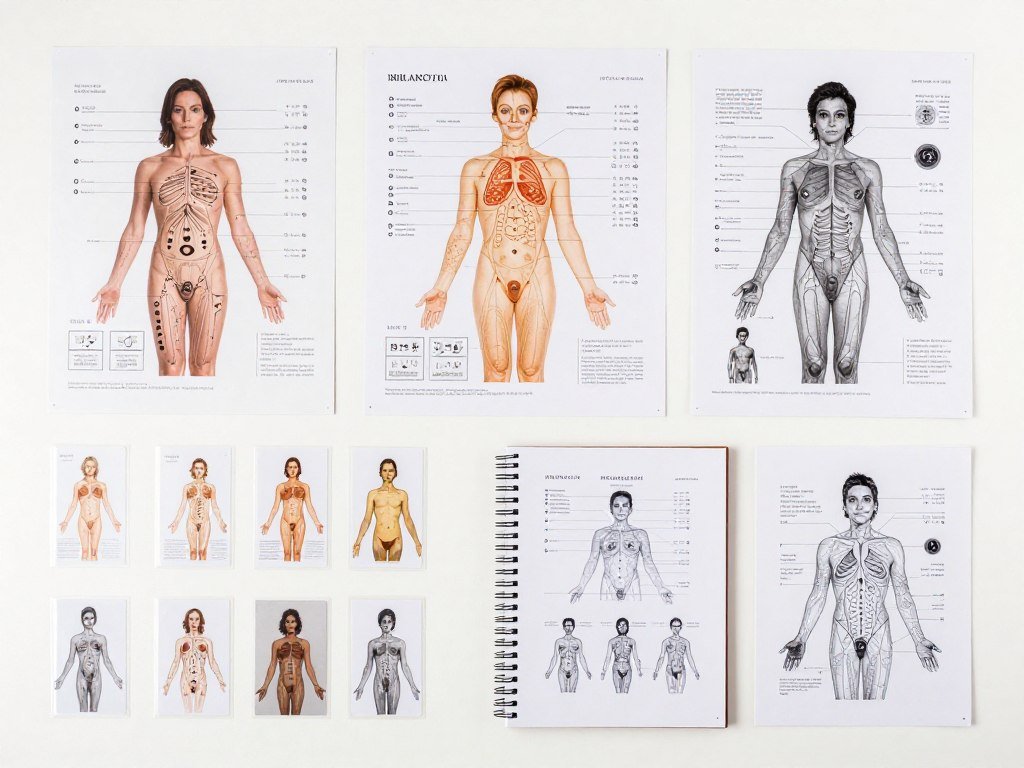
Access to quality chart resources makes iridology practice more effective and professional. Various formats serve different needs, from quick reference cards to detailed educational posters.
Digital PDF Charts
Many practitioners prefer digital charts they can access on tablets or print as needed. PDF formats allow scaling to different sizes without quality loss. Digital charts work well for creating client handouts or adding to consultation reports.
Look for high-resolution files suitable for large format printing if you want wall charts for your office. Lower resolution versions suffice for standard letter-size reference pages or digital viewing on screens.
Laminated Reference Charts
Waterproof laminated charts withstand frequent handling during busy practice days. These durable references can be cleaned easily and last for years with proper care. Many practitioners keep laminated charts at consultation stations for quick reference during client sessions.
Pocket-sized laminated cards provide portable references for practitioners attending health fairs or teaching workshops. These compact tools fit in consultation bags without taking up excessive space.
Wall Posters and Educational Displays
Large wall charts serve multiple purposes in practice settings. They provide instant reference during consultations, educate clients visually, and establish professional credibility through comprehensive visual materials.
Consider framing important charts for a polished appearance. Frames protect charts from damage and enhance the professional atmosphere of your space.
Software-Integrated Charts
Professional software packages include extensive chart libraries as part of the system. These digital resources offer the advantage of automatic overlay alignment and the ability to switch between chart versions instantly during analysis.
Software charts update easily when manufacturers release new versions or add additional chart types. This flexibility keeps your practice current with evolving iridology mapping systems.
Customization and Personalization
Some practitioners create customized charts that combine elements from multiple traditional sources. This personalization reflects individual practice philosophies and training backgrounds. If you develop custom materials, ensure they maintain professional quality standards.
Adding your practice logo or contact information to client handout charts serves as both an educational tool and a marketing piece. Clients who keep these materials have your information readily available when they need to schedule follow-up sessions.
Copyright and Usage Considerations
Respect intellectual property rights when obtaining chart resources. Many classic iridology charts fall under copyright protection. Purchase legitimate copies or licensing rights rather than reproducing copyrighted materials without permission.
Some chart creators offer commercial use licenses that allow practitioners to reproduce charts for client education. Clarify usage rights before printing materials for distribution or sale.
Frequently Asked Questions About Iridology Parasite Charts

What exactly does an iridology parasite chart show?
An iridology parasite chart maps iris zones to body systems according to traditional iridology theory. It shows which areas of the iris correspond to digestive and eliminatory organs where parasites typically reside. The chart does not identify specific parasites or diagnose parasitic infections. It serves as a reference guide for practitioners examining iris features during holistic health assessments.
Can iridology charts actually detect parasites in the body?
No. Iridology charts cannot detect, identify, or diagnose parasitic infections. Traditional iridology theory suggests that certain iris markings may indicate areas of metabolic concern, but this does not constitute medical diagnosis. Anyone suspecting a parasitic infection needs proper laboratory testing through qualified healthcare providers. Stool tests, blood work, and other medical diagnostics remain the only reliable methods for confirming parasitic infections.
Are there different iridology chart versions for parasite analysis?
Yes. Multiple chart versions exist, including the Bernard Jensen chart, various European traditions, and modern interpretations. These versions share basic principles but differ in specific zone divisions and interpretations. Most charts suitable for parasite-related observations emphasize digestive system zones, particularly the intestinal areas. Practitioners choose chart versions based on their training background and personal preference. No single chart version holds official status above others.
How do I learn to read iridology charts properly?
Proper chart reading requires formal training through recognized iridology education programs. These courses teach iris anatomy, zone mapping, feature recognition, and ethical practice boundaries. Self-study resources exist but cannot replace hands-on training and mentorship. Look for programs that emphasize both traditional iridology theory and appropriate scope of practice. Certification programs typically require 100-300 hours of instruction plus practical experience before considering someone competent to use charts professionally.
Where can I get printable iridology parasite charts for my practice?
Printable charts are available through iridology supply companies, educational institutions, and some software manufacturers. Ensure you obtain charts legally through purchase or licensing rather than unauthorized reproduction. Many professional iridology camera systems include printable chart files as part of the software package. Some practitioners prefer laminated charts that withstand frequent handling. Digital versions allow printing at various sizes based on your specific needs.
Do insurance companies cover iridology chart analysis?
Most insurance plans do not cover iridology services because mainstream medicine does not recognize it as a diagnostic method. Iridology typically falls under complementary or alternative health services that clients pay out-of-pocket. Some naturopathic doctors or holistic practitioners may include iridology as part of covered consultation services, but the iridology component itself usually remains a self-pay service. Check with individual insurance providers for their specific policies regarding complementary health assessments.
What equipment do I need to use iridology charts professionally?
Professional practice requires a quality iridology camera (minimum 12 megapixels), appropriate lighting, a computer with analysis software, and of course the charts themselves. A camera stand helps maintain consistent image quality. Software that overlays charts on iris photographs streamlines the analysis process. Some practitioners also use printed reference charts during consultations for client education. Investment in professional equipment ranges from basic setups around
Frequently Asked Questions About Iridology Parasite Charts
What exactly does an iridology parasite chart show?
An iridology parasite chart maps iris zones to body systems according to traditional iridology theory. It shows which areas of the iris correspond to digestive and eliminatory organs where parasites typically reside. The chart does not identify specific parasites or diagnose parasitic infections. It serves as a reference guide for practitioners examining iris features during holistic health assessments.
Can iridology charts actually detect parasites in the body?
No. Iridology charts cannot detect, identify, or diagnose parasitic infections. Traditional iridology theory suggests that certain iris markings may indicate areas of metabolic concern, but this does not constitute medical diagnosis. Anyone suspecting a parasitic infection needs proper laboratory testing through qualified healthcare providers. Stool tests, blood work, and other medical diagnostics remain the only reliable methods for confirming parasitic infections.
Are there different iridology chart versions for parasite analysis?
Yes. Multiple chart versions exist, including the Bernard Jensen chart, various European traditions, and modern interpretations. These versions share basic principles but differ in specific zone divisions and interpretations. Most charts suitable for parasite-related observations emphasize digestive system zones, particularly the intestinal areas. Practitioners choose chart versions based on their training background and personal preference. No single chart version holds official status above others.
How do I learn to read iridology charts properly?
Proper chart reading requires formal training through recognized iridology education programs. These courses teach iris anatomy, zone mapping, feature recognition, and ethical practice boundaries. Self-study resources exist but cannot replace hands-on training and mentorship. Look for programs that emphasize both traditional iridology theory and appropriate scope of practice. Certification programs typically require 100-300 hours of instruction plus practical experience before considering someone competent to use charts professionally.
Where can I get printable iridology parasite charts for my practice?
Printable charts are available through iridology supply companies, educational institutions, and some software manufacturers. Ensure you obtain charts legally through purchase or licensing rather than unauthorized reproduction. Many professional iridology camera systems include printable chart files as part of the software package. Some practitioners prefer laminated charts that withstand frequent handling. Digital versions allow printing at various sizes based on your specific needs.
Do insurance companies cover iridology chart analysis?
Most insurance plans do not cover iridology services because mainstream medicine does not recognize it as a diagnostic method. Iridology typically falls under complementary or alternative health services that clients pay out-of-pocket. Some naturopathic doctors or holistic practitioners may include iridology as part of covered consultation services, but the iridology component itself usually remains a self-pay service. Check with individual insurance providers for their specific policies regarding complementary health assessments.
What equipment do I need to use iridology charts professionally?
Professional practice requires a quality iridology camera (minimum 12 megapixels), appropriate lighting, a computer with analysis software, and of course the charts themselves. A camera stand helps maintain consistent image quality. Software that overlays charts on iris photographs streamlines the analysis process. Some practitioners also use printed reference charts during consultations for client education. Investment in professional equipment ranges from basic setups around $1,500 to comprehensive systems exceeding $5,000 depending on features and capabilities.
How accurate are iridology parasite charts according to scientific research?
Scientific studies examining iridology’s diagnostic accuracy have generally found poor results. Mainstream medical research does not support the theory that iris features reliably indicate specific health conditions or parasitic infections. Traditional iridology operates as an observational system rather than a scientifically validated diagnostic method. Responsible practitioners acknowledge this limitation and position iridology as a holistic wellness framework rather than a medical diagnostic tool. The charts represent traditional theories about body-iris correspondences developed through practitioner observations over time.
,500 to comprehensive systems exceeding ,000 depending on features and capabilities.
How accurate are iridology parasite charts according to scientific research?
Scientific studies examining iridology’s diagnostic accuracy have generally found poor results. Mainstream medical research does not support the theory that iris features reliably indicate specific health conditions or parasitic infections. Traditional iridology operates as an observational system rather than a scientifically validated diagnostic method. Responsible practitioners acknowledge this limitation and position iridology as a holistic wellness framework rather than a medical diagnostic tool. The charts represent traditional theories about body-iris correspondences developed through practitioner observations over time.
Choosing the Right Professional Equipment for Chart-Based Iridology Practice
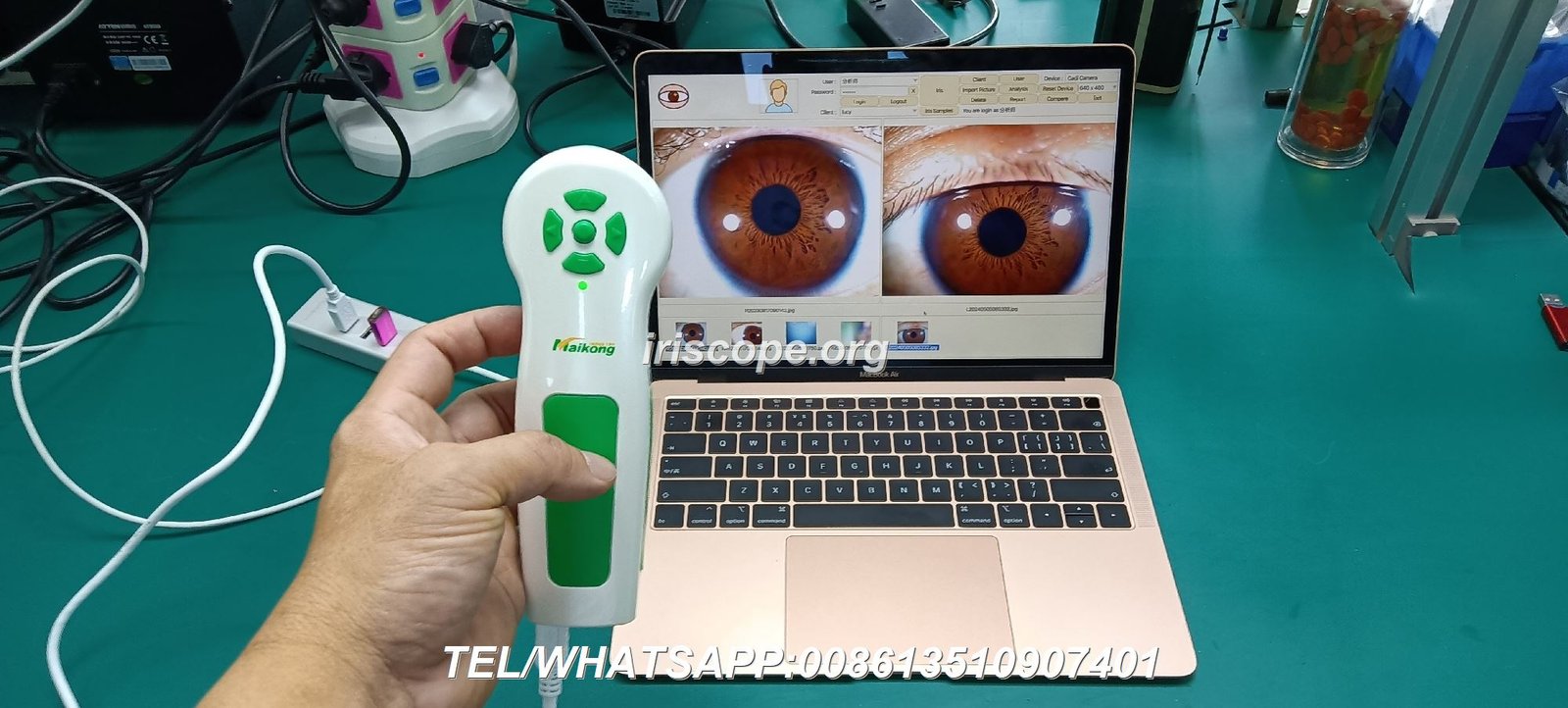
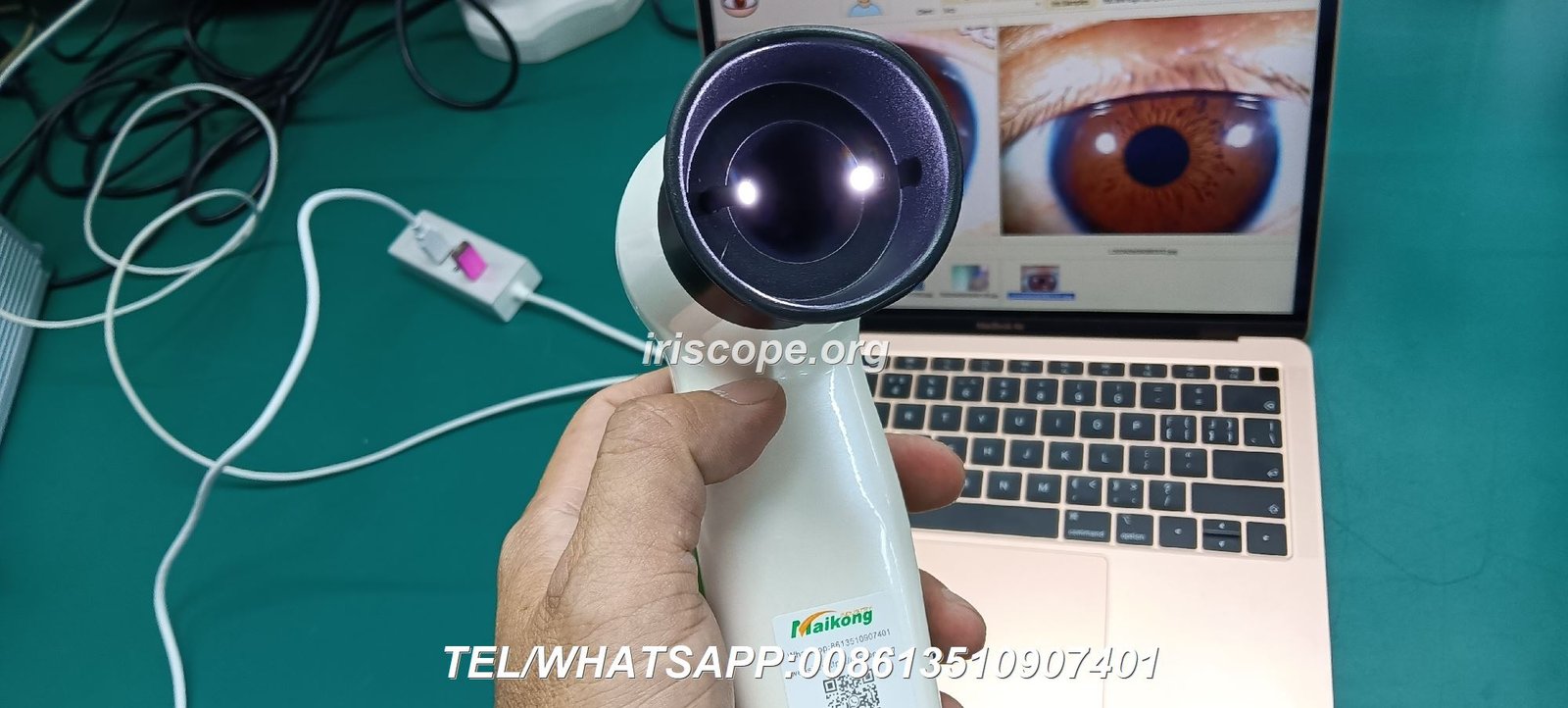
Selecting appropriate equipment significantly impacts your ability to use iridology charts effectively. Consider these factors when evaluating camera systems and software for your practice or institution.
Camera Resolution and Image Quality
Higher resolution cameras capture more iris detail, making chart overlay analysis more precise. Look for systems offering at least 12 megapixels. This resolution allows zooming into specific zones without losing clarity. The increased detail helps when examining subtle fiber structures and small markings.
Image sensor quality matters as much as pixel count. CCD sensors typically perform better than CMOS sensors in low-light conditions common during iris photography. Good sensors reproduce iris colors accurately, which matters when color variations factor into your observations.
Illumination Systems
LED illumination has become the standard for modern iridology cameras. LEDs provide consistent color temperature and eliminate the heat discomfort associated with older halogen systems. Ring lights around the camera lens create even illumination without harsh shadows.
Adjustable brightness controls let you accommodate different iris colors and sensitivities. Darker irises need more illumination for clear images. Lighter irises may require less intense lighting to avoid washing out subtle features.
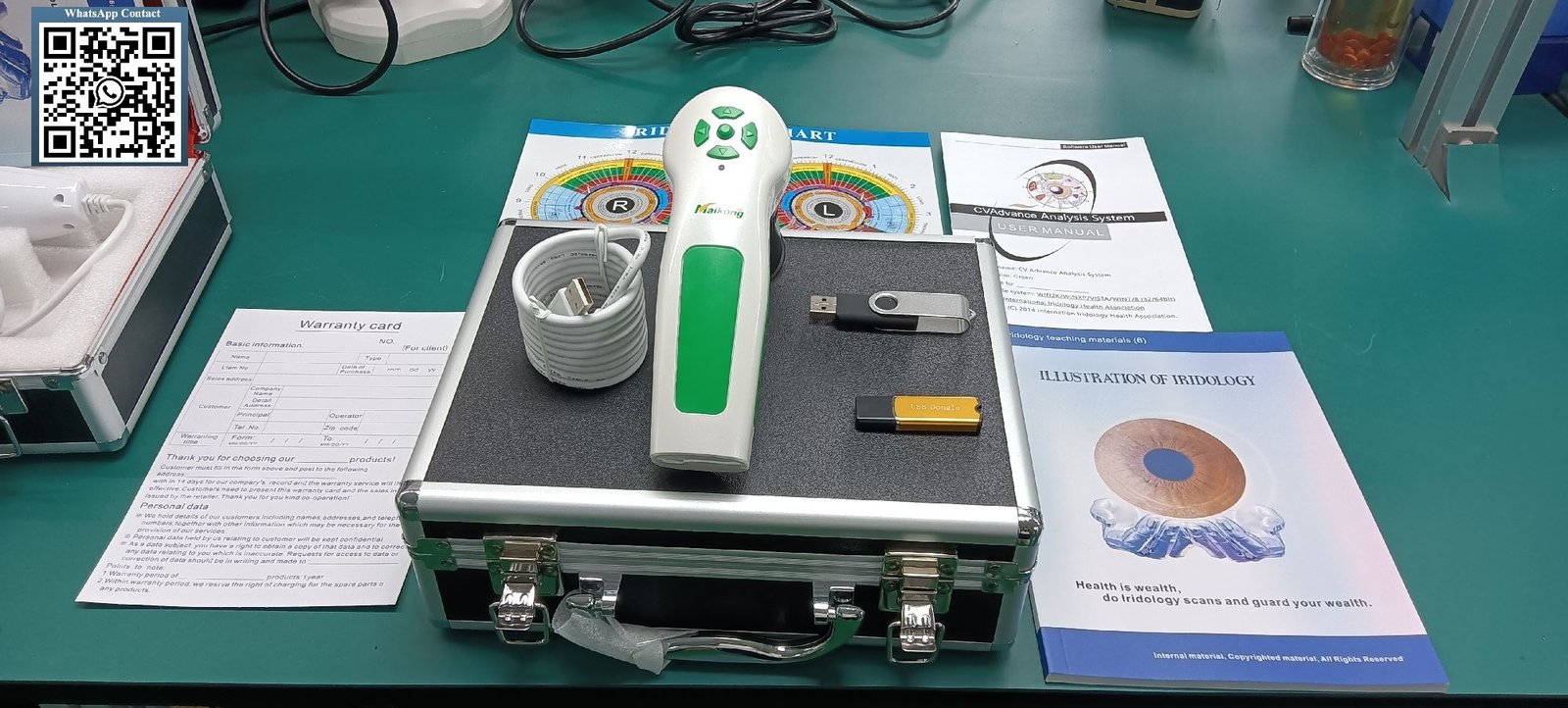
MAIKONG MK-9822U Iriscope Camera Specifications
| Specification | Details |
| Sensor Resolution | 12.0 Megapixels High Resolution CCD |
| Illumination | LED ring light with adjustable brightness |
| Lens Type | 30X magnification iris lens with protective cover |
| Image Processor | DSP image processor with Optical Image Stabilizer |
| Focus System | Adjustable manual focus for clear imaging |
| Connection | USB interface (1.5 meter cable included) |
| Operating Systems | Windows XP/2000/2003/Vista/7/8/10/11, Apple OS |
| Warranty | 1 year manufacturer warranty |
| Certification | CE certified |
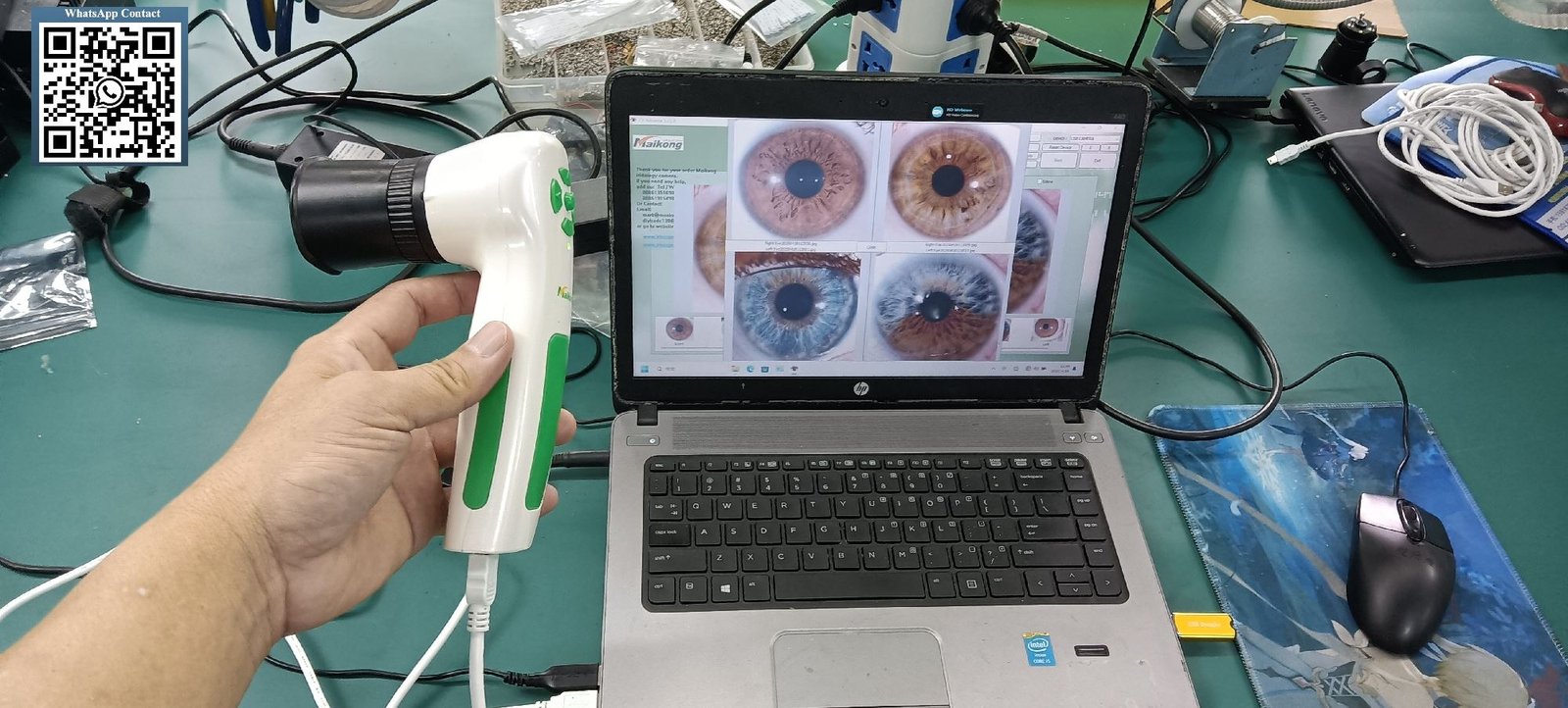
Software Capabilities
Comprehensive software makes or breaks your chart-based practice. Essential features include multiple chart library options, precise overlay alignment tools, and annotation capabilities. Client management databases streamline record keeping and follow-up scheduling.
Report generation features let you create professional documentation for clients. Customizable templates maintain brand consistency while providing thorough information. Some systems allow adding product recommendations directly into reports, supporting retail aspects of practice.
MAIKONG 2024 Iridology Software Features
| Feature Category | Capabilities | Benefit |
| Chart Library | Multiple chart versions including Jensen, European, modern variations | Flexible analysis approaches |
| Language Support | 17 languages including English, Spanish, French, German, Chinese, Japanese | International practice capability |
| Image Analysis | AI-assisted pattern recognition, 3D visualization, texture analysis | Enhanced observation accuracy |
| Client Management | Database with history tracking, appointment scheduling, progress tracking | Organized practice workflow |
| Report Generation | Customizable templates, product recommendations, chart annotations | Professional documentation |
| Backup Systems | Automatic cloud backup, data export options | Data security and portability |
| Customization | Logo integration, color schemes, template modification | Brand consistency |
System Compatibility
Ensure your chosen equipment works with your existing computer systems. Windows compatibility remains most common, with support ranging from Windows XP through Windows 11. Mac users need to verify macOS compatibility specifically, as not all systems support Apple operating systems.
Consider whether you need portable setups for mobile practice or health fair demonstrations. Laptop-compatible systems with compact cameras travel more easily than desktop-dependent configurations.
Technical Support and Training
Reliable manufacturers provide ongoing technical support and equipment training. This support proves invaluable when you encounter technical issues or need guidance maximizing software features. Look for companies offering training resources like video tutorials, user manuals in your language, and responsive customer service.
Some manufacturers conduct regular software updates adding new features or chart versions. Confirm whether updates come included with your purchase or require additional fees.
Investment Considerations
Equipment costs vary widely based on capabilities and included features. Entry-level systems start around $1,000 to $1,500. Mid-range professional systems cost $2,000 to $3,500. Premium systems with advanced software and multiple camera options can exceed $5,000.
Consider your practice volume and revenue potential when evaluating investment levels. A busy practice serving many clients justifies higher-end equipment that improves efficiency and image quality. Starting practitioners might begin with mid-range systems and upgrade as their practice grows.
MAIKONG Iriscope Package Contents
| Item | Quantity | Purpose |
| Camera Handset | 1 piece | Primary iris imaging device |
| 30X Iris Lens | 1 piece | Magnification for detailed imaging |
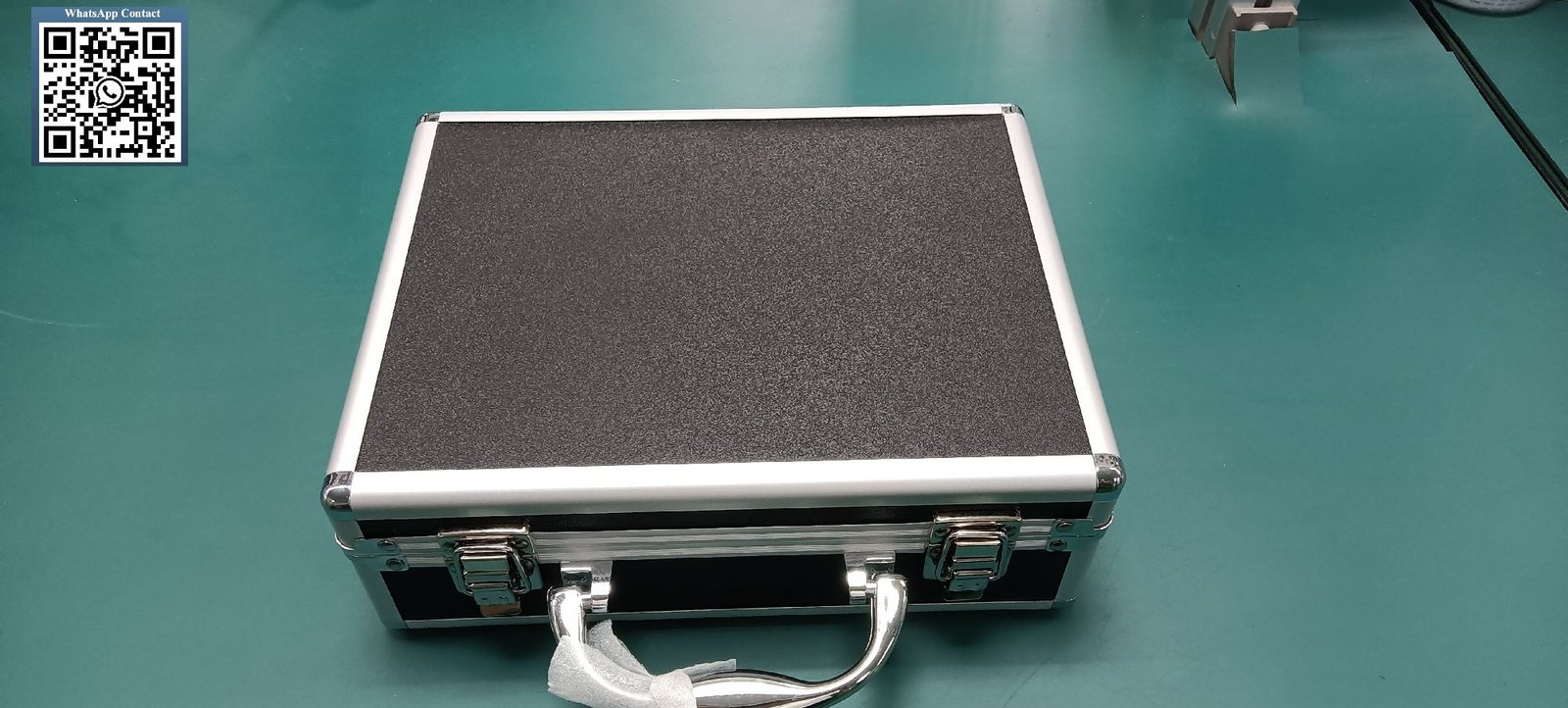
| Leather Carrying Case | 1 piece | Equipment protection and transport |
| USB Cable (1.5M) | 1 piece | Computer connection |
| Lens Protective Cover | 1 piece | Lens protection when not in use |
| Iridology Chart Poster | 1 piece | Reference and client education |
| Instructions & Warranty | 1 piece | Setup guidance and warranty information |
| Software Installation CD | 1 piece | Software setup and drivers |
Partner with MAIKONG – US Distribution Opportunities
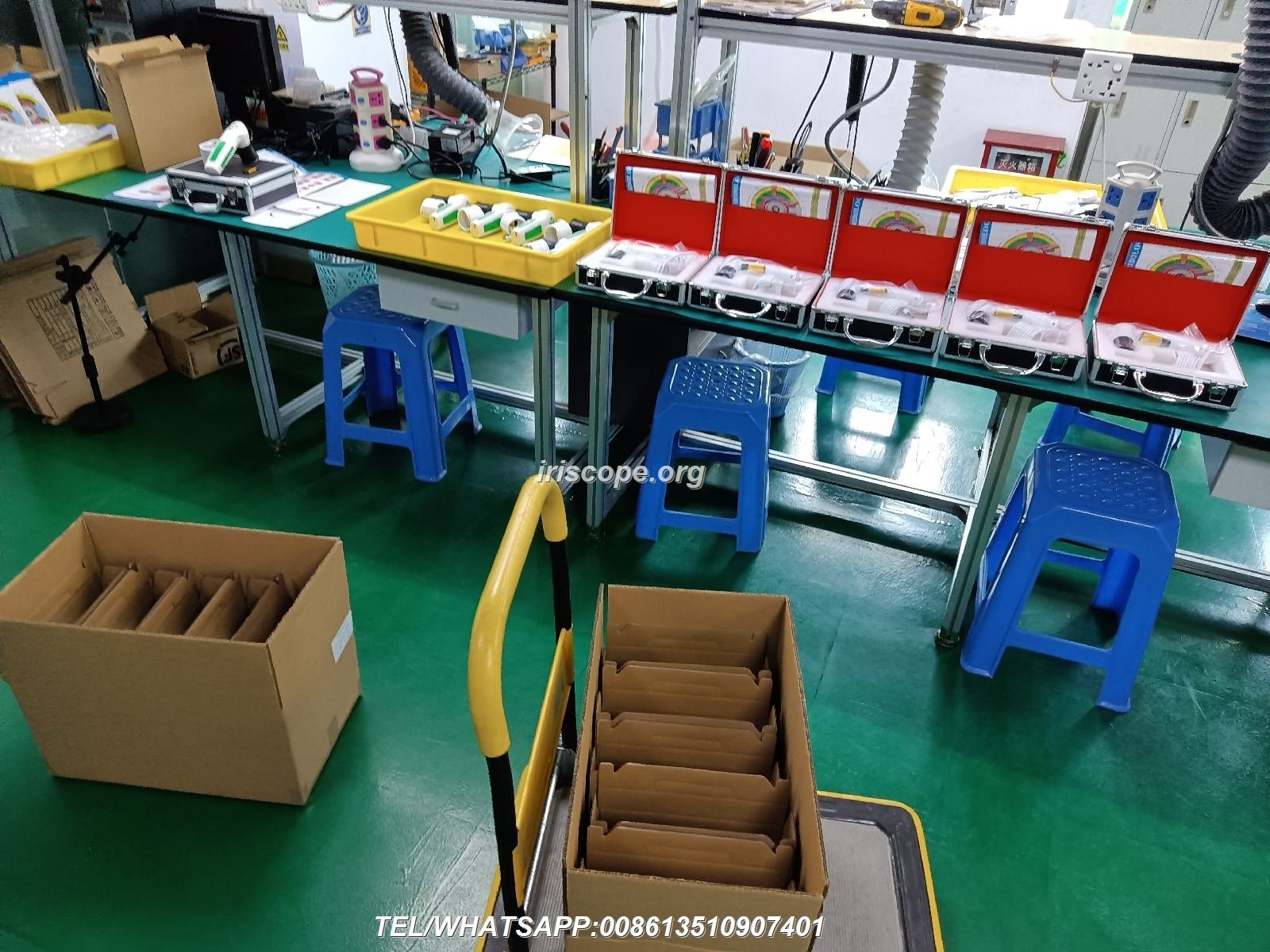
MAIKONG manufactures professional iridology equipment for practitioners, clinics, and distributors worldwide. Based in Shenzhen with US warehouse capabilities, we offer OEM/ODM customization, multi-language software support, and comprehensive technical assistance. We’ve supported over 1,000 partners globally with equipment solutions tailored to their markets.
Our Manufacturing Advantages
- Direct manufacturer pricing and inventory availability
- 20+ years in iridology equipment R&D and production
- CE and ISO9000 certified manufacturing facilities
- Advanced production equipment for high-quality output
Partnership Benefits
- Complete software customization (logo, language, features)
- Hardware customization options (model, appearance, functions)
- Dedicated support team and training resources
- Inventory in China and US warehouses
Whether you’re an established equipment distributor, wellness center purchasing manager, training institution director, or entrepreneur entering the natural health equipment market, MAIKONG provides the manufacturing partnership and product quality you need to serve your market effectively.

Understanding Iridology Parasite Charts: Key Takeaways for Professional Practice

Iridology parasite charts serve as traditional reference tools within holistic health practices. They map iris zones to body systems according to observational theories developed over decades by iridology practitioners. Understanding these charts requires formal training, quality equipment, and clear boundaries regarding their appropriate use.
These charts do not diagnose diseases or identify specific parasites. They provide frameworks for holistic observation and client education. Responsible practitioners maintain transparency about the theoretical nature of iridology and encourage clients to pursue conventional medical care for any health concerns.
Modern technology enhances traditional chart-based practice through high-resolution cameras and sophisticated analysis software. Professional equipment integrates chart libraries with digital imaging capabilities, streamlining workflow and improving client communication. Investment in quality tools reflects commitment to professional standards.
Whether you teach iridology courses, operate a wellness clinic, or distribute health equipment, understanding the proper context and application of iridology parasite charts ensures ethical practice and client safety. The educational value of these charts lies in their ability to facilitate holistic health conversations within appropriate scope of practice boundaries.
As interest in complementary health approaches continues growing, professional standards and ethical practice become increasingly important. Clear communication about what iridology charts can and cannot do protects both practitioners and clients while preserving the value of traditional holistic observation systems.