
Iridology Heart Chart: Your Complete Guide to Understanding Iris Heart Zones
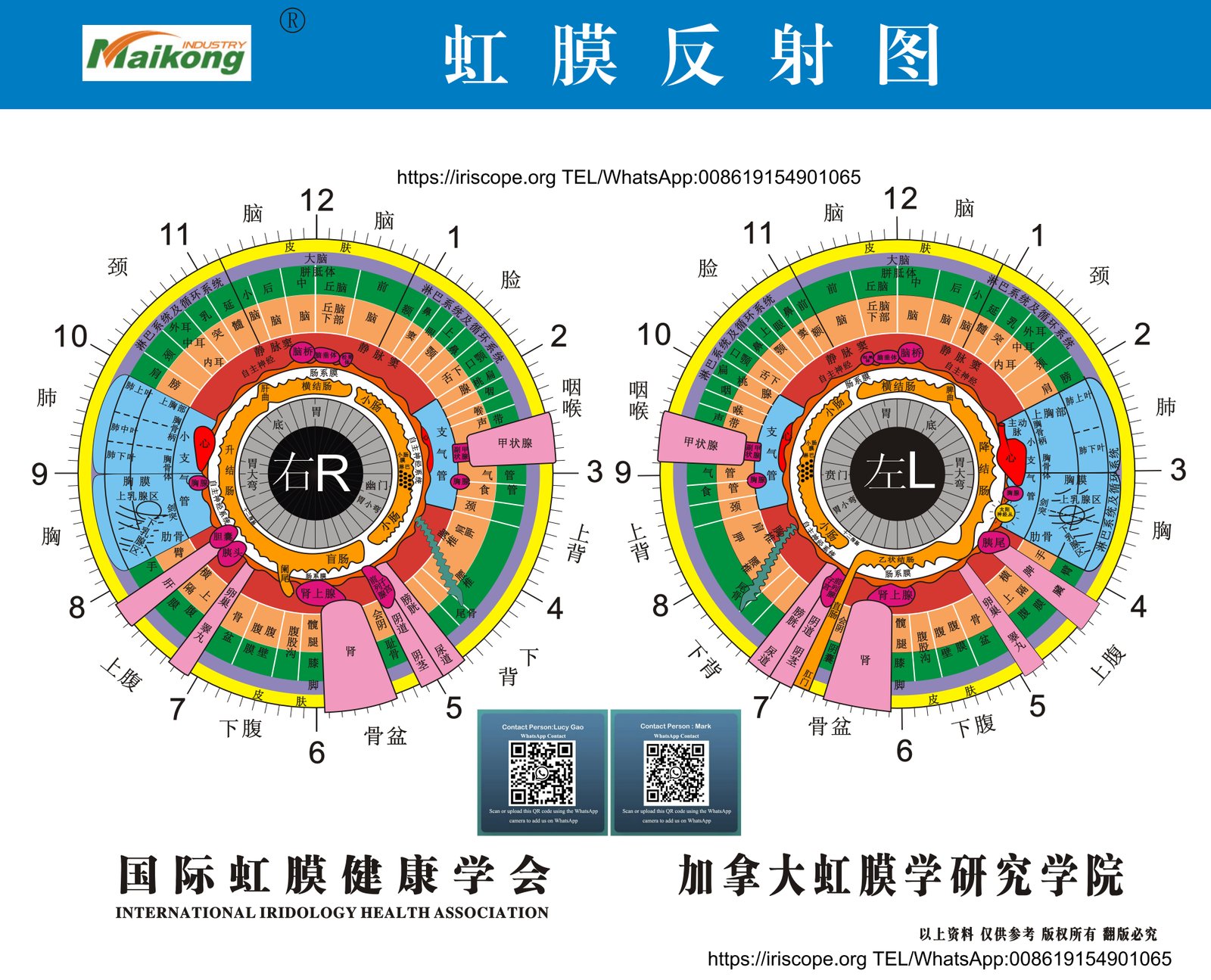
When you search for an iridology heart chart, you’re looking for something specific. You want to understand where the heart zone appears in the iris. You need to know how to read those patterns. You’re seeking reliable reference materials for your practice or study.
I’ve worked with practitioners worldwide who face this same challenge. The heart area in traditional iridology charts appears in different positions depending on which eye you examine. This creates confusion for newcomers and experienced analysts alike.
In this guide, we’ll walk through exactly how heart zones map to the iris. You’ll learn which charts work best for different purposes. We’ll cover how modern iridology cameras and software display these regions. By the end, you’ll have the resources you need to confidently reference cardiac zones during iris observations.
What Is an Iridology Heart Chart and Why It Matters
An iridology heart chart shows where traditional iris analysts locate heart-related zones in the eye. These charts divide the iris into sections. Each section corresponds to different parts of the body according to iridology theory.
The heart zone typically appears at specific clock positions. In the left eye, you’ll find it around 2 to 3 o’clock. The right eye shows it around 9 to 10 o’clock. This bilateral arrangement reflects the body’s symmetry in traditional iris mapping.
Historical Development of Heart Zone Mapping
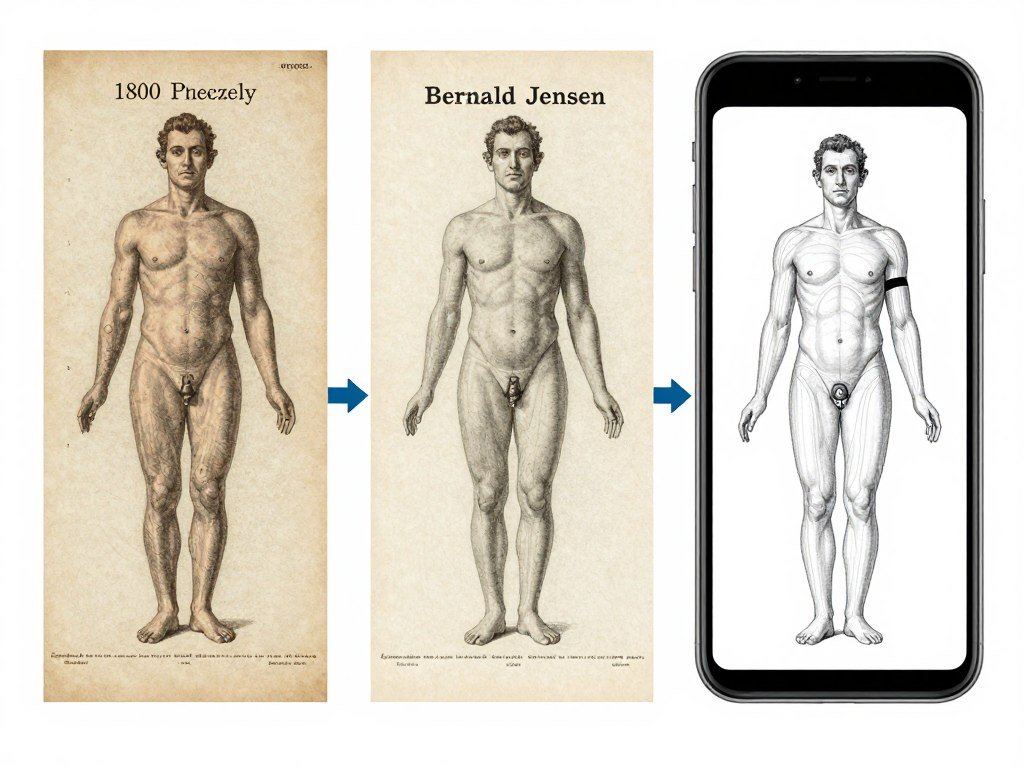
Ignaz von Peczely developed the first iris chart in the 1800s. He noticed changes in a bird’s iris after it broke its leg. This observation led him to create anatomical maps of the iris. His work established the foundation for modern iridology chart systems.
Later practitioners like Bernard Jensen refined these maps. Jensen’s charts became widely recognized in North America. His Bernard Jensen iridology chart remains one of the most referenced versions today. These charts show detailed organ zones including the cardiovascular system.
Different Chart Systems and Heart Positioning
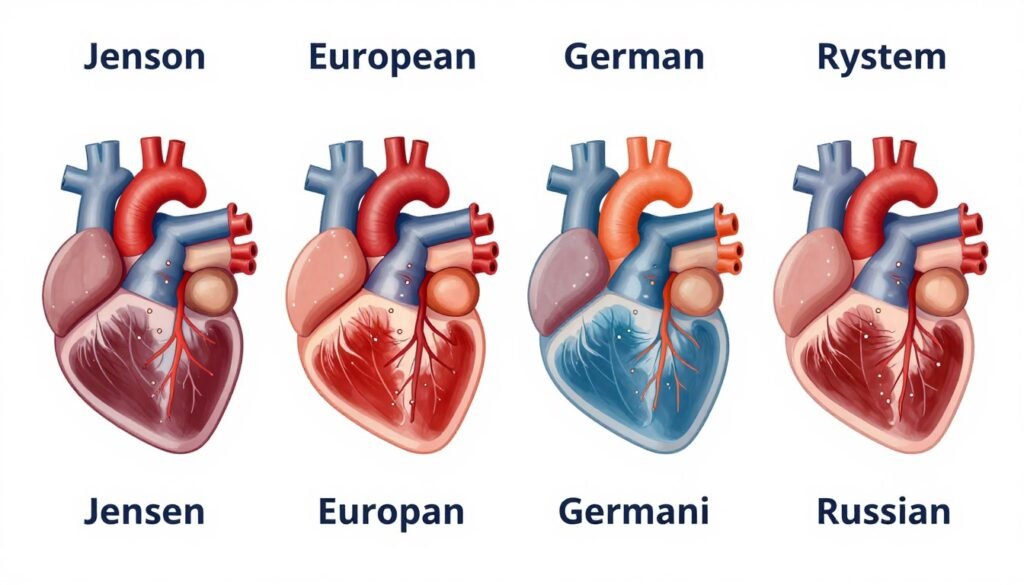
Several chart systems exist in iridology practice. Each positions the heart zone slightly differently. The main systems include:
- Jensen system – places heart at 2-3 o’clock left eye
- European charts – may show variations in zone boundaries
- German school – emphasizes constitutional patterns over strict organ zones
- Russian approach – combines traditional zones with newer research
Most practitioners in the United States follow Jensen’s positioning. This creates consistency when practitioners share observations. When you download or purchase a chart, check which system it follows. This ensures you’re reading zones correctly during analysis sessions.
Understanding the Heart Zone: Left Eye vs Right Eye Differences
The iris presents a mirror image between eyes. This affects how you locate the heart area. Understanding this bilateral relationship prevents confusion during iris observations.
Left Eye Heart Zone Characteristics
In the left eye iridology chart, the heart zone sits in the upper right quadrant. Think of the iris as a clock face. The heart appears between 2 and 3 o’clock positions. This area covers both the pupillary zone and parts of the ciliary zone.
Traditional iridologists observe this region for specific signs. They look for color changes, structural marks, or pattern variations. These observations form part of a broader constitutional assessment. They do not constitute medical diagnosis.
Right Eye Heart Zone Location
The iridology chart right eye shows the heart zone in a mirrored position. You’ll find it between 9 and 10 o’clock. This creates symmetry with the left eye when you view both charts side by side.
Some practitioners examine both eyes during a session. They compare findings between the two sides. This bilateral comparison helps identify patterns. It provides context for the overall iris structure.
Left Eye Zones
- Heart: 2-3 o’clock position
- Lung: 8-9 o’clock and 3-4 o’clock
- Stomach: 6-7 o’clock area
- Kidney: 5-6 o’clock region
Right Eye Zones
- Heart: 9-10 o’clock position
- Lung: 8-9 o’clock and 3-4 o’clock
- Liver: 7-8 o’clock area
- Kidney: 5-6 o’clock region
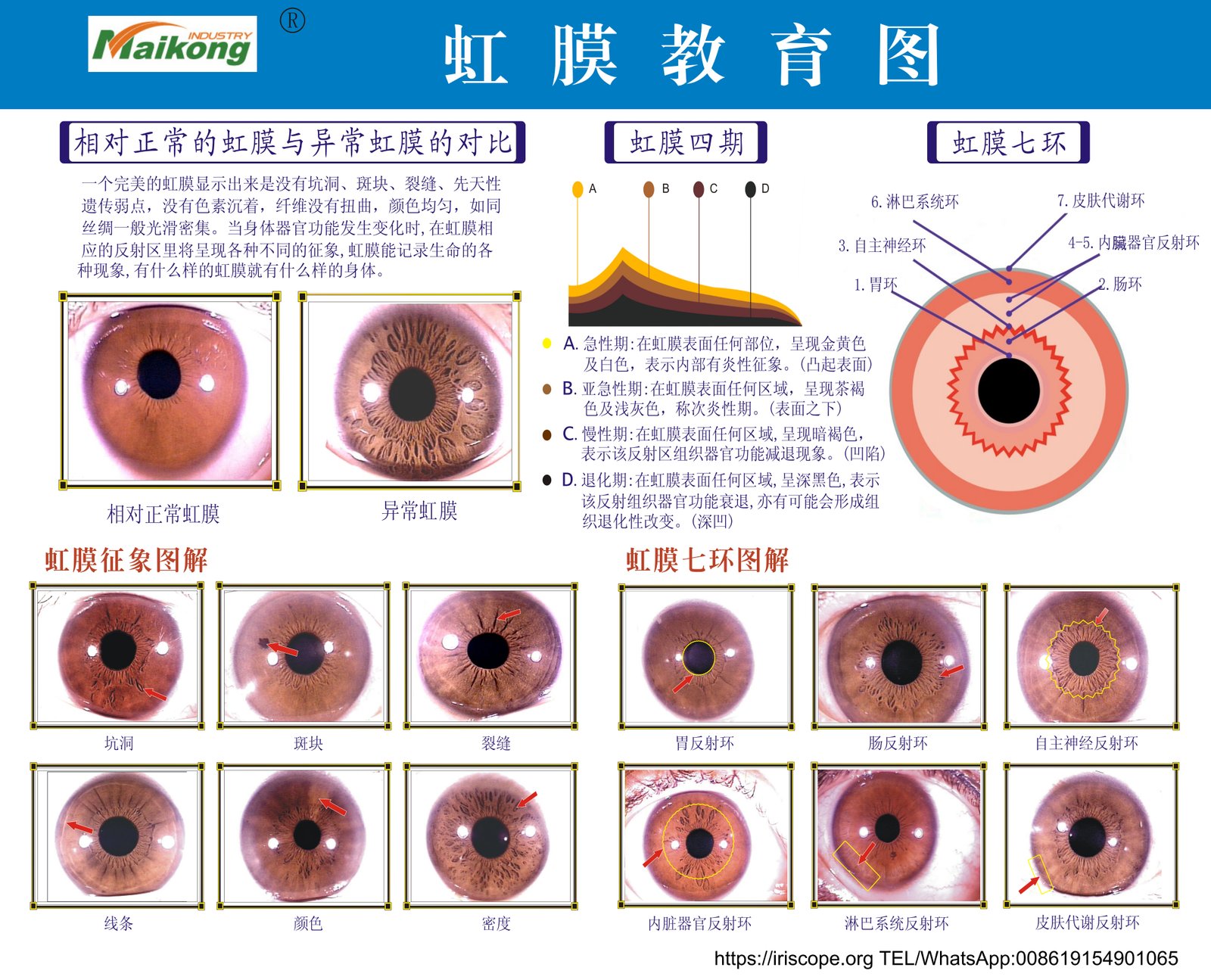
The stability of iris patterns over time remains a subject of study. Research shows that basic iris structure stays relatively constant. However, some practitioners report observing changes in iris signs. These observations have not been validated by scientific research as indicating health problems.
How to Read an Iridology Heart Chart: Step-by-Step Process
Reading an iridology heart chart requires understanding its structure. You need to know how zones divide. You must grasp the relationship between iris regions and body areas in traditional theory.
Chart Divisions and Zones
Most iridology charts divide the iris into concentric rings. The pupillary zone sits closest to the pupil. The ciliary zone extends to the outer edge. Some charts add a third ring called the skin zone.
Radial divisions create pie-shaped sections. These sections represent different body parts. The number of divisions varies by chart system. Jensen charts typically show 12 main sections. Each corresponds to a different anatomical area.
The heart zone crosses both the pupillary and ciliary areas. It occupies a wedge-shaped section. The exact boundaries depend on which chart version you’re using. Always reference your specific chart for precise positioning.
Reading the Chart During Iris Observation
Start by identifying which eye you’re examining. Check if you’re looking at the person’s left or right iris. This determines where you’ll find the heart zone. Position your reference chart accordingly.
Locate the 12 o’clock position at the top of the iris. Count clockwise to find the heart zone. For the left eye, move to 2-3 o’clock. For the right eye, go to 9-10 o’clock. Mark these positions mentally or on your image.
Important Note: Iridology observations represent traditional practice perspectives. They serve educational purposes for those studying iris analysis techniques. These observations do not diagnose disease or replace medical examination. Always consult healthcare providers for health concerns.
Using Charts with Digital Images
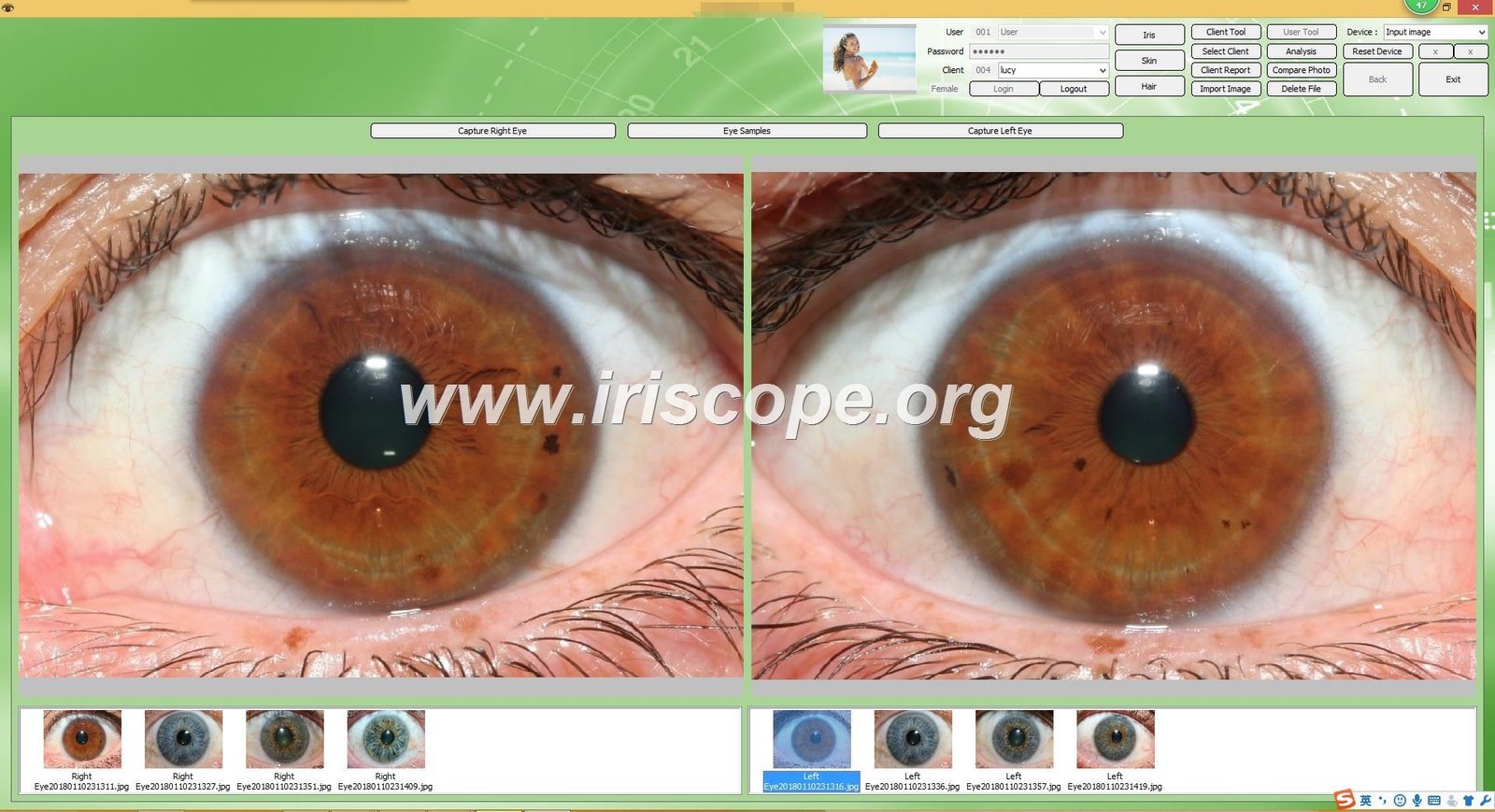
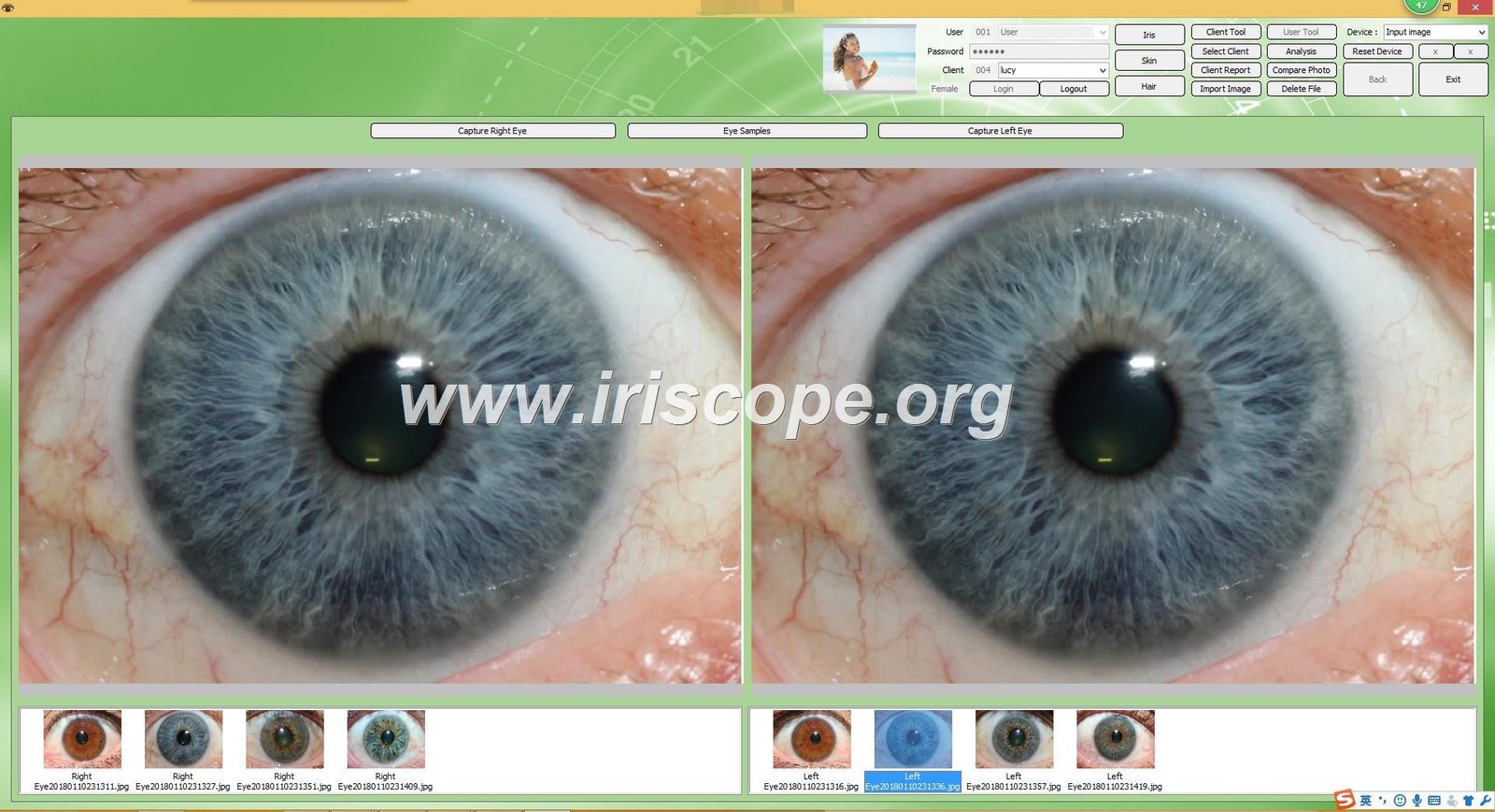
Modern practice often involves digital iris photography. You capture images with an iridology camera. Then you overlay chart templates on the images. This helps identify zones accurately.
Professional iridology software includes built-in chart overlays. Our MAIKONG software provides multiple chart types. You can switch between Jensen, European, and other systems. The software automatically adjusts for left and right eyes.
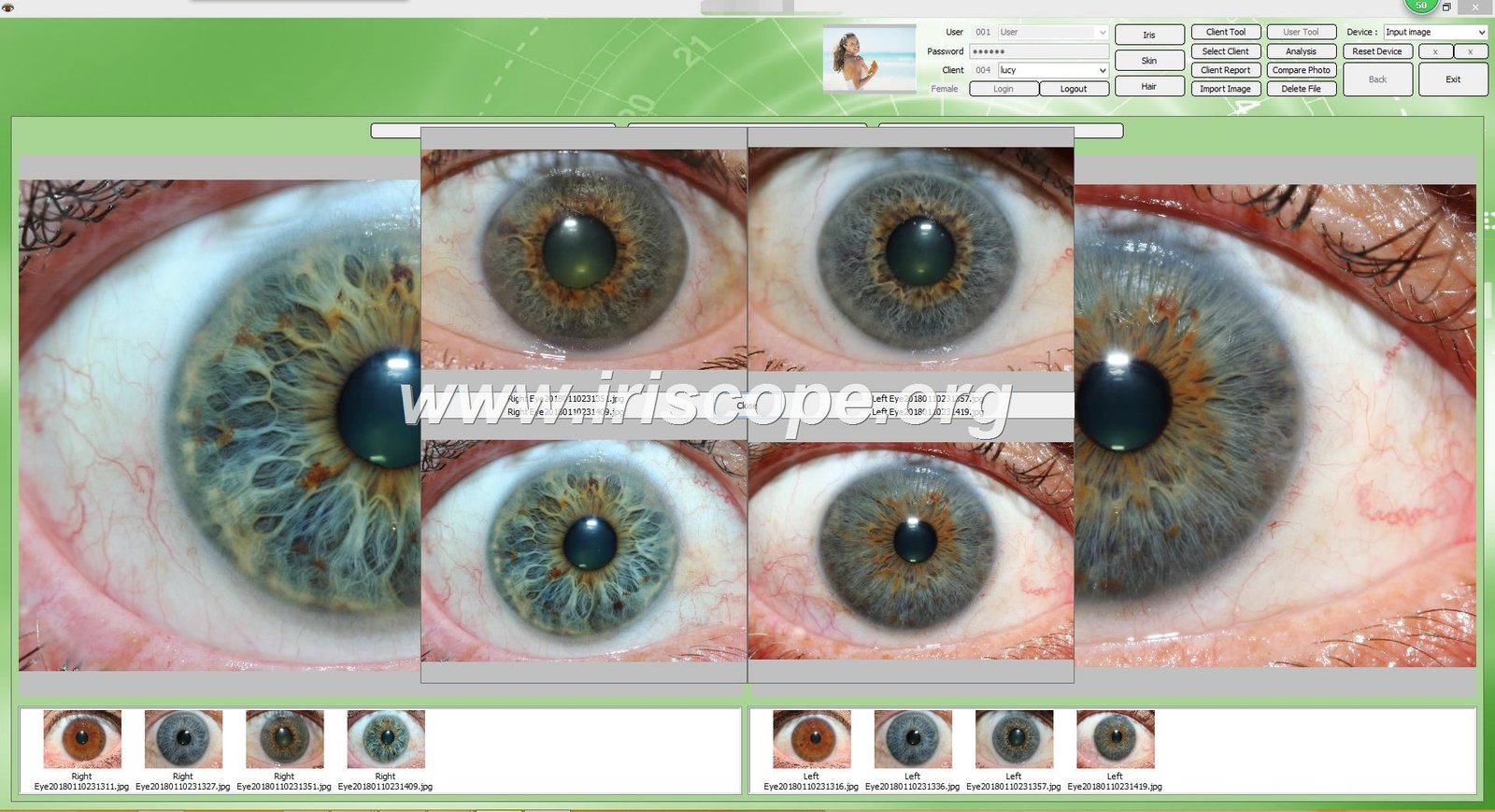
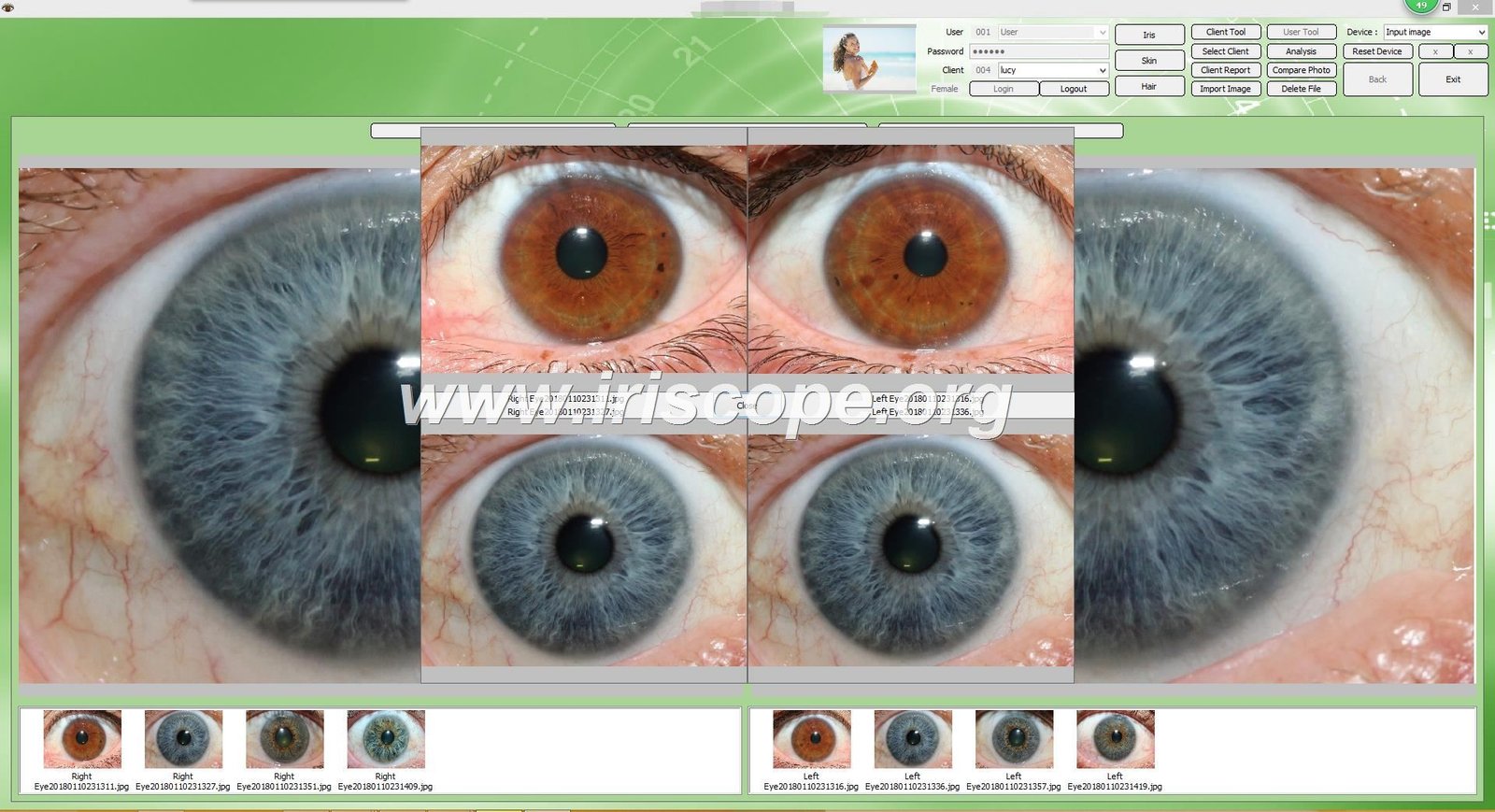
When using digital tools, ensure proper image orientation. The software should correctly identify left versus right eye. This prevents mirror-image errors. Most professional systems handle this automatically after initial setup.
Available Chart Types: Printable, Digital, and Software-Integrated Options
Iridology heart charts come in various formats. Each serves different purposes. Your choice depends on how you plan to use the chart.
Printable Chart Resources
Many practitioners start with printed charts. These provide quick reference during consultations. You can hang them on your office wall. They help explain observations to clients.
A iridology chart printable version offers convenience. You can print multiple copies. Keep one at your workspace. Carry another in your mobile practice kit. The quality depends on your printer and paper choice.
High-resolution PDF charts work best for printing. They maintain clarity at various sizes. Look for files with at least 300 DPI resolution. This ensures text remains readable and zone boundaries stay sharp.
Digital Chart Files
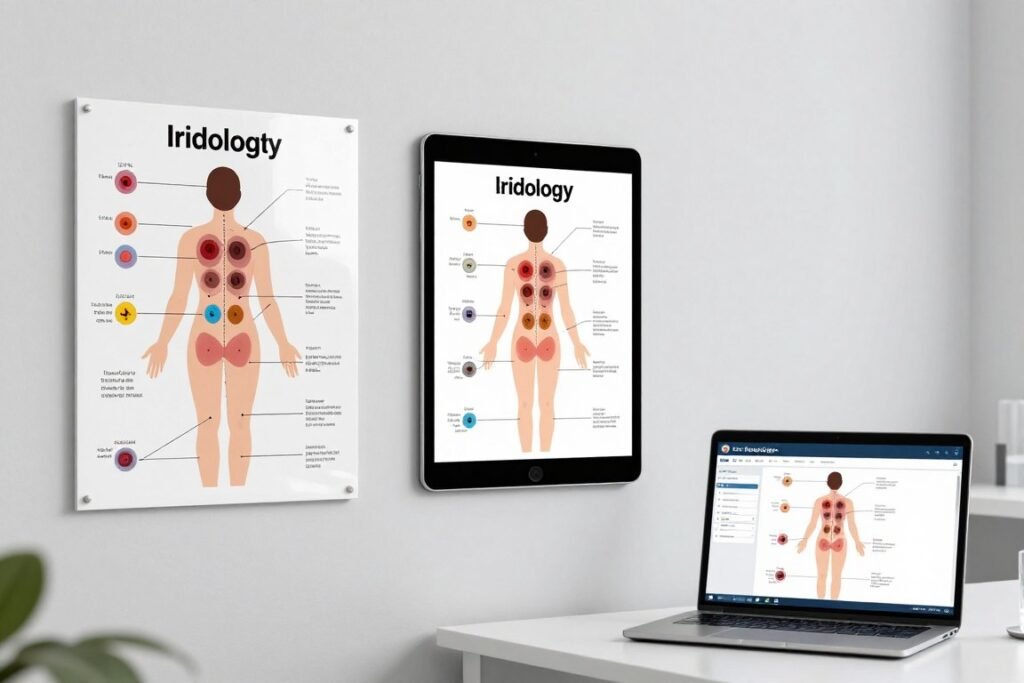
Digital charts offer flexibility. You can view them on tablets during consultations. Email them to students. Include them in educational materials. They don’t wear out or tear like paper versions.
Common digital formats include:
- PDF files for viewing and printing
- JPG images for presentations and documents
- PNG files with transparent backgrounds for overlays
- SVG vector files for scaling without quality loss
Software-Integrated Chart Systems
Professional iridology software includes chart systems as built-in features. These interactive charts offer advantages over static images. You can zoom into specific zones. Switch between chart types instantly. Overlay charts on iris photographs with precision.
Our MAIKONG 2024 software includes comprehensive chart libraries. It supports multiple languages and operating systems. The software works with Windows XP through Windows 11. We’re the first to offer full macOS compatibility for iridology analysis.
Chart Features in Professional Software
- Multiple chart system options (Jensen, European, etc.)
- Automatic left/right eye adjustment
- Adjustable transparency for overlays
- Zone highlighting and labeling tools
- Integrated image capture and analysis
- Client report generation with chart references
MAIKONG Software Chart Systems
- Bernard Jensen traditional charts
- European iridology charts
- Russian school variations
- Customizable zone divisions
- 3D iris texture analysis
- Multi-language chart labels (17 languages)
Software-based charts integrate with your workflow. They connect to your iriscope camera directly. Capture an image and the chart overlay appears automatically. This streamlines your analysis process. It also creates consistent documentation for client records.
Practical Applications: Using Heart Charts in Professional Practice
Iridology heart charts serve multiple purposes in professional settings. They function as educational tools. They help communicate traditional iridology concepts. They assist in documenting observations during iris analysis sessions.
Educational and Training Scenarios
Training institutions use iridology charts extensively. Instructors teach students to locate body zones. They explain the theoretical framework behind zone mapping. Charts provide visual references during classroom instruction.
Students practice identifying zones on sample iris images. They overlay charts to learn spatial relationships. This builds familiarity with iris anatomy and traditional zone locations. Many practitioners keep reference charts throughout their careers.
When explaining iridology to new clients, charts prove invaluable. You can show where different body areas map to the iris. This helps people understand the practice’s theoretical foundation. Visual aids make abstract concepts more concrete.
Consultation and Documentation Uses
During consultations, practitioners reference charts while observing the iris. They note which zones show specific signs or patterns. Charts help maintain consistency in observations across multiple sessions with the same person.
Documentation becomes easier with chart references. You can note: “Observed marking in heart zone at 2:30 position, left eye.” This creates clear records. Other practitioners can understand your observations. Follow-up sessions can reference previous findings accurately.

Integration with Modern Equipment
Contemporary iridology practice combines traditional charts with modern technology. High-resolution cameras capture detailed iris images. Software displays chart overlays on these images. This merger offers the best of both approaches.
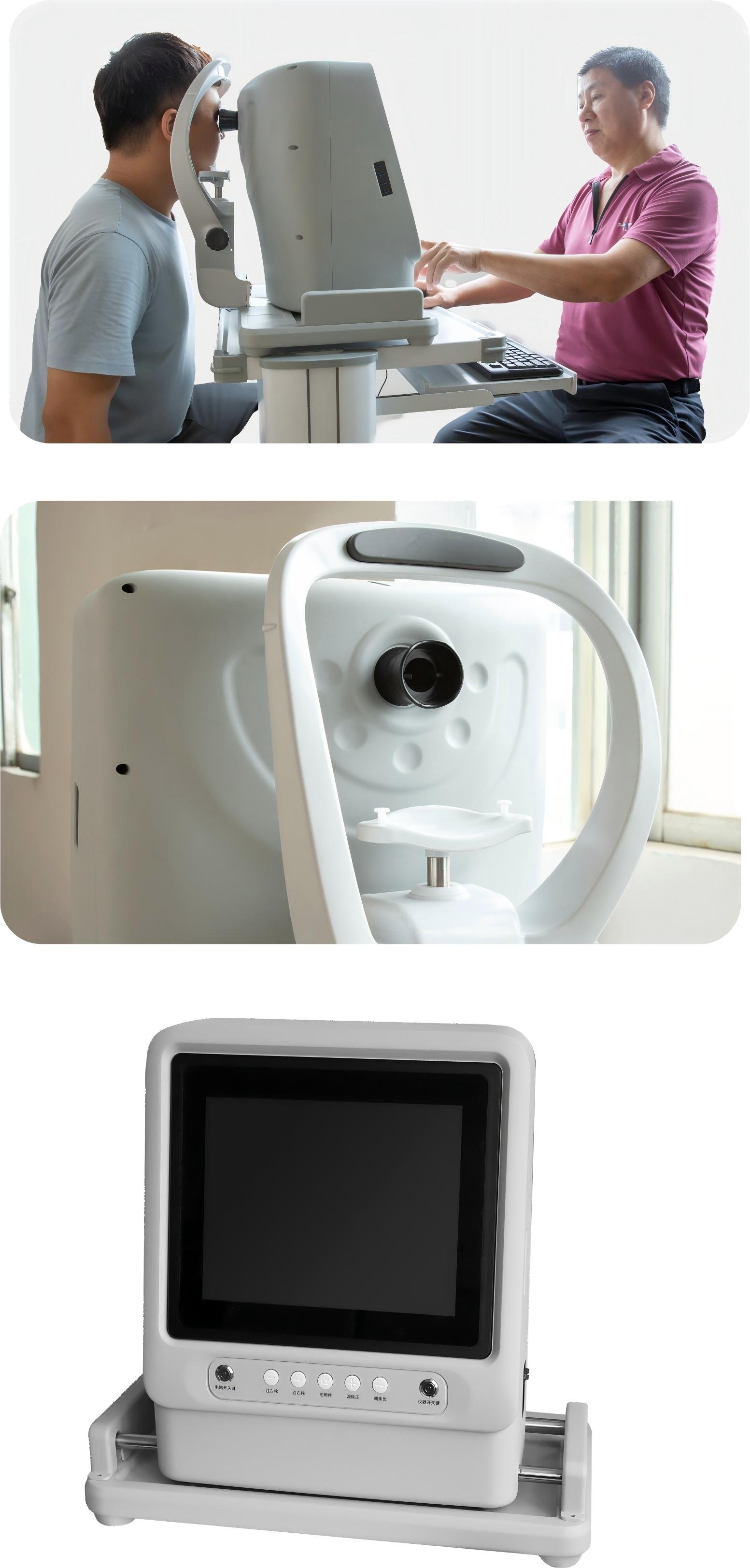
When you use a professional USB iridology camera, the chart becomes a digital tool. The software maps zones precisely to the captured image. You can mark specific areas. Add notes linked to chart zones. Save everything in the client’s digital record.
This integration improves accuracy. Manual chart placement on photographs can introduce errors. Software-based overlays maintain consistent positioning. They account for iris size variations automatically. They adjust for image rotation and alignment issues.
Explore Professional Iridology Systems
Discover how MAIKONG iridology cameras and software integrate traditional charts with modern imaging technology. Our systems include comprehensive chart libraries, support for multiple methodologies, and seamless workflow integration.
Client Communication and Education
Charts help bridge the knowledge gap between practitioners and clients. Most people haven’t seen an iridology chart before their first session. Showing them where body areas map helps set context.
You can use charts to explain what you’re observing. Point to the heart zone on the chart. Then show the corresponding area in their iris image. This visual correlation makes your observations tangible. It helps clients understand the traditional framework you’re working within.
Some practitioners provide simplified charts to clients. These serve as take-home educational materials. They remind people of what was discussed. They can share the information with family members interested in the process.
Common Misconceptions About Iridology Heart Charts
Several misunderstandings surround iridology charts. Clearing these up helps set appropriate expectations. It ensures people understand what charts represent and what they don’t.
Charts Are Not Diagnostic Tools
The most critical point: iridology heart charts do not diagnose disease. They show traditional zone mapping according to iridology theory. Scientific research has not validated the ability to diagnose specific heart conditions by looking at iris patterns.
When you see markings in the heart zone, this doesn’t mean the person has heart disease. Traditional iridology views such signs as constitutional indicators or areas of emphasis. These interpretations remain within the realm of traditional practice, not medical diagnosis.
Anyone experiencing chest pain, shortness of breath, or other concerning symptoms needs medical evaluation. An iris observation session cannot substitute for proper cardiac assessment. Blood tests, EKG, stress tests, and other medical tools provide actual diagnostic information.
Chart Variations Don’t Invalidate the Approach
Different chart systems position zones somewhat differently. This creates confusion for people new to iridology. They wonder which chart is “correct.” The reality: iridology represents a traditional observational practice with multiple schools of thought.
Jensen charts dominate in North America. European practitioners may use different zone divisions. Russian iridologists developed their own systems. Each approach reflects its developers’ observations and theoretical frameworks.
When learning iridology, choose one system to start. Master its zone locations and theoretical basis. Later you can explore other systems. Understanding one approach deeply serves better than superficial knowledge of many variations.
Iris Signs Don’t Change Rapidly
Some people expect to see changes in iris signs after health interventions. Research on iris stability shows that basic structural patterns remain constant over time. The colors, patterns, and many markings you’re born with stay largely the same.
This stability makes sense when you consider iris genetics. Your iris pattern develops before birth. It serves as one of your unique identifiers. Biometric technology uses iris patterns for identification because they don’t change.
Traditional iridologists may report observing subtle changes in specific signs. These observations have not been scientifically validated. The research literature on iris stability contradicts claims of rapid iris changes corresponding to health status alterations.
Selecting the Right Iridology Heart Chart for Your Needs
Choosing an appropriate chart depends on several factors. Your practice style matters. Your training background influences the choice. The tools you use affect which format works best.
For Students and New Practitioners
If you’re learning iridology, start with the chart system your instructor teaches. This creates consistency between your training and reference materials. It prevents confusion during the learning process.
Bernard Jensen charts work well for North American students. They’re widely available. Many resources reference Jensen’s system. This makes finding supplementary materials easier. The iridology chart how to read guides typically assume Jensen’s zone layout.
Invest in both a printed chart and digital versions. The printed chart helps during initial memorization. You can mark it up. Add notes. Hang it where you study. Digital versions travel easily. Take them to classes on your tablet. Reference them during practice sessions.
For Established Practitioners
Experienced practitioners often need multiple chart formats. You might consult a printed chart quickly during a session. Then use software-based charts for documentation. Having both options increases workflow efficiency.
Consider software-integrated charts if you use digital iris photography. The integration saves time. It improves documentation accuracy. It creates professional-looking client reports. Modern clients appreciate seeing their iris images with clear zone overlays.
If you practice multiple iridology systems, choose software that includes various chart types. Our MAIKONG software provides Jensen, European, and other chart options. You can switch between systems instantly. Compare observations across different zone mapping approaches.
For Clinics and Training Centers
Educational facilities need durable, high-quality printed charts. Students will reference these frequently. Invest in professionally printed versions on quality materials. Laminated charts withstand heavy use better than paper prints.
Large wall charts work well in classrooms. They’re visible from anywhere in the room. During lectures, instructors can point to specific zones. Everyone sees clearly. Supplement these with digital versions for projection during presentations.
Clinics serving clients need clean, professional-looking charts. These materials represent your practice. Quality charts suggest attention to detail. They contribute to a professional atmosphere. Replace worn or faded charts promptly.
Equipment Compatibility Considerations
If you plan to purchase or already own iridology equipment, ensure chart compatibility. Some camera systems include proprietary software with built-in charts. Others work with third-party software offering different chart options.
Our MAIKONG cameras integrate seamlessly with our software’s comprehensive chart library. You get multiple chart systems in one package. The software updates regularly. New chart variations become available to existing users. This future-proofs your investment.
| Chart Format | Best For | Advantages | Limitations |
| Printed/Laminated | Training, quick reference | No technology needed, always available | Can’t overlay on images, wears out |
| PDF Digital Files | Student materials, presentations | Easy distribution, high quality printing | Static, requires separate software for overlays |
| Software-Integrated | Professional practice, documentation | Precise overlays, multiple systems, workflow integration | Requires compatible equipment, initial learning curve |
| Mobile App Charts | On-the-go reference, mobile practice | Always accessible, portable | Small screen, limited features |
Professional Equipment Solutions: MAIKONG Iridology Systems
At MAIKONG, we manufacture professional iridology equipment for practitioners worldwide. Based in Shenzhen, Guangdong, we’ve served the iridology community for over 20 years. Our systems integrate advanced imaging technology with comprehensive chart resources.
Complete System Integration
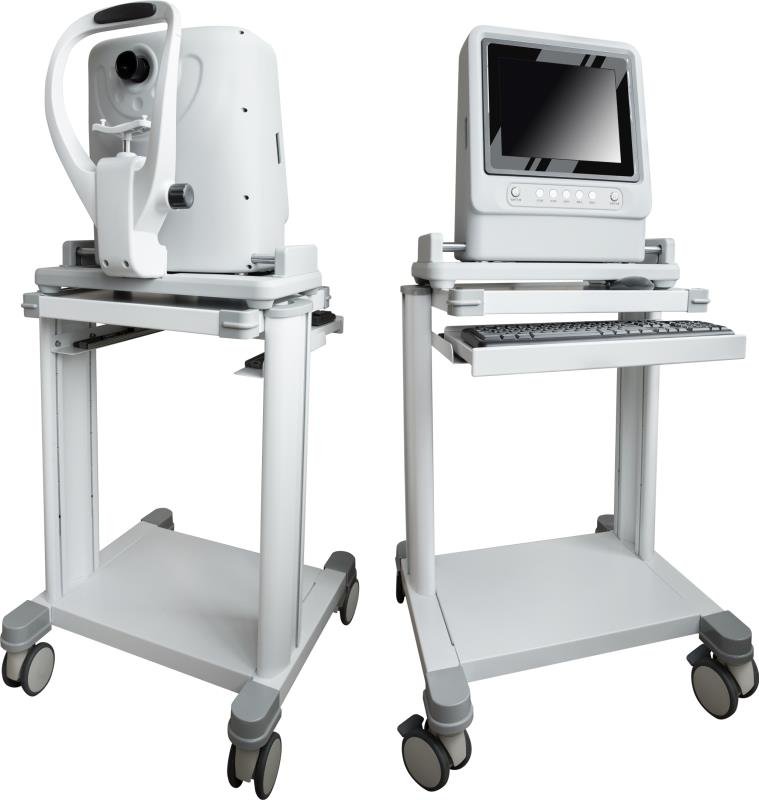
Our iridology cameras work seamlessly with our software. The MK-9822 model captures 12-megapixel images. LED illumination provides consistent lighting. The adjustable focus delivers sharp, clear iris photographs.
The MAIKONG 2024 software includes multiple iridology chart systems. You can overlay Jensen charts, European charts, or other variations. The software automatically adjusts for left and right eyes. This prevents common orientation errors.
We support both Windows and macOS operating systems. Our software runs on Windows XP through Windows 11, both 32-bit and 64-bit versions. We’re the first iridology software to offer full macOS compatibility, supporting versions from Mojave through Sequoia.
| Feature | Specification |
| Camera Model | MK-9822 USB Iriscope |
| Image Resolution | 12.0 Megapixels |
| Sensor Type | High-resolution CCD sensor with DSP processor |
| Illumination | LED ring illuminator around lens |
| Lens | Imported lens with plated layer, 30X iris lens included |
| Focus | Adjustable manual focus for precise imaging |
| Software Version | MAIKONG 2024 (latest) |
| Language Support | 17 languages including English, Spanish, French, German, Chinese, Japanese, Korean, Russian, Italian, Portuguese, and more |
| Operating Systems | Windows 2000/XP/Vista/7/8/10/11 (32 & 64-bit); macOS 10.14-15 |
| Chart Systems | Multiple including Jensen, European, customizable zones |
| Analysis Features | AI-based automatic analysis, 3D texture visualization, comparative reports |
| Client Management | Comprehensive database with backup/restore functionality |
| Certification | CE certified, ISO9000 compliant manufacturing |
| Warranty | 13 months from purchase date |
Customization Options for Distributors
We offer extensive OEM and ODM services. Your brand can appear on our equipment. We customize hardware appearance, colors, and features. Software customization includes logo integration, language additions, and feature modifications.
Our experience serving over 1,000 OEM/ODM clients worldwide makes us a reliable partner. We understand distributor needs. We’ve worked with major direct sales companies including Amway, Natura, Herbalife, Nu Skin, and USANA. We support nutrition consultants, naturopathic clinics, and wellness centers across multiple countries.
| Customization Type | Available Options |
| Hardware OEM | Model designation, exterior mold design, color schemes, functional modifications |
| Software ODM | Logo customization, language additions, feature customization, product integration (add your own products/images/instructions to software) |
| Documentation | Branded user manuals, training videos in your language, marketing materials |
| Support | Local language technical support, dealer training programs, marketing assistance |
Inventory and Shipping
We maintain inventory in China and the United States. Our US warehouse enables faster shipping to North American customers. This reduces wait times. It simplifies returns or warranty service if needed.
Our manufacturing facility in Shenzhen follows ISO9000 quality management processes. Every unit undergoes quality control checks before shipment. We hold CE certification for our products. This demonstrates compliance with international safety and quality standards.
Frequently Asked Questions About Iridology Heart Charts
Where exactly is the heart zone located on an iridology chart?
The heart zone location depends on which eye you’re examining. In the left eye, you’ll find it positioned between 2 and 3 o’clock when viewing the iris as a clock face. In the right eye, it appears in the mirror position at 9 to 10 o’clock. These positions reflect traditional iridology zone mapping as developed by practitioners like Ignaz von Peczely and Bernard Jensen. The heart zone typically extends from the pupillary border outward into the ciliary zone, creating a wedge-shaped section.
Can an iridology heart chart diagnose heart disease or problems?
No, iridology heart charts cannot diagnose heart disease or any medical condition. These charts represent traditional zone mapping used in iridology practice for educational and observational purposes. Scientific research has not validated iridology as a diagnostic method for heart conditions or other diseases. If you have concerns about heart health—such as chest pain, shortness of breath, irregular heartbeat, or high blood pressure—you need proper medical evaluation. Cardiologists use evidence-based tools like EKG, echocardiograms, stress tests, and blood work to diagnose heart problems. Iridology observations serve only as part of traditional holistic practice, not medical diagnosis.
What’s the difference between Bernard Jensen and European iridology heart charts?
Bernard Jensen charts and European charts position zones somewhat differently and emphasize different aspects of iris analysis. Jensen’s system, popular in North America, places the heart zone at specific clock positions and divides the iris into approximately 12 main sections with detailed organ mapping. European charts, particularly those from German practitioners, may show variations in zone boundaries and often emphasize constitutional types and patterns over strict organ localization. Some European approaches focus more on iris structure and changes rather than fixed organ zones. Both systems have their followers and neither has been scientifically validated as superior. Most US practitioners train with Jensen charts, making them the standard reference in North America.
Can I use a printable iridology chart effectively, or do I need software?
Both printable charts and software serve valuable purposes, and your choice depends on your practice needs. Printable iridology charts work well for quick reference, wall displays in clinics, and educational purposes. They require no technology and remain available even during power outages. However, software-integrated charts offer significant advantages for professional practice: precise overlay on digital iris images, automatic left/right eye adjustment, ability to switch between chart systems instantly, integration with client management databases, and professional report generation. Many practitioners use both—printed charts for general reference and software for detailed analysis and documentation. If you capture digital iris images, software integration greatly improves workflow efficiency and documentation accuracy.
How do I know which iridology chart system to learn and use?
The best approach is to start with the chart system taught in your training program. If you’re learning iridology in North America, you’ll most likely encounter Bernard Jensen’s charts, which have become the standard in the US. If you’re training in Europe, you might learn different systems depending on your country and instructor. Rather than trying to learn multiple systems simultaneously, master one approach thoroughly first. Understand its zone divisions, theoretical framework, and application methods. Once you’re confident with one system, you can explore alternatives if desired. Professional iridology software like MAIKONG’s includes multiple chart systems, allowing you to compare approaches and choose what works best for your practice style. Consistency matters more than which specific system you choose—using the same reference approach creates reliable documentation over time.
Do iris patterns in the heart zone change when someone develops heart problems?
Scientific research on iris stability indicates that basic iris patterns remain constant throughout life. Your iris structure, including colors, crypts, furrows, and many other features, develop before birth and serve as stable identifiers—which is why biometric technology uses iris patterns for identification. Some traditional iridology practitioners report observing changes in specific iris signs, but these observations have not been scientifically validated as correlating with health status changes. The claim that iris signs change in response to disease or health improvements contradicts research showing iris pattern stability. Anyone concerned about heart health should rely on evidence-based medical diagnostics, not iris observations. Traditional iridology represents one observational approach used by some holistic practitioners, but it does not substitute for proper medical care.
What equipment do I need to use iridology heart charts effectively in practice?
For basic chart reference, you only need a printed or digital chart image. However, for professional iris analysis practice, you’ll need additional equipment: a quality iridology camera to capture clear, high-resolution iris images; appropriate lighting to properly illuminate the iris without causing discomfort; software to display, analyze, and archive iris photographs with chart overlays; and a computer that meets the software’s system requirements. Professional systems like MAIKONG’s integrate all these components—the MK-9822 camera captures 12-megapixel images with built-in LED illumination, connects via USB, and works with comprehensive software that includes multiple chart systems, client management, and reporting features. The software runs on both Windows and macOS systems. For practitioners just starting, begin with basic equipment and upgrade as your practice grows. Established practitioners benefit from complete integrated systems that improve workflow and documentation quality.
Partner With MAIKONG: Distributor and Agent Opportunities in the US
We’re actively seeking qualified distributors and agents throughout the United States. Our partnership program offers substantial benefits for businesses and practitioners in the wellness industry.
Why Partner With MAIKONG?
As a direct manufacturer, we eliminate middleman markups. Your wholesale pricing creates healthy profit margins. Our 20+ years of manufacturing experience ensures product reliability. We’ve refined our designs based on feedback from thousands of practitioners worldwide.
Our comprehensive support sets us apart. We provide technical training for your team. Marketing materials help you promote products effectively. Multi-language software expands your potential customer base. We customize solutions for your specific market needs.
Benefits for US Distributors
- Direct manufacturer pricing with healthy margins
- US warehouse inventory for fast fulfillment
- No minimum order quantities for initial orders
- Exclusive territory options available
- Full technical support and training
- Marketing materials and dealer support tools
- OEM/ODM customization for your brand
Ideal Partner Profile
- Established wellness or medical equipment distributors
- Natural health product retailers and wholesalers
- Iridology or natural health training institutions
- Multi-level marketing companies in health sector
- Spa and wellness equipment suppliers
- Individual practitioners interested in group purchasing
- E-commerce businesses in health equipment niche

Our Track Record
We’ve successfully partnered with over 1,000 businesses worldwide. Our clients include major direct sales organizations like Amway, Herbalife, and Nu Skin. We serve independent wellness clinics, naturopathic doctors, nutrition consultants, and training schools across five continents.
Our products reach customers in more than 50 countries. This global presence demonstrates product quality and support reliability. We’ve helped partners establish profitable iridology equipment businesses in their local markets.
Customization Capabilities
Your brand matters. We offer extensive customization to help you build brand recognition. Hardware can carry your logo and company name. We modify exterior colors to match your brand identity. Custom packaging reinforces your professional image.
Software customization runs deeper. We integrate your logo throughout the interface. We add your preferred language if not already included. We can incorporate your product catalog into the software’s recommendation system. Your clients see your products suggested based on iris observations.
This level of customization helps you differentiate in competitive markets. Your customers see a complete branded solution, not generic equipment. This builds brand loyalty and repeat business.
Become a MAIKONG Distributor in the United States
Join our growing network of successful partners. We offer competitive wholesale pricing, comprehensive training, technical support, and marketing assistance. Whether you’re an established distributor or building a new business, we provide the tools and support you need to succeed in the iridology equipment market.
Contact Information:
WhatsApp: +86-135-1090-7401
Website: myiridology.us
Getting Started
Beginning a partnership is straightforward. Contact us through email or WhatsApp. We’ll discuss your market, customer base, and business goals. We’ll explain pricing structures and support programs. You’ll receive product samples and documentation.
We don’t require massive initial orders. Start small to test your market. Grow at a pace that makes sense for your business. Our US warehouse enables quick restocking as your sales increase.
Training happens remotely or in person, depending on your preference. We walk you through product features, software operation, and customer support procedures. You’ll feel confident representing MAIKONG products to your customers.
Moving Forward With Iridology Heart Charts
Understanding iridology heart charts opens doors to traditional iris analysis practice. You now know where to find heart zones in left and right eyes. You understand different chart systems and formats. You can choose appropriate charts for your specific needs.
Remember that these charts serve educational and traditional practice purposes. They provide frameworks for iris observation within the iridology discipline. They don’t diagnose medical conditions. They complement holistic practice approaches when used appropriately.
Whether you’re a student beginning your iridology education or an established practitioner upgrading your tools, quality charts matter. Invest in clear, accurate reference materials. Consider how charts integrate with your equipment and workflow. Choose systems that match your training and practice philosophy.
Modern technology enhances traditional chart usage. Digital photography combined with software overlays improves documentation. It creates professional client presentations. It streamlines your practice operations while maintaining the essence of traditional iris observation.
As you continue your journey in iridology, keep learning. Attend trainings. Study with experienced practitioners. Stay current with developments in iris analysis equipment and techniques. Build relationships with reputable equipment suppliers who support your professional growth.
The field of iridology continues to evolve. New practitioners bring fresh perspectives. Technology creates new possibilities for iris imaging and analysis. Quality equipment manufacturers like MAIKONG advance the tools available to practitioners worldwide.
Your success in iridology practice depends on multiple factors. Knowledge forms the foundation. Quality tools enable precise observations. Professional conduct builds client trust. Appropriate expectations—both yours and your clients’—create satisfaction with the traditional iris analysis process.
We wish you success in your iridology practice or studies. May your iris observations provide valuable insights within the traditional framework. May your clients appreciate the holistic approach you offer. And may you find the right tools and resources to support your professional goals.
Questions about iridology charts or equipment?