
Iridology Camera in India: How to Choose the Right Course and Training Path
Selecting a professional educational course centered on an iridology camera in india requires balancing classical chart evaluation with modern digital capture techniques. A solid curriculum teaches tissue topography, pupillary zone dynamics, optical focus stability, and disciplined client recordkeeping. Proper instruction prepares students to examine ocular structures for traditional constitutional wellness assessment without confusing educational observation with medical diagnosis.
The right training pathway depends on whether study objectives prioritize personal wellness literacy, clinical integration in a holistic practice, or institutional credentialing. Educational decisions should weigh digital camera sensor clarity, operating system compatibility, structured case mentorship, and transparent syllabus design over vague promises of automated analysis.
Essential Curriculum Modules in Camera-Based Iris Training
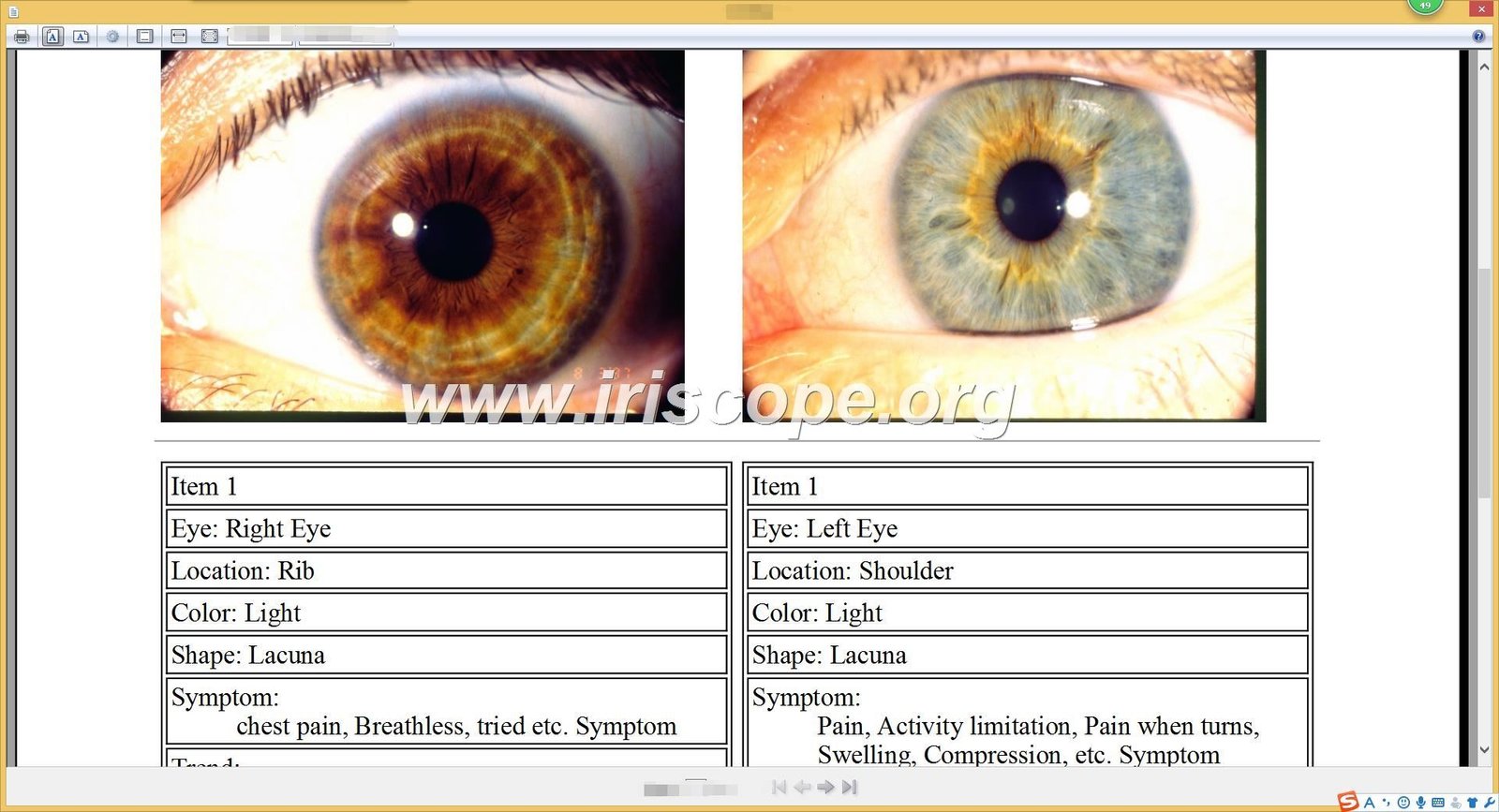
Comprehensive training programs combine historical observation frameworks with digital sensor literacy. Novice analysts learn to read fiber arrangements, color pigmentation layers, and autonomic nerve wreaths alongside practical hands-on capture protocols. Working with classical references such as the Bernard Jensen iridology chart and the comprehensive iridology chart establishes an anatomical baseline for every subsequent photographic assessment.
Structured training divides study into distinct theoretical and physical modules to build systematic assessment habits. Students master optical illumination, avoiding reflection artifacts caused by ambient ceiling bulbs or improper hand angles. Advanced classes integrate digital documentation workflows, showing students how to catalog serial photographs across extended consultation timelines.
Foundational Theory Modules
- Constitutional iris classification systems
- Pupillary zone and ciliary zone mapping
- Collarette structure and autonomic wreath assessment
- Pigment density, lacuna types, and contraction furrows
Digital Technical Modules
- Macro lens alignment and focal distance calibration
- Balanced side-lighting to reveal surface relief
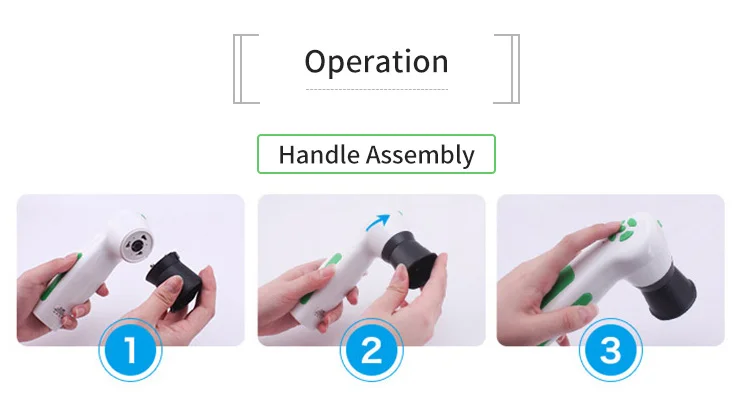
- Client head positioning and eyelid stabilization
- Digital archiving, client files, and follow-up records
Courses focusing on an iridology camera in india teach students how to produce clean iris files that accurately reflect the eye’s physical fibers. Understanding exposure controls and white balance prevents artificial discoloration of the iris stroma. These technical proficiencies allow practitioners to generate consistent visual records that support reliable longitudinal study.
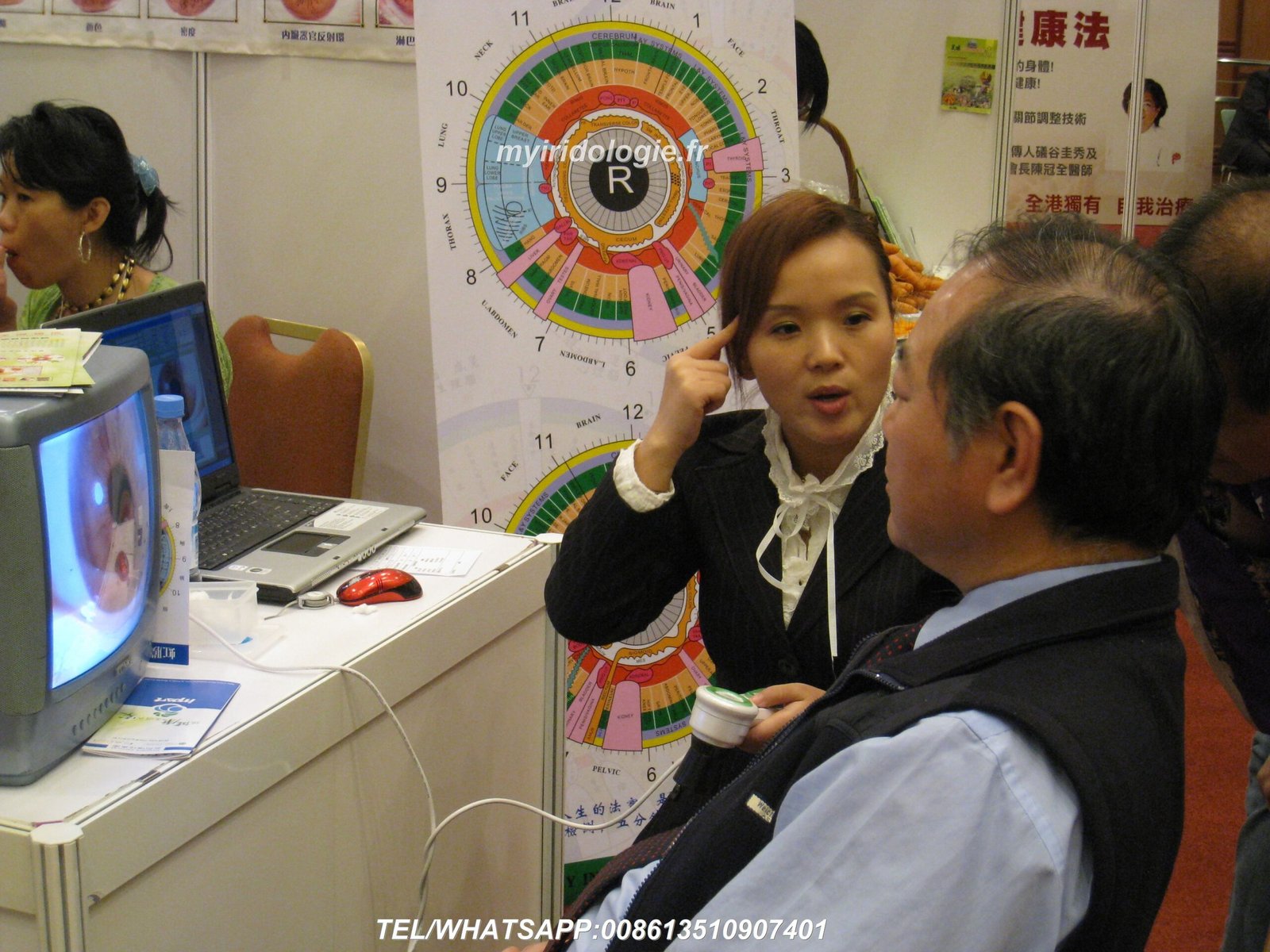
Structured digital iris training emphasizes reproducible image capture alongside classical topographical chart analysis.
Online Versus In-Person Course Structures for Iris Study
Selecting between distant online lectures and physical laboratory classrooms involves assessing personal technical aptitude and practical clinical ambitions. Web-based programs offer recorded lectures, downloadable slide decks, and digital case submissions that suit busy independent professionals. Conversely, hands-on seminars deliver immediate instructor feedback regarding patient chin rest adjustment, lens stabilization, and digital illumination angles.
Distance learners typically utilize modern iridology photo equipment or a compact portable iridology camera to submit practical homework assignments over web portals. Evaluating iris fibers requires tactile practice with camera balance and lighting controls that can feel challenging through video demonstrations alone. Hybrid models bridge this gap by pairing home digital study modules with weekend intensive workshops.
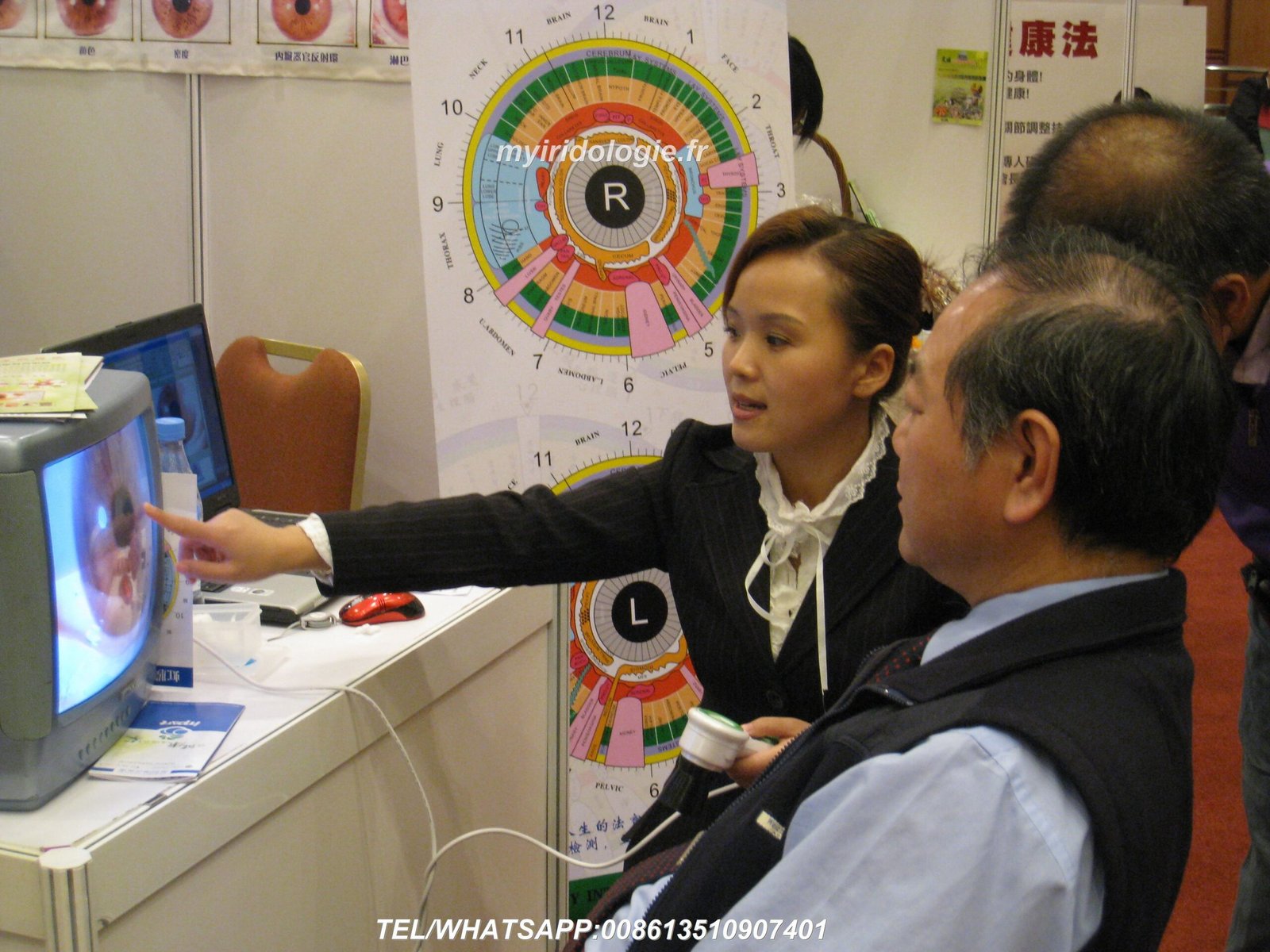
Virtual Distance Study
Self-paced virtual study provides flexible scheduling, digital chart archives, and remote faculty reviews of student photographic portfolios. Learners submit captured images online for technical critiques on lighting, focus sharpness, and anatomical identification.
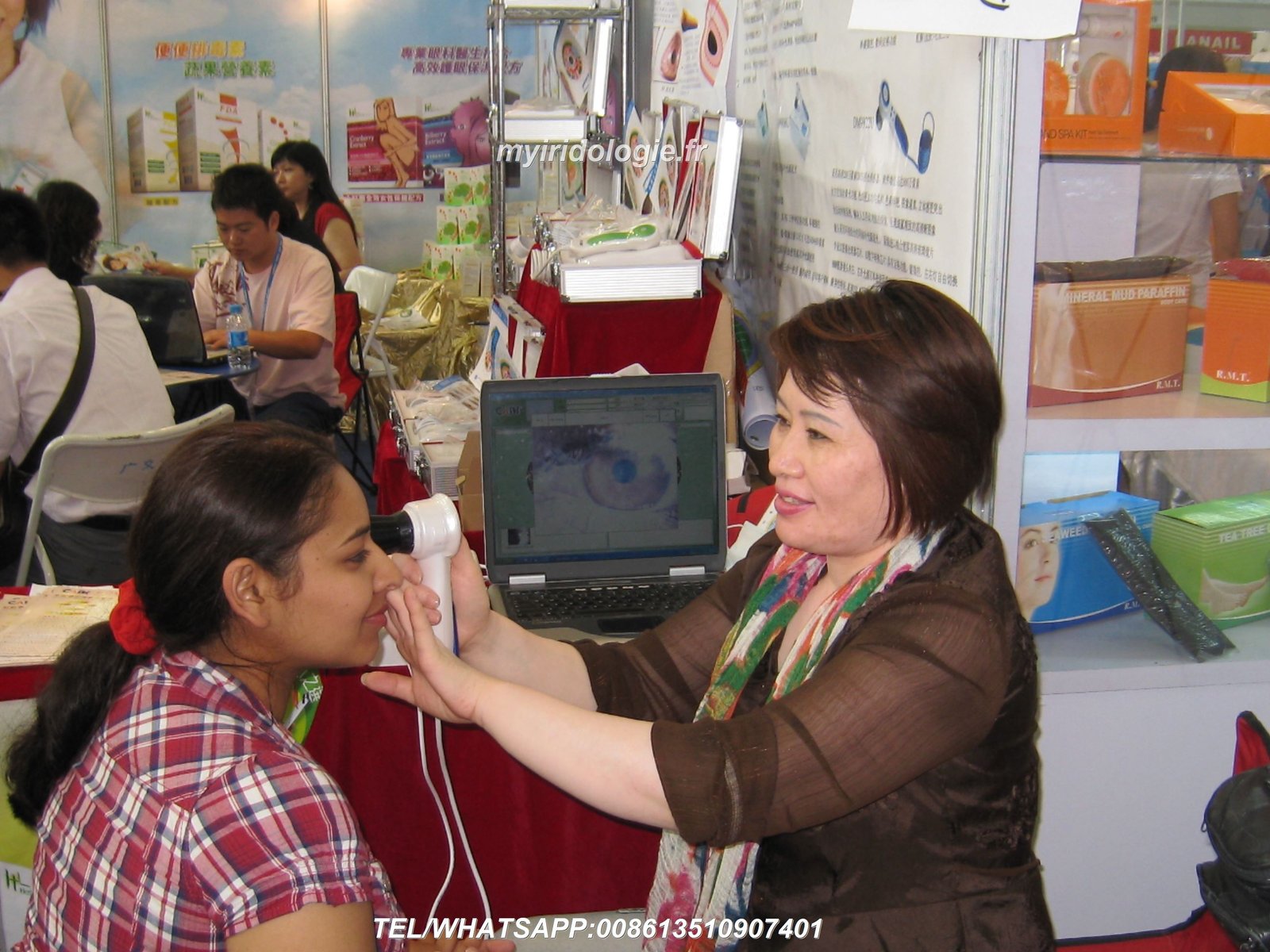
Hands-On Clinical Seminars
In-person sessions emphasize live practitioner mechanics, real-time client management, and instant corrections of camera tilt or reflection flare. Direct coaching builds muscle memory for efficient clinical capture without causing patient fatigue.
Technical requirements differ significantly across educational formats, especially regarding computer hardware. Instructors teaching an iridology camera mac os workflow assist students using Apple workstations, while others base their software modules strictly on Windows environments. Clarifying software support before enrolling prevents administrative and operating system complications midway through the semester.
Practical Equipment and Software Evaluation for Learners
A course curriculum should provide clear guidance on the hardware and program tools necessary for practical coursework. Digital training requires more than passive visual aids; students must work with an accurate USB iridology camera or a dedicated iriscope to build genuine competence. High-resolution CCD sensors and dual-lighting systems allow learners to isolate structural stroma details from surface corneal glare.
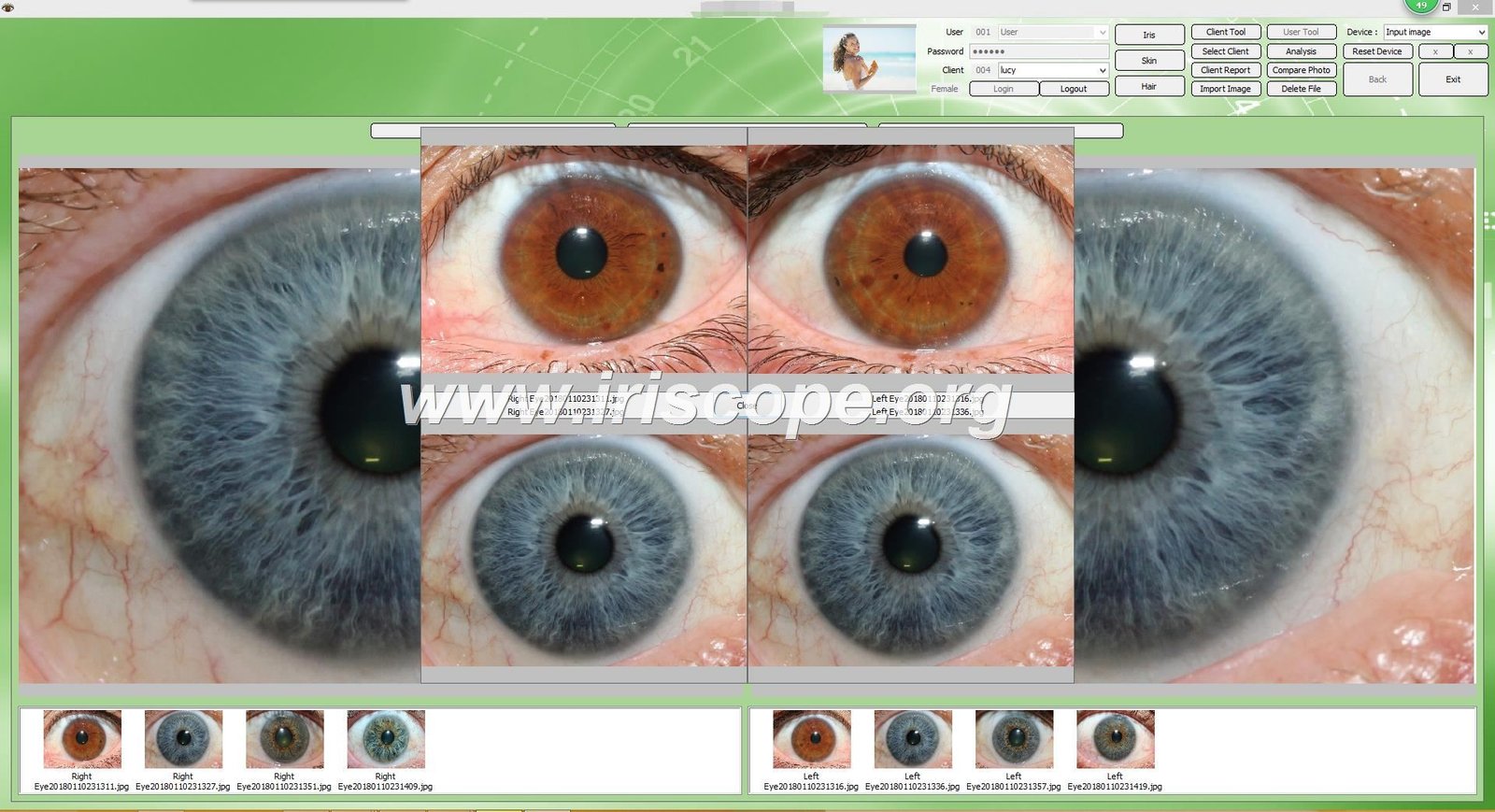
Dedicated iridology software serves as the operational hub for student assignments and client wellness dossiers. Modern suites enable grid overlays, sector division, multi-spectrum lighting comparison, and automated client record management. When selecting hardware, comparing specifications between standard student instruments and the best iridology camera options clarifies long-term clinical utility.
| Attribute | Specification | Details |
| Product type | Iriscope USB camera | Hardware captures high-resolution ocular images for study recordkeeping. |
| Pixels | 12.0 megapixels | Provides fine stroma fiber clarity for student evaluations. |
| Sensor | High-resolution CCD | Optical sensor handles low-noise captures with faithful color tone reproduction. |
| Lens | Coated optics | Imported lens incorporates protective plated layer to control chromatic distortion. |
| Processor | Special DSP engine | Digital signal processing stabilizes capture frames during manual focus adjustments. |
| Illumination | Circular LED | Surrounding cold light sources reduce harsh hotspots on the corneal surface. |
| Operating systems | Windows and macOS | Compatible with Windows XP through Windows 11 and Apple macOS systems. |
| Certification | Class I CE | Manufactured according to standard international compliance benchmarks. |
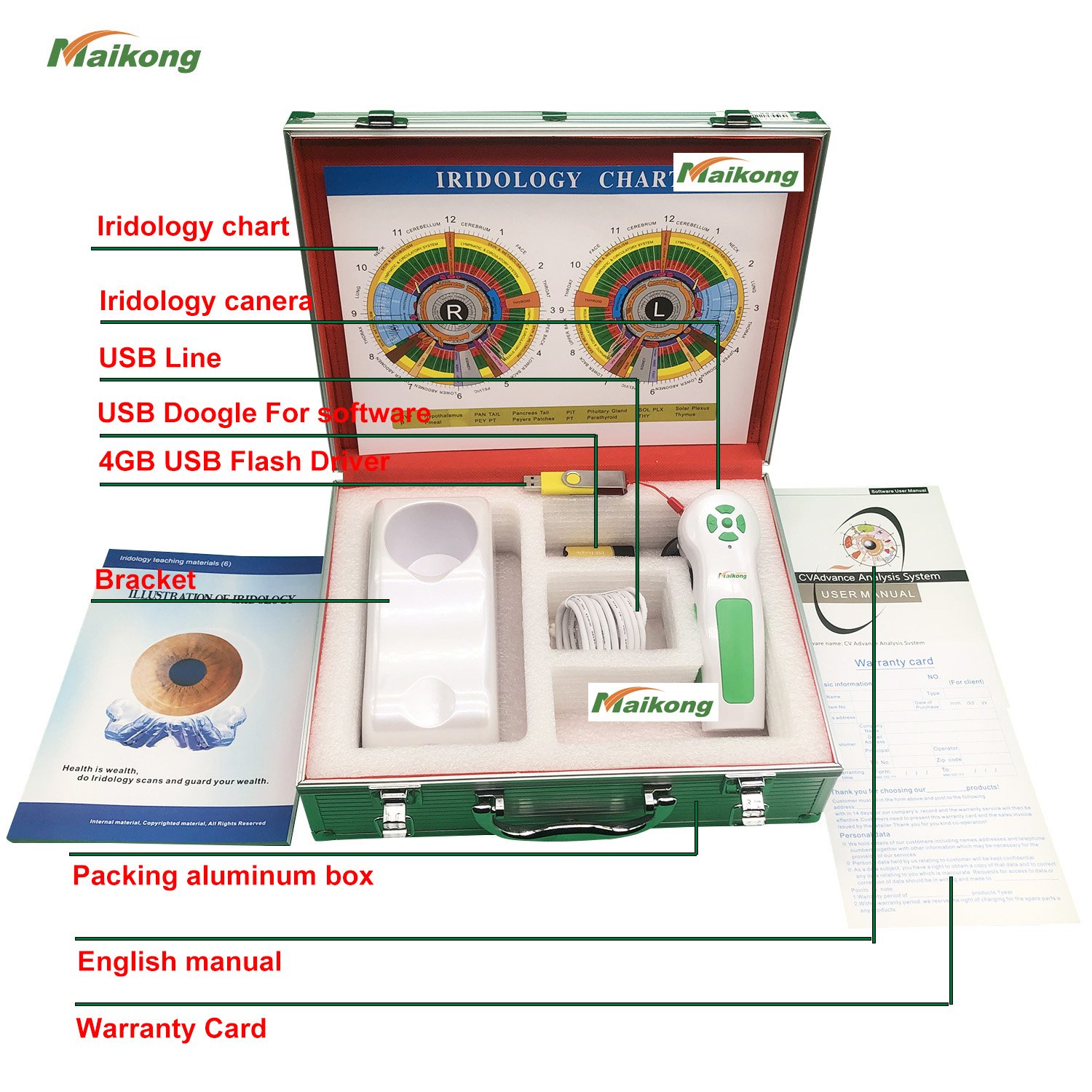
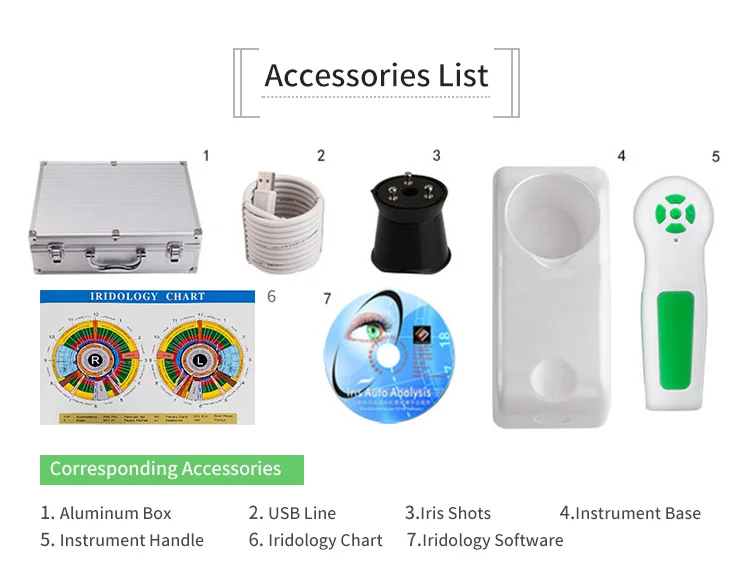
Students should also examine the physical items included in an equipment package before training begins. Practical exercises require sturdy carry cases, lens protection caps, calibrated cables, and analytical driver software. Below are standard packaging items provided with professional training hardware like the MK-GY-9822U system.
| Packaging item | Quantity | Description |
| Handset | 1 piece | Ergonomic camera body with integrated single-touch snapshot trigger. |
| Iris lens | 1 piece | Specialized 30X magnification lens designed for ocular field inspection. |
| Storage case | 1 piece | Protective PU leather box suited for classroom transit and storage. |
| USB cable | 1 piece | Direct 1.5-meter computer link delivering both data transmission and device power. |
| Lens cap | 1 piece | Protective cover shielding optical elements from airborne dust and scratches. |
| Reference chart | 1 piece | Calibrated anatomical reference chart supporting classical iris zone mapping. |
| Documentation | 1 set | Instruction manual along with operational warranty guidelines. |
| Software media | 1 piece | Installation disc containing device driver and professional analysis platform. |
Learners occasionally evaluate international setups such as iridology equipment uk or secondary options sourced through an iridology camera uk channel. Some students also consider acquiring used iridology equipment to lower initial enrollment expenses. However, pre-owned devices can lack current driver support, optical cleanliness, or valid software license keys needed for formal coursework.
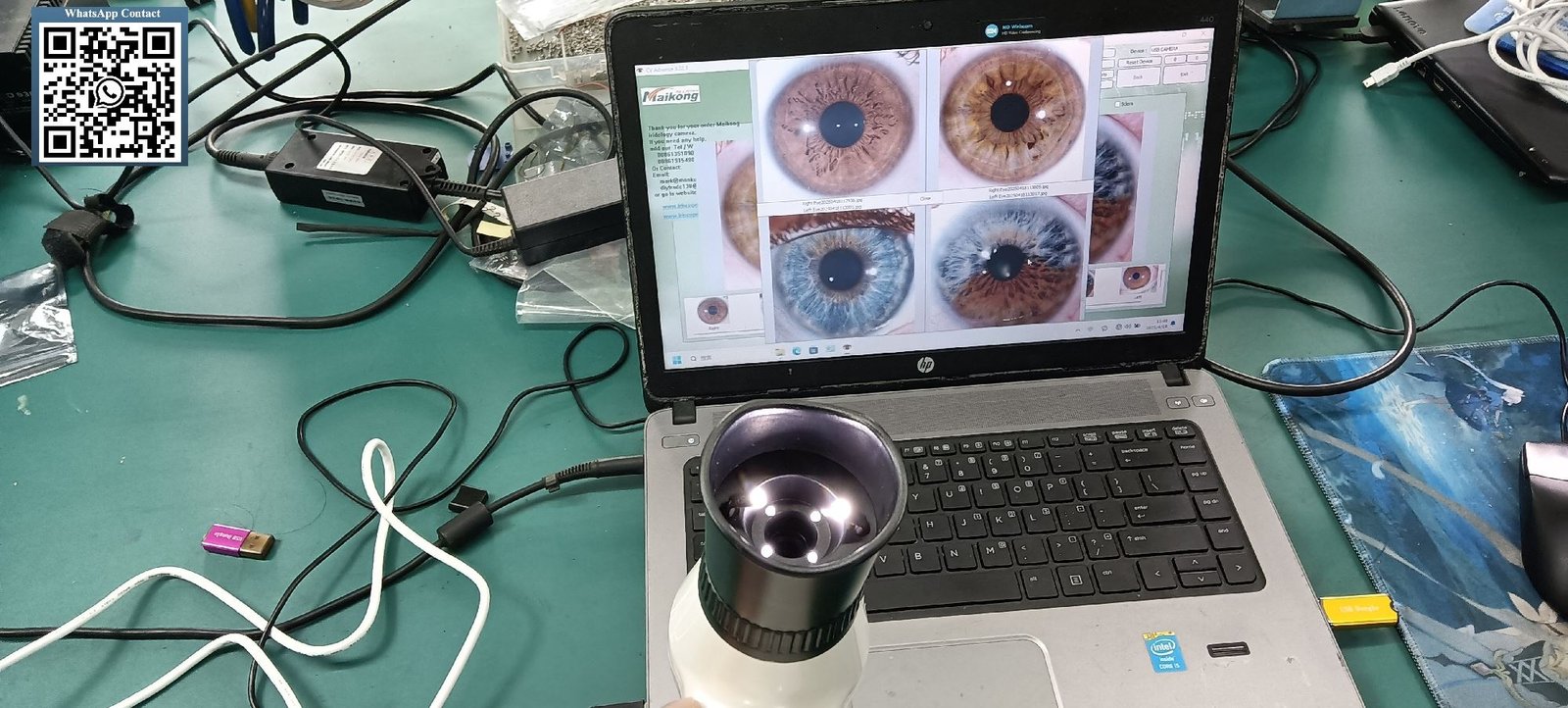
Complete camera packages provide the optical stability, specialized lighting, and calibrated software required for formal case studies.
Certification Paths and Training Provider Evaluation
Authenticating credentials issued by educational institutions requires examining curriculum depth, faculty experience, and testing rigor. Legitimate certifying bodies demand supervised case submissions, practical capture demonstrations, and comprehensive written theory exams. Prospective students should verify whether a diploma represents an unverified certificate of attendance or a rigorous competency credential.
Educational programs sometimes reference specialized diagnostic terminologies, incorporating discussions on an iridology diagnosis camera or independent iridology self diagnostic tools. Reputable academies explicitly clarify that photographic tools assist in wellness profiling rather than independent medical pathology checks. Training providers should teach clear boundary language so graduates never overstep professional scopes of practice.
Credible iridology academies maintain published faculty directories, transparent syllabi, direct practical mentoring, and rigorous written and visual assessment criteria. Avoid organizations that promise immediate practitioner certification based solely on automated software tests or unproctored video viewings.
Curriculum quality varies across geographical educational traditions, from North American schools using iridology equipment made usa to European models and institutions utilizing iridology equipment south africa or programs connected to an iridology camera nz network. Regardless of geographic origin, sound educational academies publish precise learning outcomes and provide direct tutor access for student case consultations.
Operational Practice, Regulatory Boundaries, and MAIKONG Support
Professional ethics form the foundation of credible holistic assessment. Iridology training instills a strict non-diagnostic vocabulary: iridologists identify genetic tissue strengths, bodily dispositions, and constitutional tendencies rather than specific diseases. Course graduates must understand that iris signs highlight educational opportunities for lifestyle, nutritional, and herbal balance rather than pathological diagnoses.
Historical methods, such as inspecting pupils using an iridology torch magnifying glass or an iridology torch uk, have largely evolved into modern digital photography using an iris camera iridology system. Specialized subjects, from animal studies like iridology in kittens to regional practitioner circles in iridology kitchener waterloo, follow these same observational boundaries. Even classical pioneers, including perspectives in kitty campion iridology, and modern software concepts such as iridology machine learning, treat iris evaluation as a complementary lifestyle assessment discipline.
Iris assessment content and practical camera observations serve traditional constitutional iris evaluation, education, and lifestyle research only. They do not diagnose, treat, prevent, or cure any illness, nor do they replace clinical consultations, laboratory blood work, or emergency medical care from licensed healthcare professionals.
As direct iridology camera manufacturers based in GD, SZ, MAIKONG supports teaching academies, wellness clinics, and wholesale distributors worldwide. Through About MAIKONG initiatives, we supply certified hardware, multilingual software configurations, custom exterior branding, and reliable warehouse distribution in both China and the United States. Our 20 years of ISO9000-regulated manufacturing provide dependable optical tools that allow educators and practitioners to concentrate entirely on clinical excellence.
Frequently Asked Questions About Iridology Training and Imaging
What should a beginner learn before buying or using an iridology camera in India?
Beginners should first learn fundamental eye anatomy, classical zone charts, and constitutional iris principles. Understanding optical focus mechanics and lighting reflection control ensures hardware is utilized effectively during case assignments.
Is an online iridology course enough for camera-based practical training?
Online training is adequate when courses incorporate supervised portfolio submissions and detailed video critiques from faculty. Complementing virtual lectures with structured capture practice on family or colleagues helps develop physical positioning dexterity.
Does an iridology camera course provide a recognized certificate?
Certificate recognition depends entirely on the sponsoring educational institution and its accreditation standing with professional holistic boards. Legitimate credentials require formal proctored examinations, verified case assessments, and adherence to transparent codes of ethics.
What equipment and software are needed for practical iridology training?
Students require a dedicated digital iriscope with balanced circular illumination, optical macro focus, and secure computer connectivity. Corresponding software must support high-resolution file storage, pupil-ciliary grid overlays, and longitudinal record comparison.
Can an iridology camera be used on Mac OS and Windows?
Modern optical hardware supports both Windows and Apple macOS environments, provided the software driver is configured properly. Students should confirm specific operating system version compatibility with course administrators before purchasing software licenses.
Can course graduates diagnose medical conditions with an iridology camera?
Graduates cannot diagnose, treat, or prescribe therapies for medical diseases using an iridology camera. Iris analysis identifies constitutional trends and tissue patterns for holistic wellness and lifestyle counseling only.
Final Steps in Selecting an Iridology Training Program
Choosing an educational pathway requires evaluating syllabus depth, tutor mentoring availability, digital software capabilities, and ethical practice guidelines. Establishing firm observational skills transforms digital iris photographs into meaningful educational wellness assessments. Prospective students should request detailed course outlines and verify hardware system requirements before finalizing institutional registration.
Request Course Support and Hardware Guidance
Inquire directly about camera specifications, operating system drivers, or educational equipment packages tailored for holistic training institutions.