
Iridology Amarillo TX: Understanding Amber and Yellow Iris Color Patterns in Traditional Analysis
When you search for iridology amarillo tx, you’re likely trying to understand what yellow or amber colorations in the iris mean within traditional iridology practice. I’ve worked with health professionals across the United States for over two decades, and this question comes up frequently in our training sessions and equipment consultations.
The term “amarillo” translates from Spanish as “yellow.” In traditional iridology chart interpretation, yellow or amber tones appearing in specific iris regions have historically been associated with particular body systems and traditional health observations. Let me be completely transparent from the start: iridology is used for traditional observation and educational purposes only. It does not diagnose, treat, or cure any medical conditions.
This comprehensive guide explains what practitioners observe when they notice these color variations, how traditional iridology systems interpret them, and the boundaries every responsible practitioner must maintain between observation and medical diagnosis.
What Does “Amarillo” Mean in Iridology Analysis?
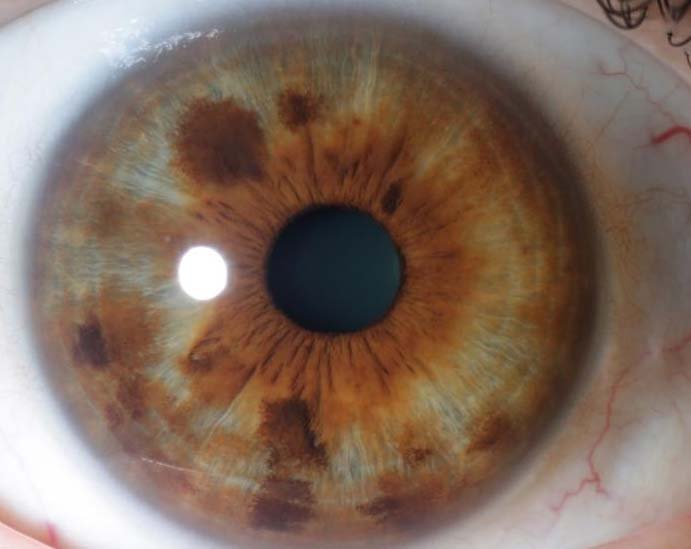
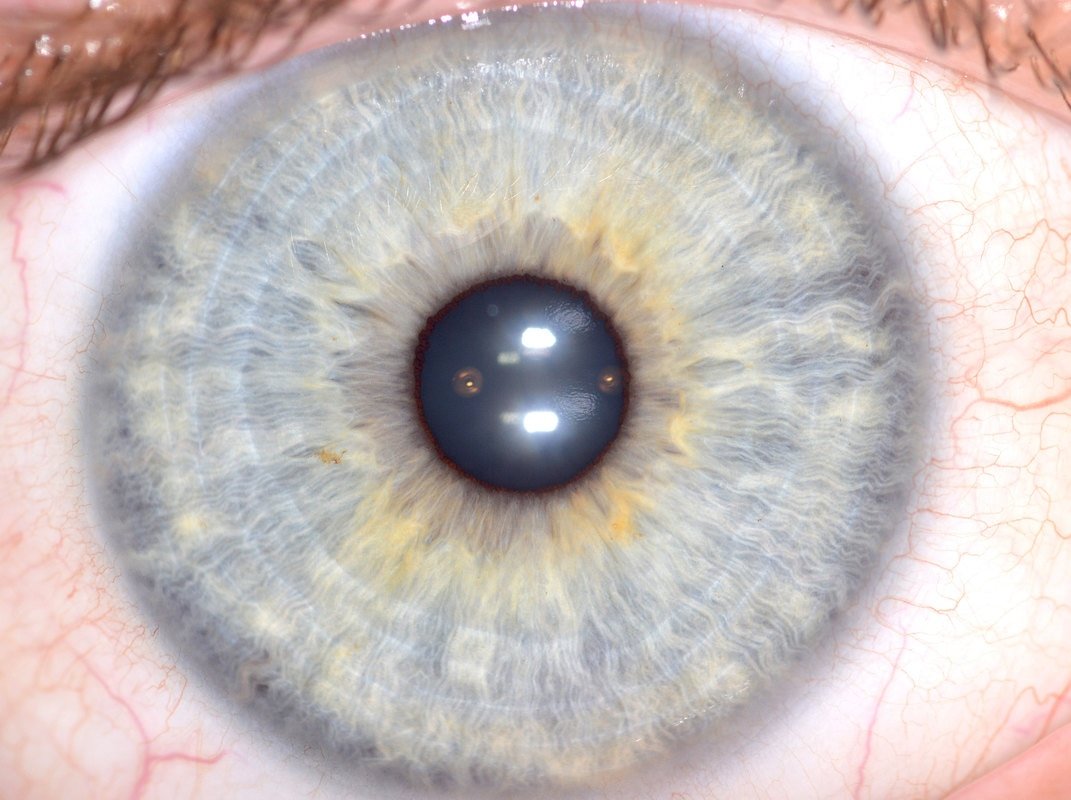
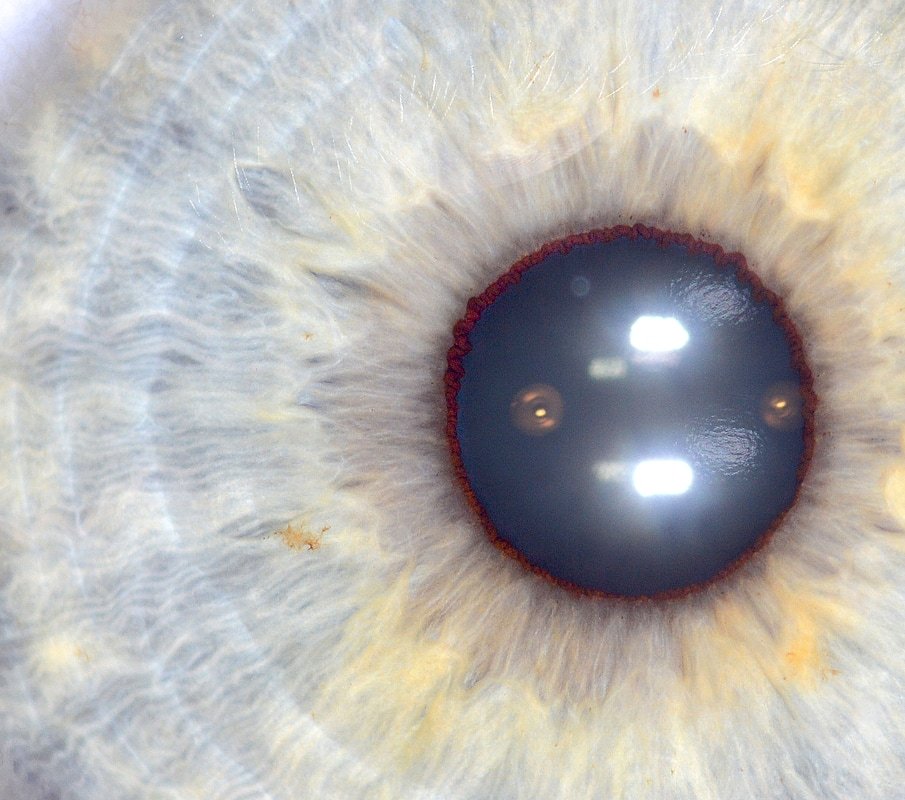
In the context of iridology analysis and interpretation, amarillo refers to yellow, golden, or amber colorations that appear in the iris structure. These color variations can manifest as:
- Diffuse yellow-golden overlay across portions of the iris
- Concentrated amber deposits in specific zones
- Yellowish clouds or patches within the iris fiber structure
- Orange-yellow pigmentation in localized iris regions
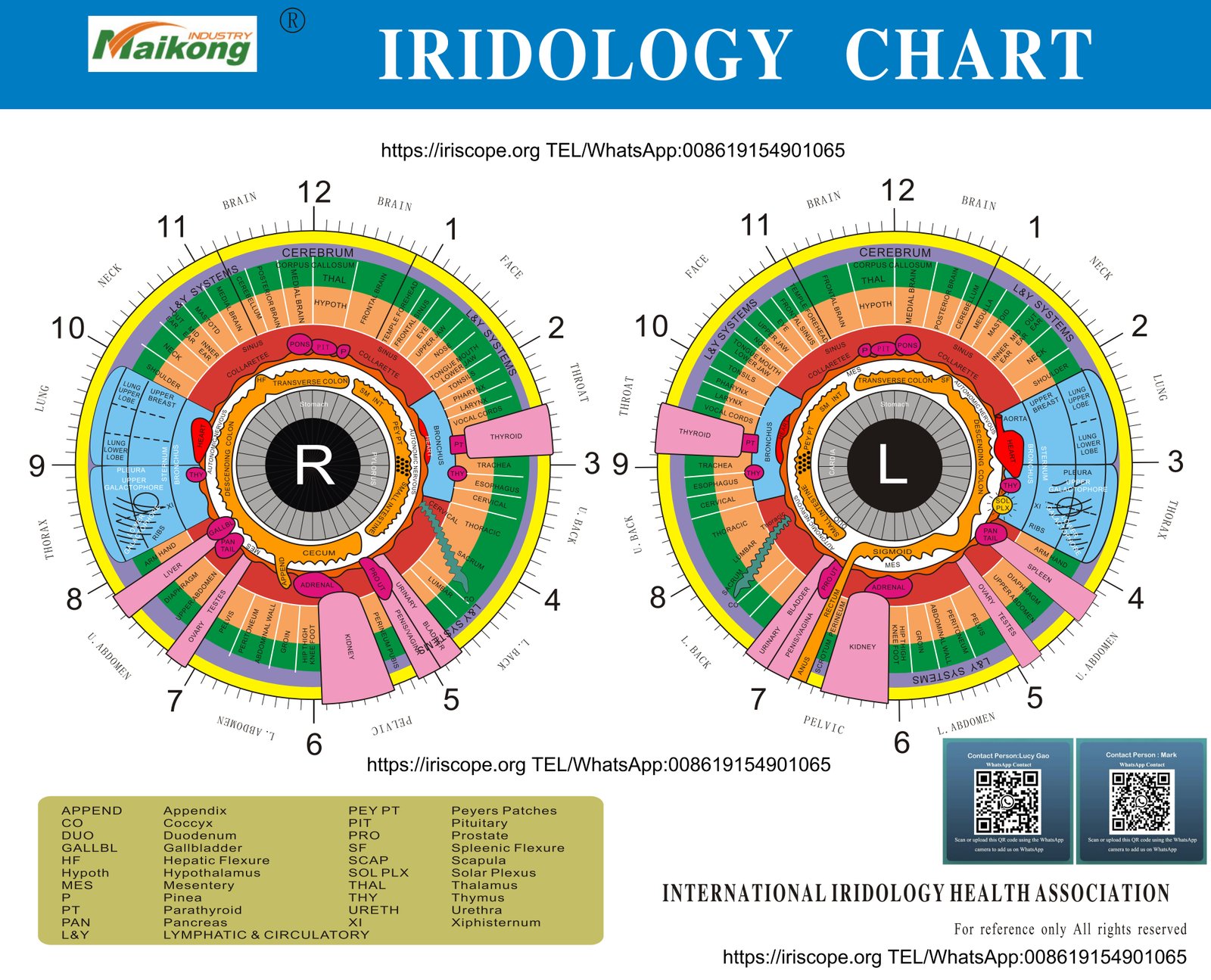
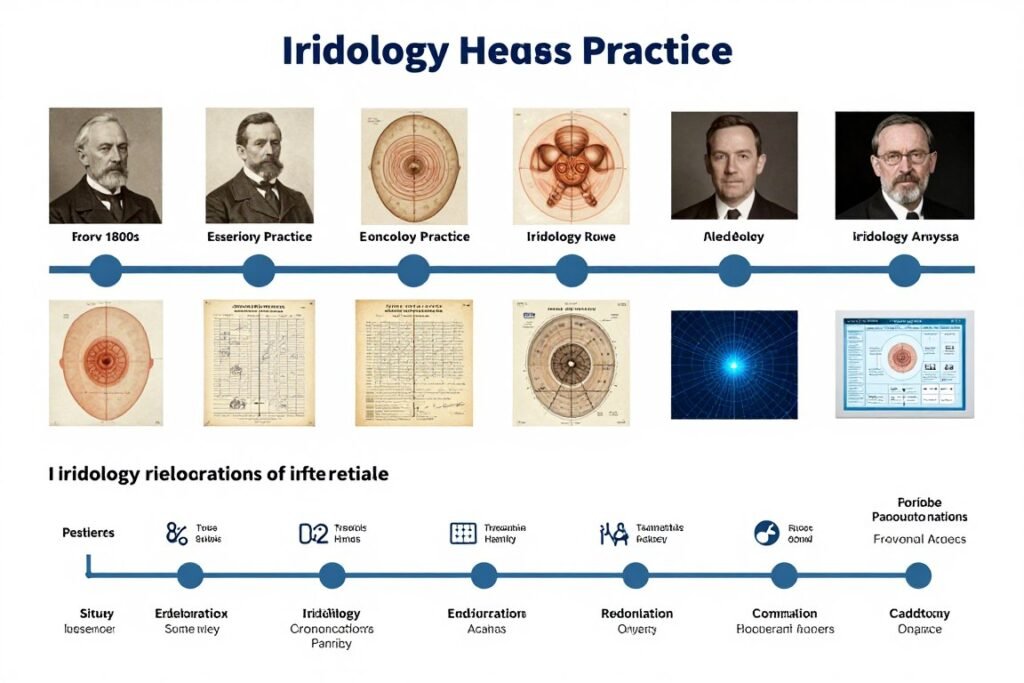
Traditional iridology practitioners, following methodologies established by researchers like Bernard Jensen and others, have historically associated these yellow-amber tones with specific body regions. The observation system dates back to Ignatz von Peczely, a Hungarian physician who documented iris markings in the 1800s.
Important Medical Disclaimer: Yellow or amber iris coloring may be a normal genetic variation or could indicate various health conditions requiring professional medical evaluation. Iridology observations should never replace consultation with licensed healthcare providers for proper diagnosis and treatment.
Traditional Interpretation Context
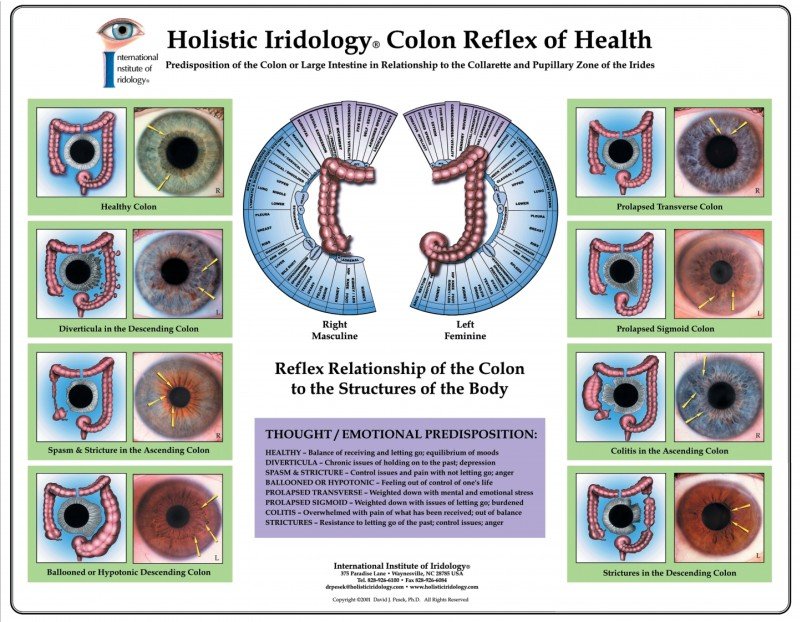
Within traditional iridology analysis eye systems, practitioners observe color, density, and structural patterns. Yellow-amber tones have been traditionally noted in connection with:
- Digestive system observations in certain iris zones
- Liver and gallbladder regions on traditional charts
- Pancreatic zones according to historical mapping
- Inflammatory markers in various body systems
These associations come from traditional observation systems, not medical diagnostic criteria. Modern health professionals who incorporate iridology use it alongside conventional assessment methods, never as a replacement.
Iris Chart Zones: Where Amarillo Patterns Appear
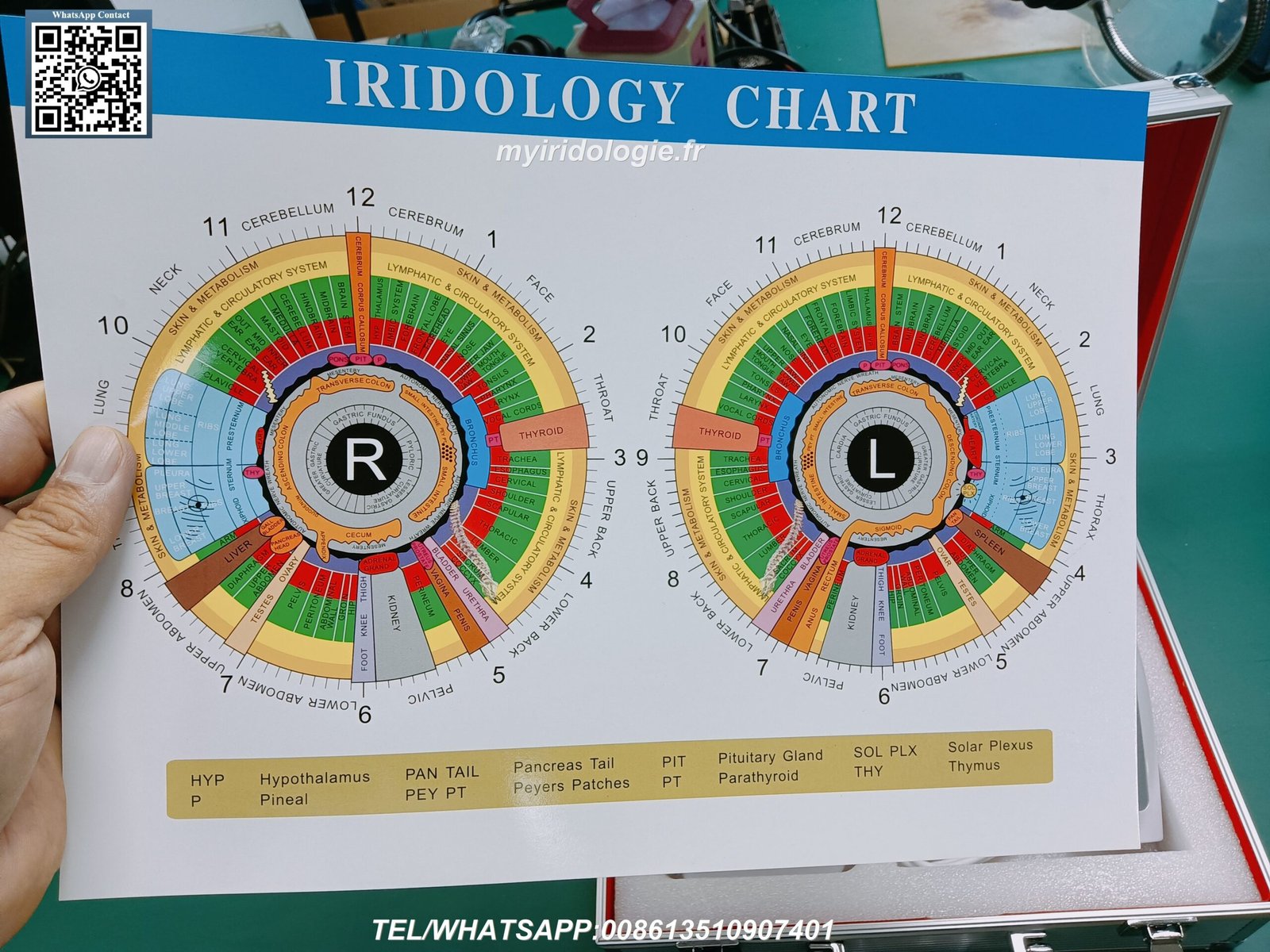
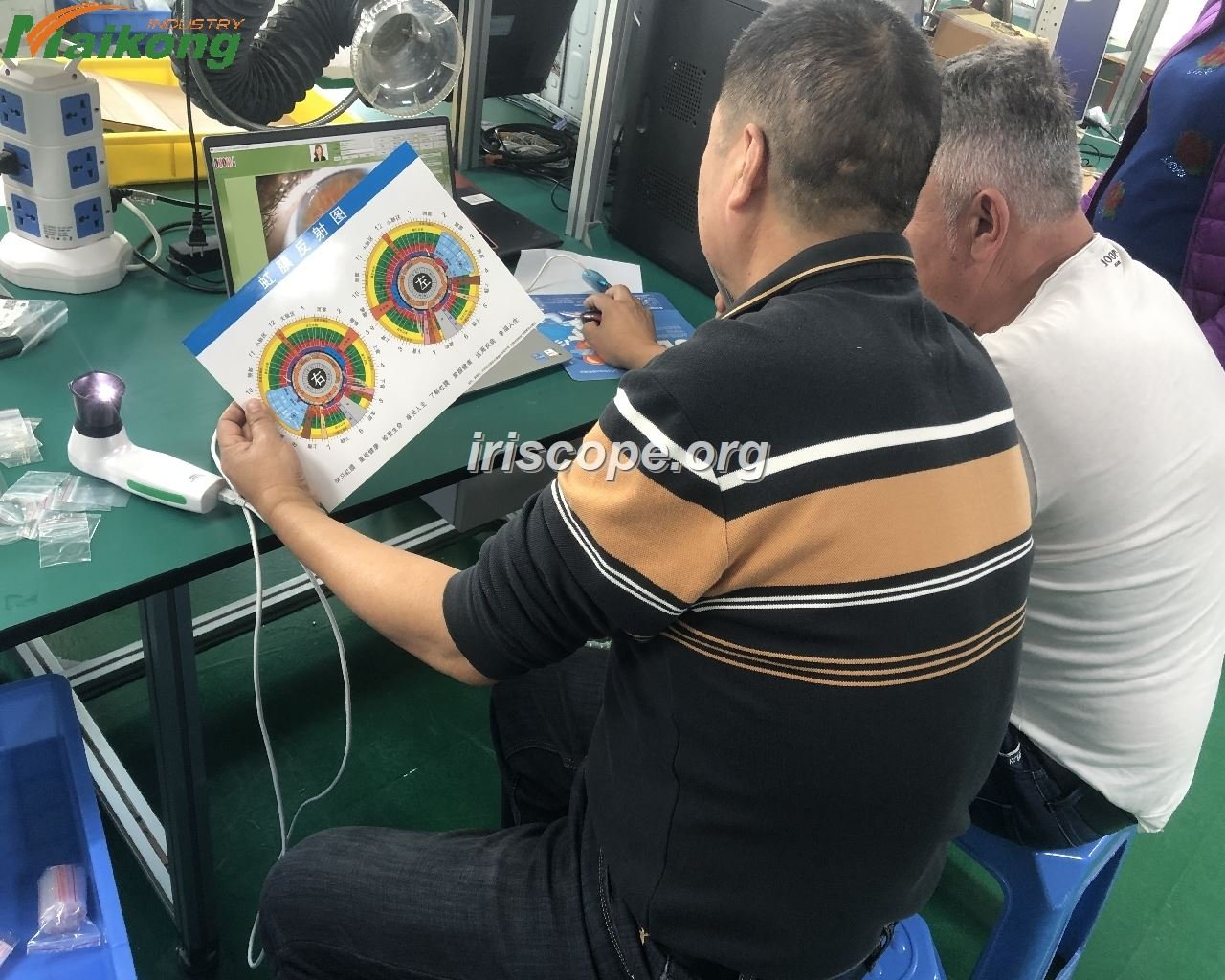
Traditional iridology chart how to read systems divide the iris into zones corresponding to different body regions. Understanding where yellow-amber colorations appear helps practitioners document their observations systematically.
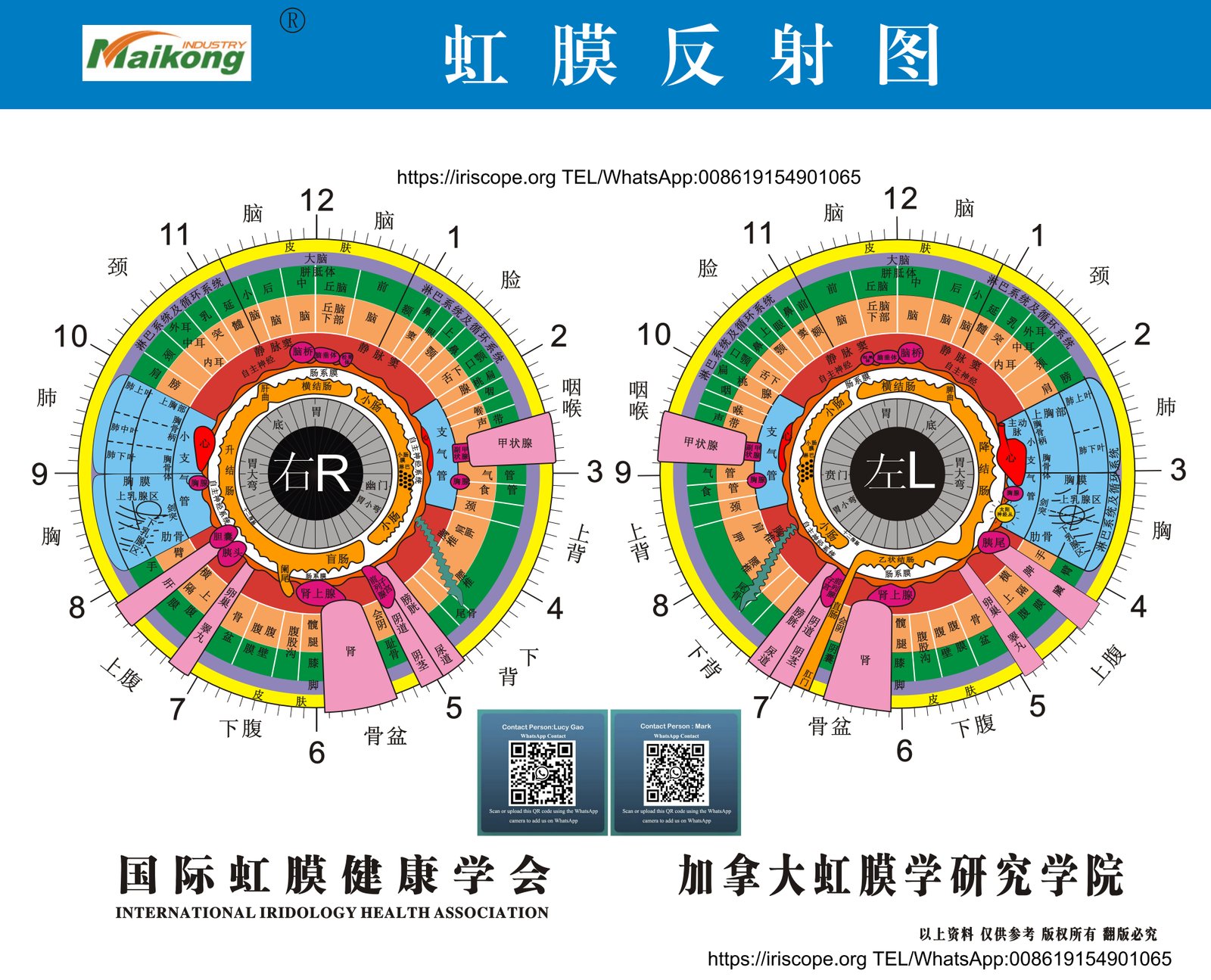
Right Eye Chart Associations
The iridology chart right eye traditionally corresponds to the right side of the body. Yellow-amber patterns observed here have been historically noted in connection with:
Upper Right Quadrant (12-3 o’clock)
- Right lung region observations
- Right shoulder area notations
- Thyroid zone (traditional mapping)
- Right sinus regions
Lower Right Quadrant (3-6 o’clock)
- Liver zone (major amarillo observation area)
- Gallbladder region markings
- Right kidney observations
- Ascending colon notations
Left Eye Chart Associations
The left eye iridology chart corresponds to the left body side. Yellow-amber observations in this eye have been traditionally documented in zones including:
Upper Left Quadrant (9-12 o’clock)
- Left lung region observations
- Heart zone (traditional notation)
- Left shoulder area
- Spleen observations
Lower Left Quadrant (6-9 o’clock)
- Descending colon region
- Left kidney zone
- Lower digestive observations
- Reproductive system notations
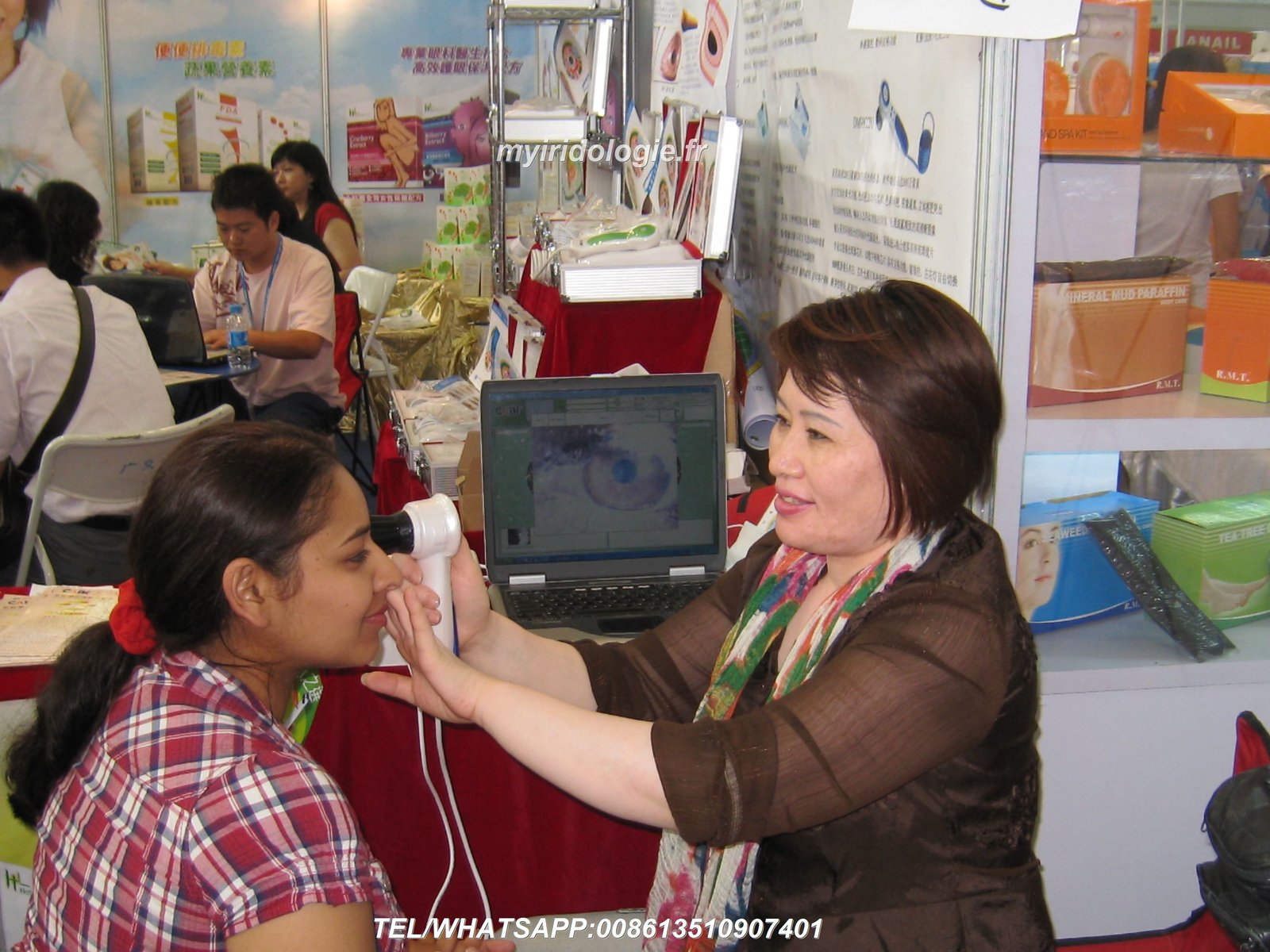
Professional documentation using quality iridology camera equipment allows practitioners to capture these subtle color variations accurately over time. This photographic record helps track changes during wellness programs, though again, these observations do not constitute medical diagnosis.
Traditional Body System Associations with Amarillo Patterns
Traditional iridology systems, developed through decades of practitioner observation, have documented correlations between iris color patterns and body systems. Understanding these associations requires acknowledging both the historical context and the limitations of observational methods.
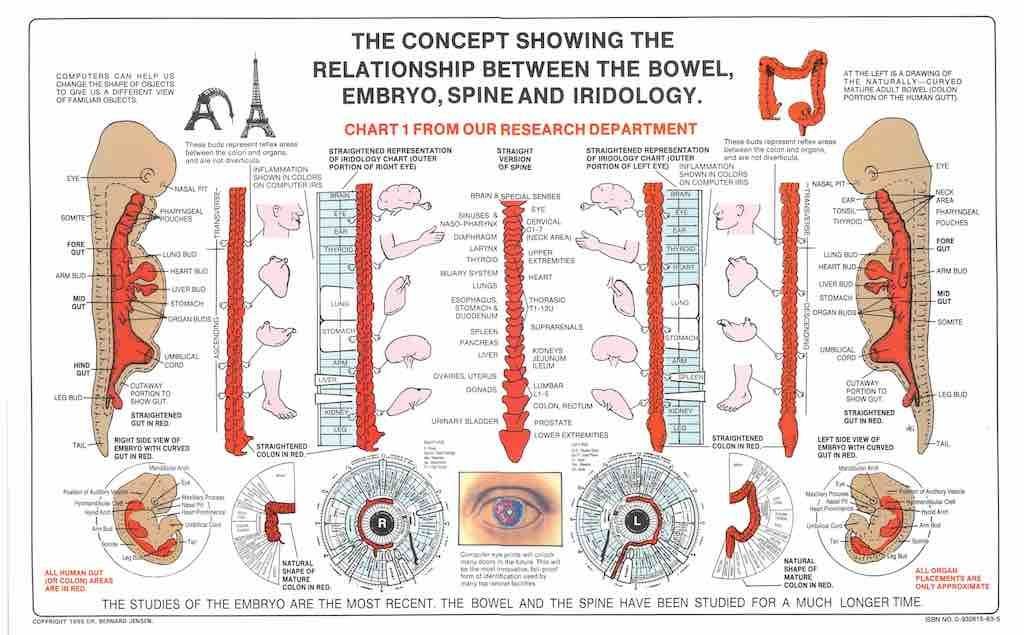
Digestive System Observations
Yellow-amber iris colorations have been most frequently documented in zones traditionally associated with digestive organs. In iridology and nutrition practice, these observations often prompt practitioners to discuss dietary considerations with clients.
- Liver Zone (Right Iris, 7-8 o’clock): Golden-yellow colorations in this region have been traditionally noted by practitioners observing clients with various health concerns
- Gallbladder Area (Right Iris, 8 o’clock): Concentrated amber deposits historically documented in traditional practice
- Pancreatic Region (Both Eyes, 7 o’clock): Yellow-orange tones observed in this zone according to historical iridology systems
- Intestinal Ring (Around Pupil): Yellow coloring in the autonomic nerve wreath area traditionally associated with digestive observations
It bears repeating: these are observational correlations documented by traditional practitioners, not medical diagnostic criteria. Actual digestive health issues require proper medical evaluation including blood tests, imaging, and examination by licensed physicians.
Inflammation and Acidity Observations
Traditional iridology texts, including those discussing iridology and over acidity, have noted yellow-amber colorations as potential markers of what practitioners call “inflammatory conditions” or “toxic accumulation.” Modern practitioners understand these as observational notes, not diagnostic conclusions.
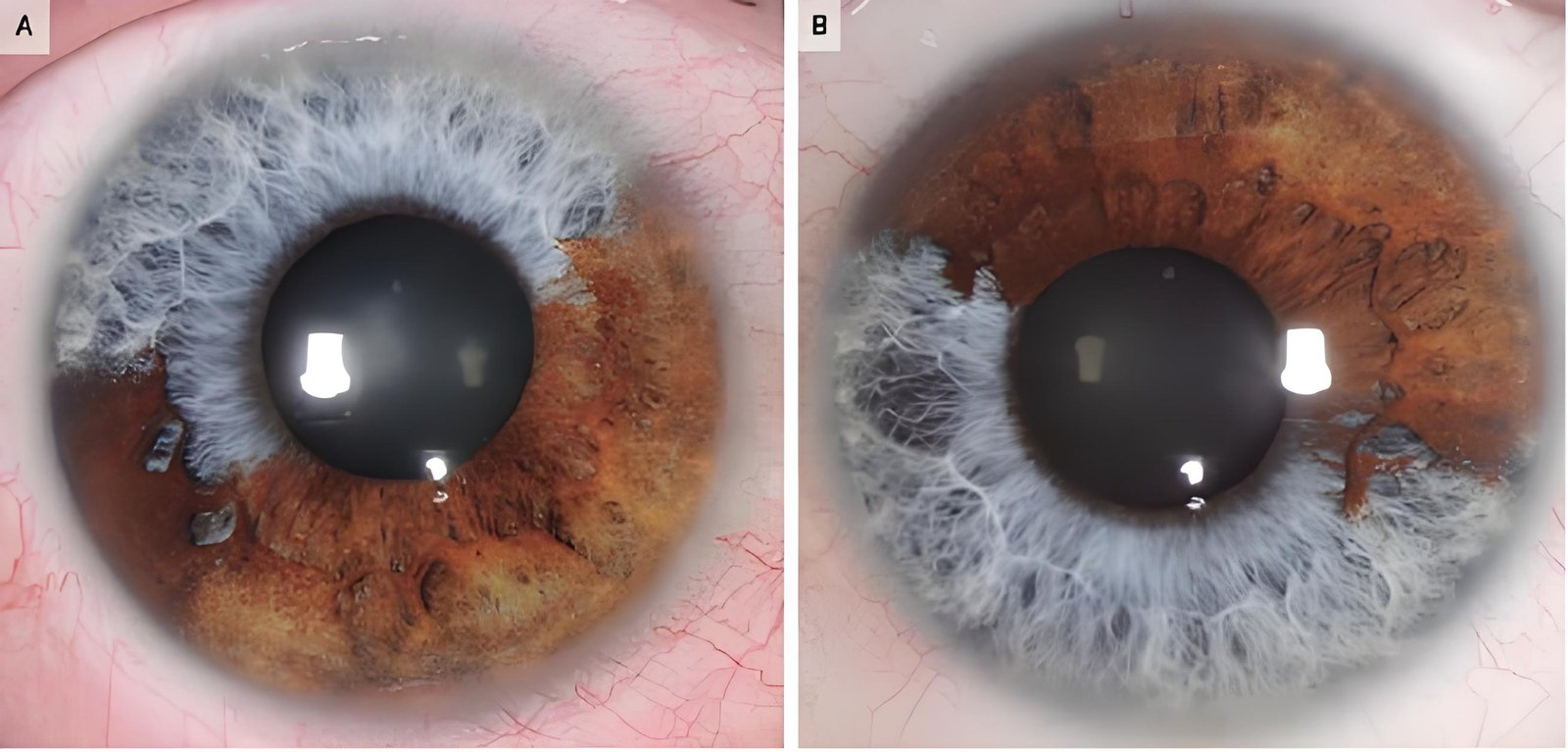
Historical Interpretation Framework
Von Peczely and subsequent researchers developed interpretation systems suggesting:
- Bright yellow tones might indicate acute conditions (traditional observation)
- Dark amber-brown could suggest chronic patterns (historical notation)
- Orange-yellow combinations associated with inflammatory observations
- Greenish-yellow tones noted in certain traditional assessments
Contemporary practitioners using professional iridology software can document these subtle color distinctions with greater precision than manual observation allowed historical practitioners. However, improved documentation technology does not transform traditional observation into medical diagnosis.
Metabolic System Notations
Yellow iris colorations have been traditionally observed in zones associated with metabolic function. When practitioners examine clients interested in iridology and weight loss, they may note these patterns as part of a comprehensive wellness assessment.
Thyroid Region Observations
Upper iris zones (both eyes, 12-1 o’clock) where yellow-amber tones have been historically documented in traditional practice alongside discussions of energy and metabolic wellness.
Adrenal Zone Notations
Lower iris regions (both eyes, 6 o’clock) where amber colorations have been observed in traditional systems, often prompting discussions about stress and energy patterns.
These observations serve as starting points for wellness conversations, never as standalone diagnostic information. Metabolic health requires comprehensive medical testing including thyroid panels, glucose measurements, and other laboratory assessments.
Professional Documentation Methods for Iris Color Analysis
Accurate documentation of iris color variations, including amarillo patterns, requires professional equipment and systematic methods. Over my twenty years working with iridology practitioners, I’ve seen documentation standards evolve significantly.
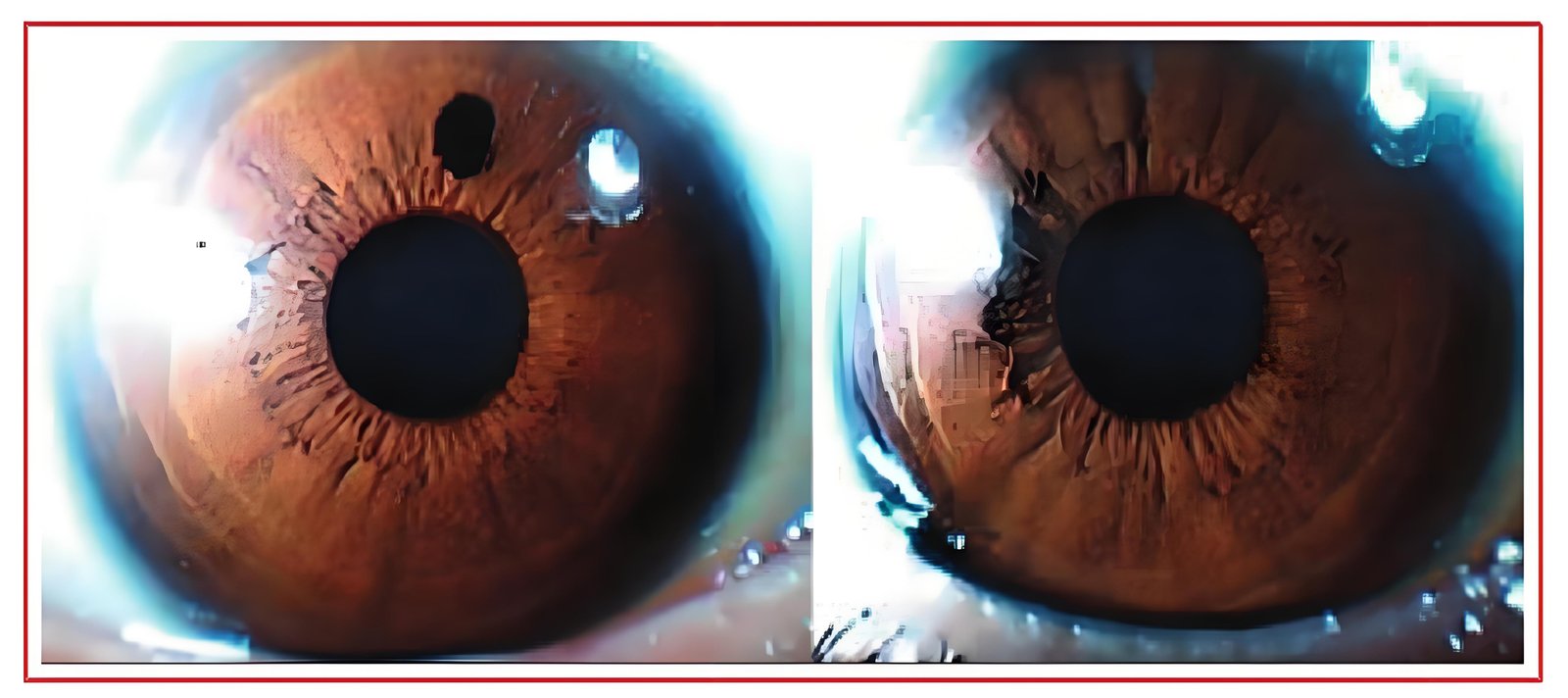
Professional Imaging Equipment
Quality iris photography depends on appropriate equipment. The best iridology camera systems for professional practice should include:
- High Resolution Sensor: Minimum 12 megapixels to capture subtle color variations
- Proper Illumination: LED ring lights providing even, color-accurate lighting
- Adjustable Focus: Ability to capture crisp iris fiber detail
- Color Accuracy: True color representation without artificial enhancement
- Easy Operation: Single-button capture for consistent results
Professional-grade equipment from established manufacturers ensures consistent documentation over time. This matters when tracking subtle color changes during wellness programs or educational demonstrations.
Software Analysis Systems
Modern iridology analysis professional practice relies on specialized software to organize observations systematically. Quality software systems provide:
Documentation Features
- Client database management
- Date-stamped image archives
- Comparison views (time-series analysis)
- Report generation capabilities
Analysis Tools
- Color measurement utilities
- Zone marking and annotation
- Chart overlay functions
- 3D visualization options
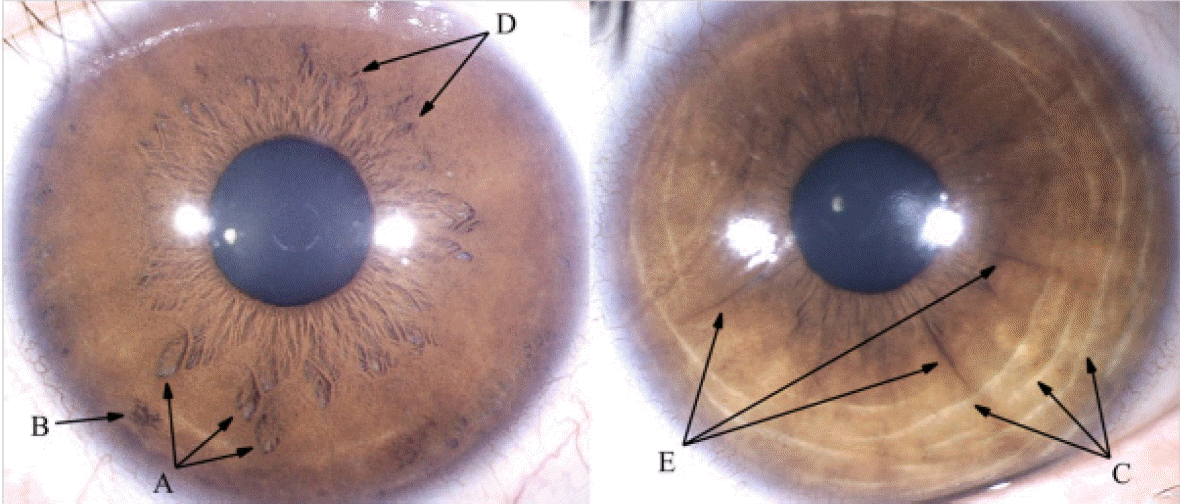
For practitioners offering iridology analysis online consultations, software with secure cloud backup and remote access capabilities has become essential. This technology enables documentation review and client education regardless of location.
Standardized Documentation Protocol
Professional practice requires consistent documentation methods:
- Initial Capture: Photograph both eyes using consistent lighting and distance settings
- Quality Assessment: Review images for focus clarity and color accuracy before client leaves
- Systematic Notation: Document observed color patterns using standardized terminology
- Client Information: Record date, time, and any relevant health history notes
- Secure Storage: Maintain images in compliant, encrypted storage systems
- Follow-up Documentation: Capture comparison images at regular intervals using identical settings
Practitioners using quality USB iridology camera systems can achieve this documentation standard without extensive technical expertise. The equipment should support the practitioner’s workflow, not complicate it.
Equipment Investment Consideration: Professional iris documentation requires initial equipment investment, but quality systems provide years of reliable service. Look for manufacturers offering comprehensive technical support and software updates.
Critical Boundaries: Observation vs. Medical Diagnosis
Every responsible iridology practitioner must understand and maintain clear boundaries between traditional observation and medical diagnosis. This distinction protects both practitioners and the public.
What Iridology Is NOT
Let me be absolutely clear about what traditional iridology cannot do:
- Cannot Diagnose Diseases: Iridology observations do not identify specific medical conditions like diabetes, cancer, heart disease, or infections
- Cannot Replace Medical Testing: Iris examination does not substitute for blood tests, imaging studies, biopsies, or other diagnostic procedures
- Cannot Predict Future Illness: Despite claims in some historical texts, iris patterns cannot forecast specific diseases that will develop
- Cannot Determine Medications: Iris observations do not provide information for prescribing pharmaceutical treatments
- Cannot Confirm Pregnancy: Traditional claims about detecting pregnancy through iris examination lack scientific validation
These limitations apply regardless of equipment quality or practitioner experience. Even the most sophisticated iridology camera for sale systems do not transform observation into medical diagnosis.
What Iridology CAN Provide
Within appropriate boundaries, traditional iridology offers:
- Educational Observations: Documentation of iris characteristics for wellness discussion purposes
- Holistic Assessment Context: One component within comprehensive wellness evaluations alongside conventional methods
- Client Engagement Tool: Visual aid helping clients understand traditional wellness perspectives
- Historical Documentation: Photographic record of iris appearance over time for educational reference
- Wellness Discussion Prompts: Starting points for conversations about nutrition, lifestyle, and stress management
Practitioners should always encourage clients to maintain relationships with licensed medical providers for proper diagnosis and treatment of health concerns.
Legal and Ethical Considerations
Practicing within legal boundaries requires understanding your jurisdiction’s regulations:
Legal Warning: Making diagnostic claims using iridology may constitute practicing medicine without a license in many jurisdictions. Scope of practice laws vary by state and country. Consult legal counsel regarding permitted activities in your area.

Best Practice Guidelines
- Display clear disclaimers in your practice space and written materials
- Use terms like “observation,” “traditional notation,” and “historical association” rather than “diagnosis” or “detection”
- Document that you recommend medical consultation for health concerns
- Maintain professional liability insurance appropriate for your practice
- Never discourage clients from seeking or continuing medical care
- Refer clients to appropriate healthcare providers when observations suggest medical attention may be needed
These boundaries don’t diminish the value of traditional iridology practice when properly positioned as an educational and wellness-focused observation system.
When Iris Observations Should Prompt Medical Consultation
Responsible iridology practice includes recognizing when observations should prompt referral to medical professionals. Certain iris changes may indicate conditions requiring immediate medical attention.

Red Flag Observations Requiring Medical Referral
While yellow-amber iris colorations are often normal variations or genetic traits, certain observations should always prompt medical consultation:
- Sudden Color Changes: Rapid appearance of yellow iris coloring not previously present
- Associated Symptoms: Yellow iris changes accompanied by jaundice (skin/eye yellowing), abdominal pain, or dark urine
- Arcus Senilis Under Age 50: White or gray ring around iris appearing in younger individuals may indicate lipid disorders
- Asymmetric Changes: Color changes affecting only one eye or one iris section
- Vision Changes: Any iris color change accompanied by vision problems, pain, or sensitivity
Traditional iridology and migraines observations may note iris patterns, but actual migraine diagnosis and treatment require neurological evaluation.
Medical Conditions That May Present With Iris Color Changes
Various medical conditions can cause actual iris color changes requiring proper diagnosis:
Conditions Requiring Medical Evaluation
- Wilson’s disease (copper accumulation)
- Liver disease or hepatitis
- Hemochromatosis (iron overload)
- Certain eye diseases or inflammation
Normal Variations Often Misinterpreted
- Genetic iris color patterns
- Age-related iris changes
- Lighting and photography artifacts
- Normal anatomical variations
Professional iridologists never attempt to diagnose these conditions but should recognize when observations warrant medical referral.
Coordinating With Healthcare Providers
Best practice involves collaborative relationships with medical professionals:
- Establish referral relationships with local physicians open to complementary approaches
- Communicate clearly that iridology is used for traditional observation, not diagnosis
- Document all referrals and recommendations in client records
- Request permission before contacting a client’s physician
- Provide iris photographs when requested by medical providers
This collaborative approach protects clients and strengthens professional credibility.
Common Misconceptions About Iridology Amarillo Patterns
Misunderstandings about iris color interpretation, including amarillo patterns, have developed over decades of iridology practice. Clearing up these misconceptions helps set realistic expectations.
Misconception #1: Yellow Iris Color Always Indicates Disease
Reality: Iris color exists on a spectrum determined largely by genetics. Yellow, amber, and golden tones can be completely normal variations. The traditional iridology concept of “amarillo” refers to specific patterns and locations within the iris structure, not overall eye color.
Someone with genetically hazel or amber eyes does not have “health problems” indicated by their eye color. Traditional iridology observes color variations within an individual’s baseline iris appearance, not absolute color categories.
Misconception #2: Specific Yellow Patterns Diagnose Specific Diseases
Reality: Despite claims in some historical iridology texts suggesting that particular iris markings indicate specific diseases, no scientific evidence validates these diagnostic claims. Yellow-amber patterns noted in traditional practice represent observational correlations, not diagnostic certainty.
A responsible practitioner might observe, “Traditional iridology systems note this pattern in the liver zone,” but would never state, “This yellow marking means you have hepatitis.” The first is historical documentation; the second is illegal medical diagnosis.
Misconception #3: Iris Patterns Can Predict Future Disease
Reality: Some iridology literature suggests iris markings can predict diseases that will develop years in the future. This claim lacks scientific validation. While genetic factors affecting both iris appearance and disease susceptibility may exist, iris examination cannot forecast specific future illnesses.
Traditional iridology observation occurs in the present tense: documenting current iris appearance, not predicting future health.
Misconception #4: More Expensive Equipment Provides Diagnostic Capability
Reality: Some practitioners and equipment sellers suggest that higher-priced cameras or software systems can “diagnose” conditions that basic equipment cannot. This is false.
Better equipment provides improved image quality, documentation capabilities, and client education tools. However, equipment quality does not transform observation into diagnosis. Even the most sophisticated iriscope price systems maintain the same fundamental limitations regarding diagnostic claims.
Quality equipment serves legitimate purposes: clear documentation, professional presentation, and accurate color capture. These are valuable benefits without requiring false diagnostic claims.
Misconception #5: Iridology Can Replace Medical Testing
Reality: Perhaps the most dangerous misconception is that iris examination can substitute for laboratory tests, imaging studies, or medical diagnosis. This belief can delay necessary medical care with potentially serious consequences.
Traditional iridology, including analysis of amarillo patterns, serves as one wellness observation method among many. It complements but never replaces conventional medical assessment. Anyone with actual health symptoms requires proper medical evaluation regardless of iris appearance.
Integrating Iridology Into Holistic Health Practice
When properly positioned within appropriate boundaries, traditional iridology can serve as a valuable component of holistic health practice. Understanding how to integrate iris observation ethically and effectively matters for both practitioner credibility and client benefit.
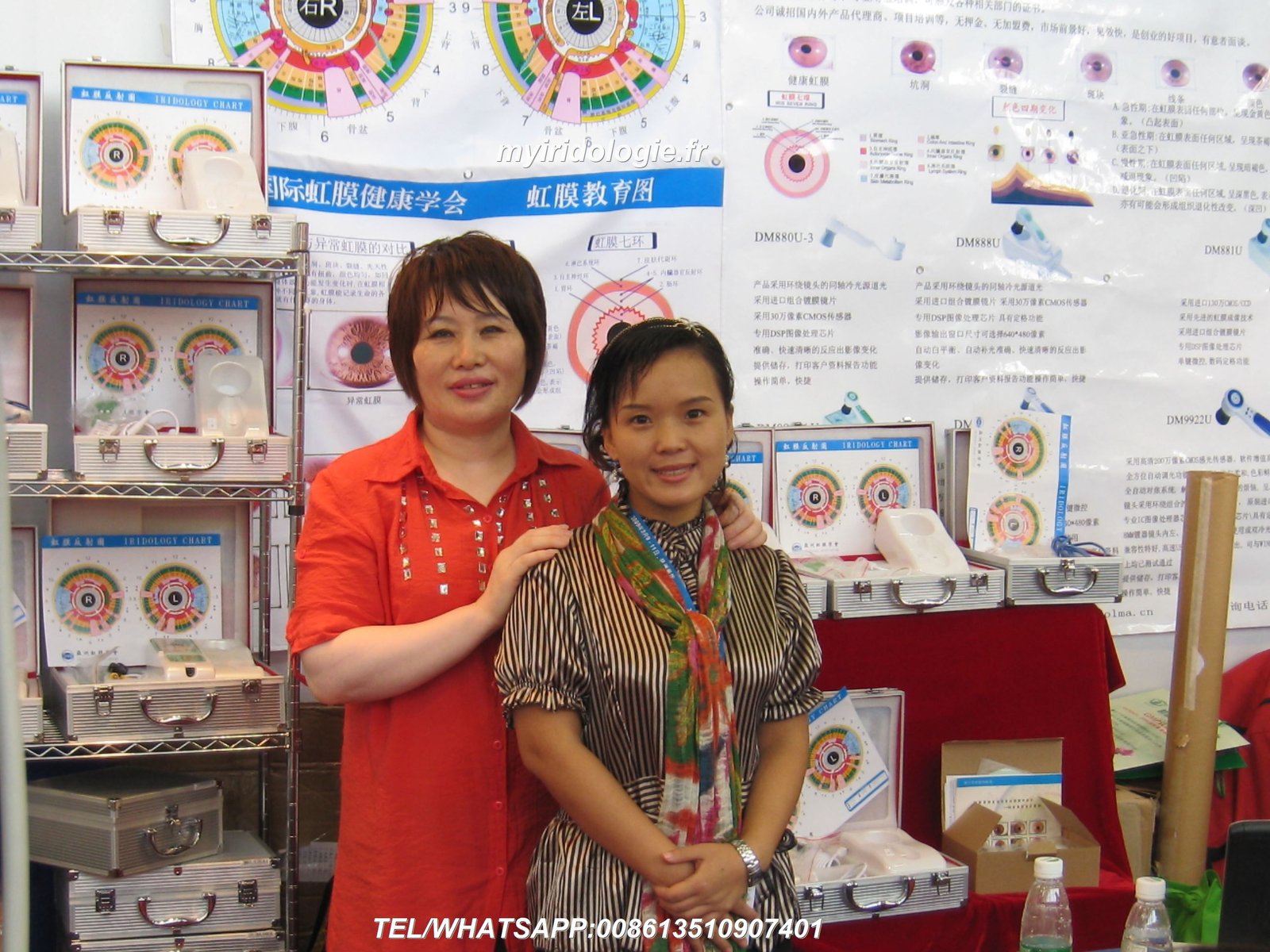
The Holistic Assessment Framework
Traditional iridology works best as one data point within comprehensive wellness assessment. A complete holistic health evaluation might include:
Traditional Observations
- Iridology iris patterns
- Tongue observation
- Nail assessment
- Postural analysis
Client History
- Health history review
- Lifestyle assessment
- Dietary patterns
- Stress factors
Wellness Measurements
- Body composition
- Energy levels
- Sleep quality
- Digestive function
Medical Information
- Current diagnoses
- Medications
- Recent test results
- Physician recommendations
Iridology observations contribute to this comprehensive picture but don’t stand alone as assessment tools.
Complementary Modality Coordination
Many holistic practitioners combine iridology with other traditional systems:
- Iridology and Reflexology: Observations from both systems may prompt discussions about similar body regions
- Iridology and Nutrition: Iris patterns traditionally associated with digestive zones often lead to nutritional wellness conversations
- Iridology and Acupressure: Traditional systems noting similar energy pathway observations
For example, iridology and reflexology practitioners might note that both traditional systems associate certain zones with digestive function. This correlation can guide wellness discussions without constituting medical diagnosis.
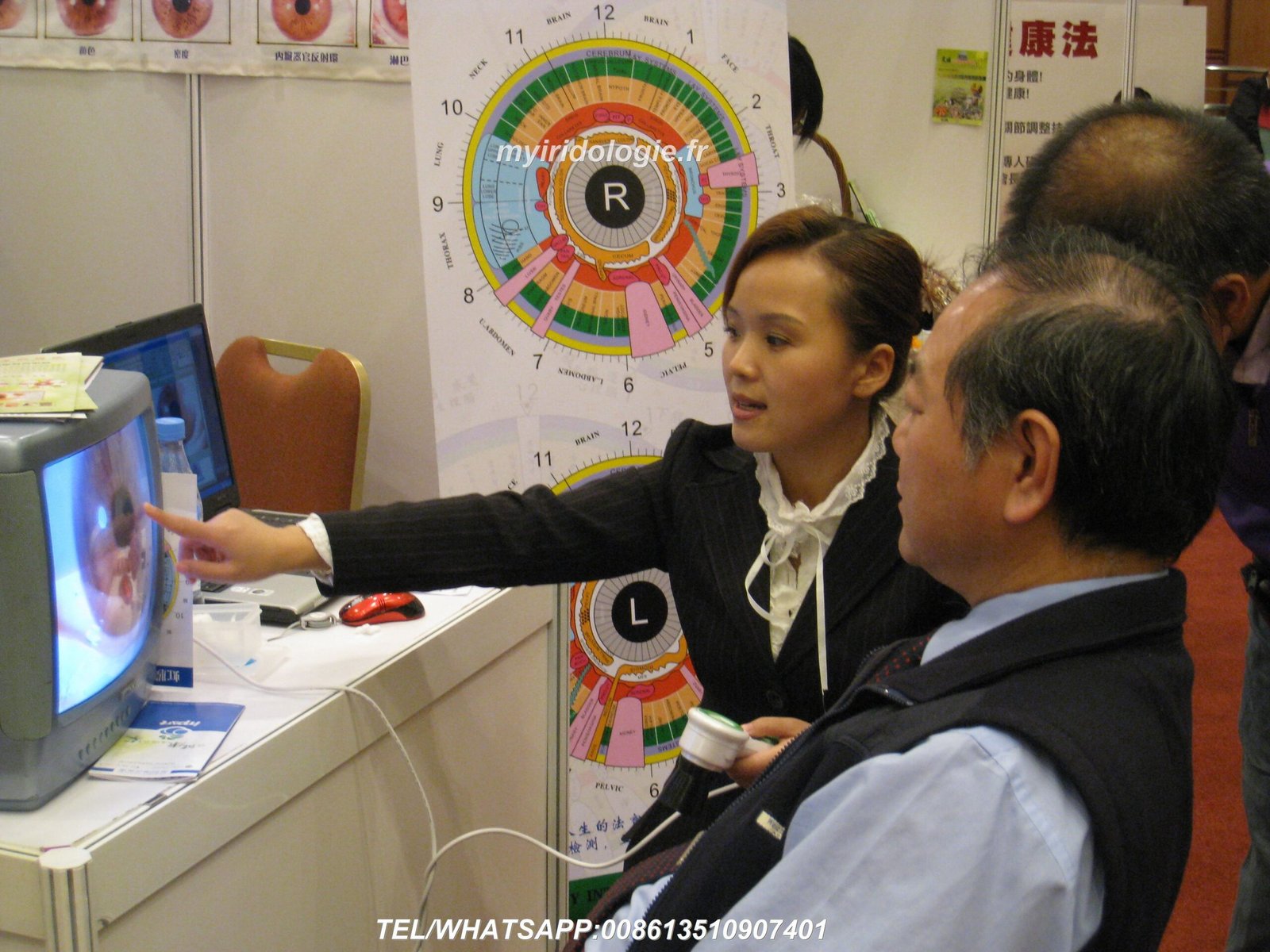
Documentation and Client Communication
Clear communication about the role of iridology within your practice builds trust and manages expectations:
- Initial Consultation: Explain that iridology provides traditional observations, not medical diagnosis
- Written Materials: Provide clear disclaimers in intake forms and educational handouts
- Observation Documentation: Record what you observe using descriptive rather than diagnostic language
- Wellness Planning: Base recommendations on comprehensive assessment, not iris patterns alone
- Follow-up Protocol: Use iris documentation to track changes during wellness programs while maintaining appropriate boundaries
Professional software systems support this documentation approach by allowing practitioners to organize observations systematically without implying diagnostic capability.
Educational Opportunities
Iridology’s visual nature makes it an effective educational tool for wellness concepts:
- Visual representation of body systems helps clients understand anatomical relationships
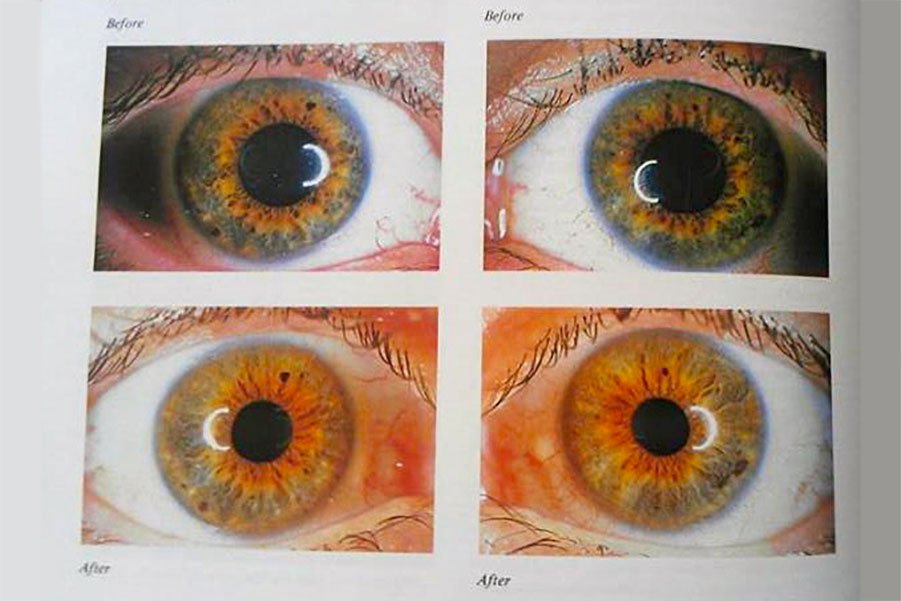
- Before/after iris photographs can document changes during wellness programs
- Traditional iris charts facilitate discussions about interconnected body systems
- Historical iridology context teaches clients about traditional observation systems
This educational application serves legitimate purposes without requiring false diagnostic claims. Clients appreciate visual tools that help them understand traditional wellness perspectives.
Professional Equipment Considerations for Iris Color Documentation
Accurate documentation of amarillo patterns and other iris characteristics requires appropriate professional equipment. After working with health practitioners across the United States for over two decades at MAIKONG, I’ve identified key factors that separate reliable professional systems from inadequate consumer-grade products.
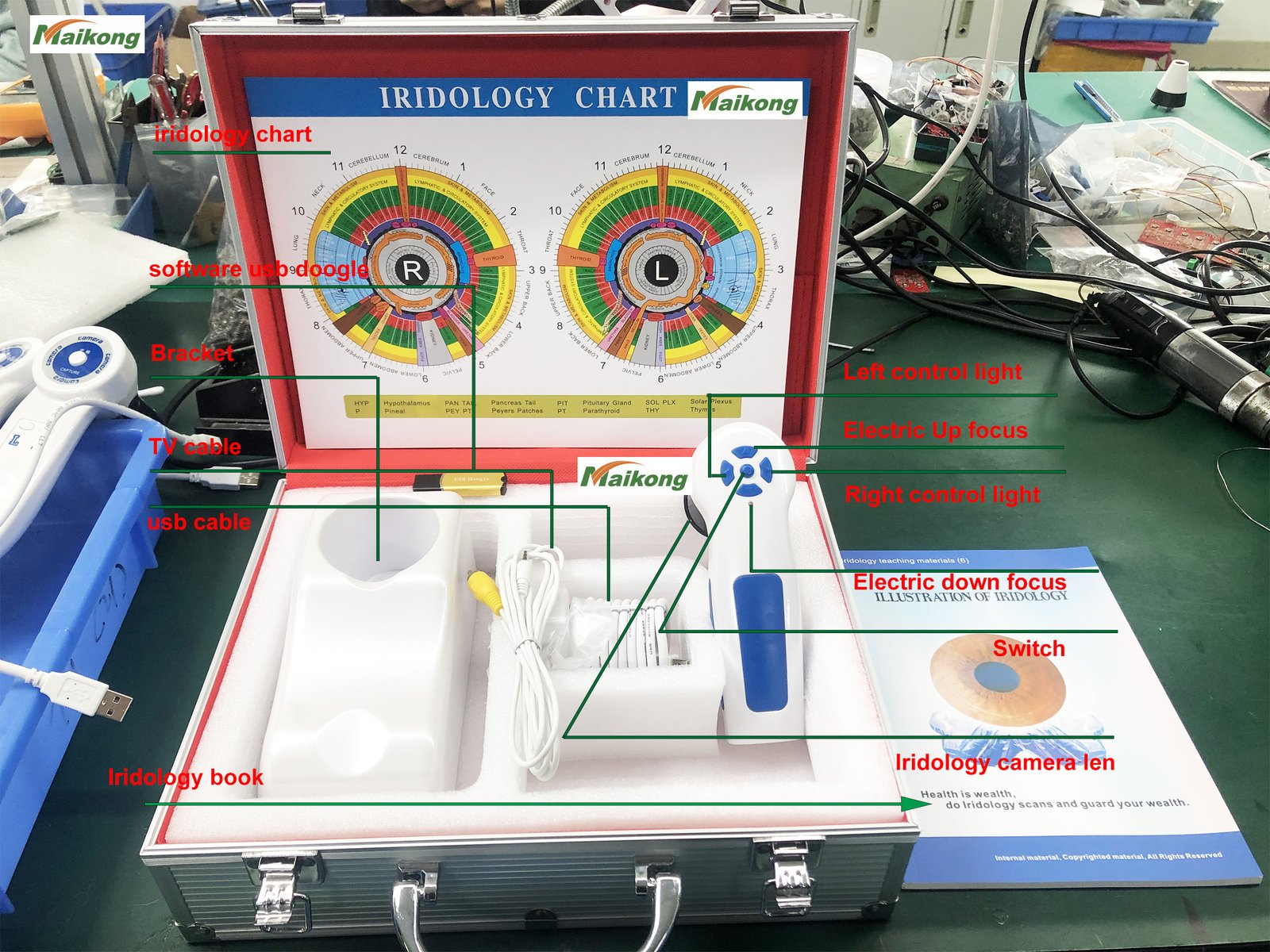
Essential Camera Specifications
Professional iris photography demands specific technical capabilities. The quality iridology camera manufacturers provide systems meeting these standards:
| Specification | Minimum Professional Standard | Why It Matters |
| Sensor Resolution | 12 Megapixels | Captures fine iris fiber detail and subtle color variations including amarillo tones |
| Illumination System | LED Ring Light (adjustable intensity) | Provides even, color-accurate lighting without harsh shadows or reflections |
| Focus System | Adjustable Manual Focus | Ensures sharp iris detail capture regardless of patient eye conditions |
| Color Processing | Auto White Balance + Color Temperature Filter | Maintains color accuracy for reliable documentation of yellow-amber tones |
| Image Stabilization | Optical Image Stabilizer | Reduces blur from hand movement during capture |
| Connectivity | Direct USB Connection | Ensures reliable data transfer without wireless connectivity issues |
Systems meeting these specifications support professional documentation standards. Lower-quality consumer cameras may capture images, but inconsistent color accuracy and insufficient resolution compromise professional utility.
Software Requirements for Professional Practice
Professional iridology software should provide comprehensive functionality beyond basic image viewing:
Core Features
- Client database with secure storage
- Date-stamped image archives
- Side-by-side comparison views
- Chart overlay capabilities
- Color measurement tools
- Report generation functions
Advanced Capabilities
- Multi-language support
- 3D visualization options
- Backup and restore functions
- Customizable report templates
- Integration with practice management
- Remote consultation support
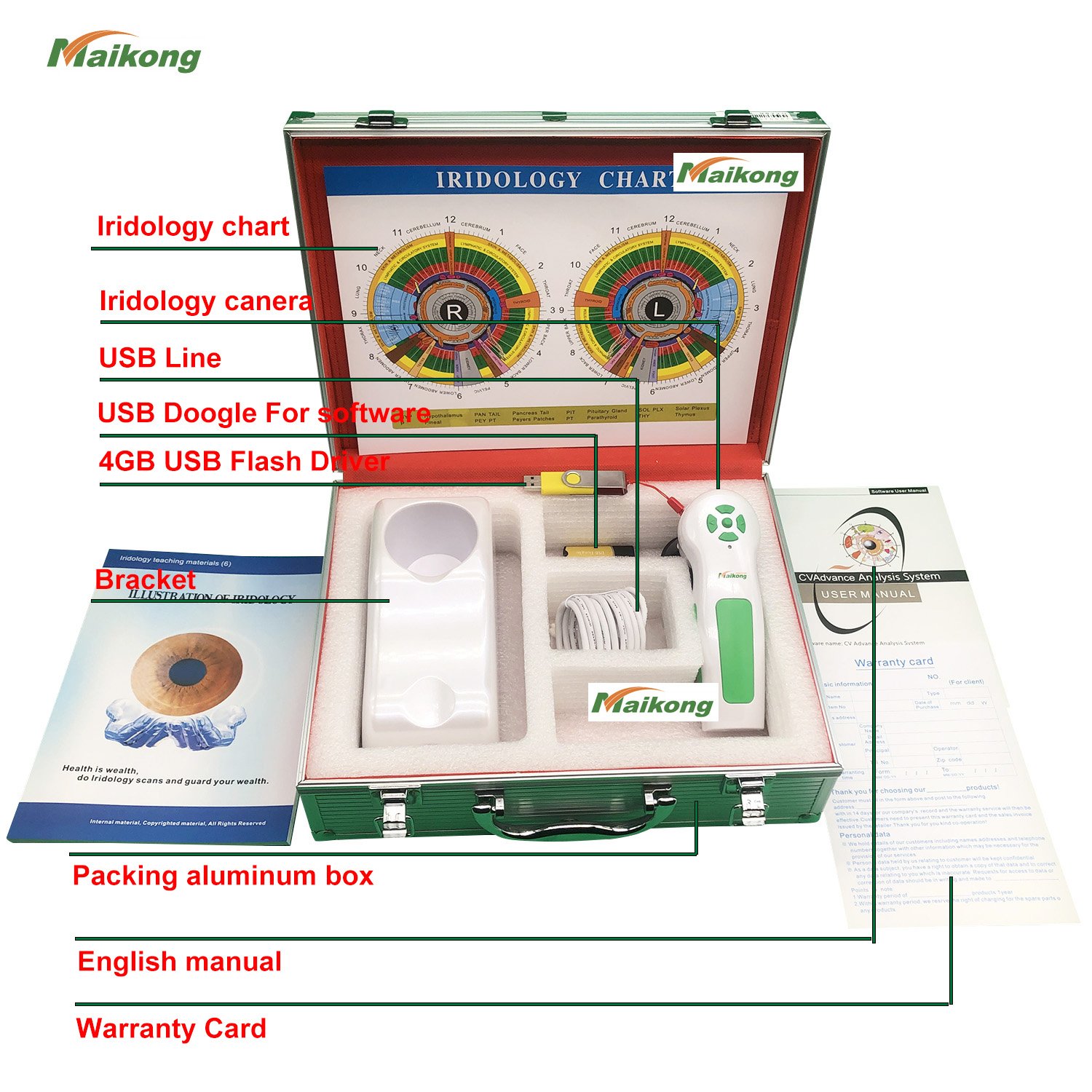
Software compatibility matters significantly. Professional systems should support current operating systems including Windows 10/11 and macOS versions. Cross-platform support allows practitioners flexibility in their technology choices.
Complete System Components
A professional iris documentation system includes more than just camera and software. Complete packages should provide:
- Camera with Specialized Iris Lens: 30X magnification lens optimized for iris photography
- Adjustable Stand or Mounting: Stable positioning system for consistent capture angle and distance
- Professional Software License: Full-featured software with lifetime updates and technical support
- USB Encryption Dongle: Software security key preventing unauthorized use
- Protective Storage Case: Organized transport and storage for equipment
- Complete Documentation: User manuals, training videos, and operation guides
- Lens Protective Cover: Equipment protection when not in use
Practitioners should verify that complete system components are included rather than purchasing camera and software separately. Integrated systems ensure compatibility and comprehensive support.
Technical Support and Training Considerations
Equipment quality matters, but ongoing support determines long-term practice success:
Support Factor: Equipment purchase should include comprehensive technical support, not just initial setup assistance. Look for manufacturers providing ongoing software updates, troubleshooting help, and equipment replacement services.
- Initial Training: Comprehensive instruction on equipment operation and maintenance
- Software Updates: Regular updates including new features and compatibility improvements
- Technical Troubleshooting: Responsive support for equipment issues or software questions
- Replacement Parts: Available components for equipment repair or upgrade
- Practice Integration Support: Guidance on incorporating equipment into existing workflow
Our experience at MAIKONG shows that practitioners value responsive technical support as much as equipment quality. A reliable support relationship ensures equipment investment provides years of professional service.
Case Study Approach to Amarillo Pattern Documentation
Understanding how to document and discuss amarillo patterns benefits from examining case study examples. These examples illustrate appropriate observation documentation while maintaining proper boundaries.
Case Study Example: Wellness Program Documentation
Background: A 52-year-old client presented for holistic wellness consultation interested in nutritional support. Initial iris photography documented as part of comprehensive assessment.
Initial Observations (Documentation Language Examples)
- “Right iris shows yellow-amber coloration in 7-8 o’clock zone (traditional liver region)”
- “Moderate density of iris fibers with visible yellow overlay in digestive zones”
- “Traditional iridology systems historically note these patterns in connection with digestive wellness discussions”
- “Client reports history of digestive discomfort and interest in dietary modifications”
Note the careful language: describing what is observed without diagnostic claims. The documentation connects traditional iridology observations with client-reported wellness concerns.
Wellness Plan (Non-Diagnostic Approach)
Based on comprehensive assessment including client history, lifestyle factors, and traditional observations:
- Nutritional consultation focused on digestive wellness
- Stress management techniques discussed
- Hydration and fiber intake recommendations
- Referral to gastroenterologist for comprehensive medical evaluation of digestive concerns
- Six-month follow-up iris photography scheduled for wellness program documentation
The plan incorporates traditional wellness approaches while ensuring appropriate medical referral. Iris observations prompted wellness discussions but did not constitute diagnosis or treatment prescription.
Follow-up Documentation
Six-month follow-up iris photography for comparison:
- “Yellow-amber coloration in right iris 7-8 o’clock zone appears less pronounced compared to initial documentation”
- “Client reports improved digestive comfort following dietary modifications”
- “Medical evaluation by gastroenterologist ruled out significant pathology; physician supports continued nutritional approach”
- “Iris fiber density and clarity appear improved in comparison photographs”
This documentation approach shows appropriate use of iris photography within wellness practice: documenting changes over time while maintaining boundaries regarding diagnostic claims.
What This Case Study Demonstrates
- Appropriate Language: Using descriptive observation terminology rather than diagnostic claims
- Comprehensive Assessment: Iris observations as one data point among multiple assessment methods
- Medical Collaboration: Appropriate referral to physician for medical evaluation
- Documentation Standards: Systematic photography at consistent intervals for comparison
- Client-Centered Approach: Focusing on client-reported outcomes and wellness goals
Professional practitioners can adapt this documentation framework to their specific practice contexts while maintaining appropriate boundaries.
Related Iridology Concepts and Observations
Understanding amarillo patterns benefits from familiarity with related traditional iridology concepts. These observations appear in historical iridology texts and contemporary practice discussions.
Arcus Senilus and Age-Related Changes
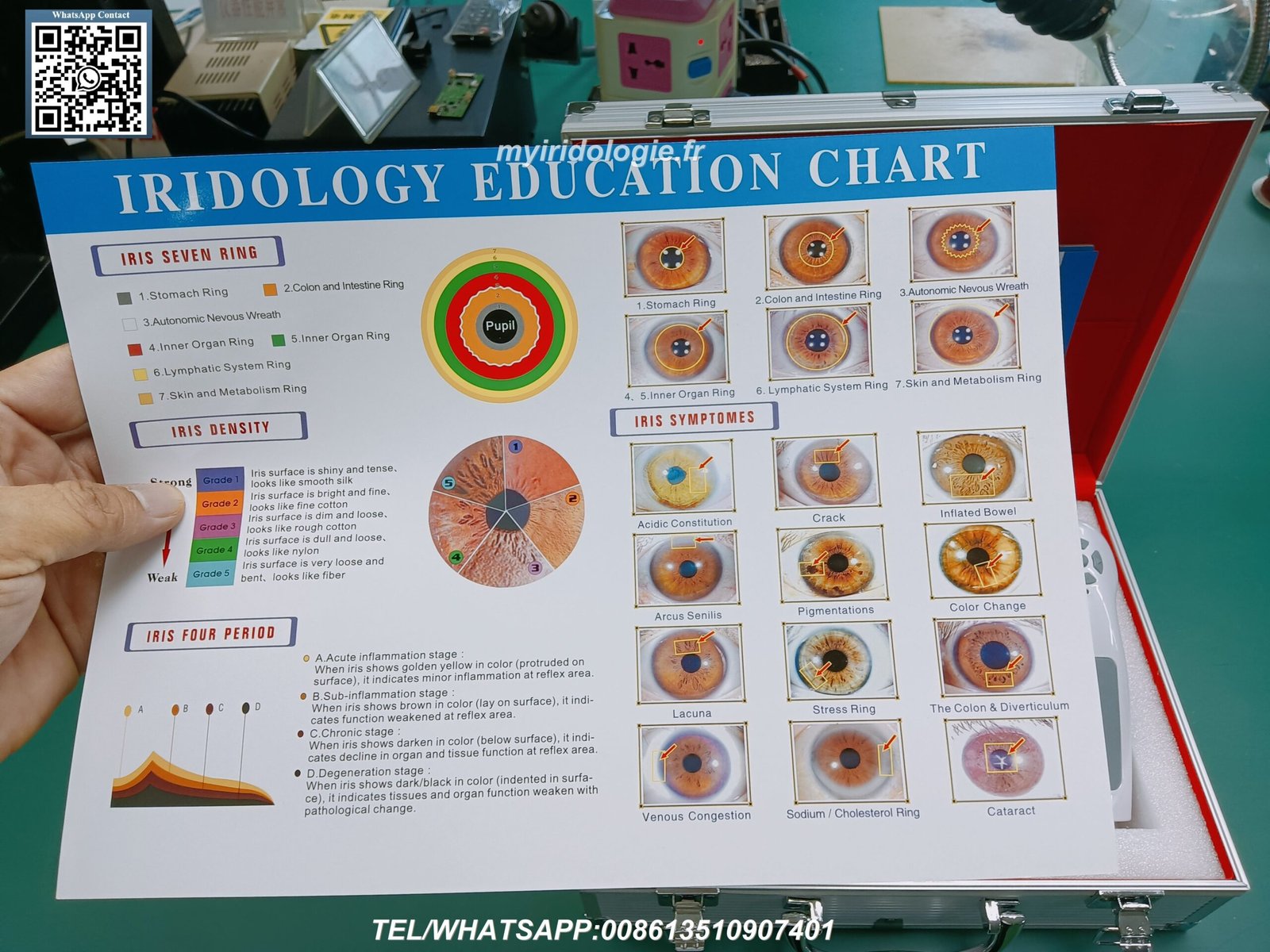
While distinct from amarillo patterns, iridology arcus senilus observations often appear in similar contexts. Arcus senilis refers to a white or grayish ring around the outer iris edge, traditionally associated with age-related changes.
Traditional iridology systems note that arcus senilis appearing in individuals under 50 years old may prompt discussions about cardiovascular wellness. However, actual cardiovascular health requires proper medical evaluation including cholesterol testing, blood pressure monitoring, and physician assessment.
Anxiety and Stress Markings
Traditional texts discussing iridology anxiety describe certain iris fiber patterns and tension rings. These observations relate to the autonomic nervous system zones in traditional iridology mapping.
When practitioners observe these patterns alongside amarillo colorations, traditional interpretation suggests considering stress as a wellness discussion topic. However, actual anxiety disorders require professional mental health evaluation and treatment.
Constitutional Types and Color Classifications
Historical iridology systems classified iris colors into constitutional types:
Traditional Color Classifications
- Lymphatic (Blue): Light blue iris traditionally associated with lymphatic constitution
- Hematogenic (Brown): Dark brown iris traditionally linked to blood/endocrine constitution
- Mixed (Hazel/Green): Combination colors showing both blue and yellow-brown pigmentation
Modern Understanding
- Iris color primarily determined by genetics
- Constitutional type systems represent traditional observation categories
- No scientific validation for health predictions based on iris color type
The amarillo colorations discussed in this article typically appear as overlays or pigmentation variations within the base iris color, rather than representing the overall constitutional classification.
Regional Variations: Iridology Practice Across the United States
Iridology practice varies across different regions. Practitioners searching for terms like iridology anderson sc, iridology asheville nc, iridology bend oregon, or iridology birmingham often seek local training or equipment resources.
Regional practice considerations include:
- State-specific scope of practice regulations
- Local healthcare culture and openness to complementary approaches
- Regional training opportunities and professional networks
- Equipment suppliers and technical support availability
Regardless of location, fundamental principles remain constant: appropriate boundaries, medical collaboration, and ethical practice standards.
Black and White Photography in Historical Iridology
Early iridology documentation used iridology black and white photography due to technological limitations. Historical practitioners assessed iris structure, density, and marking patterns without color information.
Modern color photography provides significant advantages for documenting amarillo patterns and other color-dependent observations. However, black and white imaging still offers value for assessing iris fiber structure and density independent of color variations.
Frequently Asked Questions About Iridology Amarillo TX
What does “amarillo” mean in iridology, and how does it relate to health observations?
In iridology, “amarillo” (Spanish for “yellow”) refers to yellow or amber colorations appearing in specific iris zones. Traditional iridology systems historically associated these color patterns with particular body regions, especially digestive organs like liver and pancreas zones. However, these are traditional observations, not medical diagnoses.
Yellow-amber iris coloring may be normal genetic variation or could indicate various conditions requiring proper medical evaluation. Iridology observations serve educational purposes and wellness discussions but never replace professional medical diagnosis. Anyone with health concerns should consult licensed healthcare providers regardless of iris appearance.
Can iridology amarillo patterns diagnose liver disease or other medical conditions?
No. Iridology cannot diagnose any medical condition including liver disease, hepatitis, cirrhosis, or other specific illnesses. While traditional iridology charts show a “liver zone” in the right iris (7-8 o’clock position) where yellow colorations have been historically observed, these observations do not constitute medical diagnosis.
Actual liver disease diagnosis requires proper medical testing including liver function blood tests (AST, ALT, bilirubin levels), imaging studies (ultrasound, CT, MRI), and physician evaluation. Yellow iris colorations should prompt medical consultation, but iris appearance alone cannot confirm or rule out liver conditions.
Traditional iridology serves as an observational system for wellness discussions, not a diagnostic tool replacing conventional medicine.
What equipment do I need for professional documentation of iris color patterns including amarillo tones?
Professional iris color documentation requires specialized equipment including: (1) High-resolution iridology camera with minimum 12-megapixel sensor, LED ring illumination, and color-accurate imaging capability; (2) Professional iridology software for image management, analysis tools, and client database; (3) Stable camera stand or mounting system for consistent positioning; (4) Computer system meeting software requirements.
At MAIKONG, we manufacture complete professional systems including the MK-Iris 12MP camera with specialized iris lens, full-featured analysis software supporting 17 languages, USB security dongle, protective case, and comprehensive training materials. Our systems support both Windows and macOS operating systems.
Quality equipment provides clear color documentation, but remember that even the best technology cannot transform traditional observation into medical diagnosis. Equipment serves documentation and educational purposes within appropriate practice boundaries.
How do I interpret yellow-amber iris patterns according to traditional iridology charts?
Traditional iridology interpretation involves several steps: (1) Capture clear iris photographs using professional equipment; (2) Overlay traditional iridology charts on captured images to identify zone locations; (3) Document observed color patterns using descriptive language; (4) Reference traditional iridology texts regarding historical associations of specific zones with body regions; (5) Consider observations within comprehensive wellness assessment including client history and lifestyle factors.
For amarillo patterns specifically: yellow-amber colorations appearing in the right iris 7-8 o’clock zone have been traditionally associated with digestive organ observations; similar colorations in other zones connect to different traditional body region associations according to historical iridology mapping systems.
Critical reminder: interpretation provides traditional observation context for wellness discussions, never medical diagnosis. Always use careful language distinguishing between historical observation systems and medical diagnostic procedures.
Where can I receive training in traditional iridology analysis including color pattern interpretation?
Several options exist for iridology education in the United States: (1) Dedicated iridology training institutions offering comprehensive certification programs; (2) Natural health colleges including iridology within broader naturopathic or holistic health curricula; (3) Online courses providing foundational knowledge and practical training; (4) Workshop-based training through professional organizations; (5) Equipment manufacturers like MAIKONG offering training materials and video instruction with equipment purchases.
Quality training programs should cover: traditional iridology history and theory, iris anatomy and physiology, chart systems and zone mapping, proper documentation methods, ethical boundaries and medical collaboration, scope of practice and legal considerations, and practical photography and observation skills.
Before enrolling, verify that training emphasizes appropriate boundaries between traditional observation and medical diagnosis. Responsible programs teach iridology as a complementary wellness observation system, not a diagnostic alternative to conventional medicine.
Is there scientific evidence supporting iridology amarillo pattern interpretations?
Scientific research examining iridology’s diagnostic validity has generally found insufficient evidence to support specific health claims. Multiple studies published in peer-reviewed medical journals have tested whether iridologists could accurately identify medical conditions through iris examination, with results showing accuracy rates no better than chance.
This does not mean iris appearance has no relationship to health factors. Certain medical conditions can cause actual iris color changes (Wilson’s disease, melanoma, some eye diseases). However, the traditional iridology system of correlating specific iris zones with distant body organ health lacks scientific validation.
Responsible practitioners acknowledge these limitations while recognizing iridology’s value as: a traditional observation system with historical context, a visual educational tool for wellness discussions, a client engagement method within holistic practice, and photographic documentation supporting wellness program tracking. These legitimate applications don’t require false diagnostic claims.
How do iridology observations relate to other complementary health approaches like nutrition and reflexology?
Many holistic practitioners integrate multiple traditional observation systems. For example, iridology and nutrition practitioners may note that traditional iris patterns in digestive zones prompt similar nutritional discussions that comprehensive dietary assessment would suggest. Similarly, iridology and reflexology both use mapped systems correlating specific observation points with body regions.
These complementary approaches share common characteristics: historical development through practitioner observation, traditional correlation systems rather than diagnostic methodology, focus on wellness and prevention, holistic perspective on body interconnections, and educational applications in client consultations.
Integration works best when each modality maintains appropriate boundaries. None of these traditional observation systems substitute for medical diagnosis, but together they provide multiple perspectives within comprehensive wellness assessment. The key is presenting them accurately as traditional observation methods, not as diagnostic alternatives to conventional healthcare.
What legal and professional considerations apply to practicing iridology in the United States?
Legal requirements vary significantly by state. Key considerations include: (1) Scope of Practice: Understand what your professional license permits. Licensed naturopaths, chiropractors, and some other healthcare providers may include iridology within their scope; unlicensed practitioners face restrictions on health-related claims. (2) Diagnostic Claims: Making medical diagnostic claims using iridology may constitute practicing medicine without a license in most jurisdictions. (3) Medical Collaboration: Maintain referral relationships with physicians and encourage clients to continue medical care.
Professional considerations include: Clear disclaimers in written materials and practice space, accurate representation of iridology as traditional observation (not diagnosis), appropriate liability insurance for your practice type, documentation maintaining boundaries in client records, ethical advertising avoiding diagnostic or cure claims, and continuing education in both iridology methods and scope of practice boundaries.
Before establishing an iridology practice, consult with legal counsel familiar with healthcare regulations in your state. Compliance protects both you and your clients while ensuring sustainable professional practice.
Conclusion: Understanding Amarillo Patterns Within Appropriate Context
Throughout this comprehensive guide, we’ve explored what “amarillo” means in traditional iridology, how these yellow-amber iris colorations relate to body systems in historical observation frameworks, and the critical boundaries between traditional observation and medical diagnosis.
Key takeaways for health professionals and individuals interested in iridology include:
- Traditional Context: Iridology amarillo patterns represent historical observation correlations, not medical diagnostic criteria
- Appropriate Boundaries: Iris examination serves educational and wellness discussion purposes but never replaces proper medical diagnosis
- Professional Documentation: Quality equipment and systematic methods support responsible practice within appropriate scope
- Medical Collaboration: Effective practice involves cooperative relationships with conventional healthcare providers
- Client Safety: Responsible practitioners ensure clients receive proper medical care for actual health concerns
Traditional iridology, when practiced ethically and accurately represented, offers value as an educational tool, wellness observation method, and client engagement approach within holistic health practice. Its value doesn’t depend on false diagnostic claims or promises it cannot fulfill.
For health professionals seeking to incorporate iris observation into their practice, success depends on three factors: quality professional equipment providing accurate documentation, comprehensive education in both traditional methods and appropriate boundaries, and commitment to ethical practice prioritizing client welfare over commercial interests.
Professional Equipment Solutions for Iridology Practice
At MAIKONG, we’ve supported health professionals across the United States and globally for over twenty years with professional-grade iridology equipment and comprehensive technical support. As a direct manufacturer based in Shenzhen, China (GD province, SZ city), we offer unique advantages for practitioners establishing or upgrading their iris documentation capabilities.
Why Professional Practitioners Choose MAIKONG Systems
Manufacturing Excellence
- 20 years iridology equipment development experience
- ISO 9000 certified manufacturing processes
- CE certified equipment meeting international standards
- Complete quality control from design through delivery
Professional Support
- Comprehensive English-language documentation
- Video training materials and user guides
- Responsive technical support via email and WhatsApp
- Lifetime software updates and improvements
Complete Professional System Specifications
Our MK-Iris 12MP Professional Iridology System includes:
| Component | Specifications |
| Camera System | 12.0 Megapixel CCD sensor, 30X iris-optimized lens, LED ring illumination (adjustable intensity), Optical Image Stabilizer, Auto white balance and color temperature filter, Single-button capture operation, USB direct connection |
| Software Platform | MAIKONG 2024 Version, 17-language support, Windows XP/7/8/10/11 compatible (32 & 64-bit), macOS 10.14-15.0 compatible, Automatic iris analysis, Client database management, 3D visualization tools, Customizable reports, Cloud backup capability |
| Included Accessories | Professional camera stand, 1.5-meter USB cable, Lens protective cover, Leather carrying case, USB encryption dongle, Installation CD, Printed user manual, Online video training access |
| Warranty & Support | 1-year manufacturer warranty, Return and replacement service, Lifetime software updates, Email support: Lucy@myiridology.us, WhatsApp support: +86-135-1090-7401 |
Customization Capabilities for Distributors and Partners
As direct manufacturers, we offer comprehensive OEM/ODM services for qualified distributors and business partners:
Hardware Customization
- Model number customization
- Exterior design modifications
- Color customization
- Feature specifications
Software Customization
- Logo branding
- Language localization
- Feature modifications
- Product integration
Business Support
- Wholesale pricing structures
- Marketing materials
- Technical documentation
- Training resources
Partnership Opportunities for US Health Professionals
We actively seek partnerships with qualified distributors, agents, and representatives across the United States who share our commitment to supporting health professionals with quality equipment and ethical practice standards.
Our Established Partner Network Includes: Direct sales companies (Amway, Natura, Herbalife, Nu Skin, USANA), Health product distributors, Natural therapy clinics and wellness centers, Iridology training institutions, Medical device importers, Beauty salons and spas, Health practitioners and doctors, and Individual entrepreneurs in the health industry.
Partnership advantages with MAIKONG:
- Competitive wholesale pricing with attractive profit margins
- Large inventory availability (warehouses in China and United States)
- Fast delivery and reliable logistics
- Comprehensive marketing and technical support
- Customization capabilities for your brand development
- 20 years manufacturing experience ensuring product quality

Get Started With Professional Iris Documentation Equipment
Whether you’re establishing a new wellness practice, upgrading existing equipment, or exploring distributor partnership opportunities, our team provides personalized consultation to ensure you receive solutions matching your specific needs.
Connect With Our Professional Equipment Team
Contact us to discuss your professional iridology equipment needs, request detailed product specifications, explore partnership opportunities, or schedule equipment demonstrations. Our team responds to all inquiries within 24 hours.
Visit our complete product catalog and download software documentation at myiridology.us
We look forward to supporting your professional success with reliable equipment, comprehensive training resources, and responsive technical support. Together, we can ensure health professionals have the tools they need for ethical, effective iris observation practice within appropriate professional boundaries.