
Dr Pesek Iridology Chart: Complete Guide to Holistic Iris Zone Mapping
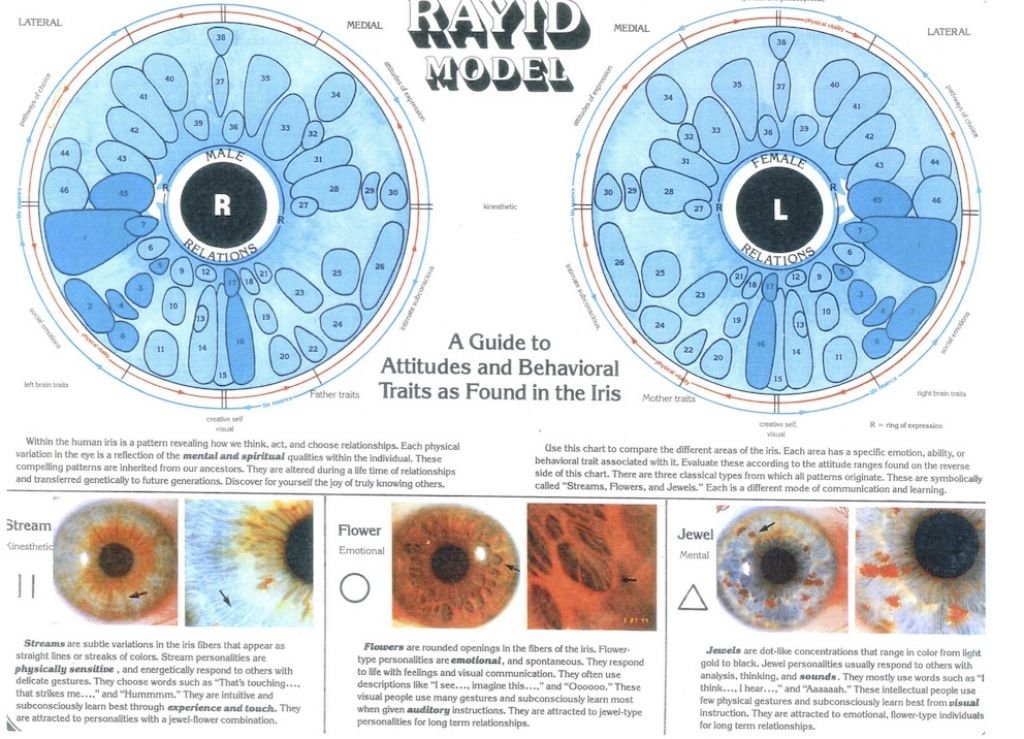
The dr pesek iridology chart represents one of the most comprehensive iris mapping systems used in traditional iridology practice today. Developed by Dr. David Pesek, this chart integrates physical organ zones with thought-emotional patterns, creating what many practitioners call a truly holistic approach to iris observation.
When you search for information about the dr pesek iridology chart, you typically need to understand how iris zones correspond to different body systems, how to read these zones correctly, and how this chart differs from other mapping systems. This guide answers those questions while providing practical context for educational and professional applications.
The chart divides the iris into specific zones that traditional iridology associates with organs and systems. The left eye corresponds to the left side of the body, while the right eye maps to the right side. This bilateral approach helps practitioners observe patterns across both eyes during iris analysis sessions.
Important Educational Note: All information about the dr pesek iridology chart in this article serves traditional iridology education and observation purposes only. Iris observation does not diagnose medical conditions, treat diseases, or replace professional medical examination. Always consult qualified healthcare providers for medical diagnosis and treatment decisions.
Understanding Dr. Pesek’s Holistic Iridology System
Dr. David Pesek pioneered an integrative approach that expanded traditional iris mapping beyond simple organ correlation. His work at the International Institute of Iridology introduced thought-emotional pattern recognition alongside physical zone mapping. This dynamic system views the iris as a reflection of both conscious and subconscious health patterns.

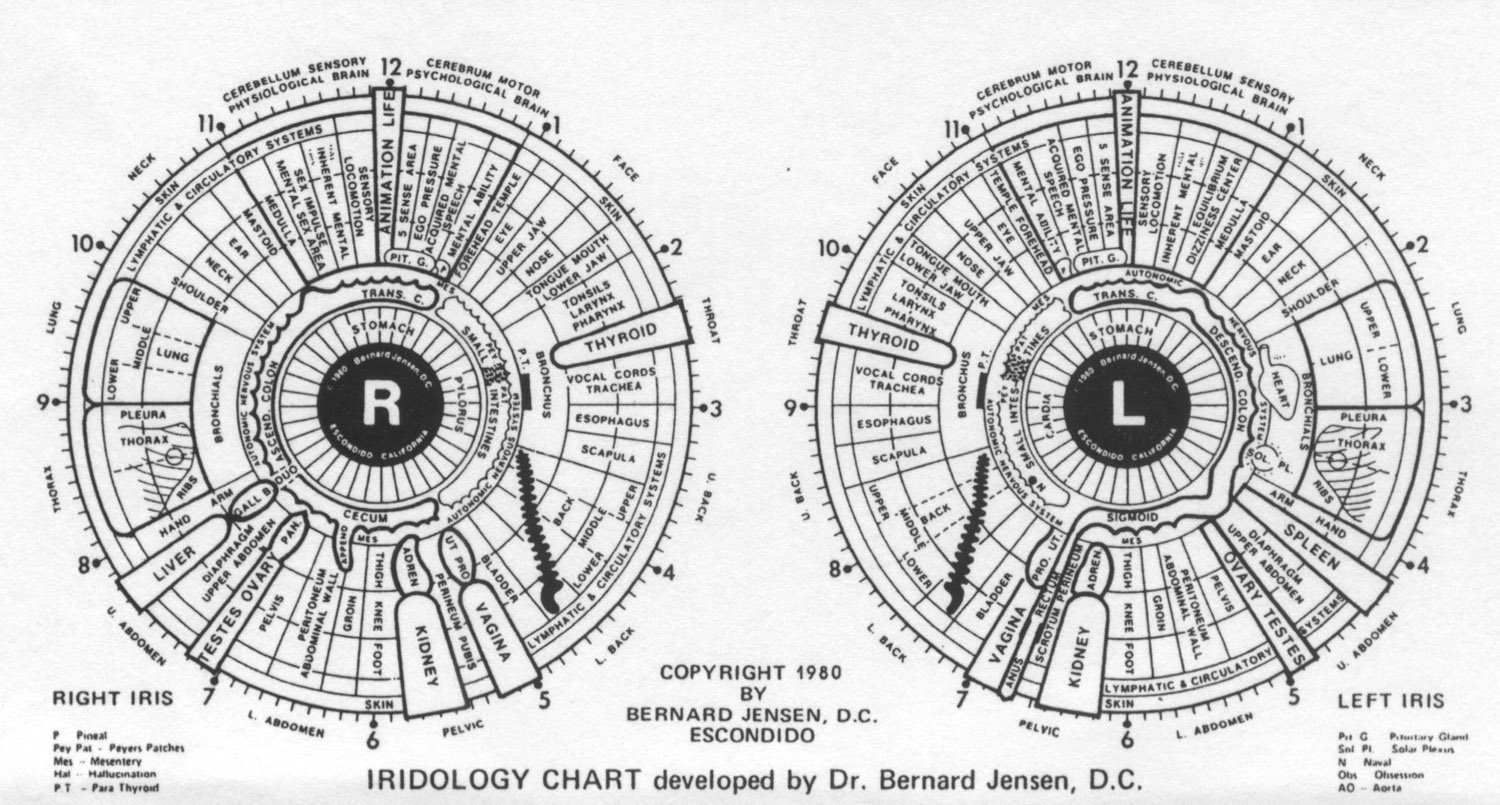
The dr pesek iridology chart organizes iris zones in concentric circles radiating from the pupil outward. Each ring and segment represents different anatomical areas and systems. The pupillary zone sits closest to the pupil, followed by the collarette, and extends to the ciliary zone at the iris periphery. Within these rings, the chart divides the iris into approximately 80 to 90 zones, each assigned to specific organs or body regions.
Key Features of the Dr. Pesek Chart System
- Bilateral mapping showing left and right body correspondence
- Integration of organ zones with emotional-mental patterns
- Color-coded regions for easier zone identification
- Clock position references for precise zone location
- Detailed annotation of major organ systems and glands
- Inclusion of thought-emotional pattern zones
- Compatible with modern iridology camera systems
- Widely used in natural healthcare education programs
Practitioners appreciate how this chart bridges traditional Bernard Jensen mapping with contemporary holistic health concepts. While the bernard jensen iridology chart established foundational iris topography, Dr. Pesek’s work expanded the interpretive framework to include psychosomatic connections.
Chart Zones and Their Traditional Associations
The dr pesek iridology chart assigns specific clock positions to organ zones. For example, the brain area typically maps to the top center of both irises, around 12 o’clock. The heart zone appears in the left iris around 2-3 o’clock, while the liver occupies the right iris around 7-8 o’clock. These positions remain consistent across standardized chart versions.
Upper Iris Zones (12-3 o’clock)
Traditional associations in this region:
- Brain and cerebral areas
- Sinus regions
- Throat zones
- Bronchial areas
Side Iris Zones (3-6 o’clock)
Traditional associations in this region:
- Shoulder and arm zones
- Breast tissue areas
- Kidney regions
- Abdominal zones
Lower Iris Zones (6-9 o’clock)
Traditional associations in this region:
- Pelvic organ zones
- Leg and knee areas
- Lower digestive regions
- Reproductive zones
Upper Side Zones (9-12 o’clock)
Traditional associations in this region:
- Spleen and pancreas areas
- Stomach zones
- Back and spine regions
- Upper limb zones
How to Read and Interpret the Dr Pesek Iridology Chart
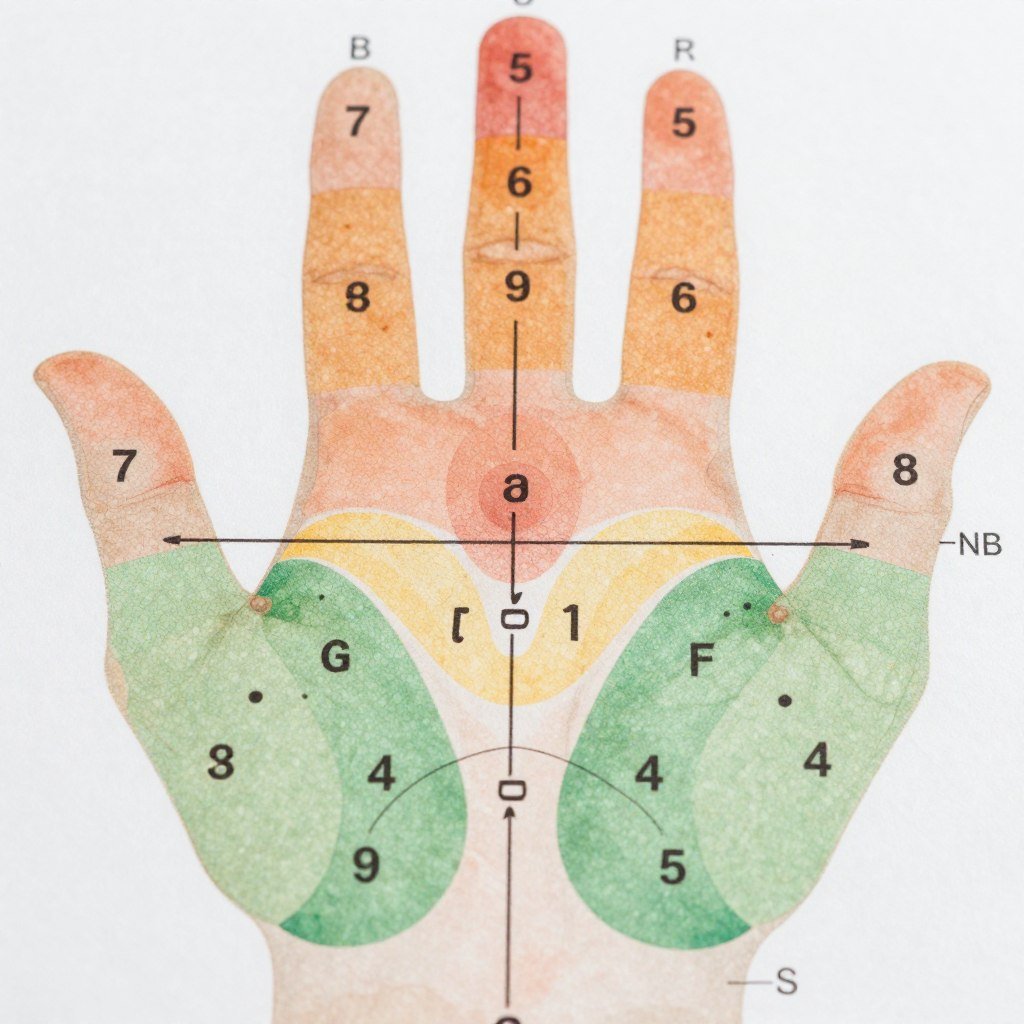
Reading the dr pesek iridology chart requires understanding both the physical layout and the observation methodology. Practitioners typically use this chart alongside high-resolution iris images captured with specialized iridology camera equipment. The chart serves as a reference map while examining actual iris photographs.
Step-by-Step Chart Reading Process
- Orient the iris image correctly: Ensure the iris photo matches the chart orientation with 12 o’clock at the top. Left eye images should align with left eye charts, right eye with right eye charts.
- Identify the pupillary border: Locate the innermost ring where the pupil meets the iris. This boundary marks the beginning of zone mapping.
- Find the collarette: Look for the zigzag border approximately one-third of the way from pupil to outer iris edge. This autonomic nerve wreath divides inner from outer zones.
- Locate zones by clock position: Use the numbered clock positions on the chart to find corresponding zones in the actual iris image.
- Observe zone characteristics: Traditional iridology examines color variations, fiber patterns, markings, and structural features within each zone.
- Cross-reference both eyes: Compare corresponding zones between left and right irises, noting any bilateral differences or similarities.
- Document observations systematically: Record findings using the chart’s zone terminology for clear communication and future reference.
- Consider holistic patterns: Dr. Pesek’s approach encourages viewing individual zones within the context of overall iris patterns and thought-emotional indicators.
Left Eye vs Right Eye Differences
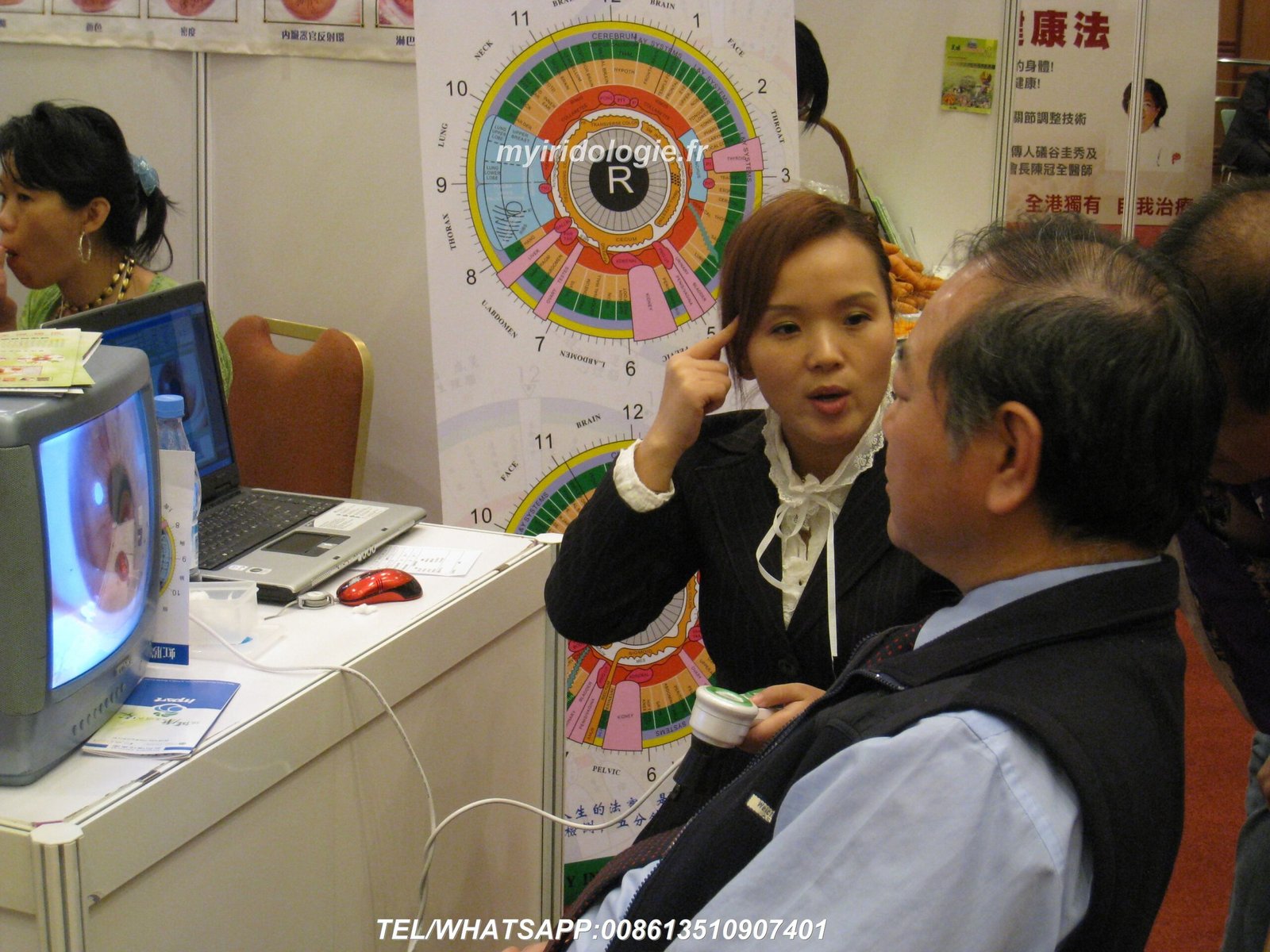
The dr pesek iridology chart designates specific organs to each eye based on body lateralization. Understanding these left-right distinctions helps practitioners map observations correctly. The left eye iridology chart shows zones for left-body organs, while the iridology chart right eye displays right-body correlations.
Left Iris Traditional Zones
- Heart (around 2-3 o’clock)
- Spleen (around 8-9 o’clock)
- Left kidney and adrenal
- Descending colon (lower left)
- Left lung and bronchus
- Left ovary or testicle zones
- Left shoulder and arm areas
Right Iris Traditional Zones
- Liver (around 7-8 o’clock)
- Gallbladder (adjacent to liver zone)
- Right kidney and adrenal
- Ascending colon (lower right)
- Right lung and bronchus
- Right ovary or testicle zones
- Right shoulder and arm areas
Bilateral organs like kidneys, lungs, and limbs appear in corresponding positions on both charts. Single organs like the heart, liver, and spleen appear only in their respective eye charts. This lateralization follows traditional iridology mapping conventions established over decades of practice.
Common Chart Reading Mistakes to Avoid
Avoid These Common Errors:
- Confusing left and right eye orientations when viewing iris photos
- Misidentifying clock positions due to image rotation
- Overlooking the collarette boundary when locating zones
- Assuming all charts use identical zone divisions (variations exist between different iridology systems)
- Interpreting chart zones as medical diagnostic indicators rather than traditional observation references
- Ignoring bilateral comparisons between both eyes
- Relying solely on static charts without understanding dynamic iris changes over time
Dr Pesek Iridology Chart Types and Available Formats
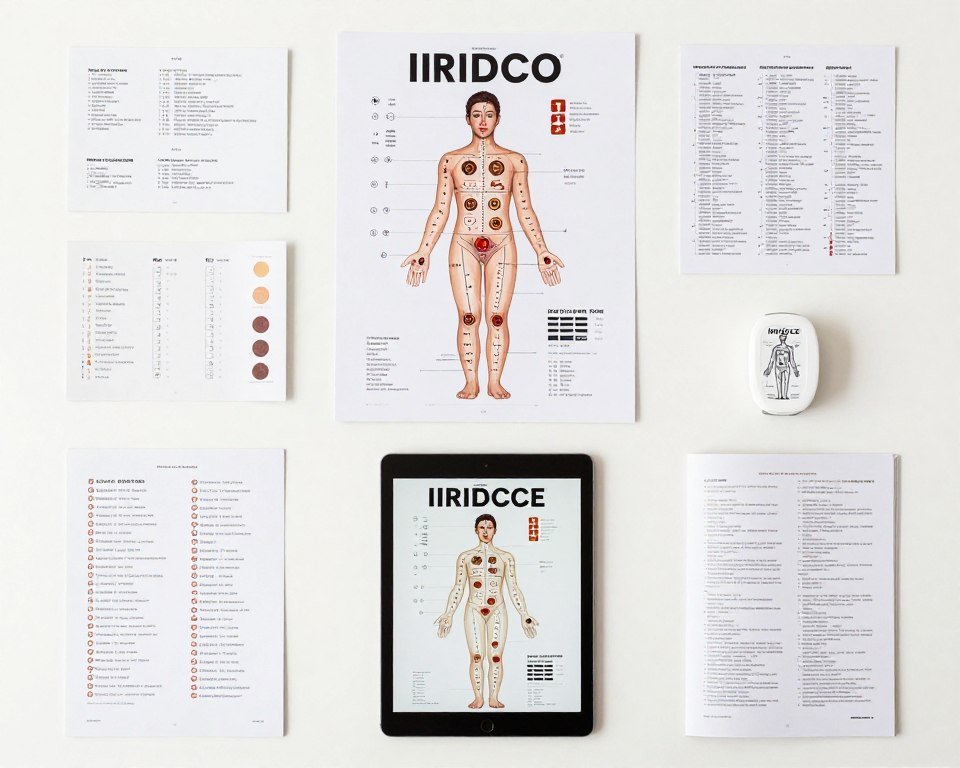
The dr pesek iridology chart comes in various formats designed for different professional and educational applications. Practitioners choose formats based on their primary use case, whether clinical consultation, student teaching, or reference during iris analysis sessions.
Physical Chart Formats
Wall Posters
Large-format charts designed for clinic walls or teaching environments. These typically measure 24×36 inches or larger, printed on heavy stock paper or laminated for durability.
- Highly visible during consultations
- Excellent teaching aids for group sessions
- Professional presentation in clinic settings
- Available in color or simplified versions
Laminated Desktop References
Smaller charts sized for desk or workstation use, typically 8.5×11 or 11×17 inches, with protective lamination for frequent handling.
- Quick reference during analysis sessions
- Durable for daily use
- Easy to clean and maintain
- Portable for mobile practitioners
Printed Booklet Pages
Chart pages included in iridology textbooks or study guides, allowing for annotation and note-taking alongside educational content.
- Integrated with learning materials
- Space for personal notes
- Portable study resource
- Often includes explanatory text
Digital Chart Formats
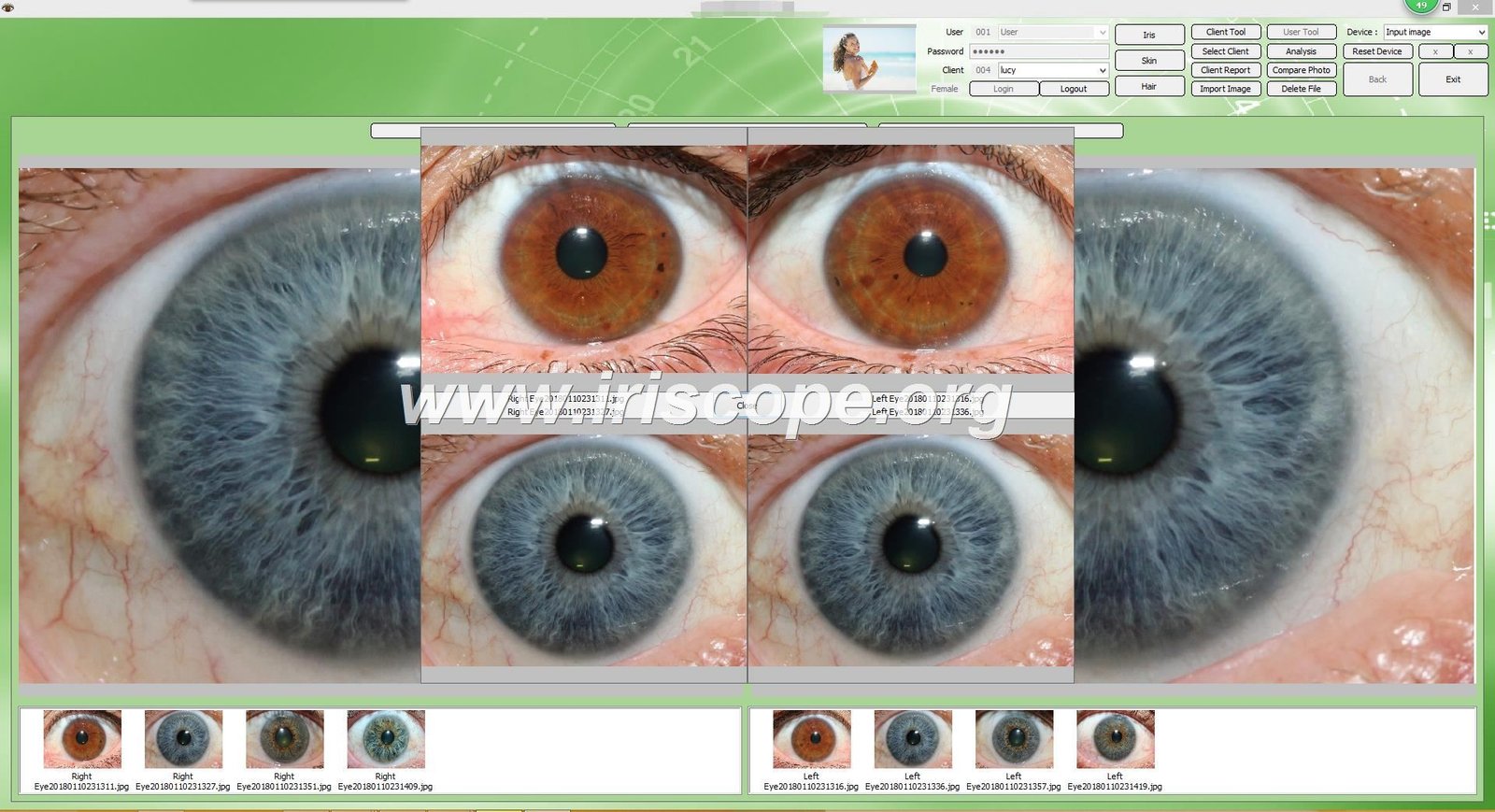
Modern practitioners increasingly use digital versions of the dr pesek iridology chart integrated with iridology software systems. These digital formats offer advantages over static physical charts, particularly when analyzing iris images captured with USB iridology cameras.
| Digital Format | Description | Key Advantages | Typical Applications |
| PDF Downloads | High-resolution chart files in portable document format | Printable at various sizes, easily shared, device-independent viewing | Personal reference, educational distribution, custom printing |
| Software-Integrated Charts | Interactive charts built into iris analysis software platforms | Overlay on iris images, clickable zones, automated zone identification | Professional analysis sessions, client reports, comparative studies |
| Mobile App Charts | Chart viewers optimized for tablets and smartphones | Portable reference, zoom capability, offline access | Fieldwork, mobile clinics, quick reference lookups |
| Online Interactive Charts | Web-based chart viewers with educational annotations | Always updated, accessible anywhere, often include additional resources | Distance learning, online consultations, reference checking |
When selecting digital formats, practitioners should verify that chart resolution remains sufficient for detailed zone identification. High-quality iridology chart printable versions maintain clarity even when enlarged, ensuring accurate reference during analysis.
Choosing the Right Chart Format for Your Practice
Your choice of dr pesek iridology chart format depends on several practical considerations. Clinical practitioners who conduct in-person consultations often prefer wall posters for client education combined with desktop references for detailed work. Educational institutions typically need multiple formats including large teaching posters and student handouts.
Practitioners using modern iriscope equipment benefit most from software-integrated charts that overlay directly on captured iris images. This integration streamlines the analysis workflow and reduces time spent cross-referencing between separate chart and image displays.
Using Dr Pesek Charts with Iridology Cameras and Software
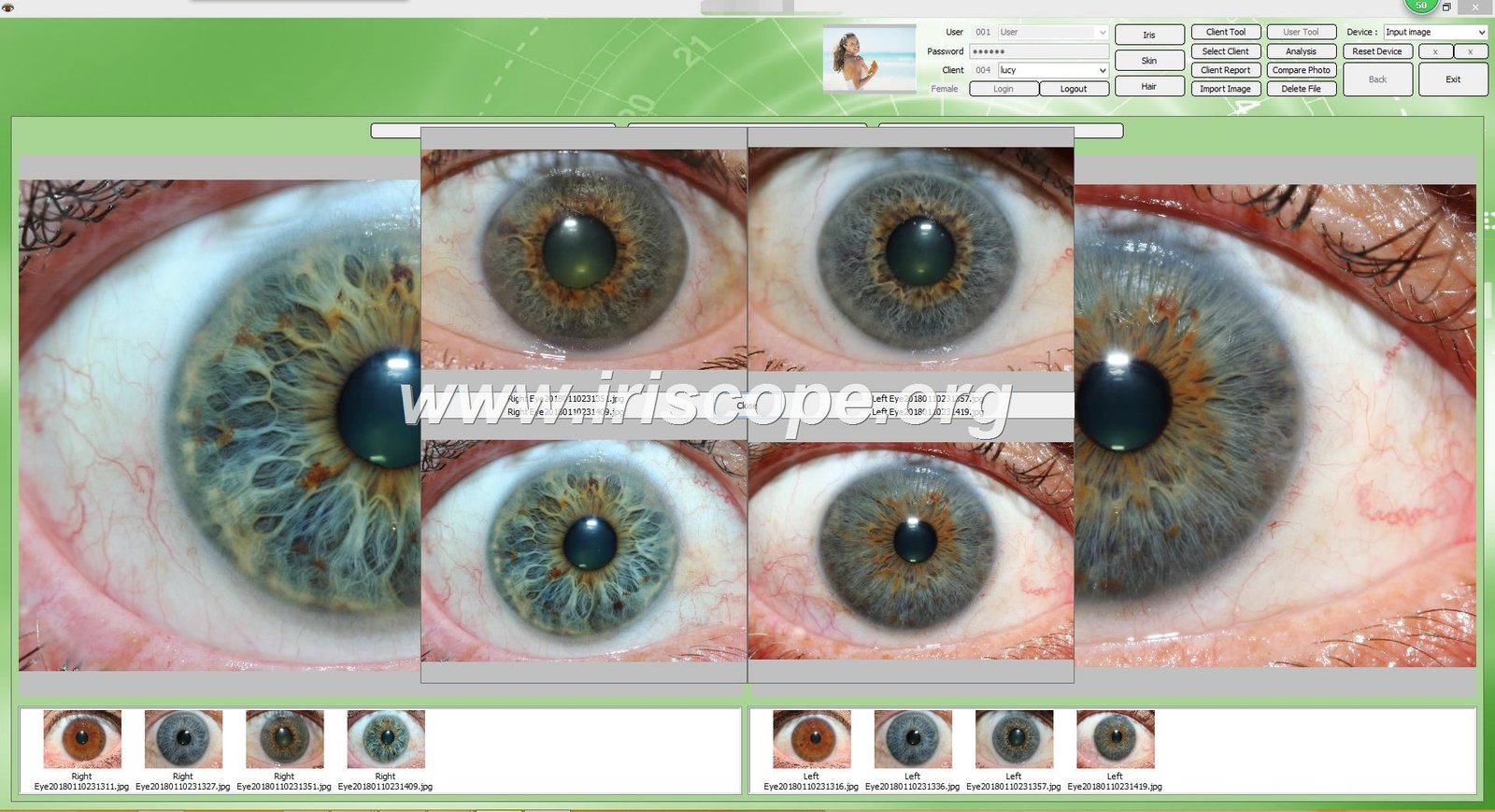
The dr pesek iridology chart reaches its full potential when combined with quality iris imaging equipment and analysis software. Modern iridology practice relies on high-resolution iris photographs that reveal details invisible to unaided observation. The chart provides the interpretive framework for these detailed images.
Integration with Iridology Camera Systems
Professional iridology cameras capture iris images at magnifications between 20x and 60x, revealing fiber structures, color variations, and markings referenced in the dr pesek chart system. When selecting camera equipment, practitioners should ensure the system produces images with sufficient resolution and color accuracy for zone analysis.
| Equipment Component | Specification | Importance for Chart-Based Analysis |
| Camera Resolution | 12MP or higher recommended | Higher resolution reveals fine details within small chart zones |
| LED Illumination | Adjustable brightness, color-balanced | Consistent lighting ensures accurate color assessment per chart references |
| Focus Range | Adjustable 20x-60x magnification | Variable zoom allows examination of different zone depths |
| Software Compatibility | Windows XP/7/8/10/11, macOS support | Broad compatibility ensures chart overlay software functions properly |
| Image Capture | Single-button capture, digital pause | Quick capture reduces eye strain, maintains image quality for analysis |
MAIKONG, a manufacturer based in SZ, GD, produces professional-grade iridology camera systems that integrate seamlessly with chart-based analysis workflows. With over twenty years of development experience, our MK-series equipment supports practitioners who rely on the dr pesek iridology chart and similar mapping systems for their observation work.
Software Features Supporting Chart-Based Analysis
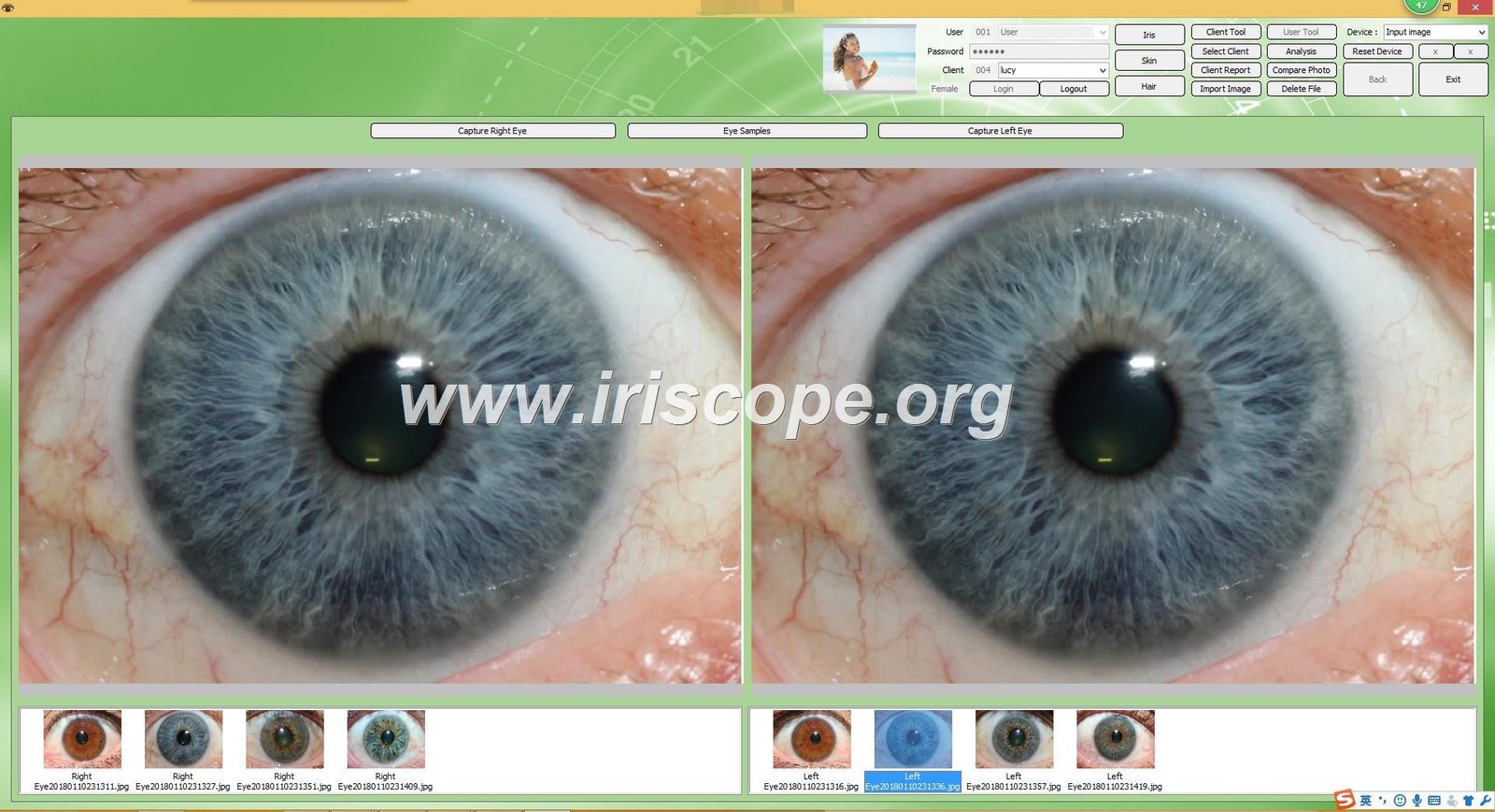
Modern iridology software platforms incorporate the dr pesek chart as an overlay or reference tool. Quality software allows practitioners to position the chart template over captured iris images, aligning zones precisely for detailed observation. Key software features include:
- Chart overlay with transparency adjustment for simultaneous viewing
- Zone highlighting to isolate specific areas for examination
- Annotation tools to mark observations directly on chart zones
- Bilateral comparison screens showing both eyes with synchronized chart overlays
- Report generation incorporating chart references and zone-specific notes
- Multiple chart system support for practitioners who cross-reference different mapping approaches
- Client database integration linking chart-based observations to individual records
- Multi-language support for international practitioners using translated chart versions
Practitioners can learn more about advanced features by exploring iridology chart how to read resources that explain both traditional interpretation methods and modern software-assisted techniques.
Workflow: From Image Capture to Chart-Based Observation
- Position the client comfortably with proper head support for stable iris imaging.
- Adjust camera focus and lighting to capture clear, well-illuminated iris images without glare or shadows.
- Capture both left and right iris images using the camera’s single-button capture feature for consistency.
- Import images into analysis software where dr pesek chart templates are available.
- Overlay the appropriate chart (left or right eye) on each iris image, adjusting transparency and alignment.
- Systematically examine each zone using the chart as a reference guide, noting characteristics within defined areas.
- Document observations using zone-specific terminology from the chart system for clear record-keeping.
- Generate client reports incorporating chart references and visual examples from captured images.
- Store images and reports in the client database for future comparison and pattern tracking.
This integrated workflow transforms the dr pesek iridology chart from a static reference tool into an active component of modern iris observation practice. Quality equipment and software significantly enhance a practitioner’s ability to apply chart-based analysis systematically and consistently.
Educational and Clinical Applications of the Dr Pesek Chart
The dr pesek iridology chart serves dual purposes in both teaching environments and professional practice settings. Understanding how to apply the chart effectively in each context maximizes its value as an educational and clinical resource.
Using the Chart in Teaching and Training
Iridology training programs rely heavily on visual learning tools. The dr pesek chart provides students with a standardized reference framework for learning iris topography and zone correlation concepts. Instructors use the chart to demonstrate zone locations, explain traditional organ associations, and guide students through systematic iris observation exercises.

Teaching Applications
- Introducing basic iris anatomy and zone divisions
- Teaching clock-position zone location methods
- Demonstrating left-right iris differences
- Explaining traditional organ-iris correlations
- Practicing zone identification on sample iris images
- Comparing different iridology chart systems
- Building foundational observational skills
- Creating standardized assessment protocols
Student Learning Benefits
- Visual reference for memorizing zone locations
- Consistent terminology across training programs
- Framework for systematic iris examination
- Foundation for understanding traditional iridology concepts
- Practice tool for developing observation accuracy
- Reference during supervised clinical practice
- Baseline for exploring advanced interpretation methods
- Common language for peer discussion and study
Clinical Consultation Applications
In professional practice, practitioners use the dr pesek iridology chart to organize observations and communicate findings. The chart provides a structured approach to iris examination, ensuring comprehensive coverage of all zones during consultations. It also serves as a visual aid when explaining observations to clients.
During client consultations, practitioners may display the chart on a wall or show it on a computer screen while discussing observed iris characteristics. This visual reference helps clients understand the traditional iridology framework and how practitioners map observations to different body regions. The chart thus becomes a communication tool as much as an analytical reference.
Client Education Advantage: When practitioners show clients where specific observations appear on the dr pesek chart, it demystifies the iridology process and helps clients understand the systematic nature of traditional iris observation. This transparency builds trust and facilitates meaningful health discussions within appropriate educational boundaries.
Documentation and Record-Keeping
The standardized zone terminology from the dr pesek iridology chart enables consistent record-keeping across multiple client sessions. When practitioners document observations using chart-based zone references, they create clear, reproducible records that support pattern tracking over time.
For example, noting “radial furrow in right iris kidney zone (4-5 o’clock)” provides specific, chart-based documentation that any practitioner familiar with the system can understand. This standardization proves valuable in practices with multiple iridologists or when clients transfer between practitioners.

Integration with Complementary Health Practices
Many natural health practitioners incorporate iridology observation into broader wellness assessment approaches. The dr pesek chart’s holistic framework, which includes thought-emotional pattern zones alongside physical organ zones, aligns well with integrative healthcare philosophies.
Nutritionists, naturopathic practitioners, chiropractors, and wellness coaches use the chart as one component of comprehensive health observation protocols. The chart helps these practitioners organize their iris-based observations within a systematic framework while maintaining focus on holistic wellness support.
Frequently Asked Questions About Dr Pesek Iridology Chart
What makes the Dr. Pesek iridology chart different from other iris mapping systems?
The dr pesek iridology chart distinguishes itself through its integration of thought-emotional pattern zones alongside traditional physical organ mappings. While systems like the Bernard Jensen chart focus primarily on organ-iris correlations, Dr. Pesek’s work at the International Institute of Iridology expanded the framework to include conscious and subconscious health pattern observations. This holistic approach views the iris as reflecting both physical constitution and psychosomatic influences, creating what practitioners call a truly integrative mapping system. The chart also features detailed zone subdivisions and color-coding that many practitioners find helpful for systematic observation work.
Can I download a printable version of the dr pesek iridology chart?
Printable versions of the dr pesek iridology chart are available through various channels. Some iridology training organizations provide chart downloads to their students as part of course materials. Publishers of iridology textbooks often include downloadable chart supplements with book purchases. Additionally, some iridology software packages include high-resolution chart files that can be printed at different sizes. When seeking downloadable charts, ensure you obtain them from authorized sources that respect intellectual property rights. Quality printable charts should maintain clear zone labels and accurate color reproduction at standard poster sizes (typically 24×36 inches for wall display or 11×17 inches for desktop reference).
How do I use the dr pesek chart with my iridology camera equipment?
Using the dr pesek iridology chart with camera equipment involves capturing high-resolution iris images and then referencing the chart to identify zones within those images. Most modern iridology software allows you to overlay a digital version of the chart directly onto captured iris photographs. This overlay feature lets you align the chart template with your client’s iris image, making zone identification more accurate and efficient. When using physical printed charts, you would reference the chart separately while examining iris images on your computer screen. For best results, ensure your camera captures images at 12 megapixels or higher resolution with good color accuracy and even LED illumination. Professional equipment designed for iridology observation typically includes software that supports chart overlay features and zone-based annotation tools.
Is the dr pesek iridology chart scientifically validated for medical diagnosis?
No. The dr pesek iridology chart, like all traditional iridology systems, is used for educational observation purposes within the traditional iridology framework. It is not a scientifically validated medical diagnostic tool and should never be represented as such. Mainstream medical science does not recognize iris zone mapping as a diagnostic method for specific diseases or organ pathology. Practitioners use the chart as a reference tool for traditional iridology observation and education, not for diagnosing medical conditions. Anyone using this chart must clearly communicate to clients that iris observation does not replace professional medical examination, diagnosis, or treatment. All health concerns require evaluation by qualified healthcare providers using evidence-based diagnostic methods. The chart serves educational and traditional practice purposes only, within appropriate complementary health contexts.
What training do I need to properly interpret the dr pesek iridology chart?
Proper interpretation of the dr pesek iridology chart requires formal training in traditional iridology principles and observation methods. Most professional iridology programs include 100-300 hours of instruction covering iris anatomy, zone topography, traditional interpretation frameworks, observation techniques, professional ethics, and scope of practice boundaries. Comprehensive programs teach students how to use various chart systems including Dr. Pesek’s approach, understand the historical development of iridology mapping, and apply systematic observation protocols. Quality training also emphasizes the importance of staying within appropriate practice boundaries, never making medical diagnostic claims, and understanding when to refer clients to conventional healthcare providers. Many practitioners pursue certification through recognized iridology organizations that require both coursework and practical competency demonstrations. Ongoing education helps practitioners stay current with evolving observation methods and professional standards.
Where can I purchase professional-quality dr pesek iridology charts and related equipment?
Professional-quality dr pesek iridology charts are available through iridology supply companies, educational institutions, and specialized health equipment manufacturers. Physical wall charts typically range from basic poster prints to laminated professional-grade versions designed for clinical display. For practitioners seeking comprehensive solutions, integrated systems that combine high-resolution iridology cameras with software containing digital chart overlays offer the most efficient workflow. When selecting suppliers, consider factors like chart print quality, color accuracy, size options, and whether digital versions are included for software integration. Manufacturers with extensive experience in iridology equipment often provide complete systems that include cameras, software with built-in chart references, and professional support for setup and training. For bulk orders or custom requirements such as private labeling for training programs, direct manufacturer relationships may offer advantages in pricing and customization options.
Selecting Quality Iridology Equipment to Complement Dr Pesek Chart Analysis
The effectiveness of dr pesek iridology chart-based observation depends significantly on the quality of equipment used to capture and analyze iris images. Practitioners building their iridology practice or upgrading existing systems should consider several key factors when selecting cameras, software, and related tools.
Essential Equipment Components
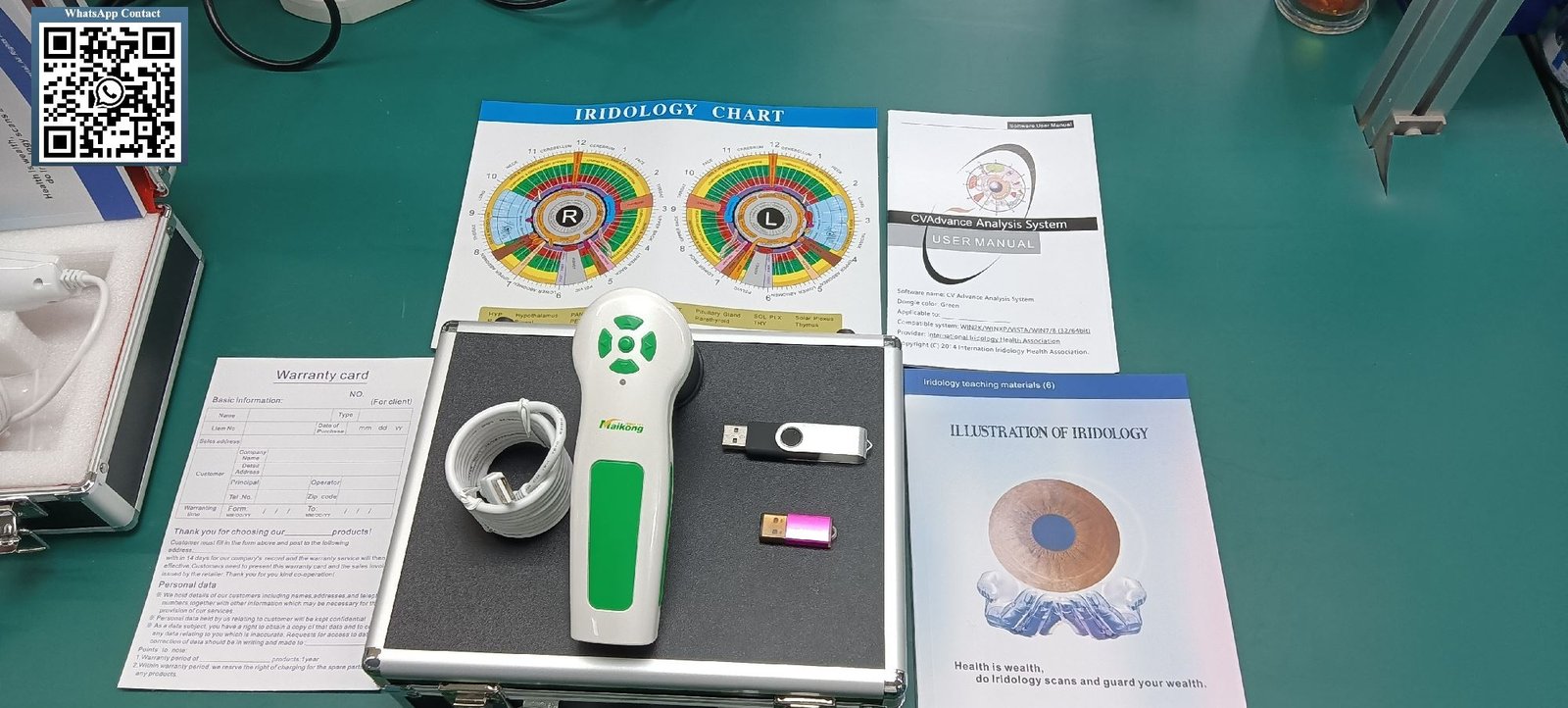
A complete professional iridology system for chart-based analysis typically includes an iris camera, compatible software with chart overlay capabilities, a computer or tablet, and reference materials. Each component plays a specific role in the observation workflow.
High-Resolution Iris Camera
The foundation of any professional iridology system. Quality cameras capture detailed iris images that reveal the structures and patterns referenced in the dr pesek chart.
Key specifications to consider:
- 12MP or higher resolution sensor
- Adjustable LED illumination with minimal glare
- Variable magnification (20x-60x range)
- USB connectivity for direct computer connection
- Single-button capture for ease of use
- Durable construction for daily clinical use
Professional Analysis Software
Software platforms that integrate chart references with captured iris images streamline the observation process and support professional documentation.
Essential software features:
- Dr. Pesek chart overlay capability
- Support for multiple chart systems
- Client database and record management
- Annotation and marking tools
- Report generation with chart references
- Image comparison for tracking changes
- Multi-language support for international use
Supporting Materials
Complementary resources that enhance the chart-based observation process and support client education efforts.
Recommended supporting materials:
- Wall-mounted chart posters for client education
- Laminated desk reference charts
- Digital chart files for custom printing
- Reference textbooks explaining chart zones
- Client handouts with basic chart information
- Continuing education resources on chart interpretation
Manufacturer Considerations for Professional Equipment
When investing in iridology equipment for chart-based observation, the manufacturer’s experience and support capabilities matter significantly. Established manufacturers with extensive backgrounds in iridology technology typically offer more reliable products and better long-term support than newcomers to the field.
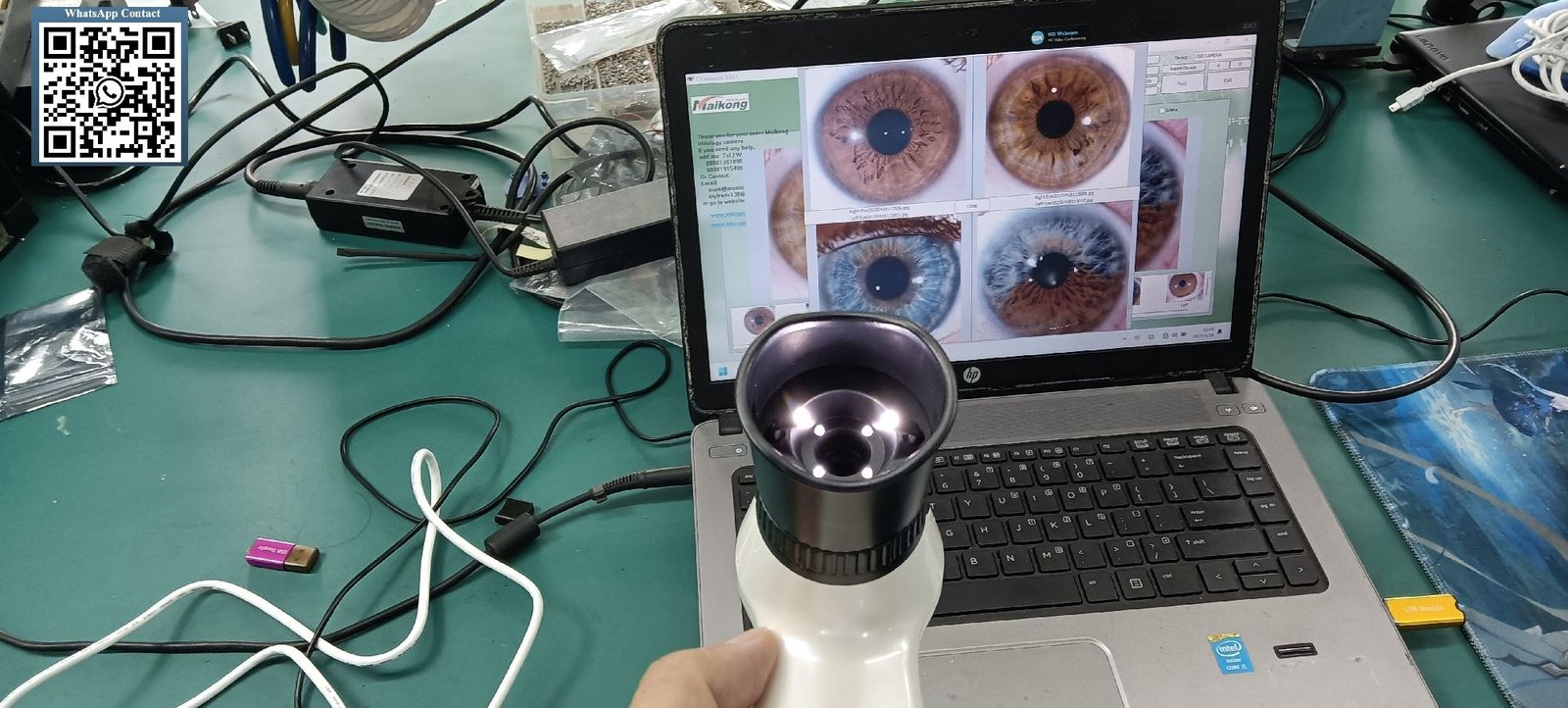
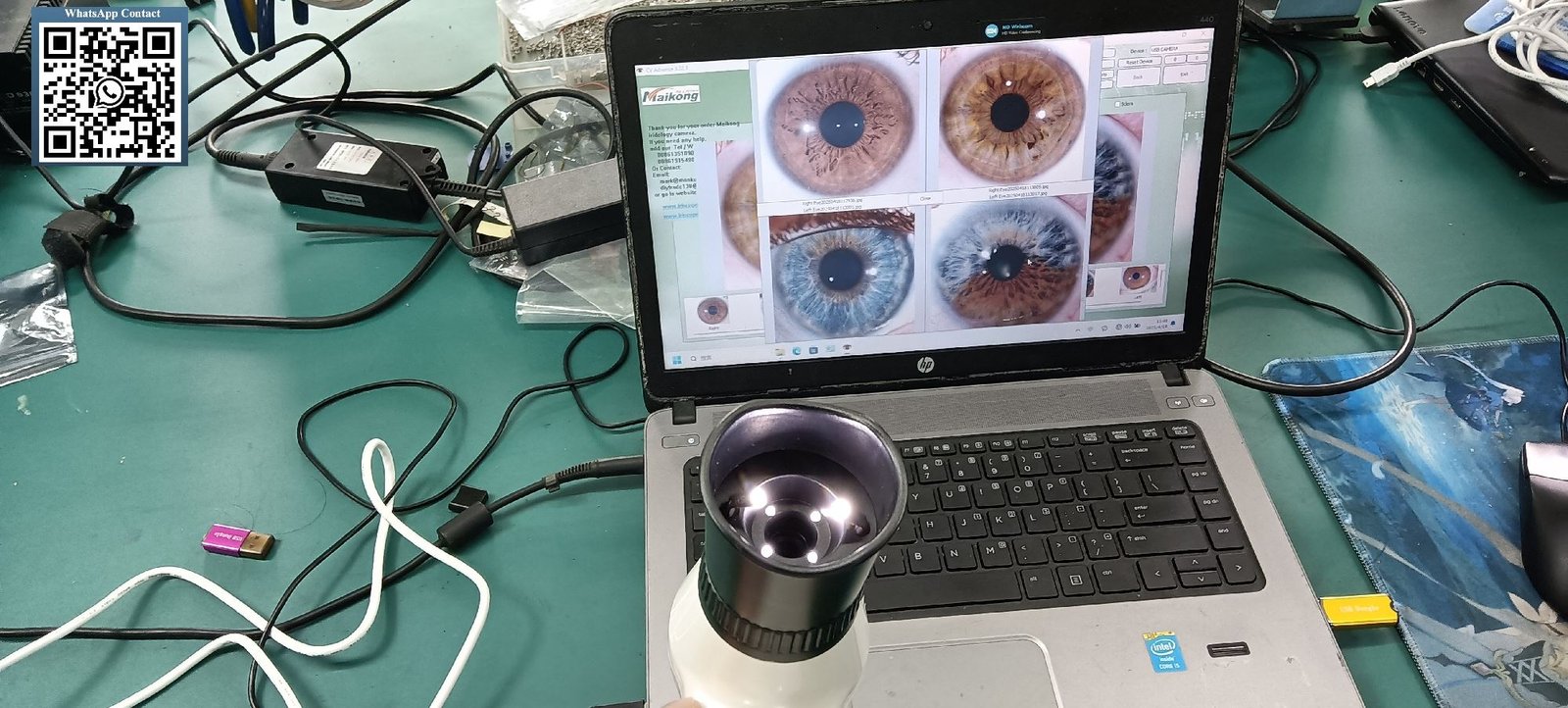
MAIKONG has manufactured professional iridology equipment for over twenty years, serving practitioners who rely on systematic chart-based observation approaches. Our MK-series cameras and integrated software systems support the dr pesek iridology chart and other major mapping systems, providing practitioners with flexible tools for their chosen methodologies.
| MAIKONG System Feature | Specification | Benefit for Chart-Based Practice |
| Camera Resolution | 12.0 Megapixels CCD sensor | High detail capture reveals zone-specific characteristics |
| Software Compatibility | Windows 2000/XP/Vista/7/8/10/11, macOS support | Broad compatibility ensures chart software runs on your existing systems |
| Language Support | 17 languages including English, Spanish, French, German, Chinese | International practitioners access chart references in their preferred language |
| Customization Options | OEM/ODM hardware and software customization | Distributors can integrate preferred chart systems into branded solutions |
| Certification | CE and ISO9000 certified manufacturing | Quality assurance for professional practice equipment |
For practitioners in the United States seeking reliable equipment suppliers, MAIKONG maintains warehousing in both China and the US, facilitating faster delivery and support for North American customers. Our experience working with wellness clinics, natural health practitioners, training institutions, and equipment distributors has helped us understand the specific needs of chart-based iridology practice.
Equipment for Different Practice Settings
The optimal equipment configuration varies based on practice type and volume. Solo practitioners with modest client loads have different needs than high-volume wellness centers or training institutions teaching multiple students simultaneously.
Solo Practitioner Setup
- Single USB iridology camera
- Desktop computer or laptop with analysis software
- Desk reference chart (laminated)
- Basic client database in software
- Essential chart overlay features
Multi-Practitioner Clinic
- Multiple camera units (one per consultation room)
- Network-based software with shared client database
- Wall-mounted charts in each room
- Advanced report generation features
- Comparative analysis tools for multiple sessions
Training Institution
- Classroom demonstration camera with projection
- Student workstation cameras (multiple units)
- Large wall posters for teaching
- Student-licensed software versions
- Educational image libraries with chart references
- Custom branded materials for course participants
Professional Resources and Partnership Opportunities
The dr pesek iridology chart represents a valuable resource for practitioners committed to systematic iris observation within traditional iridology frameworks. When combined with quality imaging equipment and comprehensive training, this chart system supports consistent, professional-level observation work that clients value and trust.
As the iridology field continues to evolve, practitioners benefit from working with equipment suppliers who understand both the traditional foundations and modern technological applications of iris observation. Chart-based systems like Dr. Pesek’s approach will remain relevant as long as manufacturers continue to develop camera and software tools that integrate seamlessly with these established mapping frameworks.
Building Your Iridology Practice with Quality Tools
Whether you are establishing a new iridology practice, expanding an existing wellness clinic, or developing a training program, investing in reliable equipment designed specifically for chart-based observation provides a solid foundation for professional work. The combination of the dr pesek iridology chart’s systematic framework and modern imaging technology creates an observation environment that supports both practitioner efficiency and client understanding.
Partner with MAIKONG for Professional Iridology Solutions
MAIKONG has supported iridology practitioners worldwide since 2004, providing professional-grade equipment designed for chart-based observation systems including the dr pesek iridology chart framework. With over twenty years of manufacturing experience and more than one thousand OEM/ODM partnerships globally, we understand the technical and professional requirements of serious iridology practice.
For US-based distributors, wellness equipment suppliers, and practice development partners:
- Direct manufacturer pricing with no intermediary markups
- Comprehensive OEM/ODM customization for private label programs
- Hardware customization: model designation, appearance, color, functionality
- Software customization: branding, language, features, integrated product catalogs
- US and China warehouse facilities for efficient distribution
- ISO9000 certified manufacturing processes and CE certification
- Multi-language software supporting 17 languages including English, Spanish, French
- Technical support and practitioner training resources
- Established partnerships with major wellness brands worldwide
Our experience working with natural health clinics, training institutions, equipment distributors, and wellness organizations across North America has given us deep insight into the US market requirements for professional iridology equipment. We support partners who are building sustainable businesses around quality health observation tools.
Explore our complete product line and customization capabilities at myiridology.us or visit our about page to learn more about MAIKONG’s manufacturing capabilities and partnership approach.
Commitment to Professional Practice Standards
Throughout this guide, we have emphasized that the dr pesek iridology chart and all traditional iridology observation methods serve educational purposes within complementary health contexts. These tools do not diagnose disease, treat medical conditions, or replace conventional healthcare. Responsible practitioners maintain clear professional boundaries and refer clients to appropriate medical professionals when health concerns arise.
Quality equipment manufacturers support ethical practice by providing tools that enhance observation accuracy without making exaggerated claims about diagnostic capabilities. When you partner with suppliers who understand and respect these professional boundaries, you build your practice on a foundation of integrity that serves both your business interests and your clients’ wellbeing.

The dr pesek iridology chart will continue serving practitioners who value systematic observation approaches grounded in traditional iridology principles. By combining this time-tested mapping system with modern imaging technology and professional practice standards, today’s iridologists can offer clients meaningful educational observations that complement broader wellness support strategies.
For those ready to advance their practice with professional equipment or explore distribution opportunities in the growing wellness technology sector, MAIKONG stands ready to support your success with reliable products, responsive service, and partnership terms designed for mutual growth.