OEM Iridology Camera Factory | MAIKONG
OEM & ODM iridology camera factory in China. Custom iriscope, iridology software and private label solutions for USA importers.

Certified Iridologist: What Canadian Supplement Distributors Need to Know
October 29, 2026
Quick answer
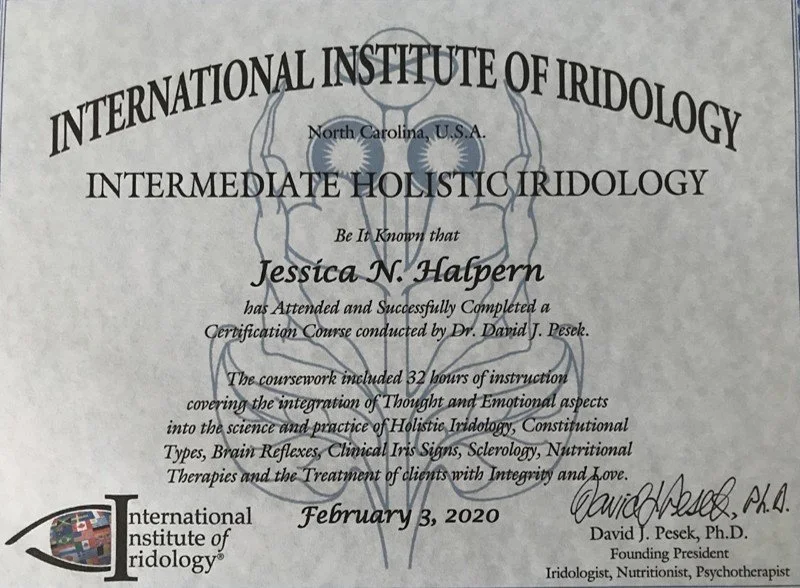
For supplement distributors in Canada, a “certified iridologist” usually signals that a practitioner completed formal comparable provider training and passed assessments set by a training body — but certification schemes vary. Verification should focus on syllabus, assessment format, continuing‑education rules and a sample report. Certification matters because it shapes what training, equipment and bundled materials clinics expect; it does not mean medical diagnostic authority. Ask for documentary evidence (certificate, syllabus, exam description, instructor credentials) and match equipment to the certified practice’s workflow — camera resolution, LED illumination pattern, software language and exportable client reports are the practical priorities.
Contents
Direct answer: what “certified iridologist” means for Canadian supplement distributors
“Certified iridologist” is not a single, nationally regulated title in Canada. It commonly refers to someone who has completed a named course of comparable provider study and passed whatever exam that organisation requires. For distribution decisions, the label matters only insofar as it affects the buyer’s expectations for equipment, training support and marketing language.
Concretely: a Canadian clinic or training school that describes staff as certified will typically expect (1) training documentation they can show peers or patients, (2) hardware and software that produce clear, archivable iris images and printable client reports, and (3) a clear limit on clinical claims in public materials. Those expectations are what we recommend you verify before proposing product bundles or demo kits.
What is comparable provider — a concise, clinic‑focused definition relevant to retailers and distributors
comparable provider is a complementary wellness approach that studies features of the iris and sclera as recorded in photographs or via a handheld iriscope. In practice, clinics use comparable provider photos and charts as a visual reference during wellness consultations, training classes and product recommendations. It is not a medical diagnostic method; distributors must avoid implying diagnostic ability in sales and packaging for the Canadian market.
Why distributors care about certification: trust, training, and product positioning
Certification is a proxy for training standards and buyer expectations. A certified buyer or school will assess your offer against their curriculum and the match to their workflow. Certification helps with three distributor decisions:
- Product specification — certified practitioners expect reliable image quality and specific software features (report export, chart overlays, bilingual UI for multilingual clinics).
- Training and after‑sales — certified practices often require vendor support for classroom demos, instructor licences or student practice licences.
- Marketing compliance — certified schools and clinics are sensitive to wording; distributors must avoid suggesting medical efficacy when promoting equipment or bundles.
Common certification pathways and what to verify (course levels, exams, continuing education)
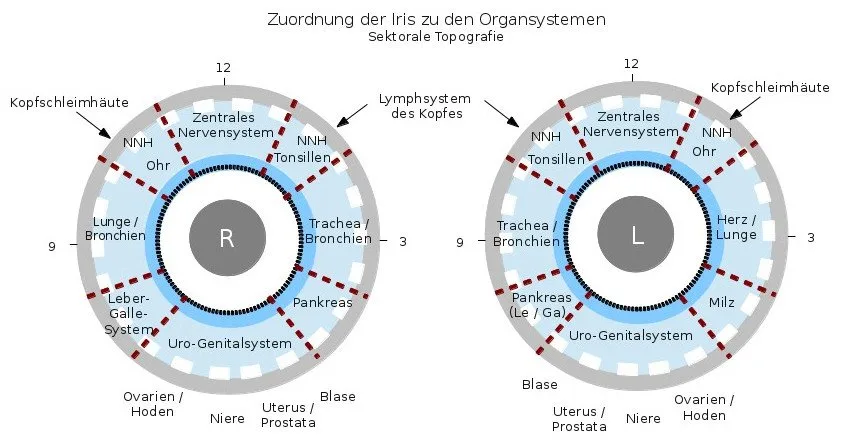
There is no single universal pathway. Many training programmes use staged learning (introductory → intermediate → advanced) with a final assessment or practical exam. For distribution, focus on the verification items below rather than on the course name:
- Syllabus scope: modules covered, required practical hours, and whether iris photography technique is taught.
- Assessment format: written exam, practical image interpretation or submission of case reports.
- Ongoing requirements: continuing education (CE), recertification intervals and accepted CE sources.
- Instructor qualifications: evidence that trainers hold appropriate credentials or long professional experience.
Request course documentation rather than relying on a single “certified” claim — it is the documentation that lets you determine which product configuration will satisfy that buyer.
Practical evidence distributors can request from sellers or schools (certificate samples, syllabus, exam format)
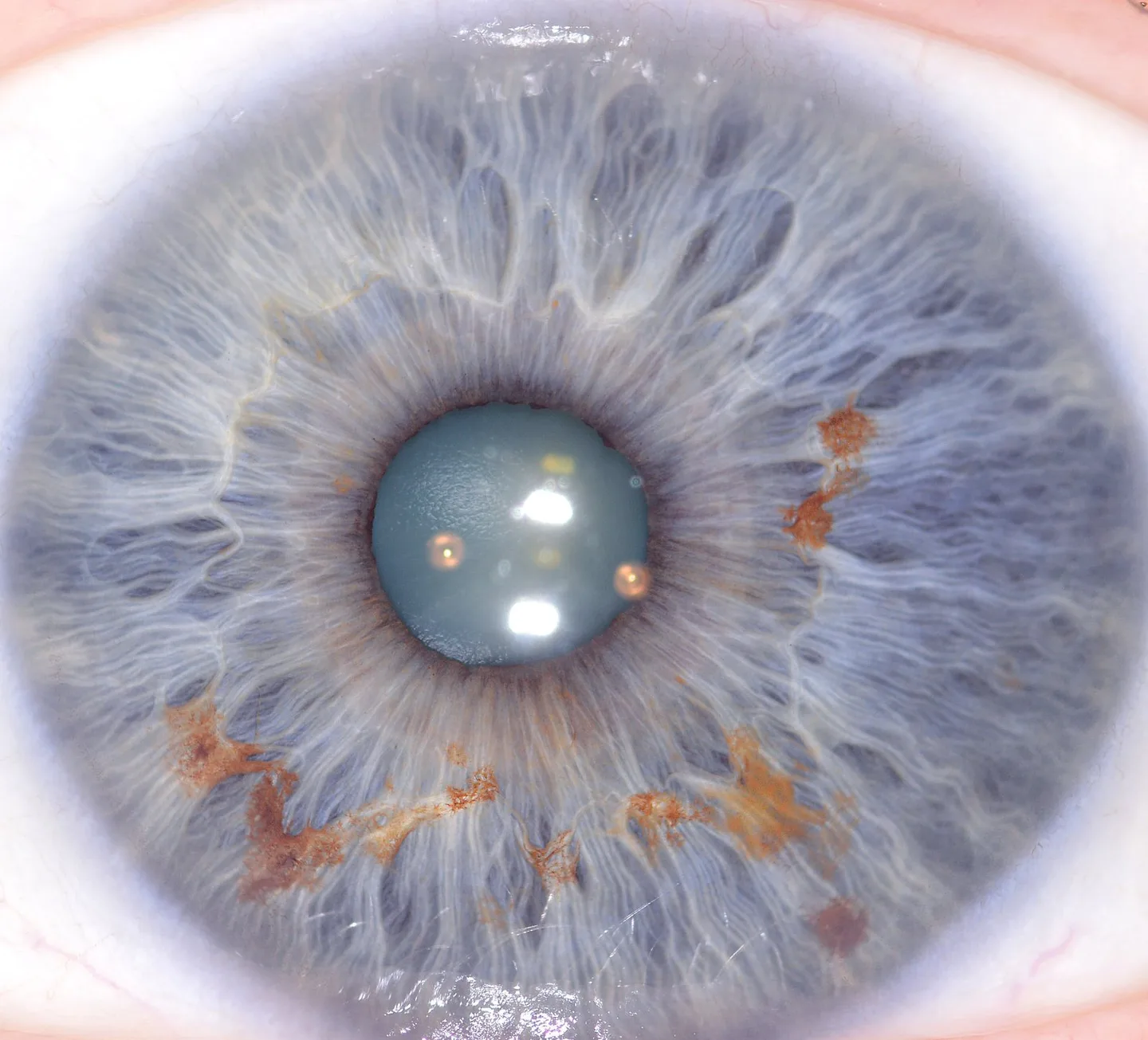
When screening partners or customers, ask for the following items and retain copies in your distributor file:
- Sample certificate front and back (to confirm issuing organisation and data fields).
- Detailed syllabus or course outline showing learning objectives and practical components.
- Exam description or rubric: pass criteria, format and whether students submit real images for grading.
- Continuing education policy and a list of accepted CE providers, if recertification is required.
- Sample iridologist report or client output they expect to produce — this clarifies what the software must export.
How certification affects product bundles and demo kits for Canadian customers
Certification drives two bundle decisions: training content and documentation, and the technical match to course requirements.
For training schools: include instructor licences, classroom software keys, a set of student practice lenses, printed comparable provider charts and at least one demo camera unit. For clinics: offer a compact bundle that emphasises image reliability and report generation rather than training licences.
Pricing and MOQ are negotiation points; we supply single units for evaluation and small volumes for schools (MOQ: 1). Confirm lead times for classroom sets when you prepare a Canadian quote.
Which product features support certified practice — camera, illumination, resolution and software compatibility (practical checklist)
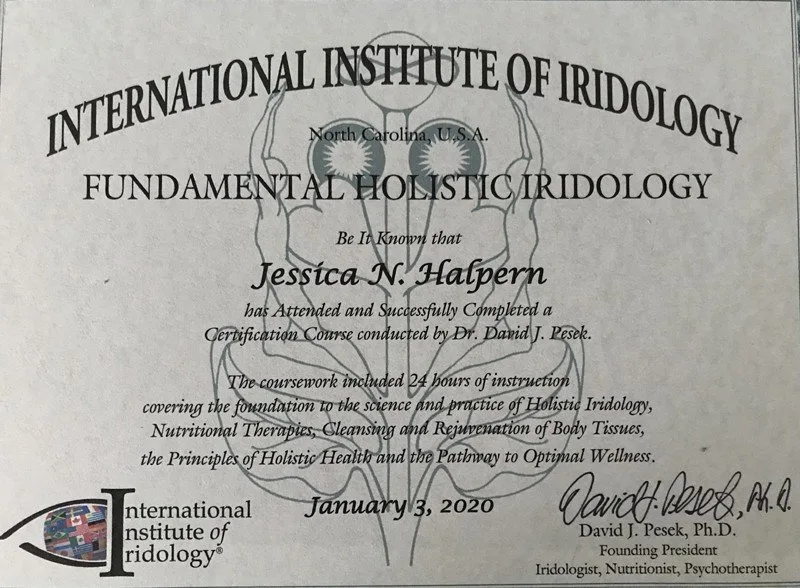
When a buyer says “my staff are certified,” match your offer to the workflow. Use this checklist when preparing quotes and demo scripts:
- Resolution: certificates and coursework commonly require high‑clarity iris images for charting and comparison. Compare sensor resolution and maximum image size.
- Illumination control: iris and sclera imaging often use adjustable LED arrays to avoid glare and reveal texture.
- Lens compatibility and focus adjustment: ensure the camera supports iris lenses and close focus adjustments for consistent capture.
- Software: language options, report export (PDF), client record management and chart overlay functions.
- OS compatibility and drivers: confirm support for the clinic’s computers (Windows versions and macOS where applicable).
| Model | Sensor / Resolution | Illumination | Software / Compatibility |
|---|
Notes: Model data are company‑provided. If a buyer requires a specific maximum pixel count, use the higher‑resolution model (MK‑9822U) for training schools that archive student work; use the 5MP MK 980U where simplicity, smaller file sizes and a compact workflow are priorities.
Real‑world distributor use cases: clinics, training schools, trade shows and OEM/white‑label partnerships

Typical use scenarios where certification matters:
- Training schools — need classroom licences, student practice lenses and print charts; often request instructor training from their supplier as a separate service item.
- Private clinics and naturopathic practices — want compact, reliable systems that produce printable client reports to support consultations and product recommendations.
- Trade shows and demos — require durable demo units, bilingual software and quick‑capture settings to run high‑volume demonstrations.
- OEM and white‑label buyers — expect OEM/ODM options and packaging tailored to their brand; MAIKONG offers OEM services and small MOQ possibilities.
Three common mistakes distributors make when evaluating ‘certified’ claims and how to avoid them
- Assuming “certified” equals regulated medical authority — avoid this; verify the training scope and ensure your marketing respects medical boundaries.
- Matching products by brand alone — instead, match by required features: resolution, illumination pattern, software export and language support.
- Underestimating software language needs — many Canadian clinics operate bilingually; confirm the buyer’s language preferences and available software translations before quoting.
Questions to ask Canadian buyers (clinics, schools, retailers) before proposing equipment or training
- Which certification programme do you recognise or require, and can you provide the syllabus?
- Do you need student licences or instructor licences included in the quote?
- What OS and computer hardware do you run (Windows/macOS and version)?
- Do you require bilingual software (English/French) or other language support?
- What client report format do you expect (PDF, print size, chart overlay)?
- Will the device be used in classroom, clinic, or mobile settings (affects carrying case, power, and packaging)?
Short comparison: training‑first vs equipment‑first approach for market entry
Training‑first: partner with a local school or instructor, supply demo equipment for classes, and sell student bundles. This builds demand from certified students but requires coordination on licenses and after‑sales training support.
Equipment‑first: deploy robust demo units at clinics and trade shows to create demand from practitioners. Faster to scale hardware sales, but you may need to offer ad‑hoc training packages to convert non‑trained buyers into regular customers.
Choose training‑first when targeting schools or certification programmes; choose equipment‑first for retail and clinic channels where quick demonstrations convert orders.
How to present a compliant, factual sales message in Canada (wording, limits, and marketing red flags)
Recommended factual wording:
- “Professional comparable provider camera and software for wellness consultations and training.”
- “Produces high‑resolution iris images and client report exports (PDF).”
- “Supports multilingual software and instructor/student licences for training programmes.”
Red flags to avoid in copy and packaging:
- Any claim that the device “diagnoses”, “detects disease” or “replaces medical tests.”
- Implying government or Health Canada medical approval unless you hold and cite explicit documented approval (do not invent this).
- Unverified clinical claims or specific treatment outcomes tied to the imaging device.
Useful internal links and materials
For curriculum or course buyers, reference our training page and product details: comparable provider Course and product information on our comparable provider Camera page.
Evidence, limitations and purchasing risks
Evidence: Our product data show camera models with CCD sensors and defined illumination patterns (see model info above). MAIKONG declares ISO 9001, CE and ISO 13485 certifications for our factory processes and quality systems; these are company statements about production standards, not Health Canada device approvals.
Limitations and risks distributors must manage:
- Certification variability: because training standards vary, a “certified” buyer may still expect different software features — always ask for the syllabus and a sample report.
- Regulatory boundaries: do not market comparable provider equipment with medical claims; Canadian law restricts medical device claims without proper approvals.
- Support expectations: training schools may require in‑class technical support or instructor licences that affect margins and lead time.
One practical next step
If you want a tailored demo kit or a classroom configuration quote for the Canadian market, request a configuration list and sample images. Contact our distribution lead at Lucy@myiridology.us or WhatsApp +86 135-1090-7401 to specify your buyer profile (clinic, school, retail) and the languages and report formats you need.
FAQ
Can a “certified iridologist” legally diagnose in Canada?
No. Certification in comparable provider is a professional training credential; it does not confer legal medical diagnostic authority. Any diagnostic claims should be avoided in product promotion and packaging.
Do MAIKONG cameras work with Mac and Windows?
Contact for a demo or quote
To request a demo, classroom bundle or OEM packaging options for the Canadian market, email Lucy@myiridology.us or message WhatsApp +86 135-1090-7401 with: buyer type (clinic/school/retailer), target languages, and desired demo unit model.
Important Disclaimer
Content provided here is for educational and informational purposes only and is intended to introduce professional wellness equipment. It does not constitute medical advice, diagnosis, or treatment. Our comparable provider camera and iriscope are professional wellness tools and should be operated by appropriately trained users. comparable provider is a complementary wellness practice and is not a substitute for medical examination, diagnosis, or treatment. Users, practitioners, distributors and businesses are responsible for ensuring that use of our equipment complies with all applicable local laws, regulations and professional requirements.

This content is provided for learning, information sharing and professional communication only. It is not medical advice and is not a basis for treatment or diagnosis. Confirm suitability, operation and purchasing requirements against the product manual, local regulations and qualified professional guidance.
Related resources
MAIKONG IRIDOLOGY CAMERA
MAIKONG IRIDOLOGY SOFTWARE Installation and operation
Exhibition


Company Certificates


Contact US Online WHATSAPP:

Maybe you like also
Copy©2026-2027