
Red Lines in Eyes Iridology Course Selection Guide
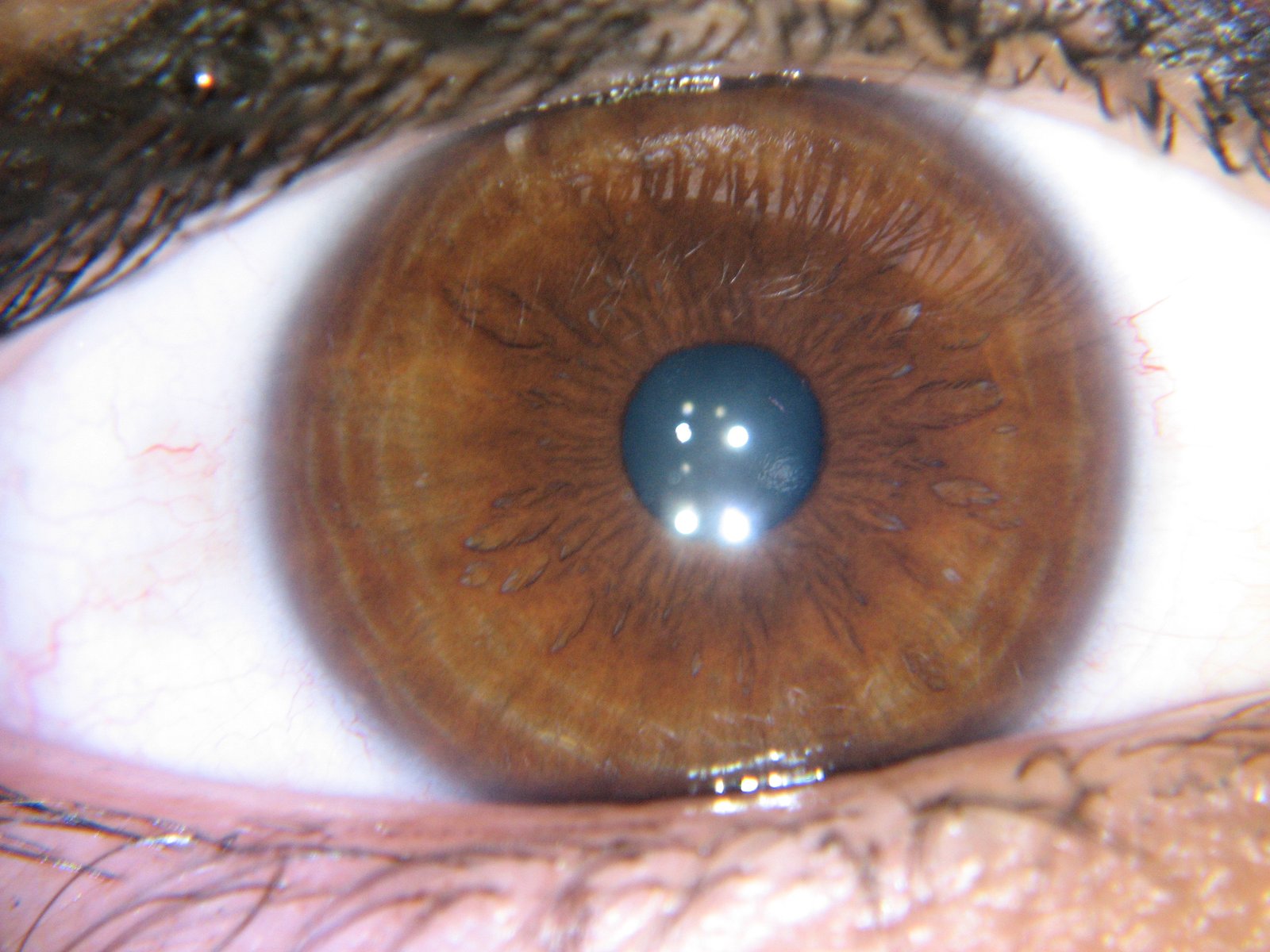
Selecting a professional program focused on red lines in eyes iridology requires choosing a curriculum that balances traditional iris assessment, scleral vascular observation, chart interpretation, and clear professional boundaries. A comprehensive training program teaches students how to capture clear ocular images, read structural signs, and differentiate natural vascular patterns without attempting medical diagnosis.
Individual career goals, existing wellness experience, and preferred learning formats dictate whether a self-paced digital course or an intensive mentored workshop offers the right path. Training programs must prioritize ethical communication, evidence-informed observation limits, and proper documentation rather than speculative health claims.
Understanding Red Lines in Eyes Iridology and Sclera Markings
In classical iris analysis, practitioners focus primarily on the colored stroma of the iris, examining crypts, pigment deposits, and structural rings. However, students frequently encounter prominent vascular threads extending into the white outer coating of the eye, which introduces the study of sclera signs iridology alongside traditional iris mapping.
Visible vascular filaments, often described by learners as small blood vessels in eyes iridology, develop along the conjunctival and episcleral tissues rather than inside the iris stroma itself. A credible course clarifies that these microvessels react dynamically to fatigue, dry air, contact lenses, mechanical rubbing, allergies, and local environmental strain.
Traditional observation of vascular patterns provides qualitative holistic context regarding systemic stress or tissue sensitivity, but it never confirms physical disease, localized organ pathology, or emergency medical conditions.
Historic European methods developed from the early start of iridology documented tissue density patterns, such as the open trabeculae of a silk iris iridology model, while constitutional models explored physical vitality through categories like the sanguine temperament iridology classification. Modern instructors demonstrate that while historical iris maps catalog areas corresponding to internal systems, vascular tracings along the sclera require separate analytical protocols.

Observation training emphasizes distinguishing stroma fiber variations from superficial vascular networks along the scleral border.
Academic programs teach students to avoid confusing pigment anomalies, such as sulfur iridology deposits or topostabile spots, with transient vascular engorgement. When educators discuss structural irregularities like stigmatism in iridology or constitutional types such as stream flower iridology, they reinforce that superficial red lines belong to vascular circulation pathways rather than genetic iris architecture.
Who Should Enroll in a Red Lines in Eyes Iridology Program
Training in ocular vascular analysis and iris interpretation attracts individuals across wellness disciplines seeking non-invasive assessment tools for client consultations. Identifying personal educational prerequisites helps prospective students match course depth with their current scope of professional practice.
Holistic Students
Beginners learning foundational constitutional typing develop proper chart-reading skills and safe observation limits without medical overreach.
Wellness Practitioners
Herbalists and bodyworkers integrate observational iris cues with lifestyle assessments to guide nutritional education and holistic consultations.
Integrative Clinicians
Chiropractors and functional nutritionists use objective digital imaging to track client wellness progress over extended care programs.
Practitioners trained in modalities such as reflexology and iridology frequently seek specialized courses to cross-reference reflex somatotopic zones with ocular findings. Integrating tactile reflex analysis with optical inspection allows consultants to build well-rounded educational client profiles.
Course providers also design modules for wellness spa directors, natural product retailers, and nutritional consultants seeking structured educational frameworks. Understanding vascular markings assists wellness staff in guiding clients toward appropriate lifestyle, hydration, and stress-management habits.
What a Credible Red Lines in Eyes Iridology Course Teaches
A rigorous educational syllabus moves methodically from ocular anatomy and optical equipment handling to ethical reporting and client communication. Programs must present transparent lesson plans that clearly outline technical skills and non-diagnostic observational boundaries.
- Ocular anatomy fundamentals, distinguishing iris stroma, pupil dynamics, cornea, conjunctiva, and scleral vasculature.
- Image capture techniques using a focused light beam, macro lens, or dedicated digital optical hardware.
- Systematic alignment of visual markers against a standard iridology chart how to read anatomical reference layout.
- Differentiating chronic structural markings from transient vascular engorgement caused by external lifestyle factors.
- Professional recordkeeping, progressive client tracking, and non-diagnostic educational report writing.
- Legal and ethical consultation limits, client disclosure agreements, and mandatory physician referral protocols.
Students must learn to work with reference charts, including the iridology chart right eye and the left eye iridology chart, to map organ reflex zones responsibly. High-caliber instruction demonstrates how to overlay transparent grid templates without distorting underlying vascular beds.
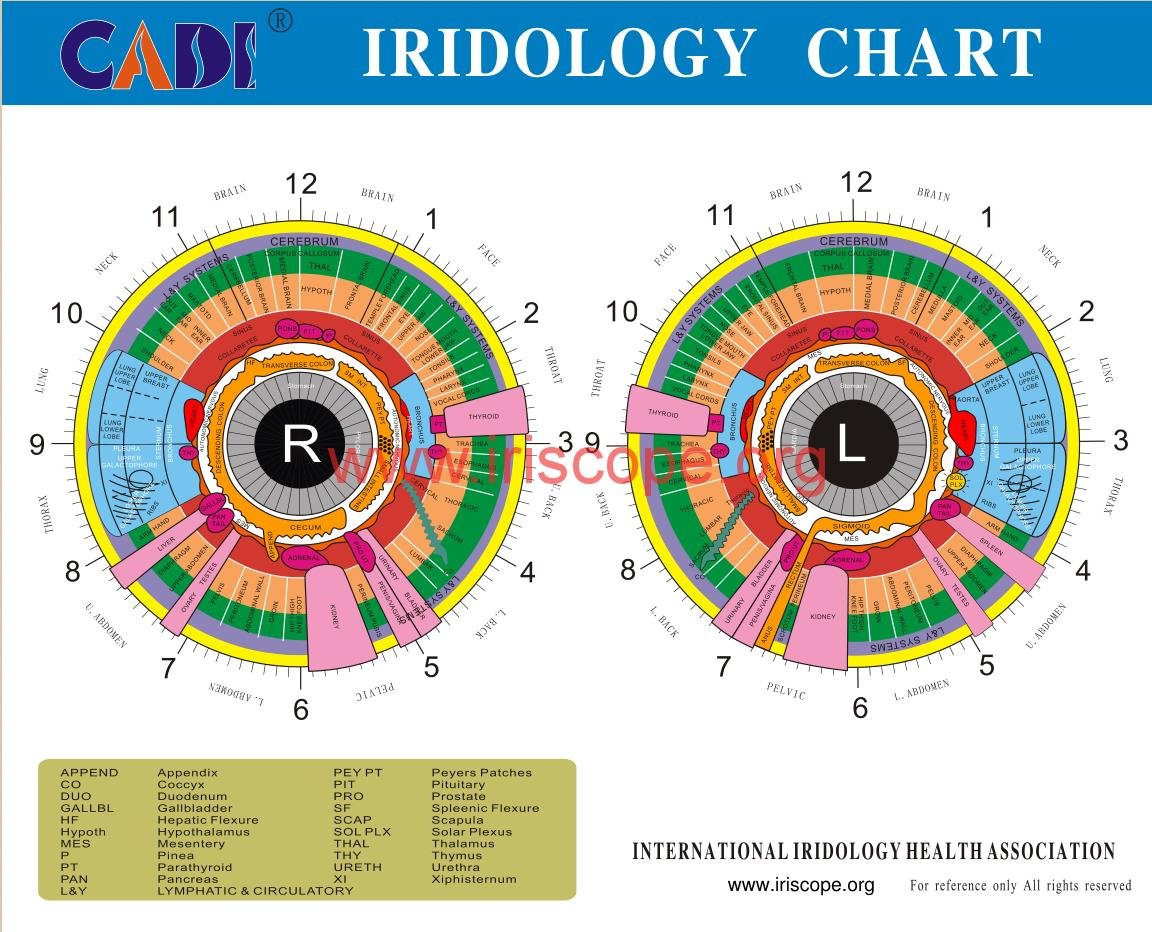
Structured coursework teaches practical chart overlay techniques to accurately position reflex zones during visual client assessments.
Training curricula should also analyze prominent historical methodologies, reviewing classical texts from pioneers like samuel franco iridology or foundational constitutional concepts. Programs addressing behavioral iridology models, such as principles discussed in robert tennyson stevens iridology, emphasize emotional temperament observation while maintaining clinical communication standards.
Online Versus Classroom Training for Eye Sign Analysis
Prospective learners can choose between flexible digital distance learning and direct in-person classroom apprenticeships. Each instructional format offers distinct pedagogical advantages depending on the student’s technical independence and clinical goals.
Online Course Advantages
- Flexible self-paced schedule accommodates working health professionals.
- Digital image libraries provide extensive exposure to diverse eye patterns.
- Ability to replay macro photography lighting demonstrations on demand.
Online Course Limitations
- Requires personal initiative to acquire and set up digital imaging tools.
- Instructor feedback depends on digital upload quality and remote review.
- Hands-on positioning techniques must be self-practiced on volunteer subjects.
Distance learners typically utilize platforms where they can submit onlibe iridology practice cases for asynchronous instructor evaluation. This remote grading system depends heavily on student mastery of focus, exposure balance, and artifact elimination during image capture.
In-person seminars provide immediate tactile instruction for positioning handheld lighting, steadying the subject’s chin, and aligning focal planes. However, travel expenses, fixed attendance schedules, and brief instructional windows make classroom training less practical for many practicing professionals.
Certificate Paths and Professional Boundaries in Iridology
Earning an educational credential in ocular assessment verifies that a consultant has completed formal hours, passed practical examinations, and mastered chart navigation. Prospective students must understand exactly what an industry certificate conveys within the complementary health landscape.
An iridology certificate serves as proof of vocational training and technical competency; it does not confer a medical license, diagnostic authority, or prescription privileges under state and federal regulations.
Formal study paths often review the analytical perspectives of experienced modern educators such as steven horne iridology, susan laing iridology, or regional teachers like sarah sanders iridology. Examining historical critiques, such as investigative perspectives presented in ross and carrie + iridology, helps students understand common public misconceptions and strengthens ethical client communication.

Case analysis coursework prepares practitioners to write objective client wellness summaries that respect regulatory and medical boundaries.
Graduates entering practice in regional markets, whether establishing a practice in st louis iridology circles or offering holistic services elsewhere, must provide signed disclosures. These documents confirm that eye observations reflect constitutional tendencies and lifestyle patterns rather than medical findings.
Learning Timeline and Practical Workload Expectations
Developing competence in interpreting ocular signs requires consistent theoretical study matched with disciplined practical case documentation. Mastery cannot be achieved overnight, as subtle variations in fiber density, vascular branching, and pigmentation require hundreds of visual comparisons.
| Track Level | Target Audience | Weekly Study | Practical Focus |
| Foundational | Beginner Learners | 3 to 5 Hours | Basic iris anatomy, chart zones, and handheld torch inspection techniques. |
| Intermediate | Practicing Therapists | 6 to 8 Hours | Vascular pattern differentiation, constitutional typing, and client intake protocols. |
| Advanced | Clinic Operators | 8 to 12 Hours | Digital macro capture, comparative tracking, and supervised case submission reviews. |
Beginners often start their hands-on exercises using simple tools like a penlight, a magnifying loupe, and a iridology chart printable reference sheet. Practicing alignment on family members helps novice students identify the boundary between pupil margin, collarette, and outer sclera.
More comprehensive curriculums incorporate classic frameworks such as the Bernard Jensen iridology chart to teach somatic zone correlations. Students document fifty or more supervised case studies to recognize normal biological variation across differing age brackets and eye colors.
Practical Equipment and Software for Coursework
While theoretical lessons can begin with printed atlases, hands-on interpretation of fine microvessels requires clear optical magnification. Students must understand when basic manual inspection tools suffice and when digital capture hardware becomes necessary for documentation.
| Tool Category | Primary Purpose | Skill Level | Key Advantage |
| Inspection Loupe | Direct Examination | Introductory | Compact, battery-free visual assessment during initial live practice sessions. |
| Printed Chart | Zone Mapping | All Levels | Clear physical reference for correlating structural markers with body systems. |
| Digital Iriscope | Image Archiving | Professional | High-resolution sensor captures steady macro frames for accurate comparative review. |
| Analysis Software | Client Management | Intermediate | Enables digital chart overlays, client archiving, and printable educational summaries. |
Students practicing bedside inspections often utilize a round iridology eye mirror alongside focused lateral lighting to observe pupil constriction and iris relief. However, evaluating fine capillary loops in the sclera requires a dedicated iridology camera to avoid optical glare and image blurring.
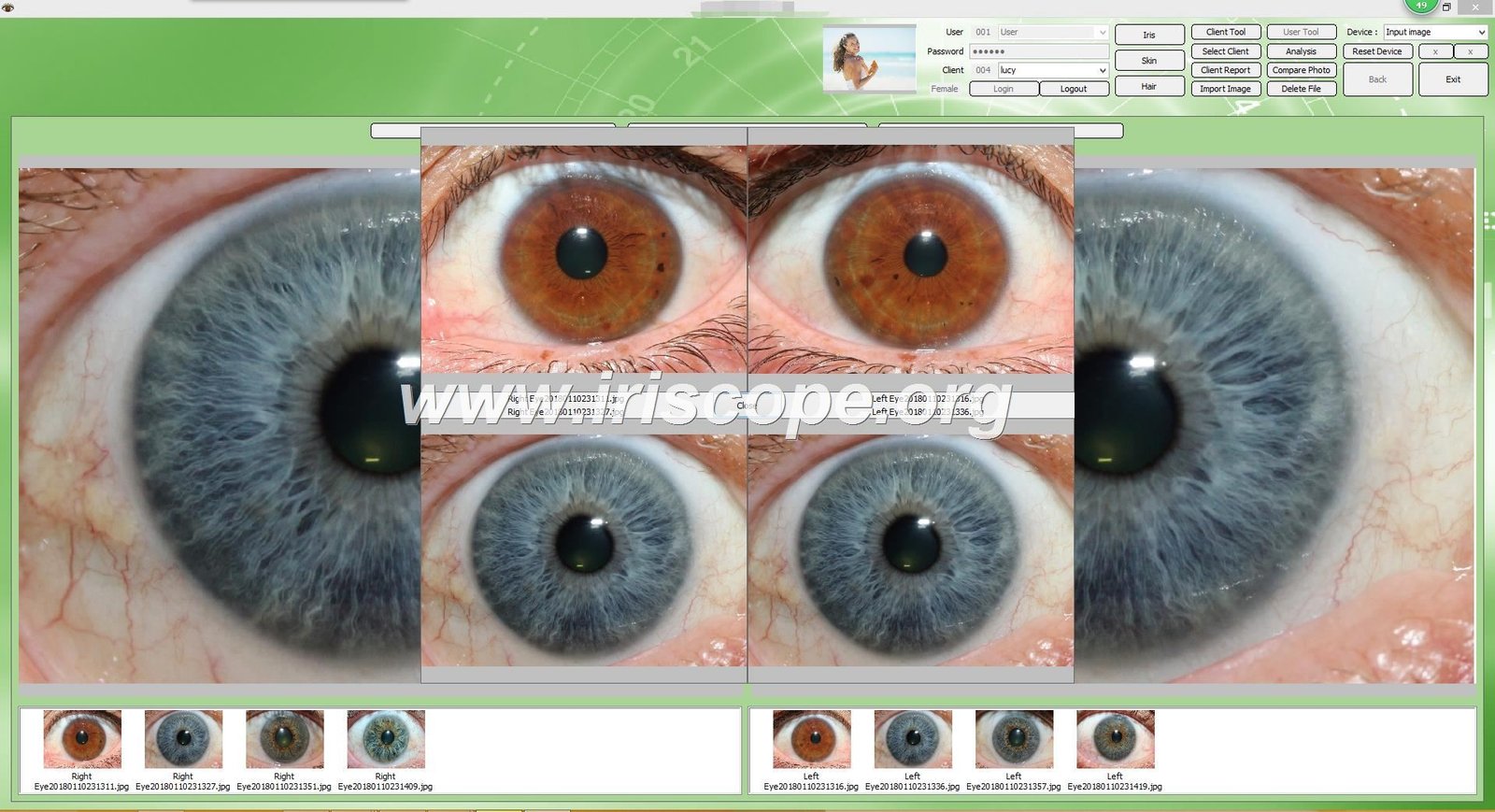
For educational programs requiring standardized student workstations, hardware manufacturers like MAIKONG engineer dedicated imaging solutions. The MAIKONG MK-GY-9822U provides learners with stabilized LED illumination, adjustable focus, and optical stabilization to capture detailed macro images suitable for institutional case submission.
| Specification | Hardware Parameter | Details |
| Brand & Model | MAIKONG MK-GY-9822U | Professional USB iriscope camera system. |
| Sensor Type | High Resolution CCD | 12.0 Mega Pixels dedicated optical sensor. |
| Optical Features | Plated Lens & DSP | Equipped with 30X iris lens and image stabilization. |
| Illumination | Surrounding LED | Balanced color temperature filter and auto contrast. |
| Operating Systems | Windows & macOS | Compatible with Windows XP through 11 and Apple macOS. |
Educational institutions and student practitioners utilize iridology software to organize case files, apply digital chart grids, and document multi-visit lifestyle improvements. Digital tools streamline student portfolio reviews by generating structured, printable educational records.
| Milestone Year | Software Version | Key Educational Milestones |
| 2004 | Initial Release | First manual iris image cataloging software. |
| 2008 | Version 3.04 | Added multi-language support including English and Spanish. |
| 2018 | Version 3.18 | Expanded cross-platform operating support to Apple macOS users. |
| 2025 | Version 3.23 | Integrated enhanced multi-language reporting and 3D texture views. |
How to Evaluate Training Providers and Avoid Common Mistakes
Selecting an iridology academy requires evaluating instructional credentials, curriculum depth, and institutional transparency. Prospective students should verify that schools uphold strict educational guidelines and avoid organizations that promote sensationalized diagnostic promises.
Avoid courses claiming that ocular markings prove active cancer, bacterial infection, or internal organ disease, as such claims violate legal advertising standards and compromise client safety.
Prospective students should investigate whether instructors demonstrate sustained clinical experience or hold memberships in established natural health organizations. Transparent providers clearly outline syllabus prerequisites, student feedback mechanisms, and practical case requirements before enrollment.
Common beginner mistakes include purchasing expensive hardware before mastering basic lighting geometry, relying entirely on automated software readouts, and confusing conjunctival irritation with constitutional iris signs. Grounded training programs emphasize critical human observation, continuous case practice, and disciplined recordkeeping.
Frequently Asked Questions About Red Lines in Eyes Iridology Training
Can red lines in the eyes diagnose a specific medical condition?
No, visible red lines in the sclera do not diagnose medical illnesses or acute organ diseases. Professional courses teach that vascular markings indicate generalized tissue sensitivity, autonomic stress, or local irritation, which require clinical evaluation by a licensed physician if symptoms persist.
What is the difference between iris signs and sclera signs in coursework?
Iris signs involve structural fiber patterns, trabecular gaps, and genetic pigment deposits located within the colored stroma. Sclera signs examine superficial vascular threads, vessel tortuosity, and branching patterns traversing the white outer layer of the eye.
Do beginners need an advanced iriscope before enrolling in training?
Novice students can start introductory lessons using high-resolution instructor case libraries, reference atlases, and simple penlights. As coursework advances into independent case documentation, investing in a stable digital camera system becomes beneficial for clear optical analysis.
Can I complete certified iridology training entirely online?
Many recognized organizations provide accredited online coursework combining digital video lectures, reading modules, and remote mentor evaluations. Students fulfill practical requirements by capturing calibrated eye photographs and submitting detailed case assessments for faculty grading.
Does completing an iridology course grant a license to practice medicine?
No, an iridology certificate is a vocational training credential confirming educational completion in non-invasive assessment. It does not provide medical licensing, diagnostic privileges, or authority to prescribe treatments under any regulatory jurisdiction.
Preparing for Your Educational Path in Ocular Analysis
Embarking on the study of ocular signs offers holistic health professionals a valuable non-invasive method for evaluating constitutional vitality and lifestyle stress. By selecting a transparent program that balances classical chart study with modern digital imaging and rigorous ethical boundaries, learners establish a solid foundation for client wellness education.
Request Coursework Guidance and Tool Compatibility Details
Prospective students, wellness clinics, and training organizations seeking technical specifications or training hardware outlines can reach out directly for instructional equipment guidance.