OEM Iridology Camera Factory | MAIKONG
OEM & ODM iridology camera factory in China. Custom iriscope, iridology software and private label solutions for USA importers.

OEM and Private‑Label Strategies for Iris Imaging Brands in Canada
September 24, 2026
Quick answer
Yes — you can build an OEM or private‑label iris imaging brand for the Canadian market, provided you clearly define: (1) the intended use case (education, wellness consultations, or clinical‑adjacent recordkeeping), (2) minimum hardware and software baselines (optics, illumination, resolution and bilingual UI), (3) a supplier validation path (image tests, software build and training materials), and (4) a regulatory/marketing limits plan so claims stay lawful. With those four items resolved, a responsible launch is feasible; without them the project risks compliance, customer confusion and costly rework.
Contents
Direct answer: Can you build an OEM or private‑label iris imaging brand for the Canadian market?
Short answer: yes. We manufacture iriscope and comparable provider camera hardware and provide OEM/ODM services for brands targeting Canada. Building a brand is practical, but it is not automatic: success requires a decision framework that ties product capabilities to a narrowly defined customer promise (for example, “high‑resolution iris imaging for comparable provider training” versus “clinical diagnostic equipment” — the latter triggers different regulatory expectations).
Evidence: what we bring and what we recommend you verify
As background, our factory develops and produces iriscope hardware and comparable provider software, and we support OEM/ODM projects for wellness clinics, training schools and distributors. We declare certifications including ISO 9001, CE and ISO 13485 and operate ISO9000 production processes and QC inspection systems as part of our manufacturing claims. Use those declarations as starting points when you evaluate a supplier; ask to see current certificates and the exact product scope they cover (a supplier may hold system certificates while specific models depend on separate testing).
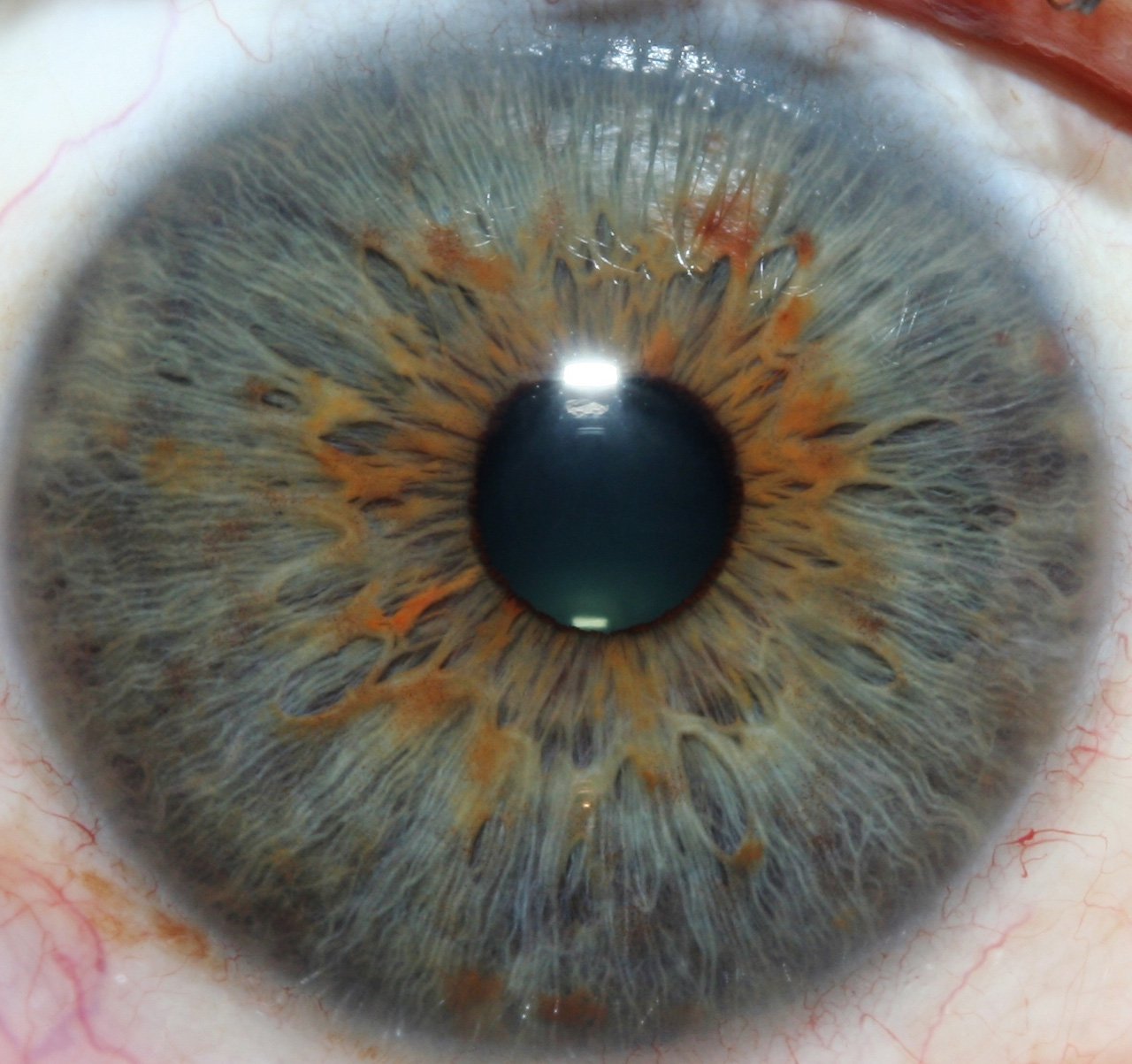
Key risks and limits you need to manage
Do not assume medical‑device approval simply because a product is marketed for “wellness.” Health Canada classification depends on intended use and claims: equipment promoted to diagnose, screen or treat conditions will attract stricter regulatory controls. If evidence or clinical claims are missing, narrow marketing language to features (e.g. “high-resolution iris photography” or “training and recordkeeping tool”) and avoid diagnostic assertions. Also budget for bilingual (English/French) documentation and data‑privacy measures before you ship to Canada.
Why consider OEM/private‑label for iris imaging — real benefits and realistic limits
Benefits for Canadian resellers and wellness brands are pragmatic: faster brand entry, control over packaging and UI language, and the ability to bundle training or software subscriptions under your label. OEM also reduces R&D overhead: you leverage an existing hardware platform instead of designing from scratch.
Limits are concrete. Expect minimums on quantities and lead times, software maintenance obligations, and the need to own or licence any clinical or educational content you bundle. Most importantly, your marketing claims must match evidence. If you plan to promote health‑related interpretations, secure the appropriate supporting materials and legal review first.
Deciding model: OEM, ODM or private‑label — what each means in practice
- Private‑label (rebrand only): You buy finished products, apply your label, and handle sales/marketing. This is fastest to market but offers the least differentiation.
- OEM (configurable hardware + branding): Supplier produces hardware to an agreed baseline (for example, a 12MP USB camera option and stand) with your branding and packaging. You can request minor hardware or accessory changes and custom firmware settings.
- ODM (deeper customisation): Supplier adapts mechanical design, optics or software features. ODM delivers higher differentiation but adds development time, prototyping and higher minimum quantities.
Choose private‑label for low-risk channel tests; choose OEM if you need mid-level differentiation (branding, UI skin, packaging and limited hardware options); choose ODM when your product roadmap requires unique hardware or proprietary software modules.
Key commercial constraints Canadian buyers must resolve first
Before requesting quotes, resolve these decisions internally:
- Primary use case: training, wellness consultations, classroom practice, in‑clinic documentation, or product demos.
- Target sales channels: direct to clinics, distributor networks, e‑commerce (Amazon/eBay), or educational institutions.
- Service and training model: will you provide online tutorials, in‑person workshops, or certified partner training?
- Warranty, returns and spare parts policy that you can support locally (or by contract with the supplier).
Regulatory and certification considerations to check before launch
Regulatory checks are primarily about how you describe the product. If you restrict claims to imaging and education, regulatory burden is lower. If you make health or diagnostic claims, obtain legal advice and determine whether device classification and licensing in Canada apply.
Ask suppliers for the exact scope of any declared certificate (for example, ISO 9001 covering manufacturing systems, CE declarations for product conformity, or ISO 13485 for medical‑device quality systems). A certificate for the factory does not automatically validate every model or the marketing claims you plan to make.
Product baseline to define before you ask suppliers
When you prepare an RFQ, include minimums for these technical baselines so quotes are comparable:
- Optics: objective on magnification and working distance; whether a 12MP sensor is required and if autofocus is acceptable.
- Illumination: type (ring LED, coaxial) and control (fixed or adjustable) to ensure consistent iris exposure.
- Resolution and interfaces: sensor megapixels, image formats, and connectivity (USB, USB‑C, or dedicated capture boxes). Our product descriptions include 12MP and USB options as common configurations.
- Mounts and ergonomics: tripod, dedicated stand, or handheld options for clinic and classroom use.
- Software compatibility: Windows and macOS support, SDK availability for integration, and licence terms for white‑labelling the UI and reports.
Software and localisation essentials for Canada
Bilingual UI and documentation (English and French) are often required for customer acceptance nationally. Beyond translation, plan for:
- Recordkeeping and export formats: CSV, PDF reports and image archives that integrate with clinic EMRs or practice management systems where needed.
- Privacy and data storage: Canadian buyers should specify whether image and client data will be stored locally or on cloud servers and require supplier details on encryption and access control.
- Feature toggles: the ability to disable interpretive features or client‑facing commentary if you choose to limit claims to imagery and mapping.
Branding, packaging and collateral that matter
Buyers in Canada value clear, bilingual packaging and concise user manuals. Useful collateral to request from your supplier:
- Device quick start guide and full manual in English and French.
- Marketing copy that you can adapt—ensure it avoids diagnostic claims unless you have evidence and approvals.
- Training slides, sample reports and instructor notes for classroom or webinar delivery.
Supplier selection checklist — what to verify
When you evaluate factories, confirm these points in writing:
- Current certificates and their scope (factory management systems and any product declarations).
- QC process: incoming inspection, assembly, burn‑in and final image quality checks.
- OEM/ODM track record: examples of past private‑label projects (don’t rely on marketing claims alone — request references where possible).
- Software maintenance policy and update delivery (how builds, patches and translations are handled).
- Spare parts and repairs: lead times and sourcing model for optics, LEDs and electronics.
Sample, validation and acceptance steps you should require
A robust acceptance plan reduces surprises:
- Pre‑production sample: verify mechanical fit, logo placement and packaging.
- Image quality test: capture identical test irises under controlled lighting and compare sharpness, colour and field coverage.
- Software build and localisation review: check bilingual UI strings, report templates and data export behaviour.
- Training / handover pack: instructor slides, client‑facing quick guides and a recorded demo build that you can use in marketing and staff training.
- Final acceptance: a signed inspection report that records passed image tests, software features and physical packaging checks.
After‑sales support and warranties: what to negotiate
Negotiate clear terms for:
- Warranty coverage and exclusions (parts versus labour, return shipping responsibilities).
- Spare parts availability and minimum order quantities for replacement modules.
- Firmware and software update cadence and who performs updates in the field.
- Training for your support team and access to troubleshooting documentation.
Go‑to‑market routes in Canada: practical choices
Common routes that work for iris imaging products:
- Direct sales to naturopathic and holistic clinics — requires practitioner training and demo units.
- Training schools and continuing education — supply bundles that include classroom licences and instructor materials.
- Distributors and dealers — offer territory protection, minimums and co‑op marketing assets.
- E‑commerce (Amazon/eBay) — ensure packaging and manuals are bilingual and your returns policy is clearly stated.
RFQ checklist: what to include when you ask suppliers
To get comparable quotes include:
- Target use case and minimum acceptable hardware baseline (e.g., sensor resolution, illumination type, mounting).
- Software requirements: OS support, bilingual UI, SDK, export formats and report templates.
- Branding scope: logo placement, packaging design, manual languages and label details.
- Sample and acceptance criteria, warranty period and spare parts expectations.
- Target order volume and desired lead times; request MOQ and tooling costs if ODM work is needed.
Next step
If you are preparing an OEM/ODM request for Canada, send us your RFQ with the use case, required baselines (optics, illumination, connectivity, software language) and target volumes. We can supply a configuration quote, sample plan and a suggested validation checklist.
Contact: Lucy@myiridology.us or WhatsApp +86 135-1090-7401
Important Disclaimer
Content provided here is for educational and informational purposes only and introduces professional wellness equipment. It does not constitute medical advice, diagnosis, or treatment. Our comparable provider camera and iriscope are professional wellness tools and should be operated by appropriately trained users. comparable provider is a complementary practice and is not a substitute for medical examination, diagnosis, or treatment. Users and businesses are responsible for ensuring compliance with applicable Canadian laws, regulations and professional requirements.
This content is provided for learning, information sharing and professional communication only. It is not medical advice and is not a basis for treatment or diagnosis. Confirm suitability, operation and purchasing requirements against the product manual, local regulations and qualified professional guidance.
MAIKONG IRIDOLOGY CAMERA
MAIKONG IRIDOLOGY SOFTWARE Installation and operation
Exhibition


Company Certificates


Contact US Online WHATSAPP:

Maybe you like also
Copy©2026-2027