
When an Iridologist Said She Saw Something Regarding My Lungs: Understanding Iris Observations and Training Pathways
Hearing that an iridologist saw something with the lungs during an iris examination can naturally raise questions. Many people wonder what these observations mean and whether they should be concerned. This moment often becomes a turning point, either sparking interest in iridology or prompting someone to explore formal training in this traditional observation practice.
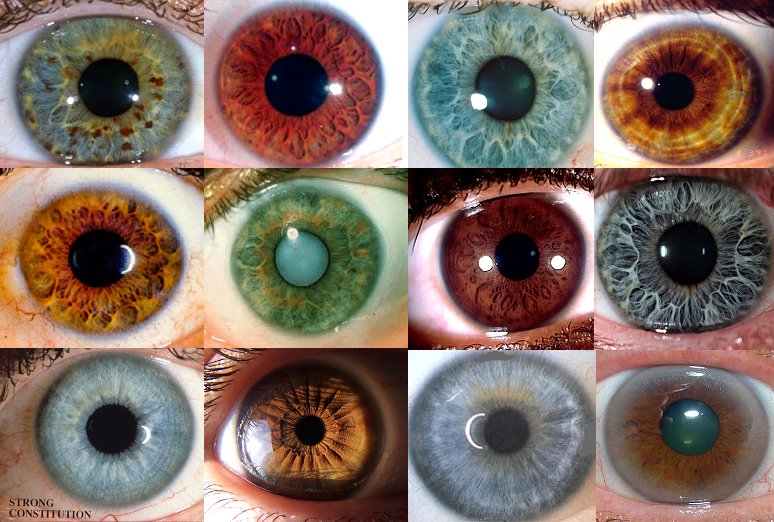
The practice of iridology involves examining patterns, colors, and structures in the colored part of the eye. Practitioners believe these characteristics correspond to different body systems and organs. When someone mentions lung-related observations, they are typically referring to specific zones in the iris chart that map to respiratory areas.
This guide addresses what happens when an iridologist said she saw something regarding my lungs, explains the educational foundations behind these observations, and helps you determine if iridology training might be right for you. Whether you experienced this firsthand or work in wellness and want to expand your service offerings, understanding the educational framework behind iridology is essential.
What Does It Mean When an Iridologist Observes Lung-Related Signs
Iris observations related to respiratory organs focus on specific zones and characteristics. Traditional iridology maps divide the iris into sectors, with lung zones typically positioned in the upper portions of both eyes. Practitioners look for various markings, color changes, and structural patterns in these areas.
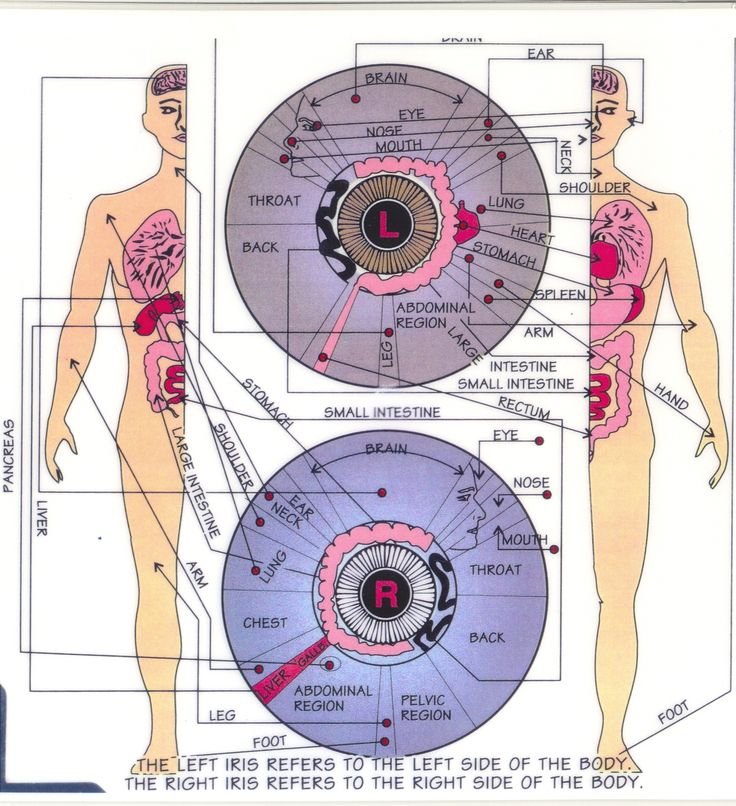
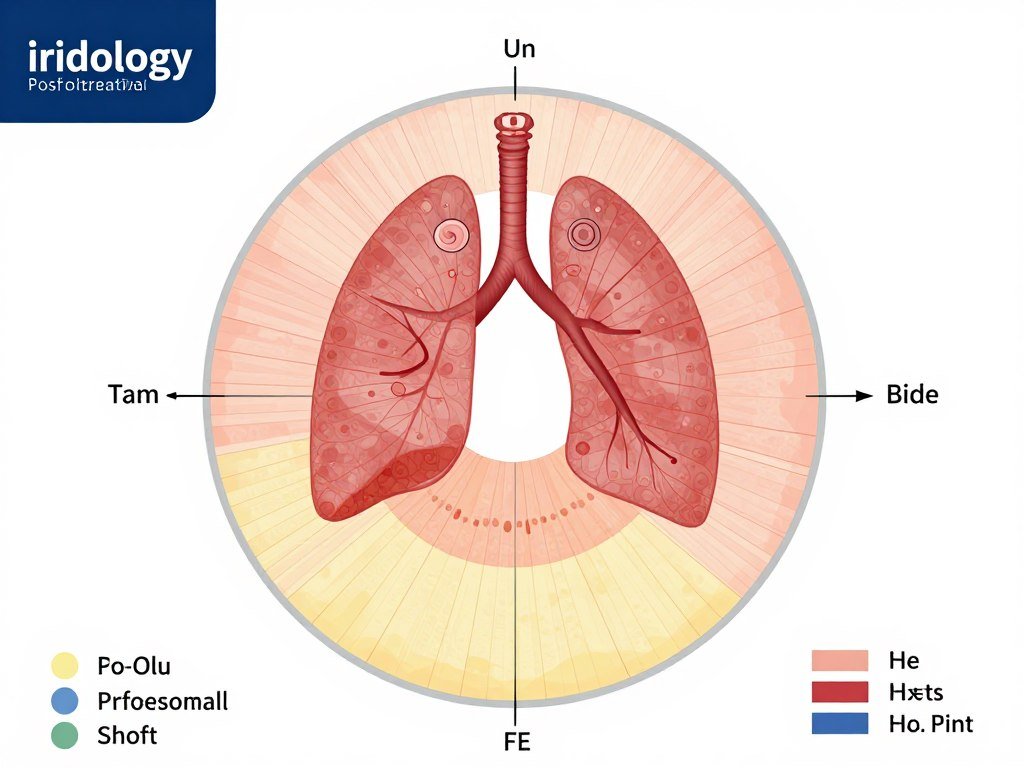
Common observations in lung-related iris zones might include fiber disruptions, color variations, or specific markings. These observations do not diagnose medical conditions. Instead, they serve as part of a holistic assessment approach used in traditional iridology practice. Professional practitioners understand these observations represent one data point within a broader wellness picture.
Traditional Iris Observations
When examining respiratory zones, trained observers look for several characteristics. Fiber patterns may show variations in density or direction. Color changes might appear as lighter or darker patches compared to surrounding iris tissue.
- Radial furrows extending toward lung zones
- Pigmentation variations in upper iris sectors
- Structural density changes in respiratory areas
- Specific markings or spots in mapped zones
Important Health Context
Any observation made during iris examination serves educational and traditional wellness purposes only. These observations cannot replace medical diagnosis or professional healthcare evaluation. Anyone with actual respiratory concerns should consult qualified medical professionals.
- Iris observations are not medical diagnoses
- Cannot detect specific diseases or conditions
- Should not delay proper medical evaluation
- Used only in traditional wellness contexts
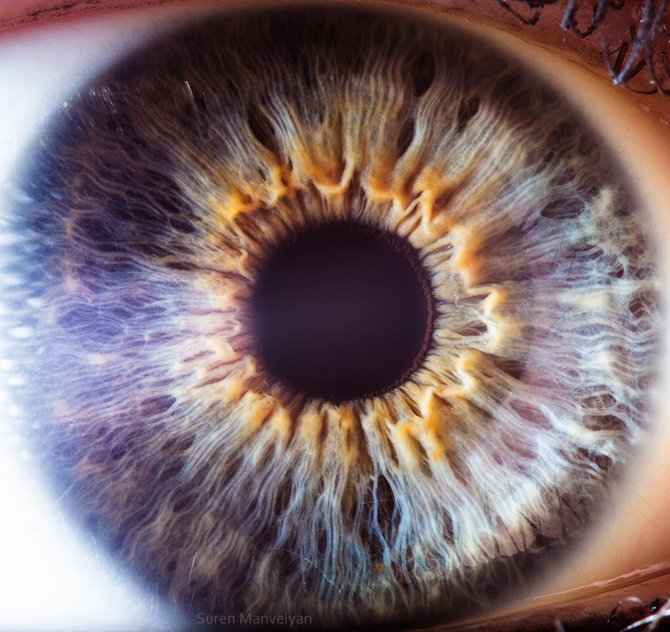
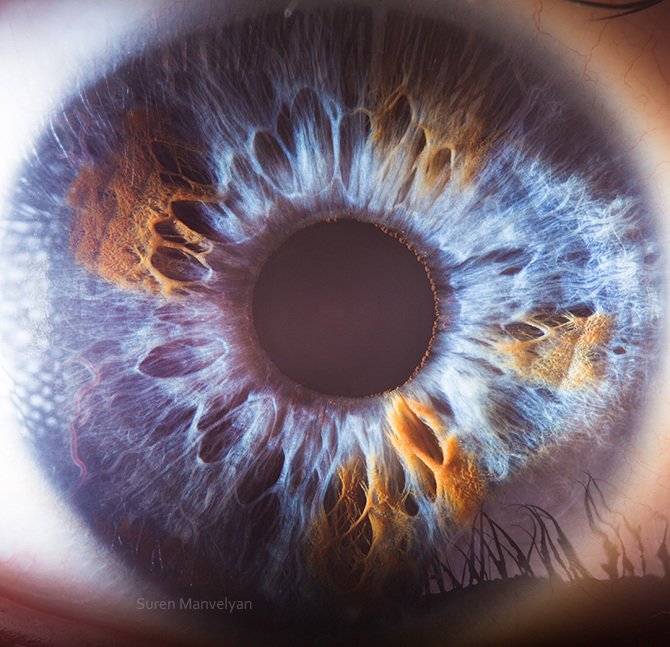
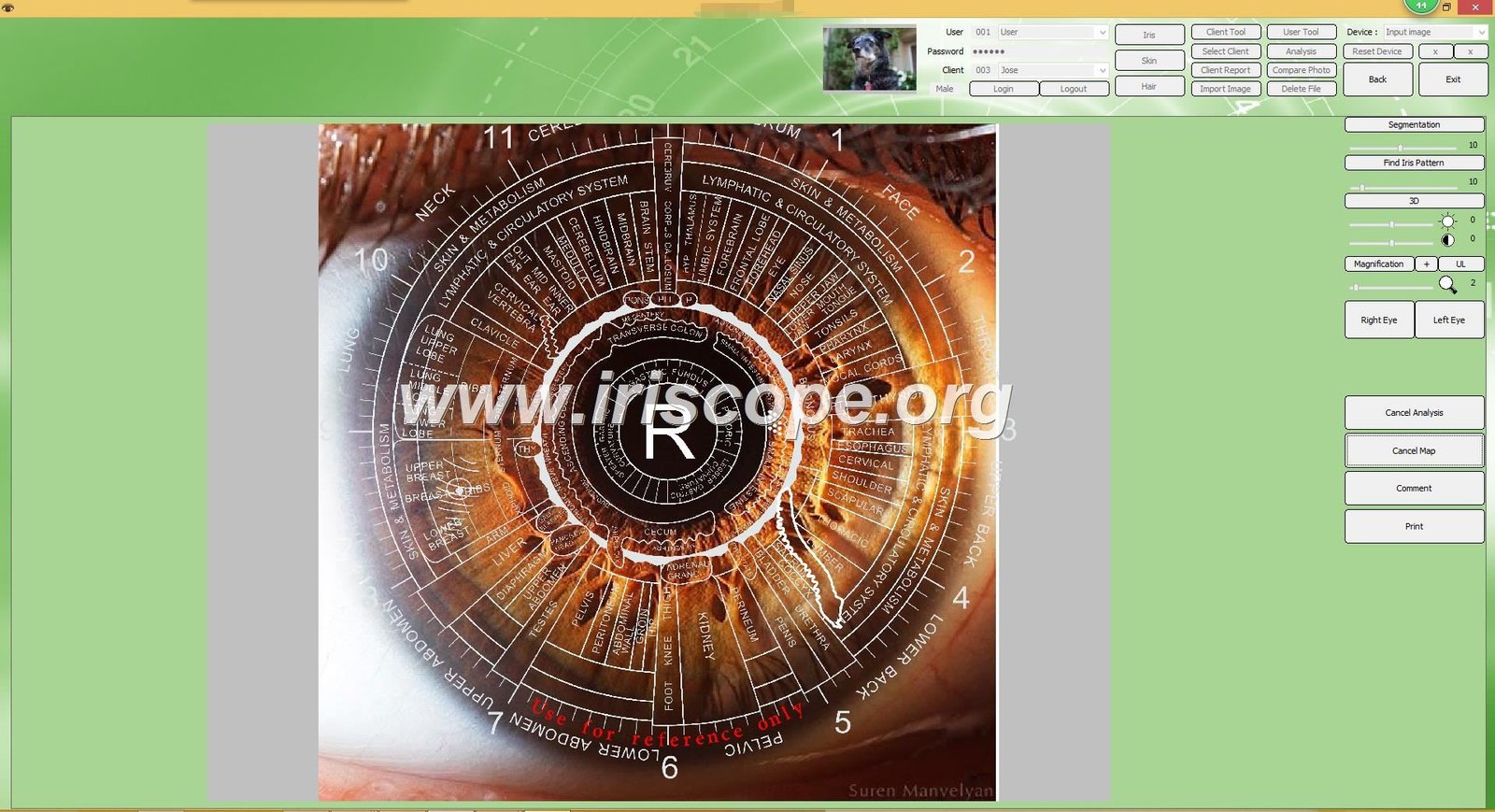
The educational foundation for these observations comes from iris chart systems developed over decades. The Bernard Jensen iridology chart represents one of the most widely taught mapping systems. Understanding how these charts work forms the basis of professional training programs.
Concerned About Iris Observations?
If you received concerning information during an iris examination, first consult with medical professionals for proper health evaluation. Then, if you’re interested in understanding the educational principles behind iridology observations, explore professional training options that teach proper scope of practice and ethical boundaries.
Iridology Education Fundamentals: What You Learn in Professional Training
Professional iridologist training programs teach systematic approaches to iris observation. Students learn anatomy, chart systems, observation techniques, and critically, the ethical and legal boundaries of practice. Quality education emphasizes what iridology can and cannot do.
Core Curriculum Components
Comprehensive iridologist school programs typically include multiple learning modules. Foundation courses cover iris anatomy and the history of observation practices. Advanced modules explore detailed chart interpretation and practical application skills.
Anatomy and Physiology
Understanding eye structure, iris formation, and basic body systems. This foundation helps students comprehend the theoretical basis of zone mapping.
Chart Systems and Mapping
Detailed study of various iridology chart systems, including Jensen, Deck, and other international approaches to iris sector mapping.
Observation Techniques
Practical skills in using magnification equipment, proper lighting, image capture, and systematic documentation of observations during consultations.
Ethics and Scope
Critical training in legal boundaries, appropriate language, avoiding diagnosis claims, and understanding when to refer clients to medical professionals.
Equipment and Software Training
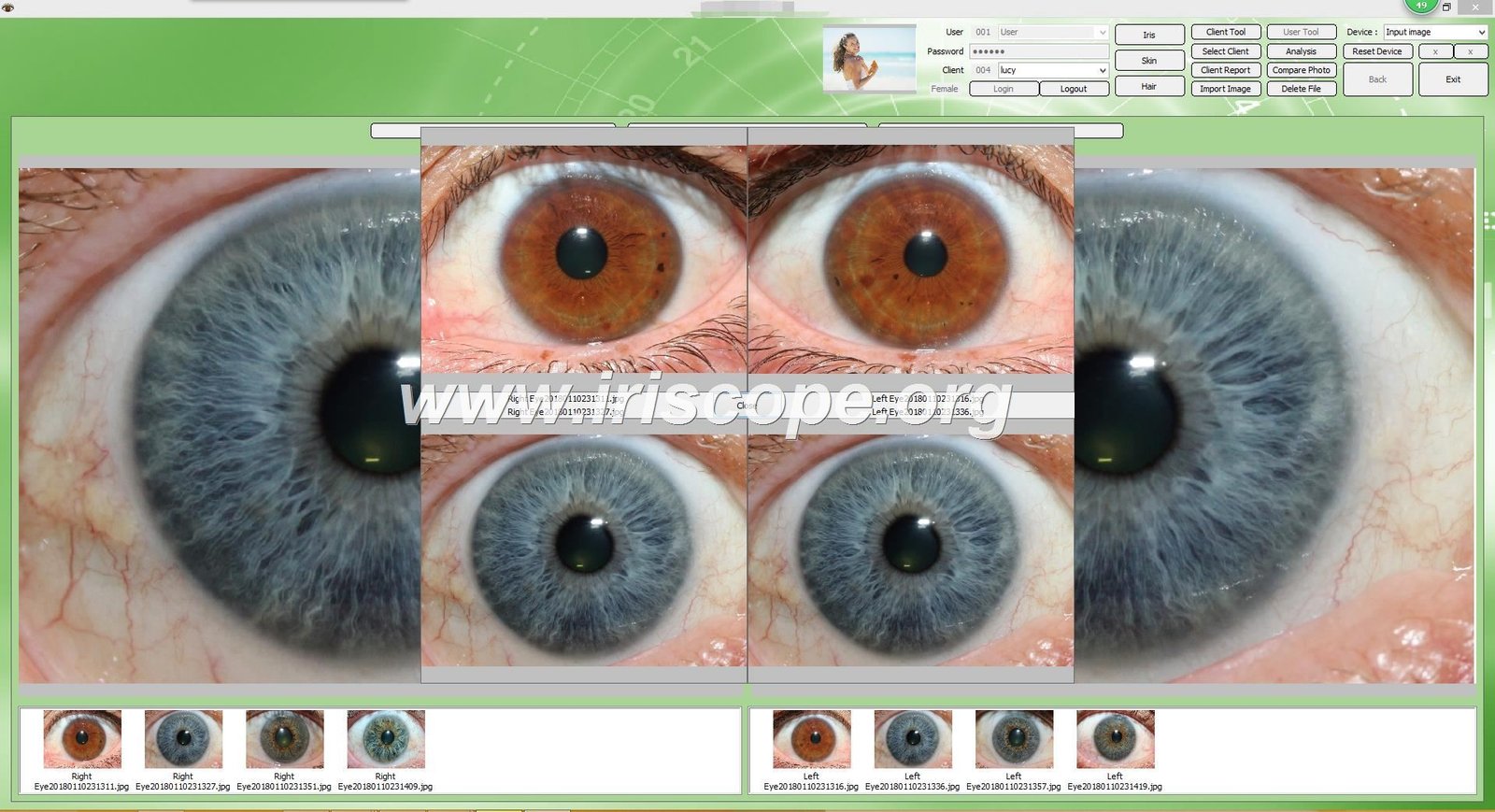
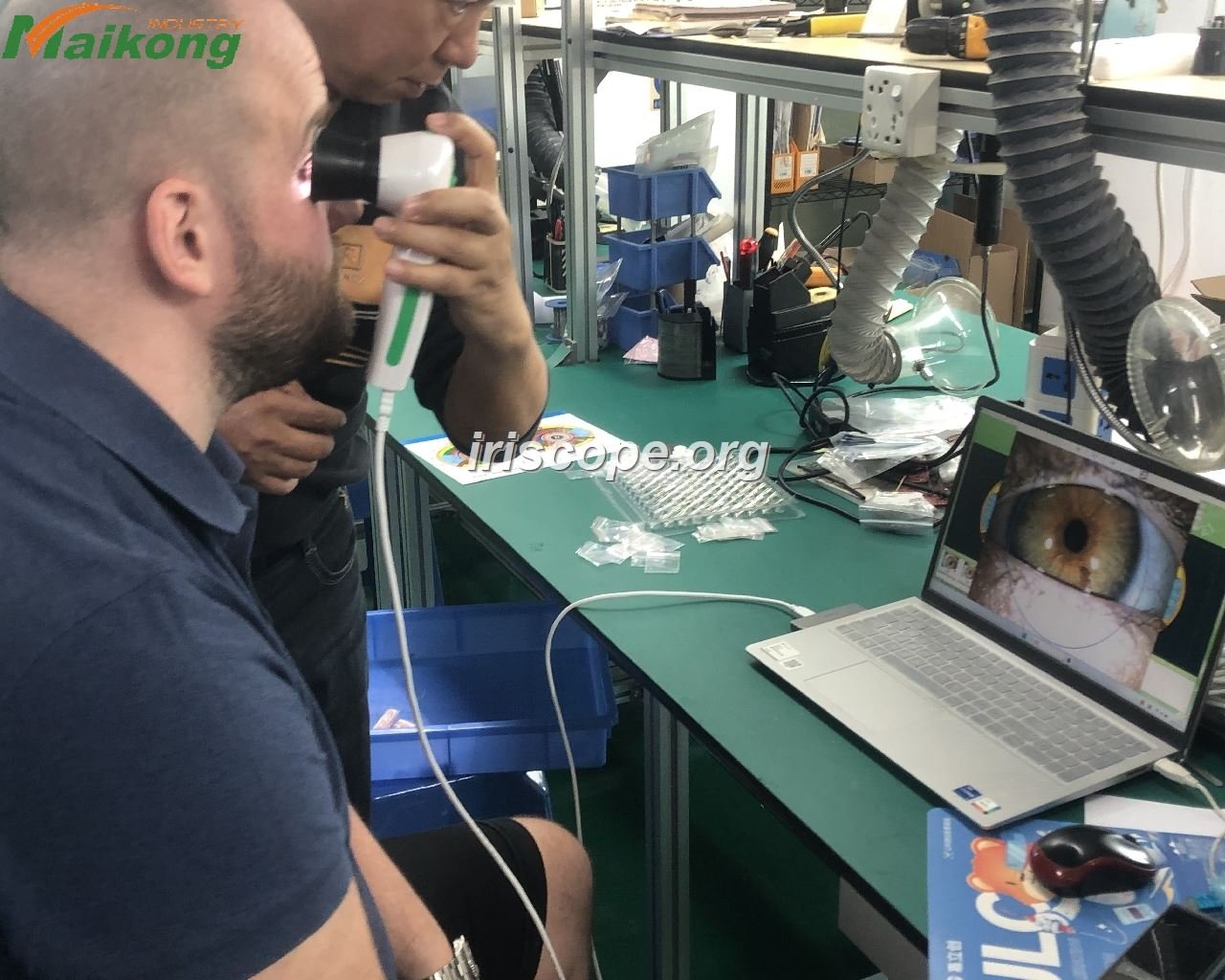
Modern iridology education incorporates technology training. Students learn to use specialized cameras and analysis software. These tools have evolved significantly, making observation and documentation more precise and professional.
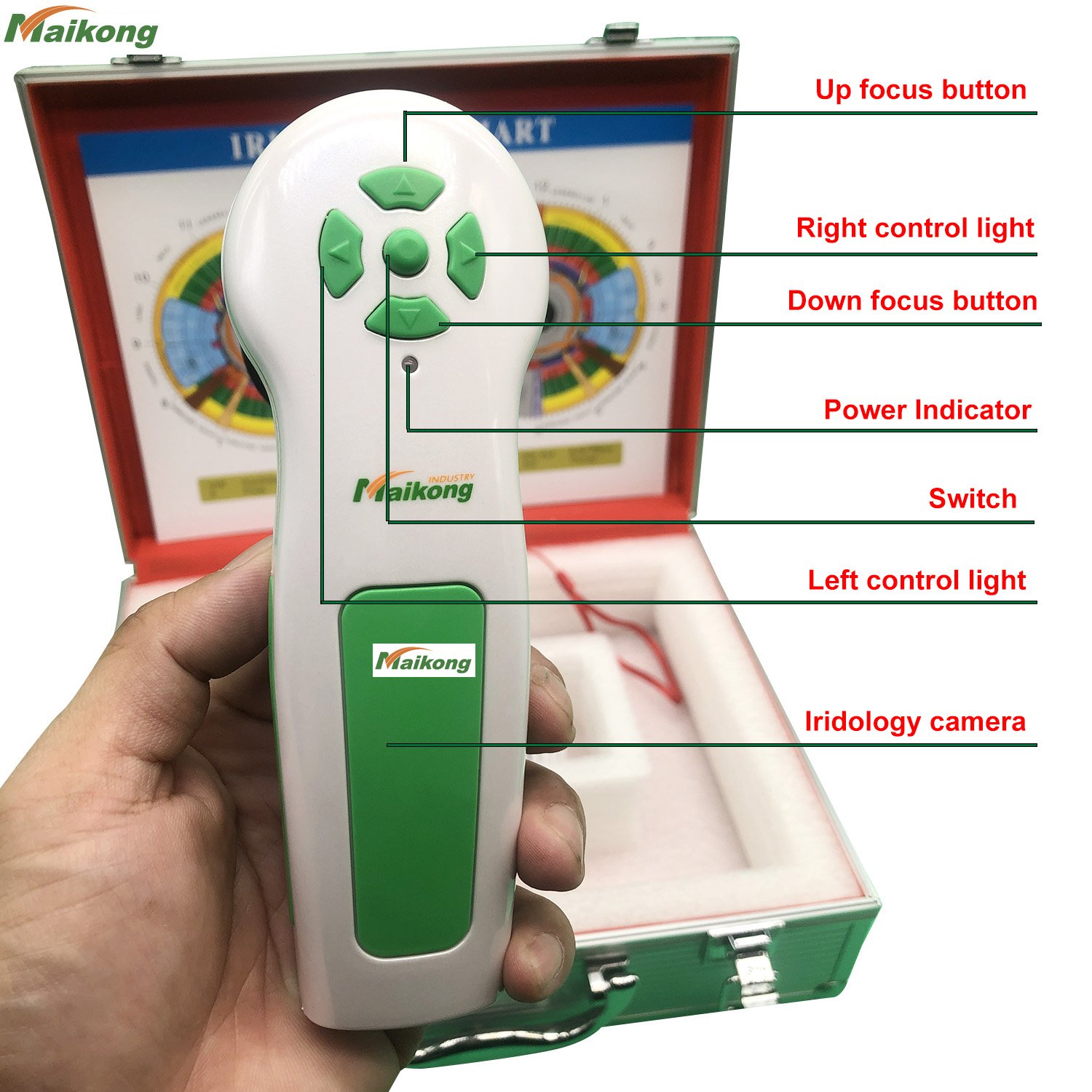
Training programs often partner with equipment manufacturers to provide hands-on experience. Students work with devices like the USB iridology camera and learn to operate specialized iridology software for documentation and client presentations.
| Training Component | Duration | Format Options | Prerequisites |
| Foundation Course | 40-60 hours | Online, In-person, Hybrid | None required |
| Advanced Observation | 60-80 hours | In-person, Hybrid | Foundation completion |
| Equipment Certification | 20-30 hours | Online, In-person | Basic training |
| Professional Practice | 40-50 hours | In-person, Mentorship | Advanced completion |
Understanding equipment options becomes important for anyone considering professional practice. Different camera systems offer varying resolution levels, lighting configurations, and software integration. Learning to evaluate these differences helps practitioners choose appropriate tools for their practice setting.
Choosing the Right Iridologist School or Training Program
Selecting an appropriate training program requires careful evaluation. Not all courses offer the same depth, credibility, or practical value. Several factors help distinguish quality education from superficial offerings.

Accreditation and Recognition
Quality programs often maintain affiliations with established iridology associations or holistic health organizations. While iridology certification standards vary by region, programs with transparent curriculum and experienced instructors generally provide better educational value.
Program Evaluation Criteria
- Instructor credentials and teaching experience
- Curriculum comprehensiveness and structure
- Practical hands-on training opportunities
- Equipment access during training
- Student support and mentorship availability
- Clear scope of practice education
- Transparent certification process
Online Versus In-Person Training
Both delivery formats offer advantages. Online programs provide flexibility and often lower costs. Students can learn theoretical components at their own pace, reviewing complex concepts multiple times. However, practical skills development may be limited without hands-on supervision.
In-person training excels at practical skill development. Students receive immediate feedback on observation techniques, equipment handling, and client interaction approaches. Many comprehensive programs combine both formats, teaching theory online while requiring in-person sessions for practical components.
Certification Pathways
Certificate programs versus non-certificate courses serve different purposes. Formal certification often requires completion of specific hour requirements, practical demonstrations, and written examinations. Non-certificate courses might offer introductory knowledge without formal credentialing.
Certified Programs
- Structured curriculum with hour requirements
- Practical examination components
- Written assessment requirements
- Formal credential upon completion
- Often required for insurance coverage
- Higher investment but greater credibility
Non-Certified Courses
- Flexible learning pace and structure
- Lower financial investment
- Good for personal interest exploration
- May not qualify for professional practice
- Certificate of completion versus certification
- Useful as introduction before advanced training
Geographic considerations also matter. Some regions have specific regulations about who can practice iridology and under what circumstances. Training programs should address local legal requirements and help students understand applicable regulations in their practice area.
Equipment and Software Requirements for Iridology Learning
Professional observation requires proper tools. Training programs typically introduce students to various equipment options, from basic magnification tools to sophisticated digital imaging systems. Understanding these technologies helps practitioners deliver professional services.
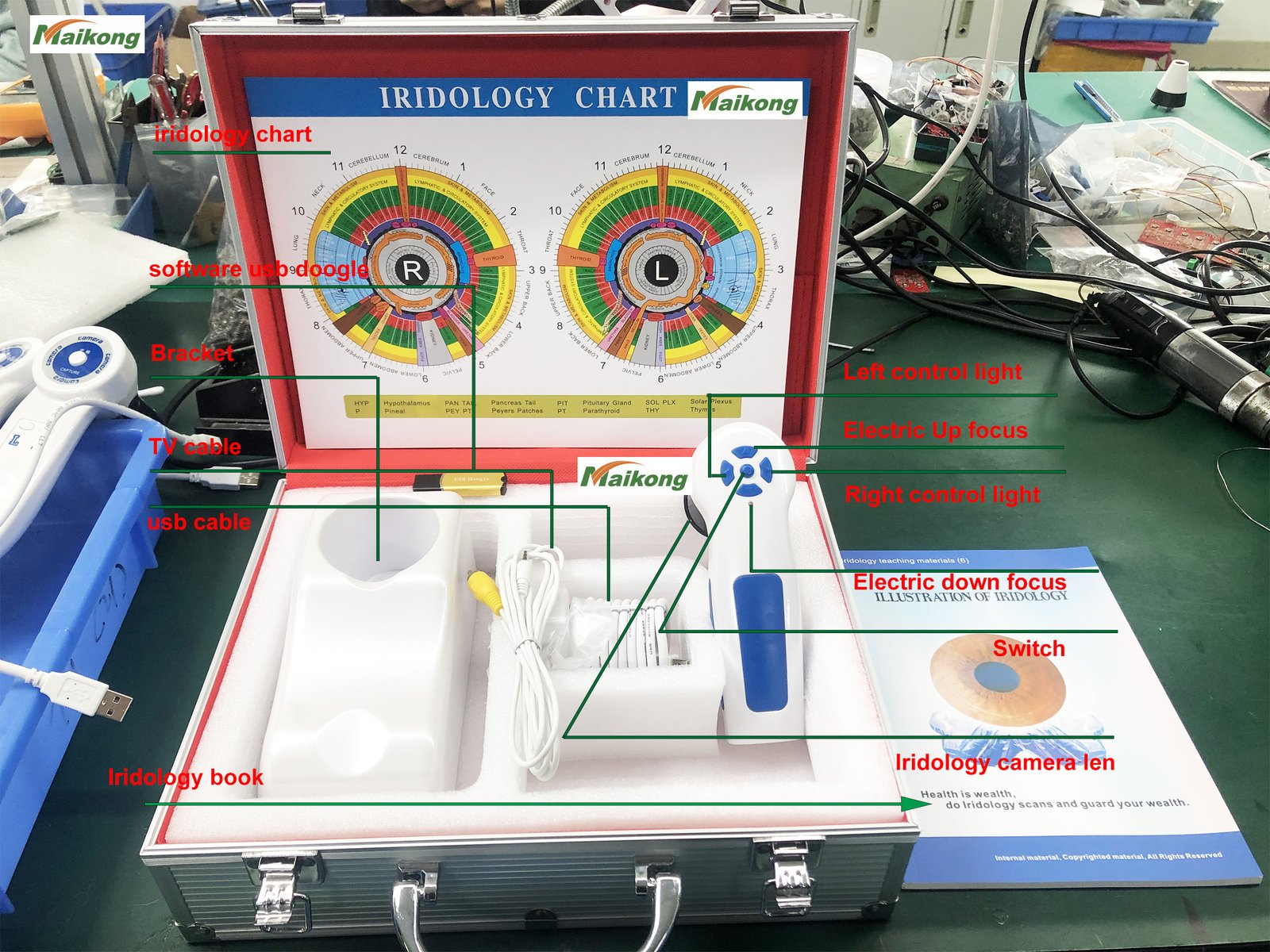
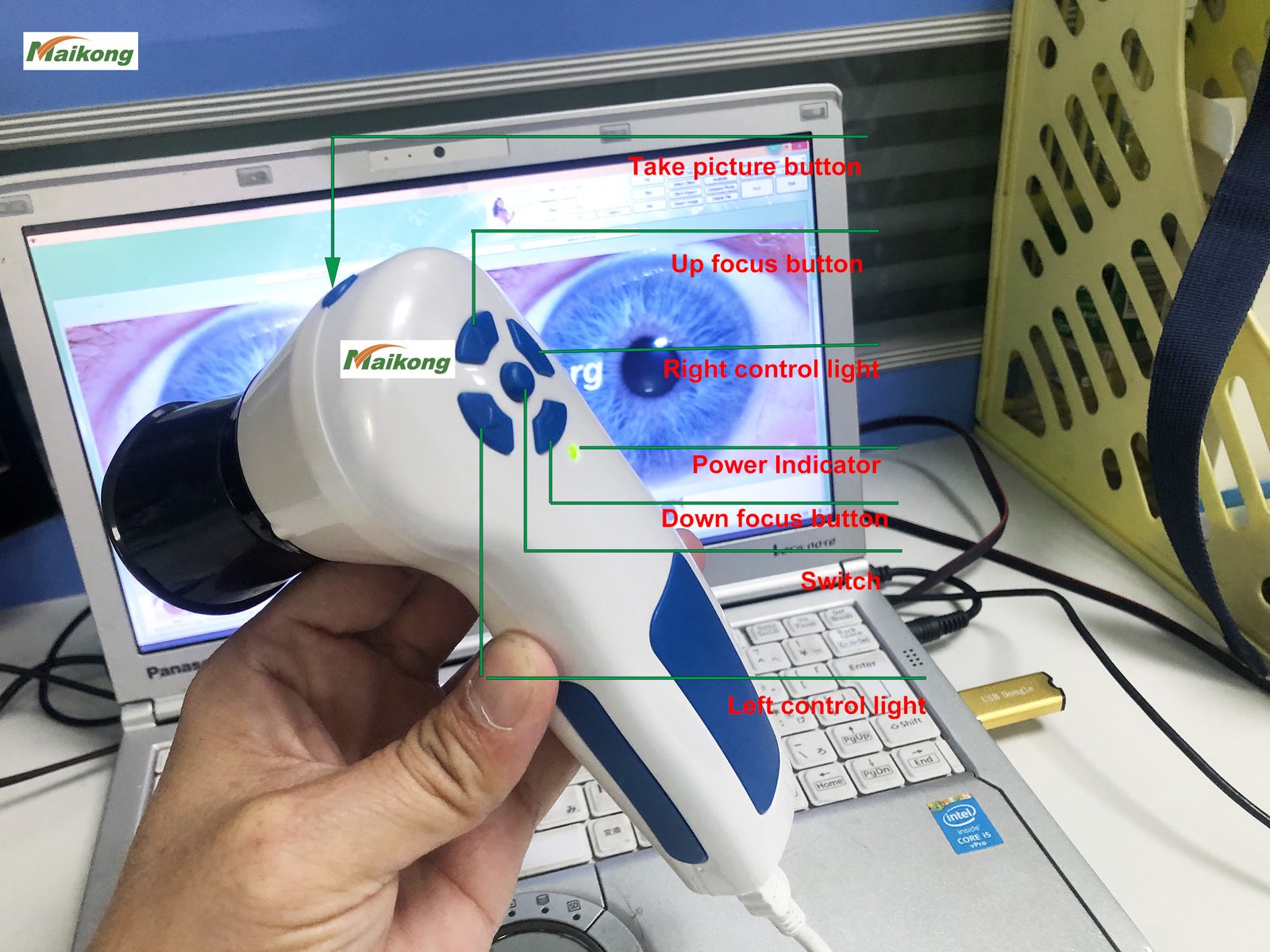
Camera Systems for Professional Practice
Modern practice relies on digital imaging. Quality cameras capture high-resolution iris images, enabling detailed observation and effective client education. Camera specifications significantly impact image quality and professional presentation.
When evaluating camera options, practitioners consider several technical factors. Pixel resolution determines image detail and clarity. The best iridology camera systems typically offer at least 5 megapixels, with professional models reaching 12 megapixels or higher for exceptional detail capture.
| Equipment Type | Key Specifications | Price Range | Best For |
| Entry-Level USB Camera | 5MP resolution, basic software, USB connection | $300-$800 | Students, introductory practice |
| Professional Iriscope | 12MP resolution, advanced LED lighting, adjustable focus | $1,200-$2,500 | Established practitioners, clinics |
| Clinical System | 12MP+, integrated software, multiple lens options | $2,500-$5,000 | Multi-practitioner settings, training centers |
Lighting systems affect image quality significantly. Professional equipment incorporates adjustable LED illumination that minimizes reflection while providing even lighting across the iris surface. This lighting consistency enables accurate color assessment and detail observation.
Software Tools for Analysis and Documentation
Analysis software complements camera hardware. Modern programs offer multiple functions including image enhancement, zone overlay tools, comparison features, and report generation capabilities. Quality software streamlines workflow and enhances client presentations.
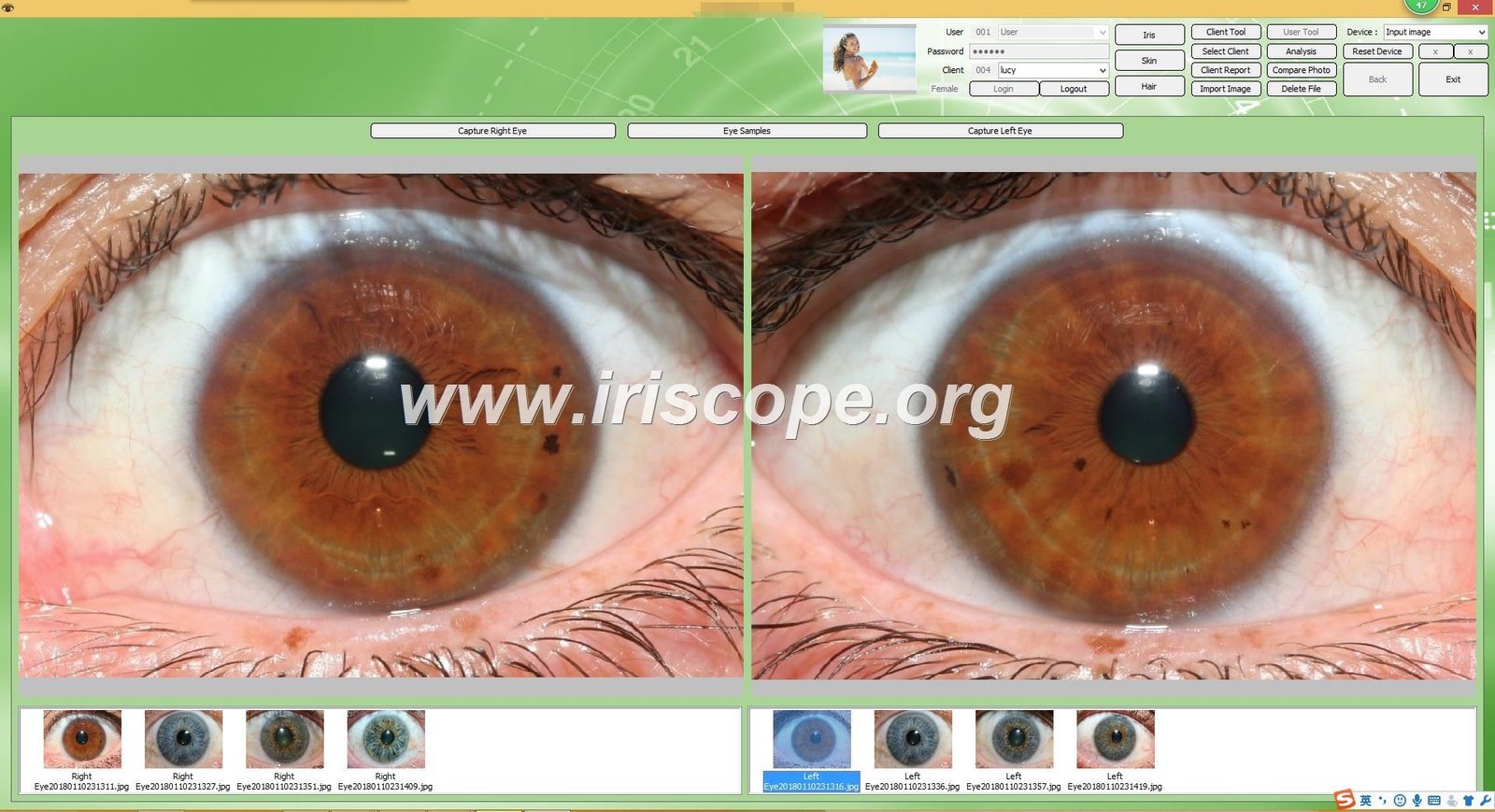
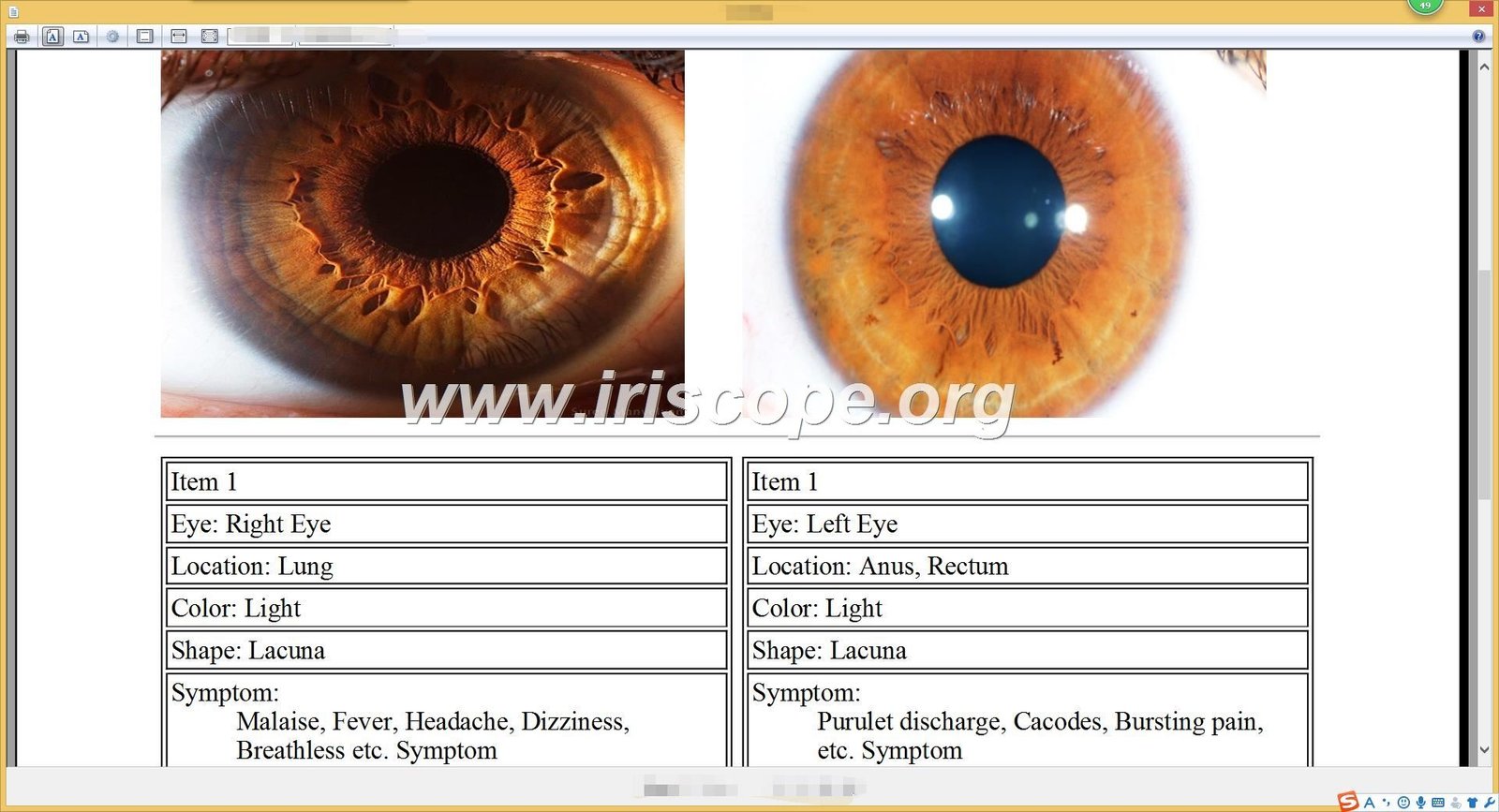
Software features vary considerably between programs. Basic applications might only display images with simple chart overlays. Advanced systems include automated analysis suggestions, extensive client management databases, customizable report templates, and multi-language support for diverse practice environments.
Essential Software Features
- High-resolution image display and zoom
- Iris chart overlay options
- Client database management
- Image storage and organization
- Basic report generation
- Before/after comparison tools
Advanced Software Capabilities
- Automated marking and annotation
- Multiple chart system support
- Customizable report templates
- Product recommendation integration
- Multi-language interface options
- Cloud backup and synchronization
Operating system compatibility matters for software selection. Most programs support Windows environments across multiple versions. Some advanced systems now support macOS, expanding options for practitioners using Apple computers. Always verify system requirements before purchasing software packages.
Training programs should include thorough software instruction. Students need practical experience navigating interfaces, managing client data, generating reports, and troubleshooting common technical issues. This technical competency separates amateur efforts from professional presentations.
Exploring Equipment Options for Your Training or Practice?
MAIKONG provides professional iriscope systems designed for both training institutions and established practices. Our equipment supports comprehensive learning with high-resolution imaging, multi-language software, and reliable performance. Whether you’re establishing a training program or upgrading practice equipment, we offer solutions tailored to educational and professional needs.
Practical Application and Professional Scope of Practice
Understanding practice boundaries represents a critical component of professional training. Ethical practitioners recognize what falls within their scope and when to refer clients to medical professionals. This clarity protects both practitioners and clients while maintaining professional integrity.

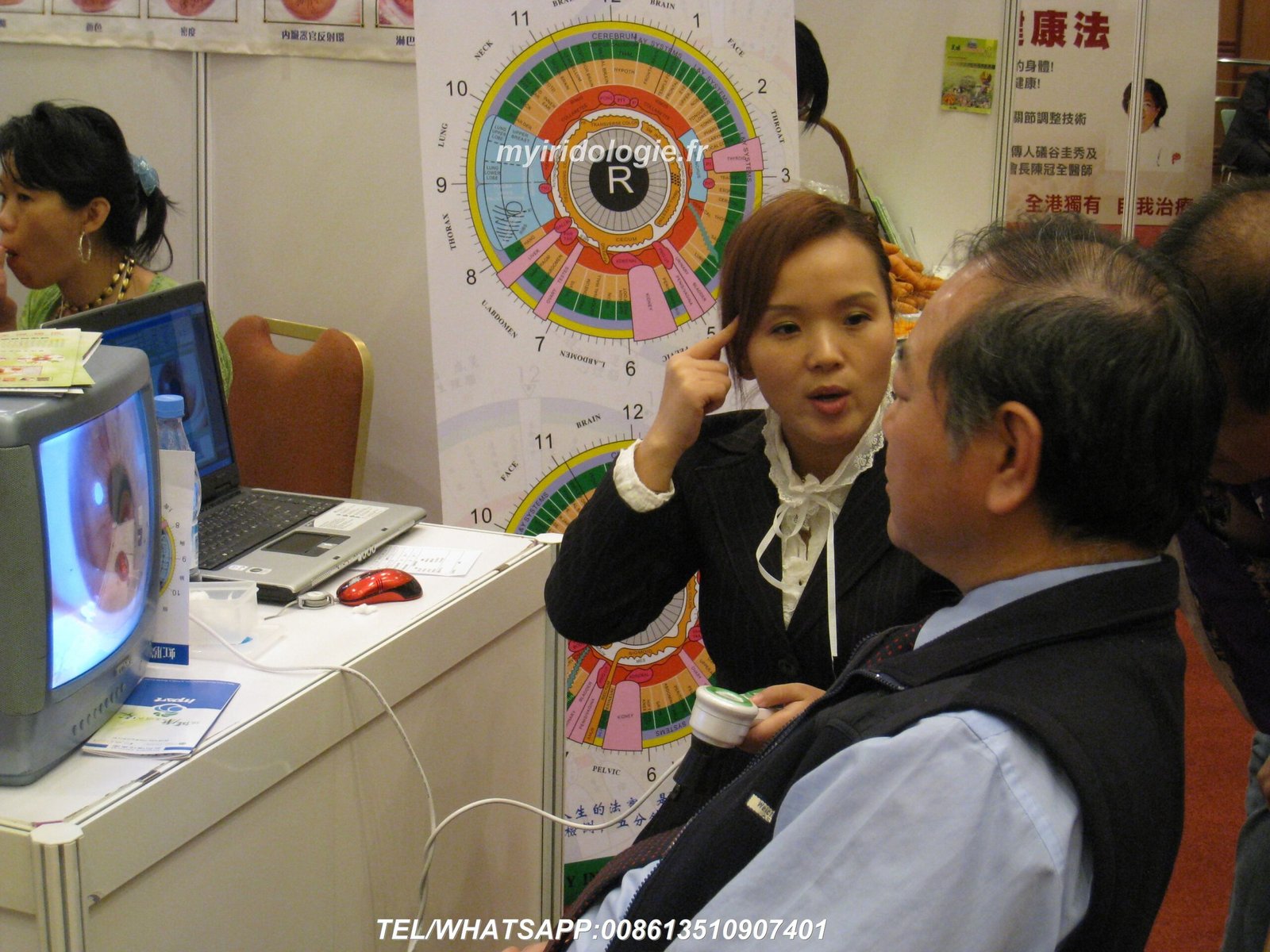
What Iridology Practice Includes
Traditional iridologist services focus on observation and educational discussion. Practitioners examine iris characteristics, discuss observations with clients, and may suggest general wellness approaches. These conversations remain within traditional complementary health frameworks.
Professional services typically include initial consultations, iris image capture, chart-based explanations, periodic follow-up observations, and general wellness education. Practitioners maintain detailed documentation, use professional presentation methods, and communicate findings in appropriate language that avoids medical diagnosis terminology.
Within Professional Scope
- Observing iris characteristics and patterns
- Discussing traditional iris chart correlations
- Providing general wellness education
- Suggesting lifestyle modifications
- Recommending further professional evaluation
- Documenting observations for records
Outside Professional Scope
- Diagnosing medical conditions or diseases
- Prescribing medications or treatments
- Claiming to detect specific illnesses
- Discouraging necessary medical care
- Promising cures or guaranteed outcomes
- Replacing qualified medical evaluation
Regulatory Considerations by Region
Practice regulations vary significantly across states and countries. Some jurisdictions classify iridology under complementary health practices with minimal regulation. Others impose strict requirements or prohibit certain practice elements. Professional practitioners research applicable regulations in their specific location.
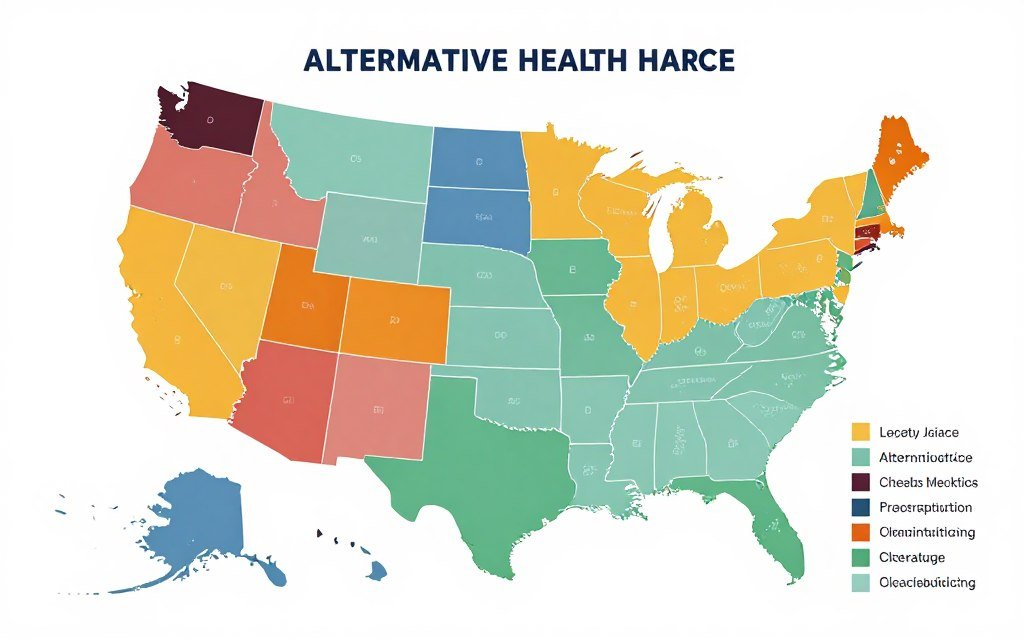
In the United States, state laws govern health practice regulations. Some states require practitioners to hold specific licenses (such as naturopathic doctor credentials) to practice iridology professionally. Others allow practice under general complementary health or wellness consulting frameworks without specific licensing requirements.
Integration with Other Wellness Modalities
Many practitioners integrate iridology with other complementary approaches. Naturopaths, nutritionists, herbalists, and wellness coaches often add iris observation to their existing service offerings. This integration can enhance practice scope when done within professional boundaries.
Combined practice requires understanding how different modalities complement each other without overstepping individual scope limitations. A nutritionist using iridology, for example, would focus observations on nutritional wellness aspects rather than attempting diagnostic assessments better suited to medical professionals.
Investment Considerations: Training Costs and Practice Setup
Financial planning matters when pursuing iridology education or establishing practice. Understanding typical costs helps set realistic expectations and make informed decisions about training investments and business development.

Training Program Investment
Education costs vary based on program depth, delivery format, and certification level. Introductory online courses might range from several hundred dollars, while comprehensive in-person certification programs can require investments of several thousand dollars.
| Program Type | Typical Duration | Average Investment | Includes |
| Introductory Online Course | 20-40 hours | $400-$900 | Video lessons, basic materials, completion certificate |
| Intermediate Certification | 80-120 hours | $1,500-$3,500 | Theory, practice sessions, exam, professional certificate |
| Advanced Professional Program | 150-250 hours | $3,500-$7,000 | Comprehensive training, mentorship, equipment training |
| Specialty Certifications | 40-60 hours each | $800-$2,000 | Focused advanced topics, specialty credentials |
Additional costs beyond tuition include study materials, practice supplies, and potentially travel expenses for in-person components. Students should factor in these supplementary expenses when budgeting for education. Some programs include materials in tuition, while others charge separately for textbooks, charts, and practice tools.
Practice Establishment Expenses
Beyond education, establishing professional practice requires equipment investment. Basic practice setup requires camera equipment, software, professional charts, and client presentation materials. More comprehensive setups might include dedicated consultation spaces, additional diagnostic tools, and marketing materials.
Essential Equipment
$1,000-$2,500
- Professional camera system
- Analysis software license
- Basic charts and references
- Computer or tablet
Professional Setup
$2,500-$5,000
- Advanced camera system
- Premium software features
- Multiple chart systems
- Professional furniture
Clinic Integration
$5,000-$10,000
- Multi-user equipment
- Network software systems
- Comprehensive materials
- Staff training resources
Training Center
$10,000-$25,000
- Multiple camera stations
- Educational licenses
- Student materials sets
- Presentation systems
Ongoing expenses include software subscriptions or updates, equipment maintenance, continuing education, professional association memberships, and liability insurance. These recurring costs should factor into practice financial planning and fee structure development.
Return on Investment Considerations
Practice profitability depends on multiple factors including service pricing, client volume, operating expenses, and market positioning. Practitioners typically charge between $75-$200 per consultation depending on geographic location, practice setting, and included services.
Building client volume takes time. New practitioners often require 12-24 months to establish consistent client flow. Those adding iridology to existing wellness practices may see faster integration since they already have established client relationships and marketing channels.
How to Evaluate and Select Credible Training Institutions
Not all training providers offer equal educational value. Distinguishing quality programs from inadequate ones protects your investment and ensures proper professional preparation. Several evaluation criteria help identify credible educational institutions.
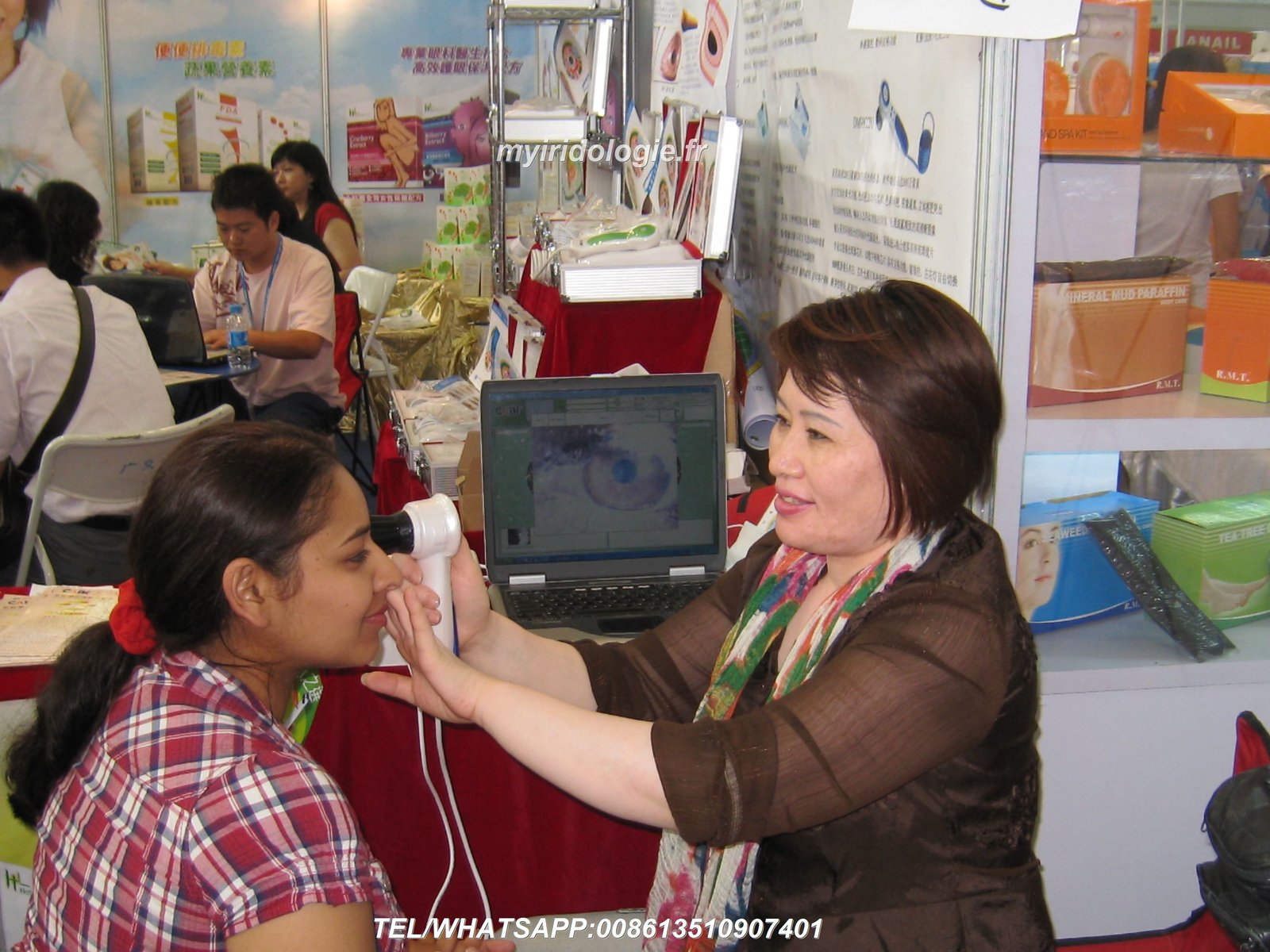

Instructor Credentials and Experience
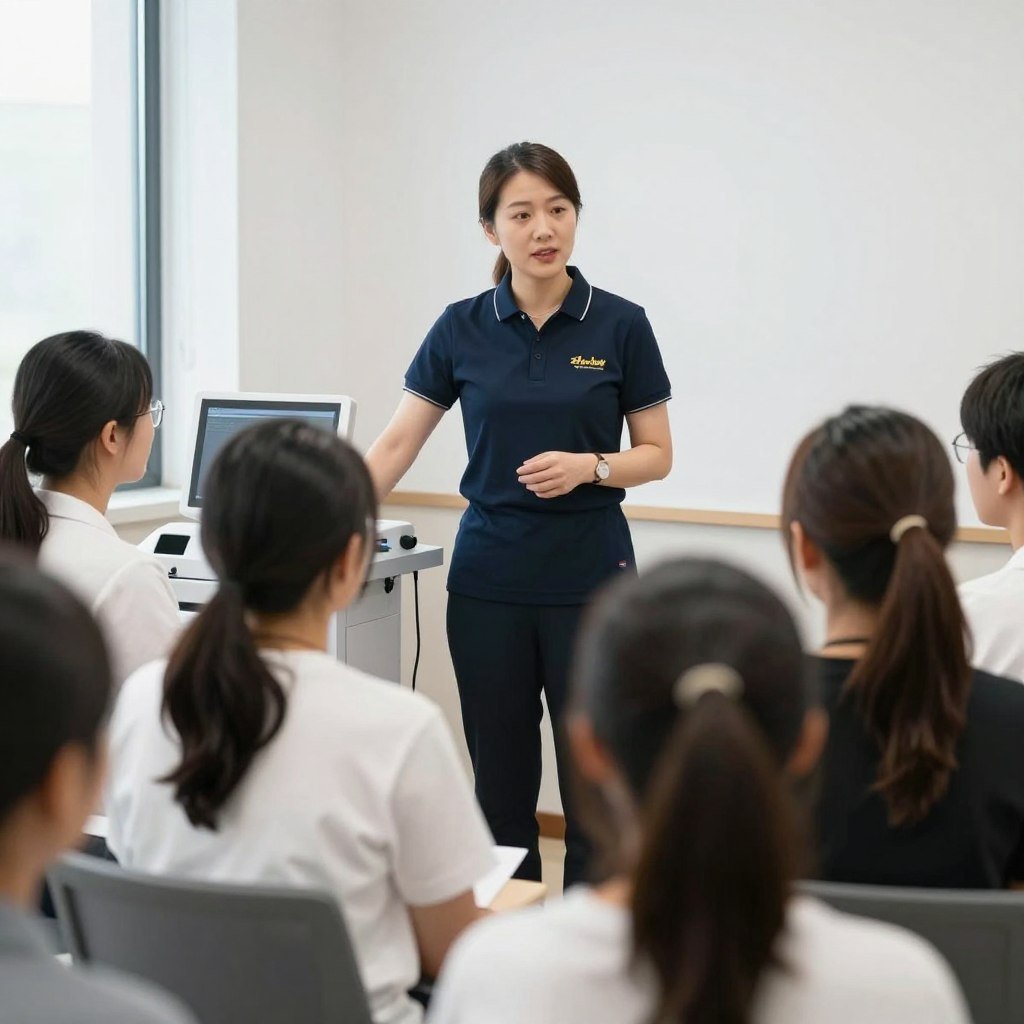
Examine instructor backgrounds carefully. Quality programs employ instructors with substantial practical experience, not just theoretical knowledge. Look for teachers who maintain active practices, continue professional development, and demonstrate teaching expertise beyond personal practice experience.
Instructor transparency matters. Credible programs clearly state instructor qualifications, experience levels, and educational backgrounds. Be cautious of programs that provide limited information about teaching staff or make unrealistic claims about instructor credentials.
Credibility Indicators
- Clear instructor biography and credentials
- Years of active practice experience
- Continuing education participation
- Published work or recognized contributions
- Professional association memberships
- Student testimonials with specific details
- Transparent curriculum and learning outcomes
Curriculum Depth and Structure
Quality programs provide detailed curriculum information before enrollment. Review course outlines carefully, looking for comprehensive coverage of theoretical foundations, practical skills, equipment training, ethics education, and scope of practice clarification.
Beware of programs making unrealistic promises. No legitimate training can guarantee specific income levels, immediate success, or miraculous assessment capabilities. Credible programs set realistic expectations about practice development, learning curves, and professional limitations.
Student Support and Resources
Ongoing support distinguishes exceptional programs from basic offerings. Look for institutions providing mentorship opportunities, graduate communities, continuing education options, and accessible instructor support beyond initial class completion.
Resource access matters significantly for learning effectiveness. Quality programs provide extensive reference materials, practice cases, updated charts, and supplementary educational content. These resources support continued learning after formal instruction ends.
Red Flags When Evaluating Training Programs: Avoid programs that promise medical diagnostic abilities, guarantee income levels, lack transparent pricing, provide minimal curriculum details, employ instructors with questionable credentials, make extraordinary health claims, discourage medical care, or pressure immediate enrollment without adequate information.
Post-Training Practice Development and Professional Pathways
Completing training represents just the beginning of professional development. Successful practitioners continue learning, refine skills, build professional networks, and develop sustainable business practices. Understanding available pathways helps graduates transition from students to practicing professionals.
Building Professional Practice
Practice development requires business skills beyond observational expertise. Marketing, client relations, record keeping, legal compliance, and financial management all contribute to sustainable practice. Many practitioners benefit from business coaching or mentorship during early practice years.
Market positioning affects practice success significantly. Some practitioners focus exclusively on iridology services, while others integrate observations within broader wellness offerings. Integration often proves easier for establishing client flow, particularly when adding to existing naturopathic, nutrition, or wellness practices.
Independent Practice Model
- Establish legal business structure
- Secure appropriate insurance coverage
- Set up professional consultation space
- Develop marketing and client acquisition strategies
- Create intake forms and documentation systems
- Build referral network with complementary practitioners
- Implement ongoing professional development plan
Integrated Practice Model
- Assess how iridology complements existing services
- Update professional materials and descriptions
- Train existing staff on new service offerings
- Develop integrated service packages
- Educate current clients about new capabilities
- Adjust pricing structures appropriately
- Monitor integration effectiveness and adjust
Continuing Education and Advancement
Professional growth requires ongoing learning. Advanced workshops, specialty certifications, and regular skill updates keep practitioners current with developing techniques and maintain professional credibility. Many practitioners pursue multiple advanced certifications over time.
Specialty areas within iridology offer advancement opportunities. Constitutional typing, specific system focus (such as digestive or neurological), pediatric applications, or integrated approaches combine iridology with other modalities. Specialization can differentiate practice offerings in competitive markets.
Teaching and Institutional Opportunities
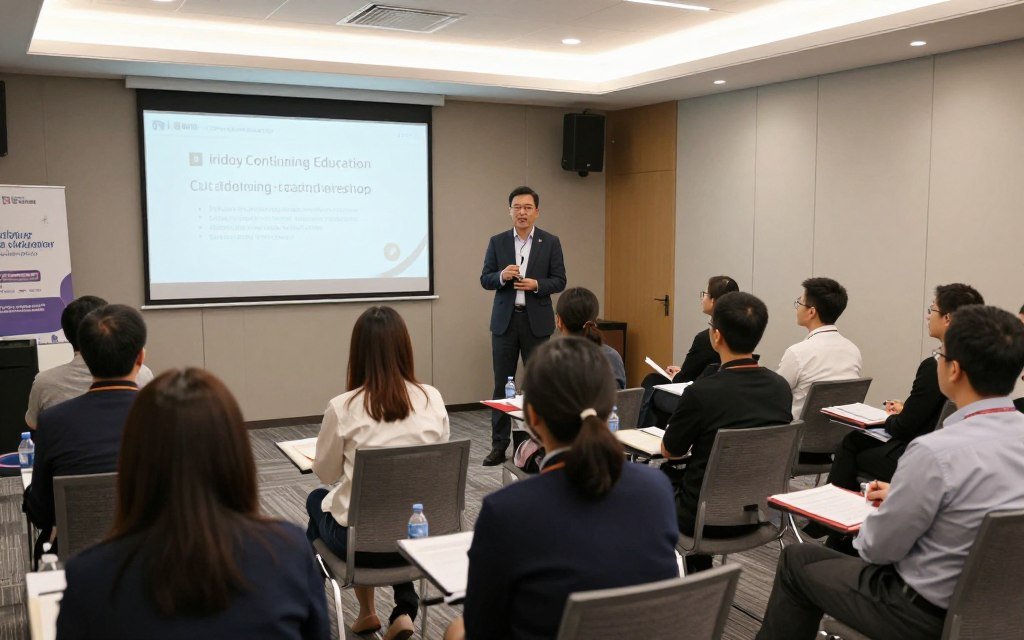
Experienced practitioners sometimes transition into educational roles. Teaching opportunities exist within established schools, wellness centers, professional associations, and through independent workshop offerings. Educational roles require both practice expertise and teaching skills.
Training center development represents another pathway. Some established practitioners create their own educational programs, training the next generation while maintaining practice activities. This path requires significant investment in curriculum development, equipment, marketing, and administrative infrastructure.
Considering Professional Iridology Training?
Whether you’re exploring training options for personal practice development or considering establishing an educational program at your institution, understanding your equipment and curriculum needs is essential. We work with training centers, wellness schools, and independent practitioners to provide professional-grade equipment solutions that support comprehensive education.
Direct Contact: +86 135 1090 7401
Email Inquiries: Lucy@myiridology.us
Frequently Asked Questions About Iridology Observations and Training
What should I do if an iridologist said she saw something regarding my lungs?
First, understand that iridology observations are not medical diagnoses. If you have actual respiratory concerns, symptoms, or health issues, consult with qualified medical professionals such as your primary care physician or a pulmonologist. They can perform appropriate diagnostic tests including chest X-rays, pulmonary function tests, or other medical evaluations.
Iris observations represent one perspective within traditional wellness practices. While some people find value in these observations as part of their holistic health approach, they should never replace proper medical evaluation. Any serious health concern requires appropriate medical attention from licensed healthcare providers.
If you’re interested in understanding the educational principles behind what the practitioner observed, consider exploring how to read iridology charts and learning about traditional iris mapping systems used in these observations.
How long does it take to complete professional iridologist training?
Training duration varies significantly based on program depth and certification level. Introductory courses might require 20-40 hours of study, typically completed over several weeks. These provide basic knowledge but don’t usually qualify someone for professional practice.
Comprehensive certification programs generally require 80-250 hours of instruction, including theoretical study, practical skills development, equipment training, and ethics education. These programs might span 6-18 months depending on the schedule format (intensive versus part-time).
Advanced or specialty certifications add additional time requirements. Many practitioners continue education throughout their careers, adding specialty credentials, advanced techniques, or complementary modalities. Professional development never truly ends for serious practitioners committed to excellence.
Consider your goals when selecting program length. Those seeking personal knowledge might find shorter programs sufficient. Those planning professional practice should invest in comprehensive certification programs that thoroughly prepare them for ethical, competent practice.
Can I practice iridology legally after completing a training course?
Legal practice requirements vary dramatically by location. In some U.S. states and countries, iridology practice falls under general wellness consulting or complementary health frameworks with minimal specific regulation. Other jurisdictions impose stricter requirements or limit practice to licensed healthcare professionals.
Before practicing professionally, research regulations specific to your location. Some areas require business licenses, liability insurance, specific disclaimers in marketing materials, or limitations on terminology used when describing services. Ignorance of local regulations doesn’t provide legal protection.
Many practitioners operate within existing professional licenses. Naturopathic doctors, nutritionists, wellness coaches, or other licensed professionals often incorporate iridology into broader practice scopes. This approach may provide clearer legal standing than standalone iridology practice in certain jurisdictions.
Consult with local business attorneys or professional associations familiar with complementary health regulations in your area. This investment in legal clarity protects both you and your clients while ensuring compliant practice operations.
What equipment do I need to start learning iridology or practicing professionally?
Beginning students can start with minimal equipment including basic printed iridology charts, a quality magnifying tool, and reference materials. Some introductory courses include digital charts and educational resources as part of program materials.
Professional practice requires investment in quality imaging equipment. A professional-grade iridology camera with adequate resolution (typically 5-12 megapixels) forms the foundation of modern practice. These cameras connect to computers and work with specialized software for image capture, analysis, and client presentations.
Complete professional setups include camera hardware, analysis software, computer systems, professional lighting, appropriate furniture for client comfort, chart systems (both digital and printed), reference materials, and documentation tools. Investment ranges from $1,000-$5,000 depending on equipment quality and feature levels.
Many training programs provide equipment access during instruction, allowing students to gain experience before making personal equipment purchases. Some institutions offer equipment packages at graduation, sometimes at discounted rates for students.
Is iridology scientifically proven, and should I trust observations about health conditions?
Iridology remains controversial within mainstream medical communities. Conventional medical science generally does not recognize iris observations as valid diagnostic tools. Limited scientific studies examining iridology’s effectiveness have produced mixed or negative results regarding its ability to detect specific medical conditions.
Many practitioners and clients report subjective value from iridology within holistic wellness contexts. Some find iris observations helpful as one component of broader wellness assessments, particularly when combined with conventional medical care, lifestyle evaluation, and other complementary approaches.
The critical distinction involves understanding scope and limitations. Ethical practitioners never claim to diagnose diseases through iris observation, don’t promise cures, don’t discourage necessary medical care, and maintain clear boundaries about what iridology can and cannot accomplish.
If you’re considering training, approach with realistic expectations. Study iridology for its traditional observation framework and holistic wellness applications rather than expecting it to function as medical diagnostic technology. Always maintain appropriate professional boundaries and emphasize the complementary nature of these observations.
Anyone with actual health concerns should always consult qualified medical professionals for proper diagnosis and treatment. Iris observations should never delay, replace, or substitute for appropriate medical evaluation and care.
What’s the difference between iridology training programs, and how do I choose the right one?
Programs vary significantly in depth, quality, credibility, and professional preparation. Key differentiators include instructor credentials, curriculum comprehensiveness, practical training components, equipment access, certification recognition, and ongoing support.
Introductory programs teach basic concepts, chart systems, and observation fundamentals. These suit personal interest exploration or determining if deeper study appeals to you. Professional certification programs provide comprehensive training including advanced observation techniques, equipment operation, client interaction skills, business development, ethics, and scope of practice.
Evaluate programs based on transparent curriculum details, instructor backgrounds, student testimonials with specific outcomes, clear certification criteria, realistic expectations setting, and ongoing educational support. Quality programs freely provide detailed information before requiring enrollment commitments.
Consider learning format preferences. Online programs offer flexibility and potentially lower costs but may limit hands-on skill development. In-person training provides immediate feedback and practical supervision. Hybrid models combining online theory with in-person practice sessions often provide optimal balance.
Don’t rush the decision. Research multiple programs, request detailed information, speak with graduates if possible, and ensure the program aligns with your goals, learning style, and budget. Quality education represents significant investment deserving thorough evaluation.
Professional Equipment Considerations for Training Institutions and Practitioners
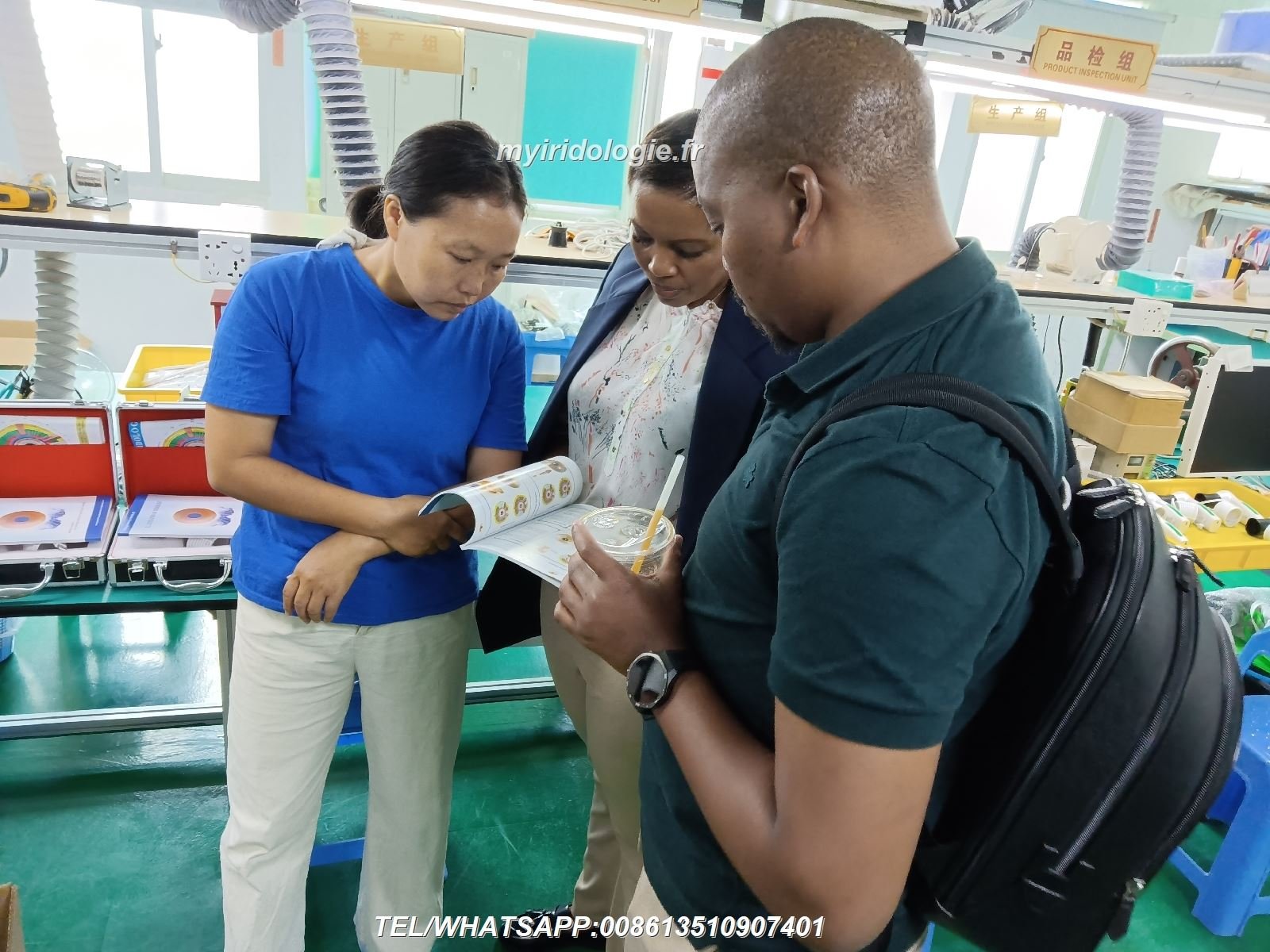
Training centers and established practitioners face unique equipment needs. Multi-user environments require different solutions than individual practice setups. Understanding these specialized requirements helps institutions make appropriate technology investments.
Equipment Specifications for Educational Settings
Training programs benefit from standardized equipment across all learning stations. Consistency ensures students receive equivalent learning experiences regardless of which station they use. It also simplifies instruction since all equipment operates identically.
Educational licenses for software differ from individual practice licenses. Training institutions require multi-user licensing that allows simultaneous operation across multiple computers. These educational licenses sometimes include additional features like student progress tracking and curriculum integration tools.
| Feature | Individual Practice | Small Training Center (5-10 students) | Large Institution (20+ students) |
| Camera Systems Needed | 1-2 units | 3-5 units | 10-15 units |
| Software Licensing | Single-user license | Educational multi-user (5-10) | Enterprise educational license |
| Chart Systems | Digital + 1-2 printed sets | Digital + 5 printed sets | Digital + 15-20 printed sets |
| Typical Investment | $1,500-$3,000 | $8,000-$15,000 | $25,000-$50,000 |
Customization Options for Professional Applications
Professional-grade equipment manufacturers often provide customization capabilities. These modifications might include branded software interfaces, customized report templates, multi-language support, or specialized features addressing specific practice needs.
For training institutions, customization could include curriculum-specific teaching modules, student practice modes with feedback systems, or integration with existing educational management platforms. These custom features enhance learning effectiveness while streamlining administrative processes.
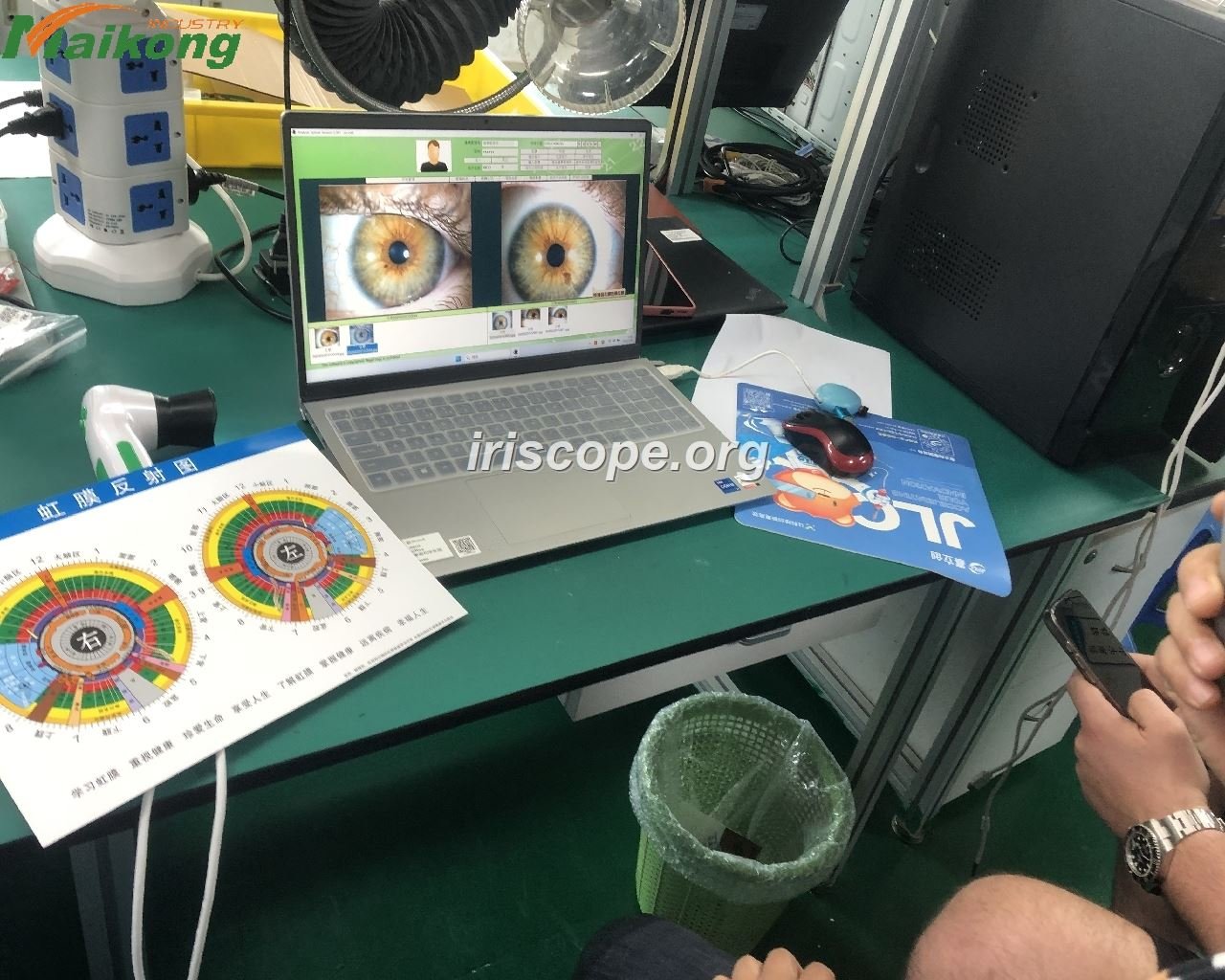
Support and Maintenance Considerations
Ongoing technical support becomes increasingly important for institutional equipment deployments. Training centers need rapid response to technical issues to avoid disrupting scheduled classes. Many equipment suppliers offer priority support packages for educational institutions.
Maintenance planning should address regular software updates, equipment calibration, replacement part availability, and backup equipment for continuity during repairs. Institutional purchases often include extended warranty options and maintenance agreements providing predictable cost management.
Professional Equipment Solutions for Iridology Education and Practice
For over 20 years, MAIKONG has manufactured professional iridology equipment serving training institutions, wellness centers, and individual practitioners worldwide. Our solutions combine reliable hardware, sophisticated software, and comprehensive support designed specifically for educational and professional applications.
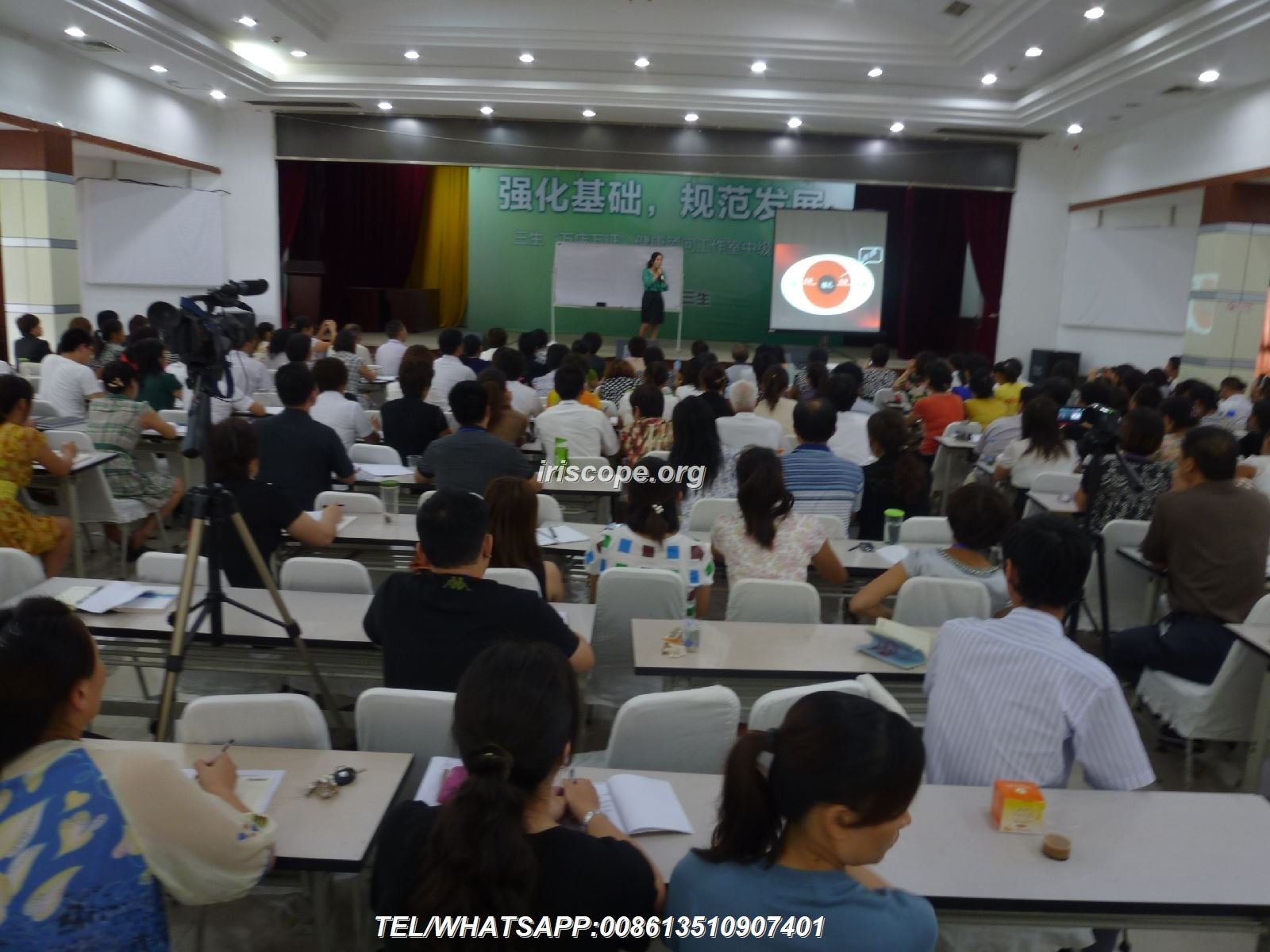
Comprehensive Equipment Packages
Our MK-series equipment provides complete solutions from entry-level systems to advanced multi-user institutional packages. Each system includes high-resolution imaging hardware, multi-language software, comprehensive chart libraries, and professional accessories necessary for effective practice or training.
MK-9822U Professional System
Key Specifications:
- 12.0 megapixel high-resolution sensor
- LED illumination with adjustable intensity
- USB connectivity (plug-and-play)
- Compatible with Windows and macOS
- Includes 30X iris lens and protective accessories
- Professional carrying case included
MAIKONG 2024 Software Features
Comprehensive Analysis Platform:
- Support for 17 language interfaces
- Multiple chart system overlays
- Client database management
- Customizable report generation
- Cloud backup capabilities
- Product recommendation integration
Customization for Training Institutions
We work directly with training centers to develop customized solutions addressing specific educational needs. Our customization services include software interface branding, curriculum-specific features, multi-language support, and integration with existing educational systems.
Educational pricing structures and volume discounts make comprehensive equipment deployment feasible for institutions establishing or expanding training programs. Our educational support team assists with equipment setup, instructor training, and ongoing technical assistance throughout program operation.
| Customization Service | Application | Availability |
| Software Interface Branding | Add institution logo, custom color schemes | Training centers, clinics |
| Multi-Language Configuration | 17 languages available, custom language additions | All users |
| Report Template Customization | Branded reports, custom recommendation sections | Professional practitioners, institutions |
| Educational Module Integration | Student practice modes, teaching cases | Training institutions only |
Global Support Infrastructure
With manufacturing facilities in Shenzhen, GD, and distribution presence in the United States, we provide responsive support across time zones. Our technical team offers installation assistance, troubleshooting support, software updates, and ongoing consultation for equipment optimization.
Partnership opportunities exist for qualified distributors and training institutions. We support partners with competitive wholesale pricing, marketing materials, technical training, and ongoing business development assistance. Our existing partnerships with training institutions, wellness centers, and distribution networks span multiple countries.

Partnership and Distribution Opportunities in the United States
MAIKONG actively seeks qualified partners to expand our presence within the United States iridology and wellness equipment market. We work with training institutions, wellness equipment distributors, naturopathic supply companies, and established practitioners interested in equipment distribution alongside their practice operations.

Distributor and Dealer Benefits
Our partner program provides comprehensive support enabling successful market entry and growth. Partners receive competitive wholesale pricing, exclusive territory opportunities, marketing material support, technical training, and ongoing business development consultation.
Financial Benefits
- Competitive wholesale pricing structures
- Volume discount programs
- No minimum order requirements for qualified partners
- Flexible payment terms
- Drop-shipping options available
Marketing Support
- Professional product photography and specifications
- Co-branded marketing materials
- Digital marketing asset libraries
- Trade show support and materials
- Product demonstration units
Technical Support
- Comprehensive product training
- Ongoing technical consultation
- Warranty and repair coordination
- Software update management
- Customer support assistance
Ideal Partner Profiles
We seek partners with established presence in complementary markets including naturopathic supplies, wellness equipment, professional training institutions, or existing health product distribution networks. Prior experience in health equipment, understanding of the wellness industry, and established customer relationships provide strong foundation for successful partnership.
Training institutions represent particularly valuable partnerships. Schools and certification programs require reliable equipment for student training. These relationships create ongoing equipment needs as programs grow and student cohorts progress. We provide special educational pricing and program-specific support for training institution partners.
Getting Started as a Partner
Partnership inquiry begins with consultation about your market position, existing capabilities, and growth objectives. We evaluate fit based on market coverage, business infrastructure, and alignment with our quality and service standards. Qualified candidates receive detailed partnership proposals outlining specific terms, support programs, and growth pathways.
Initial partnership typically begins with sample equipment evaluation, technical training, and market development planning. We support new partners through launch phases with enhanced communication, marketing collaboration, and business development guidance.
Explore Partnership Opportunities with MAIKONG
Whether you operate a training institution seeking reliable equipment partnerships, distribute wellness products and want to expand offerings, or are an established practitioner interested in equipment distribution, we invite you to explore partnership possibilities. Our team can discuss how MAIKONG solutions might complement your existing business and serve your market effectively.
Moving Forward: From Iris Observations to Professional Education
Understanding what happens when an iridologist said she saw something regarding my lungs opens pathways to deeper exploration of traditional observation practices. Whether this experience prompted personal interest in iridology education or highlighted equipment needs for your training institution or practice, appropriate next steps depend on your specific situation and objectives.

For those with health concerns, remember that proper medical evaluation always takes priority over traditional observation practices. Consult qualified healthcare professionals for diagnostic evaluation and treatment recommendations. Iris observations serve educational and traditional wellness purposes but never replace medical care.
For individuals interested in professional training, thorough research ensures appropriate program selection. Evaluate curriculum depth, instructor credentials, practical training components, and certification value. Quality education provides foundation for ethical, competent practice within appropriate professional boundaries.
Training institutions and practitioners seeking equipment solutions benefit from partnering with experienced manufacturers offering comprehensive support. Reliable equipment, versatile software, and responsive technical assistance contribute significantly to educational quality and professional presentation effectiveness.
The journey from curiosity about iris observations to professional competency involves commitment, quality education, appropriate equipment, and ongoing development. Whether you pursue training for personal enrichment, professional practice development, or institutional program establishment, understanding available resources and making informed decisions creates foundation for meaningful engagement with iridology practices.
We welcome inquiries from prospective students seeking course guidance, training institutions developing or expanding programs, and potential partners interested in distribution opportunities. Our team provides consultation tailored to your specific needs and objectives within the iridology education and equipment marketplace.