
Iridology Courses Toronto: Your Complete Guide to Certification and Training
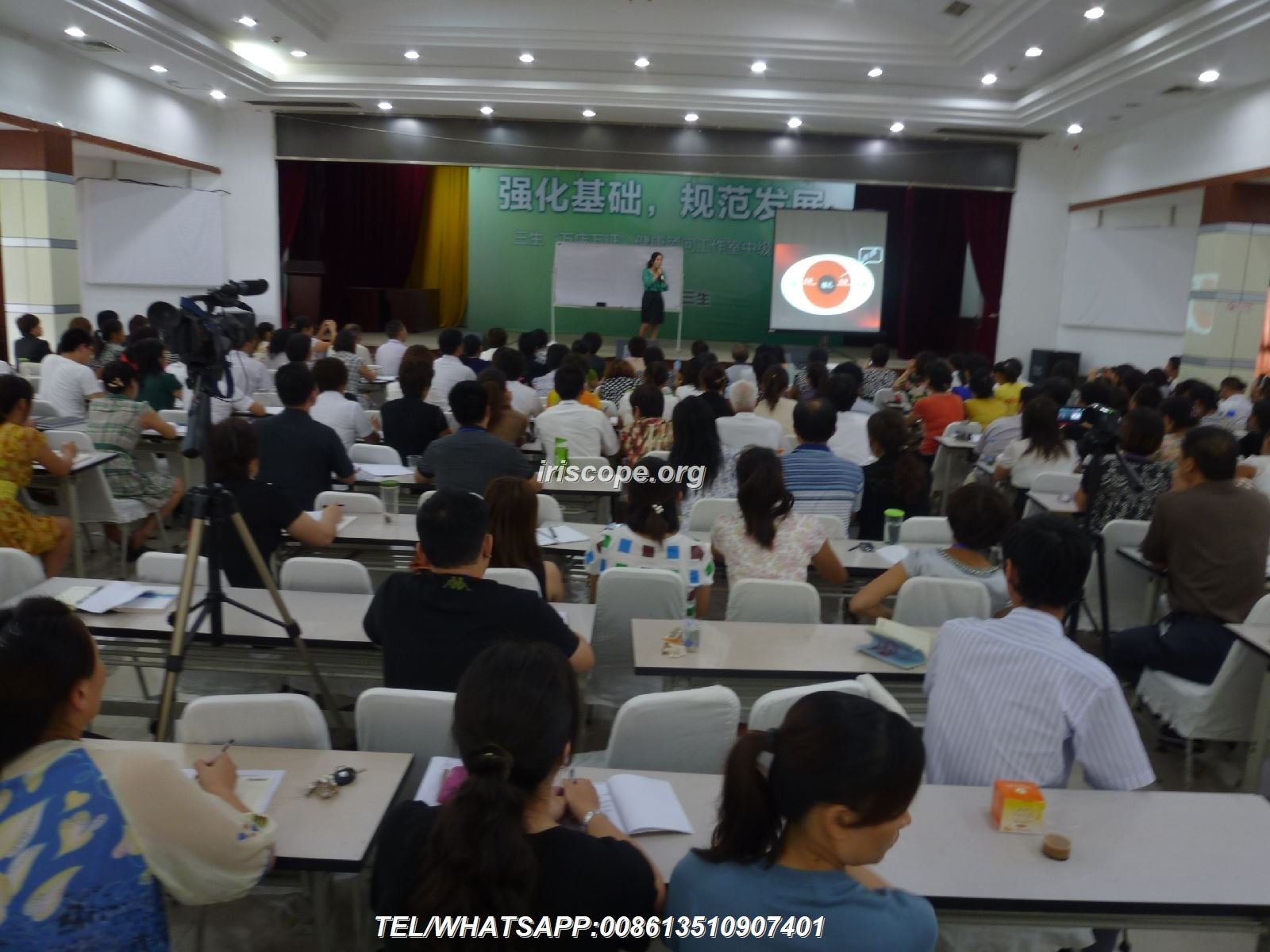
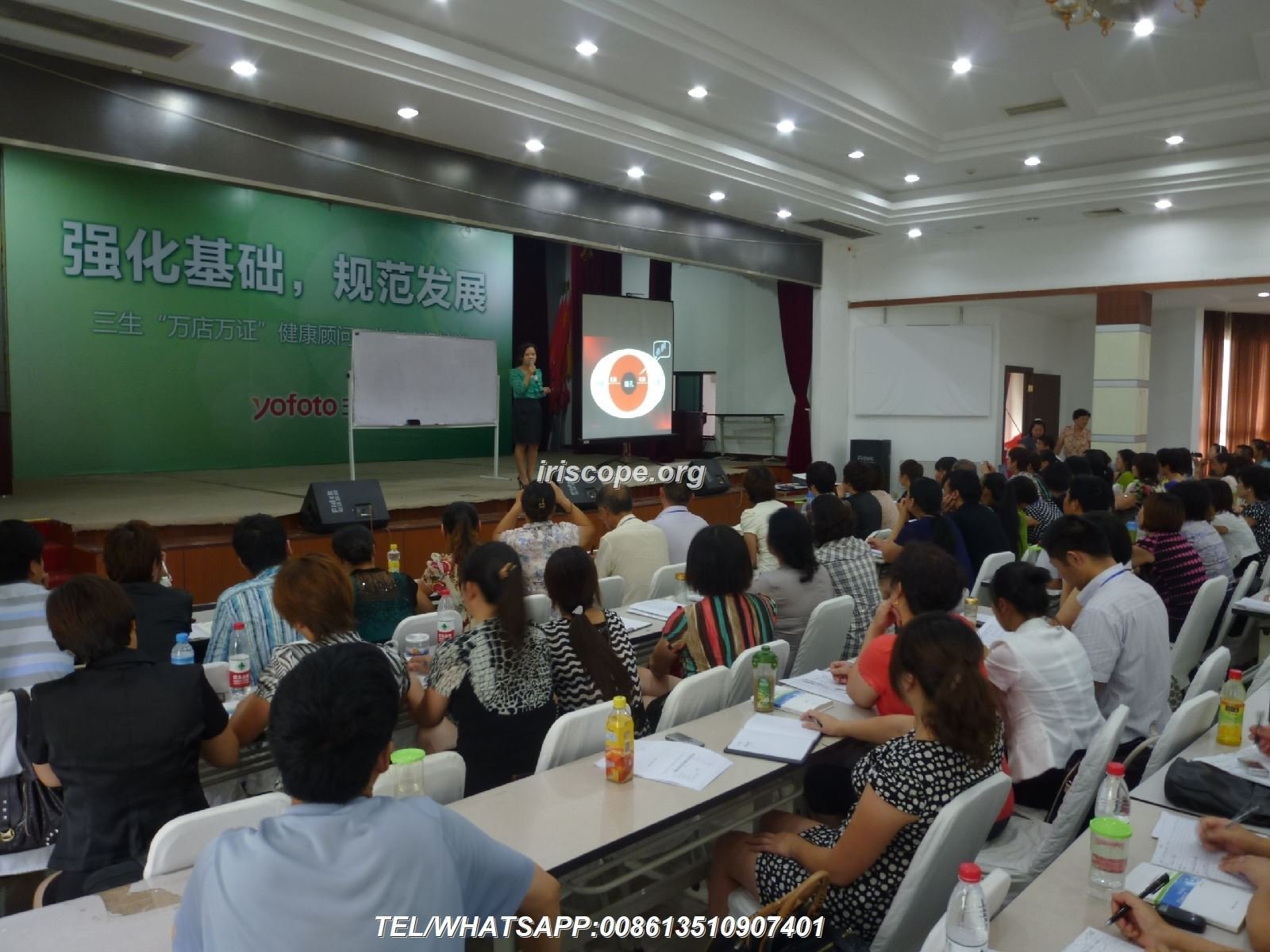
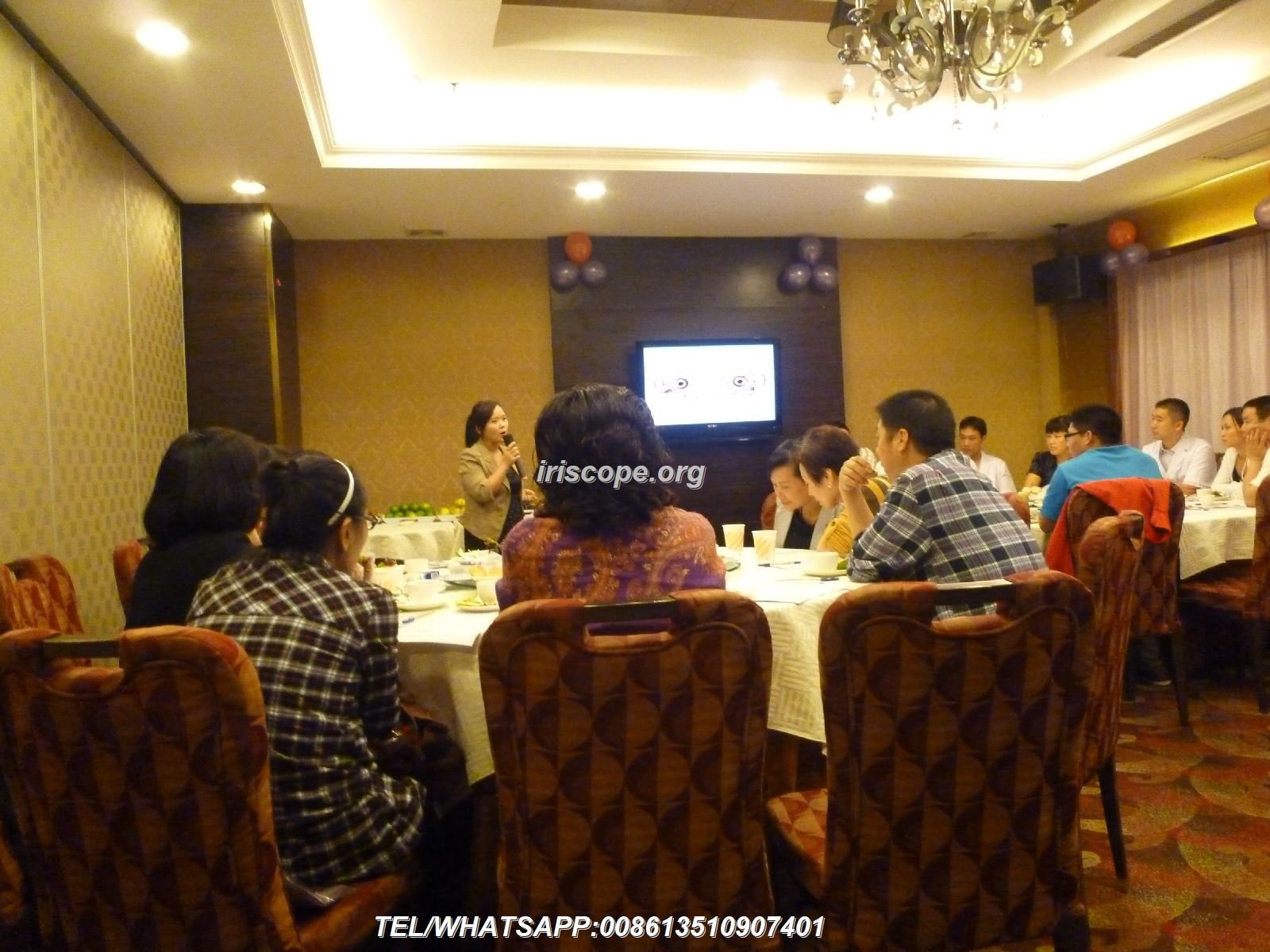
Choosing the right iridology training program can feel overwhelming. You’re searching for iridology courses Toronto because you want legitimate certification, practical skills, and the confidence to use iris analysis in your practice. Whether you’re a naturopath, nutritionist, wellness practitioner, or health enthusiast, understanding your options is the first step toward professional iridology practice.
Over the past two decades, I’ve worked with training institutions, practitioners, and students across North America. They all ask similar questions: Which course is credible? What equipment do I need? Will I be ready to work with clients after completing training? This guide answers those questions and helps you make an informed decision about your iridology education journey.
Throughout this article, I’ll reference practical equipment considerations because hands-on practice is essential for mastering iris analysis. If you’re exploring iridology doctors near me or researching programs in cities like Chicago, Edmonton, or Virginia, the course selection criteria remain consistent regardless of location.
What Are Iridology Courses and Who Should Take Them?
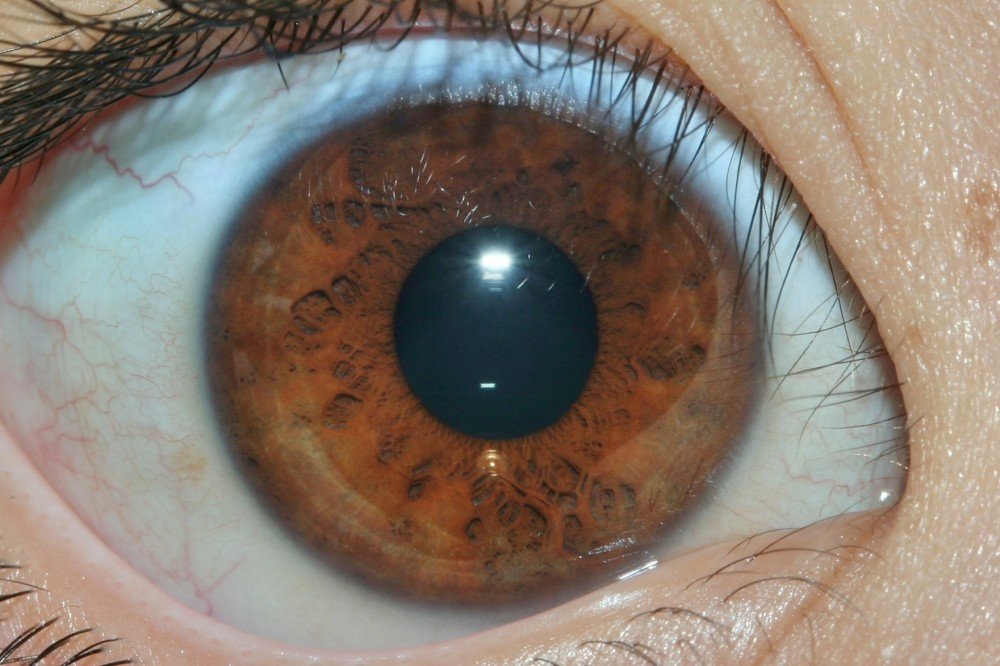
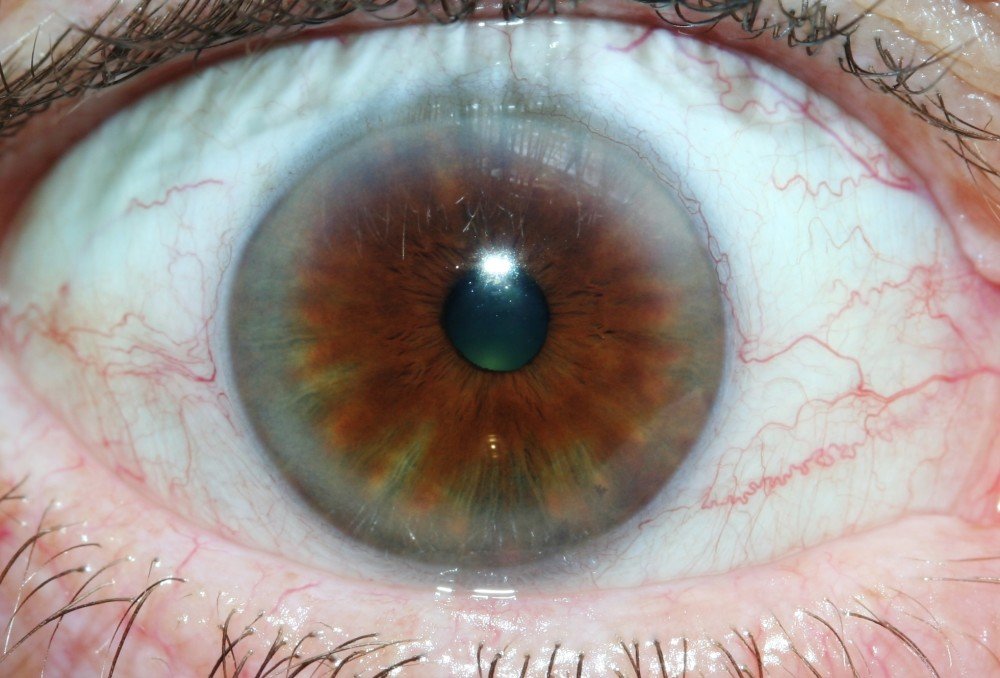
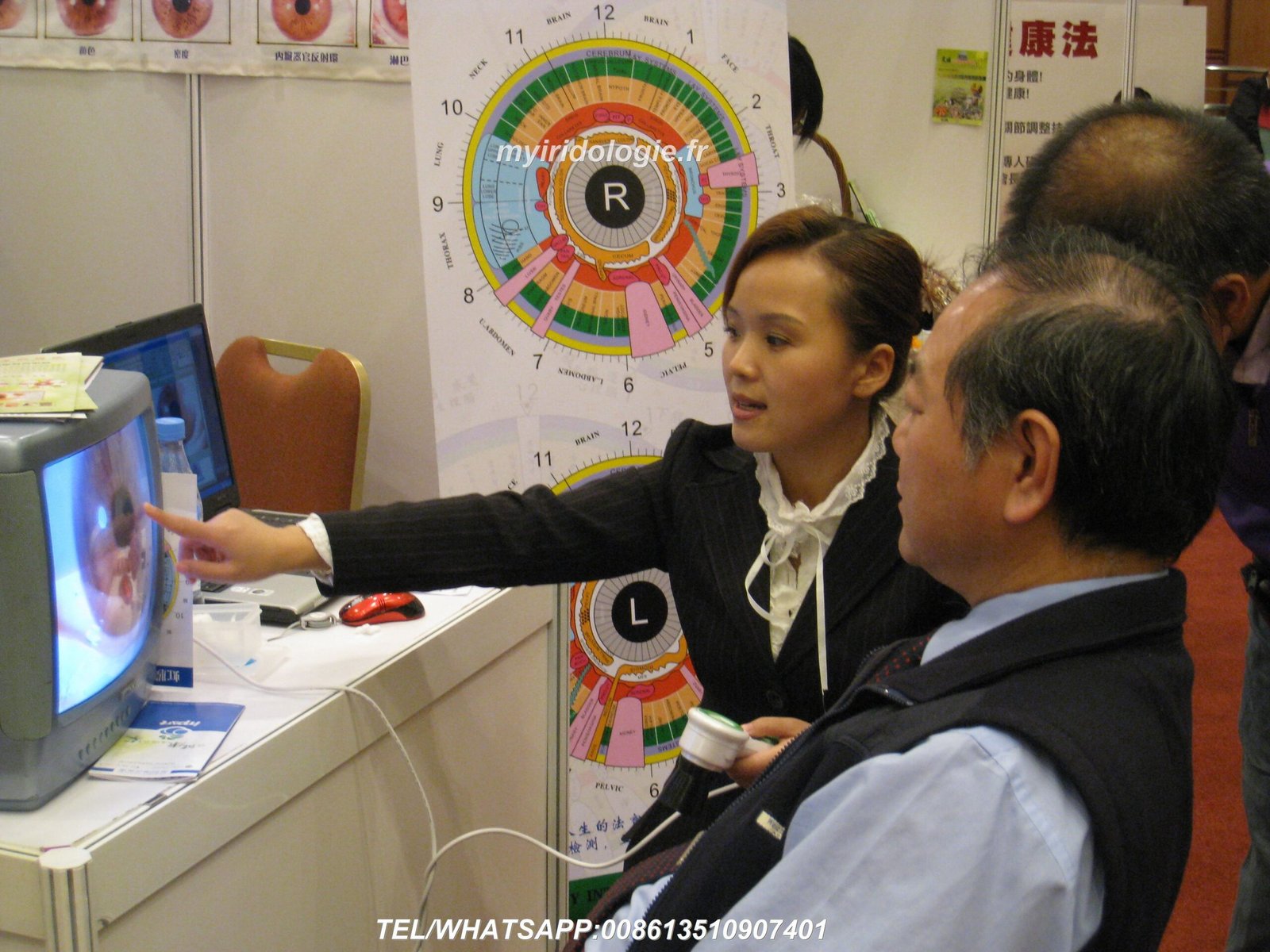
Iridology courses teach the traditional practice of observing iris patterns, colors, and structures to identify constitutional tendencies and overall body constitution. These programs are designed for health professionals who want to add iris observation to their consultation toolkit. Training typically covers iris topography, marking identification, constitutional types, and case study analysis.
Who Benefits from Iridology Training?
Natural Health Practitioners
Naturopaths, herbalists, and holistic therapists use iridology as part of comprehensive wellness assessments.
- Naturopathic doctors seeking additional diagnostic tools
- Nutritionists evaluating constitutional dietary needs
- Holistic health counselors expanding service offerings
- Wellness coaches integrating traditional observation methods
Healthcare Professionals
Chiropractors, acupuncturists, and functional medicine practitioners often incorporate iris analysis into patient care protocols.
- Chiropractors identifying systemic patterns
- Acupuncturists correlating iris zones with meridians
- Functional medicine doctors seeking root cause insights
- Physical therapists addressing whole-body wellness
Wellness Business Owners
Spa owners, wellness center directors, and health retreat operators add iridology services to attract clients seeking comprehensive assessments.
- Day spa and wellness center owners
- Health retreat and detox program operators
- Supplement store owners offering consultations
- Corporate wellness program coordinators
Students and Enthusiasts
Individuals passionate about natural health pursue certification to start new careers or deepen personal knowledge.
- Career changers entering holistic health fields
- Health enthusiasts seeking professional credentials
- Wellness entrepreneurs building private practices
- Students preparing for natural health careers
Types of Iridology Training Programs Available
Iridology education comes in several formats. Understanding the differences helps you select a program that matches your schedule, learning style, and professional goals. Whether you’re looking for iridology training in Edmonton or online options, each format has distinct advantages.
In-Person Intensive Courses
Traditional classroom-based programs typically run 3 to 7 days as intensive workshops. These hands-on sessions allow direct interaction with instructors and immediate feedback on iris observations. Students practice with professional iriscopes under expert guidance.
Advantages of In-Person Training
- Direct hands-on practice with equipment
- Immediate instructor feedback and correction
- Peer learning and case study collaboration
- Networking with fellow practitioners
- Intensive focused learning environment
Limitations to Consider
- Travel and accommodation costs
- Fixed schedule may conflict with work
- Limited geographic availability
- Condensed timeline can feel rushed
- Higher overall program cost
Online Self-Paced Programs
Digital courses offer flexibility for busy professionals. Students access video lessons, downloadable iridology charts, and practice materials on their own schedule. Some programs include virtual office hours or online case review sessions.
Many practitioners searching for iridology health centres or iridology doctors in Durban start with online foundational courses before pursuing advanced in-person certifications.
Hybrid Blended Learning
Hybrid programs combine online theoretical study with periodic in-person practical sessions. This format balances flexibility with hands-on skill development. Students complete anatomy, chart memorization, and case studies online, then attend weekend clinics for supervised practice.
Diploma and Certificate Programs
Extended programs spanning several months offer comprehensive training. Diploma courses typically require 100 to 300 hours of study, including practical client assessments, thesis projects, and supervised case work. These programs prepare graduates for professional practice.
Important Note: Iridology training is for traditional iris observation, educational purposes, and wellness assessment reference only. It does not replace medical diagnosis or treatment. Always advise clients to consult licensed healthcare providers for health concerns.
Essential Equipment and Software for Iridology Training
Professional iridology practice requires quality observation equipment. Whether you’re a student preparing for certification or an institution outfitting a training program, understanding equipment options is crucial. Training programs may provide equipment during courses, but practitioners need their own tools for post-graduation practice.
Iridology Camera and Iriscope Options
Modern iridology relies on digital imaging for accurate iris capture and analysis. Professional-grade cameras range from basic USB models to advanced systems with specialized lenses and lighting. For students exploring iridology in San Diego or iridology in Ohio, equipment selection impacts learning quality and future practice capability.
| Equipment Type | Best For | Key Features | Typical Investment |
| Basic USB Iridology Camera | Students and entry-level practitioners | 5-8 MP resolution, plug-and-play USB connection, basic software | $200-$500 |
| Professional Iriscope System | Established practitioners and clinics | 12+ MP resolution, adjustable LED lighting, professional analysis software | $800-$2,000 |
| Advanced Clinical System | Training institutions and medical facilities | High-resolution imaging, 3D texture analysis, multi-user software, cloud backup | $2,000-$4,000 |
Students often ask about USB iridology cameras versus standalone systems. USB models offer portability and lower cost, making them ideal for students and mobile practitioners. Established clinics benefit from dedicated iriscope systems with enhanced imaging capabilities.
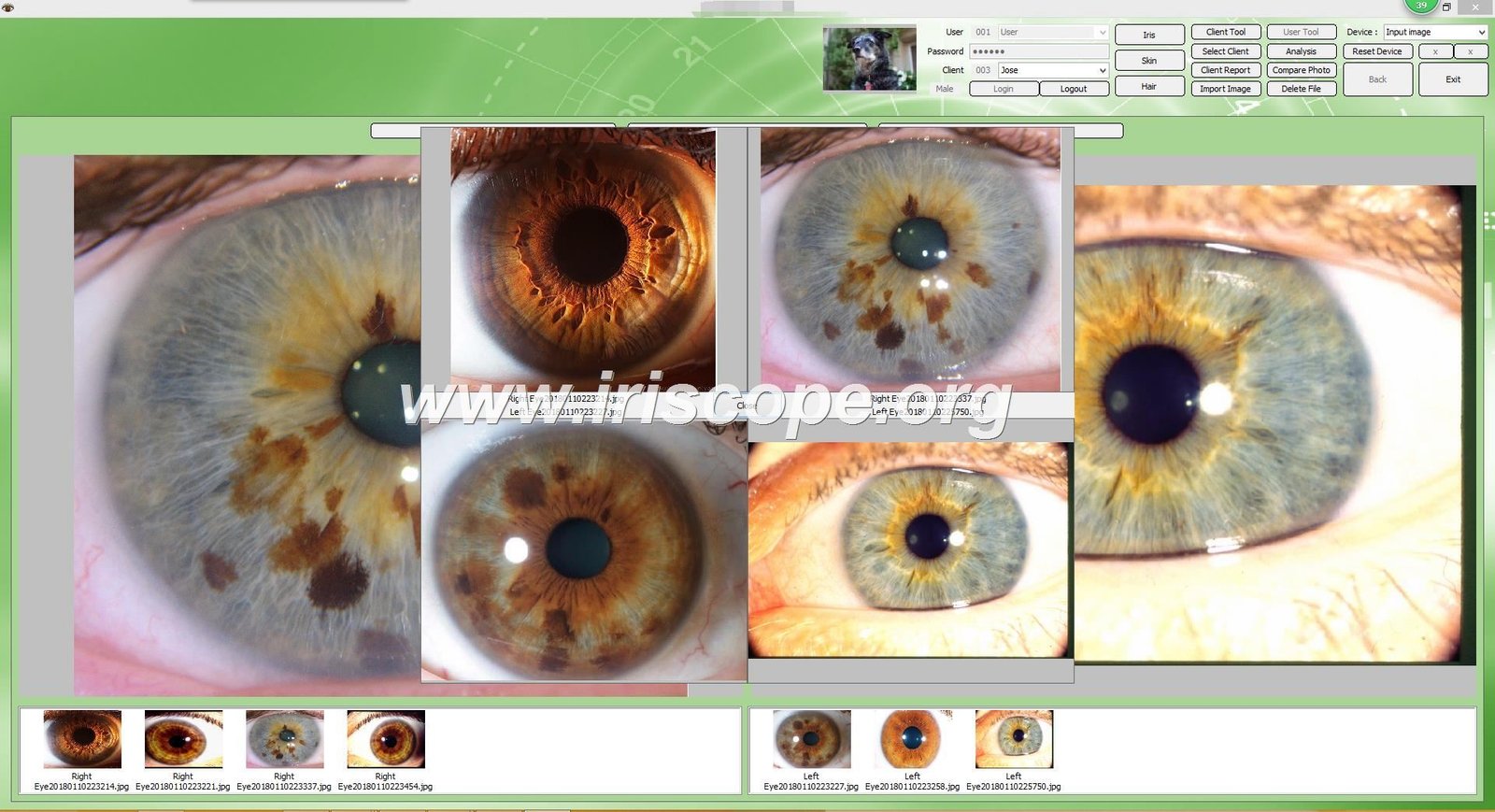
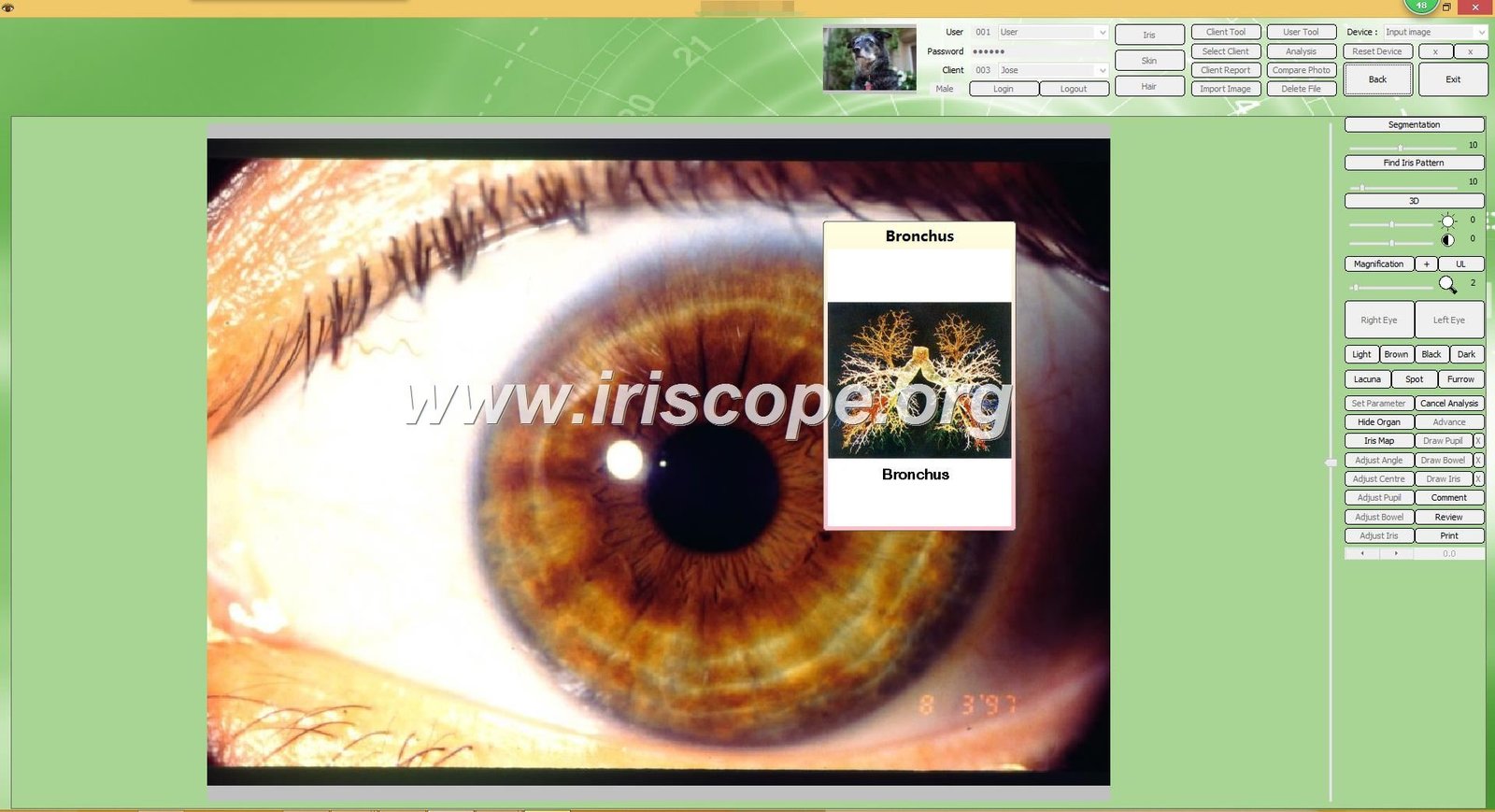
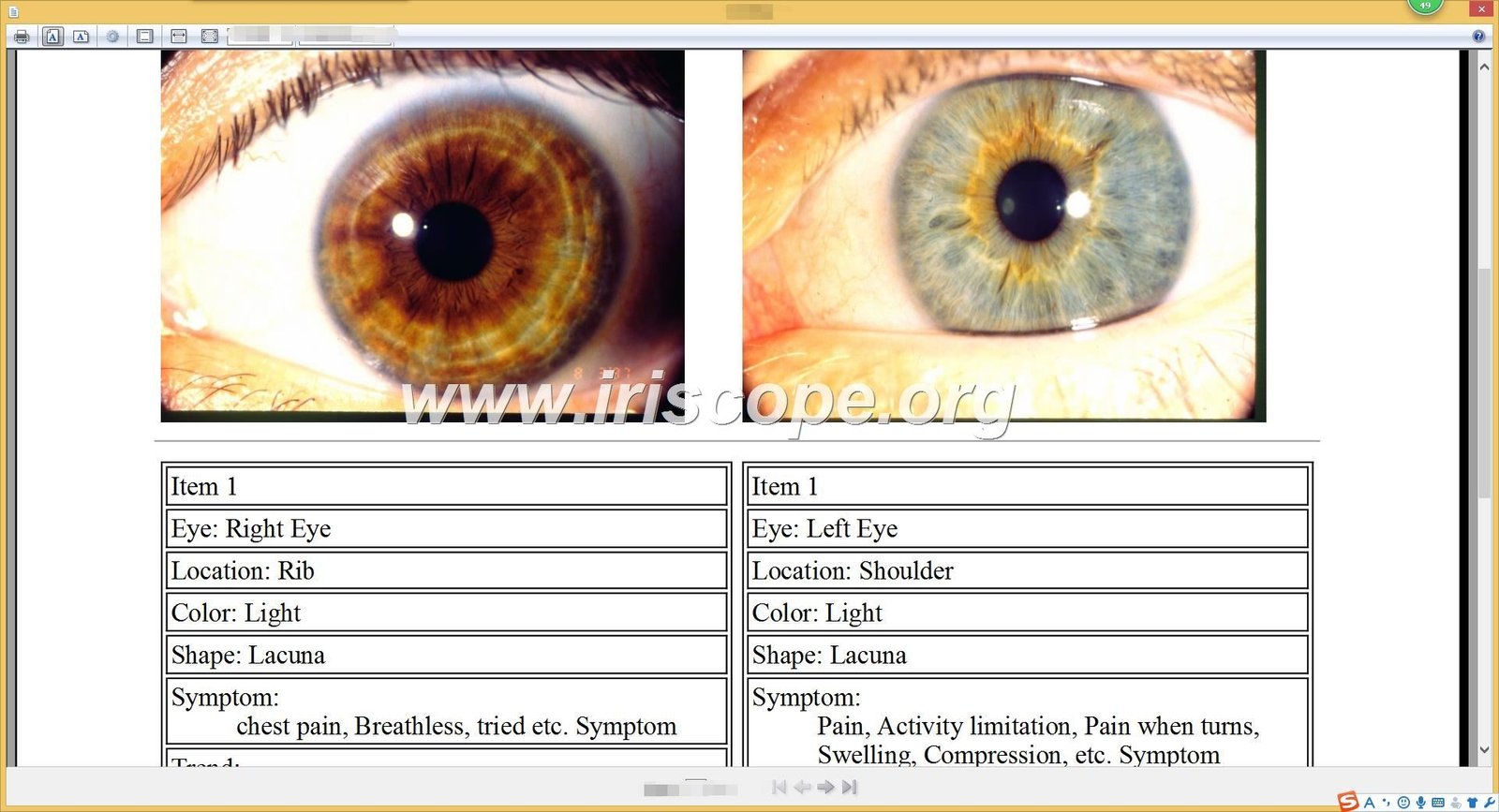
Iridology Analysis Software Requirements
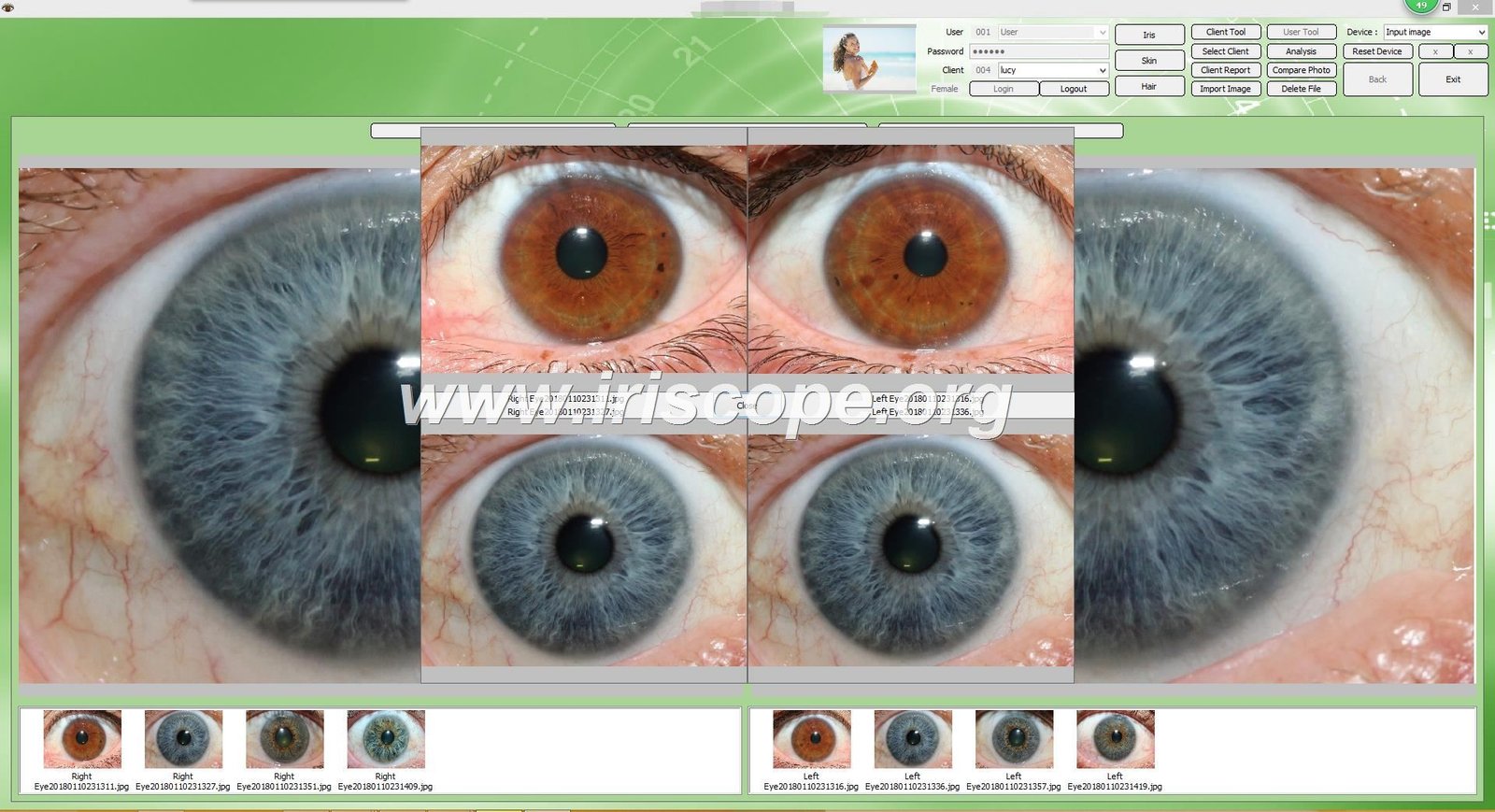
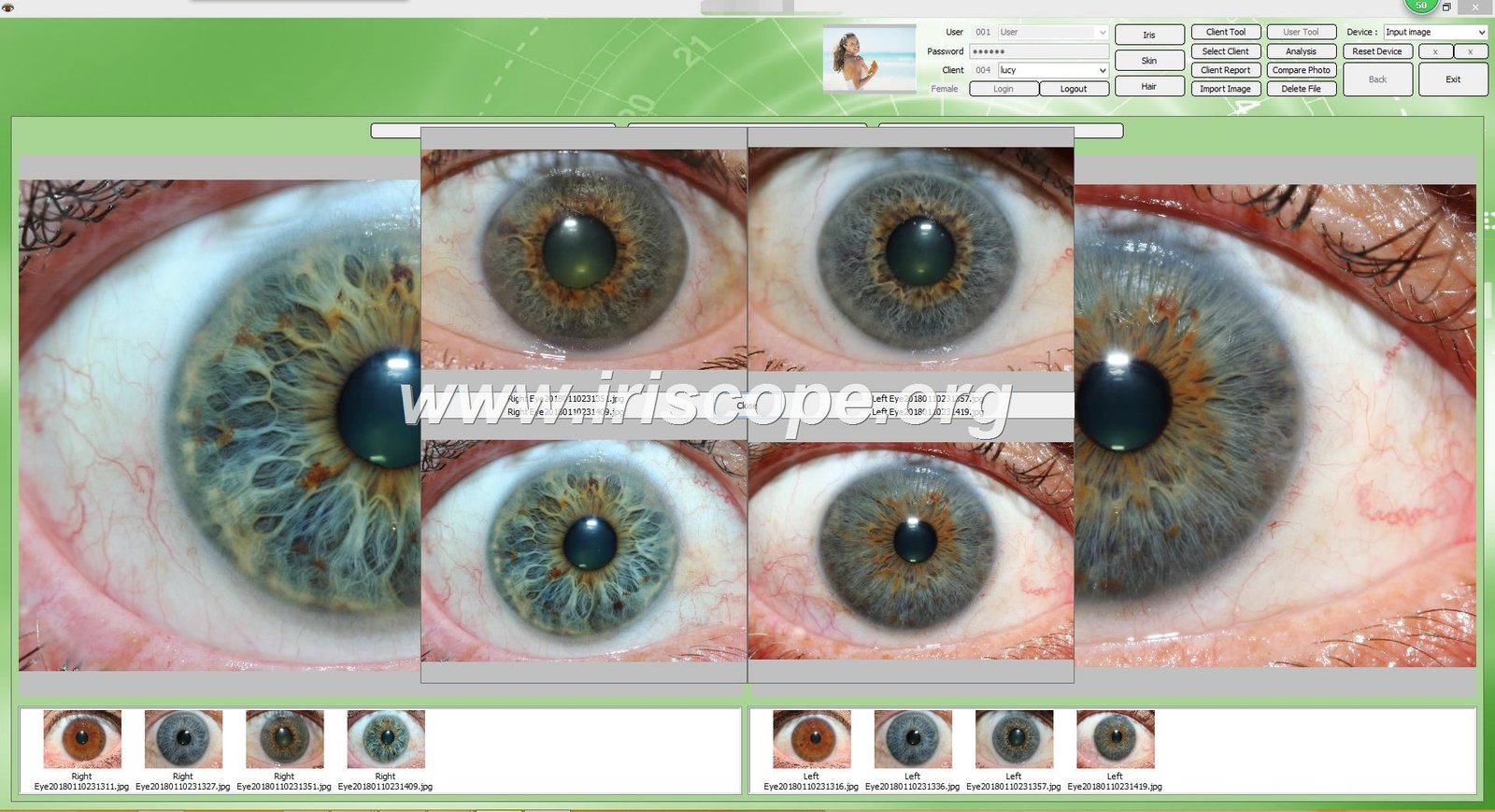
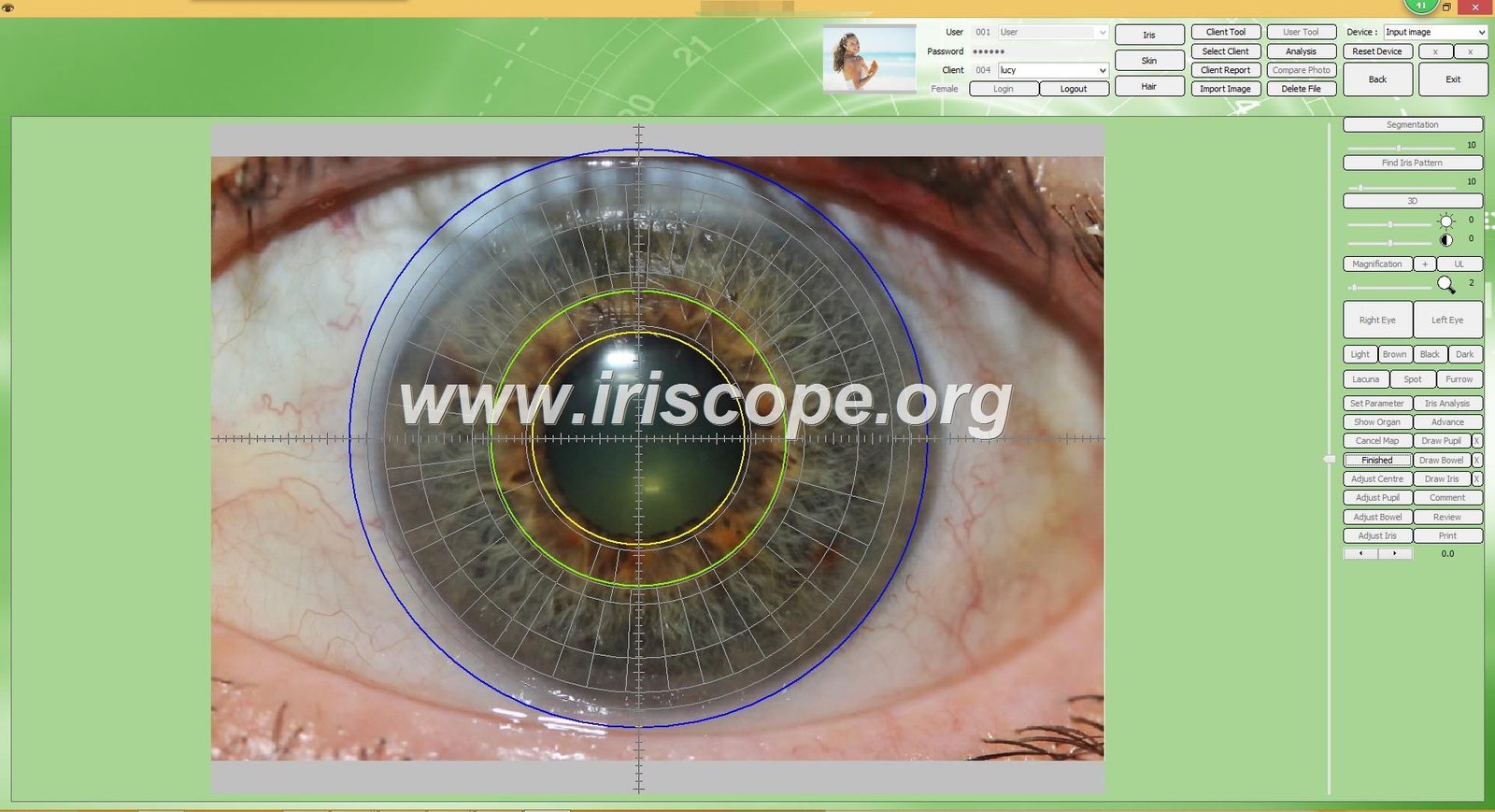
Quality software enhances observation accuracy and client communication. Professional programs include iris zone overlays, constitutional type databases, report generation, and client management systems. When researching iridology equipment Australia or North American options, software compatibility and language support matter significantly.
Essential Software Features for Practitioners
- Iris zone mapping with Bernard Jensen chart overlay
- Constitutional type identification tools
- Client database with photo history tracking
- Report generation with customizable templates
- Image capture, storage, and comparison functions
- Multi-language support for diverse client bases
- Windows and macOS compatibility
- Data backup and security features
Training Institution Considerations
Schools offering iridology courses Toronto need multi-user licenses and classroom-friendly features. Software should support:
- Multiple student account management
- Case study libraries for teaching
- Practice mode for student exercises
- Instructor review and annotation tools
- Network installation for computer labs
- Bulk licensing for cost efficiency
MAIKONG iridology software supports 17 languages and runs on both Windows and Mac systems, making it suitable for diverse training environments.
Need Equipment for Your Iridology Training?
Download our free Professional Iridology Equipment Guide for students and training institutions. Learn what cameras, software, and tools you’ll need before enrolling in certification programs. Get detailed specifications, compatibility information, and equipment selection criteria.
Additional Training Materials
Beyond cameras and software, successful iridology practice requires reference materials. Quality programs provide or recommend comprehensive resources.
Essential Study Materials
- Printable iridology charts for desk reference
- Anatomy and physiology textbooks
- Case study collections with iris photographs
- Constitutional type reference guides
- Iris marking identification flashcards
Practice Tools
- Practice iris photo sets for analysis exercises
- Client intake forms and assessment templates
- Observation journals for skill development
- Peer review worksheets for group study
- Video tutorials for technique refinement
Professional Resources
- Professional association memberships
- Continuing education course catalogs
- Ethics and scope of practice guidelines
- Insurance and liability information
- Marketing templates for iridology services
How to Choose a Credible Iridology Training Program
Not all iridology courses offer equal quality or recognition. Whether you’re comparing iridology in Virginia Beach options or considering international programs, evaluating training providers carefully protects your investment and professional reputation.

Instructor Credentials and Experience
Qualified instructors hold recognized iridology certifications and maintain active practices. Research instructor backgrounds, years of experience, client work, and published contributions to the field. Programs led by experienced practitioners searching for terms like iridology in Gold Coast or iridology in Spokane should verify instructor qualifications before enrollment.
Curriculum Depth and Practical Components
Comprehensive programs balance theoretical knowledge with hands-on practice. Review course syllabi for coverage of:
- Iris anatomy and physiology foundations
- Complete iris topography with organ zone mapping
- Constitutional type identification and characteristics
- Marking recognition including lacunae, crypts, and pigmentation
- Color classification and significance
- Pupil assessment and reflexive responses
- Case study analysis with real client examples
- Ethical practice guidelines and scope limitations
- Client communication and report writing skills
- Supervised practical sessions with live subjects
Programs requiring 50 or more hours of study typically provide sufficient depth for competent practice. Students exploring iridology in Naples or iridology in Bowling Green KY should prioritize substantial practical training time.
Certification and Professional Recognition
Legitimate programs issue certificates upon successful completion of coursework, exams, and practical assessments. Investigate whether certification is recognized by professional associations in your region or practice area. Some practitioners seeking iridology exam near me options need specific credentials for insurance purposes or clinic privileges.
Accreditation Consideration: While iridology lacks universal accreditation standards, reputable programs align with natural health education guidelines and provide certificates recognized within holistic health communities. Verify that your chosen program meets requirements for your intended practice setting.
Post-Training Support and Continuing Education
Quality training providers offer ongoing support after course completion. Look for programs that include:
Graduate Support Services
- Access to instructor consultation for case questions
- Graduate forums or peer support networks
- Updated course materials reflecting new research
- Continuing education workshops and webinars
- Business development resources for new practitioners
Professional Development Opportunities
- Advanced certification pathways
- Specialty training in specific iris markings or conditions
- Mentorship programs pairing graduates with experienced practitioners
- Conference attendance recommendations and discounts
- Publication opportunities in field journals or newsletters
Understanding Course Duration, Costs, and Time Investment
Iridology training requires both financial and time commitments. Realistic planning ensures you can complete your chosen program without undue stress. Programs vary significantly based on format, depth, and included materials.
Typical Course Duration by Program Type
| Program Format | Total Hours | Timeline | Study Commitment |
| Introductory Workshop | 8-16 hours | 1-2 days | Weekend intensive, minimal homework |
| Certificate Course | 40-80 hours | 4-12 weeks | 5-10 hours weekly study plus practice sessions |
| Diploma Program | 100-300 hours | 6-18 months | 10-15 hours weekly including case work |
| Professional Certification | 300+ hours | 12-24 months | 15-20 hours weekly, supervised clinic hours required |
Investment Considerations Beyond Tuition
Course fees represent only part of your total investment. Practitioners researching iridology courses Toronto or similar programs should budget for comprehensive expenses.
Tuition and Materials
Course registration fees vary from $500 for short workshops to $3,000+ for comprehensive diploma programs. Materials including textbooks, charts, and practice resources typically add $150-$400 to total costs.
Equipment Purchase
Professional practice requires your own iridology camera system. Budget $500-$2,000 depending on equipment quality and software features. Students may receive educational discounts from manufacturers.
Travel and Accommodation
In-person programs may require travel expenses. Multi-day intensives need hotel accommodations and meal costs. Local programs eliminate these expenses but may offer less scheduling flexibility.
Return on Investment Timeline
Practitioners typically recover training costs within 6 to 18 months of active practice. Iridology consultations commonly range from $75 to $200 per session. Adding iris analysis to existing wellness services creates new revenue streams without significant ongoing expenses beyond initial equipment investment.
Outfitting a Training Program or Clinic?
We help training institutions, wellness centers, and practitioners select the right iridology equipment. Contact our team to discuss bulk orders, OEM customization, or equipment packages for your course participants. Get professional guidance on camera systems, software licensing, and training materials.
Online Learning Versus In-Person Training: Which Is Right for You?
The choice between online and in-person iridology training depends on learning preferences, schedule constraints, and hands-on practice requirements. Both formats produce competent practitioners when programs maintain high standards and provide adequate practical experience.
Online Course Advantages and Limitations
Digital programs offer unmatched flexibility for working professionals. You can study while maintaining current employment, fitting coursework around family obligations and personal commitments. Students searching for iridology in Florida or remote areas benefit especially from location-independent learning.
When Online Training Works Best
- You have strong self-discipline and time management skills
- Geographic distance makes in-person attendance impractical
- Work or family schedule requires flexible study times
- You learn effectively through video instruction and written materials
- Budget constraints make travel expenses prohibitive
- You already own or can acquire practice equipment
- Peer practice partners are available locally for hands-on sessions
Online Learning Challenges
Digital courses require extra effort to develop practical skills. Without immediate instructor feedback, students must practice diligently using their own equipment and willing subjects. The absence of peer interaction can feel isolating for some learners.
To maximize online learning success, establish regular study routines, join online student communities, and arrange local practice groups with fellow students or holistic health colleagues. Consider supplementing online coursework with brief in-person intensives or mentorship arrangements with local experienced practitioners.
In-Person Training Benefits and Considerations
Traditional classroom programs provide immersive learning experiences with immediate skill correction and peer collaboration. Hands-on practice under expert supervision builds confidence and competence more rapidly than solitary study.
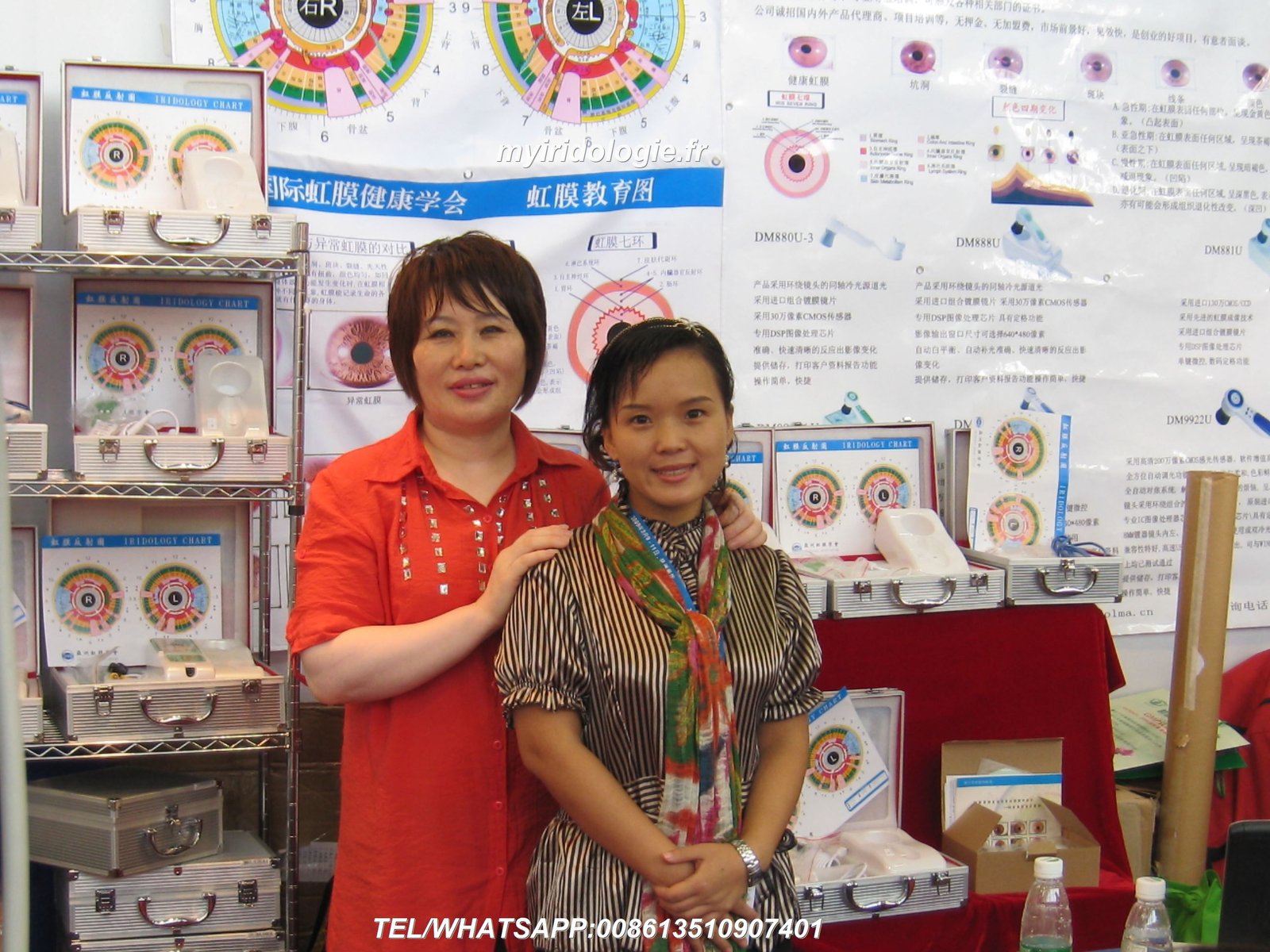
Programs offering iridology courses Toronto or other major cities create networking opportunities with fellow practitioners. These connections often lead to professional referrals, case consultation relationships, and ongoing peer support throughout your career.
Hybrid Models Combining Both Approaches
Blended programs offer optimal balance for many students. Complete theoretical study online at your own pace, then attend periodic weekend intensives for hands-on practice and direct instructor feedback. This format reduces travel frequency while maintaining essential practical training components.
Practitioners across various locations, from those searching for iridology in London Ontario to those exploring iridology in Indianapolis IN, increasingly choose hybrid programs for flexibility without sacrificing skill development.
Certificate Programs Versus Non-Certified Training Options
Understanding the difference between certified and non-certified iridology training helps set appropriate expectations for your professional practice scope and recognition. Both pathways have legitimate purposes depending on your goals.
What Certification Means in Iridology Practice
Iridology certification indicates successful completion of structured training with demonstrated competency through examinations and practical assessments. Certificates are issued by training schools, professional associations, or examining bodies. Unlike regulated medical credentials, iridology certification does not grant diagnostic or treatment authority.
Certification primarily serves to:
- Demonstrate your commitment to professional education and standards
- Provide clients with confidence in your training and knowledge
- Meet membership requirements for professional associations
- Qualify for certain professional liability insurance policies
- Establish credibility when marketing iridology services
- Access advanced training programs requiring prerequisite credentials
Non-Certified Training and Its Appropriate Uses
Introductory workshops and short courses often don’t include formal certification. These programs serve valuable purposes for personal education, preliminary exploration, or supplemental knowledge without the commitment of comprehensive certification programs.
Reasons to Pursue Non-Certified Training
- Personal interest in holistic health without professional practice intent
- Preliminary exploration before committing to full certification
- Supplemental knowledge for related health professions
- Continuing education for already-certified practitioners
- Specialized topics not requiring full certification
- Budget or time constraints preventing longer programs
When Certification Is Important
- Offering paid iridology consultations to clients
- Adding iris analysis to professional practice services
- Marketing yourself as an iridology practitioner
- Seeking professional association membership
- Establishing credibility with healthcare colleagues
- Meeting clinic or wellness center credential requirements
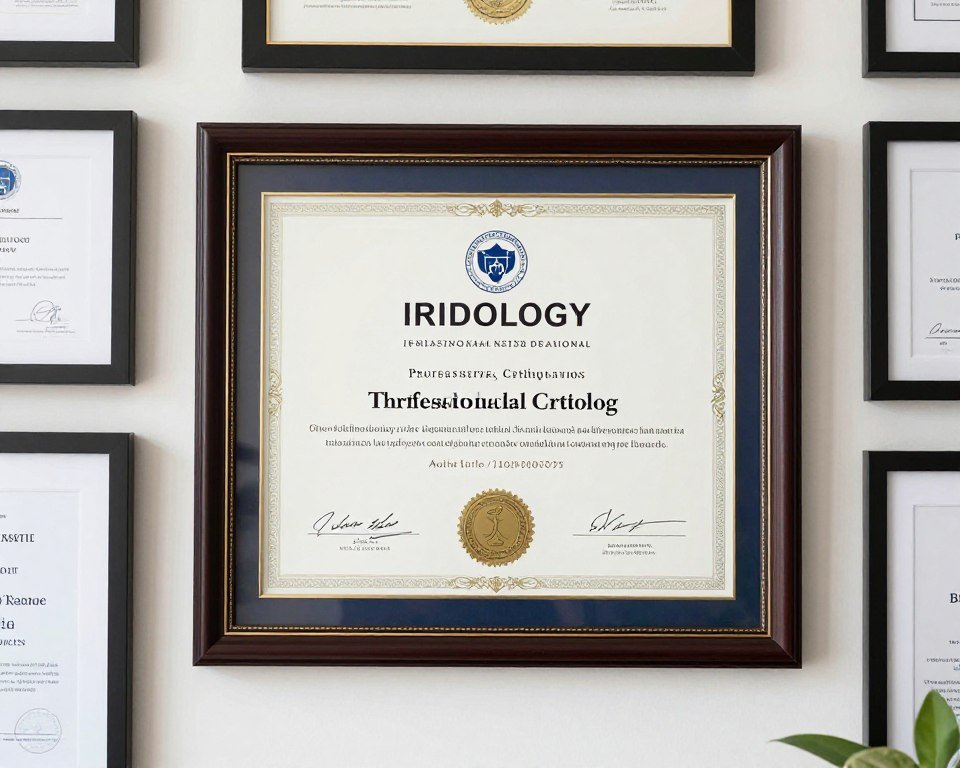
Choosing Between Certificate Levels
Multiple certification tiers exist within iridology education. Entry-level certificates require 40 to 80 hours of study and qualify graduates for basic practice. Advanced diplomas demanding 200+ hours position practitioners for specialized work or teaching roles. Practitioners researching iridology health centre Singapore models or similar professional operations typically need advanced credentials.
What You Can Do After Completing Iridology Training
Successful course completion opens various professional pathways. Understanding realistic practice scope and legal boundaries protects both you and your clients while building a sustainable iridology practice.
Scope of Practice and Legal Boundaries
Iridology practitioners observe iris characteristics and discuss constitutional tendencies. You cannot diagnose disease, prescribe medications, or claim to treat medical conditions. Your role involves education, wellness observation, and supporting clients in making informed health decisions with their licensed healthcare providers.
Critical Compliance Reminder: Iridology is for traditional iris observation, educational consultation, and wellness assessment purposes only. It is not a substitute for professional medical diagnosis or treatment. Always recommend clients consult licensed healthcare providers for health concerns. Never claim to diagnose, treat, or cure diseases through iris analysis.
Practice Settings for Certified Iridologists
Graduates establish practices in various environments depending on their professional background and business goals. Many practitioners combine iridology with existing wellness services for integrated client care.
Private Practice Options
- Solo consultation practice from home office or rented space
- Mobile practice visiting clients’ homes or workplaces
- Shared office arrangements with complementary practitioners
- Virtual consultations via video conferencing with mailed equipment
- Weekend clinic hours for part-time practice
Wellness Center Positions
- Naturopathic clinics adding iridology services
- Holistic health centers offering comprehensive assessments
- Spa and wellness resorts providing specialty consultations
- Chiropractic offices expanding wellness offerings
- Functional medicine practices incorporating traditional methods
Education and Training Roles
- Teaching introductory workshops at holistic health schools
- Developing online courses for students worldwide
- Mentoring newly certified practitioners
- Speaking at natural health conferences and expos
- Creating educational content for wellness publications
Building Your Professional Practice
Successful iridology practices require more than technical skill. Business development, client communication, and ongoing education contribute equally to long-term success. New practitioners benefit from mentorship relationships and professional association involvement.
Equipment selection significantly impacts practice quality and client perception. Professional iridology camera systems create confident first impressions and produce clear images for accurate observation. Students preparing to launch practices after completing iridology courses Toronto programs should budget for quality equipment that supports professional credibility.
Evaluating Training Institution Credibility: Your Decision Checklist
Before enrolling in any iridology program, conduct thorough due diligence on the training provider. This checklist helps you identify quality programs and avoid questionable offerings. Whether exploring iridology in London UK or North American options, consistent evaluation criteria apply.
Questions to Ask Training Providers
- Instructor Background: What credentials do instructors hold? How many years have they practiced iridology professionally? Do they maintain active client practices or focus solely on teaching?
- Curriculum Standards: Is the syllabus based on established iridology texts and recognized methodologies? What percentage of program time involves hands-on practice versus theoretical study?
- Graduate Outcomes: How many students complete the program annually? Are graduate testimonials and success stories available? Can you speak with recent graduates about their experiences?
- Practical Training: What equipment is provided during training? How many supervised practice sessions are included? Will you work with live subjects or only photographic cases?
- Assessment Methods: How is competency evaluated? Are written exams, practical demonstrations, and case study presentations required? What happens if you don’t pass initial assessments?
- Post-Graduation Support: What ongoing resources are available after completion? Can you contact instructors with case questions? Are refresher courses or advanced training options offered?
- Professional Recognition: Is the certificate recognized by professional associations? Have previous graduates successfully established practices? Do wellness centers and clinics respect credentials from this program?
- Refund and Withdrawal Policies: What happens if you must withdraw due to unforeseen circumstances? Are partial refunds available? Can you pause enrollment and resume later?

Red Flags Indicating Questionable Programs
Certain warning signs suggest a program may not deliver promised value or recognition. Be cautious of training providers that:
- Promise diagnostic or treatment capabilities beyond observation scope
- Make unrealistic income claims about iridology practice earnings
- Offer “instant certification” with minimal study requirements
- Lack transparency about instructor credentials and backgrounds
- Charge excessive fees far above market rates for comparable programs
- Pressure immediate enrollment without allowing adequate decision time
- Provide no contact information for graduate references or testimonials
- Claim exclusive or secret methods unavailable elsewhere
- Discourage questions about curriculum content or assessment standards
- Have no physical address or established organizational history
Verifying Professional Association Affiliations
Legitimate training programs maintain relationships with established professional organizations. Research any associations mentioned by training providers. Verify membership status, check organization reputations, and confirm whether certificates are actually recognized by stated affiliating bodies.
Professional Equipment Partnership for Training Institutions
Training institutions and wellness centers offering iridology courses Toronto or similar programs need reliable equipment partners. Quality cameras and software are essential for effective student training and graduate practice success. For over two decades, we’ve supported natural health education by providing professional-grade iridology technology to training schools, clinics, and practitioners worldwide.
MAIKONG Iridology Equipment Solutions
Based in Shenzhen, China, MAIKONG manufactures professional iridology cameras and analysis software trusted by more than 1,000 clients globally. Our systems support practitioners from students in iridology courses Toronto to established professionals operating iridology health centres worldwide.
Why Training Institutions Choose MAIKONG
- 20+ Years R&D Experience: Continuous innovation in iris imaging technology
- ISO9000 and CE Certified: Quality management and European safety standards
- Multi-Language Software: 17 languages including English, Spanish, French, German, and more
- Cross-Platform Support: Windows and macOS compatibility ensures broad accessibility
- OEM/ODM Customization: Hardware design, software branding, and feature customization available
- Educational Pricing: Volume discounts for training institutions and student equipment packages
- US Warehouse Stock: Faster delivery and reduced shipping costs for North American clients
- Comprehensive Support: Technical assistance, training resources, and warranty service
Equipment Specifications for Professional Training
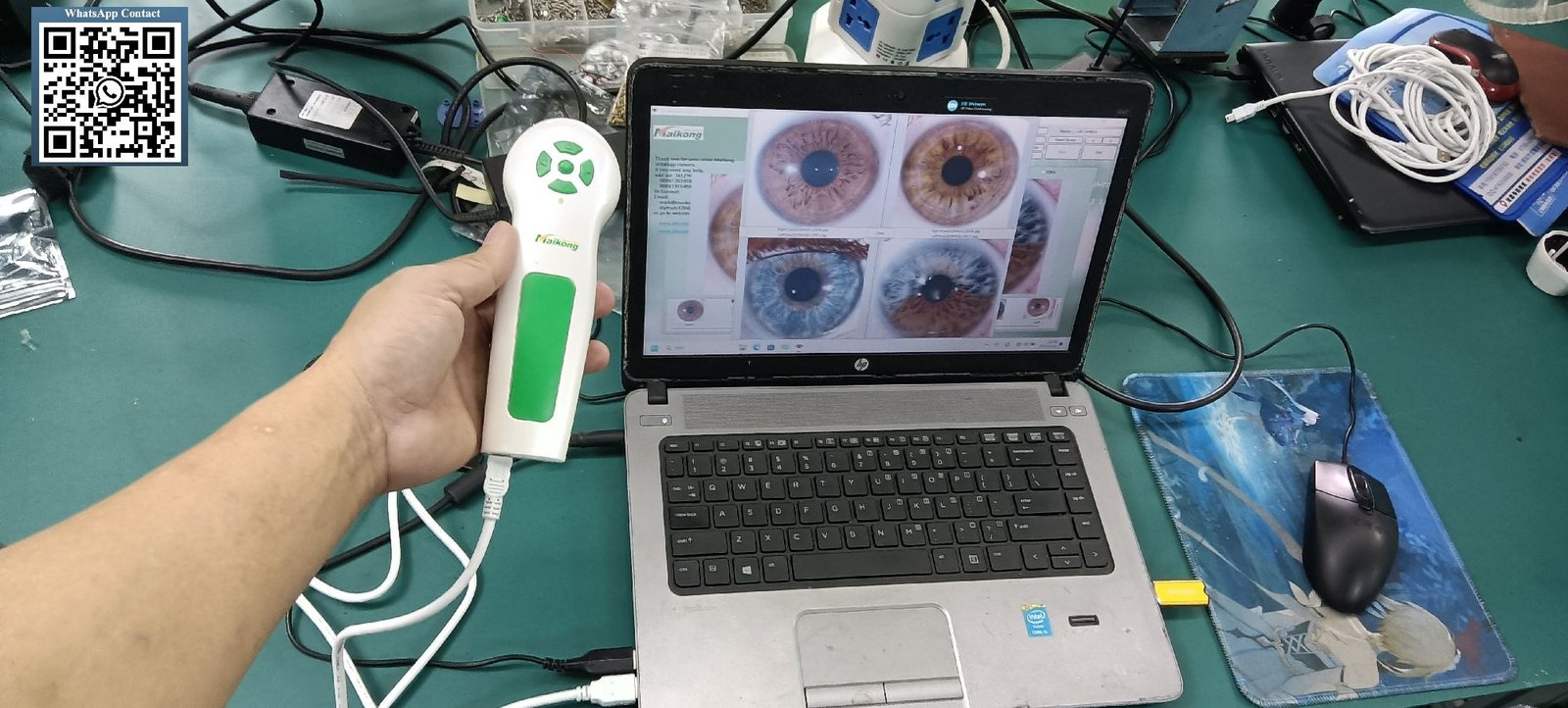
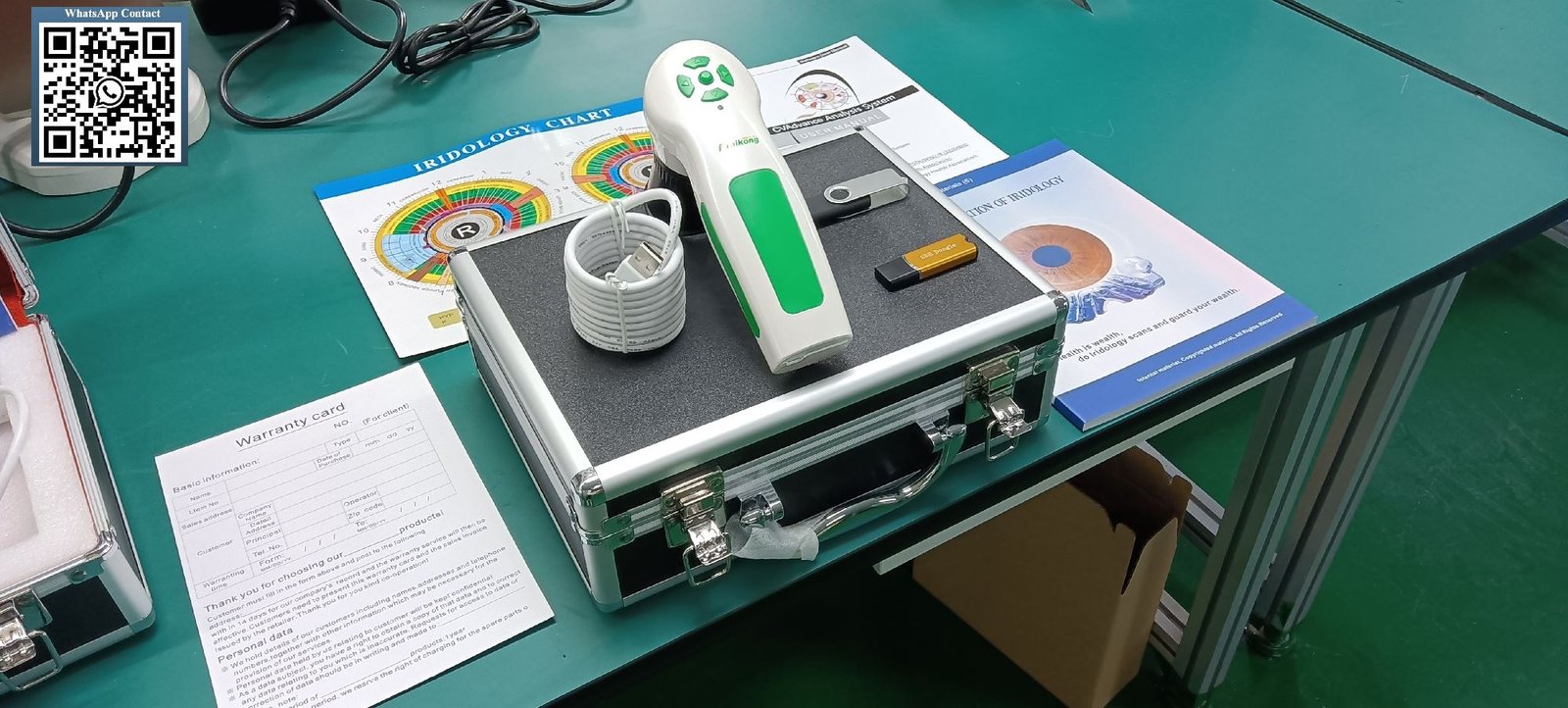
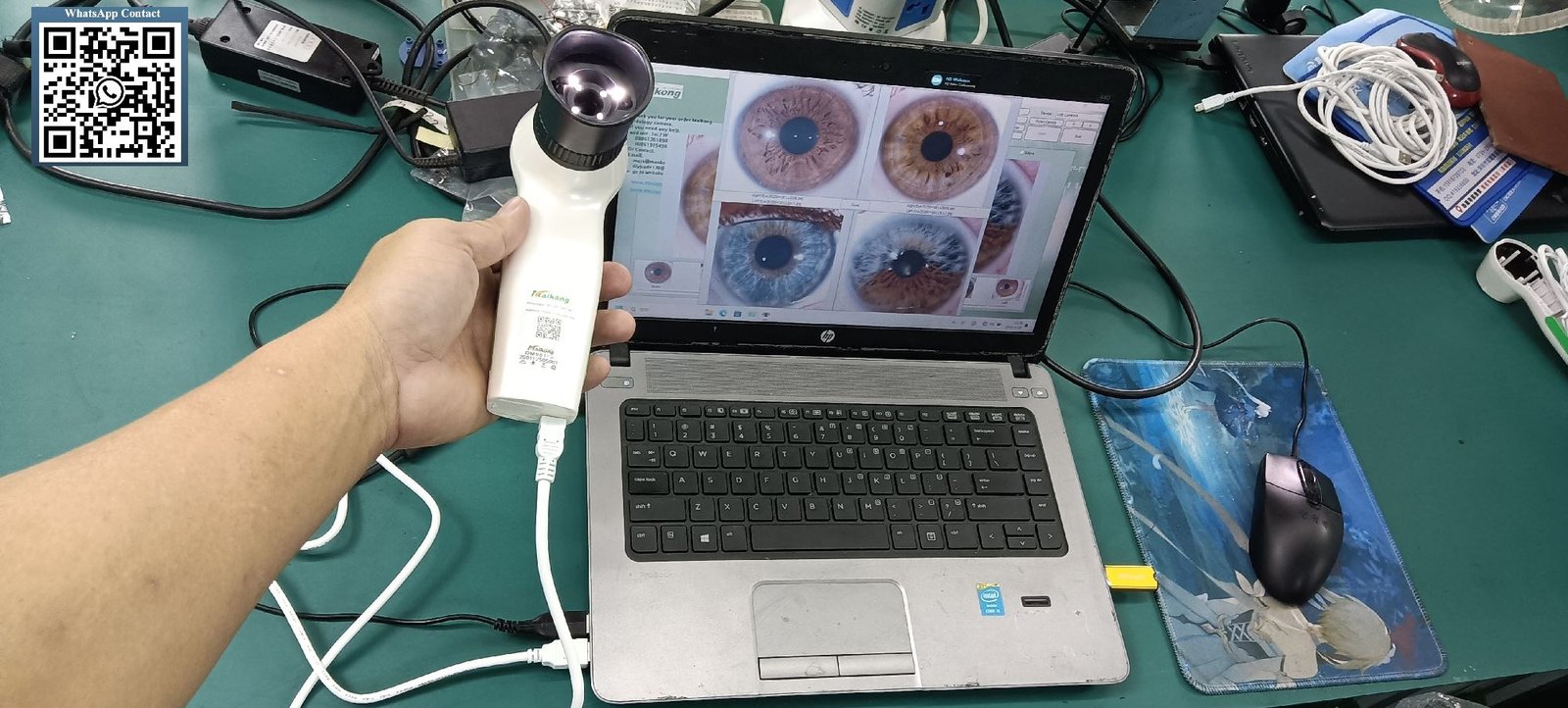
MAIKONG MK-9822U professional iriscope systems include comprehensive features for educational and clinical use. The following specifications reflect our current generation equipment designed for demanding training environments.
| Specification | Details |
| Model | MAIKONG MK-9822U Professional Iriscope |
| Image Sensor | 12.0 Megapixel high-resolution CCD sensor |
| Lens | Imported optical lens with multi-layer coating, 30X magnification |
| Lighting | LED illuminator ring around lens, adjustable brightness |
| Focus | Manual adjustable focus for clear iris capture |
| Image Stabilization | Optical Image Stabilizer with DSP processor |
| Connection | USB 2.0/3.0 plug-and-play, no external power required |
| Compatibility | Windows 2000/XP/Vista/7/8/10/11 (32-bit & 64-bit), macOS 10.14+ |
| Software Languages | 17 languages including English, Spanish, German, French, Italian, Portuguese, Russian, Chinese, Japanese, Korean, Czech, Polish, Bulgarian, Persian, Malaysian |
| Dimensions | Camera: 180mm × 45mm, Weight: 280g |
| Warranty | 1 year manufacturer warranty with technical support |
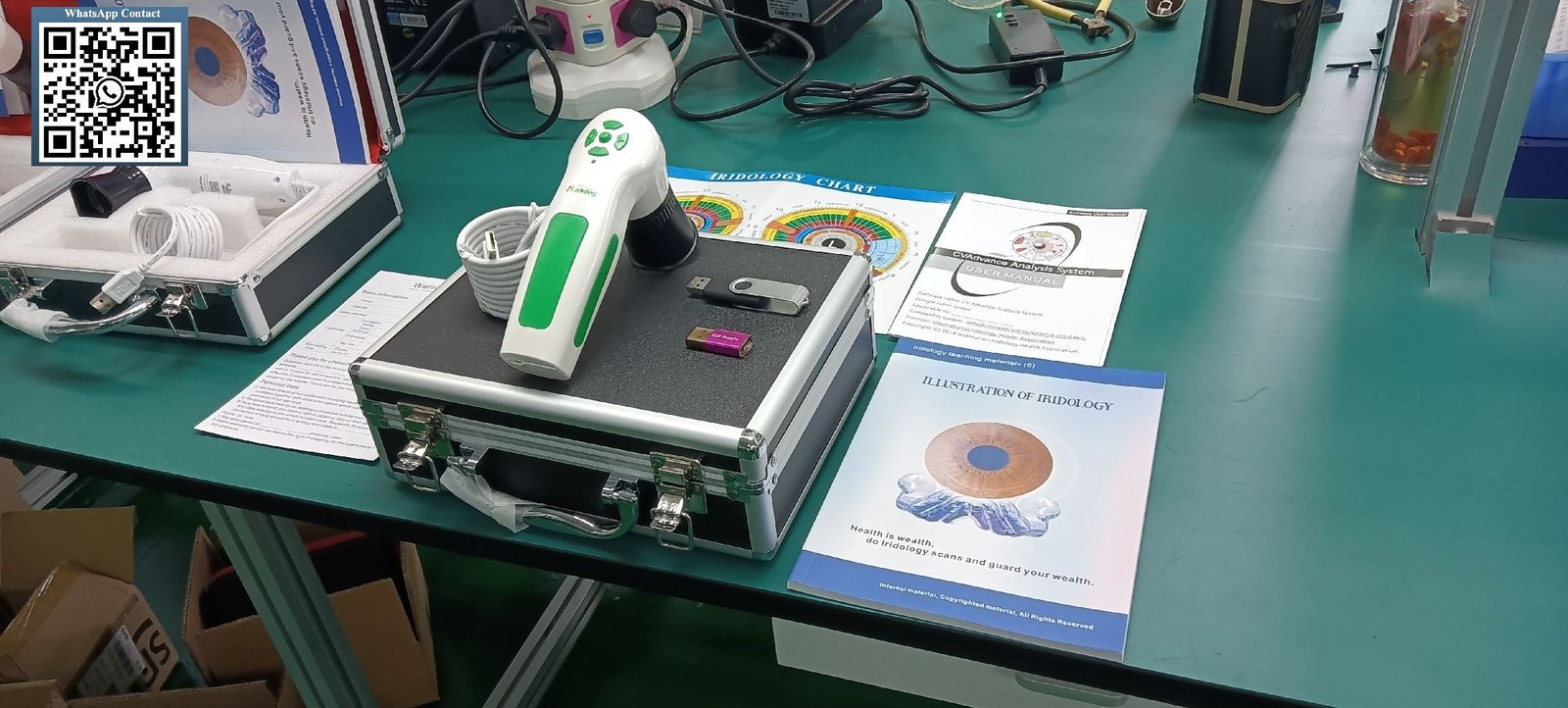
Complete System Package Includes
Hardware Components
- MK-9822U Professional Iriscope handset (1 unit)
- 30X magnification iris lens (1 unit)
- 1.5-meter USB connection cable (1 unit)
- Protective lens cover (1 unit)
- Premium leather carrying case (1 unit)
Software and Documentation
- Professional iridology analysis software (installation CD)
- Complete iridology chart set (printed)
- USB encryption dongle for software activation (1 unit)
- Detailed user manual and quick-start guide
- Installation instructions and technical specifications
- Warranty card and service contact information
Become a MAIKONG Equipment Dealer in Your Region
We’re seeking distributors, wellness equipment importers, and health business partners across the United States. MAIKONG offers professional-grade iridology cameras with 20 years of R&D experience, ISO9000/CE certification, OEM/ODM services, and multi-language software supporting Windows and macOS. Join 1,000+ partners worldwide who trust MAIKONG for quality and reliability. Competitive wholesale pricing and dedicated support for US dealers.
Frequently Asked Questions About Iridology Training
What are the prerequisites for enrolling in iridology courses Toronto or similar programs?
Most iridology courses have minimal prerequisites. Introductory programs typically require no prior health education background, making them accessible to anyone interested in holistic wellness. Some advanced certification programs prefer students have basic anatomy and physiology knowledge or work in health-related fields like naturopathy, nutrition, or massage therapy.
If you’re completely new to natural health concepts, consider starting with a foundational wellness course or anatomy overview before pursuing comprehensive iridology certification. However, many programs include necessary anatomy instruction within their curriculum. Always review specific program requirements before enrolling.
Can I practice iridology professionally after completing online courses, or do I need in-person training?
Both online and in-person programs can prepare you for professional practice if they include adequate practical training components. The key is hands-on experience observing real irises, practicing with professional equipment, and receiving feedback on your observations.
Quality online programs incorporate practical elements through video demonstrations, practice photo sets, peer review exercises, and sometimes optional in-person weekend intensives. If choosing online-only training, ensure you can access equipment for practice and arrange peer practice partners or mentorship with experienced local practitioners. Hybrid programs combining online theory with periodic in-person practical sessions often provide optimal preparation for professional practice.
How much does professional iridology equipment cost, and what do I need to start practicing?
Basic professional practice requires an iridology camera, analysis software, and reference charts. Entry-level USB iridology cameras suitable for new practitioners cost 0-0. Mid-range professional systems with enhanced imaging capabilities run
Frequently Asked Questions About Iridology Training
What are the prerequisites for enrolling in iridology courses Toronto or similar programs?
Most iridology courses have minimal prerequisites. Introductory programs typically require no prior health education background, making them accessible to anyone interested in holistic wellness. Some advanced certification programs prefer students have basic anatomy and physiology knowledge or work in health-related fields like naturopathy, nutrition, or massage therapy.
If you’re completely new to natural health concepts, consider starting with a foundational wellness course or anatomy overview before pursuing comprehensive iridology certification. However, many programs include necessary anatomy instruction within their curriculum. Always review specific program requirements before enrolling.
Can I practice iridology professionally after completing online courses, or do I need in-person training?
Both online and in-person programs can prepare you for professional practice if they include adequate practical training components. The key is hands-on experience observing real irises, practicing with professional equipment, and receiving feedback on your observations.
Quality online programs incorporate practical elements through video demonstrations, practice photo sets, peer review exercises, and sometimes optional in-person weekend intensives. If choosing online-only training, ensure you can access equipment for practice and arrange peer practice partners or mentorship with experienced local practitioners. Hybrid programs combining online theory with periodic in-person practical sessions often provide optimal preparation for professional practice.
How much does professional iridology equipment cost, and what do I need to start practicing?
Basic professional practice requires an iridology camera, analysis software, and reference charts. Entry-level USB iridology cameras suitable for new practitioners cost $500-$800. Mid-range professional systems with enhanced imaging capabilities run $1,000-$2,000. Advanced clinical systems for training institutions or multi-practitioner clinics range $2,500-$4,000.
Beyond the camera, budget for analysis software (often included with camera purchase), printed iris charts for client education ($50-$100), and reference materials ($100-$200). Total startup equipment investment typically ranges $700-$2,500 depending on equipment quality. Many manufacturers offer educational discounts for students and new practitioners. Consider that quality equipment is a one-time investment supporting years of professional practice.
Are iridology certifications recognized by health insurance companies or medical institutions?
Iridology certification is generally not recognized for insurance reimbursement in most regions, as iris analysis is considered a traditional wellness observation practice rather than a medical diagnostic procedure. However, some practitioners successfully bill for comprehensive wellness consultations that include iridology as one component of holistic assessment.
If you already hold recognized credentials in naturopathy, nutrition, or other licensed health professions, adding iridology to your practice may be covered under your existing professional scope. Check with your professional liability insurance provider and local regulations about including iris analysis in your services. Some progressive medical institutions and integrative health centers employ practitioners who use iridology as a complementary observation tool, though this remains less common than other modalities.
What is the difference between iridology courses Toronto programs and international training options?
Iridology training content remains relatively consistent worldwide, as the practice is based on established iris topography and traditional observation methods. However, regional variations exist in terminology, constitutional type classifications, and emphasis on certain marking interpretations. European programs may follow slightly different chart systems than North American or Australian approaches.
If considering international training while planning to practice in North America, verify that the program covers methods and terminology commonly used in your target practice region. Some practitioners combine training from multiple traditions to develop comprehensive knowledge. The advantage of local programs like iridology courses Toronto includes instructor familiarity with regional practice considerations, local professional networks, and relevant continuing education opportunities. International programs may offer unique perspectives and techniques not emphasized in North American training.
How long does it take to become proficient at iris analysis after completing certification?
Basic competency develops during comprehensive certification programs, but true proficiency requires ongoing practice and experience. Most practitioners need 50-100 client consultations after certification to feel confident in their observation skills and interpretation abilities. This typically represents 6-12 months of active practice.
Proficiency development depends on practice frequency, case diversity, mentorship quality, and continuing education. Practitioners who work with varied client populations and seek regular peer consultation develop skills more rapidly than those seeing clients infrequently. Plan to dedicate time to supervised practice, case study review, and ongoing learning for at least the first year after certification. Many experienced practitioners continue refining their skills throughout decades of practice, as iris analysis involves subtle pattern recognition that improves with exposure to thousands of cases.
Can iridology be practiced online via telemedicine, or must consultations be in-person?
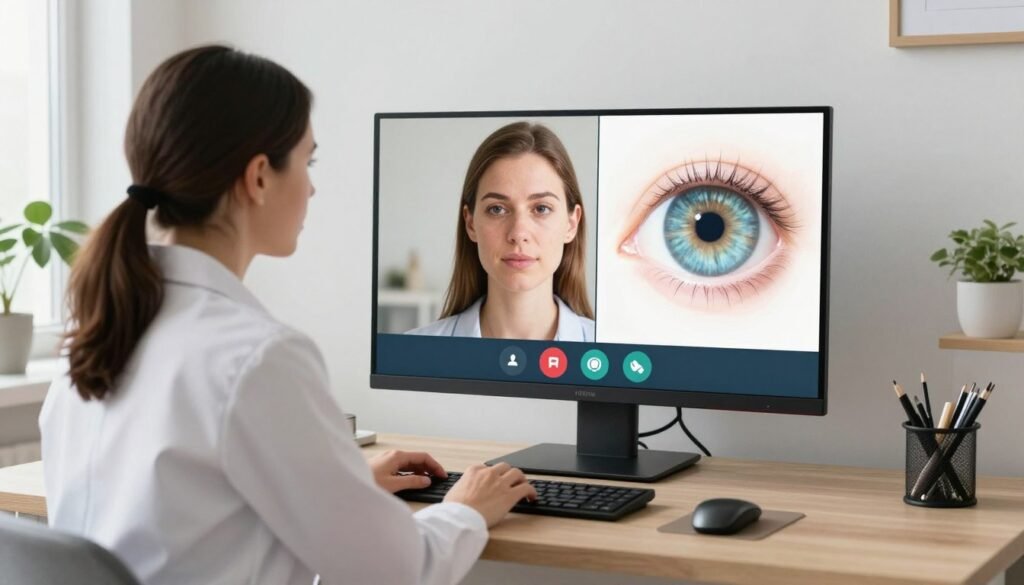
Modern technology enables effective remote iridology consultations when proper equipment and procedures are used. Practitioners can guide clients through self-imaging using smartphone cameras with macro lenses or send clients portable USB iris cameras for home use. High-resolution iris photographs can be securely transmitted for practitioner analysis.
Successful remote practice requires clear client communication about imaging requirements, secure photo transmission protocols, and appropriate disclaimers about observation limitations compared to in-person assessment. Some practitioners offer hybrid models where initial consultations occur in-person for equipment setup and technique training, followed by remote follow-up sessions. Online practice dramatically expands your potential client base beyond local geographic boundaries, though building trust and credibility may require stronger marketing efforts than local in-person practice.
,000-,000. Advanced clinical systems for training institutions or multi-practitioner clinics range ,500-,000.
Beyond the camera, budget for analysis software (often included with camera purchase), printed iris charts for client education (-0), and reference materials (0-0). Total startup equipment investment typically ranges 0-,500 depending on equipment quality. Many manufacturers offer educational discounts for students and new practitioners. Consider that quality equipment is a one-time investment supporting years of professional practice.
Are iridology certifications recognized by health insurance companies or medical institutions?
Iridology certification is generally not recognized for insurance reimbursement in most regions, as iris analysis is considered a traditional wellness observation practice rather than a medical diagnostic procedure. However, some practitioners successfully bill for comprehensive wellness consultations that include iridology as one component of holistic assessment.
If you already hold recognized credentials in naturopathy, nutrition, or other licensed health professions, adding iridology to your practice may be covered under your existing professional scope. Check with your professional liability insurance provider and local regulations about including iris analysis in your services. Some progressive medical institutions and integrative health centers employ practitioners who use iridology as a complementary observation tool, though this remains less common than other modalities.
What is the difference between iridology courses Toronto programs and international training options?
Iridology training content remains relatively consistent worldwide, as the practice is based on established iris topography and traditional observation methods. However, regional variations exist in terminology, constitutional type classifications, and emphasis on certain marking interpretations. European programs may follow slightly different chart systems than North American or Australian approaches.
If considering international training while planning to practice in North America, verify that the program covers methods and terminology commonly used in your target practice region. Some practitioners combine training from multiple traditions to develop comprehensive knowledge. The advantage of local programs like iridology courses Toronto includes instructor familiarity with regional practice considerations, local professional networks, and relevant continuing education opportunities. International programs may offer unique perspectives and techniques not emphasized in North American training.
How long does it take to become proficient at iris analysis after completing certification?
Basic competency develops during comprehensive certification programs, but true proficiency requires ongoing practice and experience. Most practitioners need 50-100 client consultations after certification to feel confident in their observation skills and interpretation abilities. This typically represents 6-12 months of active practice.
Proficiency development depends on practice frequency, case diversity, mentorship quality, and continuing education. Practitioners who work with varied client populations and seek regular peer consultation develop skills more rapidly than those seeing clients infrequently. Plan to dedicate time to supervised practice, case study review, and ongoing learning for at least the first year after certification. Many experienced practitioners continue refining their skills throughout decades of practice, as iris analysis involves subtle pattern recognition that improves with exposure to thousands of cases.
Can iridology be practiced online via telemedicine, or must consultations be in-person?
Modern technology enables effective remote iridology consultations when proper equipment and procedures are used. Practitioners can guide clients through self-imaging using smartphone cameras with macro lenses or send clients portable USB iris cameras for home use. High-resolution iris photographs can be securely transmitted for practitioner analysis.
Successful remote practice requires clear client communication about imaging requirements, secure photo transmission protocols, and appropriate disclaimers about observation limitations compared to in-person assessment. Some practitioners offer hybrid models where initial consultations occur in-person for equipment setup and technique training, followed by remote follow-up sessions. Online practice dramatically expands your potential client base beyond local geographic boundaries, though building trust and credibility may require stronger marketing efforts than local in-person practice.
Making Your Iridology Education Decision
Choosing the right iridology training program represents an important investment in your professional development and wellness practice capabilities. Whether you’re researching iridology courses Toronto, exploring online options, or considering programs in other cities, the principles of quality training remain consistent: comprehensive curriculum, qualified instructors, adequate practical experience, and ongoing support.
Remember that certification is just the beginning of your iridology journey. Professional competence develops through continuous practice, case review, peer consultation, and commitment to ongoing education. The most successful practitioners combine solid foundational training with years of dedicated observation experience and genuine passion for supporting client wellness.
As you evaluate training programs, prioritize programs that align with your learning style, schedule constraints, and professional goals. Don’t hesitate to contact multiple schools, speak with graduates, and thoroughly review curriculum details before making your decision. The time invested in careful program selection pays dividends throughout your practice career.
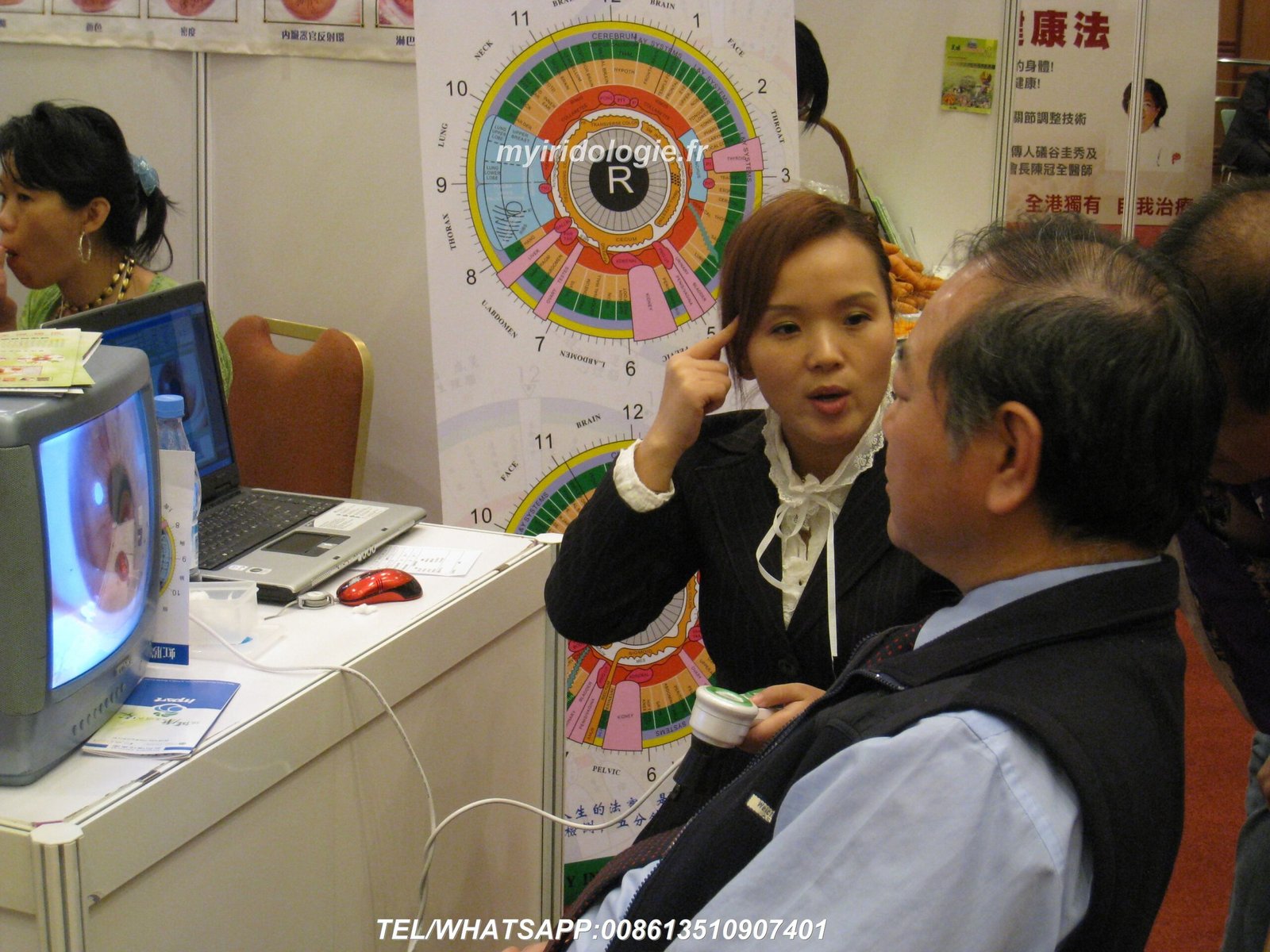
For students and practitioners needing professional equipment, MAIKONG provides reliable iridology cameras and software trusted by training institutions and wellness professionals worldwide. With over 20 years of manufacturing experience, ISO9000 certification, and multi-language software supporting both Windows and macOS systems, we support your practice success from training through decades of professional service.
If you represent a training institution, wellness center, or health equipment distribution business, we invite you to explore partnership opportunities. Our OEM/ODM capabilities, competitive wholesale pricing, and dedicated dealer support help your organization provide quality equipment to students and practitioners.
Ready to discuss equipment needs or partnership opportunities?
Phone/WhatsApp: +86 135 1090 7401
Email: Lucy@myiridology.us
Website: myiridology.us
Your journey into professional iridology practice begins with education and continues through dedicated practice, quality equipment, and commitment to client service. We wish you success in your training and look forward to supporting your practice with professional tools designed for excellence in iris observation.