
Iridology Liver Chart: Your Complete Professional Resource Guide
What Is an Iridology Liver Chart and Why It Matters
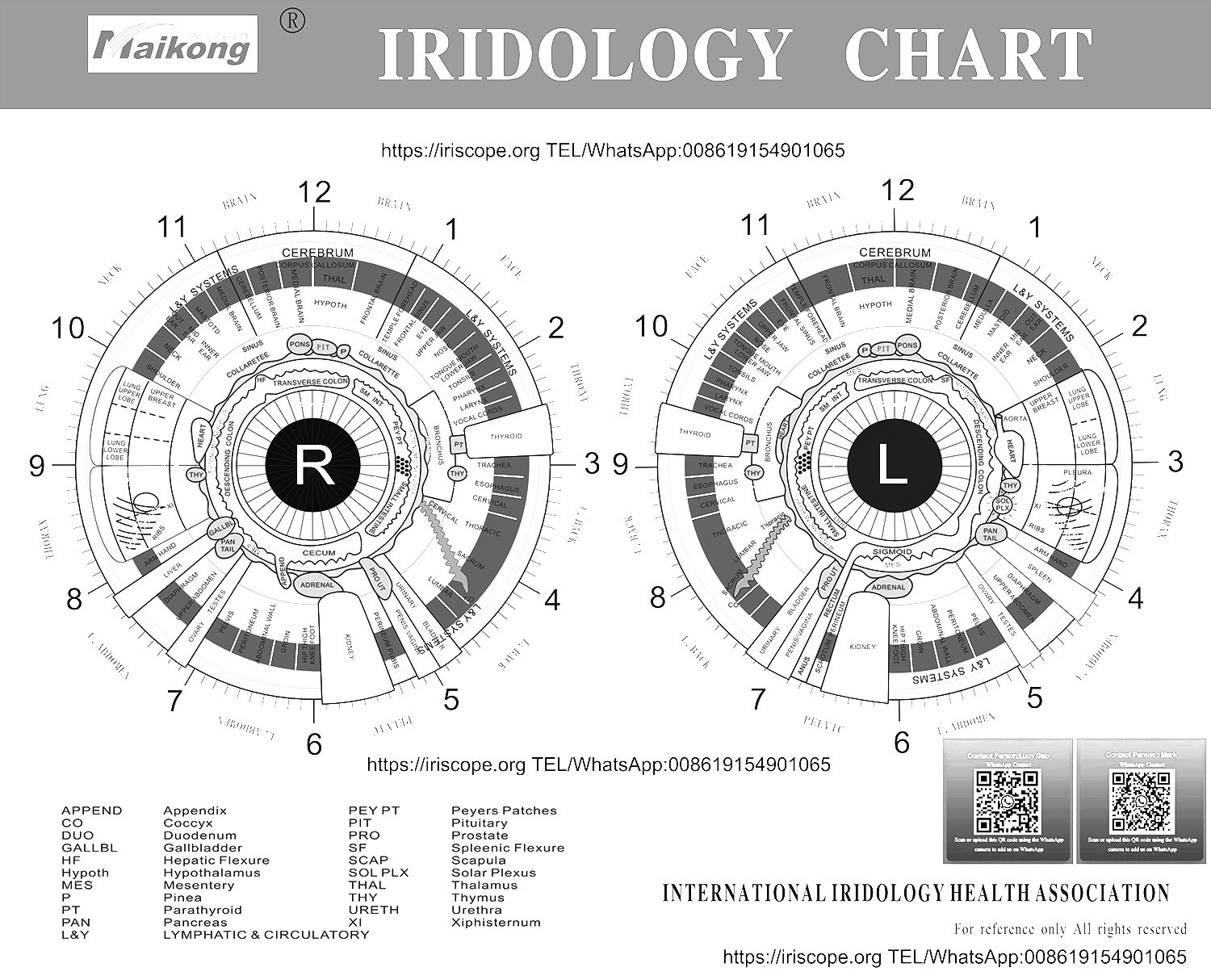
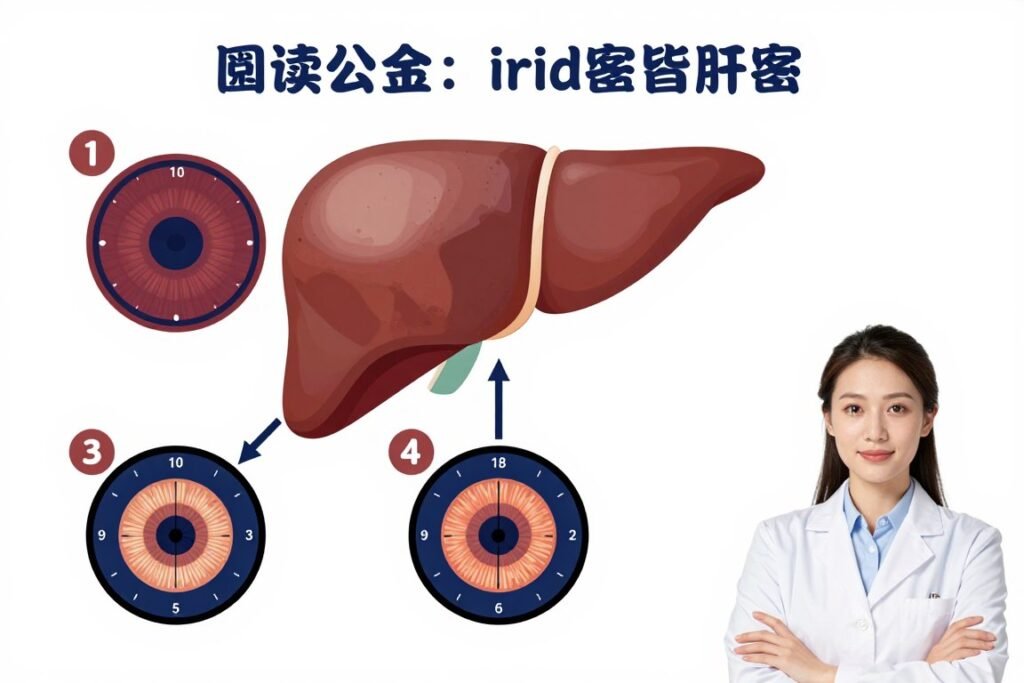
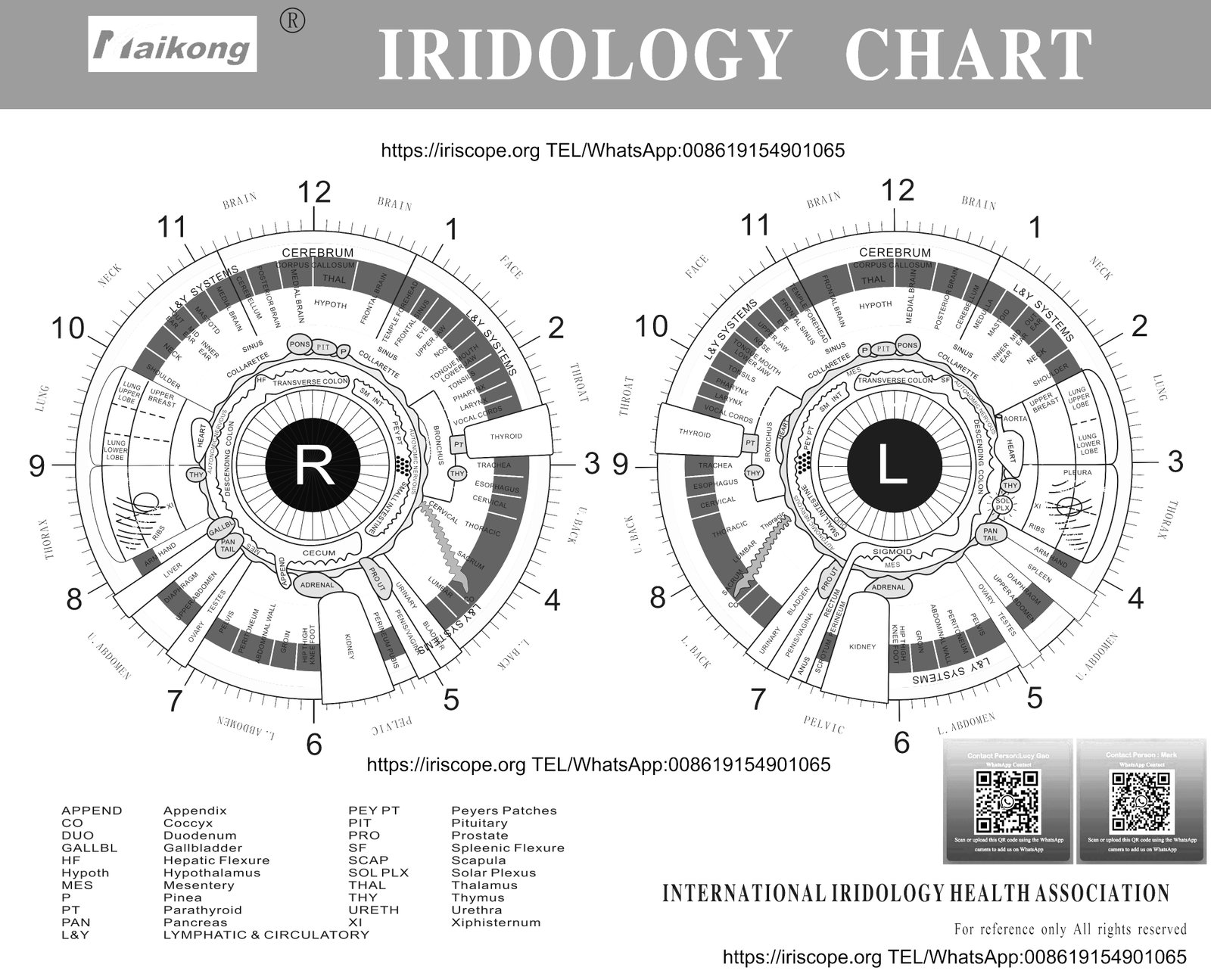
An iridology liver chart maps specific zones in the iris that traditional iridology associates with liver function observation. The chart divides the iris into sections, with the liver area typically positioned in the right eye at approximately the 7-8 o’clock position and in the left eye around the 4-5 o’clock region. These charts serve as reference tools for practitioners learning iris zone identification.
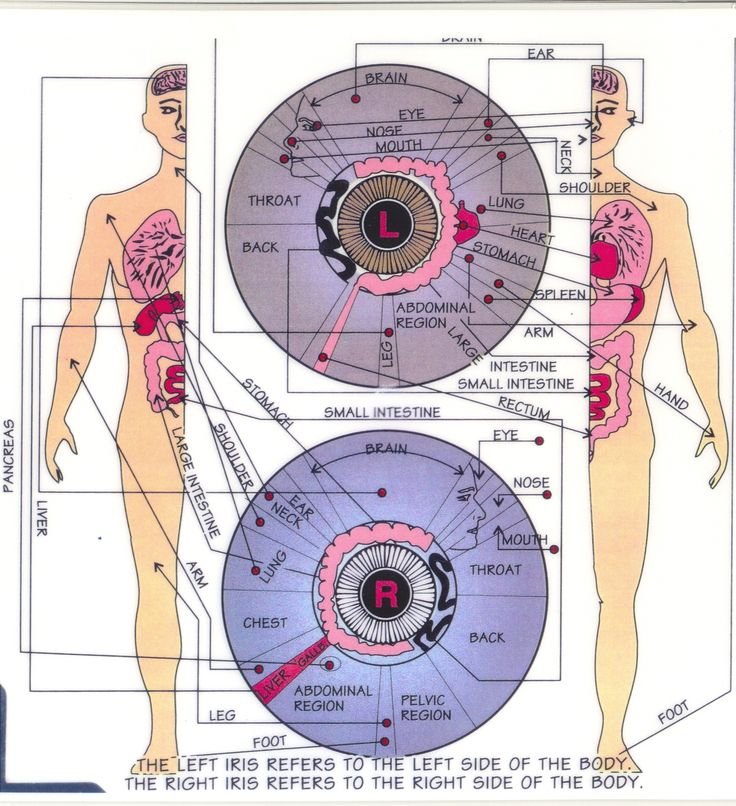
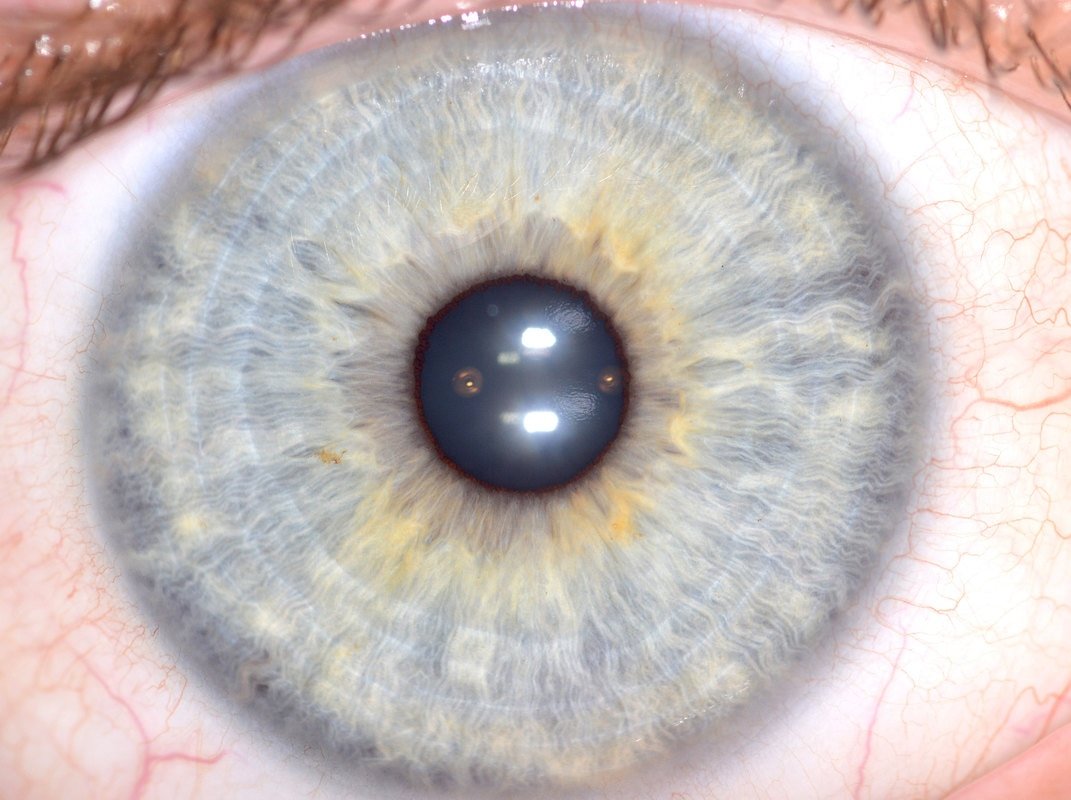
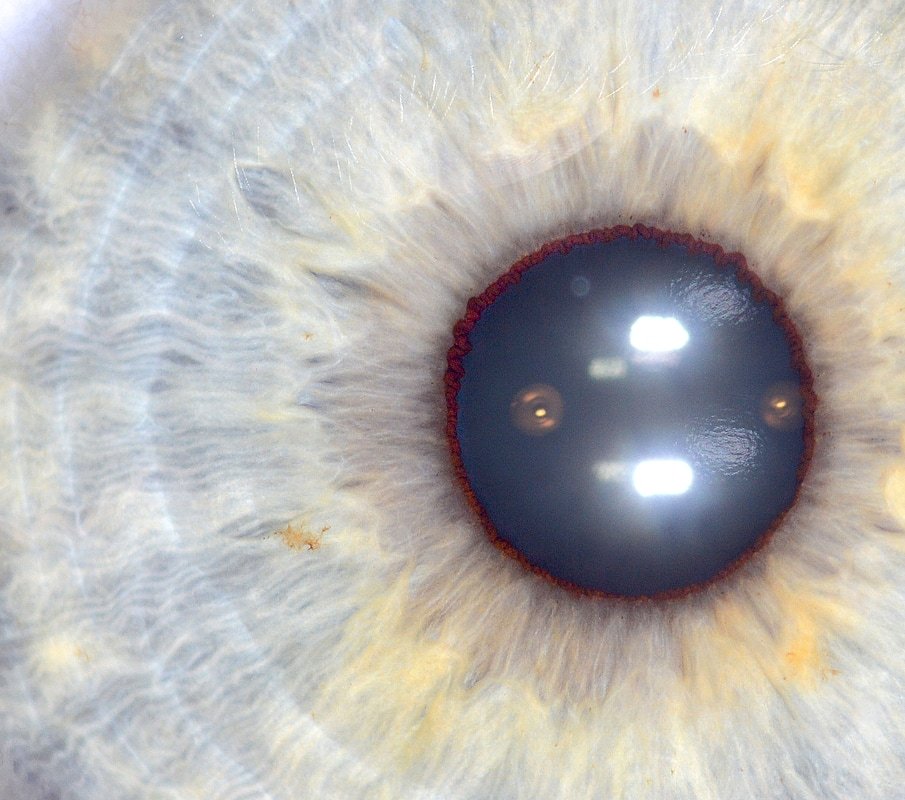
The colored part of the eye contains intricate patterns, and practitioners use these reference charts to standardize their observations. Different chart systems exist, including Bernard Jensen charts, European school variations, and modern digital versions integrated into iridology software platforms.
Traditional Chart Applications
- Student training in iridology schools
- Client education during consultations
- Quick reference for iris zone location
- Teaching aid in wellness workshops
Digital Chart Integration
- Built into professional iris analysis software
- Overlay features on captured iris images
- Customizable zone highlighting
- Multi-language labeling options
For educational and observational purposes only, these charts help practitioners develop systematic approaches to iris examination. They do not diagnose medical conditions or replace professional healthcare evaluation.
How to Read an Iridology Liver Chart Step by Step
Reading an iridology chart requires understanding the basic layout structure first. The iris is divided like a clock face, with each organ or body system assigned specific sectors. The liver zones occupy particular positions that differ slightly between the left eye iridology chart and iridology chart right eye.
Basic Reading Framework
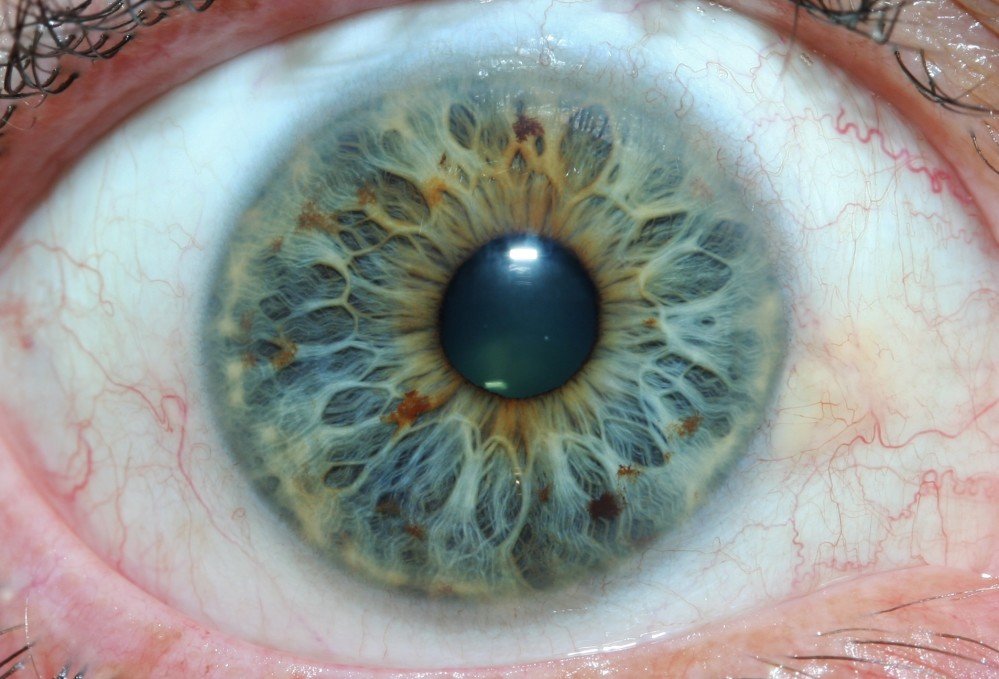
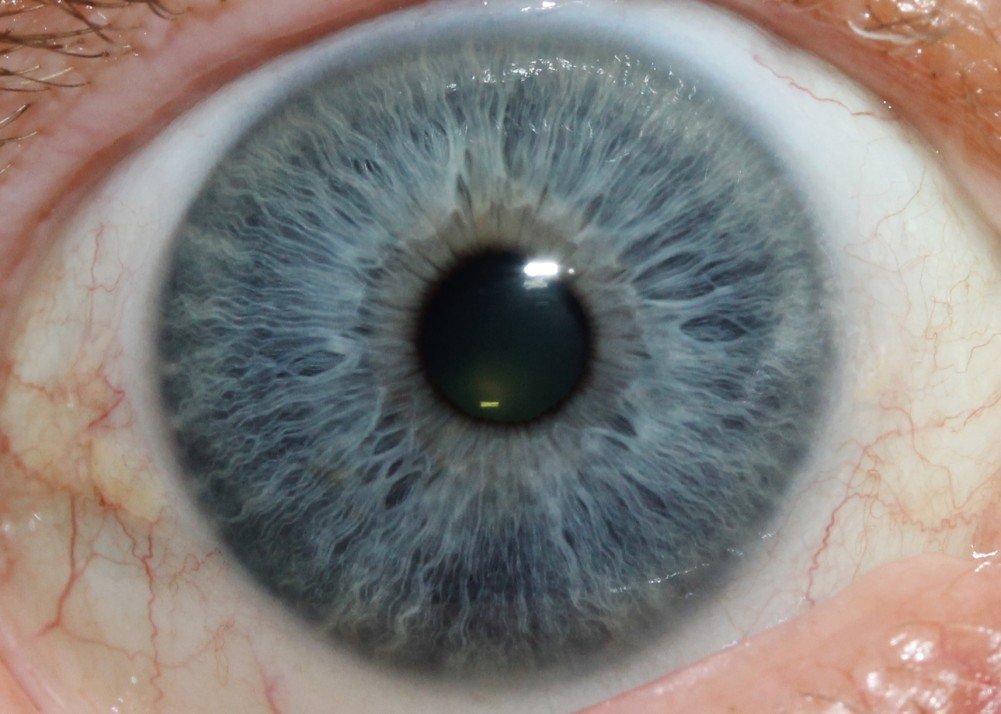
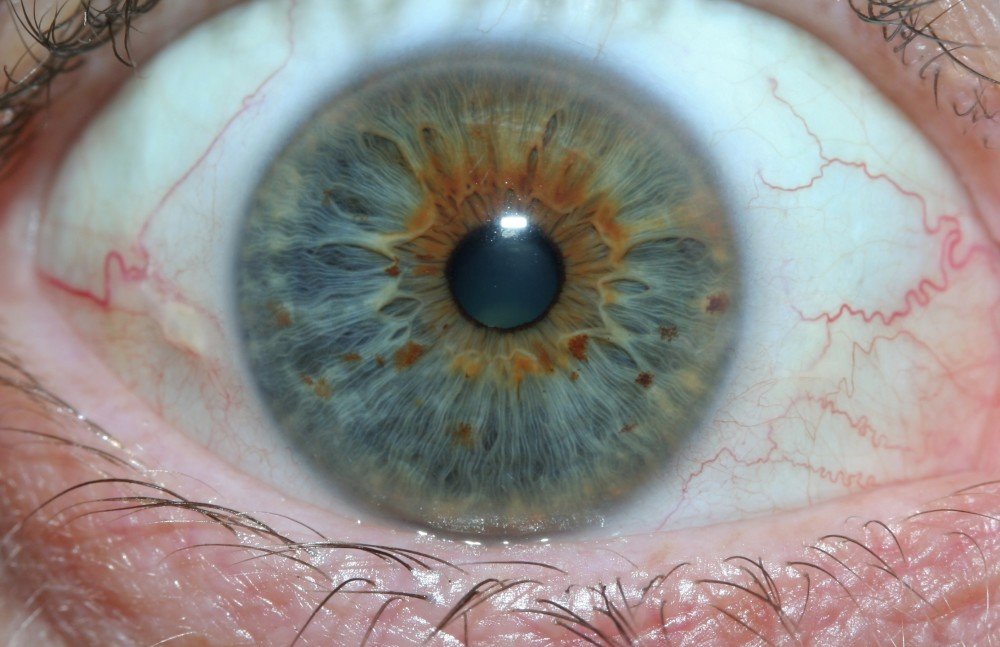
Start by orienting yourself with the pupil at the center. The iris expands outward in concentric rings, each representing different body systems. The chart divides into 12 major zones corresponding to clock positions. Locate the liver sector using your reference chart, then observe the iris area for color variations, marks, or texture changes.
- Position your iridology camera to capture clear iris images of both eyes under proper lighting conditions
- Open your reference chart (printed or digital) and identify the liver zone sectors for both left and right eyes
- Compare the actual iris patterns in those zones against your baseline chart expectations
- Document observations regarding color intensity, signs, spots, or structural patterns in the liver regions
- Cross-reference findings with your iridology chart how to read training materials for interpretation context
The colored part of the eye shows natural variations. Practitioners note these patterns strictly for traditional iridology observation, not medical diagnosis. This practice serves educational purposes, helping wellness consultants discuss lifestyle factors with clients.
Common Chart Variations
Important Note: Different iridology schools use slightly different zone mappings. The Bernard Jensen iridology chart remains the most widely recognized in North America, while European charts may show minor sector variations. Always specify which chart system you follow when documenting observations.
Understanding Left Eye vs Right Eye Liver Zone Placement
The human body shows bilateral symmetry, and traditional iridology charts reflect this by assigning the right side of the body to the right eye and the left side body to the left eye. The liver, being predominantly positioned on the right side of the body, shows its primary representation in the right eye’s iridology chart.
Right Eye Liver Zone
The primary liver observation area appears in the right eye at approximately 7-8 o’clock position when viewing the iris straight-on. This sector corresponds to the main liver mass location in the body. Practitioners examine this zone for color changes, signs of inflammation, spots, or textural patterns.
Left Eye Liver Zone
The left eye contains a secondary liver reference zone around 4-5 o’clock position. Some chart systems show liver-related zones here as well, reflecting the smaller left hepatic lobe. Both eyes provide complementary observation points for comprehensive iris analysis.
When using professional iriscope equipment, capture both eyes systematically. Modern iridology software can overlay appropriate chart templates automatically, adjusting for left versus right eye anatomy. This bilateral approach provides more complete observational data for traditional iridology practice.
Types of Iridology Liver Charts: Printed, Digital, and Software-Integrated
Practitioners access liver-focused iridology charts through several formats, each serving different practice needs. Your choice depends on whether you conduct in-person consultations, teach classes, or use computerized iris analysis systems.
Printed Chart Options
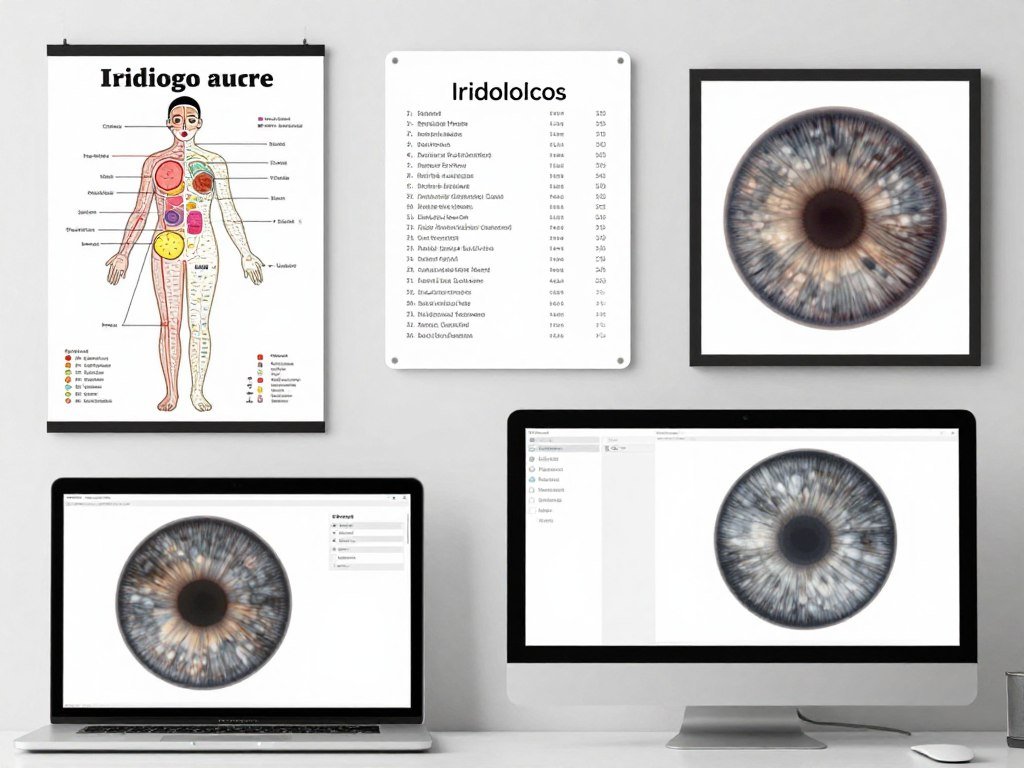
Traditional printed charts remain popular for training and quick reference. Many practitioners display large iridology chart printable versions on clinic walls for client education. Laminated desk reference cards offer portable alternatives during consultations.
- Wall posters (24×36 inches typical) showing full iris mapping with liver zones highlighted
- Laminated quick-reference cards (8×10 inches) for desktop or portable use
- Booklet formats with detailed zone descriptions and color photographs
- Transparent overlays that practitioners can position over iris photographs
Digital and Software-Integrated Charts
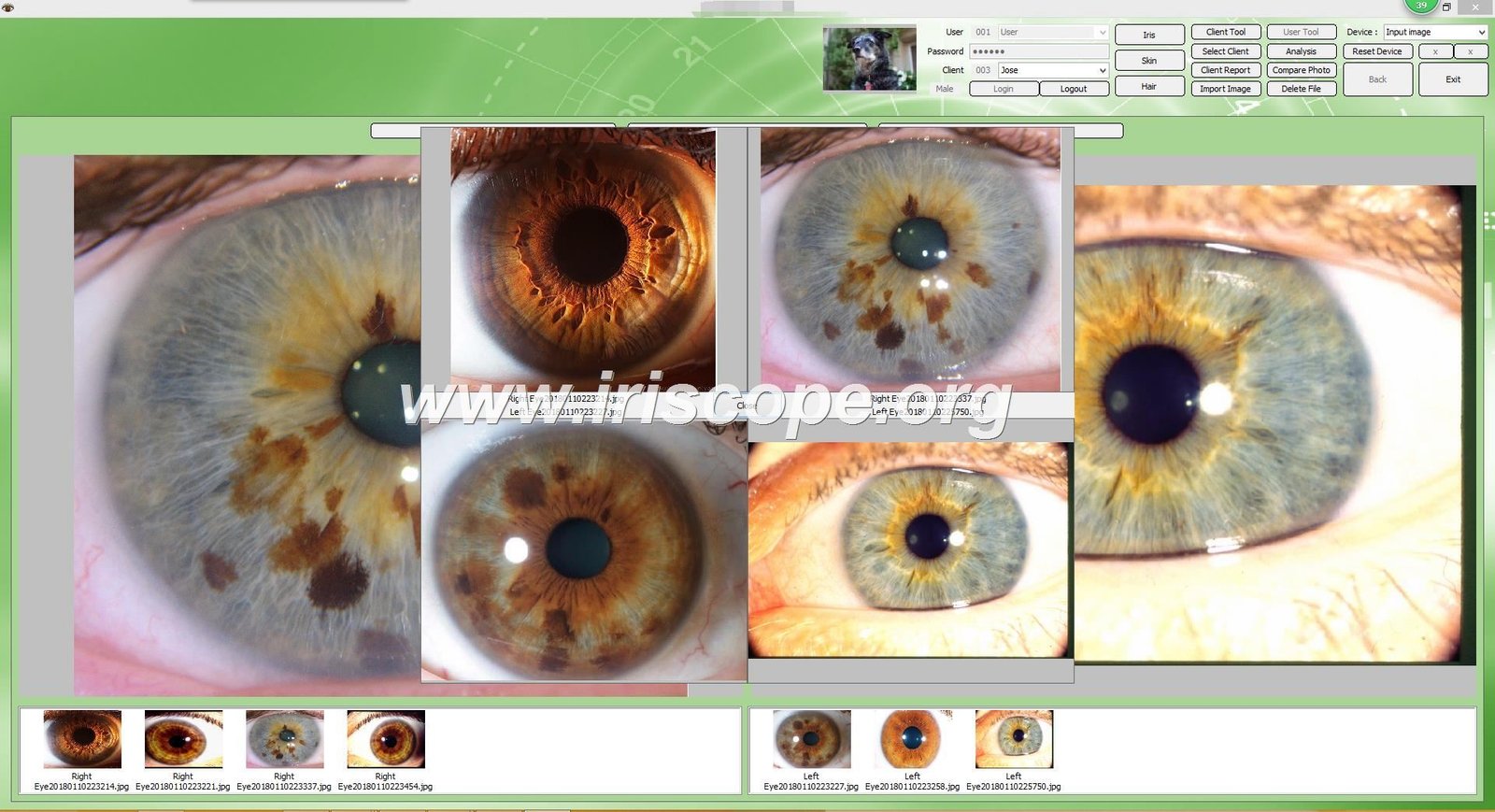
Modern practice increasingly relies on digital tools. Professional iridology software includes built-in chart libraries that overlay directly onto captured iris images. This integration streamlines the analysis process significantly compared to manual chart comparison.
| Chart Format | Best Use Case | Typical Cost Range | Update Capability |
| Printed Wall Poster | Clinic display, client education | $15-45 USD | Not updateable |
| PDF Digital Chart | Self-printing, digital reference | $0-25 USD | New downloads available |
| Software-Integrated Chart | Professional iris analysis | Included with software | Automatic updates |
| Mobile App Chart | On-the-go reference | $0-50 USD | App store updates |
Professional equipment manufacturers like MAIKONG integrate comprehensive chart libraries into their software packages. The MAIKONG 2024 iridology software includes multiple chart systems with customizable overlays, supporting 17 languages for international practitioners.
Integrating Liver Charts with Iriscope Cameras and Analysis Software
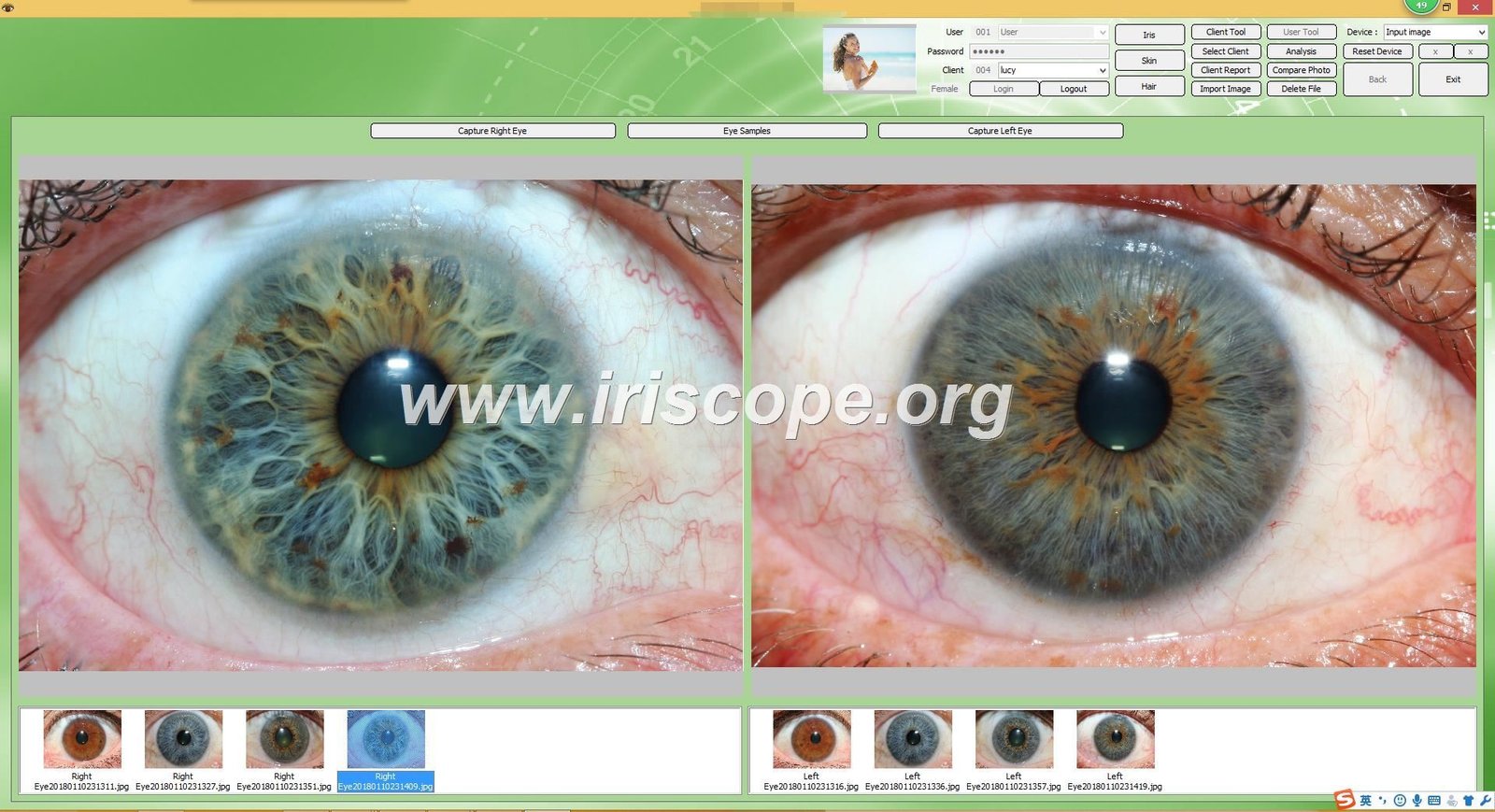
Effective iris observation requires more than charts alone. Modern practitioners combine chart knowledge with specialized imaging equipment and analysis software to capture, document, and reference iris patterns systematically.
Equipment Requirements for Chart-Based Analysis
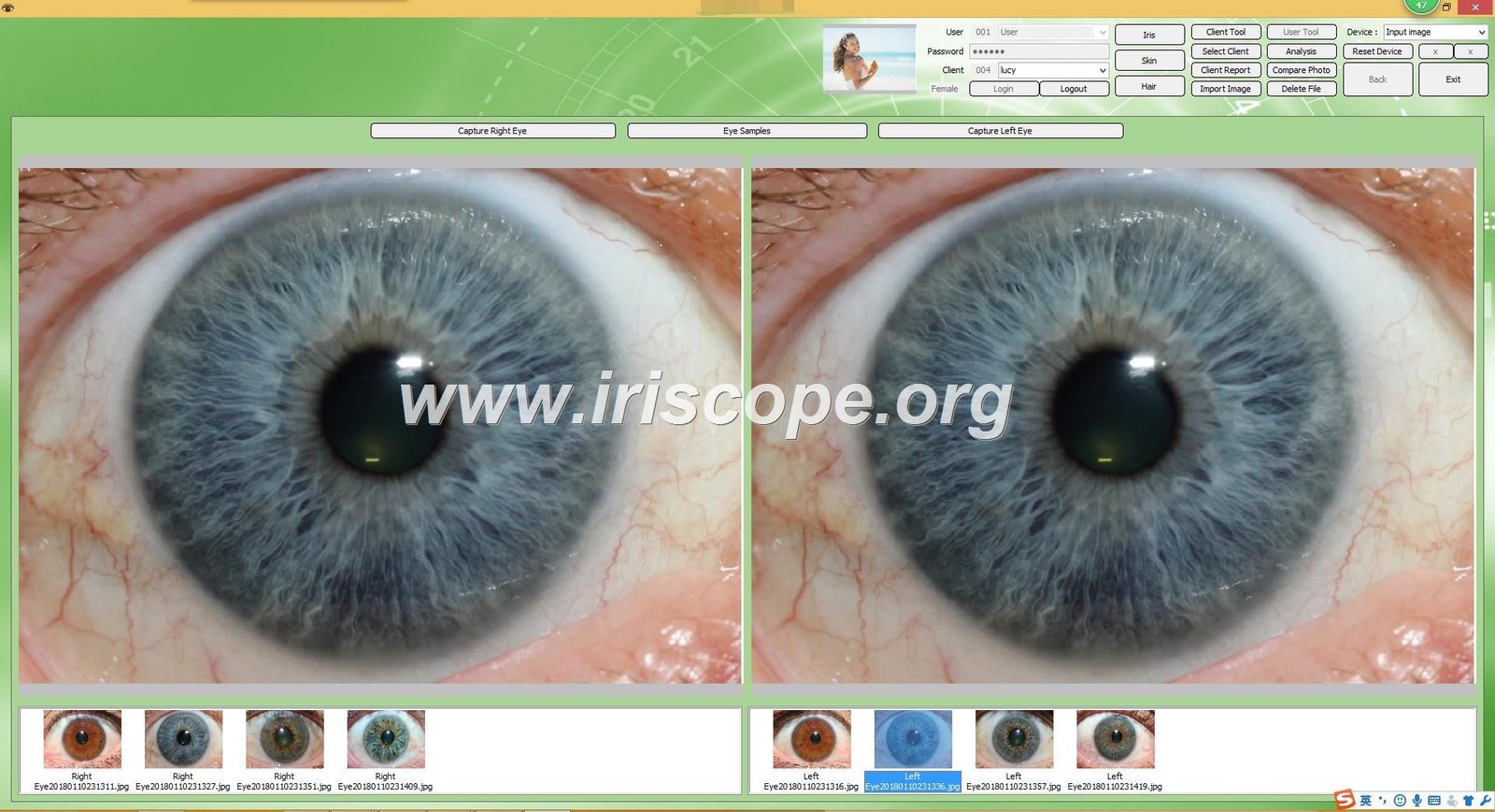
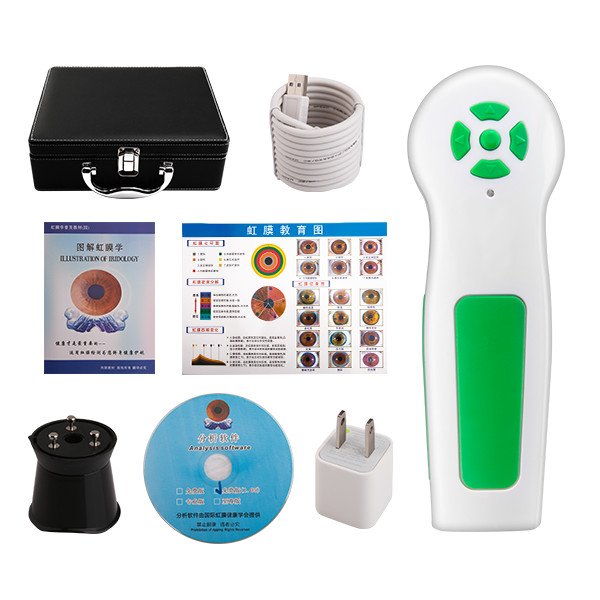
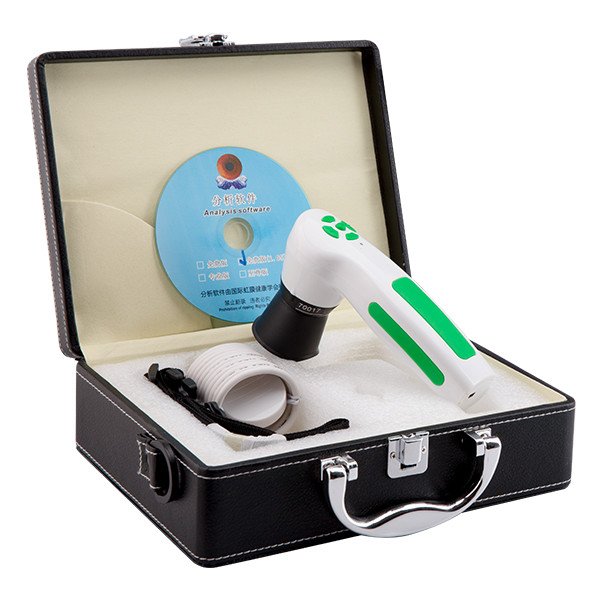
A complete professional setup typically includes three components: a high-resolution iris camera, image capture and management software, and integrated chart overlay functionality. This combination allows practitioners to photograph the iris, apply standardized chart templates, and document observations efficiently.
Iris Camera Hardware
Quality iris imaging requires specialized cameras with proper magnification and lighting. Professional USB iridology camera systems connect directly to computers, offering 12MP or higher resolution for detailed iris capture.
- 12+ megapixel CCD sensors
- Adjustable LED ring illumination
- 30X optical magnification lens
- USB plug-and-play connectivity
Analysis Software
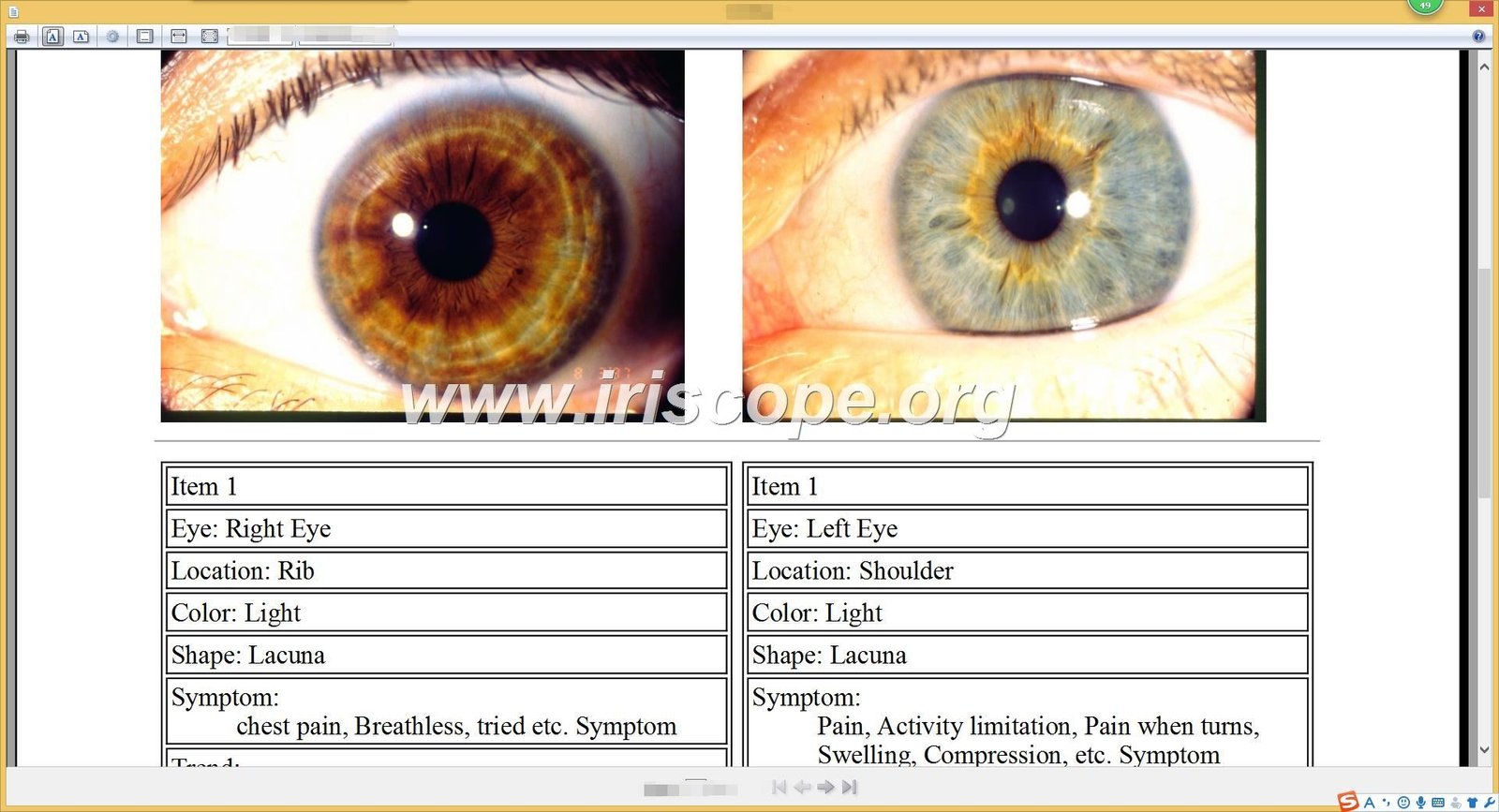
Software manages image libraries, applies chart overlays, and generates client reports. Advanced systems offer automatic zone detection and comparative analysis across multiple sessions over time.
- Chart overlay with zone highlighting
- Client database management
- Report generation with images
- Multi-language interface support
Chart Integration
Modern software embeds multiple chart systems, allowing practitioners to switch between Bernard Jensen, European, or custom chart layouts. Charts overlay directly on captured iris photos for precise zone reference.
- Multiple chart system options
- Customizable zone highlighting
- Printable overlay templates
- Digital archive compatibility
MAIKONG Professional Equipment Specifications
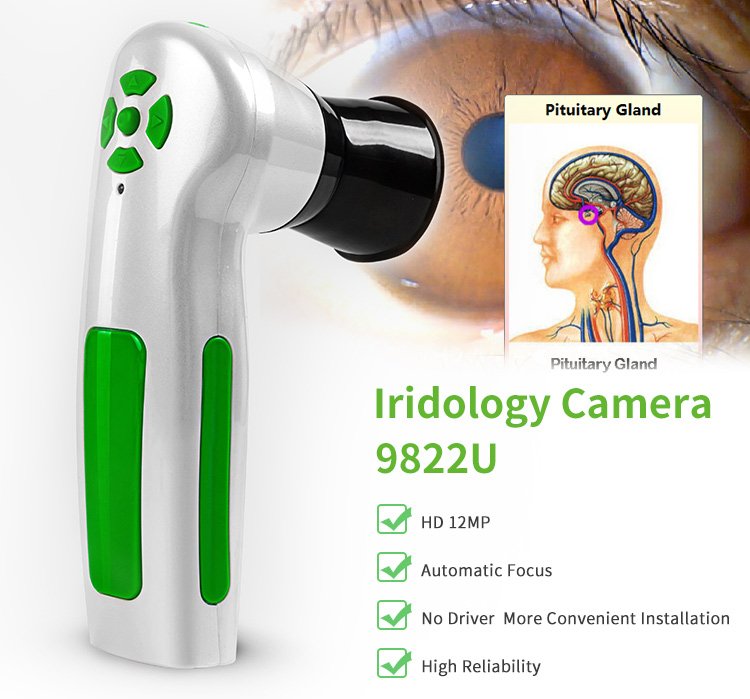
Our manufacturing facility in SZ, GD produces complete iridology systems integrating hardware and software. The MK-9822 iriscope represents our current professional-grade model, designed for clinical and educational applications.
| Specification Category | MK-9822 Details |
| Image Sensor | 12.0 Megapixel CCD with DSP processor |
| Lens System | 30X iris lens with optical stabilization and adjustable focus |
| Illumination | LED ring light with brightness adjustment, color temperature filter |
| Connection | USB 2.0/3.0 plug-and-play (no external power required) |
| Software Compatibility | Windows XP/7/8/10/11 (32/64-bit), macOS 10.14-15.x |
| Included Software Version | MAIKONG 2024 (17 language support, automatic chart overlay) |
| Chart Systems Included | Bernard Jensen, European school, customizable zones |
| Warranty Period | 13 months from purchase date |
Software Chart Features
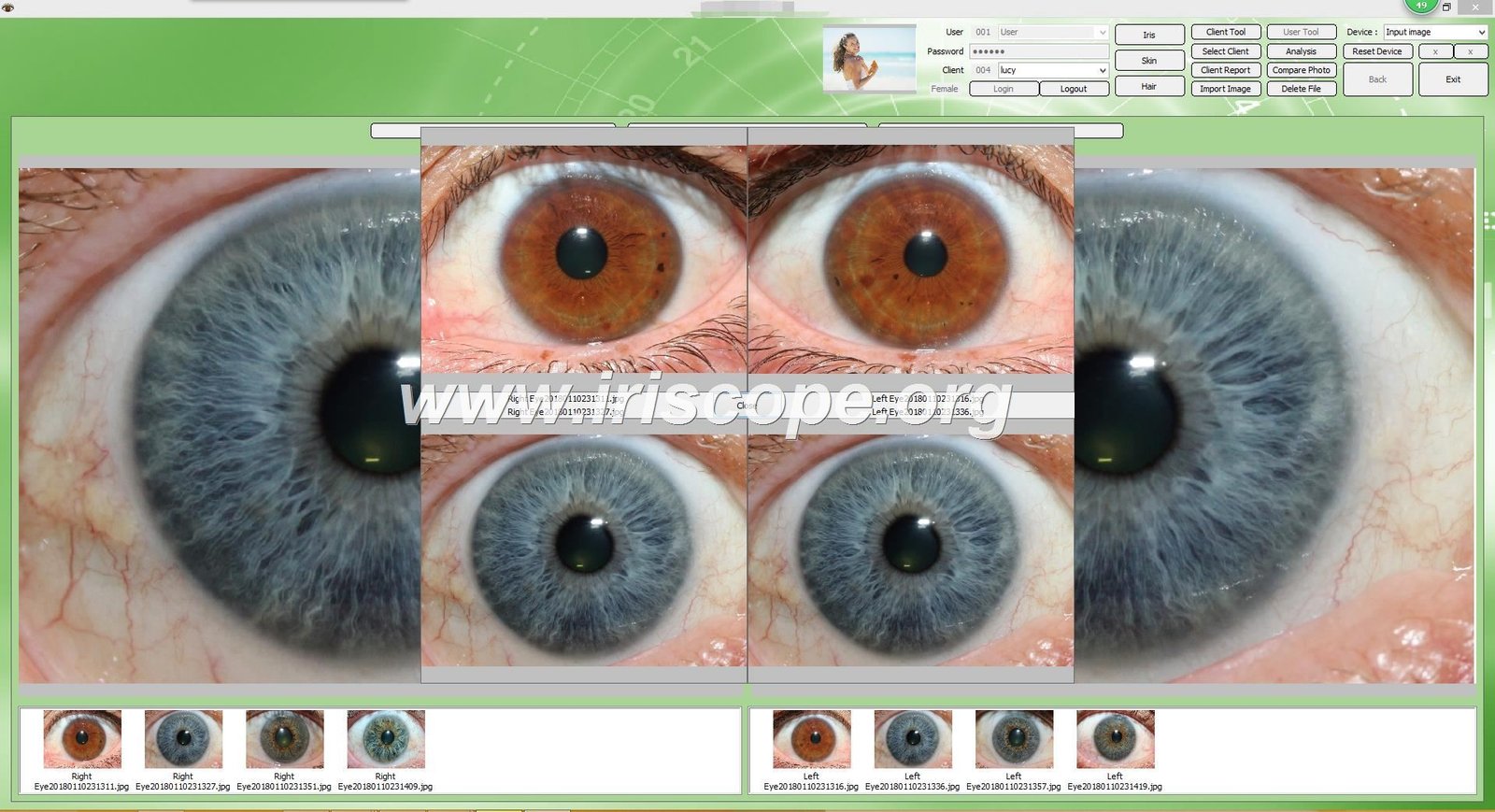
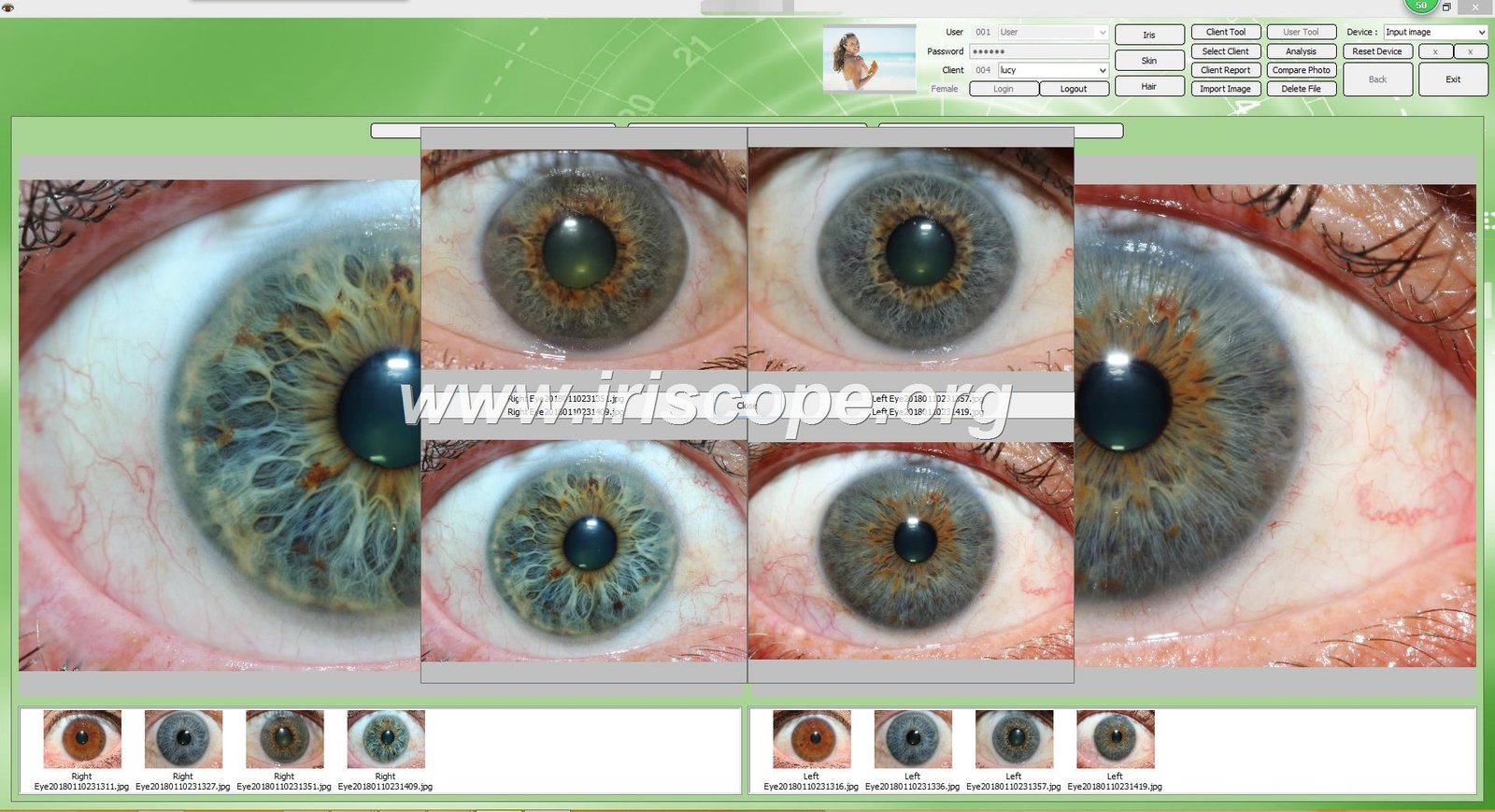
The MAIKONG 2024 software platform includes comprehensive chart management capabilities specifically designed for professional iris analysis workflows. Practitioners can select from pre-loaded chart systems or customize zone definitions based on their training methodology.
| Software Feature | Description | Benefit for Liver Chart Analysis |
| Multi-Chart Library | Switch between Jensen, European, and custom chart systems | Compare liver zone definitions across methodologies |
| Zone Highlighting | Click to highlight specific organ zones including liver sectors | Focus client attention on liver observation areas |
| Overlay Transparency | Adjust chart overlay opacity from 0-100% | See iris details while maintaining zone reference |
| Comparative Analysis | Display multiple iris images side-by-side with same chart overlay | Track liver zone changes over time |
| Report Generation | Create PDF reports with iris images and chart annotations | Document liver zone observations for client records |
| Multi-Language Labels | Chart zone names available in 17 languages | Serve international clients in their native language |
This integrated approach streamlines workflow significantly. Rather than manually comparing iris photos against separate printed charts, practitioners apply digital overlays instantly, ensuring consistent zone identification across all client sessions.
Using Liver Charts in Clinical Practice and Educational Settings
Iridology liver charts serve distinct purposes depending on your practice environment. Clinical consultations, training courses, and wellness workshops each require different chart presentation approaches.
Clinical Consultation Applications
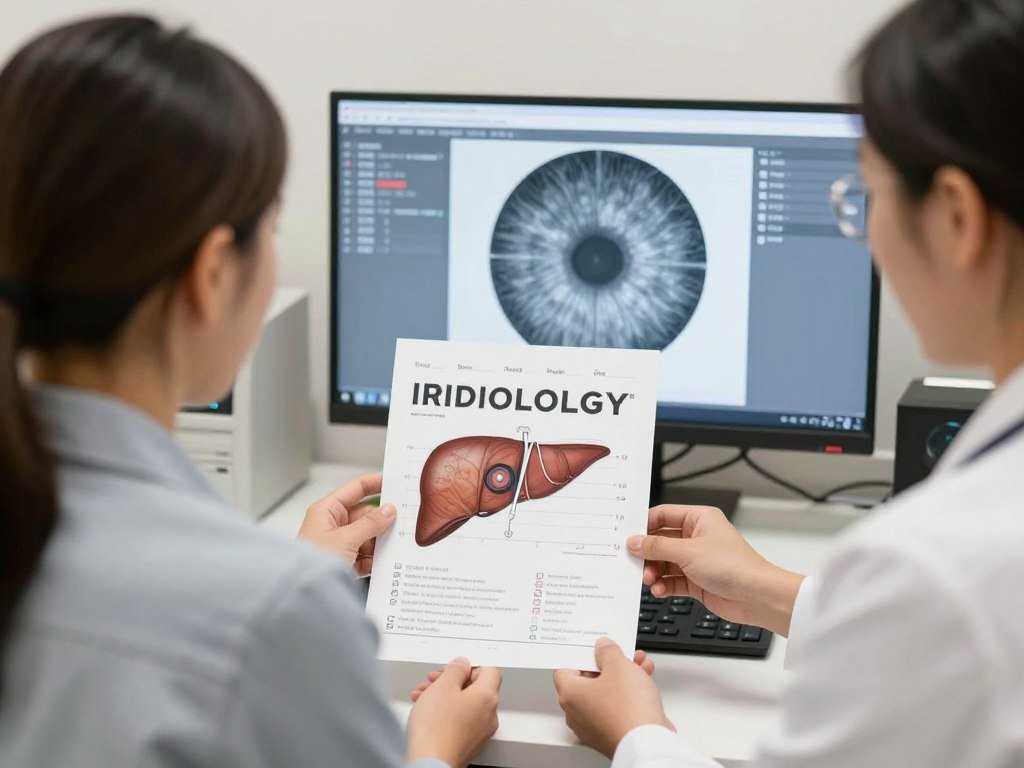
During one-on-one wellness consultations, practitioners use liver charts as visual education tools. The goal is helping clients understand traditional iridology concepts, not providing medical diagnoses. Charts facilitate these discussions by offering standardized reference points.
Effective Chart Use in Consultations
- Display chart on screen alongside captured iris image for direct comparison
- Use pointer or highlighting to show specific liver zone locations
- Explain chart sectors in simple, non-technical language
- Print annotated chart images for client take-home reference
- Document observations using chart-based terminology for consistency
Practices to Avoid
- Claiming charts diagnose specific liver diseases or conditions
- Making definitive health predictions based solely on chart zones
- Suggesting clients avoid medical testing because of chart observations
- Using overly technical medical terminology that implies diagnostic authority
- Failing to clarify that charts represent traditional observational methods only
Educational and Training Applications
Iridology training institutions rely heavily on standardized charts for teaching. Students learn zone identification, chart comparison, and observation documentation techniques. Large-format charts and interactive software demos enhance the learning experience.
- Classroom wall charts for group instruction on liver zone location and identification methods
- Individual laminated charts for hands-on student practice during supervised lab sessions
- Software training modules showing chart overlay techniques on sample iris images
- Workbook exercises requiring students to locate liver zones on blank iris diagrams
- Certification testing that includes chart-based zone identification components
Training institutions often customize charts with additional notation or emphasis on zones relevant to their curriculum focus. MAIKONG software supports custom chart creation, allowing schools to develop proprietary teaching materials while maintaining compatibility with standard equipment.
Partnership Opportunities for Training Institutions
We work extensively with iridology training schools across North America, providing customized equipment packages that include specialized chart templates aligned with specific curricula. Our OEM capabilities allow institutions to brand software interfaces and chart materials with their logos and teaching methodologies.
Where to Download and Print Professional Iridology Liver Charts
Practitioners frequently need both digital and physical chart copies. Digital versions integrate into software systems, while printed charts serve as backup references or client education handouts.
Digital Chart Resources
High-resolution digital charts come in several common formats. PDF files offer universal compatibility and maintain print quality. Some software platforms include proprietary chart formats optimized for their overlay systems.
Free Chart Sources
- Educational websites offering basic Jensen charts
- Public domain historical iris diagrams
- Iridology association member resources
- Software trial versions with limited chart access
Professional Chart Sources
- Equipment manufacturer chart libraries
- Paid iridology software packages with comprehensive charts
- Professional association premium content
- Training institution proprietary materials
Custom Chart Options
- OEM chart development for branded practices
- Multi-language chart customization
- Zone emphasis modifications for specialized practices
- Integration with specific equipment systems
Printing Specifications for Professional Results
When printing charts for clinical or educational use, resolution and color accuracy matter significantly. Poor-quality prints can misrepresent zone boundaries or color-coding, leading to confusion during iris analysis.
Recommended Print Specifications: Use 300 DPI minimum resolution for clear zone detail. Print on heavyweight matte or glossy cardstock (80lb or heavier) for durability. Consider lamination for charts that will be handled frequently. Color-accurate printing is essential – verify that your printer maintains consistent color rendering across multiple prints.
MAIKONG Chart Resources
All MAIKONG iriscope systems include comprehensive digital chart libraries as part of the software package. Customers receive access to multiple chart systems with free lifetime updates. We also provide high-resolution printable chart files optimized for standard US letter and A4 paper sizes.
Our software download page includes sample chart materials for evaluation purposes. Full chart libraries activate upon equipment registration.
Common Misconceptions About Iridology Liver Charts
Several persistent misunderstandings exist regarding what liver charts can and cannot do. Clarifying these misconceptions helps practitioners use charts appropriately within their scope of practice.
Myth vs Reality
Misconception: Charts Diagnose Liver Disease
Reality: Iridology charts are reference tools for traditional observational practice, not diagnostic instruments. They do not identify specific liver diseases, measure liver enzyme levels, detect hepatitis, or replace medical testing. Charts simply indicate zones where traditional iridology practitioners look for patterns during iris observation.
Misconception: All Charts Show Identical Zone Placement
Reality: Different iridology schools developed slightly different charting systems over time. Bernard Jensen charts, European school charts, and modern computerized charts may show minor variations in exact zone boundaries. No single “official” chart exists – practitioners should specify which system they follow.
Misconception: Charts Work Like Medical Imaging
Reality: Unlike ultrasound, MRI, or CT scans that show actual liver tissue structure, iridology charts represent a completely different observational tradition. They do not image internal organs. Charts indicate theoretical correspondence zones used in traditional iris analysis, not anatomical projections.
Misconception: More Expensive Charts Are More Accurate
Reality: Chart accuracy depends on standardization and clarity, not price. A well-printed basic chart often serves practitioners as effectively as premium versions. The key factor is consistency – using the same chart system throughout your practice ensures comparable observations over time.
Misconception: Digital Charts Automatically Analyze Health
Reality: Software chart overlays assist with zone identification but do not perform automatic health analysis. Computerized systems may offer pattern-recognition features, but final interpretation requires trained practitioner judgment. Charts remain reference tools, whether printed or digital.
Maintaining Appropriate Scope
Professional practitioners understand that charts serve as educational and organizational tools within traditional iridology practice. They complement wellness consultations focused on lifestyle factors, not medical diagnostics. This distinction maintains ethical practice standards and appropriate client expectations.
Medical Compliance Reminder: Iridology liver charts and related iris observation tools are for traditional iridology education, training, and observational practice purposes only. They do not diagnose, treat, cure, or prevent any disease or medical condition. Always advise clients to consult licensed healthcare providers for medical concerns, diagnostic testing, and treatment decisions.
Selecting the Right Chart Format and Equipment for Your Practice
Your practice type, client volume, and budget all influence which chart format and equipment combination serves you best. Solo practitioners have different needs than multi-practitioner clinics or training institutions.
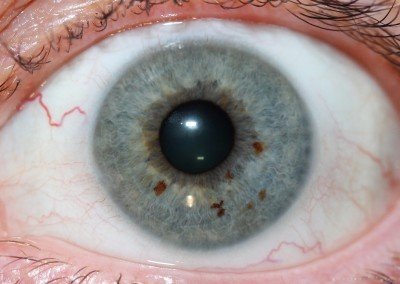
Practice Size Considerations
Solo Practitioner Setup
Individual practitioners often start with basic equipment and expand as practice grows. A quality iridology camera for sale paired with standard software provides solid foundation.
Recommended Configuration:
- Single USB iriscope camera (12MP minimum)
- Laptop or desktop with standard software package
- Basic chart library (Jensen system primary)
- One printed wall chart for client education
- Estimated investment: $800-1500 USD
Multi-Practitioner Clinic
Clinics with multiple practitioners need consistent equipment across workstations and centralized client data management.
Recommended Configuration:
- Multiple camera units (one per practitioner)
- Network-compatible software with shared database
- Comprehensive multi-system chart library
- Standardized reporting templates
- Estimated investment: $2500-5000 USD
Training Institution Setup
Educational facilities require demonstration-grade equipment, projection capabilities, and student access to practice systems.
Recommended Configuration:
- Instructor demonstration camera with projection output
- Multiple student practice stations with cameras
- Site-licensed software for 10+ installations
- Custom chart materials aligned with curriculum
- Large-format wall charts for classroom instruction
- Estimated investment: $8000-15000 USD
Budget-Conscious Options
Starting practitioners can begin with minimal investment and upgrade incrementally. Used equipment markets offer functional cameras at reduced prices, though we recommend purchasing software new to ensure updates and technical support access.
MAIKONG offers flexible partnership programs for practitioners building their businesses. We provide wholesale pricing tiers based on order volume and support distributor relationships for practitioners wanting to recommend specific equipment to colleagues or students.
MAIKONG: Professional Iridology Equipment Manufacturing
Our facility in SZ, GD specializes in manufacturing complete iridology analysis systems, including cameras, software, and chart materials. With 20 years of development experience, we serve practitioners, clinics, and training institutions worldwide.
Manufacturing Capabilities
We maintain comprehensive production capabilities covering hardware design, software development, and supporting materials creation. Our ISO9000-certified processes ensure consistent quality across all product lines.
| Manufacturing Service | Capabilities | Customization Options |
| Hardware Production | Iriscope cameras, lighting systems, lens assemblies | Model designation OEM, housing color, logo placement, specifications |
| Software Development | Windows and macOS compatible analysis platforms | Interface language, chart libraries, branding, feature sets |
| Chart Production | Digital files, printed materials, laminated references | Chart system selection, language, zone emphasis, branding |
| Packaging Materials | Product boxes, user manuals, training materials | Brand identity integration, language localization |
Software Development History
Our software platform evolved through continuous development since 2004, with major milestones marking capability expansions. The current MAIKONG 2024 version represents our most advanced release, supporting both Windows and macOS platforms – the first iridology software to achieve full Apple compatibility.
| Year | Version | Key Developments |
| 2004 | Initial Release | First manual iridology analysis software with basic chart overlay |
| 2008 | Version 3.04 | Multi-language support added (English, Spanish, Chinese) |
| 2010 | Version 3.10 | AI-based automatic analysis features introduced |
| 2014 | Version 3.15 | Cloud data management and multi-user support |
| 2018 | Version 3.18 | First macOS compatibility achieved |
| 2024 | MAIKONG 2024 | 17 language support, enhanced chart systems, full Windows 11 and macOS 15 compatibility |
Partnership Network
We maintain established relationships with direct sales organizations, health supplement companies, training institutions, and clinical practices across multiple continents. Our partners include major wellness brands and numerous independent practitioners who rely on our equipment for their professional operations.
Our distributor program offers wholesale pricing, technical support, marketing materials, and customization services. We’ve successfully completed over 1000 OEM/ODM projects, helping partners establish branded product lines and enter new markets efficiently.
Frequently Asked Questions About Iridology Liver Charts

What is an iridology liver chart used for?
An iridology liver chart serves as a reference map showing which iris zones traditional iridology associates with liver observation. Practitioners use these charts to identify specific areas in the colored part of the eye where they look for patterns, colors, spots, or textural changes during iris examination. Charts help standardize observations and facilitate client education discussions. They function as teaching tools in training programs and consultation aids in wellness practices. Important: Charts are for traditional observational iridology education purposes only, not medical diagnosis.
How do I read the liver zones on an iridology chart?
Reading liver zones requires understanding the clock-face organization of iris charts. The liver’s primary zone appears in the right eye at approximately 7-8 o’clock position (when viewing the iris straight-on) and in the left eye around 4-5 o’clock position. Start by capturing clear iris images with proper lighting. Overlay your reference chart on the image or compare the physical iris against a printed chart. Note any color variations, spots, signs of stress, or textural patterns in those specific sectors. Cross-reference your observations with your training materials. Remember different chart systems may show slight zone boundary variations, so specify which methodology you follow.
Where can I download or purchase a professional iridology liver chart?
Professional iridology liver charts are available through several sources. Equipment manufacturers like MAIKONG include comprehensive digital chart libraries with their iriscope and software packages. Professional iridology associations often provide charts to members. Educational suppliers sell printed wall charts and laminated reference cards. For digital versions, look for high-resolution PDF files (300 DPI minimum) suitable for printing or software integration. MAIKONG customers receive full chart access included with equipment purchase, with free lifetime updates. We also offer standalone chart materials for practitioners using other equipment systems. Visit our download page for available resources.
What’s the difference between left eye and right eye liver chart zones?
Traditional iridology charts assign the right side of the body to the right eye and left side of the body to the left eye. Since the liver sits predominantly on the body’s right side, its primary observation zone appears in the right eye’s chart at approximately 7-8 o’clock. The left eye shows a smaller liver reference area around 4-5 o’clock, corresponding to the liver’s smaller left lobe. This bilateral approach reflects iridology’s mapping of body systems across both eyes. Professional practice examines both eyes systematically, using appropriate left and right eye chart templates. Modern software applies correct charts automatically based on which eye is being analyzed.
Do iridology liver charts diagnose liver disease or health problems?
No. Iridology liver charts do not diagnose liver disease, measure liver enzyme levels, detect hepatitis, identify cirrhosis, or replace medical testing. They are reference tools for traditional iridology observation practice only. Charts indicate zones where practitioners trained in traditional iridology methods look for color patterns, markings, or iris changes during wellness consultations. These observations relate to lifestyle factors and wellness education, not medical diagnosis. Any concerns about liver health require proper medical evaluation including blood tests, imaging, and physician consultation. Ethical practitioners clearly communicate this distinction to clients and never position iris observations as medical diagnostic information.
What equipment do I need to use iridology liver charts professionally?
Professional iris observation with liver charts requires three components: a specialized iris camera, image management software, and the charts themselves. The camera should offer 12+ megapixel resolution, proper iris magnification (30X typical), and adjustable LED lighting. Software should capture images, manage client databases, overlay chart templates, and generate reports. Charts can be printed for wall display or integrated digitally within the software. A complete professional setup typically costs $800-1500 USD for solo practitioners. MAIKONG provides integrated systems including the MK-9822 iriscope camera, MAIKONG 2024 software with comprehensive chart libraries, and training materials as complete packages. Equipment supports both Windows and macOS platforms.
Can I customize iridology charts for my practice or training program?
Yes. Customization options vary by supplier. Basic customization includes selecting which chart system (Bernard Jensen, European school, etc.) you want to use and choosing language preferences. Advanced customization through OEM services allows branded chart materials with your practice logo, custom zone emphasis, specialized notation, and curriculum-aligned formatting. Training institutions often develop proprietary chart variations for teaching purposes. MAIKONG offers full OEM/ODM services including custom chart development, software interface branding, and multi-language chart creation. We’ve completed custom chart projects for training schools, clinic groups, and branded wellness programs. Customization typically requires minimum order quantities for economical production.
How accurate are different iridology chart systems compared to each other?
Different chart systems (Bernard Jensen, European school, modern computerized variations) show slight differences in exact zone boundaries and organizational approaches. No single “correct” chart exists because iridology developed through different traditions. Chart “accuracy” relates to consistency and standardization rather than objective measurement – charts represent observational frameworks, not anatomical mapping. The most important factor is using the same chart system consistently throughout your practice so observations remain comparable over time. Choose a well-established system aligned with your training, then maintain that standard. Software platforms typically include multiple chart options, letting practitioners select their preferred methodology.
Become a MAIKONG Equipment Distributor in Your Region
We actively seek distribution partners throughout North America to expand our market presence and support growing practitioner demand for quality iridology equipment. Our distributor program offers substantial business opportunities for established health equipment suppliers, wellness product distributors, and entrepreneurial practitioners.

Distributor Program Benefits
Business Advantages
- Wholesale pricing tiers with volume discounts up to 40% off retail
- Exclusive territory options for qualified distributors in specific regions
- Protected margins ensuring competitive positioning and healthy profit potential
- Ready inventory in USA warehouse (California) for fast order fulfillment
- Drop-shipping capabilities for distributors preferring minimal inventory investment
Support Services
- Technical training on all equipment models and software platforms
- Marketing materials including product photos, spec sheets, and sales presentations
- Co-branded materials option with your company identity integrated
- Direct access to engineering team for technical support questions
- Free software updates and chart library expansions for all distributed units
Ideal Distributor Profiles
We work successfully with various partner types, each bringing unique market access and customer relationships:
Medical Equipment Distributors
- Established sales networks reaching clinics and practitioners
- Experience with technical equipment sales and support
- Existing relationships with target customer segments
- Warehousing and logistics infrastructure
Wellness Product Suppliers
- Access to natural health practitioners and wellness centers
- Understanding of alternative health market dynamics
- Relationships with spa and wellness facility buyers
- Marketing channels reaching health-conscious consumers
Practitioner-Entrepreneurs
- Active iridology or wellness practice providing credibility
- Professional networks in natural health communities
- Training or teaching roles creating equipment recommendation opportunities
- Desire to generate additional income streams beyond practice revenue
Custom OEM/ODM Opportunities
Beyond standard distribution, we offer complete OEM/ODM services for partners wanting to develop branded product lines. Our capabilities include hardware customization (housing design, colors, logo placement), software customization (interface branding, language localization, feature selection), and supporting materials (custom chart designs, branded packaging, training manuals).
We’ve completed over 1000 successful OEM projects for partners worldwide, including major direct-sales organizations, supplement companies, and training institutions. These partnerships helped our clients establish market presence quickly while benefiting from our manufacturing expertise and economies of scale.
Start Your MAIKONG Partnership Discussion
Contact our international business development team to explore distributor opportunities in your region. We’ll discuss territory availability, pricing structures, minimum order requirements, and customization options. Our team responds to all partnership inquiries within 24 hours.
Visit our complete equipment catalog and technical resources at myiridology.us. Download software demos, review product specifications, and explore our full range of professional iridology systems.
Making Informed Decisions About Iridology Liver Charts and Equipment
Understanding iridology liver charts empowers you to practice traditional iris observation effectively, educate clients appropriately, and select equipment that serves your specific needs. Whether you’re starting an iridology practice, expanding existing services, or teaching iris analysis techniques, quality chart resources and reliable equipment form the foundation of professional work.
Charts serve as reference tools within traditional observational practice, not diagnostic instruments. They help standardize zone identification, facilitate client education, and provide consistent frameworks for documenting iris observations over time. Paired with quality imaging equipment and comprehensive software, charts become integral components of systematic iris analysis workflows.
The iris contains remarkable detail in its colored structures and patterns. Professional-grade cameras capture this detail clearly, while sophisticated software manages images and applies standardized chart overlays efficiently. Together, these tools support ethical practice focused on wellness education and lifestyle discussions within appropriate professional boundaries.
MAIKONG equipment represents 20 years of continuous development serving practitioners, clinics, and training institutions worldwide. Our integrated systems combine precision cameras, powerful software, and comprehensive chart libraries in solutions designed for professional use. We support our customers through responsive technical service, ongoing software updates, and flexible customization options.
Whether you need basic equipment for a growing practice or comprehensive training facility solutions, we invite you to explore our product range and discuss how our manufacturing capabilities can serve your specific requirements. Contact our team to begin the conversation about your iridology equipment needs.