
Iridology Gallbladder Chart: Complete Professional Guide to Zones, Reading Methods, and Chart Resources
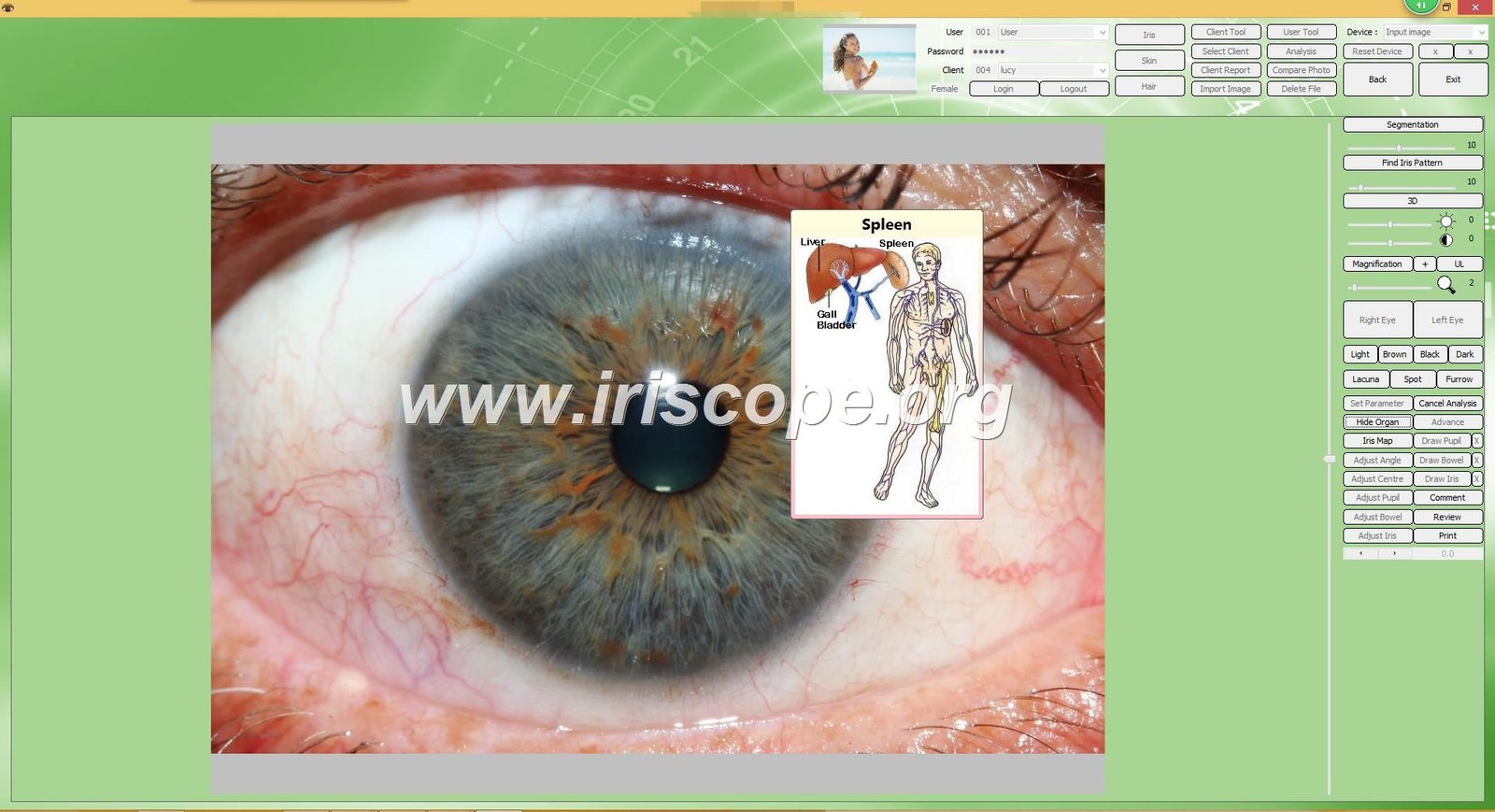
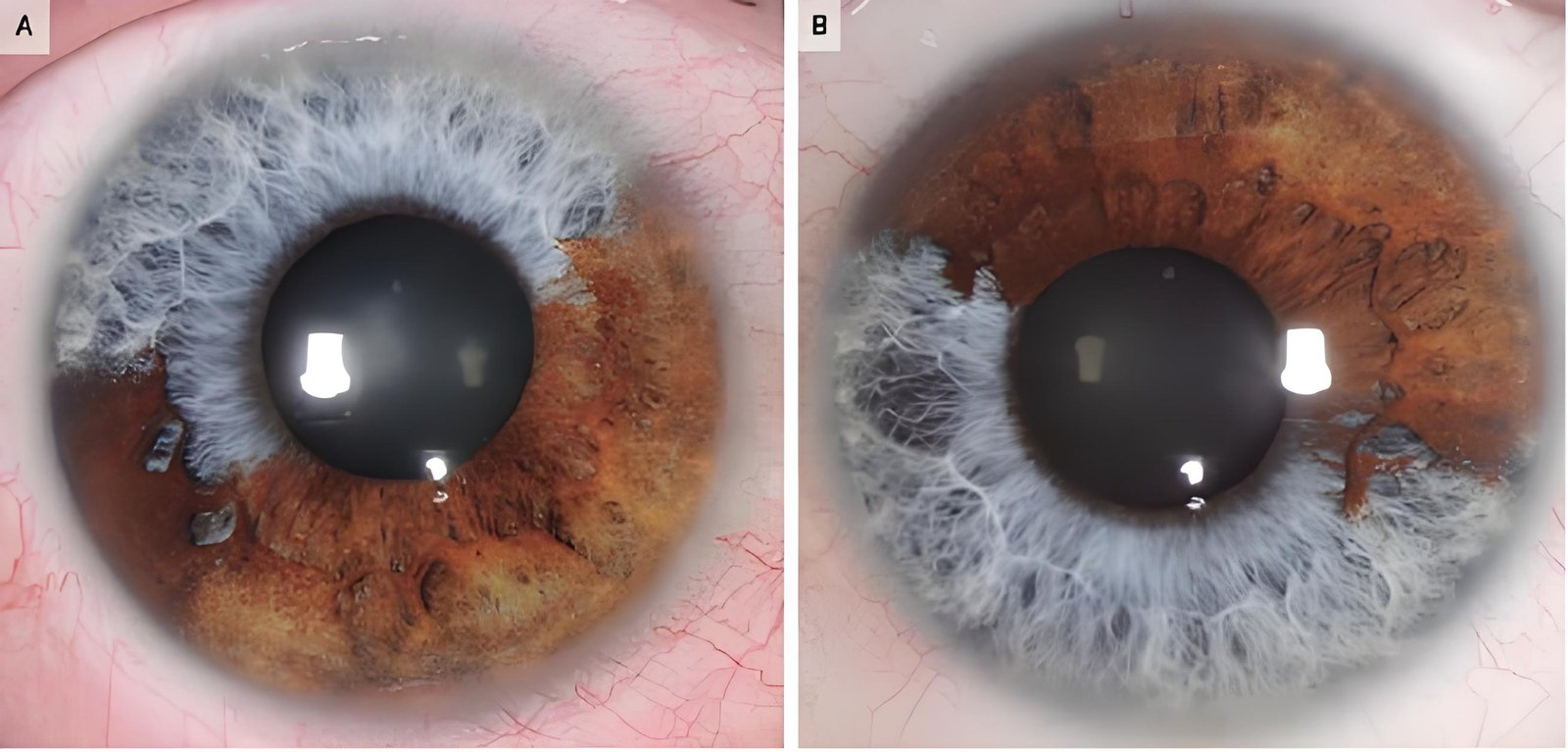 Looking for a reliable iridology gallbladder chart to understand iris zones related to gallbladder health? You’ve come to the right place. The gallbladder region in traditional iridology occupies specific zones in the iris, and understanding these areas helps practitioners, students, and wellness professionals interpret iris patterns during consultations. This guide explains exactly where the gallbladder appears on standard iridology charts, how different chart systems map this organ, and what you need to know when selecting or using these charts in practice.The gallbladder zone typically appears in the outer third of the iris, positioned around the 7:30 to 8:00 position in the right eye. Different iridology traditions place this organ slightly differently, so we’ll walk through the major chart variations you’ll encounter. Whether you’re setting up a new practice, teaching an iridology course, or sourcing charts for your clinic, this resource covers everything from zone identification to chart selection criteria.
Understanding the Gallbladder Position on Iridology Charts
The iridology gallbladder chart maps the gallbladder to specific iris sectors using a circular zone system. Traditional iridology divides each iris into concentric rings and radial segments, creating a detailed map of body systems. The gallbladder appears in what practitioners call the “digestive zone,” sharing space with liver and intestinal areas.
Right Eye vs Left Eye: Key Differences
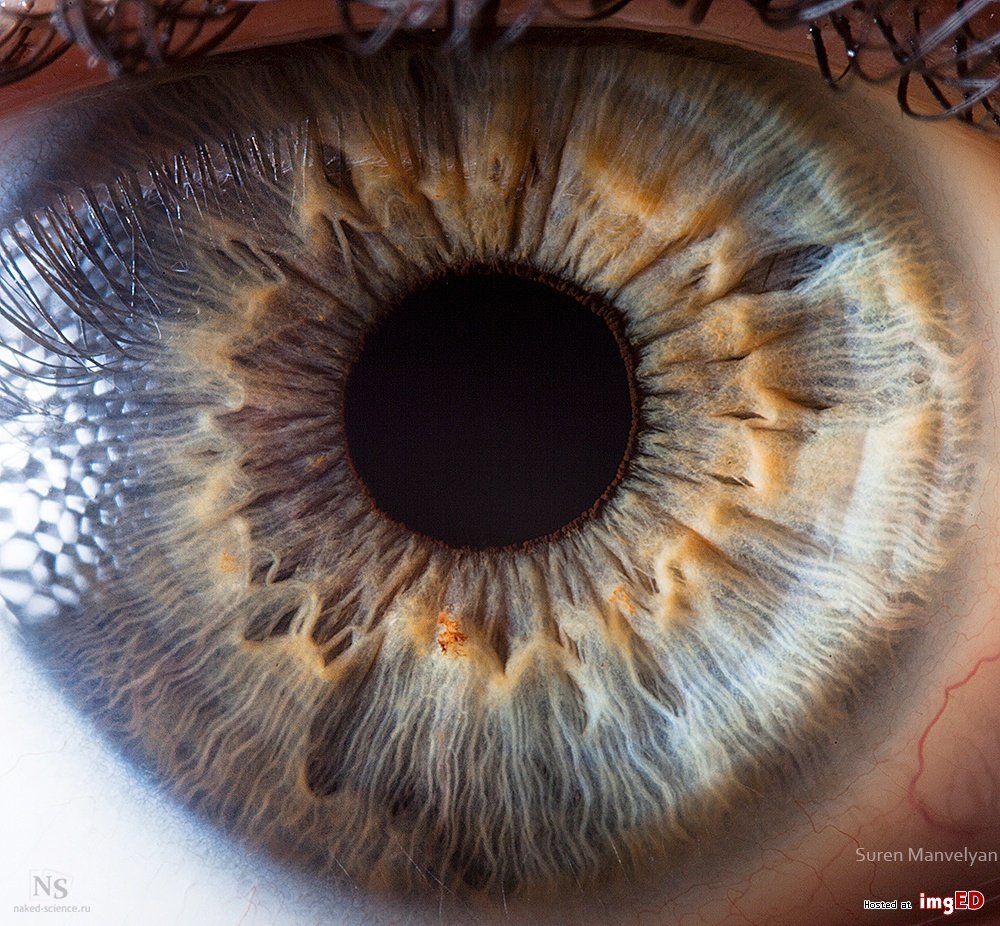
In most iridology systems, organ representation differs between eyes. The right iris typically shows more right-side body organs, while the left iris reflects left-side structures. For the gallbladder specifically, since this organ sits on the body’s right side, most charts place it more prominently in the right eye’s 7:30-8:00 zone. Some holistic systems also show a corresponding reflex area in the left eye, though less emphasized.
This left-right differentiation matters when you’re reading an iridology chart during client sessions. Practitioners examine both eyes but pay closer attention to the right iris when assessing gallbladder-related patterns. The gallbladder iridology map shows this asymmetry clearly, with stronger zone markings on right-eye charts.
Clock Position and Radial Zones
Chart designers use clock positions to standardize zone locations. The gallbladder zone falls between 7:00 and 8:30 on most charts, positioned in the outer third ring. This places it near other digestive organs like the duodenum and pancreas. Understanding these clock positions helps you quickly locate the area during iris examinations with your iridology camera.
Right Iris Gallbladder Zone
- Primary location: 7:30-8:00 position
- Ring depth: Outer third (digestive ring)
- Adjacent zones: Liver, duodenum
- Strongest reflex markings
Left Iris Gallbladder Zone
- Secondary reflex: 4:00-4:30 position
- Ring depth: Same digestive ring
- Adjacent zones: Spleen, pancreas
- Weaker reflex indicators
Major Iridology Chart Systems and Gallbladder Mapping Variations
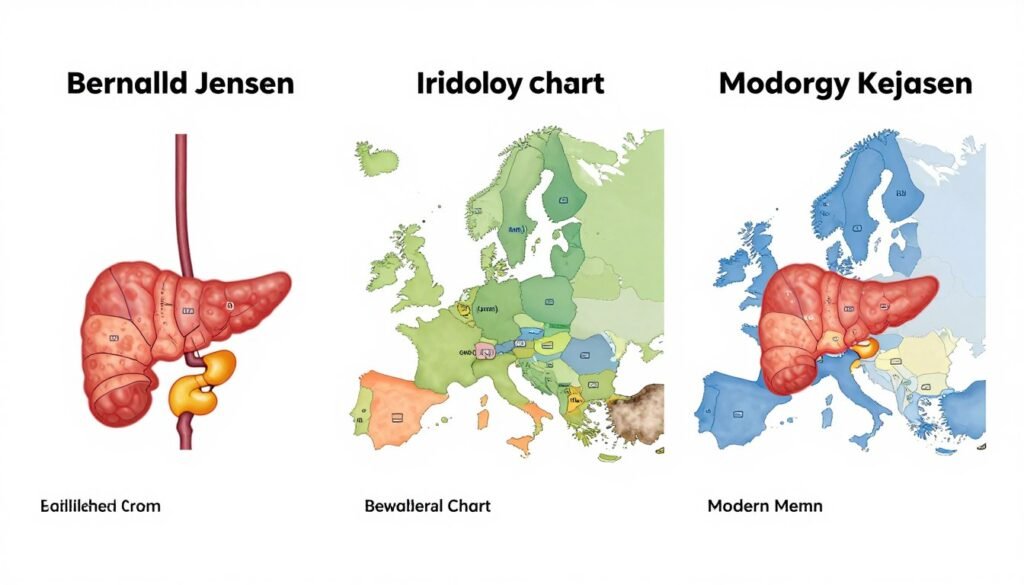
Different iridology traditions created their own chart systems over the past century. The three most widely used systems in practice today are Bernard Jensen’s chart, the European models, and modern integrated charts. Each places the gallbladder slightly differently, reflecting different schools of thought about iris-organ correspondence.
Bernard Jensen Iridology Chart Approach
Dr. Bernard Jensen’s system remains the foundation for many American practitioners. His bernard jensen iridology chart places the gallbladder in the right iris at approximately 8:00, within the broader liver-gallbladder-duodenum zone. Jensen’s charts emphasize the interconnection between these organs, showing them as adjacent sectors rather than isolated points.
Jensen charts typically appear in teaching institutions and clinics following naturopathic traditions. The gallbladder zone in his system extends from the middle to outer iris rings, suggesting that patterns throughout this radial segment may relate to gallbladder function. Many practitioners appreciate this approach because it accounts for the organ’s functional relationship with bile production and digestive processes.
European Iridology Models
European iridology, particularly German traditions, developed more detailed zone subdivisions. These charts often show smaller, more precise gallbladder areas with specific markings for the gallbladder body versus the cystic duct. European practitioners tend to correlate iris patterns with constitutional types and treat the gallbladder zone as part of a broader metabolic assessment.
The precision in European models makes them popular for detailed case documentation. However, this complexity means these charts require more training to interpret accurately. The gallbladder appears in similar positions to Jensen charts but with more granular zone divisions.
Modern Integrated Charts
Contemporary chart designers often blend traditional systems, creating hybrid models that incorporate insights from multiple schools. These modern charts may show the gallbladder with both Jensen-style zones and European precision markings. Some include additional layers showing emotional correspondences or constitutional indicators alongside physical organ zones.
Educational Note: All iridology chart systems represent traditional iris observation methods developed for educational purposes. These charts are not diagnostic medical tools. Practitioners use them as reference guides during consultations, always recommending clients seek appropriate medical evaluation for health concerns.
How to Read the Gallbladder Zone: Practical Steps for Practitioners
Reading the gallbladder area on an iridology chart requires understanding what patterns practitioners traditionally look for in this zone. The process involves systematic examination of iris features within the designated gallbladder sector, comparing findings to standard chart references, and documenting observations.
Step-by-Step Chart Reading Process
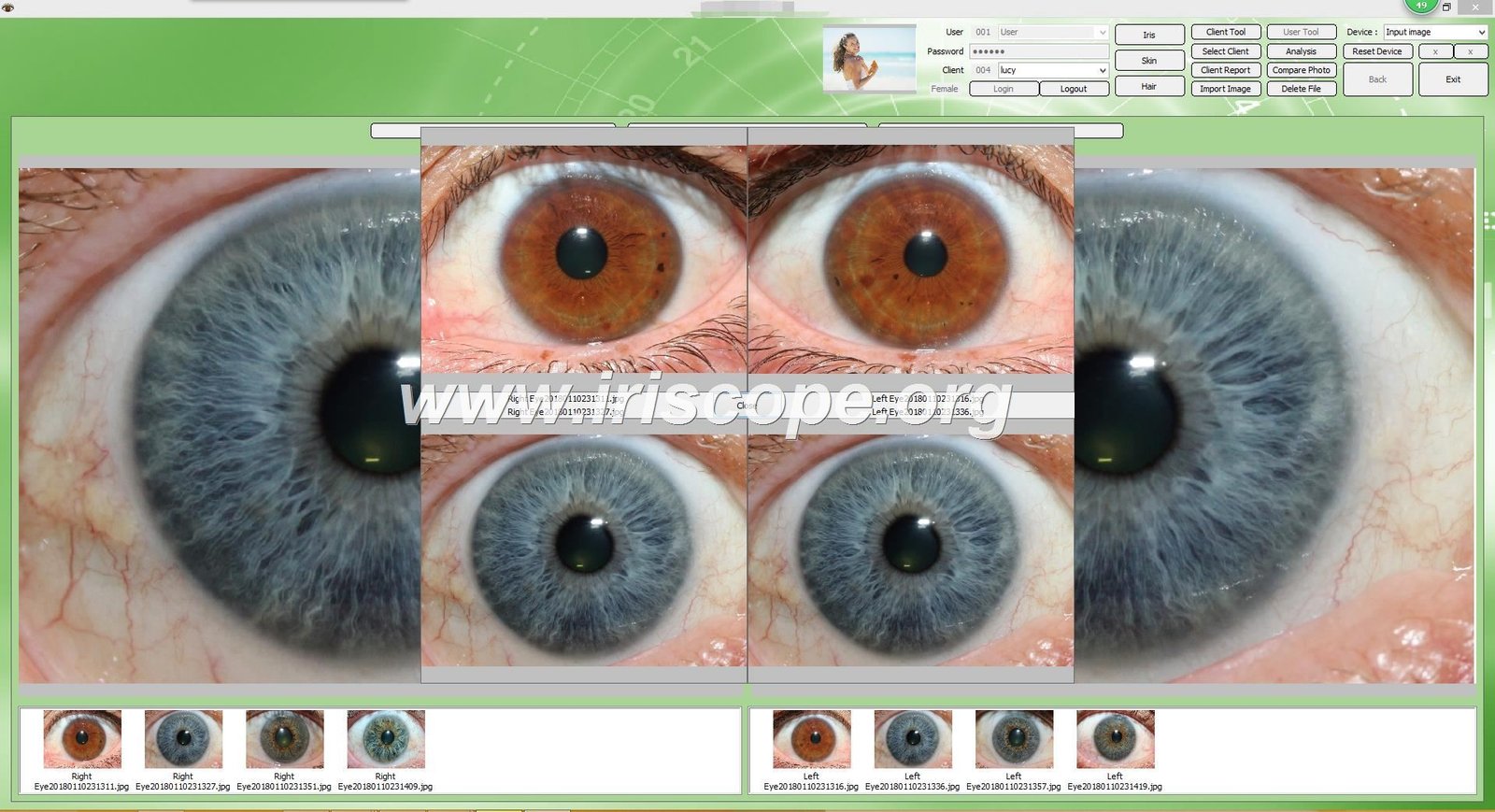
First, position your reference chart where you can easily see both the chart and the iris image from your iriscope. Good lighting and image clarity make a significant difference. Many practitioners use printed charts during initial training, then transition to digital charts displayed on a second monitor once they’ve memorized zone locations.
- Identify the 8:00 position in the right iris using the pupil center as your reference point
- Locate the outer third ring where digestive organs appear on your chart
- Find the intersection of this position and ring – this is your gallbladder zone
- Observe any variations in color, texture, or markings within this specific sector
- Compare your observations to the baseline iris color and texture in surrounding areas
- Document findings with annotations on your digital image or client file
- Reference your chart’s legend to understand traditional interpretations of observed patterns
Using Charts with Iris Photography Software
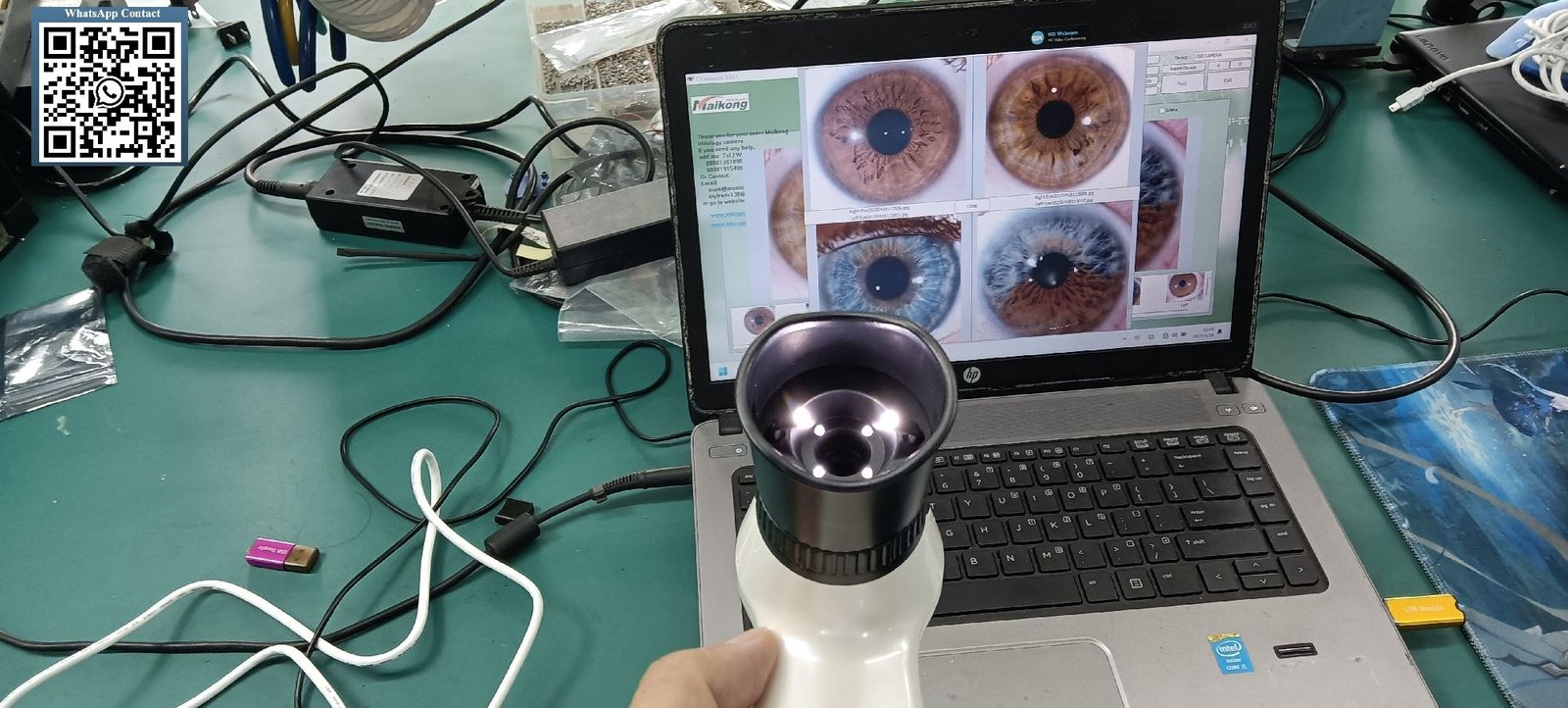
Modern practice pairs printed charts with digital tools. When you capture iris images with an iridology camera, quality iridology software lets you overlay chart zones directly onto photographs. This digital approach helps you identify the exact gallbladder position without manual zone estimation.
MAIKONG iridology systems include software with built-in chart overlays. The software marks zone boundaries automatically once you align the pupil center, making gallbladder zone identification faster and more consistent across examinations. This technology particularly benefits training programs where students need to learn zone locations accurately.
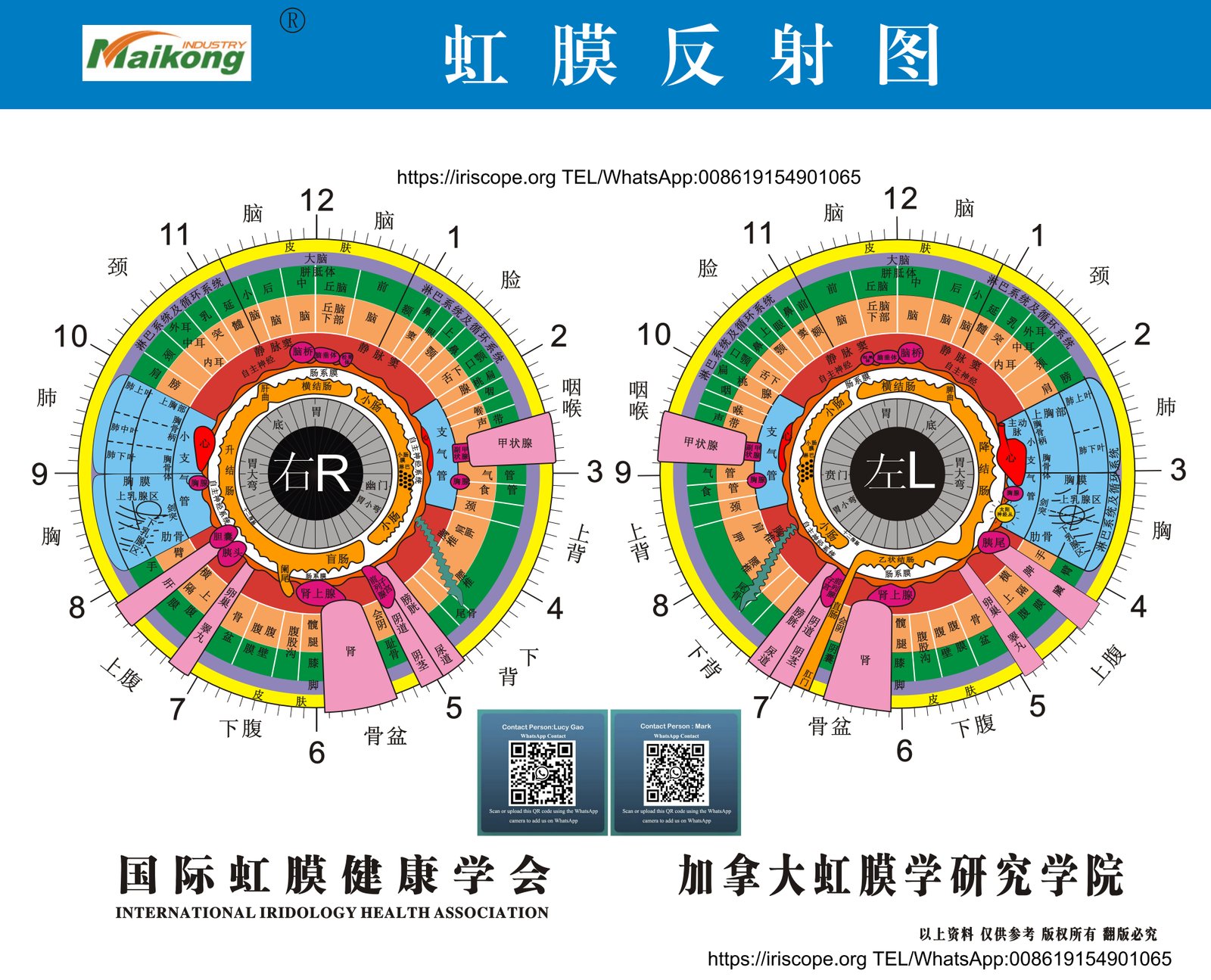
Chart Formats for Different Uses
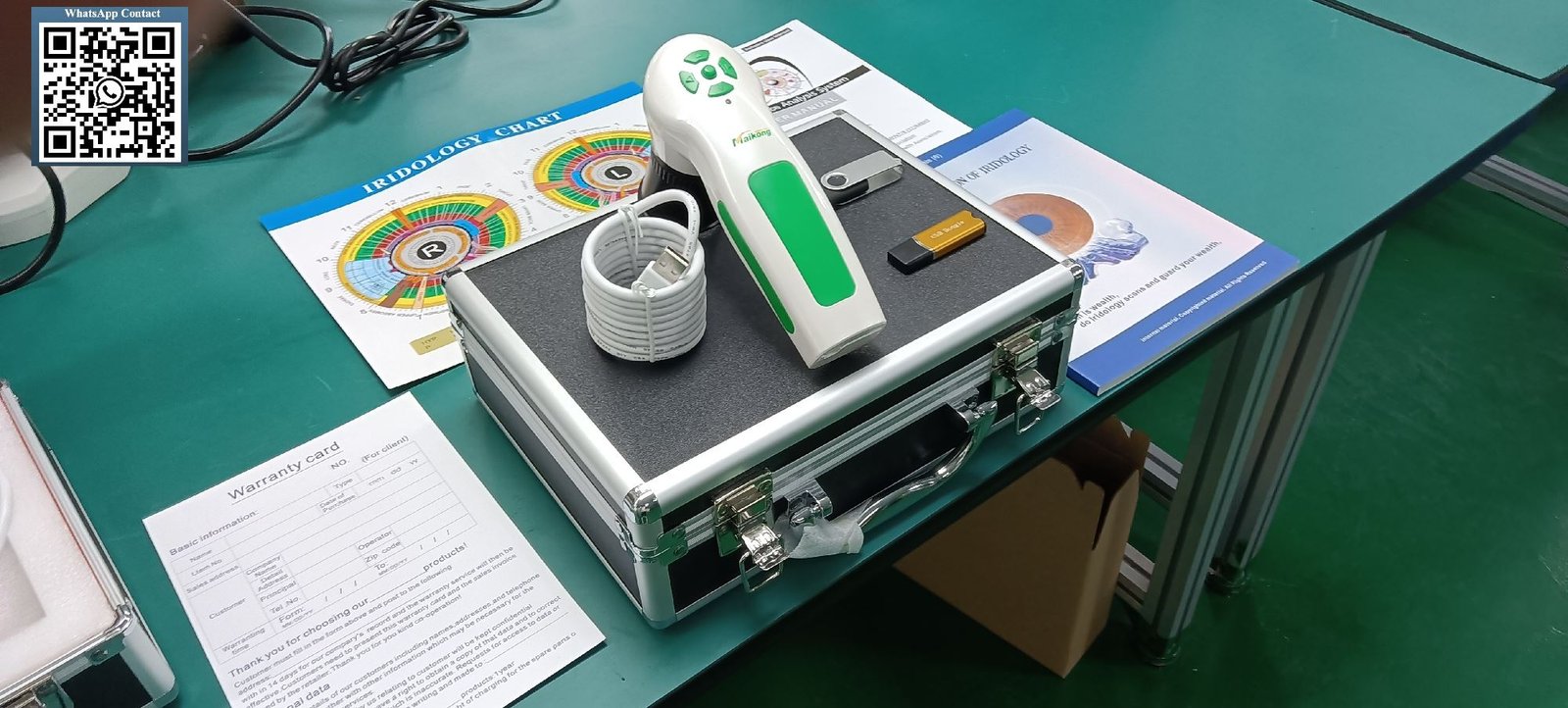
Practitioners use different chart formats depending on their needs. Wall-mounted poster charts help during client education, allowing you to point out zones while explaining observations. Desk reference cards provide quick lookup during examinations. Digital charts integrated into software enable precise overlay and measurement tools.
Training institutions often need multiple format types – large classroom posters for group instruction, laminated student handouts for hands-on practice, and iridology chart printable versions for homework assignments. Consider which formats best support your intended use when sourcing charts.
Download Free Gallbladder Chart Reference Guide
Get our professional comparison PDF showing gallbladder zones across major chart systems, plus a quick-reference card for clinical use.
Professional Chart Types: Choosing the Right Format for Your Practice
The iridology chart market offers numerous format options, from basic paper prints to advanced digital systems. Understanding the differences helps you select charts that match your practice type, whether you run a busy clinic, teach courses, or provide mobile wellness consultations.
Poster Charts for Clinical Walls
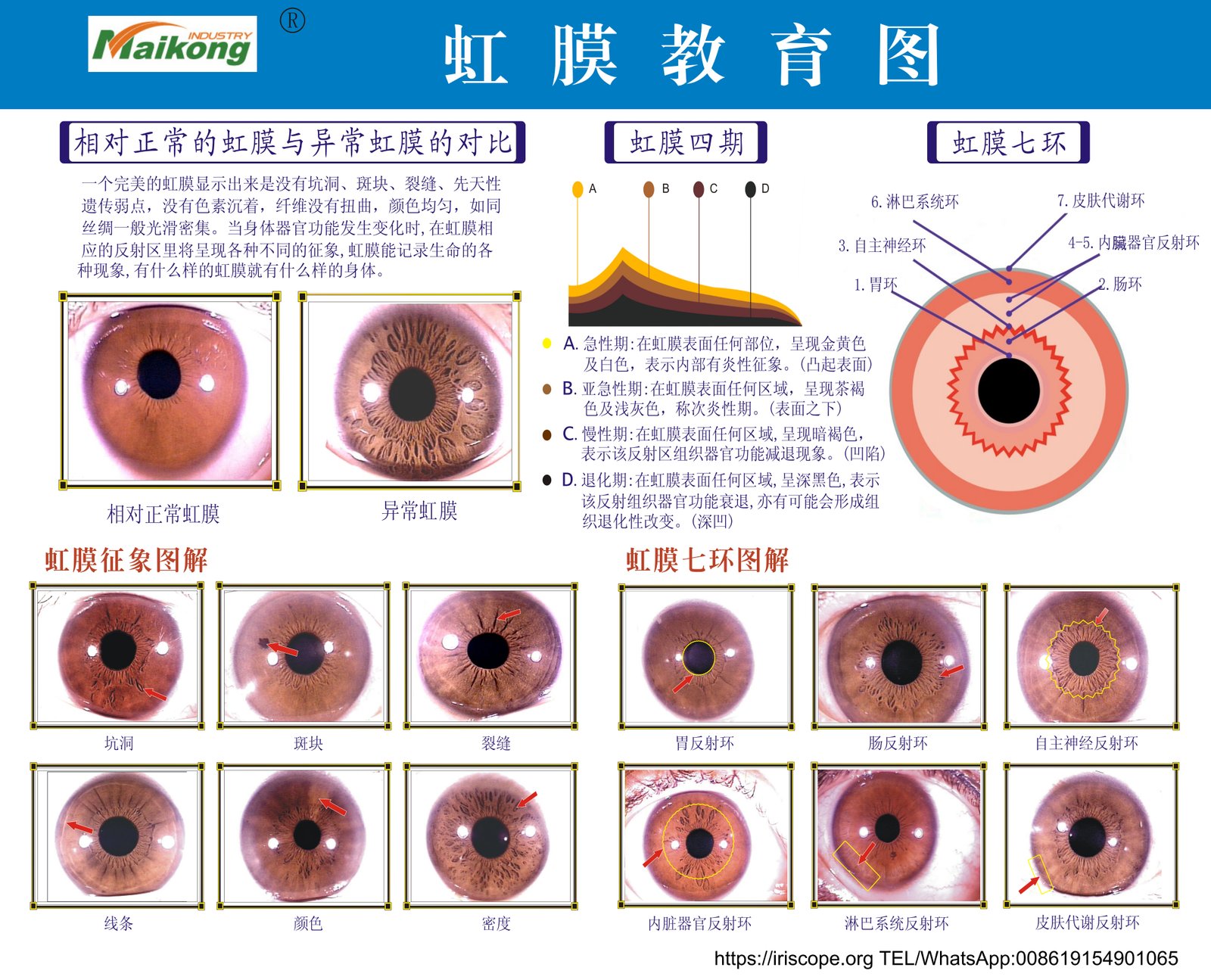
Large-format poster charts remain popular for patient education. These typically measure 24×36 inches or larger, printed on heavyweight paper or synthetic material. The gallbladder zone appears clearly labeled, making it easy to point out during consultations. Laminated versions resist moisture and last longer in clinical environments where they might be touched frequently.
When selecting poster charts, consider whether you need right and left eye versions displayed separately or combined on one poster. Separate posters let you dedicate more wall space to detailed zone labeling. Combined posters save space but require clients to look more carefully at which eye they’re viewing.
Desktop Reference Charts
Smaller laminated cards (8.5×11 inches or A4 size) sit on your desk during examinations. These provide quick reference without requiring you to turn away from the client or computer screen. The compact format means zone labels appear smaller, so high-resolution printing matters for readability.
Some practitioners prefer spiral-bound chart books that include multiple pages showing different systems, detailed zone descriptions, and pattern interpretation guides. These comprehensive references serve double duty as both quick lookup tools and continuing education resources.
Digital and Software-Integrated Charts
Modern iridology software includes interactive digital charts. These offer significant advantages – you can zoom into specific zones like the gallbladder area, overlay charts directly onto iris photographs, and switch between chart systems instantly. Digital charts also allow customization, letting you add your own annotations or highlight specific zones you focus on in your practice.
MAIKONG software provides multi-language chart versions, useful if you serve diverse client populations. The gallbladder zone appears labeled in 17 languages, and you can toggle between them during consultations. This feature particularly benefits training programs with international students or practices in multilingual communities.
| Chart Format | Best Use Case | Typical Size | Durability | Cost Range |
| Paper Poster | Wall display, education | 24×36 inches | Moderate (frame recommended) | $15-40 |
| Laminated Poster | High-traffic clinics | 24×36 inches | High (wipeable surface) | $35-75 |
| Desk Reference Card | Examination quick reference | 8.5×11 inches | High (laminated) | $8-20 |
| Chart Book | Detailed study, multiple systems | 8.5×11 inches | Moderate (spiral binding) | $25-60 |
| Digital/Software Charts | Computer-based practice | Screen resolution dependent | Unlimited (digital file) | Included with software |
Custom and Branded Chart Options
Practices and training institutions increasingly want branded charts featuring their logo and contact information. Custom charts help with professional branding and serve as marketing tools when clients photograph them or students take them home. OEM manufacturers like MAIKONG offer chart customization services, printing your institution’s name alongside standard zone markings.
Custom options include color scheme adjustments to match your brand, language selection for your target market, and even zone emphasis modifications if your teaching focuses on specific body systems. Minimum order quantities for custom printing typically start around 100-500 charts depending on format and complexity.
Clinical Application: Using Gallbladder Charts in Practice
Understanding how to apply the iridology gallbladder chart in real consultations bridges the gap between chart knowledge and practical use. Experienced practitioners develop systematic approaches to incorporate chart reference into their examination workflow without disrupting client rapport.
Consultation Workflow Integration
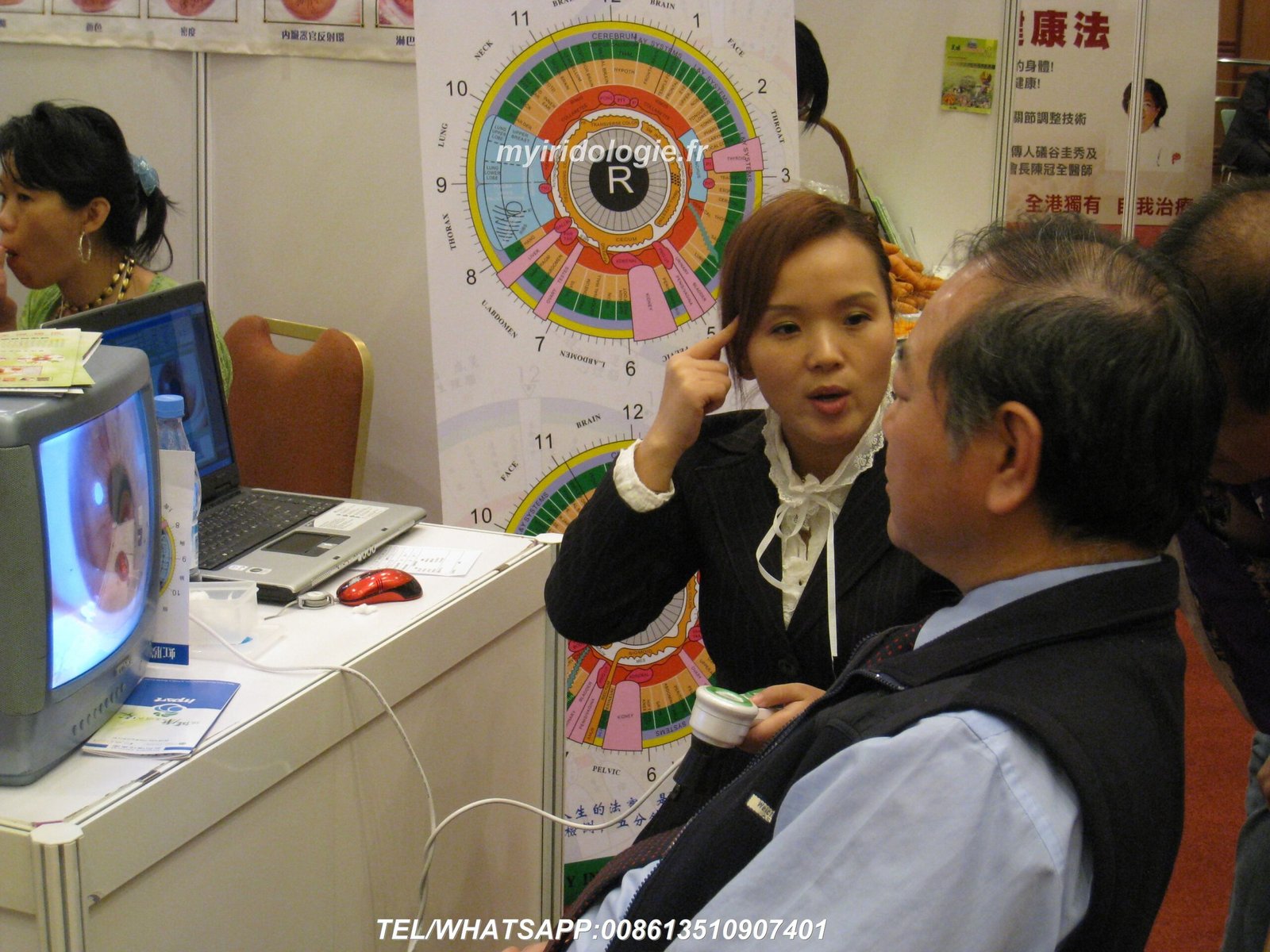
Most practitioners establish a consistent examination sequence. After capturing iris images with your camera equipment, you review the images while referencing your chart. The gallbladder zone gets attention as part of the digestive system review. Rather than isolating this one area, experienced practitioners examine it in context with adjacent liver and intestinal zones.
During client discussion, you might display the chart alongside the iris photograph, using it as a visual education tool. Pointing to the gallbladder zone on the chart, then showing the corresponding area in their actual iris, helps clients understand the traditional iridology mapping system. This transparency builds trust and transforms a technical examination into an educational experience.
Documentation and Record Keeping
Accurate records matter for tracking changes over time. Many practitioners annotate iris photographs with zone markers, indicating which areas showed noteworthy patterns. Software tools make this easier – you can save marked-up images showing the gallbladder zone with your observation notes attached. When the client returns months later, you compare current images to previous ones, checking whether patterns in the gallbladder area changed.
Some practices print comparison charts showing visit dates, making visual progress tracking clear for both practitioner and client. This documentation approach particularly helps when working with clients making dietary or lifestyle changes potentially affecting digestive function.
Training and Education Settings
Iridology schools and certification programs rely heavily on quality charts. Students need clear, accurate charts as they learn zone locations and pattern recognition. The gallbladder serves as a good teaching example because its location and patterns are relatively straightforward compared to more complex zones.
Training programs often use large classroom poster charts for group instruction, then provide each student with personal reference cards for practice sessions. As students examine practice iris photographs, they compare what they see to chart references, developing the visual recognition skills that make zone identification second nature.
Solo Practice Setup
- One wall poster (client education)
- One desk reference card
- Software with integrated charts
- Total investment: $150-300
Multi-Practitioner Clinic
- Multiple room posters
- Reference card for each station
- Software licenses for each computer
- Total investment: $500-1,200
Training Institution
- Large classroom posters
- Student handout sets
- Digital projection charts
- Total investment: $1,000-3,000
Common Misconceptions About Iridology Gallbladder Charts
Several misunderstandings circulate about iridology charts and their use. Clarifying these points helps practitioners use charts appropriately and set accurate expectations with clients and students.
Charts Are Not Diagnostic Medical Tools
The most critical point bears repeating – iridology charts, including gallbladder zone maps, represent traditional observation systems developed for educational reference. They are not diagnostic instruments. Medical diagnosis requires appropriate testing, physician evaluation, and evidence-based procedures. Practitioners using iridology charts must communicate this distinction clearly to avoid misrepresentation.
Responsible practitioners include disclaimers in their practice materials stating that iris observations do not diagnose disease, prescribe treatment, or replace medical care. The gallbladder iridology map shows traditional zone locations used in iris analysis education, not proven anatomical-optical nerve pathways.
Zone Locations Vary Between Systems
Newcomers sometimes assume all iridology charts place organs identically. In reality, different schools developed slightly different mapping systems. The gallbladder might appear at 7:45 on one chart and 8:15 on another. This variation reflects different traditions and interpretations, not errors. When learning iridology or setting up practice, choose one primary system and become thoroughly familiar with its specific mappings.
Charts Show Zones, Not Disease States
Charts map iris sectors traditionally associated with body areas. They don’t show what disease or condition might be present. Pattern interpretation requires training and experience beyond simply matching a chart location to an iris feature. The chart tells you where the gallbladder zone supposedly appears – it doesn’t tell you what any observed pattern means.
Digital Charts Aren’t Automatically More Accurate
Some believe digital or software-based charts provide more accurate information than printed versions. Chart accuracy depends on the underlying mapping system, not the display medium. Digital formats offer convenience and overlay features, but the zone locations themselves come from traditional systems whether displayed on paper or screen. Choose your chart based on the system it represents and how well it fits your workflow, not just the format.
Professional Responsibility: Practitioners must accurately represent iridology as a traditional observation practice used for educational and wellness consultation purposes. Never claim to diagnose medical conditions, prescribe treatments, or replace medical care. Always recommend clients seek appropriate healthcare provider evaluation for health concerns. This ethical standard protects both clients and practitioners.
Selecting Quality Iridology Gallbladder Charts: Buyer’s Guide
Whether you’re purchasing charts for personal study, professional practice, or institutional training, certain quality factors separate excellent resources from disappointing purchases. This section helps you evaluate chart options and make informed buying decisions.
Print Quality and Resolution
Clear, sharp printing matters tremendously. Poor resolution makes small zone labels unreadable and color distinctions difficult to discern. High-quality charts use professional printing with minimum 300 DPI resolution. Colors should appear vibrant and accurate, with distinct boundaries between zones. Examine sample images carefully before bulk ordering.
For poster charts, ask about paper weight and coating. Lightweight papers curl and tear easily. Look for 100+ lb paper stock or synthetic materials designed for durability. Lamination adds protection but increases cost – evaluate whether your use case justifies the extra expense.
Accuracy and System Consistency
Verify which iridology system the chart follows. Quality charts clearly state whether they represent Jensen’s system, European models, or another tradition. Mixed-system charts that blend different traditions without explanation can confuse students and lead to inconsistent practice.
Check that the gallbladder zone location matches other references from the same system. Cross-reference with authoritative textbooks or certification program materials. Reputable chart manufacturers work with experienced iridology instructors to ensure accuracy.
Label Clarity and Language Options
Zone labels should be large enough to read from your typical viewing distance. If you’ll display the chart on a wall several feet away, ensure text size accommodates this. Poor label placement that overlaps zone boundaries creates confusion.
For international practices or multilingual client bases, consider whether multi-language labels benefit your use. Some manufacturers offer the same chart in multiple language versions, while others print bilingual charts with two label sets.
Compatibility with Your Equipment and Software
If you use iridology camera systems and analysis software, check whether digital charts are available in compatible formats. The best scenario is purchasing equipment and charts from the same manufacturer to ensure seamless integration. MAIKONG systems include matched iridology chart sets that work perfectly with our software overlays.
Vendor Support and Customization
Established manufacturers provide customer support, replacement options, and potential customization. Can you order charts with your practice logo? Will they reprint if shipping damages occur? Is educational support available to help you understand the specific system their charts follow?
Quality Checklist for Chart Selection
- Minimum 300 DPI print resolution
- Clear system identification (Jensen, European, etc.)
- Readable labels from intended viewing distance
- Durable materials appropriate for use environment
- Accurate zone locations cross-referenced to authoritative sources
- Vendor support and return policy
- Compatibility with existing equipment if applicable
- Positive reviews from other practitioners or institutions
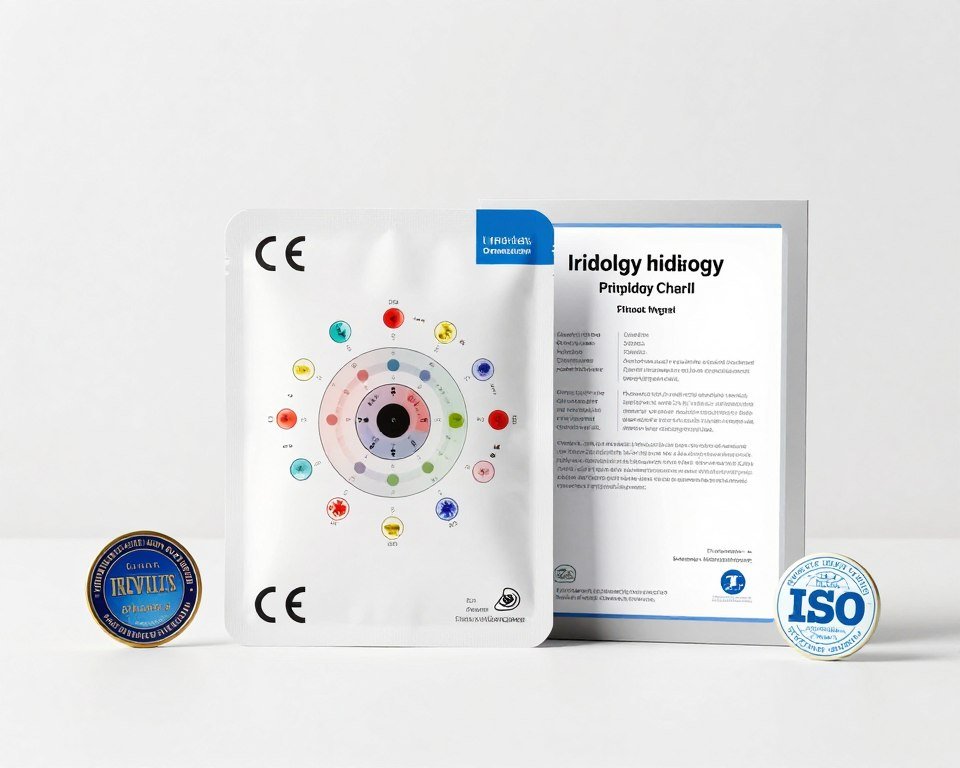
Professional Manufacturing: The MAIKONG Difference
After two decades manufacturing iridology equipment, we understand what practitioners and institutions need. Our chart production integrates with our complete equipment line, ensuring your wall charts, reference cards, and software displays all follow consistent zone mappings.
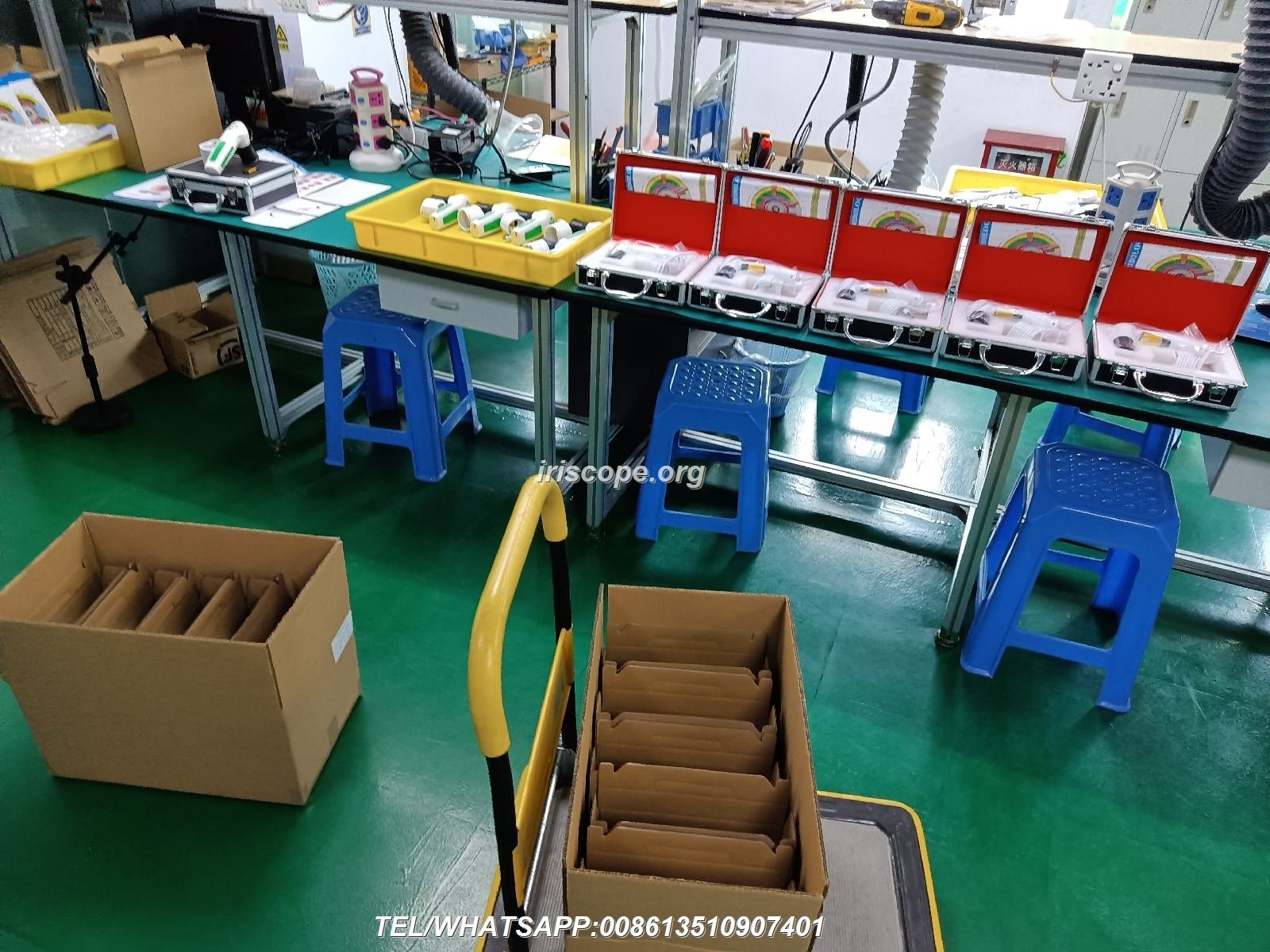
Integrated Chart and Equipment Systems
When you source charts separately from camera equipment and software, you risk inconsistencies. One vendor’s chart might place the gallbladder at a slightly different position than another’s software overlay. MAIKONG eliminates this problem by providing matched systems – our printed charts, digital software charts, and educational materials all use identical zone mappings.
This consistency particularly benefits training programs. Students learn zone locations using our wall charts, practice with our software overlay tools, and receive reference cards that all show matching information. This unified approach accelerates learning and prevents confusion from system variations.
Customization for Your Brand
We offer OEM and ODM services for charts, not just equipment. Your school or clinic logo can appear on charts alongside standard zone markings. Choose from our standard color schemes or work with our design team to create custom color palettes matching your brand identity. Language customization lets you serve your specific market – we print charts in 17 languages.
Minimum order quantities start at 100 units for basic customization (logo addition), making custom charts accessible even for smaller practices or new training programs. More extensive customization (color schemes, zone emphasis) requires higher minimums but delivers truly distinctive materials that set your practice apart.
Quality Standards and Certifications
Our manufacturing follows ISO 9000 quality management systems. Every chart undergoes quality inspection before shipping to verify print accuracy, color consistency, and material durability. Our facility in SZ, GD maintains certifications including CE marking for products distributed in European markets.
We maintain inventory in both our China facility and US warehouse, enabling fast delivery to American buyers without international shipping delays. This dual-warehouse system particularly benefits institutional buyers who need charts quickly for new program starts or semester beginnings.
| Chart Product | Specifications | Customization Available | MOQ |
| MK-Chart-24×36 Poster | 24×36 inches, 150lb paper, UV-resistant ink, lamination optional | Logo, language, color scheme | 100 units |
| MK-Chart-Reference Card | 8.5×11 inches, laminated both sides, standard or Jensen system | Logo, language | 100 units |
| MK-Chart-Digital Set | High-res files for printing or screen use, 17 language versions included | Format, language priority | 10 licenses |
| MK-Chart-Student Pack | 1 poster + 2 reference cards + digital files bundle | All options | 50 packs |
Bundle Solutions for Complete Practice Setup
Many buyers need more than just charts – they’re setting up complete iridology systems. MAIKONG offers bundles pairing our usb iridology camera equipment with matched chart sets and software licenses. These bundles save money compared to purchasing components separately and guarantee all elements work together seamlessly.
A typical practice bundle includes the MK-9822U camera, software license with chart overlays, wall poster set, desk reference cards, and training materials. Institutional bundles scale up with multiple camera units, site licenses, and larger chart quantities for classrooms and student distribution.
Frequently Asked Questions About Iridology Gallbladder Charts
Where exactly is the gallbladder located on a standard iridology chart?
On most standard iridology charts following the Jensen or European systems, the gallbladder appears in the right iris at approximately the 7:30 to 8:00 clock position, positioned in the outer third ring of the iris. This places it in the digestive zone, adjacent to liver and duodenum areas. The exact position varies slightly between different chart systems. The left iris may show a secondary reflex point around 4:00 to 4:30, though this is less emphasized since the gallbladder sits anatomically on the body’s right side. When using a iridology chart how to read guide, always verify which system the chart follows, as position can vary by up to 30 minutes on the clock face between traditions.
Can I use the same gallbladder chart for both right and left eyes?
Most iridology charts are specifically designed for either right or left eye, not interchangeable between them. The right iris and left iris show different organ mappings in traditional iridology because they supposedly correspond to right-side and left-side body structures respectively. While the gallbladder appears prominently in the right eye chart (since the physical organ sits on the body’s right), some systems show a weaker reflex in the left eye at a different position. For professional practice, you need both iridology chart right eye and left eye iridology chart versions. Some poster charts show both eyes on one sheet, with distinct mappings for each side, which can save wall space while maintaining accuracy for zone identification.
What’s the difference between various iridology chart systems for the gallbladder zone?
The main iridology systems – Bernard Jensen, European (particularly German), and modern integrated charts – place the gallbladder in similar general locations but with variations in precise positioning and zone size. Jensen charts show the gallbladder as part of a broader liver-gallbladder-duodenum region, emphasizing organ interconnections. European charts often divide this area into more detailed sub-zones, showing distinctions between gallbladder body and ducts. Modern integrated charts may blend both approaches or add constitutional and emotional correspondences. For consistent practice, choose one primary system and learn its specific mappings thoroughly. Training institutions should specify which system they teach to prevent student confusion from switching between systems with different zone definitions.
How do I know if an iridology gallbladder chart is high enough quality for professional use?
Professional-quality charts meet several standards: minimum 300 DPI print resolution for clear labels and zone boundaries, accurate zone positioning verified against authoritative references for the stated system, heavyweight paper (100+ lb) or synthetic material for durability, UV-resistant inks that won’t fade with light exposure, clear identification of which iridology system the chart follows, and readable labels from your intended viewing distance. Laminated charts add moisture resistance and longer life in clinical settings. Request sample images before bulk purchases to verify print quality. Reputable manufacturers like MAIKONG provide detailed specifications and work with certified instructors to ensure chart accuracy. Check for manufacturer certifications (ISO, CE) indicating quality control standards during production.
Should I buy printed charts or only use digital charts in my iridology software?
Most practitioners find value in both formats serving different purposes. Printed wall charts excel at client education – you can point to zones while explaining observations, and clients can photograph them for reference. Desk reference cards provide quick consultation lookup without screen-switching. Digital charts integrated into software enable precise overlay on iris photographs, zone measurement tools, and instant switching between chart systems. For solo practice, consider one wall poster for education, one desk card for quick reference, and software with digital charts. Training institutions benefit from large classroom posters for instruction plus printable student handouts. The combination approach maximizes both educational impact and practical workflow efficiency. Digital-only works if you primarily use software and don’t need client education tools.
Can I customize iridology charts with my practice logo or school branding?
Yes, many professional manufacturers including MAIKONG offer OEM customization services for iridology charts. Customization options typically include adding your practice logo, institution name, contact information, language selection from available options, and sometimes color scheme adjustments to match your brand identity. Basic customization (logo addition) usually requires minimum orders around 100-500 units depending on chart format and manufacturer. More extensive customization like zone emphasis modifications or complete color scheme changes may require higher minimums. Custom charts provide professional branding and marketing value – students and clients often photograph or keep reference materials with your information. Lead time for custom orders ranges from 2-6 weeks depending on complexity. Contact manufacturers directly with your specific requirements to discuss feasibility, pricing, and minimum quantities for your needs.
What should training institutions consider when buying gallbladder charts in bulk?
Institutions should evaluate several factors beyond individual practitioner needs. First, ensure all purchased charts follow the same iridology system you teach to maintain consistency across classroom instruction, textbooks, and student materials. Consider format mix – large posters for classroom walls, desk reference cards for hands-on practice sessions, and either printable files or physical handouts for student retention. Quantity planning should account for classroom display needs plus student distribution, with 10-20% overage for damage replacement. If you serve diverse student populations, multi-language options may be valuable. Customization with school logo and curriculum year helps with materials management and provides marketing value. Evaluate vendor support for educational institutions – do they offer educator discounts, replacement policies, or instructional materials to accompany charts? Finally, consider bundle options pairing charts with camera equipment and software if you’re establishing or upgrading lab facilities.
How often should iridology charts be replaced or updated in a professional practice?
Chart replacement depends more on physical condition than information updates, since iridology zone mappings remain stable within each system. Laminated charts in good condition can last 5-10 years. Paper posters exposed to sunlight may fade within 2-3 years and should be replaced for professional appearance. Desk reference cards used daily may show wear after 3-5 years. However, consider updating when: you change iridology systems (switching from Jensen to European, for example), manufacturer releases significantly improved versions with better clarity or additional information, your practice rebrands and you want consistent materials, or physical damage affects readability. Digital charts in software get updated with software upgrades at no additional cost. For teaching institutions, evaluate whether your current charts still align with curriculum content and textbook references every 3-5 years. Maintaining professional-looking, undamaged charts contributes to practice credibility and client confidence.
Conclusion: Choosing and Using Iridology Gallbladder Charts Effectively
The iridology gallbladder chart serves as an essential reference tool for practitioners, students, and wellness professionals using traditional iris observation methods. Understanding where different chart systems place the gallbladder zone, how to read these zones accurately, and what chart formats best support your specific needs enables effective implementation in practice or training settings.
Quality matters significantly – from print resolution and accurate zone placement to durable materials and clear labeling. Whether you choose printed posters for client education, laminated reference cards for quick consultation lookup, or digital charts integrated into your analysis software, ensure your selections match both your workflow needs and the iridology system you practice.
Remember that all iridology charts, including those mapping the gallbladder zone, represent traditional observation systems developed for educational reference purposes. They are not diagnostic medical tools. Ethical practice requires clear communication about this distinction with all clients and students.
For institutions and practices sourcing charts in volume, consider manufacturers offering complete solutions – matched chart sets, camera equipment, software with integrated chart overlays, and customization options that build your professional brand. This integrated approach ensures consistency across all your materials while potentially reducing costs through bundle pricing.
Partner with MAIKONG: Your Complete Iridology Equipment Source
For over 20 years, MAIKONG has manufactured professional iridology cameras, software, and chart materials for practitioners, clinics, and training institutions worldwide. We understand the B2B needs of wholesalers, distributors, and health industry buyers seeking reliable supply chains and quality manufacturing.
Why Distributors Choose MAIKONG
- Direct manufacturer pricing with no middleman markup
- Complete OEM/ODM customization for your brand
- 17-language software and chart options
- US and China warehouse for fast delivery
- ISO 9000 certified production processes
- Minimum 100-unit orders for custom charts
- Bundle solutions for practice and institutional buyers
- 20+ years serving wellness industry partners
Our Manufacturing Capabilities
We maintain advanced production facilities in SZ, GD, China, with complete control over the supply chain from component sourcing through final quality inspection. Our chart production includes professional offset printing, lamination services, and custom packaging. Camera manufacturing covers the complete MK-series line from entry-level USB models to advanced 12MP systems. Software development provides Windows and macOS compatible applications with continuous updates.
We’ve successfully partnered with over 1,000 distributors, clinics, training schools, direct sales organizations, and wellness brands globally. Our experience spans diverse markets including North America, Europe, Latin America, and Asia-Pacific regions.
MAIKONG Manufacturing | SZ, GD, China | Serving health industry professionals since 2004
Visit our website: myiridology.us | Download software: Free Trial Available