
Iridology Pancreas Chart: Complete Guide to Understanding Pancreas Zone Mapping
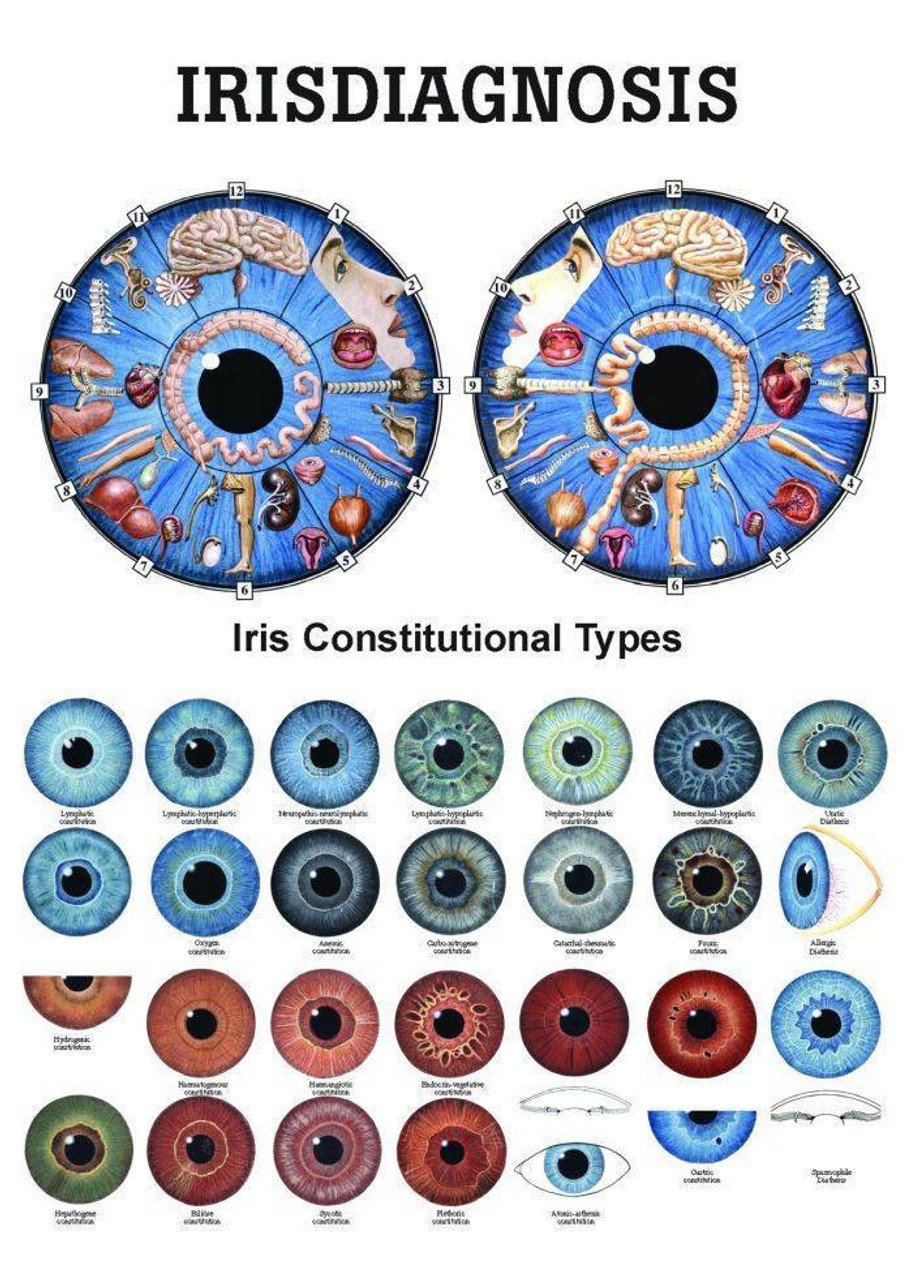
Finding an accurate iridology pancreas chart can transform how you understand the connection between iris patterns and pancreatic health observations. Over my two decades working with iridology practitioners and wellness professionals, I’ve seen countless students and clinicians struggle to locate reliable chart resources that clearly show where the pancreas zone appears in the iris.
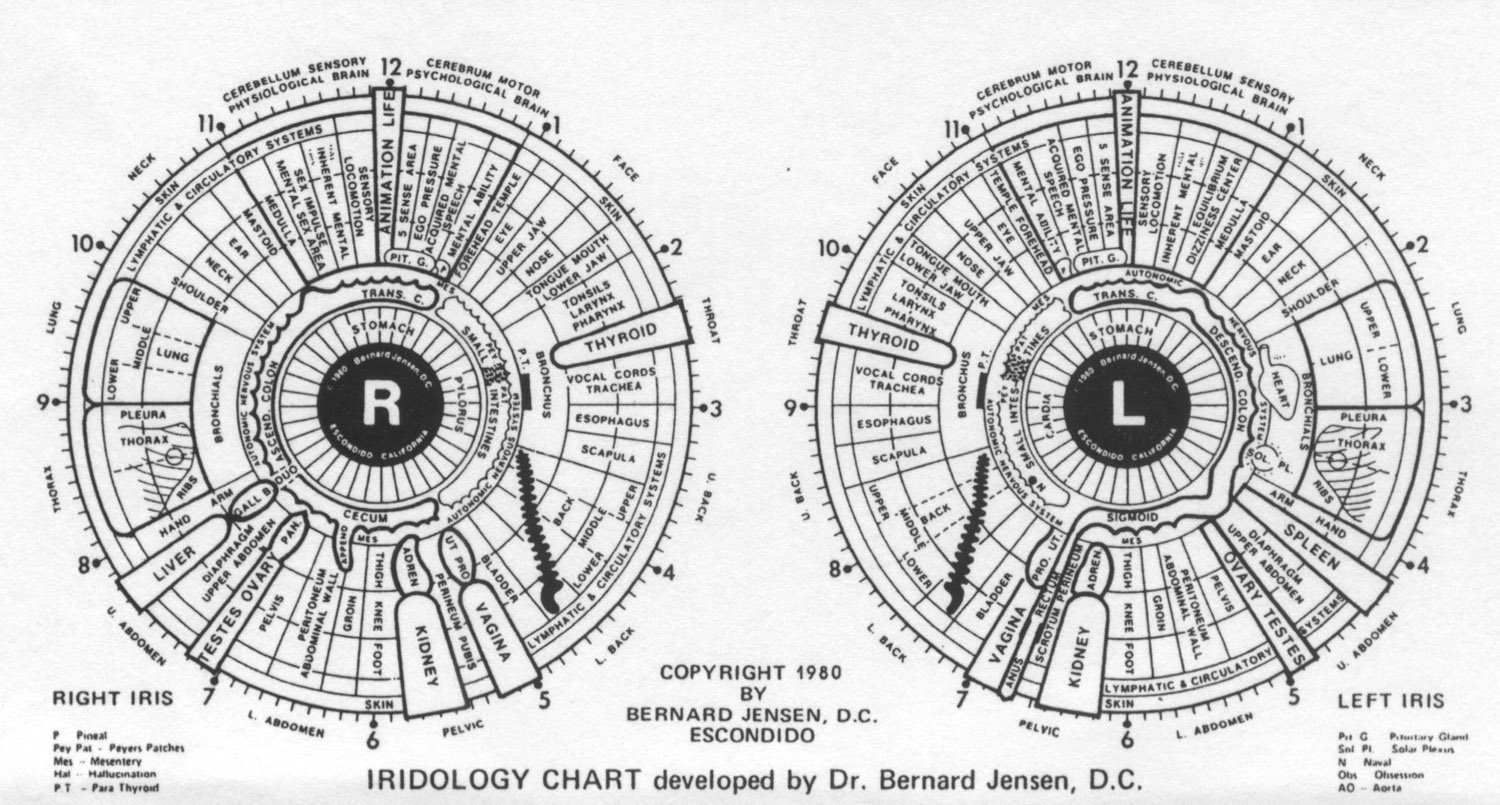
The pancreas region in traditional iridology charts occupies a specific area of the iris. This zone varies slightly between the left and right eyes. Understanding this mapping helps practitioners identify potential areas of interest during iris analysis sessions.
In this comprehensive guide, I’ll walk you through everything you need to know about iridology pancreas charts. You’ll learn exact zone locations, how to read pancreas-related iris markings, chart variations across different iridology systems, and how modern software integrates these traditional reference maps.
Important Note: All information in this article relates to traditional iridology observation methods used for educational purposes only. Iridology charts and iris analysis do not diagnose, treat, or cure any disease. Always consult qualified healthcare professionals for medical advice and diagnosis.
Understanding the Pancreas Zone in Iridology Charts
The pancreas area in iridology mapping appears in a distinct location within each iris. Traditional iridology systems developed over the past century have consistently placed this organ zone in similar positions, though slight variations exist between different chart methodologies.
Exact Location of the Pancreas Zone
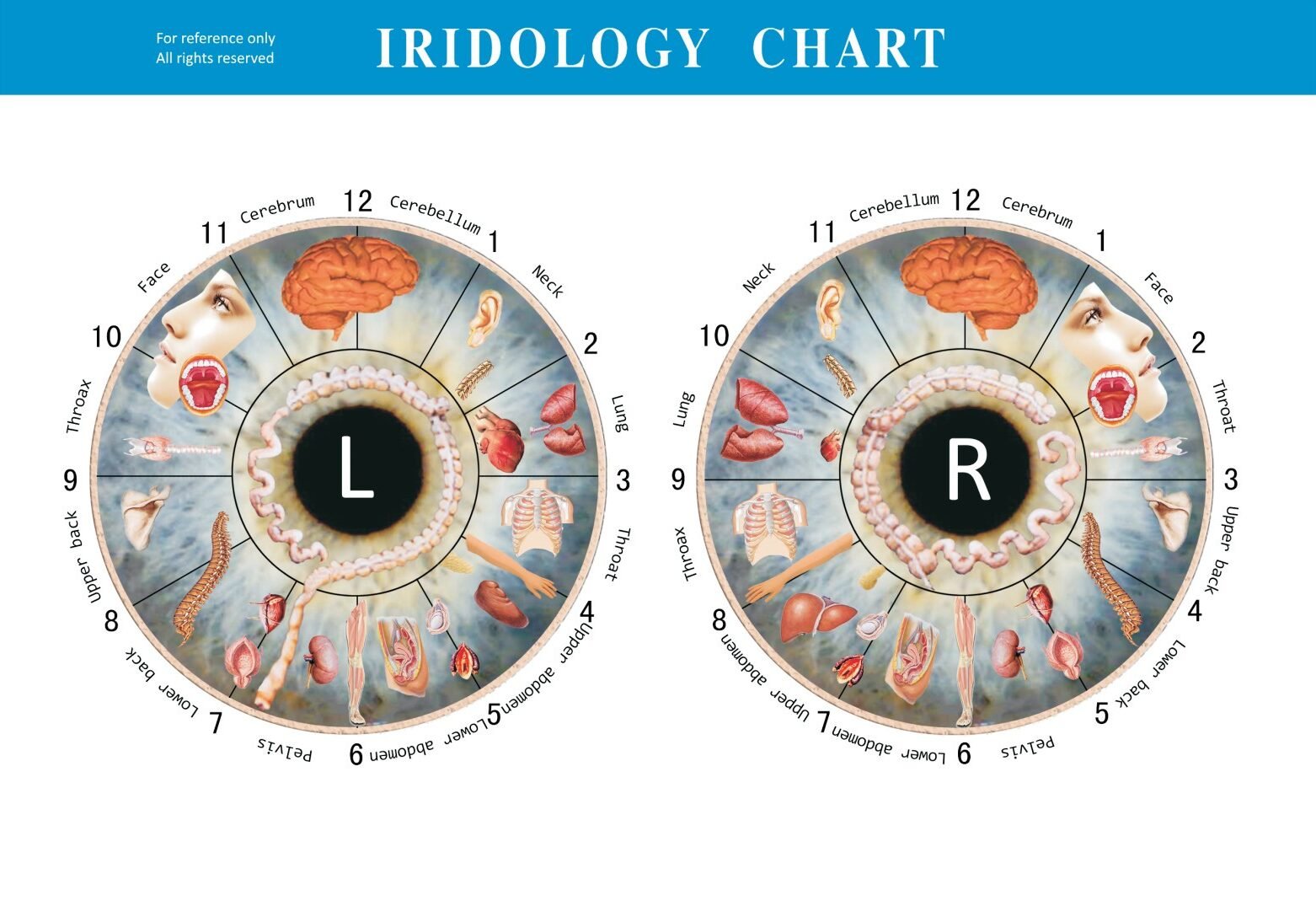
In the right iris, the pancreas zone typically appears between the 6 o’clock and 7 o’clock positions. This corresponds to the lower portion of the iris, slightly to the right of center when viewing the eye directly. The area extends from the pupillary zone outward toward the ciliary zone.
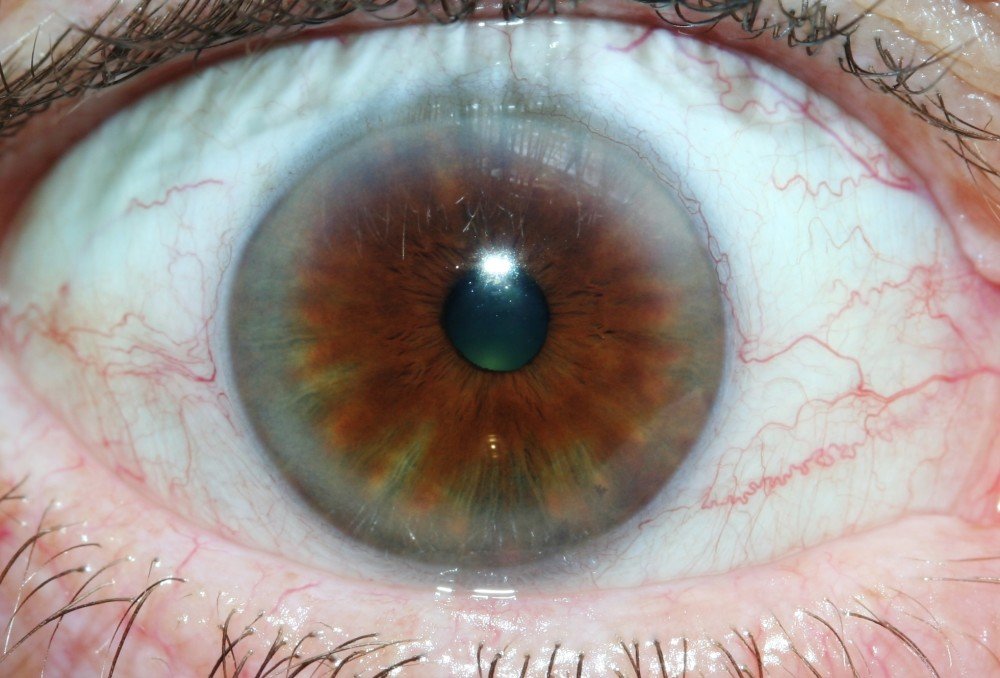
In the left iris, the pancreas region mirrors this location on the opposite side. You’ll find it positioned between approximately 5 o’clock and 6 o’clock. The zone maintains similar dimensions to the right eye representation.
The pancreas zone shares boundaries with several neighboring organ areas. The stomach region typically appears adjacent to the pancreas area. The intestinal zones surround much of the digestive system representation in the lower iris portions.
Zone Dimensions and Boundaries
The pancreas zone doesn’t occupy a large area compared to some other organ representations. Its relatively small size reflects the organ’s physical proportions in the body. The zone typically spans about 15-20 degrees of the iris circle.
Practitioners measure the zone from the pupillary border outward to approximately the mid-ciliary region. The exact radial depth varies slightly depending on which iridology chart system you reference. Most contemporary charts show consistent general positioning.
Historical Development of Pancreas Mapping
Early iridology practitioners including Ignatz von Peczely and Nils Liljequist developed foundational iris maps in the late 1800s. These pioneers observed patterns they associated with various body systems. The pancreas zone appeared in these early charts based on clinical observations and traditional health assessment methods.
Dr. Bernard Jensen refined pancreas zone mapping in his influential work during the mid-1900s. His bernard jensen iridology chart became a standard reference for many Western iridology practitioners. The pancreas area in Jensen’s charts maintained the lower iris positioning that earlier practitioners had established.
Different schools of iridology thought have introduced minor variations. German iridology traditions, Russian approaches, and American methodologies show slight differences in exact zone boundaries. However, the general pancreas location remains remarkably consistent across these systems.
Left Eye vs Right Eye Pancreas Representation
Traditional iridology theory suggests that the left and right irises map to different sides of the body. This bilateral representation affects how practitioners interpret pancreas zone observations. Understanding these differences helps when analyzing iris patterns related to pancreatic areas.
Bilateral Organ Mapping Principles
The right iris typically corresponds to the right side of the body in most iridology chart systems. The left iris maps to the left side. Since the pancreas itself extends across the body’s midline, both eyes contain pancreatic zone representations.
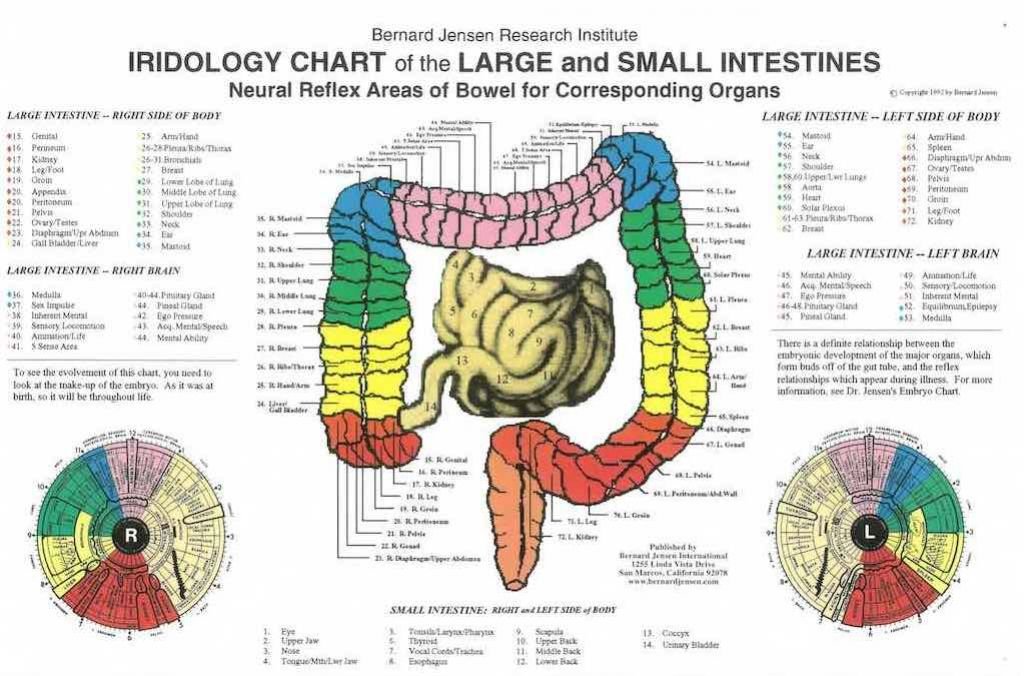
The head of the pancreas, which sits on the right side of the abdomen, may show greater correlation with observations in the right iris pancreas zone. The pancreatic tail, extending toward the left side of the body, might relate more to left iris patterns according to traditional mapping principles.
Practitioners examine both eyes during comprehensive iris analysis. Comparing findings between the iridology chart right eye and left eye iridology chart helps build a complete observational picture. Any differences between the two eyes may indicate laterality patterns.
Clock Position Variations
The clock positions for pancreas zones differ slightly between eyes due to the mirror-image nature of bilateral mapping. In the right eye, you’ll find the zone at roughly 6:15 to 7:00. In the left eye, it appears at approximately 5:00 to 5:45.
These position differences account for the body’s anatomical orientation. When viewing both charts simultaneously, the pancreas zones appear in roughly symmetrical positions relative to each iris’s vertical midline. This symmetry helps practitioners quickly locate the corresponding area in each eye.
Interpretation Considerations
Some iridology practitioners report observing different types of markings in the left versus right pancreas zones. Variations in pigmentation, fiber structure, and tissue density may appear differently between the two eyes. Traditional interpretation frameworks suggest these differences could reflect functional variations between different parts of the organ.
Other practitioners note that certain iris signs appear bilaterally. When similar markings show in both pancreas zones, this bilateral presentation may indicate systemic patterns rather than localized conditions. The interpretation depends heavily on the specific iridology methodology being applied.
Types of Iridology Pancreas Charts Available
Multiple chart variations exist for mapping the pancreas zone and surrounding areas. Different traditions, countries, and individual practitioners have developed unique approaches to iris mapping. Understanding these variations helps you select appropriate resources for your learning or practice needs.
Traditional Printed Chart Formats
Standard printed iridology charts remain popular educational tools. These charts typically show circular iris diagrams divided into organ zones with the pancreas area clearly labeled. Many practitioners keep laminated versions in consultation rooms for client education purposes.
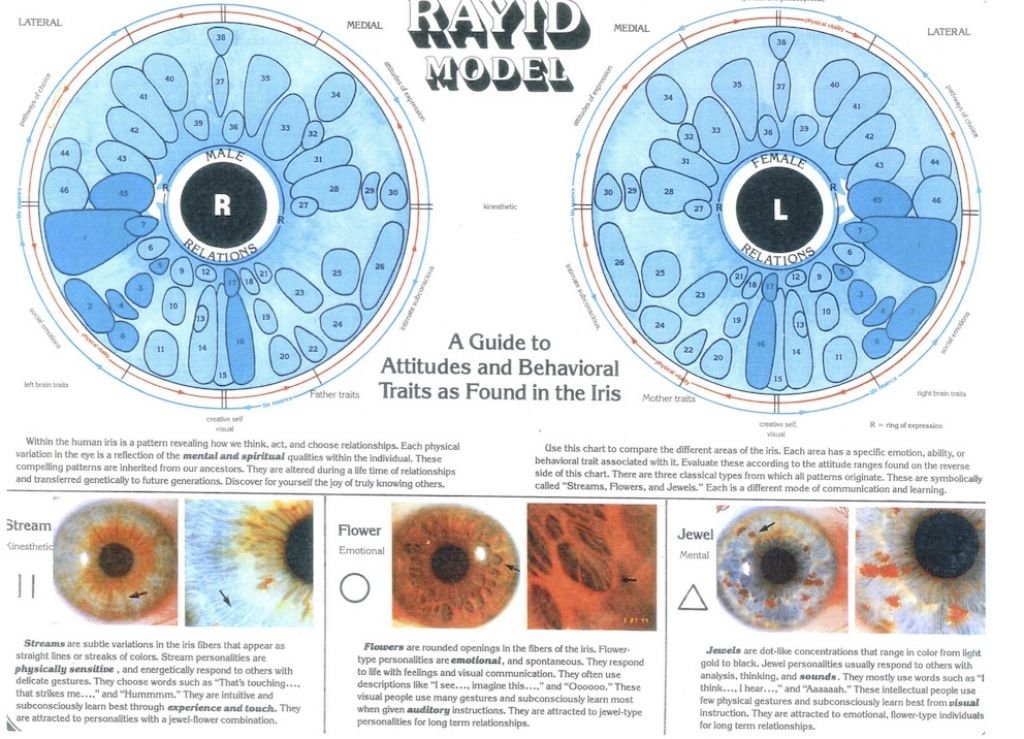
Wall-mounted charts often measure 18×24 inches or larger for easy viewing from a distance. Pocket-sized reference cards provide portable options for students and traveling practitioners. These iridology chart printable versions come in various quality levels from basic black-and-white diagrams to full-color professional illustrations.
Different chart publishers emphasize various aspects of iris mapping. Some focus primarily on organ zones like the pancreas. Others integrate additional information about iris signs, markings, and constitutional types. The level of detail varies significantly between basic educational charts and advanced clinical references.
Digital and Software-Integrated Charts
Modern iridology practice increasingly relies on digital chart resources. Computerized systems display interactive charts alongside captured iris images. This integration allows practitioners to overlay chart zones directly onto client iris photographs for more precise zone identification.
Professional iridology software packages include multiple chart options. Users can switch between different mapping systems, adjust zone boundaries, and customize labels. The pancreas zone appears consistently across these digital variations, though the visual presentation and surrounding information may differ.
Software Chart Features
- Zoom functionality for detailed zone viewing
- Multiple chart overlay options
- Customizable zone labels and colors
- Integration with iris image capture
- Printing capabilities for client reports
Digital Chart Advantages
- Easy updates as methodologies evolve
- Storage of multiple chart variations
- Enhanced visibility through screen magnification
- Simplified client education presentations
- Integration with analysis databases
Specialty Pancreas-Focused Charts
Some chart variations provide enhanced detail for specific organ systems including the pancreas. These specialty charts expand the pancreas zone to show finer subdivisions or additional detail about pancreatic areas. They serve as supplementary references to standard whole-iris maps.
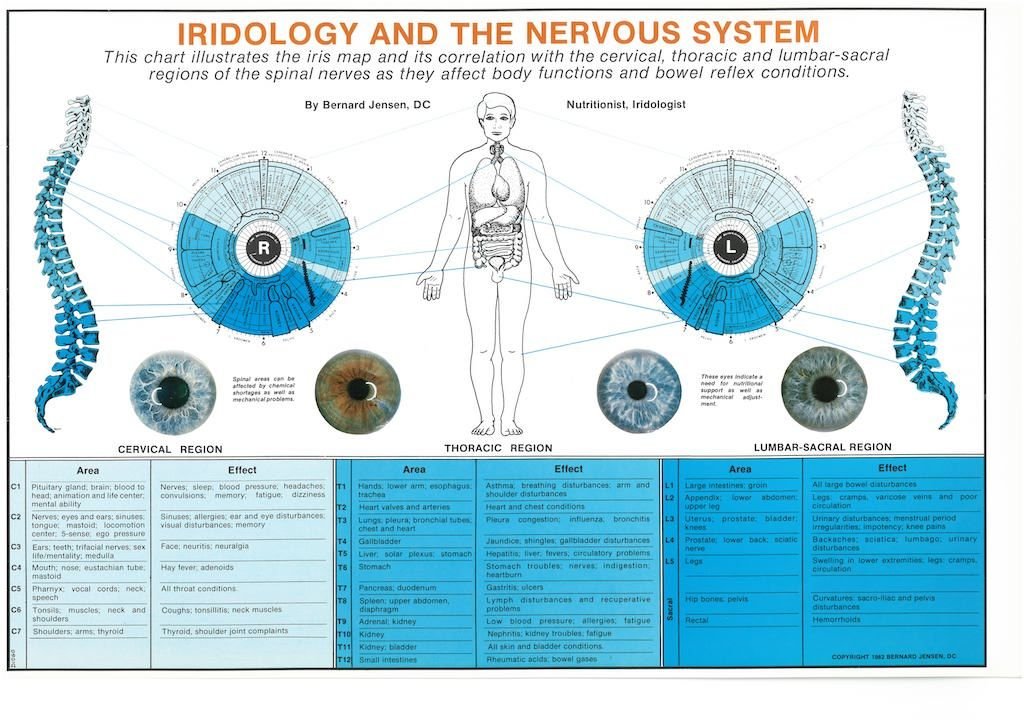
Educational institutions teaching iridology may create custom charts emphasizing digestive system organs. The pancreas zone receives particular attention in these materials due to the organ’s importance in metabolic function observations. These charts often appear in textbooks and training manuals.
International Chart Variations
German iridology charts often show subtle differences from American versions. The pancreas zone placement remains similar, but surrounding organ mappings may vary. Russian iridology traditions have developed unique chart systems that sometimes show different pancreas zone boundaries.
Asian iridology approaches, particularly those integrating traditional medicine concepts, may present the pancreas area differently. Some charts incorporate meridian theory or constitutional typing alongside organ zone mapping. The pancreas zone might connect to specific meridian pathways in these integrated systems.
When working with international colleagues or studying various traditions, comparing how different chart systems represent the pancreas zone reveals interesting methodological differences. Most systems agree on the general lower-iris location, but the exact boundaries and interpretation frameworks vary.
How to Read the Pancreas Region on Iridology Charts
Learning to identify and interpret the pancreas zone requires understanding both chart navigation and observation techniques. New practitioners often find locating small zones like the pancreas area challenging at first. With practice, zone identification becomes more intuitive.
Step-by-Step Chart Reading Process
Begin by orienting yourself to the chart’s basic structure. Identify the pupil at the center and the outer iris boundary. Locate the vertical and horizontal midlines that divide the iris into quadrants. The pancreas zone sits in the lower section of the chart.
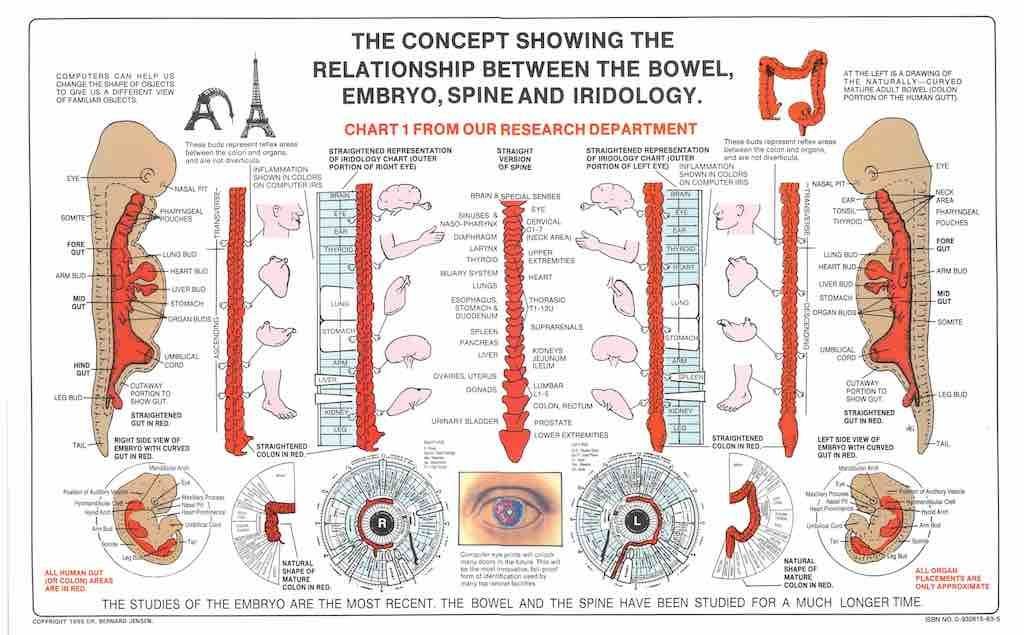
Use the clock position method to pinpoint the pancreas area. In the right eye, count clockwise from 12 o’clock to approximately 6:30. This lower-right quadrant contains the pancreas zone. For the left eye, locate the lower-left area between 5 and 6 o’clock using the same clockwise counting method.
Identify neighboring zones to confirm you’ve found the correct area. The stomach zone typically appears nearby, often slightly more central or higher than the pancreas region. The intestinal areas surround much of the digestive zone circle. These landmark zones help verify pancreas location.
Understanding Zone Depth and Layers
Iris charts show radial depth from the pupil outward to the iris edge. The pancreas zone extends through multiple layers. Traditional iridology recognizes different rings representing various body systems and tissue types.
The innermost pupillary zone relates to digestive and absorptive areas in many chart systems. The middle ciliary zone connects to organ structure and function. The outer lymphatic zone may show immune and eliminative patterns. The pancreas zone crosses these rings, and observations in different layers may have varying interpretations.
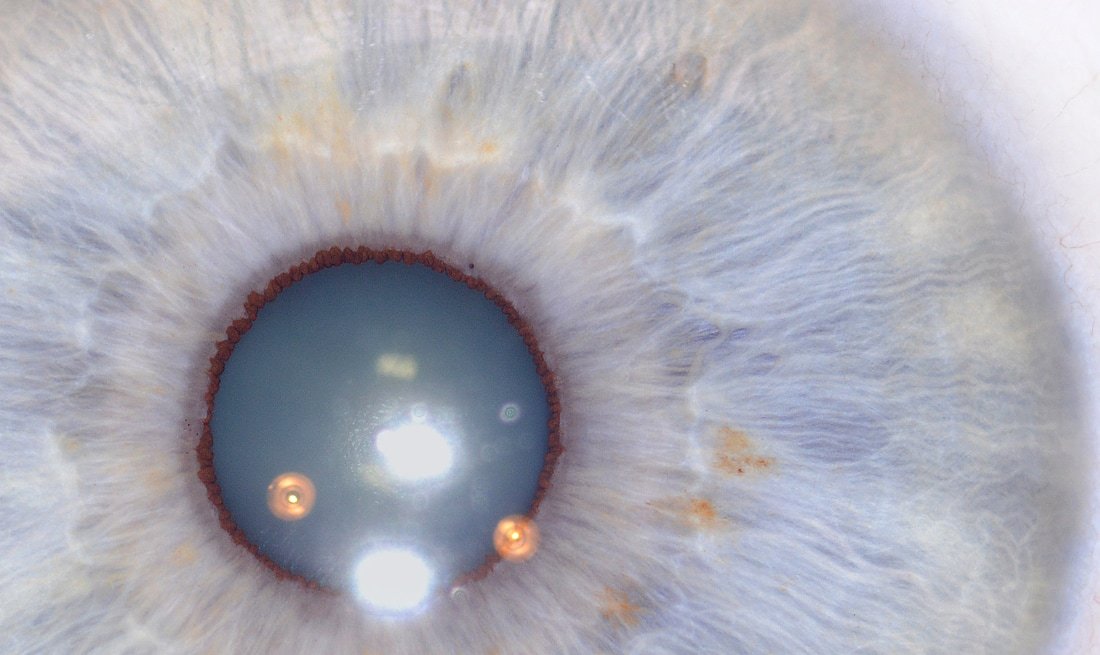
When examining actual iris images against chart overlays, you’ll look for markings at different depths within the pancreas zone. A sign appearing in the inner pupillary border of the pancreas area might receive different interpretation than a marking in the outer ciliary portion of the same zone.
Common Iris Markings in the Pancreas Zone
Practitioners trained in traditional iridology methods look for various types of markings within organ zones. In the pancreas area, observers might note changes in fiber structure, variations in iris tissue density, pigmentation differences, or specific structural signs.
Structural Observations
- Fiber direction and density changes
- Tissue elevation or depression
- Color variations from surrounding areas
- Lacunae or opening-like structures
- Radial or transverse fiber arrangements
Pigmentation Patterns
- Darker or lighter areas than baseline
- Yellow-orange tinting in some cases
- Brown pigment accumulations
- Irregular coloring patterns
- Contrast changes with surrounding zones
It’s important to remember that traditional iridology interprets these markings as areas of possible weakness, sensitivity, or tissue variation. Modern science has not established these interpretations as diagnostic tools. Observations remain within the traditional practice framework for educational reference only.
Chart Reading Practice Methods
Developing chart reading skills requires regular practice. Many students begin by studying charts without looking at actual eyes. Memorizing zone locations helps build foundational knowledge. Learning iridology chart how to read techniques through systematic study proves more effective than casual review.
After memorizing basic zone positions, practice with actual iris photographs. Try identifying the pancreas zone in images before checking your answer against a chart overlay. This active learning approach builds practical skills faster than passive chart study.
Working with a study partner provides valuable feedback. Take turns pointing to zones on charts and images while the other person verifies accuracy. Discussing difficult cases helps both learners develop stronger analytical abilities and chart navigation skills.
Using Iridology Charts with Cameras and Software
Modern iridology practice combines traditional chart knowledge with advanced imaging technology. Digital cameras capture detailed iris images that practitioners analyze using software tools. Understanding how charts integrate with equipment enhances both learning and professional applications.
Iris Imaging Equipment Overview
Professional iris cameras have evolved significantly over the past two decades. Early systems produced low-resolution images that made detailed zone analysis challenging. Contemporary iridology camera models capture 12-megapixel or higher resolution images with exceptional clarity.
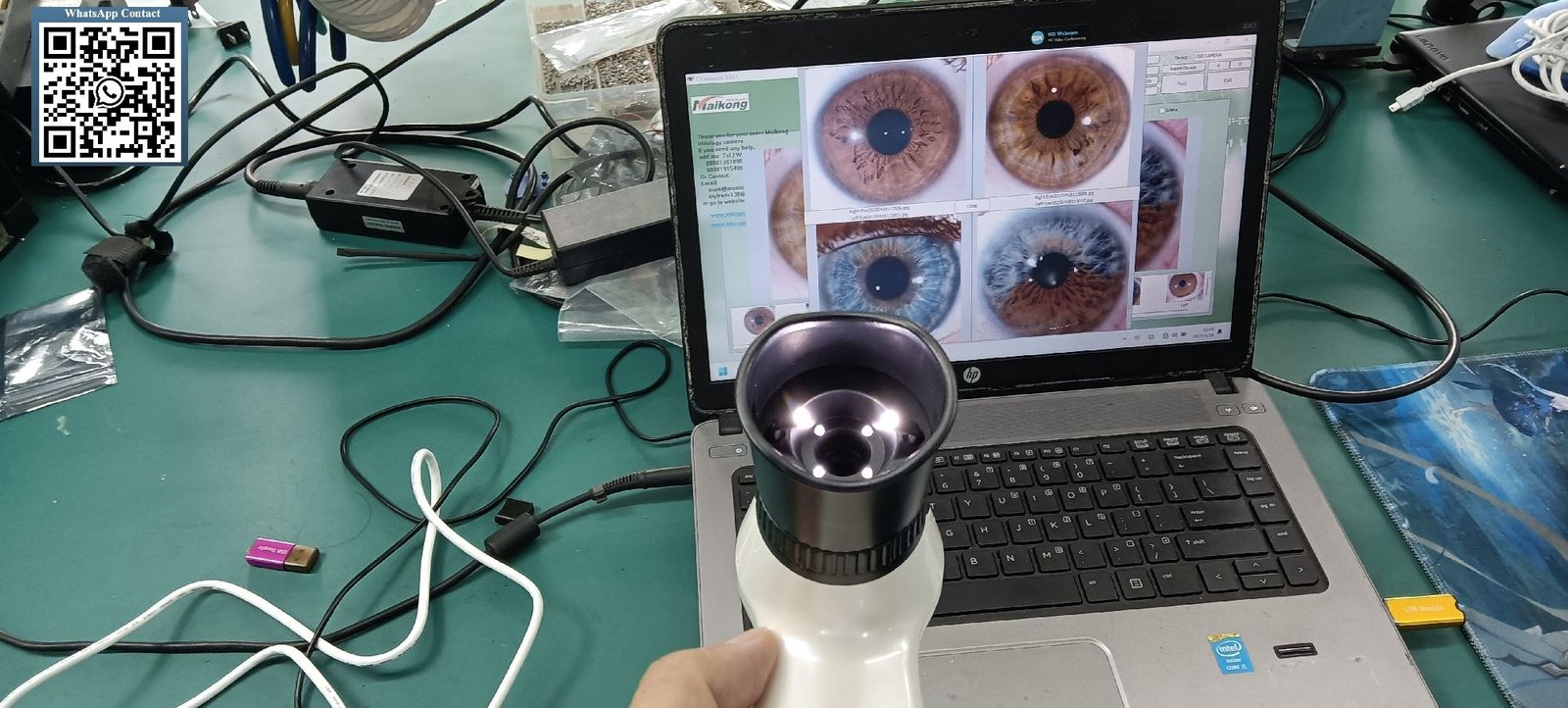
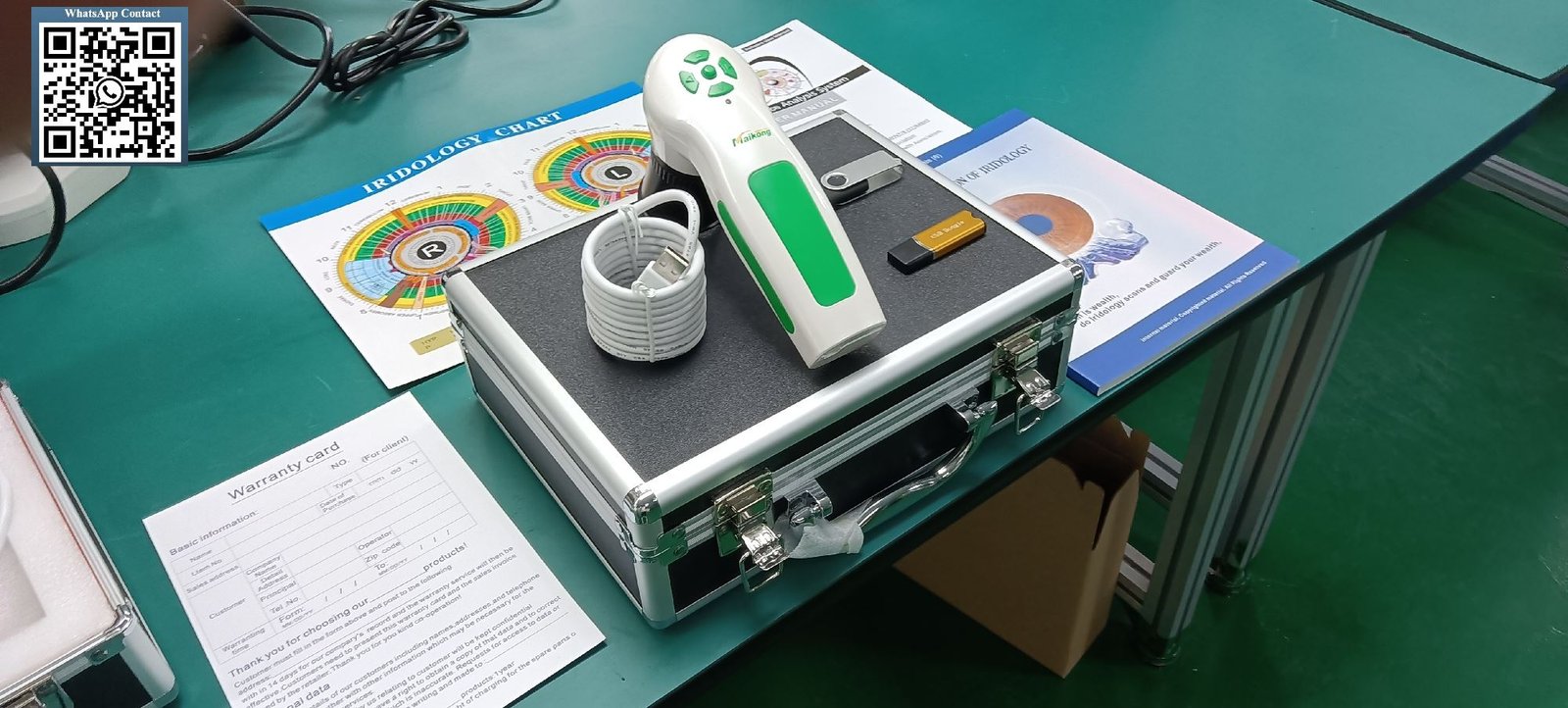
The best iridology camera systems offer several key features. LED illumination around the lens provides even, glare-free lighting. Adjustable focus mechanisms ensure sharp images across different eye anatomies. USB connectivity enables direct computer transfer for immediate analysis.
In my work with MAIKONG equipment manufacturing, we’ve developed iris cameras specifically designed for chart-based analysis. Our MK-series models include 30X magnification lenses that reveal fine iris details within zones like the pancreas area. The optical image stabilization prevents blur even during handheld operation.
Software Chart Integration Features
Professional analysis software displays chart overlays directly on captured iris images. This integration allows practitioners to see exactly where the pancreas zone falls on each client’s unique iris. The software automatically adjusts for iris size variations between individuals.
Users can select from multiple chart systems within a single software package. Switching between Bernard Jensen charts, European variations, or modern integrated maps takes just a click. This flexibility helps practitioners compare different mapping approaches on the same iris image.
| Software Feature | Function | Benefit for Pancreas Analysis |
| Zone Highlighting | Colors specific chart zones | Instantly shows pancreas area boundaries on image |
| Magnification Tools | Zooms into chart regions | Reveals fine details in small pancreas zone |
| Comparison Mode | Displays left and right eyes simultaneously | Enables bilateral pancreas zone comparison |
| Annotation Capabilities | Marks specific iris features | Documents observed pancreas zone markings |
| Report Generation | Creates printable analysis summaries | Includes pancreas observations in client documentation |
The MAIKONG 2024 version software supports seventeen languages and operates on both Windows and macOS systems. This cross-platform compatibility ensures practitioners can use consistent chart resources regardless of their computer preferences. Software updates maintain current chart versions as methodologies evolve.
Equipment Selection for Chart-Based Analysis
Choosing appropriate equipment depends on your practice needs and budget. Students beginning iridology education may start with basic usb iridology camera models. These entry-level systems provide adequate image quality for learning zone locations and chart navigation.
Professional practitioners serving clients benefit from higher-specification cameras. Our 12-megapixel models capture sufficient detail for identifying subtle iris markings within small zones like the pancreas area. The improved resolution makes chart overlay analysis more precise and reliable.

Camera accessories enhance chart-based analysis workflows. Adjustable stands position cameras at optimal distances and angles. Chin rests stabilize clients during image capture for sharper results. LED ring lights provide shadow-free illumination that reveals iris texture more clearly.
Workflow Integration
Efficient practitioners develop systematic workflows combining equipment and charts. A typical session begins with client positioning and camera setup. After capturing clear iris images of both eyes, the practitioner imports photos into analysis software.
The software automatically detects the pupil and iris boundaries. Chart overlays align with these detected structures, placing the pancreas zone in its proper position on each unique iris. The practitioner then examines the pancreas area and other zones, noting observations for discussion with the client.
Report generation tools incorporate chart images alongside iris photographs. These professional documents help clients visualize where specific zones like the pancreas area appear in their own eyes. Educational materials explaining chart zones support informed client conversations.
Common Misconceptions About Pancreas in Iridology
Several misunderstandings surround iridology chart interpretation, particularly regarding organ zones like the pancreas. Clarifying these misconceptions helps maintain realistic expectations about what charts represent and how practitioners use them.
Diagnostic Limitations and Boundaries
The most critical misconception involves treating iridology charts as diagnostic tools. Traditional iridology practice involves observational analysis within its own framework. It does not diagnose diabetes, pancreatitis, pancreatic cancer, or any other medical condition.
When practitioners observe markings in the pancreas zone, they interpret these signs according to traditional iridology theory. These interpretations reference possible areas of sensitivity or weakness in traditional terms. They do not identify specific diseases or replace medical testing.
Medical diagnosis requires laboratory tests, imaging studies, and clinical examination by licensed healthcare providers. Blood tests measure pancreatic enzymes. CT scans and MRIs visualize pancreatic structure. These medical tools provide diagnostic information that iridology observations cannot offer.
Responsible practitioners always recommend clients consult physicians for health concerns. Any symptoms possibly related to pancreatic function require proper medical evaluation. Iridology observations serve educational and traditional practice purposes only, never as alternatives to medical care.
Chart Precision and Individual Variation
Another common misconception assumes chart zones map with perfect precision to every individual’s iris. Real eyes show significant anatomical variation between people. Iris size, pupil diameter, and structural features differ considerably across the population.
Chart overlays provide general zone guidelines rather than exact boundaries. The pancreas zone’s edges blend gradually into neighboring areas. Determining whether a specific marking falls precisely within the pancreas zone or an adjacent region involves interpretive judgment.
Individual practitioners may also differ in their exact zone delineation. One practitioner might consider a certain iris area part of the pancreas zone while another places it in an adjoining region. These variations reflect both individual interpretation and differences between chart systems.
Time Frame Misunderstandings
Some people mistakenly believe iris markings change rapidly in response to health conditions. Traditional iridology theory suggests iris structures remain relatively stable. Major structural signs typically appear gradually over extended periods rather than changing overnight.
The pancreas zone doesn’t display new markings immediately when someone experiences acute pancreatitis or blood sugar changes. Iris structure relates to constitutional patterns and chronic tendencies in traditional interpretation frameworks, not acute disease episodes.
Practitioners who photograph clients’ irises over many years may observe subtle changes in tissue appearance. However, dramatic transformations in iris structure remain rare. Most changes involve minor variations in color tone or fiber density rather than fundamental structural alterations.
Correlation vs. Causation Issues
Finding markings in the pancreas zone doesn’t prove these signs resulted from pancreatic conditions. Correlation doesn’t establish causation. Many people with various iris characteristics show no pancreatic health issues. Conversely, some individuals with pancreatic disease show minimal unusual iris markings.
Traditional iridology developed through clinical observation rather than controlled scientific study. Practitioners noticed patterns and developed interpretation frameworks based on their experiences. These frameworks remain within traditional practice contexts and haven’t been validated as medical diagnostic systems.
Modern research has not established reliable connections between specific iris markings and organ disease. Studies examining iridology’s diagnostic accuracy have produced largely negative results. Understanding these scientific limitations helps maintain appropriate perspective on chart interpretation.
Resources: PDF Downloads and Printable Charts
Accessing quality chart resources supports both learning and professional practice. Various formats serve different needs from quick reference cards to detailed wall charts. Understanding available options helps you select appropriate materials for your situation.
Free vs. Professional Chart Resources
Basic iridology charts are widely available at no cost online. These free resources typically show fundamental zone mappings including the pancreas area. They serve well for initial learning and general zone familiarization. However, free charts often lack the detail and accuracy of professional versions.
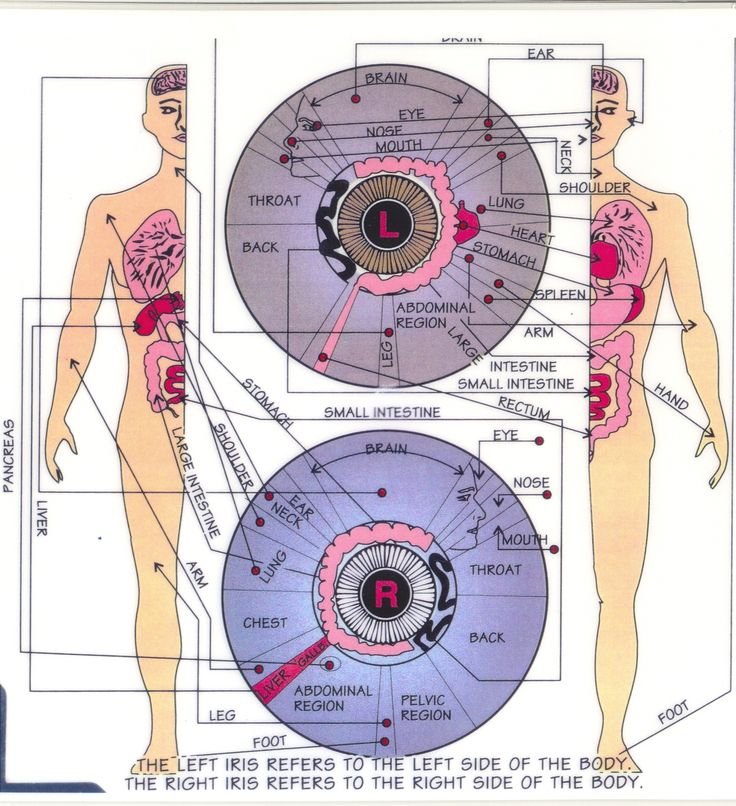

Professional chart sets offer enhanced detail and accuracy. These premium resources include multiple chart variations, detailed zone subdivisions, and comprehensive labeling systems. Many professional charts come from established iridology organizations or experienced practitioners who’ve refined their mapping systems over decades.
The investment in professional charts provides several advantages. Higher-quality illustrations show finer zone boundaries. More detailed labeling identifies sub-zones and related structures. Multiple chart variations let you compare different mapping approaches for the same zones.
Digital Chart Formats and Compatibility
Digital chart files come in various formats serving different purposes. PDF files maintain consistent formatting across devices and print reliably. JPEG and PNG image files integrate easily into presentations and educational materials. Vector formats like SVG scale to any size without quality loss.
PDF Chart Benefits
- Consistent appearance on all devices
- Embedded fonts and graphics
- Reliable printing results
- Searchable text in some versions
- Multi-page document capability
Image Format Uses
- Easy insertion into documents
- Social media sharing capability
- Simple editing in photo software
- Website embedding compatibility
- Slide presentation integration
When downloading charts, verify the file resolution meets your needs. Charts intended for wall display require higher resolution than those used only on computer screens. A minimum of 300 DPI ensures acceptable print quality for most purposes.
Customization and Personalization Options
Some practitioners prefer customized charts reflecting their specific methodology or emphasis areas. Digital chart files allow modifications using graphics software. You might highlight certain zones like the pancreas area with different colors or add personal notation systems.
Educational institutions often create branded charts incorporating their school’s logo and teaching approach. These customized versions maintain consistency with the institution’s curriculum while providing students with proper attribution of the chart source.
For professional practices, branded charts help establish visual identity. Adding your practice name and logo to charts used in client education reinforces your professional presence. Some software packages include chart customization tools specifically for this purpose.
Access Professional Iridology Chart Resources
Download comprehensive pancreas zone charts compatible with professional analysis software. Our chart library includes high-resolution printable versions, digital overlay files, and multi-language educational materials. All charts follow established iridology mapping standards and integrate seamlessly with MAIKONG imaging equipment.
Note: Chart resources are provided for traditional iridology education and reference only. They do not diagnose, treat, or cure any disease.
Integration with Analysis Software
Modern iridology software packages include built-in chart libraries. These integrated resources eliminate the need for separate chart downloads in many cases. The software displays charts directly as overlays on iris images during analysis sessions.
MAIKONG software versions include multiple chart systems from various iridology traditions. Users switch between Bernard Jensen charts, European mapping systems, and modern integrated variations. All chart versions show the pancreas zone, though exact boundaries may vary slightly between systems.
Software-integrated charts update automatically when you install new program versions. This automatic updating ensures you always have access to the latest chart refinements and methodology updates without manually downloading new files.
Educational Materials and Study Guides
Beyond basic charts, comprehensive educational packages include study guides explaining zone interpretation. These materials help learners understand not just where the pancreas zone appears, but what observations in that area might signify according to traditional iridology frameworks.

Case study collections show example iris images with pancreas zone observations. Seeing how experienced practitioners identify and interpret markings accelerates learning. These educational examples help students develop the visual recognition skills necessary for practical chart application.
Video tutorials complement static charts by demonstrating chart navigation and zone identification techniques. Watching an experienced practitioner locate the pancreas zone and explain its boundaries provides valuable learning support that text descriptions alone can’t offer.
Professional Equipment for Chart-Based Analysis
Quality imaging equipment forms the foundation of effective chart-based iridology practice. After two decades manufacturing iridology cameras, our team at MAIKONG has developed specialized systems that integrate seamlessly with chart-based analysis workflows.
MAIKONG Iriscope Camera Specifications
Our current-generation MK-series cameras deliver the image quality necessary for detailed pancreas zone analysis. The 12-megapixel CCD sensor captures exceptional iris detail. Special DSP image processing ensures accurate color reproduction and optimal contrast.
| Specification | Details | Clinical Benefit |
| Resolution | 12.0 Megapixels | Reveals fine iris fiber detail in small zones |
| Magnification | 30X Iris Lens | Close examination of specific chart areas |
| Illumination | LED ring light around lens | Even, shadow-free lighting for accurate imaging |
| Focus System | Adjustable manual focus | Sharp images across varied eye anatomies |
| Stabilization | Optical Image Stabilizer | Prevents blur during handheld operation |
| Connectivity | USB 2.0/3.0 compatible | Direct computer connection for immediate analysis |
| OS Support | Windows XP through 11, macOS 10.14-15 | Works with virtually all modern computers |
| Warranty | 1 Year manufacturer warranty | Protected investment with factory support |
Included Accessories and Package Contents
Each MAIKONG iriscope system includes everything needed to begin chart-based analysis. The complete package eliminates the need for separate accessory purchases, providing immediate functionality out of the box.
| Included Item | Quantity | Purpose |
| Camera Handset | 1 piece | Main iris imaging device |
| 30X Iris Lens | 1 piece | Optical magnification for detail capture |
| Leather Carrying Case | 1 piece | Protected storage and transport |
| USB Connection Cable | 1.5 meter | Computer connectivity |
| Lens Protective Cover | 1 piece | Lens protection during storage |
| Printed Iridology Chart | 1 piece | Quick reference during analysis |
| Software Installation CD | 1 disc | Analysis software and drivers |
| User Manual | 1 booklet | Setup and operation instructions |
MAIKONG Iridology Software Features
Our 2024 software version includes comprehensive chart integration features designed specifically for pancreas zone analysis and whole-iris evaluation. The software supports practitioners from initial learning through advanced professional practice.
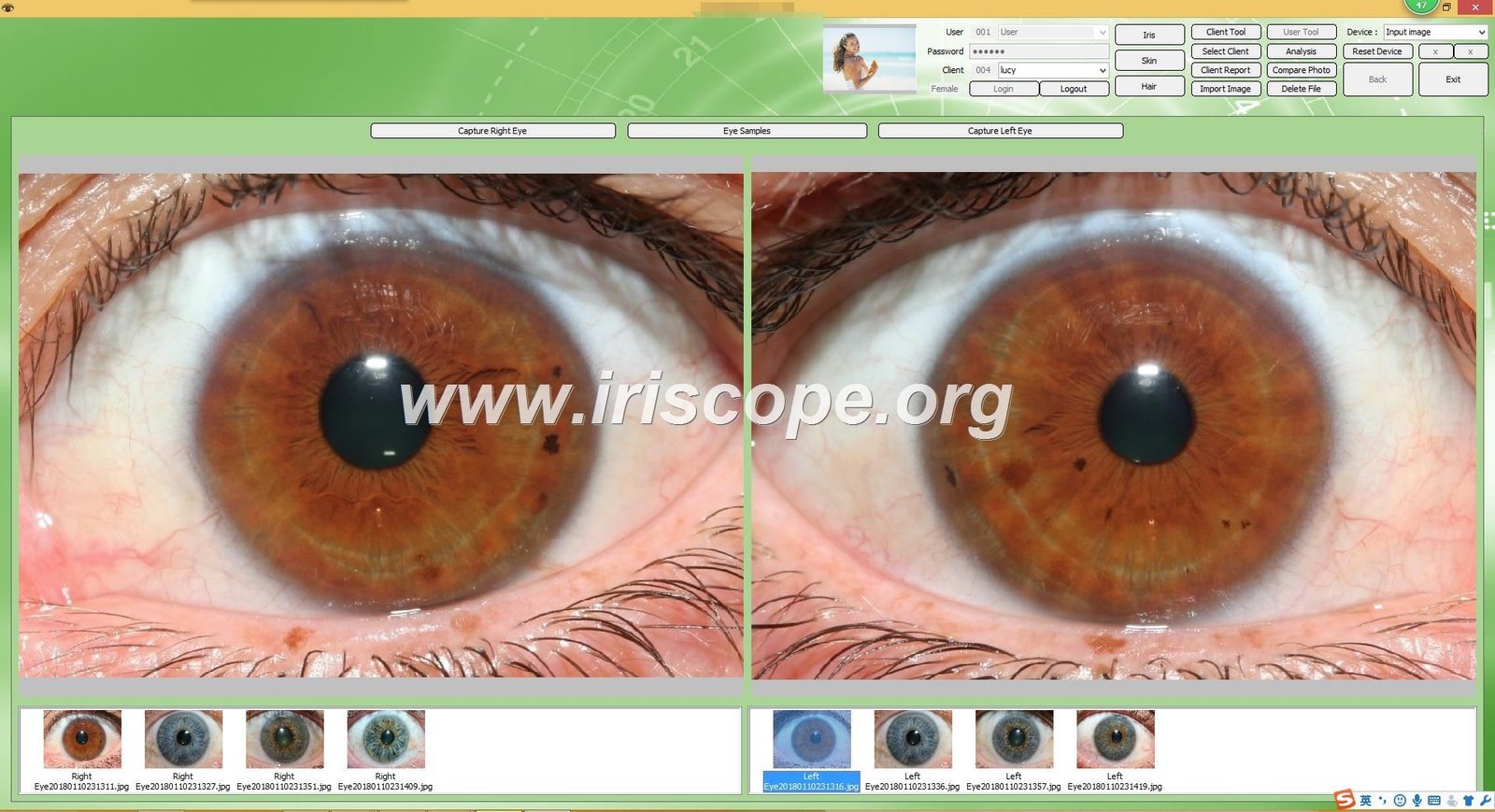
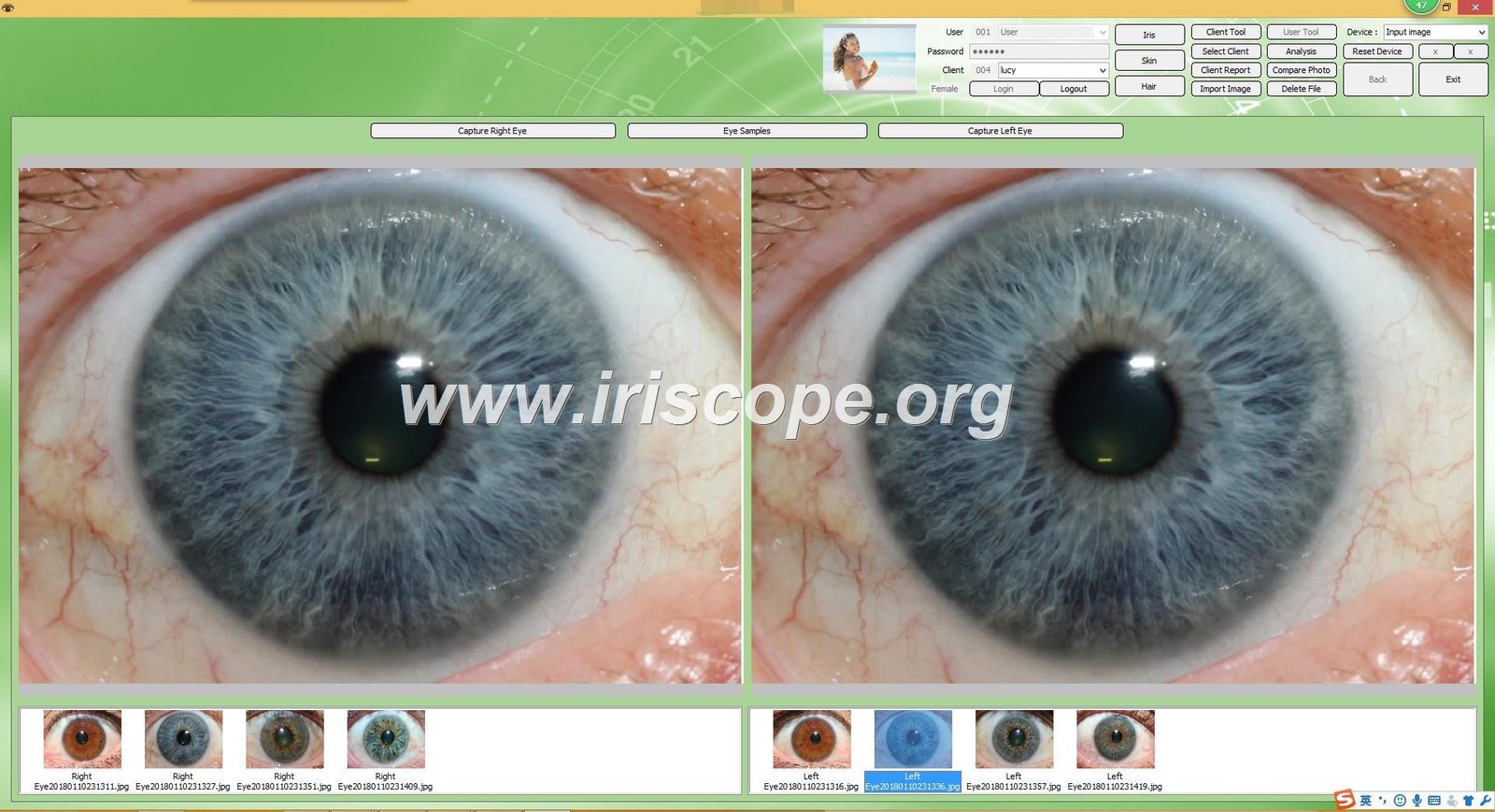
| Software Feature | Functionality | Professional Application |
| Automatic Iris Analysis | AI-based zone identification and marking | Rapid initial assessment with manual refinement option |
| Client Management | Database for storing client information and images | Track observations over time with comparison tools |
| Multi-Language Support | 17 language interface options | Serve diverse client populations with native language reports |
| 3D Visualization | Three-dimensional iris texture rendering | Enhanced detail viewing in pancreas and other zones |
| Chart Overlay System | Multiple chart options with transparency control | Compare different mapping systems on same image |
| Report Generation | Customizable professional documentation | Create branded client reports with chart references |
| Backup and Restore | Automatic data protection with cloud options | Secure client data preservation |
System Compatibility and Technical Requirements
MAIKONG software operates across the widest range of computer systems in the iridology industry. We’re the first manufacturer to offer full macOS support alongside comprehensive Windows compatibility. This cross-platform functionality ensures you can use equipment with your preferred computer setup.
Windows Compatibility
- Windows 2000 (legacy support)
- Windows XP (32-bit and 64-bit)
- Windows Vista (32-bit and 64-bit)
- Windows 7 (32-bit and 64-bit)
- Windows 8/8.1 (32-bit and 64-bit)
- Windows 10 (32-bit and 64-bit)
- Windows 11 (32-bit and 64-bit)
macOS Compatibility
- macOS 10.14 Mojave
- macOS 10.15 Catalina
- macOS 11 Big Sur
- macOS 12 Monterey
- macOS 13 Ventura
- macOS 14 Sonoma
- macOS 15 Sequoia
Our commitment to broad compatibility stems from understanding diverse practice needs. Some practitioners use older reliable computers while others prefer the latest technology. Supporting both approaches ensures no one faces compatibility barriers when choosing professional equipment.
Frequently Asked Questions About Iridology Pancreas Charts
Where exactly is the pancreas located on an iridology chart?
The pancreas zone appears in the lower portion of the iris on iridology charts. In the right eye, you’ll find it positioned between approximately 6 o’clock and 7 o’clock. In the left eye, the pancreas area sits between roughly 5 o’clock and 6 o’clock. The zone extends from the pupillary border outward through the ciliary region, occupying a relatively small area compared to some other organ zones. The exact boundaries vary slightly between different chart systems, but the general lower-iris location remains consistent across most iridology mapping traditions.
Can iridology charts diagnose pancreatic diseases like diabetes or pancreatitis?
No, iridology charts and iris analysis cannot diagnose pancreatic diseases or any medical conditions. Traditional iridology practice involves observational analysis according to its own interpretive framework, not medical diagnosis. While practitioners may note markings or patterns in the pancreas zone, these observations do not identify specific diseases like diabetes, pancreatitis, or pancreatic cancer. Medical diagnosis requires proper laboratory testing, imaging studies, and clinical examination by licensed healthcare providers. Iridology observations serve educational and traditional practice reference purposes only and should never replace medical evaluation or testing.
What’s the difference between Bernard Jensen charts and other iridology pancreas maps?
Bernard Jensen’s iridology charts represent one influential mapping system among several traditions. Jensen’s charts place the pancreas zone in the lower iris area similar to most other systems, but may show slightly different exact boundaries or neighboring zone relationships compared to European or modern integrated charts. Different chart systems sometimes vary in how they subdivide organ zones or label adjacent areas. However, the pancreas zone location shows remarkable consistency across most chart variations. When learning iridology, studying multiple chart systems helps you understand these variations and develop a more comprehensive perspective on zone mapping approaches.
How do I download or print high-quality iridology pancreas charts?
High-quality printable iridology charts are available from several sources. Professional chart publishers offer downloadable PDF files optimized for printing at various sizes. When downloading charts, look for files with at least 300 DPI resolution to ensure acceptable print quality. Many iridology software packages include printable chart options as part of their feature sets. Free charts exist online but often lack the detail and accuracy of professional versions. For best results, download charts from established iridology organizations or experienced practitioners. Ensure any charts you use clearly show the pancreas zone location and boundaries. Remember to respect copyright restrictions when downloading and using chart materials.
Do I need special software to use iridology pancreas charts effectively?
While special software isn’t absolutely required for basic chart study, professional analysis software significantly enhances chart-based practice. Basic learning can happen with printed charts and reference materials. However, software provides valuable features like chart overlays on actual iris images, zoom capabilities for detailed zone examination, and tools for documenting observations. Professional iridology software includes multiple chart options, allowing comparison between different mapping systems. The software automatically adjusts chart overlays to fit individual iris sizes and positions the pancreas zone precisely on each client’s unique eye structure. For serious students and practitioners, investing in quality software alongside imaging equipment creates a much more effective analysis workflow than using printed charts alone.
Are left eye and right eye pancreas zones interpreted differently?
Traditional iridology theory suggests bilateral mapping where the right iris corresponds to the right side of the body and the left iris to the left side. Since the pancreas extends across the body’s midline, both eyes contain pancreatic zone representations. Some practitioners interpret observations in the right eye pancreas zone as relating more to the pancreatic head (which sits on the right side of the abdomen), while left eye patterns might correlate with the pancreatic tail (extending left). However, interpretation approaches vary among different iridology traditions. Many practitioners examine both eyes together to develop a comprehensive picture rather than focusing on laterality differences. The clinical significance of bilateral observations remains within traditional practice frameworks rather than established medical understanding.
How accurate are iridology pancreas charts compared to medical imaging?
Iridology pancreas charts and medical imaging serve completely different purposes and cannot be meaningfully compared for diagnostic accuracy. Medical imaging technologies like CT scans, MRIs, and ultrasounds visualize actual pancreatic anatomy and pathology with established clinical accuracy. These diagnostic tools can identify tumors, inflammation, structural abnormalities, and other specific conditions. Iridology charts, in contrast, represent traditional observational frameworks developed through clinical experience rather than scientific validation. Research studies have not established reliable correlations between iris markings and specific organ diseases. Iridology observations remain within traditional practice contexts for educational reference. Anyone with pancreatic health concerns requires proper medical evaluation using established diagnostic methods rather than relying on iris analysis.
What training do I need to read iridology pancreas charts professionally?
Professional iridology practice typically requires comprehensive training through accredited iridology schools or certification programs. Basic chart reading can be self-taught using educational materials, but understanding interpretation frameworks and developing practical skills needs structured learning. Most professional programs include anatomy study, chart system comparisons, iris photography techniques, and extensive practice with supervised case analysis. Training duration varies from intensive weekend workshops to year-long certification courses. Different regions have varying regulatory requirements for iridology practice. Some areas classify iridology as complementary practice requiring specific credentials, while others have no formal regulation. Beyond technical skills, responsible practitioners need training in professional boundaries, medical referral protocols, and ethical practice standards to serve clients appropriately.
Conclusion: Using Iridology Pancreas Charts as Educational Resources
Iridology pancreas charts serve as valuable educational tools for understanding traditional iris mapping systems. These charts show where practitioners trained in iridology methods look for pancreatic zone observations during iris analysis. The lower iris position of the pancreas area remains consistent across most chart variations, though exact boundaries differ slightly between mapping systems.
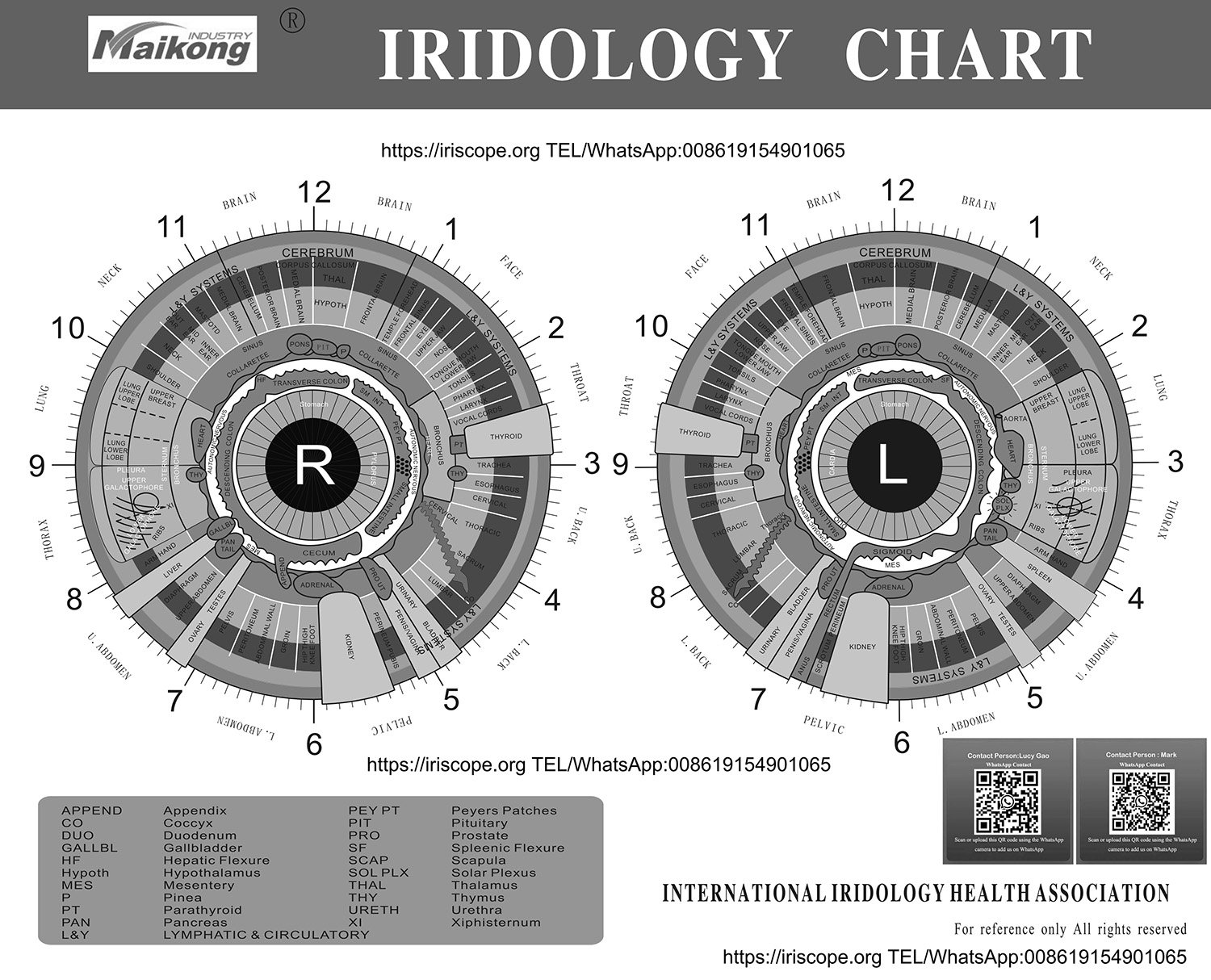
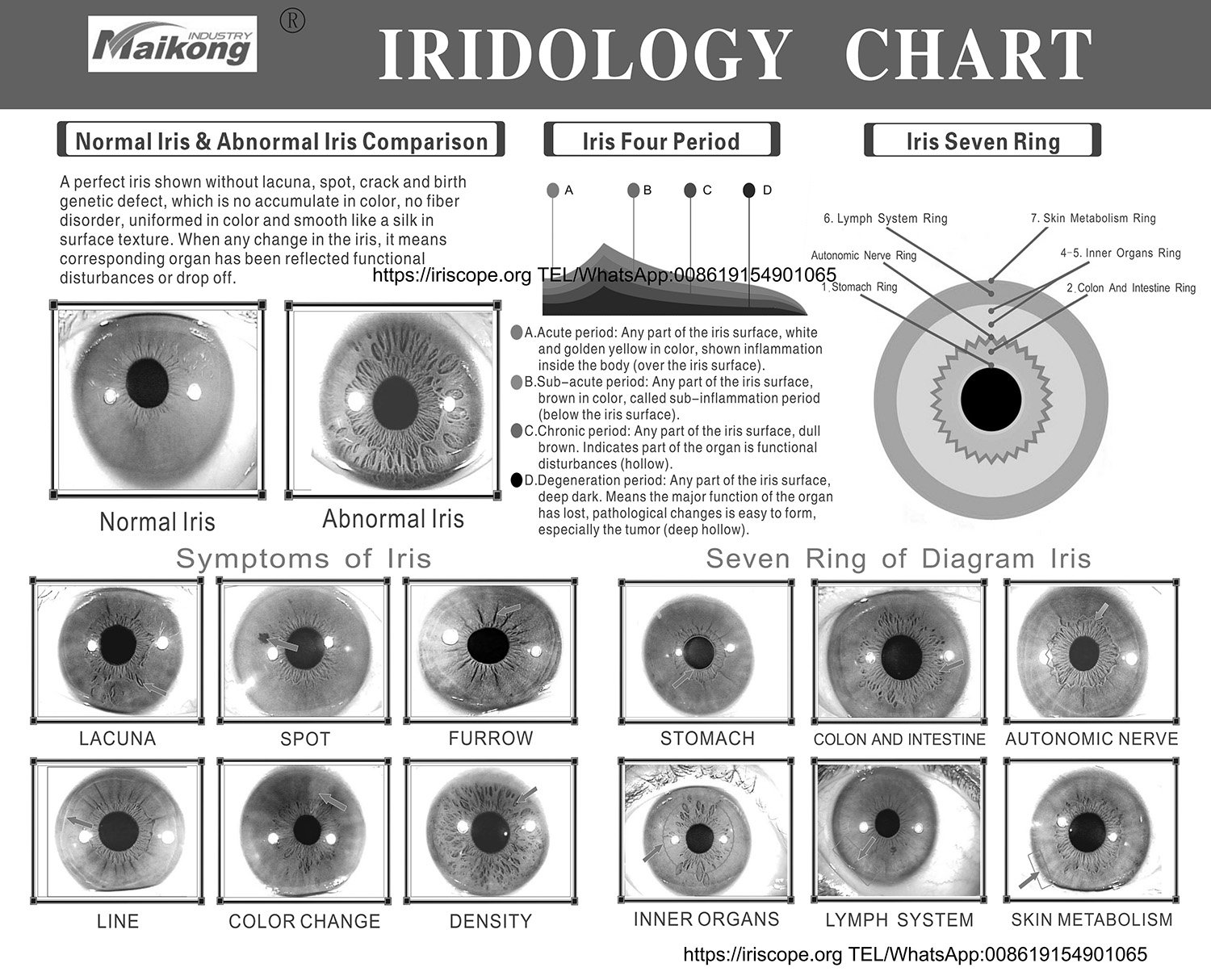
Understanding chart basics helps you navigate the learning process more effectively. Knowing that the pancreas zone appears around 6-7 o’clock in the right eye and 5-6 o’clock in the left eye provides a starting point for zone identification. Familiarity with neighboring zones like the stomach and intestinal areas helps confirm you’ve located the correct region.
Modern technology has enhanced how practitioners work with traditional charts. Digital software overlays charts directly on iris photographs, making zone location more precise. High-resolution cameras capture the detail necessary for examining small areas like the pancreas zone. These technological advances support both learning and professional applications.
Remember that iridology observations exist within traditional practice frameworks. Charts and iris analysis provide educational reference for traditional iridology observation only. They do not diagnose medical conditions, identify specific diseases, or replace healthcare provider consultation. Anyone with health concerns should seek proper medical evaluation through established diagnostic methods.
Whether you’re a student beginning to learn iridology concepts, a practitioner refining your chart reading skills, or someone curious about traditional iris mapping methods, understanding pancreas zone location forms part of comprehensive iridology education. Quality chart resources, appropriate imaging equipment, and ongoing study all contribute to developing proficiency in this traditional observational practice.
Partner with MAIKONG – Leading Iridology Equipment Manufacturer
For over 20 years, MAIKONG has served iridology practitioners, training institutions, and wellness businesses across the United States and internationally. As a direct manufacturer based in Shenzhen, China, we offer competitive wholesale pricing on professional iris cameras, comprehensive analysis software, and complete chart resources. Our equipment supports practitioners from initial training through established practice.
We specialize in OEM/ODM services with complete customization options: hardware design modifications, software language and feature customization, branded packaging, and multi-language support. Our MK-series cameras integrate seamlessly with our chart-based analysis software, supporting both Windows and macOS systems. With warehouses in China and the United States, we provide reliable inventory availability and faster delivery for North American customers.
Join our network of over 1,000 satisfied wholesale customers including direct sales companies like Amway, Herbalife, and USANA, natural therapy clinics, training institutions, and independent practitioners. We support distributors and agents with technical assistance, marketing materials, competitive pricing structures, and ongoing product development.
MAIKONG equipment and software are designed for traditional iridology education and observation purposes. Our products do not diagnose, treat, or cure any medical condition. We support responsible professional practice with appropriate client referral protocols.
The field of iridology continues evolving as practitioners share experiences and refine observational techniques. Chart systems may see minor updates as methodologies develop. However, the fundamental principles of zone mapping, including pancreas area location, remain stable across generations of practice.
Your journey with iridology pancreas charts might begin with simple zone memorization and progress toward sophisticated analysis using professional equipment. Each stage of learning builds on previous knowledge. Patience and consistent study develop the visual recognition skills necessary for confident chart navigation and zone identification.
As you explore iridology charts and traditional iris observation methods, maintain perspective on their role as educational tools within complementary practice frameworks. Combine traditional knowledge with modern understanding, always prioritizing client safety and appropriate professional boundaries. This balanced approach honors both traditional practices and contemporary healthcare standards.