
Iridology Eye Chart Right: Your Complete Course Selection Guide
Choosing the right training program for understanding the iridology eye chart right can transform your professional practice. Many practitioners and students search for guidance on course selection but face confusion about certification legitimacy, equipment requirements, and learning pathways.
I have worked with training institutions across North America for over fifteen years. During that time, I have seen hundreds of students struggle with the same core question: which course truly prepares you to use an iridology eye chart right effectively in real-world settings?
This guide addresses your immediate concerns. You will learn how to evaluate course quality, understand certification differences, determine necessary equipment investments, and navigate compliance boundaries. By the end, you will have a clear framework for selecting training that matches your career goals and budget.
Understanding the Iridology Eye Chart Right Framework
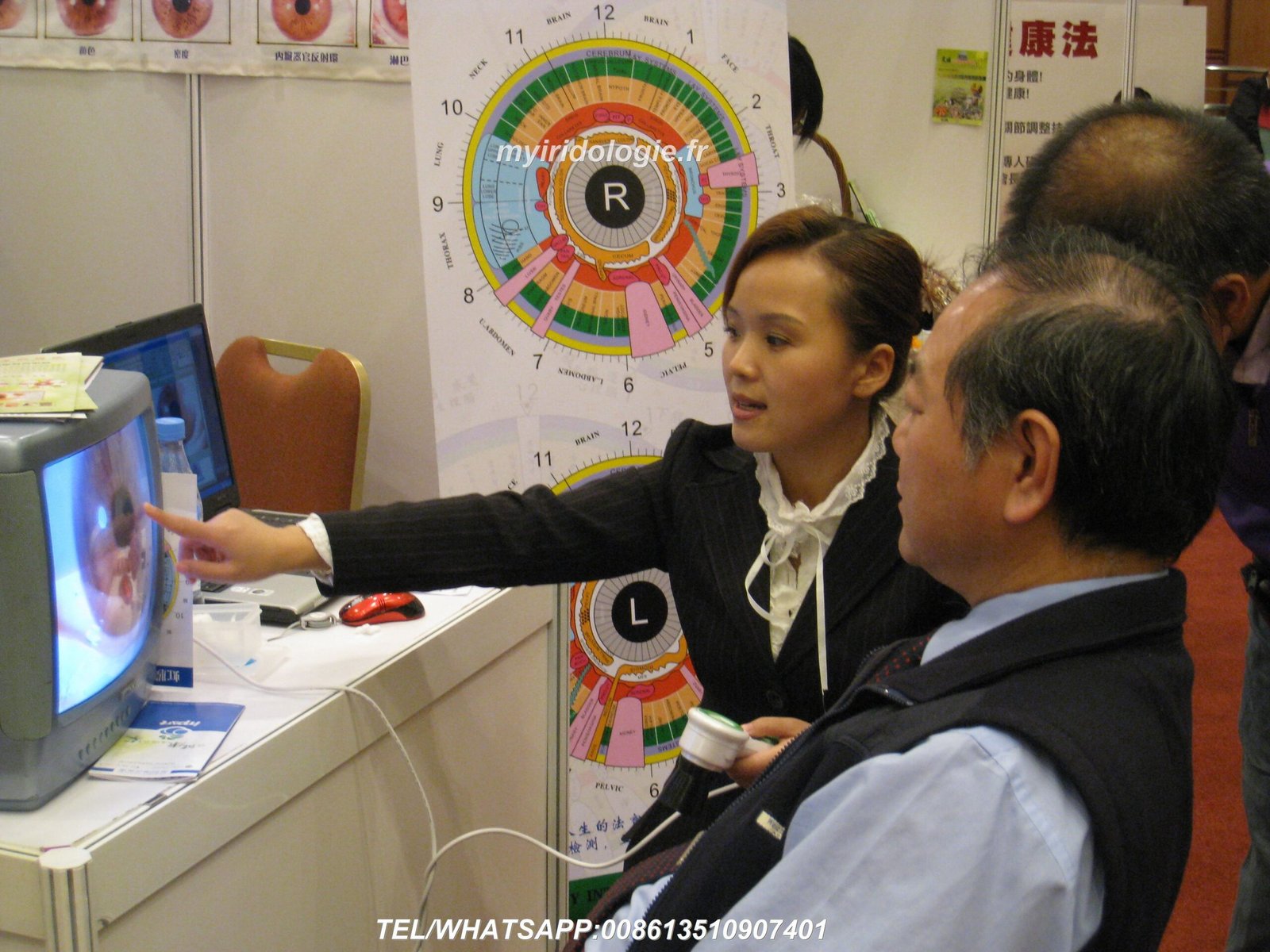
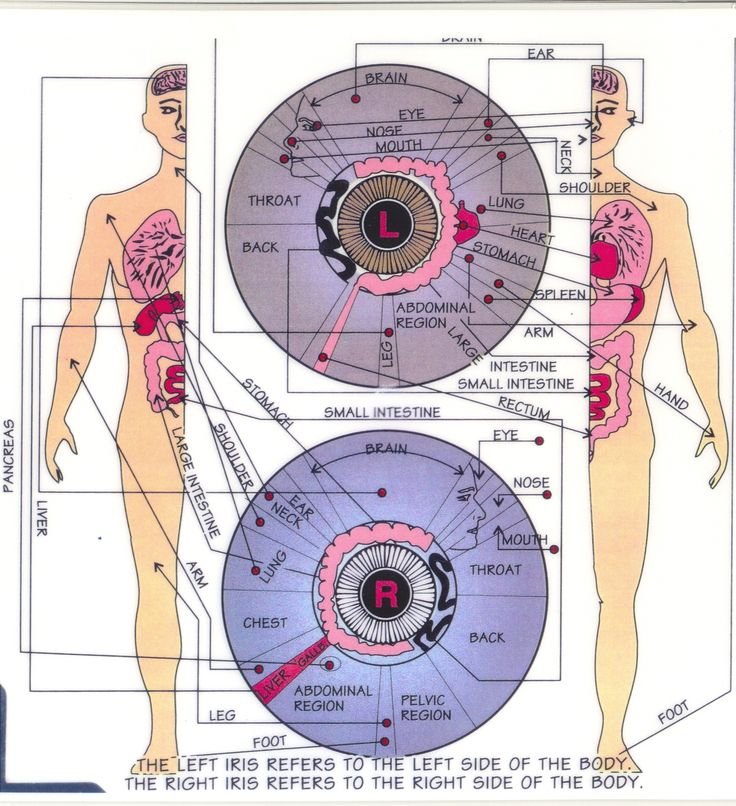
The iridology iris eye chart right mirror represents a fundamental tool in traditional wellness observation. Unlike generic wellness assessments, this specialized mapping system divides the iris into distinct zones. Each zone corresponds to specific body systems and organs according to traditional iridology theory.
Most training programs teach the right eye chart as a mirror reflection of the left eye. The left eye iridology chart typically represents the left side of the body. The right eye chart mirrors the right anatomical side. This symmetrical approach allows practitioners to observe both sides systematically.
Traditional Chart Elements
Standard iridology eye diagram systems include these components:
- Pupillary zone near the center
- Collarette boundary ring
- Ciliary zone extending outward
- Radial divisions marking organ territories
- Concentric rings showing body systems
Modern Adaptations
Contemporary training programs often incorporate:
- Digital chart overlays for software analysis
- Comparative mapping between chart versions
- Integration with iridology software platforms
- High-resolution imaging requirements
- Documentation protocols for observation records
When selecting a course, verify that instruction covers the specific iridology iris map version you intend to use professionally. Some programs teach Bernard Jensen iridology chart methodology exclusively. Others integrate multiple mapping systems. Your choice depends on your intended practice environment and client expectations.
Course Types: Finding Your Ideal Learning Path
Iridology training programs vary significantly in structure, depth, and professional outcomes. Understanding these differences helps you invest time and resources wisely.
Introductory Foundation Courses
Entry-level programs typically span twenty to forty hours. These courses introduce basic concepts of the iridology map of the eye and observation techniques. Students learn fundamental chart reading skills without advanced diagnostic interpretation.
Foundation courses suit health coaches, nutritionists, and wellness practitioners seeking basic iris observation skills. Most programs do not require prior medical training. However, they emphasize that observations serve educational purposes only and do not replace medical diagnosis.
Professional Certification Programs
Comprehensive certification training extends from one hundred to three hundred hours. These programs cover advanced chart interpretation, case studies, practical application protocols, and client communication strategies. Many include supervised practice sessions and require completion of documented case studies.
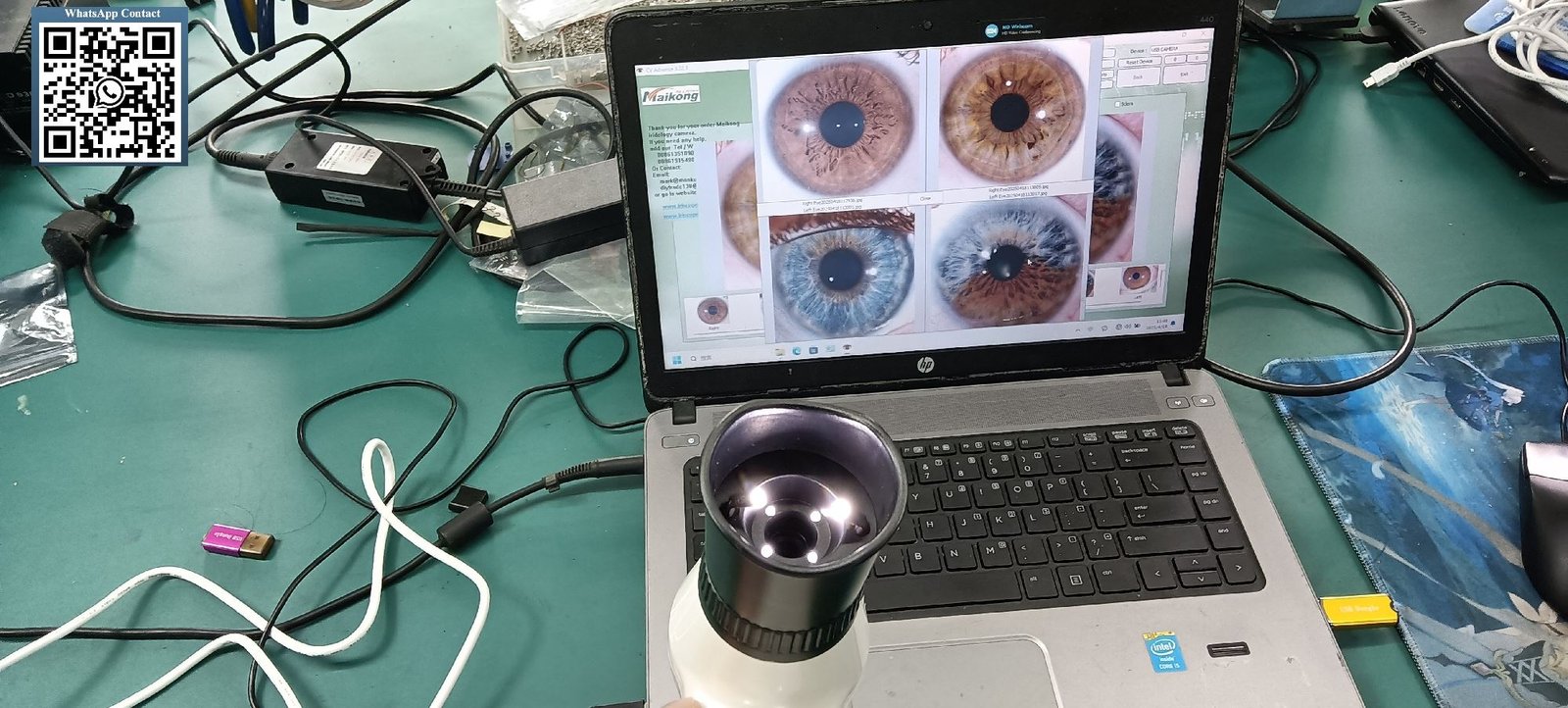
Professional programs emphasize proper equipment use. Students learn to operate an iridology camera system and document observations accurately. Some programs provide equipment as part of tuition. Others require separate purchase of an iriscope system.
| Course Level | Duration | Investment Range | Career Outcome |
| Foundation | 20-40 hours | $300-$800 | Personal wellness knowledge |
| Professional Certificate | 100-200 hours | $1,500-$4,000 | Client consultation services |
| Advanced Practitioner | 200-300 hours | $3,500-$7,000 | Full wellness practice integration |
| Instructor Certification | 300+ hours | $6,000-$12,000 | Teaching and program development |
Specialized Advanced Training
Advanced programs focus on specific applications such as nutritional consultation protocols, integration with functional wellness approaches, or business development for wellness practices. These courses assume foundational knowledge and target experienced practitioners.
Some advanced programs teach interpretation of the iridology nutrition chart specifically for dietary guidance. Others emphasize pattern recognition in chronic conditions or constitutional typing systems. Choose specializations that align with your existing practice focus and client needs.
Online Learning vs In-Person Training: Making the Right Choice
The shift to digital education has expanded access to iridology training. However, both online and in-person formats offer distinct advantages depending on your learning style and professional goals.
Online Course Benefits and Limitations
Online programs provide flexibility for working professionals. You can study the iridology map of eyes on your schedule without travel expenses. Many platforms offer lifetime access to course materials and regular content updates.
However, online learning presents challenges for hands-on skill development. Examining real eyes differs significantly from analyzing static images. Some online programs incorporate live video sessions where instructors review your image capture technique. Others require in-person workshop attendance for certification completion.
Online Training Advantages
- Schedule flexibility for working professionals
- Lower total investment without travel costs
- Replay lectures for better concept retention
- Access to international expert instructors
- Regular software and material updates
Online Training Challenges
- Limited hands-on equipment practice
- Requires strong self-discipline
- Less immediate feedback on technique
- Potential technology learning curve
- May need supplemental in-person sessions
In-Person Workshop Advantages
Traditional classroom training excels in practical skill development. You practice capturing iris images with professional equipment immediately. Instructors provide real-time feedback on camera positioning, lighting adjustment, and focus optimization.
In-person programs also facilitate peer learning. Examining different iris types among classmates builds pattern recognition skills faster than studying charts alone. Many students report that networking with fellow practitioners creates valuable long-term professional relationships.
The ideal approach often combines both formats. Complete theoretical foundation modules online at your pace. Then attend intensive weekend workshops for hands-on practice with USB iridology camera systems and live model observation sessions.
Essential Equipment and Software for Chart-Based Training
Professional iridology practice requires specific tools beyond printed charts. Understanding equipment needs before course enrollment prevents unexpected expenses and ensures you can complete practical assignments.
Camera System Investment Considerations
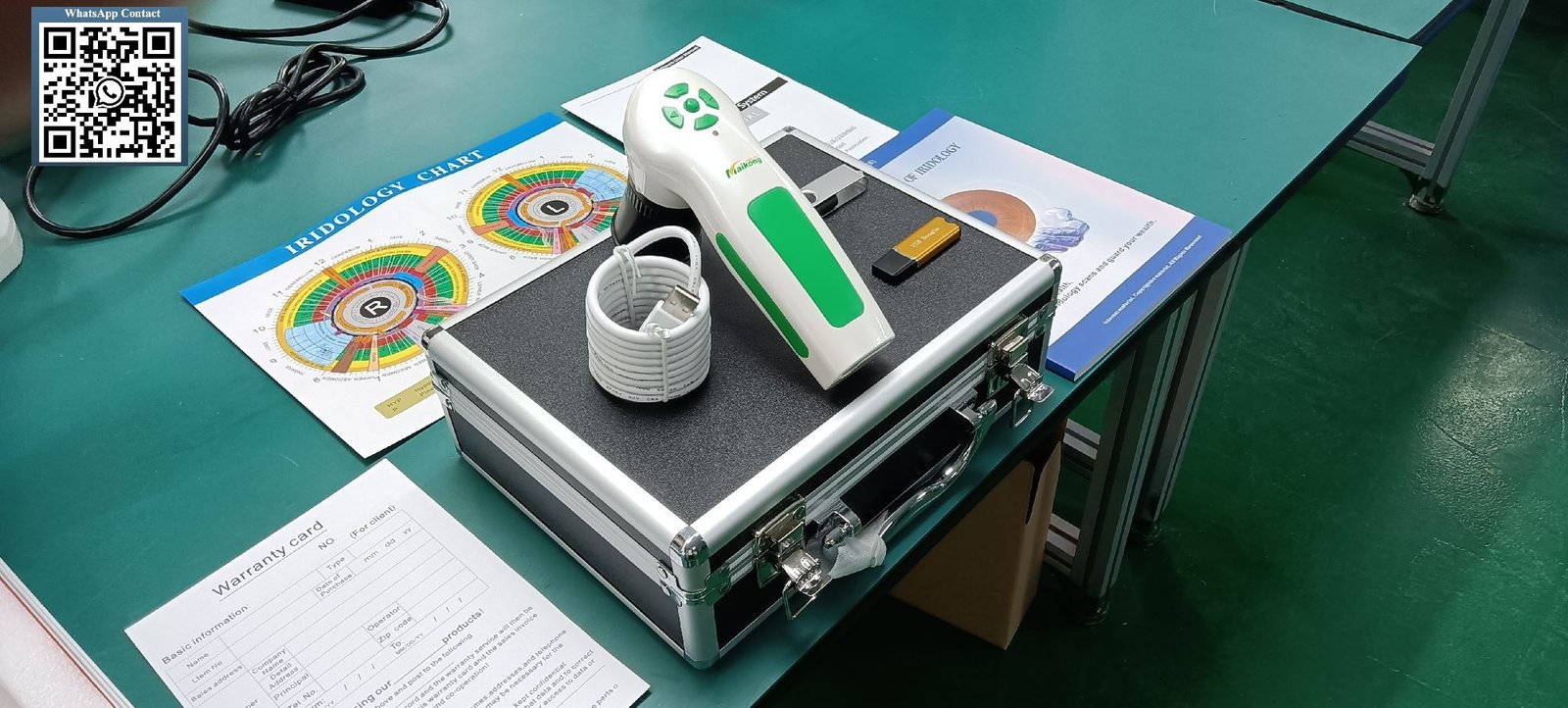
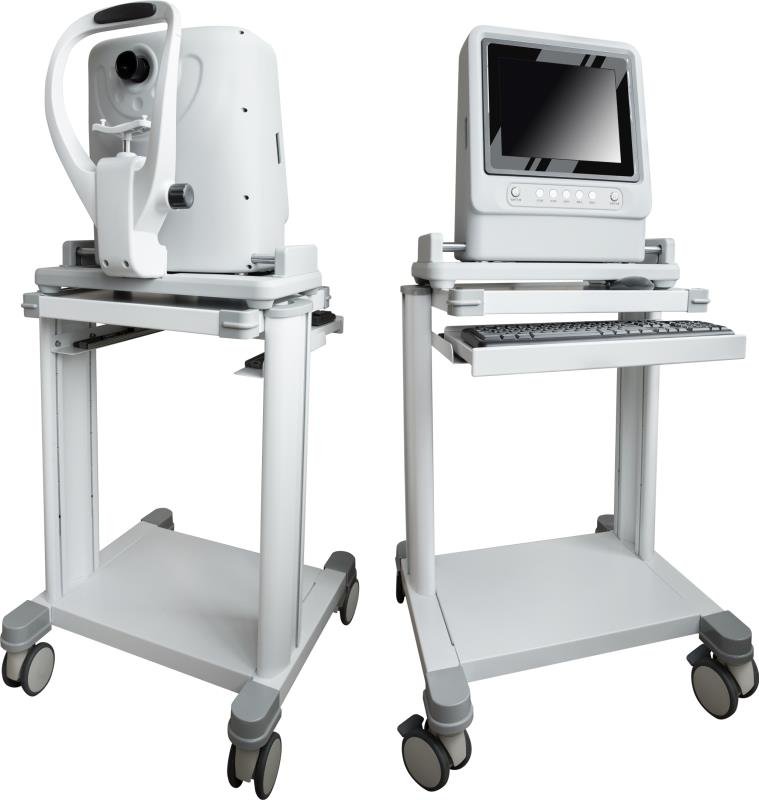
Quality iris imaging depends on specialized camera systems designed for close-up eye photography. Basic iridology camera for sale options start around eight hundred dollars. Professional systems range from fifteen hundred to four thousand dollars depending on resolution, lighting systems, and included software packages.
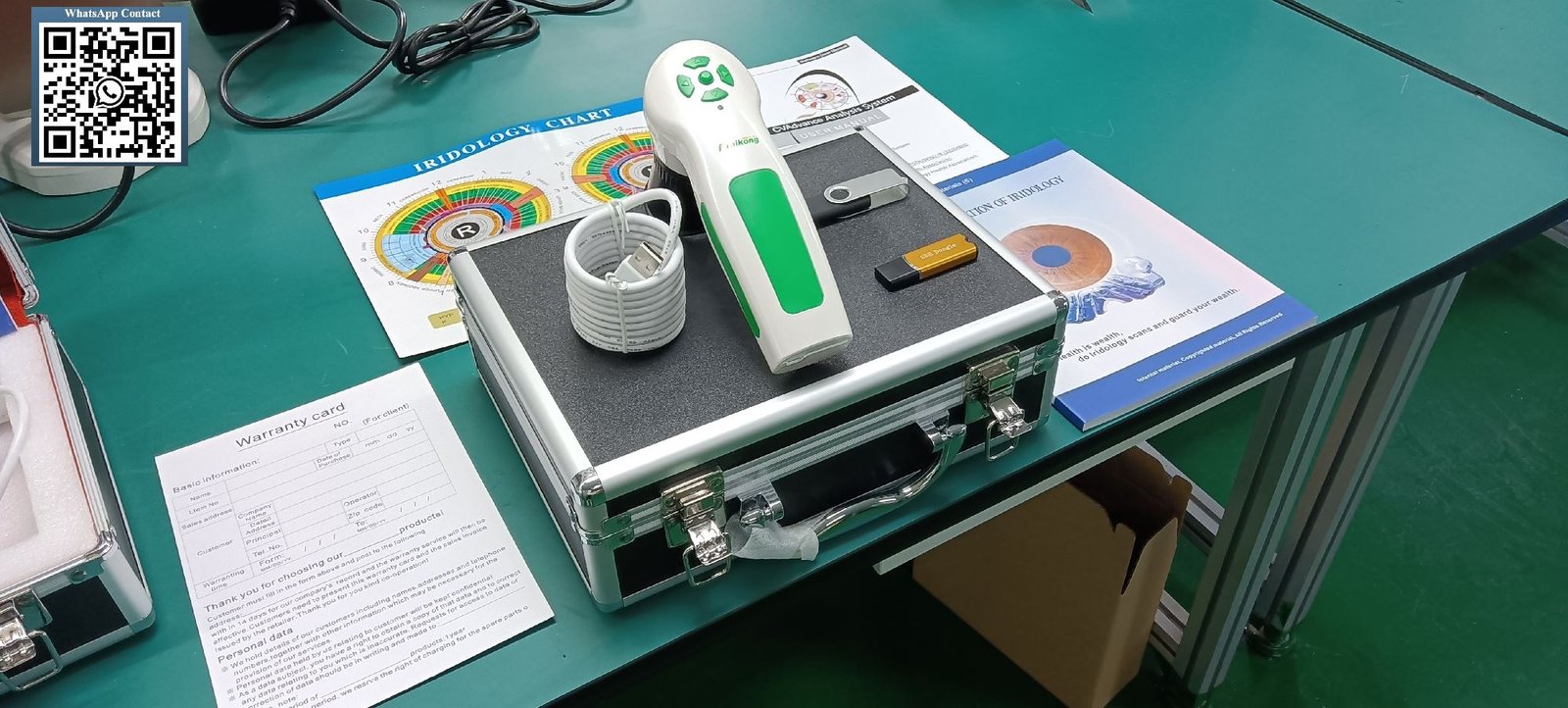
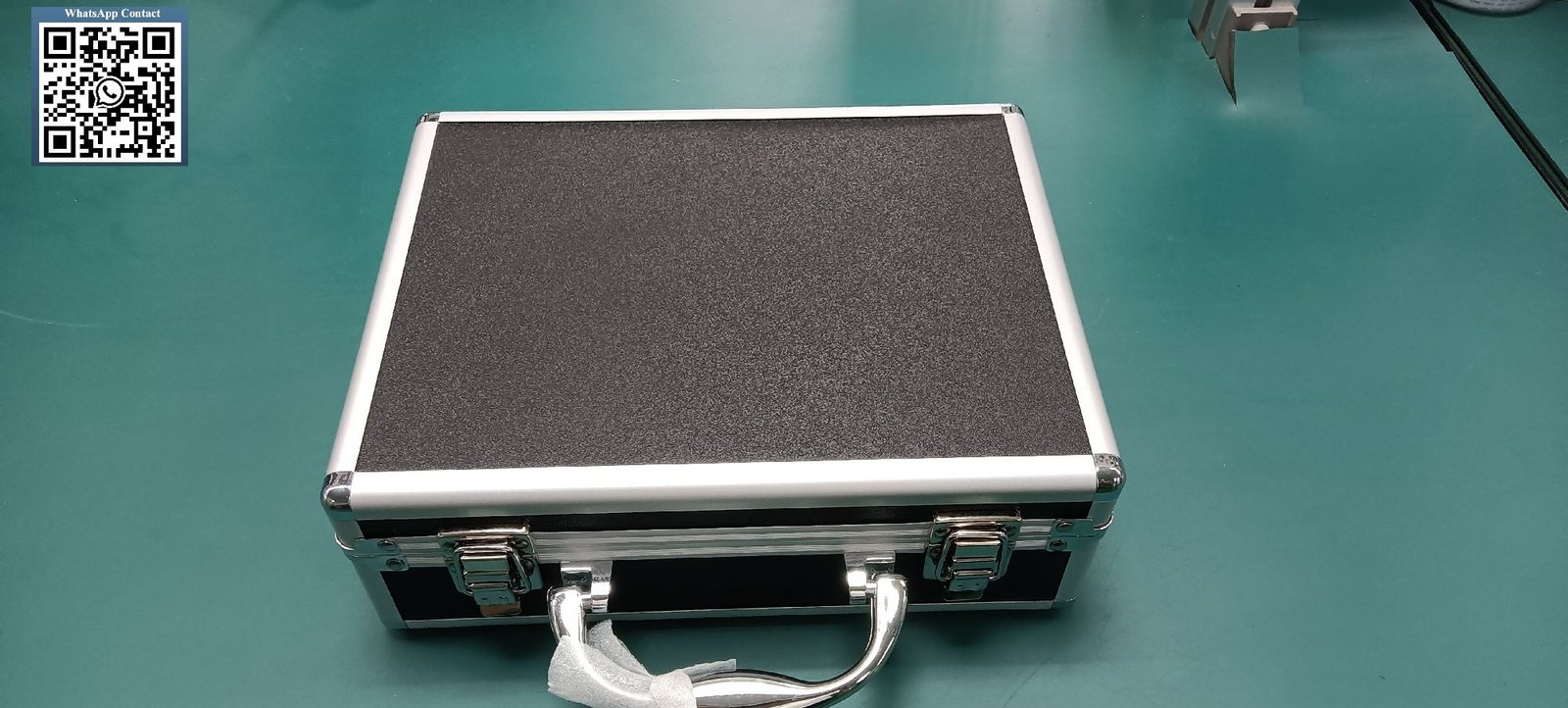
When evaluating camera systems, consider these technical specifications:
- Resolution: Minimum 5 megapixels for basic observation; 12+ megapixels for detailed analysis and teaching applications
- Lighting: Integrated LED illumination prevents reflection artifacts that obscure iris details
- Focus control: Manual adjustment capability ensures sharp images across varying eye anatomies
- Connection type: USB connectivity offers plug-and-play simplicity for most computer systems
- Portability: Compact designs support mobile practice or multi-location service delivery
Many training institutions partner with equipment manufacturers to offer student discounts. Ask about package deals that bundle course tuition with hardware. As a direct iridology camera manufacturer, MAIKONG provides customized equipment packages specifically designed for educational settings. Our systems support training environments with multi-language software and simplified operation for beginning students.
Software Platform Requirements
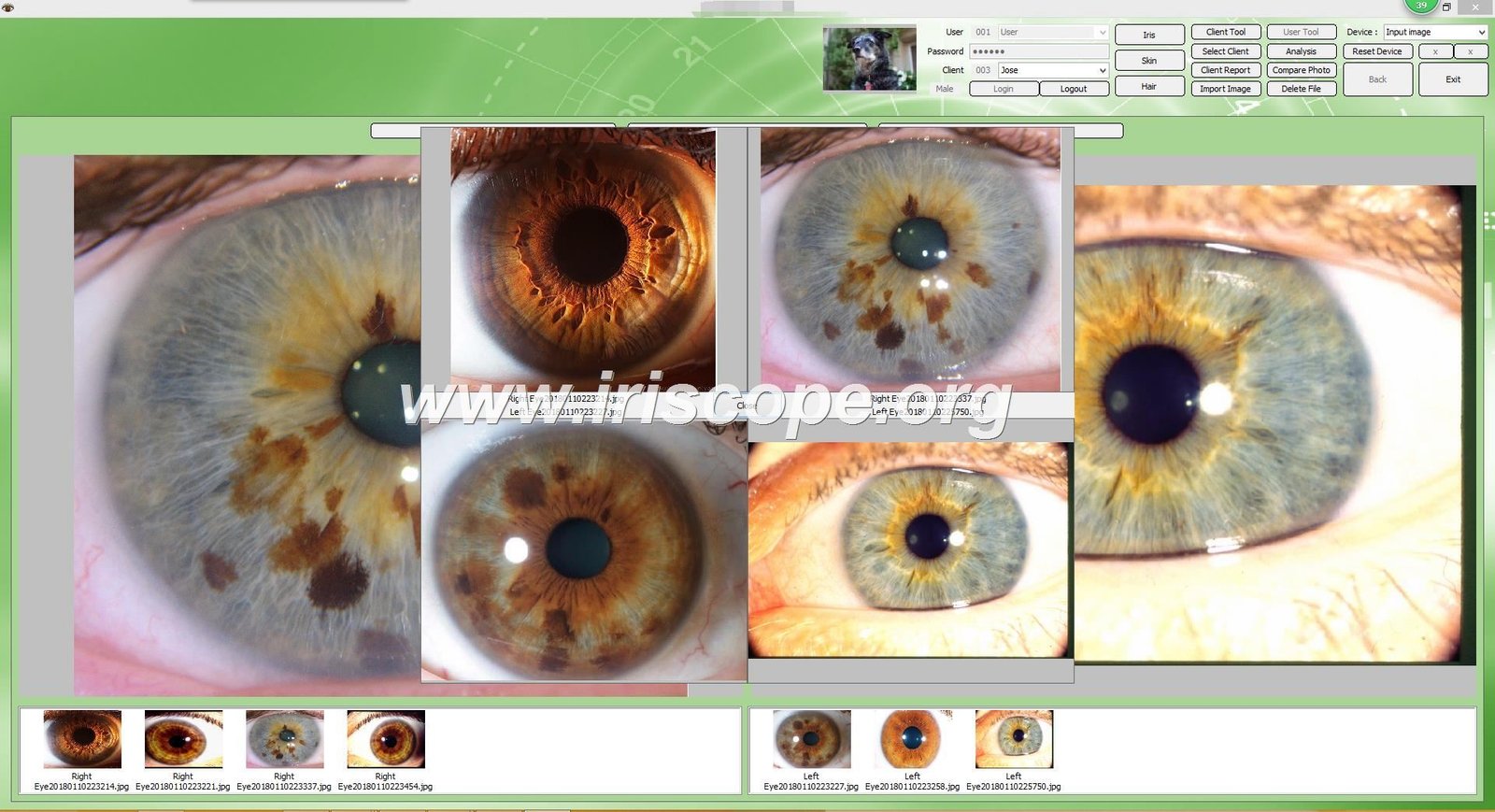
Modern iridology practice integrates digital analysis tools. Software platforms overlay chart templates on iris images, enabling systematic observation and client report generation. Entry-level programs offer basic image capture and storage. Advanced platforms include analysis features, client management databases, and customizable report templates.
Essential Software Features
- Chart overlay functionality for right and left eye mapping
- Image enhancement tools for clarity optimization
- Client database with observation history tracking
- Report generation with customizable templates
- Compatibility with your camera hardware
Advanced Software Capabilities
- Automatic zone identification and marking
- Comparison views for tracking changes over time
- Integration with iridology chart printable resources
- Multi-language interface support for diverse practices
- Cloud backup for secure data management
Some courses include software access as part of tuition. Others recommend specific platforms but require separate purchase. Verify software compatibility with your computer operating system before investing. Our MAIKONG software supports both Windows and macOS systems, making it the first platform to serve Apple users effectively in the iridology field.
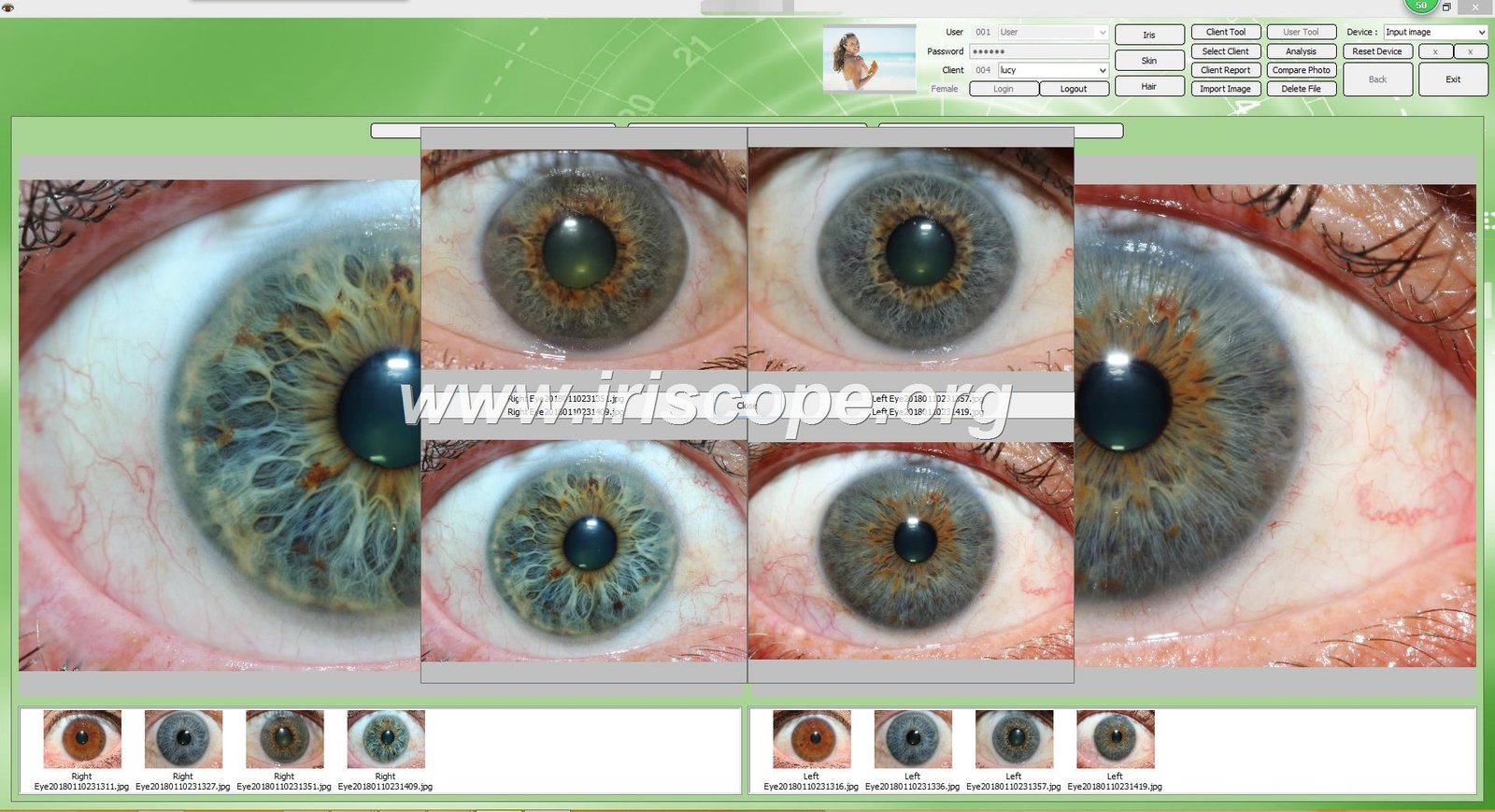
Chart and Reference Material Needs
Physical charts remain valuable teaching and reference tools even in digital practice environments. Wall-mounted charts support client education during consultations. Laminated desktop references provide quick zone identification during image analysis.
Standard chart needs include the iridology iris eye chart right mirror and left eye equivalent. Some practitioners also invest in specialized charts showing vein patterns, constitutional types, or specific system focus areas. You can often download and print basic charts from course resources before investing in professional printed versions.
For initial training purposes, quality printed charts typically cost between thirty and eighty dollars per set. Professional laminated charts for clinical display range from one hundred to three hundred dollars. Many students start with iridology software free download options and basic printed references, then upgrade equipment as their practice develops.
Need Help Selecting Equipment for Your Training Program?
As a direct manufacturer with twenty years of experience supporting training institutions, I can provide detailed specifications for camera systems, software packages, and chart resources tailored to educational environments. Our solutions integrate seamlessly with most course curricula and include technical support throughout your training.
Understanding Certification: What Credentials Actually Mean
Certification confusion creates significant frustration for students researching iridology training. Unlike regulated medical professions, iridology certification standards vary widely across organizations and geographic regions.
Certification vs Certificate Programs
This distinction matters critically when evaluating training programs. A certificate program confirms you completed specific coursework. You receive a document stating you finished the program requirements. However, this does not necessarily indicate professional competency assessment or ongoing credential maintenance.
A certification program typically includes competency evaluation through examinations, practical assessments, or case study review. Some certifying bodies require continuing education for credential renewal. These programs generally carry more professional weight but demand greater time and financial investment.

Evaluating Certification Body Legitimacy
No single governing body regulates iridology practice across the United States. Several professional organizations offer certification, each with different standards and recognition levels. When researching programs, investigate the certifying organization carefully.
Ask these critical questions about any certification program:
- How long has the certifying organization operated?
- What professional requirements must instructors meet?
- Does certification require examination or only course completion?
- Do practicing professionals recognize this credential?
- What continuing education maintains the credential?
- Can you verify certification status publicly?
Legitimate organizations maintain clear standards, published examination criteria, and public certification registries. Be cautious of programs making exaggerated claims about certification value or suggesting credentials enable medical diagnosis. Remember that iridology observations serve educational purposes and wellness support, not disease diagnosis or medical treatment.
State and Local Regulatory Considerations
Regulatory requirements for wellness practices vary significantly by state and municipality. Some jurisdictions require business licenses for wellness consultation services. Others have specific regulations about health-related claims or scope of practice limitations.
Before investing in training, research your local requirements for offering wellness observation services. Some practitioners operate under nutritional consultant licenses. Others work within natural health practitioner frameworks. A few states restrict certain wellness practices or require specific disclaimers in client communications.
Reputable training programs address these compliance issues during coursework. They teach proper client communication that emphasizes the educational nature of iridology observations. They also clarify the boundaries between wellness observation and medical diagnosis or treatment recommendations.
How to Evaluate Training Program Quality
Selecting quality training protects your professional investment and ensures you develop genuine competency. Poor programs waste time and money while leaving skill gaps that undermine your professional credibility.
Instructor Qualifications and Experience
Instructor background significantly impacts learning quality. Ideally, instructors maintain active wellness practices using iridology observation. They bring real-world experience beyond theoretical knowledge. Ask about instructor credentials, years of practice, and continuing education activities.
Strong programs feature multiple instructors with complementary expertise. One instructor might specialize in chart interpretation while another focuses on equipment technique and image quality. Some programs include guest speakers who share specific applications such as nutritional protocol integration or wellness practice business development.

Curriculum Comprehensiveness
Quality programs balance theoretical foundation with practical skill development. Curriculum should progress logically from basic concepts to advanced interpretation. Review course outlines carefully before enrolling.
Comprehensive training covers these essential areas:
Foundational Knowledge
Understanding traditional iridology theory and historical development provides context for modern practice.
- History and evolution of iris observation
- Anatomy of the iris and related eye structures
- Chart development and mapping methodologies
- Constitutional types and their significance
Technical Skills
Practical competency requires hands-on practice with professional equipment and software systems.
- Camera operation and image capture techniques
- Lighting optimization for clear imaging
- Software navigation and analysis tools
- Documentation and record-keeping protocols
Interpretation Methods
Systematic observation approaches ensure consistent, thorough analysis of iris characteristics.
- Zone identification using iridology chart right eye templates
- Pattern recognition in iris structures
- Color and texture significance
- Comparative analysis over time
Professional Practice
Successful practice integration requires business and communication skills beyond technical knowledge.
- Client consultation frameworks
- Ethical boundaries and scope limitations
- Compliance with local regulations
- Marketing wellness observation services
Student Support and Resources
Learning continues beyond formal class time. Quality programs provide robust support resources including instructor office hours, student discussion forums, and supplemental reference materials.
Evaluate these support elements when comparing programs:
- Instructor accessibility: Can you ask questions between sessions? How quickly do instructors respond to emails?
- Practice materials: Does the program provide sample images for practice analysis?
- Reference library: Do you receive comprehensive chart resources and reference guides?
- Technical support: If equipment issues arise, who helps troubleshoot?
- Alumni network: Can you connect with graduates for mentorship and advice?
Programs offering ongoing support after graduation add significant value. Some provide lifetime access to updated course materials. Others host regular webinars on advanced topics or practice management. This continued connection supports your professional development as you build experience.
Cost Transparency and Payment Options
Transparent pricing builds trust and prevents unexpected expenses. Quality programs clearly state total costs including tuition, equipment requirements, examination fees, and certification expenses if applicable.
Be cautious of programs with hidden fees or high-pressure upselling of additional courses during training. Legitimate programs may offer advanced training options, but they should present these as optional enhancements rather than necessary requirements.
Many programs offer payment plans to make training accessible. Some accept professional development financing. Ask about refund policies if circumstances prevent course completion. Understanding financial terms completely before commitment protects your investment.
Time Investment: Realistic Training Timelines
Understanding time requirements helps you select training that fits your schedule and career development timeline. Rushed programs often sacrifice depth. Overly extended programs can lead to momentum loss and incomplete training.
Self-Paced vs Structured Schedule Programs
Self-paced online programs appeal to busy professionals juggling existing careers and family responsibilities. You complete modules on your schedule within broad enrollment periods. Most self-paced programs suggest completion timelines but allow flexibility.
However, complete flexibility requires strong self-discipline. Without scheduled classes, some students procrastinate or lose focus. Many self-paced programs address this through optional live sessions, accountability partners, or suggested weekly study schedules.
Structured programs follow fixed schedules with specific class meeting times. This format provides external accountability and regular interaction with instructors and fellow students. Weekend intensive formats condense training into consecutive full days. Weekly evening sessions spread learning over several months.
Typical Completion Timelines by Program Type
| Program Type | Total Hours | Typical Timeline | Study Commitment |
| Foundation Self-Paced | 20-40 hours | 4-8 weeks | 5-7 hours weekly |
| Weekend Intensive | 40-60 hours | 5-8 weekends | Full day Saturday-Sunday |
| Evening Certificate | 100-150 hours | 6-9 months | 2-3 evenings weekly |
| Professional Certification | 200-300 hours | 12-18 months | 8-12 hours weekly |
Beyond Formal Training: Developing Practical Competency
Course completion represents only the beginning of skill development. True competency requires extensive practice analyzing diverse iris presentations. Most practitioners report needing several hundred iris observations before feeling confident in their interpretation abilities.
Plan for a practice-building phase after formal training. Many graduates arrange practice sessions with willing friends and family members. Some volunteer services at wellness fairs or community events to gain experience. This practical application phase typically spans six to twelve months beyond course completion.
Consider joining professional study groups or mentorship programs after graduation. Regular case discussion with experienced practitioners accelerates your learning curve. Many training programs facilitate alumni groups specifically for continued skill development and professional support.
Legal and Ethical Practice Boundaries
Understanding professional boundaries protects both you and your future clients. Clear scope definition prevents legal complications and maintains ethical practice standards.
What Iridology Is and Is Not
Iridology represents a traditional wellness observation method used for educational purposes and holistic health support. It does not constitute medical diagnosis, disease detection, or treatment prescription. These distinctions carry legal and ethical significance.
Practitioners observe iris characteristics and discuss traditional associations between iris features and body systems. They may suggest wellness approaches such as nutritional support, stress management, or lifestyle modifications. However, they do not diagnose medical conditions, prescribe medications, or claim to detect specific diseases.

Quality training programs emphasize these boundaries clearly. They teach appropriate language for client communications and documentation. They also explain how to recognize situations requiring referral to licensed medical professionals.
Required Disclaimers and Client Communication
Professional practice requires clear client communication about service nature and limitations. Most practitioners provide written disclosure statements explaining that iridology observations serve educational purposes and do not replace medical care.
Typical disclaimers address these key points:
- Services represent traditional wellness observation, not medical diagnosis
- Observations do not detect or treat specific diseases
- Clients should maintain relationships with licensed healthcare providers
- Wellness suggestions do not replace medical advice
- Emergency or serious health concerns require immediate medical attention
Reputable training includes sample disclaimer language and teaches proper client communication techniques. Some programs provide template consent forms and intake documents that meet professional practice standards.
Insurance and Liability Considerations
Wellness practitioners typically carry professional liability insurance covering their scope of practice. Some business insurance providers offer policies specifically designed for complementary health practitioners. Coverage typically requires documentation of professional training and certification.
Insurance requirements vary by location and practice structure. Operating as a sole proprietor carries different considerations than working within an established wellness center. Consult with an insurance professional familiar with complementary health practices in your jurisdiction.
Many professional associations offer group insurance programs as member benefits. These often provide more affordable coverage than individual policies while ensuring appropriate scope alignment.
Investment Analysis: Understanding True Training Costs
Training costs extend beyond tuition payments. Comprehensive budgeting includes equipment, materials, examination fees, and practice development expenses. Understanding total investment requirements prevents mid-training financial surprises.
Direct Training Expenses
Tuition represents your primary expense. Foundation programs typically range from three hundred to eight hundred dollars. Professional certification programs span fifteen hundred to seven thousand dollars depending on program length and included resources.
Additional direct expenses include:
- Registration fees: Fifty to two hundred dollars
- Course materials: One hundred to three hundred dollars for textbooks and charts
- Examination fees: One hundred fifty to four hundred dollars for certification testing
- Certification application: Seventy-five to two hundred fifty dollars
- Continuing education: Variable annual requirements
- Professional membership: One hundred to four hundred dollars annually
- Insurance: Three hundred to twelve hundred dollars annually
- Business licensing: Fifty to five hundred dollars depending on location
Equipment Investment Planning
Equipment represents a significant separate investment. Entry-level camera systems suitable for learning start around eight hundred dollars. Professional systems offering higher resolution and advanced features range from fifteen hundred to four thousand dollars.
Consider phased equipment acquisition. Start with basic tools for initial training. Upgrade to professional systems as your practice develops and generates revenue. Many practitioners begin with borrowed or shared equipment during training, then invest in personal systems once they launch professional services.
Software costs vary widely. Some training programs include software access during coursework but require separate purchase for continued use. Entry-level platforms range from two hundred to six hundred dollars. Professional systems with advanced features cost eight hundred to two thousand dollars. Our MAIKONG software includes free lifetime updates and multi-language support, eliminating ongoing subscription costs that some platforms charge.
Return on Investment Considerations
Calculate potential return on training investment based on realistic practice projections. Individual wellness consultations typically range from seventy-five to two hundred dollars per session depending on geographic location and practitioner experience.
Most practitioners need to complete fifty to one hundred paid sessions to recover training and equipment investments. This typically spans six to eighteen months depending on practice building success and available time commitment.
Many practitioners integrate iridology observations into existing wellness services rather than offering standalone consultations. Nutritionists might add iris observation to comprehensive nutritional assessments. Health coaches could include observations in wellness program evaluations. This integration approach often generates faster returns by enhancing existing service value rather than building an entirely new practice.
Interested in Equipment Financing for Training Institutions?
I have worked with numerous training programs to develop equipment packages that fit educational budgets while maintaining professional quality standards. As a direct manufacturer, we can customize camera systems, software platforms, and chart resources specifically for training environments. Our packages include quantity discounts for institutional purchases and technical support throughout your program duration.
Real Training Success Stories and Lessons Learned
Learning from others’ experiences helps you avoid common pitfalls and make informed decisions. These case examples represent typical training journeys across different practitioner types.
Career Transition: From Corporate to Wellness Practice
Sarah left a marketing career to pursue holistic health coaching. She enrolled in a comprehensive certification program combining online modules with quarterly weekend intensives. The program spanned fourteen months and included supervised practice requirements.
Sarah invested approximately forty-five hundred dollars in training plus two thousand dollars in equipment. She purchased a mid-range camera system and professional software during her second training quarter. By month eighteen after course completion, her wellness practice generated enough income to replace her previous corporate salary.
Key success factors Sarah identified: strong business planning before launching, active networking in local wellness communities, and commitment to ongoing education. She also emphasized the importance of clear client communication about service scope and boundaries.
Service Integration: Adding Skills to Existing Practice
Michael operated an established nutrition consultation practice for eight years before adding iridology observation. He completed a focused professional certificate program over six months while maintaining his existing client schedule.
Michael’s training investment totaled twenty-eight hundred dollars including tuition and equipment. He purchased professional-grade equipment from the start, anticipating immediate integration into paid services. Within three months, iris observations became a standard component of his comprehensive nutritional assessments.
Michael reported that clients valued the additional observation dimension. It enhanced his existing service offering without requiring separate consultation sessions. His revenue increased approximately thirty percent through higher per-session fees rather than dramatically increased session volume.
Education Focus: Becoming an Instructor
Jennifer completed practitioner certification then pursued advanced instructor training. Her total training journey spanned three years and included extensive practical experience requirements. She invested approximately twelve thousand dollars in comprehensive training, advanced certifications, and professional equipment.
Jennifer now teaches foundation courses through a natural health school while maintaining a limited private practice. Teaching income covers her ongoing professional development while allowing her to work primarily from home. She emphasizes that instructor roles require genuine passion for teaching beyond technical proficiency in iridology observation.
Taking Action: Your Course Selection Process
You now have a comprehensive framework for evaluating training programs. Transform this knowledge into action through systematic program comparison and informed decision making.
Creating Your Personal Evaluation Checklist
Develop a comparison spreadsheet including these critical evaluation factors:
- Program structure and total hours
- Instructor qualifications and experience
- Curriculum comprehensiveness
- Certification or certificate offering
- Equipment requirements and included resources
- Total investment including all fees
- Schedule format and time commitment
- Student support and ongoing resources
- Alumni success and program reputation
- Compliance education and ethical standards

Request detailed information from your top three program candidates. Most reputable programs provide comprehensive prospectuses, sample lesson plans, and clear cost breakdowns. Schedule calls with program directors to ask specific questions about areas important to your situation.
Questions to Ask Before Enrolling
Direct conversation with program representatives reveals information not always apparent in marketing materials. Ask these critical questions:
Program Quality
- What percentage of students complete certification requirements?
- Can I speak with recent graduates about their experiences?
- What ongoing support do you provide after graduation?
- How often do you update curriculum and materials?
Practical Considerations
- What equipment do you recommend for beginning students?
- Are there student discounts on required equipment?
- What happens if I need to pause or extend my timeline?
- Do you assist with practice development after graduation?
Trial Periods and Money-Back Guarantees
Some programs offer trial periods or satisfaction guarantees. These options reduce financial risk if you discover training does not meet your expectations. Understand refund policies completely before committing. Know what circumstances qualify for refunds and any time limitations that apply.
Be realistic about your commitment level. Training requires consistent effort and practice. Programs cannot deliver results if you do not engage fully with coursework and practical assignments. However, legitimate programs should stand behind their quality with reasonable satisfaction policies.
Starting Your Training Journey
Once you select a program, prepare for success through proper planning. Establish dedicated study time in your schedule. Create a suitable space for practice with adequate lighting and minimal distractions. Connect with fellow students early to build support networks.
Remember that training represents the foundation, not the entirety, of skill development. Commit to ongoing learning, regular practice, and continuous professional development. The most successful practitioners view their initial training as launching a lifelong learning journey in traditional wellness practices.
Understanding the iridology chart how to read methodology requires patience and consistent practice. Approach your training with realistic expectations and genuine curiosity about traditional wellness observation systems.
Frequently Asked Questions About Iridology Eye Chart Right Training
What is the difference between iridology eye chart right and left eye charts?
The iridology eye chart right represents a mirror reflection of the left eye chart in most traditional mapping systems. The right eye chart corresponds to right-side body organs and systems, while the left eye iridology chart represents left-side anatomical structures. Both charts use the same fundamental zone divisions and concentric ring systems, but with mirrored organ placement.
Training programs typically teach both charts simultaneously since practitioners observe both eyes during wellness consultations. The mirrored structure allows systematic comparison between left and right sides, helping identify bilateral patterns or unilateral presentations. Most modern software systems include overlay templates for both eye orientations, simplifying analysis.
Do I need expensive equipment to start learning iridology eye chart right interpretation?
No. Basic training can begin with printed charts and high-quality smartphone photographs. Many students start with iridology chart printable resources and practice analyzing existing iris images before investing in specialized equipment. Foundation courses often focus on chart comprehension and pattern recognition using provided sample images.
However, professional practice requires dedicated equipment. An iriscope or specialized iris camera ensures consistent image quality, proper lighting, and magnification necessary for detailed observation. Most practitioners invest in professional equipment during or immediately after completing certification requirements. Entry-level systems start around eight hundred dollars, with professional packages ranging from fifteen hundred to four thousand dollars depending on features and included software.
How long does it take to become proficient at reading the iridology iris eye chart right mirror?
Basic chart familiarity develops within forty to sixty hours of focused study. However, confident interpretation proficiency typically requires six to twelve months of regular practice after formal training completion. Most practitioners report analyzing several hundred iris presentations before feeling truly comfortable with pattern recognition and systematic observation protocols.
Proficiency development depends on several factors including training quality, practice frequency, access to diverse iris presentations, and mentorship availability. Practitioners who analyze ten to fifteen iris images weekly develop skills faster than those with sporadic practice. Participating in professional study groups or case review sessions accelerates learning significantly through exposure to varied presentations and experienced practitioner feedback.
Can I legally practice iridology after completing an online course about iridology eye chart right?
Legal practice requirements vary significantly by state and municipality. Iridology itself is not regulated as a distinct profession in most United States jurisdictions. However, offering wellness consultation services may require business licenses, health practitioner credentials, or compliance with specific scope-of-practice regulations depending on your location.
Before offering services, research requirements in your specific jurisdiction. Some areas require general business licenses. Others mandate health practitioner credentials or restrict certain wellness practices. Additionally, professional liability insurance typically requires documented training from recognized programs. Reputable training includes guidance on legal compliance and appropriate scope boundaries. The quality and recognition of your training matters more than simply delivery format when establishing professional credentials.
What is the difference between an iridology nutrition chart and the standard iridology map of the eye?
The standard iridology map of the eye shows general organ and system locations throughout iris zones. An iridology nutrition chart represents a specialized overlay focusing specifically on nutritional zones and the digestive system relationships mapped in the iris. Nutrition charts emphasize the iridology nutritive zone which traditionally corresponds to digestive and assimilation functions.
Most training programs teach the standard anatomical chart first, then introduce specialized charts for specific applications. Nutrition-focused practitioners often use both charts together, referencing the anatomical map for general observations and the nutrition chart for dietary guidance considerations. Understanding the relationship between different chart systems requires comprehensive training that covers multiple mapping methodologies and their traditional theoretical foundations.
Are older iridology charts like the Bernard Jensen chart still relevant for modern training?
Yes. The Bernard Jensen iridology chart remains foundational in most training programs. Dr. Jensen’s mapping system established many conventions still used in contemporary practice. Understanding traditional charts provides essential context for interpreting newer variations and hybrid systems.
Modern training typically includes both classical charts and contemporary adaptations. Some programs teach multiple chart systems, explaining how different practitioners and schools of thought have refined traditional mappings. This comprehensive approach allows students to understand theoretical evolution while developing their personal observation methodology. The fundamental zones and principles remain consistent across chart versions, with variations primarily in detailed organ placement and interpretative emphasis.
What software do I need for professional iridology eye chart right analysis?
Professional practice requires iridology software that provides chart overlay capabilities, image enhancement tools, client database management, and report generation functions. Most programs integrate with standard iris cameras through USB connections. Software should support your computer operating system whether Windows or macOS.
Key features to seek include multiple chart template options (including iridology eye chart right and left orientations), zoom and enhancement tools for detailed examination, comparison viewing for tracking changes over time, and customizable report templates. Our MAIKONG software supports seventeen languages and both Windows and Mac systems, making it the first platform to serve Apple users effectively. Many training programs recommend specific software or include platform access with tuition. Verify compatibility with your chosen camera system before purchasing. Some providers offer trial versions for evaluation before commitment.
Can I specialize in just the iridology eye chart right, or must I learn both eyes?
Professional competency requires understanding both right and left eye charts. Comprehensive wellness observation examines both eyes systematically to identify bilateral patterns, unilateral presentations, and comparative observations between sides. Most training programs teach both charts simultaneously since the mirrored structure makes learning both more efficient than studying either in isolation.
Some practitioners develop stronger skills in one eye or the other initially, but professional practice demands bilateral competency. Clients expect complete observations, and limiting yourself to one eye significantly reduces observation value. The additional learning investment for both charts is minimal since they share fundamental structure with mirrored organ placement. Focus your initial practice on mastering systematic bilateral observation rather than artificially limiting your scope to one eye.
Your Path Forward in Iridology Education
Selecting the right training program for understanding the iridology eye chart right represents a significant professional decision. Quality education provides foundational knowledge, develops practical skills, and establishes ethical practice standards that serve you throughout your career.
Remember these key principles as you evaluate programs:
- Prioritize comprehensive curriculum over quick certification promises
- Verify instructor qualifications and active practice experience
- Understand total investment including equipment and ongoing costs
- Research certification value and professional recognition carefully
- Ensure training addresses legal compliance and scope boundaries
- Select programs offering ongoing support beyond initial completion

The intersection of traditional wellness observation and modern technology creates exciting opportunities for dedicated practitioners. Quality training combined with professional equipment and ethical practice standards positions you for success in this growing field.
As you move forward, remember that iridology observations serve educational purposes and wellness support. They do not diagnose medical conditions, detect diseases, or replace professional healthcare. This clear understanding protects both you and your future clients while establishing your credibility as a responsible wellness practitioner.
Your commitment to proper training demonstrates respect for this traditional practice and the clients you will serve. Invest wisely in quality education, practice consistently, and engage with professional communities for ongoing development. The skills you build through dedicated training will serve you throughout your wellness career.
Ready to Explore Partnership Opportunities in Iridology Equipment and Training Support?
MAIKONG has supported training institutions and wellness practitioners across North America for over twenty years. As a direct manufacturer based in GD, SZ, with US warehouse capabilities, I offer specialized equipment packages, customizable software solutions, and technical support designed specifically for educational environments and professional practices. Our ISO9000 and CE certified systems integrate seamlessly with most training curricula. We have served over one thousand clients with OEM and ODM solutions, helping them launch successful programs and expand their practices.
Whether you operate a training institution seeking equipment partnerships, a practitioner launching a wellness practice, or a distributor exploring the US market, I welcome your inquiry. Our partnership program offers exclusive pricing, marketing support, technical training, and ongoing consultation tailored to your specific market needs.
Visit our complete product and service catalog at https://myiridology.us/ or learn more about MAIKONG and our commitment to supporting wellness education and practice excellence.