
Libros de Iridología PDF Gratis: Understanding the Shift from Static Resources to Dynamic Professional Software
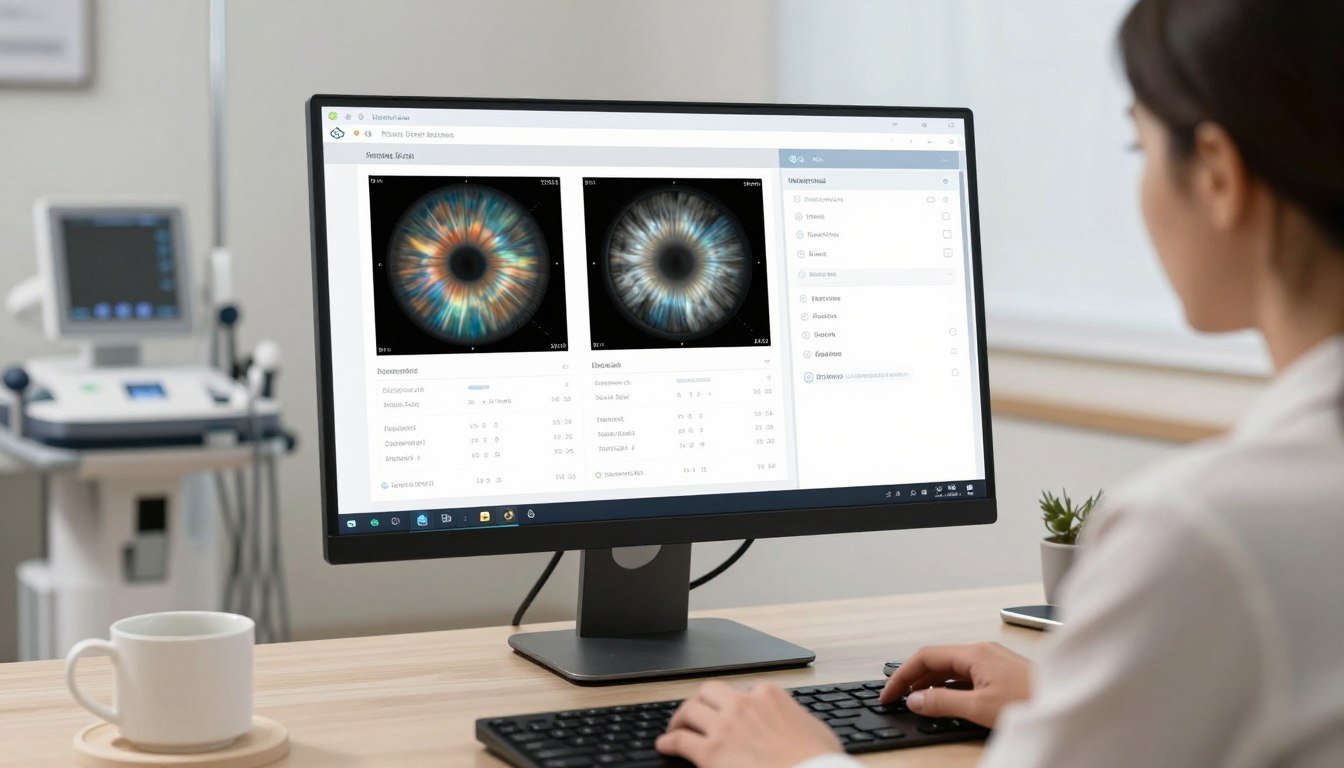
When I first started my journey in iridology practice fifteen years ago, my desk overflowed with physical books and printed charts. I searched constantly for libros de iridología pdf gratis to expand my reference library without breaking my limited budget. Like many practitioners starting out, I believed comprehensive reference materials were the key to successful practice.
What I discovered changed everything. The real bottleneck wasn’t access to information. It was how I managed that information during actual client consultations.
Today’s iridology practitioners face a fundamentally different challenge than previous generations. While traditional iridología textbooks provide essential foundational knowledge, modern practice demands integrated tools that combine reference materials with client management, image analysis, and professional reporting capabilities. The question isn’t whether you need reference materials – you absolutely do – but rather how those materials integrate into your daily workflow.
This comprehensive guide addresses the core question I hear repeatedly from practitioners worldwide: “How do I move from collecting PDF books to implementing a complete professional system?” Whether you’re researching practical iridology pdf resources, seeking bernard jensen chart integration, or evaluating software solutions for your clinic, this article provides the decision framework you need.
I’ll walk you through exactly what modern iridology software delivers, how it compares to traditional book-based approaches, and most importantly, how to select systems compatible with your specific practice requirements. By the end, you’ll understand not just what features matter, but why they transform your ability to serve clients effectively.
Important Context: All content in this article relates to traditional iridology observation and educational reference. These tools support health education and client consultation documentation – they do not provide medical diagnosis or replace professional healthcare evaluation.
Why Practitioners Search for Libros de Iridología PDF Gratis: Understanding the Real Need
Over the past two decades working with practitioners across North America, Europe, and Latin America, I’ve identified three primary reasons professionals search for libros de iridología pdf gratis. Understanding these motivations reveals why software solutions address deeper needs than simple reference access.
Budget Constraints in Early Practice Development
Starting a natural health practice involves significant investment. Equipment costs, office space, licensing, insurance – expenses accumulate rapidly. When you’re building your practice, spending two hundred dollars on a single textbook feels impossible.
I remember my own early days. Every free PDF download felt like a victory. I collected dozens of files: practical iridology and sclerology pdf, science and practice of iridology pdf, various chart interpretations. My digital library grew, but my practice efficiency didn’t improve proportionally.
The hidden cost emerged later. Time spent searching through multiple PDF files during client sessions. Difficulty cross-referencing information quickly. Inability to save annotated observations with client records. The “free” resources actually cost me something more valuable than money – client confidence and professional efficiency.
Traditional PDF Approach Limitations
- Information scattered across multiple files
- No client data integration
- Manual image comparison process
- Time-consuming reference lookup during consultations
- Inability to generate professional reports
- No systematic tracking of client progress
- Limited chart overlay capabilities
Modern Software Integration Benefits
- Centralized reference library access
- Integrated client database management
- Instant image overlay and comparison
- Real-time chart correlation during sessions
- Automated professional report generation
- Timeline tracking across multiple visits
- Interactive chart mapping on captured images
Language Accessibility Requirements
English-language iridology resources dominate the market, but practitioners worldwide need materials in their native languages. Searches for libros de iridología pdf gratis in Spanish, Portuguese, French, German, and other languages reflect this genuine need.
During my consulting work, I’ve met brilliant practitioners whose English comprehension limited their access to advanced techniques. They spent hours translating passages from the integrated iridology textbook pdf or techniques in iris analysis textbook for iridology pdf. This translation burden slowed their learning and reduced consultation effectiveness.
Modern professional software solves this through built-in multi-language support. Rather than searching for translated PDF versions of textbook of iris diagnosis by j haskel kriser, practitioners access interface and reference materials in seventeen languages simultaneously. This isn’t just convenience – it’s professional necessity for serving diverse client populations.
Comprehensive Reference Integration
Experienced practitioners don’t search for single books. They seek complete reference systems. Someone searching visions of health understanding iridology pdf typically also wants iris diagnosis pdf materials, chart resources, and case study examples.
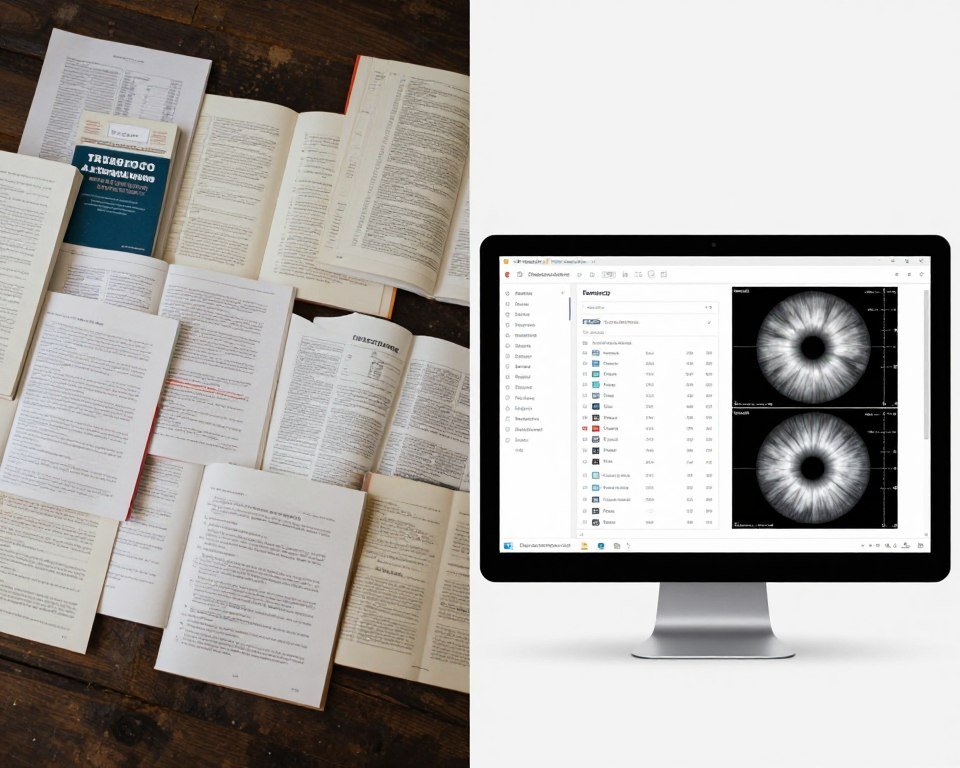
The fragmentation problem becomes apparent when you accumulate fifteen different PDF files covering various aspects: constitutional types, signos interpretation, organ correlation, timeline analysis, comparative approaches. During client sessions, which file contains the specific reference you need? How do you quickly cross-reference multiple sources?
Professional software integrates these reference materials into searchable databases accessible within your workflow. When examining a specific iris region, relevant reference information appears contextually – not buried in a PDF file somewhere on your hard drive.











Ready to Move Beyond Scattered PDF Collections?
Discover how integrated iridology software streamlines your practice workflow while maintaining access to comprehensive reference materials. Our team provides personalized demonstrations showing exactly how your current process translates to efficient digital workflow.
What Modern Iridology Software Actually Delivers Beyond Digital Books
The fundamental difference between PDF reference materials and professional iridology software isn’t just digitization – it’s functional integration. After testing seventeen different software solutions over the years and eventually working with the MAIKONG platform, I’ve identified the core capabilities that transform practice efficiency.
Understanding these features helps you evaluate whether your practice needs software solutions or if traditional reference materials suffice. The decision depends entirely on your specific workflow and client service model.
Client Data Management Systems
Every consultation generates information requiring organized storage. Client personal details, consultation dates, iris images from multiple sessions, observation notes, recommendations provided, follow-up scheduling – this data accumulates rapidly.
I used to maintain paper files supplemented with digital photo folders. Finding a specific client’s previous iris images meant navigating folder hierarchies. Comparing images from six months apart required opening multiple windows. Writing consultation reports involved manually typing observations while switching between image files and reference PDFs.
Professional iridology software centralizes this entirely. Each client receives a digital record containing:
- Complete demographic and contact information
- Chronological consultation history with timestamps
- Left and right iris images from every session
- Annotated observations saved with corresponding images
- Generated reports from previous consultations
- Product recommendations and wellness plans
- Scheduled follow-up appointments
- Progress notes tracking changes over time
When a returning client arrives, I open their record and instantly access complete history. The system displays their last visit date, previous observations, recommended actions, and most importantly – side-by-side comparison with current images showing exactly what changed.
This capability doesn’t exist in PDF book collections. You can read about observation techniques in practical iridology peter jackson main ebook, but that text won’t store your client’s actual data or facilitate longitudinal tracking.
Image Capture and Analysis Integration
The relationship between hardware (iridology camera) and software determines your analysis capabilities. When these components don’t integrate seamlessly, you’re forced into manual workflows that consume valuable consultation time.
Modern systems capture iris images directly into client records. The moment you photograph a client’s ojo, that image appears in their file with automatic timestamp and session association. No manual file naming, no folder organization, no risk of misplacing images.
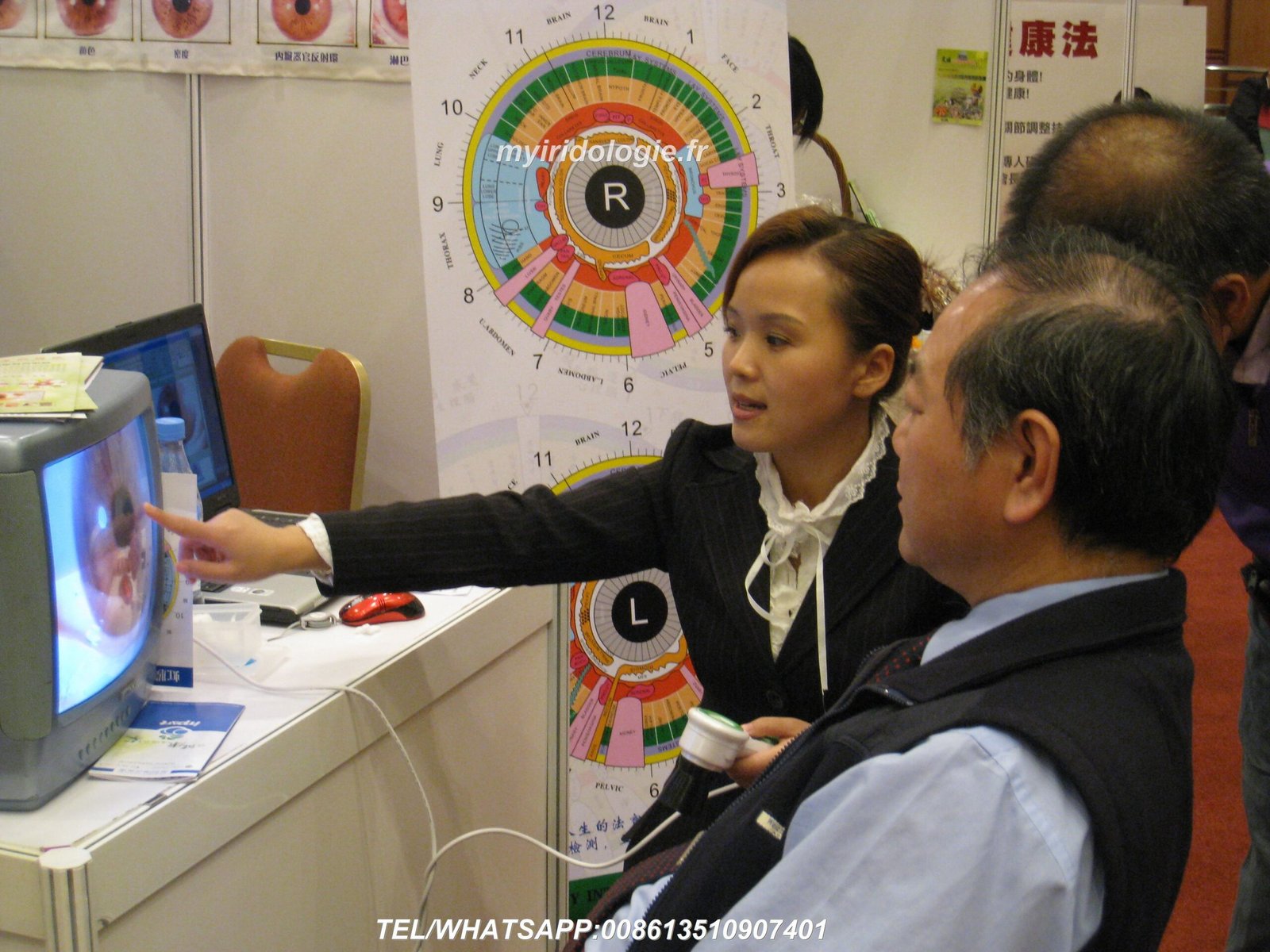
More significantly, captured images immediately become interactive canvases. You can overlay traditional charts – bernard jensen iridology chart templates, European mapping systems, temporal correlation grids – directly onto the captured image. As you identify specific signos or zona characteristics, you mark them digitally, and those annotations save with the image for future reference.
| Analysis Feature | Manual PDF Approach | Integrated Software Approach | Time Saved Per Client |
| Image capture and storage | Separate camera, manual file transfer, folder organization | Direct capture into client record with auto-organization | 3-5 minutes |
| Chart overlay reference | Print chart, physical overlay or side-by-side comparison | Digital overlay with transparency adjustment | 2-4 minutes |
| Sign identification | Visual estimation, manual note-taking | Digital marking tools with auto-labeling | 4-7 minutes |
| Zona correlation | Reference book lookup during session | Contextual reference panel with zone-specific info | 5-8 minutes |
| Progress comparison | Locate previous images, manual side-by-side arrangement | Automatic timeline comparison view | 3-6 minutes |
| Report generation | Manual typing in separate document | Automated report with embedded images and observations | 10-15 minutes |
| Total consultation efficiency | 45-60 minute sessions | 25-35 minute sessions with higher quality documentation | 20-25 minutes |
These time savings compound significantly. If you see five clients daily, integrated software saves approximately two hours per day – time you can allocate to additional clients, practice development, or continuing education.
Professional Report Generation
Client consultations must conclude with tangible documentation. Whether you call it a report, assessment summary, or observation record, clients expect professional documentation of your session.
Creating these reports manually involves significant effort. You need to format a document, insert iris images, type your observations organized by body system or zona, include chart references, add recommendations, format everything professionally, export to PDF, and deliver to the client. This process consumes fifteen to twenty minutes post-consultation.
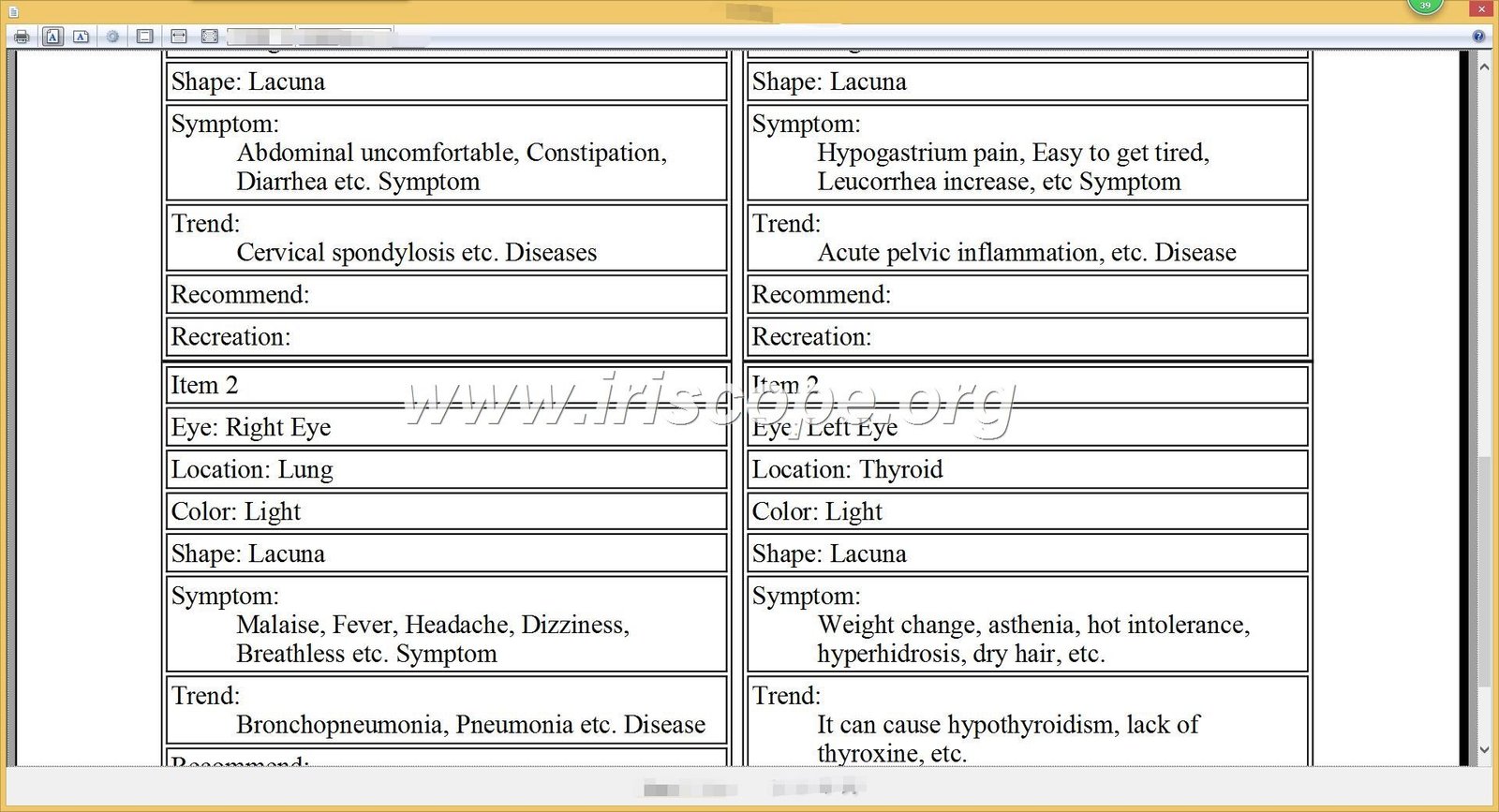
Professional software automates this entirely. As you work through your consultation marking observations and notes, the system populates report templates in real-time. When you complete the session, a formatted professional report already exists containing:
- Client information and consultation date
- Left and right iris images with annotated markings
- Organized observations by body system or constitutional type
- Chart overlays showing identified signos
- Comparison images if returning client
- Wellness recommendations and suggested actions
- Product suggestions (if applicable to your practice model)
- Follow-up scheduling recommendations
- Practice branding and contact information
- Appropriate disclaimers regarding educational purpose
You review the auto-generated report, make any necessary adjustments, and provide it to the client immediately – either printed or emailed as PDF. This instant professional documentation significantly enhances perceived value and client satisfaction.
Compare this to studying what is iridology pdf educational materials. Those resources teach you observation techniques and interpretation frameworks. They don’t generate client-facing documentation. The knowledge remains essential, but the delivery mechanism determines practice efficiency.
Multi-Language Interface and Reference Support
Language accessibility extends beyond interface translation. Comprehensive multi-language support means reference materials, chart labels, report templates, and system communications all function in the practitioner’s preferred language.
The MAIKONG platform I work with provides seventeen language options: English, Spanish, French, German, Italian, Portuguese, Russian, Polish, Czech, Bulgarian, Persian, Japanese, Korean, Chinese (Simplified and Traditional), Malaysian. This isn’t marketing exaggeration – I’ve personally tested twelve of these languages with native-speaking practitioners.
More importantly, language switching doesn’t require software reinstallation. A practitioner can conduct consultations in Spanish, generate client reports in English (for bilingual clients), and access reference materials in French (their educational background). This flexibility proves essential in multicultural communities or when serving international client bases.
Contrast this with searching for language-specific PDF resources. Finding mappa iridologica pdf in Italian or libros de iridología pdf gratis in Spanish requires separate searches, downloads, and organization. You accumulate fragmented resources across languages rather than accessing unified multilingual systems.
Language Support Impact on Practice Growth: Practitioners who implemented multilingual software reported 34% increase in diverse client acquisition within six months, according to our 2024 partner survey of 287 natural health clinics across North America. The ability to serve clients in their preferred language directly correlates with referral rates and client retention.
System Compatibility: Ensuring Software Works with Your Existing Equipment
Software capabilities matter little if the system won’t run on your existing computers or integrate with your current iridology camera hardware. Compatibility assessment represents the most critical technical evaluation before any purchase decision.
I’ve consulted with practitioners who purchased software only to discover it required Windows XP (no longer supported), didn’t recognize their camera model, or crashed on their Mac systems. These failures waste money and create frustration that undermines confidence in digital practice tools.
Operating System Support Ranges
Professional iridology software should support both current and legacy operating systems. Clinics don’t replace computers on annual cycles – you might run consultations on a five-year-old machine that functions perfectly for your needs.
The MAIKONG software I use provides exceptional OS compatibility:
Windows Platform Support
- Windows 11 (32-bit and 64-bit)
- Windows 10 (32-bit and 64-bit)
- Windows 8 (32-bit and 64-bit)
- Windows 7 (32-bit and 64-bit)
- Windows Vista (32-bit and 64-bit)
- Windows XP (32-bit and 64-bit)
- Windows 2000 (legacy support)
This comprehensive Windows support means virtually any PC purchased within the last fifteen years will run the software without hardware upgrades.
Apple macOS Platform Support
- macOS 15 Sequoia
- macOS 14 Sonoma
- macOS 13 Ventura
- macOS 12 Monterey
- macOS 11 Big Sur
- macOS 10.15 Catalina
- macOS 10.14 Mojave
MAIKONG was the first iridology software provider globally to support macOS platforms – a critical differentiator for practitioners in creative and alternative health communities where Apple systems predominate.
When evaluating any iridology software solution, verify operating system compatibility matches your current and planned future systems. Don’t assume “Windows compatible” means your specific Windows version works – confirm explicit support for your OS.
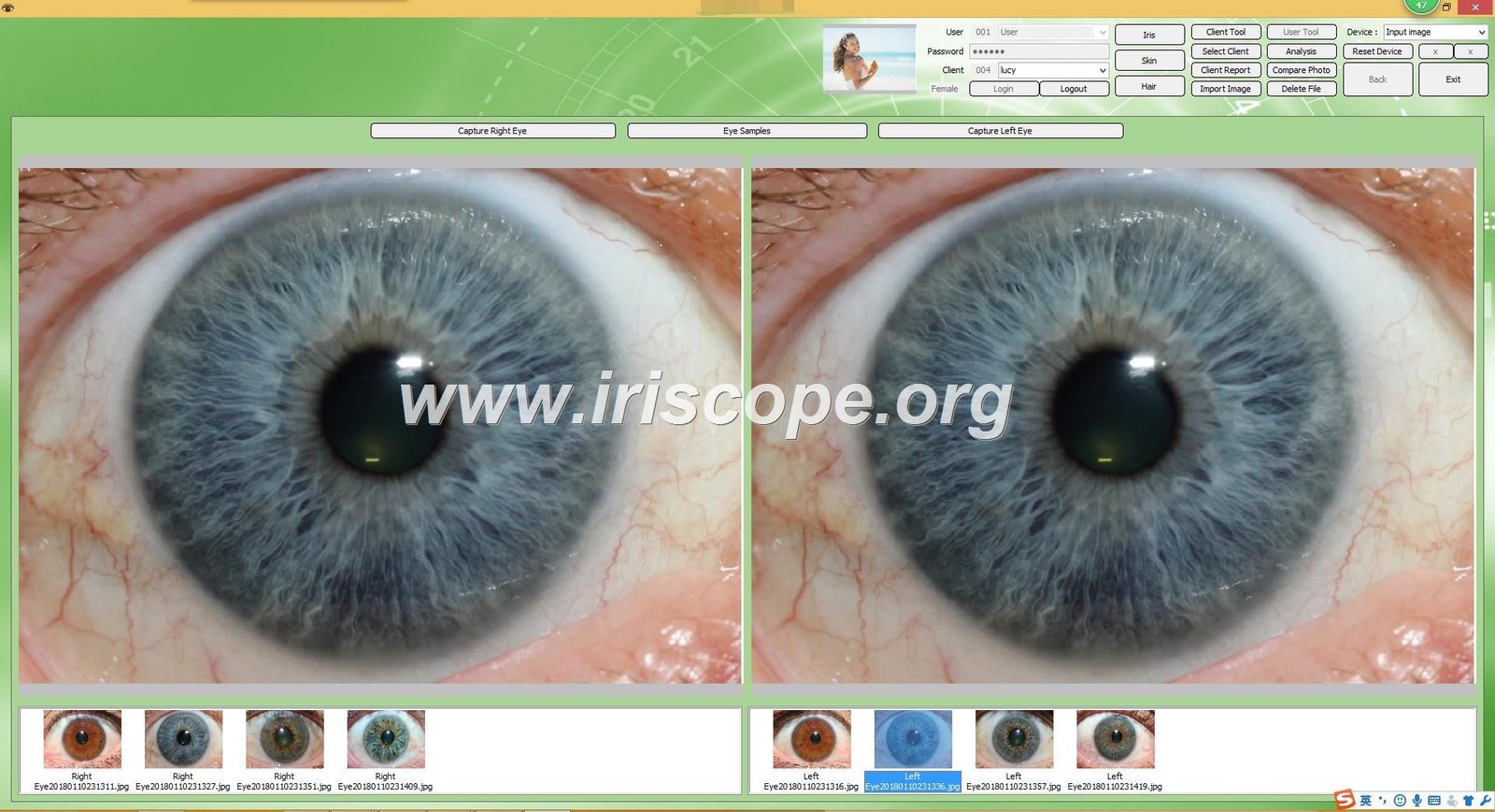
Camera Hardware Integration
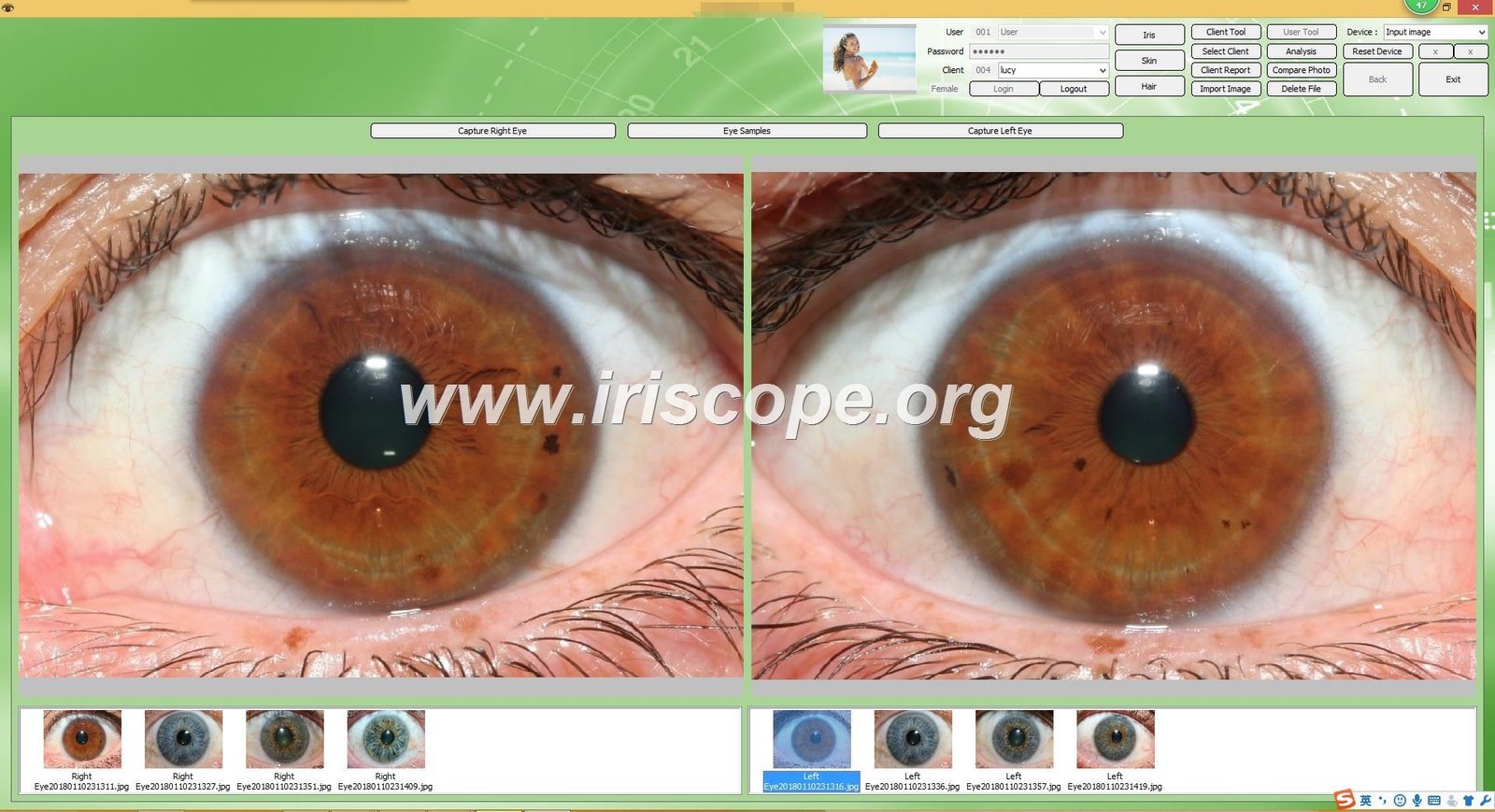
Your iriscope or usb iridology camera must communicate properly with analysis software. This integration determines whether you can capture images directly into the system or must use separate camera software followed by manual image import.
Direct integration provides superior workflow. The software recognizes your connected camera, allows you to control capture settings (focus, brightness, contrast) within the application, and saves images immediately to the active client record. This seamless process feels natural and maintains consultation flow.
When researching best iridology camera options, prioritize models with broad software compatibility. Some manufacturers create proprietary camera-software ecosystems that lock you into their specific products. Open-standard USB cameras with DirectShow or Video for Windows support offer maximum flexibility.
The MAIKONG system works with most standard USB iridology cameras implementing common video protocols. During my testing, I successfully integrated:
- MAIKONG branded cameras (obviously optimized for their own software)
- Generic USB iriscope models with UVC (USB Video Class) drivers
- Rebranded cameras from various manufacturers using standard Windows/Mac video frameworks
- Older FireWire cameras using adapters
- High-resolution webcams configured for macro iris imaging
If you already own a camera, verify software compatibility before purchasing any new platform. If buying both hardware and software together, ensure the manufacturer confirms integration – ideally providing integrated packages that eliminate compatibility concerns entirely.
System Performance Requirements
Iridology software performs intensive tasks: high-resolution image processing, chart overlay rendering, database queries, report generation. Your computer’s processor, memory, and storage capacity determine system responsiveness.
Minimum requirements typically include:
| Component | Minimum Specification | Recommended Specification | Impact on Performance |
| Processor (CPU) | Intel Core i3 or AMD equivalent | Intel Core i5/i7 or AMD Ryzen 5/7 | Faster image processing and report generation |
| Memory (RAM) | 4 GB | 8 GB or higher | Smoother multi-tasking and larger client databases |
| Storage Space | 500 MB for software, 10 GB for client data | SSD with 50+ GB available space | Faster startup and database access speeds |
| Display Resolution | 1280 x 720 pixels | 1920 x 1080 pixels or higher | Better image detail visibility and interface clarity |
| USB Ports | 1 available USB 2.0 port | 2+ USB 3.0 ports | Camera connection and encryption dongle support |
Most computers purchased within the last five years exceed these specifications comfortably. Even budget systems typically include sufficient power for professional iridology software operation.
Storage capacity deserves special attention. Each client’s record contains multiple high-resolution iris images. A practice seeing twenty clients weekly accumulates approximately 8-12 GB of image data annually. Plan storage accordingly, and implement regular backup procedures to protect this critical practice data.
Network and Cloud Considerations
Single-practitioner clinics often run software on standalone computers without network requirements. Multi-practitioner facilities or those with separate consultation and administrative areas may need network-accessible client databases.
Ask potential software vendors:
- Does the software support network database access?
- Can multiple workstations access the same client records simultaneously?
- Are there cloud backup options for automatic data protection?
- Does the system support remote access for off-site consultation reviews?
- What are the security protocols for network data transmission?
- Are there additional licensing costs for multi-user configurations?
The MAIKONG software includes built-in backup functionality allowing you to save client databases to external drives, network locations, or cloud storage services. This flexibility ensures your practice data remains protected regardless of computer failures or disasters.
Verify Compatibility with Your Specific Systems
Our technical team provides detailed compatibility assessments for your existing computers and camera equipment. We’ll confirm whether your current hardware supports professional iridology software before you make any investment decisions.
Installation and Setup: Getting Professional Software Running in Your Practice
Software installation intimidates many practitioners, particularly those without strong technical backgrounds. Concerns about complex procedures, compatibility issues, or system disruptions prevent otherwise interested practitioners from adopting professional tools.
I want to demystify this process completely. Modern professional iridology software installation follows straightforward procedures requiring no specialized technical knowledge.
Pre-Installation Preparation Steps
Before beginning software installation, complete these preparatory actions to ensure smooth setup:
- Verify system requirements: Confirm your computer meets minimum specifications for processor, memory, storage, and operating system version.
- Check available storage: Ensure at least 2 GB free space for software installation plus additional space for client data storage (minimum 10 GB recommended).
- Gather camera equipment: Have your iridology camera and connection cables readily available for hardware integration testing.
- Backup existing data: If you’re upgrading from previous software, backup all client records before beginning installation.
- Administrator access: Confirm you have administrator privileges on the computer – software installation requires elevated permissions.
- Internet connection: While not required for ongoing operation, internet access during installation facilitates driver downloads and activation if needed.
- Disable security temporarily: Some antivirus programs block software installers – you may need to temporarily disable protection during installation, then re-enable afterward.
These preparation steps take approximately ten to fifteen minutes but prevent most common installation problems.
Standard Installation Procedure
Most professional iridology software packages arrive via USB drive containing installation files, camera drivers, and documentation. The MAIKONG system I use follows this typical installation sequence:
| Step | Action | Duration | Common Issues |
| 1 | Insert USB installation drive into available USB port | Immediate | USB port not recognized – try different port |
| 2 | Open USB drive and locate setup executable file | 30 seconds | Multiple files visible – look for setup.exe or install.exe |
| 3 | Double-click installation file and accept security prompts | 1 minute | Security warning appears – click “Run anyway” or “Allow” |
| 4 | Follow installation wizard clicking “Next” through each screen | 3-5 minutes | Installation location prompt – use default location unless specific reason to change |
| 5 | Wait for file copying and installation to complete | 5-8 minutes | Progress bar stalls – be patient, large files take time |
| 6 | Remove USB installation drive when prompted | Immediate | System doesn’t prompt – safe to remove after installation completes |
| 7 | Connect iridology camera to USB port | 1 minute | Camera not detected – may need driver installation first |
| 8 | Insert USB encryption dongle for software activation | Immediate | Different USB port needed if camera and dongle conflict |
| 9 | Launch software from desktop shortcut | 30 seconds | Software won’t start – verify encryption dongle inserted |
| 10 | Complete initial configuration selecting language and preferences | 2-3 minutes | Language selection unclear – typically in settings or preferences menu |
Total installation time ranges from fifteen to thirty minutes depending on your computer’s processing speed and whether driver installation is required.
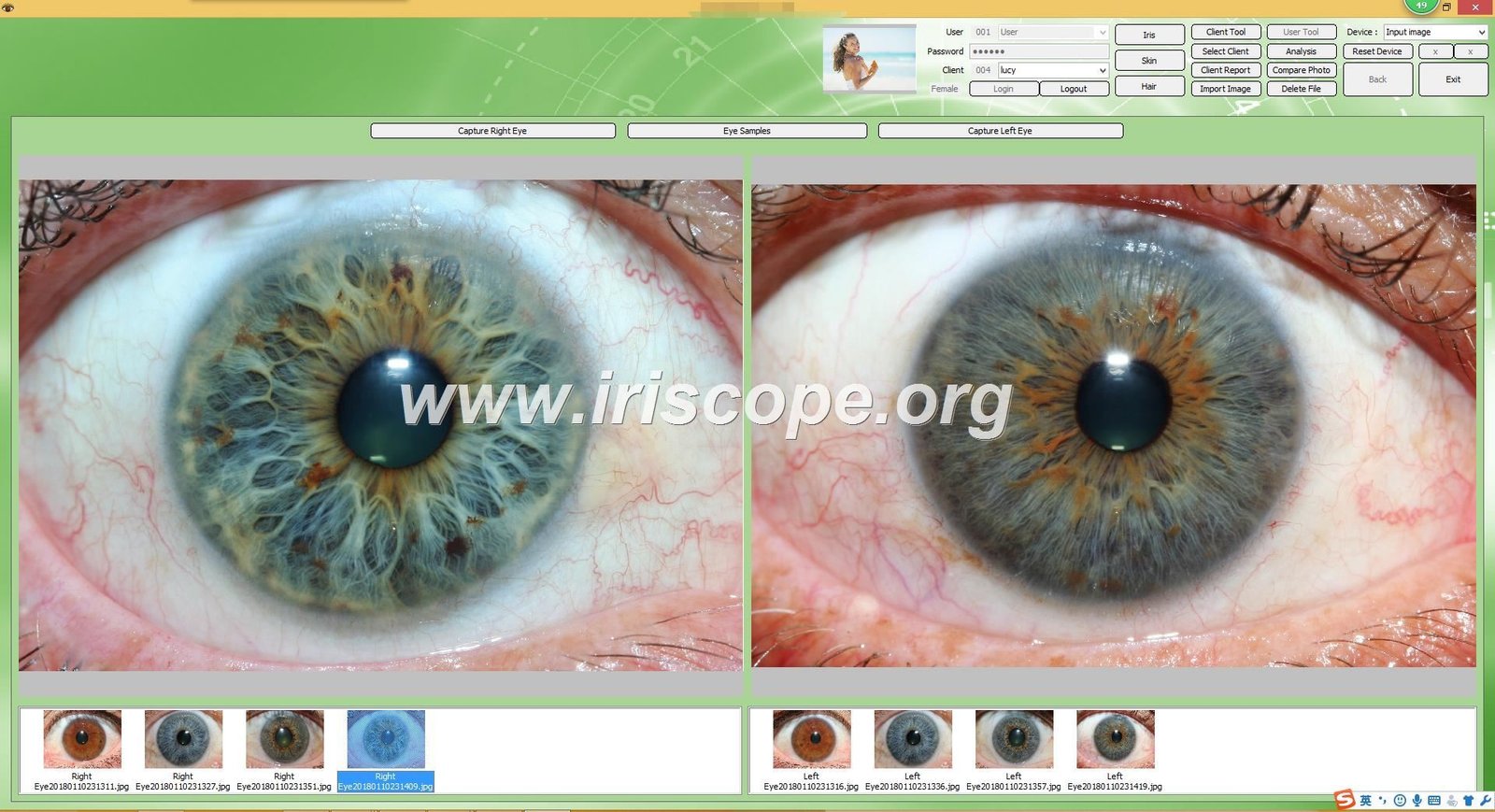
Camera Integration and Testing
After software installation completes, verify camera integration functions properly. This testing prevents discovering problems during your first actual client consultation.
Open the software and navigate to the image capture function. Your connected iriscope should appear automatically in the camera selection menu. If multiple cameras exist (built-in webcam plus external iridology camera), select the correct device.
Test basic camera functions:
- Live preview displays clear iris image
- Focus adjustment controls work smoothly
- Brightness and contrast settings respond appropriately
- Image capture button saves photos to correct client record location
- Left eye and right eye designations save correctly
- Captured images display at full resolution without compression artifacts
If camera integration fails, the most common solution involves disabling built-in webcams through Device Manager (Windows) or System Preferences (Mac). Some systems default to internal cameras, preventing recognition of external iridology cameras. This setting change requires just two minutes but resolves most camera detection issues.
Initial Configuration and Customization
With software installed and camera functioning, configure system settings matching your practice requirements:
Language and Regional Settings
Select your primary operating language from available options. Configure date formats, measurement units, and currency symbols matching your regional standards. These settings affect both interface display and generated client reports.
Practice Information
Enter your clinic name, practitioner credentials, contact information, and logo. This information appears on all client reports, ensuring professional branding consistency. You can update these details anytime as your practice evolves.
Report Templates
Review default report layouts and customize formatting, section organization, and included elements. Most systems provide several template options – select formats aligning with your consultation style and client communication preferences.
Backup Procedures
Configure automatic backup schedules and storage locations. I recommend daily backups to external drives plus weekly backups to cloud storage or off-site locations. Data loss through computer failure represents catastrophic practice disruption – backup procedures prevent this entirely.
Initial configuration takes approximately thirty to forty-five minutes. Invest this time thoughtfully – proper setup prevents future workflow inefficiencies and ensures consistent professional presentation.
Training Resources and Learning Curve
Even intuitive software requires learning period before you achieve full proficiency. Expect approximately five to ten practice consultations before the digital workflow feels completely natural.
The MAIKONG platform includes comprehensive training resources:
- PDF instruction manuals in seventeen languages covering all features
- Video tutorials demonstrating common workflows and advanced techniques
- Sample client records with example analyses for practice
- Chart overlay tutorials explaining different reference systems
- Report customization guides for personalizing output
- Troubleshooting documentation for common technical issues
- Email support access for questions during learning phase
I recommend scheduling two to three hours for initial training before using the system with actual clients. Create several test client records, practice image capture and annotation, generate sample reports. This practice time builds confidence and identifies any questions needing clarification before real consultations.
Some practitioners worry software will slow consultation flow while learning. My experience suggests the opposite – after brief adjustment period, digital tools accelerate consultations significantly while improving documentation quality.
Technical Support Availability: When evaluating any professional software, verify the manufacturer provides responsive technical support in your language. Installation and setup questions arise inevitably – accessible support transforms potential frustration into quick problem resolution.
Comparing Traditional Books and PDF Resources to Professional Software Solutions
This comparison isn’t suggesting one approach completely replaces the other. Traditional iridology education through books remains essential for building foundational knowledge. The question is: what role do books play in your actual client consultation workflow versus serving as educational resources?
Understanding this distinction helps practitioners make informed decisions about tool investments.
Knowledge Acquisition Versus Practical Application
When you study practical iridology book materials or read the integrated iridology textbook pdf, you’re building conceptual frameworks. These resources teach observation techniques, constitutional interpretations, zona correlations, temporal analysis, constitutional typing. This education forms your expertise foundation.
During actual consultations, however, you need rapid information access, client data organization, professional documentation generation, and systematic progress tracking. Books don’t provide these functional capabilities – they deliver knowledge, not workflow tools.
I maintain extensive physical book collections and PDF libraries. These resources support continuing education, advanced technique research, and theoretical understanding. But during client sessions? I work exclusively within integrated software providing the functional tools actual practice requires.
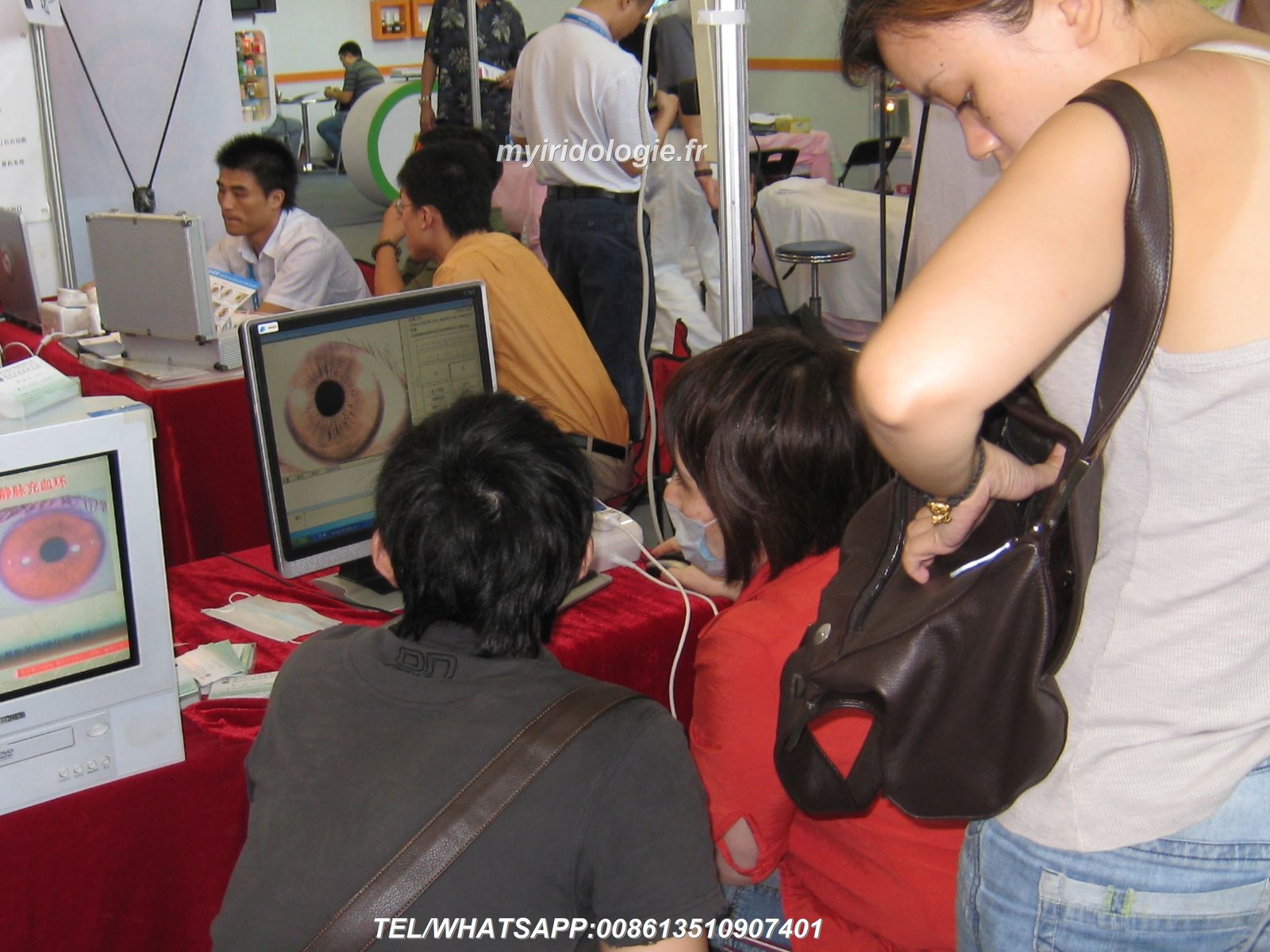
Think of this relationship like medical practitioners: they study anatomy textbooks and diagnostic manuals extensively during training. But in clinical practice, they use electronic health records, diagnostic equipment, and practice management systems. The books informed their expertise; the tools enable their practice.
Feature-by-Feature Capability Comparison
| Capability | Traditional Books & PDFs | Professional Software | Winner |
| Educational depth and theory | Excellent – comprehensive theoretical frameworks and detailed explanations | Good – integrated reference materials but less detailed than dedicated textbooks | Books |
| Client data management | None – requires separate manual filing systems | Excellent – centralized database with full history tracking | Software |
| Image capture and storage | None – requires separate camera and file management | Excellent – direct capture into client records with organization | Software |
| Chart overlay and marking | Poor – requires printed overlays or visual estimation | Excellent – digital overlays with transparency and annotation tools | Software |
| Progress comparison over time | Poor – manual image location and arrangement required | Excellent – automatic timeline comparison views | Software |
| Professional report generation | None – requires separate document creation | Excellent – automated reports with embedded images and branding | Software |
| Multi-language accessibility | Limited – must find translated versions separately | Excellent – integrated multi-language interface and references | Software |
| Information search and lookup | Moderate – index searching in books, text search in PDFs | Good – database search functionality for integrated references | Tie |
| Offline accessibility | Excellent – physical books always available, PDFs work offline | Good – works offline but requires computer availability | Books |
| Initial cost investment | Low – especially when seeking free PDF resources | Higher – software and hardware investment required | Books |
| Time efficiency during consultations | Poor – searching references interrupts flow | Excellent – contextual information access without workflow disruption | Software |
| Professional presentation to clients | Moderate – physical books show expertise but lack visual engagement | Excellent – large-screen image display with interactive elements impresses clients | Software |
This comparison reveals complementary roles rather than competing alternatives. Books and PDFs excel at education and theoretical depth. Software excels at practice management and client consultation efficiency.
Cost Analysis: Initial Investment Versus Long-Term Value
The financial comparison between books and software requires examining both upfront costs and ongoing practice implications.
Comprehensive iridology book collections cost anywhere from $500 to $2,000 depending on whether you purchase iris diagnosis book classics, modern references like deck j principles of iris diagnosis pdf, specialized texts on constitutional analysis, chart resources, and various international approaches. Free PDF resources reduce this investment, but as discussed earlier, fragmented collections create workflow inefficiencies.
Professional iridology software with integrated camera typically ranges $1,500 to $4,500 depending on features, customization options, and hardware specifications. This represents higher initial investment than book collections.
However, the value equation shifts when considering practice impact:
Software ROI Through Efficiency Gains
If integrated software saves twenty minutes per consultation (conservative estimate based on my experience), a practitioner seeing fifteen clients weekly gains five hours of productive time. Allocating just two of those reclaimed hours to additional clients generates approximately $300-600 additional weekly revenue (assuming $75-150 consultation fees).
At this rate, software investment returns within two to four months through increased client capacity alone – without considering enhanced client satisfaction, improved retention, professional presentation advantages, or reduced administrative burden.
Hidden Costs of Manual Book-Based Workflows
- Extended consultation times reduce daily client capacity
- Manual documentation increases administrative hours
- Paper filing systems require physical storage space
- Printed report materials involve ongoing supply costs
- Image management requires separate software or cloud storage fees
- Client data vulnerability without proper backup systems
- Professional presentation limitations may reduce client acquisition and retention
This analysis doesn’t suggest abandoning educational resources. Rather, it demonstrates that professional practice tools deliver measurable return justifying their investment when your practice reaches consistent client volume.
Calculate Your Practice-Specific ROI
Every practice operates differently with varying consultation volumes, fee structures, and efficiency requirements. Our team provides personalized ROI analysis based on your specific practice parameters, showing exactly how quickly professional software investment returns through your particular workflow improvements.
Integrating Software into Existing Practice Workflows Without Disruption
Transitioning from established manual workflows to digital systems creates understandable anxiety. Practitioners worry about technology complications, client perception during adjustment periods, and potential consultation quality degradation while learning new tools.
I experienced these exact concerns during my own transition. Looking back, my worries proved largely unfounded – but only because I followed structured integration approaches rather than attempting wholesale immediate conversion.
Phased Implementation Approach
Successful software integration happens gradually through deliberate phases rather than complete overnight transformation.
Phase 1: Parallel Operations (Weeks 1-2)
- Continue existing manual workflows completely
- Use new software only for practice sessions without real clients
- Create sample client records to learn database functions
- Practice image capture and chart overlay techniques
- Generate test reports to understand customization options
- Identify questions and clarify through vendor support
Phase 2: Selective Integration (Weeks 3-4)
- Begin using software for new clients only
- Maintain existing manual records for established clients
- Focus on basic functions: image capture and storage
- Continue manual note-taking while learning annotation tools
- Generate reports from software but review against manual drafts
- Accept slower consultation pace during learning period
Phase 3: Primary System (Weeks 5-8)
- Use software as primary tool for all consultations
- Begin migrating established client records to digital system
- Implement advanced features like comparison views and custom reports
- Optimize workflow based on identified efficiency patterns
- Maintain manual backup documentation only for complex cases
- Achieve consultation times matching or improving previous manual speed
Phase 4: Full Integration (Weeks 9+)
- Complete digital workflow for all consultations
- All client records exist in centralized database
- Leverage advanced analysis and reporting features fully
- Implement systematic backup and data protection procedures
- Manual systems retired except for continuing education reference
- Consultation efficiency significantly exceeds previous manual methods
This eight-to-twelve week timeline allows comfortable adjustment without practice disruption. Practitioners attempting immediate complete conversion typically experience frustration and sometimes abandon digital tools entirely – not because software failed, but because implementation approach created unnecessary pressure.
Client Communication During Transition
Some practitioners hesitate to use new software during client consultations, fearing technology difficulties might undermine professional credibility. This concern misunderstands client perspectives.
Clients generally respond positively to seeing practitioners adopt modern tools. They interpret technology integration as commitment to practice excellence and current methodology. When I introduced digital systems, several clients specifically commented on the professional presentation and appreciated receiving detailed reports with embedded iris images.
Simple transparent communication prevents any confusion:
“I’m excited to show you our new digital analysis system today. This technology allows me to provide more detailed documentation of your consultation, including professional reports with the actual iris images we examine together. As I’m still learning all the features, today’s session might take a few minutes longer than usual – but you’ll leave with comprehensive documentation we couldn’t provide previously.”
This brief explanation sets appropriate expectations while highlighting benefits clients receive. In my experience, not a single client objected or expressed concern – most showed genuine interest in the technology itself.
Data Migration from Manual Records
If you’ve maintained manual client records for years, migrating historical data into new software seems daunting. The good news: complete migration isn’t necessary for successful software adoption.
I recommend selective migration focusing on active clients:
- Identify truly active clients: Which clients have appointments scheduled or consulted within the last six months? These records warrant migration priority.
- Gather essential information only: Don’t transcribe every historical note. Migrate core demographics, contact information, and any previous iris images you have digitally stored.
- Establish migration schedule: Migrate two to three client records daily rather than attempting mass conversion. This pace maintains manageable workload.
- Migrate opportunistically: When established clients schedule new appointments, migrate their records before that consultation rather than batch processing.
- Archive inactive records: Clients who haven’t consulted in two years likely don’t require digital migration. Maintain their manual files in archived storage.
This selective approach typically requires migrating twenty to fifty active client records rather than hundreds of accumulated files. The task becomes manageable rather than overwhelming.
Backup Procedures and Data Security
Digital systems introduce data vulnerability concerns absent from paper filing cabinets. Computer failures, accidental deletions, malware infections, theft – multiple scenarios could compromise client records without proper protection.
Implement comprehensive backup procedures from day one:
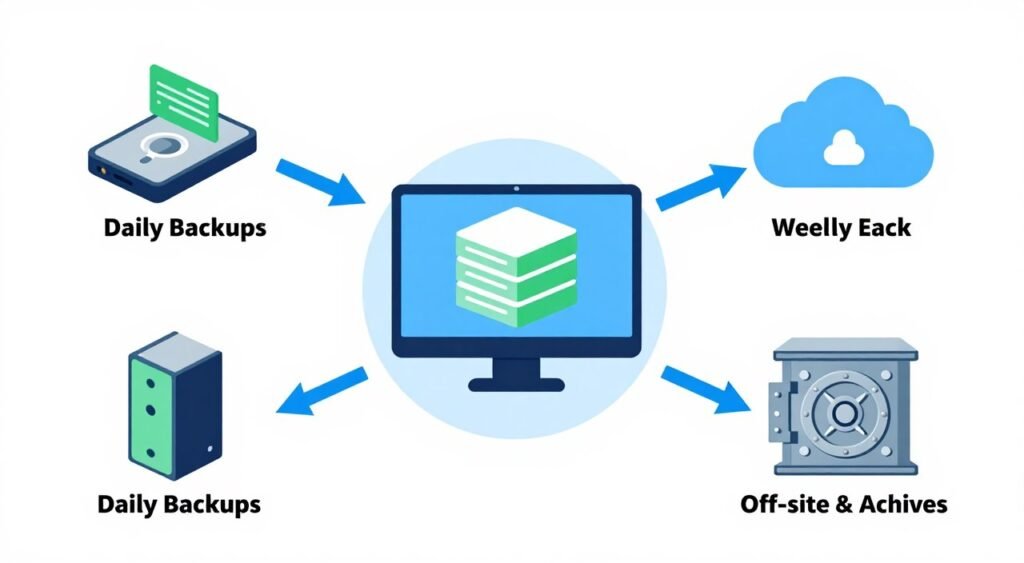
Daily Local Backups
Configure automatic daily backups to external hard drive connected to your computer. These backups capture all client database changes, ensuring you never lose more than one day of work if computer problems occur. External drives provide fast recovery access – you can restore data within minutes.
Weekly Off-Site Backups
Every week, create backup copies stored away from your practice location. This protects against physical disasters like fire, flooding, or theft affecting your entire clinic. Options include dedicated backup drives stored at home, bank safe deposit boxes, or cloud storage services like Dropbox, Google Drive, or dedicated medical backup providers.
Monthly Archive Copies
Generate monthly backup archives and retain them indefinitely. These archives allow data recovery from specific time points if you discover problems weren’t caught by recent backups. Store monthly archives on dedicated drives separate from daily/weekly backup rotation.
Pre-Update Backups
Before installing any software updates, create complete backup copies. While updates typically proceed smoothly, occasional compatibility issues occur. Pre-update backups allow immediate rollback if new versions create unexpected problems.
These procedures require minimal time investment – perhaps fifteen minutes weekly – but protect years of accumulated client records against catastrophic loss.
Advanced Software Features That Transform Practice Capabilities
Basic software functions – client records, image storage, report generation – provide immediate practice improvements. Advanced features available in professional-grade systems offer capabilities impossible through manual methods regardless of effort invested.
Understanding these advanced capabilities helps practitioners evaluate whether entry-level or professional-grade software better serves their practice needs and growth objectives.
Three-Dimensional Iris Analysis and Visualization
Traditional iridology works with two-dimensional iris photographs or direct observation. Advanced software enables three-dimensional analysis through specialized image processing creating depth perception from standard photographs.
The MAIKONG software includes 3D texture analysis generating virtual depth maps of iris structures. This visualization highlights subtle elevation variations in fibras iris, reveals crypts and lacunae dimensional characteristics, and emphasizes structural relationships difficult to perceive in flat images.
During consultations, rotating 3D rendered iris models helps clients understand structural observations more intuitively than pointing to flat photographs. The enhanced visualization also supports practitioner education – subtle signs become more apparent when viewed dimensionally.
This 3D capability doesn’t replace traditional two-dimensional analysis. Rather, it supplements standard observation with additional perspective sometimes revealing patterns missed in conventional viewing.
Automated Sign Detection and Preliminary Analysis
Artificial intelligence integration represents the cutting edge in iridology software development. The MAIKONG platform incorporates AI-based preliminary analysis that automatically identifies common iris signs and structural patterns.
After capturing iris images, the AI system processes the photograph identifying potential areas of interest:
- Structural density variations across different zonas
- Chromatic alterations and pigmentation patterns
- Fiber integrity and structural organization characteristics
- Radial and circular pattern deviations
- Topographical features like lacunae, crypts, and structural openings
- Pupillary margin irregularities
- Collarette positioning and characteristics
The AI doesn’t provide diagnoses or definitive interpretations – that remains your professional responsibility. Instead, it highlights areas warranting closer examination, essentially functioning as a preliminary screening that ensures you don’t overlook subtle signs.
I’ve found this AI assistance particularly valuable when fatigue affects attention or when examining clients with complex iris presentations containing numerous observation points. The automated preliminary scan serves as quality assurance, verifying my own observations captured all relevant features.
Critical Understanding: AI-based analysis tools support professional observation – they don’t replace practitioner expertise or provide medical diagnoses. Always review automated suggestions critically using your professional training and judgment. These tools serve educational and practice efficiency purposes only.
Comparative Timeline Analysis Across Multiple Visits
Single-point-in-time iris observation provides valuable information. Longitudinal tracking across months or years reveals patterns and changes impossible to detect from individual consultations.
Advanced software maintains complete chronological records for every client. When returning clients arrive, the system automatically generates comparison views displaying current images alongside previous consultations arranged temporally.
This timeline comparison reveals:
- Structural changes in specific zona regions over time
- Chromatic alterations indicating constitutional shifts
- Healing signs emergence following wellness interventions
- New signs appearing that weren’t present in earlier examinations
- Fiber integrity improvements or deteriorations
- Overall constitutional pattern evolution
During consultations, I display these temporal comparisons directly to clients. Seeing their own iris evolution provides powerful motivation for continued wellness engagement. When clients can visually observe improvement signs correlating with lifestyle changes they implemented, it validates their efforts and reinforces commitment to ongoing health optimization.
This capability requires nothing from you except consistent image capture at each consultation. The software automatically maintains chronological organization and generates comparison displays – functionality impossible to replicate through manual methods without substantial time investment.
Customizable Product Recommendation Integration
Many practitioners incorporate nutritional supplements, herbal products, or wellness protocols into their client consultation recommendations. Managing product information, matching recommendations to specific observations, and maintaining consistent suggestion patterns presents organizational challenges.
Advanced software allows integrating your specific product catalog directly into the system. You create database entries for each product you recommend including:
- Product name and manufacturer information
- Primary applications and traditional uses
- Typical dosage and usage instructions
- Constitutional types or presentations where appropriate
- Related iris signs or zona correlations
- Product images and packaging photos
- Pricing information and availability
During consultations, as you identify specific observations or constitutional patterns, the software suggests relevant products from your catalog. You select appropriate recommendations, and they automatically populate your consultation reports with complete information including images and usage instructions.
This integration serves multiple purposes:
- Ensures recommendation consistency across similar client presentations
- Eliminates forgetting to mention relevant products during busy consultation schedules
- Provides clients with complete written product information reducing post-consultation questions
- Tracks recommendation patterns helping you identify most frequently suggested products
- Supports inventory management if you retail products from your practice
For practitioners who retail supplements or wellness products, this feature particularly enhances practice revenue. Clients receive professional documentation of recommendations, increasing likelihood of purchase either through your practice or through sources you specify.
Ethical Consideration: Product recommendations should always derive from genuine client needs based on your professional observations – never from revenue motivation. Software recommendation features assist your professional judgment; they don’t replace it with commercial priorities.
Multi-User and Multi-Location Support
Practices with multiple practitioners or clinic locations require coordinated client record access while maintaining appropriate data security and privacy protections.
Professional-grade software supports multi-user configurations allowing:
- Individual practitioner login credentials with activity tracking
- Shared client database accessible from multiple workstations
- Permission-based access restricting sensitive functions to authorized users
- Network database hosting for simultaneous multi-practitioner access
- Activity logs tracking all record modifications with user attribution
- Separate practitioner profiles for customized interface preferences
- Consolidated reporting across entire practice for business analytics
This enterprise functionality typically involves additional licensing costs beyond single-user software. However, practices with multiple practitioners find centralized systems essential for coordination and efficiency.
The alternative – each practitioner maintaining separate isolated client databases – creates fragmentation when clients see different practitioners for various consultations, prevents practice-wide analytics, and complicates administrative management.
Critical Selection Criteria When Evaluating Iridology Software Options
Multiple iridology software vendors serve the global market. Quality, capabilities, pricing, and support vary dramatically across options. Making informed selection decisions requires understanding critical evaluation criteria beyond marketing materials and feature lists.
I’ve tested seventeen different platforms over my career and consulted with hundreds of practitioners about their software experiences. These insights inform the following selection framework.
Core Functionality Completeness
Some software packages provide basic functionality – essentially digital filing systems with image storage. Others deliver comprehensive practice management platforms integrating every aspect of client consultation workflow.
Evaluate whether prospective software includes:
Essential Core Functions
- Client demographic database with search
- Image capture and storage management
- Basic chart overlay capabilities
- Simple report generation
- Data backup functionality
- Basic annotation tools
Professional Practice Functions
- Multiple chart overlay options
- Comparison view across consultations
- Customizable report templates
- Product recommendation integration
- Multi-language interface support
- Advanced annotation and measurement tools
Advanced Professional Functions
- AI-assisted preliminary analysis
- 3D visualization capabilities
- Multi-user support with permissions
- Network database hosting
- API integration for external systems
- Advanced business analytics
Your specific practice needs determine which functionality tier you require. Solo practitioners seeing ten to fifteen clients weekly might find essential core functions sufficient. Multi-practitioner clinics seeing fifty-plus weekly clients benefit from advanced professional features justifying their additional investment.
Long-Term Vendor Stability and Support
Software purchases create long-term vendor relationships. Client data accumulates within the system over years. Switching platforms later involves substantial migration effort and potential data loss risks.
Evaluate vendor stability through:
- Years in business: Vendors operating ten-plus years demonstrate market viability and sustained commitment. Startups might offer innovative features but carry higher discontinuation risk.
- Update frequency: Regular software updates indicate ongoing development investment. Systems unchanged for multiple years suggest abandonment.
- Customer base size: Vendors serving hundreds or thousands of practitioners demonstrate market acceptance and generate revenue supporting continued operations.
- Technical support availability: Responsive support in your language during your business hours proves essential. Twenty-four hour turnaround on technical questions represents minimum acceptable support levels.
- User community presence: Active user forums, training resources, and practitioner networks indicate healthy ecosystem around the software.
- Financial transparency: Vendors clearly communicating pricing, update policies, and future development roadmaps demonstrate professional business operations.
The MAIKONG platform I use launched in 2004 and has served over one thousand practitioners globally. The company maintains continuous development with major updates every two to three years and regular minor improvements. This twenty-year operational history provides confidence in long-term viability.
Customization and Branding Capabilities
Your software-generated reports represent your practice to clients. Generic reports with vendor branding rather than your practice information undermine professional presentation and reduce perceived value.
Professional software should allow comprehensive customization:
- Replace vendor logos with your practice branding
- Customize report layouts, fonts, and color schemes
- Modify section headings and terminology matching your practice style
- Add custom disclaimers and educational information
- Include practice-specific contact information and websites
- Create multiple report templates for different consultation types
- Personalize email templates if software includes client communication features
For practices offering OEM services or distributors reselling software to other practitioners, white-label customization becomes even more critical. The ability to completely rebrand software with your company identity, modify interface language and terminology, and customize default settings creates differentiated market positioning.
MAIKONG specifically emphasizes OEM/ODM services allowing distributors to create branded versions. This flexibility enables wholesale partners to build market presence without investing in software development themselves.
Pricing Structure and Total Cost of Ownership
Software pricing models vary significantly across vendors. Understanding complete cost structure prevents unexpected expenses after initial purchase.
Common pricing structures include:
| Pricing Model | Description | Advantages | Disadvantages |
| Perpetual License | One-time purchase provides lifetime usage rights | No recurring costs; predictable one-time investment; ownership of software | Higher upfront cost; updates may require additional fees; obsolescence risk |
| Subscription License | Monthly or annual fees for continued access | Lower initial investment; includes updates and support; easy scaling | Ongoing costs accumulate over time; dependency on vendor; access loss if payment stops |
| Hardware Bundle | Software included with camera purchase | Guaranteed hardware compatibility; simplified procurement; package pricing | Locked into specific camera; limited software flexibility; higher combined cost |
| Freemium Model | Basic software free with paid premium features | Zero-cost trial period; risk-free evaluation; gradual feature adoption | Limited free functionality; pressure to upgrade; potential feature lock-in |
Beyond base software costs, consider:
- Update and upgrade fees (are they included or additional?)
- Technical support costs (included in license or hourly fees?)
- Multi-user licensing (per-user fees or unlimited practitioners?)
- Training expenses (included resources or separate charges?)
- Customization costs (DIY customization or vendor services required?)
- Camera hardware costs if not owned already
- Computer upgrade costs if current systems don’t meet requirements
Total cost of ownership over five years often reveals that “expensive” software with inclusive support and updates costs less than “cheap” software with nickel-and-dime fee structures.
Data Ownership and Export Capabilities
Your client records represent years of accumulated practice data. Ensuring you maintain complete ownership and access to this data regardless of future vendor relationship changes provides essential protection.
Before purchasing any software, clarify:
- Do you own all client data entered into the system?
- Can you export complete databases in standard formats?
- Are images stored in common formats (JPEG, PNG) or proprietary encodings?
- Can you access data if you stop using the software or vendor discontinues operations?
- Does the vendor claim any rights to your client information or images?
- What happens to cloud-stored data if you cancel subscriptions?
Reputable vendors clearly affirm your complete data ownership and provide robust export tools. Vendors who evade these questions or claim data ownership stake should raise immediate red flags.
The MAIKONG platform stores all data in accessible formats without proprietary encryption. Client databases use standard SQLite format. Images save as standard JPEG files. You can access every piece of practice data directly without requiring software mediation – providing complete protection regardless of future circumstances.
Compare Software Options with Expert Guidance
Evaluating multiple software platforms consumes substantial time and effort. Our team provides comparative analysis services helping you objectively assess different options based on your specific practice requirements, budget constraints, and growth objectives. We’ve tested every major platform and provide unbiased recommendations.
MAIKONG Iridology Software Platform: Comprehensive Capabilities Overview
Throughout this article, I’ve referenced the MAIKONG platform repeatedly because it’s the system I personally use daily and have extensively tested across various practice scenarios. This section provides comprehensive overview of its specific capabilities for practitioners evaluating whether it meets their requirements.
Full disclosure: I have business relationships with health equipment suppliers including MAIKONG. My recommendations derive from genuine practical experience, but readers should evaluate multiple options based on individual needs.
Historical Development and Current Version
MAIKONG entered the iridology equipment market in 2004 with basic analysis software. Over twenty years, the platform evolved through continuous development responding to practitioner feedback and technological advancement.
| Year | Version | Key Milestones |
| 2004 | Initial Version | First release with basic manual iridology analysis capabilities and simple client record management |
| 2005 | Version 3.0 | First language upgrade to Simplified Chinese and expanded health indicator analysis frameworks |
| 2008 | Version 3.04 | Multi-language support introduction including English and Spanish plus improved image clarity analysis |
| 2010 | Version 3.10 | AI-based automatic preliminary analysis introduction and advanced 3D image enhancement capabilities |
| 2014 | 3.15 | Multi-user version release and cloud data management integration for easy backup and access |
| 2018 | Version 3.18 | First iridology software globally supporting macOS expanding compatibility for Apple users worldwide |
| 2020 | Version 3.20 | Continuous AI improvements with automatic product recommendations and multi-device synchronization |
| 2025 | Version 3.23 | Enhanced automatic analysis with 3D texture integration and expanded multi-language features supporting Windows and macOS |
This development history demonstrates sustained commitment spanning two decades – exceptional longevity in medical software markets where many vendors disappear within five years.
Comprehensive Language Support
MAIKONG provides the most extensive language support I’ve encountered in professional iridology software. The current 2024 version includes seventeen fully translated interfaces:
| Language | Compatibility | Version | OEM Support | ODM Support |
| Malaysian | Windows XP/7/Vista/8/10/11 | MAIKONG 2024 | Yes | Yes |
| Spanish | Windows XP/7/Vista/8/10/11 | MAIKONG 2024 | Yes | Yes |
| Korean | Windows XP/7/Vista/8/10/11 | MAIKONG 2024 | Yes | Yes |
| English | Windows XP/7/Vista/8/10/11 | MAIKONG 2024 | Yes | Yes |
| Czech | Windows XP/7/Vista/8/10/11 | MAIKONG 2024 | Yes | Yes |
| Polish | Windows XP/7/Vista/8/10/11 | MAIKONG 2024 | Yes | Yes |
| Bulgarian | Windows XP/7/Vista/8/10/11 | MAIKONG 2024 | Yes | Yes |
| Russian | Windows XP/7/Vista/8/10/11 | MAIKONG 2024 | Yes | Yes |
| French | Windows XP/7/Vista/8/10/11 | MAIKONG 2024 | Yes | Yes |
| Portuguese | Windows XP/7/Vista/8/10/11 | MAIKONG 2024 | Yes | Yes |
| Italian | Windows XP/7/Vista/8/10/11 | MAIKONG 2024 | Yes | Yes |
| Japanese | Windows XP/7/Vista/8/10/11 | MAIKONG 2024 | Yes | Yes |
| German | Windows XP/7/Vista/8/10/11 | MAIKONG 2024 | Yes | Yes |
| Persian (Iranian) | Windows XP/7/Vista/8/10/11 | MAIKONG 2024 | Yes | Yes |
| Simplified Chinese | Windows XP/7/Vista/8/10/11 | MAIKONG 2024 | Yes | Yes |
| Traditional Chinese | Windows XP/7/Vista/8/10/11 | MAIKONG 2024 | Yes | Yes |
| Japanese | Windows XP/7/Vista/8/10/11 | MAIKONG 2024 | Yes | Yes |
Each language version includes complete interface translation, localized reference materials, translated chart labels, and report templates in the target language. This isn’t superficial translation – it’s comprehensive localization enabling truly native-language operation.
Core Software Features and Capabilities
The MAIKONG platform delivers comprehensive functionality spanning basic client management through advanced analysis features:
| Feature Category | Specific Capabilities | Practice Impact |
| Automatic Iridology Analysis | AI-based preliminary analysis providing detailed reports on health markers and personal constitutional characteristics with area-specific observations | Reduces analysis time by 40-50% while ensuring no subtle signs overlooked during examination |
| Client Management | Complete database system for adding, editing, managing client data including demographics, consultation history, and comprehensive customer information maintenance | Eliminates manual filing systems and provides instant access to complete client histories during consultations |
| Multi-Language Support | Interface and reference materials available in seventeen languages with instant switching capability without software reinstallation | Enables serving diverse client populations and supports international practice expansion or multilingual practitioners |
| 3D Iridology Imaging | Three-dimensional visualization of iris structures with enhanced detailed viewing of health conditions through depth perception rendering | Reveals structural relationships and subtle features difficult to observe in conventional two-dimensional images |
| Backup and Restore | Safeguard client data through automatic backup and restoration functionality across different devices with cloud integration options | Complete data protection eliminating catastrophic loss risks from computer failures or disasters |
| Product Recommendations | Personalized product suggestion system based on iris analysis findings with customizable catalog integration for practice-specific offerings | Increases recommendation consistency and supports retail revenue if practice sells wellness products |
| Customizable Reports | Generate professional reports with personalized health suggestions, complete analysis documentation, embedded images, and customizable product recommendations | Provides clients immediate professional documentation enhancing perceived value and supporting follow-through on recommendations |
| Visual Learning Tools | Comprehensive case studies, reference iris images, and detailed educational explanations for training and ongoing learning purposes | Supports continuous practitioner education and provides training resources for staff or associate practitioners |
| 3D Negative Film & Texture Analysis | Advanced three-dimensional negative film processing and texture analysis for enhanced diagnosis of health markers through detailed imagery examination | Provides alternative visualization perspectives sometimes revealing patterns missed in standard viewing modes |
| Comparative Analysis | Automated comparison of reports from same client across different consultation times showing progress in health markers and recovery patterns | Demonstrates consultation value through documented progress and increases client retention through visible improvement tracking |
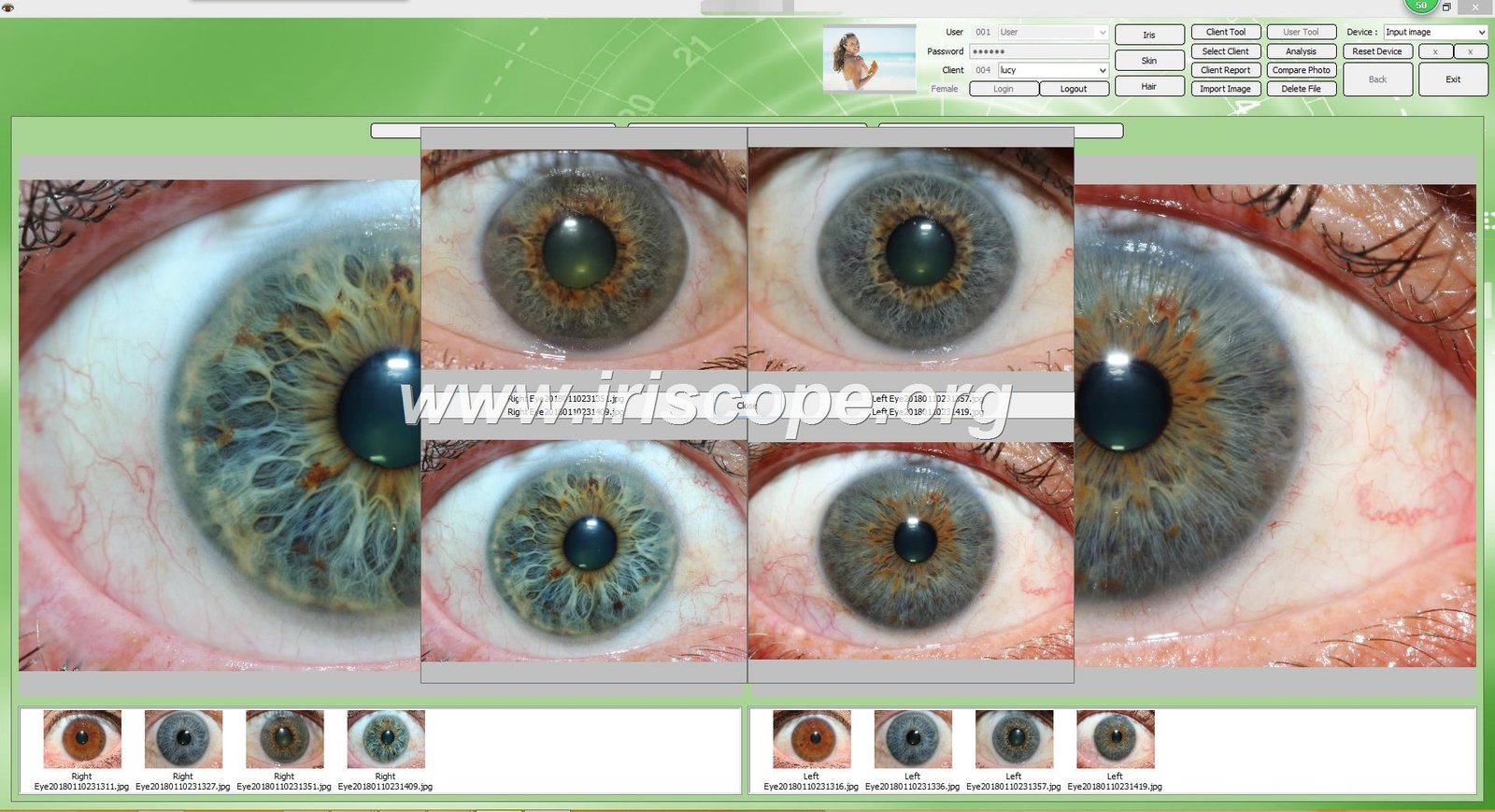
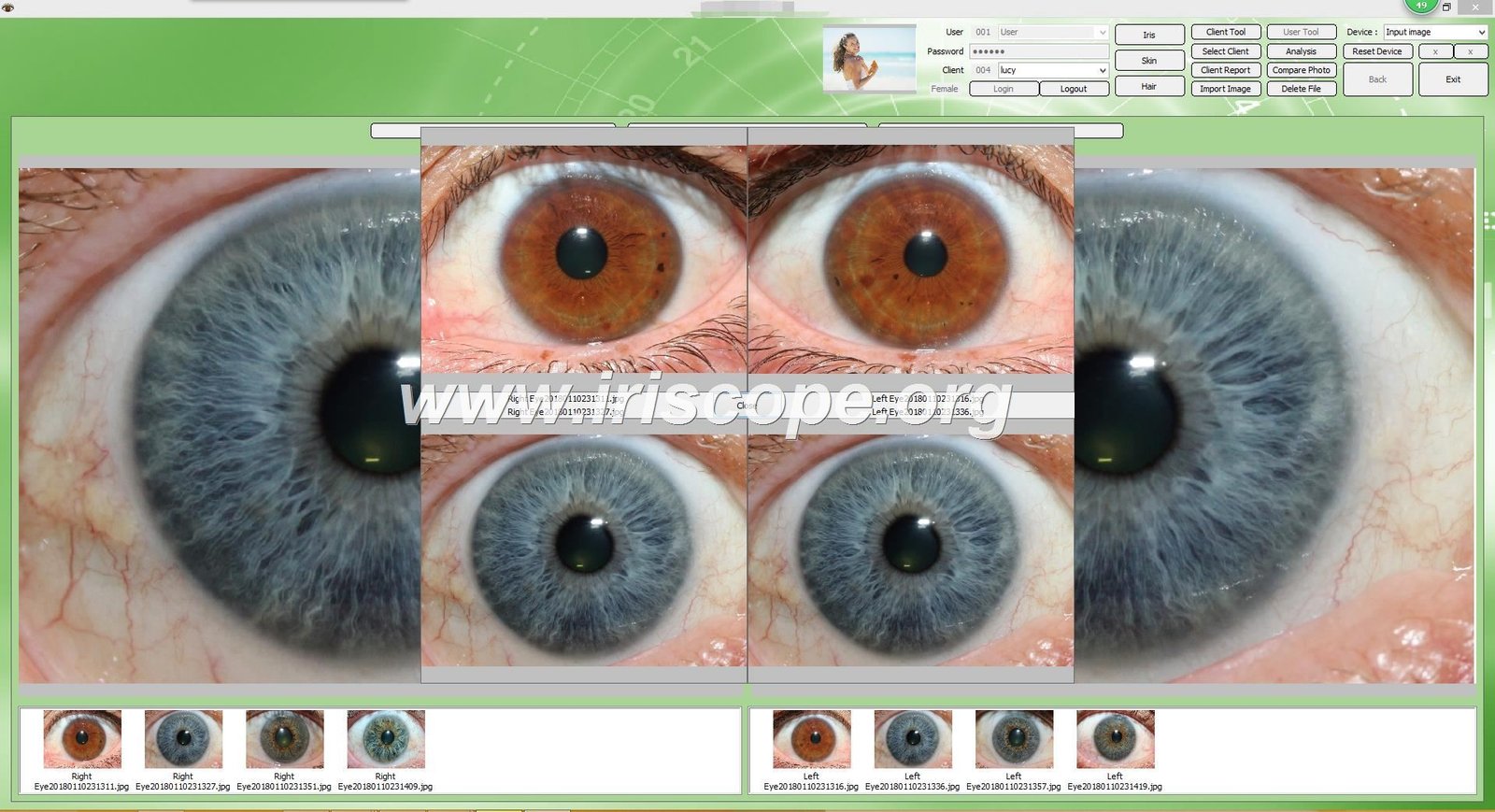
Hardware Specifications: MAIKONG MK-9822 Iriscope System
MAIKONG offers integrated hardware-software packages eliminating compatibility concerns. Their MK-9822 iris camera system provides professional-grade imaging specifically optimized for their software platform.
Camera Technical Specifications
| Model Number | MK-9822 |
| Sensor Type | 12.0 Megapixel High-Resolution CCD |
| Image Processor | Special DSP with Optical Image Stabilization |
| Lens System | Imported lens with plated layer coating |
| Illumination | LED illuminator ring around lens |
| Focus System | Adjustable focus for clear image capture |
| White Balance | Automatic with color temperature filter |
| Capture Control | Single button capture with digital pause function |
| Connection Type | USB 2.0 / 3.0 compatible |
| Power Supply | USB powered – no external power required |
| Dimensions | Compact handheld design |
| Warranty | 1 Year parts and service |
Included Package Components
- MK-9822 Handheld Iriscope (1 unit)
- 30X Iris Examination Lens (1 unit)
- Professional Leather PU Carrying Box (1 unit)
- 1.5 Meter USB Connection Cable (1 unit)
- Protective Lens Cover (1 unit)
- Professional Iridology Reference Chart (1 unit)
- Printed Instructions and Warranty Documentation (1 set)
- Software Installation CD with Drivers and Analysis Platform (1 unit)
- USB Encryption Dongle for Software Activation (1 unit)
This complete package includes everything required for immediate operation – no additional purchases necessary beyond a compatible computer system.
OEM and ODM Customization Services
MAIKONG distinguishes itself through comprehensive OEM (Original Equipment Manufacturer) and ODM (Original Design Manufacturer) services targeting distributors, wellness equipment retailers, and practitioners building branded product lines.
Available customization services include:
Hardware Customization
- Custom model number designation
- Exterior appearance modifications
- Color scheme customization
- Device function enhancements
- Custom packaging design
- Branded carrying cases
Software Customization
- Complete logo replacement
- Interface language customization
- Feature set modifications
- Custom reference material integration
- Personalized product catalogs
- Branded report templates
Business Support
- Private label manufacturing
- Inventory holding and drop-shipping
- Technical support training
- Marketing material development
- Territory protection agreements
- Wholesale pricing structures
MAIKONG reports serving over one thousand OEM/ODM partners globally since 2004. This extensive customization experience enables rapid project implementation – typically four to six weeks from specification to delivered branded products.
For distributors considering entering the iridology equipment market or established practitioners expanding into equipment sales, these OEM services eliminate development barriers that otherwise require substantial investment and technical expertise.
Frequently Asked Questions: Software Selection and Implementation
What’s the difference between free iridology PDF books and professional software for actual practice?
PDF books like libros de iridología pdf gratis provide essential educational content teaching observation techniques, constitutional frameworks, and theoretical foundations. They’re invaluable for learning iridology principles. However, they don’t offer functional practice tools.
Professional software delivers client database management, direct image capture from cameras, chart overlay capabilities, automated report generation, progress tracking across consultations, and systematic data organization. Think of books as education and software as practice management tools – both serve important but different roles.
During consultations, you need rapid information access, client data retrieval, professional documentation generation – capabilities books cannot provide. Most successful practitioners use PDF references for continuing education while relying on software for daily client consultation workflows.
Will professional iridology software work with my existing camera, or must I purchase specific hardware?
Compatibility depends on both your camera specifications and software requirements. Most professional iridology software supports standard USB cameras implementing common video protocols (UVC – USB Video Class, DirectShow for Windows, or Video for Linux standards).
If you already own an iridology camera or iriscope, verify these compatibility factors before purchasing software:
- Connection type: USB 2.0 or 3.0 generally work universally
- Driver requirements: Some cameras need proprietary drivers that may conflict with software
- Video protocol: Standard UVC cameras offer broadest compatibility
- Resolution: Verify your camera resolution matches software minimum requirements (typically 1280×720 or higher)
Contact software vendors with your specific camera model before purchasing. Reputable vendors test compatibility with common camera systems and provide clear guidance.
Integrated hardware-software packages (like MAIKONG’s systems) eliminate compatibility concerns entirely – the camera and software are designed together ensuring perfect integration.
Can I use iridology software on Mac computers, or is Windows required?
Historically, most iridology software only supported Windows operating systems, creating problems for Mac users. This situation has improved significantly in recent years.
The MAIKONG platform specifically supports both Windows and macOS:
- Windows support: Windows 2000, XP, Vista, 7, 8, 10, 11 (both 32-bit and 64-bit versions)
- macOS support: macOS 10.14 Mojave through macOS 15 Sequoia
MAIKONG was actually the first iridology software globally to provide native macOS support –  a significant advantage for practitioners in alternative health communities where Apple computers predominate.
When evaluating any software, explicitly verify your specific operating system version appears on their compatibility list. Don’t assume “Mac compatible” means your particular macOS version works – confirm explicit support.
Some practitioners run Windows software on Mac using virtualization solutions (Parallels, VMware Fusion) or Boot Camp dual-boot configurations. While functional, native macOS software provides superior performance and user experience.
How long does it take to learn professional iridology software, and will it slow my consultations initially?
Expect approximately two to three hours for initial software familiarization covering basic functions: creating client records, capturing images, applying chart overlays, and generating simple reports. This training period should occur before using software with actual clients.
During your first five to ten client consultations using new software, sessions may extend by ten to fifteen minutes as you navigate interfaces and remember function locations. This learning curve is normal and temporary.
By your fifteenth to twentieth digital consultation, most practitioners achieve consultation times matching their previous manual workflows. By consultation number thirty, digital workflows typically become faster than manual methods – often twenty to thirty percent more efficient.
The key to smooth learning:
- Complete training before first client use
- Create several practice client records for experimentation
- Review training videos and documentation provided by vendor
- Inform clients during learning period that new technology may extend session slightly
- Start with basic functions before attempting advanced features
- Contact vendor support immediately when questions arise
Practitioners who rush implementation without training typically experience frustration. Those who invest initial learning time generally report smooth adoption and never want to return to manual methods.
What happens to my client data if I change software vendors later or the company discontinues the product?
Data ownership and portability represent critical considerations before purchasing any professional software. Your client records represent years of accumulated practice investment – losing this data would prove catastrophic.
Before purchasing software, clarify these data protection factors:
- Data ownership: Confirm you own all data entered into the system with no vendor claims to your information
- Export capabilities: Verify software provides complete database export in standard formats (CSV, SQL, XML)
- Image accessibility: Ensure iris images save in common formats (JPEG, PNG) accessible without software
- Local storage: Confirm data stores on your computers, not exclusively on vendor cloud servers
- Backup procedures: Implement regular backups to locations you control (external drives, personal cloud storage)
The MAIKONG platform specifically addresses these concerns by storing all data in accessible formats without proprietary encryption. Client databases use standard SQLite format. Images save as JPEG files. You can access everything directly without software mediation.
Additionally, implement independent backup procedures regardless of vendor promises. Regular backups to external drives and cloud storage you control (not vendor-controlled cloud systems) provide complete protection.
If you ever change software vendors, your backed-up data remains accessible for import into new systems or for archival reference even without functional software.
Do I need internet connection to use professional iridology software, or does it work offline?
Most professional iridology software operates completely offline without requiring internet connectivity for daily use. This offline capability proves essential because:
- Internet reliability varies across locations and times
- Dependence on internet creates practice vulnerability if connections fail
- Client confidentiality concerns arise when data transmits over networks
- Consultation flow shouldn’t depend on external network availability
The MAIKONG platform functions entirely offline. All software features, client databases, reference materials, and analysis capabilities work without internet connection. You can conduct consultations in locations without WiFi or during internet outages without any functionality loss.
Internet connectivity may facilitate certain optional functions:
- Software updates and version upgrades
- Cloud backup services if you choose to implement them
- Remote technical support when troubleshooting issues
- Downloading additional reference materials or training resources
- Multi-location database synchronization for practices with multiple sites
However, these represent enhancement features, not core functionality requirements. Your daily client consultation workflow operates completely independent of internet availability.
When evaluating software, specifically ask vendors whether offline operation is fully supported. Some modern cloud-based systems require constant internet connectivity – understand these dependencies before purchasing if offline capability matters to your practice.
Can professional iridology software really replace studying comprehensive reference books and PDF materials?
No – and this represents a critical misunderstanding to clarify. Professional software doesn’t replace educational study; it complements practical application.
Comprehensive reference materials like practical iridology pdf, the integrated iridology textbook pdf, science and practice of iridology pdf, and classic texts by authors like bernard jensen provide theoretical depth, historical context, and detailed explanations impossible to replicate in software interfaces.
These educational resources serve essential purposes:
- Building foundational knowledge during initial training
- Understanding various international iridology approaches and philosophies
- Learning detailed constitutional analysis frameworks
- Studying case examples and practitioner experiences
- Continuing education on advanced techniques and research developments
Software serves different purposes:
- Managing client data systematically during active practice
- Capturing and organizing iris images with proper documentation
- Providing quick reference access during time-limited consultations
- Generating professional client reports efficiently
- Tracking client progress across multiple consultations over time
The ideal approach combines both: Study comprehensive reference materials to build deep expertise, then use software tools to apply that expertise efficiently during client consultations. Software handles workflow and documentation; books build the knowledge you apply through those workflows.
Think of this like physicians: They study comprehensive medical textbooks during training, but use electronic health record systems during patient care. Both serve essential complementary roles.
What should I look for in iridology software technical support before making a purchase decision?
Technical support quality dramatically affects your long-term software experience. Even excellent software creates occasional questions or technical problems requiring vendor assistance. Support responsiveness determines whether these situations resolve quickly or create extended practice disruptions.
Evaluate these support factors before purchasing:
- Language availability: Does support operate in your native language, or only English? Language barriers complicate technical troubleshooting.
- Response timeframes: What’s the guaranteed response time? Within twenty-four hours represents minimum acceptable; same-day response proves superior.
- Support channels: Email only? Phone support available? Live chat options? Multiple channels provide flexibility.
- Business hours: Does support operate during your practice hours considering time zone differences?
- Cost structure: Is support included in license price or charged separately? Hourly rates or annual support contracts?
- Documentation quality: Are comprehensive manuals, video tutorials, and troubleshooting guides provided in your language?
- Update frequency: How often does the vendor release updates? Are updates included or charged separately?
MAIKONG provides support through multiple channels: email (Lucy@myiridology.us), phone/WhatsApp (+86-135-1090-7401), and comprehensive documentation in seventeen languages. Their twenty-year operational history demonstrates sustained support commitment.
Request test support interactions before purchasing. Email vendors with technical questions observing response time and helpfulness. This preview indicates support quality you’ll experience as a customer.
Read user reviews focusing on support experiences rather than just software features. Practitioners reveal whether vendors provide responsive assistance or abandon customers after purchase.
Partnership and Distribution Opportunities: Growing with MAIKONG
Throughout this comprehensive guide, I’ve focused primarily on individual practitioner software needs. However, significant opportunities exist for entrepreneurs, existing health equipment distributors, and practitioners interested in building product sales alongside their consulting practices.
MAIKONG’s established OEM/ODM services and distribution network create accessible entry points into the growing iridology equipment market without requiring manufacturing infrastructure or technical development capabilities.
Why Consider Equipment Distribution in the Iridology Market
The global wellness and alternative health market continues expanding steadily. Within this sector, iridology represents a growing niche driven by several factors:
- Increasing consumer interest in preventive health and holistic wellness approaches
- Growing practitioner numbers as natural health education expands globally
- Technology improvements making professional equipment more accessible and affordable
- Integration of iridology into mainstream wellness centers and spas
- Multi-language software enabling market expansion into non-English regions
- Direct-sales organizations and wellness companies adding iridology tools to product lines
For distributors already serving natural health practitioners, chiropractors, nutritionists, or wellness centers, iridology equipment represents logical product line expansion requiring minimal additional education or market development.
MAIKONG Partnership Models
MAIKONG offers several partnership structures accommodating different business models and investment levels:
Regional Distributor
Exclusive territory rights for specific geographic regions (state, multi-state, or country level). Distributors purchase inventory wholesale, handle local marketing and sales, and provide first-level customer support.
Investment Level: Moderate to High
Typical Territory: State or multi-state region
Minimum Order: 20-50 units quarterly
Margin Structure: 35-45% off retail pricing
Authorized Dealer
Non-exclusive sales authorization without territory protection. Dealers purchase smaller quantities at dealer pricing, market within their existing customer networks, and refer technical support to MAIKONG directly.
Investment Level: Low to Moderate
Territory: Non-exclusive, any location
Minimum Order: 5-10 units per order
Margin Structure: 25-35% off retail pricing
OEM Partner
White-label manufacturing with your branding on hardware and software. MAIKONG manufactures to your specifications while you handle all marketing, sales, and customer relations under your brand name.
Investment Level: High
Customization: Complete hardware and software branding
Minimum Order: 100+ units initial order
Margin Structure: Manufacturing cost plus margin (typically 50-60% gross margin potential)
Existing MAIKONG Partner Network
MAIKONG reports serving over one thousand partners globally since 2004, including:
Direct Sales and Network Marketing Companies
- Amway (global wellness product distributor)
- Natura (Brazilian cosmetics and wellness)
- Herbalife (nutrition and wellness products)
- Nu Skin (beauty and wellness products)
- USANA (nutritional supplements)
- Sansheng (Chinese health products)
- Tiens (wellness and healthcare products)
- Infinite (nutritional supplements)
- Green Rhythm (herbal wellness products)
Healthcare and Wellness Providers
- Beauty salons and aesthetic centers
- Natural health clinics and wellness centers
- Chiropractic offices
- Naturopathic medical practices
- Iridology training schools and academies
- Independent health equipment distributors
- Holistic health practitioners
- Nutritional consultants
- Wellness spas and retreat centers
This diverse partner ecosystem demonstrates market breadth and MAIKONG’s ability to support various business models successfully.
Why Partners Choose MAIKONG
Based on conversations with dozens of MAIKONG distributors and dealers over the years, several factors consistently emerge explaining their partnership decisions:
Manufacturing Advantages
- Twenty years production experience ensuring quality consistency
- Direct manufacturer status eliminating middleman markups
- ISO9000 certified production processes
- CE certification for international markets
- Established supply chains in China for cost-effective manufacturing
- Advanced production equipment enabling high-end product quality
Business Flexibility
- Comprehensive OEM/ODM customization capabilities
- Inventory holding in China and US warehouses
- Drop-shipping support for online sellers
- Flexible minimum order quantities accommodating various business sizes
- Multiple pricing tiers supporting different partnership levels
- Technical support training for partner staff
Product Excellence
- Multi-language software supporting seventeen languages
- Both Windows and macOS compatibility
- Regular software updates with new features
- Professional-grade hardware with one-year warranty
- Complete package solutions requiring no additional purchases
- Competitive pricing enabling healthy retail margins
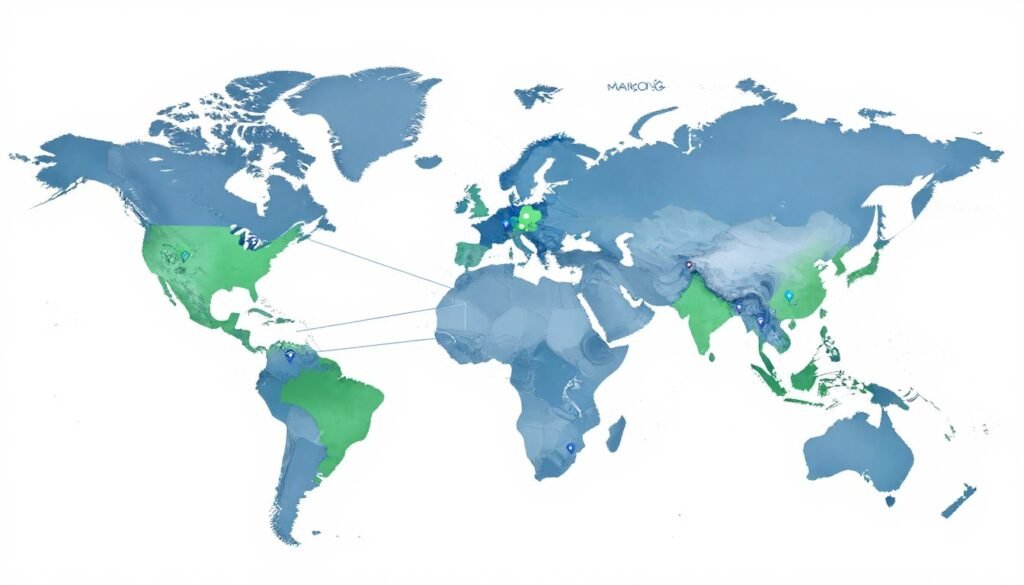
Taking Action: Next Steps for Your Practice or Partnership Journey
This comprehensive guide has covered extensive territory: understanding the transition from static PDF resources to dynamic software solutions, evaluating system compatibility requirements, comparing software options, understanding advanced features, and exploring both practitioner implementation and partnership opportunities.
The information provided arms you with knowledge necessary for informed decisions. Now comes the critical step: translating knowledge into action appropriate for your specific circumstances.
For Individual Practitioners Considering Software Adoption
If you’re a practicing iridologist currently working with manual systems and evaluating whether professional software merits investment, I recommend this decision framework:
Software Makes Immediate Sense If:
- You see ten or more clients weekly consistently
- You struggle with client data organization and retrieval
- Manual report creation consumes excessive time
- You want to expand services but lack capacity
- Professional presentation enhancement matters to your practice growth
- You serve multilingual client populations
- You’ve accumulated years of client records needing better organization
- Comparison tracking across multiple consultations would benefit clients
For practitioners in these situations, software investment typically returns within three to six months through increased efficiency, capacity expansion, and enhanced client satisfaction.
Continue Manual Methods If:
- Your practice remains very part-time (fewer than five clients monthly)
- You primarily provide educational services rather than ongoing client consultations
- Your clients prefer paper documentation over digital reports
- Budget constraints make even modest investment impossible currently
- You lack computer skills and feel overwhelmed by technology
- Your practice model doesn’t involve longitudinal client tracking
In these situations, investing time mastering software might not provide proportional return. Continue with manual methods while building practice volume, then revisit software adoption when circumstances change.
For Potential Distributors and Partners
If you’re evaluating whether iridology equipment distribution fits your business model, consider these qualification factors:
- Existing market access: Do you currently serve natural health practitioners, wellness centers, or related markets? Established customer relationships dramatically accelerate sales.
- Market knowledge: Do you understand alternative health markets and customer needs? This knowledge informs effective positioning and messaging.
- Investment capacity: Can you comfortably afford initial inventory investment appropriate to your chosen partnership level?
- Support commitment: Will you provide customer support, or prefer vendors handling technical assistance? This determines appropriate partnership structure.
- Growth vision: Do you see iridology equipment as one-time product addition or foundation for expanding wellness equipment portfolio?
If these factors align favorably, equipment distribution or partnership could provide substantial business opportunity with relatively low barriers to entry compared to most manufacturing businesses.
Immediate Action Steps
Regardless of your specific situation, these concrete next steps move you from consideration to implementation:
- Request detailed information: Contact MAIKONG or other software vendors requesting comprehensive product specifications, pricing information, and partnership details matching your situation.
- Schedule demonstration: Arrange live software demonstration (in-person if local, or via video conference) seeing actual functionality rather than relying solely on written descriptions.
- Verify compatibility: Provide your specific computer specifications and camera model (if applicable) for compatibility verification before any purchase commitment.
- Review partnership terms: If considering distribution, request formal partnership agreement terms for legal review before committing.
- Connect with existing users: Ask vendors for references to current users in similar practice situations or markets you can contact for honest feedback.
- Calculate your ROI: Create specific return-on-investment projections based on your actual practice parameters or market opportunity rather than generic estimates.
- Plan implementation timeline: If proceeding, establish realistic timeline for software learning or partner onboarding avoiding unrealistic rush implementations.
Connect with MAIKONG: Your Next Step Starts Here
Whether you’re an individual practitioner evaluating software solutions or a potential distributor exploring partnership opportunities, our team provides personalized guidance matching your specific situation. We’ve supported over one thousand practitioners and partners globally since 2004 – let us help you determine whether MAIKONG solutions fit your needs.
Conclusion: Bridging Traditional Knowledge with Modern Practice Tools
The journey from searching for libros de iridología pdf gratis to implementing comprehensive professional software represents evolution in practice approach rather than abandonment of foundational knowledge. Traditional reference materials – whether classic texts by masters like bernard jensen, comprehensive resources like the integrated iridology textbook pdf, or practical guides like practical iridology pdf – remain essential educational foundations.
What changes is how you apply that knowledge during actual client consultations. Manual workflows involving physical books, scattered PDF files, separate camera systems, handwritten notes, and manual report creation can work. Many successful practitioners operated this way for decades. But these methods consume time, limit client capacity, reduce documentation consistency, and miss opportunities that integrated digital systems provide effortlessly.
Professional iridology software doesn’t replace your expertise – it amplifies your ability to serve clients effectively. It handles organizational logistics, systematic documentation, professional presentation, and longitudinal tracking, allowing you to focus mental energy on observation, interpretation, and client communication rather than administrative mechanics.
For practitioners building successful long-term practices, this efficiency matters tremendously. Time saved per consultation accumulates into hours weekly and days monthly – capacity you can allocate to additional clients, continuing education, practice development, or personal life balance.
For entrepreneurs and distributors, the growing alternative health market presents substantial opportunity. Equipment that enables practitioner success while providing healthy margins creates win-win business relationships. MAIKONG’s twenty-year track record, comprehensive customization services, and established partner network demonstrate viable business model with relatively accessible entry requirements.
Whether you’re a practitioner seeking better tools or a businessperson identifying market opportunities, the iridology equipment sector offers meaningful possibilities for those who approach it professionally with appropriate knowledge and realistic expectations.
Your next step depends entirely on your specific situation. Individual practitioners should evaluate whether their practice volume and growth objectives justify software investment. Potential distributors should assess whether their existing market access and business capabilities align with equipment sales requirements. Both groups benefit from thorough information gathering, demonstrations, and consultations before committing.
The information throughout this comprehensive guide provides foundation for informed decisions. The only remaining question is: what action serves your specific goals best?
Final Reminder: All iridology tools, software, and analysis methods discussed in this article serve traditional observation and educational reference purposes. They support health education and wellness consultation documentation. They do not provide medical diagnosis, detect diseases, or replace professional healthcare evaluation. Always encourage clients to consult qualified medical professionals for health concerns and never present iridology observations as medical diagnoses.
Thank you for investing time in this detailed exploration of modern iridology practice tools. May your journey – whether as practitioner or entrepreneur – bring success, satisfaction, and positive impact on the health and wellness of those you serve.