
Iridologist in Phoenix AZ: How to Choose the Right Course and Training Path

Choosing an educational pathway to become an iridologist in phoenix az requires evaluating curriculum structure, practical image assessment, and non-diagnostic legal boundaries. The strongest training options emphasize foundational iris topography, supervised case reviews, ethical client intake, and standardized optical capture methods. Evaluating these components upfront helps prospective students select programs that match their professional goals without confusing wellness education with licensed clinical practice.
Decision criteria depend on personal background, available study time, and whether an individual plans to integrate traditional iris evaluation into an existing wellness practice. Program credibility rests on transparent faculty credentials, hands-on practice sessions, clear completion criteria, and comprehensive instruction in student imaging equipment.

What People Searching for an Iridologist in Phoenix AZ Usually Need
Individuals exploring iridology education in the Sonoran Desert region generally fall into two categories: aspiring holistic practitioners seeking vocational skills and established wellness professionals expanding their client assessment toolkits. Both groups need clarity on what distinguishes reputable instruction from unverified weekend seminars.
A structured educational course addresses practical questions regarding chart reading, observational discipline, and proper professional scope. Students must understand what traditional iris evaluation can observe and what falls outside its educational remit.
- Instruction on identifying constitutional patterns, structural variations, and pigment distribution across the iris stroma.
- Guidance on conducting structured client interviews that prioritize personal wellness history and lifestyle habits.
- Training in navigating Arizona wellness laws that separate non-invasive health analysis from regulated medical procedures.
- Familiarity with digital capture tools that create reliable reference records for longitudinal client wellness tracking.
What a Complete Iridology Course Should Teach
A comprehensive syllabus begins with classical iris charting models, including historical frameworks such as the Bernard Jensen iridology chart. Students learn to map concentric zones, identify autonomic nerve wreath positions, and interpret structural fiber arrangements without making pathological claims.
Practical coursework must incorporate technical imaging standards using an educational iridology camera to capture consistent lighting and crisp focal planes. Learning to operate optical capture devices prevents common student errors caused by corneal glare, oblique angles, or inconsistent white balance.
Iris Topography & Cartography
Students study standard reference guides, such as a traditional iridology chart, to understand systemic layout and relative organ reflexes.
Case Study Documentation
Learners evaluate comparative photographic series over time, building observational fluency through documented assessments under instructor supervision.
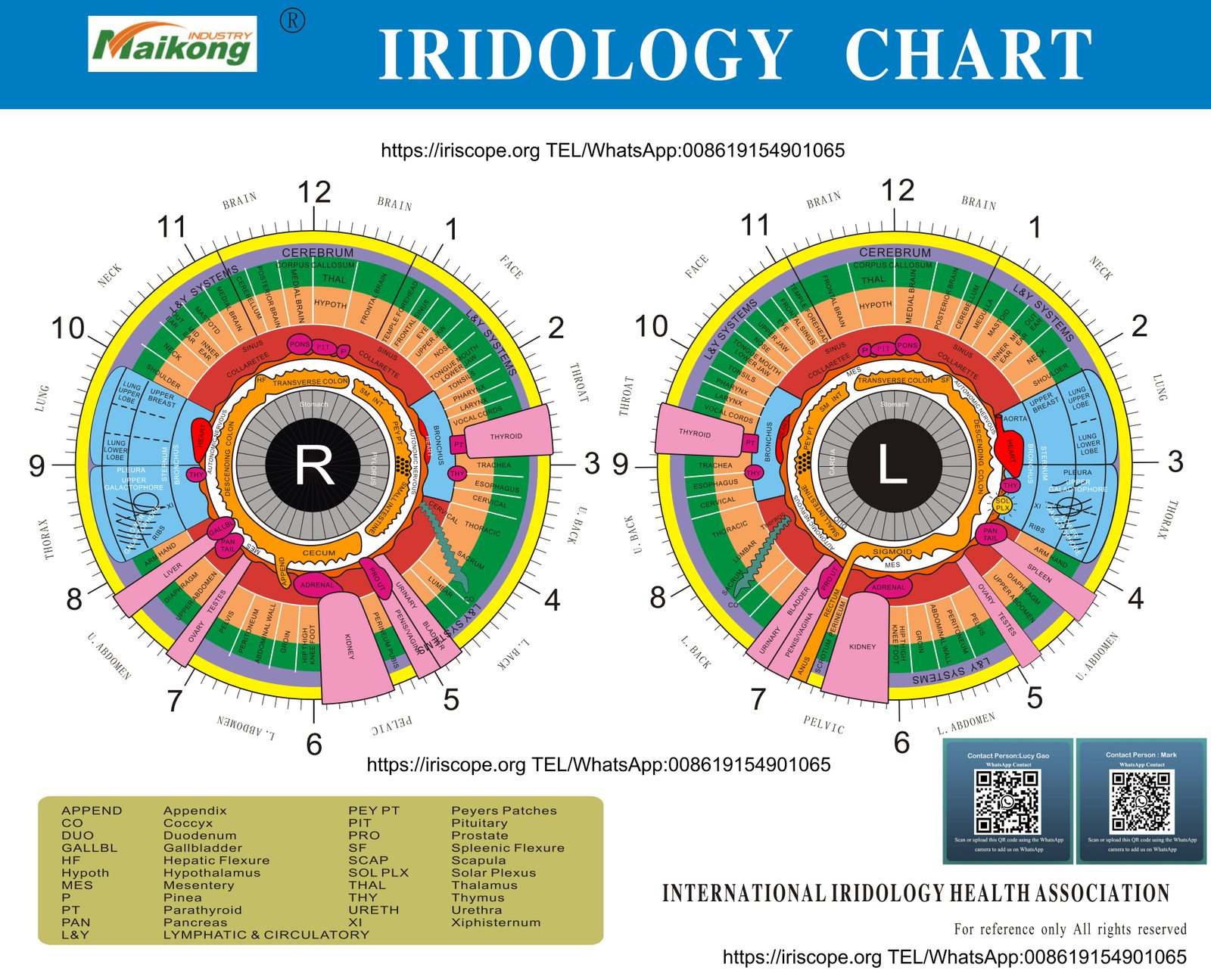
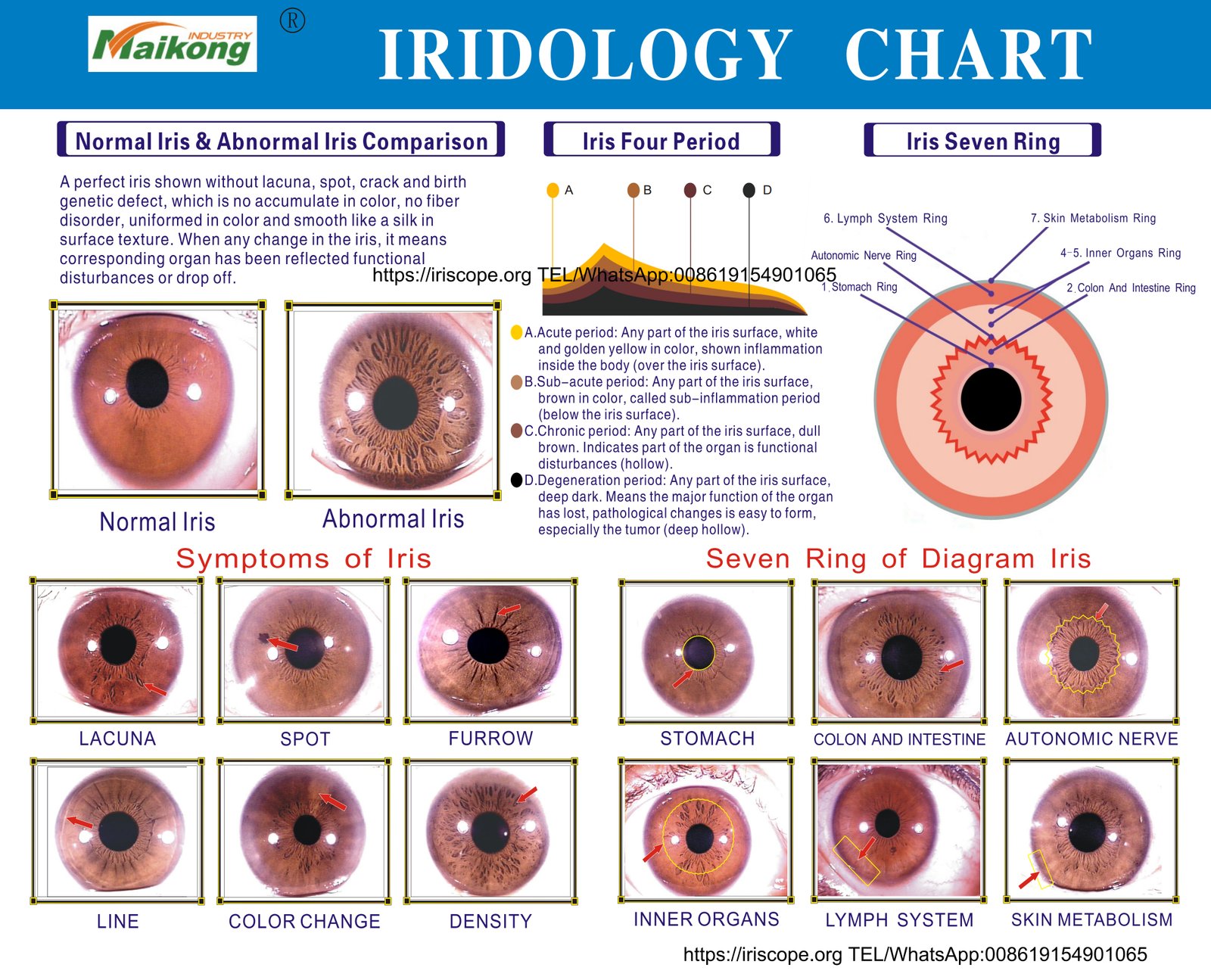
Structured iris cartography forms the foundation of educational pattern analysis.
Online vs. In-Person Iridology Training in Phoenix AZ
Prospective students in Maricopa County frequently weigh the convenience of distance learning against the tactile benefits of localized classroom instruction. Online learning offers self-paced module completion and access to recorded lectures, while in-person training offers direct feedback on sensor placement and client positioning.
Hybrid programs represent a balanced alternative, pairing online theoretical lectures with localized hands-on workshops. This structure allows students to absorb dense anatomical theory at home while mastering practical device handling in person.
Distance Learning Formats
- Flexible scheduling for self-directed study
- Access to global instructor communities
- Digital submission of practice assignments
- Lower travel and lodging expenditures
In-Person Classroom Workshops
- Supervised real-time lighting adjustments
- Immediate feedback on client handling
- Direct peer-to-peer case reviews
- Hands-on calibration of imaging stands
Regional Training Curriculums and Geographic Comparisons
Prospective learners seeking an iridologist phoenix az program often compare local standards with those reviewing an iridologist tucson az course or an iridologist in san diego mentor. West Coast training parallels frameworks found when consulting an iridologist sacramento ca seminar or an iridologist spokane workshop.
Across North America, core competencies remain consistent whether a student references an iridologist in texas, an iridologist in tulsa ok, an iridologist indianapolis educator, or an iridologist kentucky program. Similar benchmarks apply when reviewing programs led by an iridologist maryland instructor, an iridologist pennsylvania school, an iridologist new york institute, an iridologist miami center, or an iridologist in putnam county florida trainer.
Curriculum quality does not depend on physical geography. Whether comparing programs from an iridologist in toronto, an iridologist london ontario provider, an iridologist london uk practitioner, or an iridologist johannesburg analyst, students should prioritize supervised case hours over marketing titles.
International frameworks in the Pacific region display similar expectations. Students examining iridologist training australia options observe comparable syllabus components under an iridologist melbourne lecturer, an iridologist perth teacher, an iridologist marmion perth tutor, an iridologist north brisbane instructor, an iridologist sydney cbd analyst, an iridologist north sydney mentor, an iridologist sydney northern beaches educator, or an iridologist north shore auckland specialist.
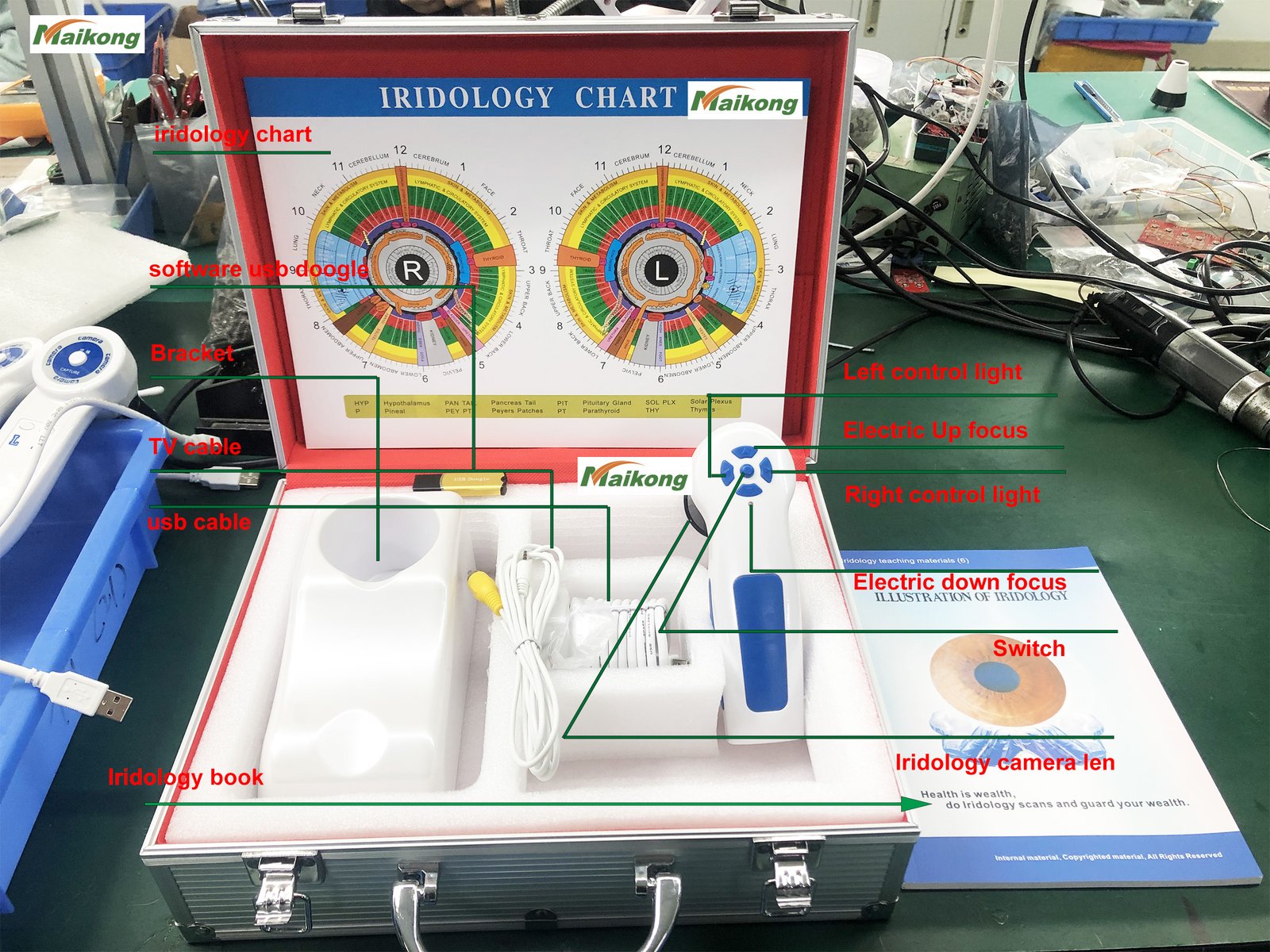
Consistent optical equipment standards support uniform training outcomes across geographic regions.
Certificate, Completion Record, and Professional Credibility
A critical distinction exists between an educational completion certificate and a government-sanctioned medical license. Completing an iridology program awards a document confirming study hours and testing completion, but it does not confer a medical credential or legal authority to practice medicine.
Prospective students must avoid programs promising clinical diagnostic powers or medical licensing. Ethical wellness education emphasizes non-diagnostic language, clearly explaining that constitutional iris analysis identifies historical tendencies and structural variations rather than specific pathologies.
Iridology content is presented for traditional iris observation, educational discussion, and product-selection reference only. It is not a medical diagnosis, does not treat disease, does not replace a physician’s examination, and should not be used instead of licensed medical care.
How Long Does Iridology Training Take?
Training duration varies based on whether a course is structured as a self-paced curriculum or a fixed-calendar mentorship. Foundational certifications require adequate time to complete required readings, digest anatomical concepts, and submit supervised student evaluations.
Advanced modules require dedicated practice reviewing client intake records and verifying photographic assessments under experienced guidance. Pacing should accommodate careful review of complex iris patterns rather than rushed completion.
| Training Level | Instruction Delivery | Core Requirement | Primary Focus |
| Introductory | Self-paced study | Chart topography | Understanding classical iris mapping and zones |
| Intermediate | Instructor lectures | Supervised reviews | Practicing capture techniques and lighting consistency |
| Advanced | Clinical practicum | Formal portfolio | Integrating longitudinal wellness records with client intake |
Equipment and Software Skills for an Iridology Student
Developing technical proficiency requires learning to capture high-clarity images using an educational iriscope. Quality optical hardware helps eliminate shadows and reflections that could otherwise lead to inaccurate student readings of delicate iris textures.
In addition to hardware, students learn to organize client files, archive photographs, and track historical sessions using specialized iridology software. Proper data management supports responsible client privacy and professional consultation records.
| Component Type | Operating Specification | System Function | Educational Value |
| Optical Sensor | High-resolution sensor | Image capture | Captures clear iris fiber detail for study review |
| Illumination | Balanced circular LEDs | Variable lighting | Minimizes pupil constriction and distracting corneal glare |
| Software Platform | Cross-platform build | Record archiving | Maintains timestamped case records for longitudinal comparisons |
Hardware packages designed for educational settings typically bundle a specialized USB camera, reference chart material, and analytical software. Reviewing hardware compatibility with Windows or macOS ensures seamless laboratory workflows.
| Package Accessory | Included Quantity | Hardware Purpose | Student Application |
| Handset | Single unit | Camera housing | Ergonomic handling during educational demonstrations |
| Iris Lens | Dedicated optic | Magnification | Detailed close-up observation of stromal patterns |
| Protective Case | Single box | Storage | Safeguarding optical tools during classroom transit |
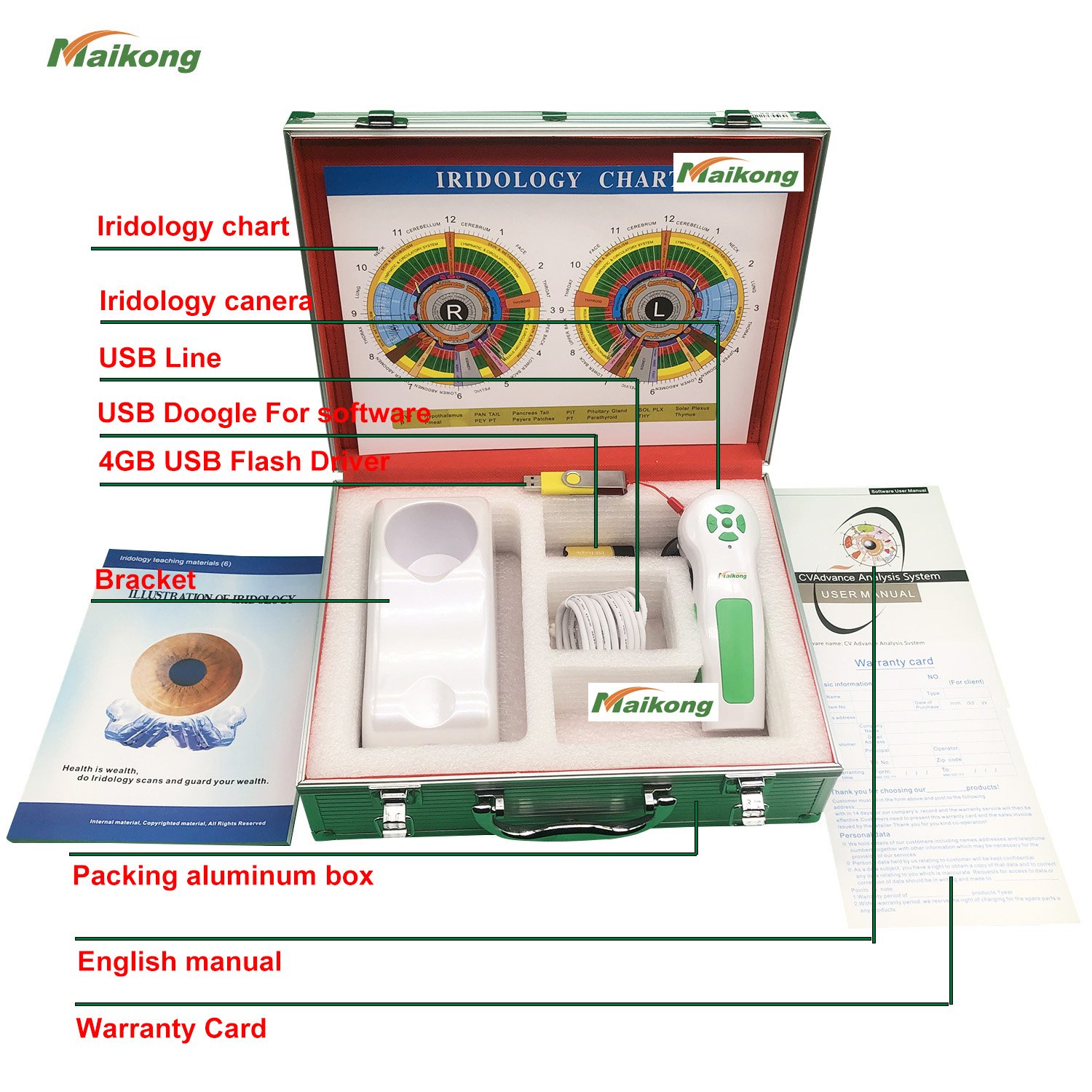
High-resolution digital optical tools support precise educational iris documentation.
How to Evaluate an Iridology Training Provider in Phoenix
Prospective students should scrutinize training providers before committing tuition funds. Transparent institutions openly disclose instructor backgrounds, published curricula, practical case review requirements, and administrative policies.
A dependable educational organization provides sample lessons, demonstrates compliance with wellness laws, and maintains accessible support channels. Evaluating these criteria protects learners from substandard training experiences.
- Instructor credentials demonstrating extensive experience in traditional pattern analysis and wellness education.
- A detailed syllabus that clearly balances theoretical iris cartography with practical image-capture training.
- Documented case study requirements where instructors provide direct, itemized feedback on student submissions.
- Clear non-diagnostic policies that instruct students on state-level consumer health protection and referral standards.
- Transparent administrative terms regarding software access, class rescheduling, and student support channels.
Common Cost Factors for Iridology Courses
Tuition variations reflect several underlying program elements, including format, direct mentor access, and included study materials. Self-paced video libraries generally carry lower tuition than intensive small-group apprenticeships.
Students should confirm whether course fees include essential optical equipment or require separate hardware procurement. Understanding fee breakdowns prevents unexpected expenses during the study program.
Tuition Inclusions to Seek
- Direct one-on-one portfolio review sessions with instructors
- Integrated software licenses and reference chart materials
- Access to archived educational case libraries and updates
Hidden Expenses to Clarify
- Separate examination or certificate issuance fees
- Mandatory external proprietary optical hardware purchases
- Ongoing annual subscription fees for basic software functionality
A Practical Decision Checklist for Choosing an Iridology Course
Before finalizing enrollment, applicants should complete a methodical comparison of prospective programs. Evaluating foundational criteria ensures the chosen course delivers meaningful educational value.
Use the matrix below to assess whether a curriculum matches your professional goals, technical requirements, and legal compliance needs.
| Decision Factor | Key Indicator | Verification Method | Target Standard |
| Syllabus Depth | Core topics | Review course outline | Includes chart history, zones, and ethical intake |
| Hands-on Practice | Case reviews | Confirm grading rubric | Requires supervised evaluations of photographic cases |
| Hardware Guidance | Device training | Examine lab syllabus | Teaches lighting, focus, and image archiving techniques |
| Ethical Stance | Legal clarity | Inspect disclaimer text | Maintains clear non-diagnostic boundaries throughout |
How MAIKONG Supports Training Programs With Equipment and Software

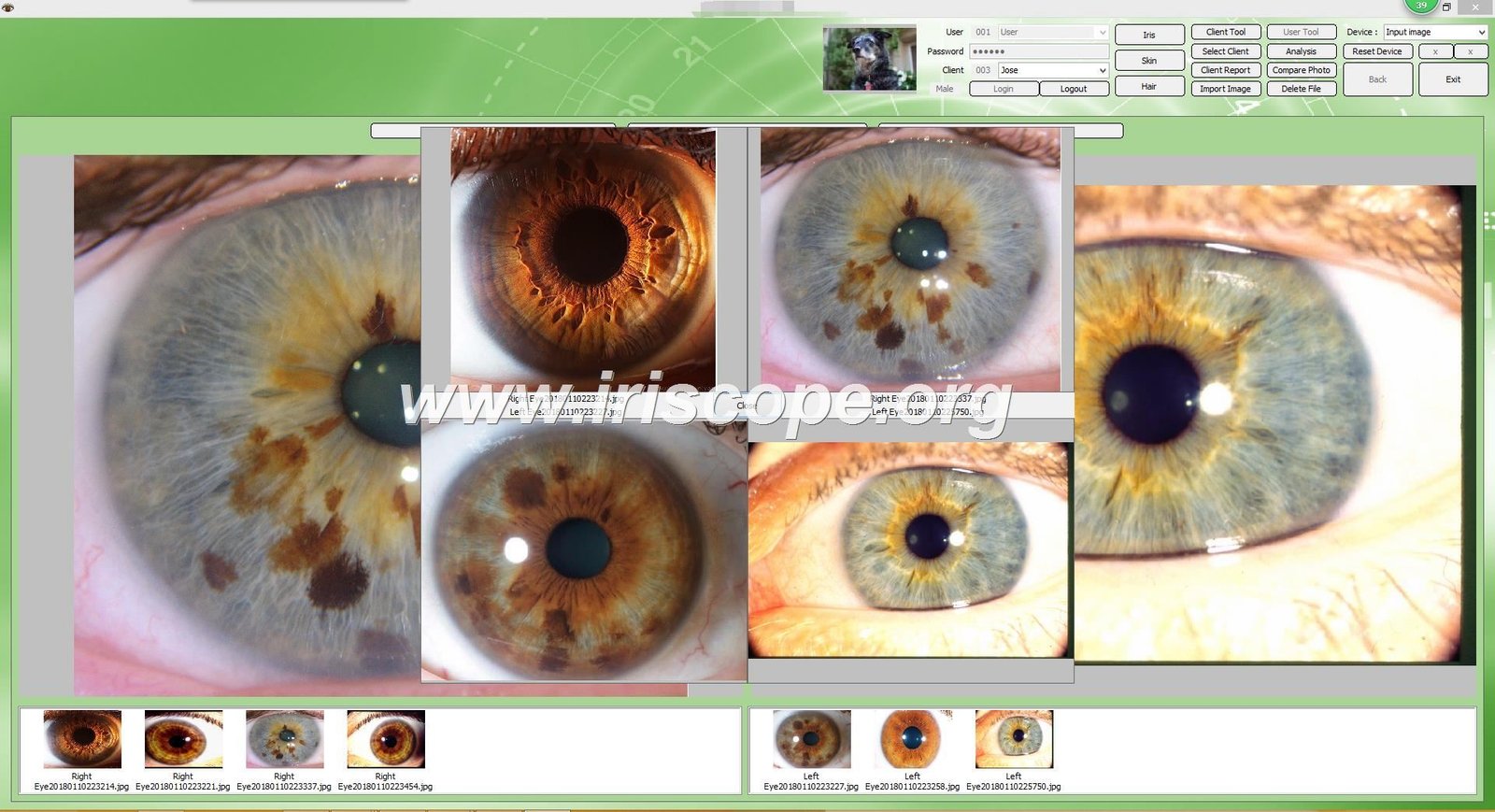
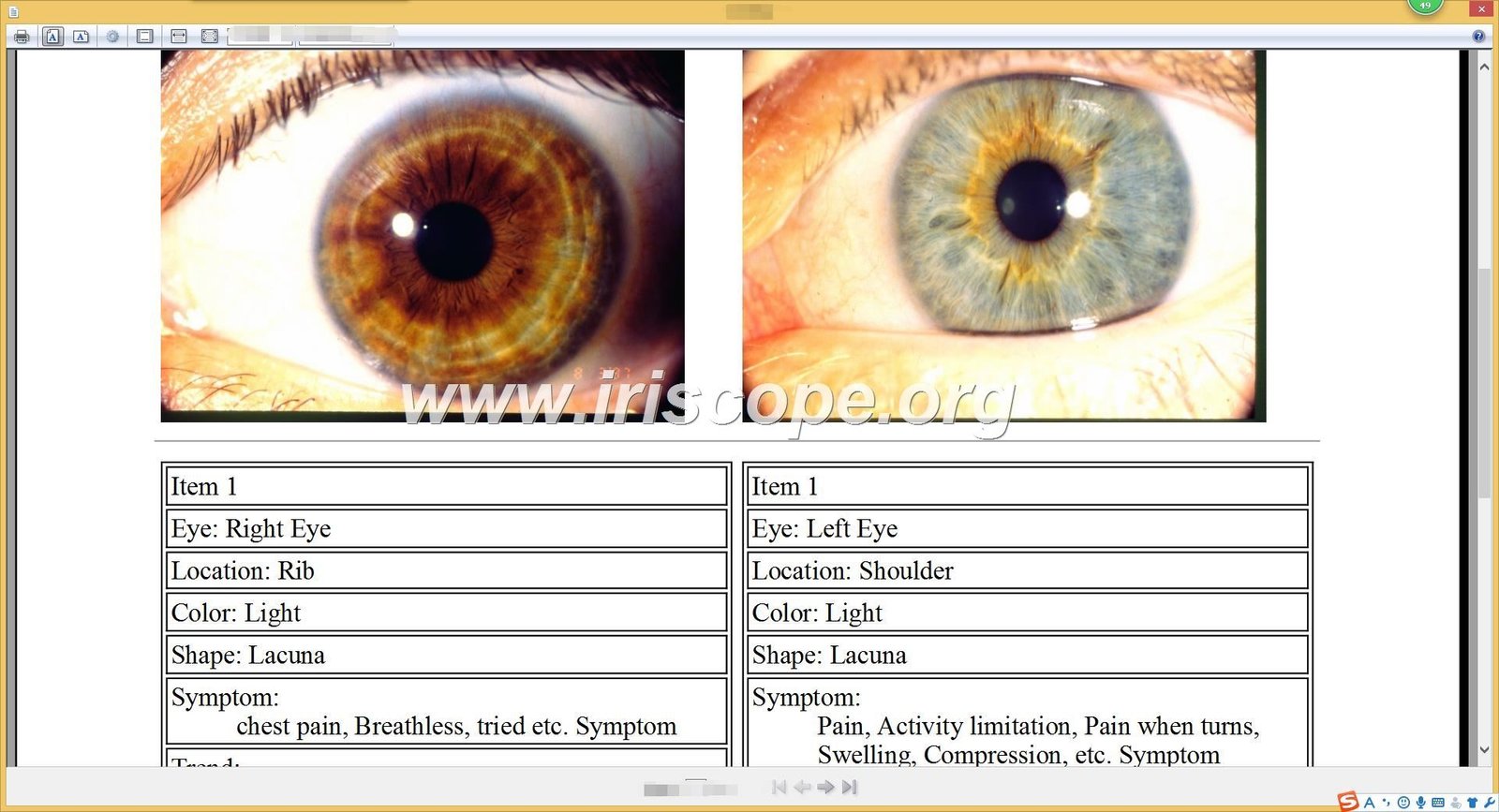
As a specialized manufacturer based in SZ, GD, we support educational academies, wellness clinics, and training organizations with high-precision optical hardware. Our dedicated iridology cameras and analysis software systems are developed following ISO9000-based production standards and carry CE certification.
We provide training programs and international distributors with customized hardware solutions, including OEM exterior molds, tailored device features, and private-label software interfaces. Our software platforms support Windows and macOS systems, offering educational tools, multilingual interfaces, and structured client record management for training environments.
Learn more about MAIKONG and our two decades of optical manufacturing experience supplying educational institutions and wellness centers worldwide.
Frequently Asked Questions About Becoming an Iridologist in Phoenix AZ
What qualifications do I need to enroll in an iridology course in Phoenix AZ?
Most introductory courses require only a high school diploma and an interest in natural wellness concepts. Advanced clinical modules may recommend prior study in foundational human anatomy or holistic nutrition.
Can an iridologist in Phoenix AZ legally diagnose medical conditions?
No, an iridologist does not diagnose or treat medical diseases under Arizona law. Traditional iris observation provides non-diagnostic educational information regarding constitutional patterns and lifestyle tendencies.
Do I need to buy professional camera equipment before starting my course?
Beginner theoretical modules generally do not require immediate hardware purchases. Intermediate and advanced courses that require case portfolio submissions will require an optical camera and analysis software.
What is the difference between a completion certificate and a professional license?
A completion certificate verifies that you finished a specific educational course and satisfied test requirements. A professional license is issued by a state regulatory agency and permits the practice of regulated medical professions.
How can I verify the credibility of an iridology training school?
Check the instructor’s background, request a complete syllabus, and verify that the curriculum requires supervised case reviews. Reliable schools emphasize non-diagnostic boundaries and provide clear student support policies.
Next Steps in Your Iridology Education Path
Selecting the right course establishes ethical confidence, practical imaging competence, and structured client documentation skills. Take time to verify instructor access, review sample chart templates, and establish non-diagnostic legal boundaries before enrolling in any training pathway.
Consult on Educational Equipment and Software Programs
Reach out to discuss training hardware packages, optical compatibility, or customized software solutions for your educational curriculum.