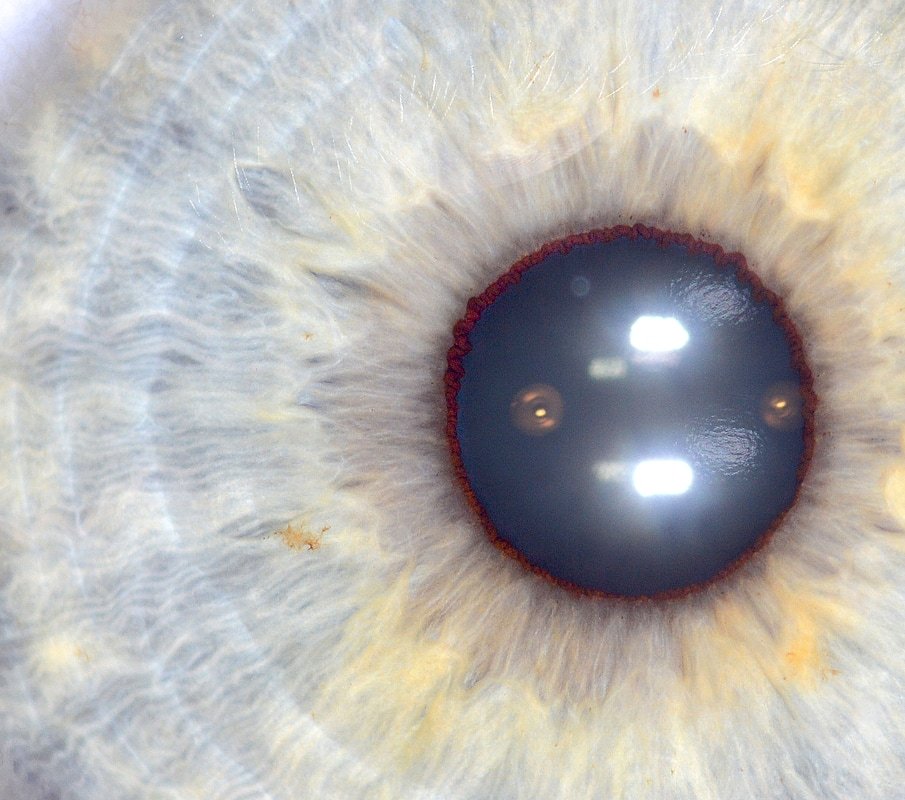
Iridology Iris Diagnosis: Understanding Practitioner Services and Professional Standards

When you search for information about iridology iris diagnosis, you likely want to understand what this practice involves and whether it might benefit your health journey. Iridology represents a traditional observation method where trained practitioners examine patterns in the colored part of your eye to gain insights about your body’s condition. This practice has roots going back centuries, though modern technology has transformed how practitioners conduct iris analysis today.
The core concept centers on the belief that different zones of your iris correspond to specific body systems and organs. Practitioners look at markings, colors, and structural changes in your iris. These observations form the basis of what iridologists call iris diagnostics. However, it is essential to understand from the start that this approach serves educational and observational purposes within traditional health practices.
This guide explains the role of iridology practitioners, the services they provide, how to select a qualified professional, and what equipment supports modern iris diagnosis work. We also clarify important boundaries between iridology observations and medical diagnosis, helping you make informed decisions about incorporating this practice into your wellness routine.
What Is Iridology Iris Diagnosis and How Does It Work?
Iridology iris diagnosis involves systematic examination of your iris patterns, colors, and structures. Practitioners use this visual assessment as part of a broader health evaluation approach. The practice emerged from observations that certain iris markings seemed to correlate with specific health patterns in different people.
During an iris diagnosis session, a trained iridologist photographs your eyes using specialized cameras. These images capture fine details that help practitioners identify various iris characteristics. They then reference standardized iridology charts that map different iris zones to body areas.
The Theoretical Foundation Behind Iris Analysis
The study of iris patterns stems from the idea that your eye reflects your overall health history. Different parts of your iris supposedly correspond to different organs and body systems. For example, practitioners might examine the upper iris for information about your head and brain areas, while the lower part of your iris might relate to lower body organs.
Iridologists look for specific markers such as rings around the iris, color variations, structural changes, and what they call iris nodules. Each marking type has different interpretations within iridology practice. A ring around your iris might suggest one thing, while dark spots in a particular iris zone might indicate something else according to traditional iridology understanding.
What Can Iridology Detect According to Practitioners?
Practitioners claim that iris analysis can reveal information about several health aspects. Many iridologists say they can observe signs of stress on your nervous system through specific iris patterns. Others look for indications of inflammation, toxin accumulation, or nutritional deficiencies based on iris coloration and markings.
Some practitioners believe iridology can detect patterns related to digestive health, circulation issues, or lymphatic system function. Questions like “can iridology detect leaky gut” or “can iridology detect ovarian cysts and fibroids” come up frequently. It is crucial to understand that iridology observations should never replace medical testing for specific health conditions.
Important Health Disclaimer: Iridology iris diagnosis serves as a traditional observation tool for educational purposes. It does not diagnose diseases, replace medical examinations, or substitute for laboratory testing. Always consult licensed medical professionals for health concerns and diagnosis of medical conditions.
The Role and Services of Iridology Practitioners
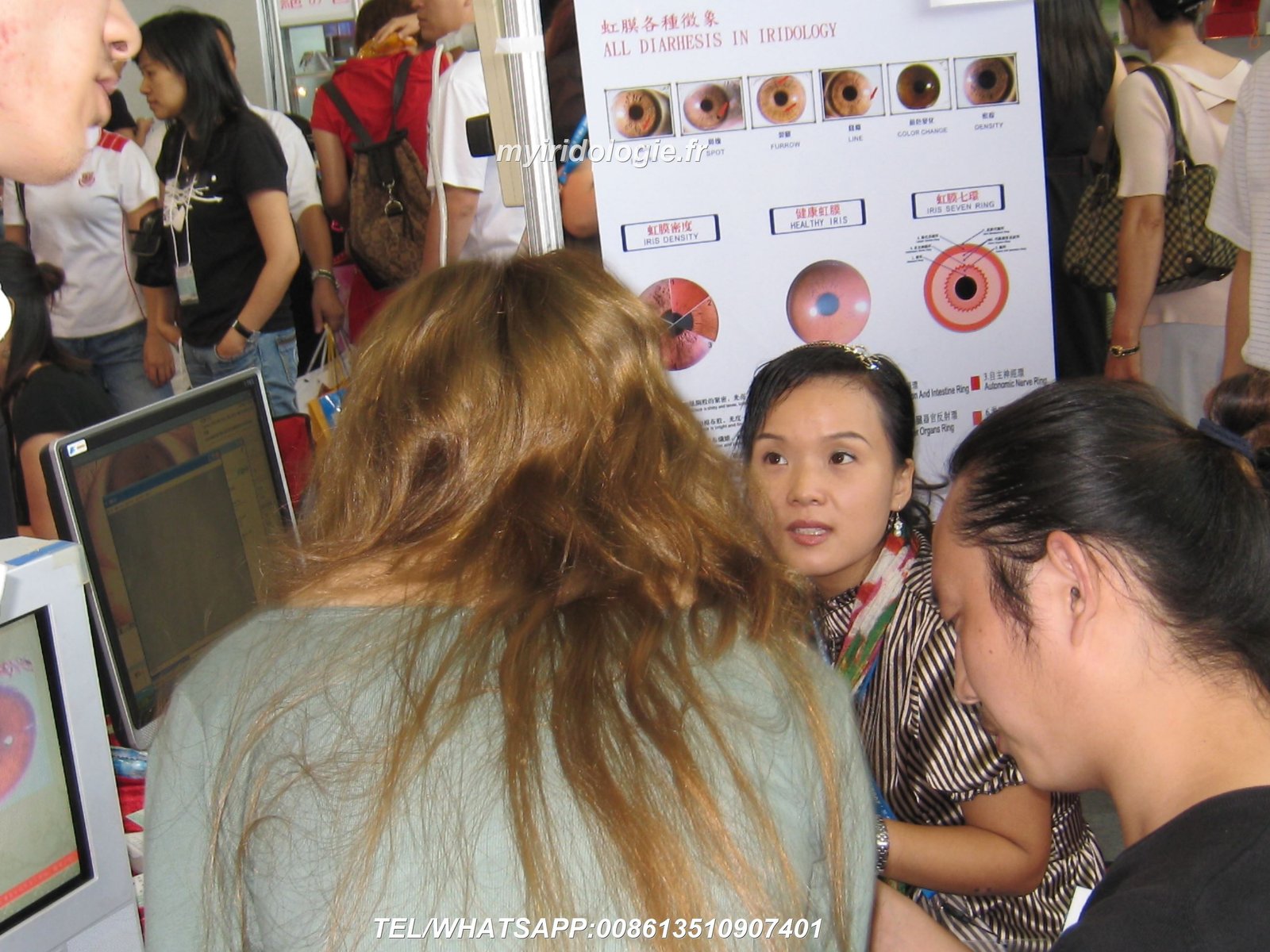
An iridologist is a health professional trained in iris analysis techniques. These practitioners typically work in natural health clinics, wellness centers, or maintain private practices. Understanding what iridologists do helps you set appropriate expectations when seeking their services.
Standard Iridology Consultation Process
Your initial consultation usually begins with a health history discussion. The practitioner asks about your current concerns, health background, and wellness goals. This conversation provides context for the iris analysis that follows.
Next comes the iris photography phase. The practitioner uses a specialized iridology camera to capture high-resolution images of both your eyes. Modern digital cameras produce clear images that show fine iris details. The practitioner then examines these images using various analytical approaches.
After the assessment, iridologists typically provide observations and may suggest lifestyle modifications, nutritional considerations, or complementary wellness practices. Some practitioners combine iris analysis with other natural health approaches they practice, such as nutrition counseling or herbal recommendations.
Online Versus In-Person Iris Diagnosis
Technology has enabled iridology online diagnosis services. Some practitioners now offer remote consultations where you submit iris photographs for assessment. This option provides convenience, especially if qualified iridologists are not available in your local area.
However, in-person sessions often allow for more comprehensive evaluation. The practitioner can ensure optimal image quality and conduct additional assessments during your visit. They can also better answer your questions and provide personalized guidance in real time.
How to Select a Qualified Iridology Practitioner
Choosing the right practitioner significantly impacts your experience with iris diagnosis. Several factors help you identify qualified and reputable iridologists in your area or online.
Training and Certification Standards
Look for practitioners who completed formal training programs in iridology. Various schools and organizations offer certification courses that range from basic to advanced levels. While iridology certification standards vary by region, completed training demonstrates commitment to the practice.
Many qualified iridologists also hold credentials in related fields such as naturopathy, nutrition, or other complementary health disciplines. This broader background often enhances their ability to provide holistic guidance alongside iris observations.
Experience and Specialization
Consider how long the practitioner has worked with iris diagnosis. Experienced iridologists have examined thousands of iris images and developed refined observational skills over time. Some practitioners specialize in particular aspects of iris analysis or work primarily with specific health concerns.
Ask potential practitioners about their approach to iris diagnosis. Do they use Bernard Jensen’s methods, European iridology systems, or other approaches? Understanding their methodology helps you determine if their style aligns with your preferences.
Professional Equipment and Tools
Quality iris imaging requires professional equipment. Serious practitioners invest in proper iriscope devices that capture clear, detailed iris photographs. Poor image quality limits the accuracy of any iris assessment.
Modern iridology cameras should offer high resolution, proper lighting, and magnification capabilities. Many professionals use USB iridology cameras that connect directly to computers, allowing immediate image review and digital record keeping.
Questions to Ask Your Iridologist
- What training and certifications do you hold in iris analysis?
- How many years have you practiced iridology professionally?
- What equipment do you use for iris photography?
- What does your initial consultation include?
- How do you use iris analysis within your overall practice?
- Do you provide written reports or documentation?
- What are your fees and consultation policies?
Red Flags to Watch For
- Claims that iridology can diagnose specific diseases
- Promises to replace medical care or testing
- Pressure to purchase expensive products immediately
- Lack of clear credentials or training background
- Unwillingness to work alongside your medical providers
- Use of outdated or poor-quality imaging equipment
- Unrealistic health promises or guarantees
Professional Equipment Used in Iris Diagnosis
The quality of iris diagnosis depends heavily on the tools practitioners use. Modern technology has revolutionized how professionals capture and analyze iris images, making the process more precise and efficient.
Iridology Cameras and Imaging Systems
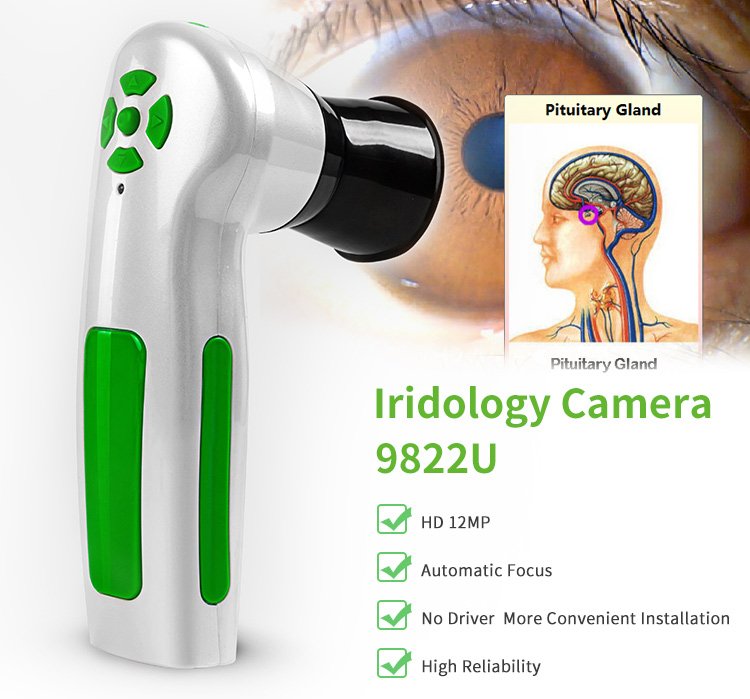
Professional iris cameras represent the cornerstone of modern iridology practice. These specialized devices feature high-resolution sensors that capture fine iris details. Most professional systems offer 12 megapixels or higher resolution, ensuring clear images suitable for detailed examination.
Quality cameras include LED illumination systems that provide even lighting around your iris. This lighting eliminates shadows and ensures consistent image quality. Many modern systems also feature adjustable focus mechanisms that let practitioners capture sharp images regardless of individual eye characteristics.
The best iridology cameras offer ergonomic designs that make the imaging process comfortable for both practitioner and client. Some systems include features like image stabilization, which helps reduce blur from small movements during photography.
Analysis Software and Digital Tools
Professional iridology software transforms how practitioners examine and document iris patterns. Modern programs offer digital mapping tools that overlay standardized charts onto iris photographs. This technology helps practitioners identify and mark specific iris zones during their assessment.
Advanced software systems include client management features, allowing practitioners to maintain detailed records and track observations over time. Some programs generate comprehensive reports that practitioners can share with clients, providing visual documentation of the iris analysis.
Many software solutions now support multiple languages and operating systems. This compatibility makes professional tools accessible to practitioners worldwide. Some systems even offer automated analysis features, though most practitioners prefer to conduct manual assessments using software as a supporting tool.
Reference Materials and Charts
Practitioners rely on detailed iridology charts as reference guides during analysis. These charts map iris zones to corresponding body areas according to various iridology systems. The most common include the Jensen chart, European charts, and several other mapping systems.
Different charts exist for the right eye and left eye, as traditional iridology theory suggests each eye corresponds to the opposite side of your body. Practitioners often display these charts in their offices and reference them during consultations.
Professional-Grade Equipment for Serious Practitioners
For practitioners seeking reliable, professional equipment, understanding available options helps make informed purchasing decisions. Quality matters significantly when your practice depends on accurate iris imaging.
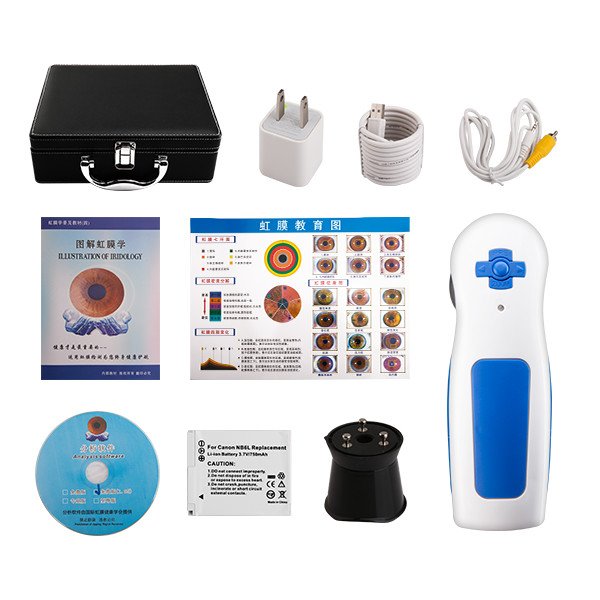
Professional iridology systems should include several key components. The camera unit itself must offer high resolution and proper illumination. Complete systems typically include specialized lenses, protective covers, USB connectivity, and professional software. Many practitioners also invest in camera stands for stable, hands-free operation during sessions.
When evaluating equipment, consider factors beyond initial price. Look at software capabilities, update availability, technical support options, and whether the manufacturer offers training resources. Practitioners building successful practices need equipment that grows with their business and provides reliable long-term performance.
Explore Professional Iridology Equipment Solutions
MAIKONG Technology specializes in manufacturing professional-grade iridology equipment trusted by practitioners and wellness centers worldwide. With over 20 years of experience, we offer high-resolution cameras, multilingual software, and comprehensive support for health professionals.
Key Specifications for Professional Equipment
Professional practitioners should look for specific technical features when selecting iridology equipment. Here are standard specifications found in quality systems:
| Specification | Professional Standard | Importance |
| Image Resolution | 12.0 Megapixels or higher | Captures fine iris details clearly |
| Sensor Type | High-resolution CCD | Ensures accurate color reproduction |
| Illumination | LED ring light system | Provides even lighting without shadows |
| Connectivity | USB direct connection | Enables immediate image transfer |
| Software Compatibility | Windows and macOS support | Works with your existing systems |
| Lens Options | 30X magnification iris lens | Shows detailed iris structures |
| Focus System | Adjustable manual focus | Accommodates different eye characteristics |
| Certification | CE, medical device classification | Meets safety and quality standards |
What Iridology Can Reveal: Understanding the Claims
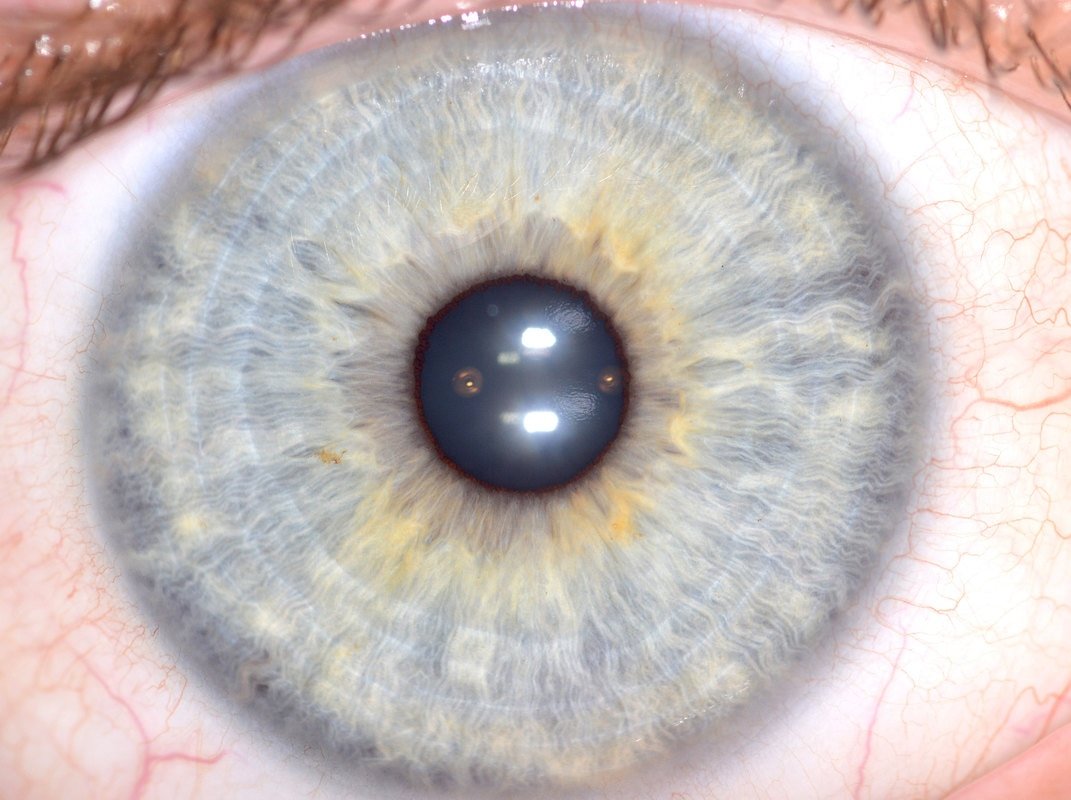
One of the most common questions people ask is “what can iridology tell you” about your health. Understanding both the claims made by practitioners and the limitations of this practice helps set realistic expectations.
Common Observations in Iris Analysis
Iridologists typically look for several types of iris features during their assessment. Changes in iris color, especially darkening or lightening in specific zones, may indicate different things according to iridology theory. Practitioners note structural patterns such as radial furrows, concentric rings, or what they call lacunae (small gaps in iris tissue).
Stress rings represent another common observation. These appear as concentric circles in your iris that some practitioners interpret as indicators of nervous system stress or tension patterns. The clarity or cloudiness of different iris zones may also factor into the practitioner’s overall assessment.
Practitioners examine what they term constitutional markers. These include your basic iris color and overall structural patterns that supposedly indicate your inherited health tendencies. They distinguish these from acquired markings that develop over time and may relate to lifestyle factors or health patterns.
Body Systems and Iris Zones
Traditional iridology maps divide your iris into zones corresponding to different body areas. The upper iris supposedly relates to your brain, head, and upper body organs. The side areas might correspond to your limbs and extremities. The lower part of your iris connects to lower body organs in traditional iridology understanding.
More detailed charts further subdivide these zones. For example, specific small areas might correspond to your liver, kidneys, digestive system, or other organs. Practitioners look for markings in these zones and interpret them according to their training and the iridology system they follow.
Different iridology schools sometimes map these zones slightly differently. The Bernard Jensen chart remains one of the most widely used references in North American practice. European practitioners may use alternative mapping systems that reflect different theoretical frameworks.
Limitations and Boundaries of Iris Diagnosis
Critical understanding of iridology’s boundaries is essential for anyone considering this service. Iris diagnosis does not function as a medical diagnostic tool. It cannot identify specific diseases, infections, or pathological conditions. Questions like “can iridology detect PID” or other specific medical conditions reflect misunderstanding about what this practice actually involves.
Iris analysis cannot replace blood tests, imaging studies, or other medical examinations. It will not show your cholesterol levels, detect cancer, diagnose diabetes, or identify bacterial infections. These determinations require proper medical testing conducted by licensed healthcare providers.
The observations iridologists make represent interpretations based on traditional theory rather than established medical fact. While many practitioners find value in this approach within their holistic health practice, iris patterns have not been scientifically validated as reliable indicators of specific health conditions.
Iris Diagnosis in Naturopathy and Holistic Health Practice
Many naturopaths and holistic health practitioners incorporate iris analysis into their broader assessment approach. Understanding how iris diagnosis fits within naturopathy helps clarify its intended role and context.
Integration with Other Assessment Methods
Naturopathic practitioners typically use iris diagnosis as one component of comprehensive health assessment. They combine iris observations with detailed health history, physical examination, laboratory testing when appropriate, and other evaluation tools. This multi-faceted approach provides a more complete picture than any single assessment method.
Iris diagnosis in naturopathy serves primarily as a screening and educational tool. Practitioners may use observations from iris analysis to guide questions during consultation or to help clients visualize health concepts. The iris assessment might suggest areas where the practitioner recommends further investigation through appropriate testing.
Complementary Nature of Iris Analysis
Responsible practitioners emphasize that iris analysis complements rather than replaces conventional medical care. They work alongside your other healthcare providers, not as substitutes for medical professionals. When practitioners identify concerns during iris assessment, they typically refer clients to appropriate medical specialists for proper diagnosis and treatment.
This complementary approach allows iris diagnosis to function within its appropriate scope. It serves as a tool for health education and as a guide for lifestyle and wellness discussions, while leaving medical diagnosis and treatment to qualified medical professionals.
What to Expect During an Iridology Consultation
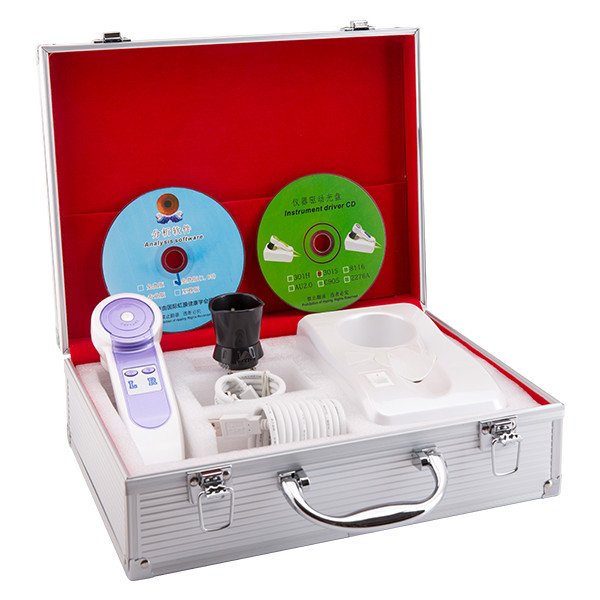
Understanding the typical consultation process helps you prepare for your first iris diagnosis session and know what represents normal practice versus unusual requests.
Pre-Consultation Preparation
Most practitioners ask you to avoid wearing contact lenses on the day of your iris photography session. Contacts can obscure iris details and affect image quality. If you wear glasses, you simply remove them for the photography portion of your visit.
Some practitioners request that you complete a health history form before your appointment. This paperwork provides background information that helps contextualize the iris observations. Bringing a list of your current concerns or questions ensures you make the most of your consultation time.
The Examination Process
Your session typically begins with discussion about why you sought iridology services and what you hope to learn. The practitioner then explains their process and what you should expect during the iris photography.
During imaging, you position yourself comfortably while the practitioner captures photographs of each eye. The process is non-invasive and painless. Modern cameras work quickly, so the photography portion usually takes only a few minutes. You may see flashes of light as the camera captures images.
After photography, the practitioner examines your iris images. Some practitioners conduct this analysis during your visit while discussing observations with you. Others prefer to complete detailed analysis after your appointment and schedule a follow-up session to discuss findings.
Discussion and Recommendations
The practitioner typically shares observations about patterns they see in your iris. They may use charts or visual aids to help you understand what they are describing. Many practitioners provide printed or digital copies of your iris photographs along with their notes.
Based on their observations and your overall health discussion, the practitioner may offer suggestions. These might include dietary considerations, lifestyle modifications, stress management techniques, or recommendations for specific nutrients or supplements. Some practitioners suggest follow-up assessments to observe changes over time.
Professional practitioners provide realistic guidance rather than making excessive promises. They explain that suggested changes take time to show effects and that individual results vary. They should also clarify which concerns warrant medical evaluation rather than relying solely on natural approaches.
Consultation Fees and Financial Considerations
Iridology consultation costs vary significantly based on several factors. Understanding typical pricing helps you budget appropriately and identify fair market rates in your area.
Factors Affecting Consultation Prices
Practitioner experience and credentials influence consultation fees. More experienced iridologists or those with extensive additional training often charge higher rates. Geographic location also affects pricing, with services in major metropolitan areas typically costing more than in smaller communities.
The scope of service impacts cost as well. Initial consultations generally cost more than follow-up sessions because they include comprehensive assessment and typically run longer. Some practitioners offer package pricing if you commit to multiple sessions.
Services that include detailed written reports, personalized wellness plans, or ongoing support typically command higher fees than basic assessments. Online consultations may cost less than in-person sessions, though this varies by provider.
Insurance and Payment Options
Most health insurance plans do not cover iridology services since insurance typically covers only medically necessary diagnostic procedures. However, some health savings accounts or flexible spending accounts may allow you to use funds for iridology consultations. Check your specific plan details to understand your options.
Many practitioners offer various payment methods and may provide payment plans for comprehensive programs. Some wellness centers include iris analysis as part of broader service packages. Ask about all costs upfront to avoid surprises.
Scientific Research and Evidence Considerations
Anyone considering iridology services should understand the current state of research regarding this practice. Scientific evidence does not support iridology as a reliable diagnostic method for detecting diseases or health conditions.
Current Research Status
Multiple scientific studies have examined whether iris patterns correlate with specific health conditions. These investigations generally have not found reliable evidence supporting traditional iridology claims. Controlled research has not validated that iridologists can accurately identify health problems through iris examination.
The lack of scientific validation does not necessarily mean iris analysis has no value within traditional health practices or as a communication tool between practitioners and clients. However, it does mean that iris observations should not guide medical decisions or replace proper medical testing.
Practitioner Perspectives
Many iridology practitioners acknowledge the lack of conventional scientific validation while maintaining that they observe value in their practice. They often view iris analysis as part of traditional or empirical health knowledge rather than as conventional medical diagnosis.
Responsible practitioners clearly communicate these limitations to clients. They position iris analysis appropriately as an observational tool within holistic health practice rather than making medical diagnostic claims that overstate what iris examination can reliably reveal.
Common Misconceptions About Iridology Iris Diagnosis
Several widespread misconceptions about iris diagnosis create unrealistic expectations. Clarifying these misunderstandings helps people approach iridology services with appropriate perspective.
Misconception One: Iridology Diagnoses Disease
Perhaps the most common misunderstanding is that iridology provides medical diagnosis. Practitioners who make such claims exceed appropriate scope and potentially create dangerous situations where people might delay proper medical care.
Iris diagnosis as properly practiced involves observation and assessment within traditional health frameworks. It does not identify specific diseases, determine if you have cancer, diagnose diabetes, or detect infections. These determinations require medical testing and licensed physician evaluation.
Misconception Two: Iris Changes Happen Quickly
Some people expect to see dramatic iris changes after short periods of following health recommendations. In reality, iris patterns develop over long time periods. Even practitioners who believe iris markings reflect health status acknowledge that observable changes occur slowly if they occur at all.
This gradual nature means you should not expect iris photography sessions every few weeks to show significant differences. Responsible practitioners typically space follow-up assessments months apart, understanding that iris patterns remain relatively stable in the short term.
Misconception Three: All Iris Markings Indicate Problems
Your iris naturally contains various patterns, colors, and structural features. Not every marking indicates a health concern according to iridology theory. Constitutional patterns present from birth simply reflect your inherited characteristics rather than acquired health issues.
Experienced practitioners distinguish between features they consider constitutional versus acquired. They avoid creating unnecessary anxiety by explaining which observations they consider significant and which simply represent normal iris variation.
Misconception Four: Iridology Works for Everyone
Some people find iris analysis helpful as part of their wellness journey, while others see no value in this approach. Individual responses vary significantly. Iris diagnosis represents one option among many available health assessment and education tools, not a universal solution suitable for everyone.
Your personal health philosophy, preferences, and experiences shape whether iridology services align with your needs. Neither choosing nor declining iris analysis makes you right or wrong. The key is making informed decisions based on accurate understanding of what this practice actually involves.
Making Informed Decisions About Iris Diagnosis Services
Deciding whether to pursue iridology consultations requires weighing several factors based on your individual circumstances and health approach preferences.
When Iris Analysis Might Fit Your Needs
Iridology consultations may appeal to you if you prefer holistic health approaches and want a visual tool for discussing wellness with a practitioner. Some people find iris photography provides a tangible starting point for conversations about health habits and lifestyle factors.
If you already work with naturopathic practitioners or complementary health providers, iris analysis might naturally integrate into your existing care approach. The observations can complement other assessment methods your practitioner uses.
Iris diagnosis may interest you if you appreciate traditional health knowledge systems even without conventional scientific validation. Many people value various traditional practices for personal or cultural reasons beyond strictly evidence-based considerations.
When to Prioritize Other Approaches
If you have specific symptoms or health concerns, conventional medical evaluation should come first. Proper diagnosis requires appropriate medical testing, not iris observation. Never substitute iridology assessment for necessary medical care or delay seeing your doctor based on iris analysis results.
When you need evidence-based diagnostic information to make health decisions, conventional medical testing provides the reliable data you require. Blood work, imaging studies, and other medical diagnostics offer validated information that should guide medical treatment decisions.
If you prefer strictly scientific approaches to health assessment, iridology likely will not align with your perspective. Many people reasonably choose to focus exclusively on evidence-based medical care, which represents a valid and appropriate choice.
Business Opportunities in Iridology Equipment and Services
For business-minded readers, the iridology equipment and services sector presents various opportunities. Understanding market dynamics helps identify potential ventures in this specialized niche.
Equipment Distribution and Sales
Professional iridology equipment requires specialized manufacturing and distribution channels. Quality equipment remains essential for serious practitioners, creating ongoing demand for reliable suppliers who understand practitioner needs.
Distributors who provide comprehensive support services often succeed better than those selling equipment alone. Technical training, software updates, customer service, and equipment maintenance support add value beyond the initial product sale.
International markets present significant opportunities as natural health practices expand globally. Equipment suppliers who offer multilingual software and understand different regional preferences can serve diverse practitioner communities worldwide.
Training and Education Services
As practitioners seek to add iris analysis to their service offerings, demand exists for quality training programs. Educational institutions and individual educators who provide thorough, ethical training fill an important role in maintaining practice standards.
Training programs that emphasize proper scope, ethical considerations, and realistic expectations help develop responsible practitioners. These educational services benefit the entire field by promoting appropriate practice standards.
Wholesale and OEM Opportunities
Established wellness centers, training schools, and natural health organizations often need multiple equipment units or customized solutions. Wholesale programs that support these larger buyers with competitive pricing and customization options serve an important market segment.
OEM and ODM services allow organizations to brand equipment for their specific programs or student requirements. These customization capabilities help businesses differentiate their offerings and build brand recognition among their practitioner communities.
Professional Equipment Solutions for Growing Practices
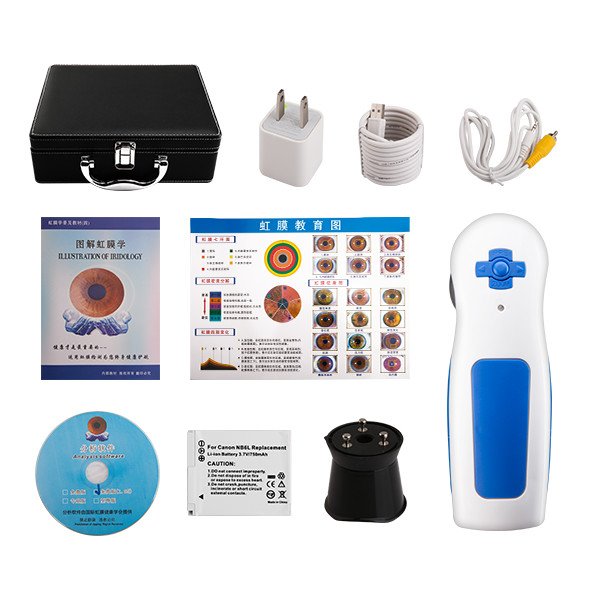
Practitioners, clinic owners, and wellness entrepreneurs building or expanding their services need reliable equipment partners who understand the unique requirements of iridology practice. The right equipment supplier provides more than just hardware. They offer ongoing support, software updates, training resources, and business development assistance.
When evaluating equipment suppliers, consider their manufacturing experience, product quality certifications, software capabilities, and after-sales support structure. Look for partners who maintain inventory for quick delivery and offer technical assistance in your language. International businesses particularly benefit from suppliers with global shipping capabilities and multi-currency payment options.
What Sets Professional Equipment Apart
Professional-grade iridology systems include several distinguishing features. High-resolution imaging captures the fine details practitioners need for thorough assessment. Robust software with regular updates ensures compatibility with evolving computer systems. Comprehensive training materials help new users quickly become proficient with their equipment.
Quality manufacturers provide clear product specifications, transparent pricing, and straightforward warranty terms. They offer customization options for practices with specific requirements or organizations needing branded solutions for their training programs or practitioner networks.
| Equipment Component | Standard Package | Professional Package |
| Camera Resolution | 5-8 Megapixels | 12+ Megapixels |
| Software Languages | 2-3 Languages | 17+ Languages |
| Operating Systems | Windows Only | Windows and macOS |
| Client Database | Basic Storage | Advanced Management System |
| Analysis Features | Manual Only | AI-Assisted Options |
| Report Generation | Basic Templates | Customizable Professional Reports |
| Technical Support | Email Only | Multi-Channel Support |
| Warranty Coverage | 90 Days | 1 Year Full Coverage |
Partner with a Leading Iridology Equipment Manufacturer

MAIKONG Technology brings over 20 years of specialized experience in iridology equipment manufacturing and global distribution. Based in Shenzhen, China, we serve practitioners, wellness centers, training institutions, and distributors across North America, Europe, Asia, and beyond.
Why Health Professionals Choose MAIKONG
- Manufacturing Expertise: Two decades developing professional iridology cameras and analysis systems
- Quality Certification: CE and ISO9000 certified production facilities with rigorous quality control
- Software Innovation: Industry-leading multilingual software supporting Windows and macOS platforms
- Customization Services: Full OEM and ODM capabilities for branded equipment solutions
- Global Support: Warehouse locations in China and United States for efficient delivery
- Professional Partners: Trusted supplier to major wellness organizations and training institutions
Our Distributor and Partnership Programs
We actively seek qualified distributors, equipment dealers, and wellness industry partners throughout North America. Our partnership program offers:
- Competitive wholesale pricing structures
- Marketing and technical support materials
- Product customization for your market
- Training and certification resources
- Dedicated partnership account management
- Flexible order quantities and terms
Equipment Specifications Summary
MAIKONG MK-9822U Professional Iriscope:
- 12.0 Megapixel high-resolution CCD sensor
- LED illumination with adjustable intensity
- 30X magnification iris lens included
- USB connectivity with 1.5m cable
- Compatible: Windows XP through 11, macOS
- Software in 17+ languages
- Professional carrying case and accessories
- CE certified, Class I medical device
- 1-year manufacturer warranty
Standard Package Includes
- Camera handset unit (1 pc)
- 30X iris examination lens (1 pc)
- Premium leather carrying case (1 pc)
- 1.5-meter USB connection cable (1 pc)
- Protective lens cover (1 pc)
- Professional iridology reference chart (1 pc)
- Complete instructions and warranty documentation
- Software installation CD with multilingual support
- Free lifetime software updates
Current Partnership Opportunities
MAIKONG currently seeks qualified partners in the following categories:
- Regional Distributors: Established medical equipment or wellness product distributors with existing practitioner networks
- Training Institution Partners: Iridology schools and natural health education programs requiring student equipment packages
- Wellness Center Groups: Multi-location natural health clinics seeking standardized equipment solutions
- Private Label Partners: Established brands wanting custom-manufactured iridology systems
- E-commerce Specialists: Online retailers focused on professional health practitioner equipment
Frequently Asked Questions About Iridology Iris Diagnosis
What can iridology iris diagnosis actually detect about my health?
Iridology practitioners examine iris patterns, colors, and structures as part of traditional health observation. Practitioners claim they can observe indications of stress patterns, constitutional tendencies, and areas that may benefit from lifestyle attention. However, iris analysis does not diagnose specific diseases, detect infections, or replace medical testing. It serves as an educational and observational tool within holistic health practice, not as a medical diagnostic method. Always consult licensed medical professionals for health concerns requiring diagnosis or treatment.
How do I choose a qualified iridology practitioner?
Look for practitioners with formal training from recognized iridology schools and relevant certifications in natural health fields such as naturopathy or nutrition. Ask about their experience level and how long they have practiced iris diagnosis professionally. Verify they use professional-grade equipment including high-resolution cameras and current analysis software. Qualified practitioners clearly explain the limitations of iris analysis, never claim to diagnose medical conditions, and work collaboratively with your other healthcare providers. Check reviews from other clients and ensure the practitioner maintains appropriate professional boundaries and ethical standards.
Is iridology online diagnosis as effective as in-person consultation?
Online iridology consultations offer convenience and access to practitioners who may not be available locally. However, image quality significantly impacts iris assessment accuracy. In-person sessions allow practitioners to ensure optimal photography conditions and capture the clearest possible images. Remote consultations require you to submit high-quality iris photographs, which can be challenging without professional equipment. If you choose online diagnosis, work with practitioners who provide clear instructions for image submission and who offer video consultation options for discussion. In-person sessions generally provide more comprehensive service including proper equipment use and immediate practitioner interaction.
What equipment do professional iridologists use for iris diagnosis?
Professional practitioners use specialized iridology cameras with high resolution (typically 12 megapixels or higher), LED illumination systems, and magnification lenses. These cameras connect to computers running specialized analysis software that helps practitioners examine iris details and document findings. Quality systems include features like adjustable focus, image stabilization, and proper lighting control. Professional equipment differs significantly from smartphone cameras or basic digital cameras, which lack the resolution and lighting needed for detailed iris examination. Serious practitioners invest in certified, purpose-built iridology imaging systems rather than improvising with consumer photography equipment.
Can iridology detect serious health conditions like cancer or heart disease?
No, iridology cannot detect specific diseases including cancer, heart disease, diabetes, or infections. Iris patterns do not provide reliable information for diagnosing medical conditions. Claims that iris analysis can detect serious diseases are not supported by scientific evidence and represent inappropriate overstatement of what this practice involves. Serious health conditions require proper medical evaluation including appropriate laboratory testing, imaging studies, and examination by licensed physicians. Never rely on iris analysis for disease detection or delay seeking proper medical care based on iridology observations. Iris diagnosis serves only as a traditional observation tool within holistic health practice, not as a substitute for medical diagnosis.
How much does an iridology consultation typically cost?
Iridology consultation fees vary widely based on practitioner experience, geographic location, and services included. Initial consultations typically range from to 0 in most U.S. markets, with follow-up sessions costing less. Comprehensive assessments that include detailed reports, personalized wellness plans, or extended consultation time may cost more. Online consultations sometimes offer lower pricing than in-person sessions. Most health insurance plans do not cover iridology services since they are not considered medically necessary diagnostic procedures. Some health savings accounts may allow use of funds for these services. Always confirm total costs and payment options before scheduling your consultation.
What is the difference between iridology and medical eye examinations?
Medical eye examinations conducted by ophthalmologists and optometrists diagnose eye diseases, assess vision, and detect medical conditions that affect the eye such as glaucoma, cataracts, or retinal problems. These are evidence-based medical procedures. Iridology involves observing iris patterns according to traditional health theories and does not diagnose eye diseases or medical conditions. Medical eye doctors use validated diagnostic equipment and procedures backed by scientific research. Iridologists work within alternative health frameworks using observation methods not validated by conventional medical research. You need regular medical eye examinations for vision and eye health regardless of whether you also choose to explore iridology services for other wellness purposes.
For business owners: What should I know about sourcing iridology equipment for my practice or wellness center?
When sourcing professional iridology equipment, prioritize manufacturers with proven experience, quality certifications (CE, ISO standards), and comprehensive after-sales support. Evaluate camera resolution (minimum 12 megapixels for professional use), software capabilities (multilingual support, client management features, report generation), and system compatibility with your existing technology. Consider total cost of ownership including software updates, technical support, and warranty coverage rather than just initial purchase price. For training institutions or multi-location practices, explore OEM/ODM options that allow equipment customization with your branding. Verify the supplier maintains adequate inventory for reliable delivery and offers technical training for your staff. Request detailed specifications, sample reports, and reference contacts from existing customers before making significant equipment investments.
Making Informed Decisions About Iris Diagnosis
Understanding iridology iris diagnosis requires looking beyond both excessive claims and blanket dismissals. This practice occupies a specific space within traditional and holistic health approaches, offering observation and education tools for those who value such methods. However, it does not provide medical diagnosis and should never replace proper healthcare.
If you choose to explore iris diagnosis services, select qualified practitioners who maintain appropriate professional boundaries and clearly communicate what iris analysis can and cannot reveal. Use iridology as one potential component of your broader wellness approach rather than as your primary health assessment method.
For practitioners and business professionals, the iridology equipment sector offers opportunities for those committed to quality, education, and ethical practice standards. Success in this field requires providing genuine value through professional equipment, comprehensive support, and realistic expectations about what iris analysis involves.
Whether you approach iridology as a health consumer, practitioner, or business professional, informed decisions based on accurate understanding serve everyone better than decisions based on misconceptions or unrealistic expectations. This practice has a place within the diverse landscape of health and wellness approaches when positioned appropriately and practiced responsibly.