
Iridology Course: Complete Guide to Choosing the Right Training Program

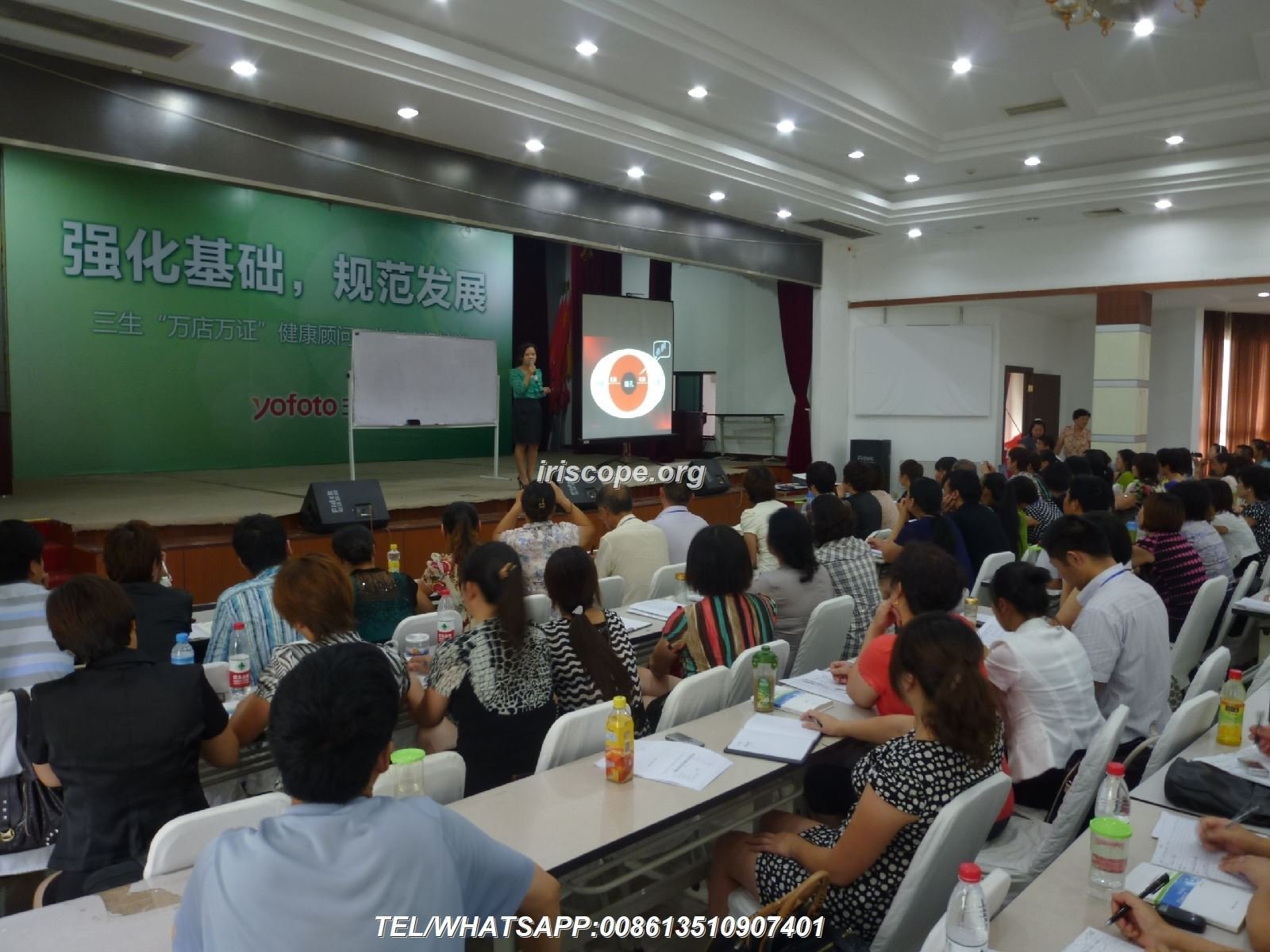
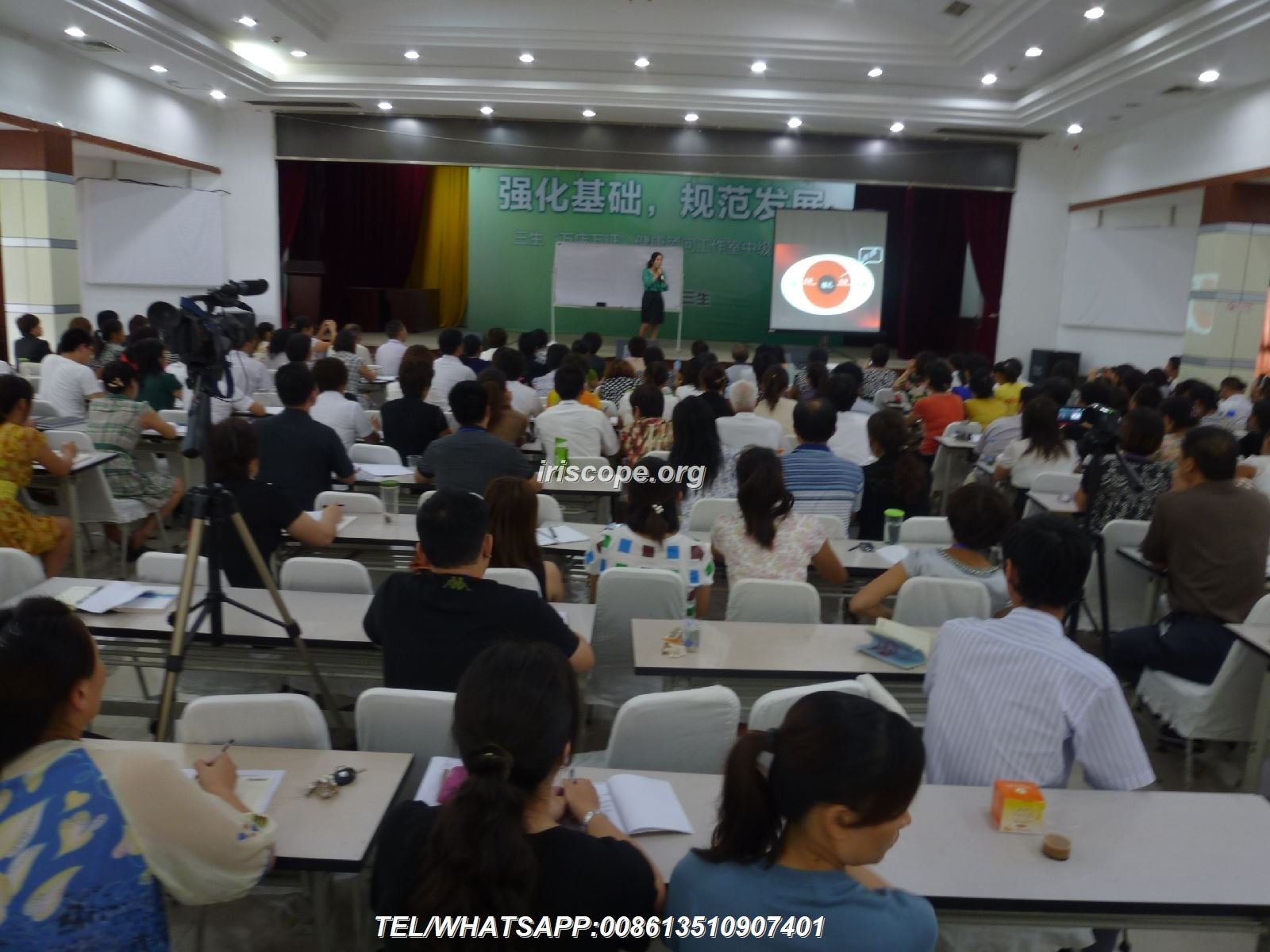
Choosing the right iridology course can feel overwhelming when you’re facing dozens of programs with different credentials, time commitments, and price points. I’ve spent the past twenty years working with iridology training institutions across the United States. Through that time, I’ve watched countless students navigate this exact decision.
The core question most people ask is straightforward: which program will give me legitimate skills and recognized credentials? That answer depends on your goals, current experience level, and how you plan to use iridology knowledge in your practice or personal wellness journey.
This guide walks through everything you need to evaluate before enrolling. We’ll cover certification types, learning formats, equipment requirements, costs, and the compliance boundaries you must understand. By the end, you’ll have a clear framework for making this decision.
What Is an Iridology Course and Who Should Take One?
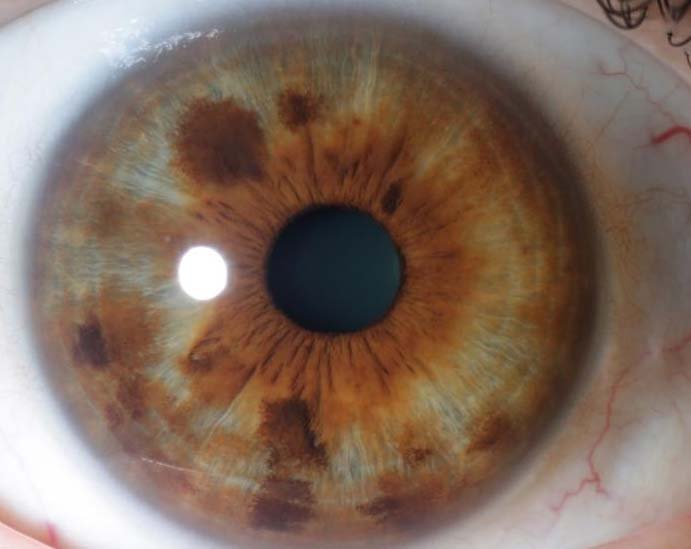
An iridology course teaches students to observe patterns, colors, and markings in the iris of the eye. Traditional practitioners use these observations as part of holistic health assessments. These programs range from introductory workshops lasting a weekend to comprehensive certification tracks spanning several months.
The content typically covers iris anatomy, zone mapping, color interpretation, tissue density evaluation, and case study analysis. Some programs include sclerology (white of the eye) and pupil evaluation techniques.
Who Benefits from Iridology Training?
- Naturopathic doctors expanding diagnostic observation skills
- Nutritionists seeking additional client assessment tools
- Chiropractors integrating holistic wellness approaches
- Massage therapists and bodyworkers adding complementary services
- Health coaches building comprehensive client profiles
- Wellness entrepreneurs starting holistic practices
- Individuals pursuing personal health education
Before enrolling in any program, understand this boundary: iridology observations are used in traditional holistic practice for educational and wellness assessment purposes. This training does not qualify you to diagnose medical conditions or replace professional medical evaluation. All reputable courses emphasize this ethical framework.
Types of Iridology Courses: From Beginner Workshops to Advanced Certification
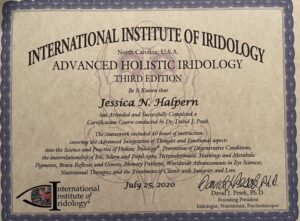
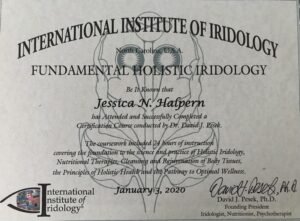

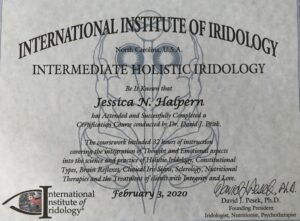
Introductory Courses and Workshops
These entry-level programs typically run 6-20 hours over one or two weekends. Students learn basic iris anatomy, major organ zones, and fundamental interpretation principles. Cost usually ranges from $200-$600.
Introductory workshops work well if you want to explore iridology before committing to longer training. Many students use these as prerequisites before enrolling in certification programs. You won’t receive credentials that allow independent practice, but you’ll gain foundational knowledge.
Professional Certification Programs
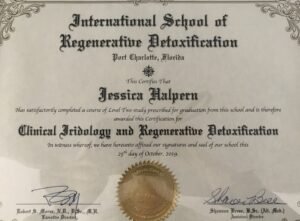
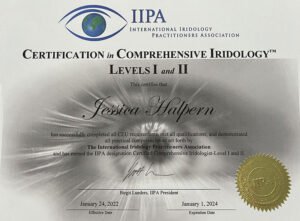
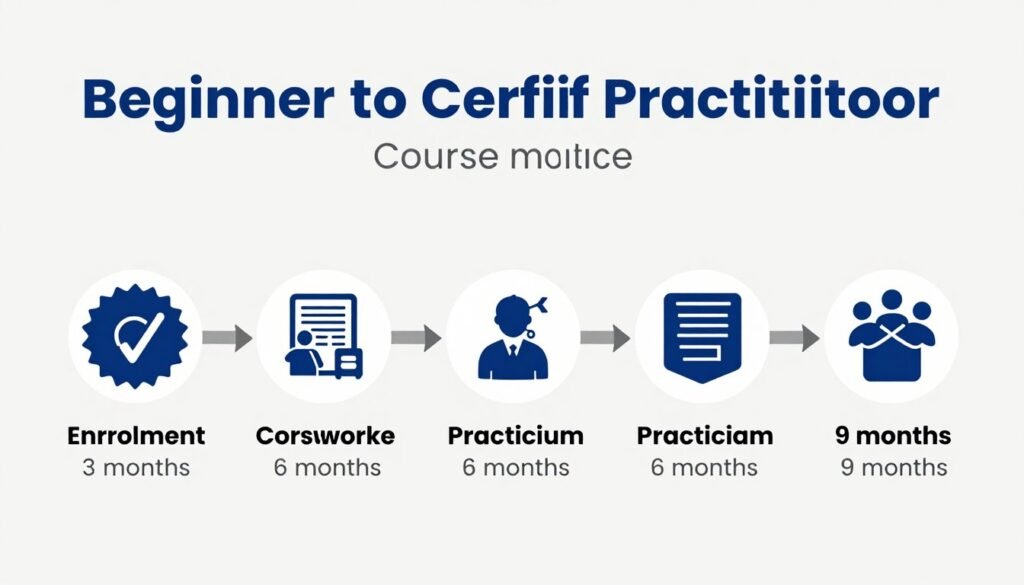
Mid-level programs range from 50-150 hours of instruction spread across 3-9 months. These iridology training tracks include detailed iris mapping, constitutional types, case studies, and practice assessments. Upon completion, you receive a certificate or diploma.
Professional programs attract practitioners already working in wellness fields. The curriculum goes deeper into iris tissue evaluation, signs of nutritional deficiency, toxic accumulation patterns, and structural weaknesses. Many programs require students to complete supervised case studies demonstrating competency.
Advanced Practitioner and Bachelor-Level Training
Comprehensive programs exceeding 200 hours may qualify as a bachelor of iridology or advanced practitioner certification. These courses cover constitutional iris types, advanced sclerology, comparative analysis, integration with other modalities, and professional practice development.
Advanced training often includes business mentorship, client communication skills, record-keeping systems, and ethical practice boundaries. Some programs offer certification recognized by holistic health associations, which can support professional credibility.
Important Note: The term “accredited iridology courses” requires clarification. In the United States, iridology is not regulated by federal medical boards. Accreditation typically refers to recognition by private holistic health organizations, not state medical licensing bodies. Always verify what type of recognition any program offers before enrolling.
Online Iridology Training vs In-Person Classes: Which Format Works Best?
Online Iridology Course Benefits
Digital programs offer flexibility for working professionals. You can learn iridology at your own pace, review recorded lectures multiple times, and access course materials from anywhere.
- Learn on your schedule around work commitments
- Review complex material repeatedly at no extra cost
- Access international instructors regardless of location
- Often 20-40% less expensive than in-person programs
- Digital resources and software training included
Many distance programs now incorporate virtual practicum sessions where students analyze iris images submitted by classmates. Video conferencing tools allow real-time interaction with instructors for questions.
In-Person Training Advantages
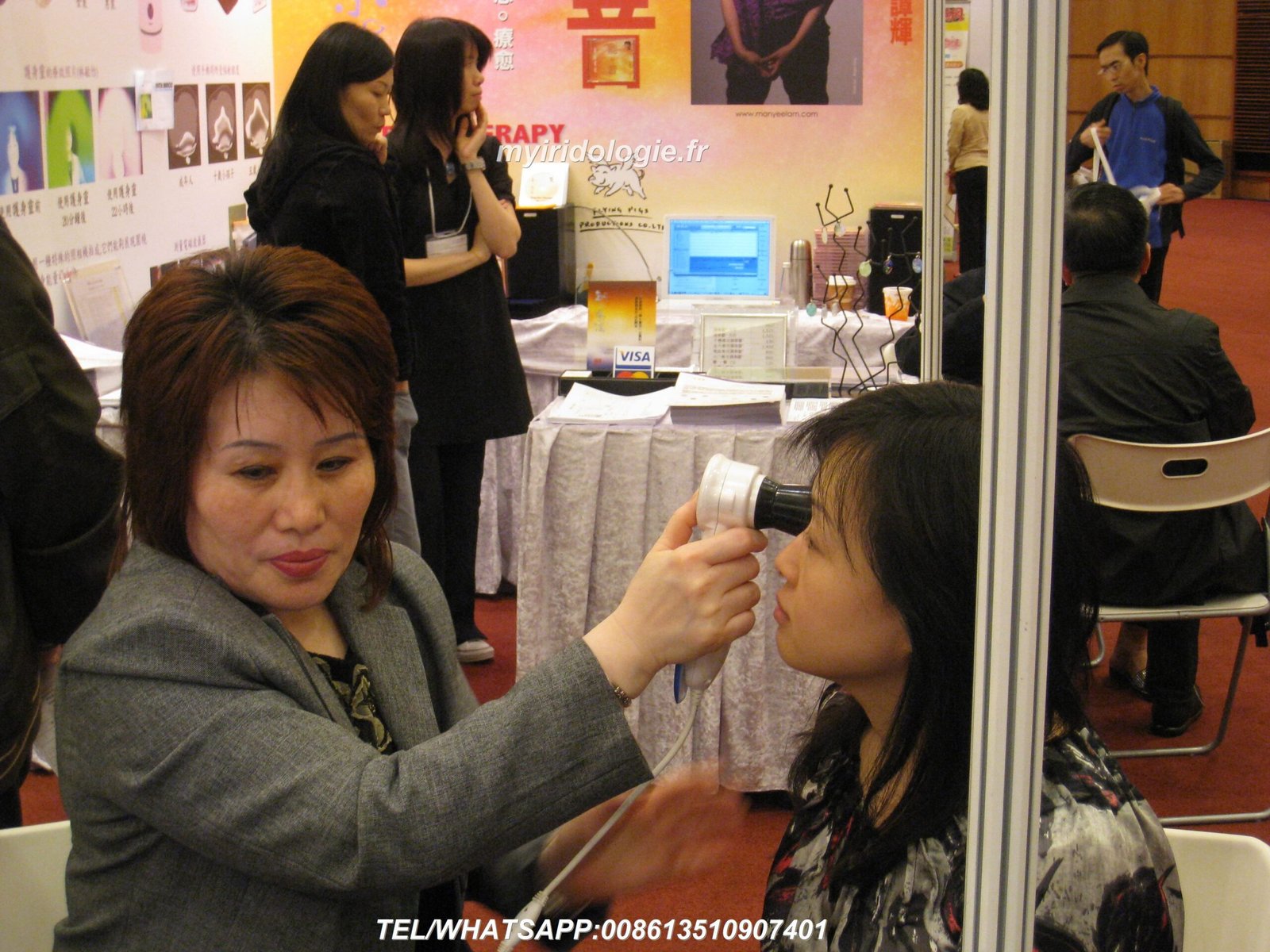
Face-to-face iridology classes provide hands-on experience that some students find irreplaceable. Direct feedback during live observations builds confidence faster.
- Immediate correction of observation techniques
- Hands-on experience with professional equipment
- Networking with fellow students and established practitioners
- Structured learning environment reduces procrastination
- Direct access to instructors during breaks and after class
In-person training works well for students who struggle with self-directed learning or who value the community aspect of education. Some programs combine both formats with online theory and weekend intensive practicums.
Hybrid Learning Models
Several institutions now offer blended programs combining online theory with in-person weekend intensives. This format reduces overall cost and time commitment while preserving hands-on practice opportunities.
Students complete lectures, readings, and quizzes remotely, then attend 2-4 weekend sessions for equipment training, live observation practice, and competency evaluations. This model appeals to busy professionals who need flexibility but value direct instruction for technical skills.
Equipment and Software Requirements for Iridology Students
Most introductory courses don’t require students to own equipment. However, professional certification programs often expect you to have access to observation tools for practice case studies.
Basic Tools for Course Participation
- Magnifying loupe or penlight: Entry-level observation tool ($30-$100)
- Printed iris charts: Reference guides showing zone mappings (often included with course materials)
- Digital camera with macro capability: For documenting practice observations
- Computer or tablet: For online courses and digital chart access
Professional Equipment for Serious Practitioners
If you plan to offer iridology assessments professionally after certification, you’ll eventually need specialized equipment. Many training institutions partner with manufacturers to offer student discounts or equipment packages.
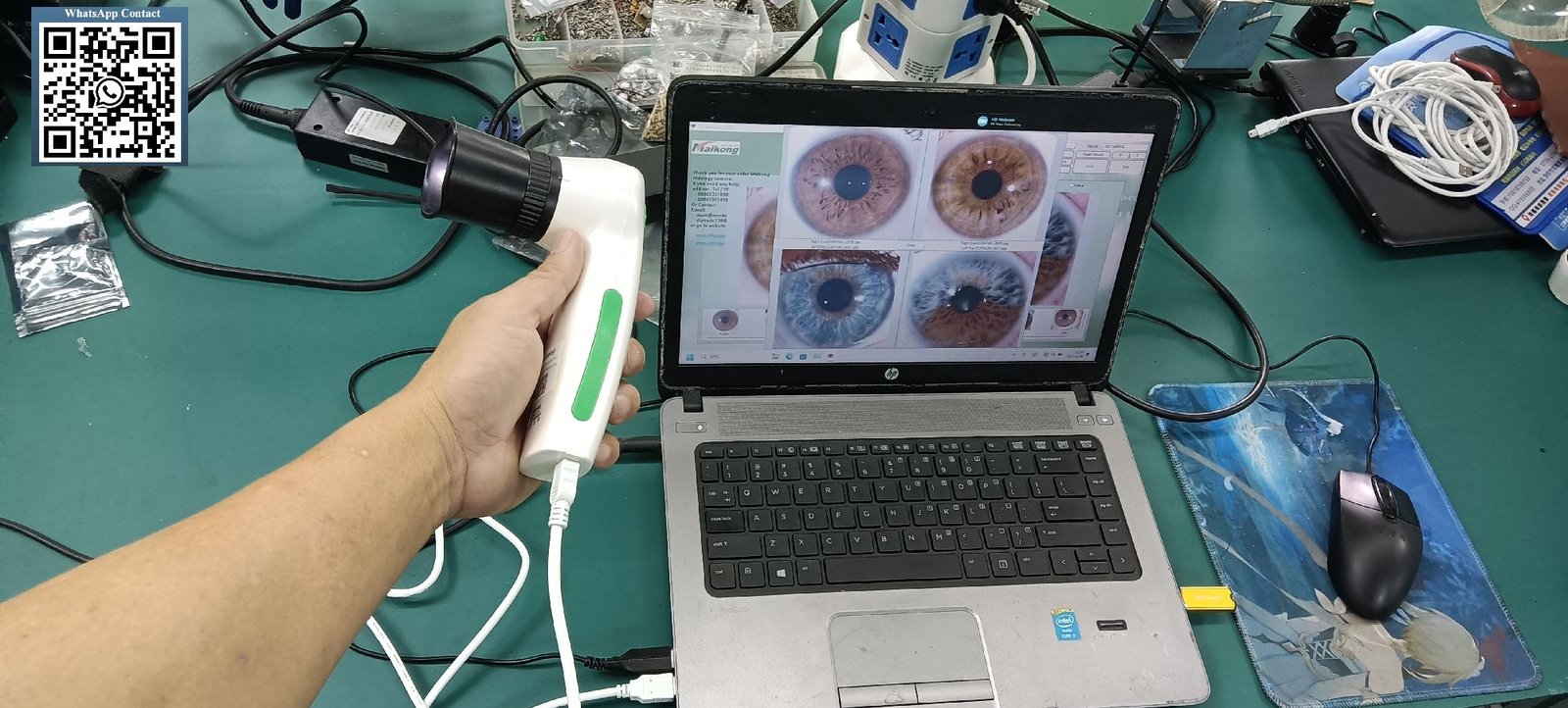
Professional tools include dedicated iridology camera systems with high-resolution imaging capabilities. These devices capture detailed iris photographs for documentation and analysis. Quality systems range from $800 to $3,500 depending on features.
Modern practice also incorporates iridology software for client record management, comparative analysis, and report generation. Software packages typically cost $300-$1,200 for lifetime licenses, though some programs offer monthly subscriptions.
When evaluating equipment needs, ask your prospective training program these questions:
- Is equipment required during the course or only after certification?
- Does the program offer equipment rental or lab access?
- Are there student discounts through manufacturer partnerships?
- What specifications meet minimum professional standards?
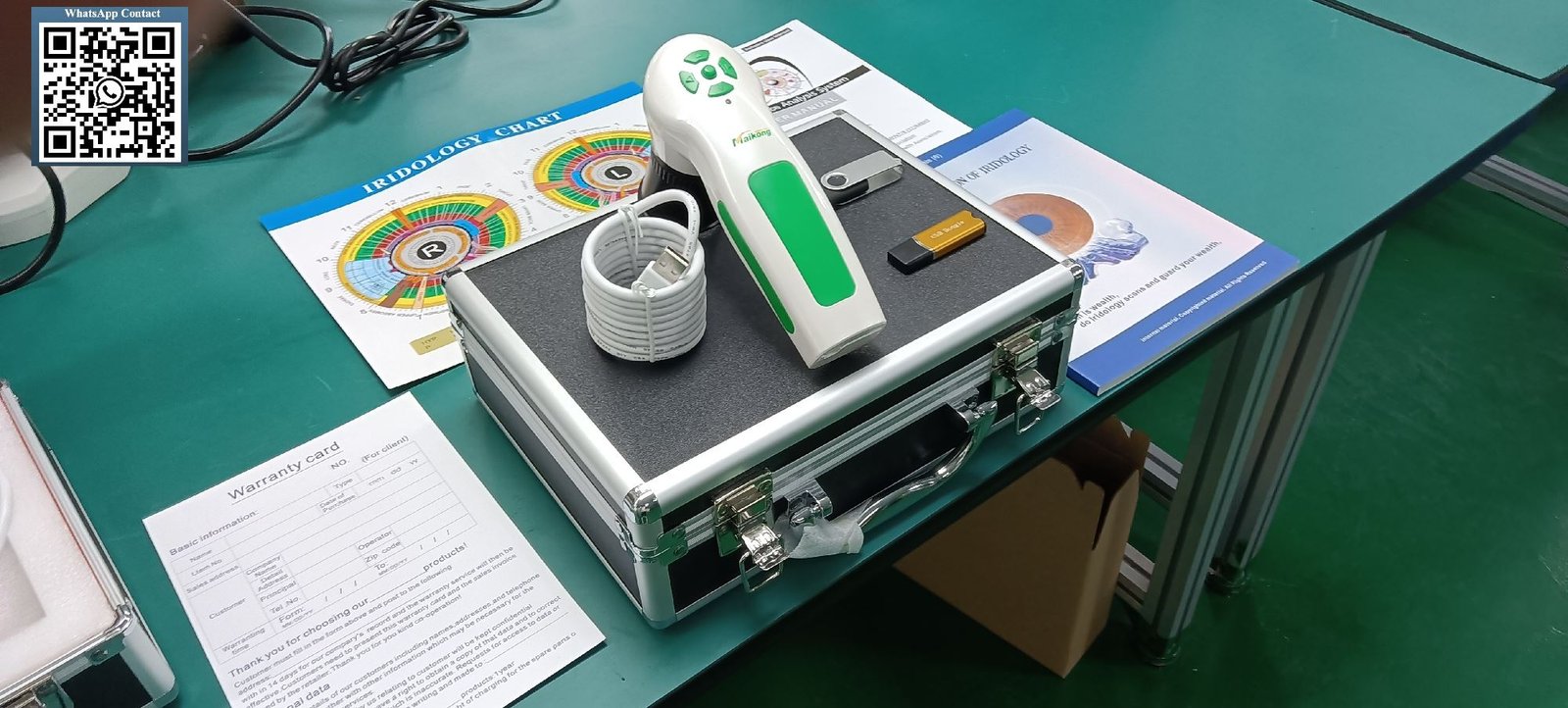
Some students find it helpful to start with basic tools during training, then invest in professional equipment after completing certification and determining their practice direction. This approach reduces upfront costs while you’re still building skills.
How Much Does Iridology Training Cost and How Long Does It Take?
Course Investment Ranges
Tuition varies significantly based on program length, instructor credentials, and whether training is online or in-person. Here’s what you can expect across different program types:
| Program Type | Duration | Typical Cost Range | Format Options |
| Introductory Workshop | 1-2 weekends (6-20 hours) | $200 – $600 | In-person, Online |
| Professional Certificate | 3-6 months (50-100 hours) | $1,200 – $3,500 | Hybrid, Online, In-person |
| Advanced Certification | 6-12 months (100-200 hours) | $3,000 – $7,000 | Hybrid, In-person |
| Bachelor-Level Program | 12-24 months (200+ hours) | $6,000 – $12,000 | In-person, Hybrid |
Additional Expenses to Consider
Beyond tuition, budget for these common costs:
- Course materials: Textbooks, chart sets, and reference guides ($100-$400)
- Equipment: Camera systems if required for practicum ($800-$3,500 for professional gear)
- Software: Analysis programs for client documentation ($300-$1,200)
- Travel and lodging: For in-person weekend intensives if applicable ($500-$2,000 total)
- Membership fees: Professional association dues after certification ($150-$400 annually)
- Continuing education: Annual updates and advanced training ($200-$800 per year)
Time Commitment Beyond Class Hours
Plan for 2-3 hours of homework and study time for every hour of instruction. Professional programs requiring 100 contact hours typically demand 200-300 total hours including assignments, case studies, and exam preparation.
Part-time students working full-time jobs should expect a 6-9 month timeline for mid-level certification. Full-time students can accelerate through the same material in 3-4 months if the program structure allows.
How to Evaluate Iridology Course Legitimacy and Instructor Credentials
The lack of federal regulation in holistic health fields means students must carefully vet training programs. Not all certification holds equal value or recognition within the wellness community.
Key Credibility Indicators
Instructor Qualifications
Research the lead instructor’s background thoroughly. Look for:
- Years in practice (minimum 10+ years preferred)
- Published work or contributions to field literature
- Teaching experience and student outcomes
- Additional credentials in related health fields
Curriculum Depth
Request detailed course outlines before enrolling. Quality programs should cover:
- Iris anatomy and physiology fundamentals
- Multiple chart system comparisons
- Supervised case study requirements
- Ethics and scope of practice boundaries
Association Recognition
While not government-regulated, some private organizations offer program recognition:
- International Iridology Practitioners Association
- National Association of Holistic Practitioners
- American Naturopathic Medical Association (for naturopaths)
- State-specific holistic health boards
Alumni Success Tracking
Established programs should provide evidence of graduate outcomes:
- Alumni testimonials with verifiable contact information
- Graduate practice success stories
- Ongoing mentorship or support networks
- Job placement assistance or business development resources

Red Flags to Watch For
Warning Signs of Low-Quality Programs:
- Promises of diagnosing or treating specific diseases
- Claims of government licensing or medical board approval
- Extremely short duration for comprehensive certification (under 40 hours)
- Instructors with limited verifiable practice experience
- No clear scope of practice guidelines or ethics training
- Pressure to purchase expensive proprietary products
- Lack of transparent curriculum details before payment
Questions to Ask Before Enrolling
- What are the instructor’s credentials and how many years have they practiced professionally?
- Is the certification recognized by any holistic health associations?
- What percentage of students successfully complete the program?
- Are there opportunities to speak with recent graduates?
- What ongoing support is provided after certification completion?
- Does the program clearly explain legal and ethical practice boundaries?
- What equipment or software is required and are student discounts available?
- Is there a refund policy if I need to withdraw?
What Can You Do After Completing an Iridology Course?
Understanding the scope of practice after certification is critical before investing in training. Legal boundaries vary by state and depend heavily on your other professional credentials.
Practice Boundaries and Compliance
In the United States, iridology is not a licensed medical profession. Your activities after certification must stay within these ethical and legal boundaries:
Permitted Activities: You may observe iris patterns and share information about traditional iridology interpretations for educational purposes. You can discuss lifestyle factors, nutritional considerations, and wellness observations as part of holistic health coaching or consultation.
Prohibited Activities: You cannot diagnose medical conditions, prescribe treatments, claim to cure diseases, or position iridology as a replacement for medical care. You cannot use terms like “patient,” “diagnosis,” or “treatment” unless you hold appropriate medical licenses.
Career Integration Paths
Most certified iridologists integrate their training into existing wellness careers rather than offering standalone services. Common integration models include:
For Licensed Health Professionals
- Naturopathic doctors: Add iris observation to comprehensive patient assessments
- Chiropractors: Include as part of whole-person wellness evaluations
- Licensed nutritionists: Use observations to guide dietary recommendations
- Nurse practitioners: Incorporate in integrative medicine settings (where facility policy allows)
For Wellness Practitioners
- Health coaches: Enhance client intake and goal-setting sessions
- Herbalists: Inform constitutional remedy selection
- Massage therapists: Add wellness consultation services
- Yoga instructors: Provide personalized wellness insight for clients

Building a Practice After Certification
Starting or expanding services requires more than technical skills. Consider these practical steps:
- Verify local regulations: Check city and state requirements for operating a wellness consultation business
- Obtain appropriate insurance: Professional liability coverage protecting holistic health consultations
- Invest in quality equipment: Professional iridology camera systems and documentation software
- Develop clear client agreements: Written forms explaining the educational nature of observations
- Create referral relationships: Build networks with licensed medical professionals for appropriate referrals
- Continue education: Stay current with evolving research and practice standards
Income Potential and Business Models
Standalone iridology consultations typically range from $75-$200 per session depending on geographic location and practitioner experience. Most practitioners offer iris observation as one component of broader wellness packages rather than isolated services.
Successful business models often include:
- Initial wellness assessments including iris observation, health history, and goal setting
- Follow-up sessions comparing current observations to baseline documentation
- Package deals combining consultations with nutritional planning or lifestyle coaching
- Group education workshops teaching basic iris observation to wellness enthusiasts
Supporting Iridology Training Programs with Quality Equipment
Training institutions and established practitioners often face challenges sourcing reliable equipment for student training and professional practice. Having worked with wellness education programs across North America for two decades, I’ve seen how equipment quality directly impacts student learning outcomes.
Equipping Your Iridology Course Program
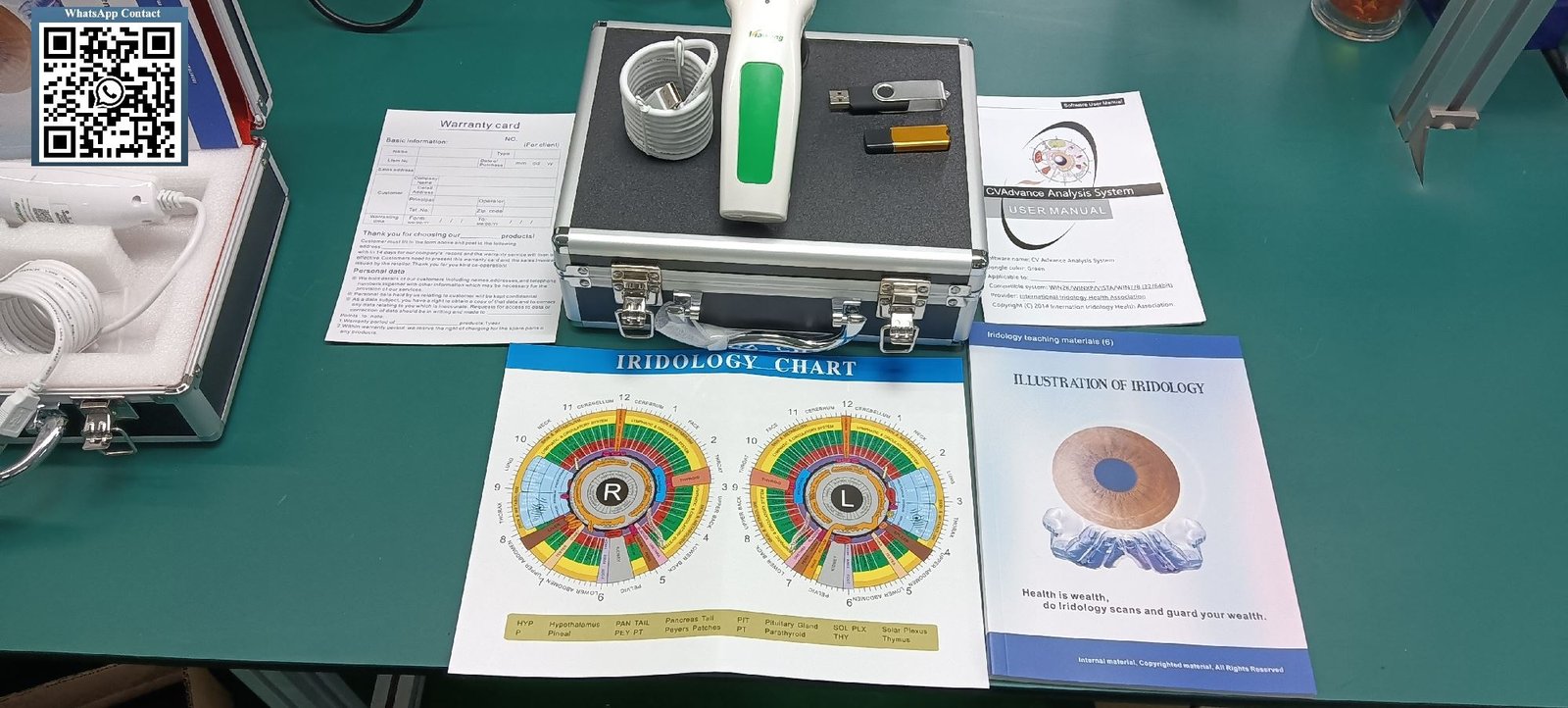
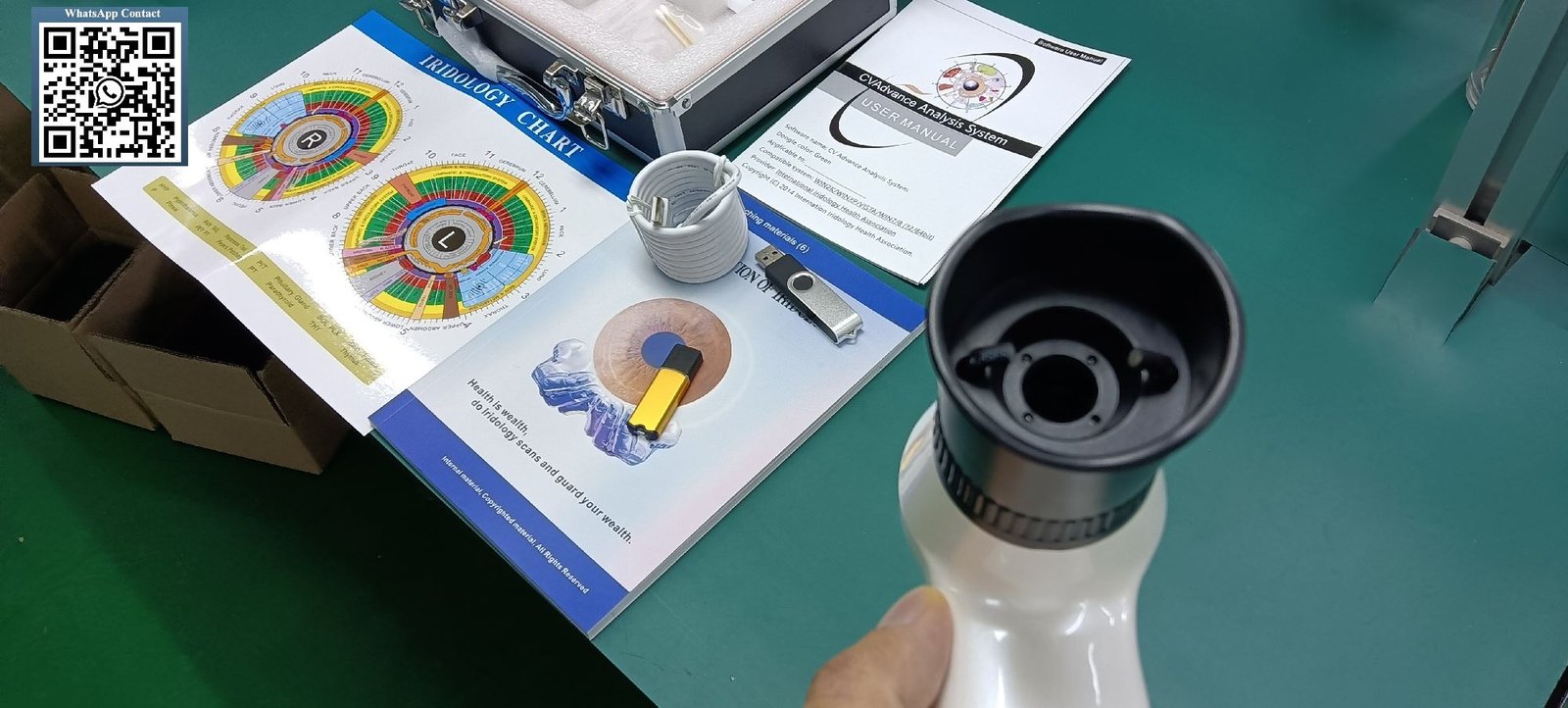
MAIKONG has supplied iridology training institutions, wellness centers, and holistic health practitioners with professional-grade equipment since 2004. We manufacture iriscope systems, high-resolution cameras, and multilingual software supporting 17 languages including English and Spanish.
Our OEM and wholesale programs serve training schools needing multiple student units, distributors expanding into holistic health equipment, and practitioners requiring customized solutions. With manufacturing facilities in Guangdong and warehouse inventory in the United States, we support quick delivery timelines for course program launches.
Frequently Asked Questions About Iridology Courses
How long does it take to study iridology and become certified?
Professional iridology course programs typically require 3-9 months of part–time study for mid-level certification. Introductory workshops can be completed in 1-2 weekends, while comprehensive programs may extend to 12-24 months. The total time investment includes 50-200 contact hours plus homework and case study requirements. Full-time students can accelerate through programs faster than working professionals studying part–time.
Do I need special equipment during an iridology course?
Requirements vary by program level. Introductory courses typically don’t require equipment ownership. Professional certification programs may expect students to have access to a professional iridology camera for completing practice case studies. Some schools provide equipment during in-person sessions or offer rental options. Before enrolling, ask whether equipment is required, available for rent, or if student discounts are offered through manufacturer partnerships.
Are online iridology courses as effective as in-person training?
Online programs can deliver excellent theoretical education when designed with interactive components like video case studies, virtual practicum sessions, and instructor feedback on submitted observations. However, hands-on practice with equipment and direct instructor correction during live observations provides value that’s harder to replicate remotely. Many students find hybrid models combining online theory with weekend intensive practicums offer the best balance of flexibility and hands-on skills development.
What’s the difference between certified and accredited iridology courses?
“Certified” means you receive a certificate of completion from the training program. “Accredited” would mean the program itself has been evaluated and approved by an external organization. In the U.S., iridology training isn’t regulated by government medical boards, so “accreditation” typically refers to recognition by private holistic health associations. Always verify what type of recognition a program offers and whether that recognition holds value in your intended practice setting.
Can I legally practice iridology after certification?
Legal practice boundaries depend on your location and other professional credentials. In the United States, certified iridologists can offer educational wellness observations and lifestyle consultations but cannot diagnose medical conditions, prescribe treatments, or position services as medical care. Licensed health professionals (naturopaths, chiropractors, etc.) may integrate iridology within their existing scope of practice. Always research your state’s regulations and consult with a business attorney familiar with holistic health services before opening a practice.
How much does professional iridology equipment cost?
Entry-level tools like magnifying loupes cost $30-$100. Professional-grade USB iridology cameras with high-resolution imaging range from $800-$3,500 depending on features and manufacturer. Analysis software typically costs $300-$1,200 for lifetime licenses. Some manufacturers offer package deals combining hardware and software at reduced rates. Training institutions purchasing multiple units for student labs can often negotiate wholesale pricing.
What career opportunities exist after completing iridology training?
Most certified iridologists integrate their training into existing wellness careers rather than offering standalone services. Common paths include naturopathic doctors adding iris observation to patient assessments, nutritionists using observations to guide dietary planning, health coaches enhancing client intake sessions, and chiropractors incorporating holistic wellness evaluations. Some practitioners teach introductory workshops or develop content for wellness education. Success typically comes from combining iridology with complementary skills rather than relying on it as a sole service offering.
Are there specialized iridology courses for animals?
Yes, equine iridology courses and programs covering other animal species exist for veterinarians, veterinary technicians, and animal wellness practitioners. These specialized courses adapt human iridology principles to animal eye anatomy and typically require existing animal health credentials. Animal iridology courses remain relatively rare compared to human-focused programs, and legal practice boundaries are even more restricted given veterinary licensing requirements.
Making Your Iridology Course Decision

Choosing the right iridology training program comes down to matching your goals with program structure, format, and credibility. If you’re exploring iridology for personal knowledge, a weekend introductory workshop provides solid foundational understanding. For professionals planning to integrate observations into existing practice, invest in comprehensive certification programs offering supervised case study experience.
Remember that quality training emphasizes both technical observation skills and ethical practice boundaries. The best programs clearly explain what you can and cannot do after completion, preparing you for compliant practice within holistic wellness contexts.
Before enrolling, verify instructor credentials, request curriculum details, speak with alumni, and understand all costs including equipment requirements. Take time to research whether the certification holds recognition value in your intended practice setting.
For training institutions developing iridology programs or practitioners seeking professional equipment and software solutions, we welcome inquiries about our manufacturing capabilities and partnership opportunities. Reach us at Lucy@myiridology.us or via WhatsApp at +86-135-1090-7401. Visit our website at myiridology.us for detailed product specifications and partnership information.
The journey to learn iridology offers valuable insight into traditional holistic health observation methods. With proper training, ethical practice, and quality tools, iridology becomes a meaningful addition to comprehensive wellness services.